
Gladiators Roman Empire
Unleash the legendary tales of valor and combat in ancient Rome.
How Do You Learn Best?
Learn by Reading
Immerse yourself in the 10-minute visual lesson for a comprehensive understanding of the topic.
Learn by Reviewing
Jump directly to the key facts, timeline, and vocabulary lists to build a solid foundation of details.
Learn by Doing
Challenge yourself! Jump straight into the interactive games to learn by trial, error, and discovery.
Gladiators Roman Empire in 10 Minutes
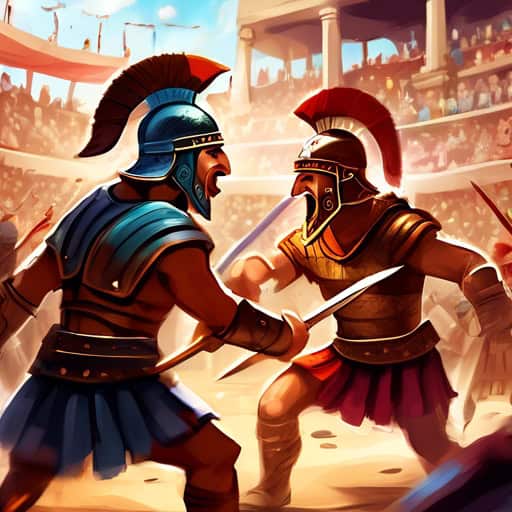
Introduction
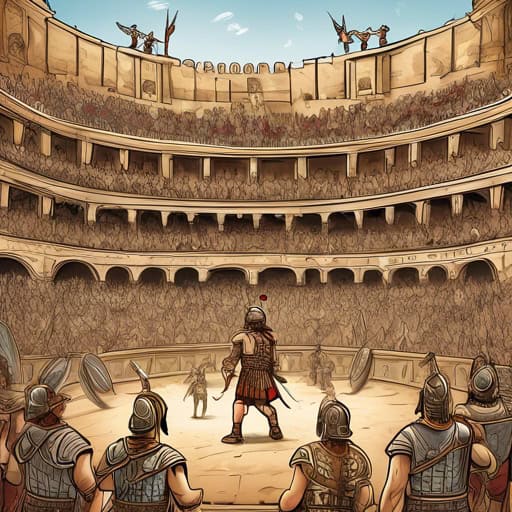
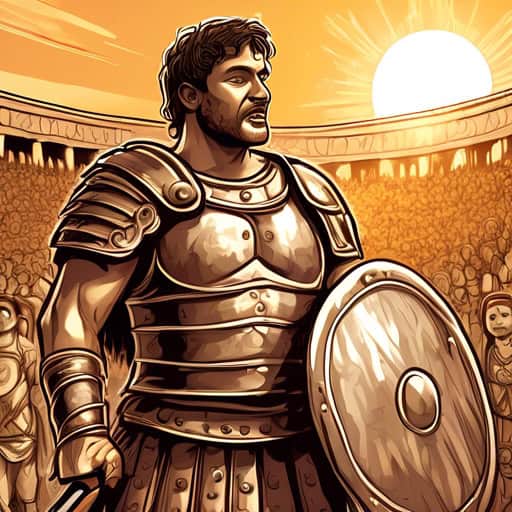
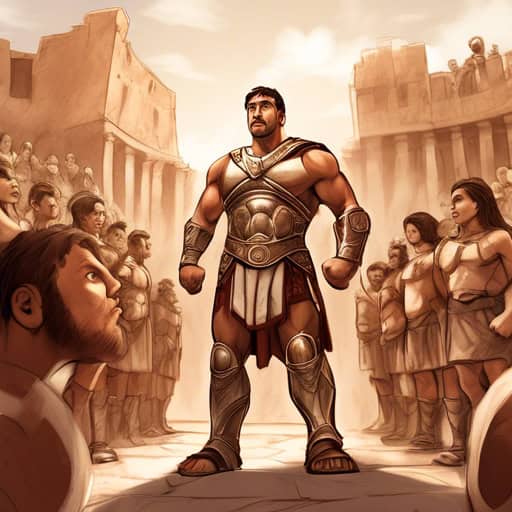
1. Spartacus
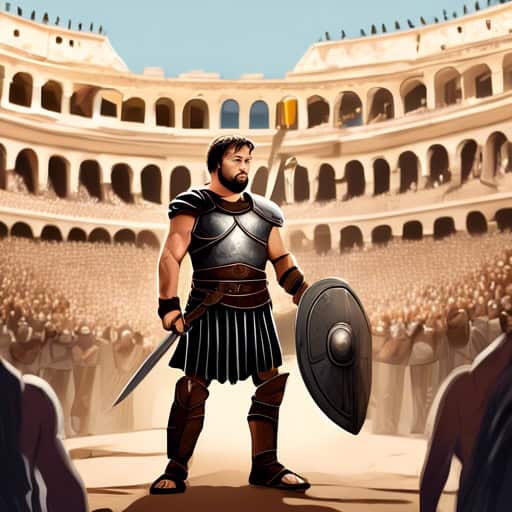
2. Maximus Decimus Meridius
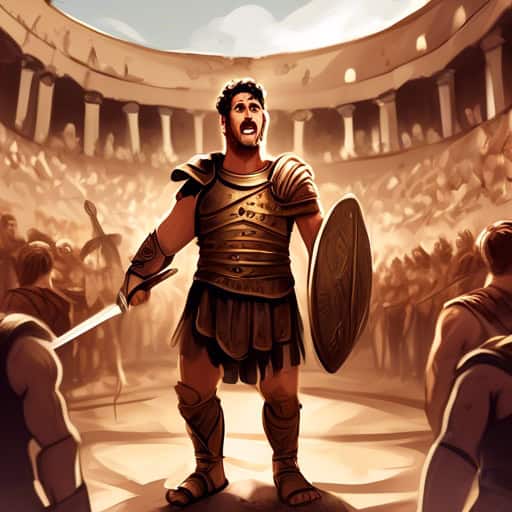
3. Commodus
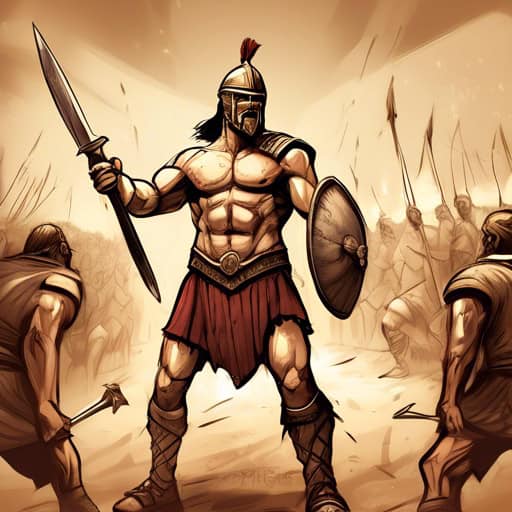
4. Crixus
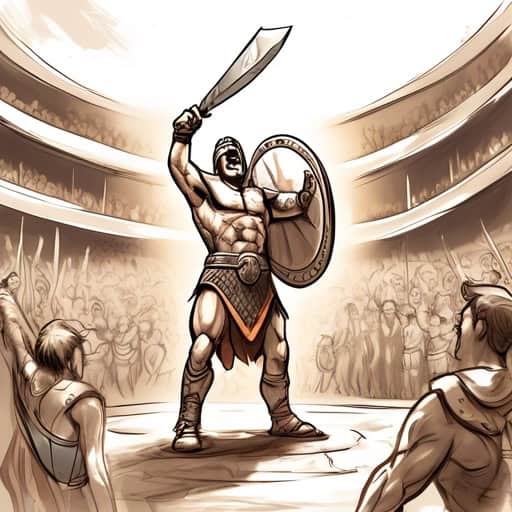
5. Marcus Attilius

The Origins of Gladiatorial Combat

The Types of Gladiators
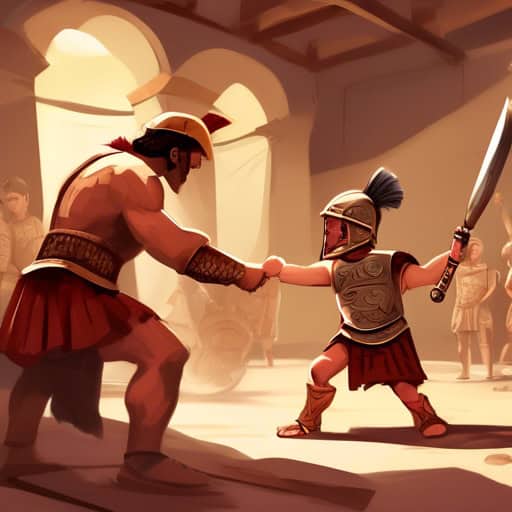
Training and Equipment

The Arena and the Crowd

The Role of Emperors and Politicians

The Life of a Gladiator

The End of Gladiatorial Combat

Legacy of Gladiators
Lesson Details & Resources
In a Nutshell
- What: Gladiators in the Roman Empire were trained fighters who entertained audiences in violent confrontations.
- When: 1st century BC to 5th century AD
- Who: Gladiators from various backgrounds, such as slaves, prisoners of war, and volunteers, fought in arenas under the supervision of lanistae (trainers/managers).
- Outcome: Gladiatorial games served as a form of entertainment, political propaganda, and social control in ancient Rome.
Famous Figures in the Gladiators Roman Empire
-
Spartacus
Spartacus was a gladiator who led a slave revolt against the Roman Republic.
-
Commodus
Commodus was a Roman emperor who famously fought in the Colosseum as a gladiator.
-
Crixus
Crixus was a Gallic gladiator who fought alongside Spartacus in the Third Servile War.
-
Maximus Decimus Meridius
Maximus Decimus Meridius was a Roman general who became a gladiator in the film Gladiator.
-
Tigranes Levantus
Tigranes Levantus was a famous Thracian gladiator known for his skill in combat.
Timeline of Gladiators Roman Empire
Gladiatorial games are introduced to Rome as part of funeral ceremonies
First recorded gladiatorial combat takes place
Gladiators become popular entertainment in Rome
Julius Caesar holds gladiatorial games in honor of his father
Emperor Augustus establishes a permanent venue for gladiatorial games
Gladiators are trained at specialized schools known as ludi
Emperor Nero participates in gladiatorial combat
Gladiators revolt against the Roman Empire in the Third Servile War
Gladiator schools are established throughout the Roman Empire
Emperor Commodus regularly participates in gladiatorial games
Gladiatorial games reach their peak popularity in Rome
Gladiator fights are used as a form of punishment for criminals
Emperor Constantine I bans gladiatorial games in the Roman Empire
The last recorded gladiatorial combat takes place in Rome
Gladiators are featured in various forms of Roman art and literature
Gladiators are often slaves or prisoners of war forced to fight for their lives
Gladiators are admired for their courage and skill in combat
Gladiatorial games influence modern sports and entertainment
Gladiators become symbols of strength and bravery in Roman culture
Gladiatorial combat eventually fades out of Roman society
Vocabulary List
- Gladiator
- A trained fighter who would battle in the arena for entertainment
- Colosseum
- The iconic amphitheater in Rome where gladiator fights took place
- Ludus
- A training school for gladiators
- Secutor
- A type of gladiator armed with a sword and shield
- Retiarius
- A type of gladiator armed with a trident and net
- Thumbs down
- A signal from the emperor to spare the defeated gladiator's life
- Thumbs up
- A signal from the emperor to end the defeated gladiator's life
- Murmillo
- A type of gladiator armed with a sword and shield, often fighting against a retiarius
Key Facts
This is the information used in the fact matching game
- Gladiators were typically slaves or prisoners of war, but some volunteers also fought in the arena.
- There were different types of gladiators, each with their own weapons and fighting styles.
- Gladiators were often trained at special schools known as ludi.
- Gladiators were seen as celebrities in Roman society, with some even becoming quite wealthy and famous.
- Gladiator fights were held in arenas such as the Colosseum in Rome, which could hold tens of thousands of spectators.
- Some gladiator fights were to the death, while others were more like sporting events with predetermined outcomes.
- Gladiators were often given stage names based on their fighting styles or characteristics.
- Gladiators would sometimes have sponsors who paid for their training and equipment in exchange for a share of their winnings.
- Gladiators sometimes had to fight wild animals in the arena, such as lions, tigers, and bears.
- Gladiator fights were often used as a form of entertainment and distraction for the Roman people.
- Some emperors, such as Nero, would even participate in gladiator fights themselves.
- Gladiators were sometimes given the opportunity to earn their freedom by winning a certain number of fights.
- Gladiators were often seen as symbols of Roman virtues such as courage, discipline, and loyalty.
- Gladiator fights could be quite brutal, with injuries and deaths not uncommon.
- Some gladiators were women, known as gladiatrices, who fought in specially designated arenas.
- Gladiators were often depicted in works of art and literature, such as the famous gladiator mosaics found in Pompeii.
- The training and equipment of gladiators were expensive, and their owners would invest a lot of money in their upkeep.
- Gladiators would salute the emperor before a fight, saying 'Ave Caesar, morituri te salutant' ('Hail, Caesar, those who are about to die salute you').
- Gladiators were well-fed and well-cared for, as their owners wanted them to be in peak physical condition for their fights.
- Gladiator fights continued in the Roman Empire until the 5th century AD, when they were finally banned by the Christian emperor Honorius.
Analysis & Significance
Immediate Consequences
The gladiatorial games in the Roman Empire provided immediate entertainment for the masses, serving as a distraction from political unrest and social issues. The popularity of these spectacles also helped to maintain the power and control of the ruling elite by keeping the population occupied and satisfied.
Long-Term Impact
The legacy of gladiators in the Roman Empire extends far beyond their time in the arena. These fighters became symbols of bravery, strength, and sacrifice, influencing the cultural imagination for centuries to come. The gladiatorial games also left a lasting impact on the development of sports and entertainment, shaping the way we view competition and performance today.
Cultural Significance Today
Today, the image of the gladiator continues to captivate and inspire people around the world. Their stories have been immortalized in literature, film, and art, reminding us of the complexities of human nature and the enduring appeal of heroism. The legacy of the gladiators serves as a reminder of the power of storytelling and the enduring impact of ancient traditions on modern society.
Gladiators Roman Empire Games


Take Your Learning Offline
Want a convenient, print-ready study guide for this lesson? Become a Memory Wizards Pro member to unlock the downloadable " Memory Scrolls" for this topic and our entire library!
- ✓ Complete Vocabulary Lists
- ✓ Key Facts & Timelines
- ✓ Beautifully Formatted for Print & Mobile