
Summary of Formation of the Principate
Unveiling the birth of an empire: Augustus and the Principate.
How Do You Learn Best?
Learn by Reading
Immerse yourself in the 10-minute visual lesson for a comprehensive understanding of the topic.
Learn by Reviewing
Jump directly to the key facts, timeline, and vocabulary lists to build a solid foundation of details.
Learn by Doing
Challenge yourself! Jump straight into the interactive games to learn by trial, error, and discovery.
Formation of the Principate in 10 Minutes
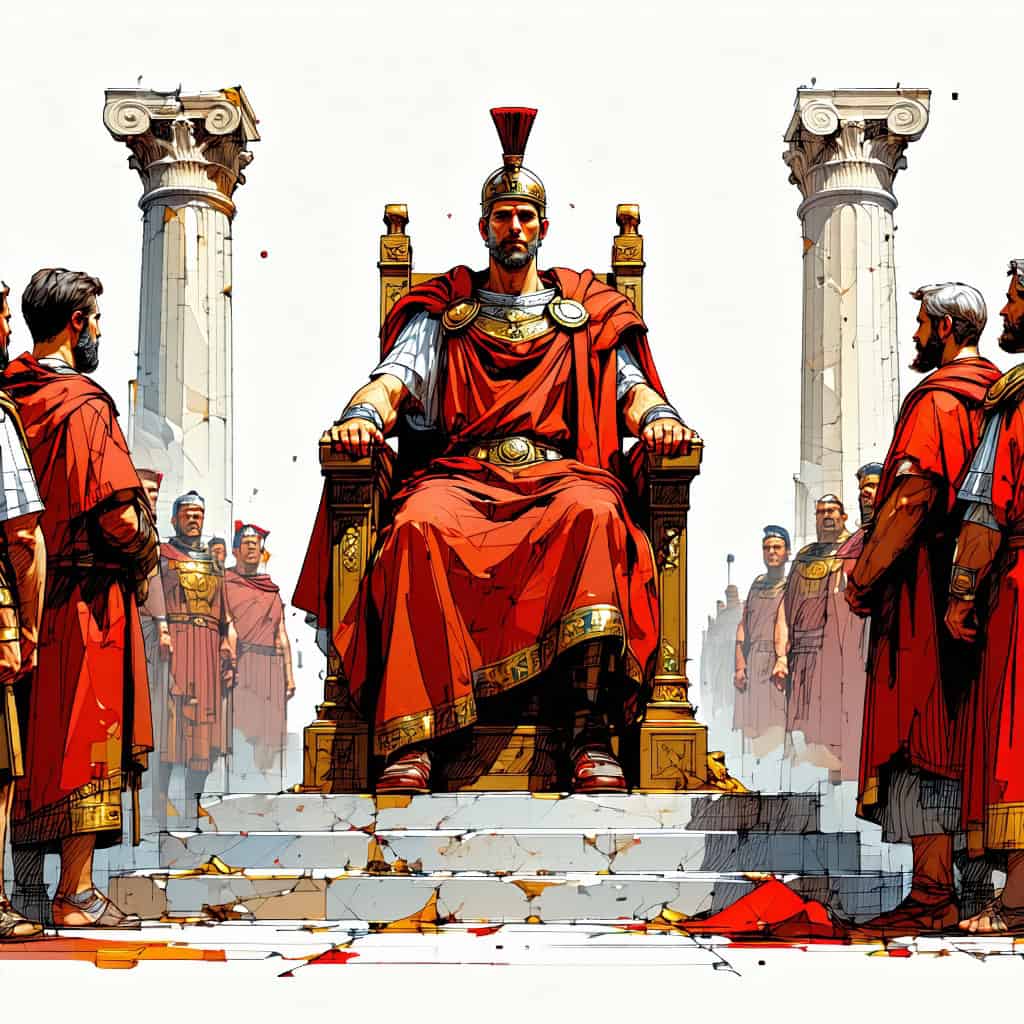
Introduction
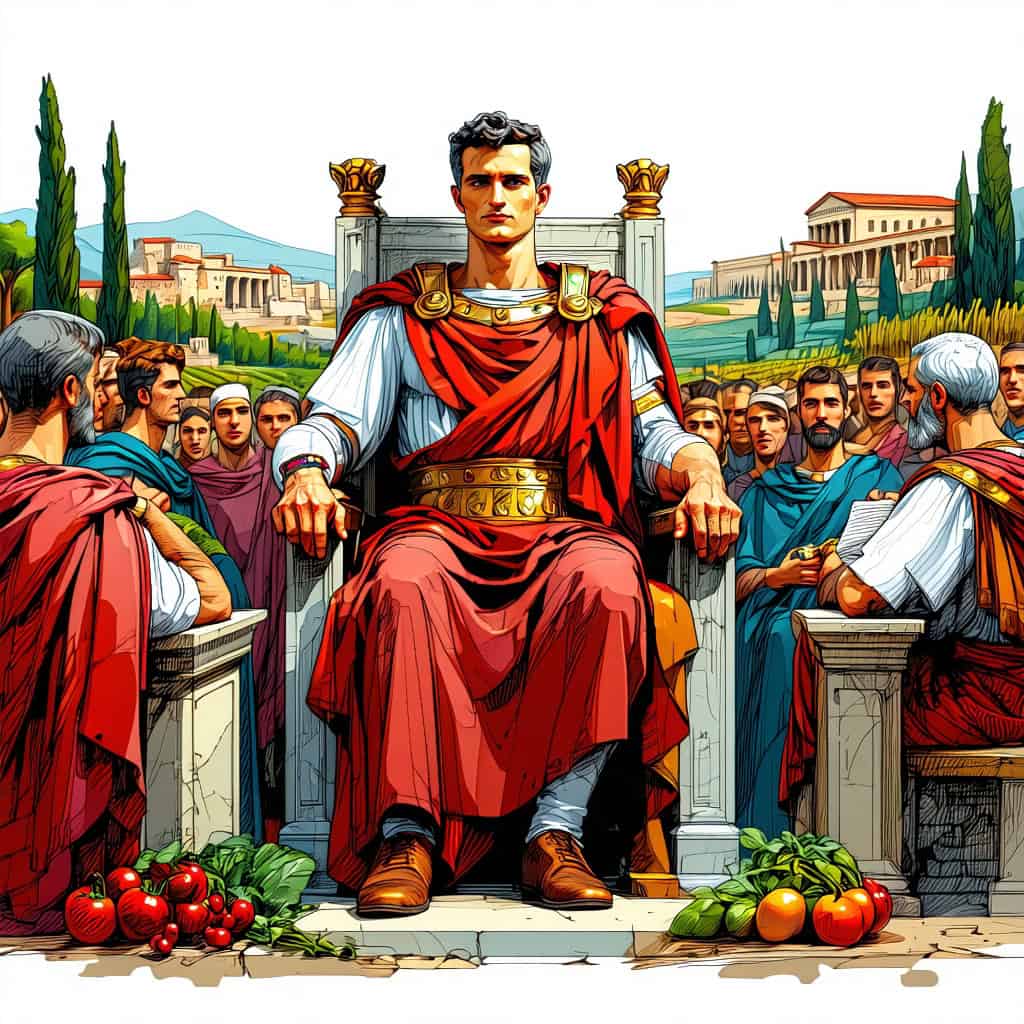
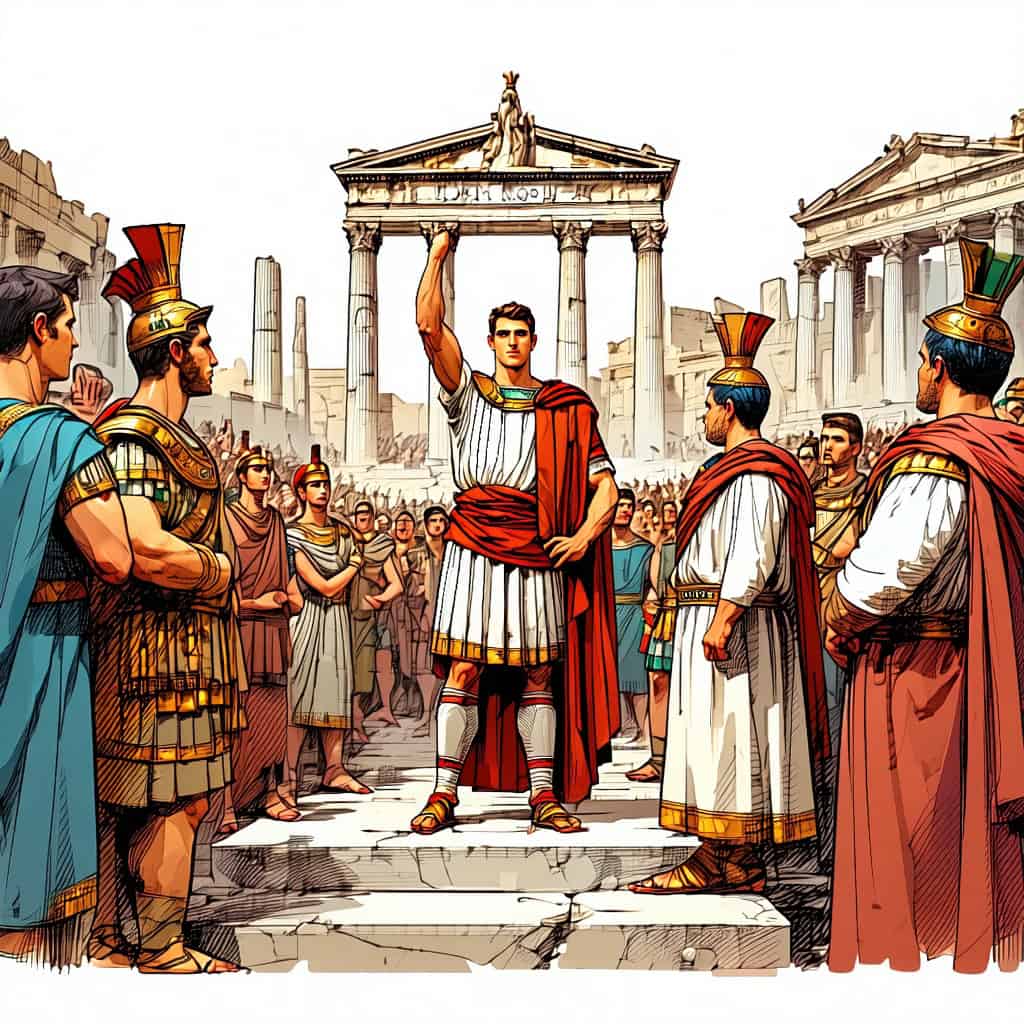
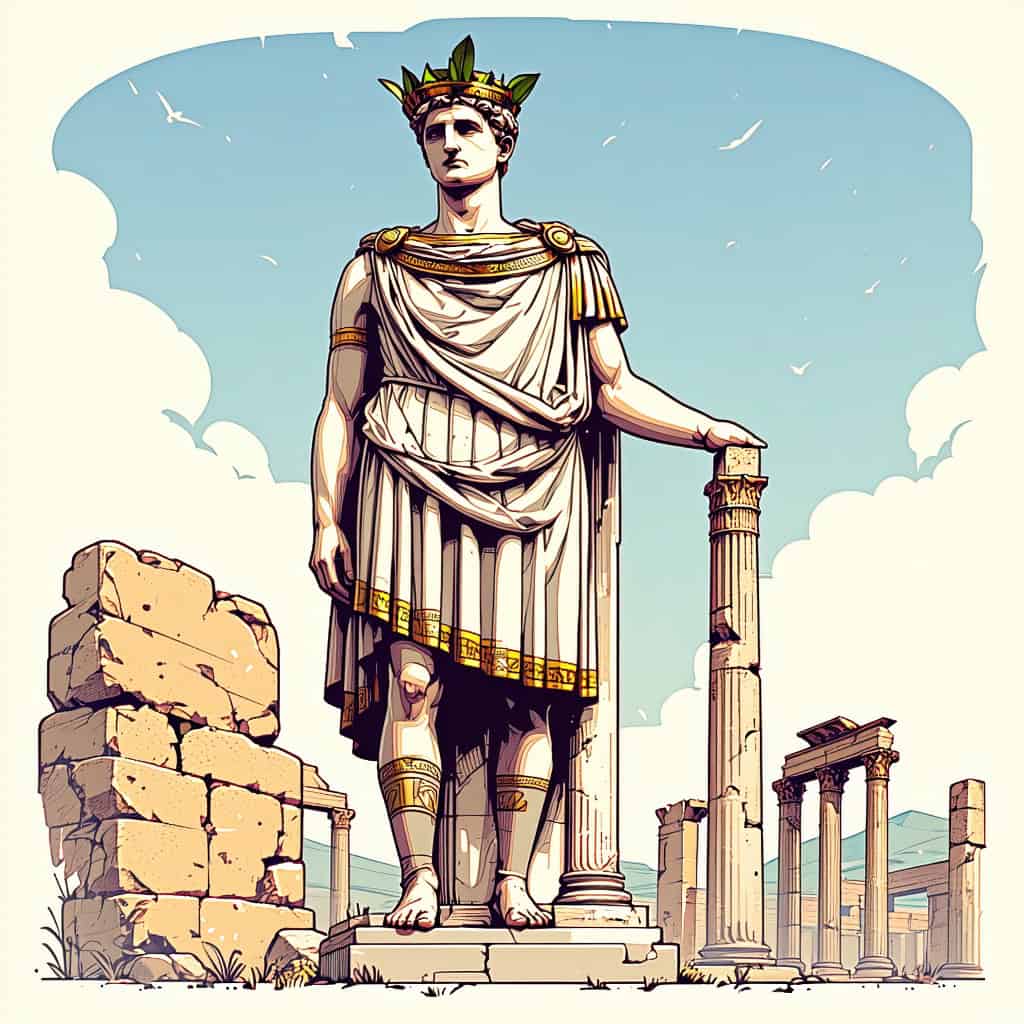
Augustus
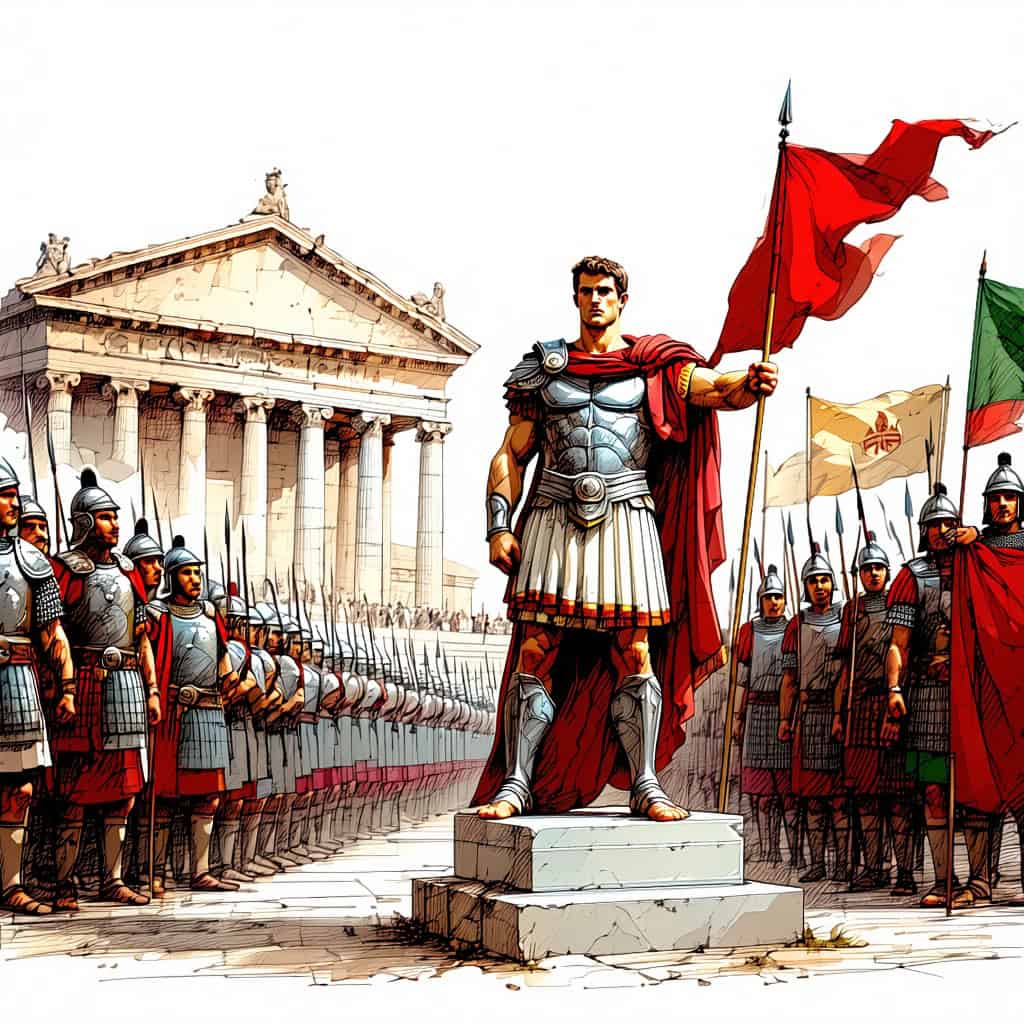
Mark Antony
Lepidus
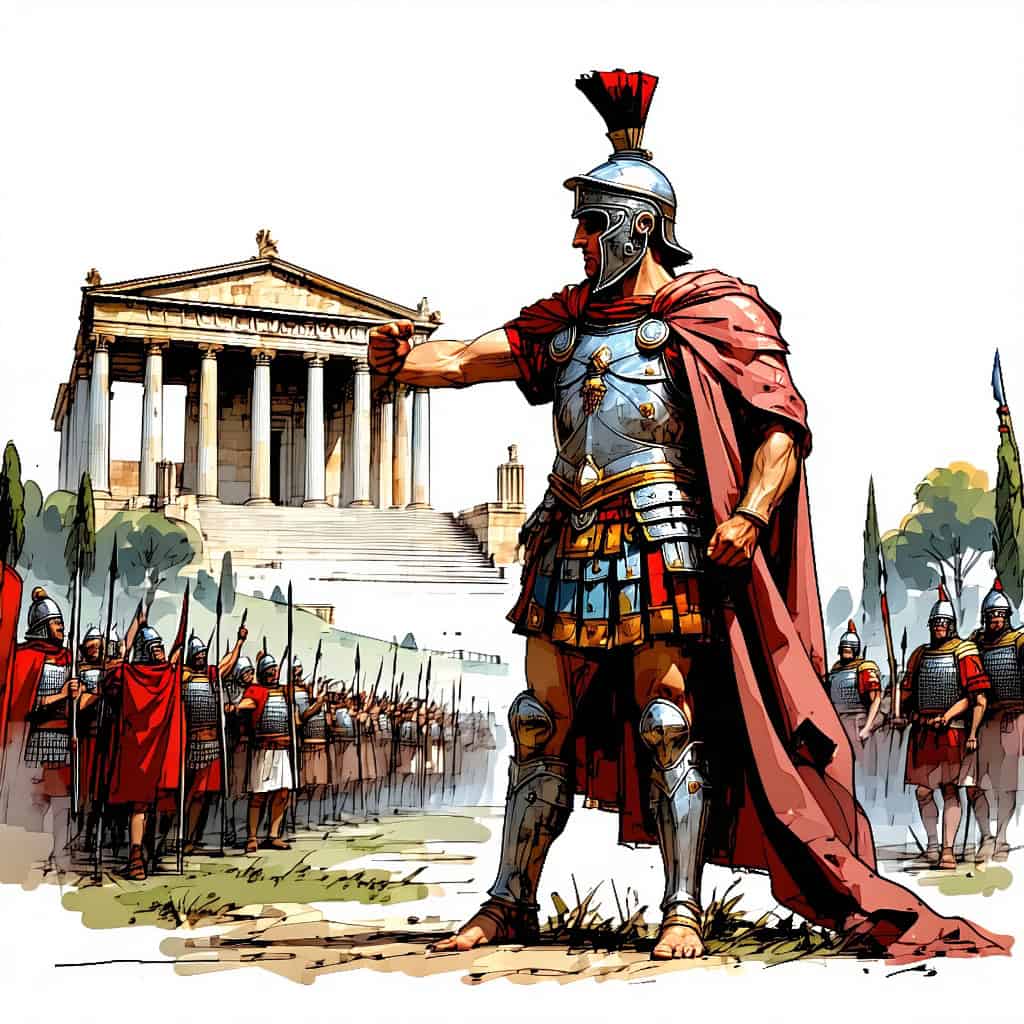
Julius Caesar

1. The End of the Roman Republic
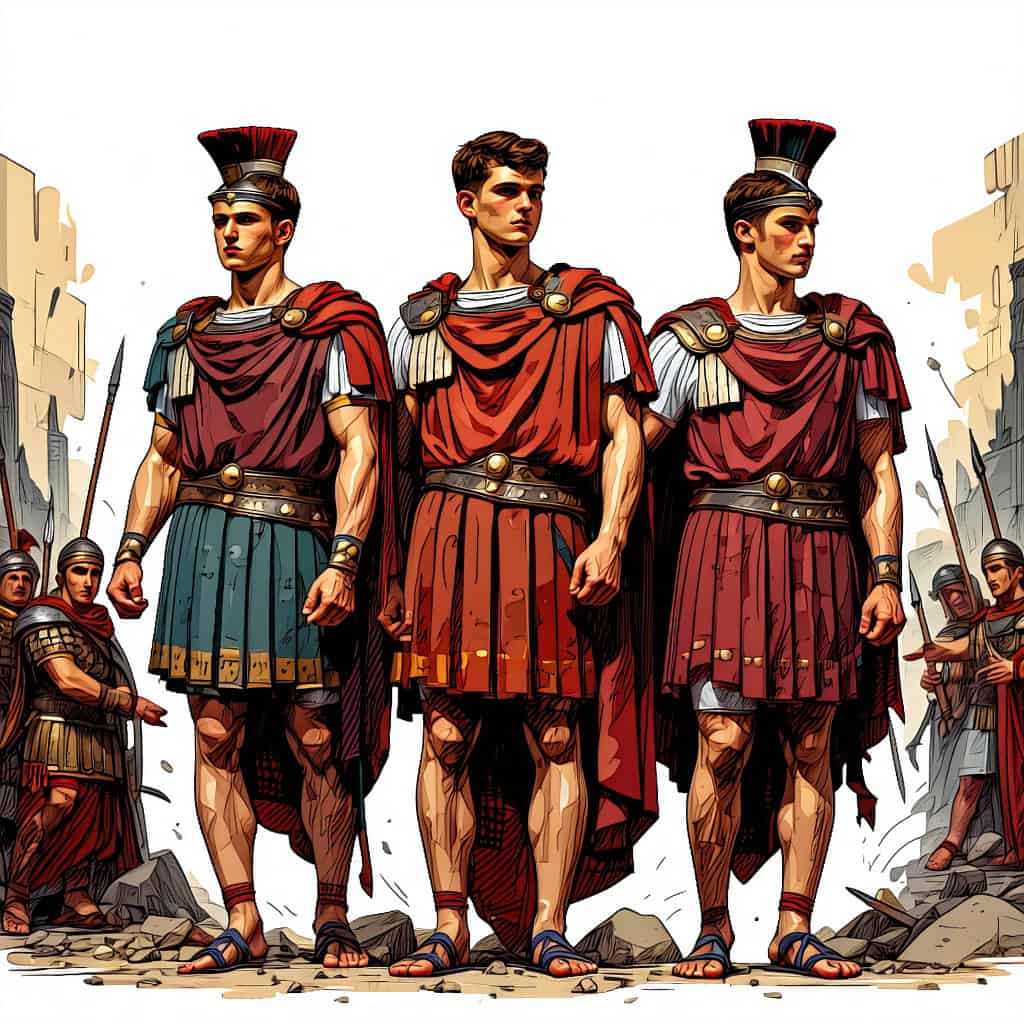
2. Octavians Rise to Power

3. The Battle of Actium

4. The Senate Grants Octavian Special Powers
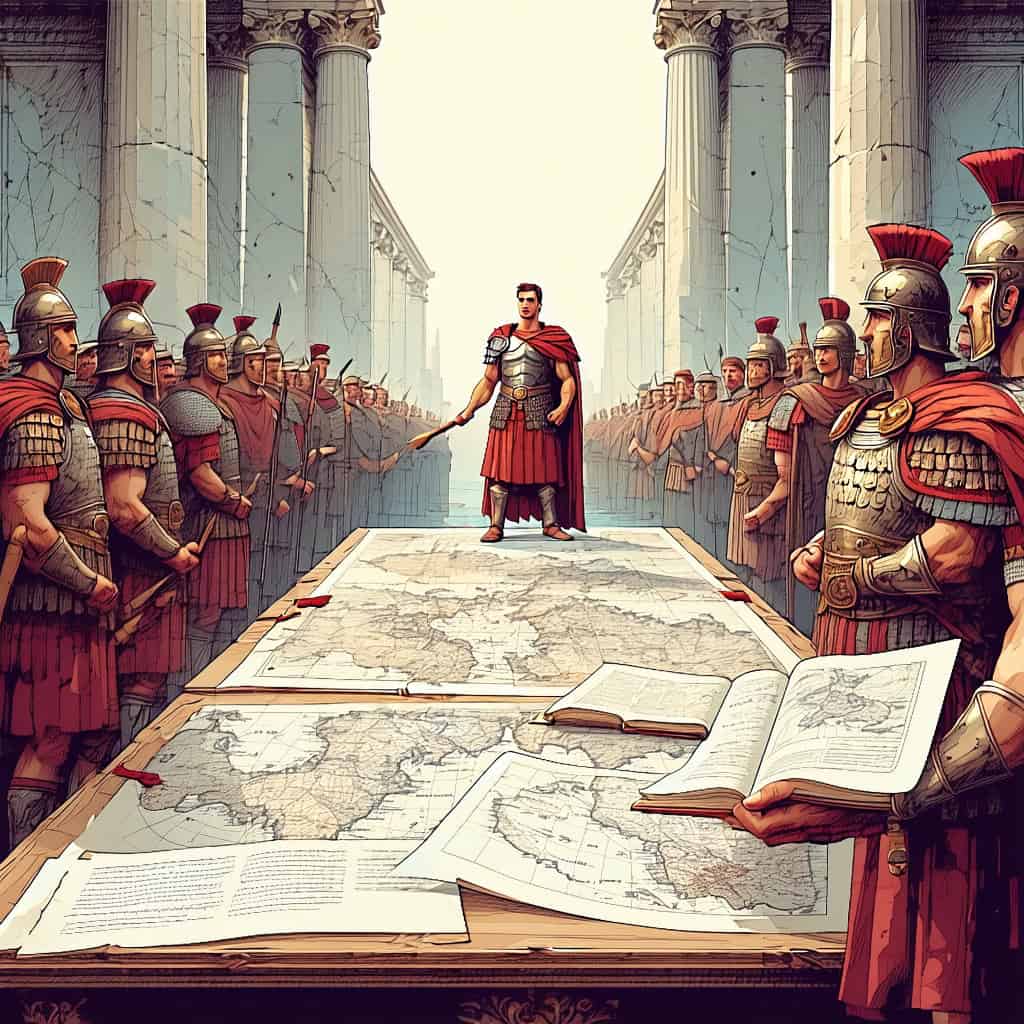
5. Reforms and Consolidation of Power

6. The Establishment of the Principate

7. Pax Romana

8. Succession Planning

9. Legacy of the Principate

10. Impact on Western Civilization
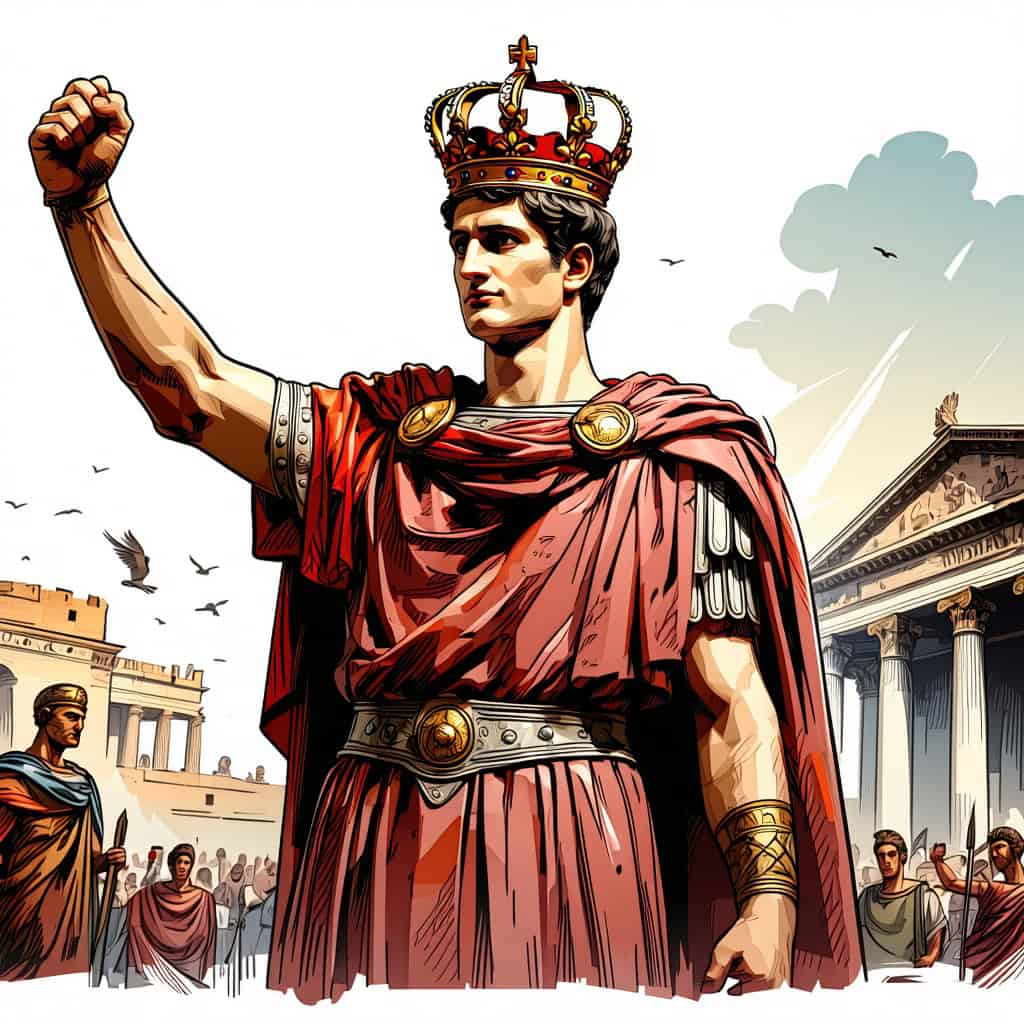
Lesson Details & Resources
In a Nutshell
- What: Establishment of the Principate in Rome
- When: 27 BC
- Who: Octavian (Augustus), Roman Senate
- Outcome: Octavian becomes the first Roman Emperor, marking the end of the Roman Republic
Famous Figures in the Formation of the Principate
-
Augustus
The first Roman Emperor who laid the foundations for the Principate, a time of relative peace and stability in the Roman Empire.
-
Mark Antony
A Roman general and politician who formed the Second Triumvirate with Octavian and Lepidus, but later clashed with Octavian for control of Rome.
-
Livia Drusilla
The third wife of Augustus and the mother of his successor, Tiberius. She played a significant role in shaping the early Principate.
-
Tiberius
The second Roman Emperor who succeeded Augustus. He was known for his military campaigns and administrative reforms.
-
Agrippa
A close friend and ally of Augustus, who played a crucial role in his rise to power and subsequent governance of the Roman Empire.
-
Cleopatra
The last active ruler of the Ptolemaic Kingdom of Egypt. She had relationships with both Julius Caesar and Mark Antony, influencing Roman politics.
-
Gaius Maecenas
A wealthy Roman patron of arts and literature, who supported many poets and writers during the formation of the Principate.
-
Marcus Vipsanius Agrippa
A Roman statesman and general, who played a key role in the rise of Augustus, serving as his close associate and commander.
-
Julia the Elder
The only biological child of Augustus and his wife, Scribonia. She was married multiple times and played a significant political role in the early Principate.
-
Octavia the Younger
The older sister of Octavian and wife of Mark Antony. She was known for her political astuteness and her role in promoting peace between Antony and Octavian.
Timeline of Formation of the Principate
Battle of Actium
Octavian becomes sole ruler
Octavian changes his name to Augustus
Augustus is granted tribunicia potestas
Augustus is granted imperium proconsulare maius
Augustus restores the Republic
Augustus is appointed Pontifex Maximus
Augustus introduces the Julian calendar
Augustus establishes the Praetorian Guard
Augustus inaugurates the Ara Pacis
Augustus becomes Pater Patriae
Augustus reforms the Roman army
Augustus establishes the Roman provinces
Augustus completes the Temple of Caesar
Augustus dies
Augustus is deified
Tiberius becomes Emperor
Tiberius expands the Roman Empire
Tiberius suppresses revolts
Tiberius dies
Vocabulary List
- Augustus
- The first Roman emperor
- Imperator
- A title given to the Roman military commanders, and later to the emperors
- Senate
- The governing body of ancient Rome composed of elected representatives
- Consuls
- The two highest elected officials in the Roman Republic, responsible for the administration and leading the army
- Triumvirate
- A political alliance of three individuals, often seen during the late Roman Republic
- Client kings
- Kings who were vassals of Rome and ruled with the support of the Roman government
- Proconsul
- A governor of a Roman province, appointed by the Senate
- Praetorian guard
- An elite unit of Roman soldiers tasked with protecting the emperor and maintaining security in Rome
- Legions
- The main military units of the Roman army, consisting of thousands of soldiers
- Praetor
- An official in ancient Rome who served as a judge and had administrative and military duties
- Census
- An official count or survey of the population, property, and resources of a country
- Imperium
- The supreme power and authority of the Roman state, held by the consuls and later the emperors
- Provinces
- Territories outside of Italy that were conquered and ruled by the Romans
- Annona
- The Roman grain supply system, which ensured the distribution of grain to the city of Rome
- Pontifex maximus
- The high priest of the Roman state religion, a position later held by the emperors
- Aediles
- Officials responsible for the maintenance of public buildings and the regulation of public festivals
- Curia
- The assembly place for the Roman Senate
- Equites
- The Roman social class below the senatorial class but above the common citizens
- Praefectus urbi
- The prefect of the city of Rome, responsible for maintaining order and security in the capital
- Fasces
- A bundle of wooden rods bound by a red ribbon, symbolizing the power of the Roman magistrates
- Lex de imperio Vespasiani
- A law passed by the Senate in 69 AD, granting Vespasian supreme power and authority
- Temple of Janus
- A temple in Rome used as an indicator of war or peace, with its doors opened during times of war
- Pomerium
- The sacred boundary of the city of Rome, within which only Roman gods could be worshipped
- Praefectus annonae
- An official responsible for managing and distributing the grain supply in Rome
- Praefectus praetorio
- The commander of the Praetorian Guard, the emperor's personal bodyguard
- Legati
- Senior officers in the Roman army who served as deputies to the generals or governors
- Senatorial class
- The highest social class in Roman society, consisting of wealthy and influential individuals.
Key Facts
This is the information used in the fact matching game
- Augustus established the Principate in 27 BC
- The Principate marked the beginning of the Roman Empire
- The formation of the Principate ended the Roman Republic
- The title "Princeps" (meaning "first citizen") was used by Augustus to describe his role
- Augustus was given the name "Augustus" by the Roman Senate
- Augustus was the first Emperor of Rome
- The formation of the Principate brought stability and order to Rome
- Augustus ruled as Emperor for over 40 years
- The formation of the Principate was a result of the power struggle following the assassination of Julius Caesar
- Augustus used propaganda and symbolism to solidify his rule
- The formation of the Principate led to the Pax Romana, a period of relative peace and prosperity in the Roman Empire
- Augustus implemented various reforms to improve the administration of the Empire
- The formation of the Principate allowed Augustus to consolidate his power and suppress opposition
- Augustus created a military dictatorship and commanded the loyalty of the Roman army
- The title "Augustus" became a permanent title for subsequent Roman emperors
- Augustus was deified after his death, becoming known as Divus Augustus
- The formation of the Principate marked a shift from a republican to an imperial form of government
- Augustus established a system of succession, ensuring a smooth transition of power after his death
- The formation of the Principate laid the foundation for the subsequent Roman emperors
- Augustus' reign as Emperor is often considered the beginning of the Roman Empire.
Analysis & Significance
Immediate Consequences
The formation of the Principate in 27 BC marked the end of the Roman Republic and the beginning of the Roman Empire under the rule of Augustus. This consolidation of power centralized authority in the hands of the emperor, bringing stability after years of civil wars and political turmoil.
Long-Term Impact
The establishment of the Principate had a lasting impact on Roman history, shaping the structure of government and setting the stage for centuries of imperial rule. Augustus’ reforms laid the foundation for the Pax Romana, a period of relative peace and prosperity that allowed for cultural achievements and economic growth.
Cultural Significance Today
The legacy of the Principate continues to influence modern concepts of leadership and governance. The transition from Republic to Empire serves as a cautionary tale about the dangers of unchecked power and the importance of maintaining democratic institutions. The enduring influence of Roman law and political structures can still be seen in many aspects of contemporary society.
Formation of the Principate Games


Take Your Learning Offline
Want a convenient, print-ready study guide for this lesson? Become a Memory Wizards Pro member to unlock the downloadable " Memory Scrolls" for this topic and our entire library!
- ✓ Complete Vocabulary Lists
- ✓ Key Facts & Timelines
- ✓ Beautifully Formatted for Print & Mobile