
Summary of the Aqua Virgo
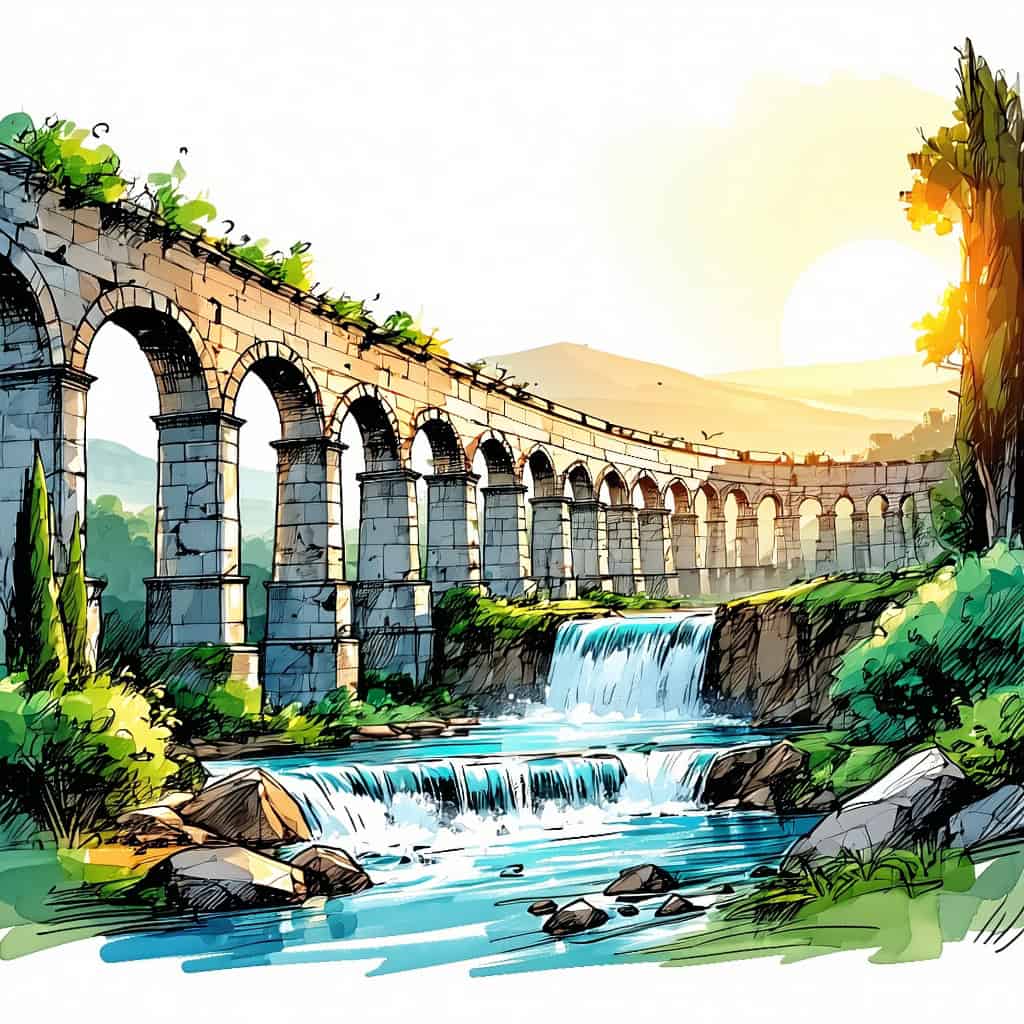
Uncover the ancient secrets of Rome's Aqua Virgo aqueduct masterpiece.
How Do You Learn Best?
Learn by Reading
Immerse yourself in the 10-minute visual lesson for a comprehensive understanding of the topic.
Learn by Reviewing
Jump directly to the key facts, timeline, and vocabulary lists to build a solid foundation of details.
Learn by Doing
Challenge yourself! Jump straight into the interactive games to learn by trial, error, and discovery.
the Aqua Virgo in 10 Minutes
Introduction
Agrippa
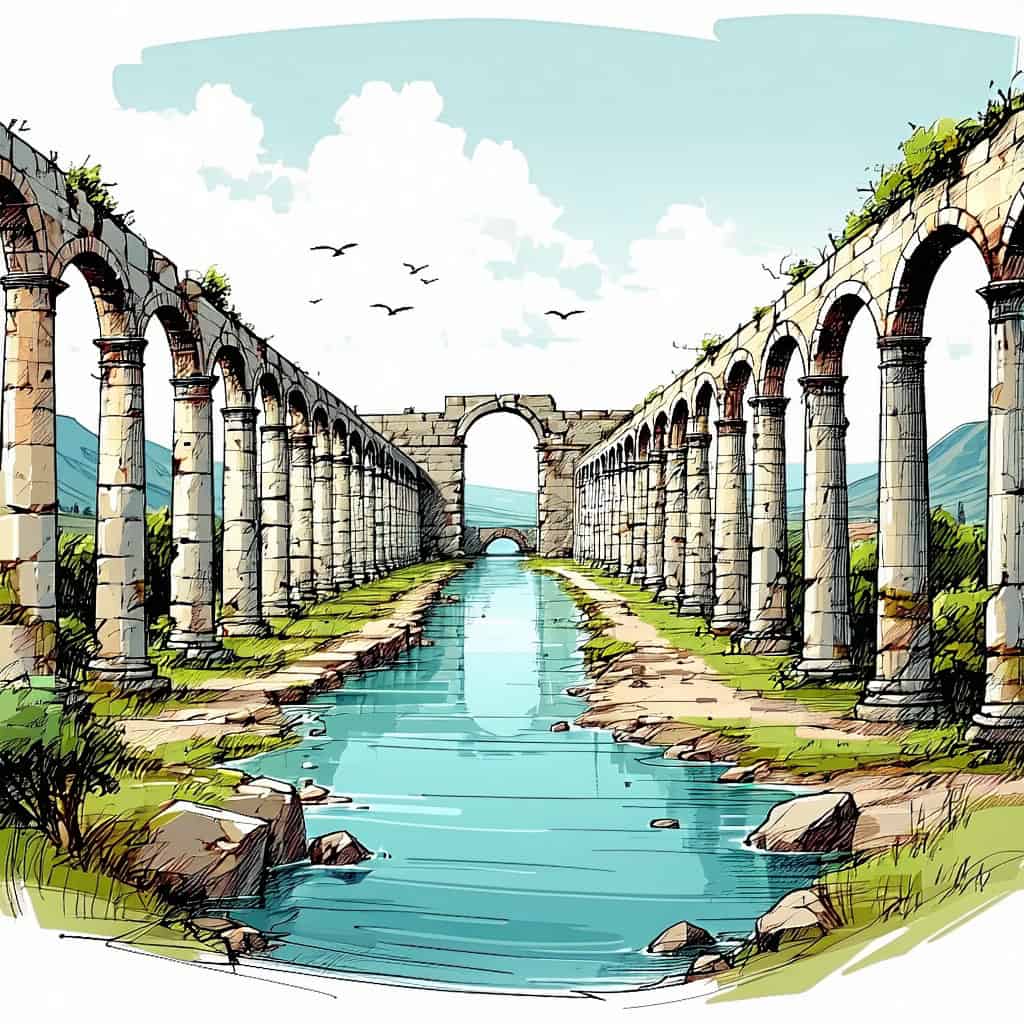
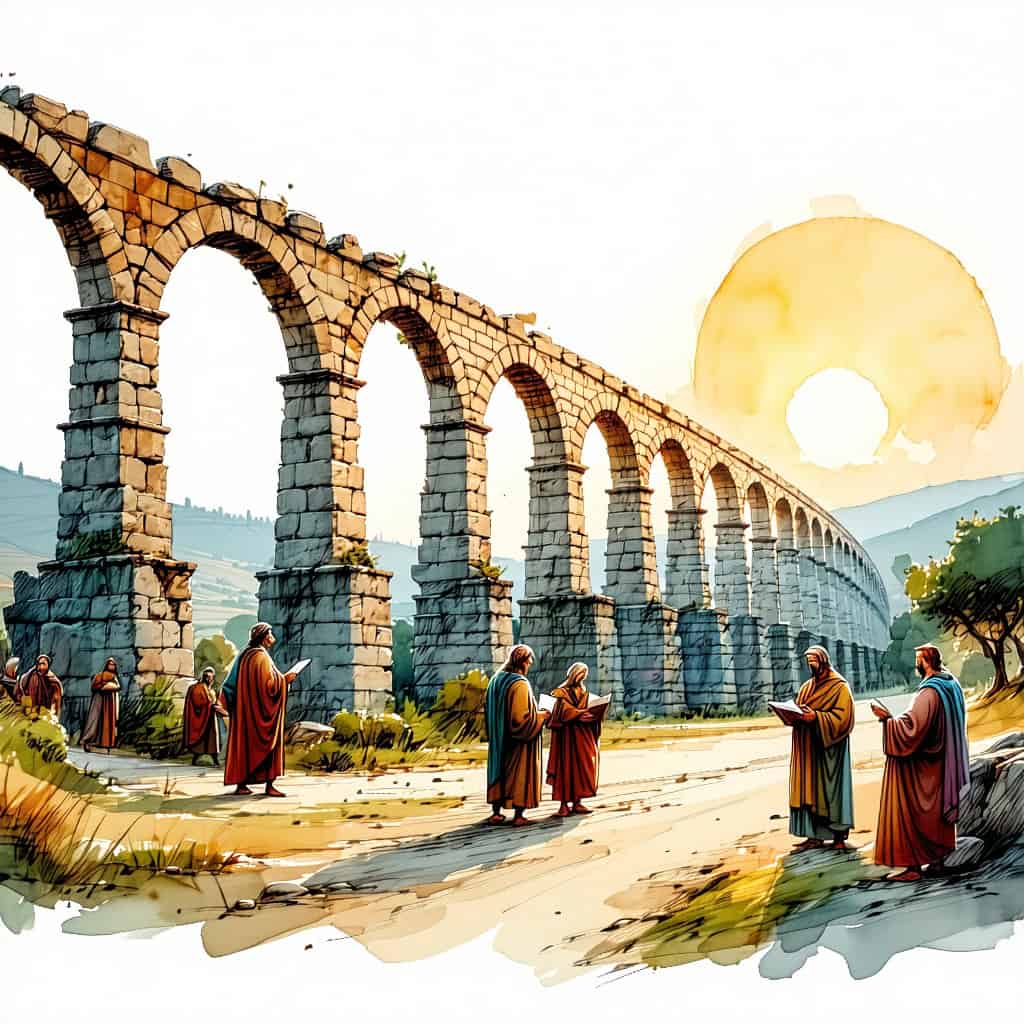
Vitruvius
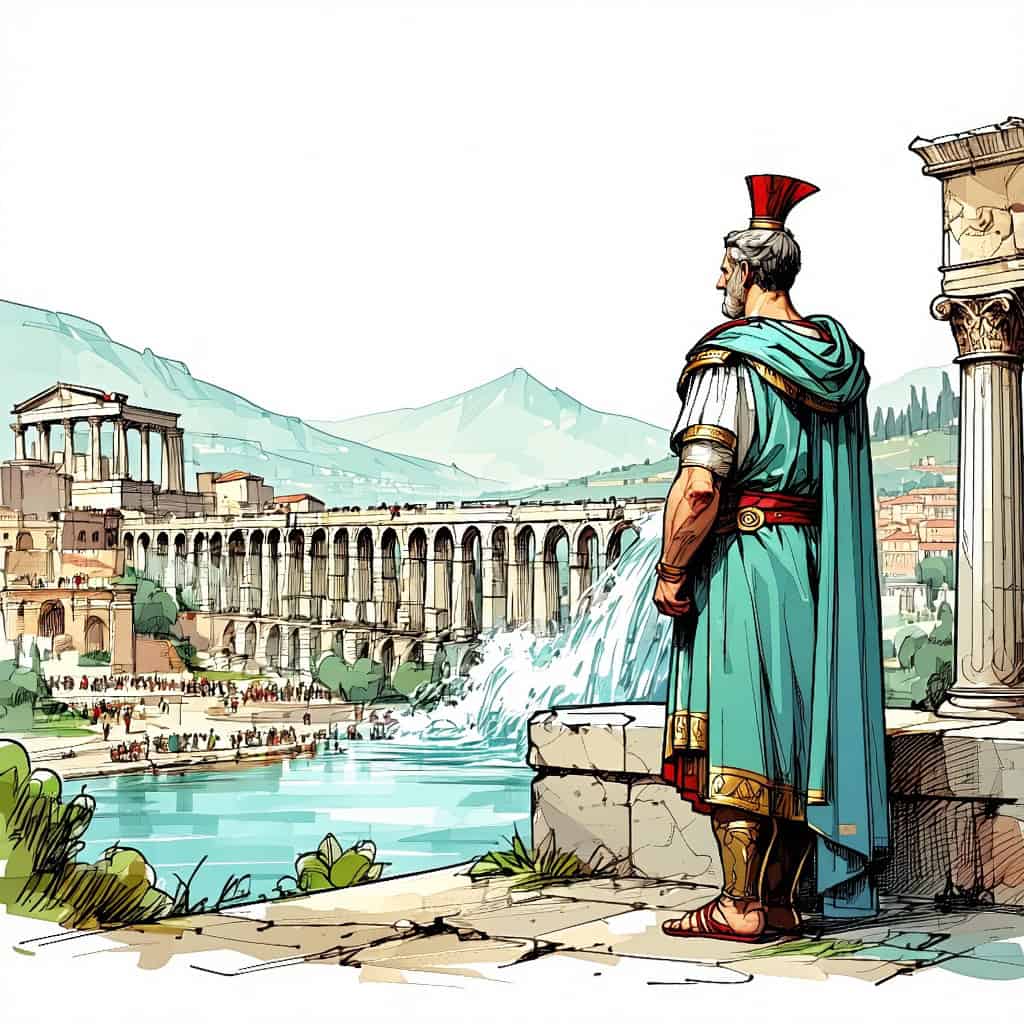
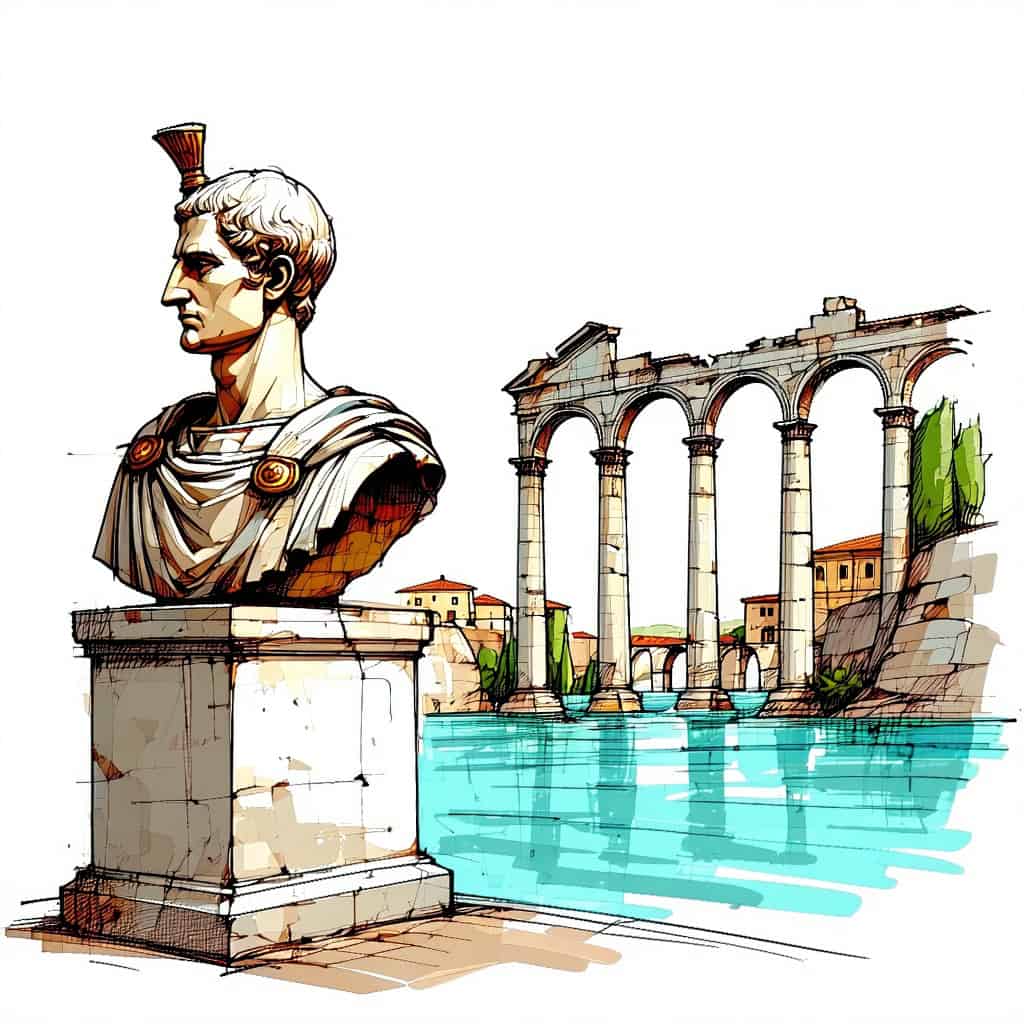
Augustus
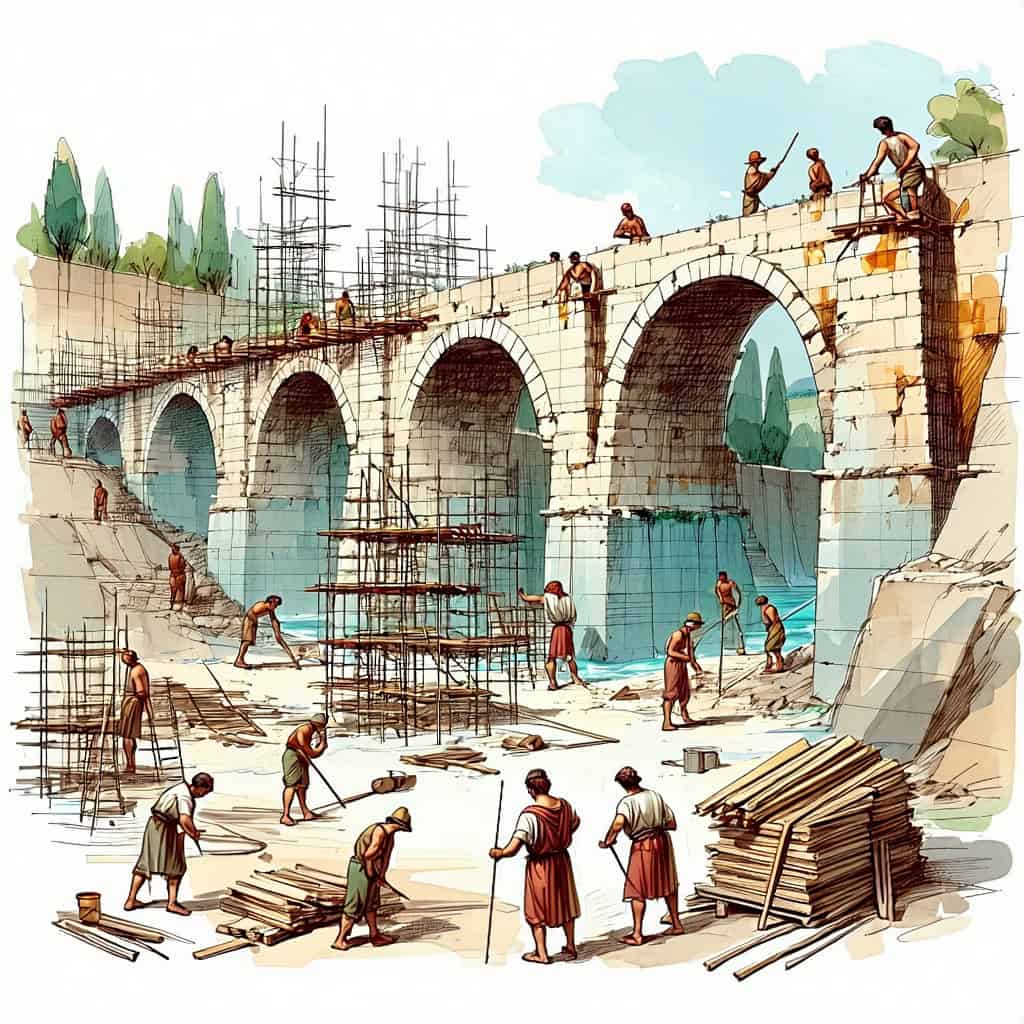
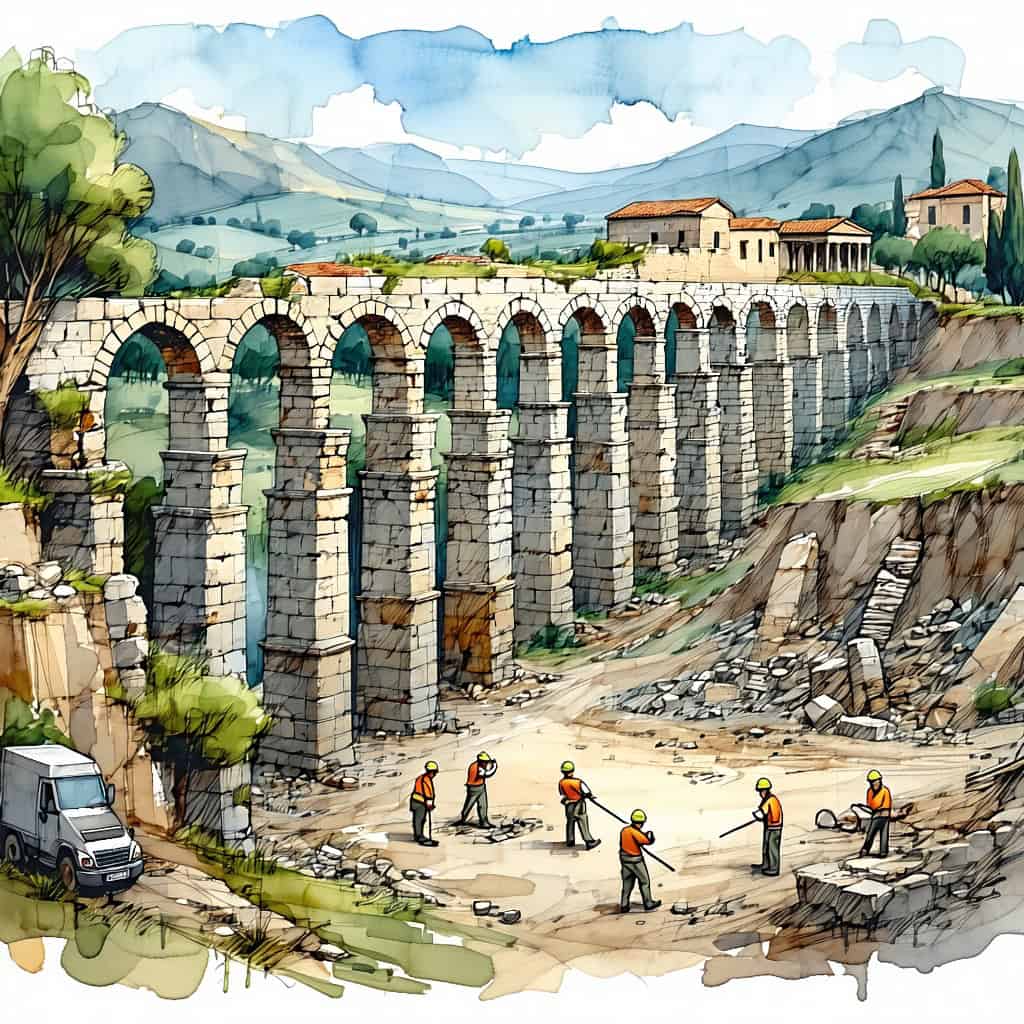
Artisans and Laborers
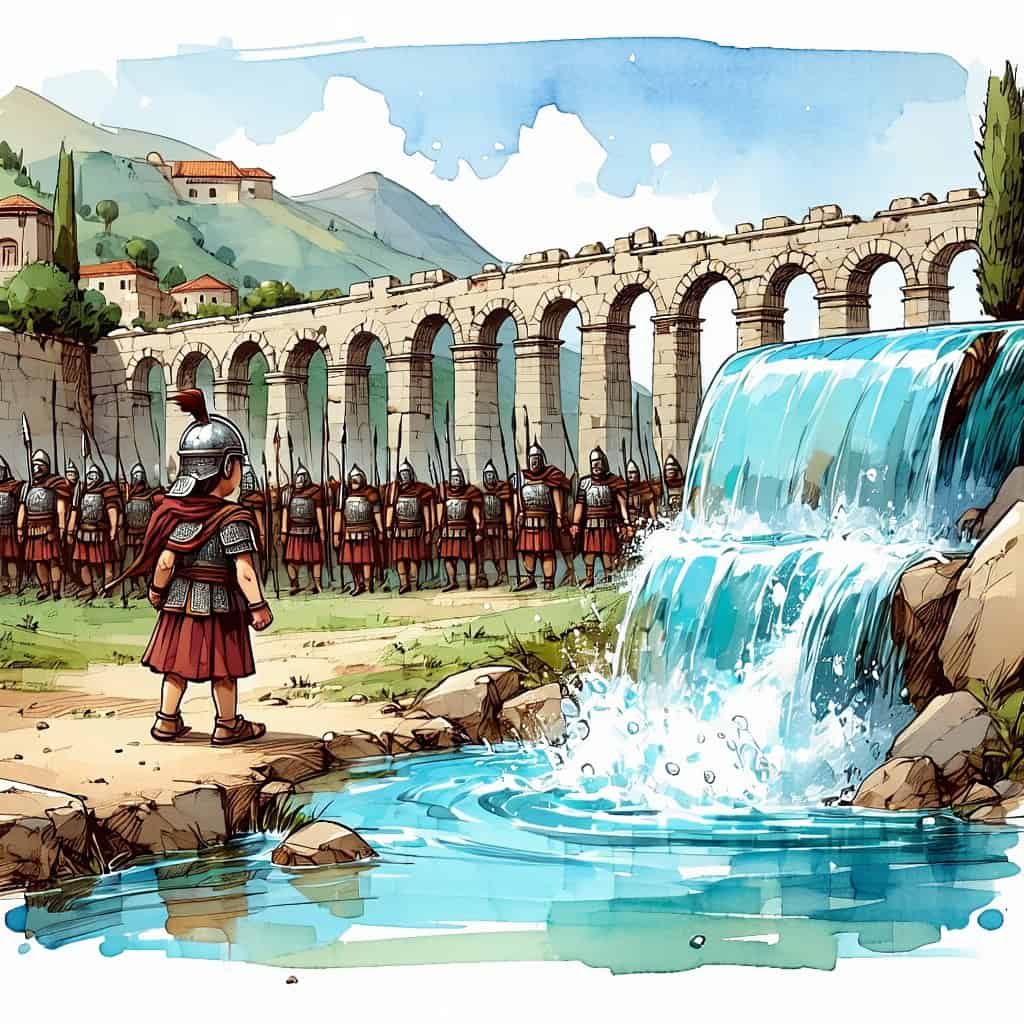
The Discovery of the Aqua Virgo

The Design and Construction Process
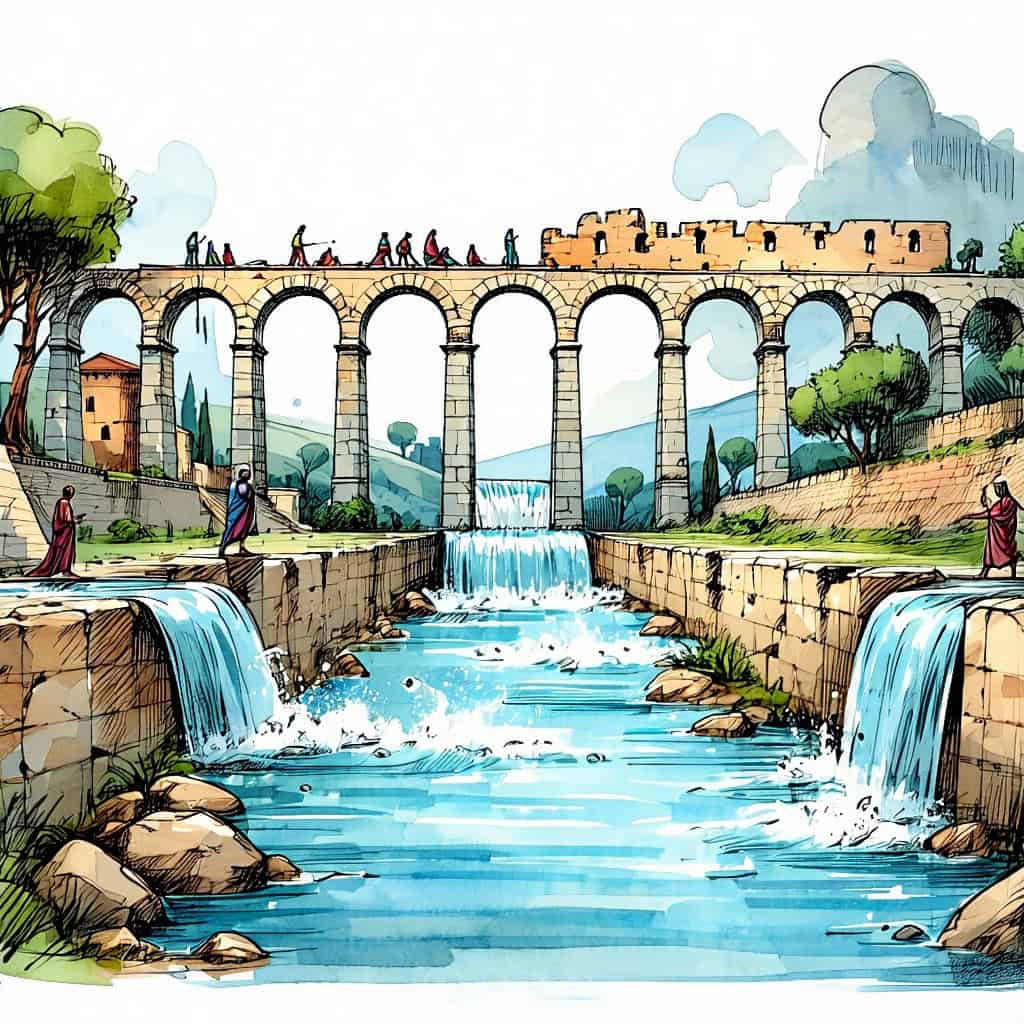
The Importance of Fresh Water
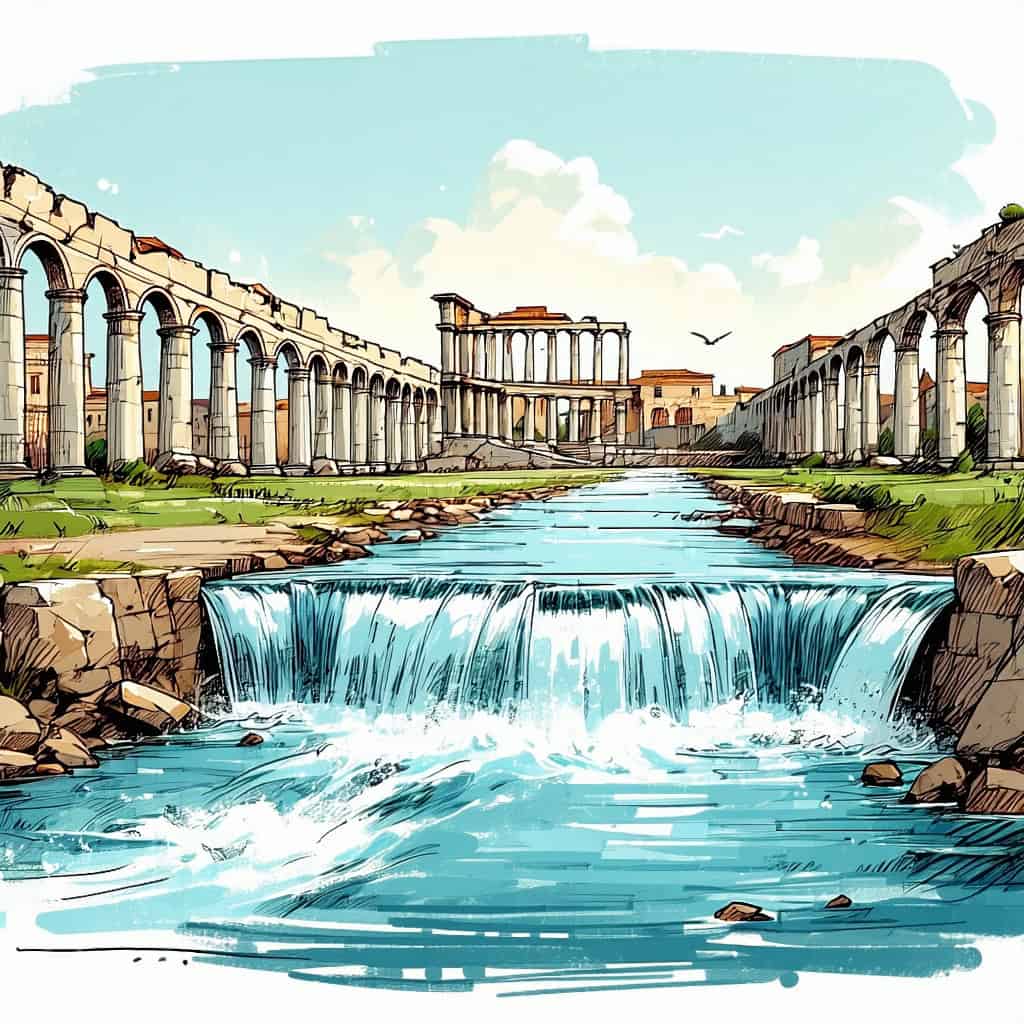
The Aqueducts Historical Significance

The Aqueducts Maintenance and Restoration
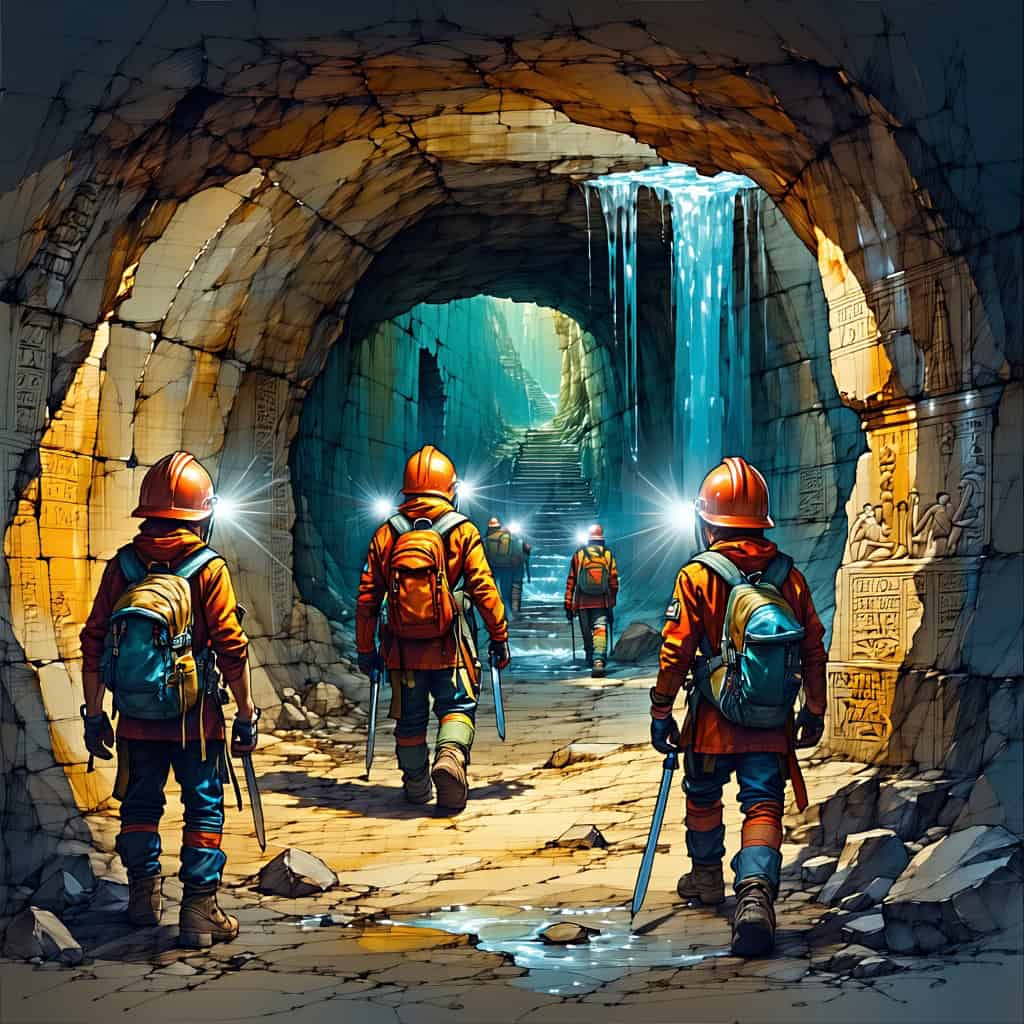
Exploring the Underground Tunnels
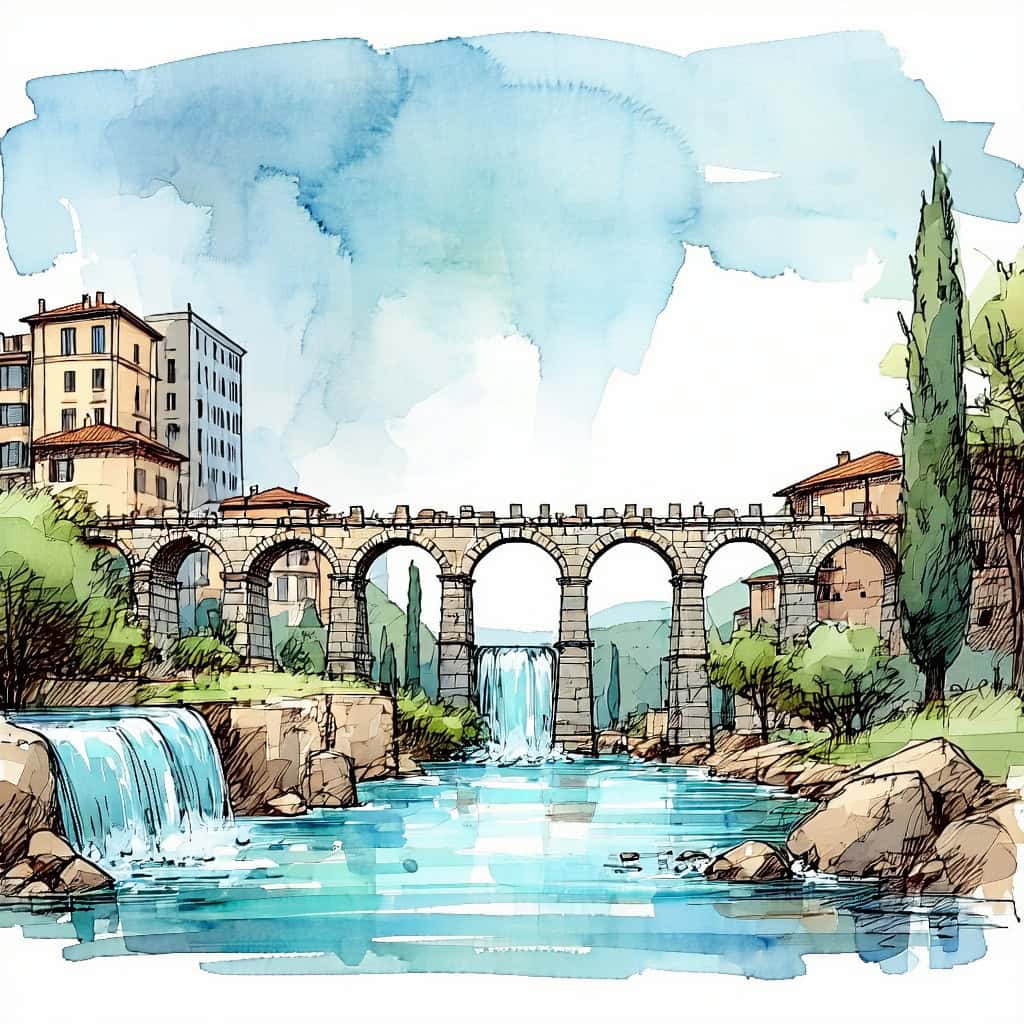
The Legacy of the Aqua Virgo
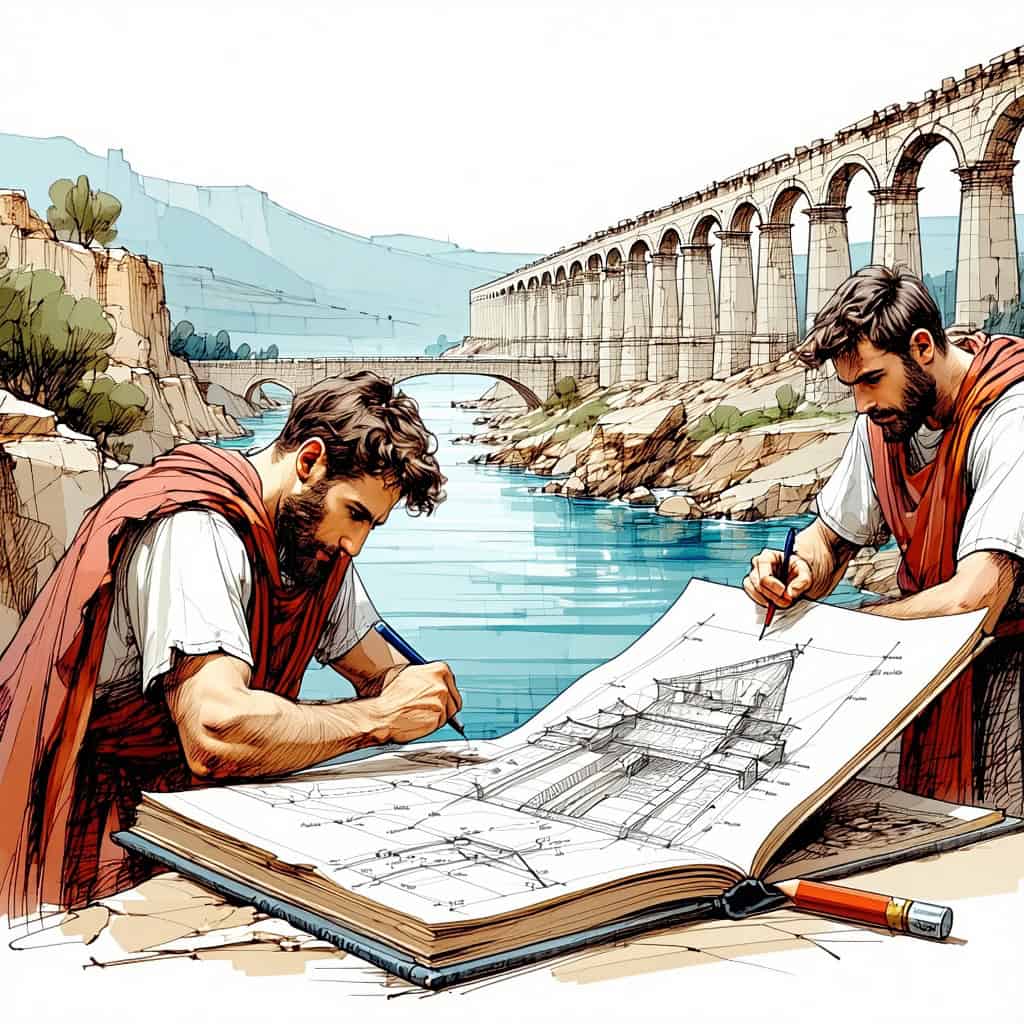
Challenges and Innovations
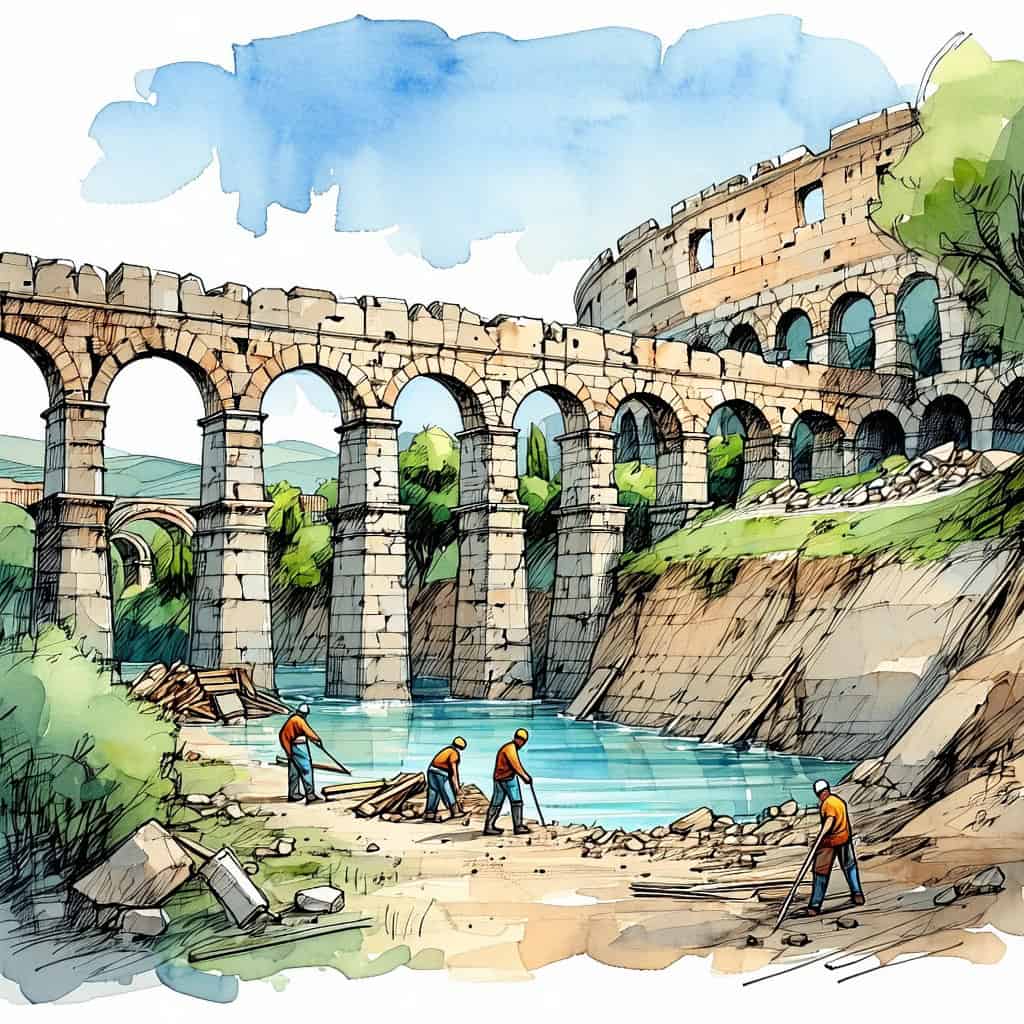
Preserving a Piece of History

Uncovering the Secrets of the Past
Lesson Details & Resources
In a Nutshell
- What: The construction of the Aqua Virgo
- When: 19 BC
- Who: Agrippa, Marcus Vipsanius; Emperor Augustus
- Outcome: The Aqua Virgo became one of the longest-lasting of the 11 aqueducts that supplied water to ancient Rome.
Famous Figures in the the Aqua Virgo
-
Architect
The architect was responsible for designing the Aqua Virgo, an ancient Roman aqueduct constructed in 19 BC. They combined functionality and aesthetics to create an impressive structure that would transport water to the city.
-
Engineer
The engineer played a crucial role in the construction of the Aqua Virgo. They utilized their knowledge of physics and materials to ensure the aqueduct was structurally sound and could withstand the test of time.
-
Surveyor
The surveyor meticulously surveyed the land and determined the optimal route for the Aqua Virgo. Their expertise in measuring and mapping the terrain was essential for the successful construction of the aqueduct.
-
Mason
The mason skillfully crafted the stones and bricks used in the construction of the Aqua Virgo. They meticulously laid each piece, ensuring a strong and durable foundation for the aqueduct.
-
Carpenter
The carpenter's expertise in woodworking was vital for the Aqua Virgo project. They constructed intricate wooden structures, such as scaffolding, to support the construction process and facilitate the work of other tradespeople.
-
Plumber
The plumber specialized in installing and maintaining the water pipes of the Aqua Virgo. They ensured that the water flowed smoothly through the aqueduct, preventing leaks and maximizing efficiency.
-
Laborer
The laborer worked tirelessly on the construction site of the Aqua Virgo, performing various physical tasks. They carried materials, dug trenches, and provided essential support to the other professionals involved in the project.
-
Supervisor
The supervisor oversaw the entire construction process of the Aqua Virgo. They managed the team, ensured adherence to timelines, and coordinated the efforts of different tradespeople to achieve the project's goals.
-
Financier
The financier played a crucial role in funding the construction of the Aqua Virgo. They secured the necessary resources and managed the financial aspects of the project, ensuring its successful completion.
-
Excavator
The excavator was responsible for digging the trenches and channels needed for the Aqua Virgo. They used their expertise in excavation techniques to create the necessary infrastructure for the aqueduct.
Timeline of the Aqua Virgo
Construction of the Aqua Virgo begins
Completion of the Aqua Virgo aqueduct
Inauguration of the Aqua Virgo aqueduct
Aqua Virgo brings fresh water to Rome
Aqua Virgo connected to the Baths of Agrippa
Aqua Virgo supplies water to the Pantheon
Aqua Virgo used for public fountains in Rome
Aqua Virgo contributes to the growth of the city of Rome
Maintenance work carried out on the Aqua Virgo aqueduct
Aqua Virgo repaired after damage caused by earthquakes
Aqua Virgo expanded to supply more areas of Rome
Aqua Virgo used by various Roman emperors
Aqua Virgo continues to provide water during the fall of the Western Roman Empire
Aqua Virgo falls into disrepair during the Middle Ages
Rediscovery of the Aqua Virgo aqueduct during the Renaissance
Restoration work carried out on the Aqua Virgo aqueduct
Aqua Virgo used for irrigation in the Roman countryside
Aqua Virgo becomes a popular tourist attraction in Rome
Aqua Virgo still in use for various purposes in modern-day Rome
Vocabulary List
- Aqueduct
- A structure designed to transport water from a source to a destination, typically using gravity
- Construction
- The process of building or erecting something, in this case, the Aqua Virgo
- Engineer
- A person trained and skilled in the design and construction of buildings and infrastructure
- Architect
- A professional responsible for the design and planning of buildings
- Foundation
- The base or substructure upon which a building or structure is built
- Concrete
- A mixture of cement, sand, and water used as a building material
- Masonry
- The craft of building structures using materials such as bricks, stones, or concrete blocks
- Tunnel
- An underground passage created through excavation or construction
- Reservoir
- A large artificial or natural holding area for water
- Aquifer
- A layer of permeable rock or soil that holds and transmits water underground
- Pipe
- A long, hollow cylinder used for conveying water or other fluids
- Water supply
- The provision of water for a specific purpose or area
- Plumbing
- The system of pipes, fittings, and fixtures used for the distribution of water in a building
- Irrigation
- The artificial application of water to land or crops for agricultural purposes
- Drainage
- The removal of excess water or liquid waste from an area or structure
- Structure
- A building or other object constructed from various materials
- Reinforcement
- Additional material added to increase the strength or stability of a structure
- Excavation
- The act of removing soil or rock from a site to create a hole or cavity
- Scaffolding
- A temporary structure used to support workers and materials during construction
- Engineering marvel
- A remarkable achievement in engineering, such as the Aqua Virgo aqueduct.
Key Facts
This is the information used in the fact matching game
- The Aqua Virgo was an ancient Roman aqueduct
- It was built during the reign of Emperor Augustus
- The Aqua Virgo supplied water to the city of Rome
- The aqueduct was constructed to serve the needs of the Campus Martius
- The Aqua Virgo was the shortest of Rome's eleven aqueducts
- It had a total length of approximately 21 kilometers
- The aqueduct originated from a spring located near the 8th milestone of the Via Collatina
- The Aqua Virgo followed a mostly underground route
- It was known for its remarkable engineering feat of using a tunnel to cross the Tiber River
- The aqueduct also used inverted siphons to overcome low points in the terrain
- The Aqua Virgo brought water to various public baths, fountains, and imperial residences in Rome
- It was known for providing water to the Baths of Agrippa and the Pantheon
- The aqueduct was famous for its high water quality and purity
- The Aqua Virgo was restored and repaired several times throughout history
- Its name "Aqua Virgo" means "Virgin Water" in Latin
- The aqueduct was named after a young girl who led Roman soldiers to the spring's source during its construction
- The Aqua Virgo was partially destroyed during the Gothic Wars in the 6th century
- Some sections of the aqueduct remain in use today, delivering water to the Trevi Fountain
- The Aqua Virgo is considered one of Rome's greatest engineering achievements
- The aqueduct's construction helped showcase Augustus's power and wealth.
Analysis & Significance
Immediate Consequences
The construction of the Aqua Virgo in 19 BC immediately provided Rome with a reliable source of clean water, improving public health and sanitation in the city. It also boosted the overall quality of life for its residents, demonstrating the power of engineering and infrastructure in urban development.
Long-Term Impact
The Aqua Virgo’s lasting impact on Rome was profound, as it continued to supply water to the city for centuries, even surviving the fall of the Roman Empire. Its innovative design and construction techniques influenced future aqueduct projects and set a standard for water management systems around the world.
Cultural Significance Today
The Aqua Virgo’s legacy lives on today in the form of the Trevi Fountain, which marks the endpoint of the aqueduct. This iconic landmark stands as a symbol of Rome’s ancient engineering prowess and remains a popular tourist attraction, showcasing the enduring cultural significance of this historic water supply system.
the Aqua Virgo Games


Take Your Learning Offline
Want a convenient, print-ready study guide for this lesson? Become a Memory Wizards Pro member to unlock the downloadable " Memory Scrolls" for this topic and our entire library!
- ✓ Complete Vocabulary Lists
- ✓ Key Facts & Timelines
- ✓ Beautifully Formatted for Print & Mobile