
Living A Simple Life
Unraveling the mystery: Can simplicity truly lead to happiness?
How Do You Learn Best?
Learn by Reading
Immerse yourself in the 10-minute visual lesson for a comprehensive understanding of the topic.
Learn by Reviewing
Jump directly to the key facts, timeline, and vocabulary lists to build a solid foundation of details.
Learn by Doing
Challenge yourself! Jump straight into the interactive games to learn by trial, error, and discovery.
Living A Simple Life in 10 Minutes

Introduction

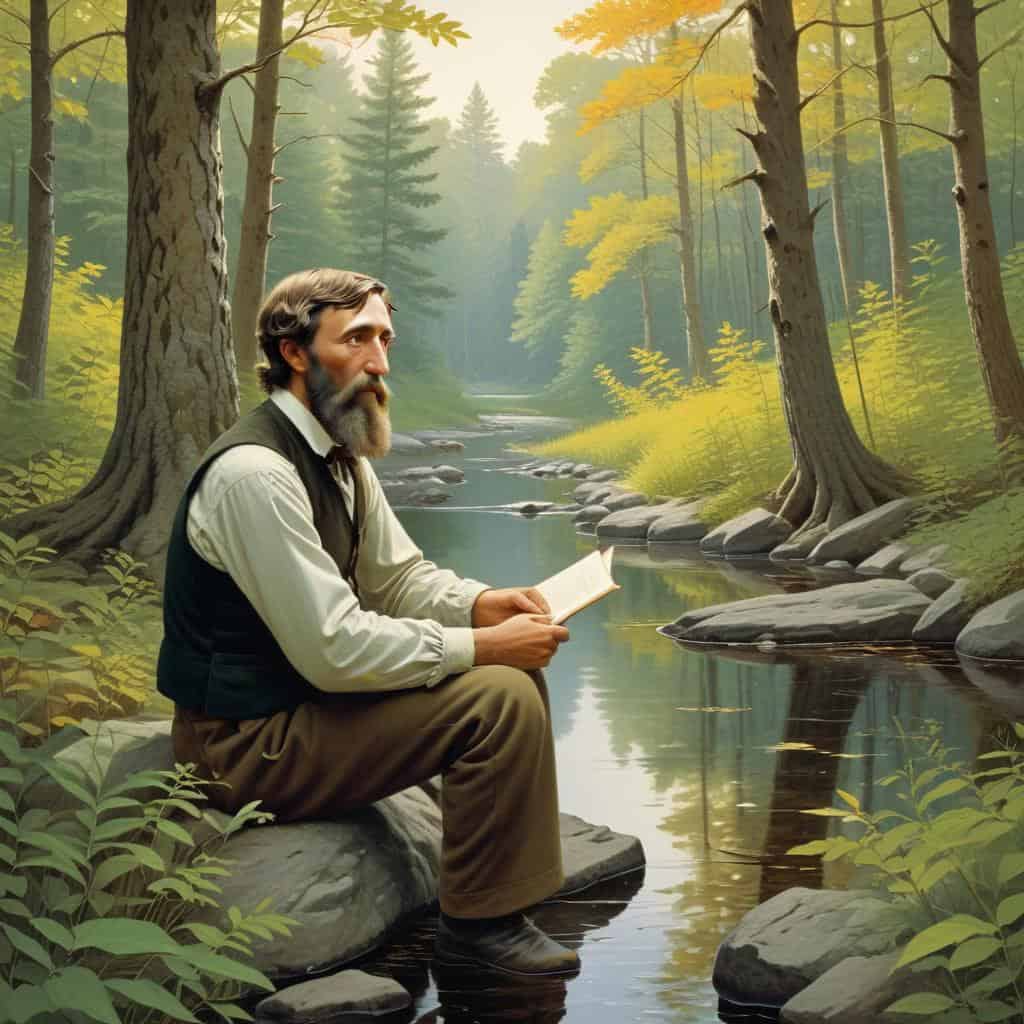
1. Thoreau, Henry David

2. Buddha

3. Socrates
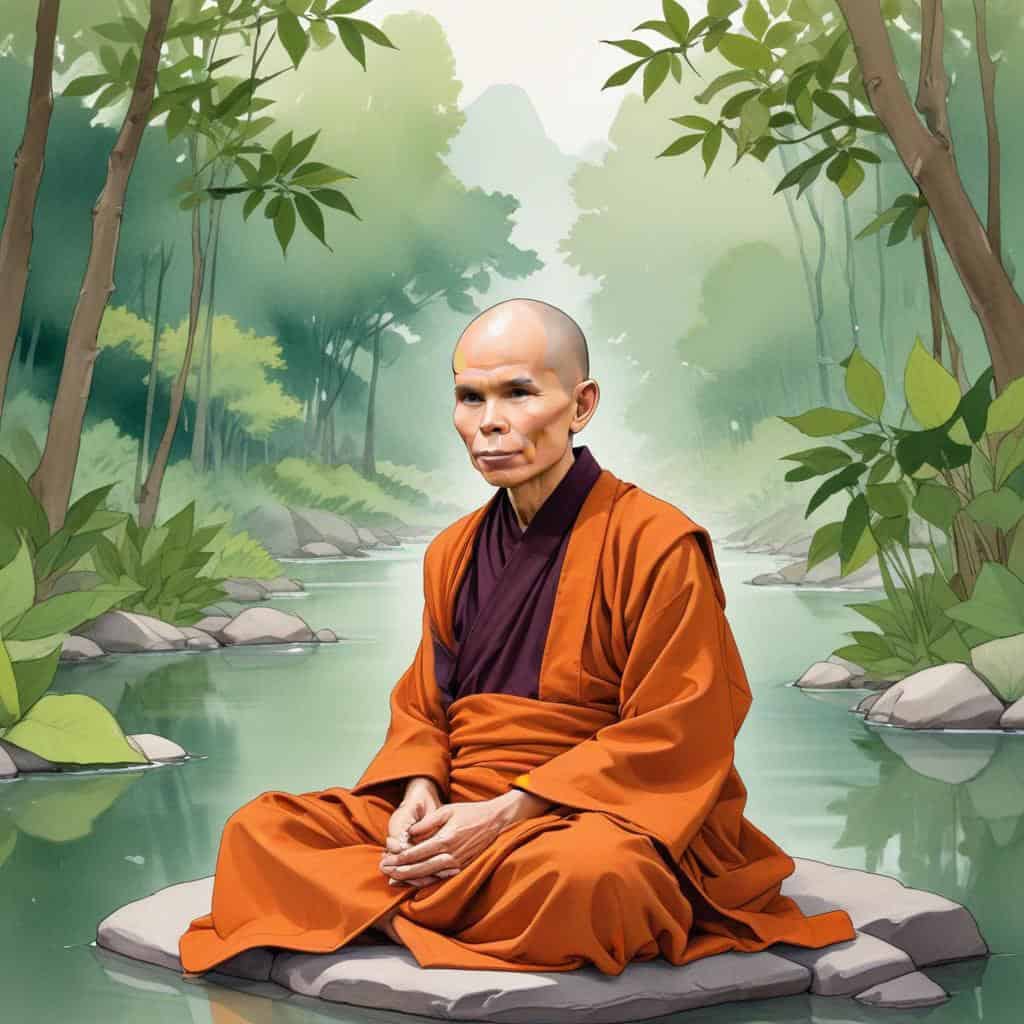
4. Thich Nhat Hanh

The Art of Simplifying: A Brief Overview

1. Letting Go of Material Possessions
2. Cultivating Gratitude

3. Embracing Minimalism

4. Practicing Mindfulness

5. Setting Priorities

6. Building Meaningful Relationships

7. Finding Joy in the Simple Things
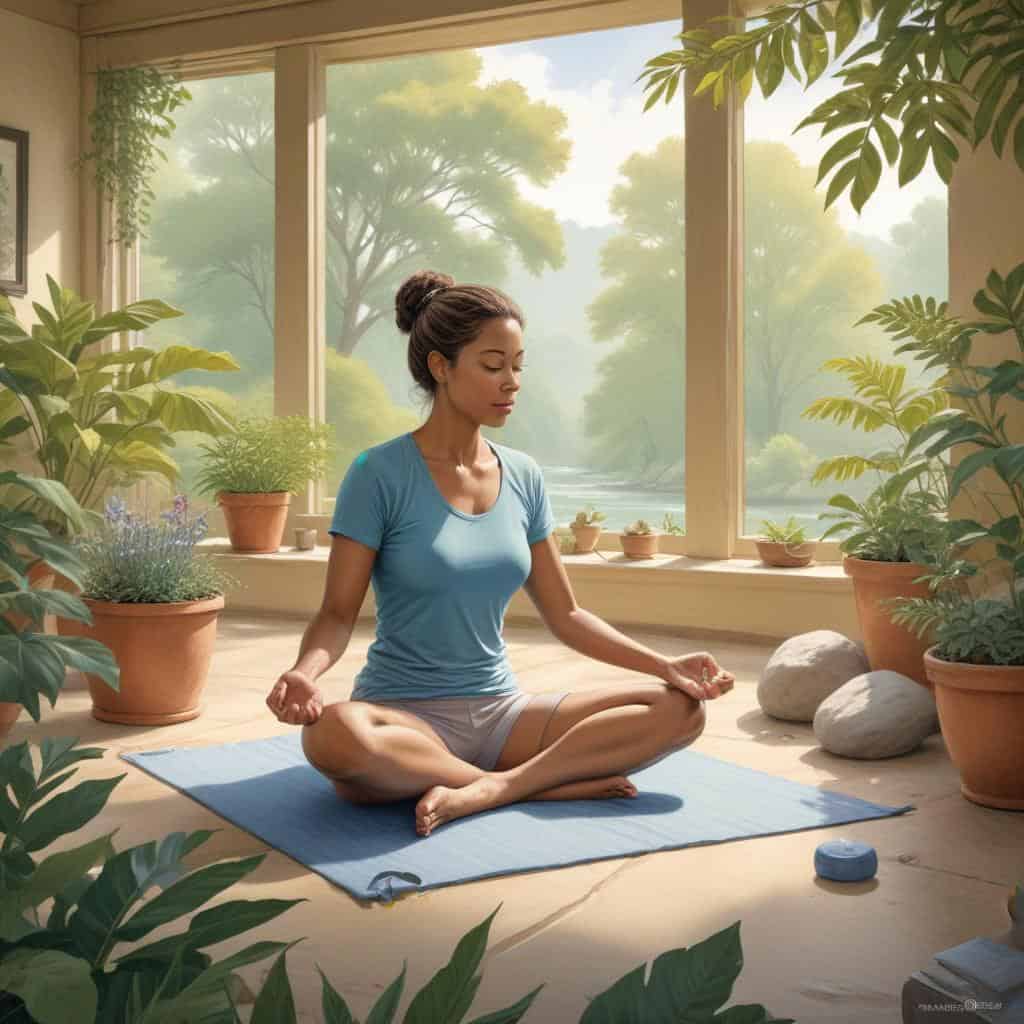
8. Practicing Self-Care

9. Embracing Imperfection

10. Cultivating a Mindful Lifestyle


Lesson Details & Resources
In a Nutshell
- Concept: A way of life that prioritizes simplicity, minimalism, and contentment with less.
- Thinkers: Henry David Thoreau, Ancient Stoics
- Central Question: How can we find meaning and fulfillment by living with less material possessions and distractions?
- Core Implication: Simplifying our lives can lead to greater happiness, peace of mind, and a deeper connection to what truly matters.
Timeline of Living A Simple Life
The idea of living a simple life is first introduced in ancient Greek philosophy by philosophers such as Epicurus and Diogenes of Sinope
Stoic philosophers like Seneca and Epictetus also advocate for simplicity and minimalism in their teachings
The concept of voluntary simplicity gains popularity in the 20th century as a response to consumerism and materialism
Henry David Thoreau publishes 'Walden' in 1854, advocating for a simple and self-sufficient lifestyle in nature
The back-to-the-land movement emerges in the 1960s and 1970s, promoting a return to a simpler way of life and self-sufficiency
The tiny house movement begins to gain traction in the early 2000s, promoting downsizing and minimalism in housing
Marie Kondo's book 'The Life-Changing Magic of Tidying Up' is published in 2011, popularizing the idea of decluttering and simplifying one's life
Minimalism becomes a popular lifestyle trend in the 2010s, with influencers like Joshua Fields Millburn and Ryan Nicodemus promoting a minimalist way of living
The rise of digital minimalism in the 21st century, with authors like Cal Newport advocating for a more intentional use of technology
The slow living movement emerges as a response to the fast-paced modern world, encouraging a more mindful and deliberate way of living
The rise of the homesteading movement, with people seeking to live a more self-sufficient and sustainable lifestyle
The popularity of mindfulness and meditation practices as tools for simplifying one's life and finding contentment
The rise of the simple living blogosphere, with bloggers sharing tips and inspiration for living a simpler and more intentional life
The COVID-19 pandemic leads to a reevaluation of priorities and a renewed interest in simple living and minimalism
The concept of hygge, the Danish art of coziness and simplicity, gains popularity worldwide
The rise of the capsule wardrobe trend, promoting a minimalist approach to fashion and personal style
The practice of frugal living and financial independence gains traction, with people adopting a minimalist approach to their finances
The popularity of eco-minimalism, emphasizing sustainability and environmental consciousness in minimalist living
The ongoing debate over the benefits and drawbacks of minimalism and simple living in the modern world
Vocabulary List
- Minimalism
- Minimalism is often associated with the idea of living a simple life, free from materialistic desires.
- Contentment
- Many people who follow a philosophy of living a simple life strive for contentment with what they have.
- Mindfulness
- Mindfulness is a key aspect of living a simple life, as it encourages individuals to appreciate the present moment and let go of unnecessary worries.
- Frugality
- Living a simple life often involves practicing frugality, in order to reduce financial stress and focus on what truly matters.
- Simplicity
- Simplicity is a core principle of living a simple life philosophy, as it encourages individuals to simplify their lives and focus on what brings them true happiness.
Key Facts
This is the information used in the fact matching game
- Living a simple life allows for greater focus on what truly matters in life, such as relationships and personal growth.
- Simplicity in life can lead to increased happiness and contentment, as it reduces the stress and pressure of trying to keep up with a materialistic society.
- Living simply can help reduce environmental impact, as it often involves consuming less and being more mindful of resource use.
- A simple life philosophy encourages mindfulness and being present in the moment, leading to a greater sense of peace and fulfillment.
- Living a simple life can lead to financial freedom, as it often involves spending less on material possessions and focusing on experiences and relationships instead.
- Simplicity in life can promote creativity and innovation, as it allows for more mental clarity and focus on important tasks.
- Living a simple life can lead to better physical health, as it often involves more time for exercise, proper nutrition, and self-care.
- Simplicity in life can lead to stronger relationships, as it encourages quality time spent with loved ones and deeper connections.
- A simple life philosophy can help reduce decision fatigue, as it involves making fewer choices about material possessions and focusing on what truly matters.
- Living simply can lead to a greater sense of gratitude and appreciation for the things that truly matter in life.
- Simplicity in life can lead to increased mental clarity and focus, as it reduces distractions and clutter in one's environment.
- Living a simple life can lead to a greater sense of purpose and direction, as it involves focusing on what truly matters to the individual.
- Simplicity in life can help reduce stress and anxiety, as it involves letting go of unnecessary worries and focusing on the present moment.
- A simple life philosophy can lead to greater self-awareness and personal growth, as it involves reflecting on one's values and priorities.
- Living simply can lead to a more sustainable lifestyle, as it often involves reducing waste and being mindful of the environmental impact of one's choices.
- Simplicity in life can lead to greater resilience and adaptability, as it encourages a flexible mindset and the ability to let go of attachments to material possessions.
- Living a simple life can lead to a deeper sense of connection with nature and the world around us, as it often involves spending more time outdoors and appreciating the beauty of the natural world.
- Simplicity in life can lead to increased emotional intelligence and empathy, as it involves being more in tune with one's own emotions and the feelings of others.
- A simple life philosophy can lead to greater resilience and inner strength, as it involves letting go of attachments to material possessions and focusing on inner values.
- Living simply can lead to a more balanced and harmonious life, as it involves aligning one's actions with their values and priorities.
Analysis & Significance
The Core Argument
Living a simple life is a philosophical concept that emphasizes the importance of minimalism, mindfulness, and contentment. It argues that by eliminating excess material possessions and distractions, individuals can focus on what truly matters, leading to greater inner peace and fulfillment.
Criticisms and Counterarguments
Critics of the simple life philosophy argue that it may overlook the complexities and challenges of modern life, where material possessions and external pressures can be unavoidable. They also question whether simplicity necessarily leads to happiness, as some individuals may find fulfillment in pursuing ambitious goals or material success.
Modern Relevance
In today’s fast-paced and consumer-driven society, the concept of living a simple life has become increasingly relevant. With the rise of social media and constant connectivity, many people are feeling overwhelmed and disconnected. Embracing simplicity can provide a much-needed antidote to the stress and anxiety caused by the pressures of modern life, helping individuals to find balance and authenticity in a world that often glorifies excess and superficiality.
Living A Simple Life Games


Take Your Learning Offline
Want a convenient, print-ready study guide for this lesson? Become a Memory Wizards Pro member to unlock the downloadable " Memory Scrolls" for this topic and our entire library!
- ✓ Complete Vocabulary Lists
- ✓ Key Facts & Timelines
- ✓ Beautifully Formatted for Print & Mobile