
Embracing Virtue Over Materialism
Will true happiness come from possessions or inner qualities?
How Do You Learn Best?
Learn by Reading
Immerse yourself in the 10-minute visual lesson for a comprehensive understanding of the topic.
Learn by Reviewing
Jump directly to the key facts, timeline, and vocabulary lists to build a solid foundation of details.
Learn by Doing
Challenge yourself! Jump straight into the interactive games to learn by trial, error, and discovery.
Embracing Virtue Over Materialism in 10 Minutes

Introduction


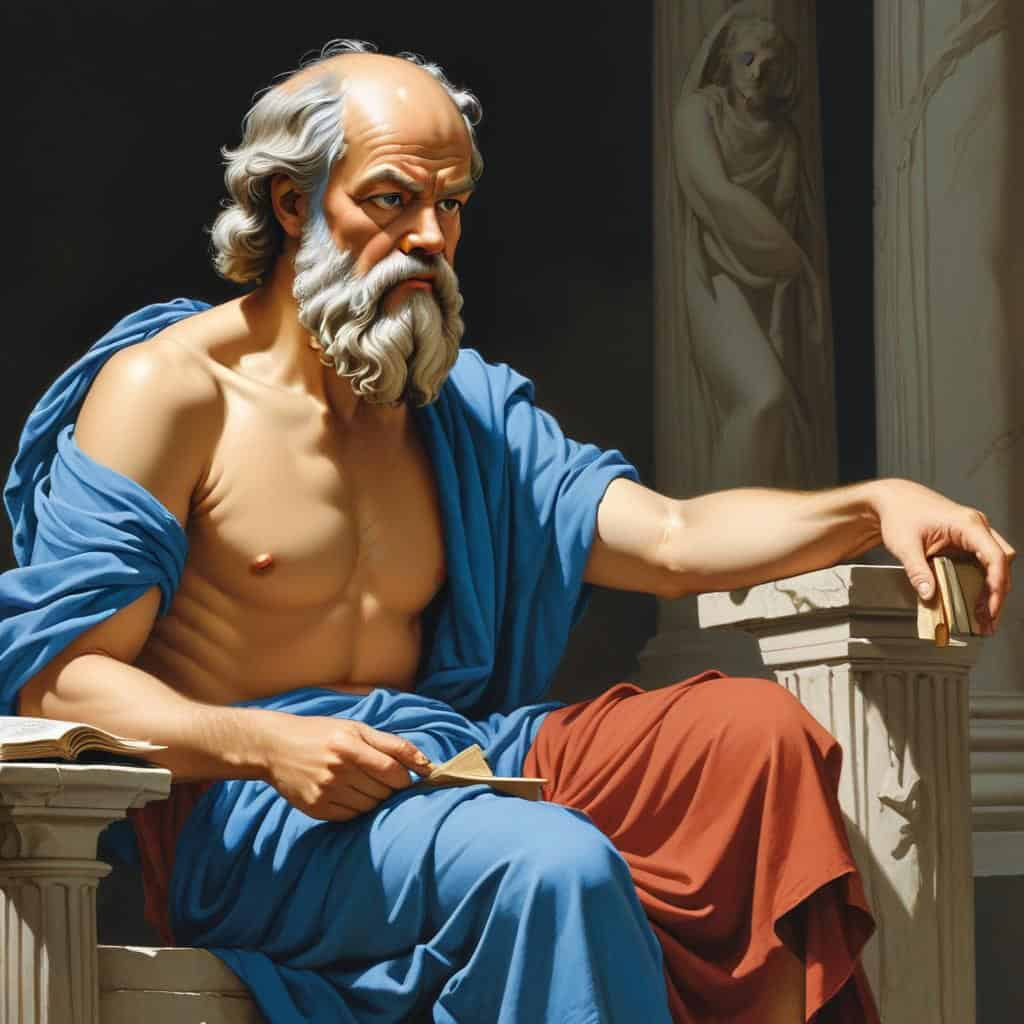
Socrates

Plato
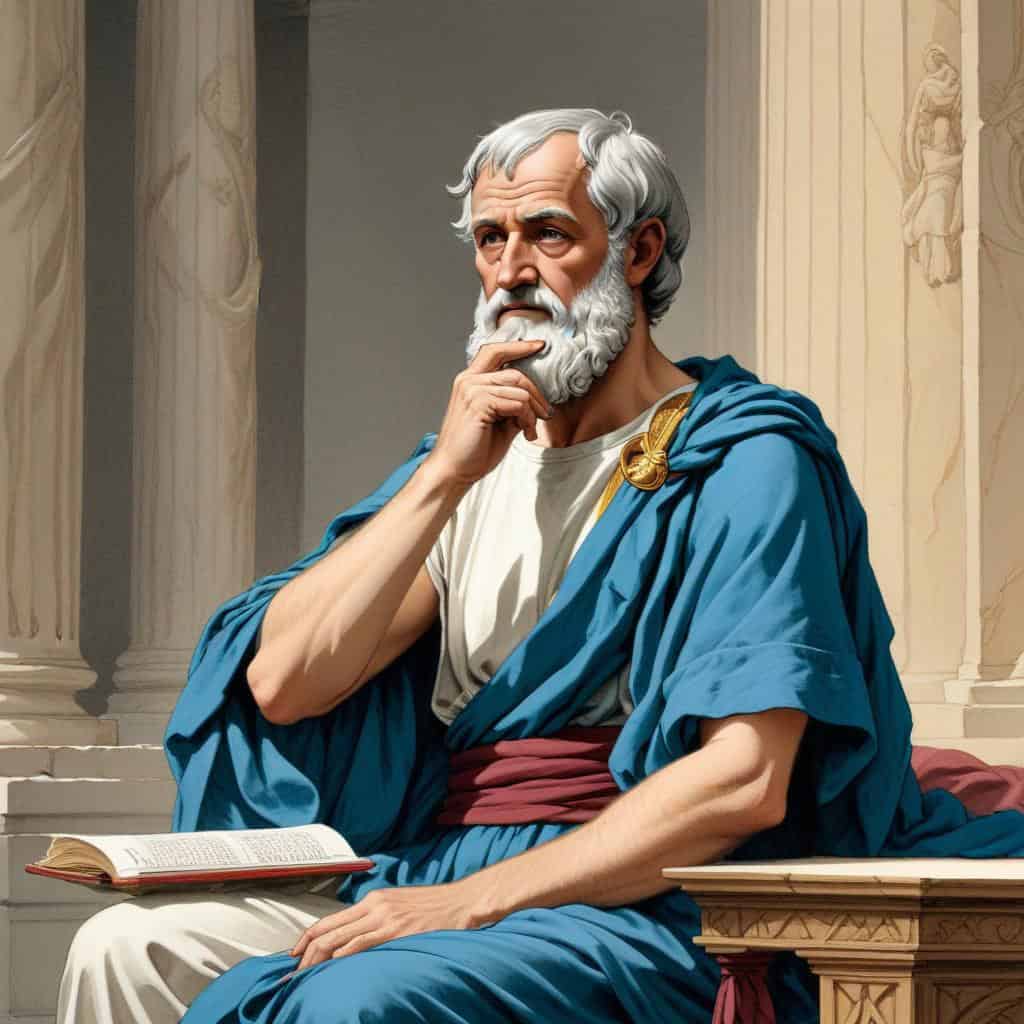
Aristotle

Seneca

Epictetus

Understanding the Importance of Virtue

Choosing Virtue Over Materialism

Practicing Virtue in Daily Life

Resisting the Temptations of Materialism

Fostering Meaningful Connections

Seeking Inner Growth and Self-Improvement

Embracing Virtue as a Guiding Principle

Overcoming Challenges and Adversities

Inspiring Others Through Virtuous Actions

Cultivating a Life of Virtue and Purpose


Lesson Details & Resources
In a Nutshell
- Concept: Embracing Virtue over Materialism
- Thinkers: Ancient Greek philosophers such as Socrates, Plato, and Aristotle
- Central Question: How should we prioritize moral values and personal character over material possessions and wealth?
- Core Implication: True fulfillment and happiness come from cultivating virtues such as wisdom, courage, and justice, rather than pursuing material wealth and possessions.
Timeline of Embracing Virtue Over Materialism
Socrates' teachings on virtue over materialism
Plato's dialogues discussing the importance of virtue
Aristotle's Nicomachean Ethics emphasizing virtue as the highest good
Stoicism emerging as a philosophical school promoting virtue as the key to a good life
Epictetus' Enchiridion advocating for inner virtue over external possessions
Plotinus' Neoplatonism emphasizing the pursuit of the Good as the ultimate goal
Augustine of Hippo's writings on the importance of virtue and spiritual well-being
Thomas Aquinas' Summa Theologica incorporating Aristotelian ethics and virtues
Renaissance humanism promoting the cultivation of virtue and moral excellence
Enlightenment thinkers like Immanuel Kant emphasizing moral duty and virtue ethics
Transcendentalism in the 19th century advocating for spiritual growth and inner virtue
Existentialism challenging materialistic values and focusing on authenticity and personal responsibility
Contemporary virtue ethics movements promoting character development and ethical decision-making
Mindfulness and well-being practices gaining popularity for their emphasis on inner peace and virtue
Vocabulary List
- Virtue
- In embracing virtue over materialism philosophy, individuals prioritize moral values and ethical principles.
- Materialism
- The contrast between materialism and virtue is at the core of this philosophical approach.
- Ethical
- Making ethical decisions based on virtue is a key aspect of this philosophical perspective.
- Wisdom
- Embracing virtue over materialism philosophy emphasizes the importance of wisdom in making decisions.
- Humility
- Practicing humility is often seen as a virtue in this philosophical framework.
- Integrity
- Individuals who prioritize integrity over material gain are often aligned with this philosophical perspective.
- Compassion
- Embracing virtue over materialism philosophy encourages individuals to act with compassion towards others.
- Gratitude
- Practicing gratitude is often seen as a way to cultivate virtue in this philosophical approach.
Key Facts
This is the information used in the fact matching game
- Virtue ethics focuses on the character of the individual and emphasizes the importance of moral virtues such as honesty, courage, and compassion over material possessions.
- Materialism, on the other hand, prioritizes the acquisition of material wealth and possessions as the primary sources of happiness and fulfillment.
- Embracing virtue over materialism in philosophy involves cultivating moral virtues and character traits that lead to a flourishing and meaningful life.
- Material possessions are often temporary and can be lost or taken away, whereas virtues are internal qualities that cannot be easily taken away.
- Virtue ethics encourages individuals to focus on developing their character and moral principles rather than accumulating wealth or possessions.
- Materialism can lead to a shallow and superficial way of life, where happiness is equated with the possession of material goods rather than inner fulfillment.
- Embracing virtue over materialism in philosophy involves making ethical choices based on moral principles rather than self-interest or material gain.
- Virtue ethics emphasizes the importance of cultivating virtues such as wisdom, courage, and justice in order to lead a good and fulfilling life.
- Materialism can lead to a sense of emptiness and dissatisfaction, as the pursuit of material possessions often fails to provide lasting happiness or fulfillment.
- Embracing virtue over materialism in philosophy involves embracing a set of moral principles and values that guide one's actions and decisions.
- Virtue ethics encourages individuals to reflect on their actions and motivations, and to strive towards becoming a better and more virtuous person.
- Materialism can lead to a constant desire for more wealth and possessions, creating a cycle of never-ending consumption and dissatisfaction.
- Embracing virtue over materialism in philosophy involves valuing relationships, community, and personal growth over the pursuit of material wealth.
- Virtue ethics emphasizes the importance of moral excellence and the cultivation of virtues as a way to achieve eudaimonia, or flourishing and well-being.
- Materialism can lead to a sense of alienation and disconnection from others, as the focus on material possessions can overshadow the importance of human relationships and connections.
- Embracing virtue over materialism in philosophy involves recognizing the intrinsic value of moral virtues and character traits over external markers of success or status.
- Virtue ethics emphasizes the importance of self-reflection, self-control, and self-improvement as essential components of leading a virtuous life.
- Materialism can lead to a sense of competition and comparison with others, as individuals often judge their success and worth based on their material possessions.
- Embracing virtue over materialism in philosophy involves living in accordance with one's values and principles, even when faced with temptations or challenges.
- Virtue ethics emphasizes the importance of cultivating virtues such as honesty, integrity, and fairness in order to promote a more just and ethical society.
Analysis & Significance
The Core Argument
Embracing virtue over materialism argues that true fulfillment and happiness come from cultivating inner qualities such as compassion, wisdom, and integrity, rather than seeking external possessions or wealth.
Criticisms and Counterarguments
Critics of this concept may argue that material possessions can provide comfort and security, and that focusing solely on virtue may neglect practical needs or the realities of the world we live in. Some may also question the feasibility of prioritizing virtue in a society driven by consumerism and competition.
Modern Relevance
In today’s fast-paced and materialistic world, the idea of embracing virtue over materialism is more relevant than ever. With growing concerns about environmental sustainability, social inequality, and mental health issues, the emphasis on inner values and ethical behavior becomes crucial in addressing these complex challenges and creating a more balanced and harmonious society.
Embracing Virtue Over Materialism Games


Take Your Learning Offline
Want a convenient, print-ready study guide for this lesson? Become a Memory Wizards Pro member to unlock the downloadable " Memory Scrolls" for this topic and our entire library!
- ✓ Complete Vocabulary Lists
- ✓ Key Facts & Timelines
- ✓ Beautifully Formatted for Print & Mobile