
Explore the Lessons
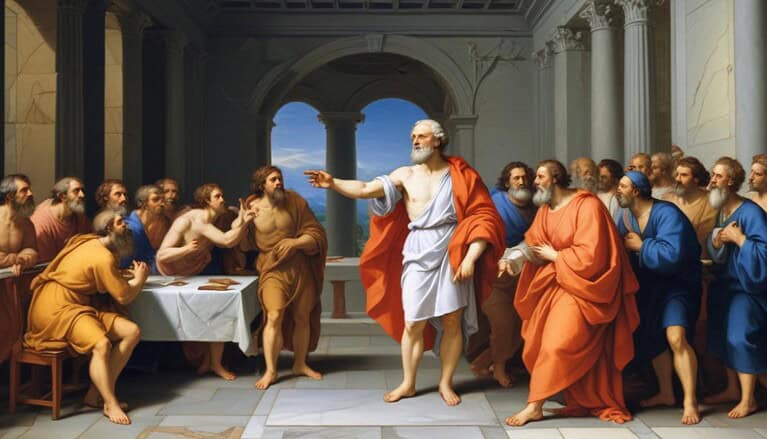
Introduction To Cynicism
Can we find truth in a world full of skepticism?
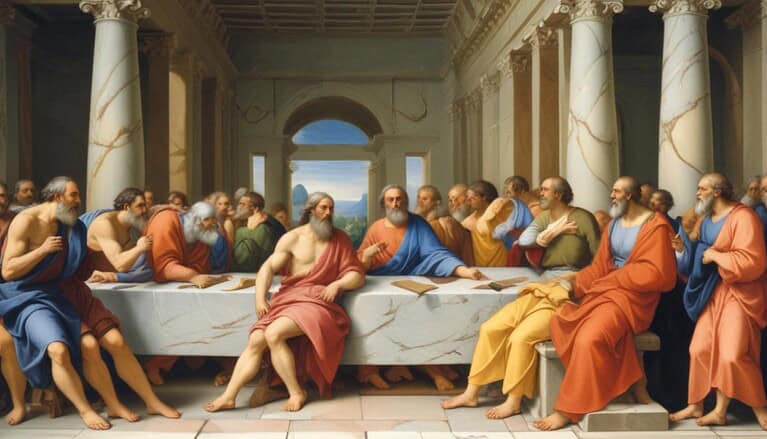
The Origins Of Cynicism
What if we question everything we believe?
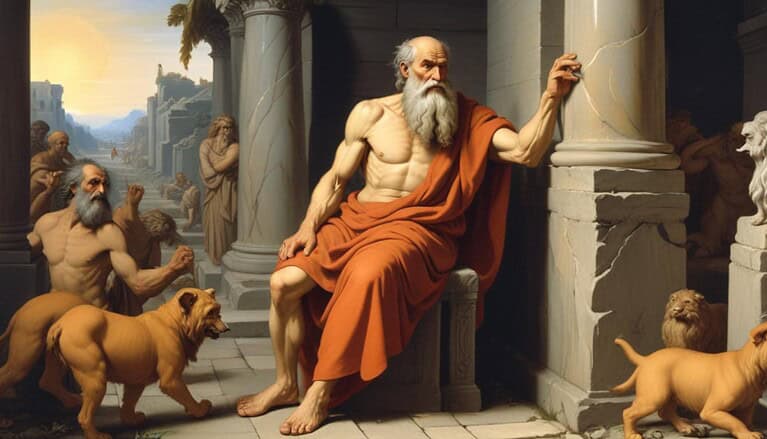
The Philosophy Of Diogenes
Can true happiness be found in simplicity and honest living?

Living A Simple Life
Unraveling the mystery: Can simplicity truly lead to happiness?
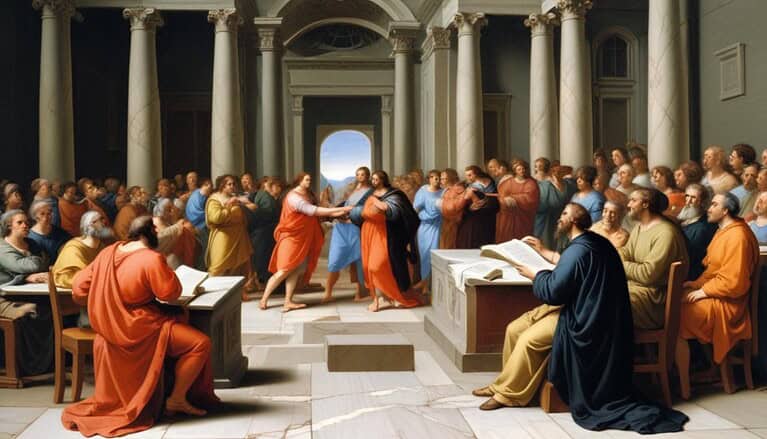
Questioning Authority
Who decides the rules we follow?
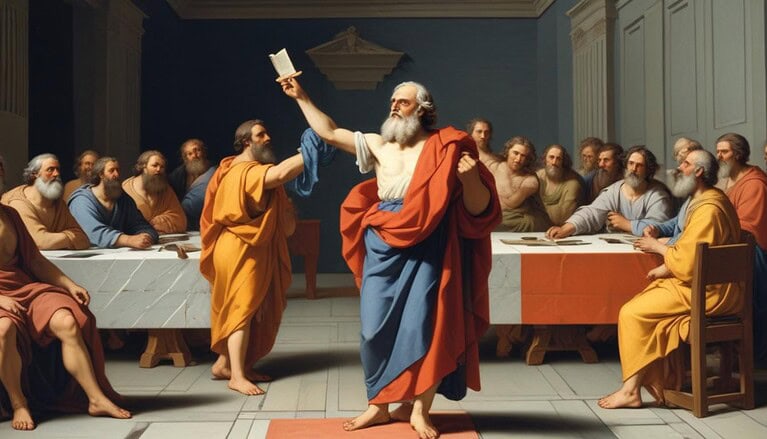
Cynicism And Society
Can we break free from the chains of societal cynicism?
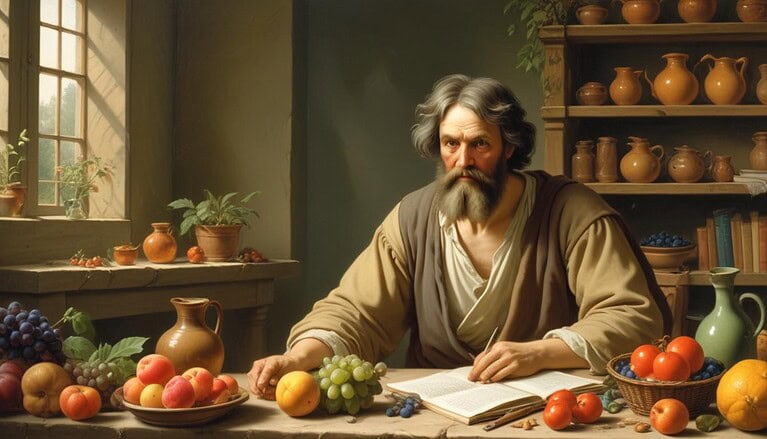
The Importance Of Self-sufficiency
Are we truly independent, or forever reliant on others' support?
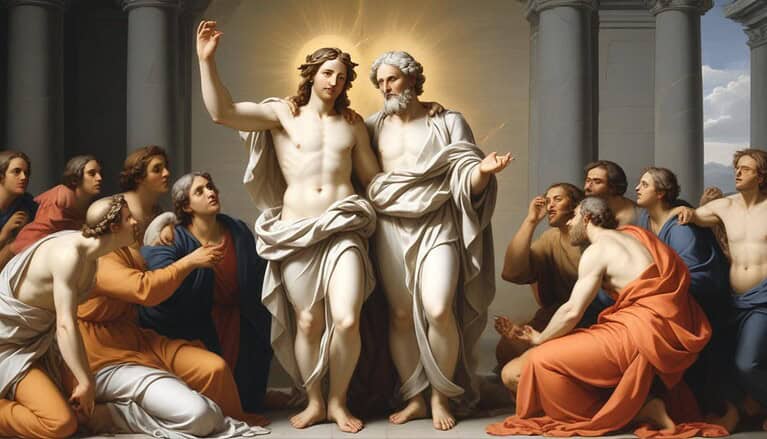
Embracing Virtue Over Materialism
Will true happiness come from possessions or inner qualities?
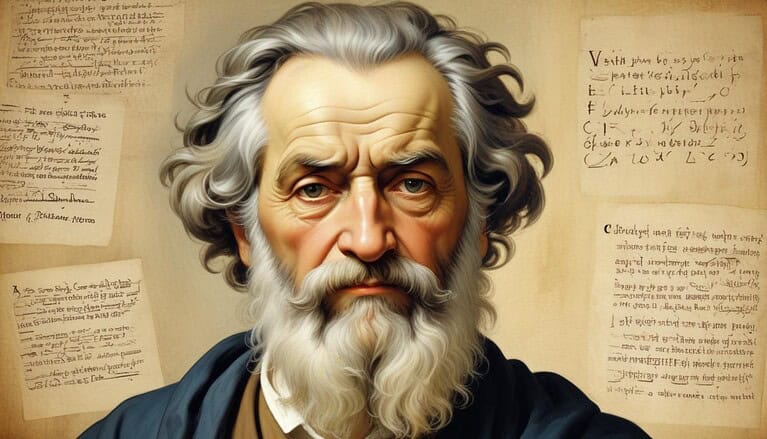
Overcoming Cynicism
Can we find magic in a world full of doubt?
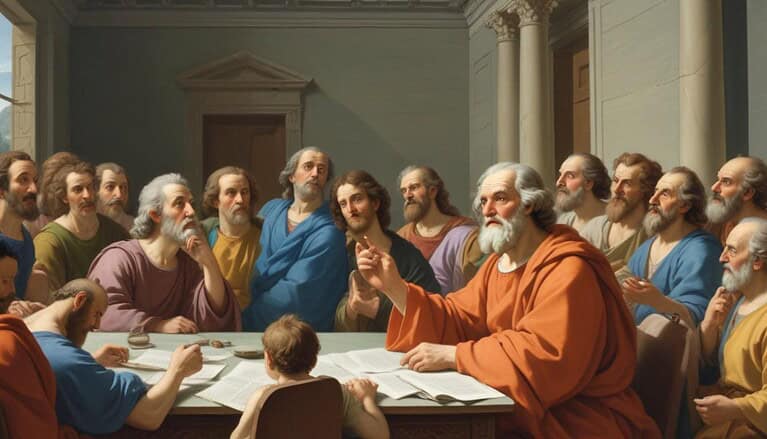
Applying Cynical Principles To Modern Life
Unveiling the power of skepticism in a world of uncertainty.
Timeline
Founding of Cynicism (Antisthenes)
Diogenes of Sinope (Diogenes of Sinope)
Discourses (Diogenes of Sinope)
On the Happy Life (Seneca the Younger)
Moral Letters to Lucilius (Seneca the Younger)
Crates of Thebes (Crates of Thebes)
Hipparchia of Maroneia (Hipparchia of Maroneia)
Moralia (Plutarch)
Menippus (Menippus)
Satires (Menippus)
Musonius Rufus (Musonius Rufus)
Discourses (Musonius Rufus)
Epictetus (Epictetus)
Discourses (Epictetus)
Lucian of Samosata (Lucian of Samosata)
Dialogues of the Dead (Lucian of Samosata)
Porphyry (Porphyry)
Life of Plotinus (Porphyry)
Julian the Apostate (Julian the Apostate)
Against the Galileans (Julian the Apostate)
Dionysius the Areopagite (Pseudo-Dionysius the Areopagite)
The Mystical Theology (Pseudo-Dionysius the Areopagite)
Simplicius of Cilicia (Simplicius of Cilicia)
Commentary on the Enchiridion of Epictetus (Simplicius of Cilicia)