
An Analysis of Reasoning
Unlock the secrets of logic: Can reason truly guide our lives?
How Do You Learn Best?
Learn by Listening
Start with the 3-minute audio summary to get the key facts and narrative highlights quickly.
Learn by Reading
Immerse yourself in the 10-minute visual lesson for a comprehensive understanding of the topic.
Learn by Reviewing
Jump directly to the key facts, timeline, and vocabulary lists to build a solid foundation of details.
Learn by Doing
Challenge yourself! Jump straight into the interactive games to learn by trial, error, and discovery.
Audio Library
As one of our featured lessons, this topic includes premium audio guides.
Unlock the Wizard's Cram Session
This powerful audio study guide is a Pro-exclusive feature. Upgrade to Memory Wizards Pro to access this and all of our premium learning tools.
Upgrade to ProAn Reasoning in 10 Minutes

Introduction


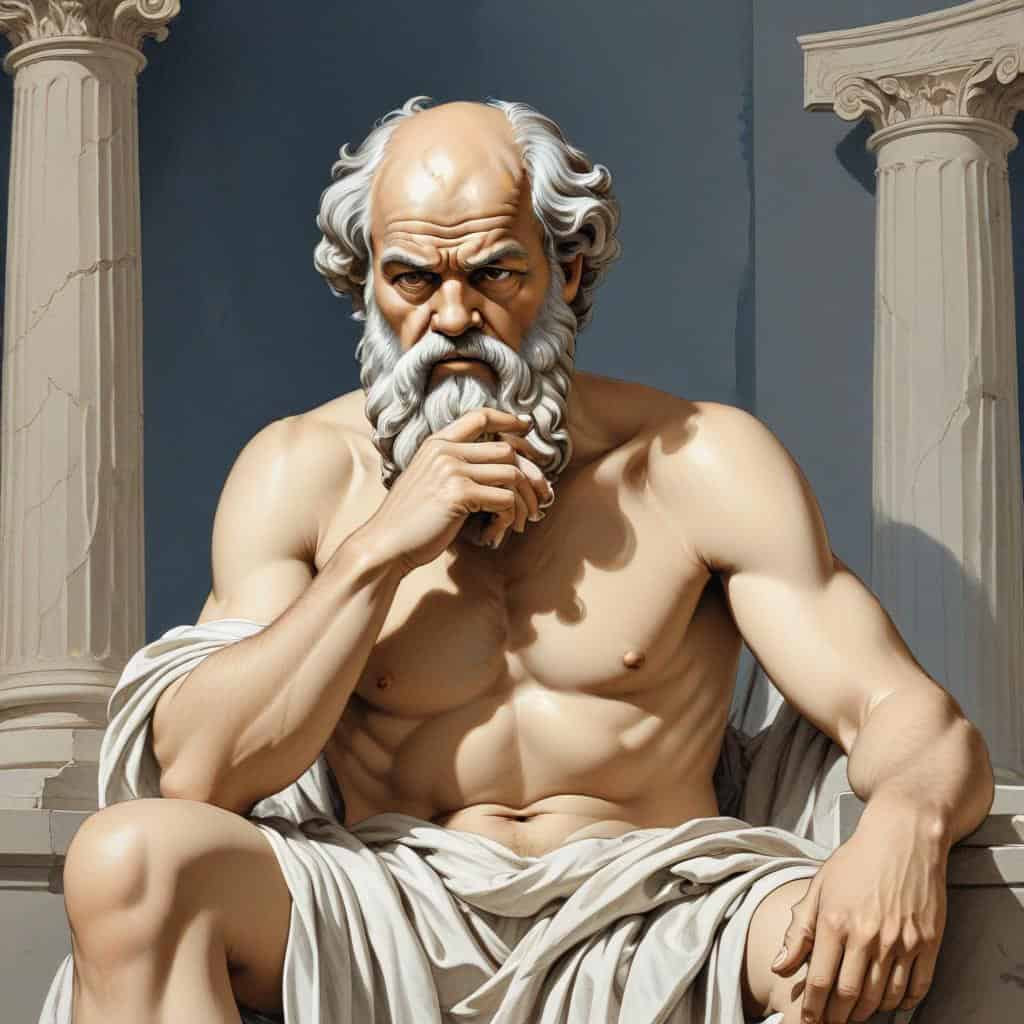
1. Socrates

2. René Descartes
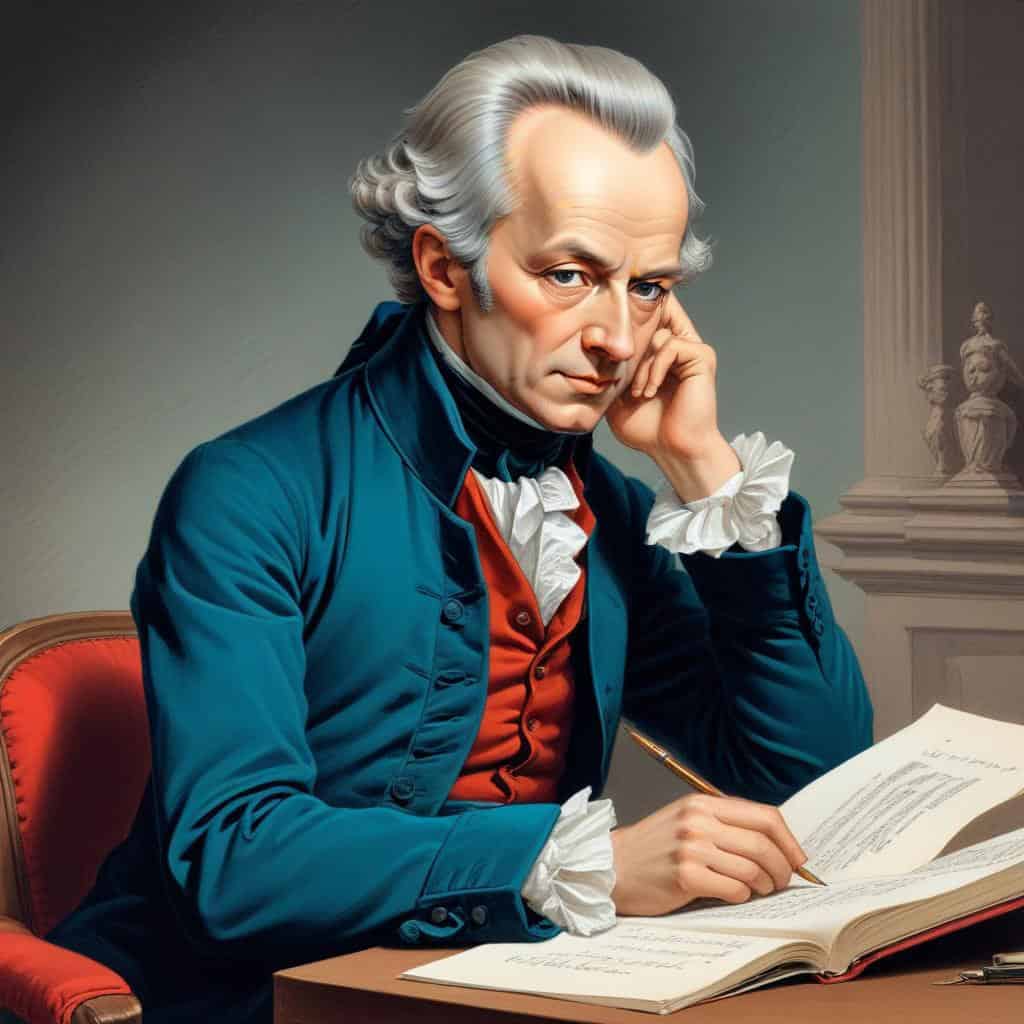
3. Immanuel Kant
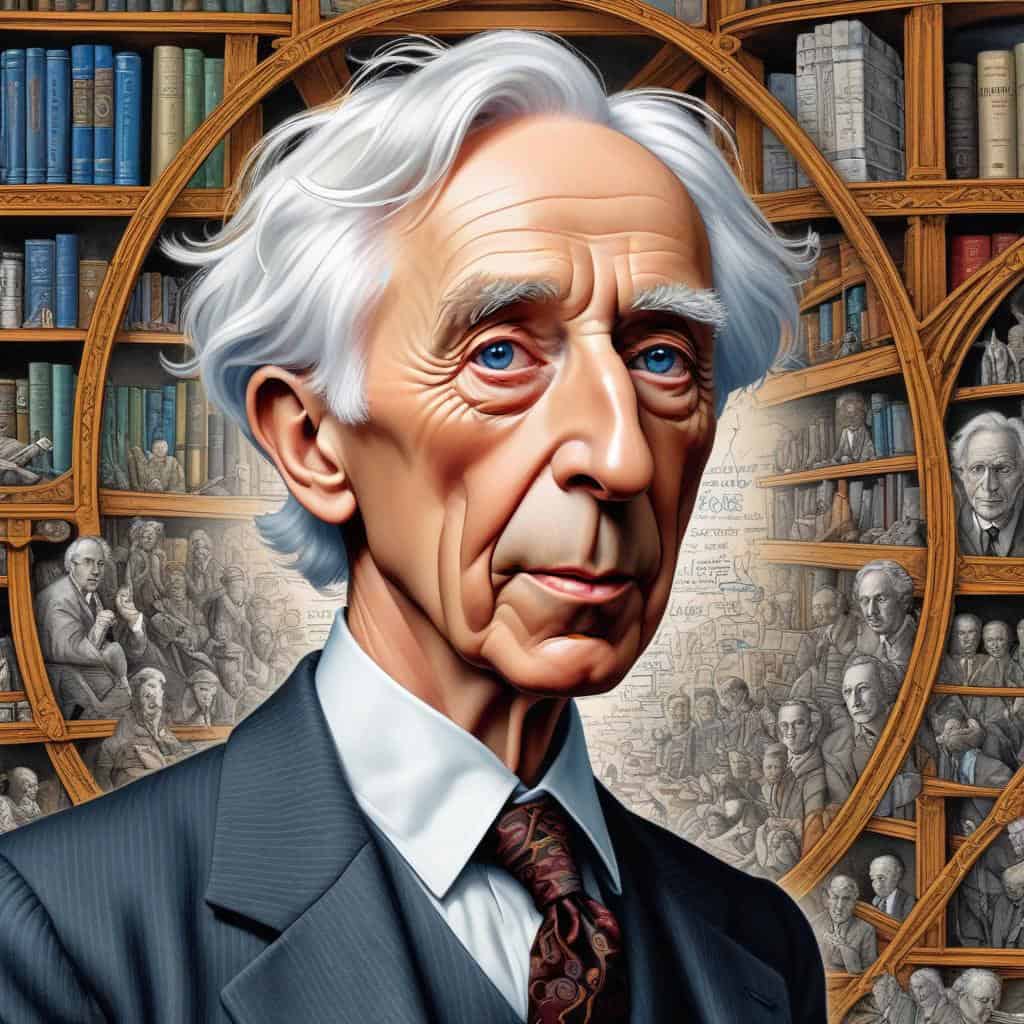
4. Bertrand Russell
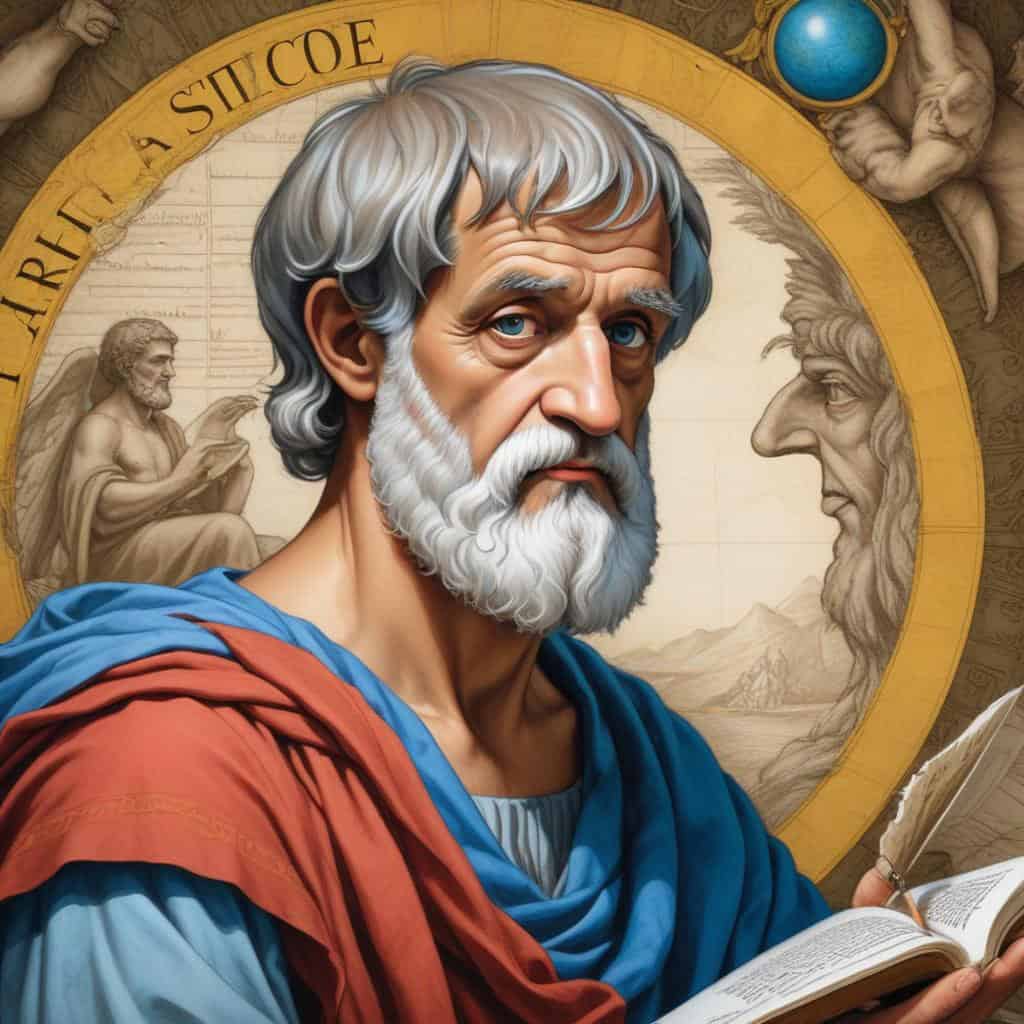
5. Aristotle

1. The Importance of Reasoning in Philosophy

2. Types of Reasoning in Philosophy

3. Deductive Reasoning

4. Inductive Reasoning

5. Abductive Reasoning

6. The Role of Logic in Philosophical Reasoning

7. Common Fallacies in Philosophical Reasoning

8. The Process of Evaluating Philosophical Arguments

9. Applying Reasoning to Ethical Dilemmas

10. The Future of Philosophical Reasoning


Lesson Details & Resources
In a Nutshell
- Concept: A method of thinking that involves drawing conclusions based on logical principles rather than emotions or beliefs.
- Thinkers: Aristotle, 4th Century BC.
- Central Question: How can we use logic and evidence to reach valid conclusions?
- Core Implication: Reasoning is essential for making sound judgments and decisions in various aspects of life.
Timeline of An Reasoning
Thales of Miletus is considered one of the first philosophers and is known for his use of reason to explain natural phenomena
Plato establishes the Academy in Athens, focusing on the use of reason to understand the world and human nature
Aristotle founds the Lyceum in Athens, emphasizing logical reasoning and empirical observation in philosophy
St. Thomas Aquinas incorporates Aristotelian logic and reasoning into Christian theology in his work 'Summa Theologica'
Rene Descartes publishes 'Meditations on First Philosophy', introducing the concept of rationalism and the use of reason to attain knowledge
Immanuel Kant publishes 'Critique of Pure Reason', exploring the limits and possibilities of human reason in understanding the world
Georg Wilhelm Friedrich Hegel develops his dialectical method of reasoning in his work 'Phenomenology of Spirit'
John Stuart Mill advocates for the use of reason and logic in ethics and politics in his work 'Utilitarianism'
Bertrand Russell and Alfred North Whitehead publish 'Principia Mathematica', applying logic and reasoning to the foundations of mathematics
Ludwig Wittgenstein publishes 'Tractatus Logico-Philosophicus', emphasizing the importance of logical analysis in philosophy
Jean-Paul Sartre introduces existentialism, emphasizing individual reasoning and freedom of choice in his work 'Being and Nothingness'
Willard Van Orman Quine challenges the traditional view of analytic and synthetic statements in his work 'Two Dogmas of Empiricism'
Elizabeth Anscombe publishes 'Intention', exploring the role of intention and reasoning in ethical decision-making
Daniel Dennett introduces the concept of 'intentional stance' as a way of understanding reason and rationality in his work 'The Intentional Stance'
Susan Haack develops a pragmatic theory of reasoning in her work 'Evidence and Inquiry'
Alvin Plantinga defends the rationality of belief in God through his work 'Warranted Christian Belief'
Martha Nussbaum advocates for the use of reason and emotion in moral philosophy in her work 'Upheavals of Thought'
David Chalmers introduces the 'hard problem of consciousness' as a challenge to traditional reasoning in philosophy of mind
Christine Korsgaard explores the role of reason in moral philosophy and the concept of 'practical identity' in her work 'Self-Constitution'
Helen Longino challenges traditional views of objectivity and reasoning in science in her work 'Science as Social Knowledge'
Vocabulary List
- Deductive reasoning
- In philosophy, deductive reasoning involves drawing logical conclusions based on a set of premises.
- Inductive reasoning
- Inductive reasoning in philosophy involves making generalizations based on specific observations or evidence.
- Argument
- An argument in philosophy is a series of statements that are intended to demonstrate the truth of a claim.
- Premise
- A premise in philosophy is a statement that serves as the basis for an argument.
- Conclusion
- The conclusion in philosophy is the end result of an argument, where the truth of a claim is supposed to be demonstrated.
- Fallacy
- A fallacy in philosophy is a mistaken belief or faulty reasoning that undermines the validity of an argument.
- Validity
- Validity in philosophy refers to whether the structure of an argument is sound and the conclusion follows logically from the premises.
- Soundness
- Soundness in philosophy refers to an argument that is both valid and has true premises.
- Counterargument
- A counterargument in philosophy is an argument that opposes or challenges the main argument.
- Syllogism
- A syllogism in philosophy is a type of argument that consists of two premises and a conclusion, following a specific logical structure.
Key Facts
This is the information used in the fact matching game
- Reasoning in philosophy involves the use of logic and critical thinking to analyze arguments and draw conclusions.
- Philosophical reasoning often involves evaluating premises and assumptions to determine the validity of an argument.
- Reasoning in philosophy can be deductive, inductive, or abductive, depending on the type of argument being analyzed.
- Philosophical reasoning is used to explore fundamental questions about existence, knowledge, ethics, and other areas of inquiry.
- Reasoning in philosophy often involves questioning assumptions and challenging established beliefs.
- Philosophical reasoning can help uncover hidden biases and assumptions in arguments.
- Reasoning in philosophy is based on principles of logic, which provide a framework for evaluating arguments.
- Philosophical reasoning is not limited to formal logic but also includes informal reasoning techniques.
- Reasoning in philosophy often involves constructing thought experiments to test hypotheses and explore concepts.
- Philosophical reasoning can lead to new insights and perspectives on complex issues.
- Reasoning in philosophy requires precision in language and the ability to identify fallacies in arguments.
- Philosophical reasoning is essential for developing sound arguments and making persuasive claims.
- Reasoning in philosophy is not limited to deductive reasoning but also includes inductive and probabilistic reasoning.
- Philosophical reasoning is used to evaluate the consistency and coherence of beliefs and theories.
- Reasoning in philosophy often involves analyzing thought experiments and hypothetical scenarios to explore ethical dilemmas.
- Philosophical reasoning can help clarify complex concepts and identify underlying assumptions in arguments.
- Reasoning in philosophy requires intellectual honesty and a willingness to consider alternative viewpoints.
- Philosophical reasoning can reveal contradictions and inconsistencies in arguments, leading to further inquiry.
- Reasoning in philosophy is a systematic process of evaluating evidence, drawing conclusions, and justifying beliefs.
- Philosophical reasoning is a foundational skill for critical thinking and intellectual inquiry in various fields.
Analysis & Significance
The Core Argument
Reasoning is the fundamental process by which human beings make sense of the world and reach conclusions based on evidence and logic. It involves the ability to think critically, analyze information, and draw valid inferences.
Criticisms and Counterarguments
Some critics argue that reasoning is not always objective and can be influenced by personal biases or emotions. They also question the idea that there is a universal standard for what constitutes valid reasoning, as different cultures and individuals may have varying perspectives on what is considered logical.
Modern Relevance
In today’s society, the ability to reason effectively is crucial for making informed decisions, especially in the face of misinformation and fake news. It plays a key role in ethical debates, political discourse, and scientific advancements. Teaching and promoting sound reasoning skills can help individuals navigate complex issues and contribute to a more rational and just society.
An Reasoning Games


Take Your Learning Offline
Want a convenient, print-ready study guide for this lesson? Become a Memory Wizards Pro member to unlock the downloadable " Memory Scrolls" for this topic and our entire library!
- ✓ Complete Vocabulary Lists
- ✓ Key Facts & Timelines
- ✓ Beautifully Formatted for Print & Mobile