
The Battle of Hastings: Tactics and Strategies
In this module, we will delve into the tactics and strategies employed during the historic Battle of Hastings in 1066. This battle marked a pivotal moment in English history, as it led to the Norman conquest of England and forever changed the course of the nation.
Key Points:
- The Battle of Hastings took place on October 14, 1066, between the Norman army led by William the Conqueror and the English army commanded by Harold II.
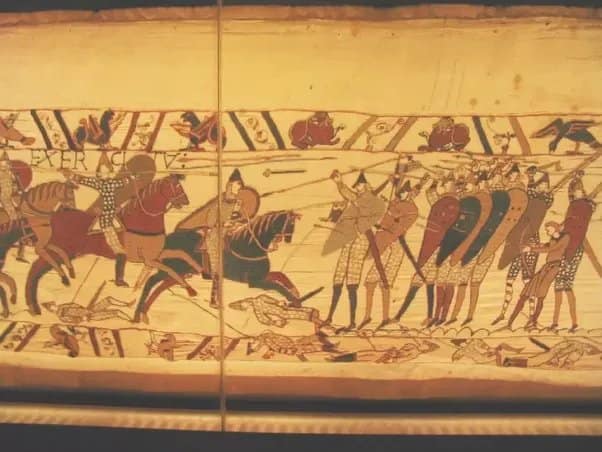
- William the Conqueror utilized a combination of infantry, archers, and cavalry to gain an advantage over Harold’s forces.
- Harold II’s defensive strategies, such as forming a shield wall, initially held off the Norman invaders, but ultimately proved insufficient.
- The Normans successfully employed feigned retreats, a tactic known as the “playing opossum,” to lure the English out of their defensive position and weaken their formation.
- The battle ended with the death of Harold II and the victory of William the Conqueror, leading to the Norman control over England.
By examining the tactics and strategies employed during the Battle of Hastings, we can gain a deeper understanding of how military decisions can shape the course of history and appreciate the impact of this significant event.