
The Philosophy Of Fashion
What defines the essence of true style?
How Do You Learn Best?
Learn by Reading
Immerse yourself in the 10-minute visual lesson for a comprehensive understanding of the topic.
Learn by Reviewing
Jump directly to the key facts, timeline, and vocabulary lists to build a solid foundation of details.
Learn by Doing
Challenge yourself! Jump straight into the interactive games to learn by trial, error, and discovery.
The Philosophy Of Fashion in 10 Minutes
Introduction

Immanuel Kant
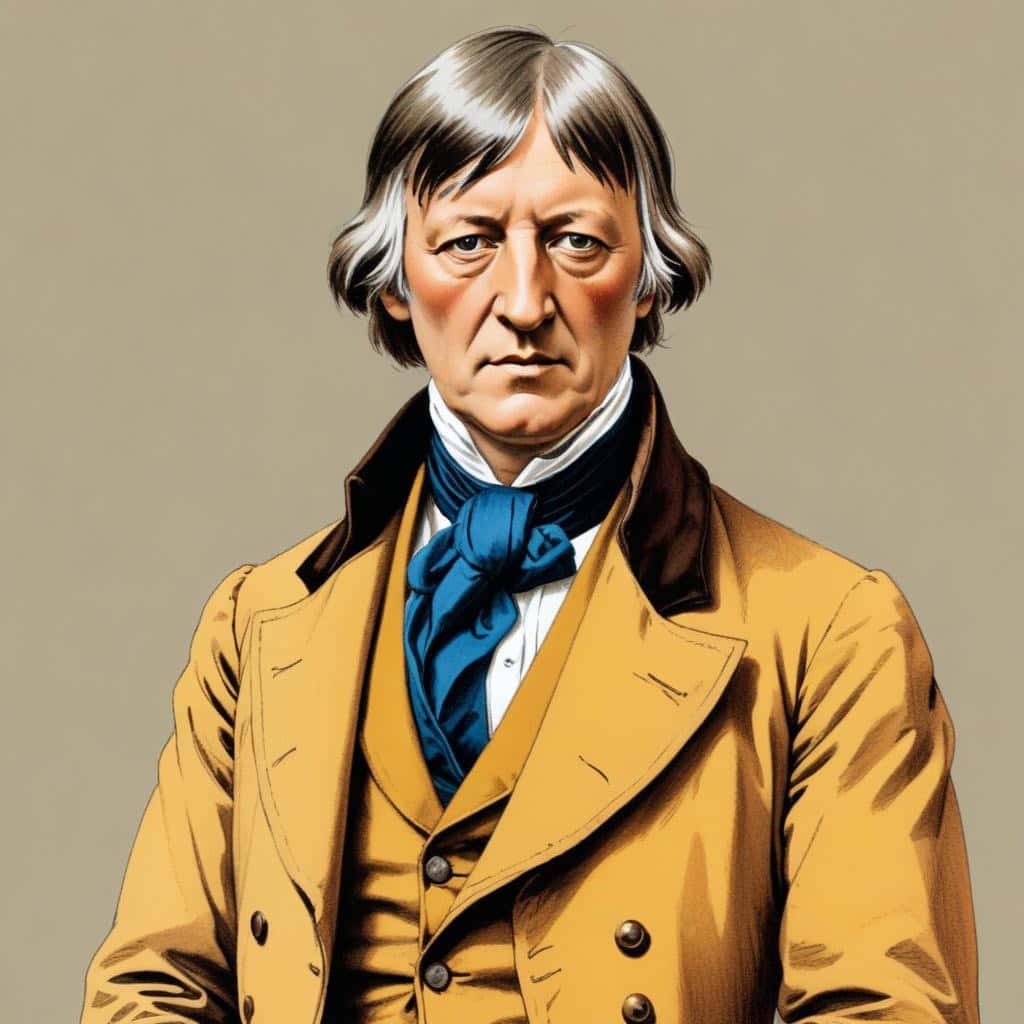
Georg Wilhelm Friedrich Hegel
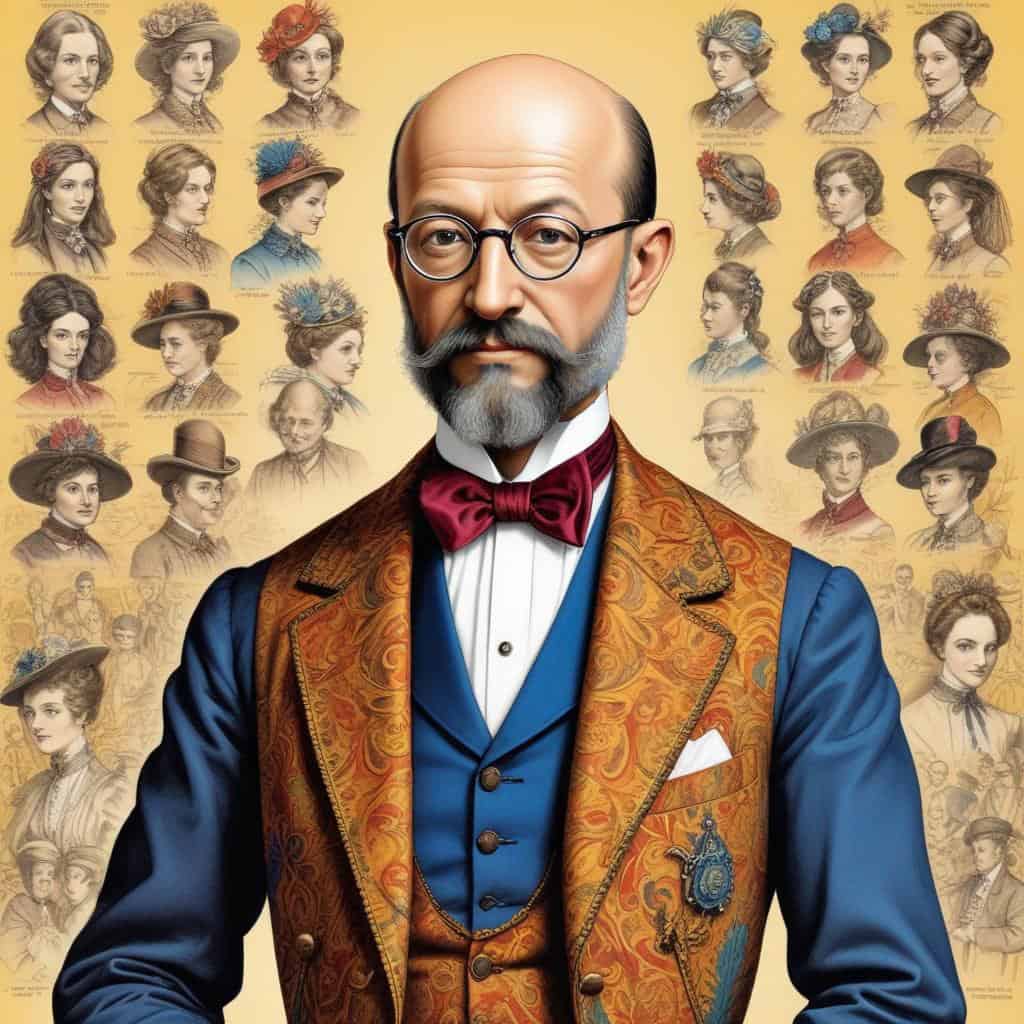
Simmel

Walter Benjamin
Roland Barthes
The Philosophy of Fashion: An Overview
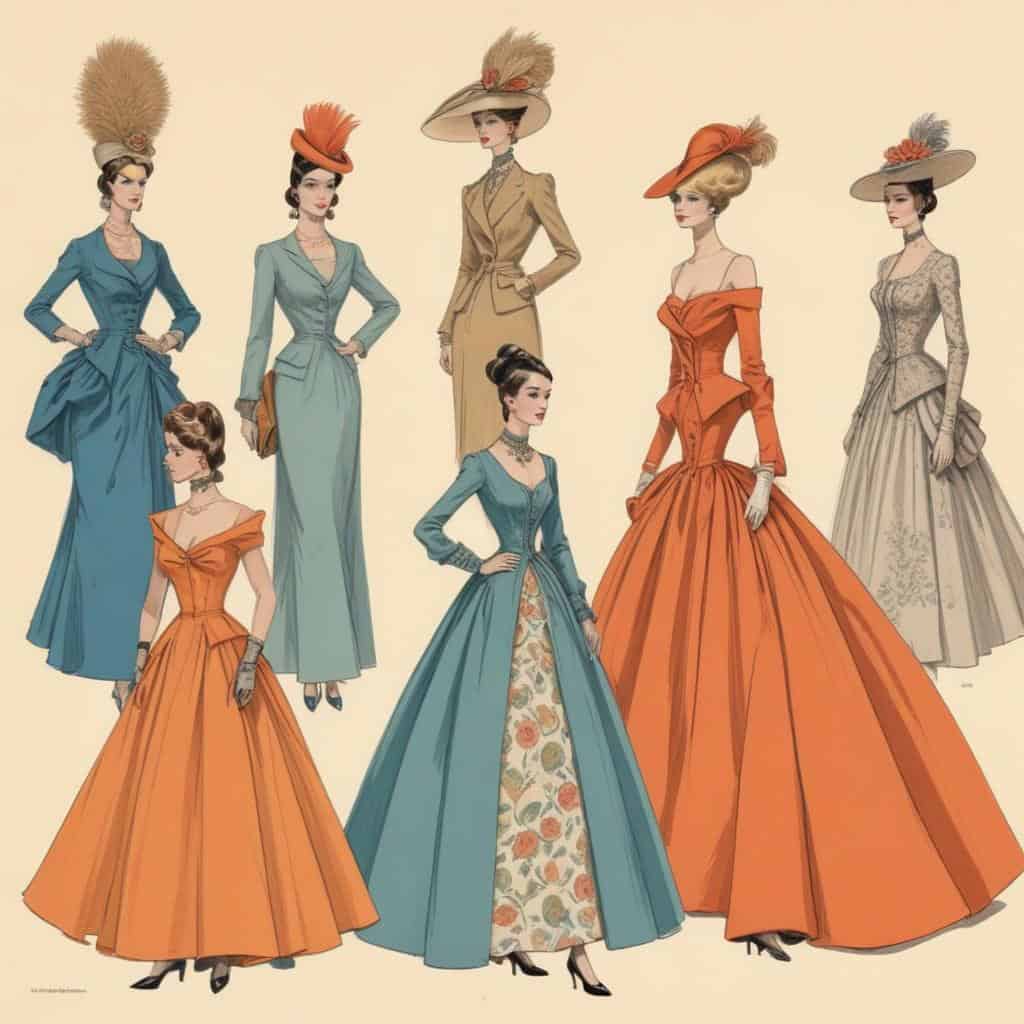
The Role of Fashion in Society
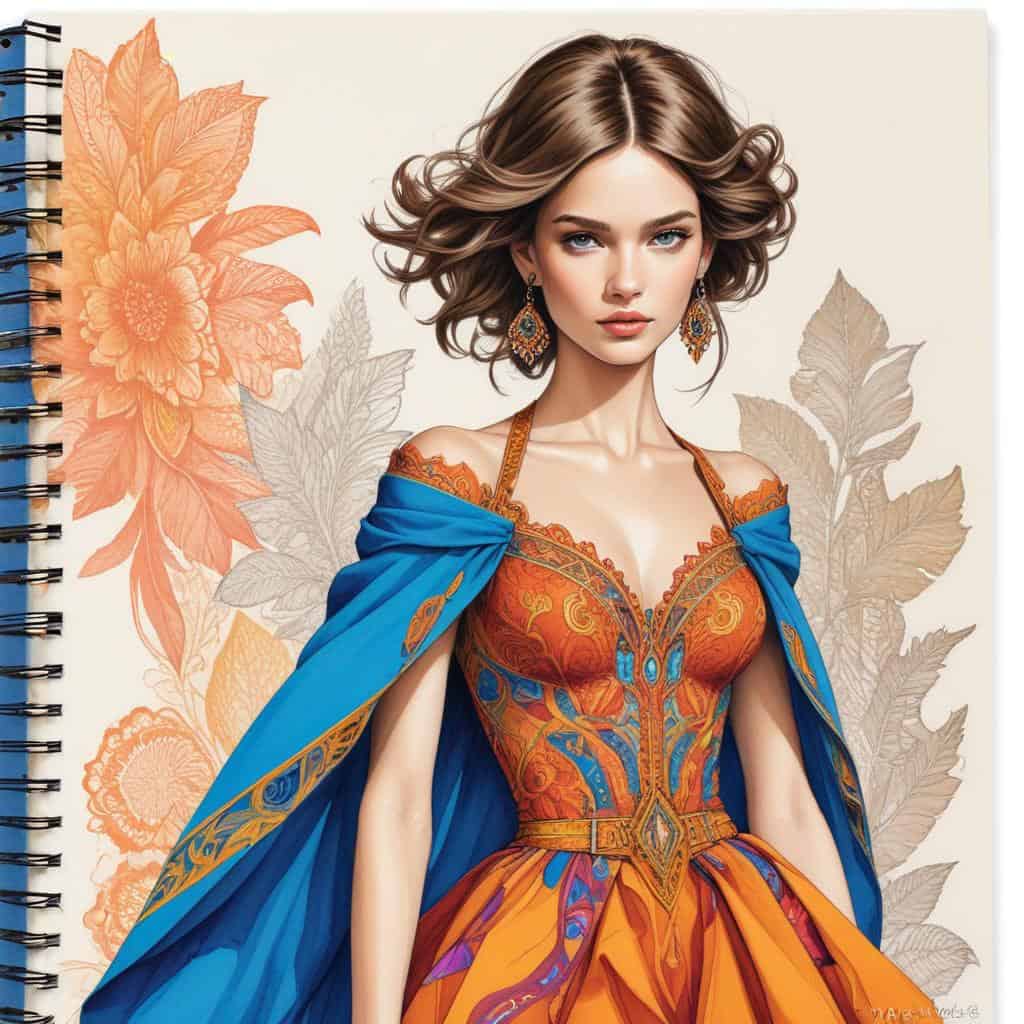
Fashion as a Form of Self-Expression
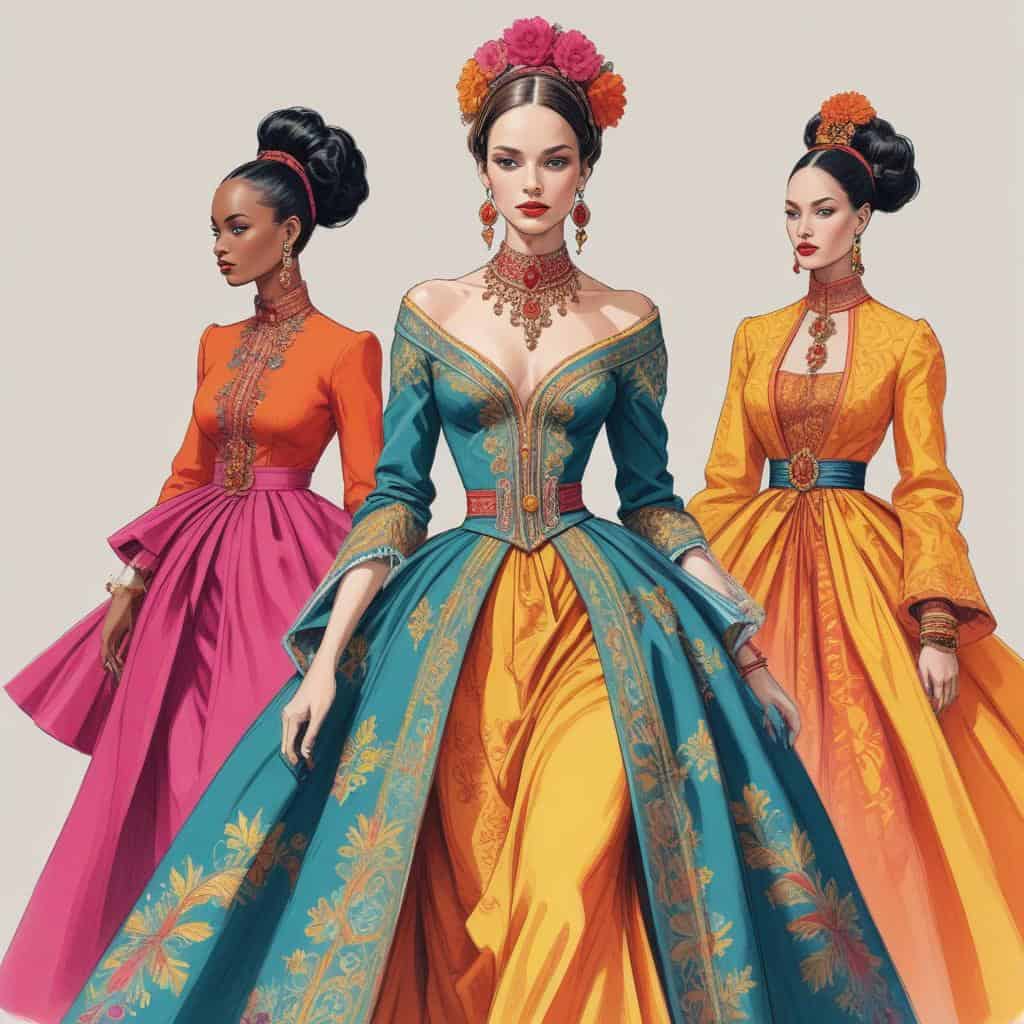
The Influence of Fashion on Culture
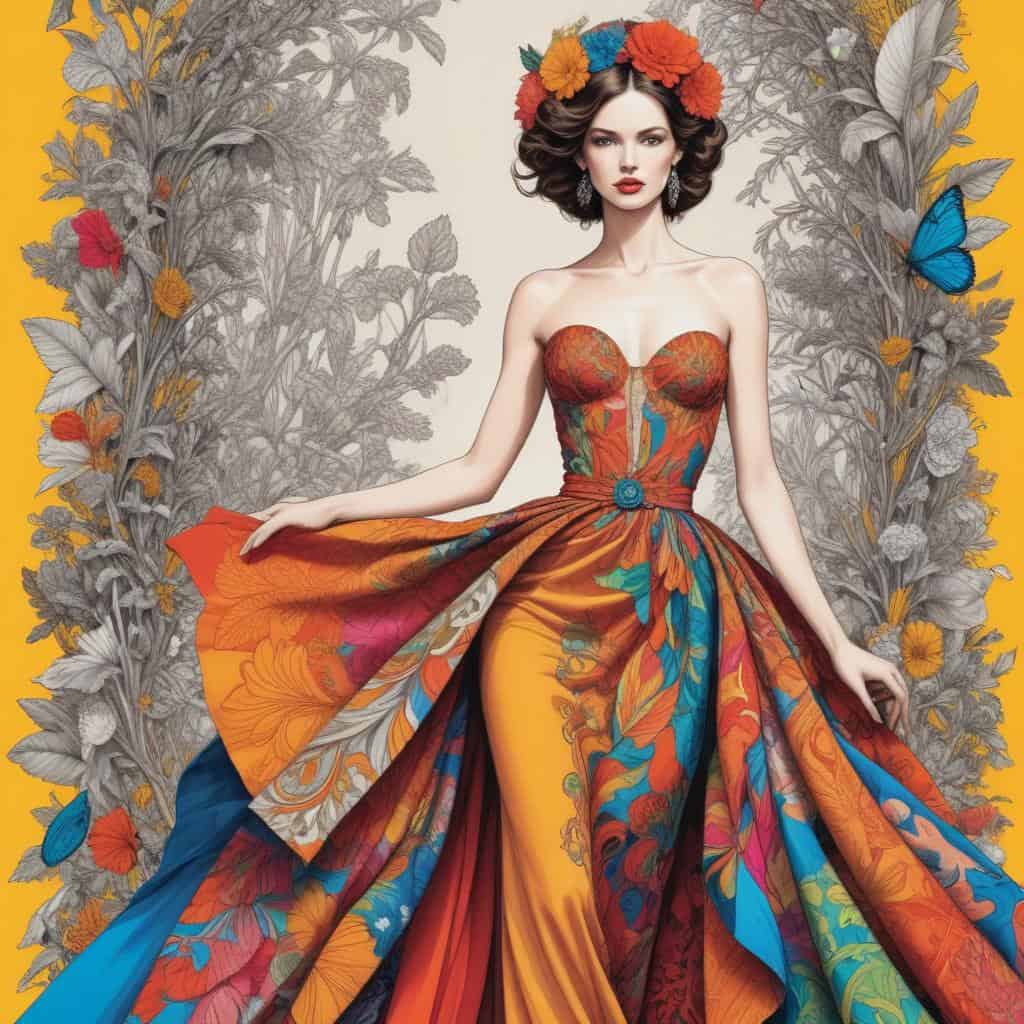
The Ethics of Fashion
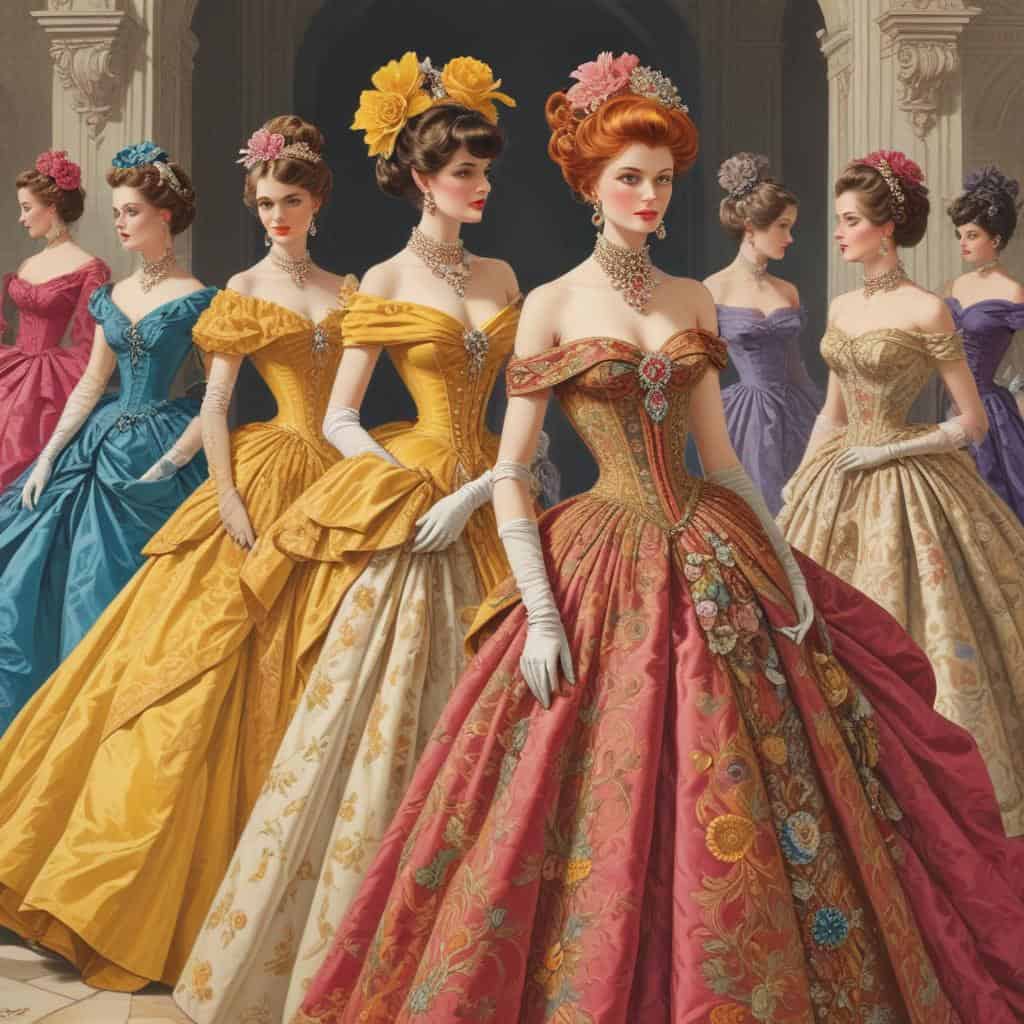
Fashion and Time
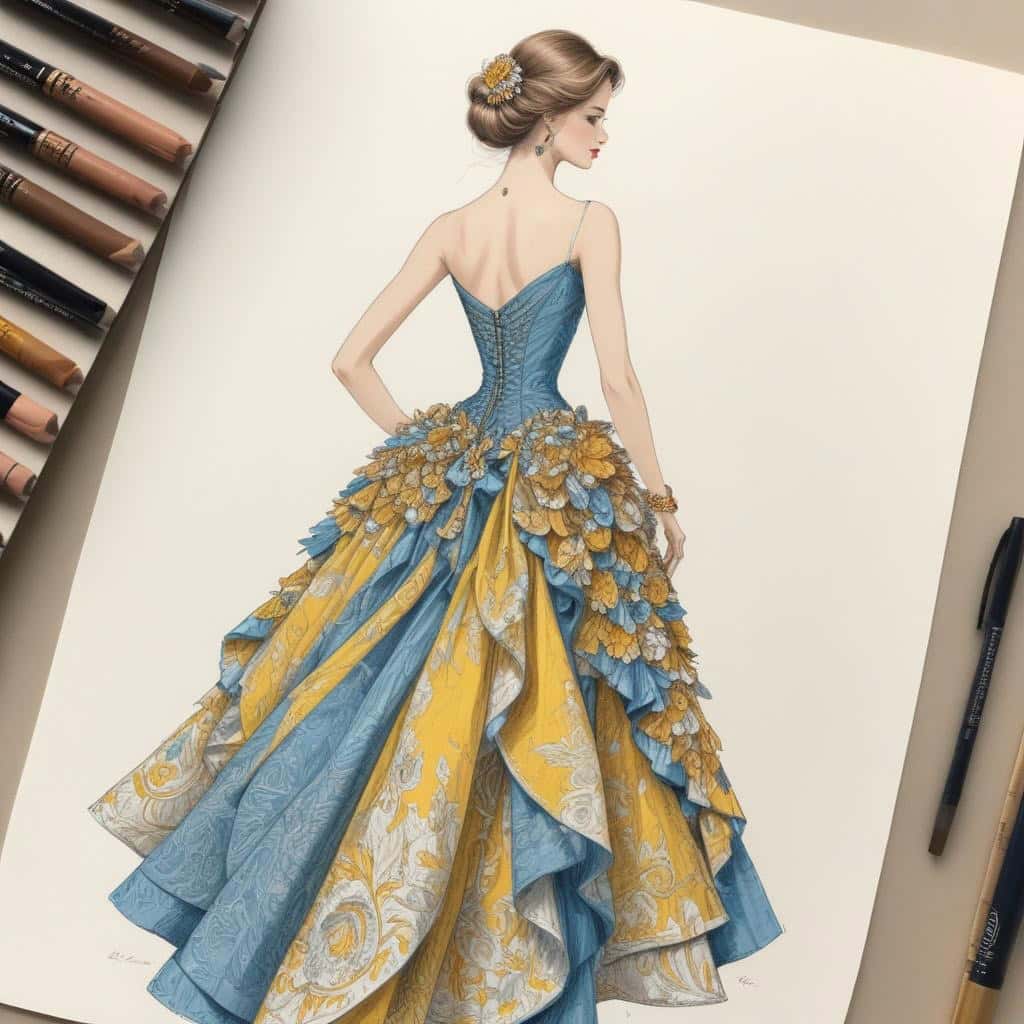
The Philosophy of Beauty in Fashion
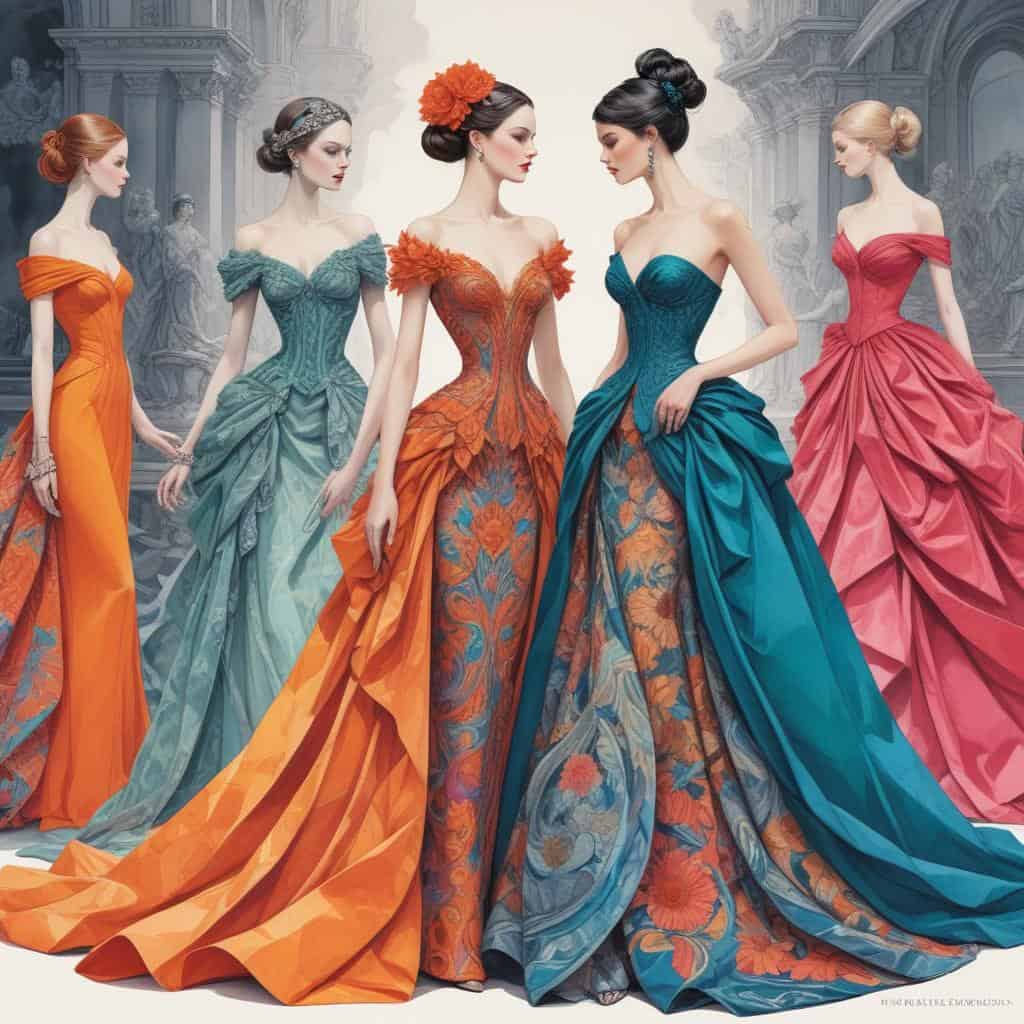
The Intersection of Fashion and Philosophy
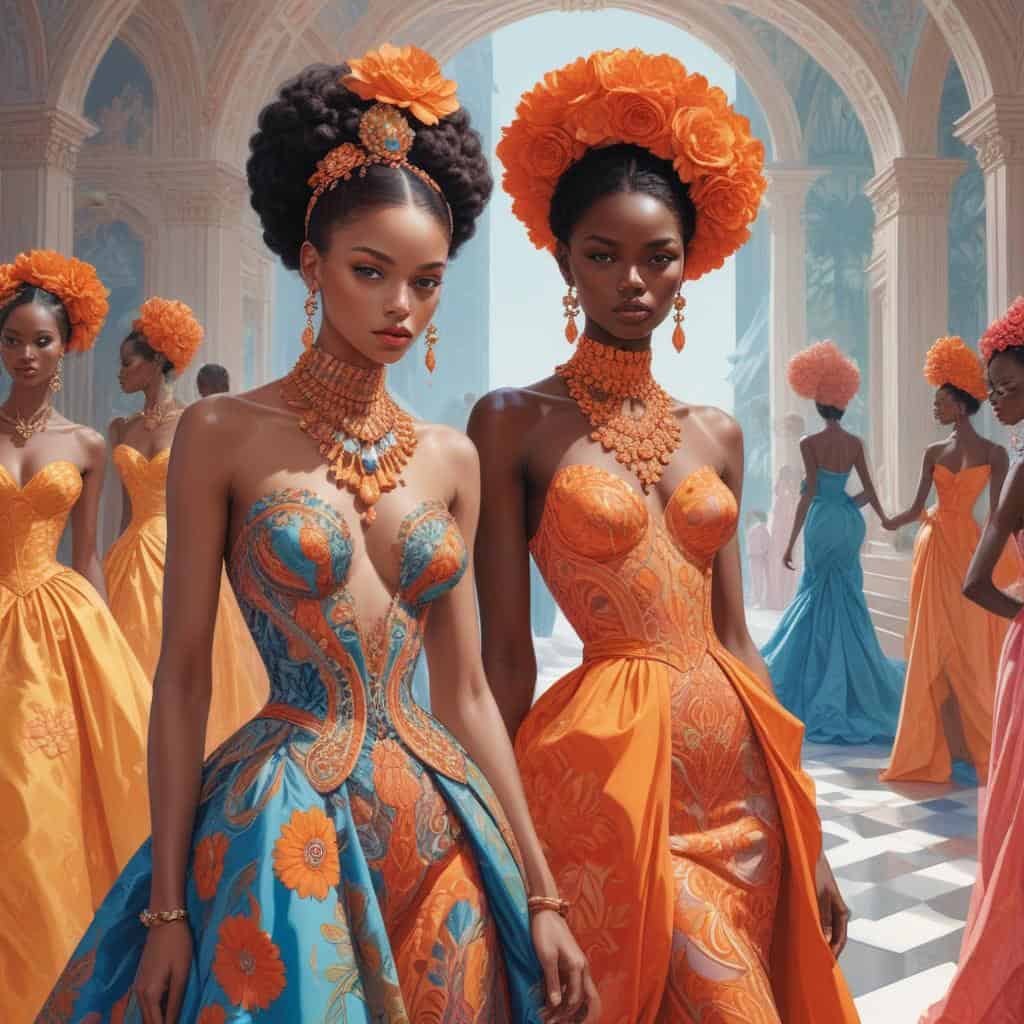
The Future of Fashion Philosophy
Lesson Details & Resources
In a Nutshell
- Concept: The Philosophy of Fashion is an exploration of the underlying principles and ideas behind clothing, style, and trends.
- Thinkers: Georg Simmel, Roland Barthes, 19th-20th Century.
- Central Question: What is the significance of fashion in society and individual identity?
- Core Implication: Fashion is not just about aesthetics but also serves as a reflection of cultural values and social dynamics.
Timeline of The Philosophy Of Fashion
Plato's Republic discusses the role of clothing in society
Aristotle's Poetics explores the aesthetics of dress and appearance
Thomas Aquinas writes about the morality of fashion in Summa Theologica
Renaissance thinkers such as Leonardo da Vinci and Machiavelli discuss fashion in their works
Baroque and Rococo periods see elaborate and opulent fashions reflecting social status
Immanuel Kant's Critique of Judgment examines the concept of beauty in fashion
Georg Wilhelm Friedrich Hegel's Phenomenology of Spirit discusses the role of clothing in self-expression
Charles Baudelaire's The Painter of Modern Life explores the aesthetics of fashion in urban settings
Friedrich Nietzsche's Thus Spoke Zarathustra critiques societal norms through the lens of fashion
Sigmund Freud's theories on the unconscious influence of clothing choices on identity
Simone de Beauvoir's The Second Sex examines the role of fashion in gender identity
Roland Barthes' The Fashion System analyzes the cultural significance of clothing
Michel Foucault's Discipline and Punish discusses the regulation of dress in institutions
Judith Butler's Gender Trouble critiques traditional notions of gender through fashion
Elisabeth Grosz's Volatile Bodies explores the fluidity of identity through fashion
Slavoj Žižek's writings on ideology and fashion in contemporary society
Giorgio Agamben's The Signature of All Things examines the relationship between fashion and power
Jacques Derrida's The Specters of Marx discusses the haunting presence of fashion in consumer culture
Donna Haraway's A Cyborg Manifesto reimagines identity and fashion in a technologically advanced world
Paul Virilio's writings on speed and fashion in the age of globalization
Vocabulary List
- Aesthetics
- Aesthetics plays a crucial role in the philosophy of fashion as it explores the concept of beauty and the role it plays in clothing and style.
- Authenticity
- Many philosophers discuss the importance of authenticity in fashion, arguing that true style comes from being genuine and original.
- Materialism
- Materialism is often critiqued in the philosophy of fashion for promoting consumerism and valuing material possessions over personal values.
- Sustainability
- Sustainability is a key concept in the philosophy of fashion, as many argue for ethical and environmentally friendly practices in the clothing industry.
- Identity
- Fashion is often seen as a way to express one's identity and individuality, making it a central topic in the philosophy of fashion.
Key Facts
This is the information used in the fact matching game
- Fashion can be seen as a form of self-expression and a way to communicate one's identity and values.
- Some philosophers argue that fashion is a form of art that reflects societal values and norms.
- Fashion is often influenced by cultural, historical, and social factors.
- The Philosophy of Fashion Philosophy explores the ethical implications of consumerism and fast fashion.
- Fashion can be a means of empowerment and self-confidence for individuals.
- Some philosophers argue that fashion can perpetuate harmful stereotypes and inequalities.
- The Philosophy of Fashion Philosophy considers the environmental impact of the fashion industry.
- Fashion trends can influence our perceptions of beauty and body image.
- Fashion can be a means of cultural exchange and understanding between different societies.
- Some philosophers argue that fashion is a form of language that communicates social status and identity.
- The Philosophy of Fashion Philosophy raises questions about the authenticity and originality of fashion design.
- Fashion can be a form of resistance against societal norms and expectations.
- The Philosophy of Fashion Philosophy considers the role of technology and innovation in the fashion industry.
- Fashion can shape our sense of time and history, reflecting the zeitgeist of a particular era.
- Some philosophers argue that fashion is a form of power that can influence social hierarchies.
- The Philosophy of Fashion Philosophy examines the role of gender and sexuality in fashion.
- Fashion can blur the lines between art, commerce, and utility, raising questions about its value and purpose.
- Some philosophers argue that fashion can challenge traditional notions of beauty and aesthetics.
- The Philosophy of Fashion Philosophy explores the role of memory and nostalgia in our relationship with clothing and style.
- Fashion can be a form of social critique and commentary on contemporary issues.
Analysis & Significance
The Core Argument
The core argument of the philosophy of fashion revolves around the idea that fashion is not just about clothing and trends, but a reflection of societal values, cultural norms, and individual identity. It explores how fashion can be a form of self-expression, a means of social communication, and a way to challenge or conform to the status quo.
Criticisms and Counterarguments
Critics of the philosophy of fashion argue that it promotes materialism, superficiality, and conformity. They question whether fashion truly has any deeper meaning or if it is simply a tool for consumerism and social control. Some philosophers also challenge the idea that fashion can be a meaningful form of self-expression, arguing that it is often dictated by external influences rather than personal choice.
Modern Relevance
In today’s society, the philosophy of fashion is more relevant than ever as we grapple with issues of sustainability, cultural appropriation, and individuality. The ethical implications of fast fashion, the impact of social media influencers on trends, and the debate over who has the right to wear certain styles all intersect with philosophical questions about identity, power dynamics, and authenticity in the realm of fashion.
The Philosophy Of Fashion Games


Take Your Learning Offline
Want a convenient, print-ready study guide for this lesson? Become a Memory Wizards Pro member to unlock the downloadable " Memory Scrolls" for this topic and our entire library!
- ✓ Complete Vocabulary Lists
- ✓ Key Facts & Timelines
- ✓ Beautifully Formatted for Print & Mobile