
The Philosophy Of Beauty
What makes something truly beautiful?
How Do You Learn Best?
Learn by Reading
Immerse yourself in the 10-minute visual lesson for a comprehensive understanding of the topic.
Learn by Reviewing
Jump directly to the key facts, timeline, and vocabulary lists to build a solid foundation of details.
Learn by Doing
Challenge yourself! Jump straight into the interactive games to learn by trial, error, and discovery.
The Philosophy Of Beauty in 10 Minutes

Introduction



The Concept of Beauty
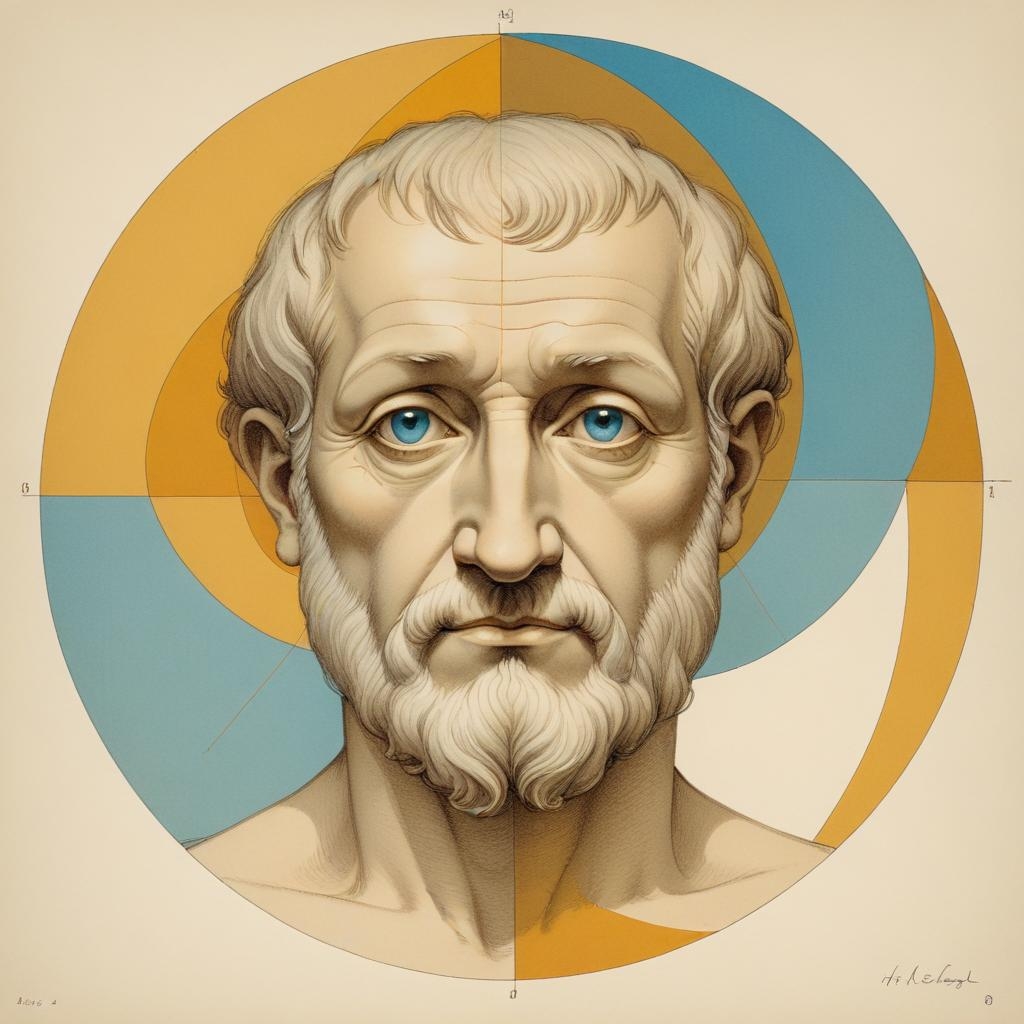
The Golden Mean
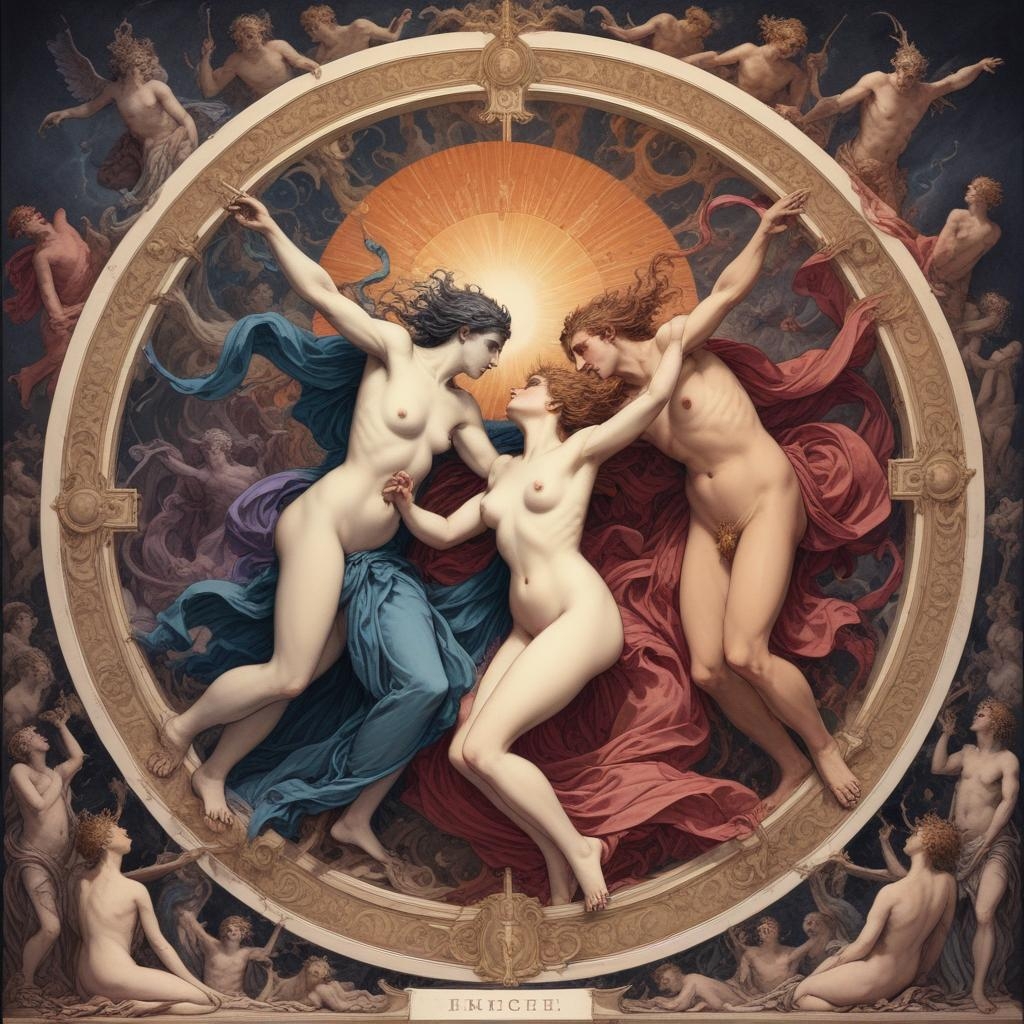
The Apollonian and Dionysian

The Sublime
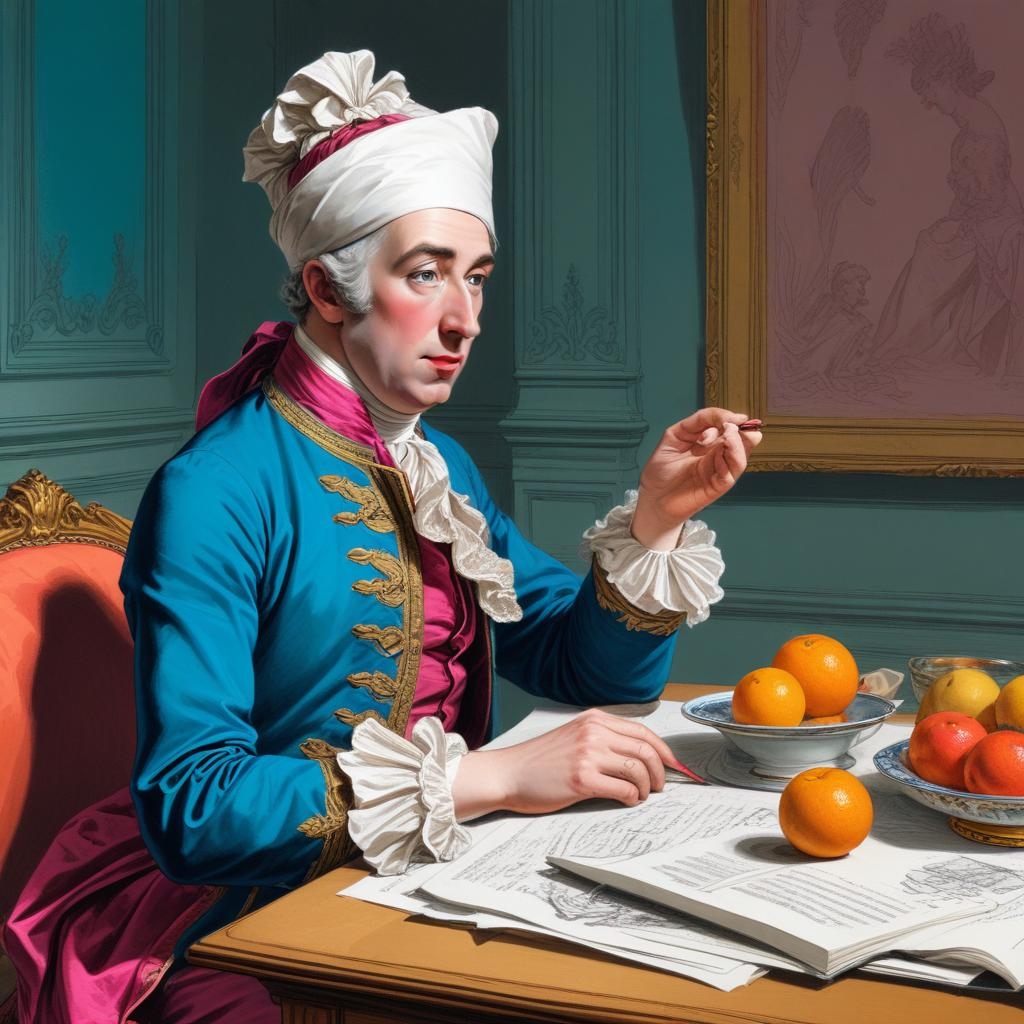
Disinterestedness in Aesthetics

Subjectivity of Beauty

The Aesthetic Experience

Art for Arts Sake

Beauty as Truth

Emotion and Beauty
Lesson Details & Resources
In a Nutshell
- Concept: The Philosophy of Beauty is a branch of philosophy that explores the nature of beauty and its role in human experience.
- Thinkers: Plato, Aristotle, Immanuel Kant, Friedrich Nietzsche, 5th Century BC – 19th Century AD.
- Central Question: What is the nature of beauty and how does it impact our perception of the world?
- Core Implication: Beauty is not just a subjective experience but has objective qualities that can be understood and appreciated in various forms of art and nature.
Timeline of The Philosophy Of Beauty
Plato defines beauty as the highest form of reality in his dialogues
Aristotle discusses beauty as a combination of order, symmetry, and definiteness in his works
Plotinus writes about the concept of beauty as a reflection of the divine in the physical world
St. Augustine explores beauty as a reflection of God's perfection in his writings
Thomas Aquinas incorporates Aristotle's ideas on beauty into Christian theology in his Summa Theologica
Leonardo da Vinci's Vitruvian Man illustrates the concept of beauty through proportion and symmetry
Renaissance humanists like Alberti and Vasari write about the importance of beauty in art and architecture
Immanuel Kant discusses the subjective nature of beauty in his Critique of Judgment
Georg Wilhelm Friedrich Hegel explores beauty as an expression of spirit in his lectures on aesthetics
Oscar Wilde writes about the importance of beauty in his essay 'The Picture of Dorian Gray'
Edmund Husserl discusses the phenomenology of beauty in his work 'Ideas: General Introduction to Pure Phenomenology'
Martin Heidegger explores the concept of beauty as a way of revealing truth in his work 'The Origin of the Work of Art'
Susan Sontag critiques the commodification of beauty in her essay 'Against Interpretation'
Jacques Derrida deconstructs traditional notions of beauty in his work 'The Truth in Painting'
Elaine Scarry examines the relationship between beauty and justice in her book 'On Beauty and Being Just'
Alain de Botton explores the philosophy of beauty in his book 'The Architecture of Happiness'
Sianne Ngai introduces the concept of 'cute' as a new form of aesthetic category in her book 'Our Aesthetic Categories'
Paul Guyer publishes 'A History of Modern Aesthetics' which includes discussions on the philosophy of beauty
Elisabeth Schellekens Dammann writes about the different theories of beauty in her book 'Aesthetics and Morality'
The debate on the nature of beauty continues in contemporary philosophy and aesthetics
Vocabulary List
- Aesthetics
- Aesthetics is an important part of The Philosophy of Beauty, as it explores the concepts of beauty and art.
- Sublime
- In The Philosophy of Beauty, the sublime is often discussed as a concept that transcends ordinary beauty.
- Proportion
- Proportion is a key element in The Philosophy of Beauty, as it is believed that objects that are proportionate are more aesthetically pleasing.
- Harmony
- Harmony is an important concept in The Philosophy of Beauty, as it is believed that harmony in art and nature leads to beauty.
- Symmetry
- Symmetry is often considered a key component of beauty in The Philosophy of Beauty, as it is believed to create a sense of balance and order.
Key Facts
This is the information used in the fact matching game
- Beauty is a subjective concept that has been debated by philosophers for centuries.
- Plato believed that beauty was a form that existed independently of physical objects.
- Aristotle argued that beauty is a combination of symmetry, proportion, and harmony.
- Immanuel Kant believed that beauty is a subjective experience that is grounded in universal principles.
- David Hume argued that beauty is a reflection of the observer's sentiments and emotions.
- Edmund Burke believed that beauty is a combination of qualities that evoke pleasure and admiration.
- Arthur Schopenhauer viewed beauty as a manifestation of the eternal and unchanging essence of reality.
- Friedrich Nietzsche believed that beauty is a product of the will to power and the overcoming of obstacles.
- George Santayana argued that beauty is a value that is independent of human perception.
- Susanne Langer proposed that beauty is a symbol of human feeling and emotion.
- Martin Heidegger believed that beauty reveals the truth of being and existence.
- Maurice Merleau-Ponty argued that beauty is a bodily experience that is intertwined with perception.
- Simone de Beauvoir believed that beauty is a social construct that reflects power dynamics.
- Elaine Scarry argued that beauty is a source of moral and political power.
- Gilles Deleuze viewed beauty as a force that disrupts established norms and creates new possibilities.
- Judith Butler proposed that beauty is a performative act that challenges traditional notions of identity.
- Martha Nussbaum argued that beauty is a source of ethical insight and understanding.
- Sandra Lee Bartky believed that beauty standards are oppressive and reinforce patriarchal norms.
- Elisabeth Schüssler Fiorenza viewed beauty as a liberating force that challenges systems of domination.
- Alison Stone argued that beauty is a complex and multifaceted concept that resists easy definition.
Analysis & Significance
The Core Argument
The Philosophy of Beauty delves into the nature of aesthetics and its relation to our perception of the world. It explores the idea that beauty is not merely subjective but has objective qualities that can be understood through philosophical inquiry.
Criticisms and Counterarguments
Critics argue that beauty is too culturally and temporally contingent to have any universal standards. They suggest that what one culture may find beautiful, another may not, making any objective understanding of beauty impossible.
Modern Relevance
In today’s image-driven society, the Philosophy of Beauty gains significance as we grapple with issues of body image, social media influence, and the commodification of aesthetics. Understanding the philosophical underpinnings of beauty can help individuals navigate the complexities of modern standards and appreciate beauty in a more nuanced way.
The Philosophy Of Beauty Games


Take Your Learning Offline
Want a convenient, print-ready study guide for this lesson? Become a Memory Wizards Pro member to unlock the downloadable " Memory Scrolls" for this topic and our entire library!
- ✓ Complete Vocabulary Lists
- ✓ Key Facts & Timelines
- ✓ Beautifully Formatted for Print & Mobile