
Beauty In Nature
Can we truly grasp the enchanting mystery of nature's beauty?
How Do You Learn Best?
Learn by Reading
Immerse yourself in the 10-minute visual lesson for a comprehensive understanding of the topic.
Learn by Reviewing
Jump directly to the key facts, timeline, and vocabulary lists to build a solid foundation of details.
Learn by Doing
Challenge yourself! Jump straight into the interactive games to learn by trial, error, and discovery.
Beauty In Nature in 10 Minutes
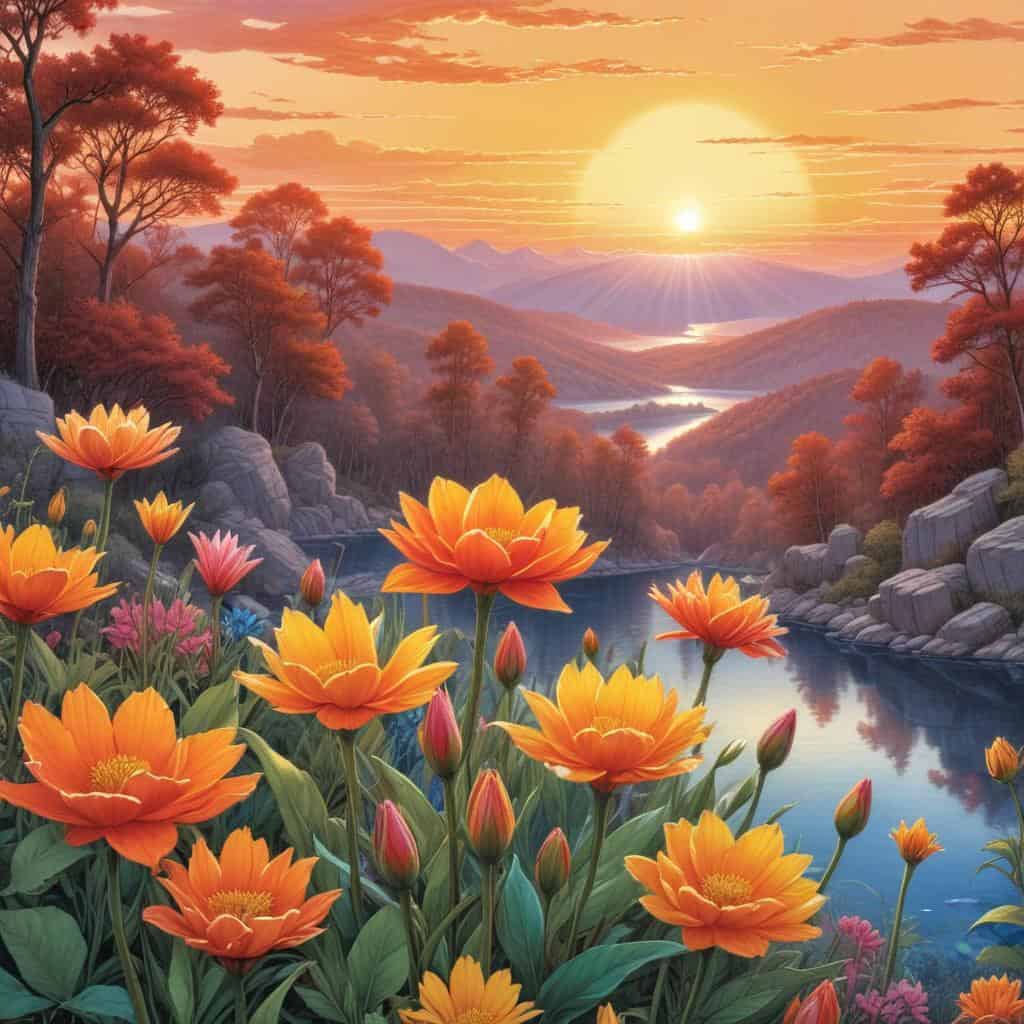
Introduction

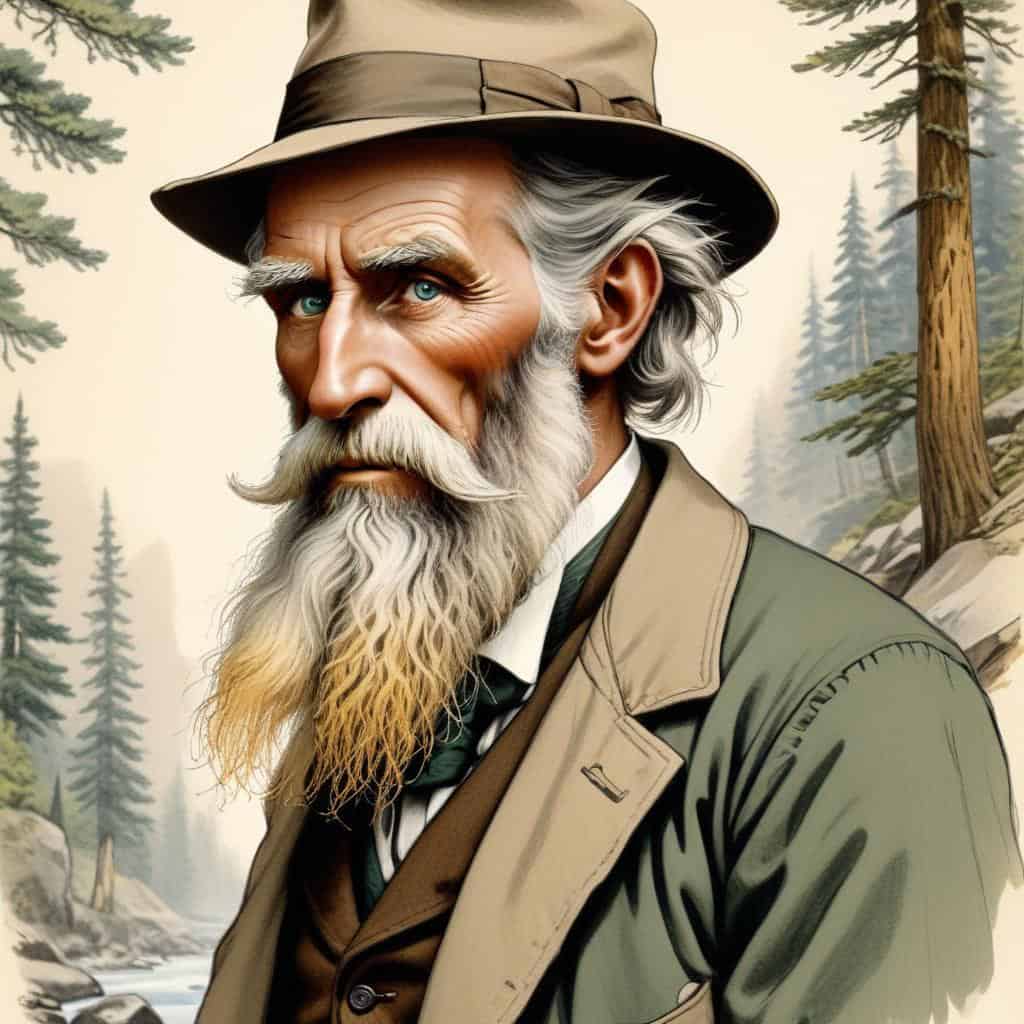
John Muir
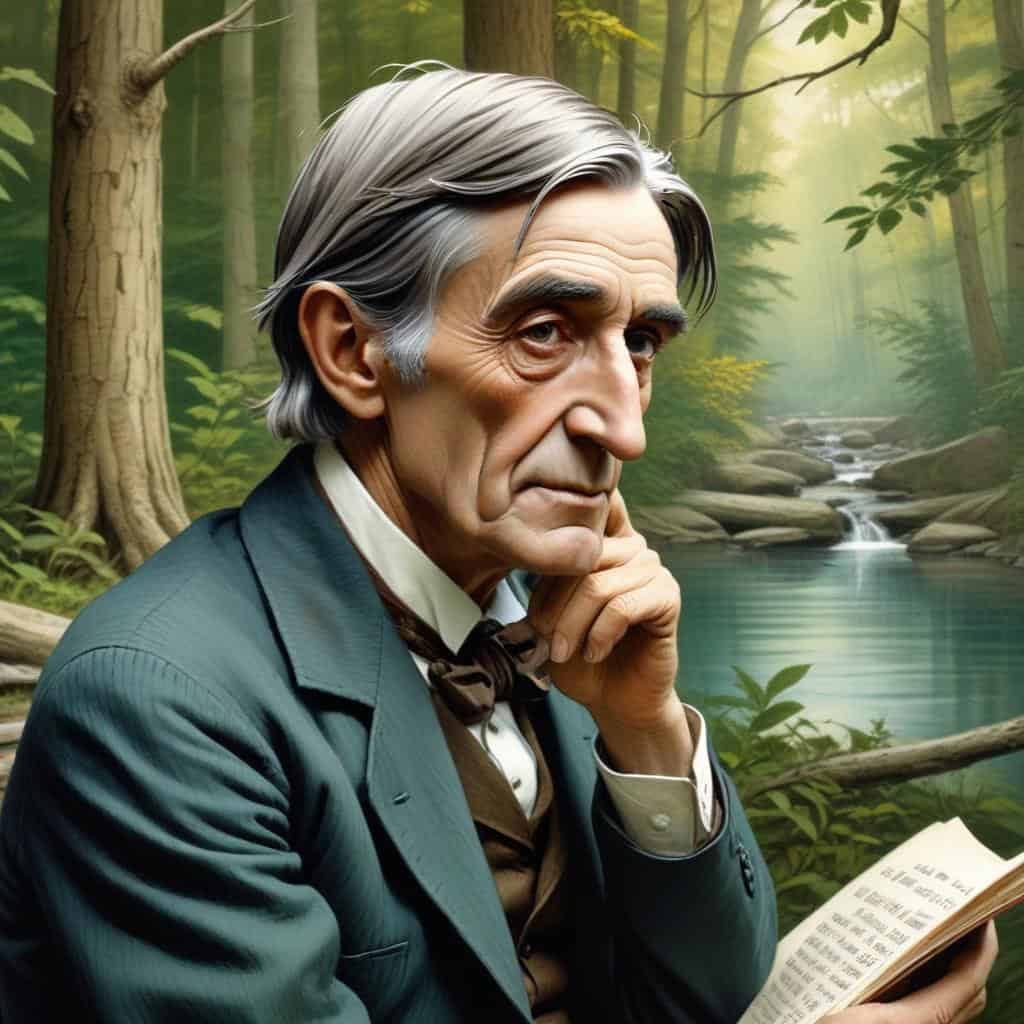
Ralph Waldo Emerson
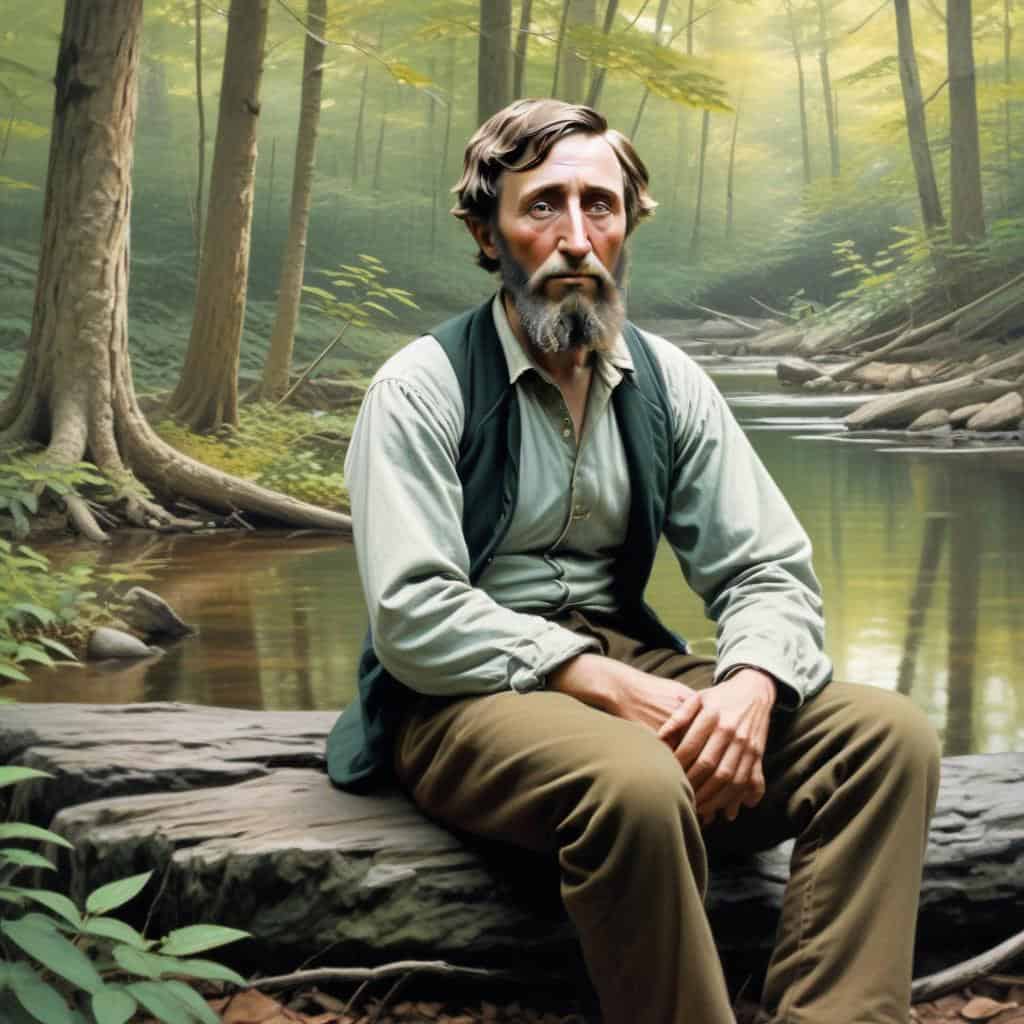
Henry David Thoreau
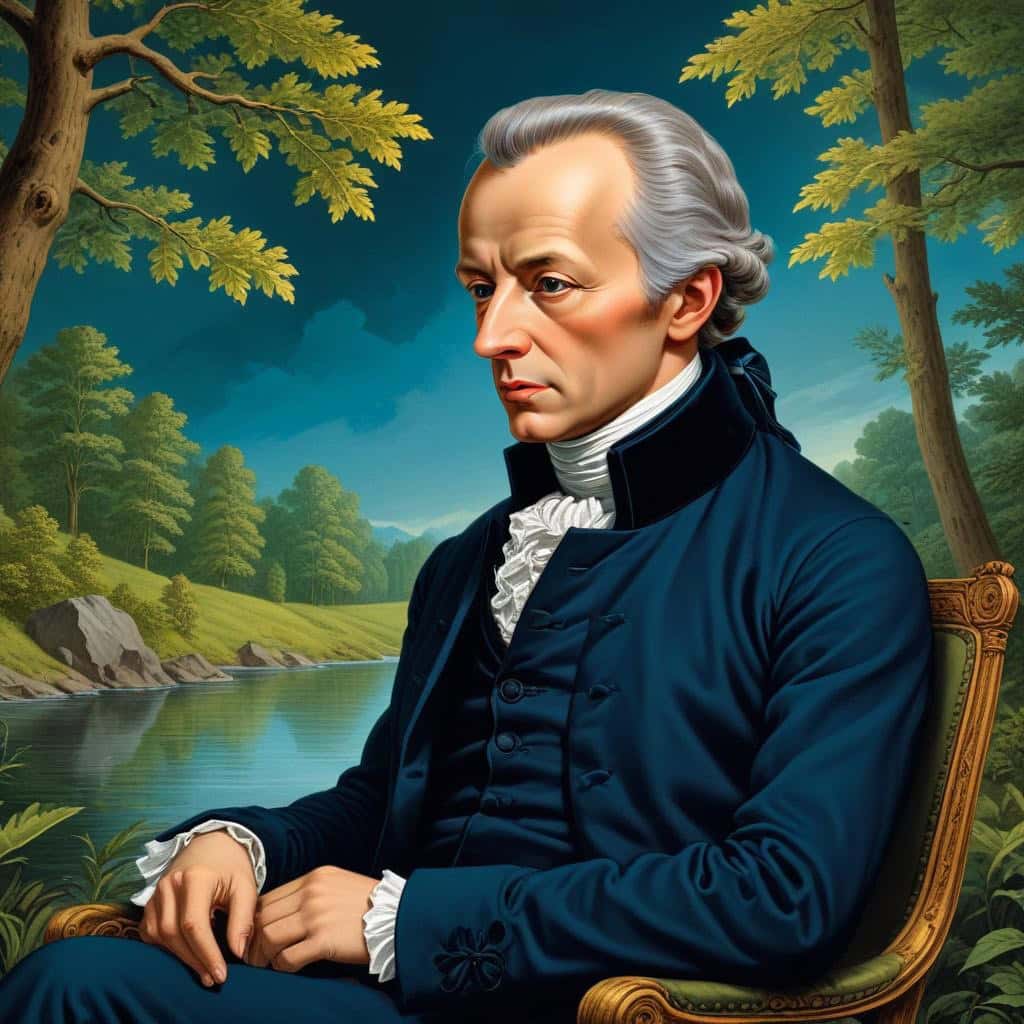
Immanuel Kant
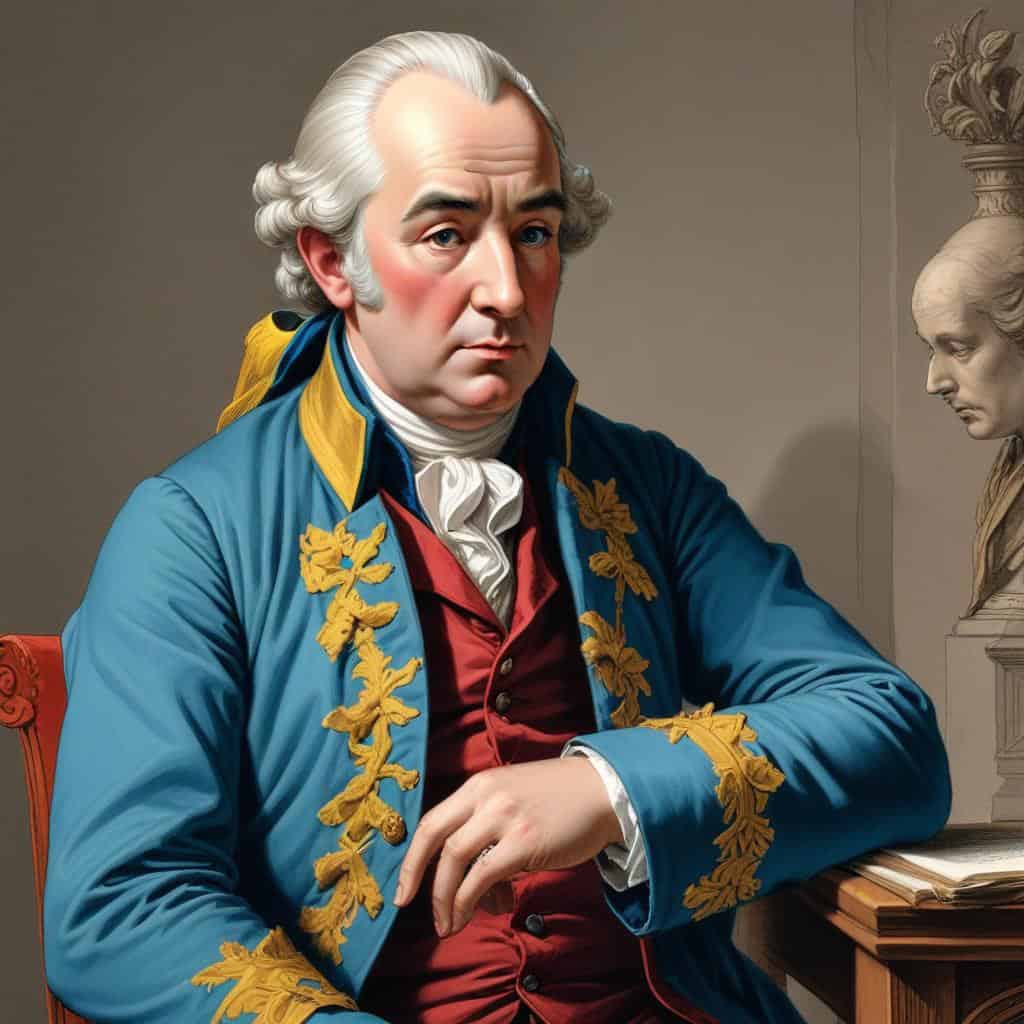
David Hume

Exploring the Aesthetic Beauty of Nature
Perception of Beauty

Harmony and Proportion
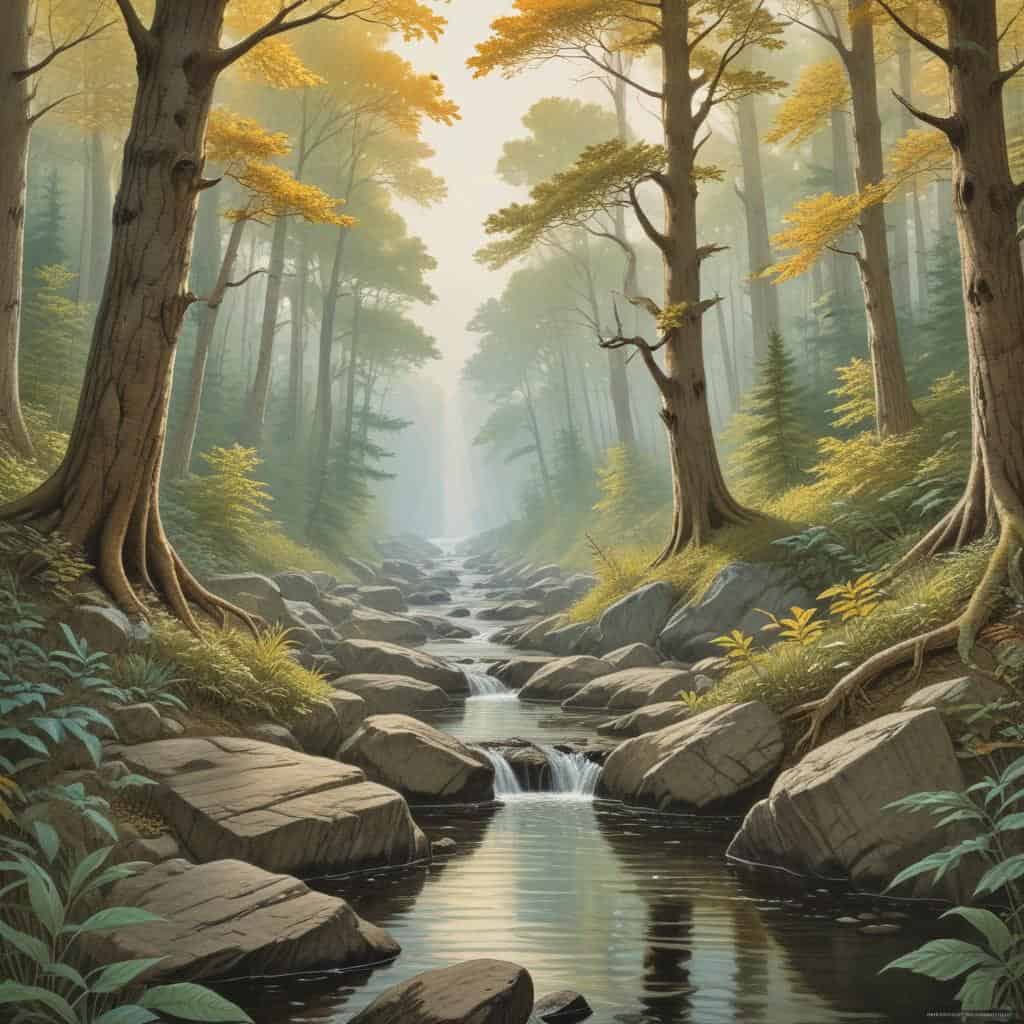
Transcendentalism
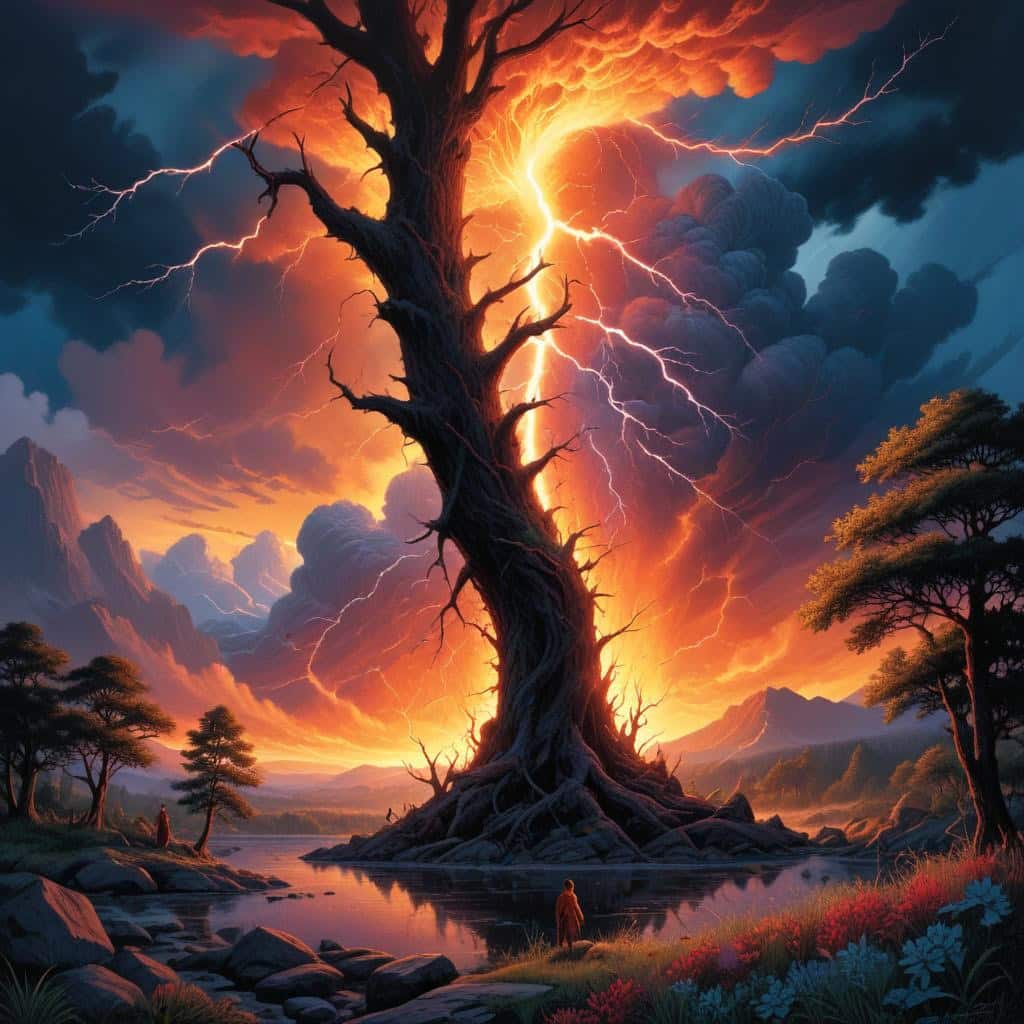
Impermanence and Sublimity
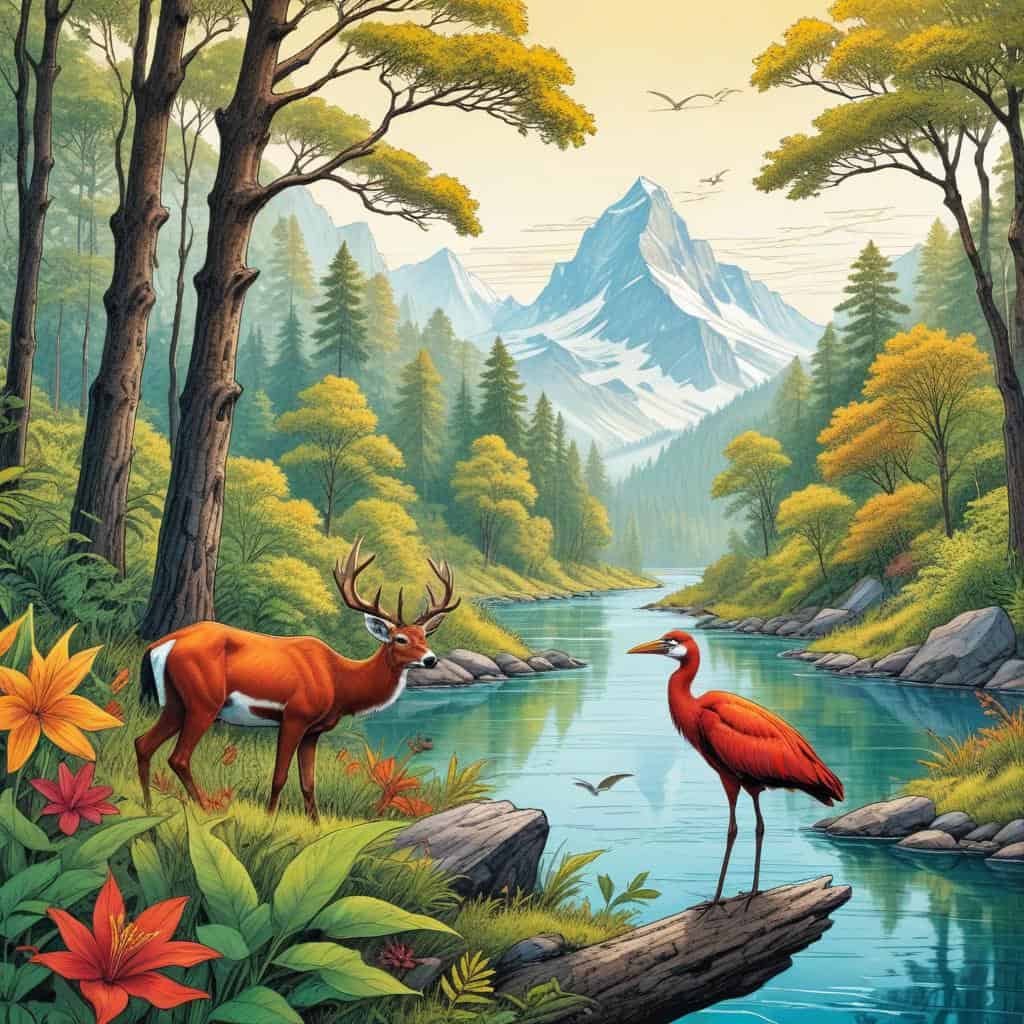
Environmental Ethics
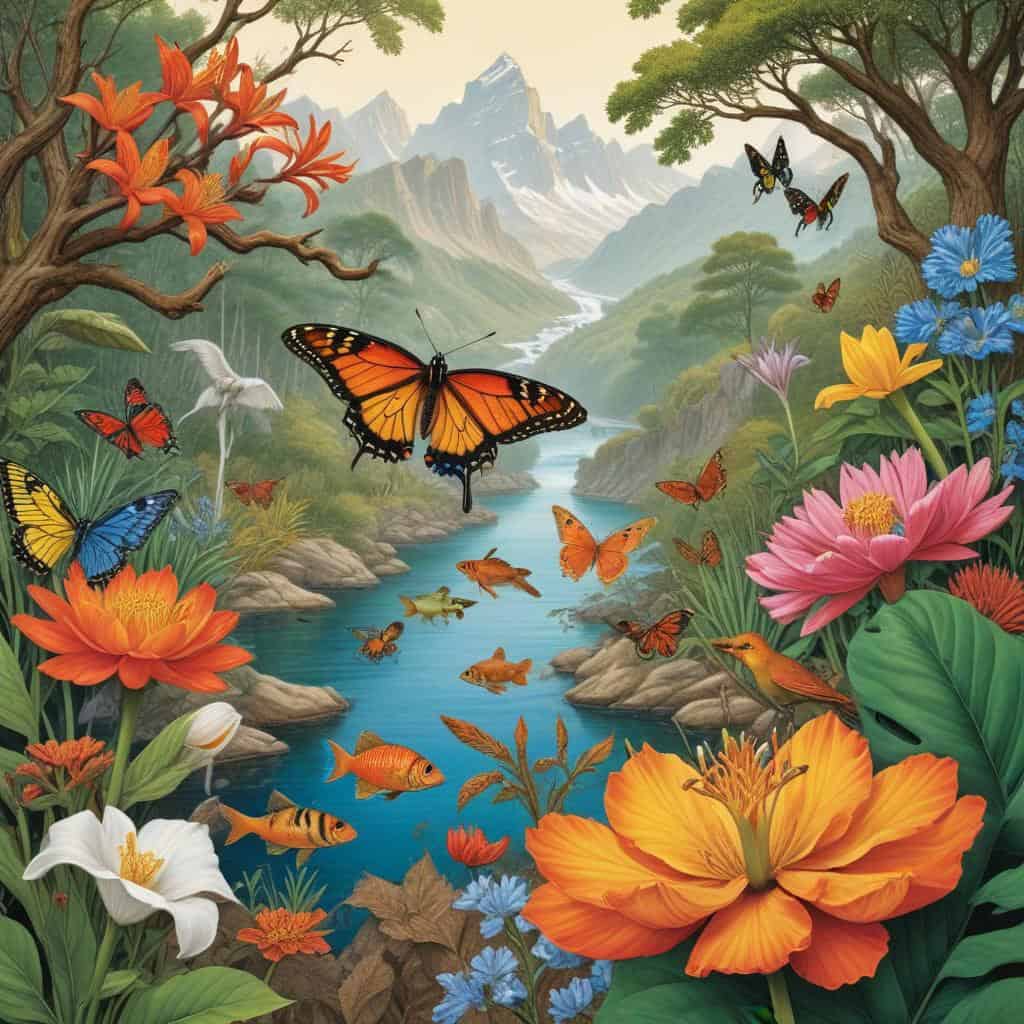
Art and Nature
Ecological Aesthetics
Eastern Philosophy
Lesson Details & Resources
In a Nutshell
- Concept: The appreciation of beauty in the natural world.
- Thinkers: Ralph Waldo Emerson, Henry David Thoreau, 19th Century.
- Central Question: How does the beauty of nature impact our lives and understanding of the world?
- Core Implication: Connecting with nature can lead to a deeper sense of peace, inspiration, and spiritual connection.
Timeline of Beauty In Nature
Plato's Theory of Forms introduces the concept of beauty as an ideal form existing separately from physical objects
Aristotle explores the concept of beauty in his work 'Metaphysics'
Plotinus, a Neoplatonist philosopher, emphasizes the spiritual aspect of beauty in his writings
St. Thomas Aquinas incorporates Aristotle's ideas on beauty into Christian theology
Leonardo da Vinci's 'Vitruvian Man' exemplifies the beauty of proportion and symmetry in nature
Francis Bacon's 'Novum Organum' discusses beauty as a natural phenomenon to be studied through scientific inquiry
Ralph Waldo Emerson's essay 'Nature' explores the beauty of the natural world as a source of inspiration and spirituality
John Ruskin's 'The Stones of Venice' discusses the beauty of architecture and its connection to nature
Charles Darwin's theory of evolution challenges traditional notions of beauty by emphasizing adaptation and survival
Henry David Thoreau's 'Walden' reflects on the beauty of nature and simplicity in a transcendentalist context
Immanuel Kant's 'Critique of Judgment' explores the subjective nature of beauty and the role of aesthetic judgment
John Muir's advocacy for nature conservation highlights the beauty and importance of preserving natural landscapes
Rachel Carson's 'Silent Spring' raises awareness about the beauty and fragility of the natural world in the face of environmental degradation
David Rothenberg's 'Why Birds Sing' discusses the beauty of bird songs and their role in nature
Robin Wall Kimmerer's 'Braiding Sweetgrass' explores indigenous perspectives on the beauty and interconnectedness of nature
Elaine Scarry's 'On Beauty and Being Just' examines the ethical implications of beauty and its relation to justice
Peter Wohlleben's 'The Hidden Life of Trees' reveals the beauty and complexity of forests and their ecosystems
Richard Louv's 'Last Child in the Woods' discusses the importance of nature for children's well-being and appreciation of beauty
Rebecca Solnit's 'Wanderlust' explores the beauty of walking in nature as a form of contemplation and connection
Helen Macdonald's 'H is for Hawk' explores the beauty of falconry and the relationship between humans and nature
Vocabulary List
- Sublime
- The towering mountains and vast oceans can evoke a feeling of the sublime in nature.
- Aesthetic
- Many philosophers argue that the aesthetic experience of nature is essential to our well-being.
- Harmony
- The symmetrical patterns of a snowflake demonstrate the harmony found in nature.
- Transcendental
- Transcendentalists believe that nature can lead us to a deeper understanding of ourselves and the universe.
- Symmetry
- The symmetry of a butterfly's wings is often cited as an example of natural beauty.
- Ephemeral
- The beauty of a blooming flower is ephemeral, reminding us to cherish the fleeting moments in nature.
- Rustic
- Many people find the rustic charm of a forest cabin to be a beautiful escape from the hustle and bustle of city life.
- Zenith
- Watching the sunrise from the top of a mountain can make you feel like you are at the zenith of natural beauty.
Key Facts
This is the information used in the fact matching game
- Beauty in nature has been a central theme in philosophy for centuries.
- Philosophers like Plato and Aristotle believed that beauty in nature reflects a divine order.
- The concept of beauty in nature is often associated with ideas of harmony and balance.
- Many philosophers argue that experiencing beauty in nature can lead to a sense of awe and wonder.
- The Romantics believed that nature's beauty can evoke powerful emotions and inspire creativity.
- Beauty in nature is often seen as a source of spiritual or transcendent experiences.
- Some philosophers argue that beauty in nature can help us connect with a deeper sense of meaning and purpose.
- The Japanese concept of 'wabi-sabi' emphasizes the beauty of imperfection and impermanence in nature.
- Beauty in nature is often seen as a reflection of the natural world's inherent value and worth.
- The German philosopher Immanuel Kant argued that beauty in nature is characterized by a feeling of disinterested pleasure.
- The beauty of nature is often contrasted with the artificiality of human creations.
- Many indigenous philosophies view nature as a living, interconnected system that embodies beauty.
- Beauty in nature can inspire a sense of gratitude and appreciation for the world around us.
- The Chinese philosophy of Taoism emphasizes the beauty of natural spontaneity and simplicity.
- Beauty in nature can serve as a reminder of the fragility and vulnerability of life.
- The concept of beauty in nature is often intertwined with discussions of environmental ethics and conservation.
- Beauty in nature can evoke a sense of peace and tranquility, promoting mental well-being.
- Some philosophers argue that beauty in nature can challenge our assumptions and expand our understanding of the world.
- The appreciation of beauty in nature is a fundamental aspect of many indigenous cultures around the world.
- Beauty in nature can inspire a sense of interconnectedness and unity with all living beings.
Analysis & Significance
The Core Argument
The concept of beauty in nature posits that there is inherent value in the aesthetic qualities of the natural world. It argues that experiencing beauty in nature can evoke profound emotions, inspire awe, and connect individuals to something greater than themselves.
Criticisms and Counterarguments
Some critics argue that beauty in nature is a subjective and culturally constructed concept, varying widely across different societies and individuals. They also raise concerns about the romanticization of nature, suggesting that idealizing the natural world can lead to overlooking its harsh realities and ecological complexities.
Modern Relevance
In our modern society, the concept of beauty in nature remains relevant as we grapple with environmental issues and the impact of human activities on the natural world. Understanding and appreciating the beauty of nature can foster a deeper sense of responsibility towards conservation and sustainability efforts, prompting individuals to protect and preserve the environment for future generations.
Beauty In Nature Games


Take Your Learning Offline
Want a convenient, print-ready study guide for this lesson? Become a Memory Wizards Pro member to unlock the downloadable " Memory Scrolls" for this topic and our entire library!
- ✓ Complete Vocabulary Lists
- ✓ Key Facts & Timelines
- ✓ Beautifully Formatted for Print & Mobile