
Beauty In Everyday Life
What if beauty is all around us, waiting to be seen?
How Do You Learn Best?
Learn by Reading
Immerse yourself in the 10-minute visual lesson for a comprehensive understanding of the topic.
Learn by Reviewing
Jump directly to the key facts, timeline, and vocabulary lists to build a solid foundation of details.
Learn by Doing
Challenge yourself! Jump straight into the interactive games to learn by trial, error, and discovery.
Beauty In Everyday Life in 10 Minutes

Introduction



1. Plato

2. Aristotle
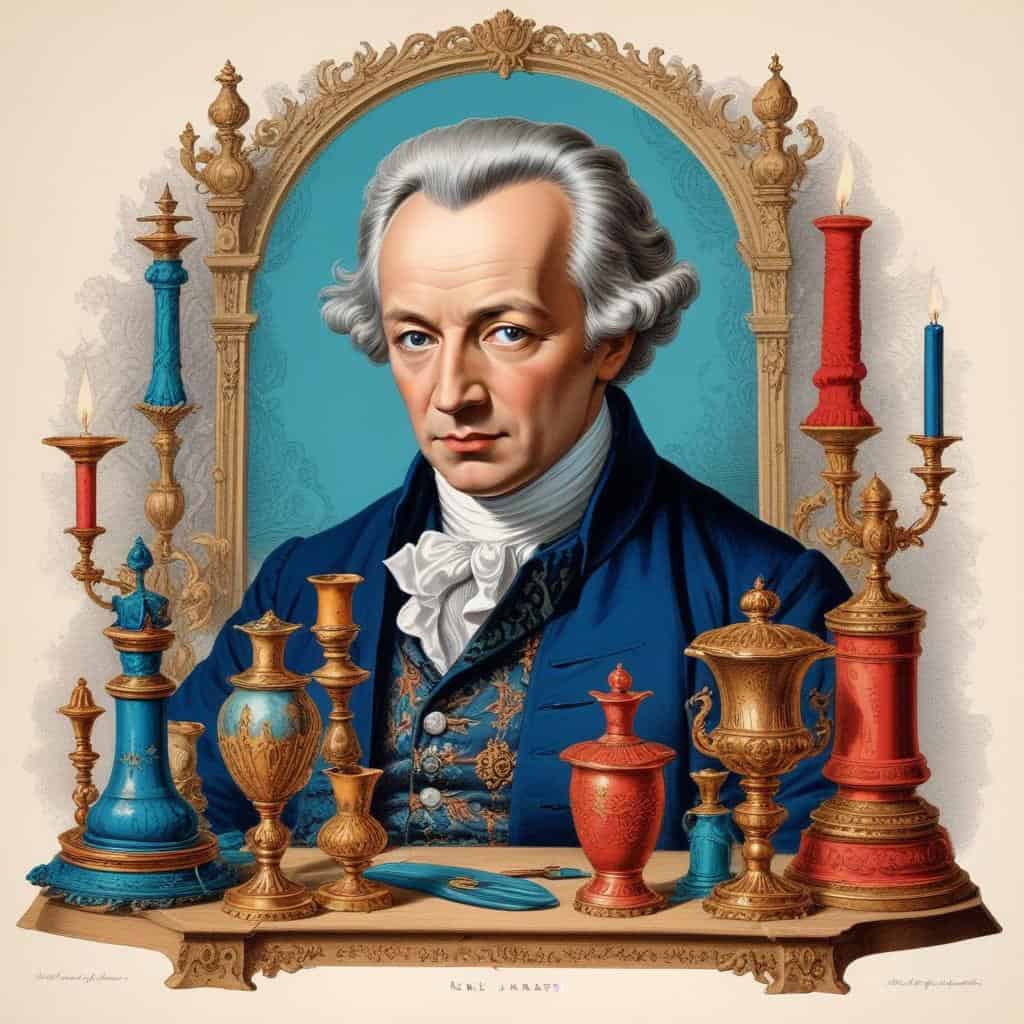
3. Immanuel Kant

4. Friedrich Nietzsche

5. Simone de Beauvoir

1. The Concept of Beauty

2. Beauty in Nature

3. Beauty in Art

4. Beauty in Relationships

5. Beauty in Small Moments

6. Beauty in Imperfection

7. Beauty in Simplicity

8. Beauty in Diversity

9. Beauty in Gratitude

10. Beauty in Reflection


Lesson Details & Resources
In a Nutshell
- Concept: The appreciation of beauty in the ordinary and mundane aspects of daily life.
- Thinkers: Ralph Waldo Emerson & Henry David Thoreau, 19th Century.
- Central Question: How can we find beauty and meaning in the simple things around us?
- Core Implication: By recognizing and valuing the beauty in everyday life, we can cultivate a deeper sense of appreciation and contentment.
Timeline of Beauty In Everyday Life
Plato's Symposium discusses the nature of beauty and love
Aristotle's Poetics discusses the concept of beauty in art and literature
Medieval philosophers like Thomas Aquinas discuss beauty as a transcendental property
Renaissance artists and thinkers emphasize the beauty in everyday life and nature
Enlightenment philosophers like Immanuel Kant explore the subjective nature of beauty
Romantic philosophers like Friedrich Schiller emphasize the importance of beauty in everyday life
Victorian era sees a focus on the cultivation of beauty in domestic life
Early 20th century modernist movements challenge traditional notions of beauty
Existentialist philosophers like Jean-Paul Sartre question the role of beauty in a meaningless world
Postmodern philosophers like Jean-Francois Lyotard explore the fragmented nature of beauty in contemporary society
Contemporary philosophers like Alain de Botton advocate for finding beauty in everyday life through mindfulness and appreciation
Vocabulary List
- Aesthetic
- The aesthetic value of a sunset is often appreciated in everyday life.
- Sublime
- The sublime beauty of a mountain peak can evoke a sense of wonder in everyday life.
- Harmony
- Finding harmony in the chaos of everyday life can be a source of beauty.
- Elegance
- The elegance of a well-designed building can bring beauty to the urban landscape.
- Proportion
- Proper proportion in design or art can contribute to the beauty of everyday objects.
- Simplicity
- The simplicity of a minimalist painting can convey a sense of beauty and tranquility.
- Symmetry
- Symmetry is often seen as a key element of beauty in nature and art in everyday life.
- Transcendence
- Moments of transcendence in everyday life can offer glimpses of beauty beyond the ordinary.
- Ephemeral
- The ephemeral beauty of a blooming flower reminds us to cherish the fleeting moments in everyday life.
Key Facts
This is the information used in the fact matching game
- Beauty in everyday life philosophy emphasizes finding beauty in the ordinary and mundane aspects of life.
- Beauty in everyday life philosophy encourages individuals to cultivate a sense of wonder and appreciation for the world around them.
- According to this philosophy, beauty can be found in small moments of joy, such as a smile from a stranger or a beautiful sunset.
- Beauty in everyday life philosophy promotes mindfulness and being present in the moment to fully experience the beauty around us.
- This philosophy encourages individuals to seek out beauty in unexpected places, such as in the patterns of nature or the colors of a cityscape.
- Beauty in everyday life philosophy values simplicity and finding beauty in the ordinary routines of daily life.
- According to this philosophy, beauty is not limited to traditional notions of aesthetics, but can also be found in moments of kindness, compassion, and connection.
- Beauty in everyday life philosophy challenges individuals to look beyond surface appearances and see the inherent beauty in all things.
- This philosophy encourages individuals to engage with the world around them in a more mindful and appreciative way.
- Beauty in everyday life philosophy reminds us that beauty is subjective and can be found in different forms for different people.
- According to this philosophy, beauty is not just about aesthetics, but also about the emotional impact and significance of an experience.
- Beauty in everyday life philosophy encourages individuals to slow down and appreciate the beauty in the present moment.
- This philosophy promotes gratitude and finding beauty in the simple pleasures of life, such as a warm cup of tea or a quiet moment of reflection.
- According to this philosophy, beauty is not something to be consumed or possessed, but something to be experienced and appreciated.
- Beauty in everyday life philosophy encourages individuals to find beauty in imperfection and appreciate the unique qualities of each moment.
- This philosophy challenges individuals to redefine their understanding of beauty and see it as a way of engaging with the world in a more meaningful way.
- According to this philosophy, beauty is not just about aesthetics, but also about the way we engage with the world and each other.
- Beauty in everyday life philosophy promotes a sense of harmony and interconnectedness with the world around us.
- This philosophy encourages individuals to find beauty in the simple moments of everyday life and appreciate the magic of the ordinary.
- According to this philosophy, beauty is not just an external quality, but also an internal state of being that can be cultivated through mindfulness and appreciation.
Analysis & Significance
The Core Argument
Beauty in everyday life is not just about aesthetics or visual appeal; it is a philosophical concept that speaks to the importance of finding meaning and value in the ordinary experiences and moments that make up our daily existence. It challenges us to look beyond the surface and appreciate the beauty that can be found in the mundane, the routine, and the simple.
Criticisms and Counterarguments
Some critics argue that the notion of beauty in everyday life is overly romanticized and fails to address the harsh realities and struggles that many people face on a daily basis. They question whether it is a luxury to seek beauty in the mundane when so many are just trying to survive. Others challenge the idea that beauty is a universal concept, suggesting that what one person finds beautiful, another may not.
Modern Relevance
In our fast-paced and often chaotic world, the concept of finding beauty in everyday life can serve as a powerful reminder to slow down, be present, and appreciate the little moments that bring joy and meaning to our lives. It can also be a source of resilience and hope in the face of adversity, helping us find solace and inspiration in the simple pleasures that surround us. By embracing the philosophy of beauty in everyday life, we can cultivate a deeper sense of gratitude, connection, and fulfillment in our modern society.
Beauty In Everyday Life Games


Take Your Learning Offline
Want a convenient, print-ready study guide for this lesson? Become a Memory Wizards Pro member to unlock the downloadable " Memory Scrolls" for this topic and our entire library!
- ✓ Complete Vocabulary Lists
- ✓ Key Facts & Timelines
- ✓ Beautifully Formatted for Print & Mobile