
Beauty And Truth
Can beauty exist without truth, or truth without beauty?
How Do You Learn Best?
Learn by Reading
Immerse yourself in the 10-minute visual lesson for a comprehensive understanding of the topic.
Learn by Reviewing
Jump directly to the key facts, timeline, and vocabulary lists to build a solid foundation of details.
Learn by Doing
Challenge yourself! Jump straight into the interactive games to learn by trial, error, and discovery.
Beauty And Truth in 10 Minutes
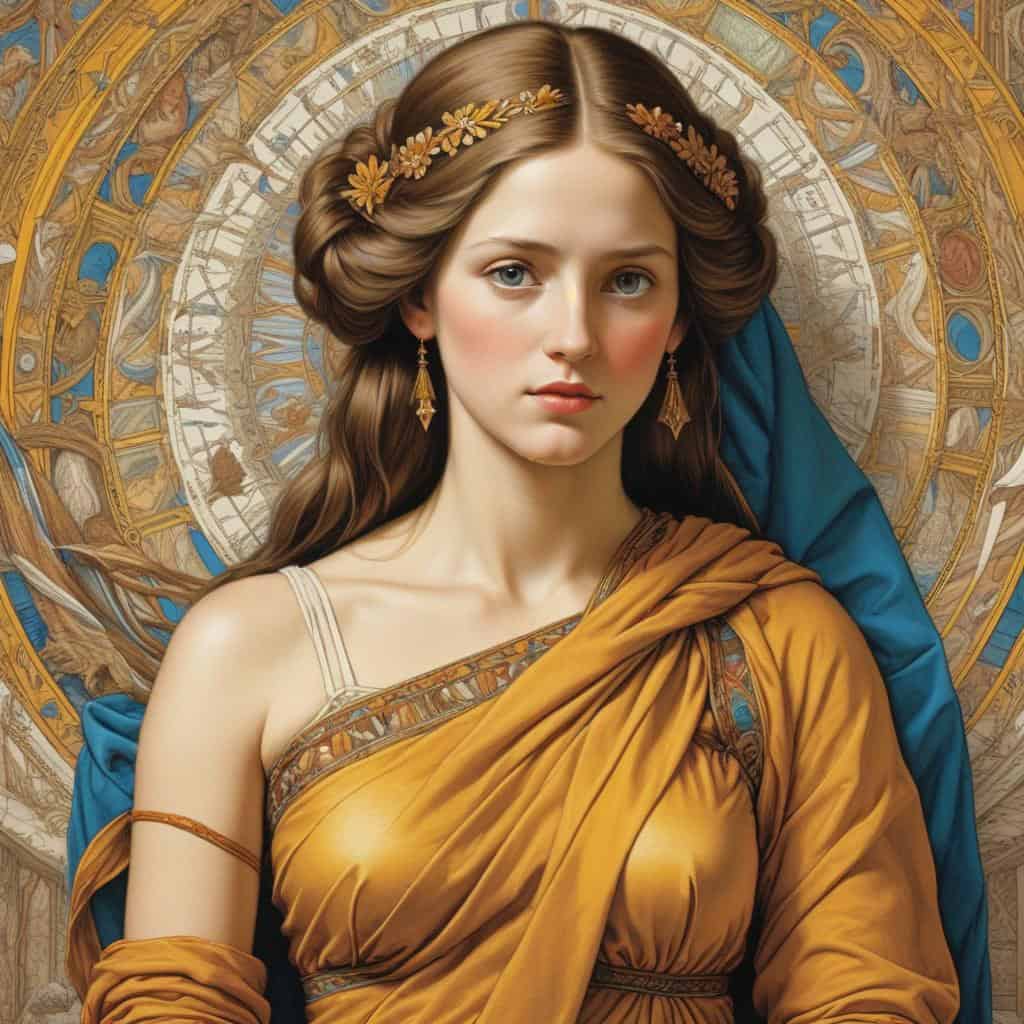
Introduction


Plato
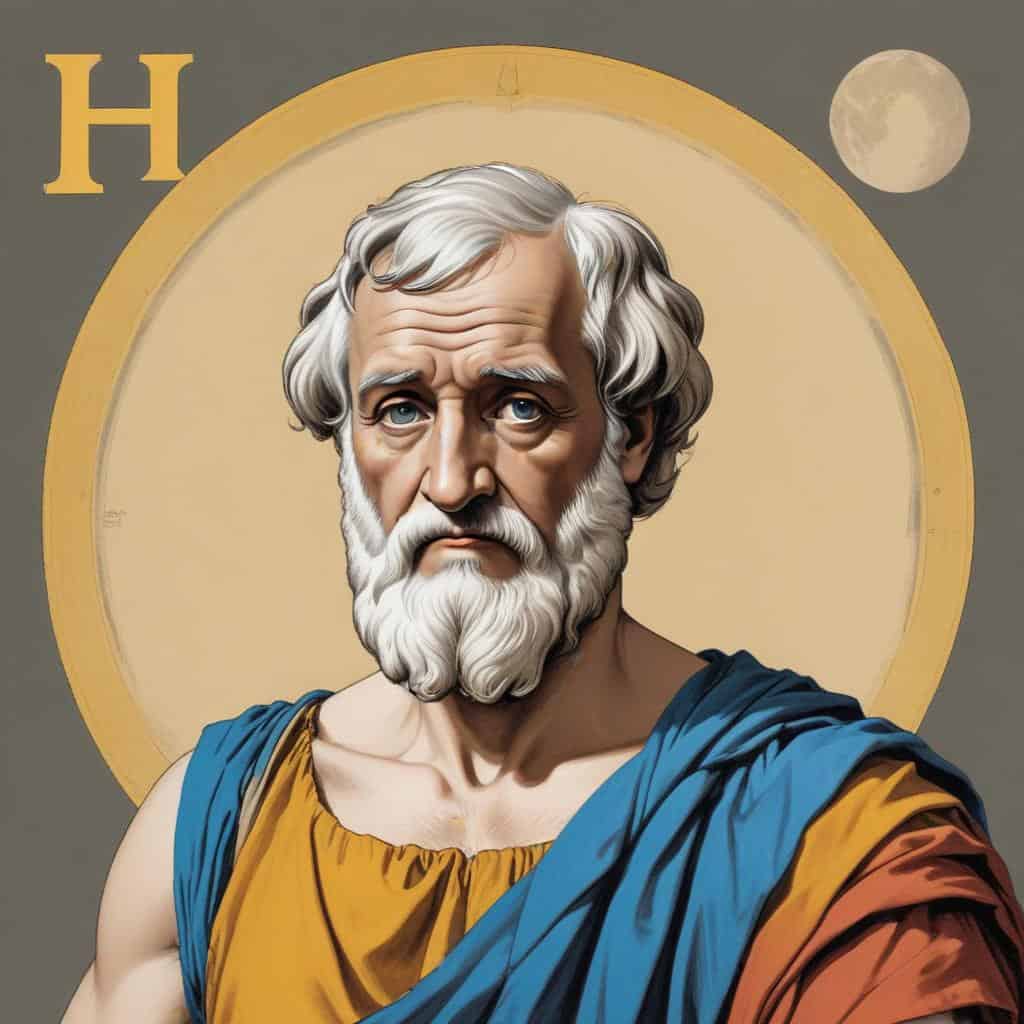
Aristotle
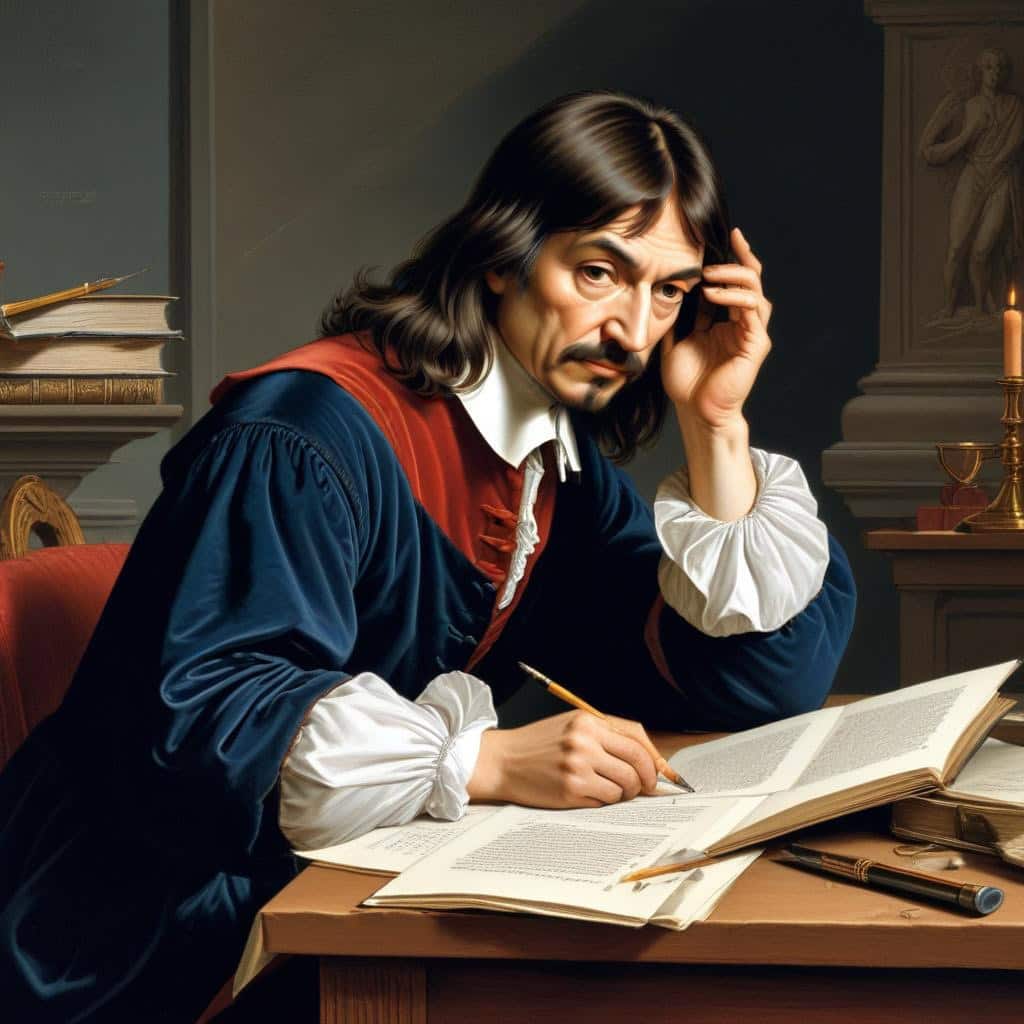
Rene Descartes
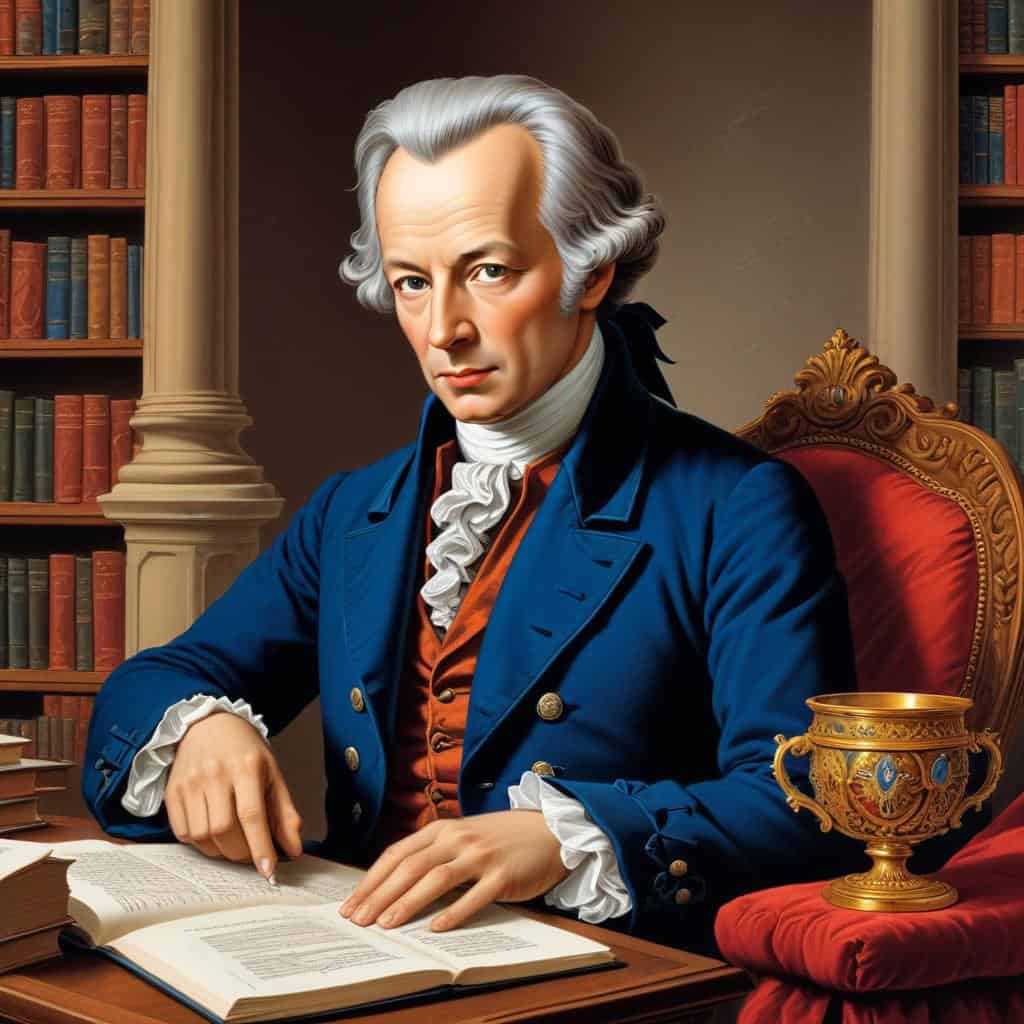
Immanuel Kant
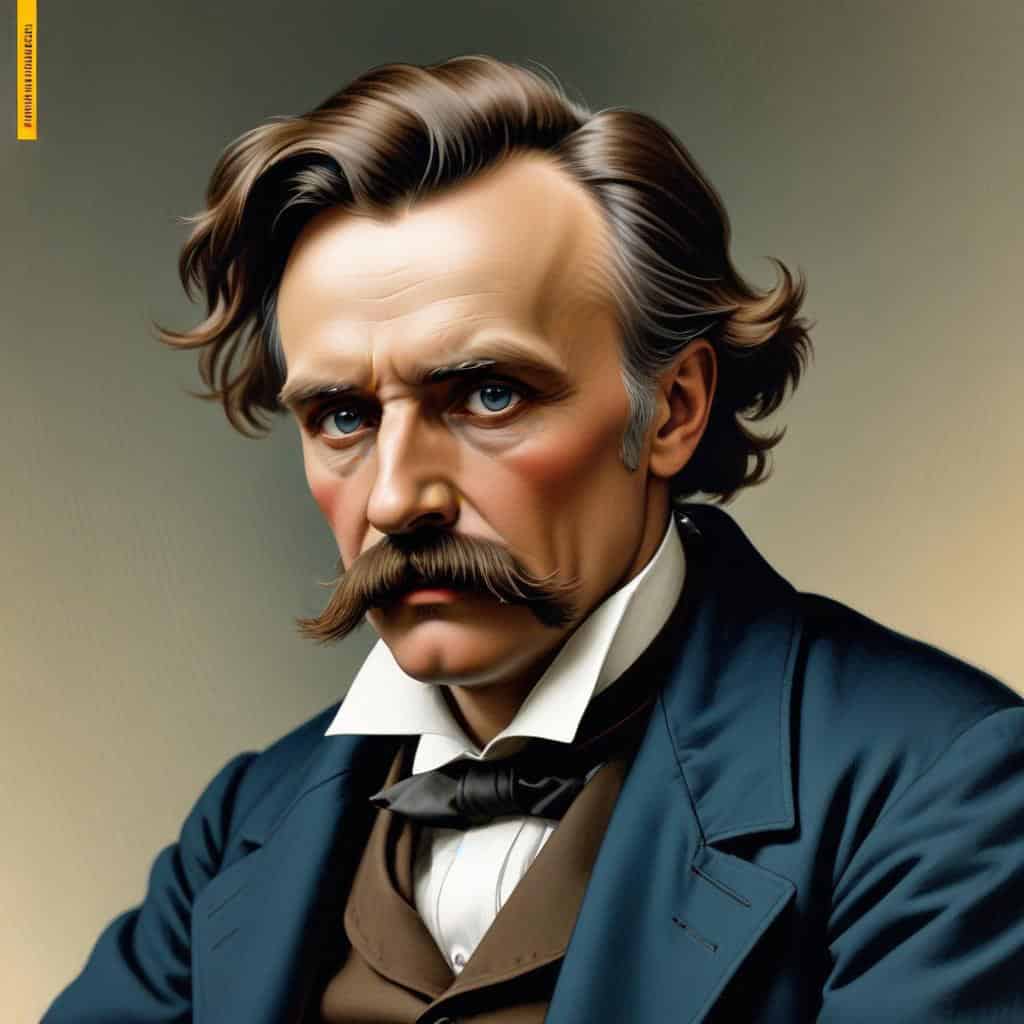
Friedrich Nietzsche

The Ancient Greeks and Beauty
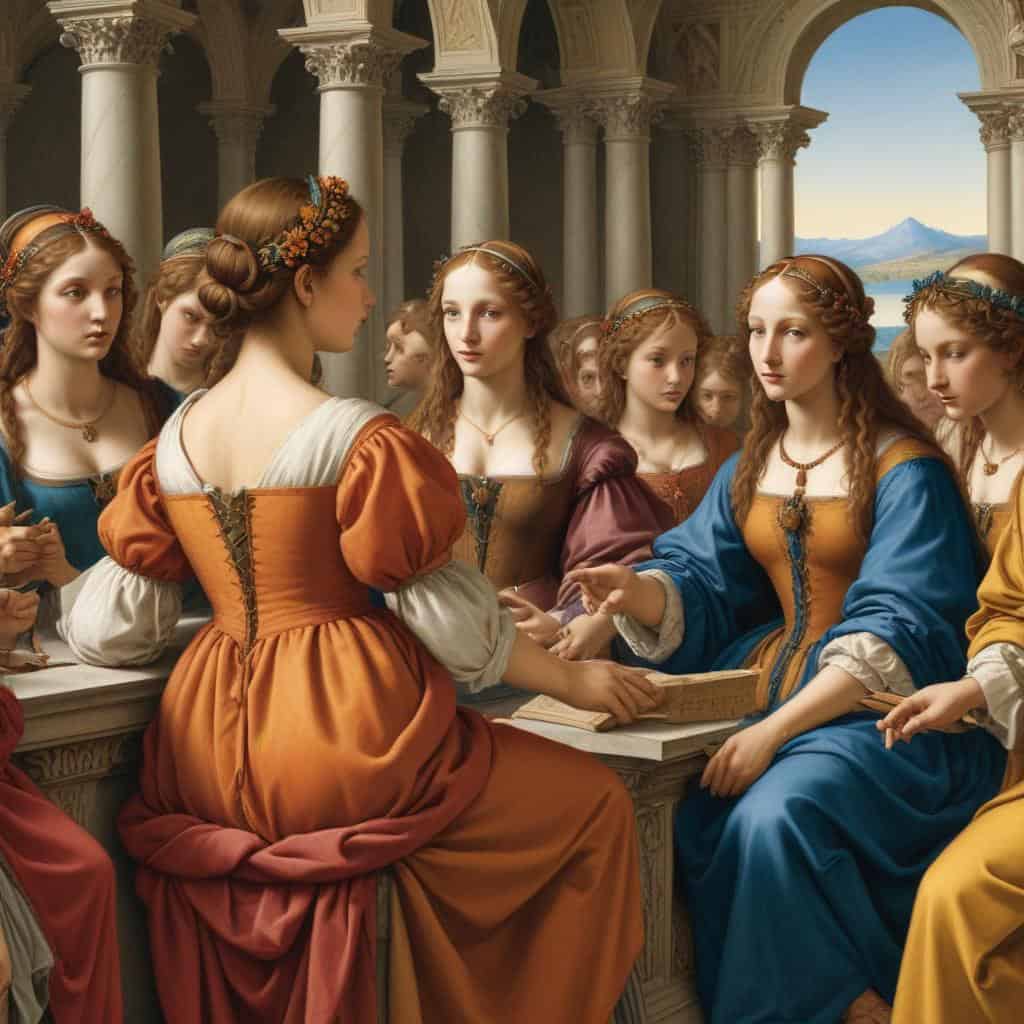
The Renaissance and the Revival of Beauty
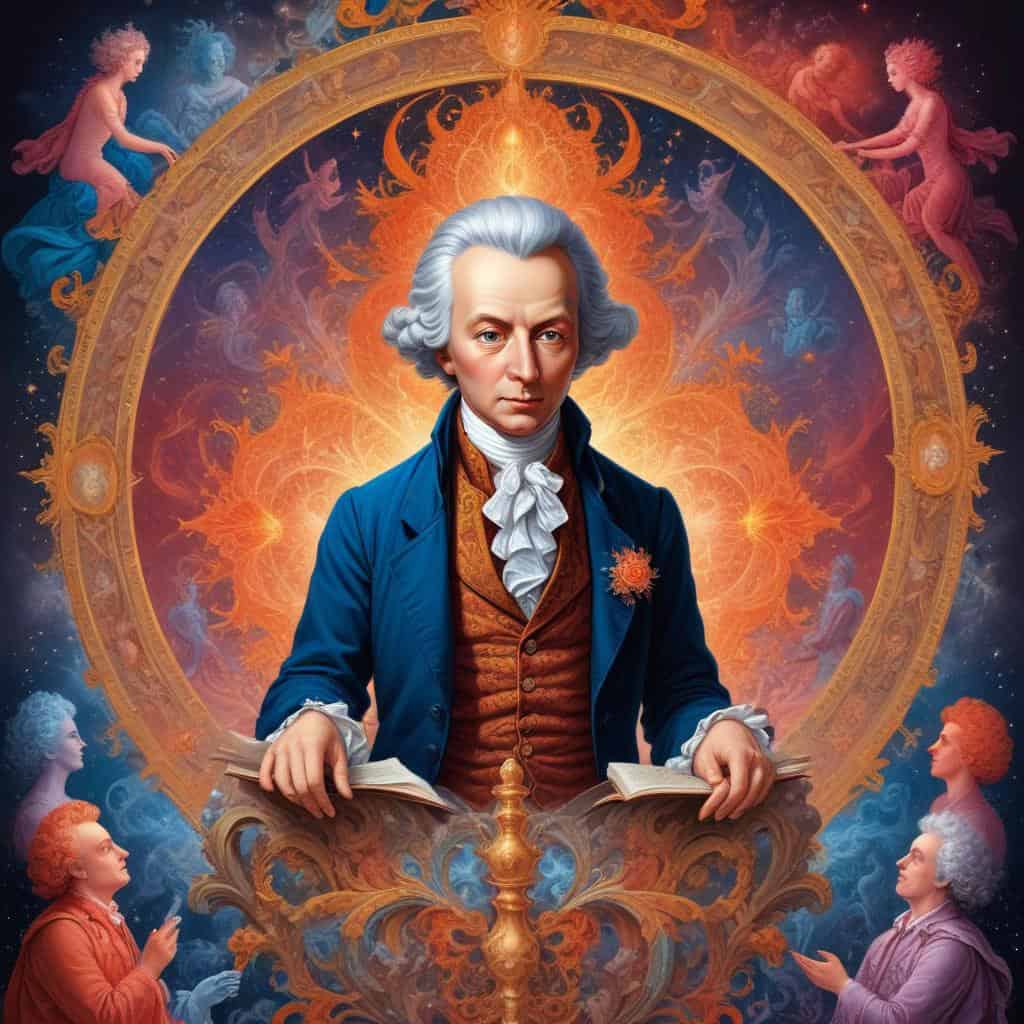
The Enlightenment and the Age of Reason

Modern Philosophy and the Search for Beauty

The Role of Beauty in Ethics
The Intersection of Beauty and Science
The Challenge of Subjectivity

The Power of Art and Beauty
The Beauty of Mathematics and Logic

The Future of Beauty and Truth

Lesson Details & Resources
In a Nutshell
- Concept: The relationship between beauty and truth in philosophy.
- Thinkers: Plato, 4th century BC.
- Central Question: How are beauty and truth interconnected?
- Core Implication: Beauty is a reflection of truth and plays a significant role in understanding the nature of reality.
Timeline of Beauty And Truth
Plato introduces the concept of Beauty in 'Symposium'
Aristotle discusses the relationship between Beauty and Truth in 'Metaphysics'
Plotinus explores the idea of Beauty as a transcendental principle in 'Enneads'
St. Augustine writes about the connection between Beauty and Truth in 'Confessions'
St. Thomas Aquinas incorporates Beauty and Truth into his philosophy in 'Summa Theologica'
Renaissance artists like Leonardo da Vinci and Michelangelo emphasize Beauty and Truth in their works
Immanuel Kant discusses the subjective nature of Beauty and Truth in 'Critique of Judgment'
Georg Wilhelm Friedrich Hegel explores the dialectical relationship between Beauty and Truth in 'Lectures on Aesthetics'
Friedrich Nietzsche challenges traditional notions of Beauty and Truth in 'Thus Spoke Zarathustra'
Martin Heidegger delves into the essence of Beauty and Truth in 'Being and Time'
Jean-Paul Sartre examines the existential aspects of Beauty and Truth in 'Being and Nothingness'
Simone de Beauvoir explores the feminist perspective on Beauty and Truth in 'The Second Sex'
Maurice Merleau-Ponty discusses the embodied experience of Beauty and Truth in 'Phenomenology of Perception'
Jacques Derrida challenges traditional notions of Beauty and Truth in 'Of Grammatology'
Gilles Deleuze and Félix Guattari introduce the concept of rhizomatic Beauty and Truth in 'A Thousand Plateaus'
Judith Butler examines the performative aspects of Beauty and Truth in 'Gender Trouble'
Slavoj Žižek critiques contemporary notions of Beauty and Truth in 'The Sublime Object of Ideology'
Martha Nussbaum explores the role of Beauty and Truth in ethics in 'Upheavals of Thought'
Alain de Botton promotes the importance of Beauty and Truth in everyday life in 'The Architecture of Happiness'
Elaine Scarry examines the political implications of Beauty and Truth in 'On Beauty and Being Just'
Vocabulary List
- Aesthetics
- Aesthetics is a key concept in understanding the relationship between beauty and truth in philosophy.
- Epistemology
- Epistemology explores how we come to know what is true and how this relates to concepts of beauty.
- Sublime
- The sublime is often associated with feelings of truth and revelation in philosophical discussions.
- Idealism
- Idealism often explores the relationship between beauty and truth as abstract concepts.
- Harmony
- Harmony is often seen as a key element in understanding beauty and truth in philosophy.
Key Facts
Analysis & Significance
The Core Argument
Beauty and truth have long been considered intertwined concepts in philosophy, with beauty often being seen as a reflection of underlying truths or realities. The idea is that true beauty is not just skin deep, but a manifestation of deeper truths that can be revealed through aesthetic experiences.
Criticisms and Counterarguments
However, critics argue that beauty and truth are not always linked, and that beauty can sometimes be superficial or subjective, divorced from any deeper truths. Some philosophers contend that beauty is in the eye of the beholder, and that it is not necessarily a reliable indicator of underlying truths.
Modern Relevance
In today’s society, the relationship between beauty and truth continues to be a topic of debate, particularly in the age of social media and digital manipulation. The pressure to conform to certain standards of beauty can lead to a distortion of truth and a loss of authenticity. Understanding the complexities of beauty and truth is essential for navigating the modern world and maintaining integrity in personal and societal values.
Beauty And Truth Games


Take Your Learning Offline
Want a convenient, print-ready study guide for this lesson? Become a Memory Wizards Pro member to unlock the downloadable " Memory Scrolls" for this topic and our entire library!
- ✓ Complete Vocabulary Lists
- ✓ Key Facts & Timelines
- ✓ Beautifully Formatted for Print & Mobile