
Aesthetics In Art
Can beauty be found in chaos?
How Do You Learn Best?
Learn by Reading
Immerse yourself in the 10-minute visual lesson for a comprehensive understanding of the topic.
Learn by Reviewing
Jump directly to the key facts, timeline, and vocabulary lists to build a solid foundation of details.
Learn by Doing
Challenge yourself! Jump straight into the interactive games to learn by trial, error, and discovery.
Aesthetics In Art in 10 Minutes

Introduction



The Concept of Beauty

Romanticism and Emotion
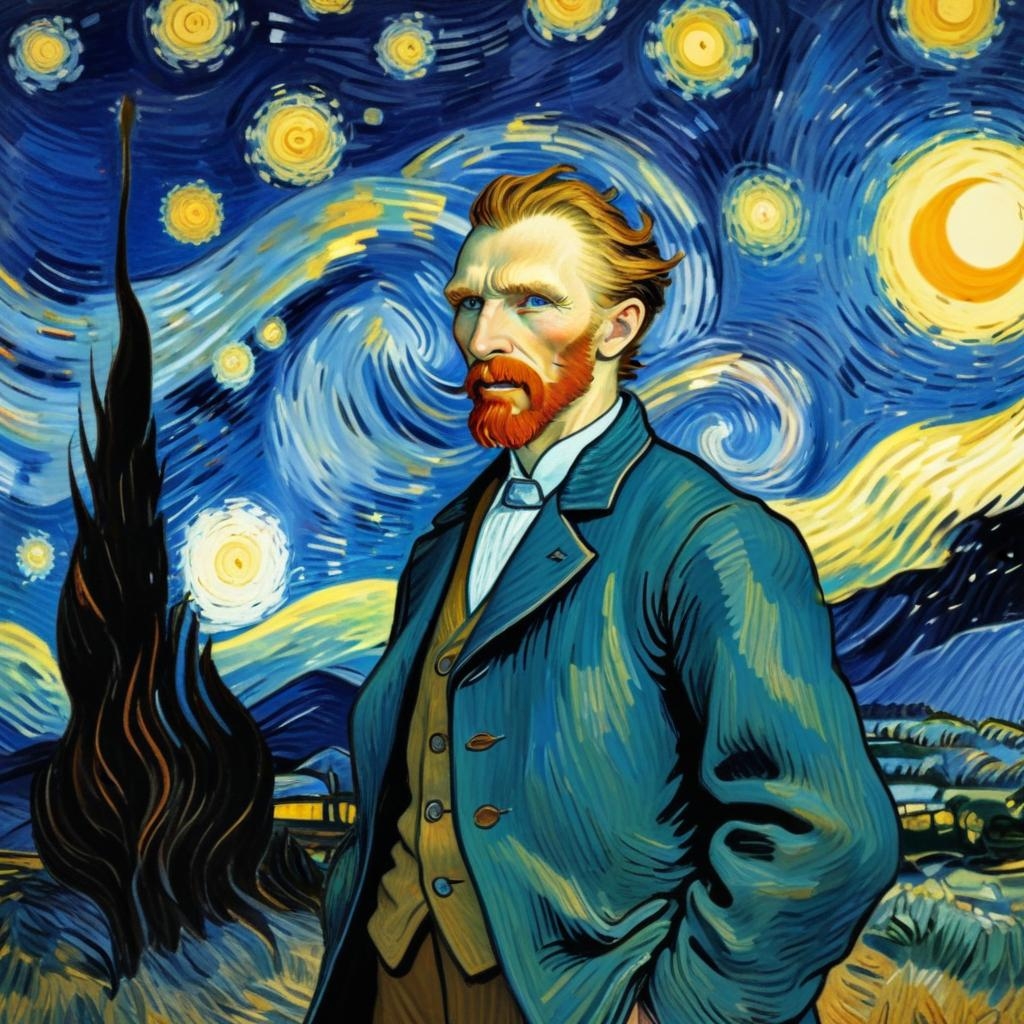
Vincent van Gogh and Starry Night

Perspective in Art

Primary Colors in Art
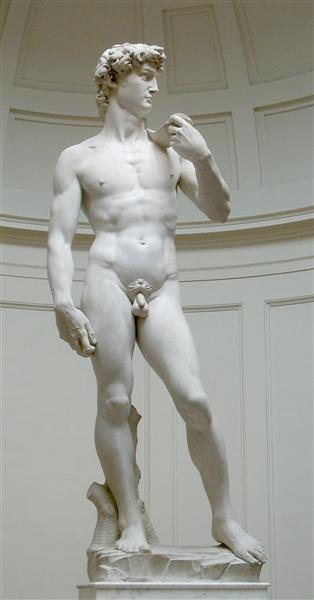
Michelangelo and David

Chiaroscuro and Illusion of Volume
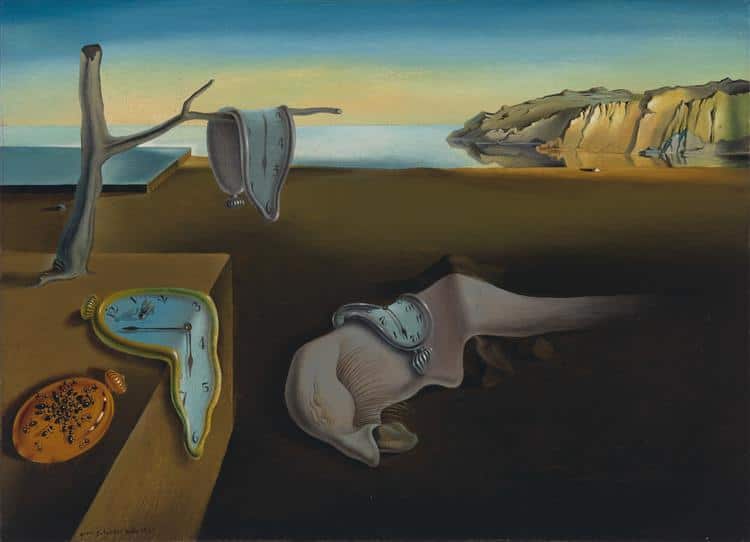
Salvador Dali and The Persistence of Memory

Cubism and Geometric Shapes

Composition in Art


Lesson Details & Resources
In a Nutshell
- Concept: The philosophical study of beauty and art.
- Thinkers: Plato, Aristotle, Immanuel Kant, David Hume, 18th-19th Century.
- Central Question: What is the nature of beauty and how do we appreciate art?
- Core Implication: Beauty is subjective and art is a way to express and evoke emotions.
Timeline of Aesthetics In Art
Vocabulary List
- Aesthetics
- Aesthetics plays a crucial role in analyzing and understanding the artistic value of a piece of art.
- Beauty
- The artist aimed to capture the beauty of nature in his landscape paintings.
- Sublime
- The painting evoked a sense of the sublime, leaving viewers in awe of its magnificence.
- Harmony
- The artist achieved harmony in her composition through the careful balance of colors and shapes.
- Proportion
- The artist used proportion to create a sense of balance and symmetry in the artwork.
- Form
- The sculptor focused on capturing the form of the human figure in his marble statue.
- Expression
- The artist's use of color and brush strokes conveyed a sense of emotion and expression in the painting.
- Imagination
- The artist's imagination led to the creation of fantastical landscapes and creatures in his artwork.
- Critique
- Art critics provide valuable critiques that help artists improve their work and understand its impact on viewers.
- Aesthetic experience
- Visitors to the museum had a profound aesthetic experience while viewing the masterpieces on display.
Key Facts
This is the information used in the fact matching game
- Aesthetics is the branch of philosophy that deals with the nature of beauty, art, and taste.
- Aesthetic judgments are subjective and vary from person to person.
- Aesthetics in art philosophy considers questions about what makes something beautiful or artistic.
- Aesthetics often involves the study of sensory experiences and how they contribute to our understanding of art.
- Aesthetics in art philosophy explores the relationship between art and emotions.
- Aesthetic experiences can evoke feelings of pleasure, awe, or contemplation.
- Aesthetics in art philosophy examines the concept of the sublime, which is related to feelings of awe and transcendence.
- Aesthetics can also involve the study of beauty in nature and everyday objects.
- Aesthetics in art philosophy considers the role of context, culture, and history in shaping our perceptions of art.
- The aesthetic value of art is often debated and can be influenced by personal preferences, social norms, and artistic trends.
- Aesthetics in art philosophy is concerned with the question of whether beauty is objective or subjective.
- Aesthetics in art philosophy explores the connection between art and ethics, and how art can promote moral principles.
- Aesthetic theories in art philosophy include formalism, expressionism, and postmodernism, among others.
- Aesthetics in art philosophy considers the role of the artist in creating and interpreting art, as well as the role of the audience in experiencing and evaluating art.
- Aesthetics in art philosophy examines the concept of art for art's sake, which emphasizes the intrinsic value of art separate from its utility or meaning.
- Aesthetics in art philosophy can involve interdisciplinary approaches, drawing on psychology, sociology, and cultural studies.
- Aesthetics in art philosophy explores the relationship between form and content in art, and how they contribute to the overall aesthetic experience.
- Aesthetics in art philosophy challenges traditional definitions of art and beauty, expanding the boundaries of what can be considered aesthetically valuable.
- Aesthetics in art philosophy is an ongoing and evolving field, with new theories and perspectives emerging over time.
- Aesthetics in art philosophy plays a crucial role in shaping our understanding and appreciation of art, enriching our cultural experiences and expanding our perspectives.
Analysis & Significance
The Core Argument
The core argument of aesthetics in art revolves around the idea that the beauty and significance of art are not merely subjective but can be objectively analyzed and appreciated through principles such as symmetry, balance, and harmony.
Criticisms and Counterarguments
One of the major criticisms of this view is the challenge of defining a universal standard of beauty that applies across different cultures and time periods. Some philosophers argue that art is inherently subjective and that attempting to impose objective criteria on it limits creativity and diversity in artistic expression.
Modern Relevance
The concept of aesthetics in art remains relevant in modern society as we continue to debate the role of art in shaping culture and influencing public discourse. Understanding the principles of aesthetics can help individuals critically evaluate and appreciate the art they encounter, leading to a deeper understanding and appreciation of the world around them.
Aesthetics In Art Games


Take Your Learning Offline
Want a convenient, print-ready study guide for this lesson? Become a Memory Wizards Pro member to unlock the downloadable " Memory Scrolls" for this topic and our entire library!
- ✓ Complete Vocabulary Lists
- ✓ Key Facts & Timelines
- ✓ Beautifully Formatted for Print & Mobile