
Summary of Witch Trials in Salem (1692)
Uncover the dark secrets behind the Salem Witch Trials.
How Do You Learn Best?
Learn by Listening
Start with the 3-minute audio summary to get the key facts and narrative highlights quickly.
Learn by Reading
Immerse yourself in the 10-minute visual lesson for a comprehensive understanding of the topic.
Learn by Reviewing
Jump directly to the key facts, timeline, and vocabulary lists to build a solid foundation of details.
Learn by Doing
Challenge yourself! Jump straight into the interactive games to learn by trial, error, and discovery.
Audio Library
As one of our featured lessons, this topic includes premium audio guides.
Unlock the Wizard's Cram Session
This powerful audio study guide is a Pro-exclusive feature. Upgrade to Memory Wizards Pro to access this and all of our premium learning tools.
Upgrade to ProWitch Trials in Salem in 10 Minutes
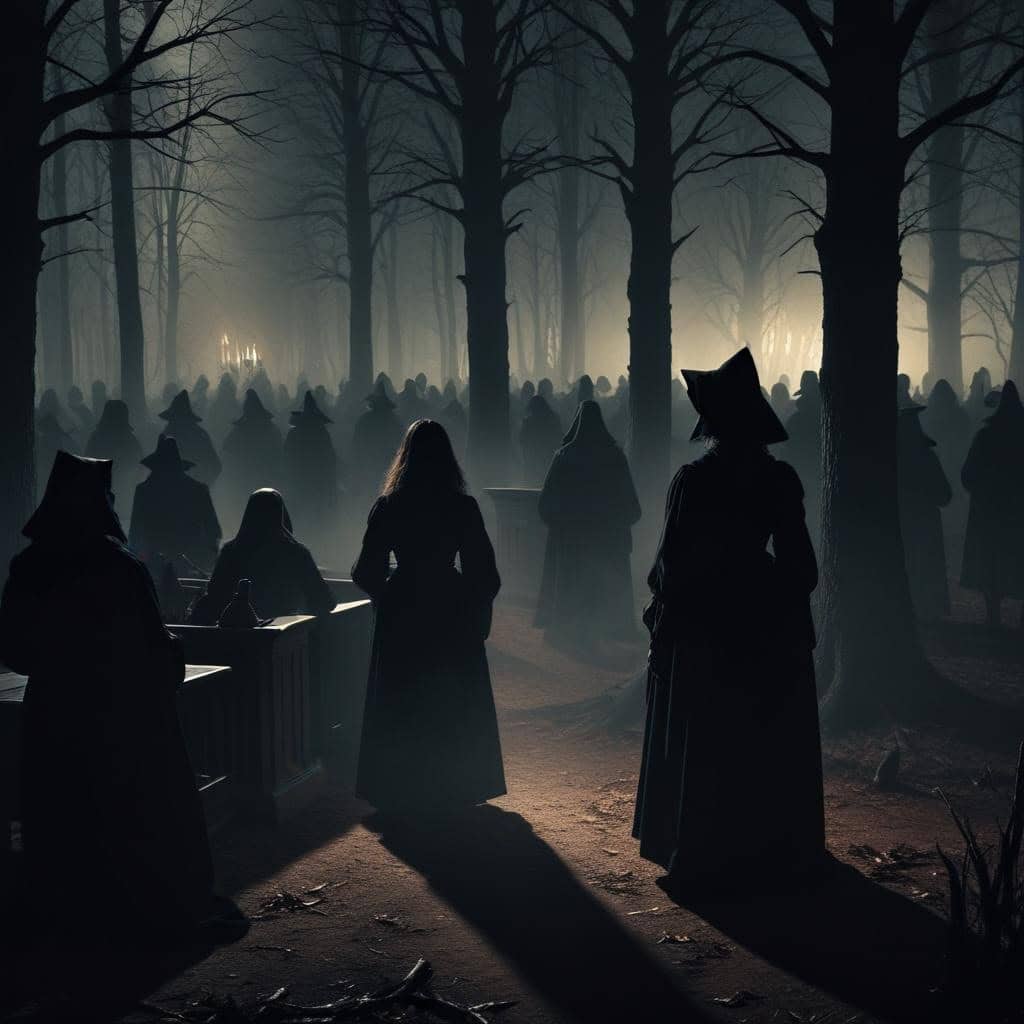
Introduction
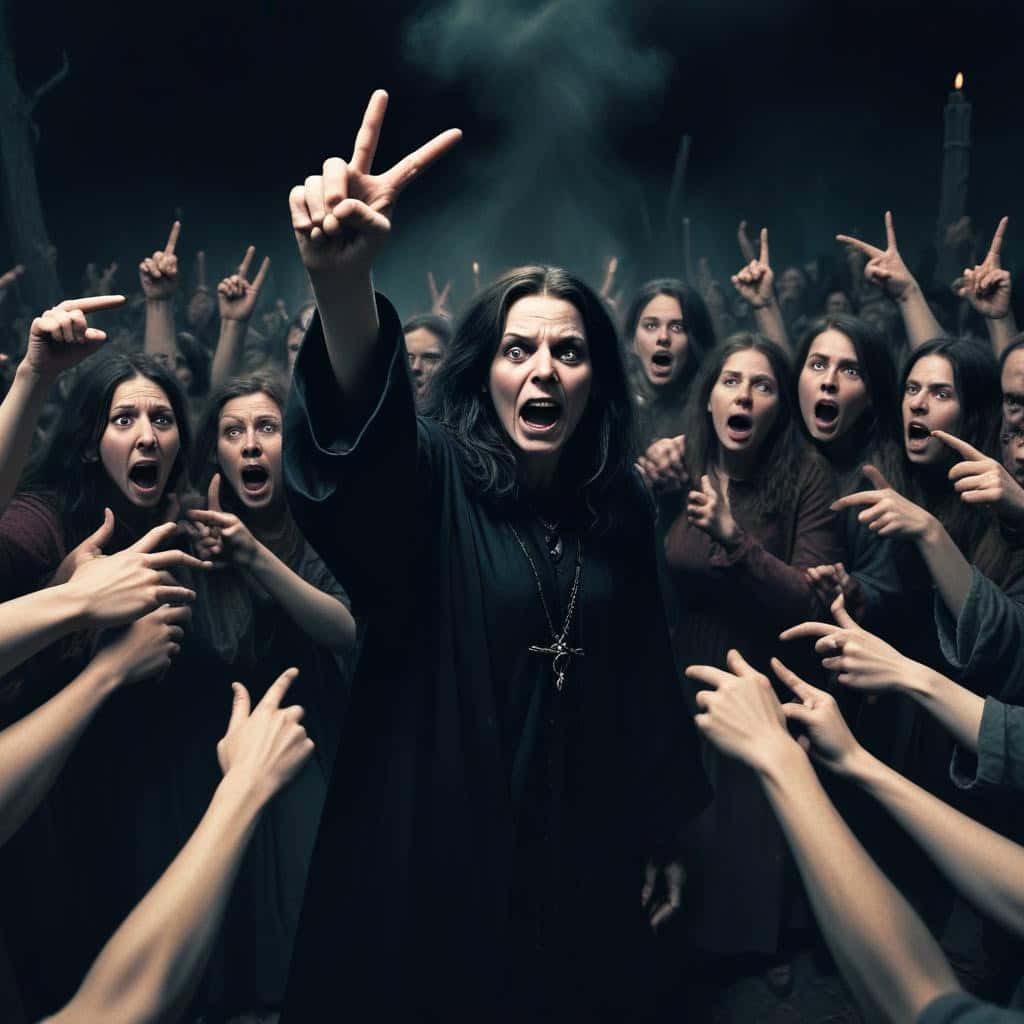
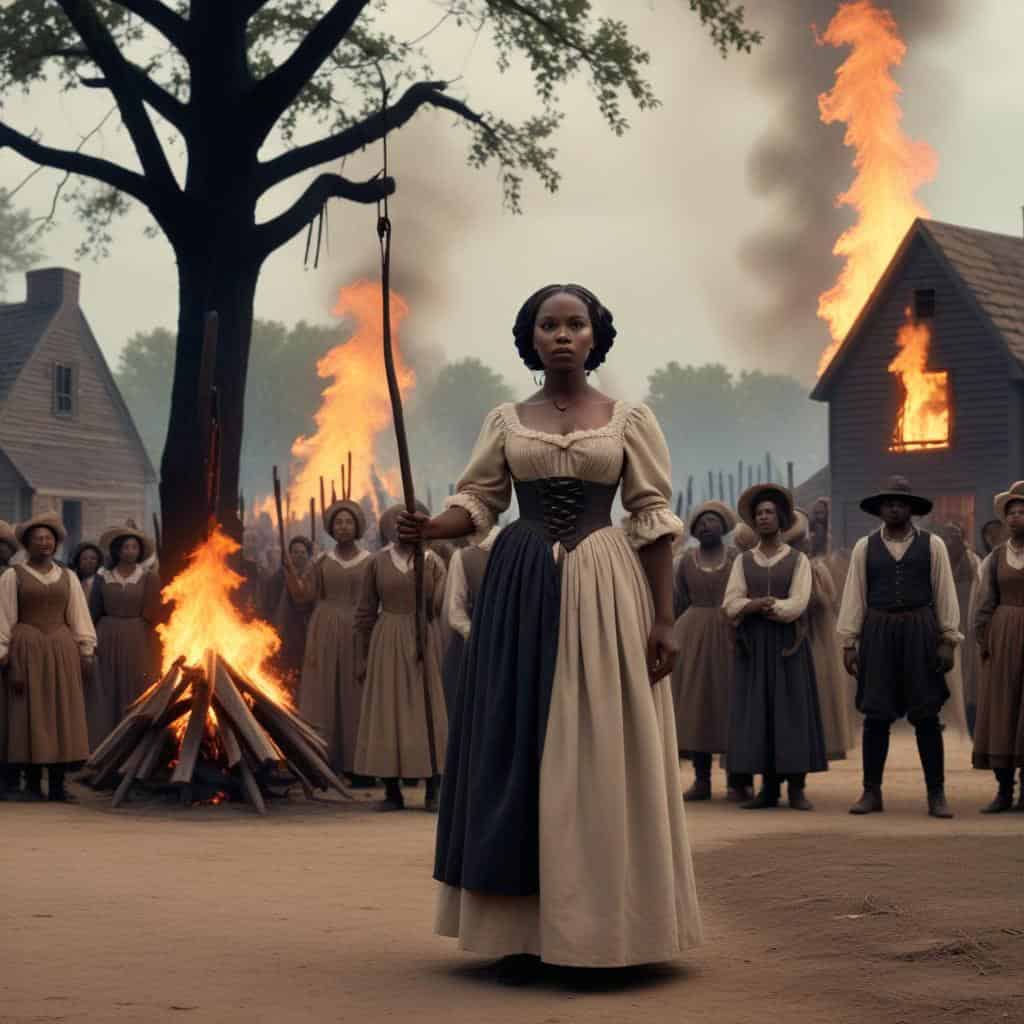
Tituba
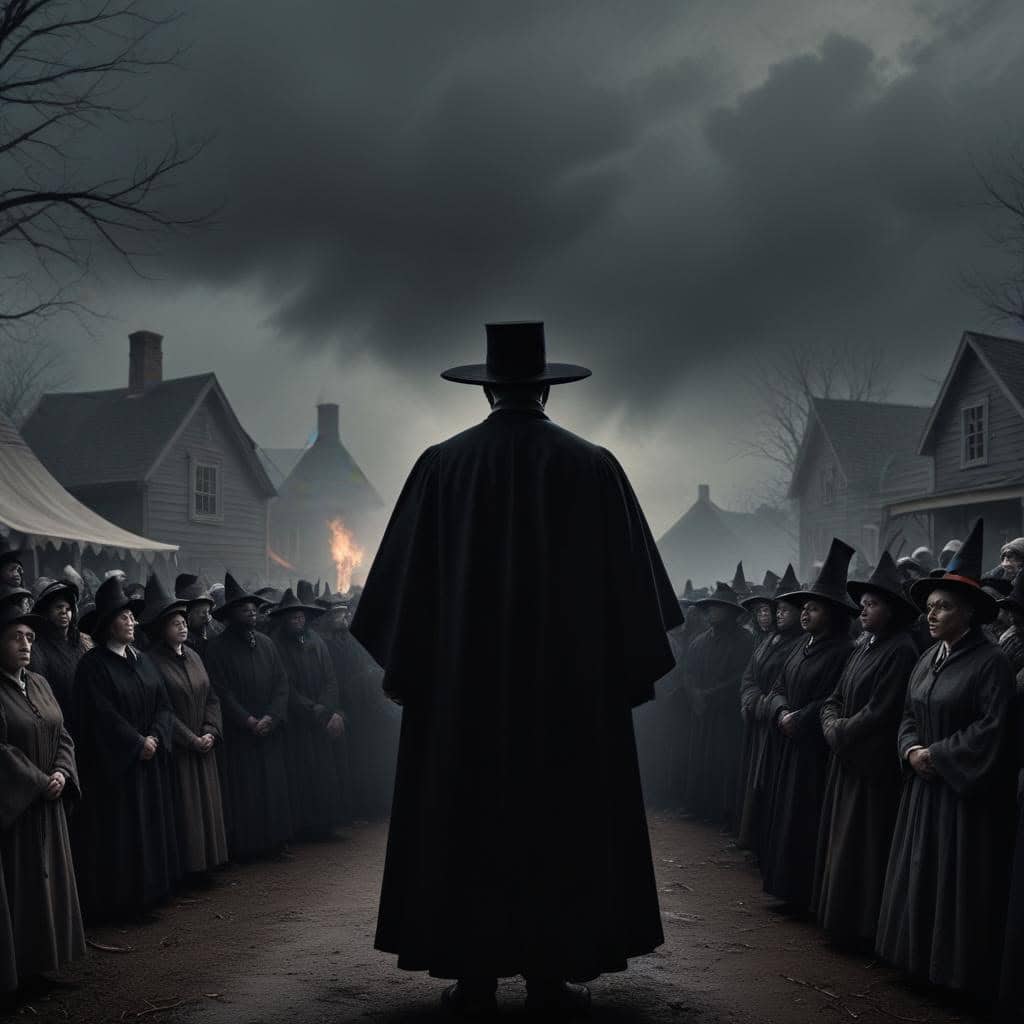
Reverend Samuel Parris
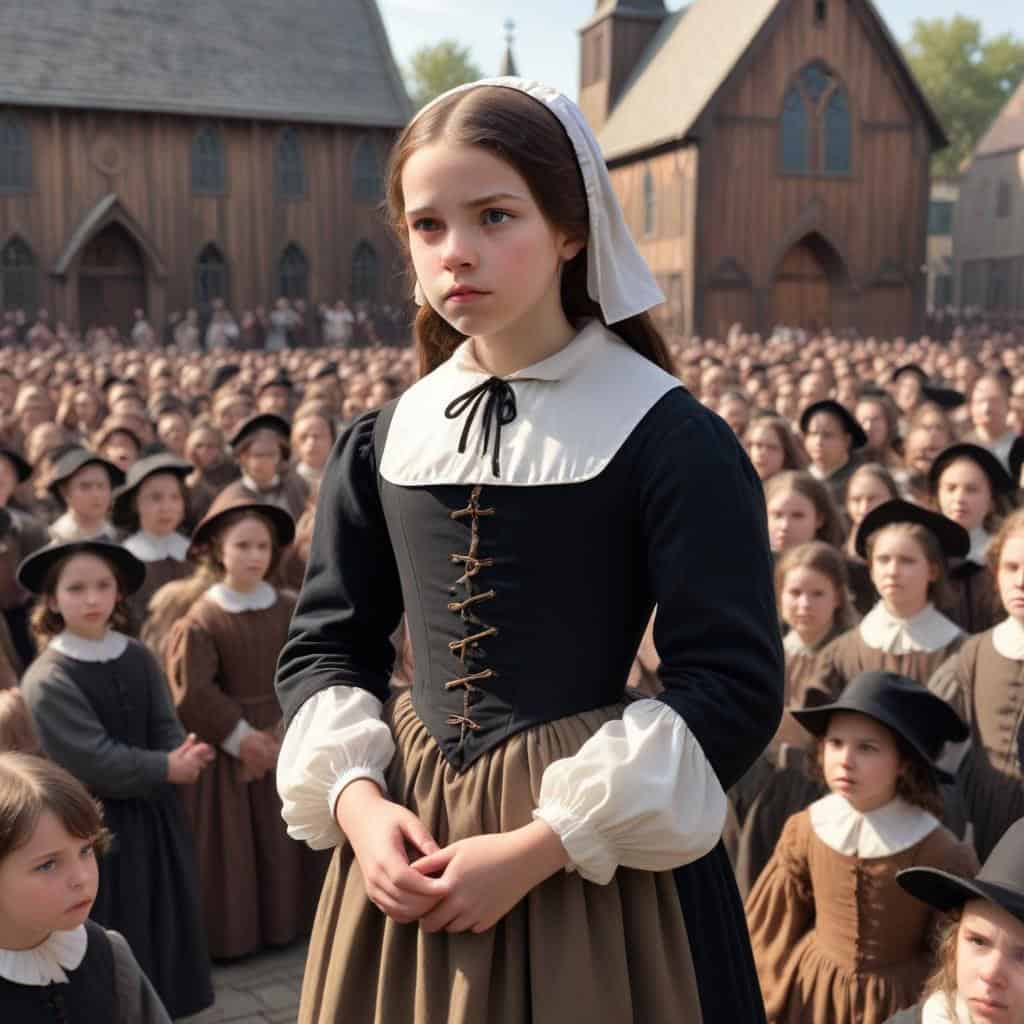
Abigail Williams
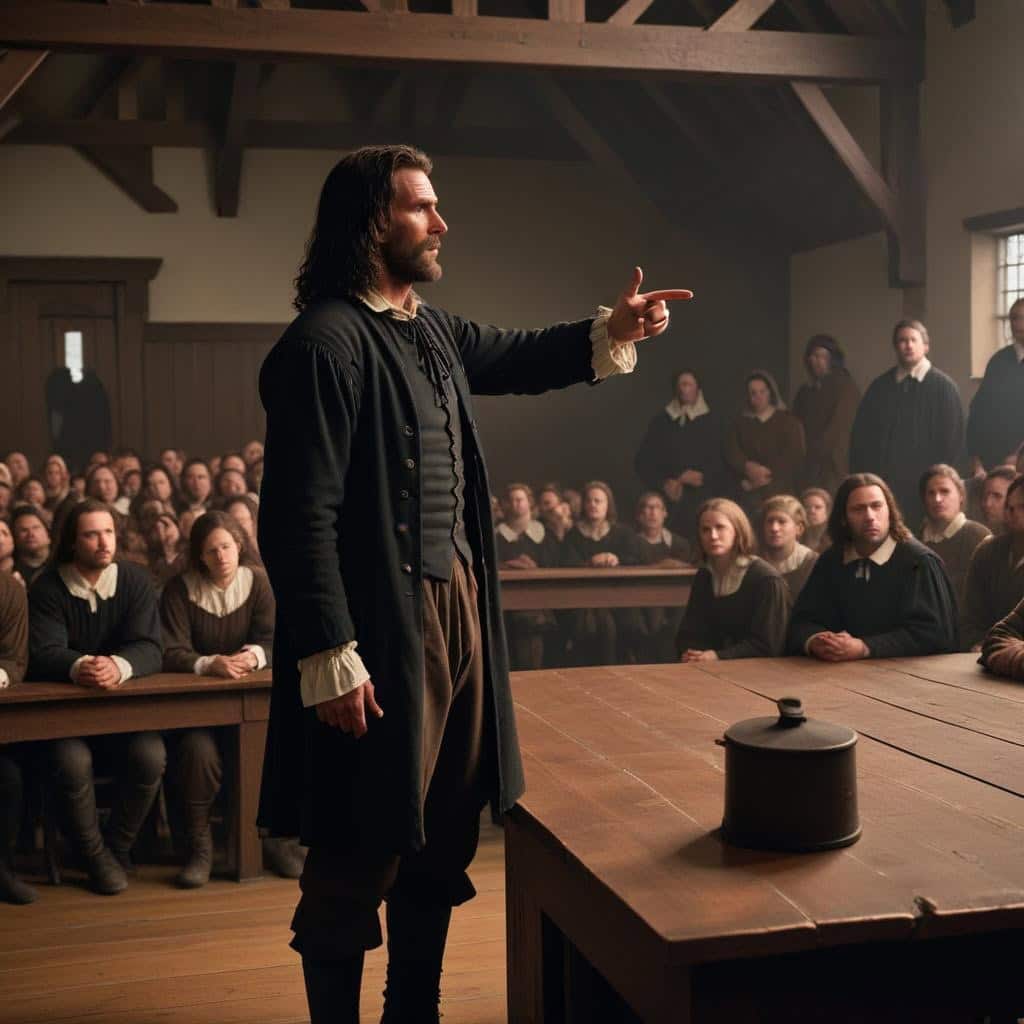
John Proctor
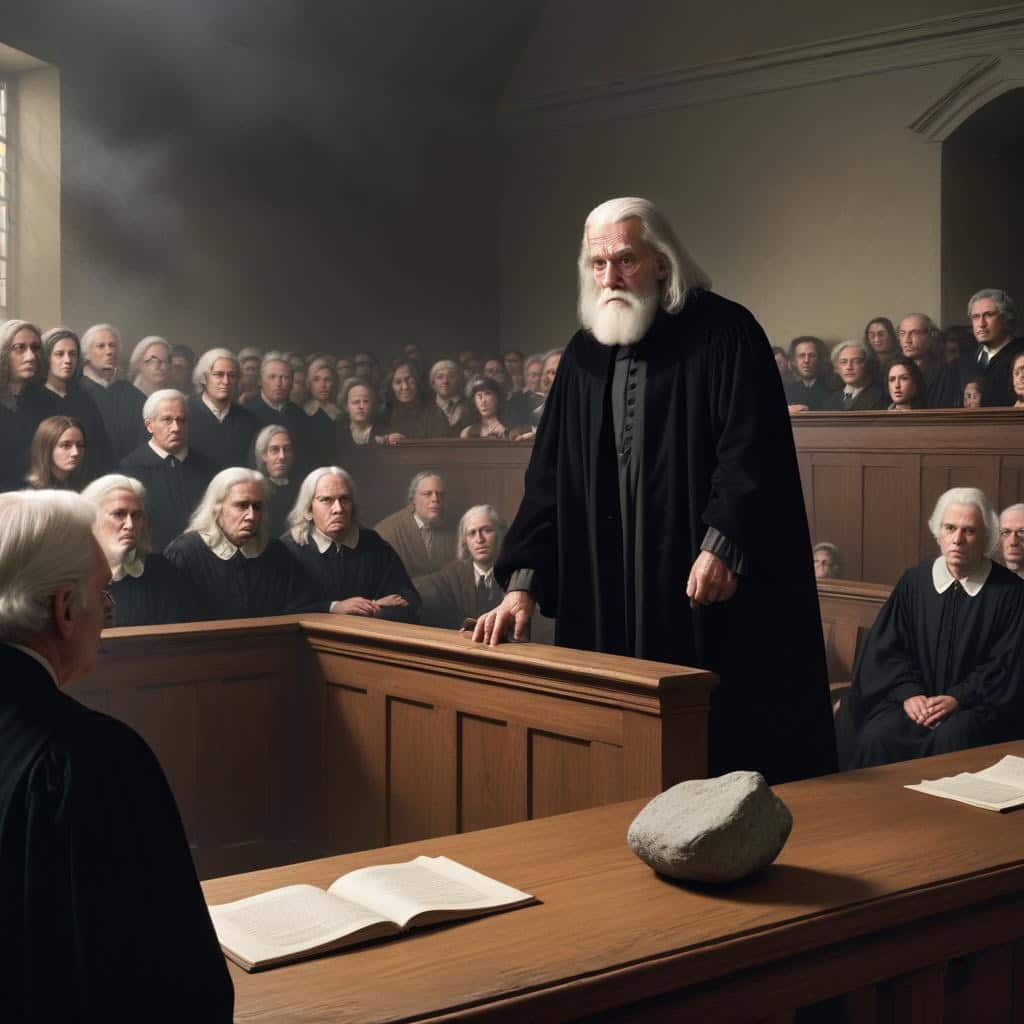
Giles Corey

The Accusations Begin

The Trials and Executions

The Impact on the Community

The Aftermath

The Legacy of the Salem Witch Trials

Lesson Details & Resources
In a Nutshell
- What: A series of trials in Salem, Massachusetts, where people were accused of witchcraft.
- When: 1692
- Who: Accused individuals, accusers, judges
- Outcome: Resulted in the execution of 20 individuals and continues to be a significant event in American history.
Famous Figures in the Witch Trials in Salem
-
Tituba
Tituba - Tituba was a slave from Barbados who was accused of being the first witch in the Salem Witch Trials.
-
Sarah Good
Sarah Good - Sarah Good was one of the first women accused of witchcraft in Salem. She was known for her poverty and eccentric behavior.
-
Sarah Osborne
Sarah Osborne - Sarah Osborne was another woman accused of witchcraft. She had a reputation for not attending church regularly.
-
Bridget Bishop
Bridget Bishop - Bridget Bishop was the first person to be officially executed in the Salem Witch Trials. She was known for her promiscuity and unconventional behavior.
-
Martha Corey
Martha Corey - Martha Corey was accused of witchcraft after expressing skepticism about the trials. She was known for her strong-willed personality.
-
Giles Corey
Giles Corey - Giles Corey was a farmer who was pressed to death with large stones for refusing to enter a plea during the trials.
-
Rebecca Nurse
Rebecca Nurse - Rebecca Nurse was a respected member of the community who was accused of witchcraft. Despite her innocence, she was convicted and hanged.
-
John Proctor
John Proctor - John Proctor was a farmer and tavern owner who was accused of witchcraft. He was known for his integrity and defiance of the court.
-
Elizabeth Proctor
Elizabeth Proctor - Elizabeth Proctor was the wife of John Proctor and was also accused of witchcraft. She was pregnant at the time of her arrest.
-
Mary Warren
Mary Warren - Mary Warren was a servant who became a key witness in the trials. She later recanted her testimony, but her initial accusations had a significant impact.
Timeline of Witch Trials in Salem
Tituba, a slave owned by Samuel Parris, confesses to practicing witchcraft
Sarah Good, Sarah Osborne, and Tituba are accused of witchcraft
Bridget Bishop is tried and executed for witchcraft
Rebecca Nurse is tried and executed for witchcraft
George Burroughs is executed for witchcraft
Martha Corey is tried and executed for witchcraft
Giles Corey is pressed to death for refusing to plead guilty or not guilty
Mary Eastey is tried and executed for witchcraft
Dorcas Hoar is tried and executed for witchcraft
Margaret Scott is tried and executed for witchcraft
Witch trials begin to lose momentum and public opinion turns against them
Last group of accused witches are released from prison
Governor Phips pardons and releases all remaining accused witches
Official proclamation issued declaring the trials unlawful and the result of hysteria
The General Court of Massachusetts sets aside the convictions of the remaining accused witches
Ann Putnam Jr. publicly apologizes for her role in the witch trials
Massachusetts Bay Colony passes a bill restoring the rights and good names of the accused witches
Salem Witch Trials are seen as a cautionary tale about mass hysteria and injustice
Vocabulary List
- Witch trials
- The Salem witch trials in 1692 were a series of hearings and prosecutions of people accused of witchcraft.
- Salem
- The witch trials took place in the town of Salem, Massachusetts.
- Accusations
- Many people made false accusations during the witch trials, leading to the wrongful execution of innocent individuals.
- Hysteria
- The witch trials were characterized by mass hysteria and fear, with people believing that witches were causing harm in the community.
- Spectral evidence
- Spectral evidence, which included testimonies of apparitions or visions, was allowed in court during the Salem witch trials.
- Execution
- Several accused individuals were executed by hanging during the witch trials.
- Witchcraft
- The primary accusation during the Salem witch trials was the practice of witchcraft.
- Purgatory
- Some accused witches claimed to have made a pact with the devil and confessed to sending their spirits to torment people in purgatory.
- Hysterical fit
- Witnesses described the accused having hysterical fits during the witch trials, which were considered as evidence of their guilt.
- Witch hunt
- The Salem witch trials are often referred to as a witch hunt, a term used to describe the persecution and targeting of individuals based on false accusations of witchcraft.
Key Facts
This is the information used in the fact matching game
- The Salem witch trials were a series of hearings and prosecutions of people accused of witchcraft in colonial Massachusetts between February 1692 and May 1693.
- The trials began when a group of young girls in Salem Village claimed to be possessed by the devil and accused several women of being witches.
- The first three people to be accused and arrested for witchcraft in Salem were Sarah Good, Sarah Osborne, and Tituba.
- The trials resulted in the execution of twenty people, fourteen of whom were women.
- Giles Corey, an 80-year-old man, was pressed to death for refusing to enter a plea during the trials.
- The trials were fueled by religious extremism and a belief in supernatural evil.
- The Salem witch trials were the largest witch hunt in American history.
- The accusations often targeted women who did not conform to societal norms or had conflicts with their neighbors.
- The trials ended when the governor of Massachusetts disbanded the Court of Oyer and Terminer, the court responsible for the trials.
- The aftermath of the trials led to a decline in belief in witchcraft and marked the beginning of the end of the Puritan theocracy in Massachusetts.
- The Salem witch trials have since become an iconic and cautionary tale of the dangers of mass hysteria and injustice.
- The accused witches were often subjected to harsh interrogations, including physical torture, to extract confessions.
- The Salem witch trials were influenced by similar witch trials that had taken place in Europe.
- Tituba, one of the first accused witches, was an enslaved woman of Caribbean origin.
- The trials lasted for over a year, resulting in a climate of fear and suspicion in the community.
- The Salem witch trials had a significant impact on the legal system, leading to reforms that ensured defendants' rights in future trials.
- Many of the accused witches were imprisoned in harsh conditions while awaiting trial.
- The witch trials affected the social fabric of the community, causing divisions among families and friends.
- The Salem witch trials have inspired numerous books, plays, and movies, contributing to their enduring cultural significance.
Analysis & Significance
Immediate Consequences
The immediate consequences of the Witch Trials in Salem in 1692 were devastating. Twenty people were executed, and many more lives were ruined by accusations of witchcraft. The community was left in a state of fear and paranoia, with trust shattered and relationships strained.
Long-Term Impact
The Witch Trials in Salem had a lasting impact on American history and culture. The event served as a cautionary tale of the dangers of mass hysteria and the consequences of unchecked power. It also led to reforms in the legal system to prevent similar injustices from occurring in the future.
Cultural Significance Today
The legacy of the Salem Witch Trials continues to influence us today, serving as a reminder of the dangers of intolerance and the importance of due process. The event has shaped how we view issues of justice, religion, and community dynamics. It also serves as a symbol of the power of fear and the importance of critical thinking in times of crisis.
Witch Trials in Salem Games


Take Your Learning Offline
Want a convenient, print-ready study guide for this lesson? Become a Memory Wizards Pro member to unlock the downloadable " Memory Scrolls" for this topic and our entire library!
- ✓ Complete Vocabulary Lists
- ✓ Key Facts & Timelines
- ✓ Beautifully Formatted for Print & Mobile
Dive Deeper
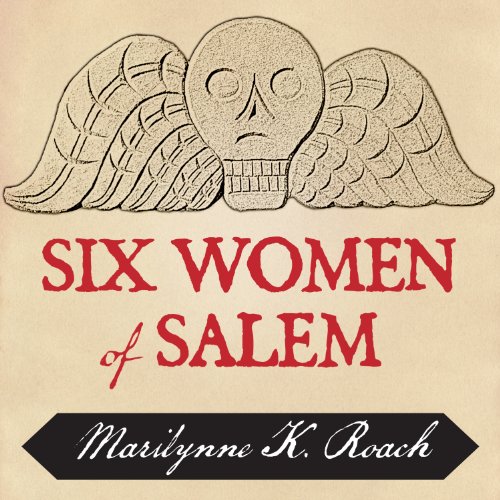
Six Women of Salem
View on AmazonTo help us keep Memory Wizards running and create more magical learning content, we are a participant in the Amazon Associates Program. If you make a purchase through the links on this page, we may earn a small commission at no extra cost to you. We only recommend resources we believe in.