
Summary – Massachusetts Bay Colony (1630)
Embark on a journey to the New World with the Puritans.
How Do You Learn Best?
Learn by Listening
Start with the 3-minute audio summary to get the key facts and narrative highlights quickly.
Learn by Reading
Immerse yourself in the 10-minute visual lesson for a comprehensive understanding of the topic.
Learn by Reviewing
Jump directly to the key facts, timeline, and vocabulary lists to build a solid foundation of details.
Learn by Doing
Challenge yourself! Jump straight into the interactive games to learn by trial, error, and discovery.
Audio Library
As one of our featured lessons, this topic includes premium audio guides.
Unlock the Wizard's Cram Session
This powerful audio study guide is a Pro-exclusive feature. Upgrade to Memory Wizards Pro to access this and all of our premium learning tools.
Upgrade to ProSummary – Massachusetts Bay Colony in 10 Minutes
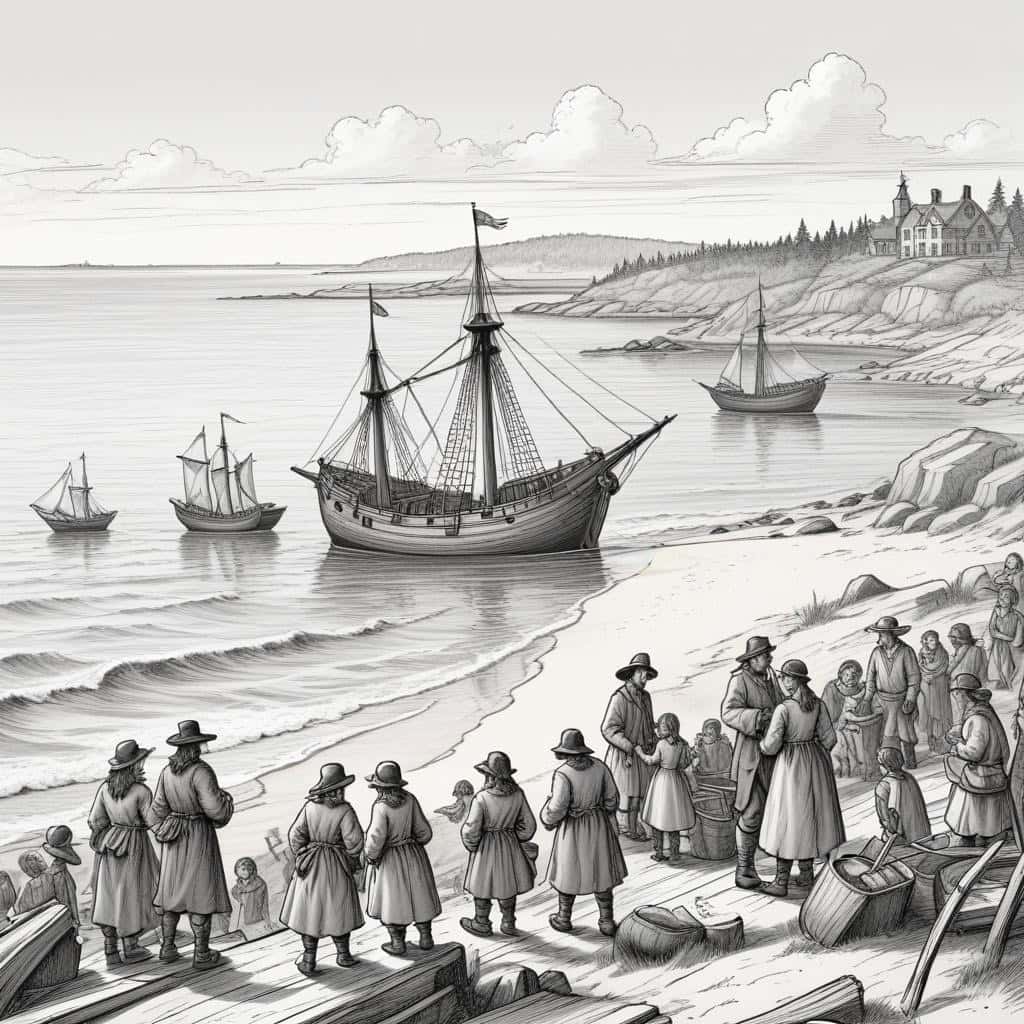
Introduction
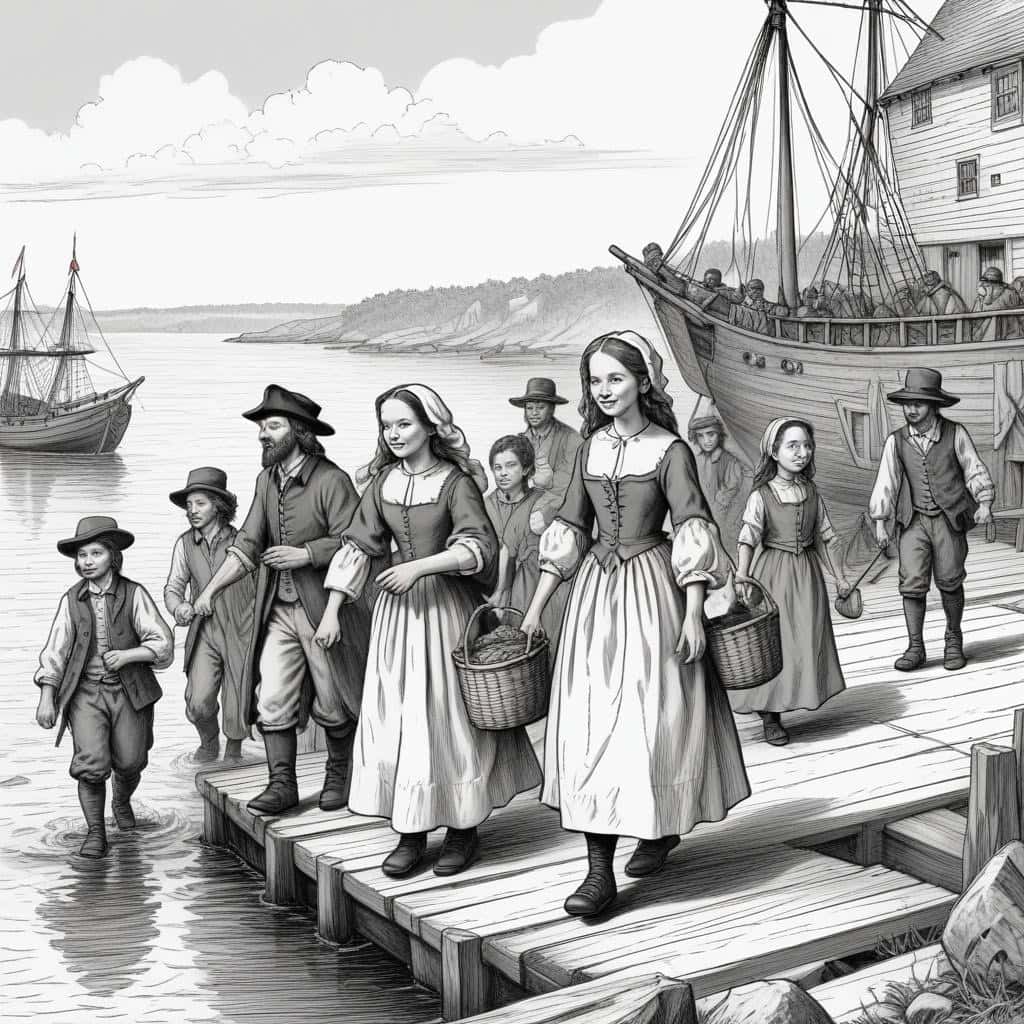
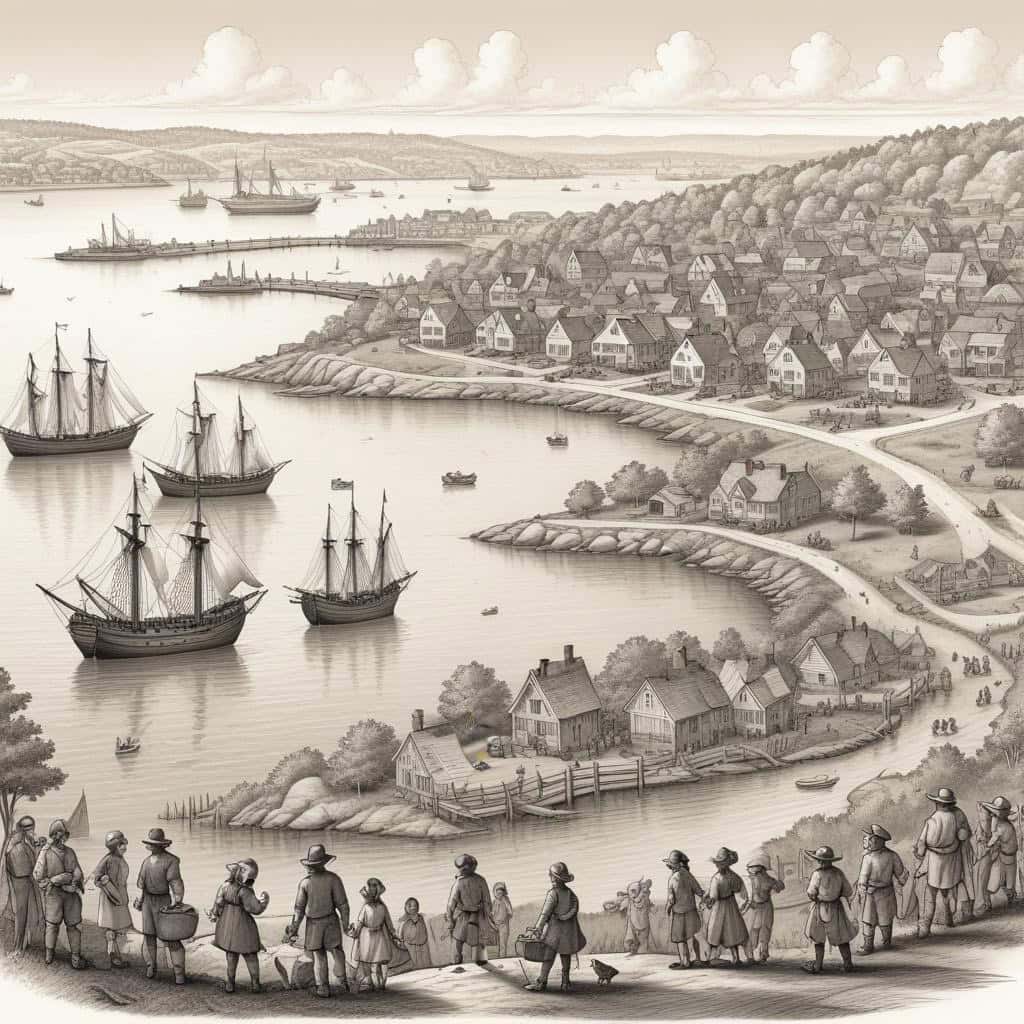
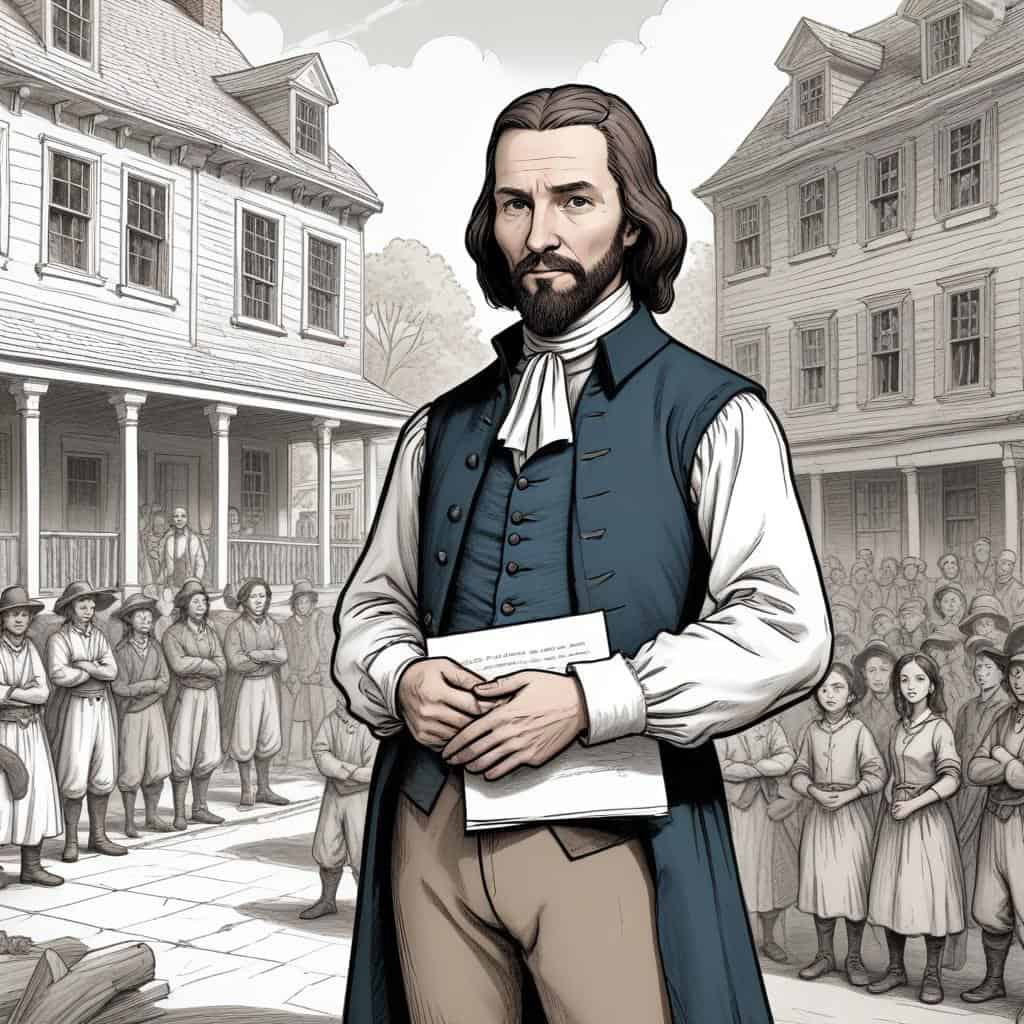
John Winthrop
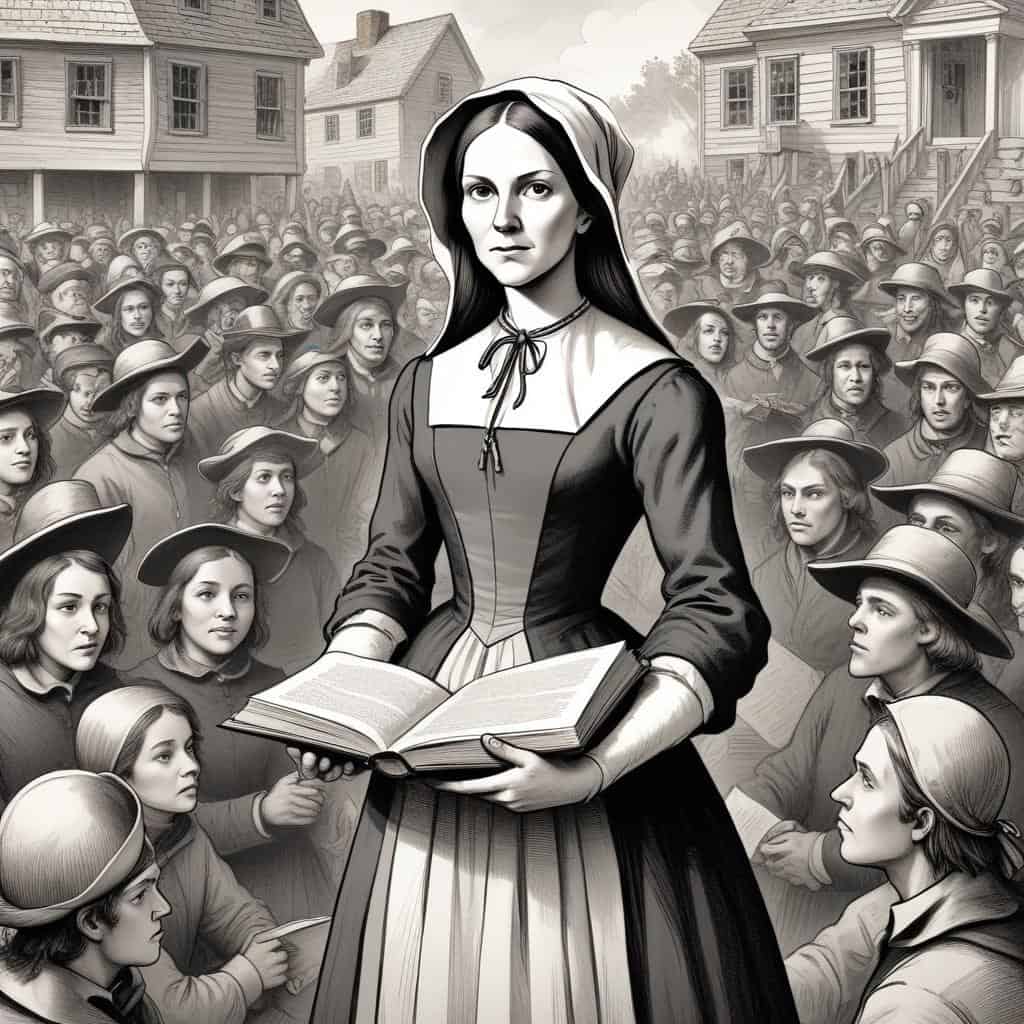
Anne Hutchinson
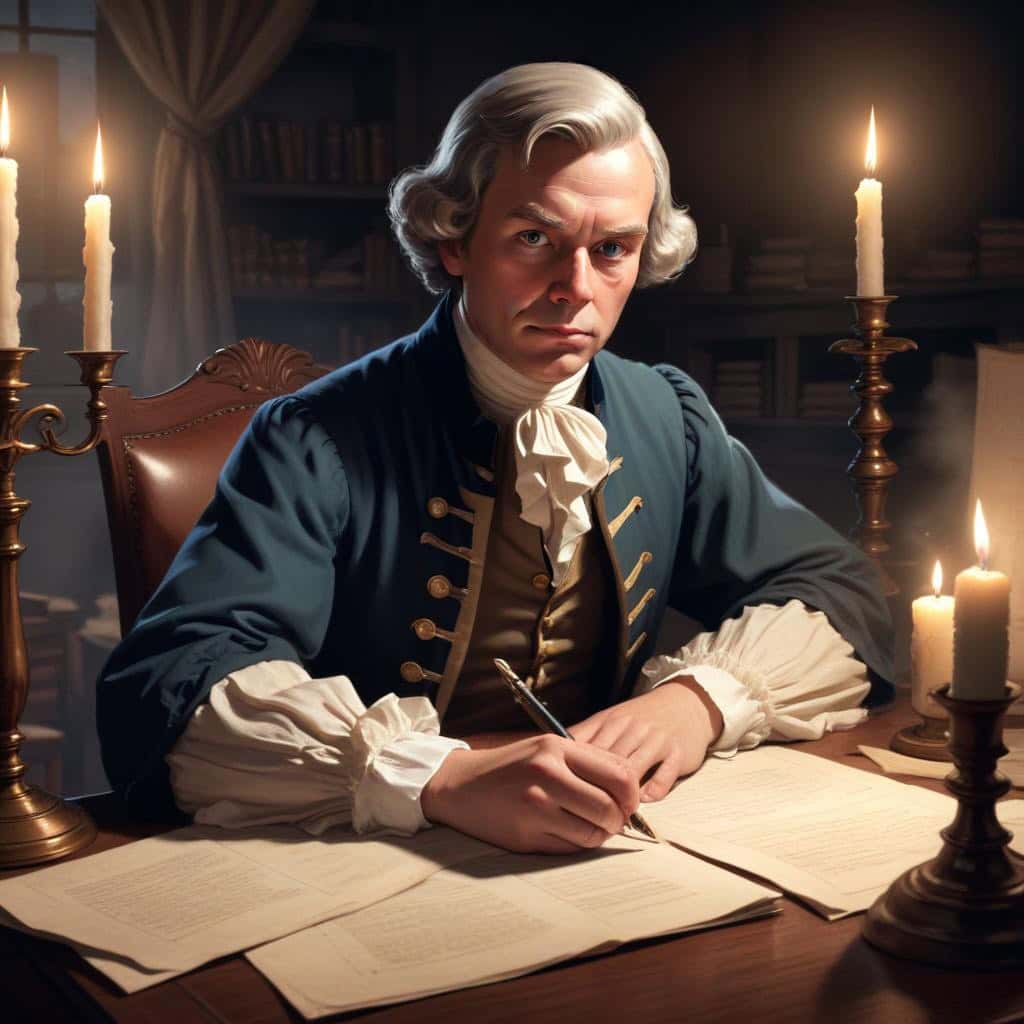
Thomas Dudley
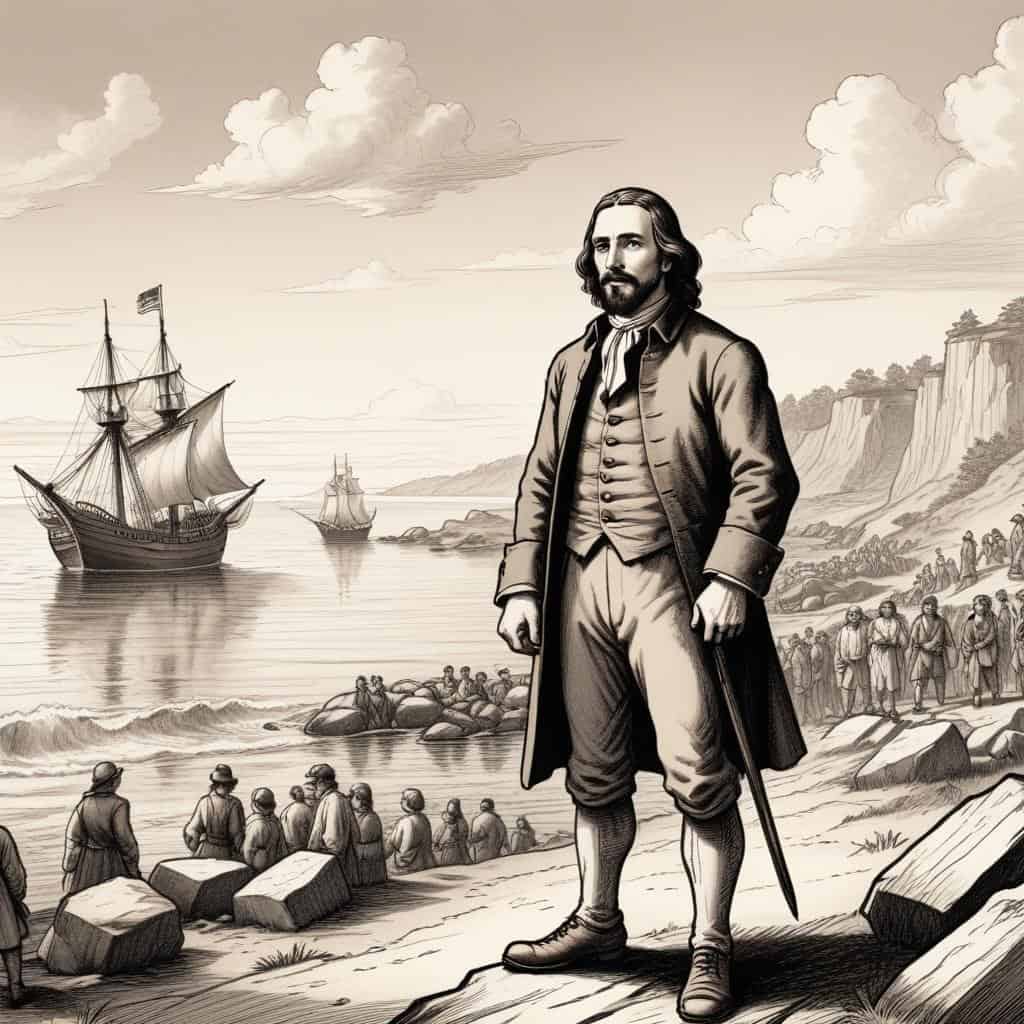
William Bradford
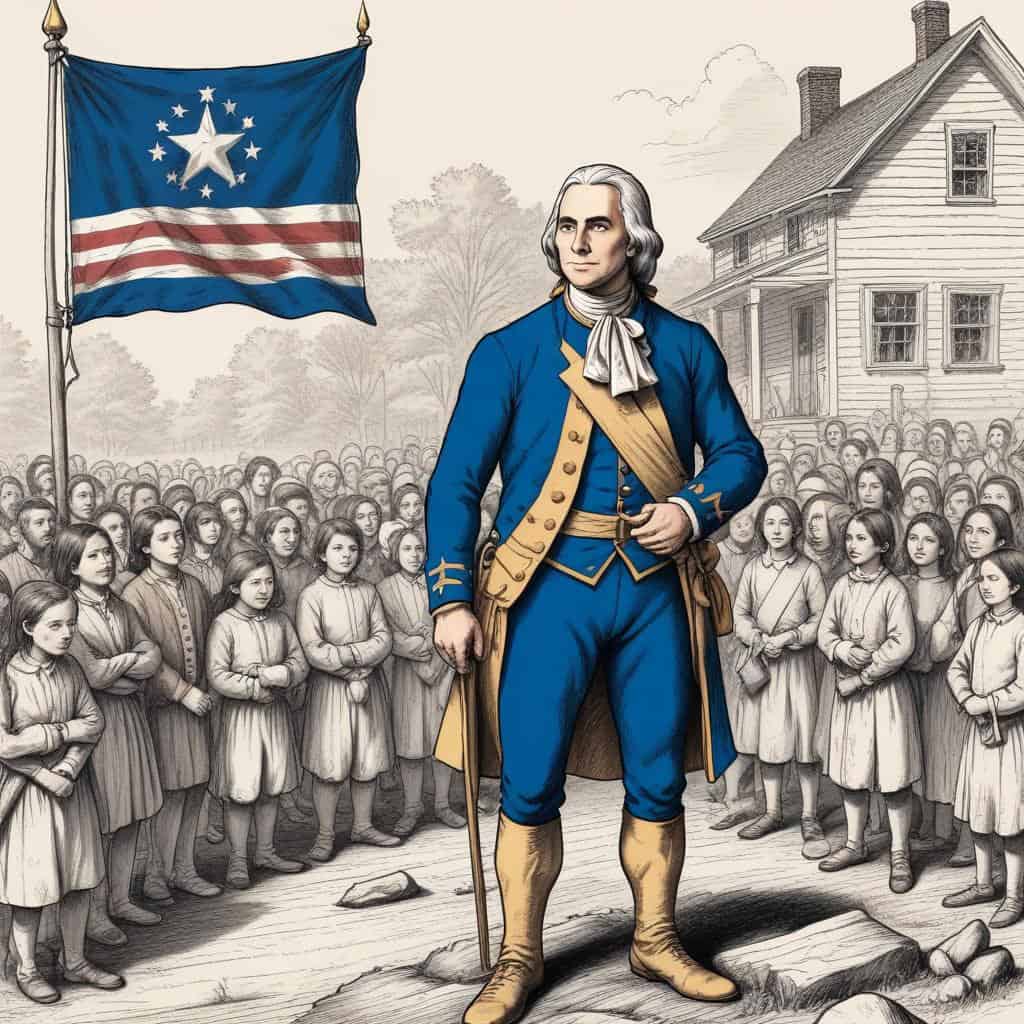
Roger Williams
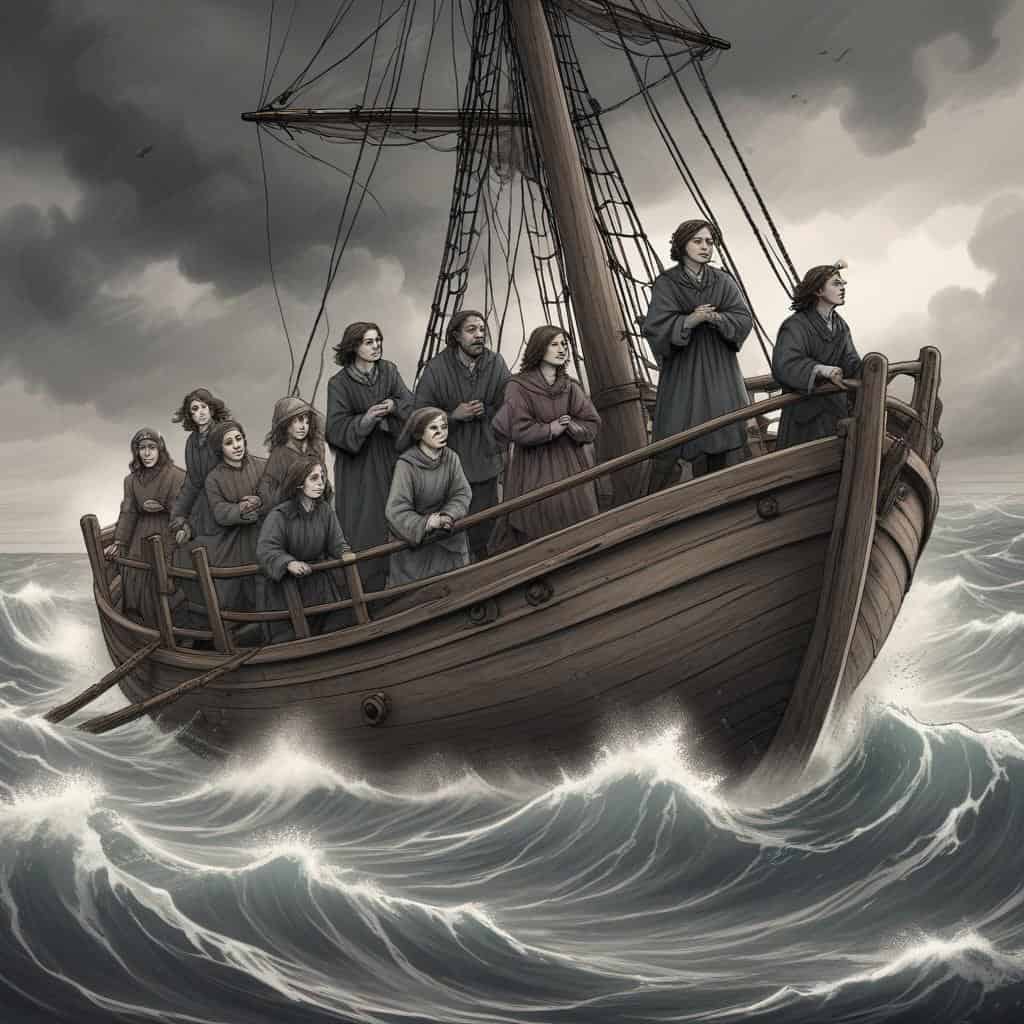
1. Puritans Fleeing Religious Persecution

2. John Winthrop Leads the Expedition

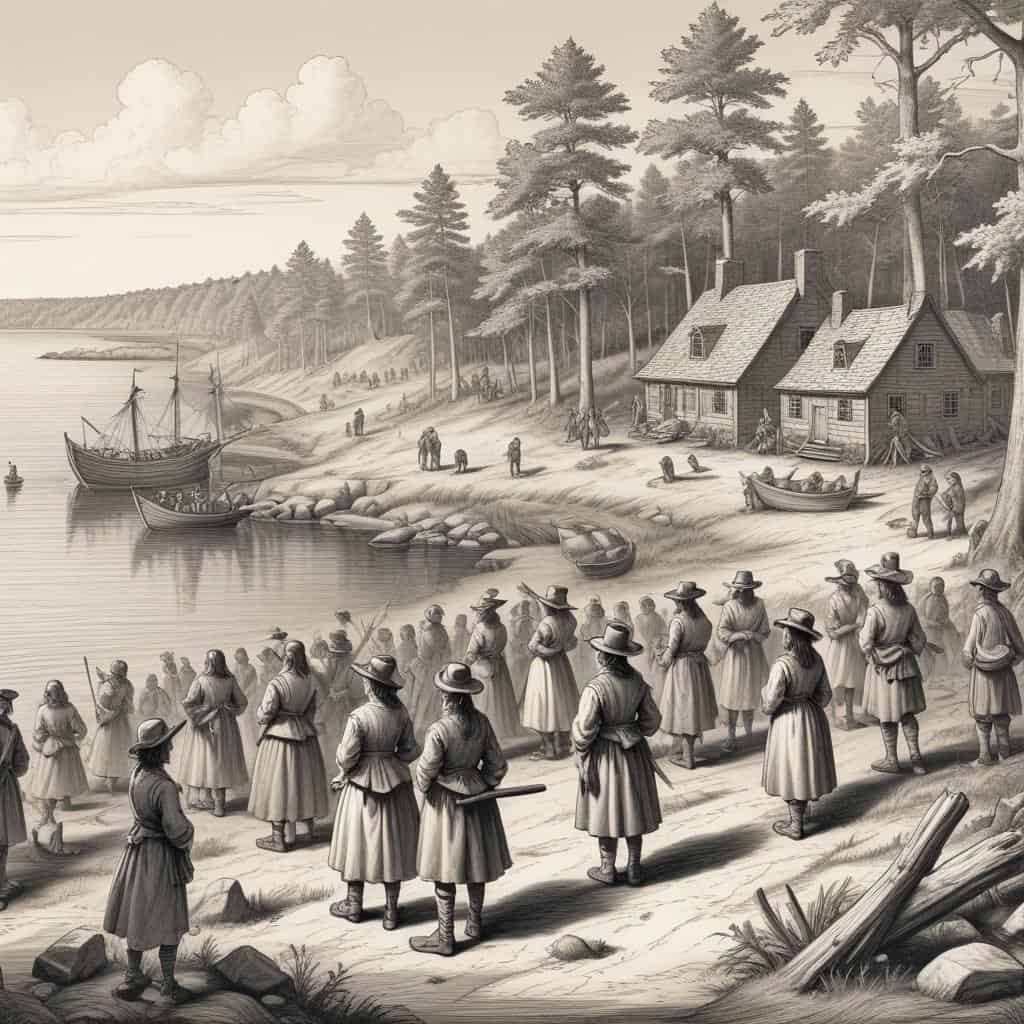
3. Arrival in Massachusetts Bay

4. Establishing a Theocracy

5. Economic Growth and Development

6. Expansion and Settlement

7. Religious Intolerance and Dissent

8. Relations with Native Americans

9. Role in Shaping American Identity

10. Legacy of the Massachusetts Bay Colony
Lesson Details & Resources
In a Nutshell
- What: A Puritan settlement established in 1630 in present-day Massachusetts.
- When: 1630
- Who: Puritans led by John Winthrop
- Outcome: Foundation of a successful and influential colony with a focus on religious freedom and self-government.
Famous Figures in the Summary – Massachusetts Bay Colony
-
John Winthrop
John Winthrop was the first governor of the Massachusetts Bay Colony and played a crucial role in its establishment and development.
-
Thomas Dudley
Thomas Dudley served as the deputy governor of the Massachusetts Bay Colony and later became its governor.
-
John Cotton
John Cotton was a prominent Puritan minister who greatly influenced the religious and political landscape of the Massachusetts Bay Colony.
-
John Harvard
John Harvard was an English minister whose bequest to the Massachusetts Bay Colony led to the founding of Harvard College.
-
Anne Hutchinson
Anne Hutchinson was a religious dissenter who challenged the establishment in the Massachusetts Bay Colony and played a significant role in the Antinomian Controversy.
-
Roger Williams
Roger Williams was a theologian and advocate for religious freedom. He founded the colony of Rhode Island after being banished from the Massachusetts Bay Colony.
Timeline of Summary – Massachusetts Bay Colony
Charter Granted
John Winthrop Elected Governor
First Fleet Departs England
Arrival of First Fleet in Salem
John Winthrop Arrives with Second Fleet
Charlestown Established
Boston Founded
First General Court Held
Dorchester Founded
Cambridge Founded
Harvard College Founded
Connecticut Colony Established
Rhode Island Colony Established
Pequot War Begins
New Haven Colony Established
Harvard College Receives Charter
King Philip's War Begins
Salem Witch Trials Begin
Salem Witch Trials End
Massachusetts Bay Colony Absorbed into Dominion of New England
Vocabulary List
- Puritans
- The Puritans were a religious group who settled in the Massachusetts Bay Colony in search of religious freedom.
- John Winthrop
- John Winthrop was the first governor of the Massachusetts Bay Colony and played a key role in its founding.
- Great Migration
- The Great Migration refers to the period in the 1630s when thousands of Puritans migrated from England to the Massachusetts Bay Colony.
- City upon a Hill
- The phrase 'City upon a Hill' was used by John Winthrop to describe the Massachusetts Bay Colony as a model community that others should aspire to.
- Salem
- Salem was one of the early settlements in the Massachusetts Bay Colony and later became infamous for the Salem witch trials.
- Charter
- The Massachusetts Bay Colony was established under a royal charter granted by King Charles I of England.
- Plymouth Colony
- The Plymouth Colony was another early English settlement in Massachusetts, founded by the Pilgrims in 1620.
- Native Americans
- The Native Americans, particularly the Wampanoag tribe, had interactions with the settlers of the Massachusetts Bay Colony.
- Theocracy
- The Massachusetts Bay Colony was a theocratic society, with the Puritan church playing a central role in government and decision-making.
- General Court
- The General Court was the legislative assembly of the Massachusetts Bay Colony, consisting of representatives elected by freemen.
Key Facts
This is the information used in the fact matching game
- The Massachusetts Bay Colony was founded in 1630 by a group of Puritans led by John Winthrop.
- The colony was established as a theocracy, with the Puritan religion as its official faith.
- The settlers of the Massachusetts Bay Colony sought religious freedom and a place to build a model Christian society.
- Boston, the capital of Massachusetts, was founded in 1630 as part of the colony.
- The colony's government was based on a charter granted by the English crown.
- The Massachusetts Bay Colony became one of the most prosperous and influential colonies in New England.
- The Great Migration of Puritans to the colony occurred between 1630 and 1642.
- The colony's economy was based on fishing, shipbuilding, fur trade, and agriculture.
- Harvard College, the oldest institution of higher education in the United States, was founded in 1636 in the Massachusetts Bay Colony.
- The colony implemented strict laws and punishments based on their interpretation of biblical principles.
- The Massachusetts Bay Colony played a significant role in the Salem witch trials of 1692.
- The colony established a system of public schools to educate children.
- Roger Williams, the founder of Rhode Island, was banished from the Massachusetts Bay Colony due to his views on religious freedom.
- The Massachusetts Bay Colony had a strong influence on the development of American democracy and religious freedom.
- The colony was involved in conflicts with Native American tribes, including the Pequot War in 1637.
- The Massachusetts Bay Colony was dissolved in 1691 when it was merged with the Plymouth Colony to form the Province of Massachusetts Bay.
- The Massachusetts Bay Colony served as a model for future English colonies in North America.
- The colonists of the Massachusetts Bay Colony established a General Court to make laws and govern the colony.
- The colony attracted a diverse group of settlers, including skilled craftsmen and merchants.
- The Massachusetts Bay Colony was known for its strict moral codes and emphasis on community discipline.
Analysis & Significance
Immediate Consequences
The founding of the Massachusetts Bay Colony in 1630 led to the establishment of a Puritan stronghold in the New World. It brought a wave of English immigrants seeking religious freedom and economic opportunities, rapidly increasing the colony’s population and influence in the region.
Long-Term Impact
The Massachusetts Bay Colony played a pivotal role in shaping the political and religious landscape of colonial America. Its emphasis on self-government and religious purity laid the foundation for democratic principles and individual freedoms that would later influence the development of the United States.
Cultural Significance Today
The legacy of the Massachusetts Bay Colony can still be seen in modern American society. Its early commitment to education and community values has left a lasting impact on the culture of Massachusetts and the country as a whole. The colony’s founding principles continue to inspire discussions on governance, religious freedom, and the pursuit of a better life.
Summary – Massachusetts Bay Colony Games


Take Your Learning Offline
Want a convenient, print-ready study guide for this lesson? Become a Memory Wizards Pro member to unlock the downloadable " Memory Scrolls" for this topic and our entire library!
- ✓ Complete Vocabulary Lists
- ✓ Key Facts & Timelines
- ✓ Beautifully Formatted for Print & Mobile