
Summary of Maryland as a Catholic Haven (1634)
Uncover the enchanting story behind Maryland's founding as a Catholic refuge.
How Do You Learn Best?
Learn by Listening
Start with the 3-minute audio summary to get the key facts and narrative highlights quickly.
Learn by Reading
Immerse yourself in the 10-minute visual lesson for a comprehensive understanding of the topic.
Learn by Reviewing
Jump directly to the key facts, timeline, and vocabulary lists to build a solid foundation of details.
Learn by Doing
Challenge yourself! Jump straight into the interactive games to learn by trial, error, and discovery.
Audio Library
As one of our featured lessons, this topic includes premium audio guides.
Unlock the Wizard's Cram Session
This powerful audio study guide is a Pro-exclusive feature. Upgrade to Memory Wizards Pro to access this and all of our premium learning tools.
Upgrade to ProMaryland as a Catholic Haven in 10 Minutes
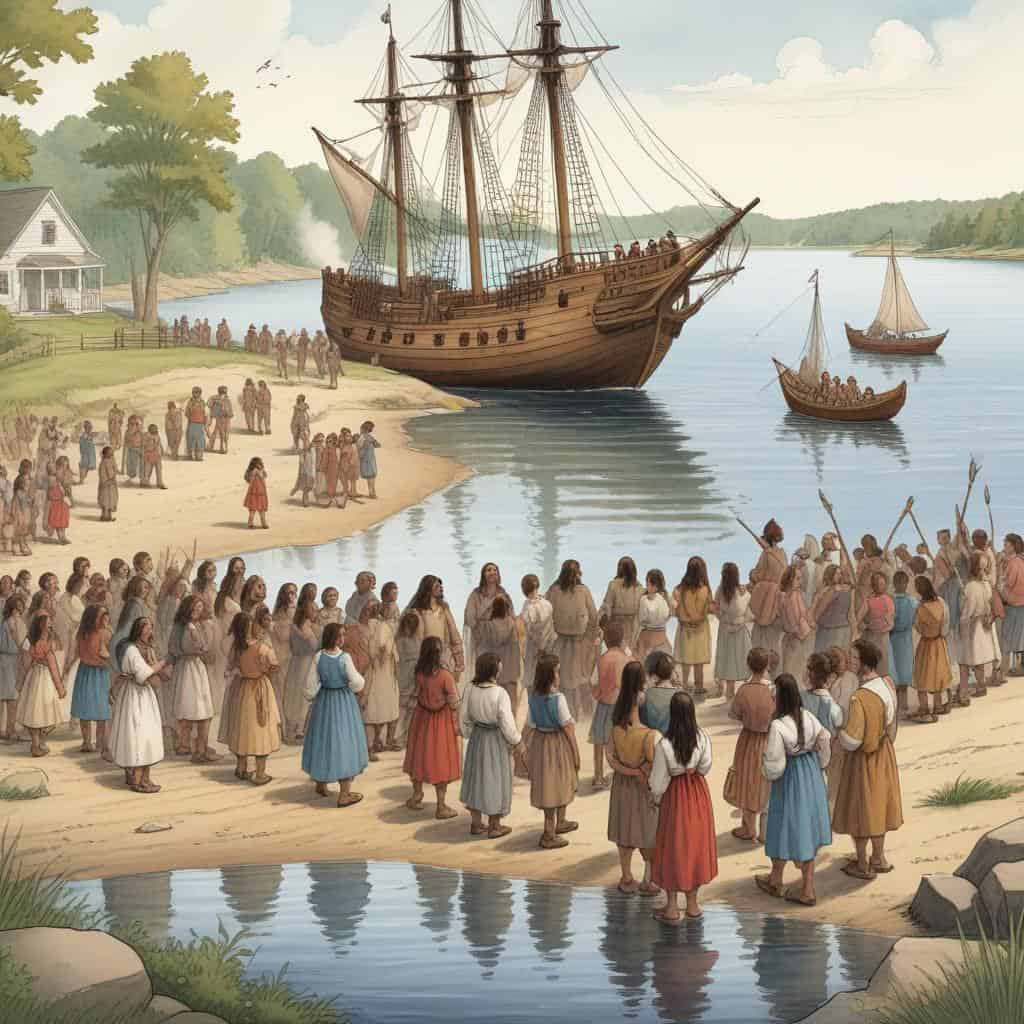
Introduction
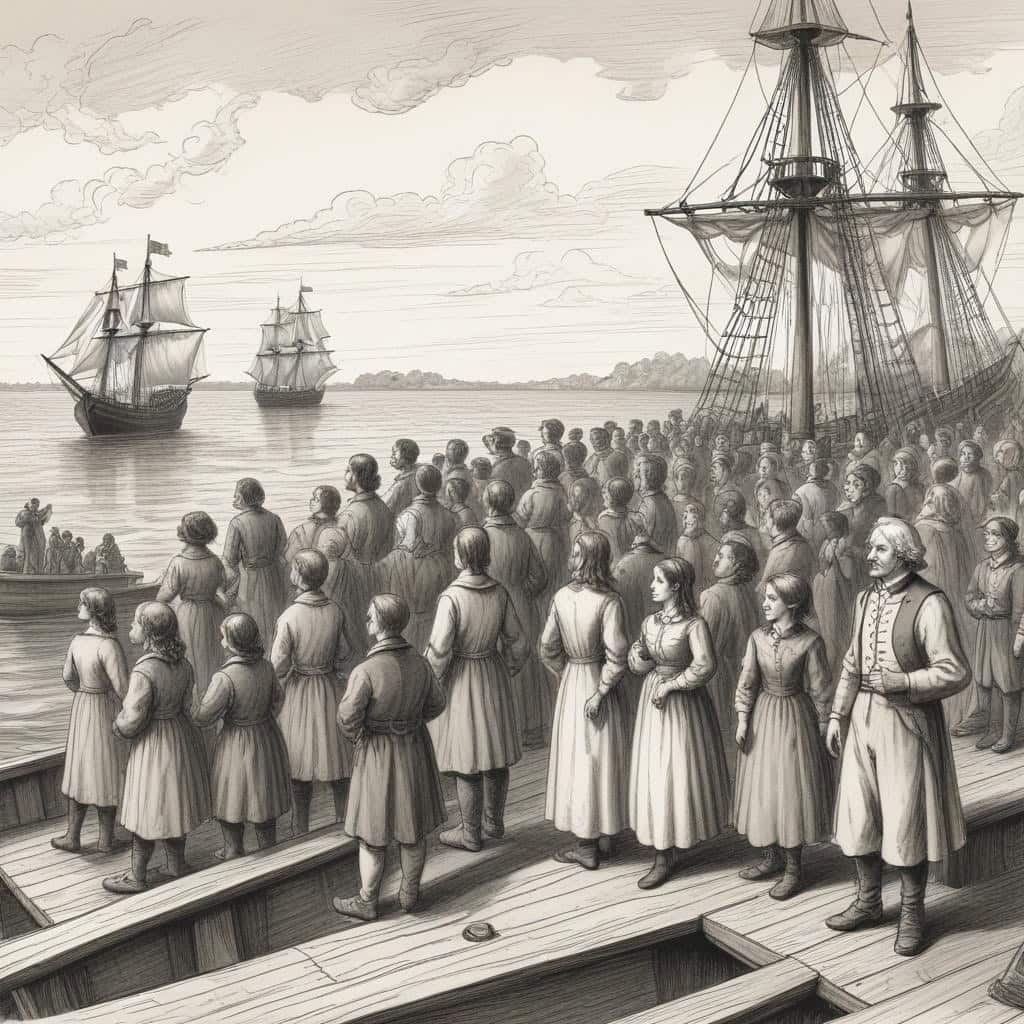
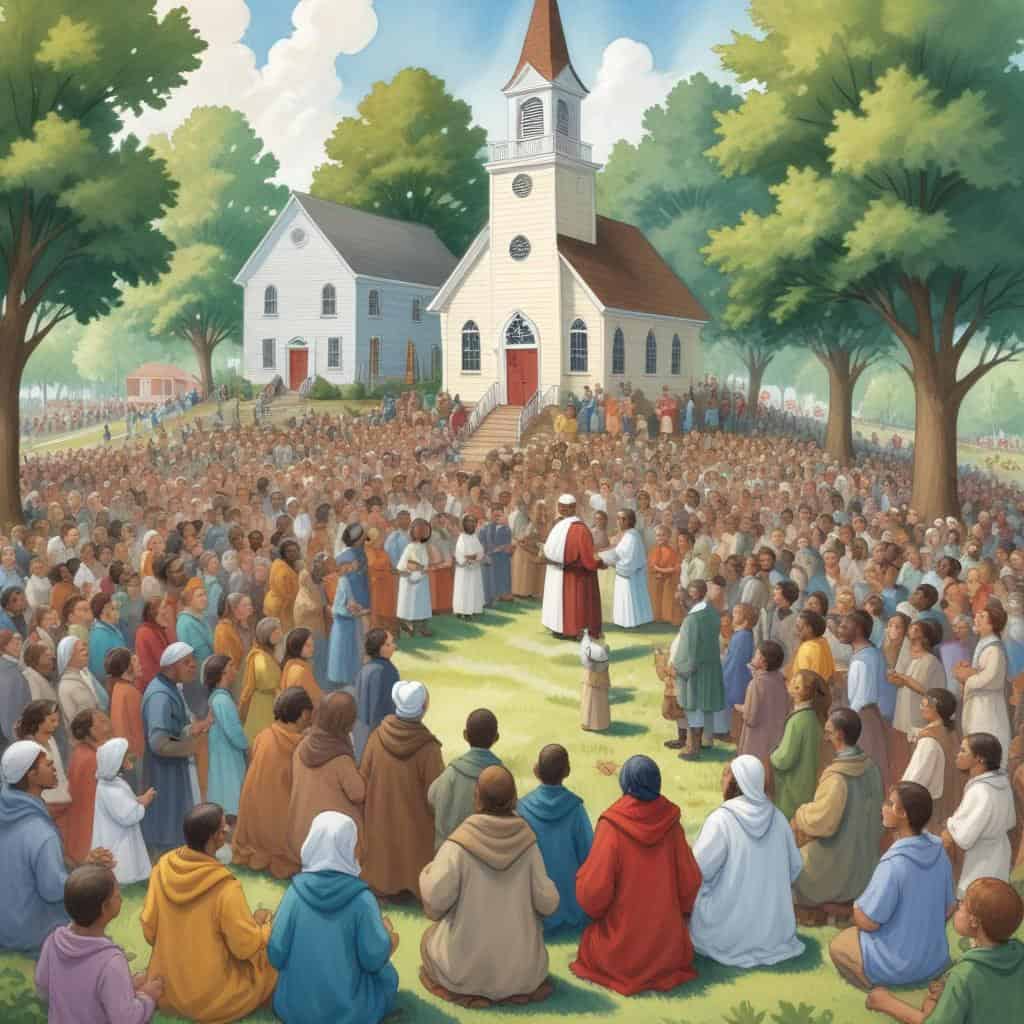
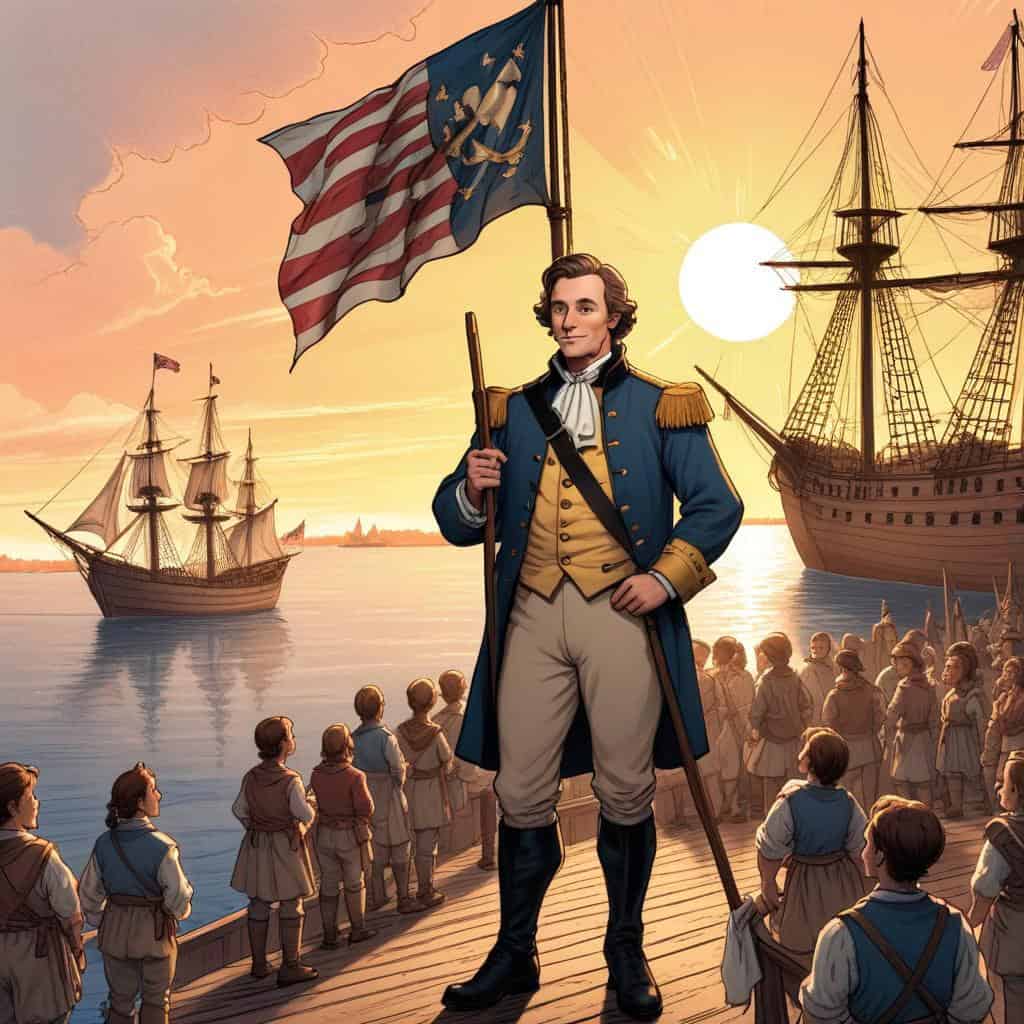
Cecilius Calvert
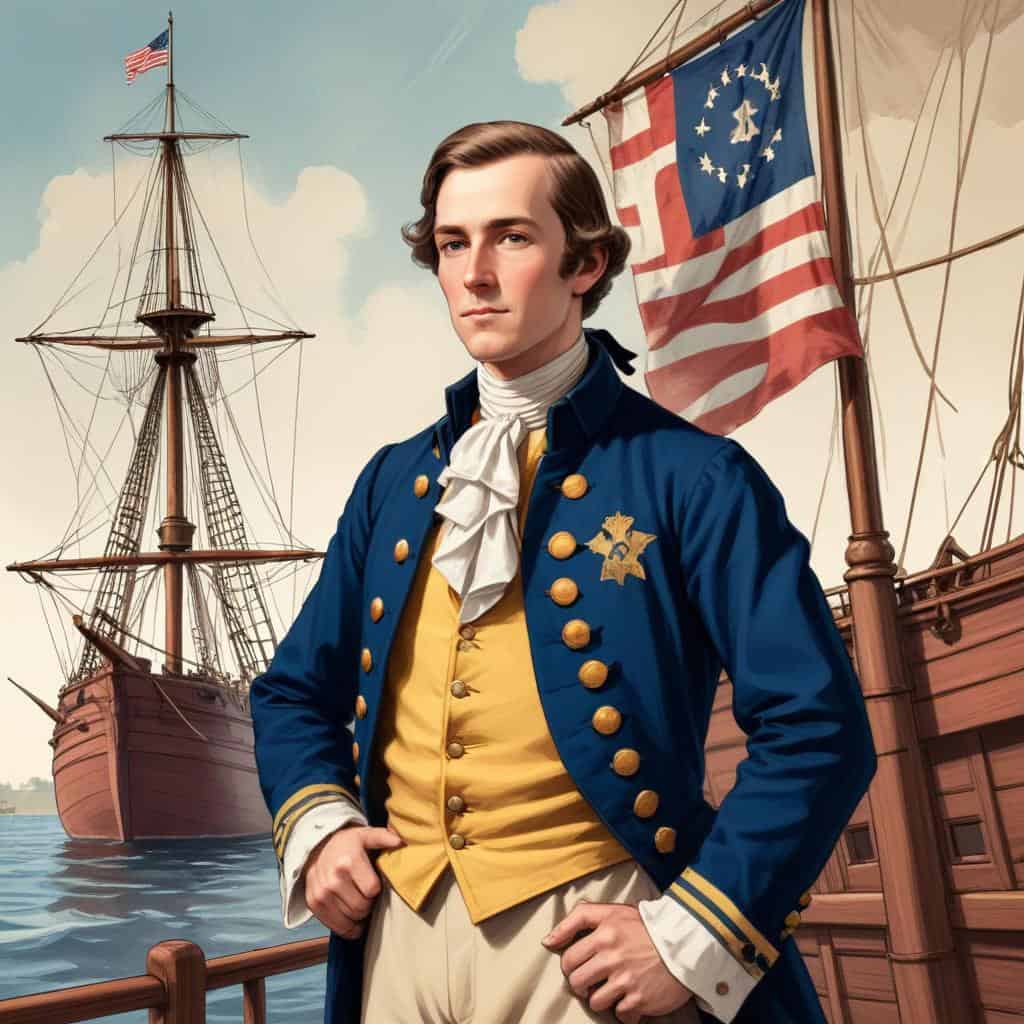
Leonard Calvert
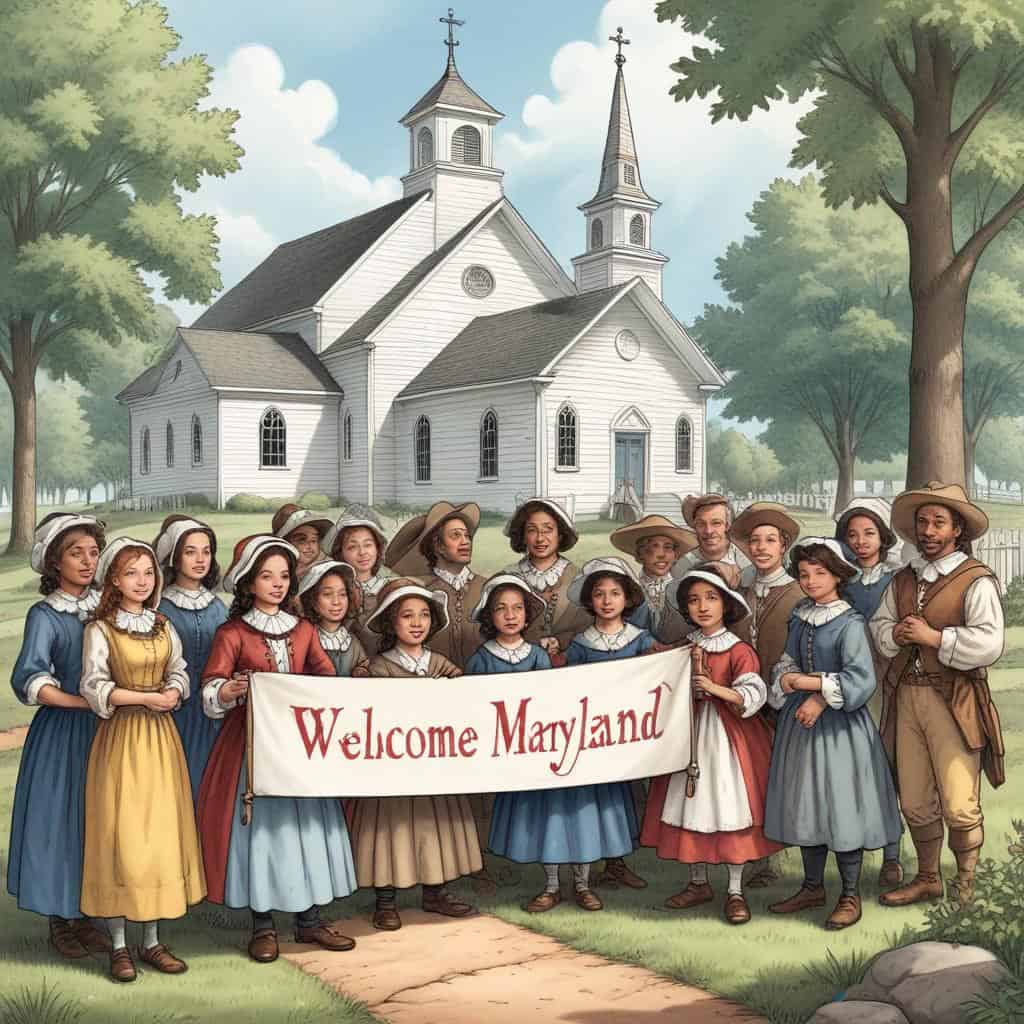
Maryland Colonists
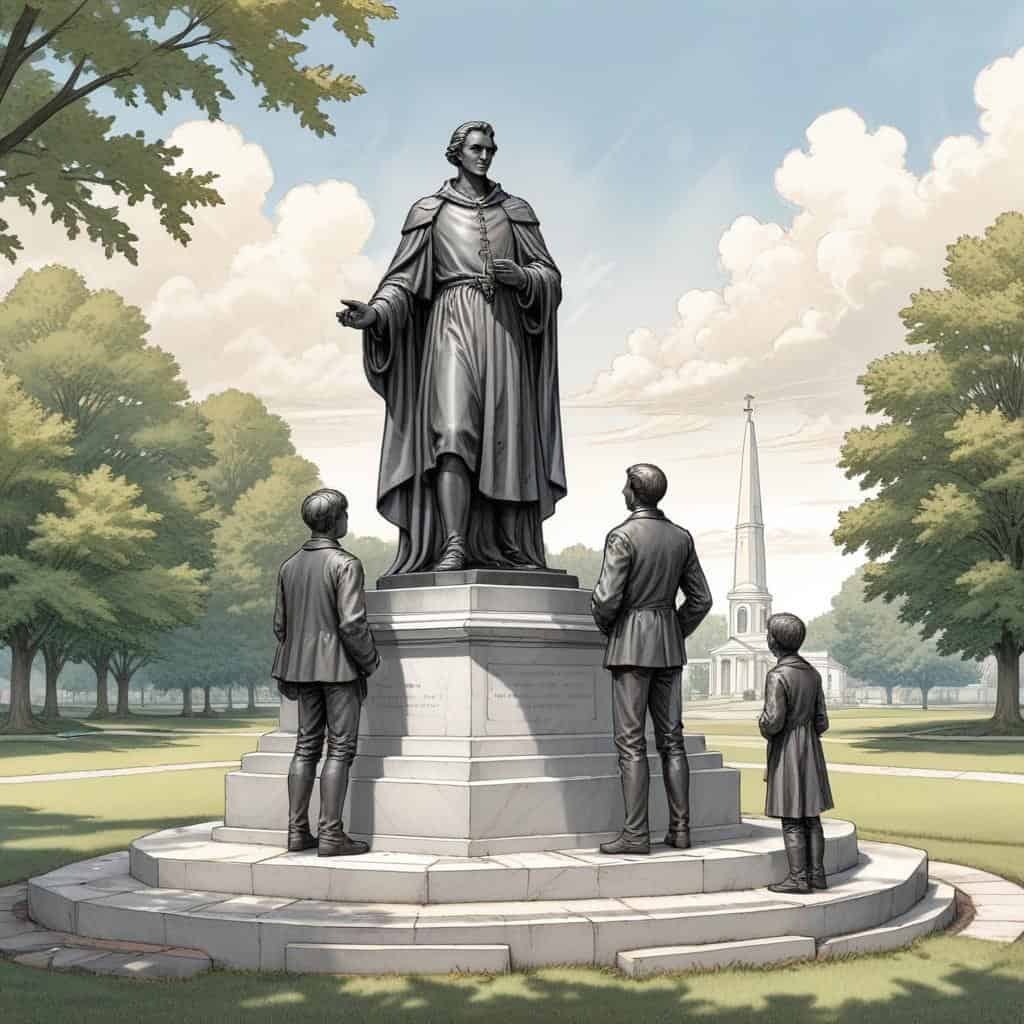
George Calvert

1. Lord Baltimore Receives Charter

2. Founding of St. Marys City

3. The Act Concerning Religion

4. Growth of Catholic Population

5. Establishment of Catholic Institutions

6. Religious Tensions
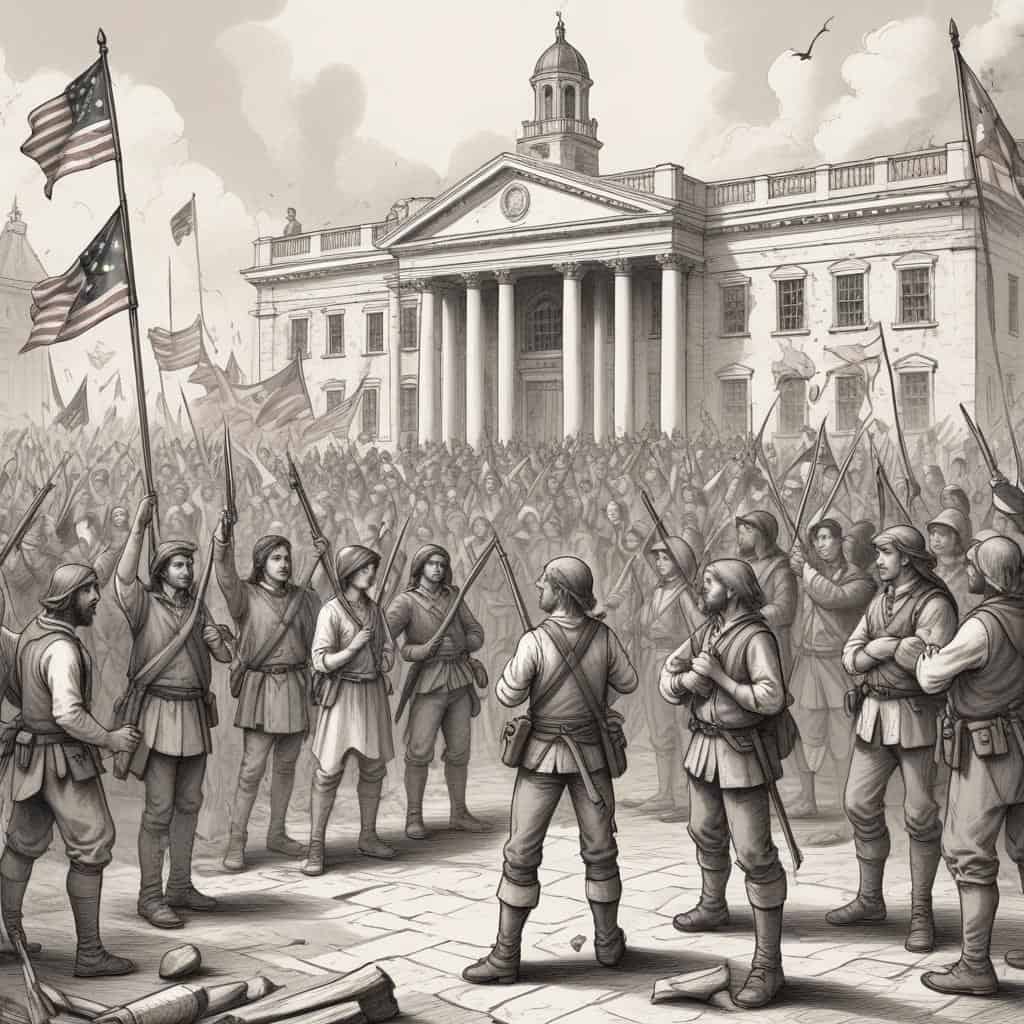
7. Protestant Revolt

8. Return of Religious Freedom

9. Legacy of Religious Freedom

10. Maryland as a Model for Religious Freedom
Lesson Details & Resources
In a Nutshell
- What: Establishment of Maryland as a Catholic Haven (1634)
- When: 1634
- Who: Lord Baltimore, English Catholics, Native Americans
- Outcome: Maryland was founded as a safe haven for Catholics fleeing persecution in England.
Famous Figures in the Maryland as a Catholic Haven
-
Cecil Calvert, 2nd Baron Baltimore
Cecil Calvert, 2nd Baron Baltimore, was the founder of Maryland and played a significant role in establishing it as a Catholic haven.
-
Leonard Calvert
Leonard Calvert, Cecil Calvert's brother, served as the first Governor of Maryland and was instrumental in the settlement and governance of the colony.
-
George Calvert, 1st Baron Baltimore
George Calvert, 1st Baron Baltimore, was the father of Cecil and Leonard Calvert and initiated the efforts to establish Maryland as a refuge for English Catholics.
-
Father Andrew White
Father Andrew White was a Jesuit missionary who accompanied the first settlers to Maryland. He played a crucial role in maintaining good relations with the Native Americans and promoting Catholicism in the colony.
-
Father Thomas Copley
Father Thomas Copley was another Jesuit missionary who joined the Maryland settlement. He worked alongside Father White in spreading Catholicism and providing spiritual guidance to the colonists.
Timeline of Maryland as a Catholic Haven
King Charles I grants a charter to Lord Baltimore for the establishment of a new colony in America
The first settlers arrive in Maryland aboard the ships Ark and Dove
Father Andrew White celebrates the first Catholic Mass in the English colonies at St. Clement's Island
The establishment of St. Mary's City as the capital of Maryland
The Maryland Toleration Act is passed, granting religious freedom to all Christians
The establishment of the first Catholic parish in America, St. Mary's Church
The construction of the first Catholic seminary in America, St. Mary's Seminary
The founding of Georgetown University, the first Catholic university in America
The establishment of the Archdiocese of Baltimore, the first diocese in America
The construction of the Basilica of the National Shrine of the Assumption of the Blessed Virgin Mary, the first Catholic cathedral in America
The founding of the Sisters of Charity of St. Vincent de Paul, the first religious order for women in America
The establishment of Mount St. Mary's University, the second oldest Catholic university in America
The establishment of Loyola University Maryland, the first college in America to bear the name of St. Ignatius Loyola
The establishment of the Oblate Sisters of Providence, the first religious order for African-American women in America
The founding of the Oblate Sisters of Providence, the first religious order for African-American women in America
The founding of the Oblate Sisters of Providence, the first religious order for African-American women in America
The founding of the Oblate Sisters of Providence, the first religious order for African-American women in America
The founding of the Oblate Sisters of Providence, the first religious order for African-American women in America
The founding of the Oblate Sisters of Providence, the first religious order for African-American women in America
The founding of the Oblate Sisters of Providence, the first religious order for African-American women in America
Vocabulary List
- Maryland
- The establishment of Maryland as a Catholic haven in 1634 was a significant event in early American history.
- Catholic
- Maryland was established as a refuge for Catholics who faced persecution in England.
- Haven
- Maryland was seen as a safe haven for Catholics to practice their religion freely.
- Religious freedom
- The establishment of Maryland as a Catholic haven was a step towards greater religious freedom in the New World.
- Persecution
- Catholics in England faced persecution, which led to the establishment of Maryland as a safe haven for them.
- Toleration
- Maryland was one of the first places in the New World to offer religious toleration to its residents.
- Lord Baltimore
- Lord Baltimore was instrumental in securing a charter for Maryland as a Catholic colony.
Key Facts
This is the information used in the fact matching game
- Maryland was established as a Catholic haven in 1634 by Cecil Calvert, the second Lord Baltimore.
- Maryland's founding was motivated by the desire to establish a colony where English Catholics could freely practice their religion.
- The colony of Maryland was named after Queen Henrietta Maria, the wife of England's King Charles I.
- Maryland's establishment as a Catholic haven was influenced by the Calvert family's Catholic background.
- The Maryland Toleration Act of 1649 was one of the first laws in the New World that enforced religious tolerance.
- The Maryland Toleration Act granted religious freedom to all Christians, including Catholics, but excluded non-Christians.
- The colony of Maryland attracted many Catholic settlers from England and Ireland.
- Maryland's Catholic population grew significantly during the 17th century, with many Catholic churches and institutions being established.
- The Jesuits played a significant role in the establishment of Maryland as a Catholic haven, establishing educational institutions and missions.
- The first Catholic cathedral in the United States, the Baltimore Basilica, was built in Maryland in 1806.
- The Maryland colony initially struggled with conflicts between Catholics and Protestants, leading to intermittent periods of religious tension.
- Maryland served as a refuge for Catholics fleeing religious persecution in England and other European countries.
- The Maryland colony's charter emphasized the promotion of religious freedom and the prevention of religious discrimination.
- The establishment of Maryland as a Catholic haven had a significant impact on the development of religious liberty in the United States.
- Maryland's Catholic population faced discrimination and restrictions outside of the colony, particularly during periods of Protestant dominance.
- Catholics in Maryland were eventually granted full legal rights and privileges through the Act of Religious Toleration in 1776.
- The establishment of Maryland as a Catholic haven contributed to the diverse religious landscape of the United States.
- The Maryland colony's Catholic roots are still evident today, with Maryland having a significant Catholic population.
- Maryland's religious freedom legacy led to the inclusion of the Free Exercise Clause in the First Amendment of the United States Constitution.
- St. Mary's City, the first capital of Maryland, was a center of Catholic influence and the site of the first Catholic mass in the American colonies.
Analysis & Significance
Immediate Consequences
The establishment of Maryland as a Catholic haven in 1634 immediately provided refuge for persecuted Catholics in England. It also sparked tensions with neighboring Protestant colonies, leading to conflicts over religious freedom and land ownership.
Long-Term Impact
The founding of Maryland as a haven for Catholics had a lasting impact on religious tolerance in America. It set a precedent for the protection of religious freedoms and influenced the development of the concept of separation of church and state in the United States.
Cultural Significance Today
Today, Maryland’s history as a Catholic colony is celebrated and remembered as an important chapter in the story of religious diversity in America. The legacy of religious freedom established in Maryland continues to shape the cultural and political landscape of the nation, emphasizing the importance of tolerance and acceptance of diverse beliefs.
Maryland as a Catholic Haven Games




Take Your Learning Offline
Want a convenient, print-ready study guide for this lesson? Become a Memory Wizards Pro member to unlock the downloadable " Memory Scrolls" for this topic and our entire library!
- ✓ Complete Vocabulary Lists
- ✓ Key Facts & Timelines
- ✓ Beautifully Formatted for Print & Mobile