
Summary of Arrival of the Jamestown Settlers (1607)
Discover the brave journey that changed the course of history forever.
How Do You Learn Best?
Learn by Listening
Start with the 3-minute audio summary to get the key facts and narrative highlights quickly.
Learn by Reading
Immerse yourself in the 10-minute visual lesson for a comprehensive understanding of the topic.
Learn by Reviewing
Jump directly to the key facts, timeline, and vocabulary lists to build a solid foundation of details.
Learn by Doing
Challenge yourself! Jump straight into the interactive games to learn by trial, error, and discovery.
Audio Library
As one of our featured lessons, this topic includes premium audio guides.
Wizards in Conversation
A deep-dive conversation exploring the enduring relevance and key themes of this topic. Also available on Spotify and Apple Podcasts.
Unlock the Wizard's Cram Session
This powerful audio study guide is a Pro-exclusive feature. Upgrade to Memory Wizards Pro to access this and all of our premium learning tools.
Upgrade to ProArrival of the Jamestown Settlers in 10 Minutes
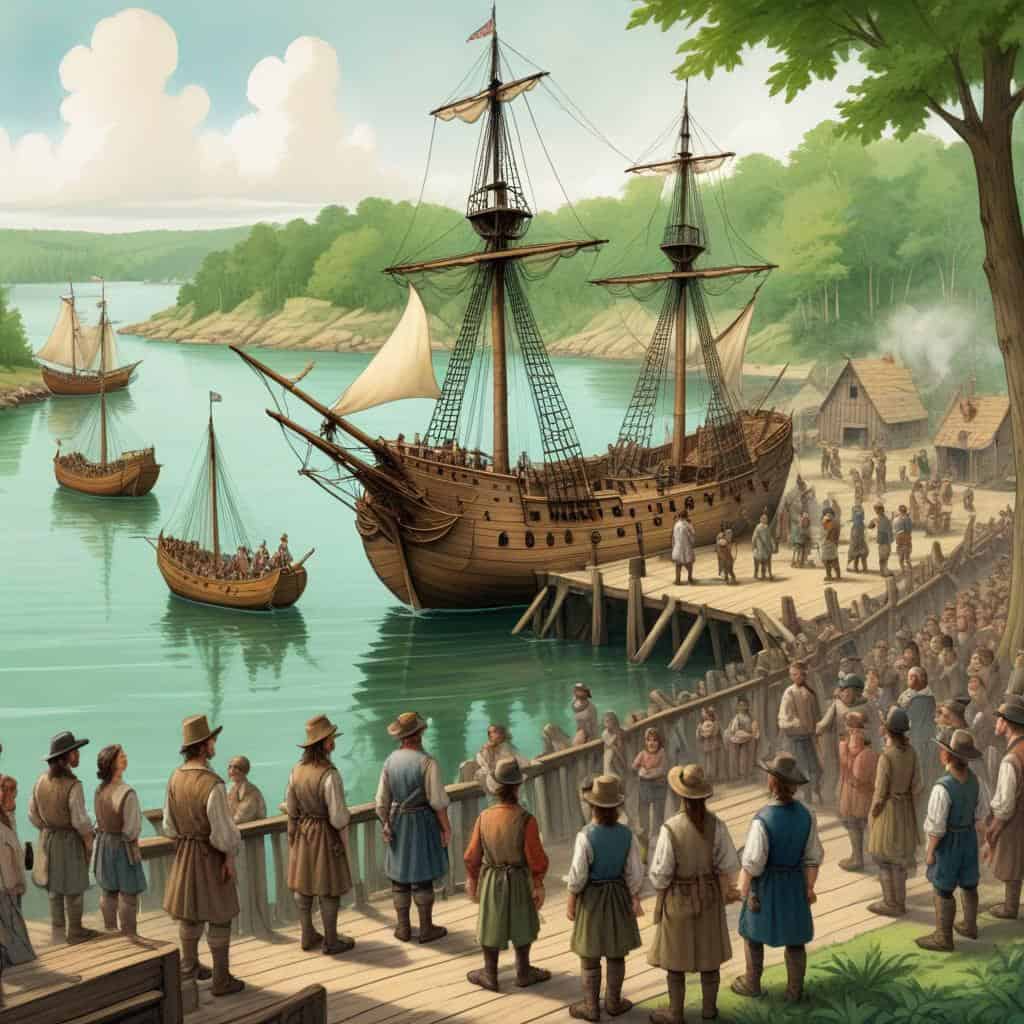
Introduction
John Smith
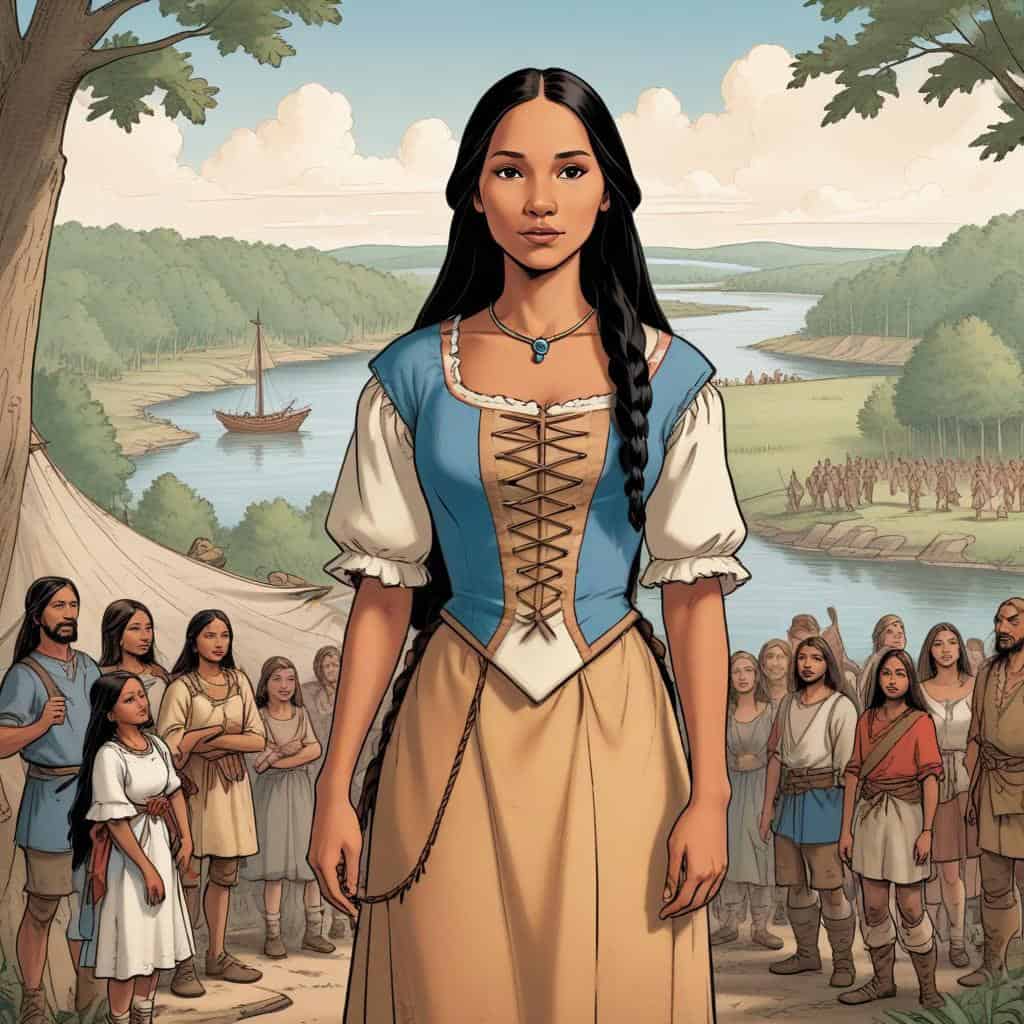
Pocahontas
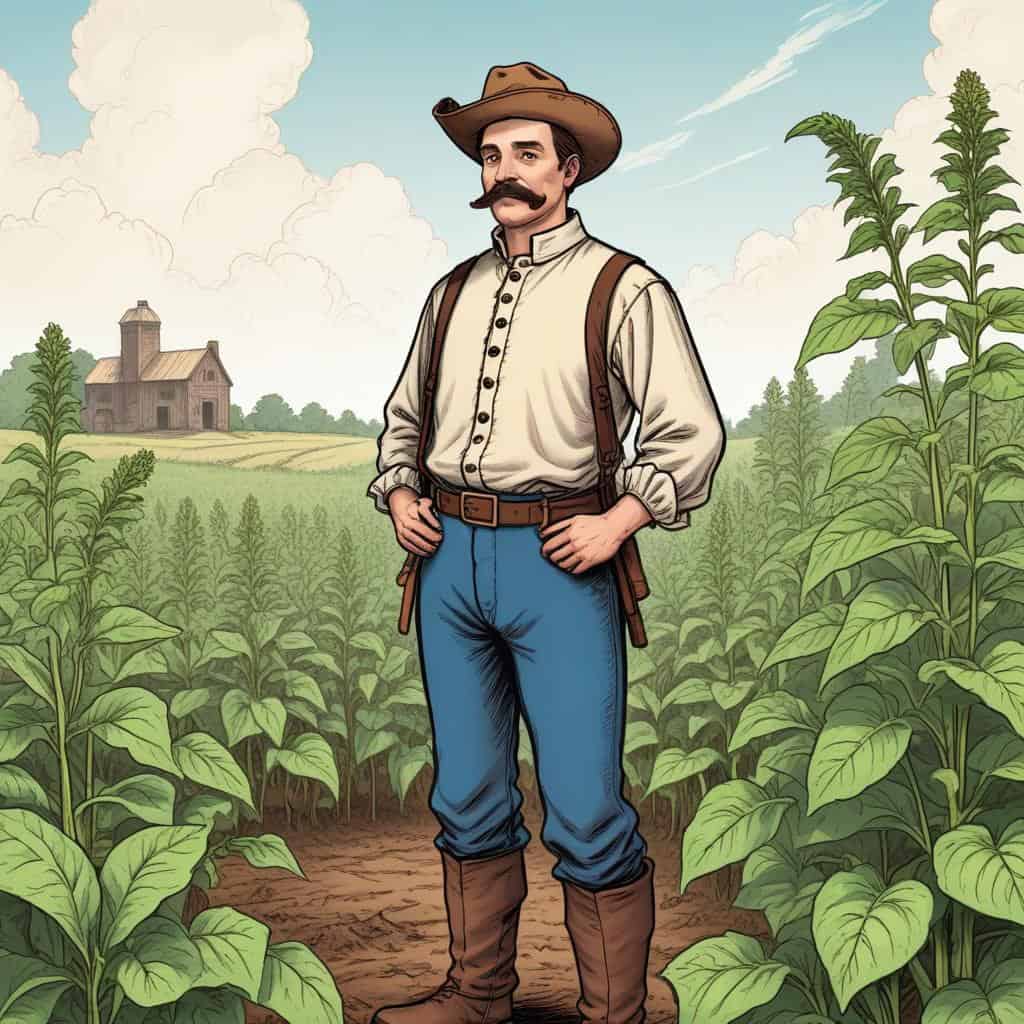
John Rolfe
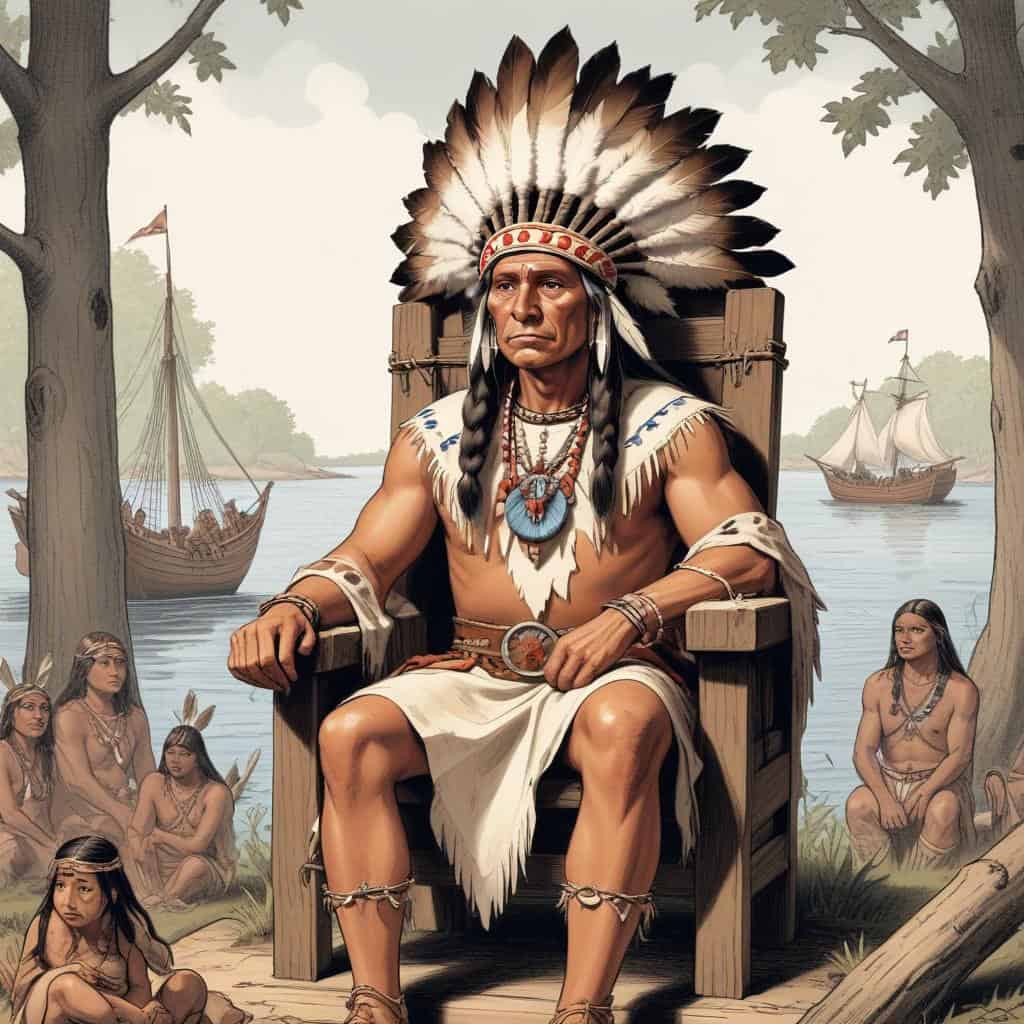
Chief Powhatan
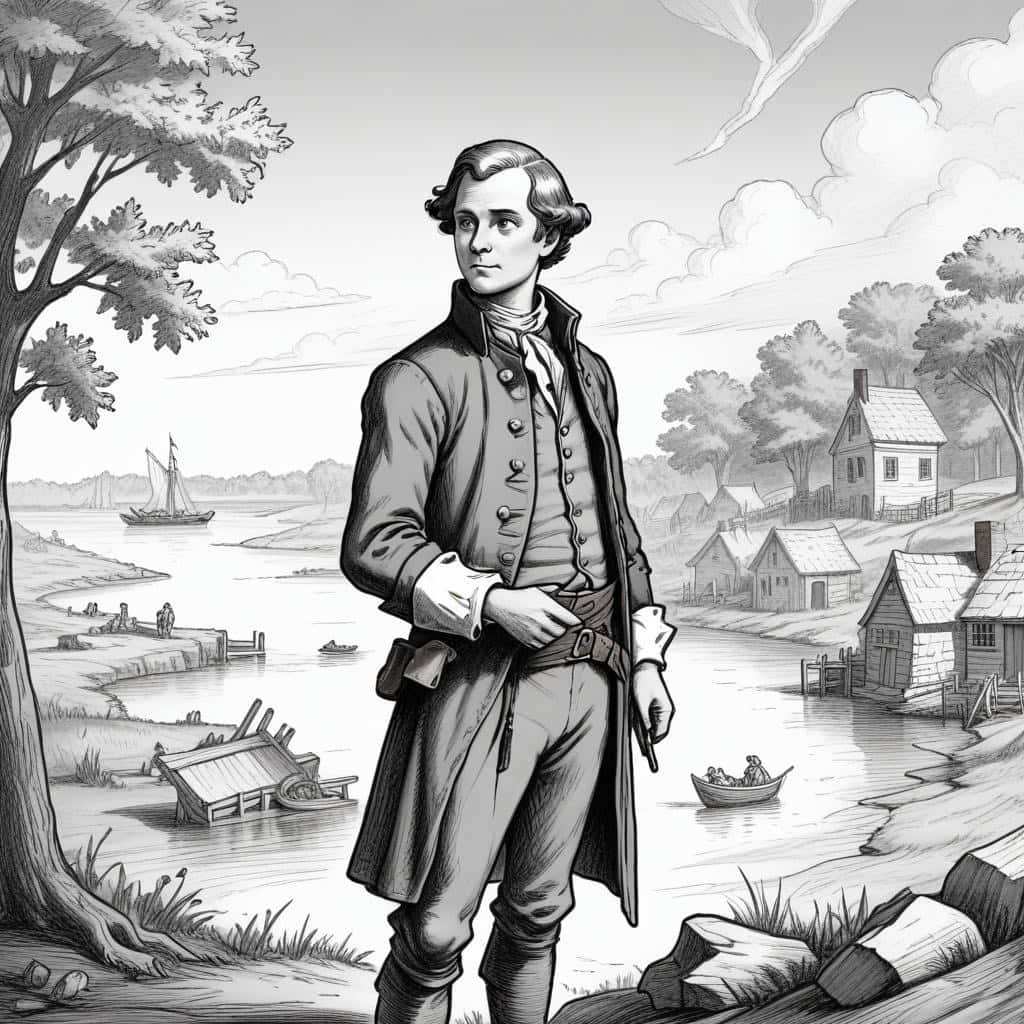
George Percy

The Voyage to Virginia
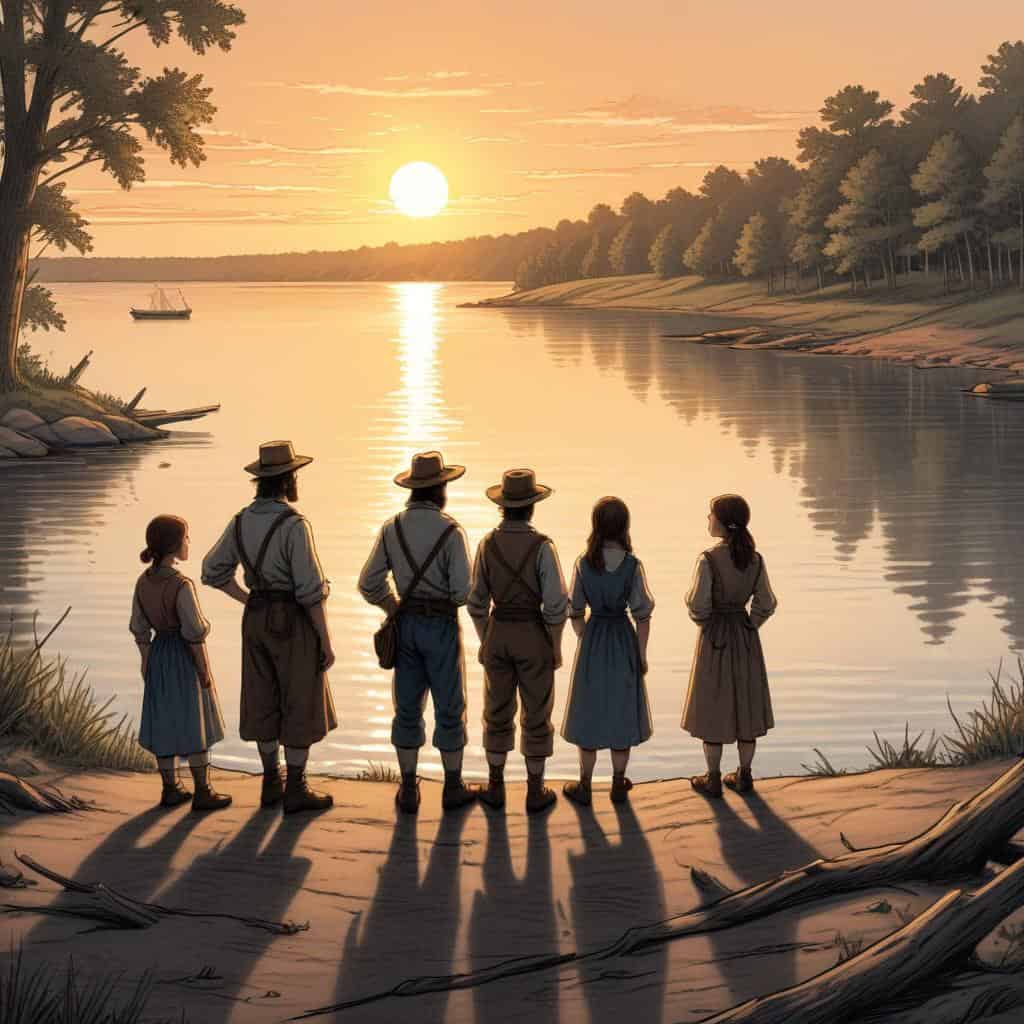
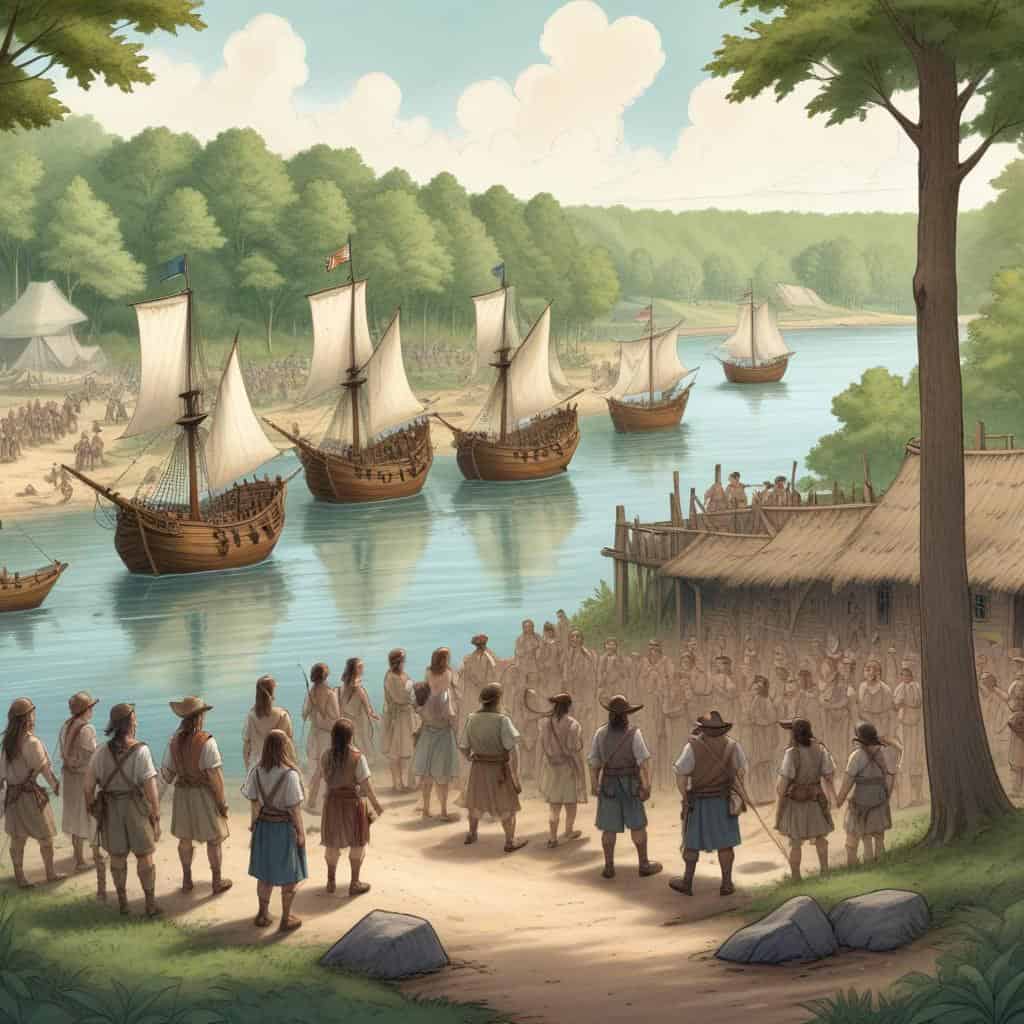
Arrival at Jamestown
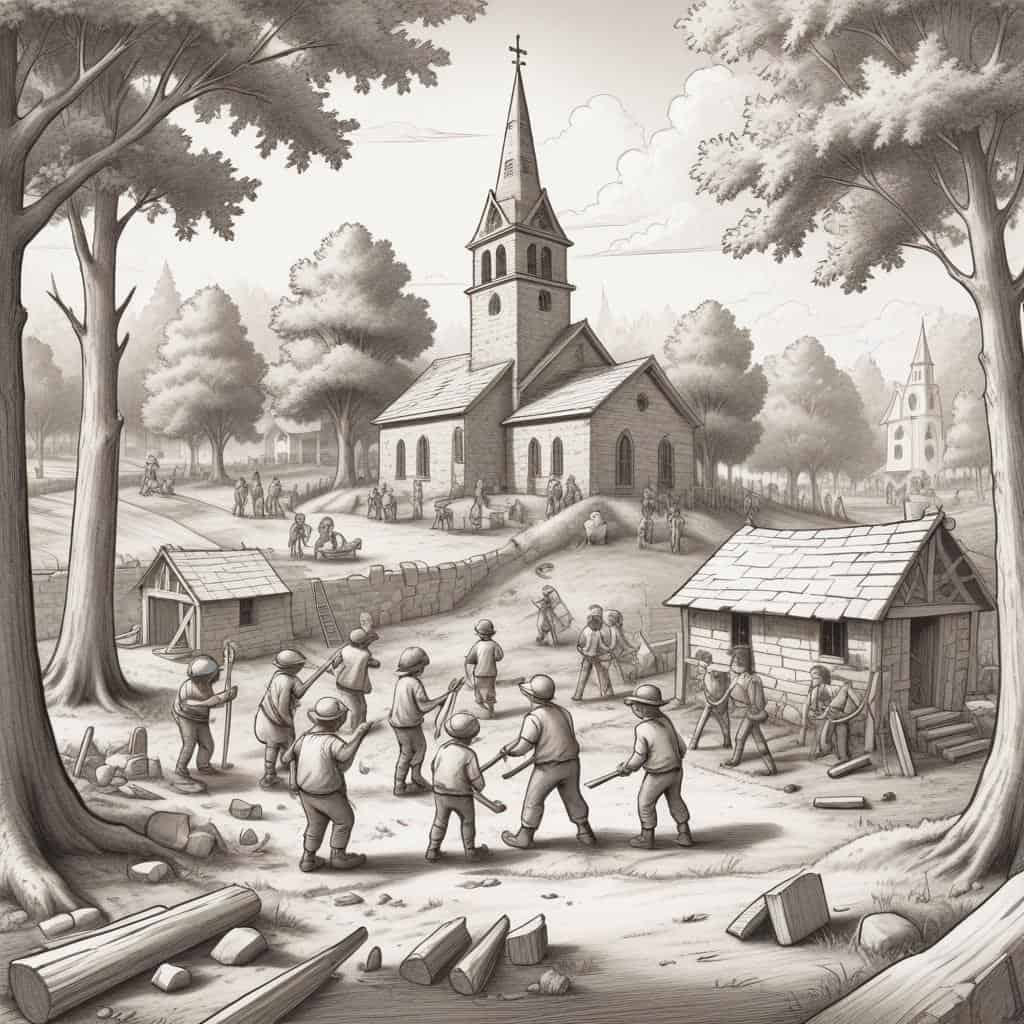
Building the Settlement

Struggles and Challenges

Relations with Native Americans

John Smiths Leadership

The Starving Time

Arrival of Supplies

Expansion and Growth

The Legacy of Jamestown
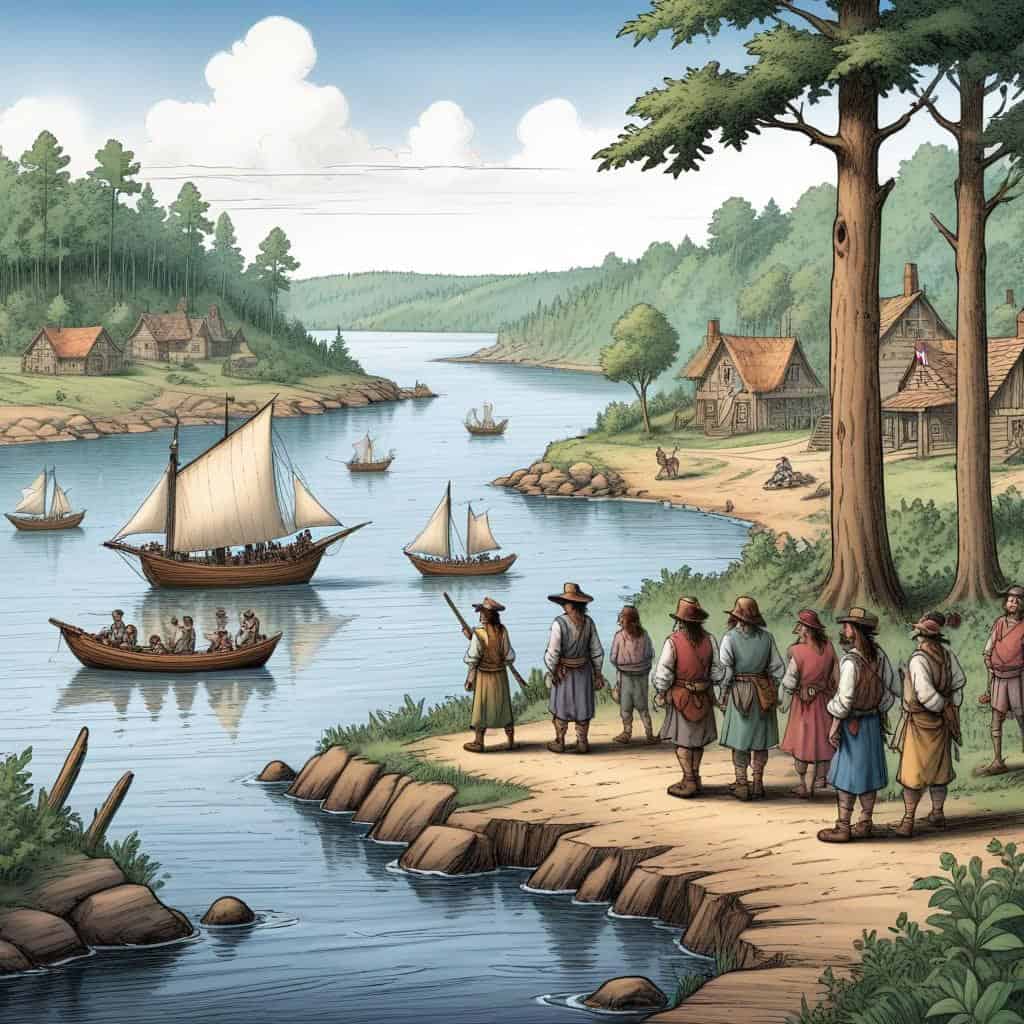
Lesson Details & Resources
In a Nutshell
- What: The arrival of the Jamestown settlers in 1607
- When: 1607
- Who: Jamestown settlers
- Outcome: Establishment of the first permanent English settlement in North America
Famous Figures in the Arrival of the Jamestown Settlers
-
John Smith
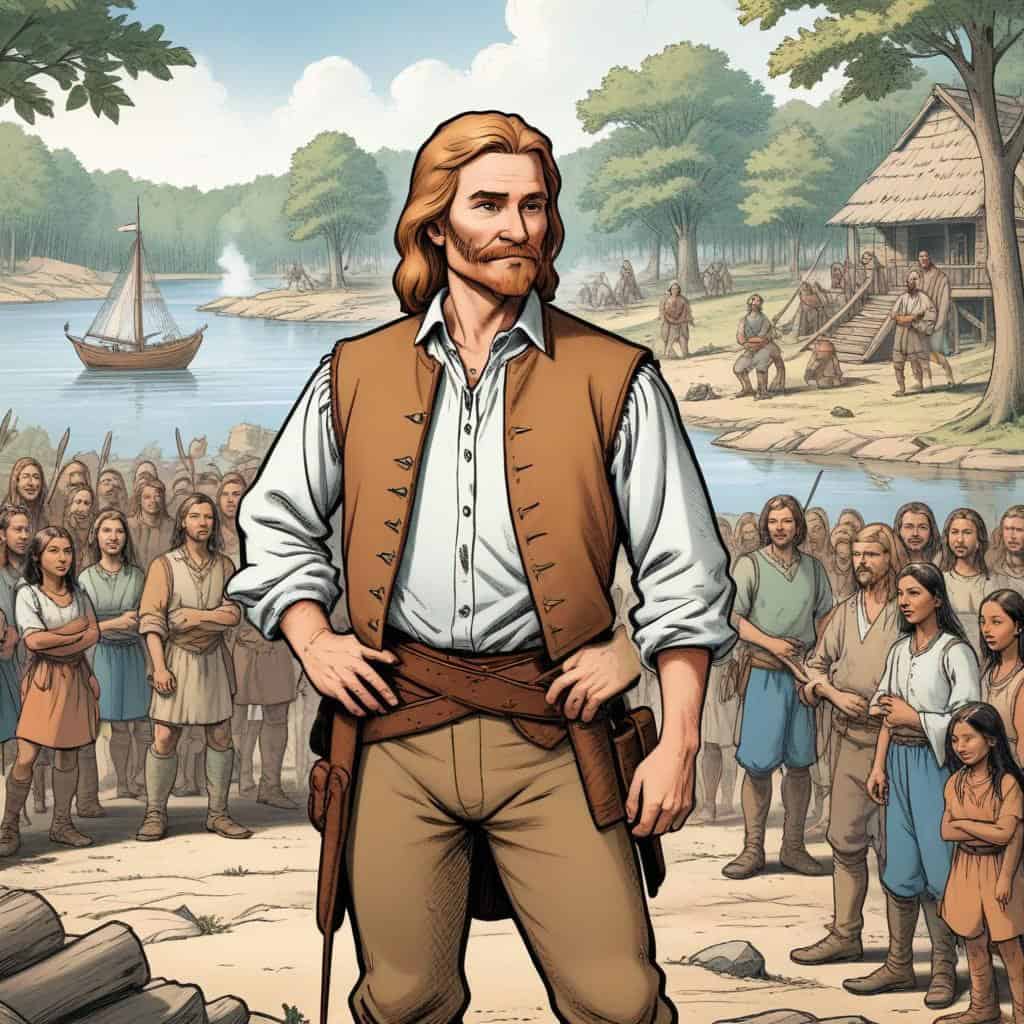
John Smith - An English soldier, explorer, and one of the leaders of the Jamestown settlement. He played a key role in establishing trade and relationships with the local Native American tribes.
-
Pocahontas
Pocahontas - A Native American woman belonging to the Powhatan tribe. She is known for her interaction with the Jamestown settlers, particularly her efforts to bridge the gap between the English and Native Americans.
-
John Rolfe
John Rolfe - An English settler who is famous for introducing tobacco as a cash crop in Jamestown. He also married Pocahontas, which helped improve relations between the settlers and the Powhatan tribe.
-
Chief Powhatan
Chief Powhatan - The paramount chief of the Powhatan Confederacy, the Native American tribe that inhabited the area where Jamestown was established. He played a significant role in interactions with the Jamestown settlers.
-
Christopher Newport
Christopher Newport - An English privateer and ship captain who led the expedition that established the Jamestown settlement. He later made several voyages to resupply and bring more settlers to Jamestown.
Timeline of Arrival of the Jamestown Settlers
Departure from England
Arrival at Chesapeake Bay
Selection of Jamestown Settlement Location
Fort Construction Begins
First Encounter with Native Americans
Captain John Smith's Capture and Release
First Supply Ship Arrives (The Phoenix)
First Known Africans Arrive (Indentured Servants)
John Rolfe Introduces Tobacco Cultivation
First Representative Assembly (House of Burgesses)
First Recorded Marriage (John Rolfe and Pocahontas)
First Recorded Execution (Captain George Kendall)
Second Supply Ship Arrives (The Mary and Margaret)
Third Supply Ship Arrives (The Mary Gold)
Starving Time (Drought, Famine, and Disease)
Fourth Supply Ship Arrives (The Deliverance and The Patience)
Arrival of Lord De La Warr (First Colonial Governor)
Tobacco Becomes Chief Export Crop
Arrival of John Rolfe and Pocahontas in England
Bacon's Rebellion
Vocabulary List
- Jamestown
- The arrival of the Jamestown settlers marked the establishment of the first permanent English settlement in North America.
- Settlers
- The arrival of the Jamestown settlers brought a group of English colonists to Virginia.
- Arrival
- The arrival of the Jamestown settlers occurred in 1607.
- 1607
- The Jamestown settlers arrived in Virginia in the year 1607.
- English
- The Jamestown settlers were of English origin.
- North America
- The arrival of the Jamestown settlers marked the beginning of English colonization in North America.
- Establishment
- The arrival of the Jamestown settlers led to the establishment of the first permanent English settlement in North America.
- Virginia
- The Jamestown settlers arrived in the present-day state of Virginia.
- Permanent
- The Jamestown settlers aimed to create a permanent settlement in the New World.
- Colonists
- The Jamestown settlers were a group of English colonists seeking to establish a new life in America.
Key Facts
This is the information used in the fact matching game
- The first permanent English settlement in North America was established in Jamestown, Virginia in 1607.
- The settlers who arrived in Jamestown in 1607 were sponsored by the Virginia Company of London.
- The settlers faced many hardships, including disease, famine, and conflicts with Native American tribes.
- Captain John Smith played a key role in leading and governing the Jamestown settlement.
- The arrival of women in Jamestown in 1608 helped to stabilize and grow the population of the settlement.
- The first representative legislative assembly in North America, known as the House of Burgesses, was established in Jamestown in 1619.
- Tobacco cultivation became a major industry in Jamestown, leading to economic growth for the settlers.
- The Powhatan Confederacy, led by Chief Powhatan, had a complex relationship with the Jamestown settlers, including periods of conflict and trade.
- The arrival of African slaves in Jamestown in 1619 marked the beginning of slavery in the English colonies.
- The Starving Time of 1609-1610 was a period of extreme hardship for the Jamestown settlers, during which many died of starvation and disease.
- The arrival of additional settlers in 1608 and 1609 helped to replenish the population of Jamestown after the Starving Time.
- The Powhatan Wars in the early 17th century resulted in significant losses for both the Native Americans and the English settlers in Virginia.
- Jamestown served as the capital of the Virginia colony until 1699, when the capital was moved to Williamsburg.
- Archaeological excavations at Jamestown have uncovered numerous artifacts and structures that provide insight into daily life in the early settlement.
- The discovery of the remains of a young woman, known as Jane, at Jamestown in 2015 shed light on the early history of the settlement.
- Jamestown was founded on May 14, 1607, and named in honor of King James I of England.
- The Jamestown settlers initially struggled to establish a successful colony due to factors such as disease, lack of food, and conflicts with the Powhatan people.
- The arrival of additional settlers and supplies from England in 1608 helped to boost the Jamestown settlement's chances of survival.
- The Jamestown settlement was located along the banks of the James River in present-day Virginia.
- By 1624, Jamestown had become a thriving community with a diverse population of English settlers, African slaves, and Native Americans.
Analysis & Significance
Immediate Consequences
The arrival of the Jamestown settlers in 1607 marked the beginning of the first successful English colony in North America. Despite facing numerous challenges such as disease, starvation, and conflict with Native Americans, the settlers managed to establish a foothold in the New World.
Long-Term Impact
This event had a profound impact on the history of the United States. The establishment of Jamestown laid the foundation for future English colonies in America and ultimately led to the formation of the United States as we know it today. It also had significant consequences for the Native American populations who were displaced and marginalized as a result of European colonization.
Cultural Significance Today
The arrival of the Jamestown settlers is remembered as a key moment in American history, symbolizing the beginning of European colonization in the New World. It serves as a reminder of the complex and often troubled relationship between different cultures and the lasting impact of colonization on indigenous peoples. The legacy of Jamestown continues to influence discussions around colonialism, identity, and the founding of the United States.
Arrival of the Jamestown Settlers Games


Take Your Learning Offline
Want a convenient, print-ready study guide for this lesson? Become a Memory Wizards Pro member to unlock the downloadable " Memory Scrolls" for this topic and our entire library!
- ✓ Complete Vocabulary Lists
- ✓ Key Facts & Timelines
- ✓ Beautifully Formatted for Print & Mobile
Dive Deeper
Everything You Need to Ace U.S. History in One Big Fat Notebook
View on Amazon
1607: A New Look at Jamestown Hardcover
View on AmazonTo help us keep Memory Wizards running and create more magical learning content, we are a participant in the Amazon Associates Program. If you make a purchase through the links on this page, we may earn a small commission at no extra cost to you. We only recommend resources we believe in.