
Summary of the House of Burgesses (1619)
Step into the past and witness the birth of American democracy.
How Do You Learn Best?
Learn by Listening
Start with the 3-minute audio summary to get the key facts and narrative highlights quickly.
Learn by Reading
Immerse yourself in the 10-minute visual lesson for a comprehensive understanding of the topic.
Learn by Reviewing
Jump directly to the key facts, timeline, and vocabulary lists to build a solid foundation of details.
Learn by Doing
Challenge yourself! Jump straight into the interactive games to learn by trial, error, and discovery.
Audio Library
As one of our featured lessons, this topic includes premium audio guides.
Unlock the Wizard's Cram Session
This powerful audio study guide is a Pro-exclusive feature. Upgrade to Memory Wizards Pro to access this and all of our premium learning tools.
Upgrade to Prothe House of Burgesses in 10 Minutes
Introduction
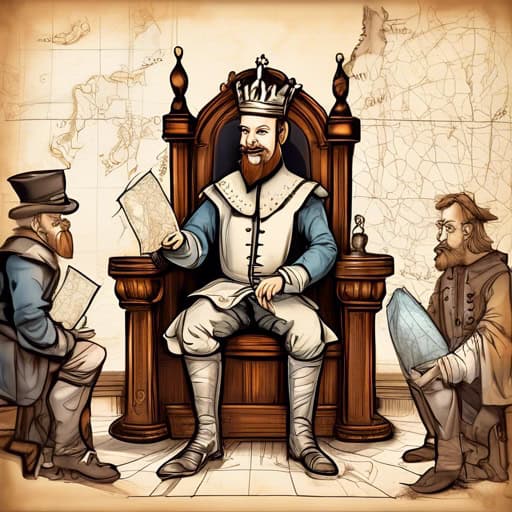
King James I

John Smith
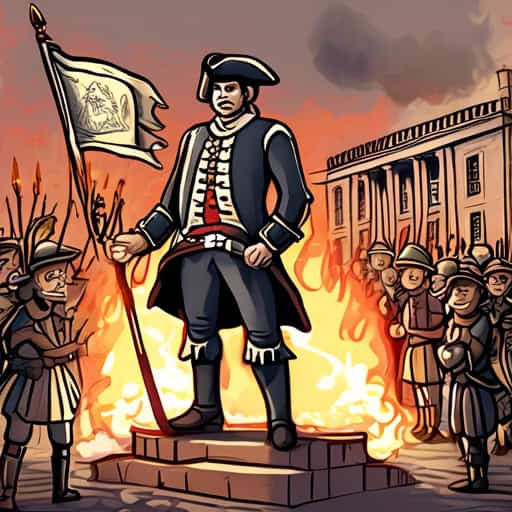
Nathaniel Bacon
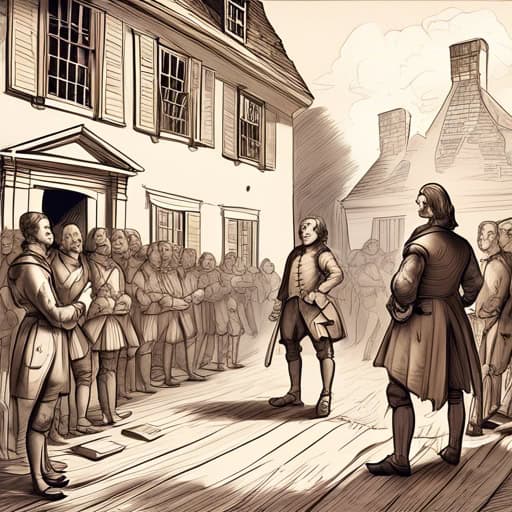
William Berkeley

The Virginia Company Establishes the House of Burgesses

The First Meeting of the House of Burgesses

The Role of the House of Burgesses

The Significance of the House of Burgesses

The Growth of Representative Government

Challenges Faced by the House of Burgesses

The House of Burgesses and Slavery

The Legacy of the House of Burgesses

Lesson Details & Resources
In a Nutshell
- What: The establishment of the House of Burgesses in Virginia as the first representative legislative body in British America.
- When: 1619
- Who: Virginia Company, settlers in Jamestown, Governor Sir George Yeardley
- Outcome: The House of Burgesses laid the foundation for self-government in the American colonies and represented a shift towards representative democracy.
Famous Figures in the the House of Burgesses
-
George Yeardley
George Yeardley was the appointed governor of Virginia who convened the first meeting of the House of Burgesses.
-
John Pory
John Pory served as the secretary of the Virginia Company and was present at the first meeting of the House of Burgesses.
-
John Rolfe
John Rolfe, known for introducing tobacco cultivation in Virginia, was also a member of the House of Burgesses.
-
William Claiborne
William Claiborne was a prominent trader and politician who played a significant role in the early years of the House of Burgesses.
-
Samuel Jordan
Samuel Jordan, a wealthy planter, was an early member of the House of Burgesses and contributed to its development.
Timeline of the House of Burgesses
First meeting of the House of Burgesses
Election of Speaker John Pory
Enactment of laws regarding tobacco cultivation
Approval of the creation of local courts
First African slaves arrive in Virginia
First recorded meeting of the General Assembly
Passage of laws regarding the purchase of land
Appointment of a committee to draft laws for the colony
Appointment of a committee to examine the records of the London Company
Creation of the first local government in the colony
Passage of laws regarding trade and commerce
Appointment of a committee to address the issue of debts in the colony
Appointment of a committee to investigate the condition of the forts
Appointment of a committee to address the issue of supplies for the colony
Appointment of a committee to address the issue of religious freedom
Appointment of a committee to draft a petition to the King
Appointment of a committee to address the issue of education in the colony
Appointment of a committee to address the issue of defense against Native American tribes
Appointment of a committee to address the issue of public health
Appointment of a committee to address the issue of taxation
Vocabulary List
- Creation
- The creation of the House of Burgesses in 1619 marked an important milestone in the establishment of representative government in the English colonies.
- House of Burgesses
- The House of Burgesses was the first legislative assembly in the American colonies, created in 1619 by the Virginia Company.
- 1619
- The year 1619 is significant in American history as it marked the creation of the House of Burgesses, among other important events.
- Representative government
- The creation of the House of Burgesses in 1619 was a crucial step towards the establishment of representative government in the English colonies.
- Virginia Company
- The Virginia Company, a joint-stock company, established the House of Burgesses in 1619 as a way to govern the English colony of Virginia.
Key Facts
This is the information used in the fact matching game
- The House of Burgesses was the first democratically elected legislative body in British North America.
- It was established on July 30, 1619, in the colony of Virginia.
- The House of Burgesses was created by the Virginia Company of London, which was responsible for governing the colony.
- Burgesses were representatives elected by the free white men of each plantation or settlement.
- The House of Burgesses consisted of two representatives, called burgesses, from each of the eleven plantations in Virginia.
- The purpose of the House of Burgesses was to make laws and regulations for the colony.
- The governor of Virginia had the power to veto any laws passed by the House of Burgesses.
- The House of Burgesses held its first meeting at Jamestown, the capital of Virginia at the time.
- The House of Burgesses played a significant role in establishing representative government in the American colonies.
- The House of Burgesses was dissolved during the English Civil War but was later reinstated in 1660.
- The creation of the House of Burgesses marked an important step towards self-governance in British North America.
- The House of Burgesses had the authority to levy taxes and allocate funds for public projects.
- The House of Burgesses debated issues such as trade, defense, and relations with Native Americans.
- The House of Burgesses played a role in maintaining social order and resolving disputes within the colony.
- The House of Burgesses was an influential institution that set precedents for representative assemblies in other colonies.
- The meeting of the House of Burgesses in 1619 is considered a significant event in the history of American democracy.
- The House of Burgesses continued to exist until the American Revolution when it was replaced by the Virginia House of Delegates.
- The House of Burgesses provided a platform for colonial leaders to voice grievances against British rule.
- The establishment of the House of Burgesses laid the groundwork for the development of representative government in the United States.
- The House of Burgesses represented an important milestone in the evolution of American political institutions.
Analysis & Significance
Immediate Consequences
The creation of the House of Burgesses in 1619 marked a significant step towards self-governance in the American colonies. This assembly allowed for the colonists to have a voice in their own governance, giving them a sense of autonomy and representation.
Long-Term Impact
The establishment of the House of Burgesses set a precedent for representative government in the American colonies, laying the foundation for future democratic institutions. It also played a role in shaping the ideals of liberty and self-determination that would eventually lead to the American Revolution.
Cultural Significance Today
The House of Burgesses is remembered as a crucial moment in American history that helped pave the way for the democratic principles that the United States is founded upon. Its legacy continues to influence modern political thought and the importance of citizen participation in government.
the House of Burgesses Games


Take Your Learning Offline
Want a convenient, print-ready study guide for this lesson? Become a Memory Wizards Pro member to unlock the downloadable " Memory Scrolls" for this topic and our entire library!
- ✓ Complete Vocabulary Lists
- ✓ Key Facts & Timelines
- ✓ Beautifully Formatted for Print & Mobile