
Summary of The Great Awakening (1730s-1740s)
Uncover the spark that ignited a spiritual revolution in colonial America.
How Do You Learn Best?
Learn by Listening
Start with the 3-minute audio summary to get the key facts and narrative highlights quickly.
Learn by Reading
Immerse yourself in the 10-minute visual lesson for a comprehensive understanding of the topic.
Learn by Reviewing
Jump directly to the key facts, timeline, and vocabulary lists to build a solid foundation of details.
Learn by Doing
Challenge yourself! Jump straight into the interactive games to learn by trial, error, and discovery.
Audio Library
As one of our featured lessons, this topic includes premium audio guides.
Unlock the Wizard's Cram Session
This powerful audio study guide is a Pro-exclusive feature. Upgrade to Memory Wizards Pro to access this and all of our premium learning tools.
Upgrade to ProThe Great Awakening in 10 Minutes

Introduction
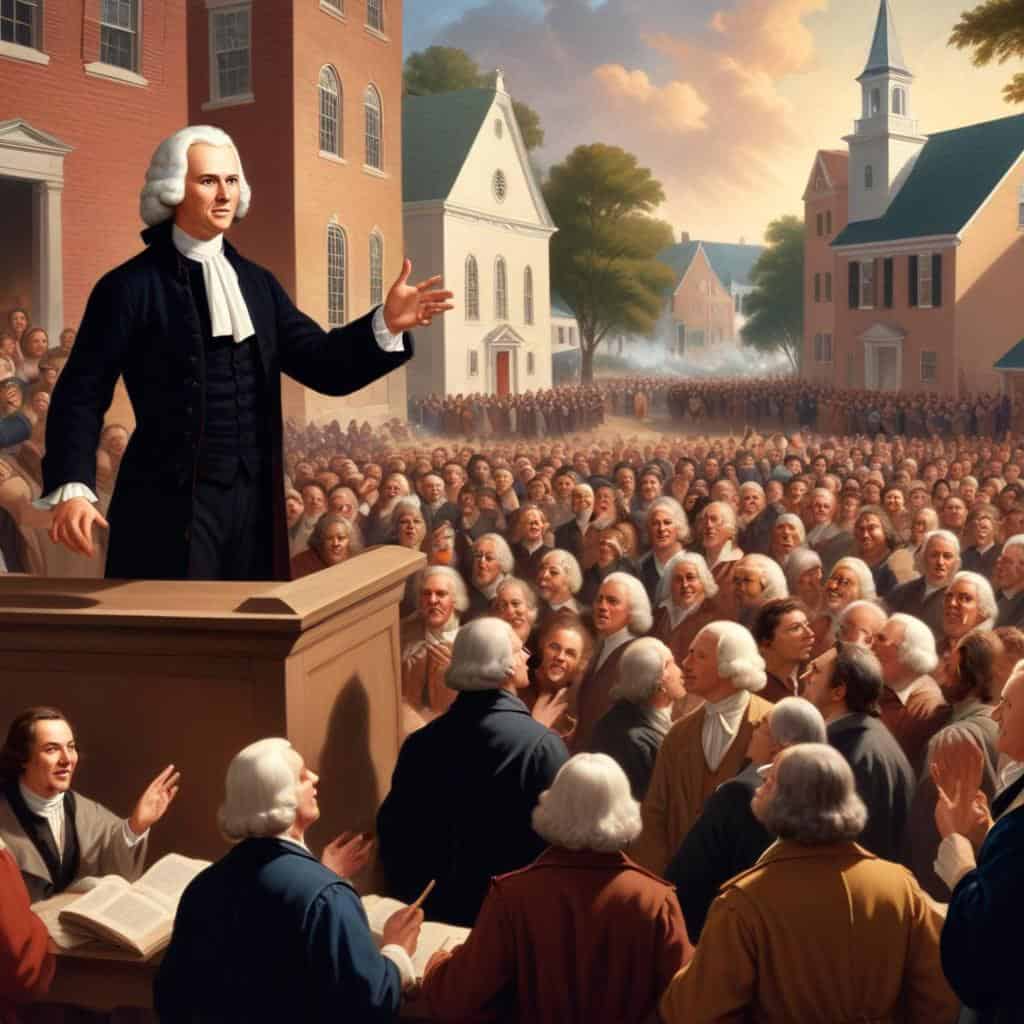
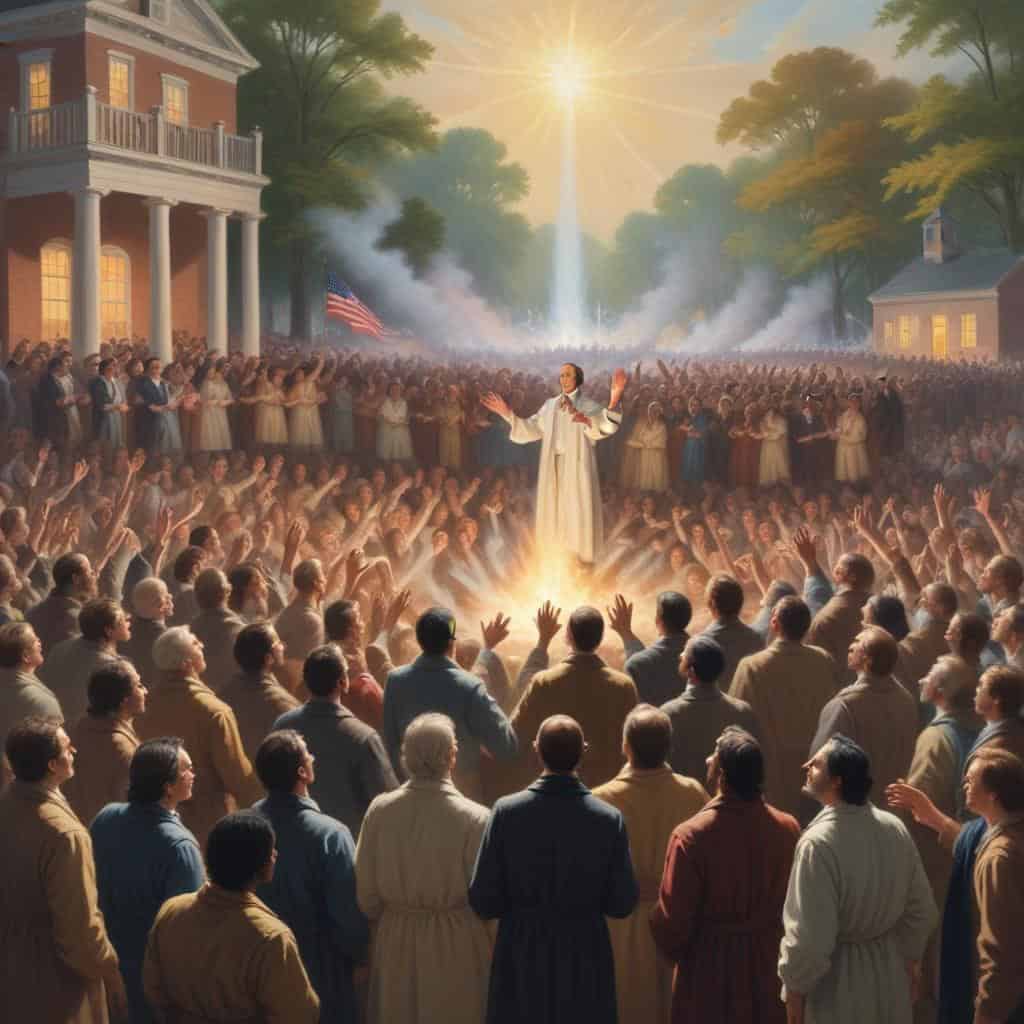
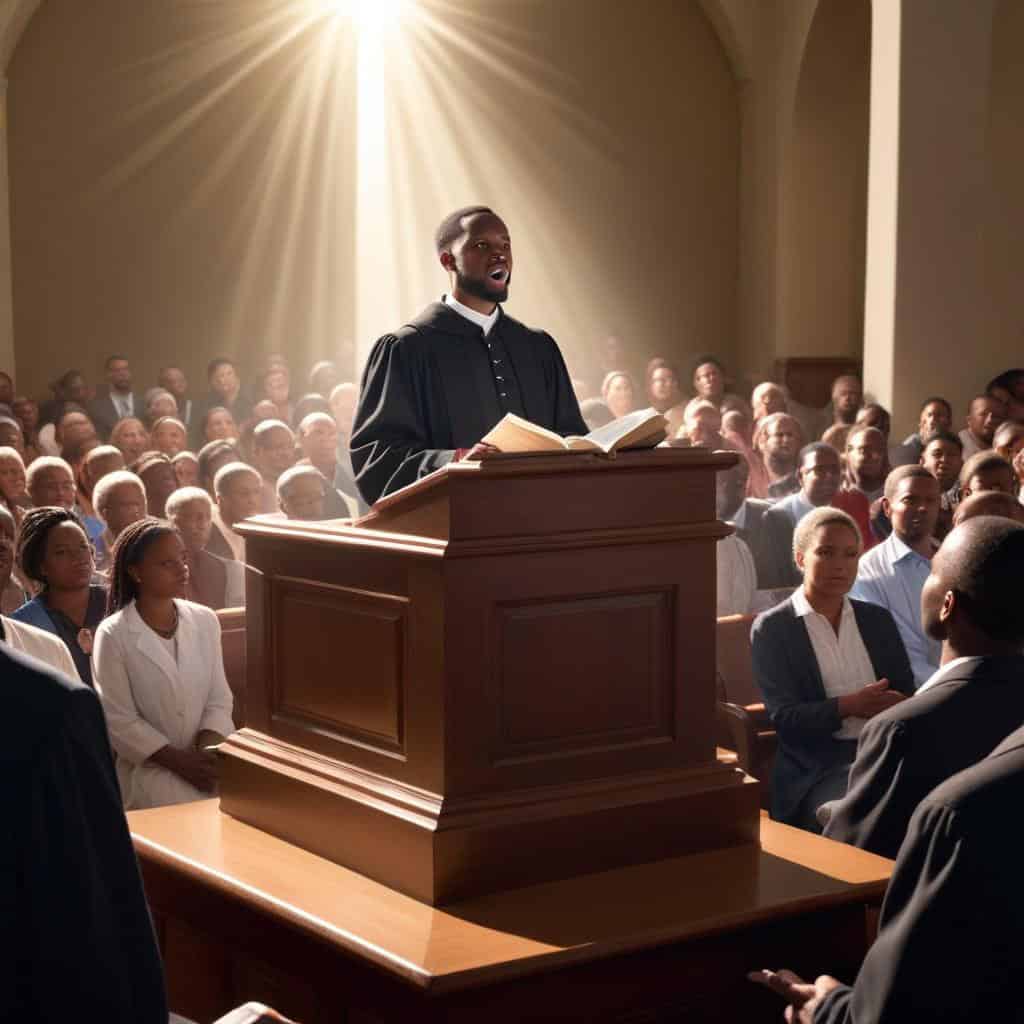
Jonathan Edwards
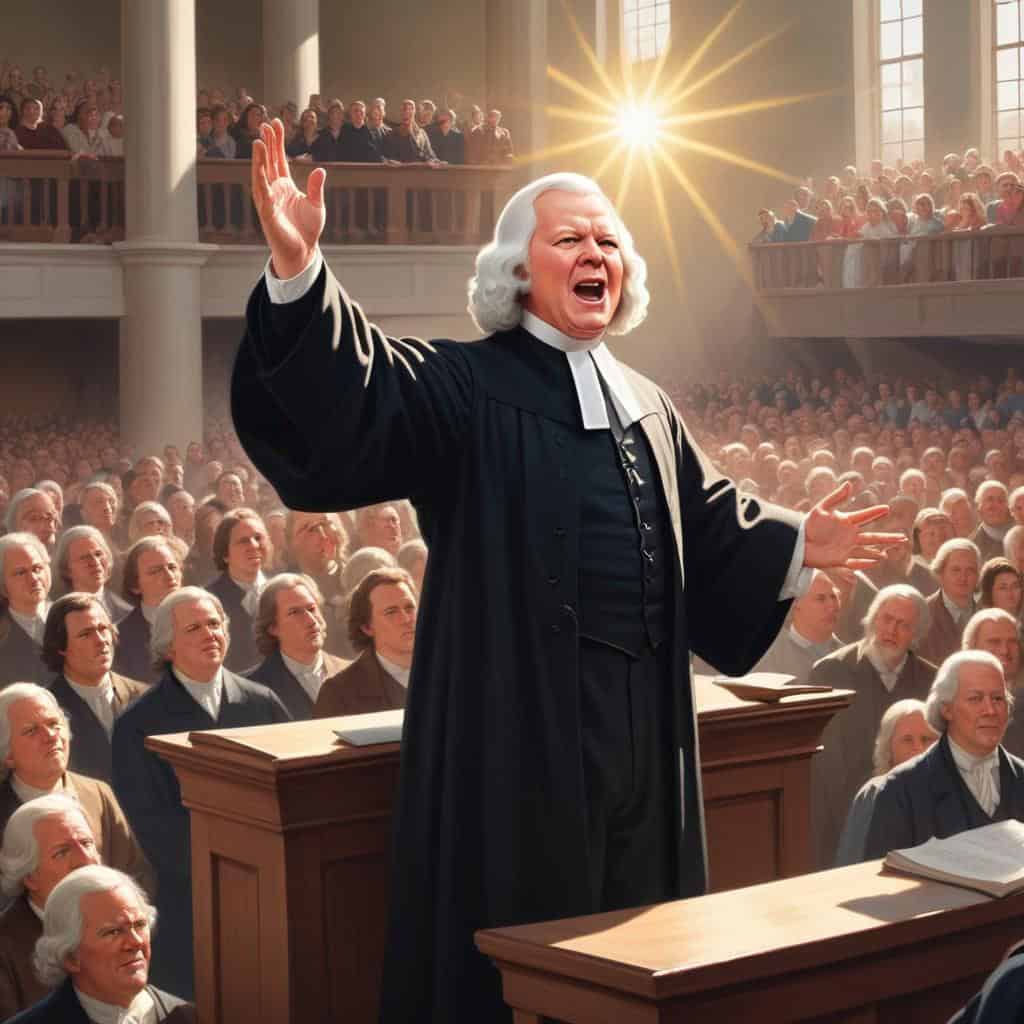
George Whitefield
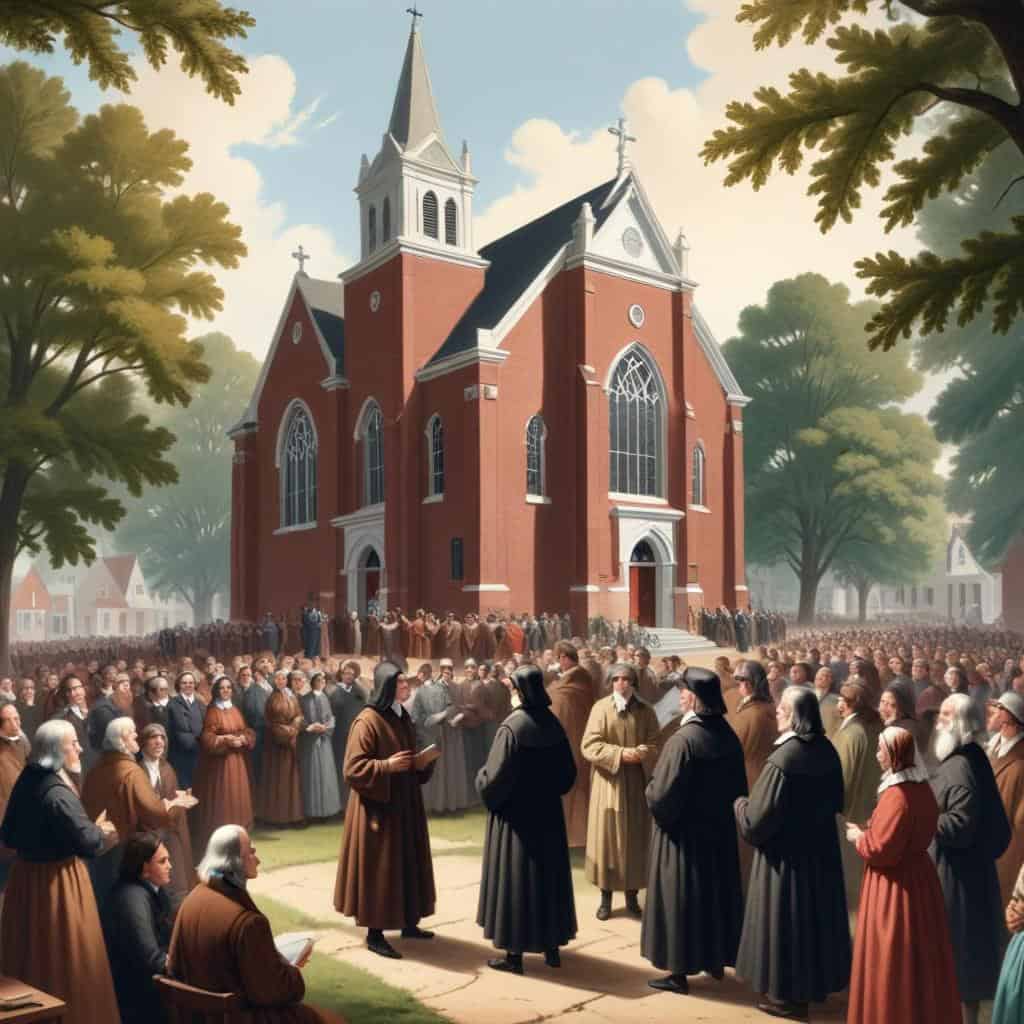
John Wesley
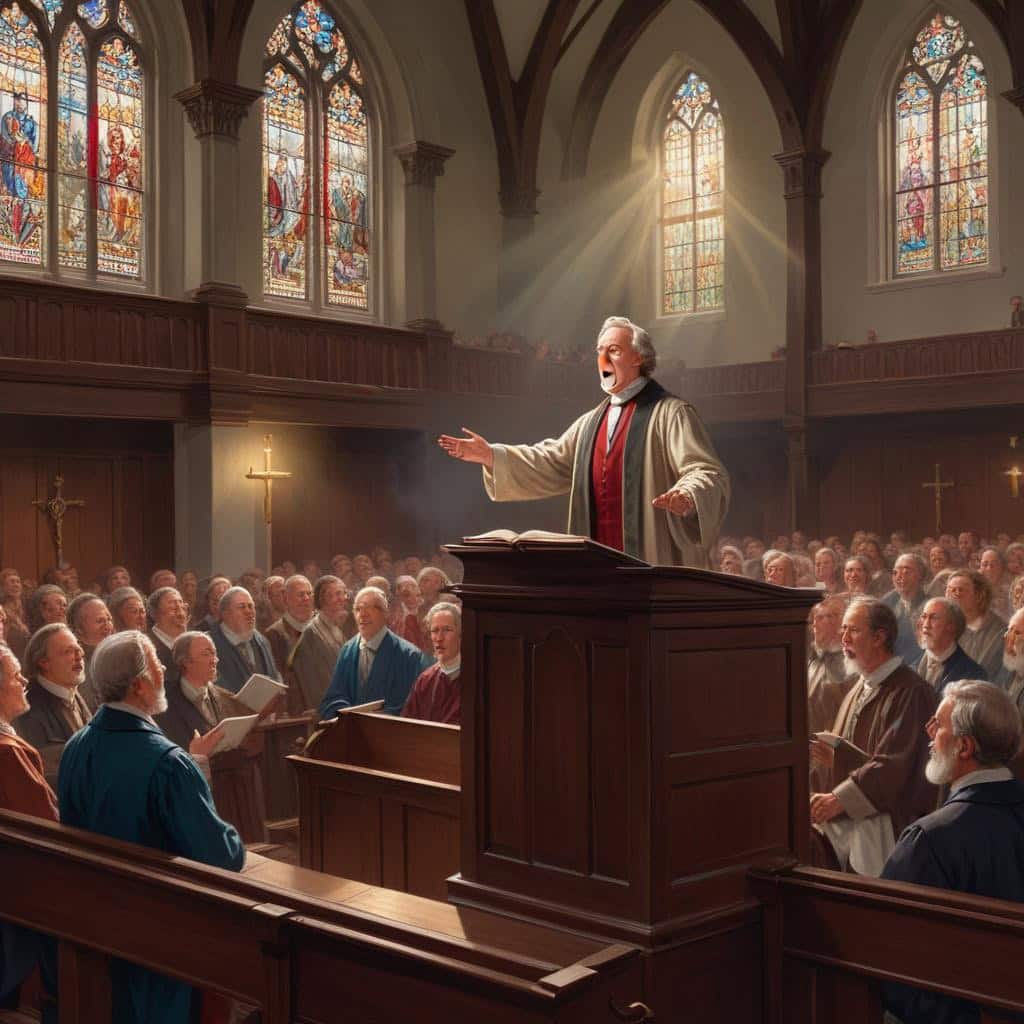
Samuel Davies

Phillis Wheatley
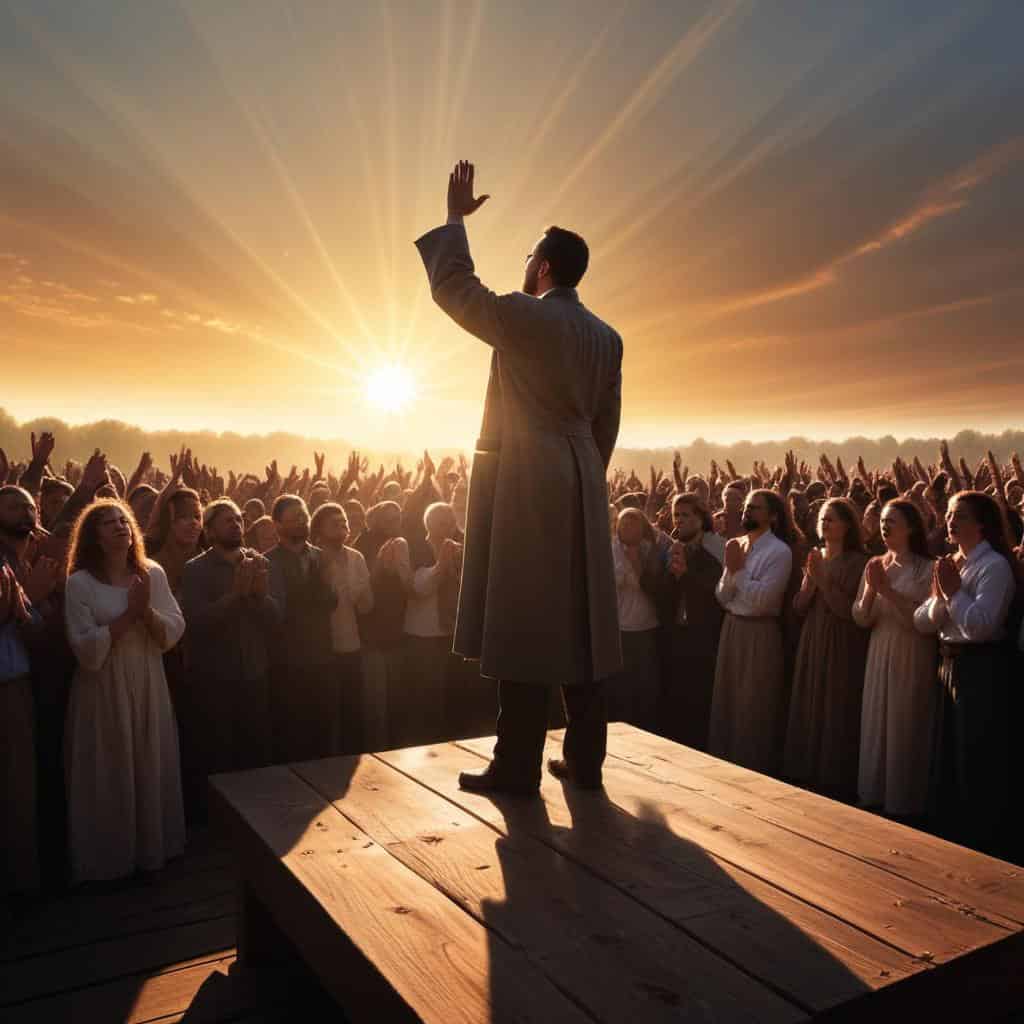
The Awakening Begins

Jonathan Edwards

George Whitefield

Impact on Colonists

Spread of Religious Ideas

Challenges to Authority

Legacy of the Great Awakening

Criticism of the Revival
Continued Influence

Historical Significance
Lesson Details & Resources
In a Nutshell
- What: A religious revival movement in the American colonies.
- When: 1730s-1740s
- Who: Jonathan Edwards, George Whitefield
- Outcome: Increased religious fervor, growth of evangelicalism in America
Famous Figures in the The Great Awakening
-
George Whitefield
George Whitefield was an English Anglican cleric who played a key role in the Great Awakening in Britain and the American colonies.
-
Jonathan Edwards
Jonathan Edwards was an American preacher and theologian who is widely regarded as one of America's most important theologians.
-
Gilbert Tennent
Gilbert Tennent was a Presbyterian minister who became a prominent figure in the Great Awakening, known for his powerful preaching.
-
John Wesley
John Wesley was an Anglican cleric and theologian who, along with his brother Charles, played a significant role in the Great Awakening in England.
-
Charles Wesley
Charles Wesley was an English leader of the Methodist movement, known for his hymns and involvement in the Great Awakening.
-
Samuel Davies
Samuel Davies was an American Presbyterian minister who was known for his eloquent preaching during the Great Awakening in the southern colonies.
-
David Brainerd
David Brainerd was an American missionary to the Native Americans who became famous for his journal, which documented his experiences during the Great Awakening.
Timeline of The Great Awakening
Jonathan Edwards preaches "Sinners in the Hands of an Angry God"
George Whitefield arrives in America
Religious revivals begin in Northampton, Massachusetts
The First Great Awakening spreads to Connecticut
Theodore Frelinghuysen brings revival to New Jersey
George Whitefield's famous tour of the American colonies begins
Gilbert Tennent delivers influential sermon "The Danger of an Unconverted Ministry"
The Great Awakening reaches its peak in New England
Samuel Davies leads revivals in Virginia
David Brainerd's missionary work among Native Americans gains attention
The Great Awakening influences the establishment of Princeton University
The Great Awakening inspires the creation of new religious denominations
Religious fervor declines as the Great Awakening comes to an end
Vocabulary List
- Revival
- The Great Awakening was a period of religious revival in the American colonies.
- Evangelicalism
- The Great Awakening contributed to the rise of evangelicalism in America.
- Preaching
- Powerful preaching played a central role in The Great Awakening.
- Conversion
- Many people experienced religious conversions during The Great Awakening.
- Sin
- The Great Awakening emphasized the concept of sin and the need for repentance.
- Salvation
- The Great Awakening focused on the idea of personal salvation through faith in Jesus Christ.
- Emotionalism
- The Great Awakening was characterized by intense emotional experiences during religious services.
- Itinerant
- Many itinerant preachers traveled around the colonies to spread the message of The Great Awakening.
- Denomination
- The Great Awakening challenged the authority of established denominations and led to the formation of new ones.
- Awakening
- The Great Awakening was a spiritual awakening that swept through the American colonies.
Key Facts
This is the information used in the fact matching game
- The Great Awakening was a religious revival movement that swept through the American colonies in the 1730s and 1740s.
- It was characterized by emotional, personal religious experiences and a rejection of traditional church authority.
- The movement was led by influential preachers like Jonathan Edwards and George Whitefield.
- The Great Awakening emphasized the need for individuals to have a personal relationship with God, rather than relying on the authority of the church.
- One of the key themes of the Great Awakening was the idea of spiritual rebirth or regeneration.
- The movement had a significant impact on the social and political life of the colonies, as it challenged existing power structures and promoted ideas of individual rights and equality.
- The Great Awakening led to the founding of new religious denominations, such as the Baptists and Methodists, which emphasized personal piety and evangelism.
- The movement helped to inspire a spirit of independence and self-reliance among the American colonists, which would later influence the American Revolution.
- The Great Awakening was a reaction to the perceived spiritual decline and moral laxity of the colonial churches.
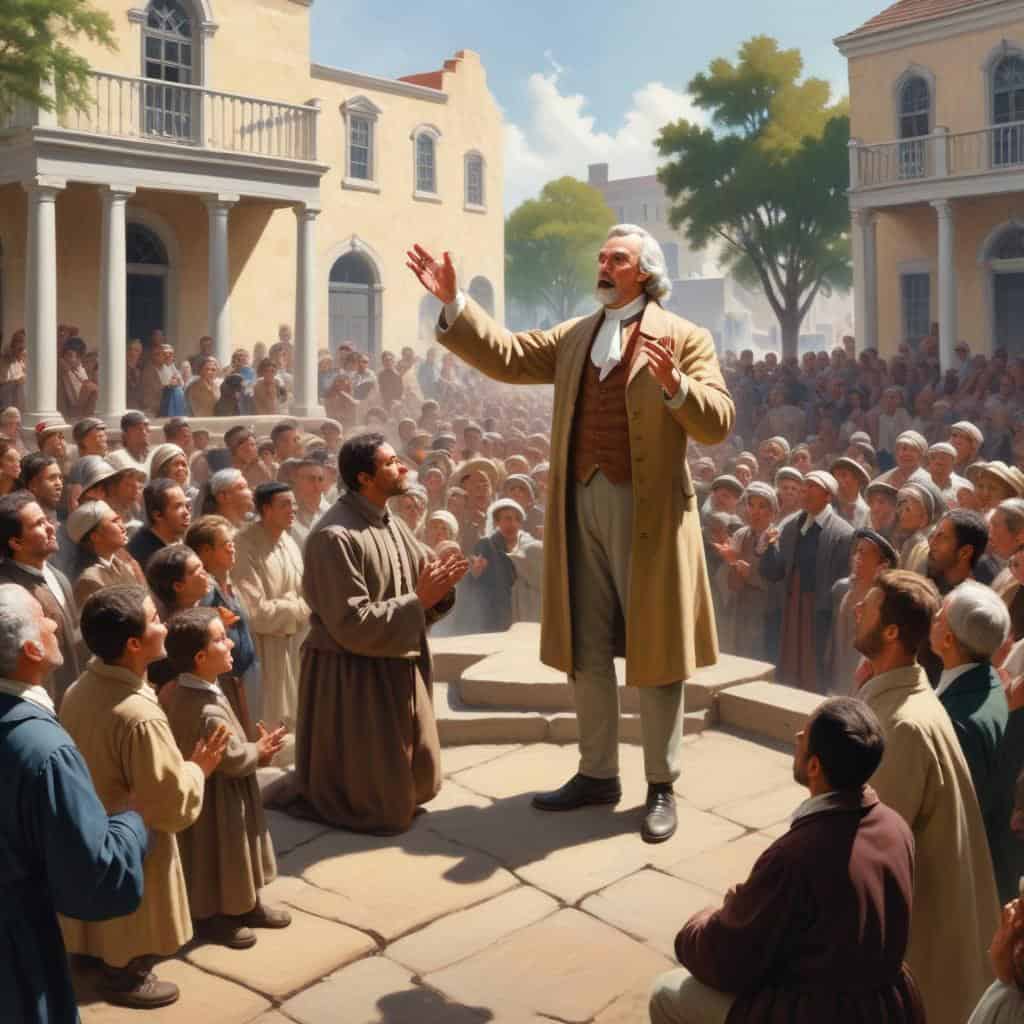
- The movement spread rapidly through the colonies, attracting large crowds to outdoor revival meetings and sermons.
- One of the most famous sermons of the Great Awakening was Jonathan Edwards' 'Sinners in the Hands of an Angry God,' which warned of the dangers of damnation for those who did not repent.
- The Great Awakening helped to sow the seeds of religious freedom and pluralism in America, as it encouraged individuals to seek their own spiritual paths.
- The movement divided existing religious communities, as some clergy and congregations embraced the revivalist message while others rejected it.
- The Great Awakening had a lasting impact on American religious life, shaping the development of evangelical Christianity and influencing later revival movements.
- The revivalist fervor of the Great Awakening extended beyond the colonies to places like Scotland and England, where it helped to fuel the Methodist movement.
- The Great Awakening contributed to the growth of the abolitionist movement in America, as many revivalists spoke out against the sin of slavery.
- The movement also had a significant impact on education in the colonies, as it led to the founding of several new colleges and seminaries to train ministers and spread the revivalist message.
- The Great Awakening challenged traditional gender roles, as it encouraged women to participate in religious activities and public preaching.
- The movement helped to foster a sense of national identity among the American colonists, as it brought together people from different regions and backgrounds in a shared religious experience.
- The Great Awakening marked a turning point in American religious history, paving the way for the rise of evangelicalism and shaping the religious landscape of the nation for centuries to come.
Analysis & Significance
Immediate Consequences
The Great Awakening in the 1730s and 1740s led to a surge in religious fervor and revivalism among colonists in British North America. It sparked intense debates on religious practices and beliefs, causing divisions within communities and even leading to the formation of new denominations.
Long-Term Impact
The Great Awakening had a lasting impact on the religious landscape of America. It laid the foundation for the development of evangelicalism and shaped American religious identity. The movement also inspired social and political changes, influencing the ideals of individual liberty and personal responsibility that would later play a significant role in the American Revolution.
Cultural Significance Today
The legacy of the Great Awakening can still be seen in American society today. Its emphasis on personal spiritual experience, emotional worship, and the democratization of religion continues to influence evangelical movements and religious practices. The Great Awakening also serves as a reminder of the power of religious revivalism to shape cultural and political movements throughout history.
The Great Awakening Games


Take Your Learning Offline
Want a convenient, print-ready study guide for this lesson? Become a Memory Wizards Pro member to unlock the downloadable " Memory Scrolls" for this topic and our entire library!
- ✓ Complete Vocabulary Lists
- ✓ Key Facts & Timelines
- ✓ Beautifully Formatted for Print & Mobile