
Summary of The French and Indian War (1754-1763)
Uncover the forgotten conflicts that shaped America's future.
How Do You Learn Best?
Learn by Listening
Start with the 3-minute audio summary to get the key facts and narrative highlights quickly.
Learn by Reading
Immerse yourself in the 10-minute visual lesson for a comprehensive understanding of the topic.
Learn by Reviewing
Jump directly to the key facts, timeline, and vocabulary lists to build a solid foundation of details.
Learn by Doing
Challenge yourself! Jump straight into the interactive games to learn by trial, error, and discovery.
Audio Library
As one of our featured lessons, this topic includes premium audio guides.
Unlock the Wizard's Cram Session
This powerful audio study guide is a Pro-exclusive feature. Upgrade to Memory Wizards Pro to access this and all of our premium learning tools.
Upgrade to ProThe French and Indian War in 10 Minutes
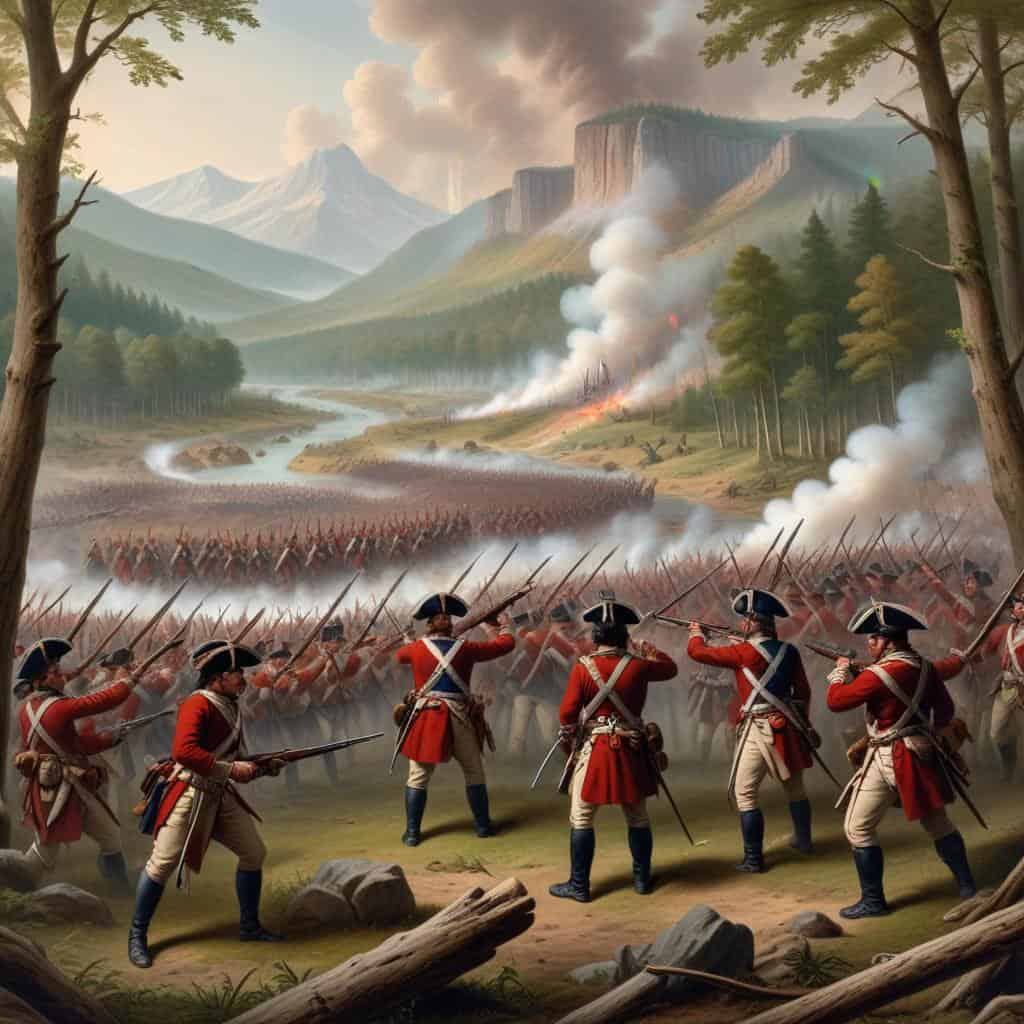
Introduction
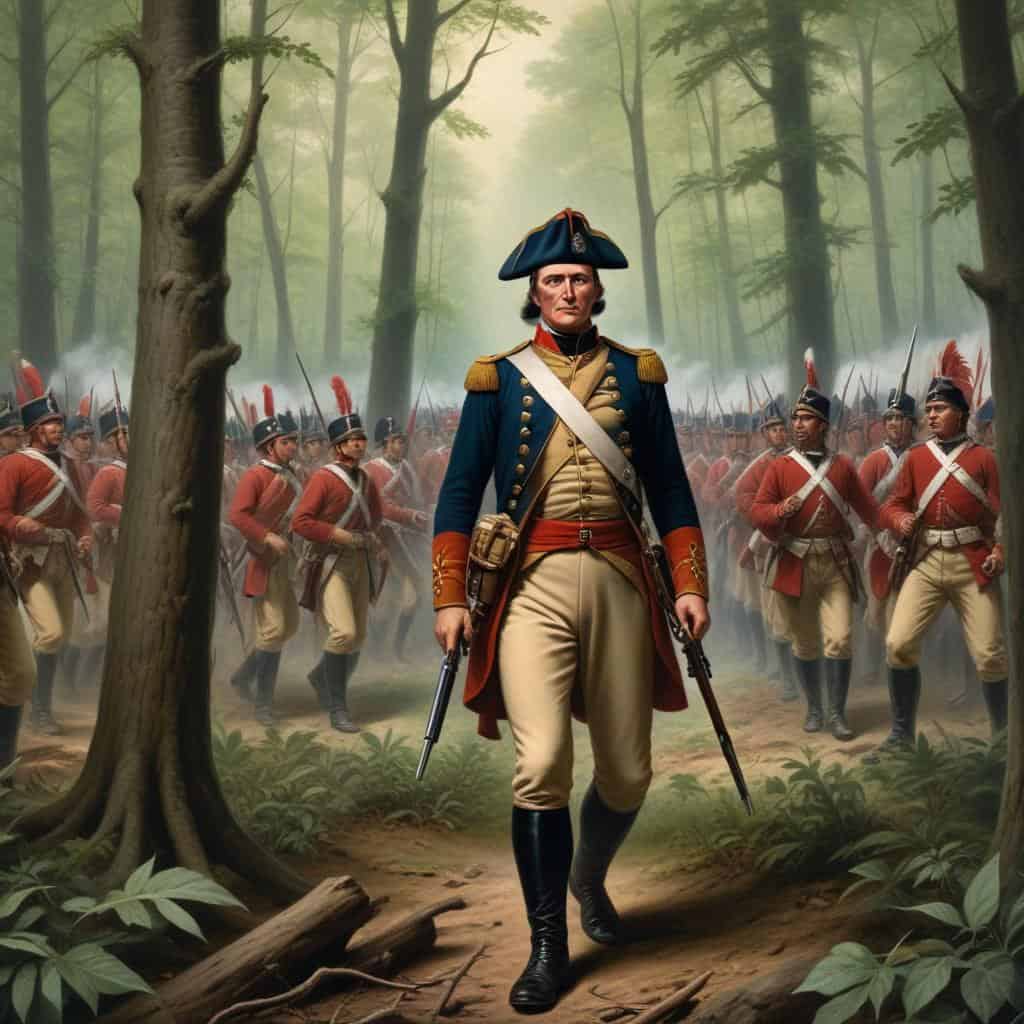
General Edward Braddock

Marquis de Montcalm
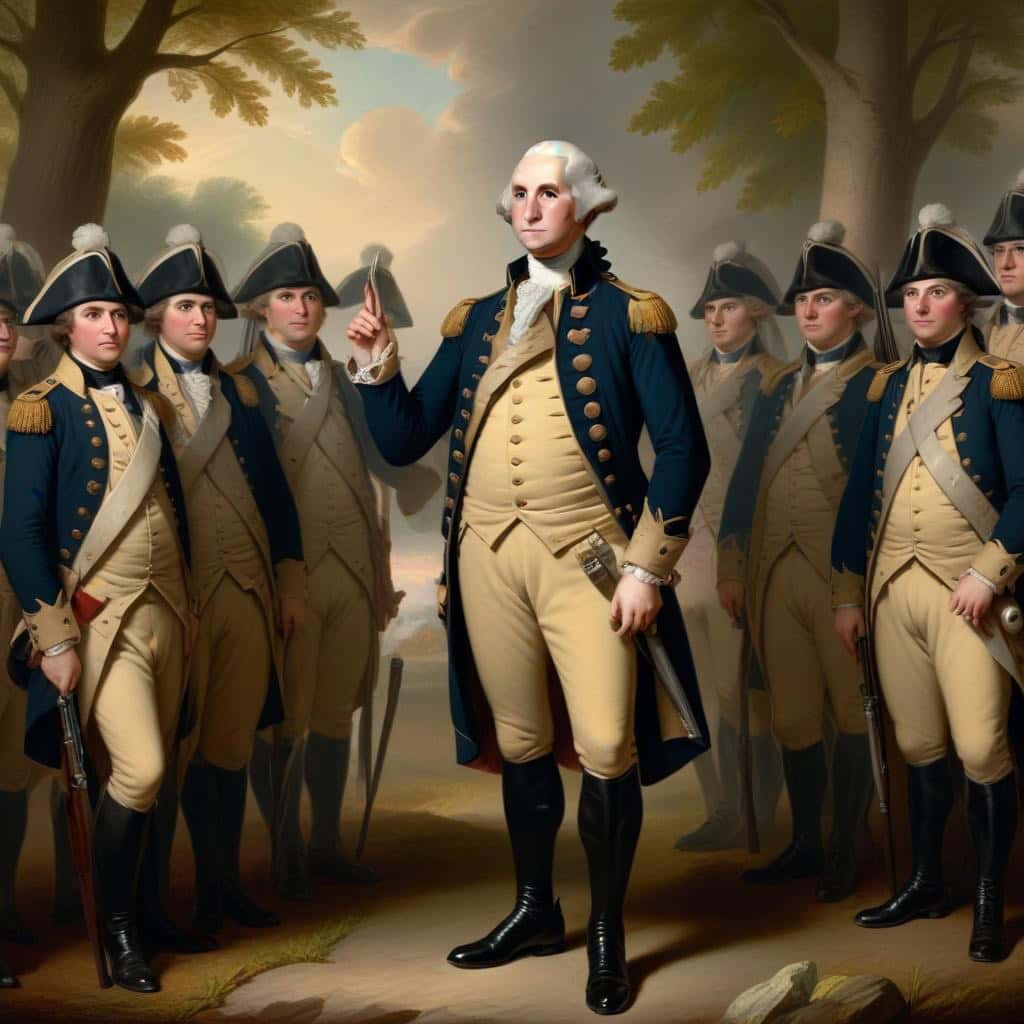
Colonel George Washington
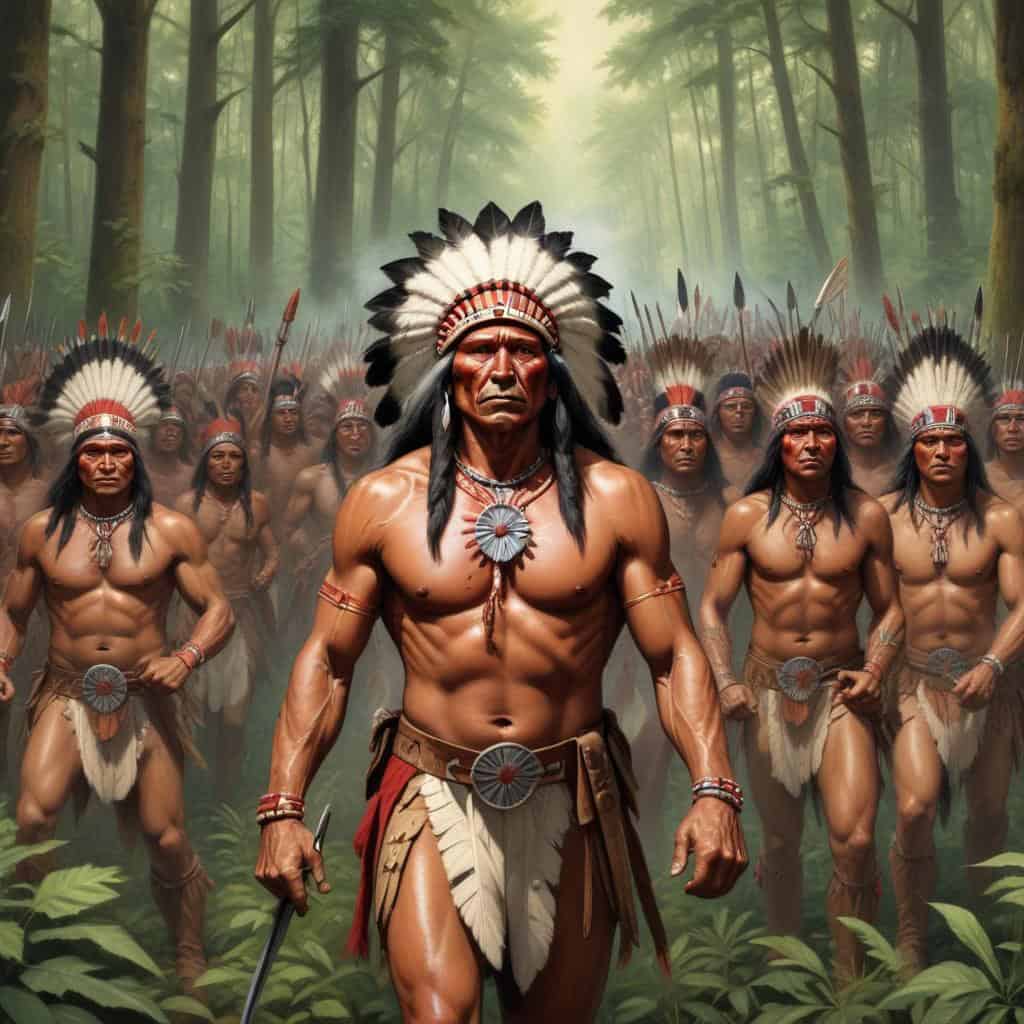
Chief Pontiac

The Beginning of Conflict

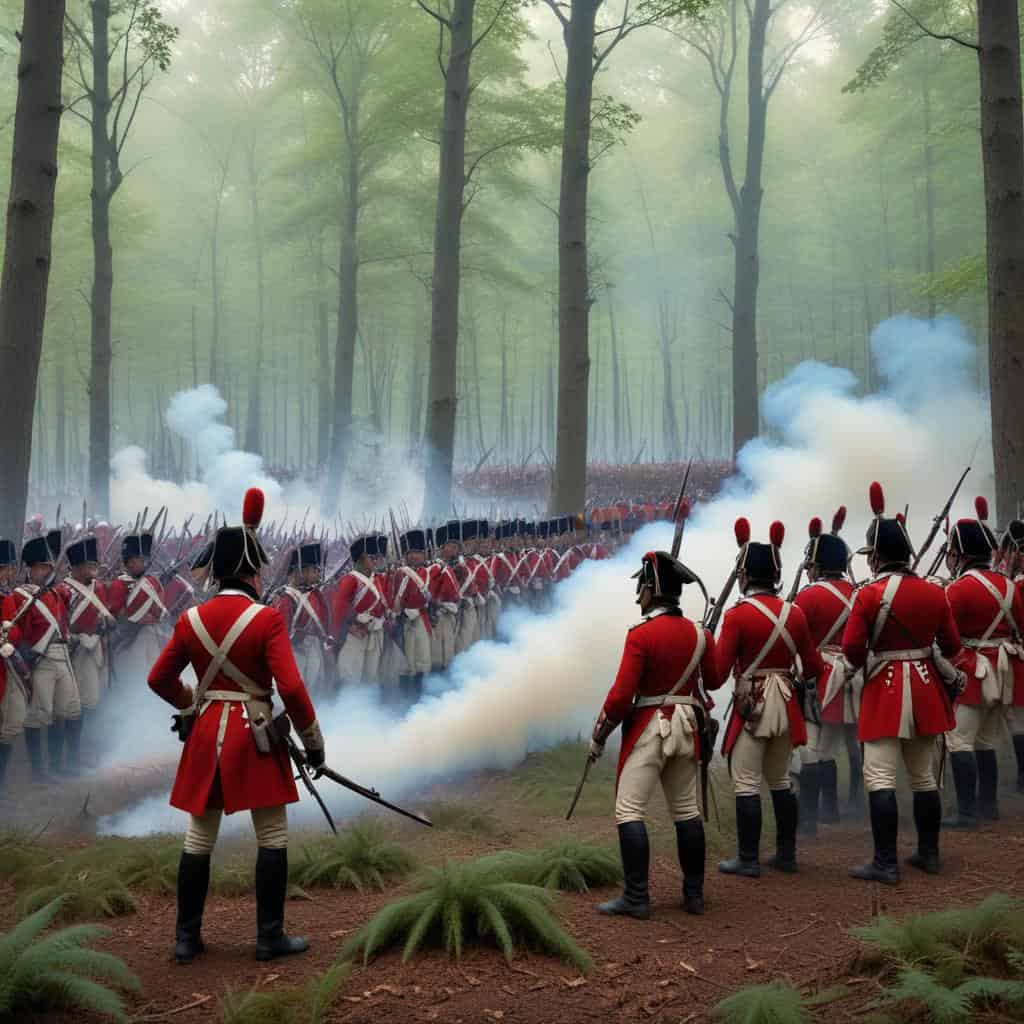
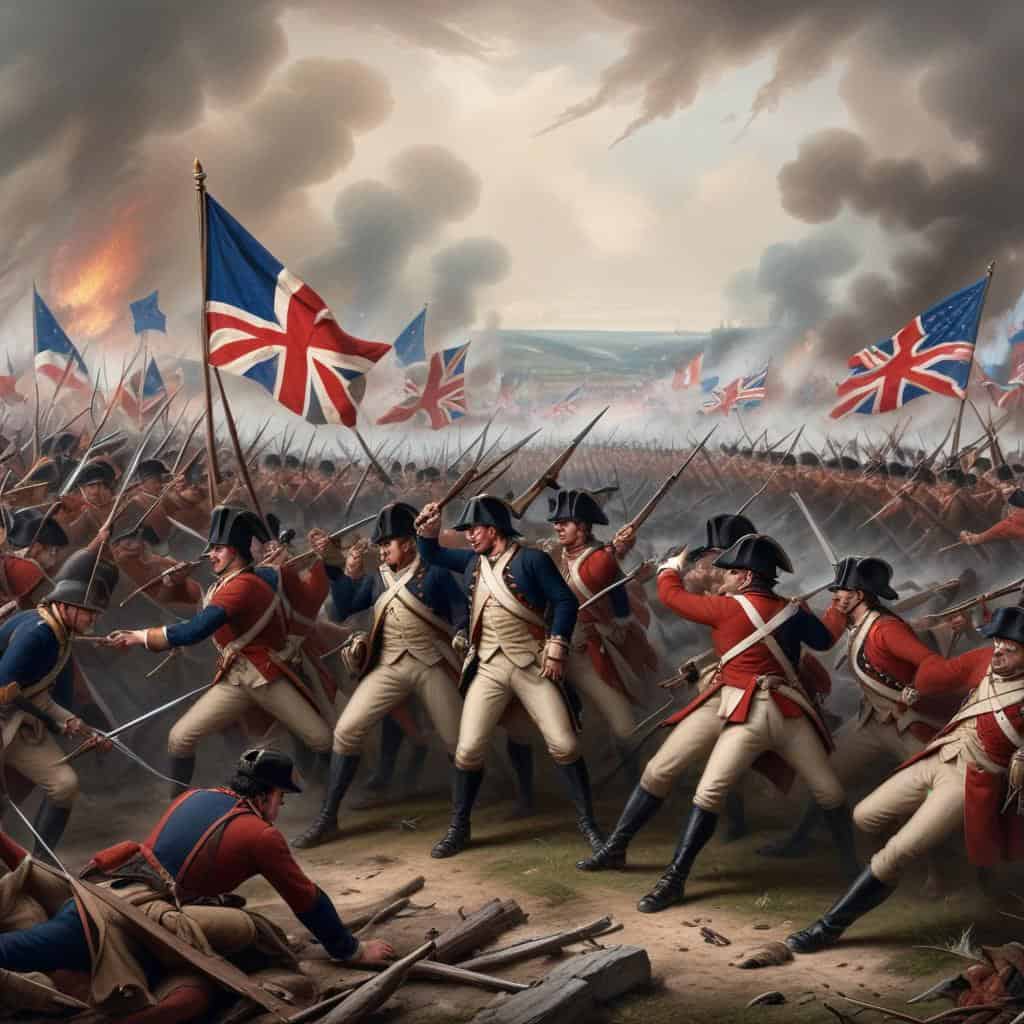
Redcoats and French Soldiers Face Off

The Fall of Fort Duquesne

The Battle of Quebec

The Treaty of Paris

Impact on Native Americans

Legacy of the War

Lessons Learned
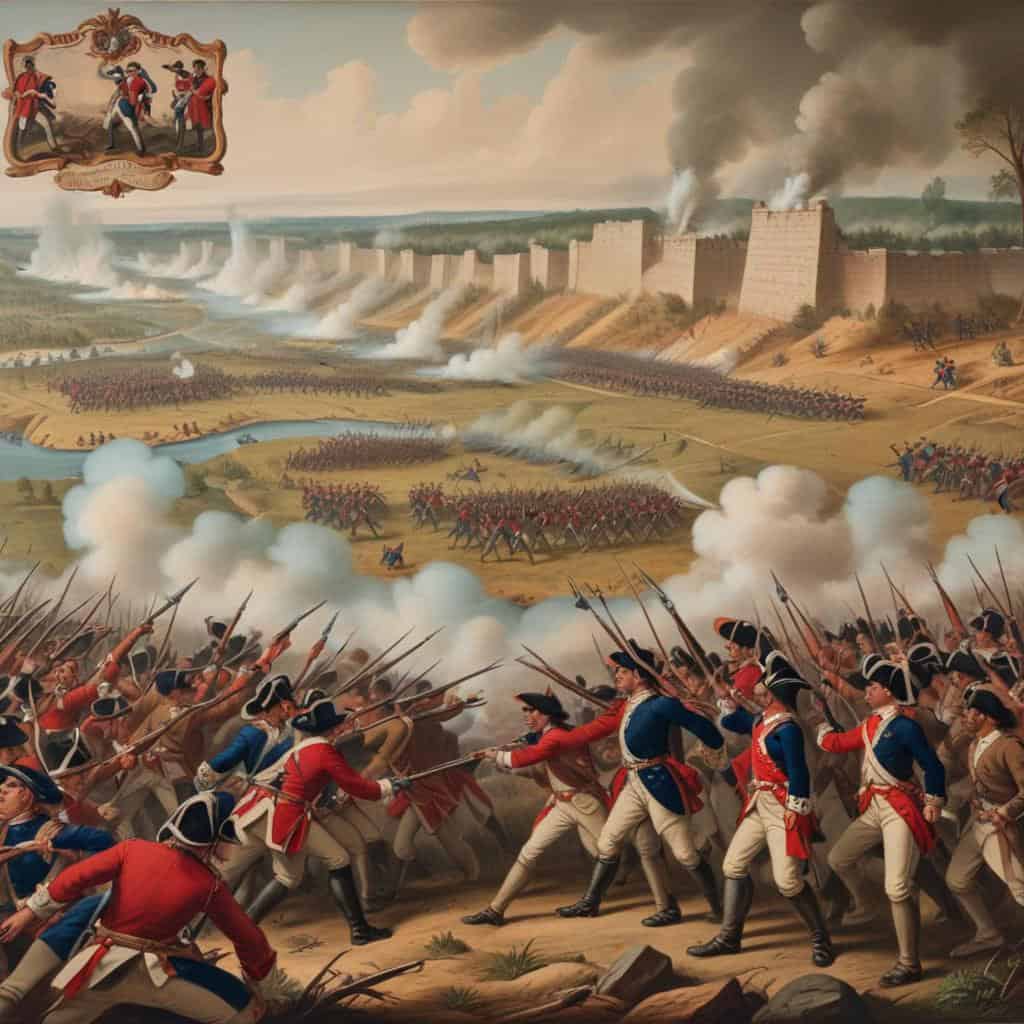
Historical Significance

Remembering the Fallen
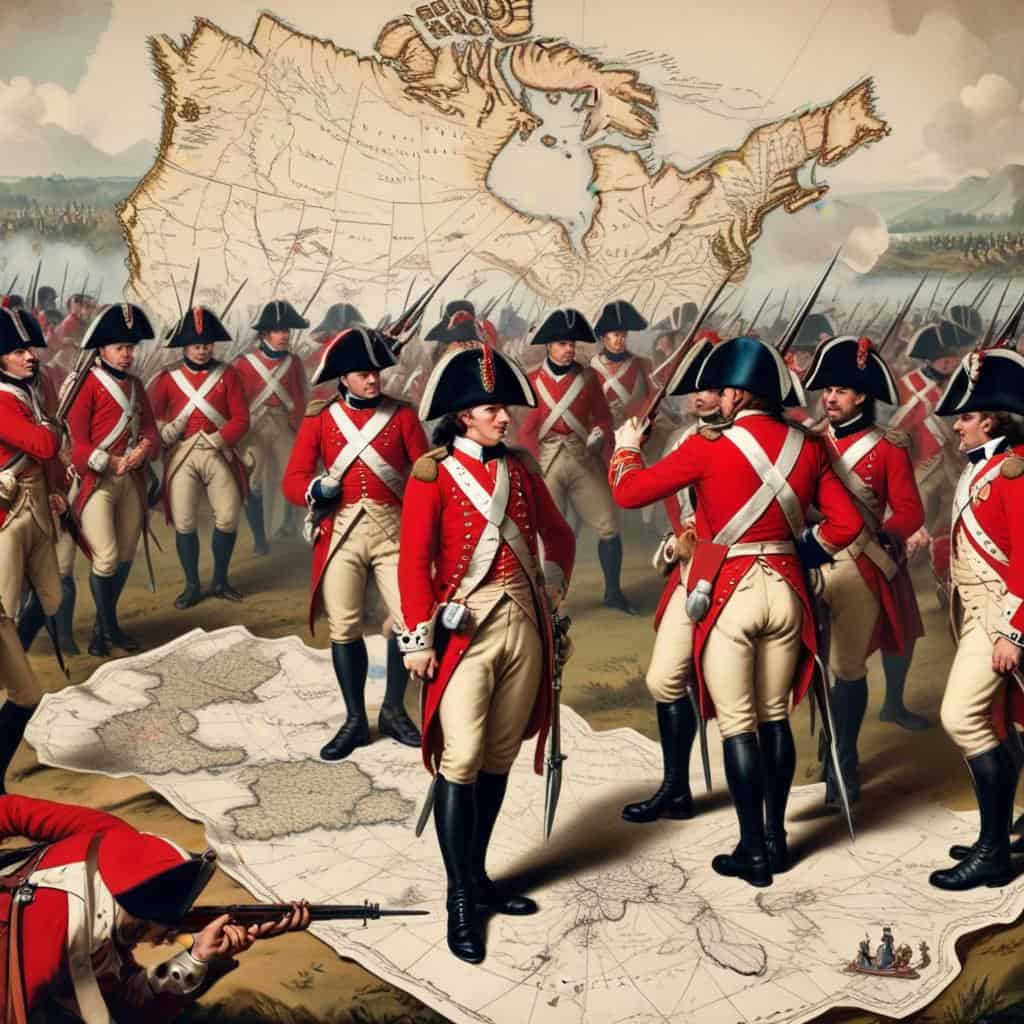
Lesson Details & Resources
In a Nutshell
- What: A significant conflict between the British and French in North America.
- When: 1754-1763
- Who: British, French, Native American tribes
- Outcome: The British victory led to increased tensions with the American colonies and laid the groundwork for the American Revolution.
Famous Figures in the The French and Indian War
-
George Washington
George Washington was a young Virginia militia officer who gained military experience during the French and Indian War and later became the first President of the United States.
-
Benjamin Franklin
Benjamin Franklin was a renowned American polymath who played a significant role in diplomacy and negotiations during the French and Indian War.
-
Marquis de Lafayette
Marquis de Lafayette was a French military officer who joined the American cause during the Revolutionary War, but his experience in warfare began during the French and Indian War.
-
William Pitt the Elder
William Pitt the Elder, also known as Pitt the Elder, served as the British Prime Minister during the French and Indian War and implemented successful strategies against the French.
-
Pontiac
Pontiac was an Ottawa war chief who led a Native American alliance in an uprising against the British after the French and Indian War ended.
-
James Wolfe
James Wolfe was a British Army officer who is famous for his victory at the Battle of Quebec during the French and Indian War.
-
Jeffery Amherst
Jeffery Amherst was a British Army officer who played a crucial role in the conquest of New France during the French and Indian War.
-
Robert Rogers
Robert Rogers was an American frontiersman who formed Rogers' Rangers, a renowned colonial force that fought in the French and Indian War.
-
Edward Braddock
Edward Braddock was a British general who suffered a major defeat at the Battle of the Monongahela during the French and Indian War.
-
George Croghan
George Croghan was an Irish-American trader who played a significant role in diplomatic negotiations with Native American tribes during the French and Indian War.
Timeline of The French and Indian War
French build Fort Duquesne in present-day Pittsburgh
George Washington leads unsuccessful attack on Fort Duquesne
French and Indian forces defeat British at the Battle of Fort Necessity
British declare war on France, officially starting the French and Indian War
British capture French Fort Beauséjour in present-day New Brunswick
British expel Acadians from Nova Scotia in the Great Expulsion
British suffer heavy losses in the Battle of the Monongahela
British capture French Fort Niagara
British capture French Quebec in the Battle of the Plains of Abraham
British capture French Montreal
Treaty of Paris is signed, officially ending the French and Indian War
France cedes Canada and most of its North American possessions to Britain
Proclamation of 1763 is issued, prohibiting settlement west of the Appalachian Mountains
Pontiac's Rebellion begins as Native American tribes resist British control
British establish the Royal Proclamation Line, dividing Native American lands from British colonies
British Parliament passes the Sugar Act to raise revenue from the American colonies
American colonists protest against the Stamp Act imposed by the British Parliament
American colonists form the Sons of Liberty to resist British policies
British Parliament repeals the Stamp Act but passes the Declaratory Act asserting its authority over the colonies
Townshend Acts are passed by the British Parliament, imposing new taxes on the American colonies
Vocabulary List
- French and Indian War
- The war fought between France and Great Britain in North America from 1754 to 1763.
- Seven Years' War
- The global conflict that included the French and Indian War as its North American theater.
- Treaty of Paris
- The agreement signed in 1763 that ended the French and Indian War and saw France cede Canada and most of its North American territories to Britain.
- Ohio River Valley
- The region in North America that was a major point of contention between the French and British, leading to the outbreak of the French and Indian War.
- Albany Plan of Union
- A proposal put forward by Benjamin Franklin in 1754 to create a unified government for the British North American colonies in response to the French threat.
- Fort Duquesne
- A French fort located in present-day Pittsburgh, Pennsylvania, which was a key target for the British during the French and Indian War.
- William Pitt
- The British Prime Minister who significantly increased British military and financial support for the war effort, ultimately helping Britain secure victory in the French and Indian War.
- Pontiac's Rebellion
- An armed conflict in 1763-1766 between Native American tribes and the British in the Great Lakes region, arising from tensions following the French and Indian War.
- Proclamation of 1763
- A British proclamation that prohibited American colonists from settling west of the Appalachian Mountains, in an attempt to ease tensions with Native Americans after the French and Indian War.
- George Washington
- A young colonial officer who gained military experience during the French and Indian War and later became a key leader in the American Revolution.
Key Facts
This is the information used in the fact matching game
- The French and Indian War was a conflict between the British and the French, along with their Native American allies, over control of North America.
- The war was primarily fought in the colonies of North America, particularly in the areas of present-day United States and Canada.
- The war officially started in 1754 when the French built Fort Duquesne in present-day Pittsburgh, Pennsylvania.
- The British colonies formed the Albany Congress in 1754 in an attempt to unite against the French threat, but it ultimately failed.
- The conflict was also known as the Seven Years' War because it lasted from 1756 to 1763.
- The war resulted in a significant debt for the British, leading to new taxes imposed on the American colonies, which eventually sparked the American Revolution.
- The Native American tribes played a crucial role in the war, often siding with either the British or the French based on their own strategic interests.
- Major battles of the French and Indian War include the Battle of Fort Necessity, the Battle of Quebec, and the Battle of Montreal.
- The war ended with the signing of the Treaty of Paris in 1763, in which France ceded all its North American territories to the British.
- The French and Indian War significantly weakened the Native American tribes, as their alliances with the losing French led to territorial losses and strained relationships with the victorious British.
- The conflict had a global impact, with European powers such as France, Britain, Spain, and Portugal involved in various theaters of the war around the world.
- The war marked the end of French power in North America and solidified British dominance in the region.
- The French and Indian War laid the groundwork for future tensions between the American colonies and Britain, ultimately leading to the American Revolution.
- The war saw the emergence of several notable figures, including George Washington, who gained military experience and later became the first President of the United States.
- The fighting in North America often involved brutal guerrilla warfare tactics employed by both sides and inflicted significant casualties.
- Native American tribes such as the Iroquois Confederacy were heavily impacted by the war, as they had to navigate complex alliances and rivalries with the European powers.
- The war marked a turning point in the relationship between Britain and its American colonies, as the British government sought to exert more control and increase taxation after incurring substantial war debts.
- The conflict had long-term consequences for Native American tribes, as it resulted in the loss of their lands, forced relocations, and increased tensions with European settlers.
- The French and Indian War laid the foundation for future conflicts in North America, particularly between the British and Native American tribes seeking to resist further encroachments on their territories.
- The war marked a shift in global power dynamics, with Britain emerging as a dominant colonial power while France's influence in North America significantly diminished.
Analysis & Significance
Immediate Consequences
The French and Indian War, also known as the Seven Years’ War, had immediate consequences on the colonies involved. It left Britain in significant debt, leading to increased taxation on the American colonies and ultimately contributing to the tensions that would lead to the American Revolution.
Long-Term Impact
The lasting impact of the French and Indian War was profound. It marked the end of French power in North America and set the stage for British dominance over the continent. The war also strained relations between the British government and the American colonies, laying the groundwork for the independence movement that would follow.
Cultural Significance Today
The French and Indian War continues to hold cultural significance today as a pivotal moment in American history. It is remembered as a key event that shaped the development of the United States and influenced the relationships between European powers in North America. The war’s legacy can still be seen in the borders of modern-day countries and in the cultural heritage of the regions involved.
The French and Indian War Games


Take Your Learning Offline
Want a convenient, print-ready study guide for this lesson? Become a Memory Wizards Pro member to unlock the downloadable " Memory Scrolls" for this topic and our entire library!
- ✓ Complete Vocabulary Lists
- ✓ Key Facts & Timelines
- ✓ Beautifully Formatted for Print & Mobile