
Summary of Bacon’s Rebellion (1676)
Uncover the fiery uprising that changed the course of American history.
How Do You Learn Best?
Learn by Listening
Start with the 3-minute audio summary to get the key facts and narrative highlights quickly.
Learn by Reading
Immerse yourself in the 10-minute visual lesson for a comprehensive understanding of the topic.
Learn by Reviewing
Jump directly to the key facts, timeline, and vocabulary lists to build a solid foundation of details.
Learn by Doing
Challenge yourself! Jump straight into the interactive games to learn by trial, error, and discovery.
Audio Library
As one of our featured lessons, this topic includes premium audio guides.
Unlock the Wizard's Cram Session
This powerful audio study guide is a Pro-exclusive feature. Upgrade to Memory Wizards Pro to access this and all of our premium learning tools.
Upgrade to ProBacon’s Rebellion in 10 Minutes
Introduction
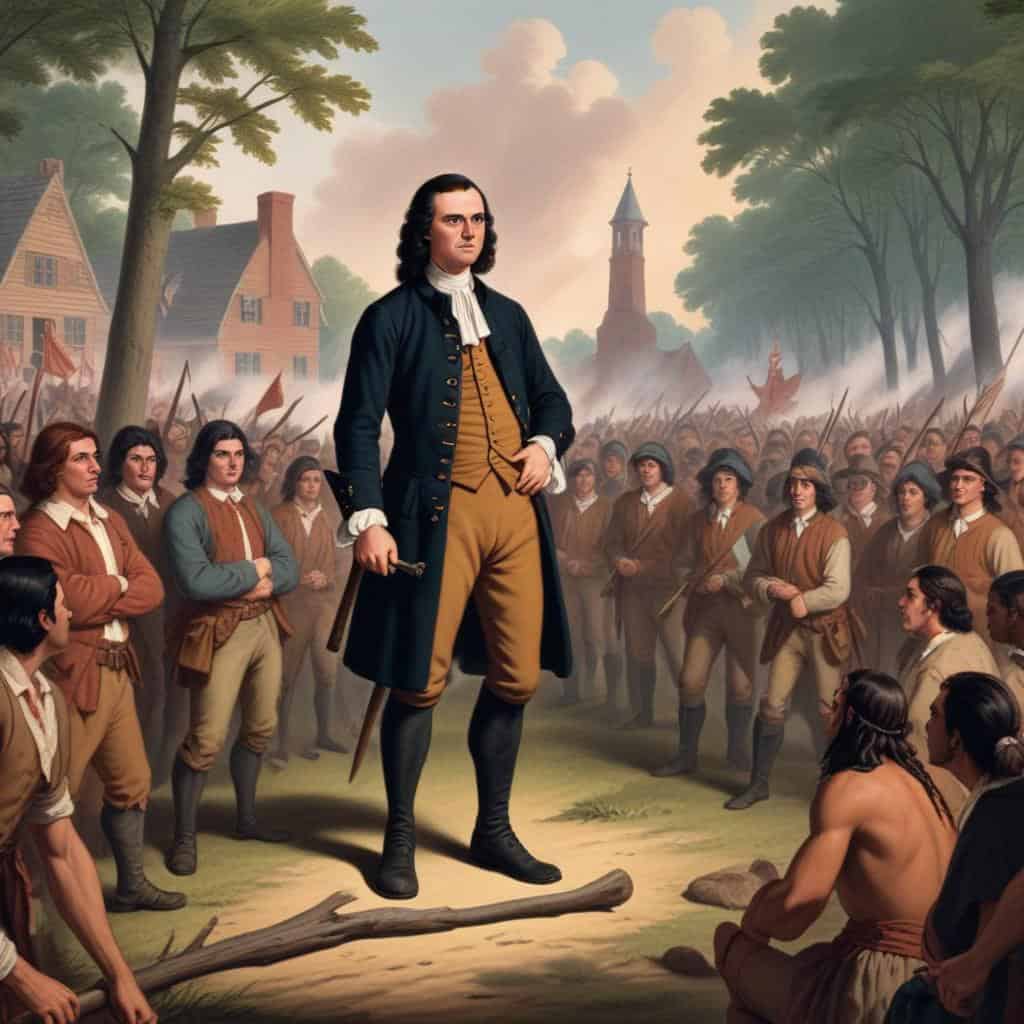
Nathaniel Bacon
William Berkeley
John Ingram
Anne Burghess

The Beginning of Unrest

The Attack on Native Americans

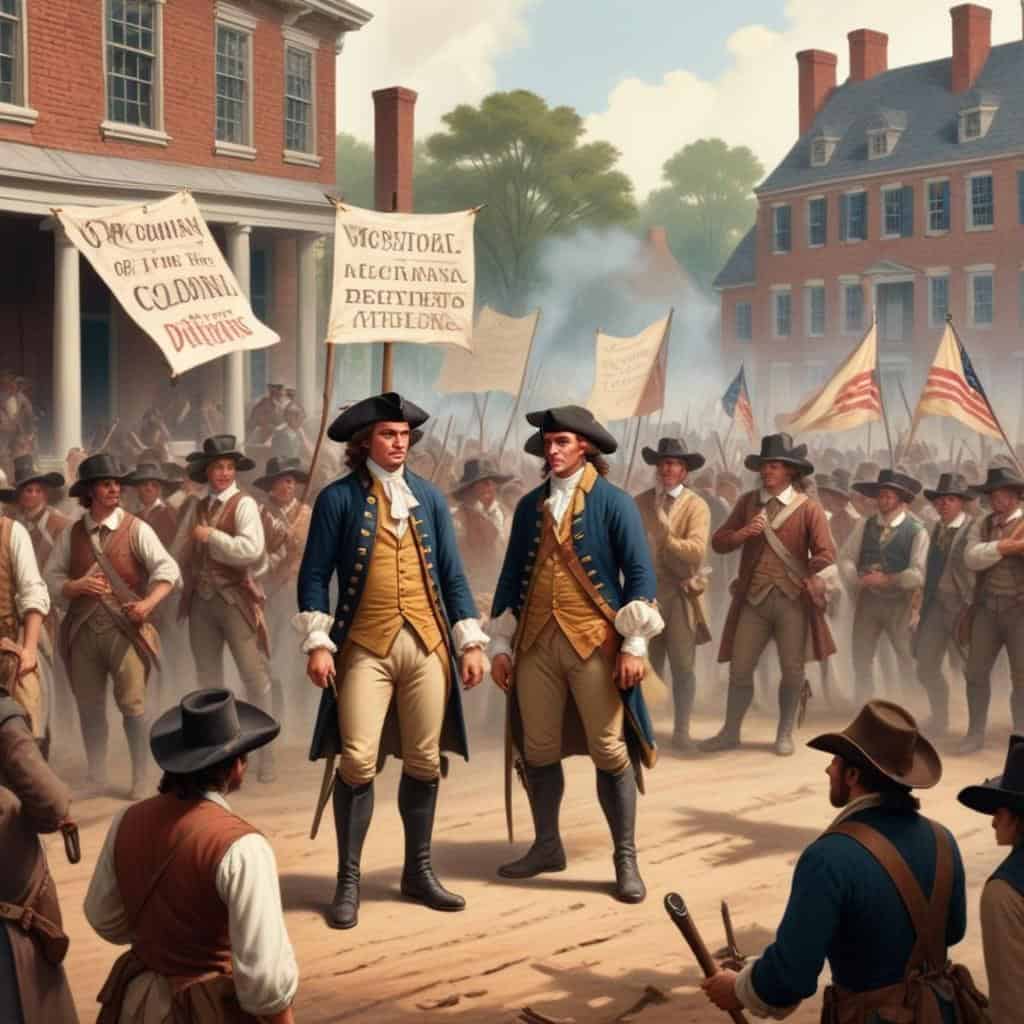
Bacons Declaration of Rebellion

The Burning of Jamestown

The End of Bacons Rebellion

The Aftermath of the Rebellion

The Legacy of Bacons Rebellion

The Impact on Slavery

The Long-Term Consequences

The Untold Story
Lesson Details & Resources
In a Nutshell
- What: A significant rebellion in colonial Virginia.
- When: 1676
- Who: Nathaniel Bacon, Governor William Berkeley, Native Americans.
- Outcome: Led to the burning of Jamestown, increased tensions between colonists and Native Americans, and increased power of the royal governors.
Famous Figures in the Bacon’s Rebellion
-
Nathaniel Bacon
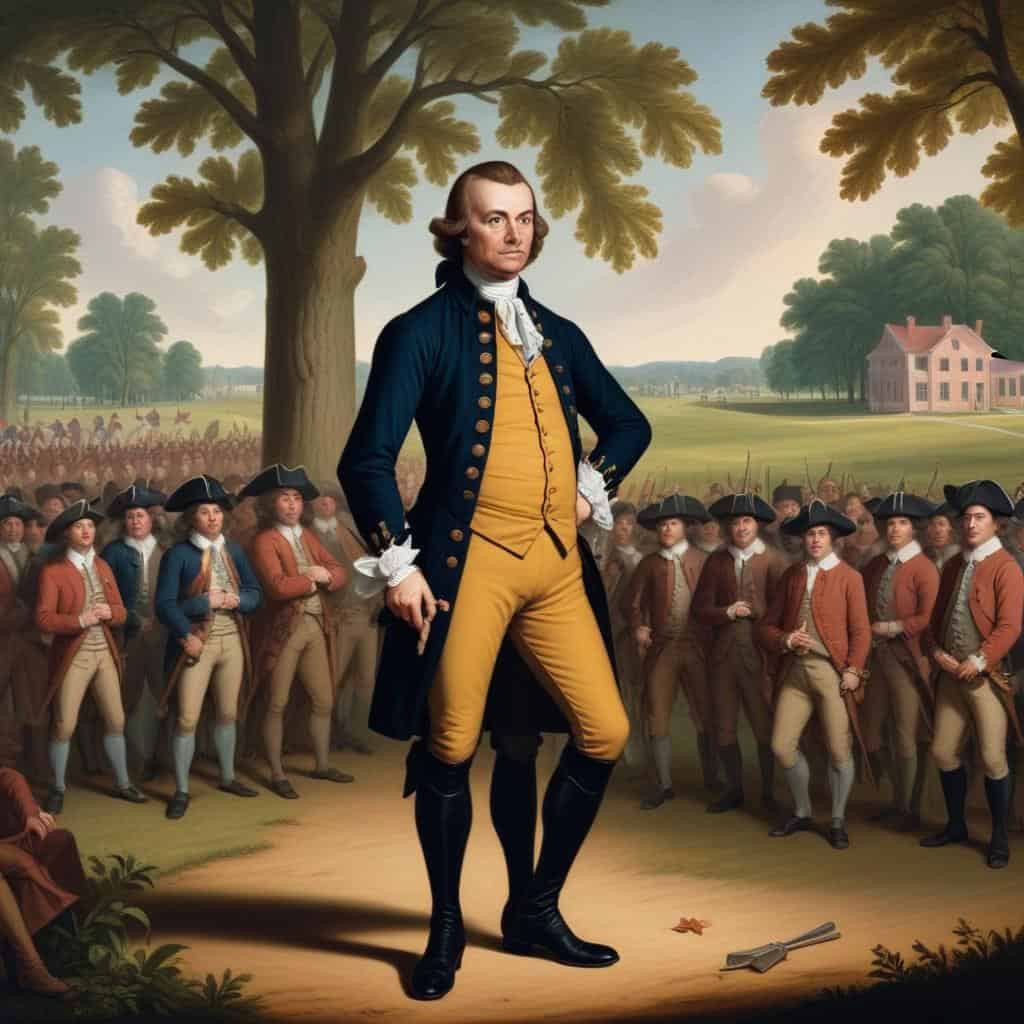
Nathaniel Bacon was a wealthy colonist and leader of Bacon's Rebellion. He led a group of settlers in armed resistance against the colonial government of Virginia.
-
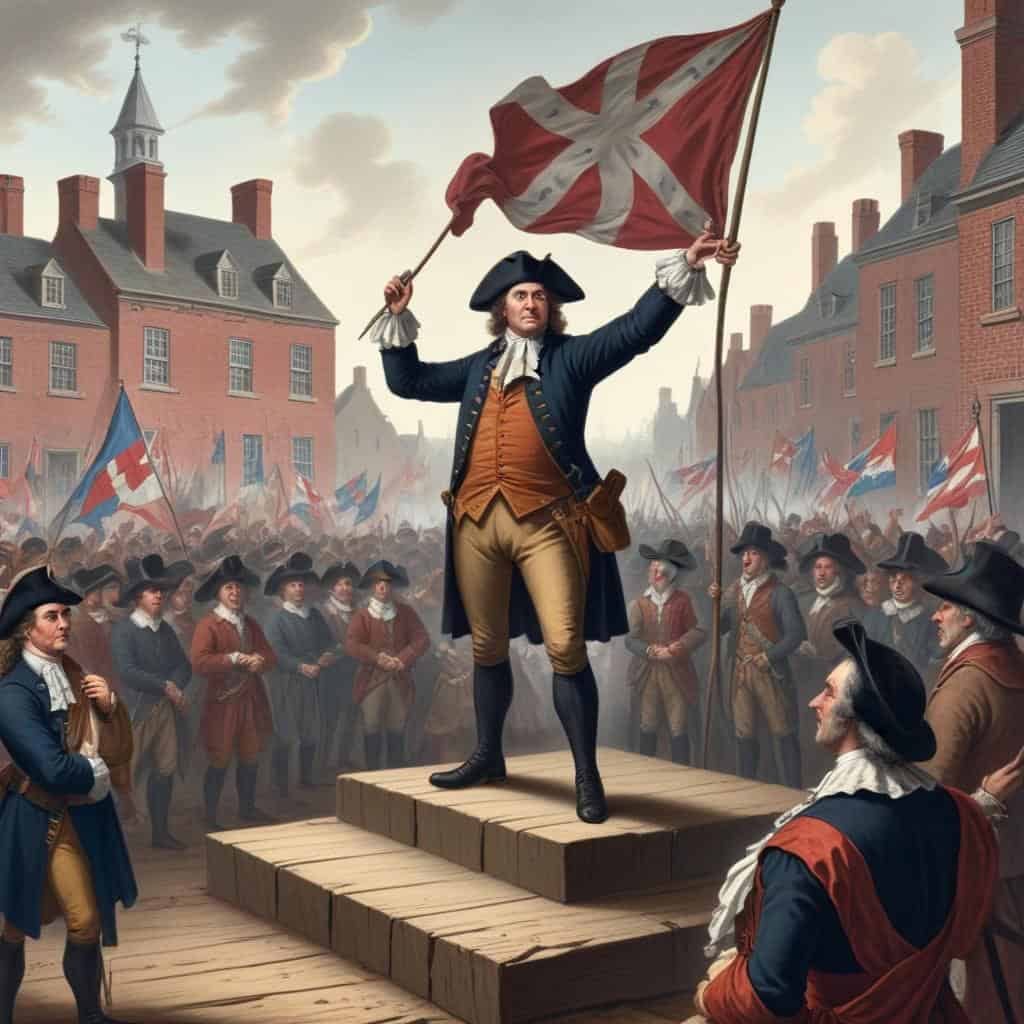
William Berkeley
William Berkeley was the royal governor of Virginia during Bacon's Rebellion. He initially dismissed the concerns of the colonists, which contributed to the uprising.
-
Thomas Grantham
Thomas Grantham was a captain in the British Royal Navy who was sent to suppress Bacon's Rebellion. He played a key role in defeating the rebels and restoring order.
-
John Culpeper
John Culpeper was a prominent supporter of Bacon's Rebellion and a member of the rebel council. He advocated for the rights of the colonists and against the colonial government.
-
Sir William Berkeley
Sir William Berkeley was an English colonial governor who served multiple terms in Virginia, including during Bacon's Rebellion. His policies and actions as governor contributed to the grievances of the colonists.
Timeline of Bacon’s Rebellion
1675
1676
1676
1676
1676
1676
1676
1676
1676
1676
1677
1677
1677
1677
1678
1678
1678
1678
1679
1679
1680
Vocabulary List
- Bacon's Rebellion
- A violent uprising in colonial Virginia in 1676 led by Nathaniel Bacon against the colonial governor
- Indentured servants
- Laborers who agreed to work for a set number of years in exchange for passage to the American colonies
- Tidewater elite
- Wealthy plantation owners and aristocrats who dominated the political and economic power in Virginia
- Frontier settlers
- Farmers and landowners on the outskirts of colonial settlements, often in conflict with Native Americans
- Native American attacks
- Violent raids and conflicts between Native American tribes and English settlers on the colonial frontier
- Oppression
- The exercise of authority or power in a cruel or unjust manner, often referring to the treatment of lower classes or marginalized groups
- Grievances
- Complaints or grievances expressed by a group of people against a perceived injustice or mistreatment
- Rebellion
- An organized resistance or uprising against a ruling authority or established system
- Plantation system
- An agricultural system in which large landowners (planters) used slave labor to grow cash crops, primarily tobacco in colonial Virginia
- Royal governor
- An appointed representative of the English monarchy who served as the highest authority in a colonial province
Key Facts
This is the information used in the fact matching game
- Bacon's Rebellion was an armed rebellion that took place in 1676 in the Virginia Colony.
- The rebellion was led by Nathaniel Bacon, a wealthy and influential planter.
- Bacon's Rebellion was largely a response to perceived injustices by the colonial government towards the frontiersmen and Native Americans.
- The conflict began with a dispute between settlers and Native Americans over the colonists' encroachment on Native American lands.
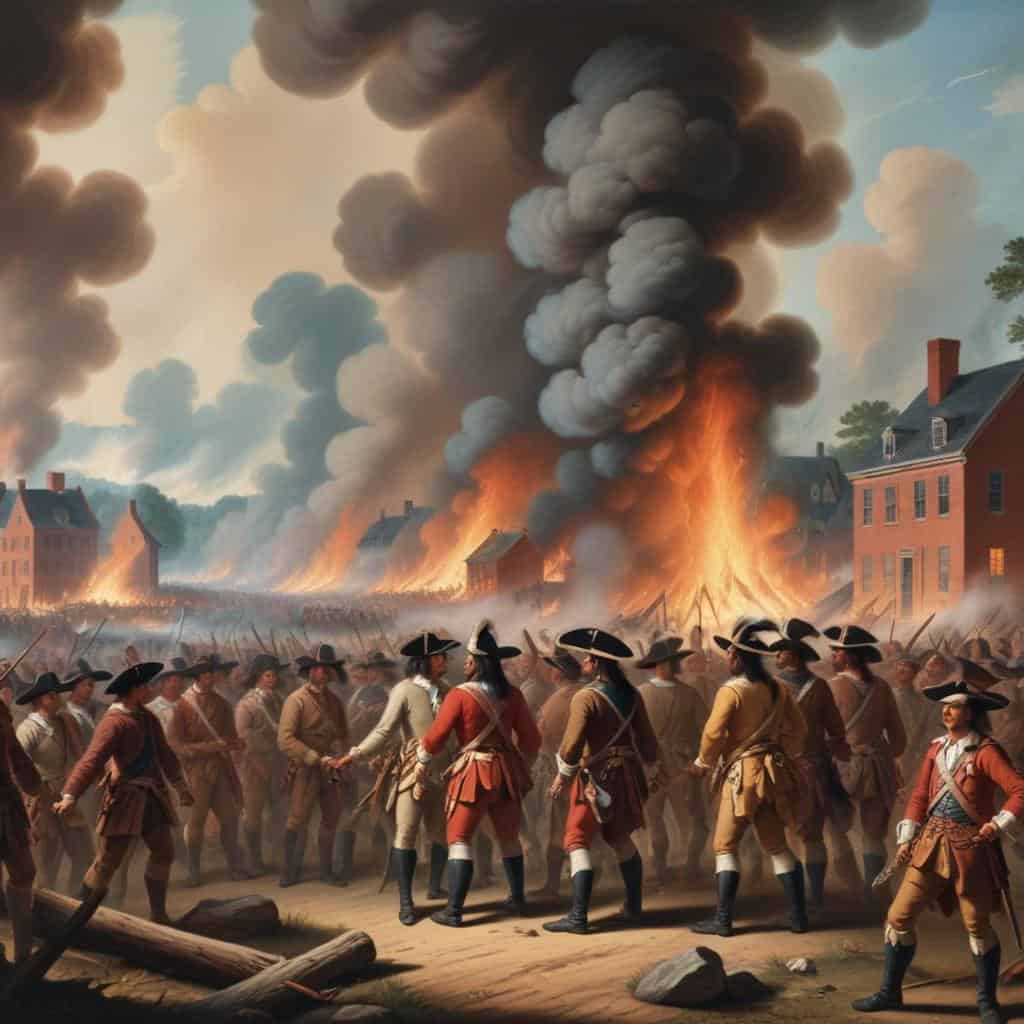
- Bacon and his followers attacked and burned Jamestown, the capital of Virginia at the time.
- The rebellion resulted in the deaths of hundreds of colonists and Native Americans.
- Bacon's Rebellion highlighted the tensions between the wealthy elite and the lower-class settlers in the Virginia Colony.
- The rebels demanded protection against Native American attacks, lower taxes, and more representation in the colonial government.
- Despite Bacon's initial popularity, his rebellion ultimately failed due to lack of support and the arrival of British troops.
- Bacon died of dysentery before the rebellion was fully suppressed.
- The rebellion resulted in the tightening of control by the colonial government and the implementation of stricter laws against slaves and indentured servants.
- Bacon's Rebellion is considered a turning point in colonial history, as it highlighted the growing tensions between the colonists and the British government.
- The rebellion contributed to the shift towards using enslaved Africans as a more reliable labor force.
- The grievances expressed during Bacon's Rebellion laid the groundwork for future movements advocating for more democratic rights and representation.
- The rebellion was primarily fought by white colonists, but some Native American tribes also allied with Bacon's forces.
- The rebellion temporarily disrupted the tobacco industry, which was the economic backbone of the Virginia Colony.
- The colonial government issued a pardon to many rebels after the rebellion ended.
- The aftermath of the rebellion saw the colonial government enacting harsher policies towards Native Americans and reducing their land rights.
- Bacon's Rebellion is often seen as a precursor to the American Revolution.
- The rebellion highlighted the growing divide and tensions between the wealthy planters and the poorer settlers in the Virginia Colony.
Analysis & Significance
Immediate Consequences
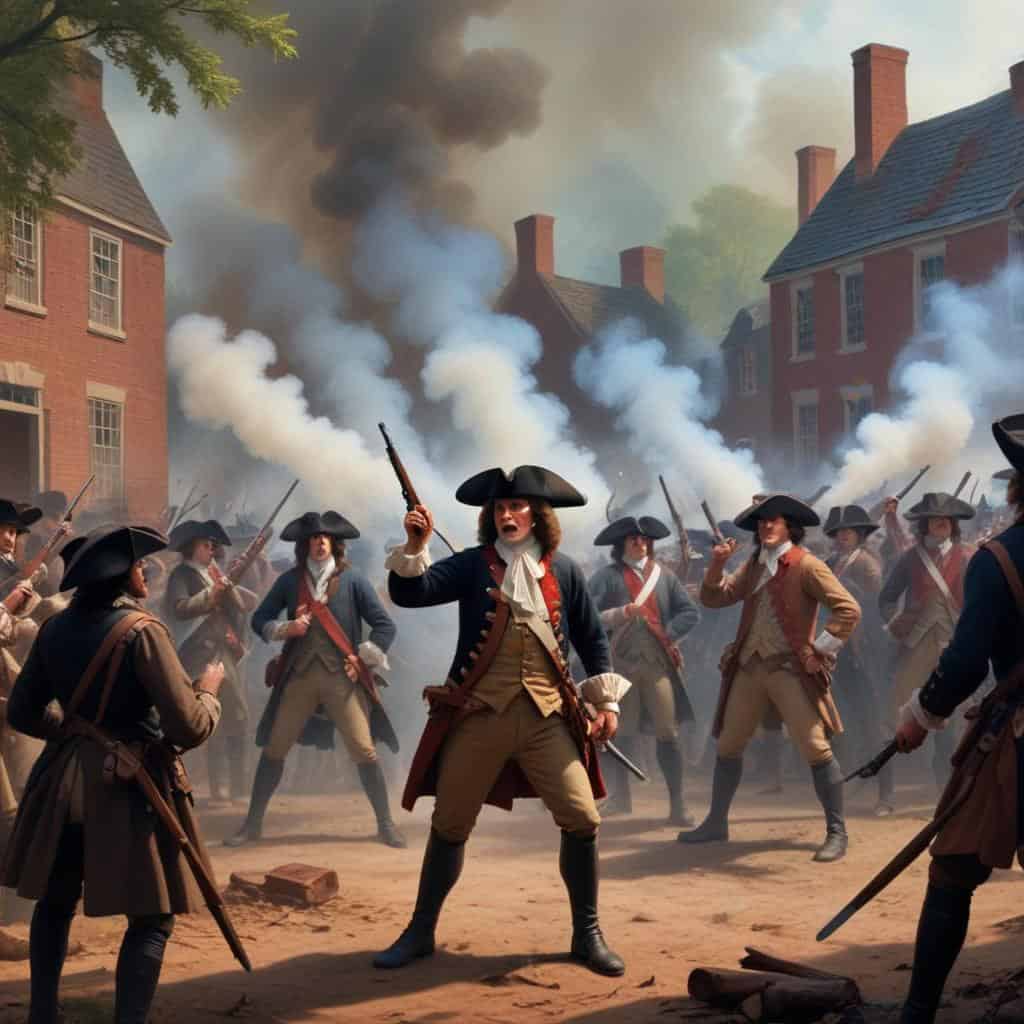
Bacon’s Rebellion in 1676 resulted in the burning of Jamestown, the capital of Virginia at the time, and the subsequent collapse of the rebellion after the death of its leader, Nathaniel Bacon. The rebellion highlighted the growing social and economic tensions between the colonists and the ruling elite, leading to a period of political instability in the colony.
Long-Term Impact
The long-term impact of Bacon’s Rebellion was significant as it marked a shift towards using enslaved Africans for labor instead of indentured servants, further entrenching slavery in the American colonies. It also led to increased government control over the colonists, setting a precedent for future conflicts between the colonists and the British Crown.
Cultural Significance Today
Bacon’s Rebellion is remembered as one of the first uprisings against British colonial rule in America, highlighting the struggle for freedom and equality. It serves as a reminder of the complex history of race, class, and power dynamics in the United States, influencing discussions on social justice and inequality to this day.
Bacon’s Rebellion Games


Take Your Learning Offline
Want a convenient, print-ready study guide for this lesson? Become a Memory Wizards Pro member to unlock the downloadable " Memory Scrolls" for this topic and our entire library!
- ✓ Complete Vocabulary Lists
- ✓ Key Facts & Timelines
- ✓ Beautifully Formatted for Print & Mobile