
Summary of African Slavery (1619)
Uncover the haunting origins of African slavery in 1619 America.
How Do You Learn Best?
Learn by Listening
Start with the 3-minute audio summary to get the key facts and narrative highlights quickly.
Learn by Reading
Immerse yourself in the 10-minute visual lesson for a comprehensive understanding of the topic.
Learn by Reviewing
Jump directly to the key facts, timeline, and vocabulary lists to build a solid foundation of details.
Learn by Doing
Challenge yourself! Jump straight into the interactive games to learn by trial, error, and discovery.
Audio Library
As one of our featured lessons, this topic includes premium audio guides.
Unlock the Wizard's Cram Session
This powerful audio study guide is a Pro-exclusive feature. Upgrade to Memory Wizards Pro to access this and all of our premium learning tools.
Upgrade to ProAfrican Slavery in 10 Minutes
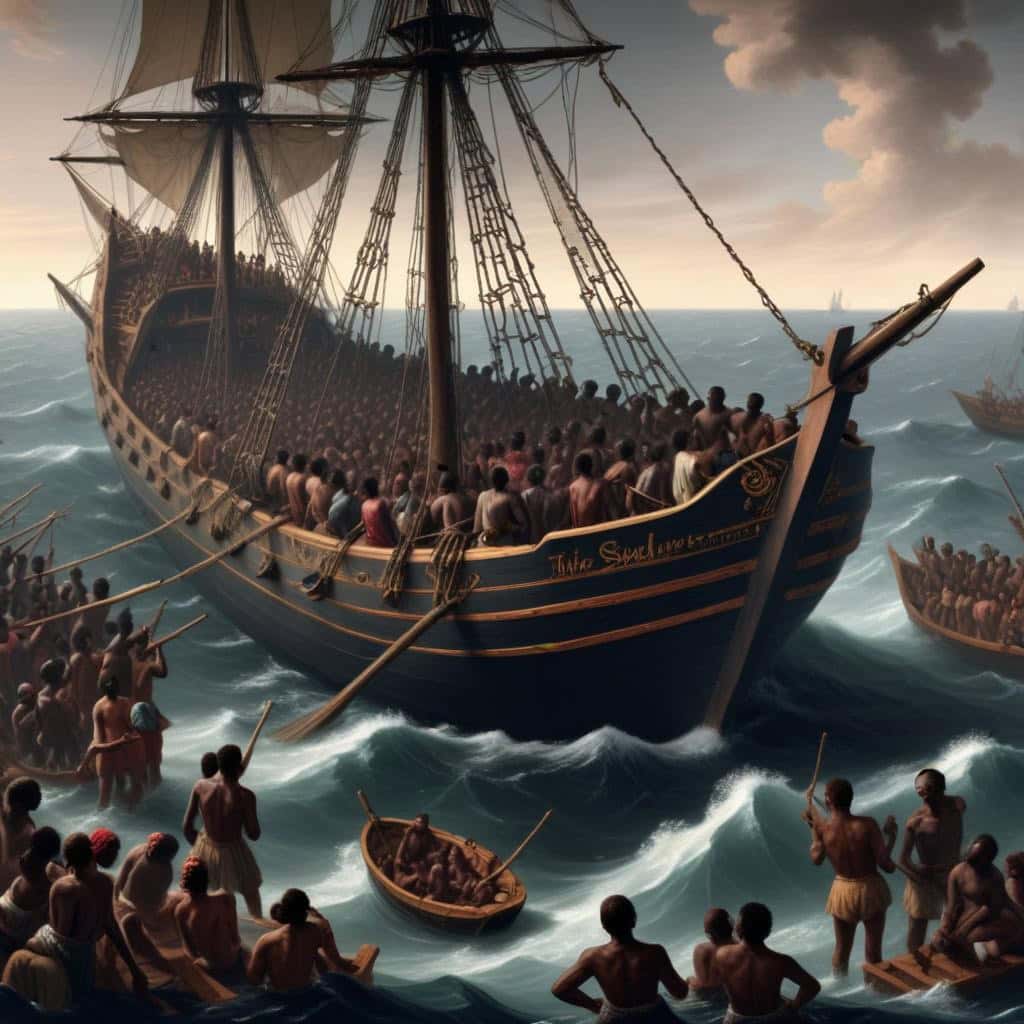
Introduction
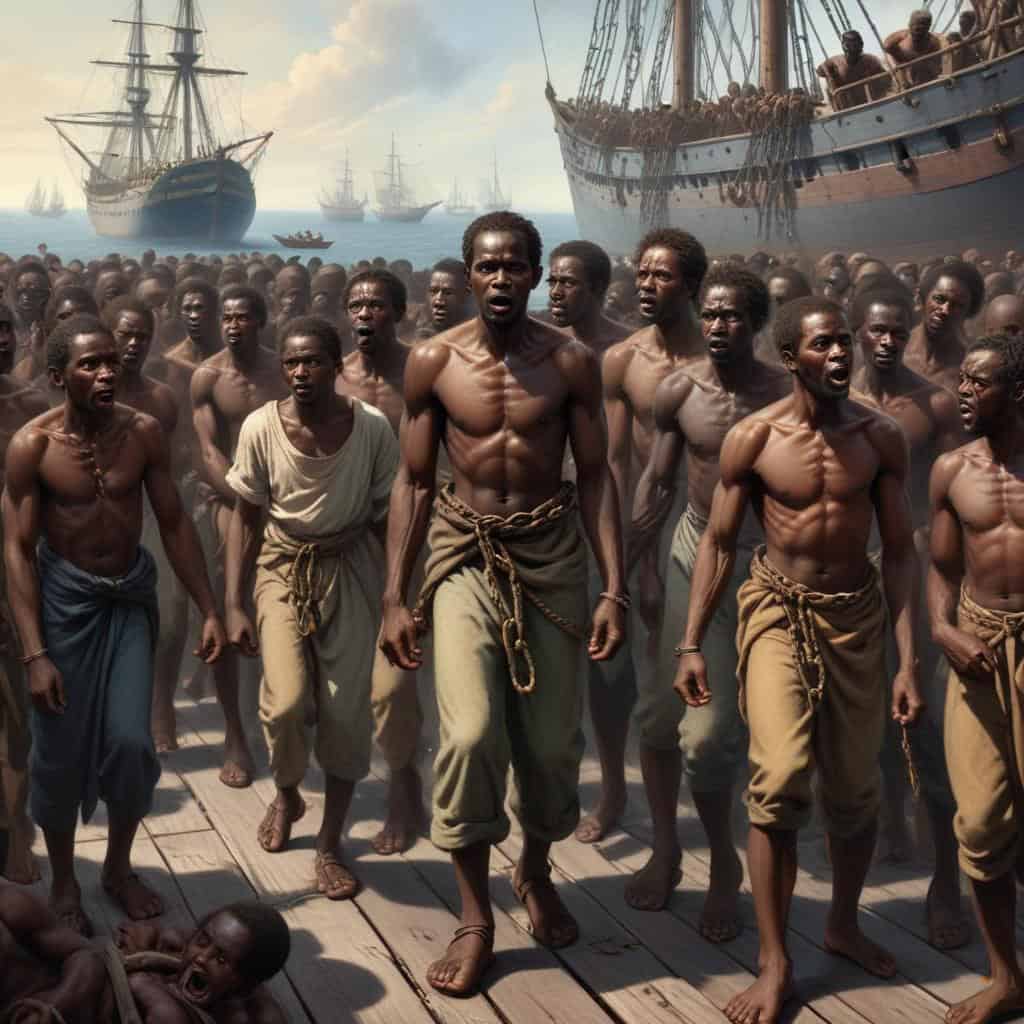
1. African Slaves
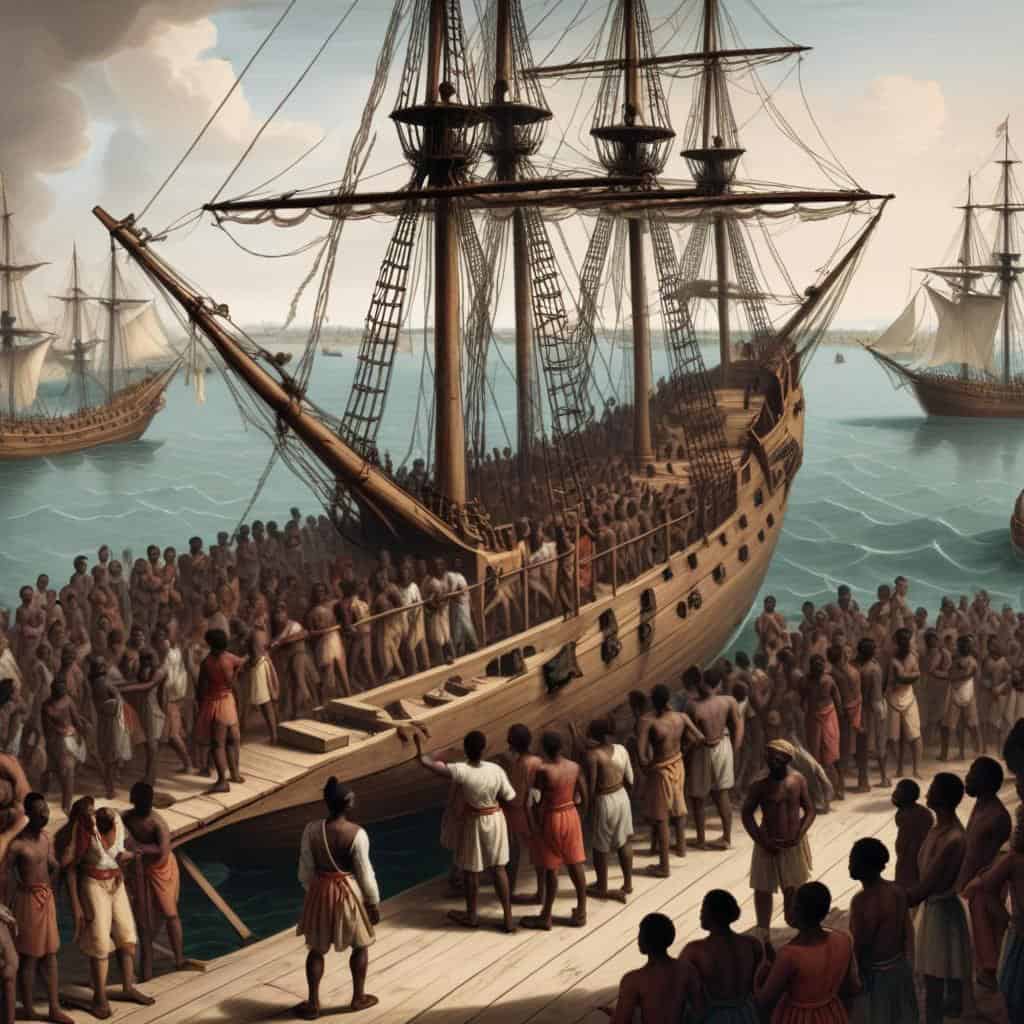
2. European Colonizers
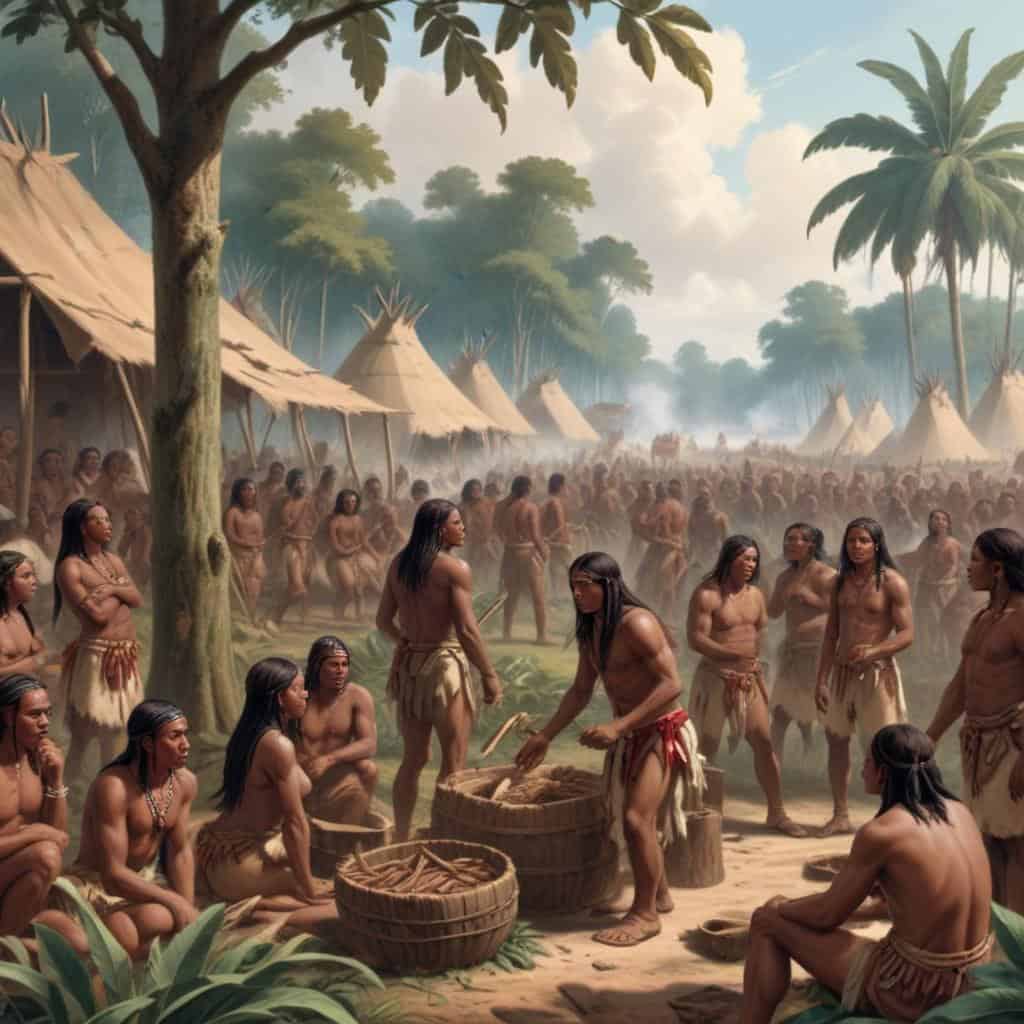
3. Native Americans
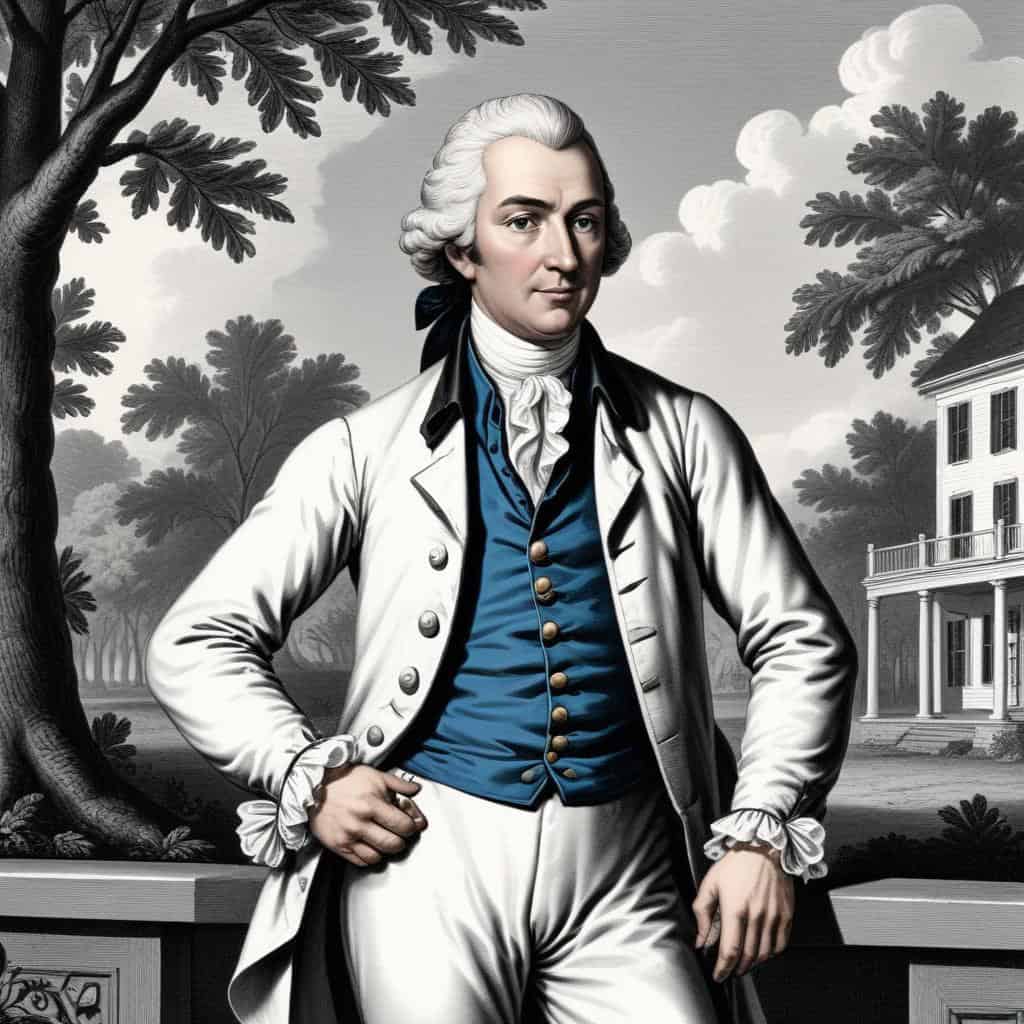
4. Plantation Owners
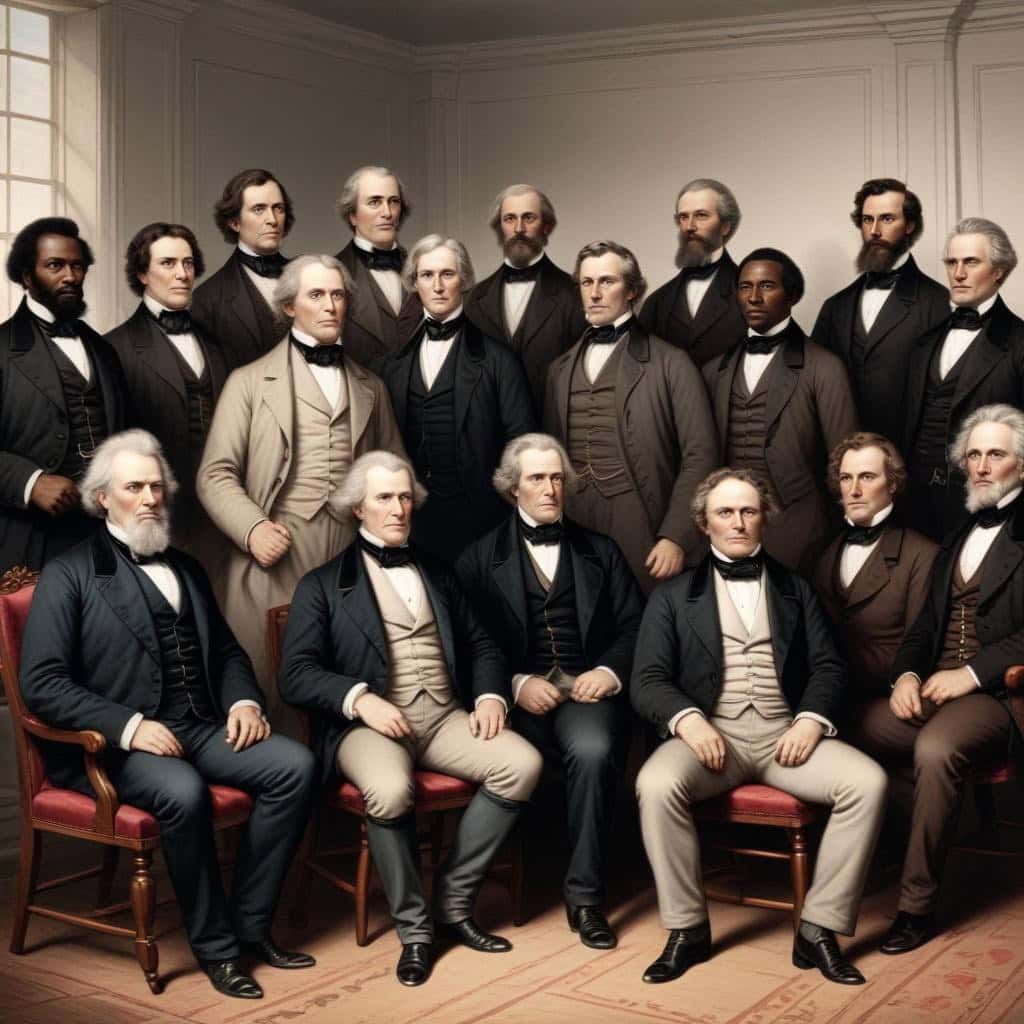
5. Abolitionists

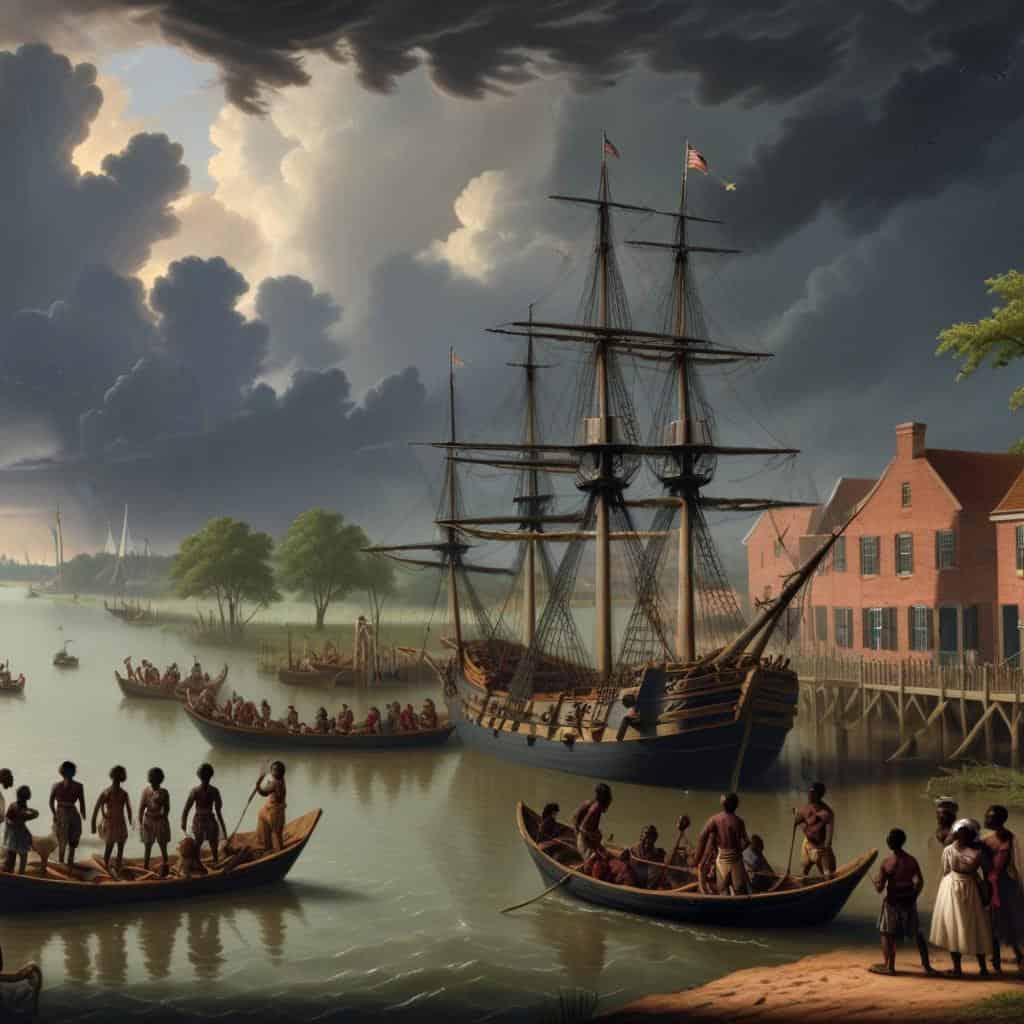
1. Arrival of the First African Slaves in 1619

2. Development of the Transatlantic Slave Trade

3. Establishment of Plantation Economies

4. Harsh Conditions and Treatment of African Slaves

5. Resistance and Rebellion Among African Slaves

6. Legalization of Slavery in the American Colonies

7. Spread of African Slavery to Other Colonies

8. Abolitionist Movements and the Fight for Freedom

9. Emancipation Proclamation and the End of Slavery

10. Legacy of African Slavery in America

Lesson Details & Resources
In a Nutshell
- What: Introduction of African Slavery in 1619
- When: 1619
- Who: African slaves, European colonizers, American colonies
- Outcome: Beginning of the transatlantic slave trade and the long-lasting impact on American society
Famous Figures in the African Slavery
-
John Rolfe
John Rolfe was an English settler who introduced tobacco to the Jamestown colony, which played a significant role in the economic development of Virginia and the expansion of African slavery.
-
Anthony Johnson
Anthony Johnson was an Angolan who was one of the first recorded African slaves in the American colonies. He eventually gained his freedom, became a successful landowner, and even owned slaves himself.
-
Olaudah Equiano
Olaudah Equiano, also known as Gustavus Vassa, was a prominent African writer and abolitionist. His autobiography, 'The Interesting Narrative of the Life of Olaudah Equiano,' played a vital role in exposing the horrors of slavery.
-
Phillis Wheatley
Phillis Wheatley was the first African-American poet and the first African-American woman to publish a book. Despite being enslaved, she gained recognition for her literary achievements and became an influential figure in the abolitionist movement.
-
Venture Smith
Venture Smith, born Broteer Furro, was an African slave who eventually purchased his freedom. He later wrote his memoir, 'A Narrative of the Life and Adventures of Venture, a Native of Africa,' providing insight into the experiences of enslaved Africans.
Timeline of African Slavery
First arrival of enslaved Africans in British North America
Introduction of African slavery in Jamestown, Virginia
Creation of the Dutch West India Company to trade in enslaved Africans
First recorded sale of enslaved Africans in British North America
Establishment of the Barbados Slave Code
Enslaved Africans brought to New York City
Introduction of African slavery in Maryland
Introduction of African slavery in Massachusetts
Introduction of African slavery in Connecticut
Introduction of African slavery in Rhode Island
Introduction of African slavery in Pennsylvania
Introduction of African slavery in South Carolina
Introduction of African slavery in North Carolina
Introduction of African slavery in New Jersey
Introduction of African slavery in New Hampshire
Introduction of African slavery in Georgia
Introduction of African slavery in Delaware
Introduction of African slavery in Virginia
Introduction of African slavery in New England colonies
Introduction of African slavery in the Carolinas
Vocabulary List
- Enslaved
- The Africans who were brought to Virginia in 1619 were enslaved and forced to work on tobacco plantations.
- Slave ship
- The first Africans arrived in Virginia on a slave ship called the White Lion.
- Indentured servant
- Before the introduction of African slavery, many laborers in the American colonies were indentured servants, who worked for a set number of years in exchange for their passage to America.
- Middle Passage
- The Middle Passage refers to the journey across the Atlantic Ocean that enslaved Africans were forced to endure on their way to the Americas.
- Plantation
- The introduction of African slavery in 1619 led to the establishment of large plantations in Virginia and other colonies, where enslaved Africans were forced to work.
- Chattel slavery
- The Africans brought to America in 1619 were subjected to chattel slavery, where they were treated as property and had no legal rights.
- Transatlantic slave trade
- The introduction of African slavery in 1619 was part of the larger transatlantic slave trade, which involved the forced transportation of millions of Africans to the Americas.
- Mercantilism
- The growth of the transatlantic slave trade was fueled by the economic system of mercantilism, which prioritized the accumulation of wealth through colonial exploitation.
- Racial hierarchy
- The introduction of African slavery in 1619 reinforced the development of a racial hierarchy in the American colonies, with Africans at the bottom and white Europeans at the top.
- Stolen labor
- The introduction of African slavery in 1619 allowed for the exploitation of stolen labor, as Africans were forcibly taken from their homes and made to work without pay.
Key Facts
This is the information used in the fact matching game
- The introduction of African slavery in 1619 marked the beginning of a long and brutal era of forced labor and exploitation in the American colonies.
- The first recorded arrival of enslaved Africans in British North America occurred in Jamestown, Virginia.
- The arrival of enslaved Africans was not initially seen as the establishment of a permanent slave system, but as a temporary solution to labor shortages.
- Initially, Africans were treated as indentured servants, with the possibility of gaining freedom after a set number of years of service.
- Over time, laws and regulations were enacted to differentiate between the rights of white indentured servants and those of enslaved Africans, effectively establishing racial slavery.
- The transatlantic slave trade, which brought millions of Africans to the Americas, lasted for over four centuries.
- Slavery became an integral part of the economic and social structure of the American colonies, particularly in the Southern states.
- Enslaved Africans were subjected to harsh working conditions, physical abuse, and constant surveillance.
- Slavery was not limited to plantation labor; enslaved people were also used in various industries such as mining, construction, and domestic service.
- Enslaved Africans brought with them rich cultural traditions that influenced various aspects of American culture, such as music, cuisine, and religious practices.
- Slave owners employed brutal methods, such as whippings and other forms of physical punishment, to maintain control and discipline among the enslaved population.
- Enslaved Africans were considered property and were bought, sold, and traded as commodities in a thriving slave market.
- Slave codes were established to restrict the rights and freedoms of enslaved Africans, denying them basic human rights and legal protections.
- Resistance to slavery took many forms, including acts of sabotage, escape attempts, and organized rebellions, such as the famous Stono Rebellion in South Carolina in 1739.
- Slavery played a significant role in shaping the racial dynamics and hierarchies that persist in American society today.
- The abolitionist movement, which gained momentum in the 19th century, eventually led to the end of legalized slavery in the United States with the Emancipation Proclamation in 1863.
- The legacy of slavery continues to impact African Americans, with ongoing disparities in areas such as education, employment, and criminal justice.
- The introduction of African slavery was a pivotal moment in American history, shaping the nation's economy, politics, and social fabric for centuries to come.
- The resistance and resilience of enslaved Africans contributed to the eventual dismantling of the institution of slavery.
- The history of African slavery is a painful reminder of the deep-seated racism and oppression that persisted throughout American history and continues to be confronted today.
Analysis & Significance
Immediate Consequences
The introduction of African slavery in 1619 had immediate consequences on the African people who were forcibly taken from their homes and families to be enslaved in the Americas. This event marked the beginning of a dark chapter in history, where millions of Africans were subjected to inhumane treatment and exploitation.
Long-Term Impact
The long-term impact of African slavery has had profound effects on history, culture, and society. The institution of slavery shaped the economies of the Americas and led to the development of racial hierarchies that continue to impact social dynamics today. The legacy of slavery has left lasting scars on the descendants of enslaved Africans, contributing to ongoing issues of systemic racism and inequality.
Cultural Significance Today
The cultural significance of the introduction of African slavery in 1619 is still felt today. It serves as a stark reminder of the atrocities committed in the name of greed and power, and continues to shape conversations around race, identity, and social justice. Understanding this history is crucial in order to confront and address the lingering effects of slavery and work towards a more equitable future for all.
African Slavery Games


Take Your Learning Offline
Want a convenient, print-ready study guide for this lesson? Become a Memory Wizards Pro member to unlock the downloadable " Memory Scrolls" for this topic and our entire library!
- ✓ Complete Vocabulary Lists
- ✓ Key Facts & Timelines
- ✓ Beautifully Formatted for Print & Mobile