
How Do You Learn Best?
Learn by Reading
Immerse yourself in the 10-minute visual lesson for a comprehensive understanding of the topic.
Learn by Reviewing
Jump directly to the key facts, timeline, and vocabulary lists to build a solid foundation of details.
Learn by Doing
Challenge yourself! Jump straight into the interactive games to learn by trial, error, and discovery.
De Re Publica in 10 Minutes
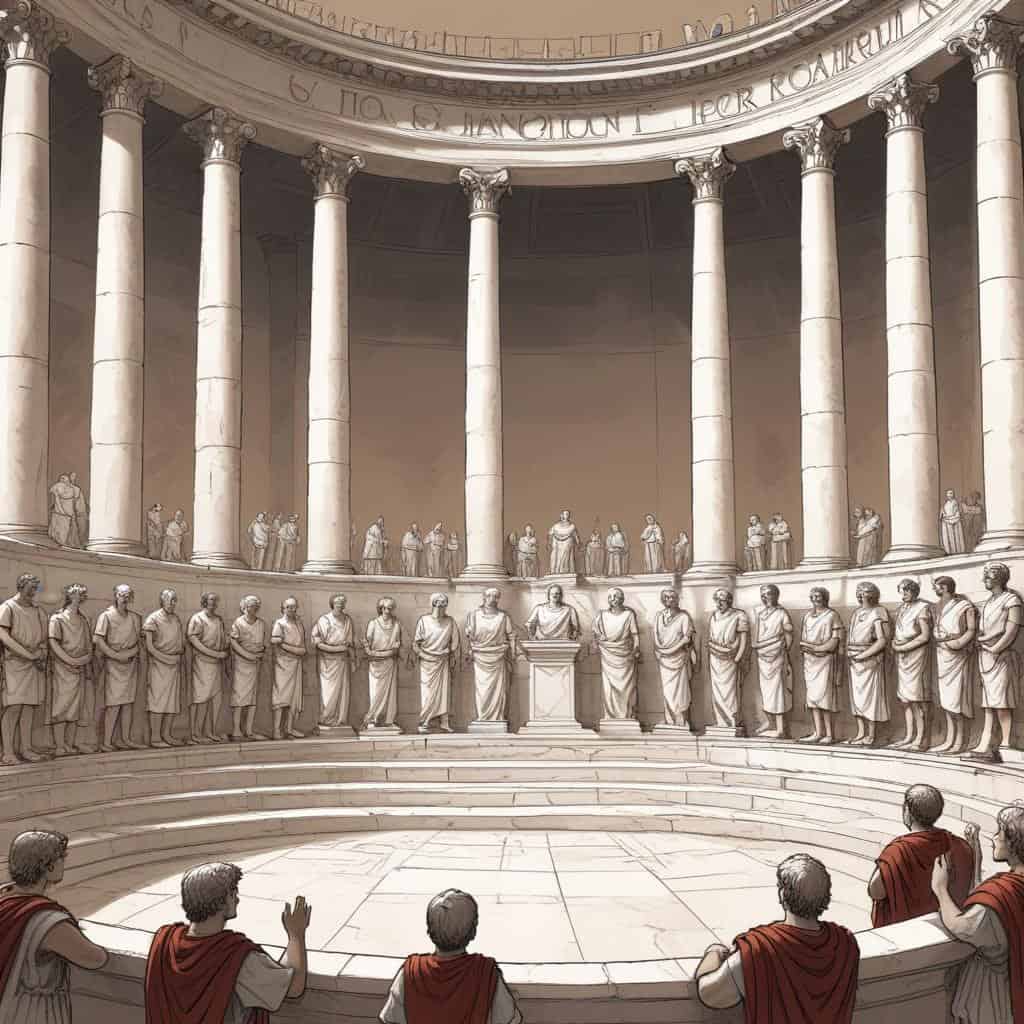
Introduction
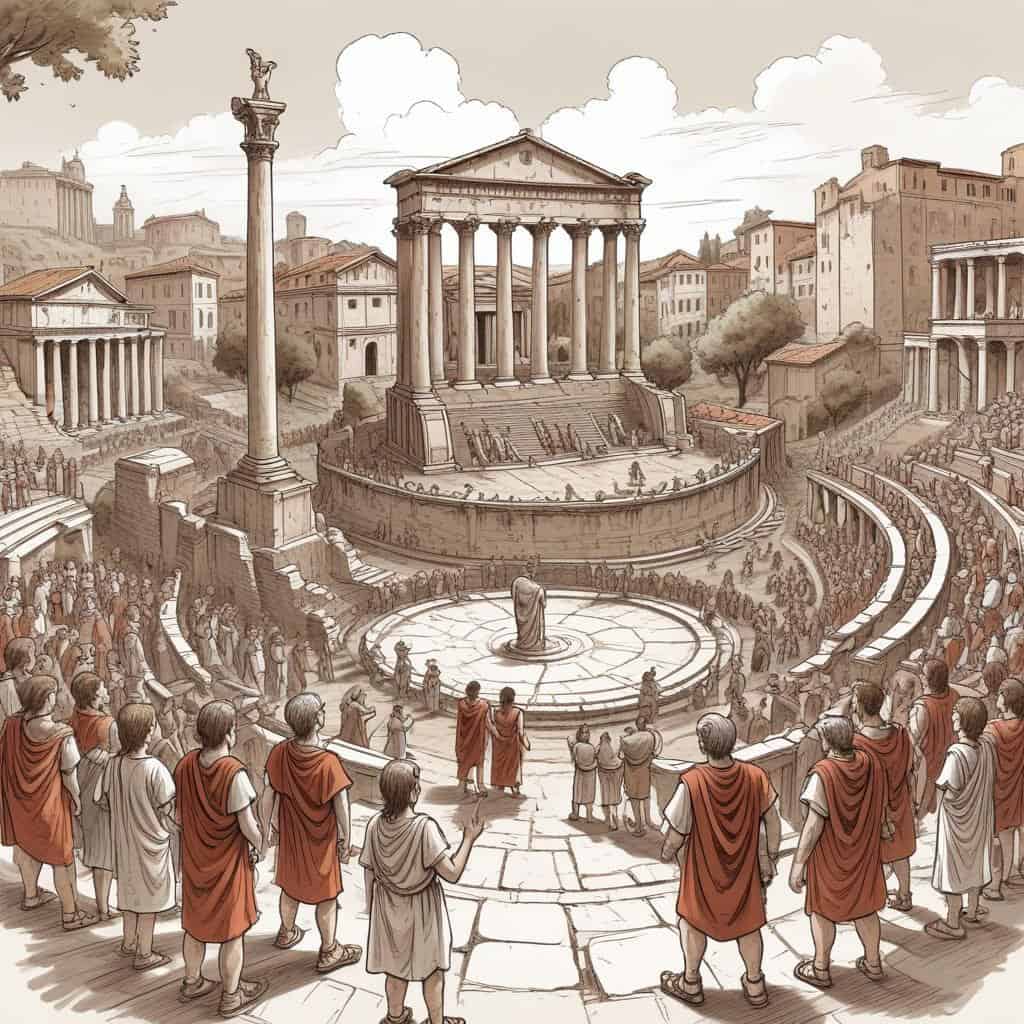
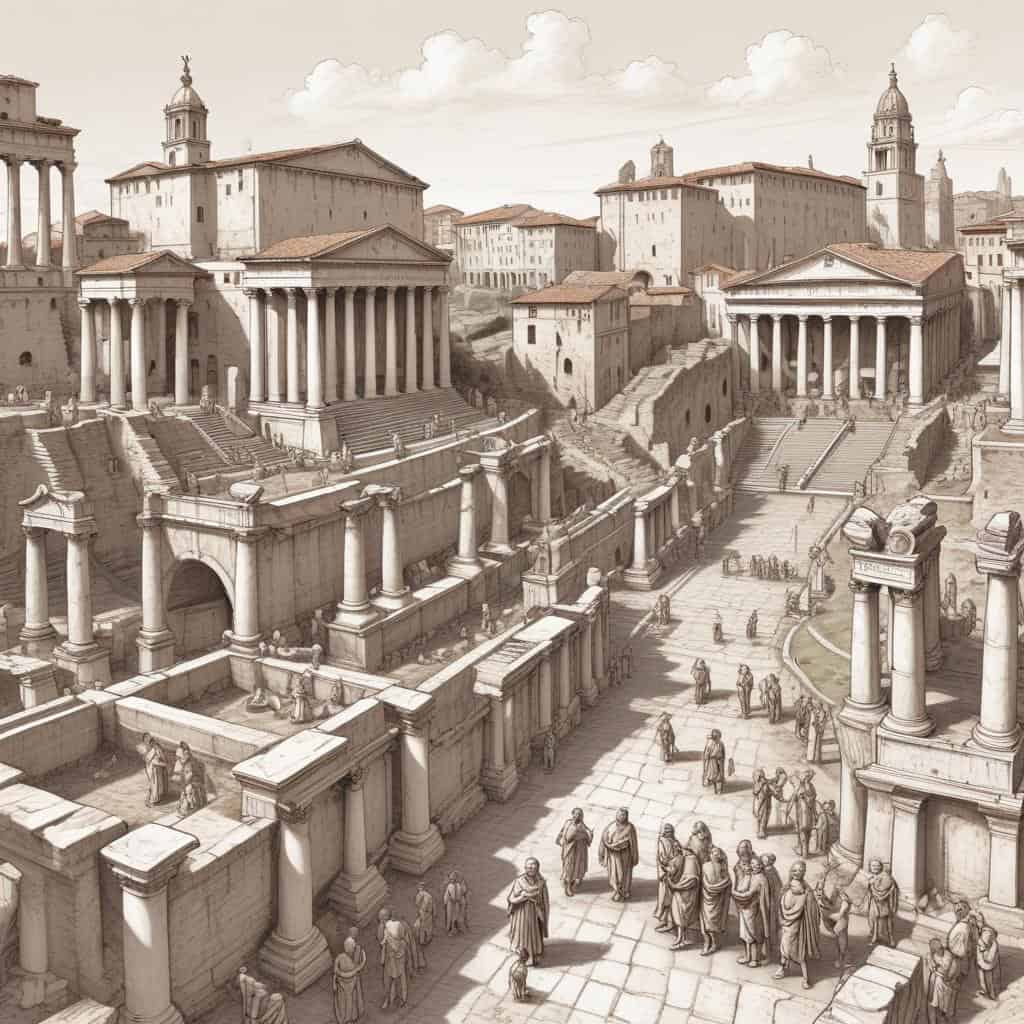

Scipio Africanus

Laelius

Philus
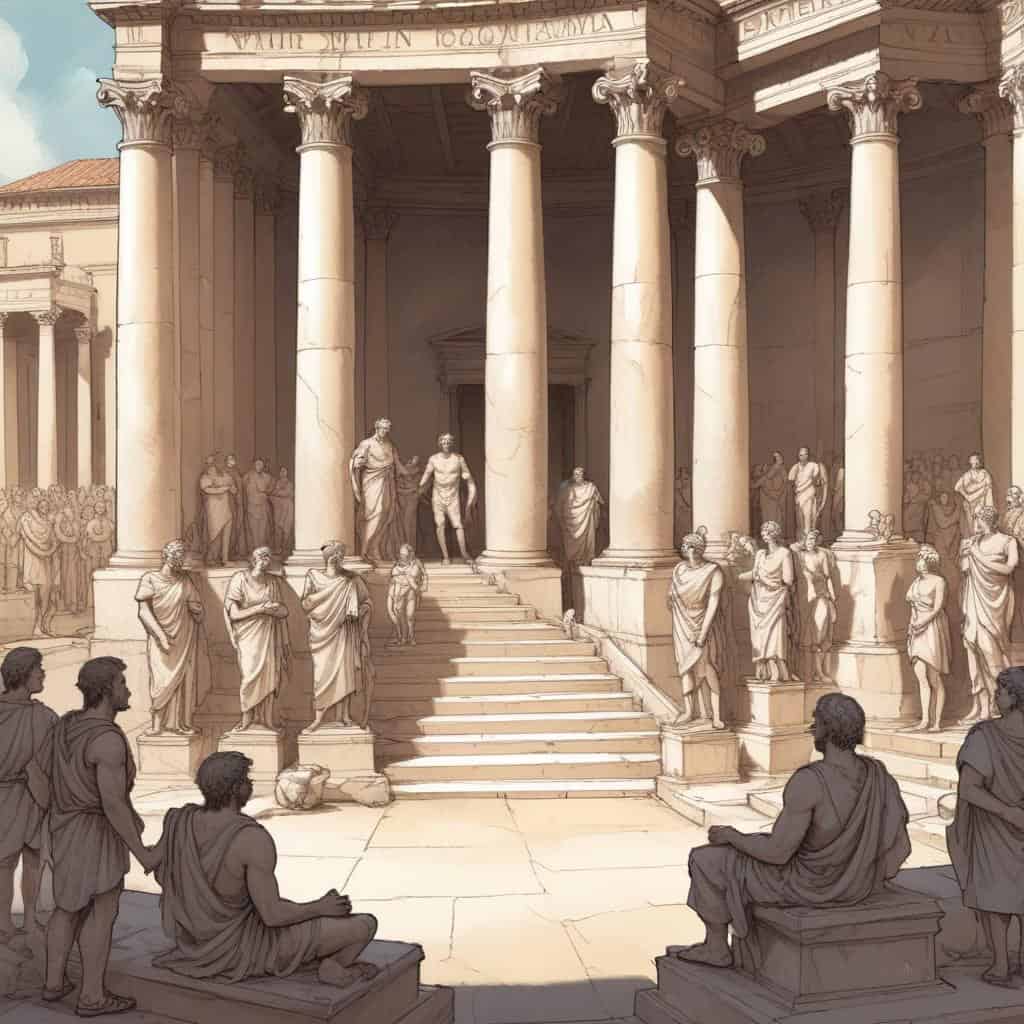
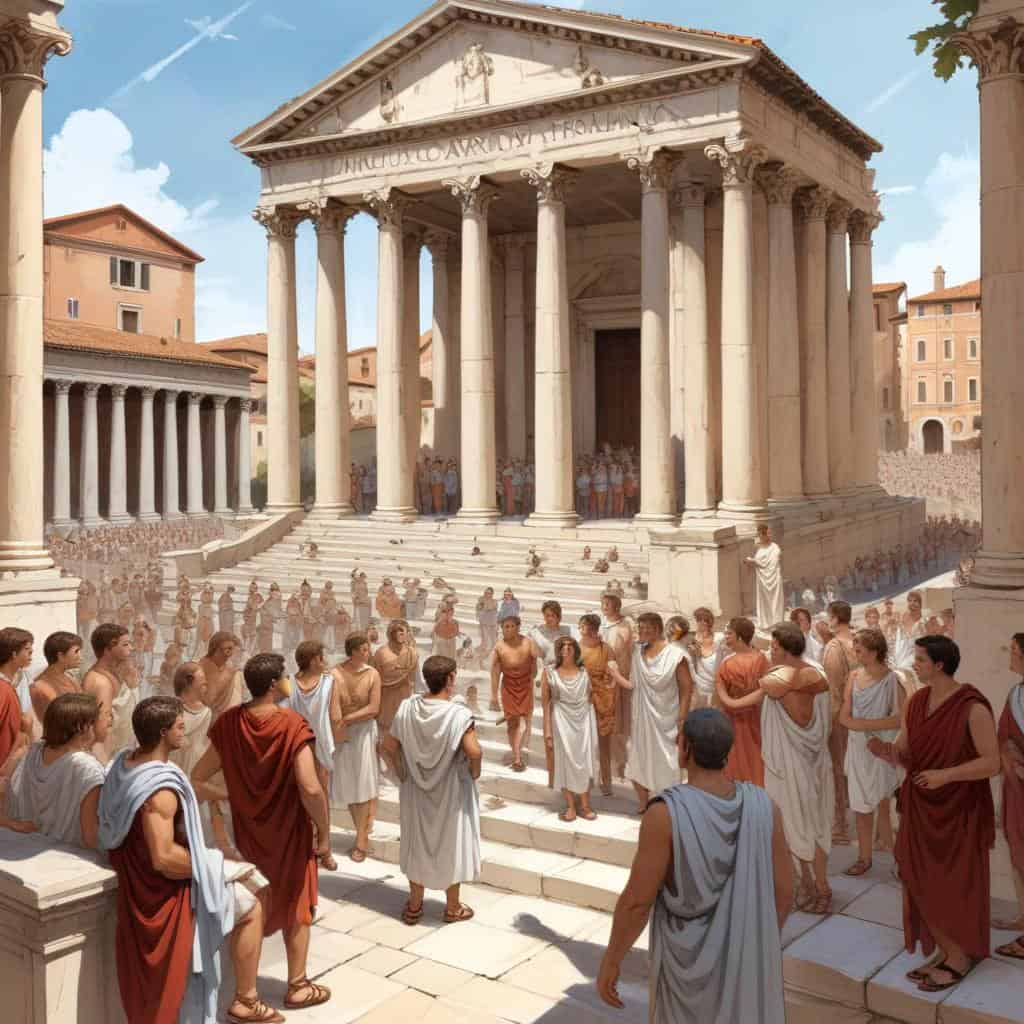
The Setting
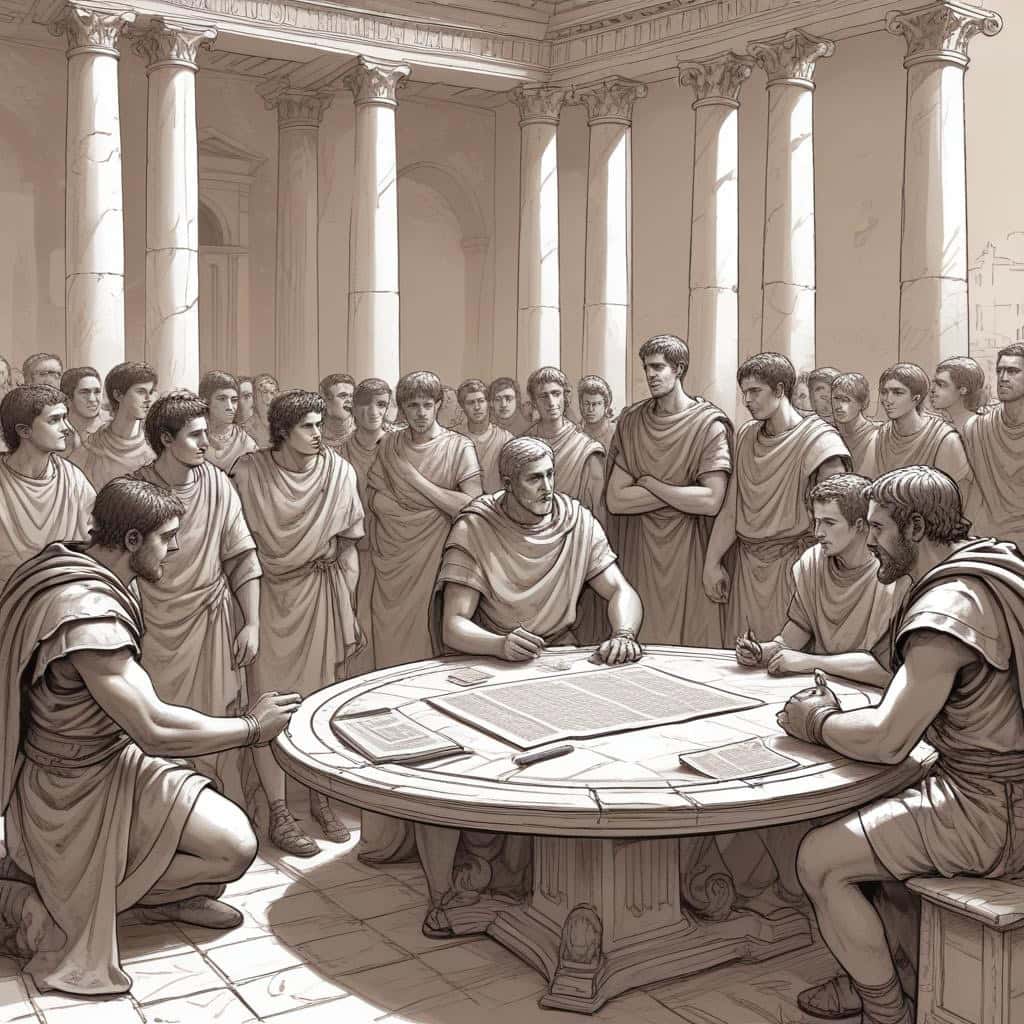
The Characters
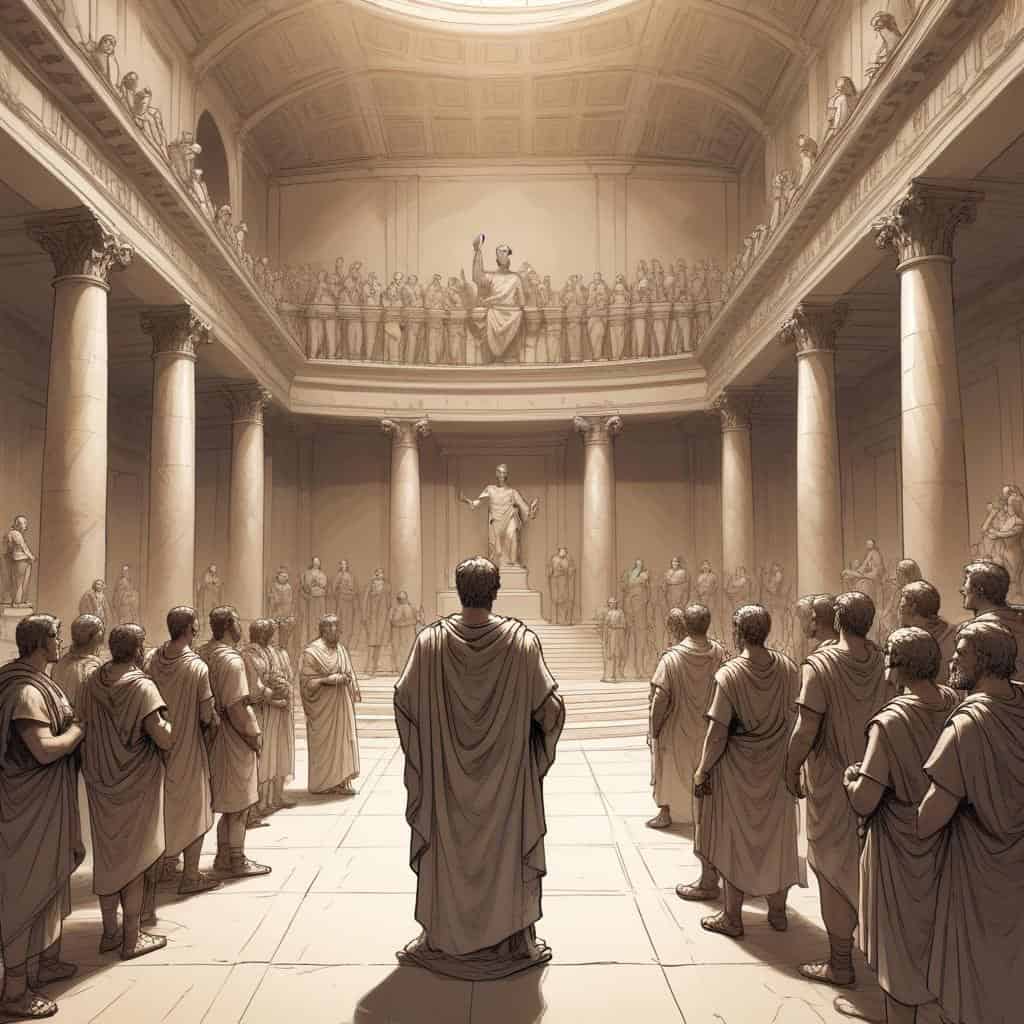
The Discussion Begins
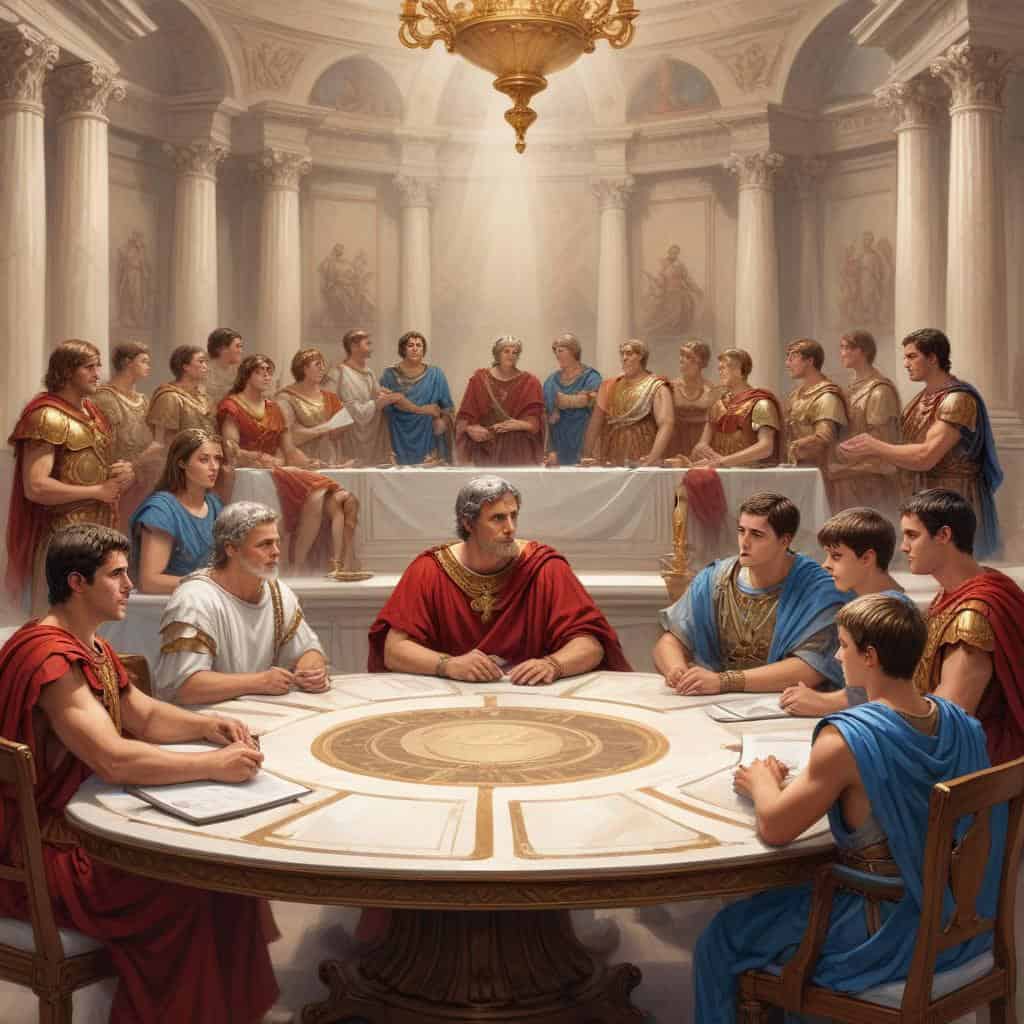
The Ideal State
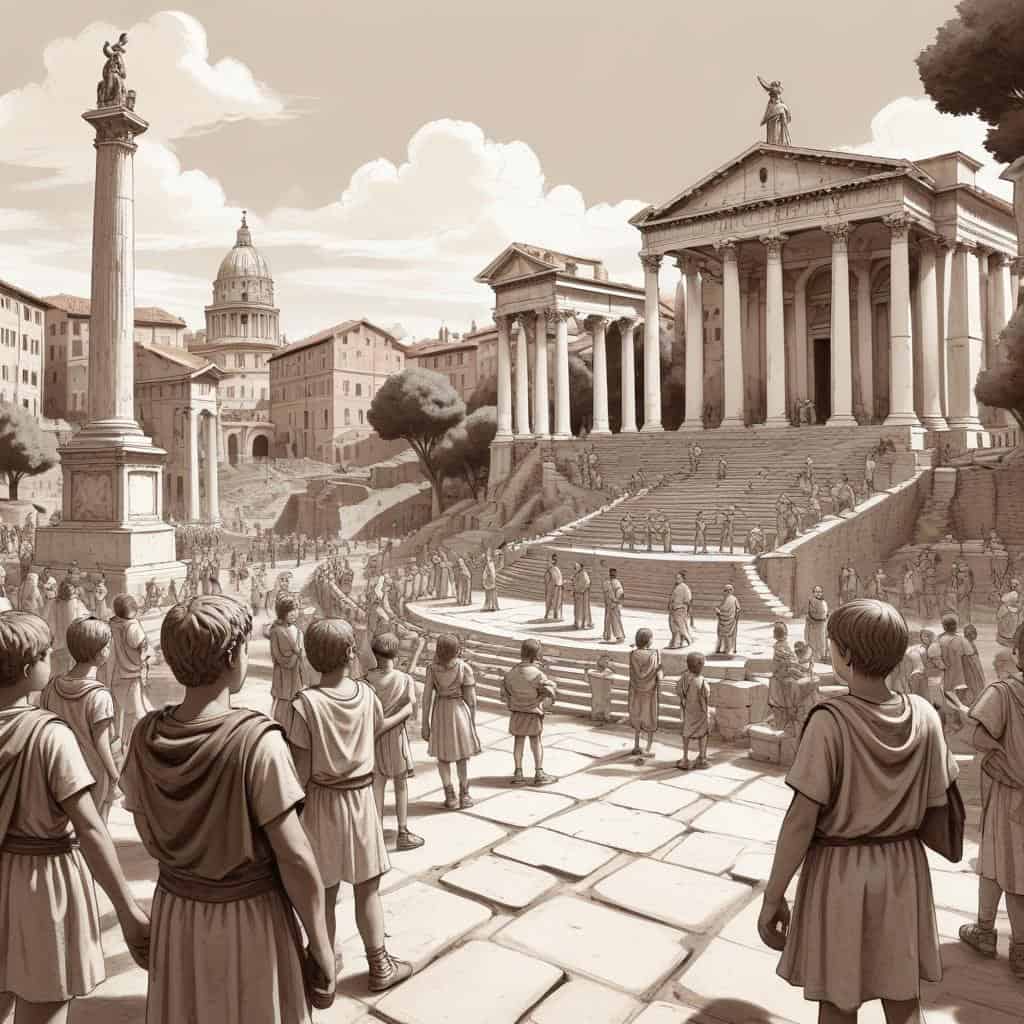
The Role of the Citizen
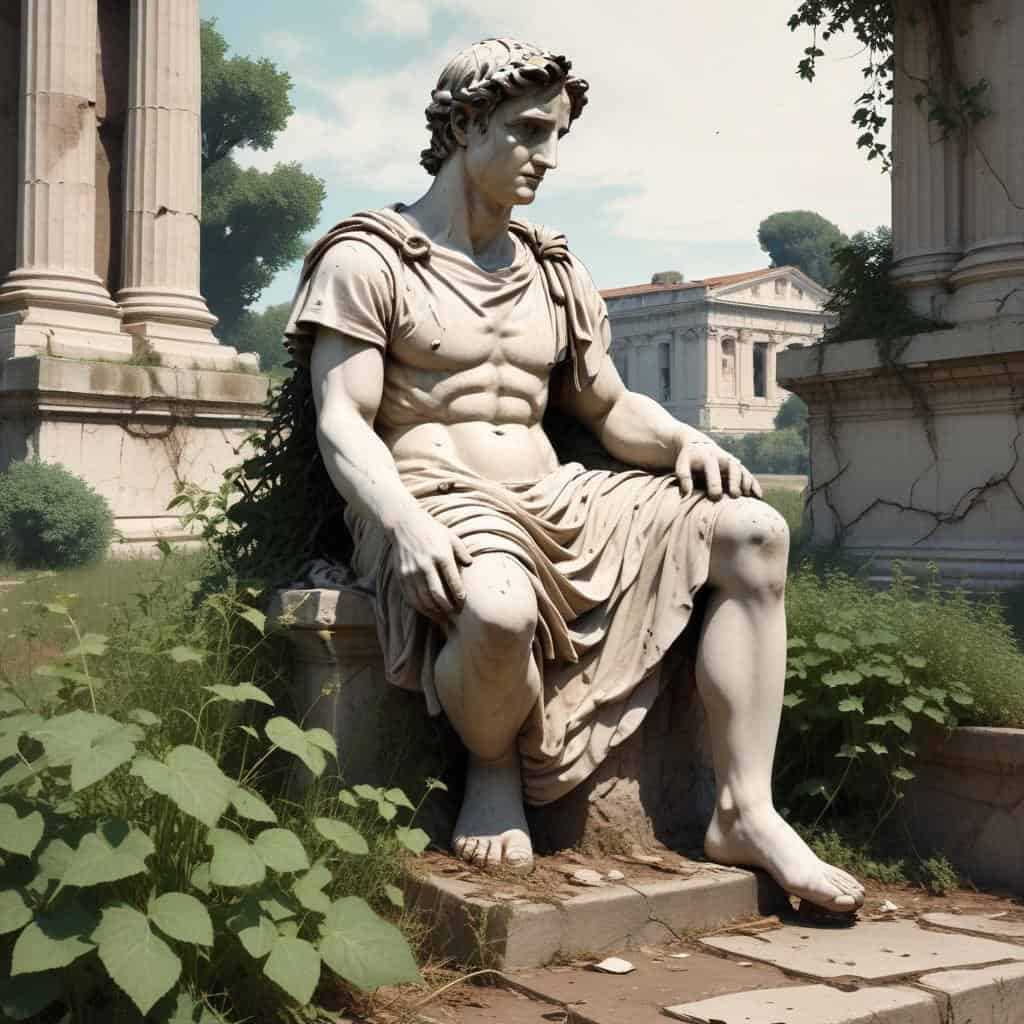
The Decline of Rome
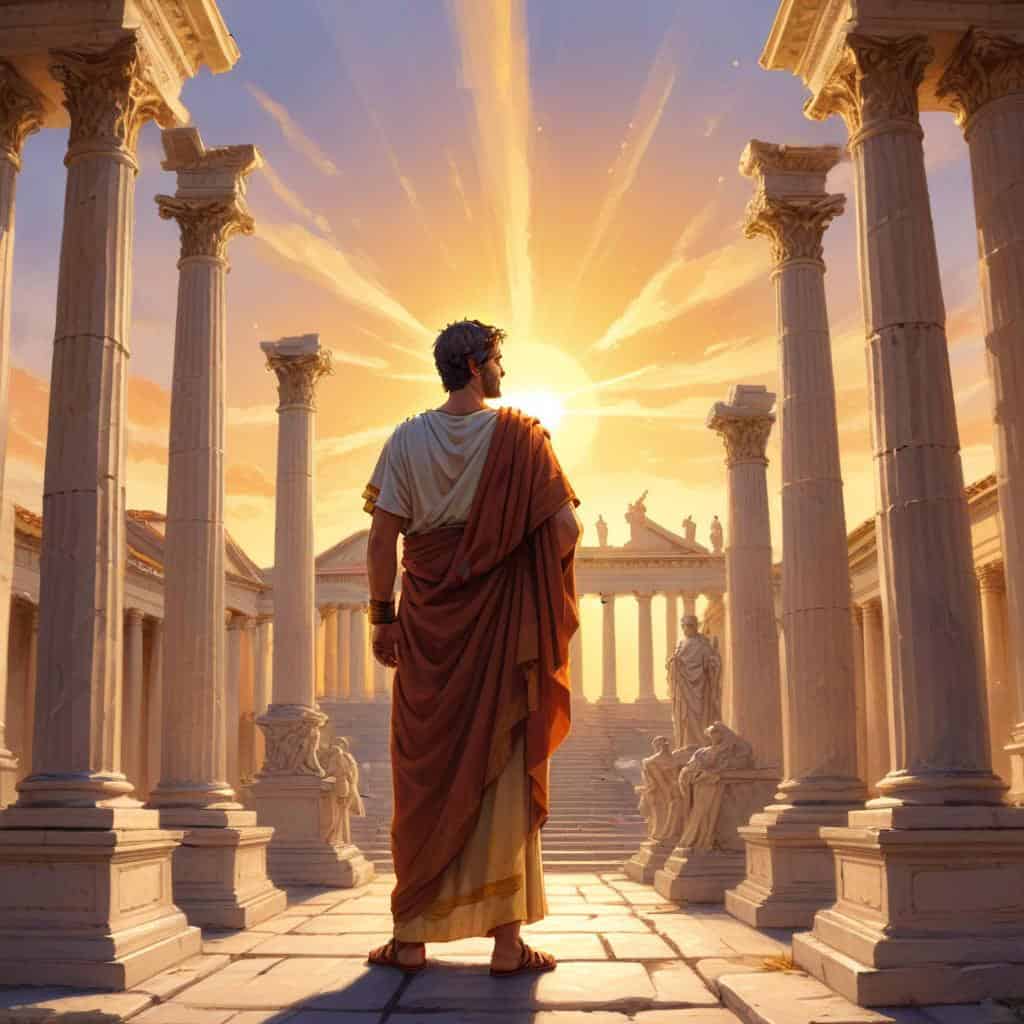
The Importance of Virtue
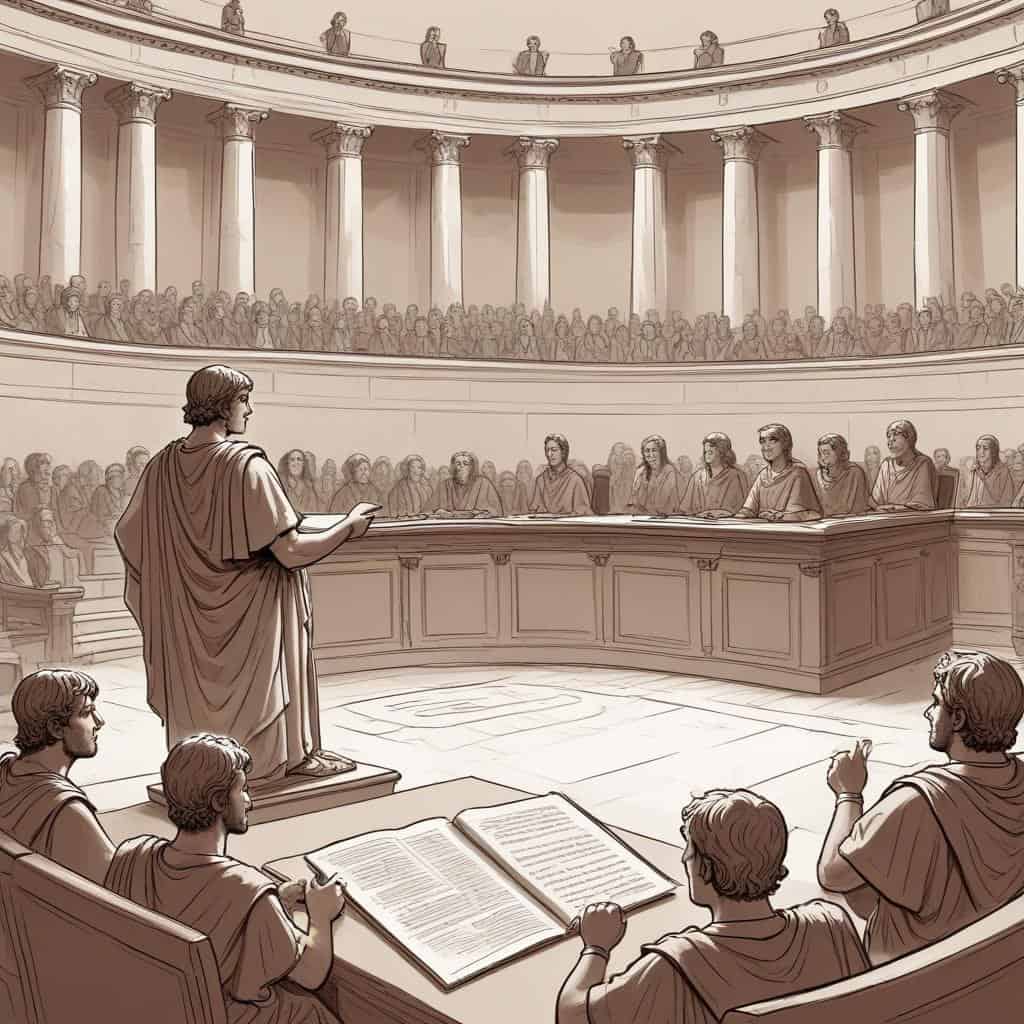
The Rule of Law
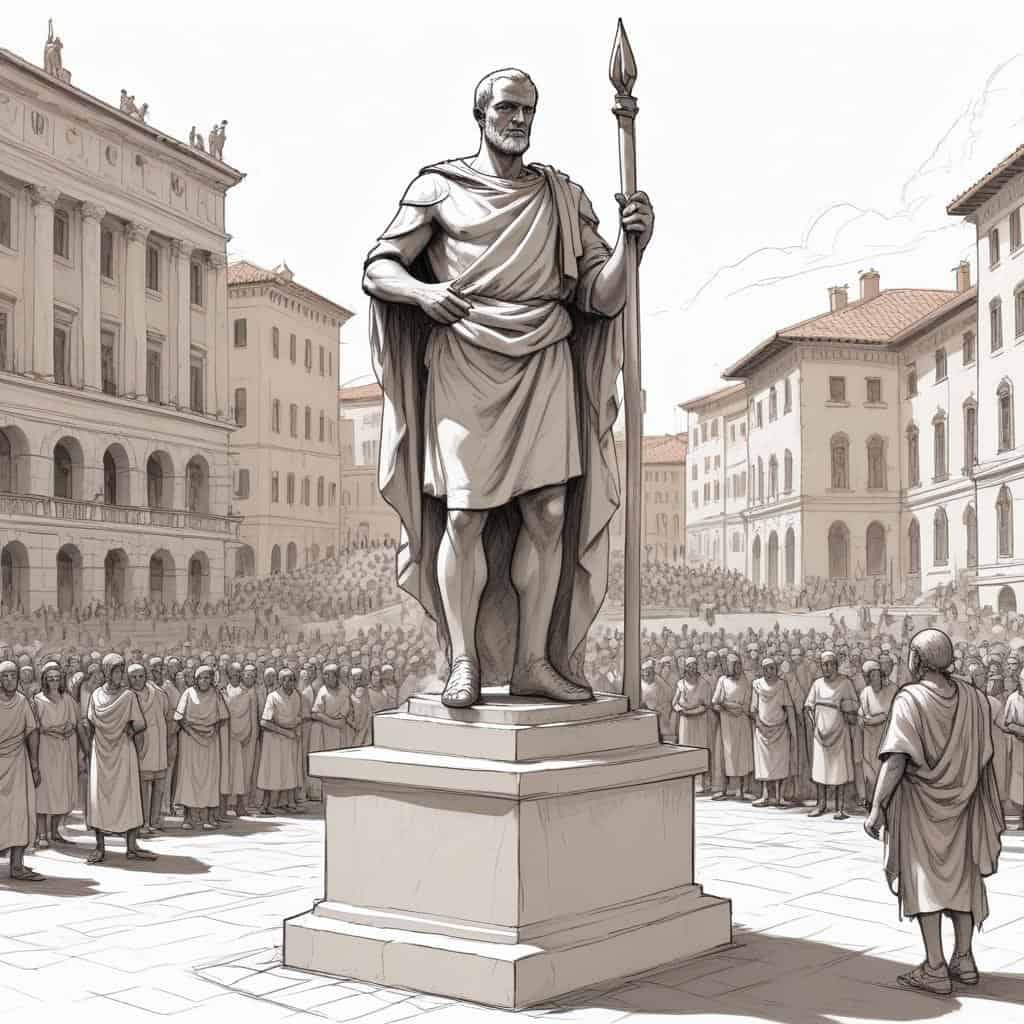
The Legacy of Scipio Africanus
Conclusion
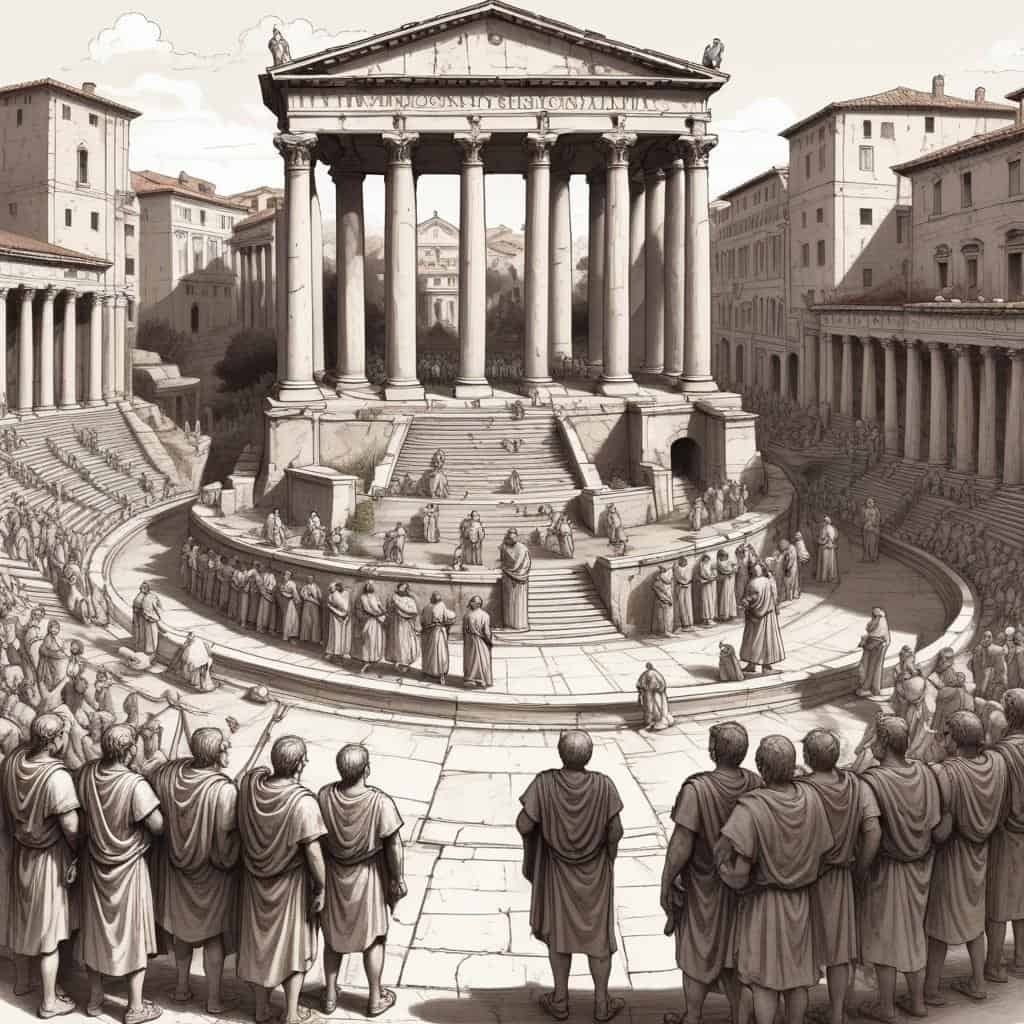
Lesson Details & Resources
In a Nutshell
- What: ‘De Re Publica’ by Cicero
- When: Written in the Roman Republic era
- Who: Marcus Tullius Cicero
- Theme: Political philosophy and the ideal state
List of Characters in De Re Publica
-
Marcus Tullius Cicero
Marcus Tullius Cicero is the main character and narrator of De Re Publica, a philosophical dialogue written by Cicero. He discusses the ideal form of government and the qualities of a good leader.
-
Scipio Aemilianus
Scipio Aemilianus is a character in De Re Publica who shares his views on justice and leadership. He is known for his military prowess and wisdom.
-
Laelius
Laelius is another character in De Re Publica who participates in the dialogue and offers his insights on governance and virtue.
Timeline of De Re Publica
Cicero writes De Re Publica around 54-51 BC, during a time of political instability in Rome.
The dialogue is set in 129 BC, during the time of Scipio Africanus and focuses on the nature of justice, the ideal state, and the characteristics of a good ruler.
Cicero introduces various characters who discuss different aspects of politics and philosophy.
The characters debate the merits of different forms of government, including monarchy, aristocracy, and democracy.
Cicero argues for a mixed constitution that combines elements of all three forms of government.
The dialogue ends with the character of Scipio outlining his vision of the ideal state, which emphasizes justice, morality, and the common good.
De Re Publica is considered one of Cicero's most important works on political philosophy and has influenced political thought for centuries.
Vocabulary List
- Res publica
- The Latin phrase meaning 'public affair' or 'commonwealth', used throughout the text to refer to the state or government.
- Virtue
- Cicero emphasizes the importance of virtue in governing the res publica, believing that only virtuous leaders can uphold justice and maintain order.
- Civic duty
- Citizens are expected to fulfill their civic duty by participating in the political process and serving the res publica.
- Justice
- Cicero argues that justice is the foundation of a well-ordered res publica, ensuring that each citizen receives their due.
- Constitution
- The text discusses various forms of government and their impact on the res publica, emphasizing the importance of a well-designed constitution.
- Rhetoric
- Cicero's skillful use of rhetoric is evident in his persuasive arguments about the res publica and the qualities of a good leader.
Key Facts
This is the information used in the fact matching game
- De Re Publica is a dialogue written by the Roman statesman Cicero in 54-51 BC.
- The dialogue is set in 129 BC and features a discussion among Cicero and several friends about the ideal form of government.
- De Re Publica is written in the form of a Socratic dialogue, with Cicero serving as the main speaker.
- The dialogue is divided into six books, each dealing with a different aspect of Roman politics and government.
- De Re Publica draws heavily on Greek political philosophy, particularly the works of Plato and Aristotle.
- Cicero discusses the nature of justice, the best form of government, and the duties of citizens in De Re Publica.
- De Re Publica is considered one of Cicero's most important works on political theory.
- The dialogue reflects Cicero's belief in the importance of virtue and moral integrity in government.
- De Re Publica was written during a period of political turmoil in Rome, with Cicero seeking to provide guidance on how to restore order and stability.
- The dialogue explores the concepts of justice, natural law, and the role of the state in promoting the common good.
- De Re Publica is written in a clear and accessible style, making it one of Cicero's most popular works.
- The dialogue has had a significant influence on Western political thought, with many later philosophers and statesmen drawing on its ideas.
- De Re Publica is often contrasted with Cicero's later work, De Officiis, which focuses on ethical duties and personal conduct.
- The dialogue features discussions on the nature of political authority, the relationship between the individual and the state, and the importance of civic virtue.
- De Re Publica is written in Latin, but has been translated into many languages and remains widely studied today.
- Cicero's ideas on the ideal form of government in De Re Publica have been compared to those of Plato's Republic and Aristotle's Politics.
- The dialogue includes passages on the importance of education, the role of the arts in society, and the duty of the ruler to promote the welfare of the people.
- De Re Publica is dedicated to Cicero's friend and fellow statesman, Atticus, who is portrayed as one of the interlocutors in the dialogue.
- The dialogue ends with the character of Scipio Africanus delivering a vision of the afterlife, emphasizing the importance of living a virtuous and just life.
- De Re Publica has been praised for its literary style, philosophical depth, and relevance to contemporary political debates.
Analysis & Significance
Impact on Literature
De Re Publica, written by Cicero, is a foundational work in political philosophy that has influenced countless writers and thinkers throughout history. Its exploration of the ideal state and the role of the individual in society has shaped the way that political themes are portrayed in literature.
Enduring Themes
The timeless themes of justice, power, and morality explored in De Re Publica continue to resonate with modern audiences. The work raises questions about the nature of government and the responsibilities of citizens, themes that are still relevant in today’s society.
Cultural Significance Today
De Re Publica’s legacy can be seen in its influence on political thought and its numerous adaptations in literature, theater, and film. The work’s ideas about democracy, leadership, and the common good continue to be debated and explored in contemporary culture, making it a vital piece of literature with ongoing relevance.
De Re Publica Games


Take Your Learning Offline
Want a convenient, print-ready study guide for this lesson? Become a Memory Wizards Pro member to unlock the downloadable " Memory Scrolls" for this topic and our entire library!
- ✓ Complete Vocabulary Lists
- ✓ Key Facts & Timelines
- ✓ Beautifully Formatted for Print & Mobile