
How Do You Learn Best?
Learn by Reading
Immerse yourself in the 10-minute visual lesson for a comprehensive understanding of the topic.
Learn by Reviewing
Jump directly to the key facts, timeline, and vocabulary lists to build a solid foundation of details.
Learn by Doing
Challenge yourself! Jump straight into the interactive games to learn by trial, error, and discovery.
De Oratore in 10 Minutes
Introduction


Marcus Tullius Cicero
Crassus

Antonius
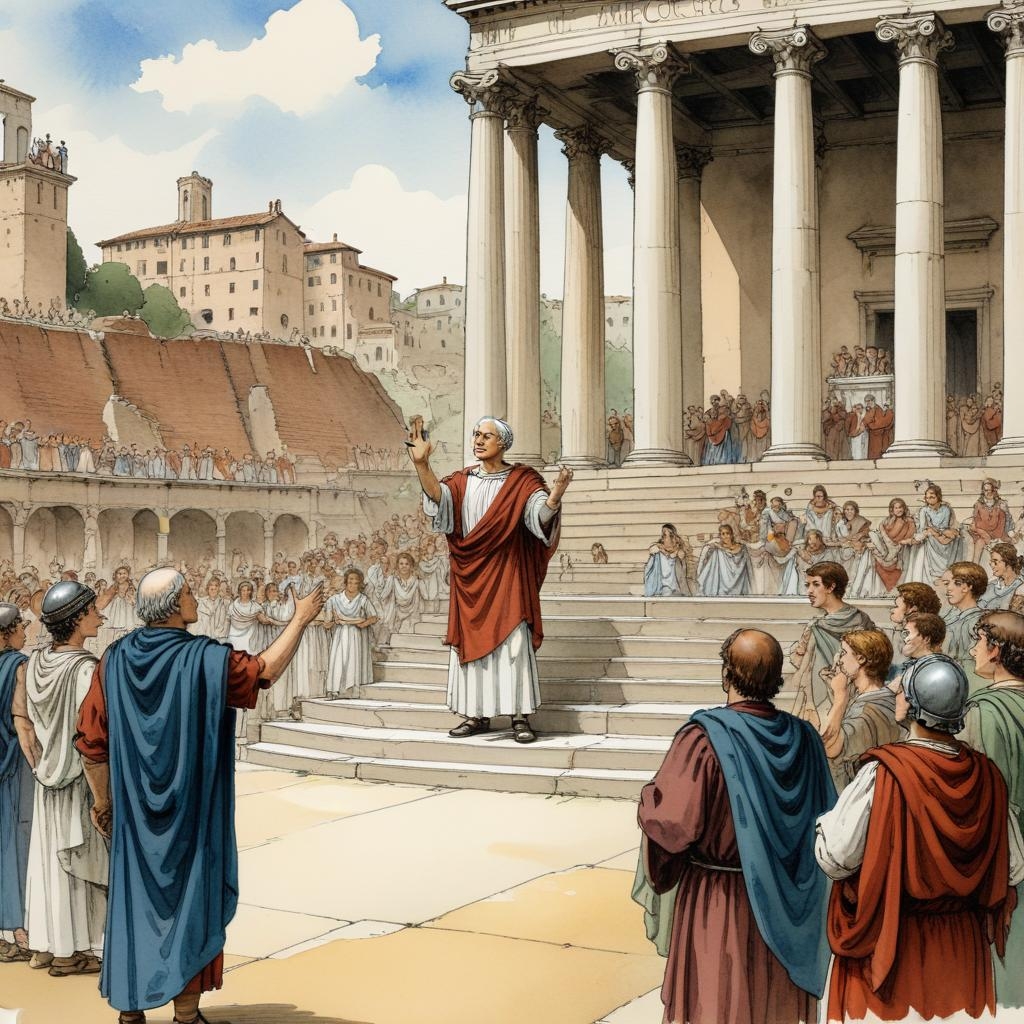
The Introduction of De Oratore
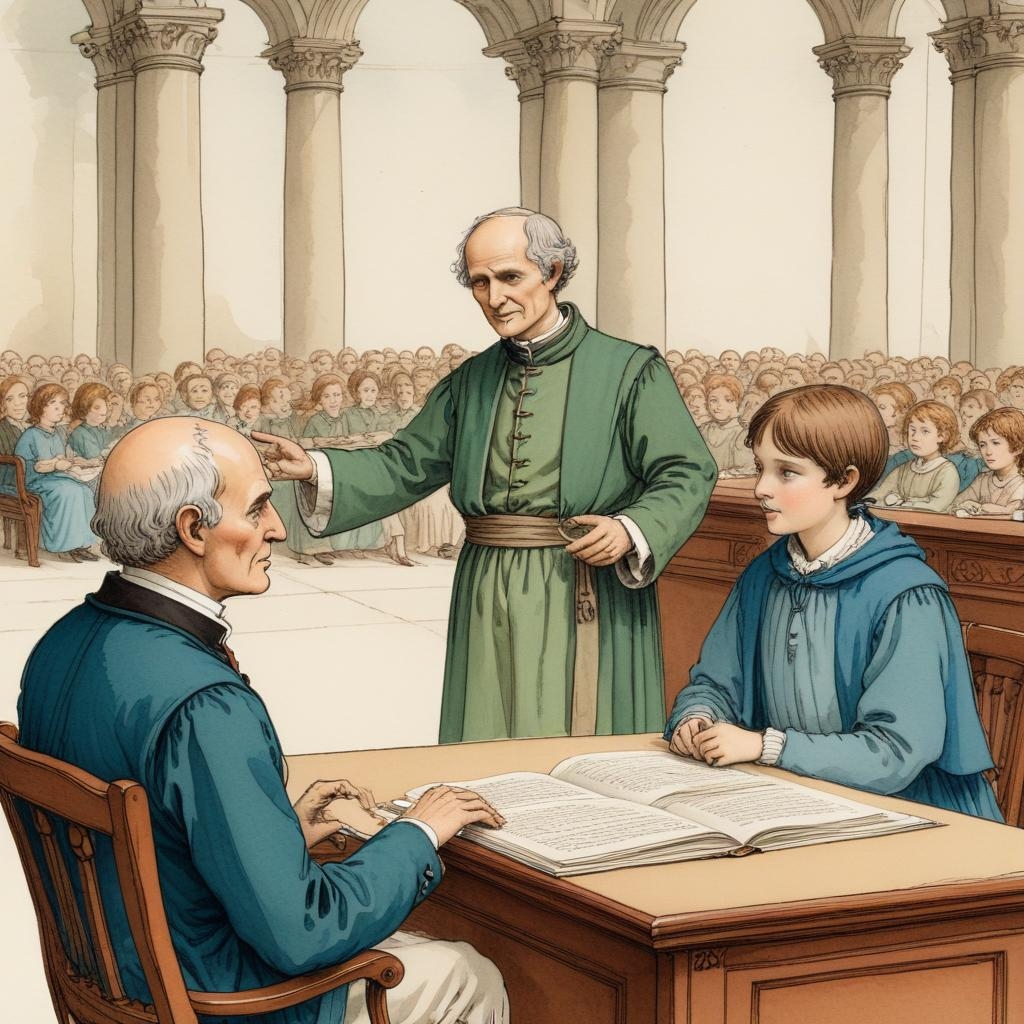
The Importance of Eloquence
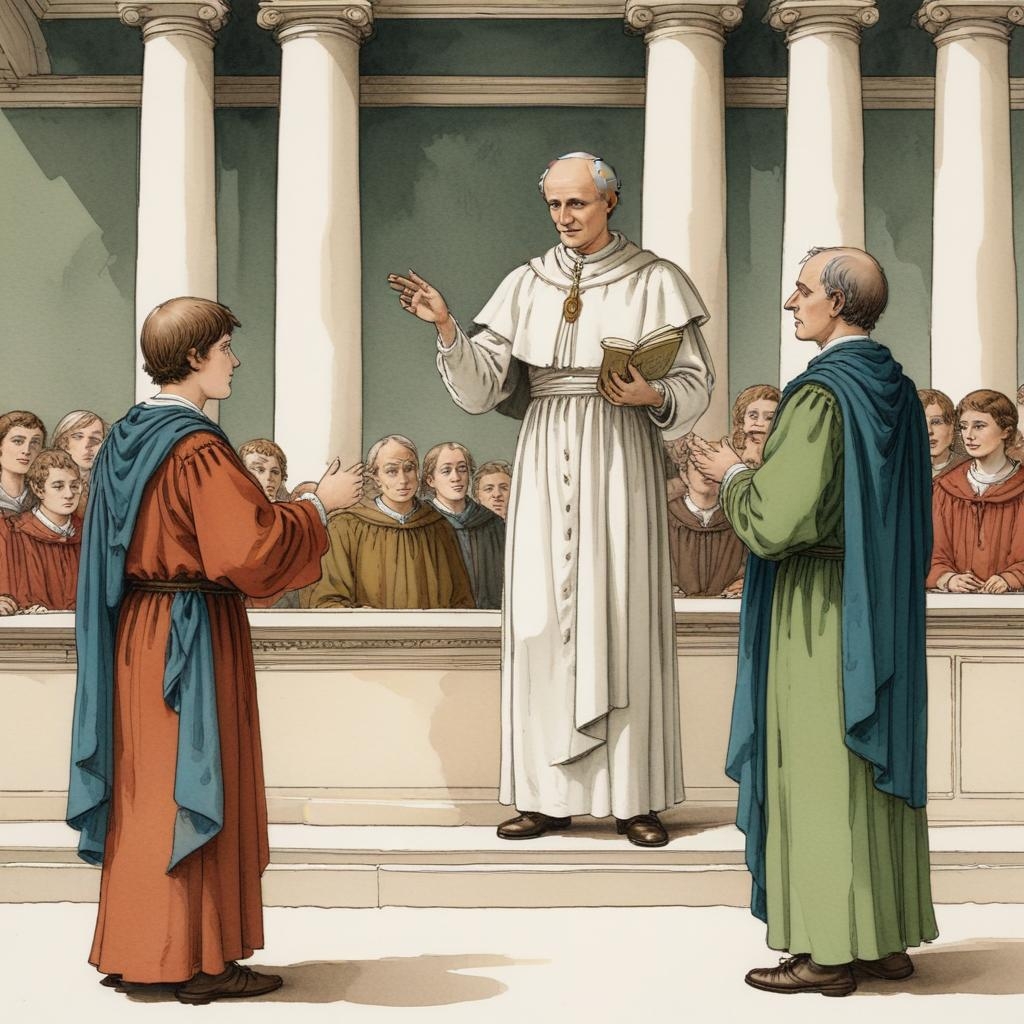
The Three Styles of Oratory
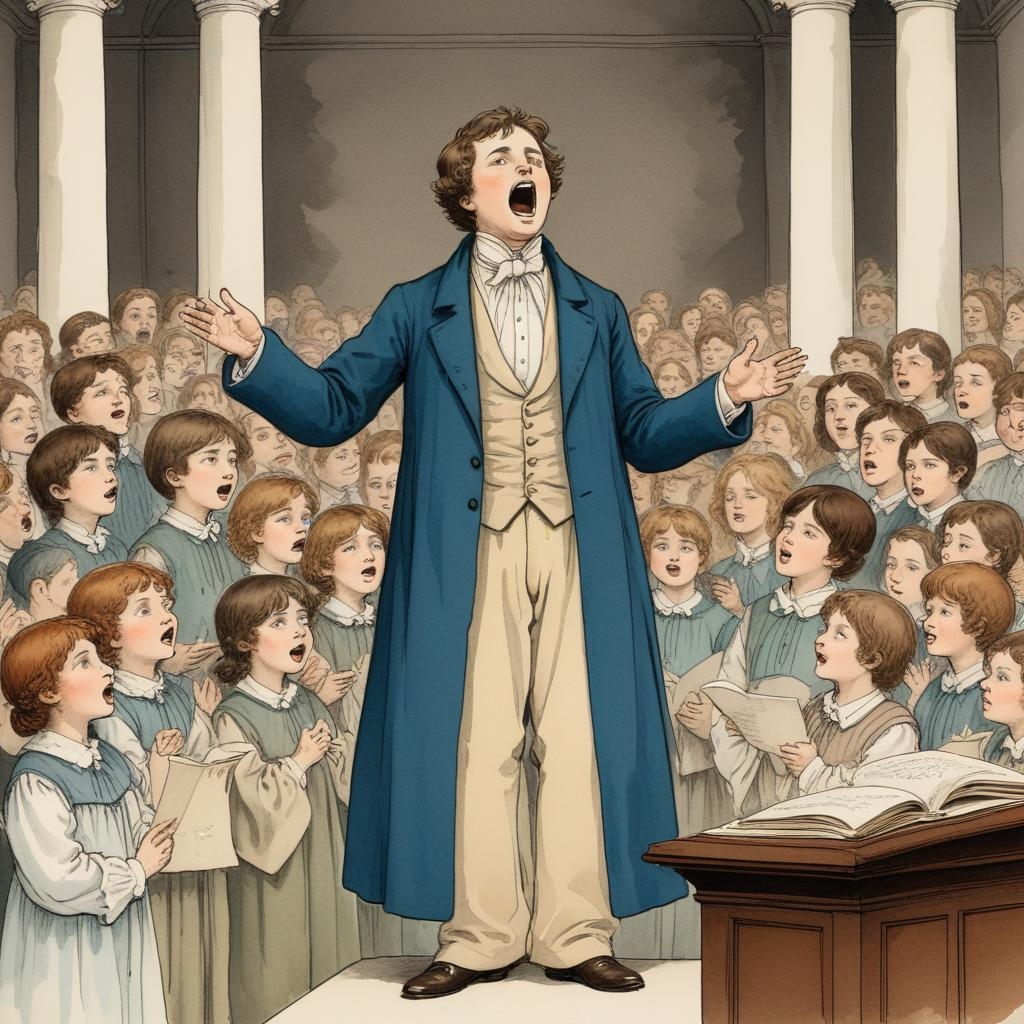
The Role of Emotion in Oratory

The Importance of Delivery
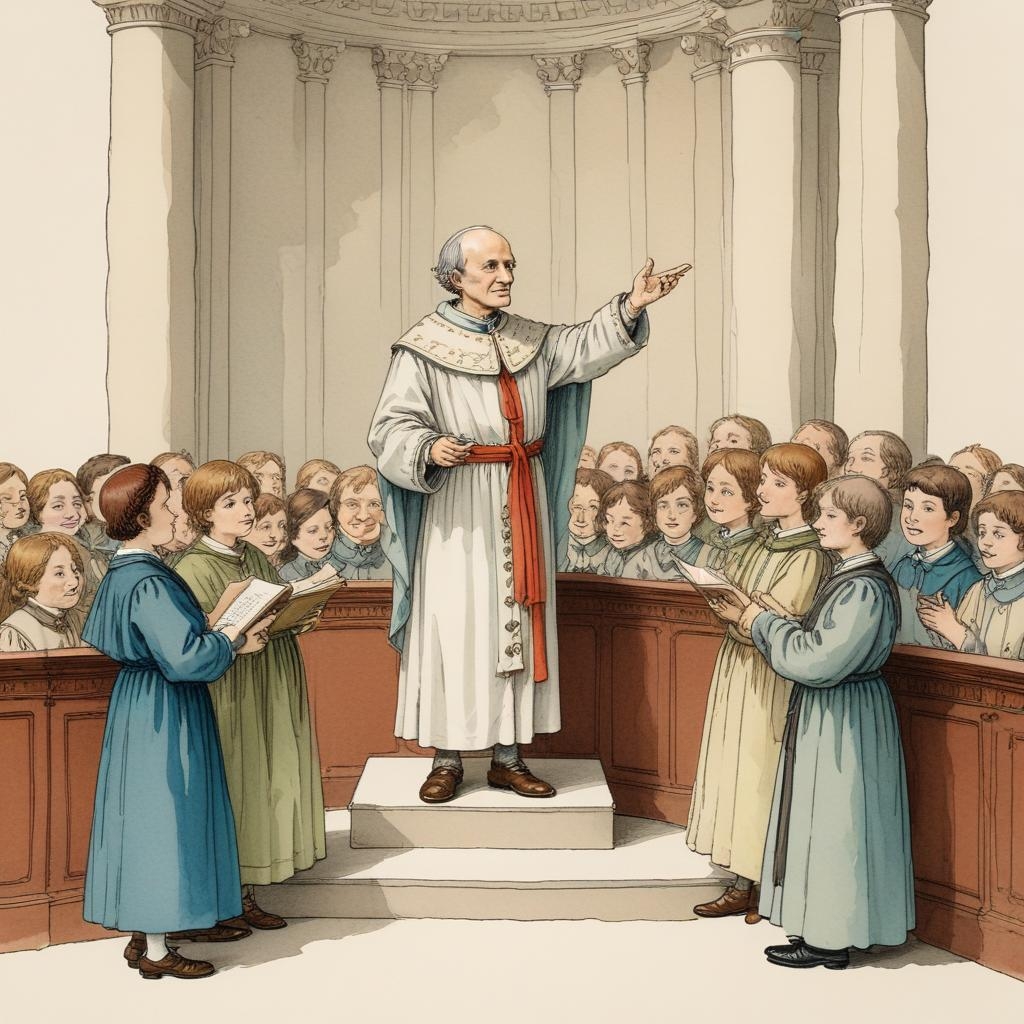
The Use of Wit and Humor
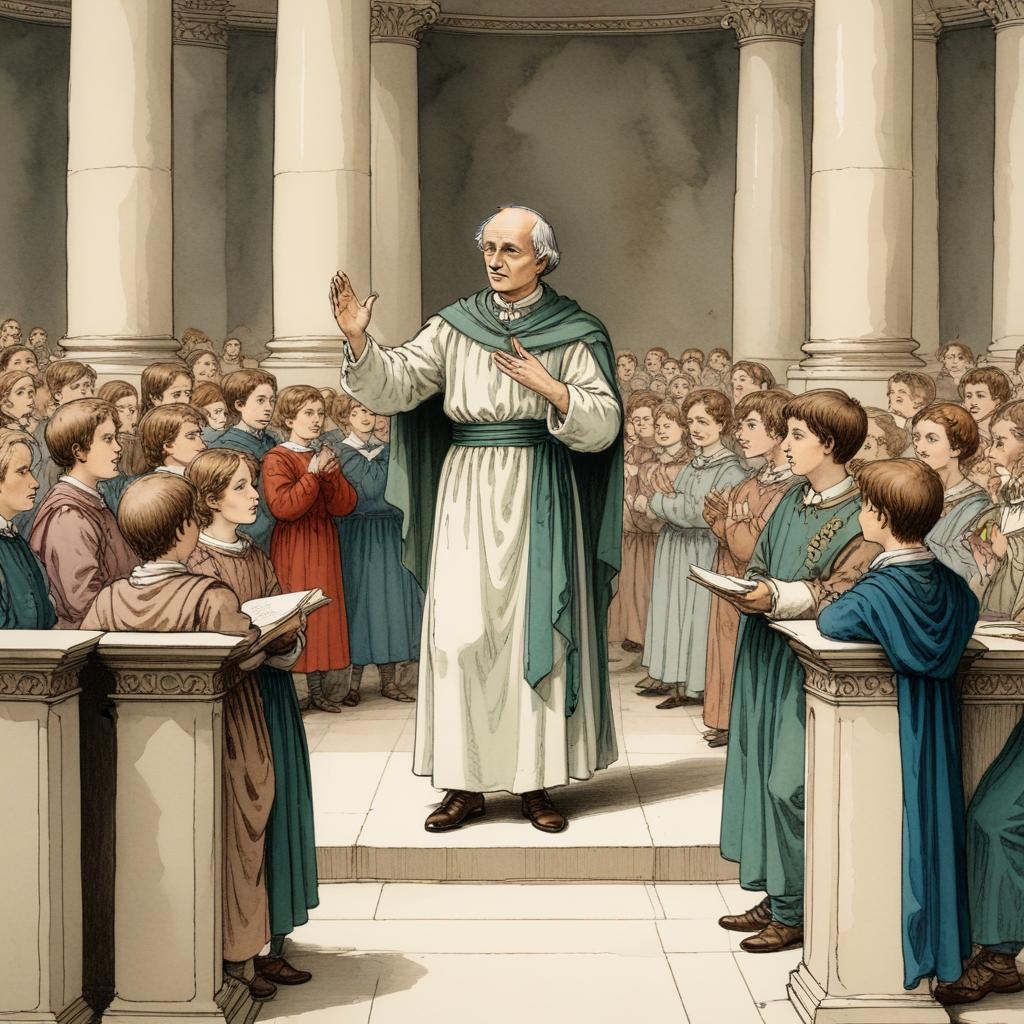
The Art of Refutation
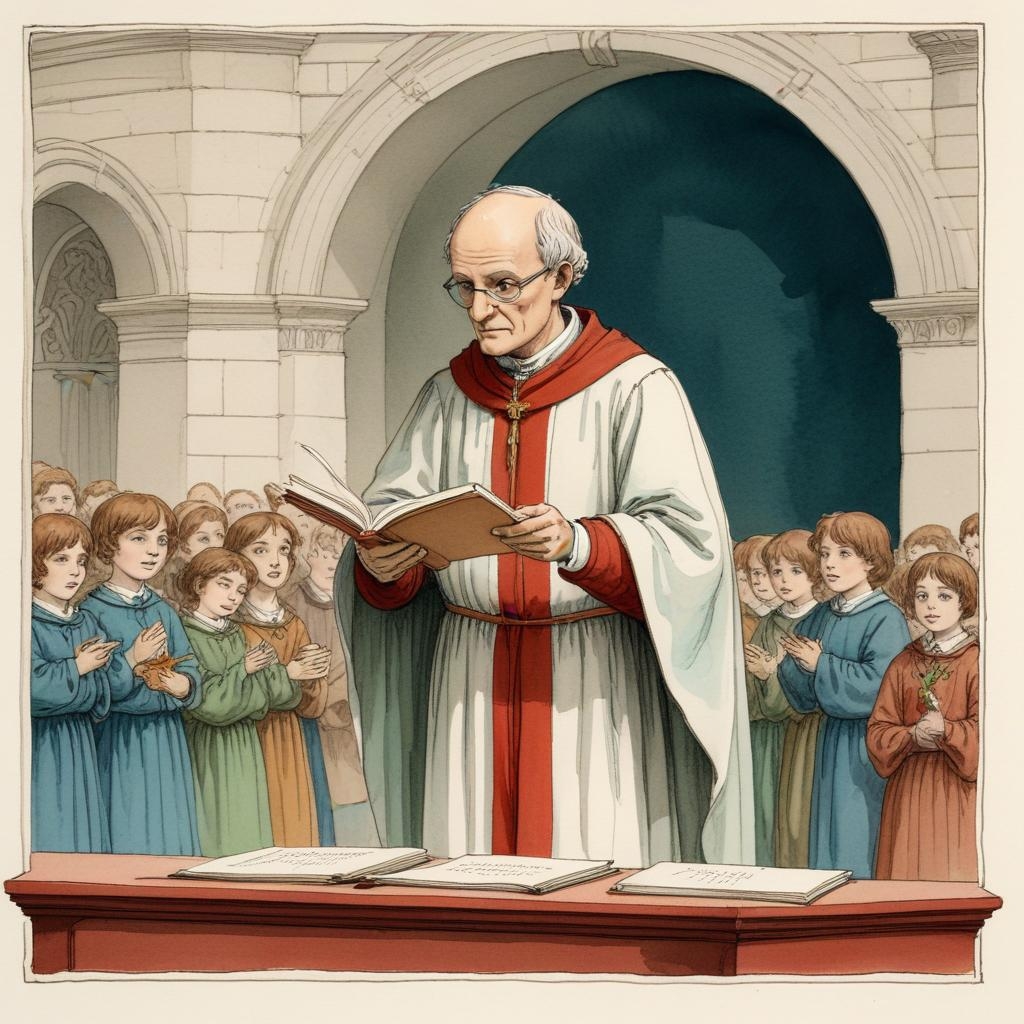
The Importance of Memory
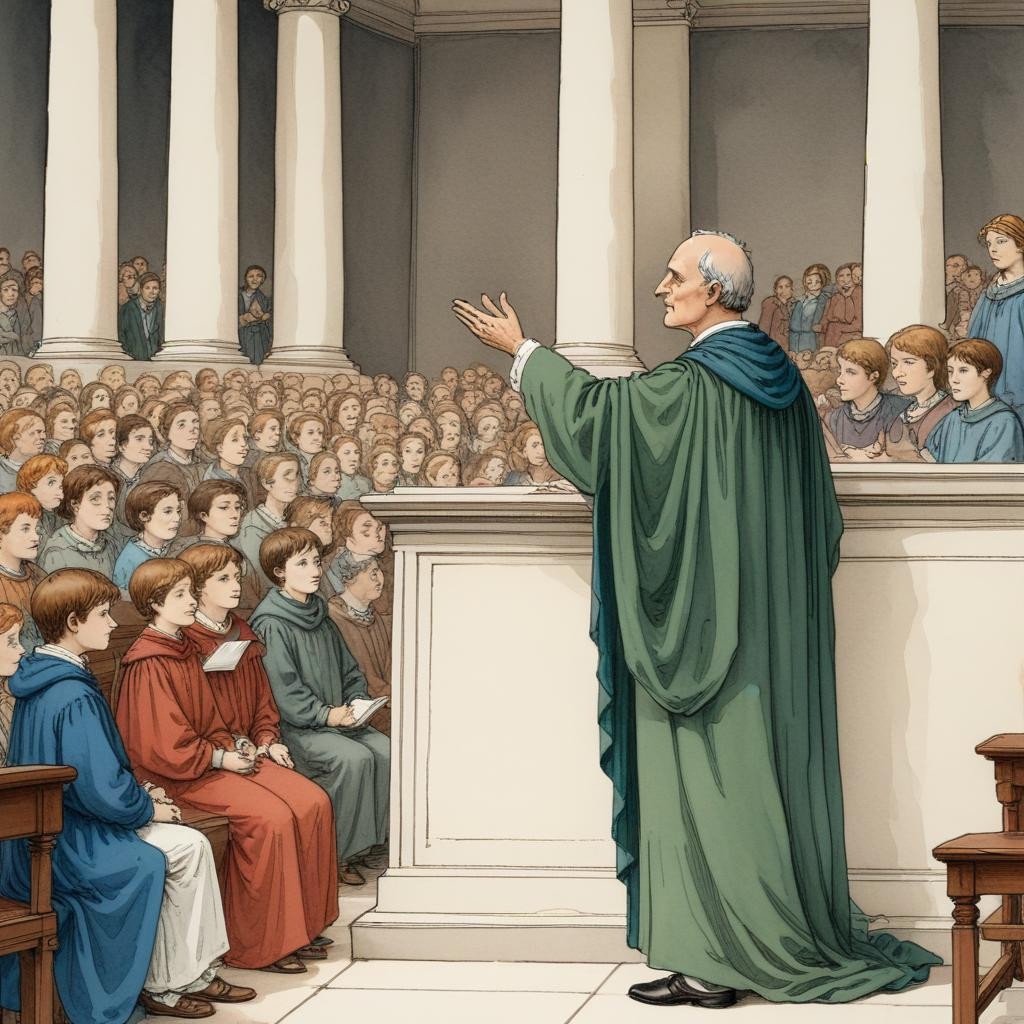
The Role of Ethics in Oratory
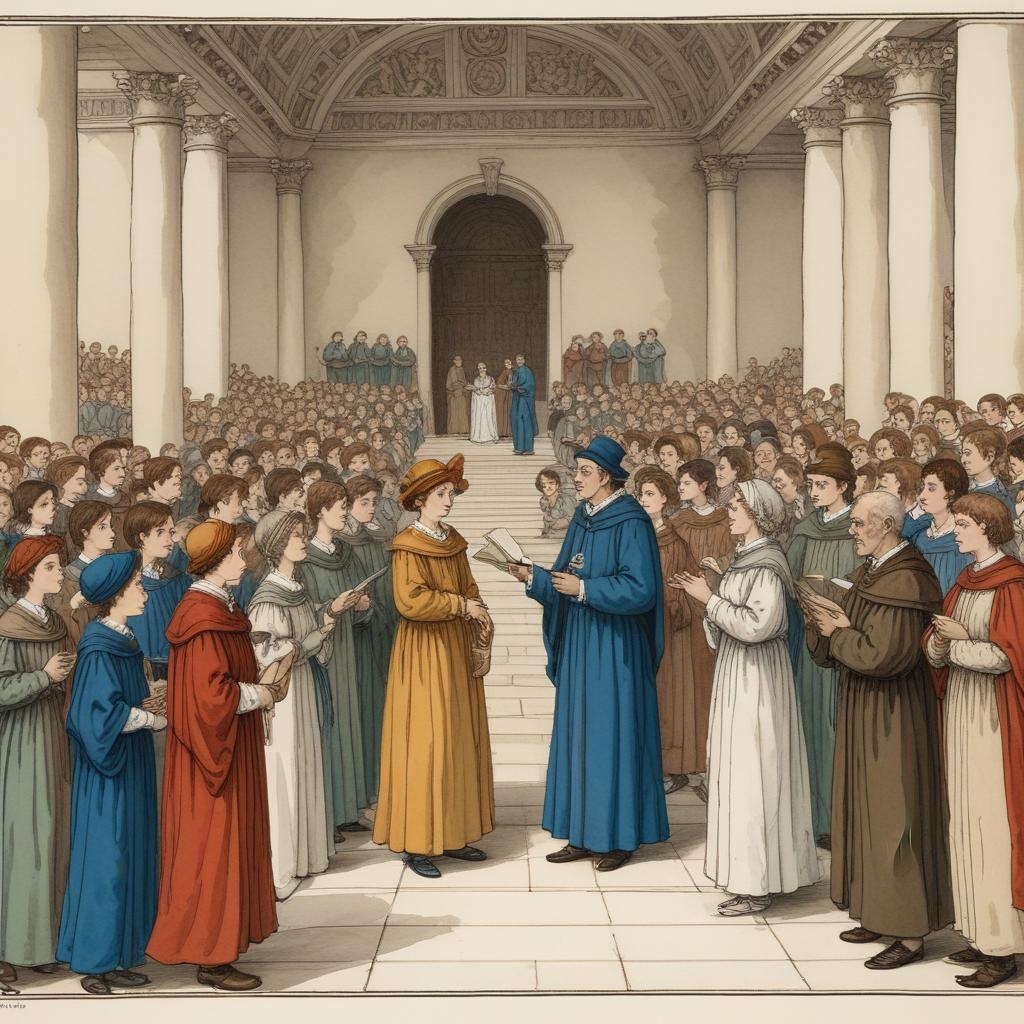
The Legacy of De Oratore
Lesson Details & Resources
In a Nutshell
- What: ‘De Oratore’ by Cicero
- When: Written in the Roman Republic era
- Who: Main characters include Cicero
- Theme: The importance of rhetoric and oratory in public life
List of Characters in De Oratore
-
Array
De Oratore is a dialogue written by Cicero in which he discusses the ideal orator and the art of rhetoric.
-
Array
The characters in De Oratore engage in philosophical discussions about the role of oratory in Roman society and politics.
-
Array
Through the characters in De Oratore, Cicero explores the importance of eloquence, persuasion, and ethics in public speaking.
Timeline of De Oratore
Cicero delivers a series of lectures on oratory in Rome, discussing the importance of rhetoric in public life.
Cicero argues that orators must possess both knowledge and eloquence in order to persuade their audience.
Cicero discusses the three types of oratory: judicial, deliberative, and epideictic.
Cicero emphasizes the importance of using reason and emotion in persuasive speech.
Cicero argues that orators must be well-versed in a variety of subjects in order to be persuasive.
Cicero discusses the role of the orator in society, emphasizing the importance of ethical behavior and moral character.
Cicero concludes his lectures by stressing the importance of oratory in public life and encouraging his audience to become skilled orators.
De Oratore is published posthumously after Cicero's death, becoming a classic text on the art of rhetoric.
Vocabulary List
- Eloquence
- Cicero discusses the importance of eloquence in persuasive speech.
- Rhetoric
- Cicero emphasizes the role of rhetoric in effective communication.
- Oratory
- The book explores the principles of effective oratory.
- Persuasion
- Cicero provides techniques for mastering the art of persuasion.
- Argumentation
- The text delves into the strategies of effective argumentation in debate.
- Ethos
- Cicero discusses the importance of establishing ethos in persuasive speaking.
- Pathos
- The book explores how to effectively appeal to the audience's emotions through pathos.
- Logos
- Cicero explains the role of logical reasoning, or logos, in constructing persuasive arguments.
- Discourse
- The text examines the structure and delivery of persuasive discourse.
- Audience
- Cicero emphasizes the importance of understanding and engaging with the audience in oratory.
- Debate
- The book provides insights into the strategies and tactics of effective debate.
Key Facts
This is the information used in the fact matching game
- De Oratore is a dialogue written by Cicero in 55 BCE, discussing the ideal orator and the art of rhetoric.
- The dialogue is set in 91 BCE, during a time of political instability in Rome.
- De Oratore is divided into three books, each focusing on different aspects of rhetoric and oratory.
- Cicero draws on the teachings of Greek philosophers and rhetoricians in De Oratore.
- The character Crassus, one of the speakers in the dialogue, is based on the real-life Roman orator Lucius Licinius Crassus.
- De Oratore discusses the importance of ethos, logos, and pathos in persuasive speech.
- Cicero argues that the ideal orator must be knowledgeable in a wide range of subjects, including law, history, and philosophy.
- De Oratore also emphasizes the importance of delivery and style in effective oratory.
- Cicero believed that oratory was a crucial skill for statesmen and politicians in ancient Rome.
- De Oratore influenced later Renaissance writers and thinkers, such as Petrarch and Erasmus.
- Cicero's views on rhetoric in De Oratore were influenced by his own experiences as a lawyer and politician.
- De Oratore is considered one of Cicero's most important works on rhetoric and oratory.
- The dialogue explores the role of emotions and character in persuasive speech.
- De Oratore includes examples of famous speeches from Greek and Roman history, analyzed for their rhetorical techniques.
- Cicero believed that the ideal orator should be able to adapt their style and arguments to different audiences and situations.
- De Oratore discusses the ethical responsibilities of the orator and the importance of speaking truthfully and persuasively.
- Cicero considered oratory to be both an art and a science, requiring both natural talent and rigorous study.
- De Oratore also touches on the role of humor and wit in effective public speaking.
- The dialogue ends with a call for orators to uphold the values of justice, wisdom, and virtue in their speeches.
- De Oratore is part of a larger body of Cicero's works on rhetoric, including Brutus and Orator.
Analysis & Significance
Impact on Literature
De Oratore, written by Cicero, is a foundational text in the history of rhetoric and persuasive communication. It has influenced countless writers, speakers, and scholars for centuries, shaping the way we understand and employ language to persuade and engage audiences.
Enduring Themes
The themes of rhetoric, persuasion, and the power of language explored in De Oratore are timeless and still resonate with modern audiences. The work delves into the art of effective communication, the importance of ethos, pathos, and logos, and the role of rhetoric in shaping public opinion and discourse.
Cultural Significance Today
De Oratore continues to be studied in universities around the world and its teachings are still applied in fields such as politics, law, and public speaking. The work’s legacy can be seen in famous speeches, debates, and written works that have been influenced by Cicero’s ideas on rhetoric and communication.
De Oratore Games


Take Your Learning Offline
Want a convenient, print-ready study guide for this lesson? Become a Memory Wizards Pro member to unlock the downloadable " Memory Scrolls" for this topic and our entire library!
- ✓ Complete Vocabulary Lists
- ✓ Key Facts & Timelines
- ✓ Beautifully Formatted for Print & Mobile