
How Do You Learn Best?
Learn by Reading
Immerse yourself in the 10-minute visual lesson for a comprehensive understanding of the topic.
Learn by Reviewing
Jump directly to the key facts, timeline, and vocabulary lists to build a solid foundation of details.
Learn by Doing
Challenge yourself! Jump straight into the interactive games to learn by trial, error, and discovery.
A Tale of Two Cities in 10 Minutes
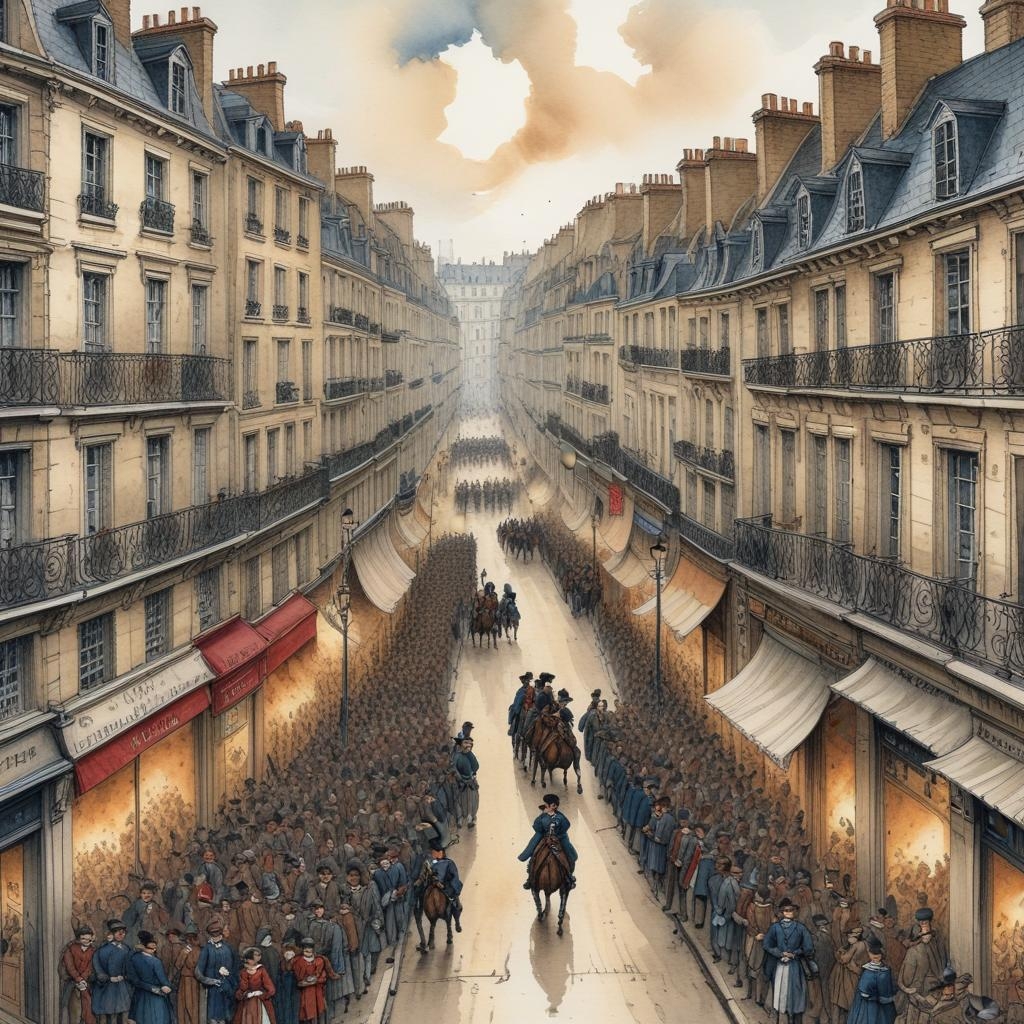
Introduction
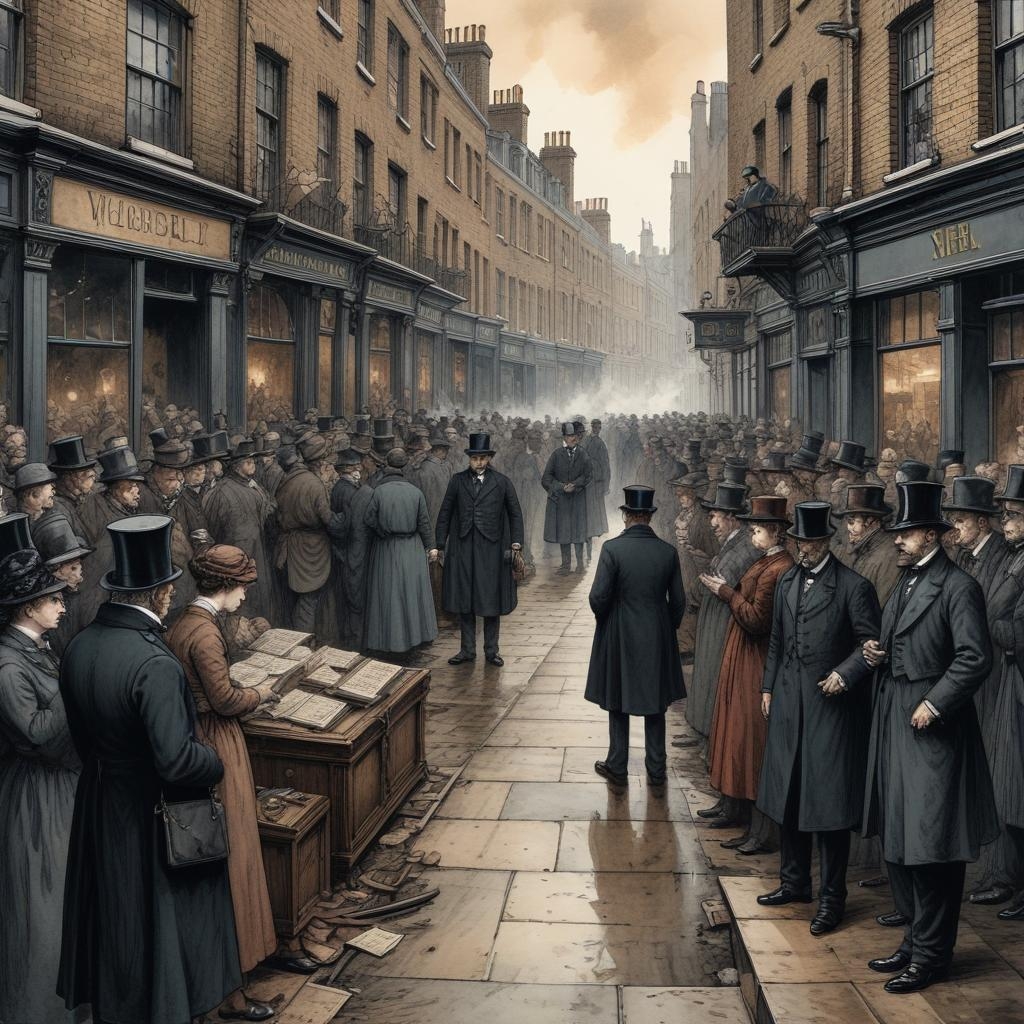
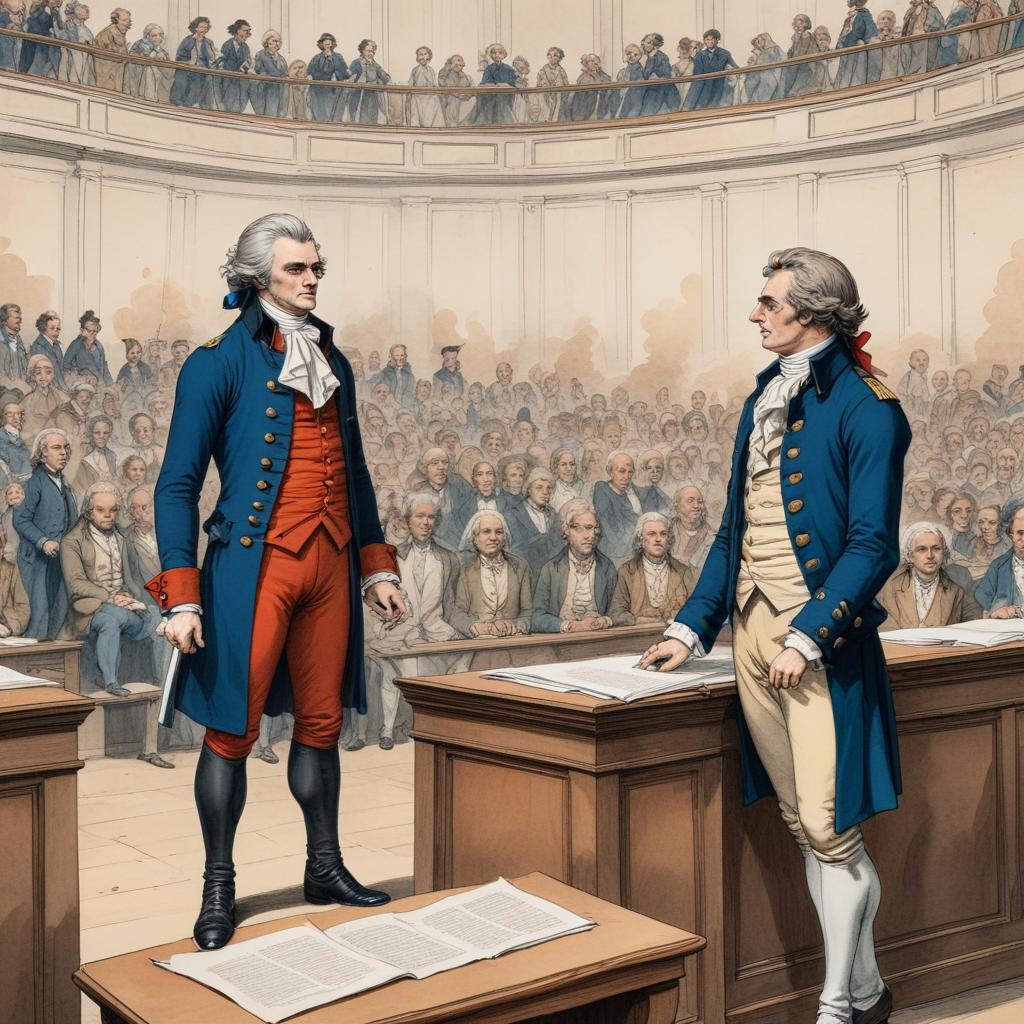
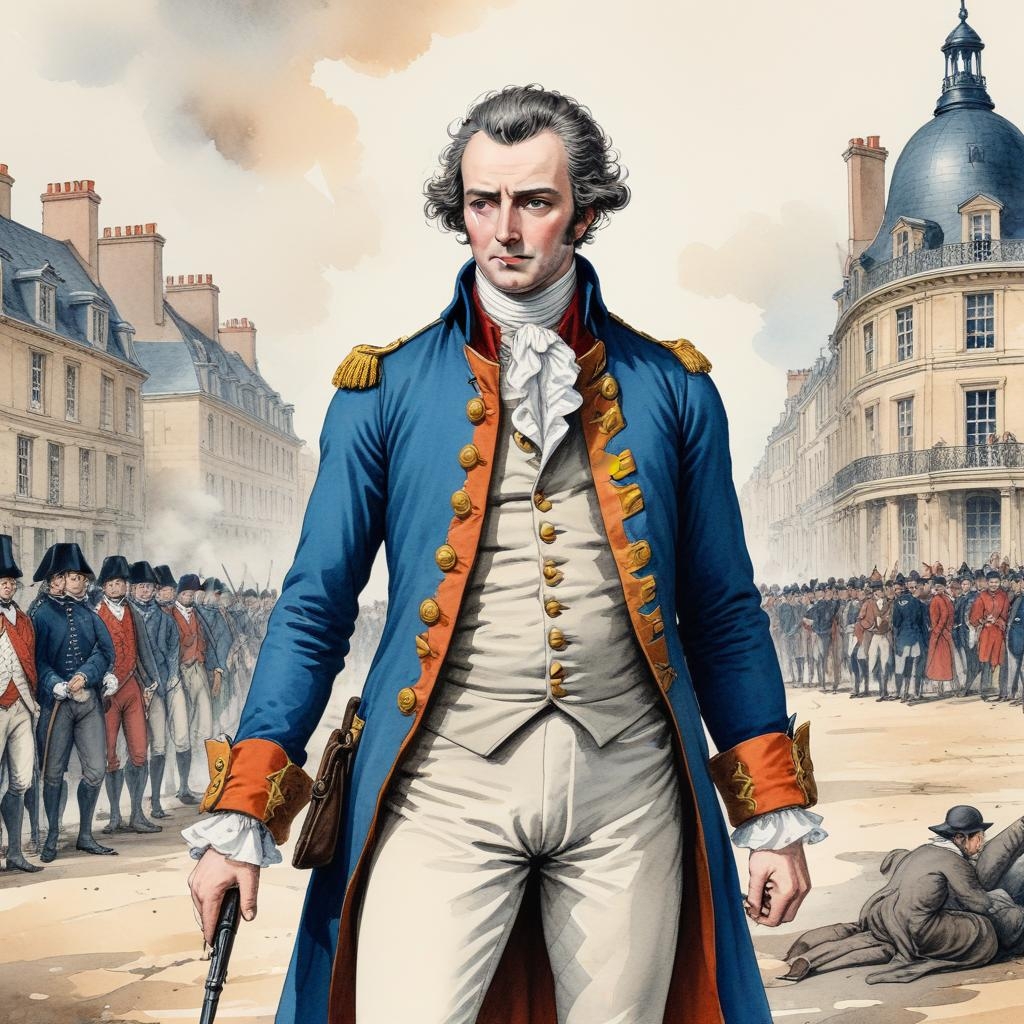
Charles Darnay

Sydney Carton

Lucie Manette

Dr. Alexandre Manette

Madame Defarge
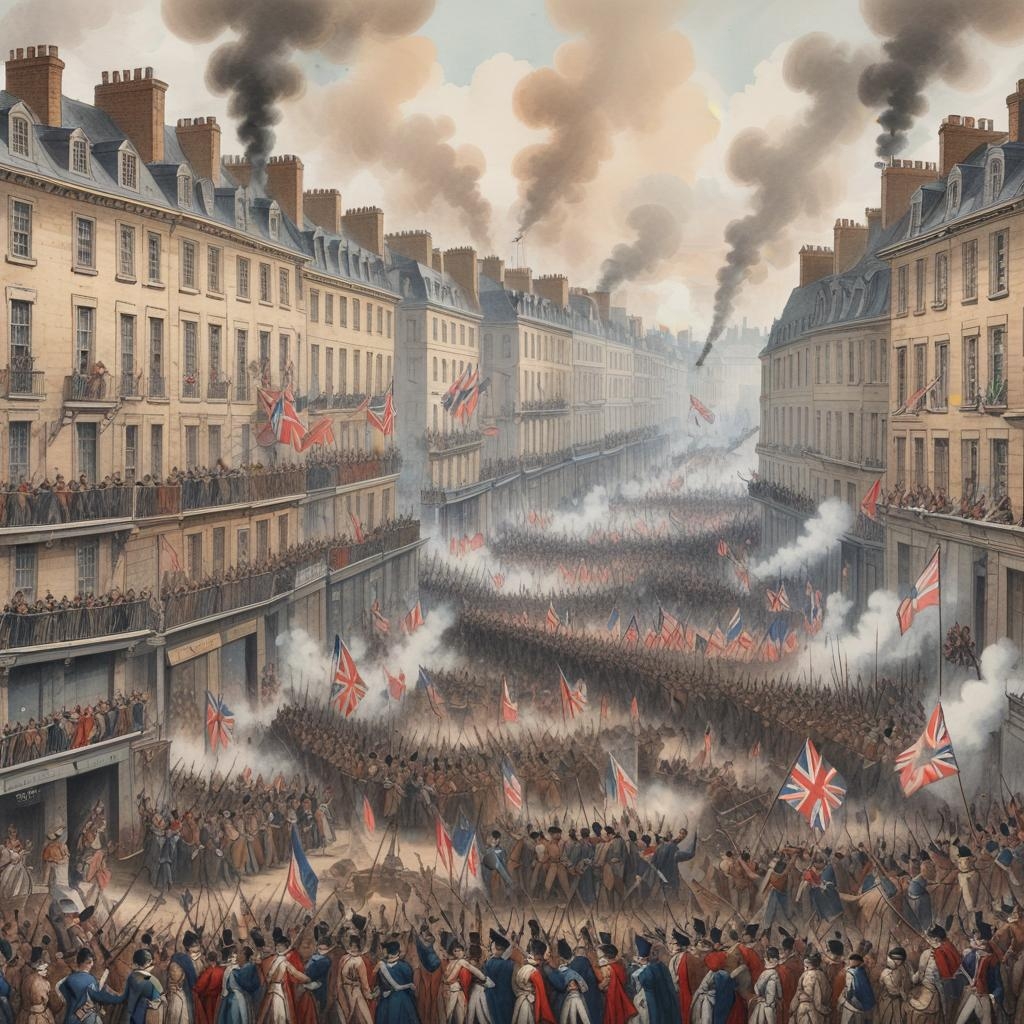
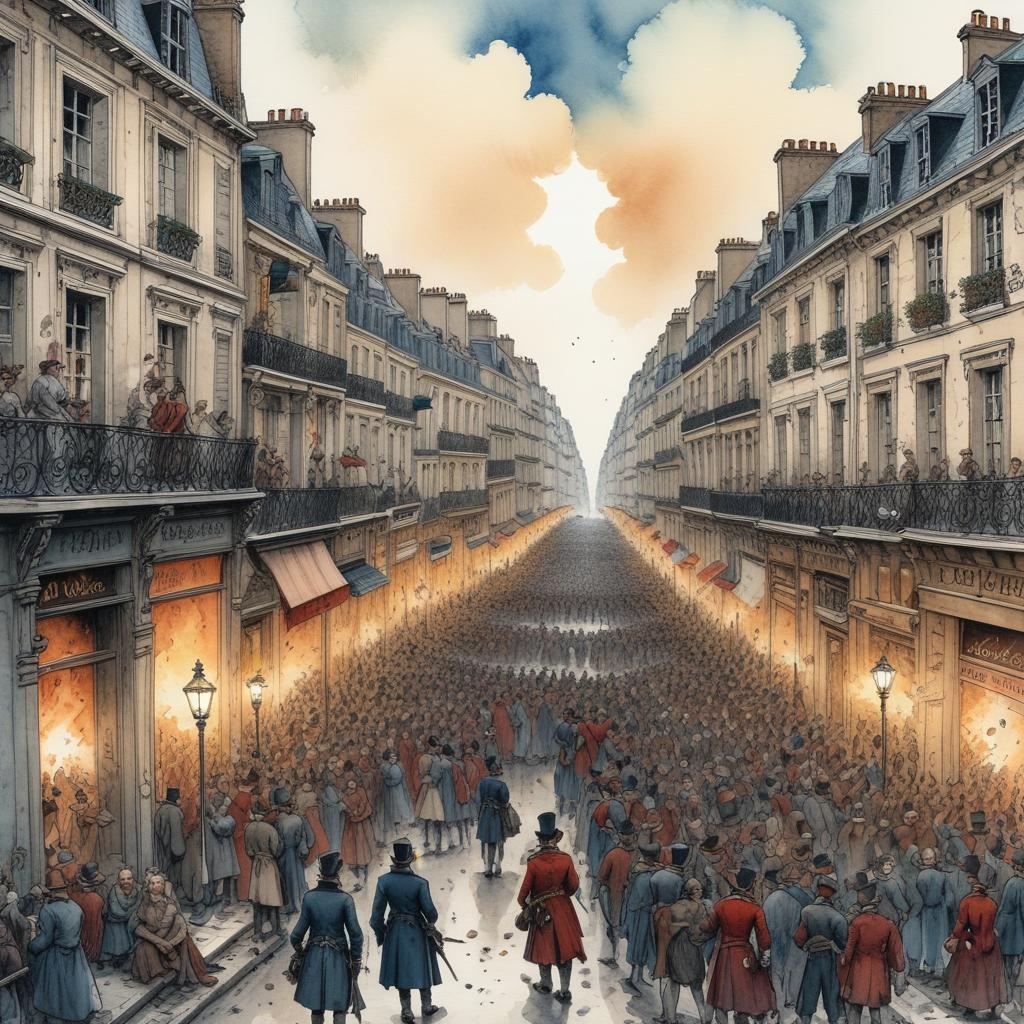
The Setting
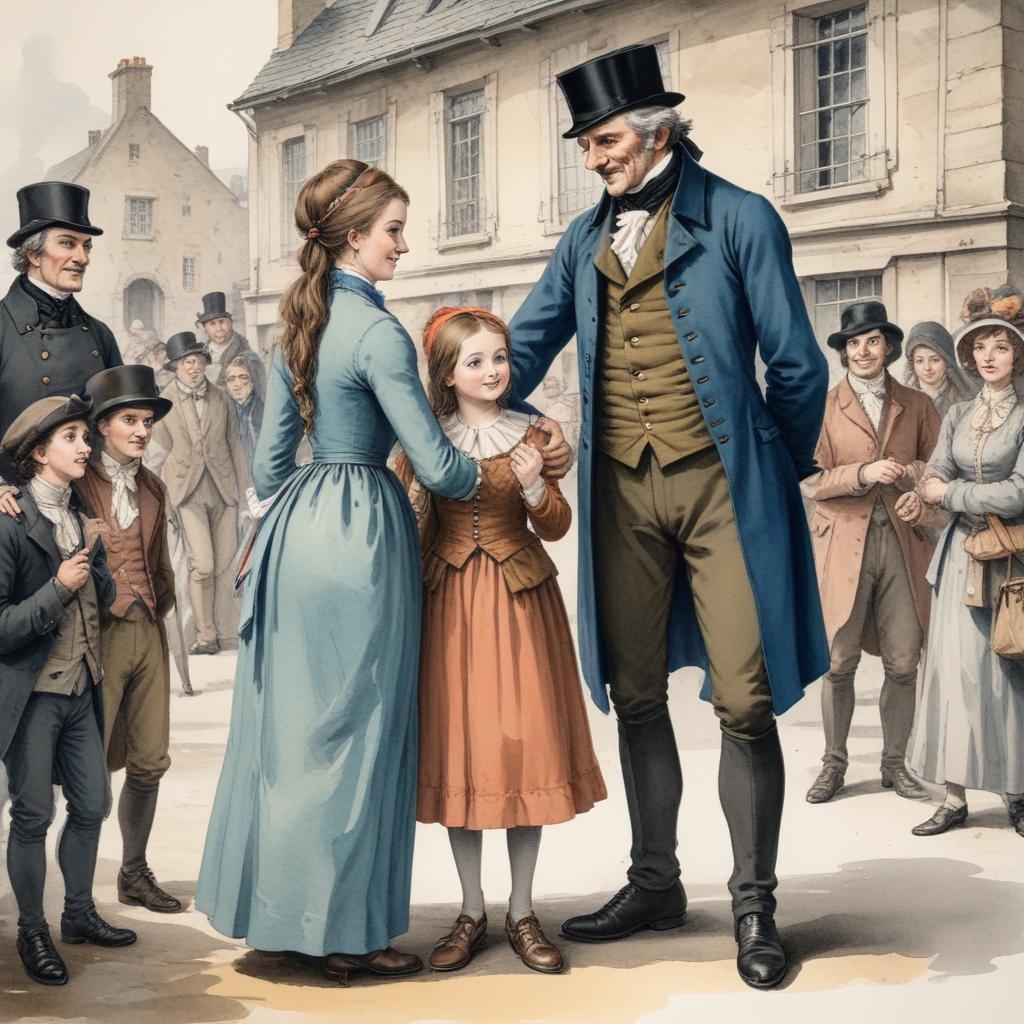
The Manette Family

The Return to Paris

The Defarge Family
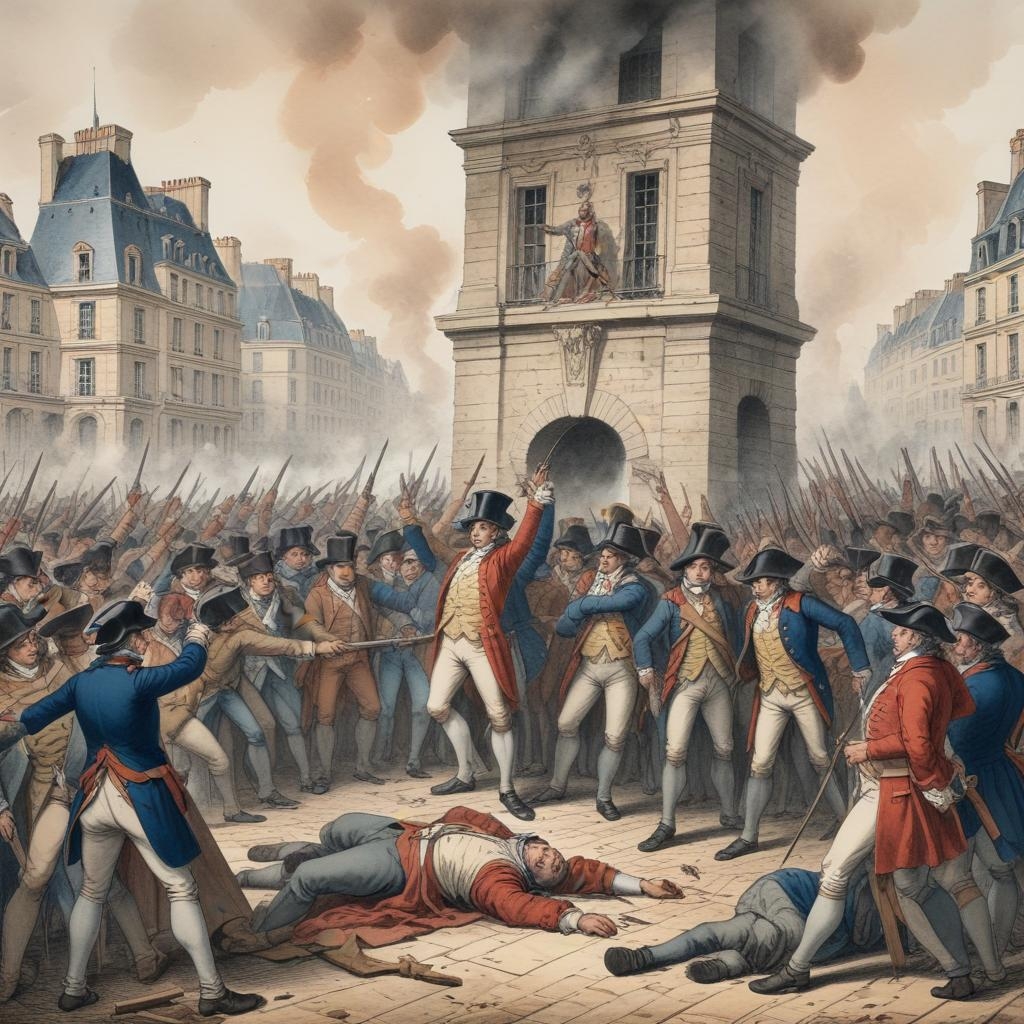
The Reign of Terror
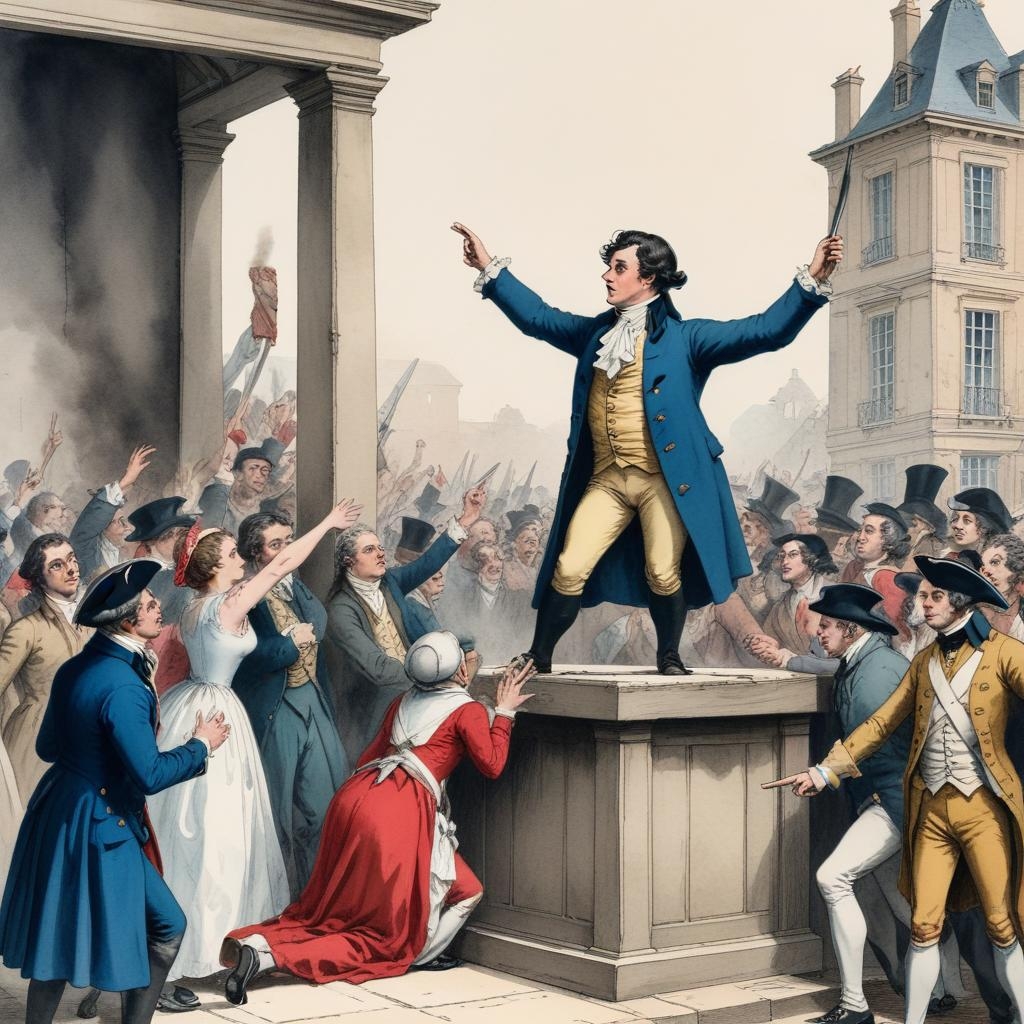
The Sacrifice
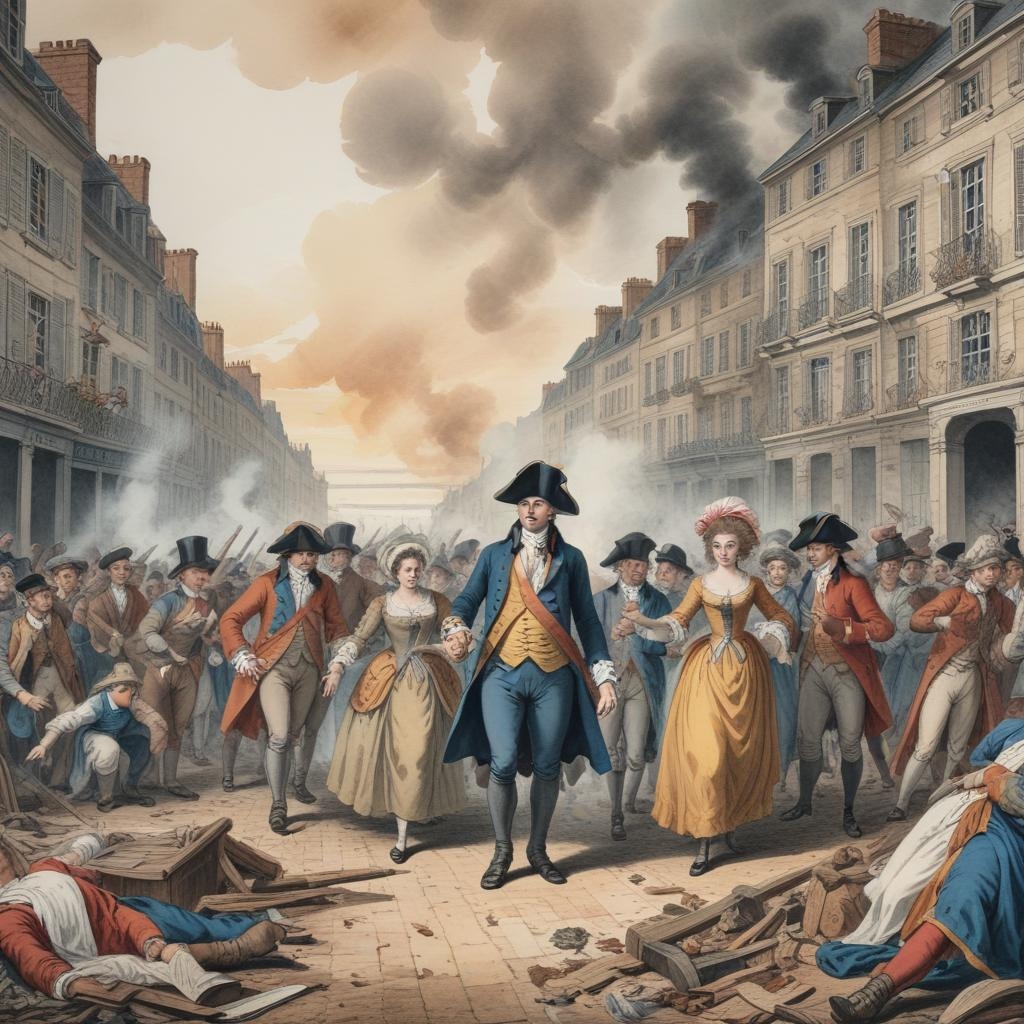
The Aftermath
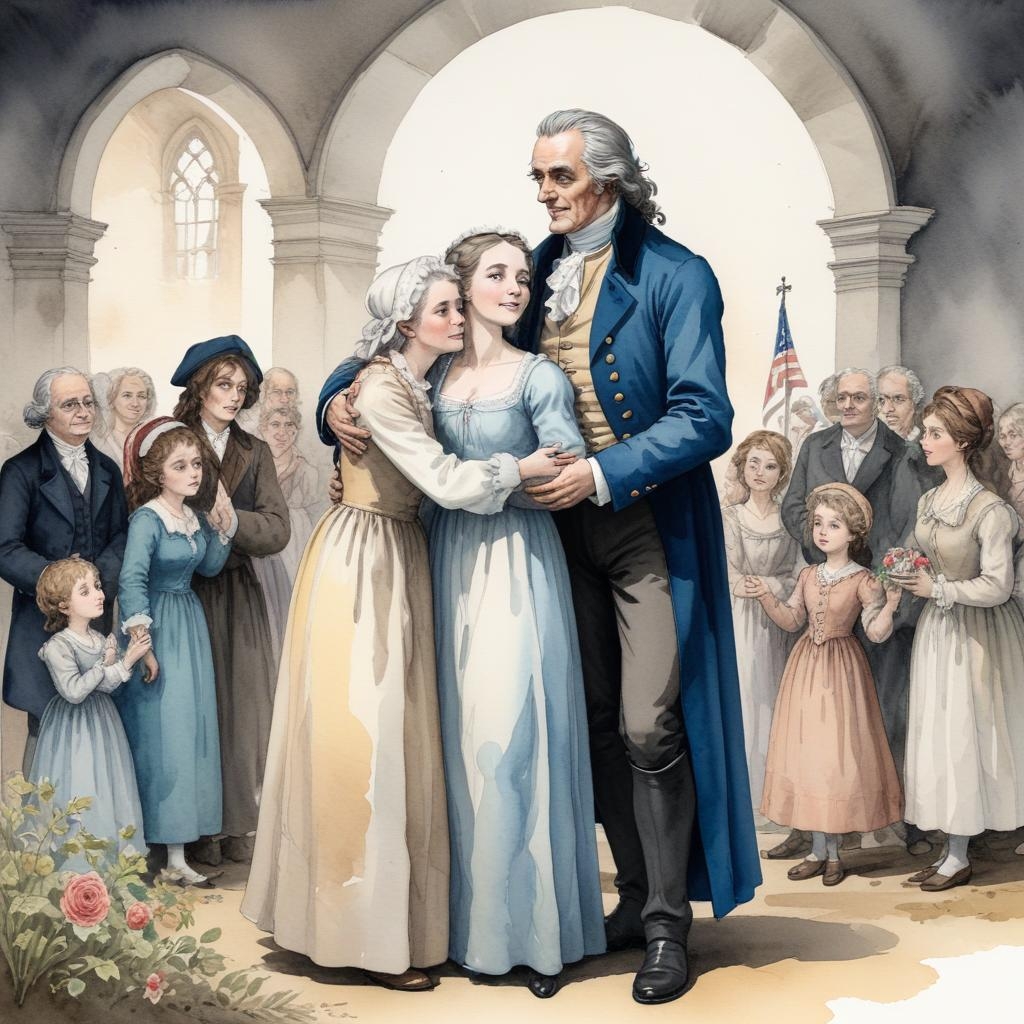
The Resurrection
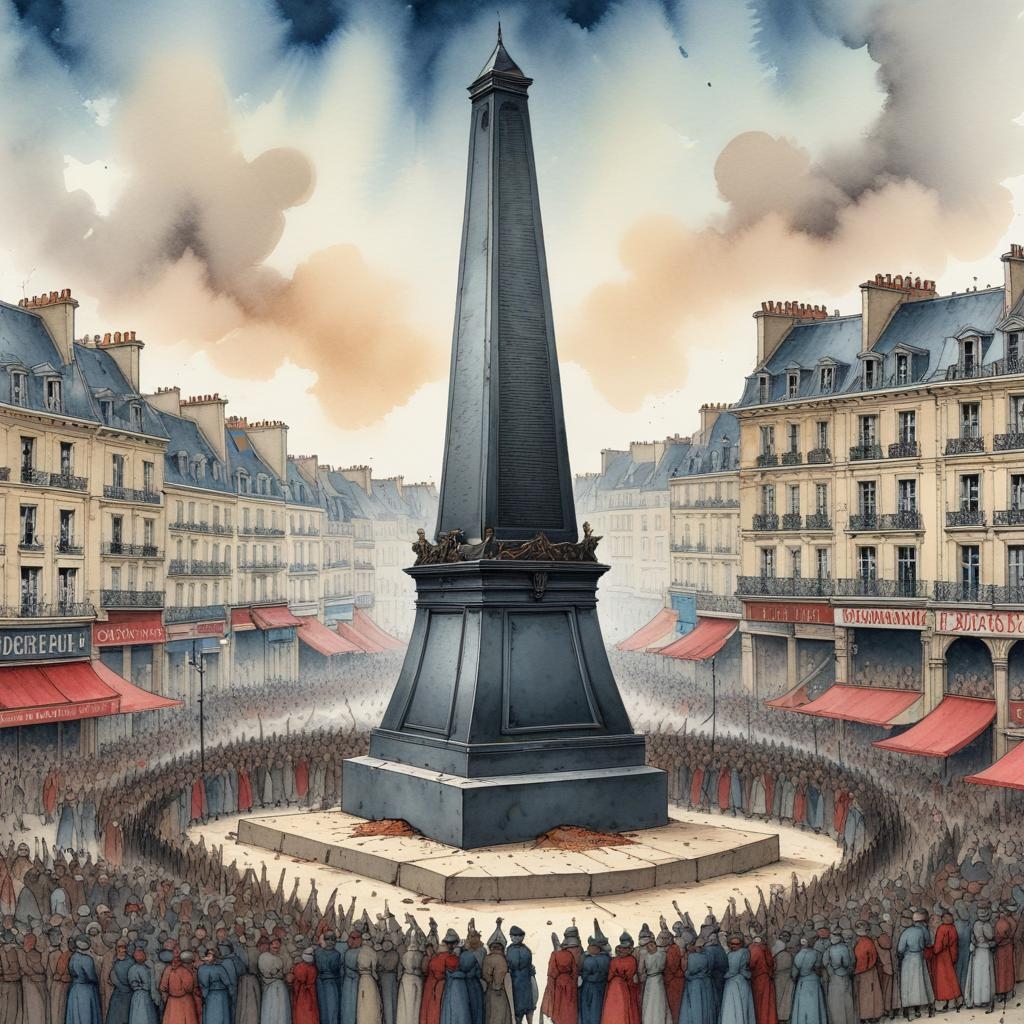
The Themes
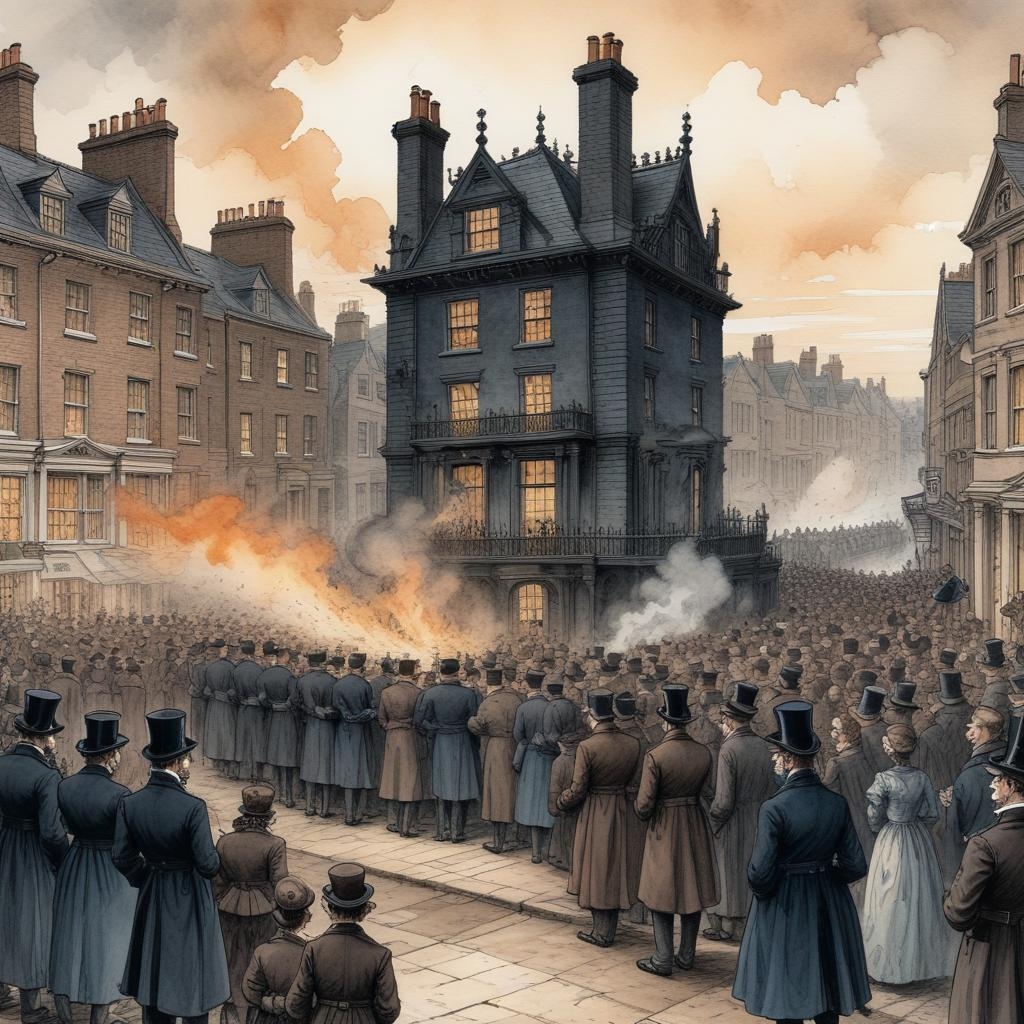
The Legacy
Lesson Details & Resources
In a Nutshell
- What: A Tale of Two Cities by Charles Dickens
- When: Written in the Victorian era
- Who: Main characters: Charles Darnay, Sydney Carton, and Lucie Manette
- Theme: The core theme of the work is resurrection and sacrifice
List of Characters in A Tale of Two Cities
-

Charles Darnay
Charles Darnay - A French aristocrat who renounces his title and moves to England
-

Lucie Manette
Lucie Manette - The daughter of Dr. Manette who becomes the love interest of both Darnay and Carton
-

Sydney Carton
Sydney Carton - A dissolute English lawyer who sacrifices himself for the happiness of Lucie and Darnay
-
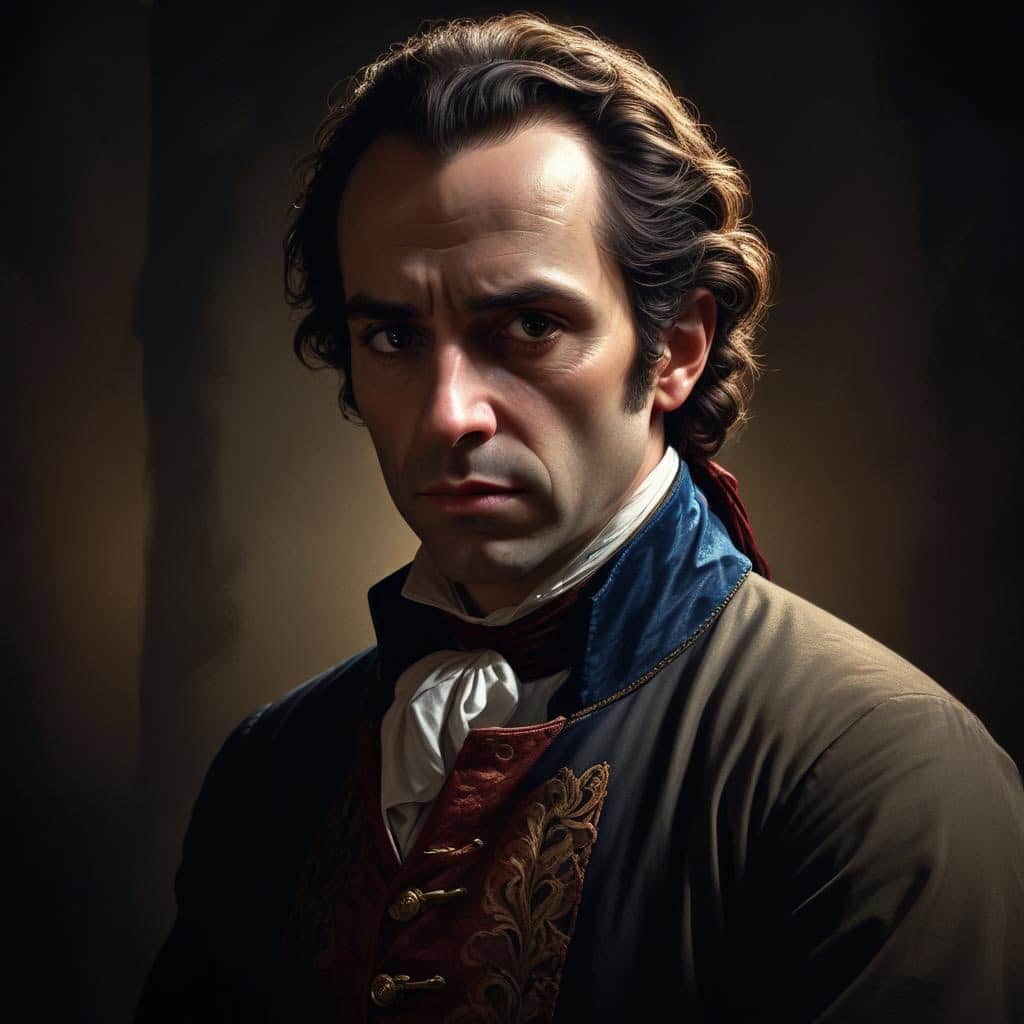
Dr. Alexandre Manette
Dr. Alexandre Manette - A former prisoner in the Bastille who is reunited with his daughter after years of imprisonment
-
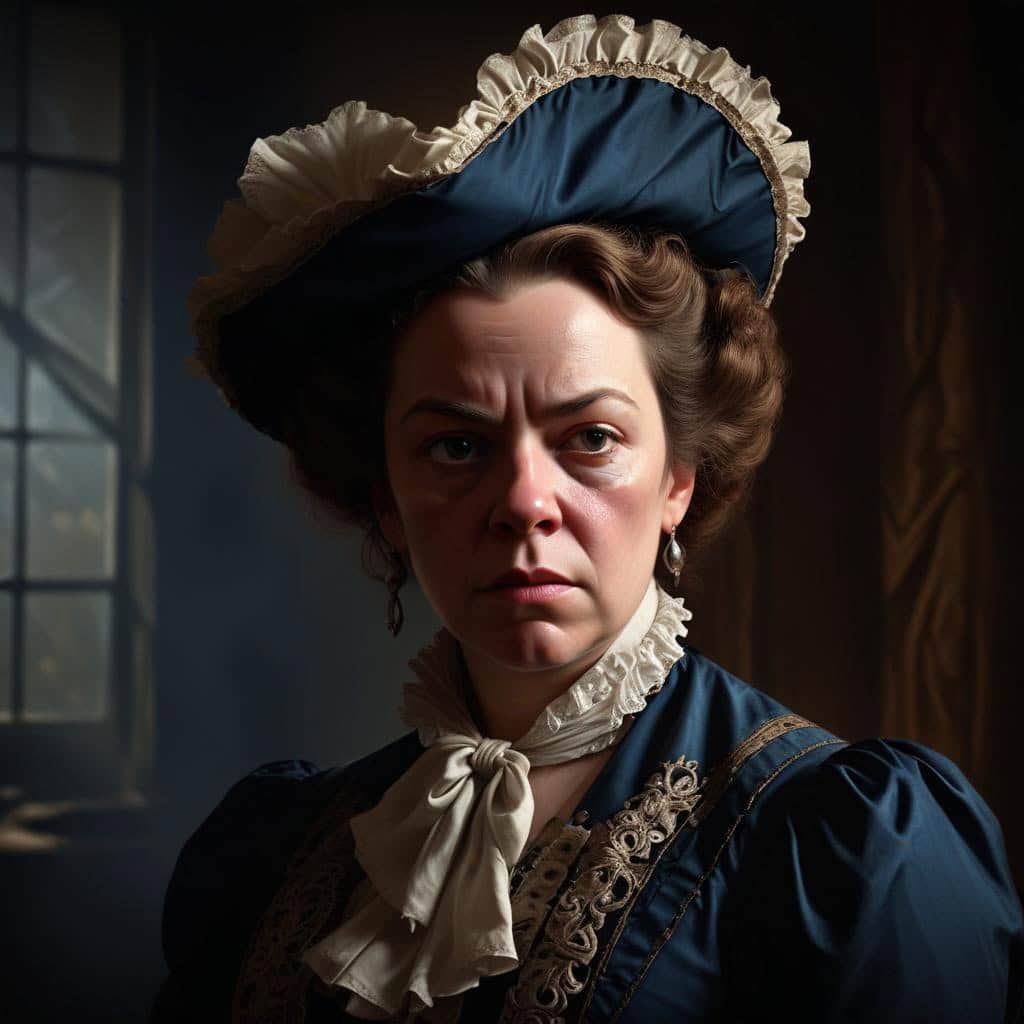
Madame Defarge
Madame Defarge - A vengeful revolutionary who seeks retribution against the aristocracy
-
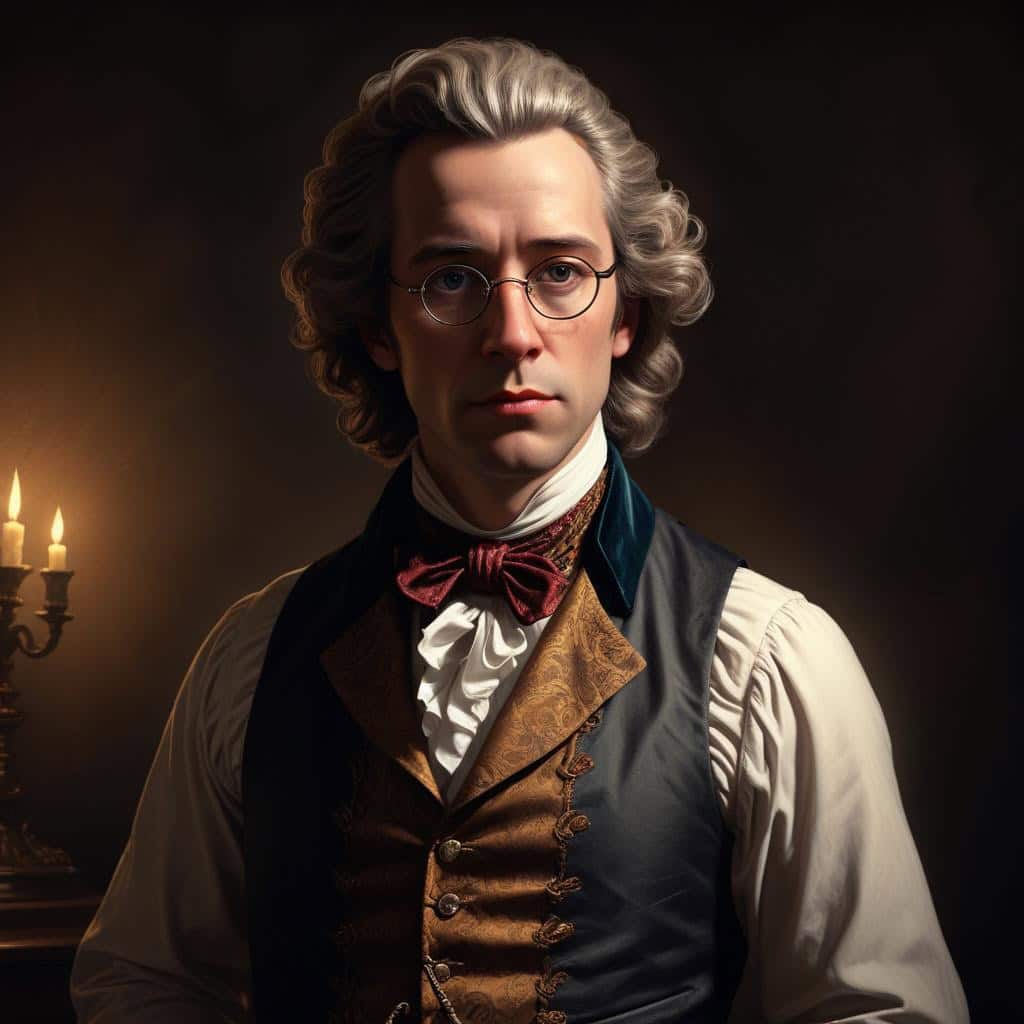
Mr. Jarvis Lorry
Mr. Jarvis Lorry - A loyal employee of Tellson's Bank who helps the Manette family throughout the novel
Timeline of A Tale of Two Cities
In 1775, Charles Darnay is on trial for treason in England, but is acquitted due to lack of evidence.
Darnay travels to France to visit his uncle, the Marquis St. Evremonde, who is a cruel and oppressive aristocrat.
Meanwhile, in Paris, Doctor Manette is released from the Bastille after 18 years of imprisonment.
Lucie Manette, the doctor's daughter, meets Darnay and they fall in love.
The French Revolution begins and the peasants revolt against the aristocracy.
Darnay is arrested in France for being an aristocrat, but is saved by Sydney Carton, a dissolute lawyer who bears a striking resemblance to him.
Carton sacrifices himself for Darnay, allowing him to escape to England with Lucie and their daughter.
Darnay is later arrested again in France and sentenced to death by guillotine.
Carton switches places with Darnay and is executed in his place, declaring 'It is a far, far better thing that I do, than I have ever done.'
The novel ends with Darnay and Lucie living happily in England, while Carton's sacrifice is remembered as an act of redemption and love.
Vocabulary List
- Revolution
- A sudden, radical, and complete change
- Rebellion
- An act of violent or open resistance against a government or ruler
- Aristocracy
- The highest class in certain societies, typically comprising those who inherit titles and wealth
- Guillotine
- A machine with a heavy blade sliding vertically in grooves, used for beheading people
- Oppression
- Prolonged cruel or unjust treatment or control
- Chaos
- Complete disorder and confusion
- Equality
- The state of being equal, especially in status, rights, and opportunities
- Vengeance
- Punishment inflicted or retribution exacted for an injury or wrong
- Resurrection
- The action or fact of reviving someone from the dead
- Tyranny
- Cruel and oppressive government or rule
- Sacrifice
- An act of giving up something valued for the sake of something else regarded as more important or worthy
- Justice
- Just behavior or treatment
- Despair
- The complete loss or absence of hope
- Defiance
- Open resistance
- Betrayal
- The action of betraying one's country, a group, or a person
- Retribution
- Punishment inflicted on someone as vengeance for a wrong or criminal act
- Noble
- Having or showing fine personal qualities or high moral principles
- Secrecy
- The action of keeping something secret or the state of being kept secret
- Opulence
- Great wealth or luxuriousness
- Vengeful
- Seeking to harm someone in return for a perceived injury.
Key Facts
This is the information used in the fact matching game
- - The novel was written by Charles Dickens.
- - It was first published in 1859.
- - The story is set in London and Paris before and during the French Revolution.
- - The book opens with the famous line, "It was the best of times, it was the worst of times."
- - The main characters are Charles Darnay, Lucie Manette, and Sydney Carton.
- - Charles Darnay is a French aristocrat who renounces his title and moves to England.
- - Lucie Manette is a young woman who becomes a central figure in the lives of the characters.
- - Sydney Carton is a cynical and self-destructive lawyer who falls in love with Lucie.
- - The novel explores themes of resurrection, sacrifice, and the duality of human nature.
- - The French Revolution serves as a backdrop to the personal dramas of the characters.
- - Madame Defarge is a vengeful revolutionary who knits a register of those to be executed.
- - The novel includes the famous scene of the storming of the Bastille prison.
- - The character of Doctor Manette, Lucie's father, was imprisoned in the Bastille for 18 years.
- - The novel reveals the harsh realities of life in both London and Paris during this turbulent period.
- - The contrast between the two cities symbolizes the stark social and political differences of the time.
- - A Tale of Two Cities is considered one of Dickens' most famous and enduring works.
- - The closing lines of the novel are, "It is a far, far better thing that I do, than I have ever done; it is a far, far better rest that I go to than I have ever known."
- - The book has been adapted into numerous films, plays, and television series.
- - A Tale of Two Cities is often studied in schools for its historical and literary significance.
- - The novel is renowned for its vivid characters, intricate plot, and powerful social commentary.
Analysis & Significance
Impact on Literature
‘A Tale of Two Cities’ by Charles Dickens has had a significant impact on literature, particularly in the realm of historical fiction. The novel’s intricate plot, vivid characters, and powerful themes have influenced countless authors and continue to serve as a model for storytelling in the genre.
Enduring Themes
The timeless themes of sacrifice, redemption, and the struggle for social justice explored in ‘A Tale of Two Cities’ still resonate with modern audiences. The novel’s exploration of the human capacity for both good and evil, as well as its portrayal of the impact of political upheaval on individuals, continues to be relevant today.
Cultural Significance Today
‘A Tale of Two Cities’ remains a staple in literary education and has been adapted into numerous films, television shows, and stage productions. Its famous opening lines, “It was the best of times, it was the worst of times,” have become iconic in popular culture, solidifying the novel’s enduring legacy and cultural significance.
A Tale of Two Cities Games


Take Your Learning Offline
Want a convenient, print-ready study guide for this lesson? Become a Memory Wizards Pro member to unlock the downloadable " Memory Scrolls" for this topic and our entire library!
- ✓ Complete Vocabulary Lists
- ✓ Key Facts & Timelines
- ✓ Beautifully Formatted for Print & Mobile