
How Do You Learn Best?
Learn by Reading
Immerse yourself in the 10-minute visual lesson for a comprehensive understanding of the topic.
Learn by Reviewing
Jump directly to the key facts, timeline, and vocabulary lists to build a solid foundation of details.
Learn by Doing
Challenge yourself! Jump straight into the interactive games to learn by trial, error, and discovery.
The Pickwick Papers in 10 Minutes
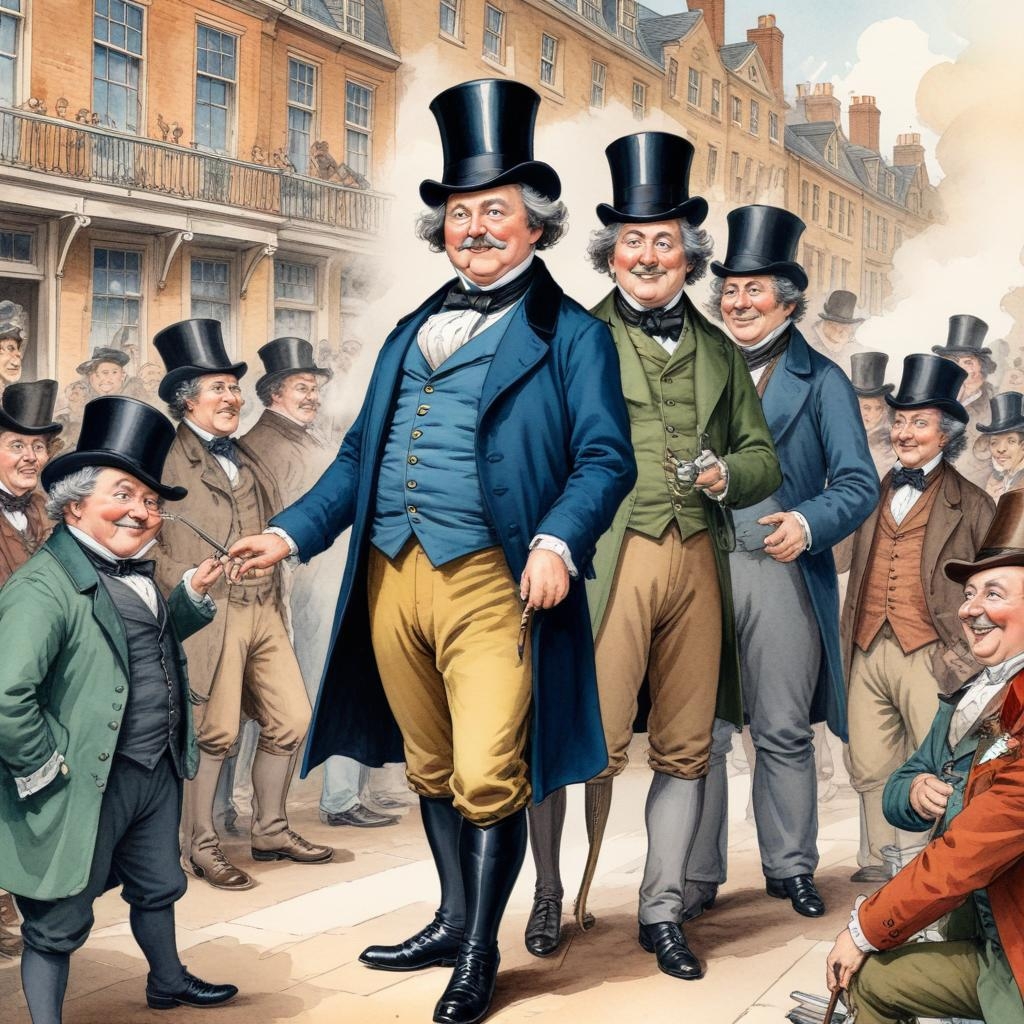
Introduction
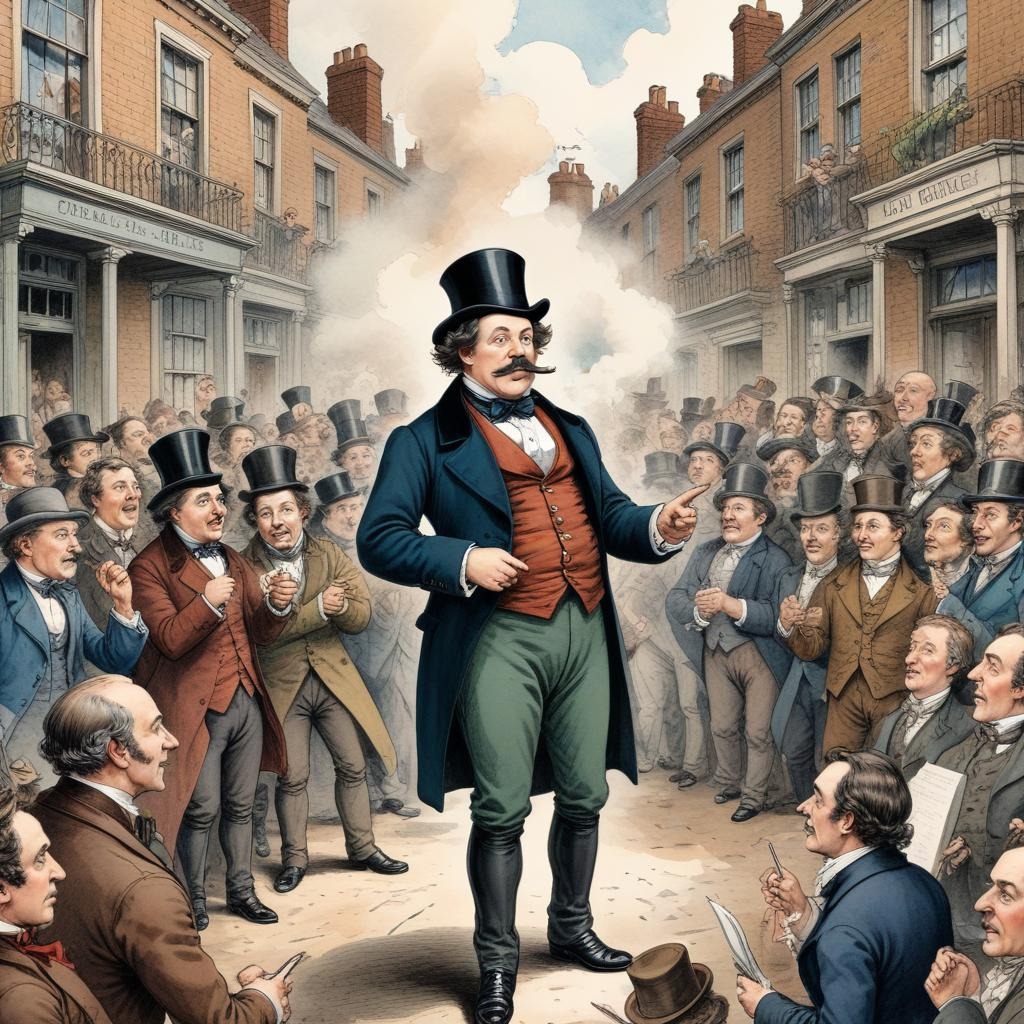
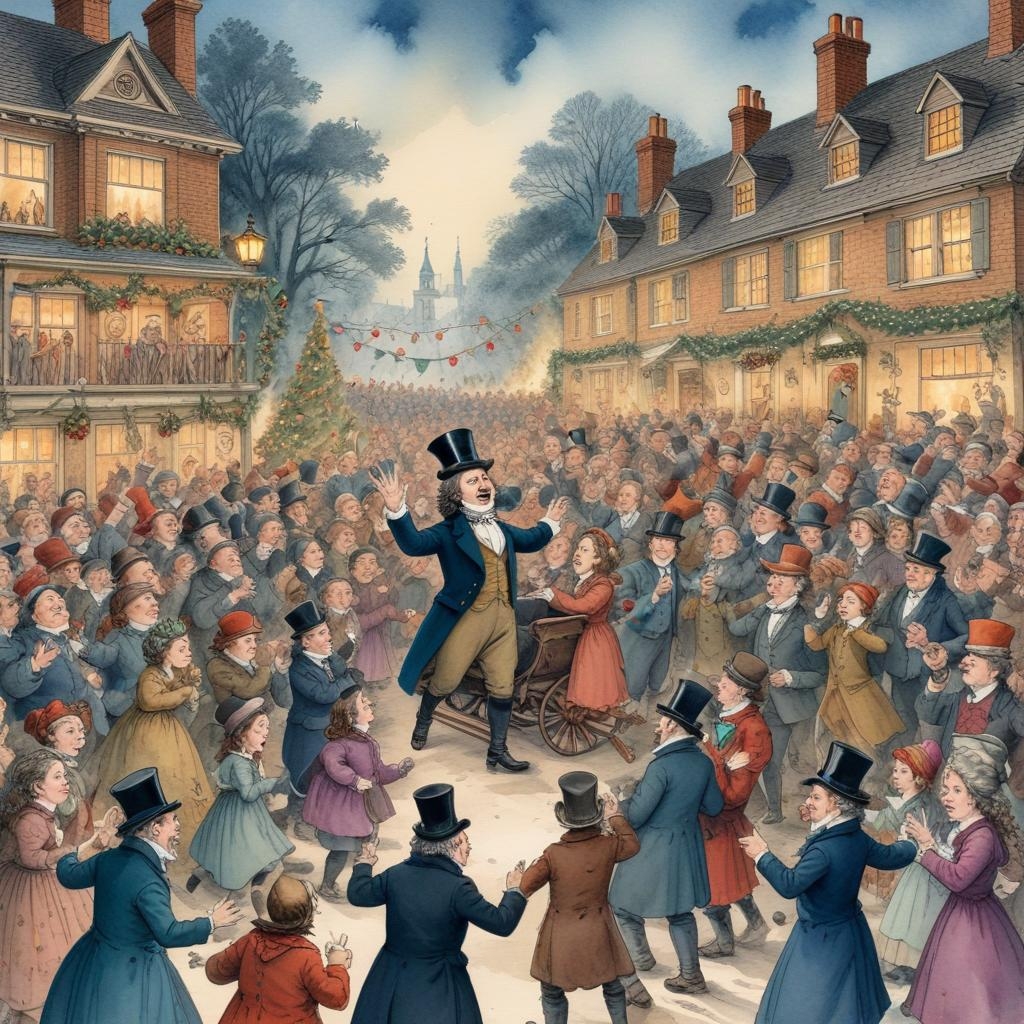

Mr. Samuel Pickwick

Mr. Nathaniel Winkle

Mr. Augustus Snodgrass

Mr. Tracy Tupman
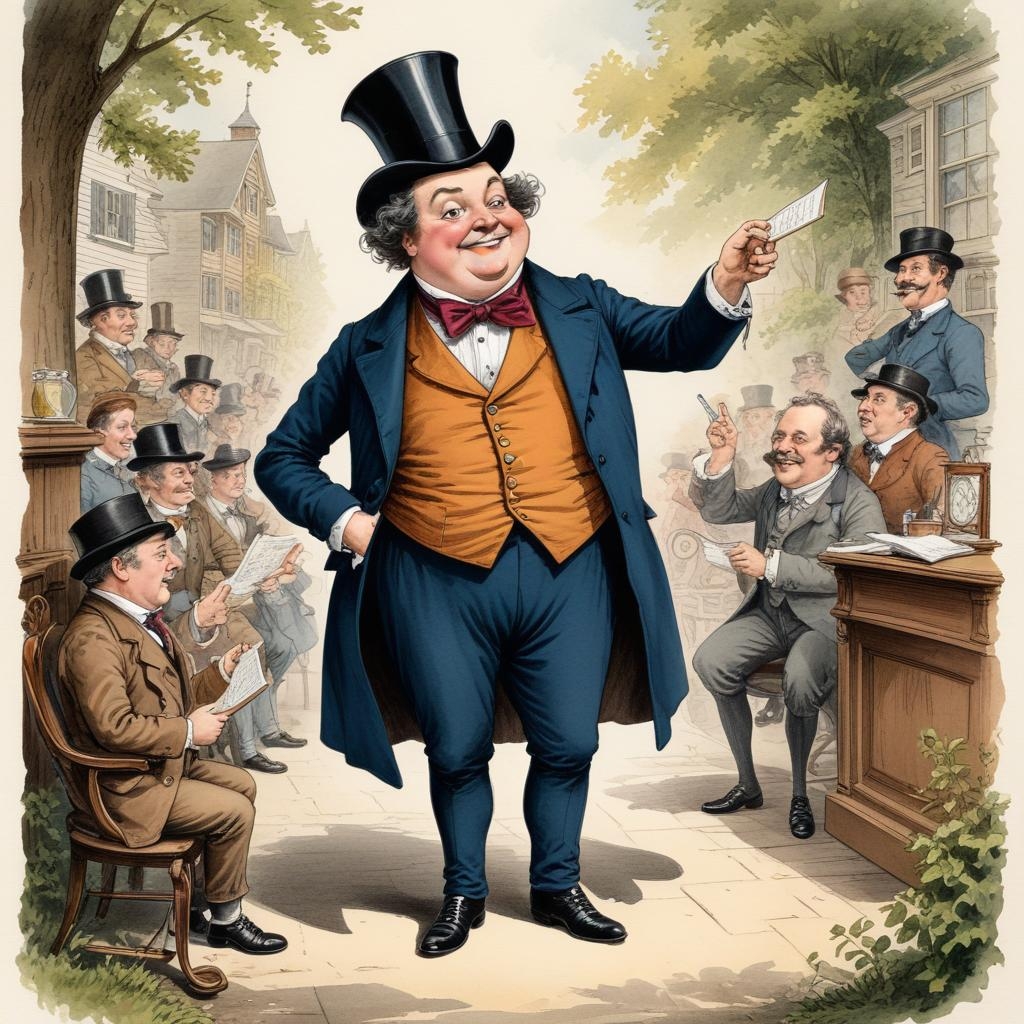
Sam Weller
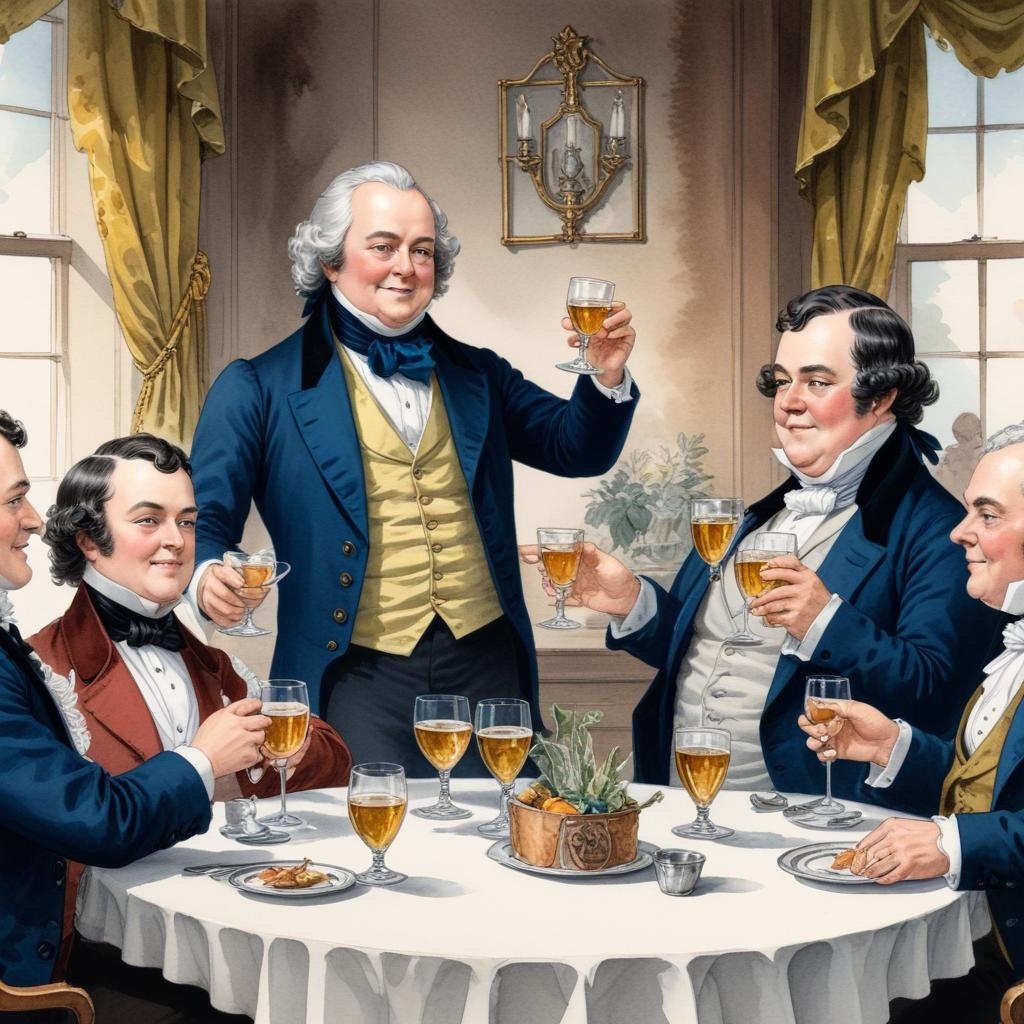
The Pickwick Club is Formed
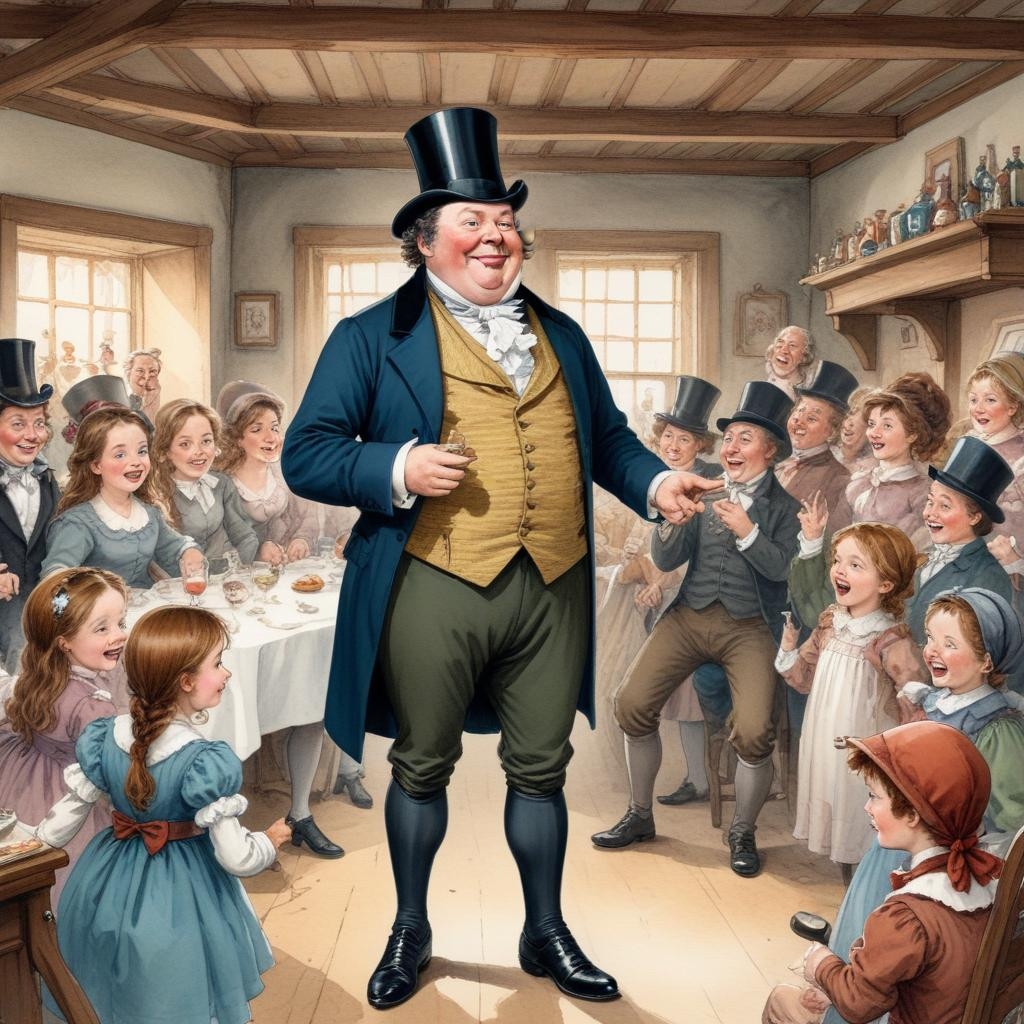
An Adventure at the Manor
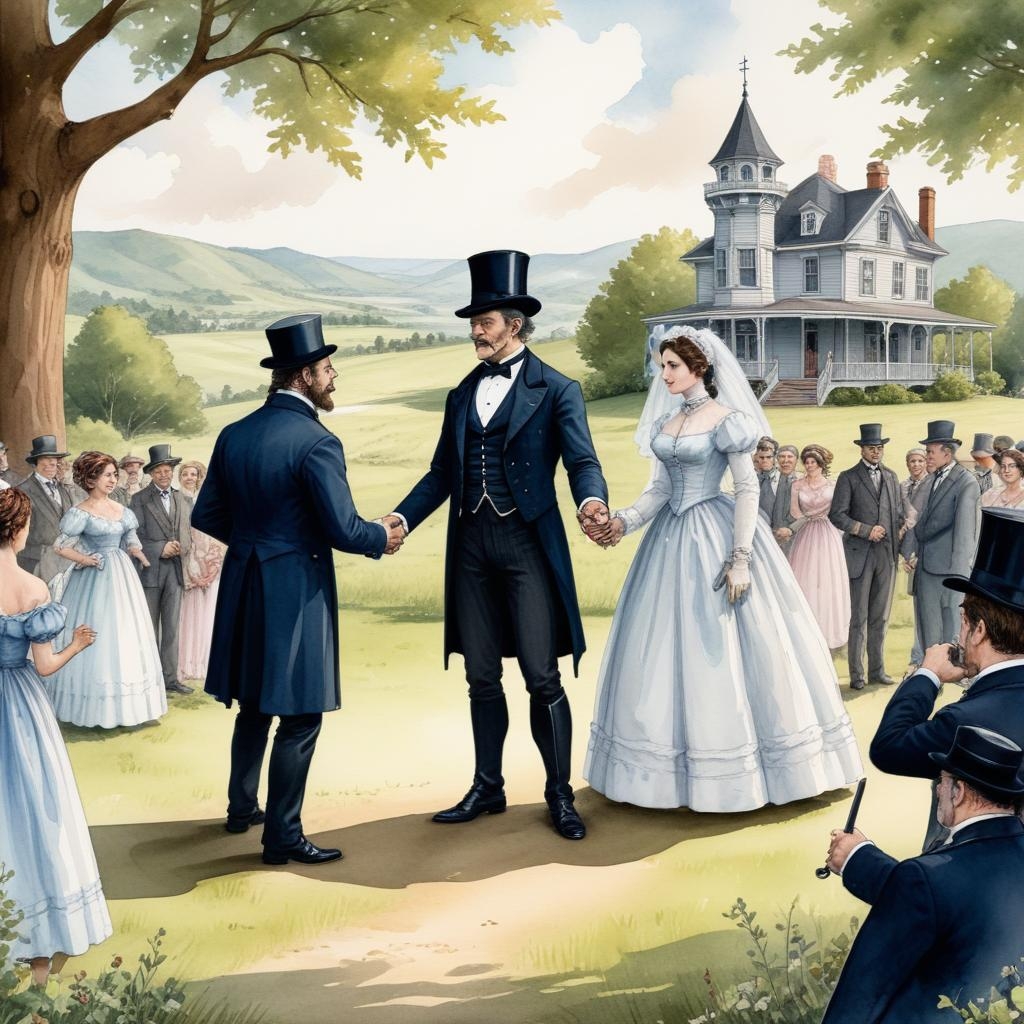
A Duel and a Wedding
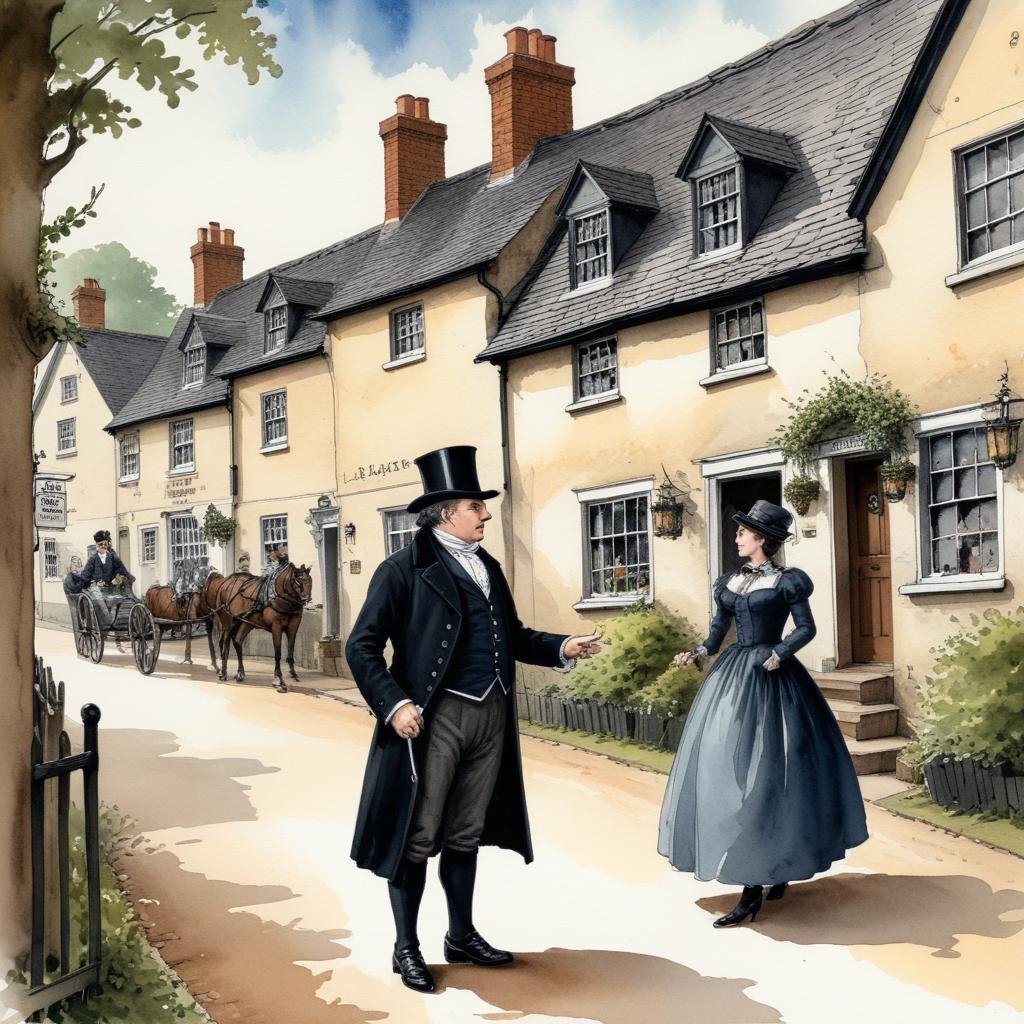
The Mysterious Lady in Black
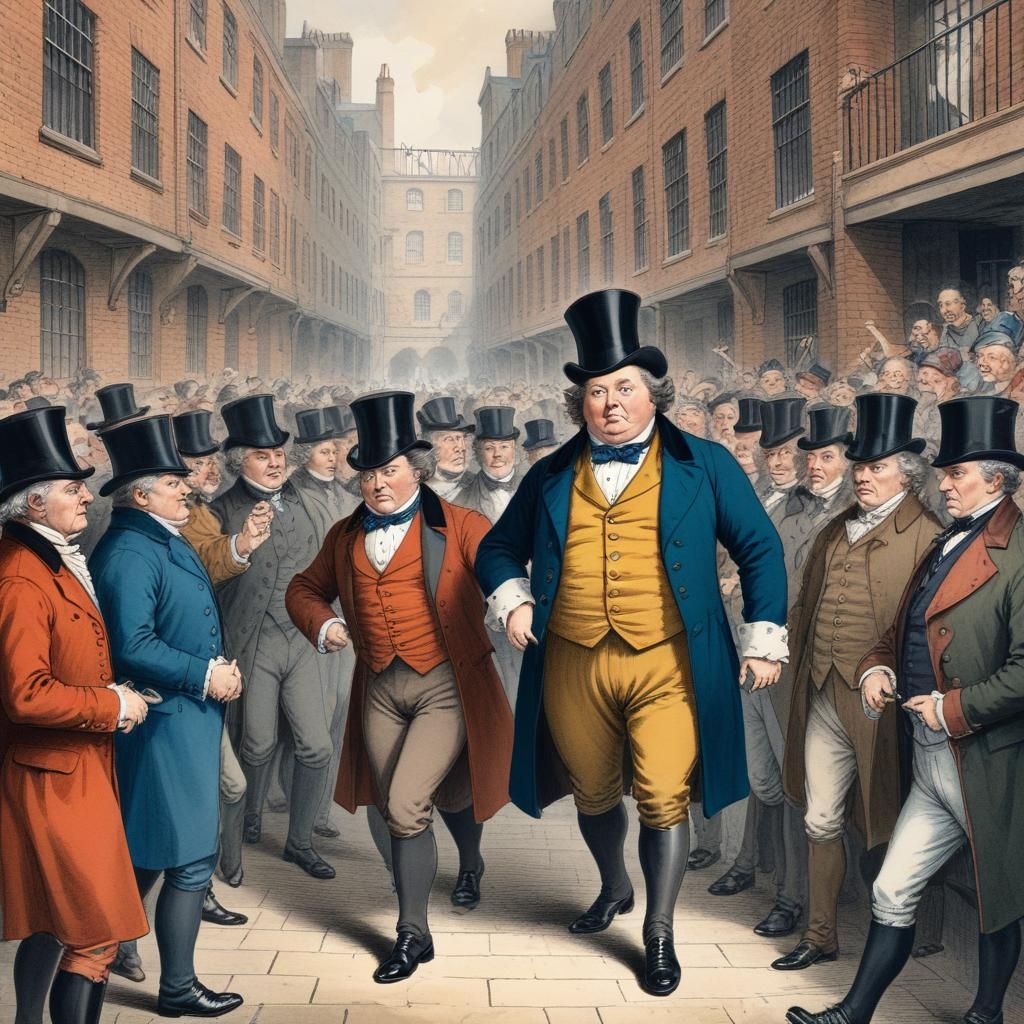
The Fleet Prison and Mr. Pickwick’s Arrest
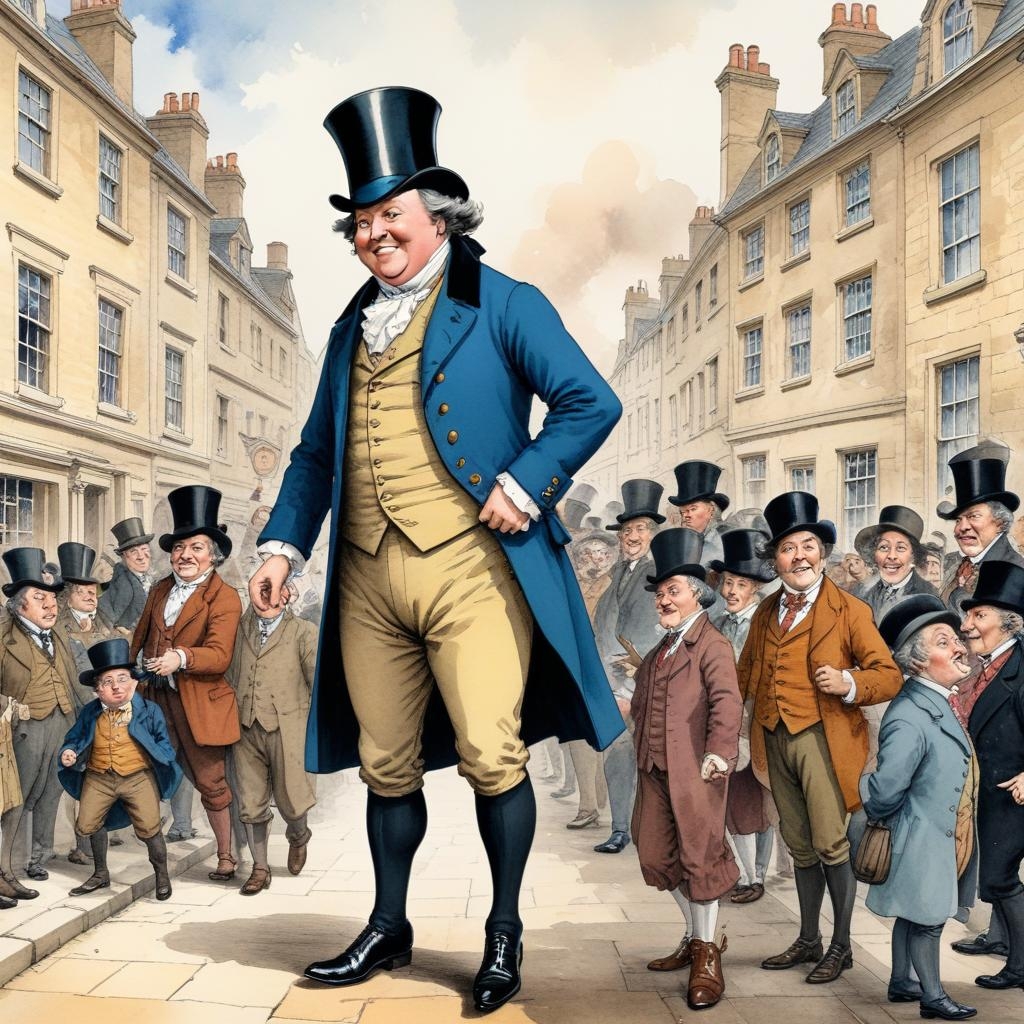
A Journey to Bath
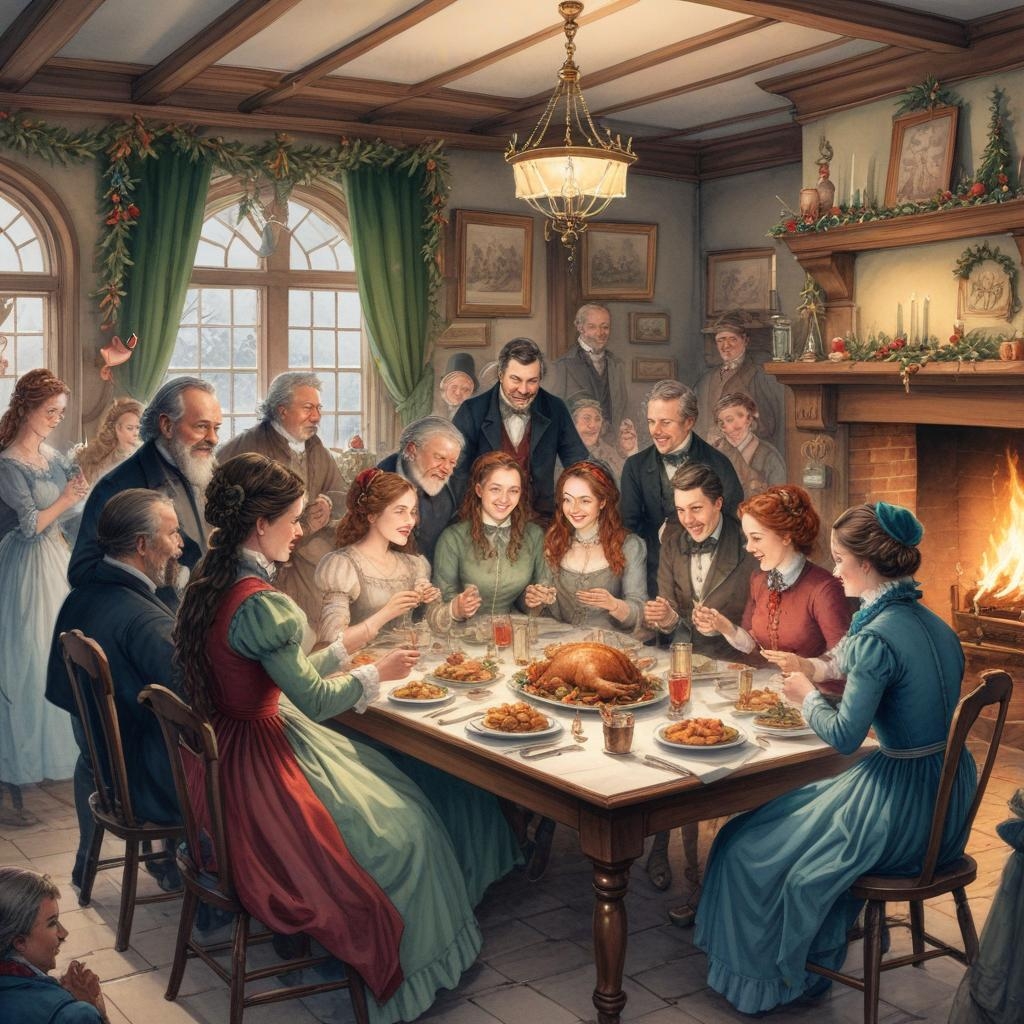
A Christmas Celebration
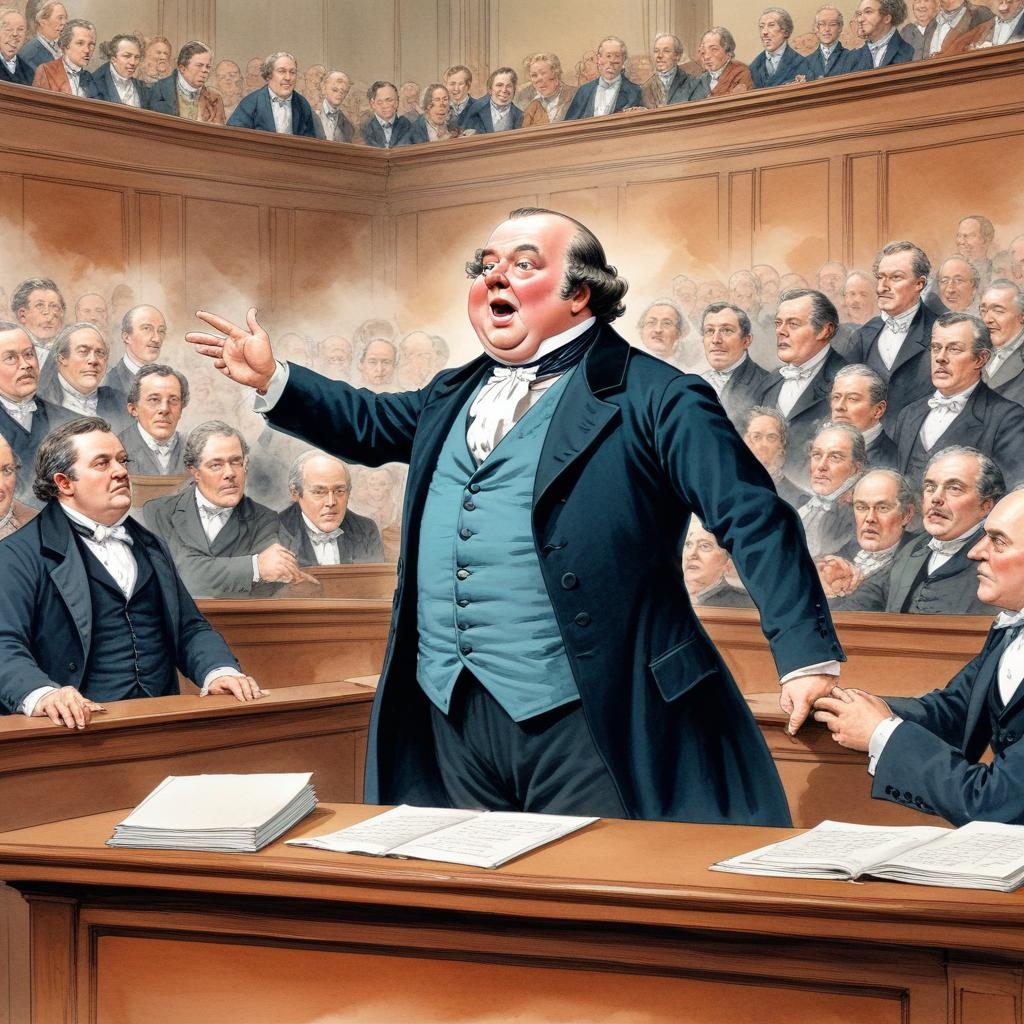
The Trial and Its Aftermath
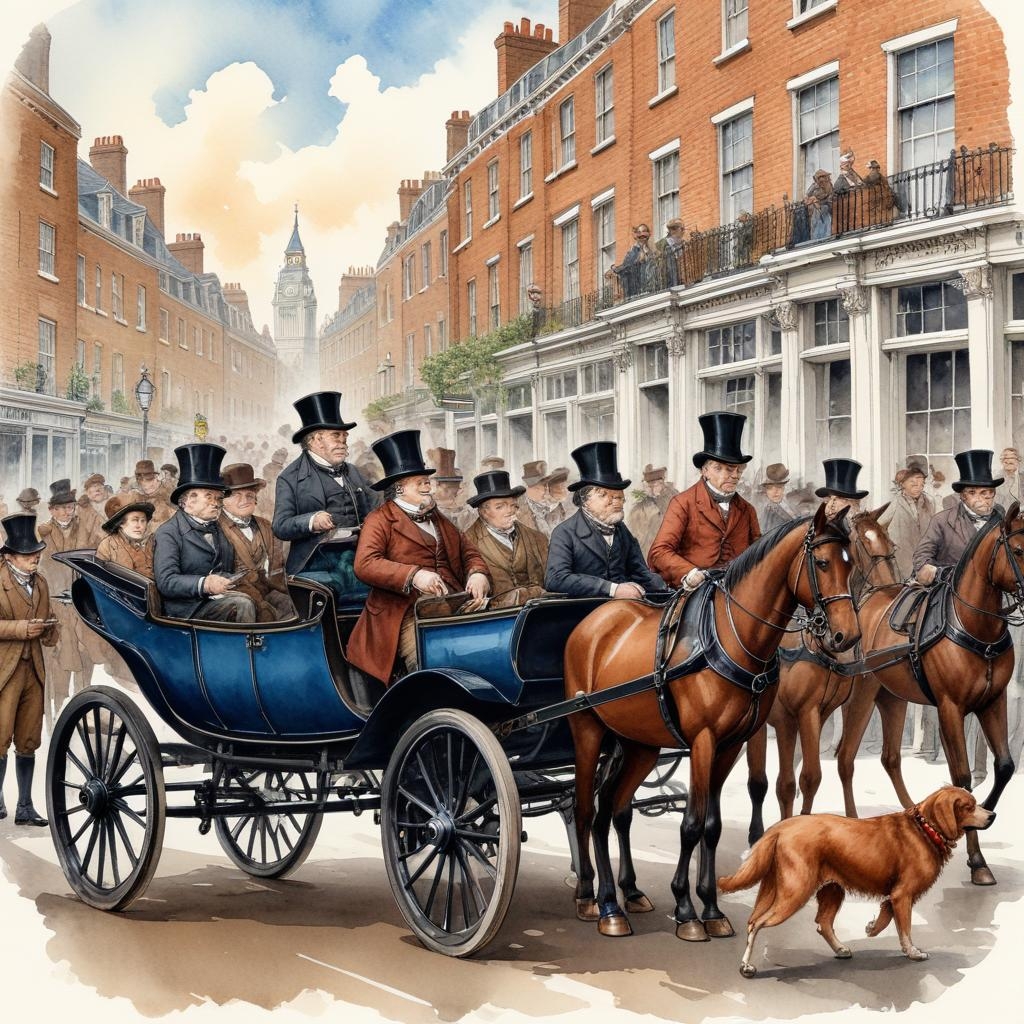
A Return to London
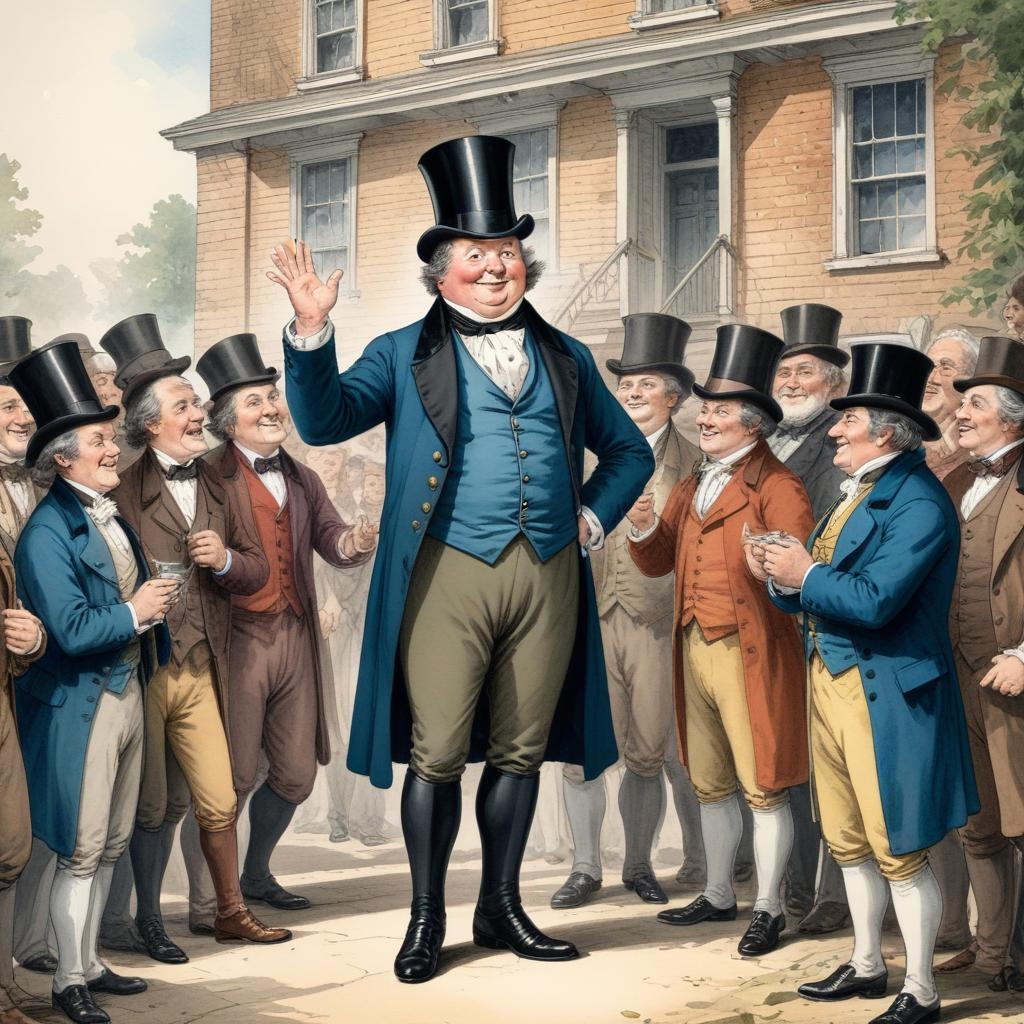
A Farewell to The Pickwick Papers
Lesson Details & Resources
In a Nutshell
- What: ‘The Pickwick Papers’ by Charles Dickens
- When: Written in the Victorian era
- Who: Samuel Pickwick, Nathaniel Winkle, Tracy Tupman
- Theme: Exploration of human nature, social commentary, satire
List of Characters in The Pickwick Papers
-
Mr. Samuel Pickwick
Mr. Samuel Pickwick is the main character in the story, a kind-hearted and naive gentleman who leads the Pickwick Club on various adventures.
-
Mr. Nathaniel Winkle
Mr. Nathaniel Winkle is a member of the Pickwick Club, known for his clumsiness and lack of skill in hunting and other manly pursuits.
-
Mr. Tracy Tupman
Mr. Tracy Tupman is another member of the Pickwick Club, a romantic and somewhat gullible character.
-
Mr. Augustus Snodgrass
Mr. Augustus Snodgrass is a member of the Pickwick Club who fancies himself a poet.
-
Mr. Alfred Jingle
Mr. Alfred Jingle is a charming but untrustworthy character who causes trouble for the Pickwick Club.
-
Mrs. Bardell
Mrs. Bardell is a widow who becomes entangled in a legal dispute with Mr. Pickwick.
-
Mr. Wardle
Mr. Wardle is a kind-hearted country gentleman who befriends Mr. Pickwick and his friends.
-
Mr. Jingle
Mr. Jingle is a con artist who causes mischief for the Pickwick Club.
Timeline of The Pickwick Papers
Mr. Pickwick and his friends, Mr. Tupman, Mr. Snodgrass, and Mr. Winkle, form the Pickwick Club.
Mr. Pickwick and his friends set off on a series of adventures, intending to observe and report on the manners and customs of the country.
Mr. Pickwick meets and befriends Sam Weller, who becomes his faithful valet.
Mr. Pickwick and his friends visit Rochester and meet Mr. Wardle and his family.
Mr. Pickwick and his friends attend a Christmas party at Mr. Wardle's house, where Mr. Pickwick's friend, Mr. Tupman, falls in love with Rachel Wardle.
Mr. Pickwick and his friends visit Dingley Dell and witness a cricket match.
Mr. Pickwick is sued for breach of promise by Mrs. Bardell, his landlady, who claims he promised to marry her.
Mr. Pickwick is arrested and goes to trial for the breach of promise case.
Mr. Pickwick is acquitted of the charges, and Mrs. Bardell is exposed as a fraud.
Mr. Pickwick and his friends travel to Bath, where Mr. Pickwick becomes embroiled in another lawsuit.
Mr. Pickwick and his friends visit Ipswich, where they encounter the pompous Mr. Jingle and his servant, Job Trotter.
Mr. Jingle conspires to elope with Rachael Wardle's spinster aunt, Miss Arabella Allen.
Mr. Pickwick and his friends follow Mr. Jingle and Miss Allen to London, where they thwart the elopement.
Mr. Jingle and Job Trotter are exposed as frauds and are forced to leave town.
Mr. Pickwick and his friends return to Rochester, where they witness the wedding of Mr. Wardle's daughter, Emily, to Mr. Snodgrass.
Mr. Pickwick and his friends return to London, where they continue their adventures and investigations.
Vocabulary List
- Pickwick
- A character in the novel, a wealthy and kind-hearted gentleman
- Club
- A group of like-minded individuals who meet regularly for social or recreational purposes
- Inn
- A place where travelers can rest and eat
- Coachman
- A person who drives a horse-drawn carriage
- Correspondence
- Communication between individuals through letters
- Sketch
- A brief written or drawn portrayal of a person or scene
- Satire
- The use of humor, irony, or exaggeration to criticize or mock someone or something
- Eccentric
- Unconventional or slightly strange
- Adventure
- An exciting or remarkable experience
- Dilemma
- A difficult or perplexing situation or problem
- Gossip
- Casual or idle talk about other people, typically involving details that are not confirmed as true
- Debate
- A formal discussion on a particular topic, often with opposing views
- Misunderstanding
- A failure to understand or interpret something correctly
- Prosecution
- The institution and conducting of legal proceedings against someone
- Embezzlement
- The act of dishonestly appropriating or misappropriating funds entrusted to one's care
- Blackmail
- The act of demanding money or other benefits from someone in return for not revealing compromising information
- Romance
- A love story or a feeling of excitement or mystery associated with love
- Trial
- A formal examination of evidence before a judge, typically to determine guilt or innocence in a criminal case
- Witness
- A person who sees an event, typically a crime or accident, take place
- Confession
- A formal statement admitting that one is guilty of a crime.
Key Facts
This is the information used in the fact matching game
- - The Pickwick Papers is the first novel written by Charles Dickens.
- - It was originally published in monthly installments from 1836 to 1837.
- - The story revolves around the adventures of Samuel Pickwick and his fellow members of the Pickwick Club.
- - The novel is a comedic satire on English society and the legal system.
- - The character of Samuel Pickwick is a kind-hearted, wealthy gentleman who sets out on a journey to explore England and record his observations.
- - Pickwick is accompanied by his faithful servant, Sam Weller, who becomes one of the most beloved characters in the book.
- - The novel is divided into several episodes, each showcasing a different misadventure or humorous situation.
- - The Pickwick Papers was Dickens' first major literary success and established him as a popular writer.
- - The character of Mr. Jingle, a deceitful and comical figure, provides much of the novel's humor.
- - Dickens' use of vivid and memorable characters, such as the eccentric Mr. Winkle and the lovable Fat Boy, contributed to the book's popularity.
- - The Pickwick Papers explores various themes, including love, friendship, justice, and the power of the individual.
- - The novel also highlights the harsh realities of Victorian society, such as poverty, class struggles, and the mistreatment of prisoners.
- - Dickens' social commentary in The Pickwick Papers drew attention to the deficiencies of the legal system and the need for reform.
- - The book's episodic structure allowed Dickens to experiment with different narrative styles and comedic techniques.
- - The Pickwick Papers was initially intended to be a series of sketches, but Dickens expanded it into a full-length novel due to its success.
- - The novel's popularity led to the creation of numerous Pickwick-themed merchandise, including ceramics, playing cards, and clothing.
- - The Pickwick Papers was adapted into a stage play shortly after its publication and has since been adapted into various films and television series.
- - Dickens' writing style in The Pickwick Papers is characterized by his wit, colorful descriptions, and ability to capture the nuances of human behavior.
- - The novel's lighthearted tone and humorous anecdotes helped solidify Dickens' reputation as a master storyteller.
- - The Pickwick Papers remains a beloved classic of English literature, showcasing Dickens' early talent and foreshadowing his future literary achievements.
Analysis & Significance
Impact on Literature
‘The Pickwick Papers’ by Charles Dickens is a seminal work in the history of literature, as it is considered one of the first and finest examples of the English novel. Its episodic structure and humorous tone set the stage for the development of the modern novel, influencing generations of writers to come.
Enduring Themes
Despite being written in the 19th century, ‘The Pickwick Papers’ explores timeless themes such as friendship, adventure, and the complexities of human nature. The characters and their escapades continue to resonate with modern audiences, making the novel a classic that transcends time.
Cultural Significance Today
Even today, ‘The Pickwick Papers’ remains a beloved work of literature, with numerous adaptations in film, television, and theatre. Its legacy lives on through various references in popular culture, showcasing its enduring cultural significance and the lasting impact of Charles Dickens’ storytelling.
The Pickwick Papers Games


Take Your Learning Offline
Want a convenient, print-ready study guide for this lesson? Become a Memory Wizards Pro member to unlock the downloadable " Memory Scrolls" for this topic and our entire library!
- ✓ Complete Vocabulary Lists
- ✓ Key Facts & Timelines
- ✓ Beautifully Formatted for Print & Mobile