
Summary of The Edict of Milan – 313 AD
Uncover the ancient decree that changed the course of history forever.
How Do You Learn Best?
Learn by Listening
Start with the 3-minute audio summary to get the key facts and narrative highlights quickly.
Learn by Reading
Immerse yourself in the 10-minute visual lesson for a comprehensive understanding of the topic.
Learn by Reviewing
Jump directly to the key facts, timeline, and vocabulary lists to build a solid foundation of details.
Learn by Doing
Challenge yourself! Jump straight into the interactive games to learn by trial, error, and discovery.
Audio Library
As one of our featured lessons, this topic includes premium audio guides.
Unlock the Wizard's Cram Session
This powerful audio study guide is a Pro-exclusive feature. Upgrade to Memory Wizards Pro to access this and all of our premium learning tools.
Upgrade to ProThe Edict of Milan – 313 AD in 10 Minutes

Introduction

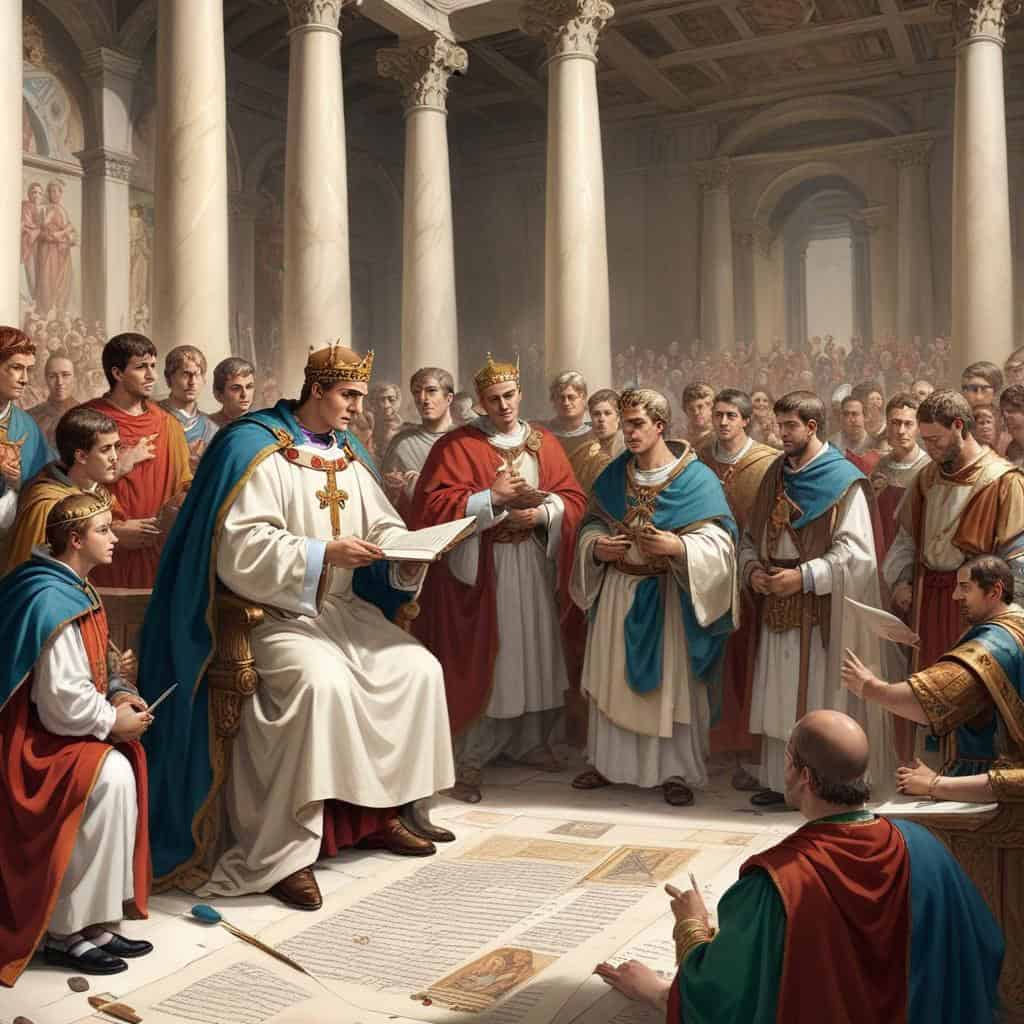
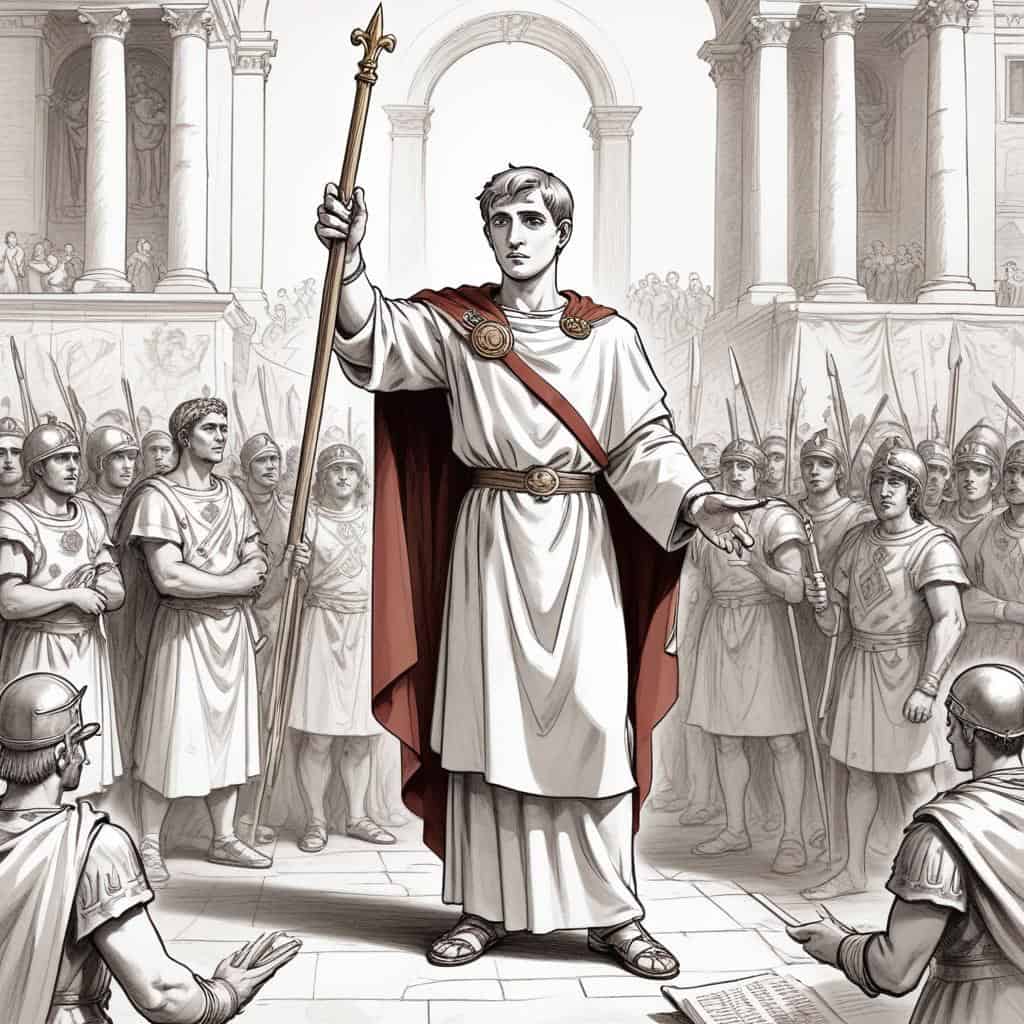
Emperor Constantine
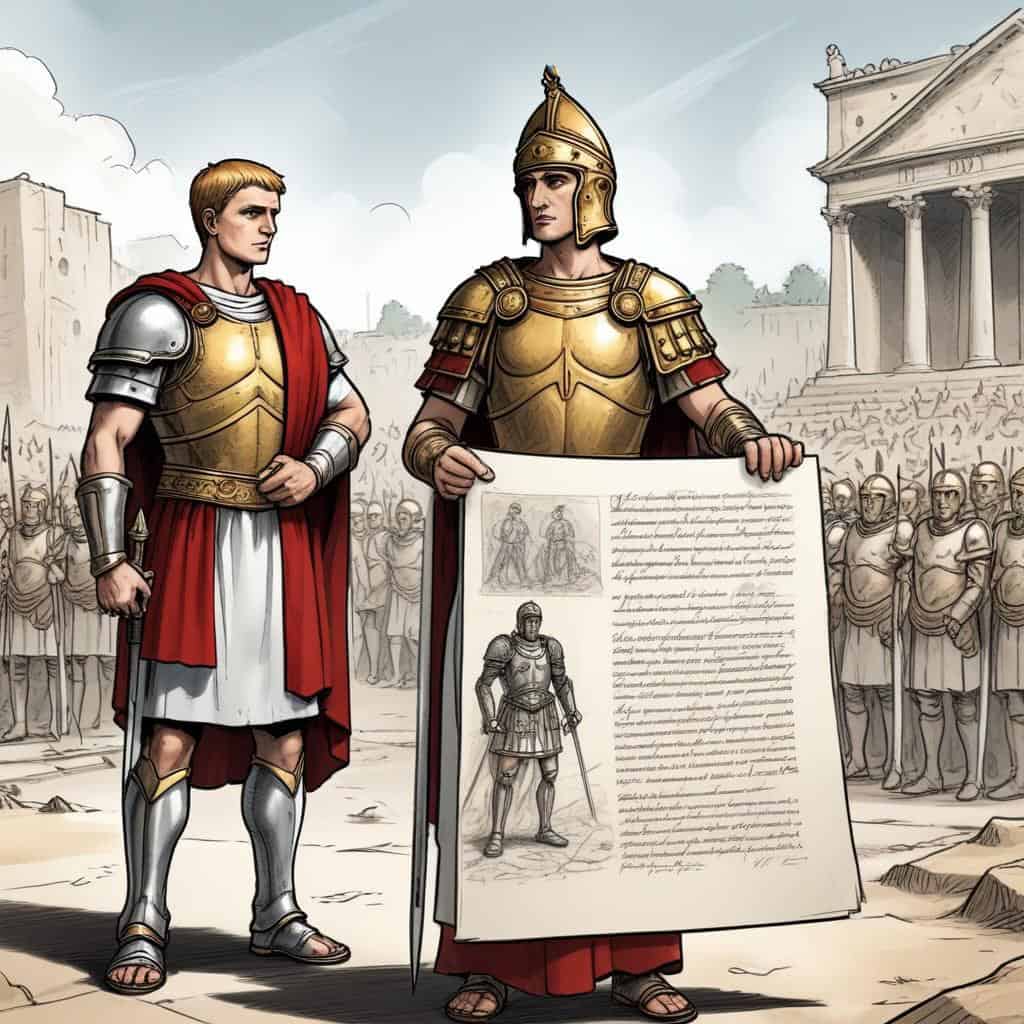
Emperor Licinius
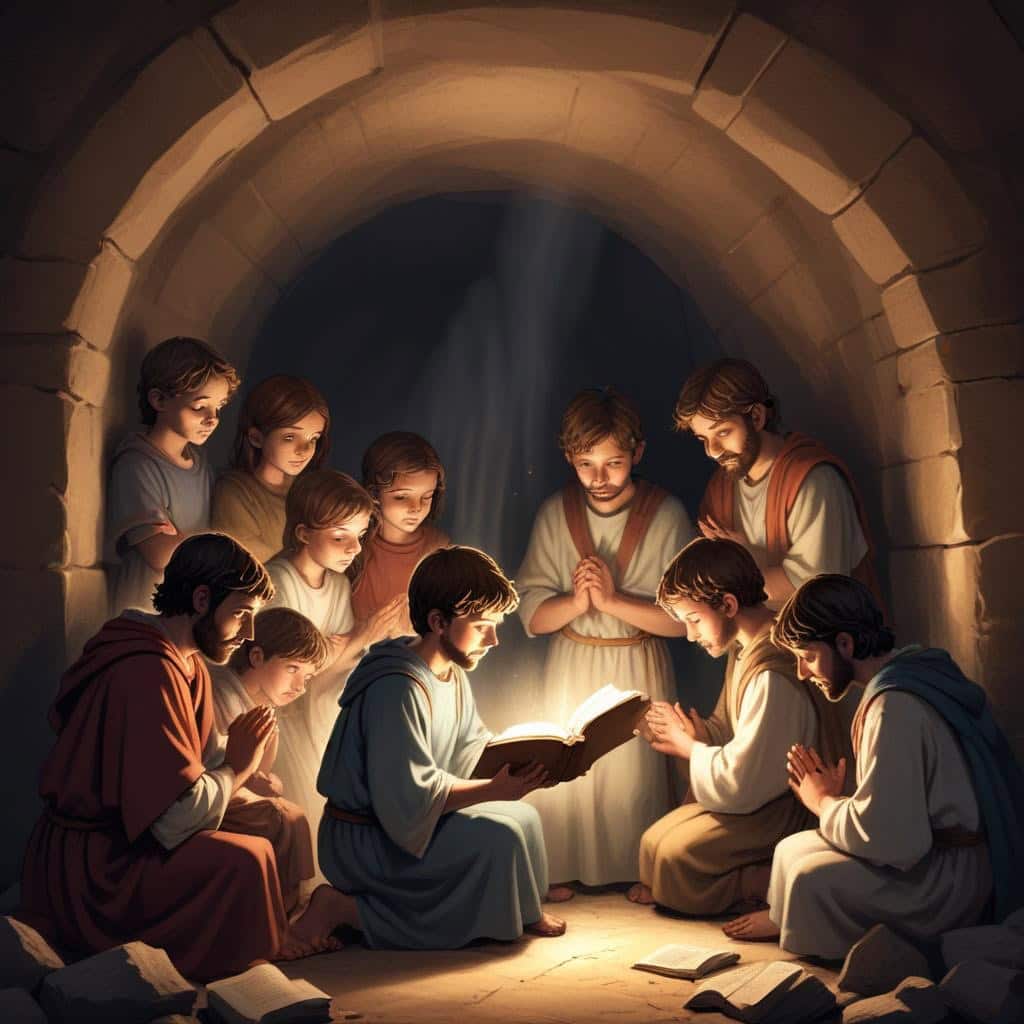
Christians in the Roman Empire
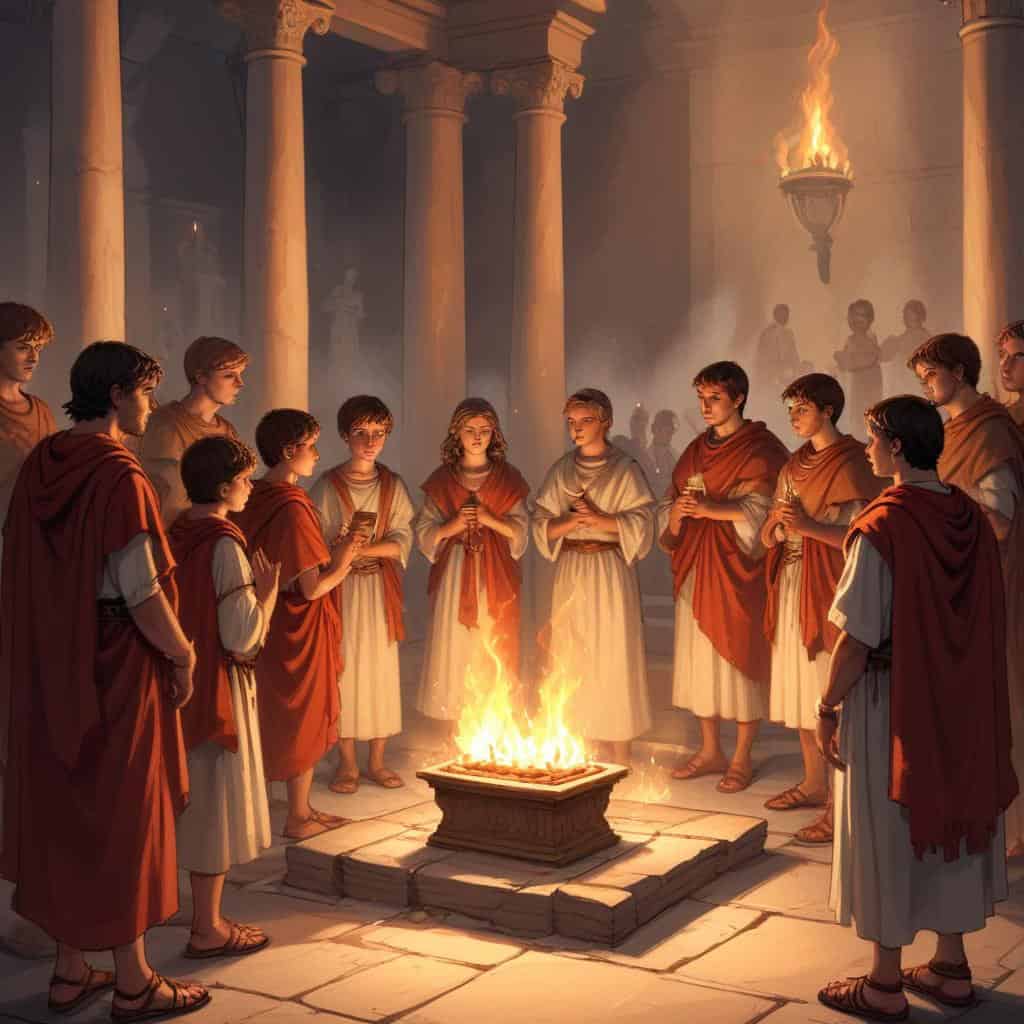
Pagans in the Roman Empire

Constantine and Licinius

Religious Tolerance

End of Persecution

Impact on Christianity

Political Implications
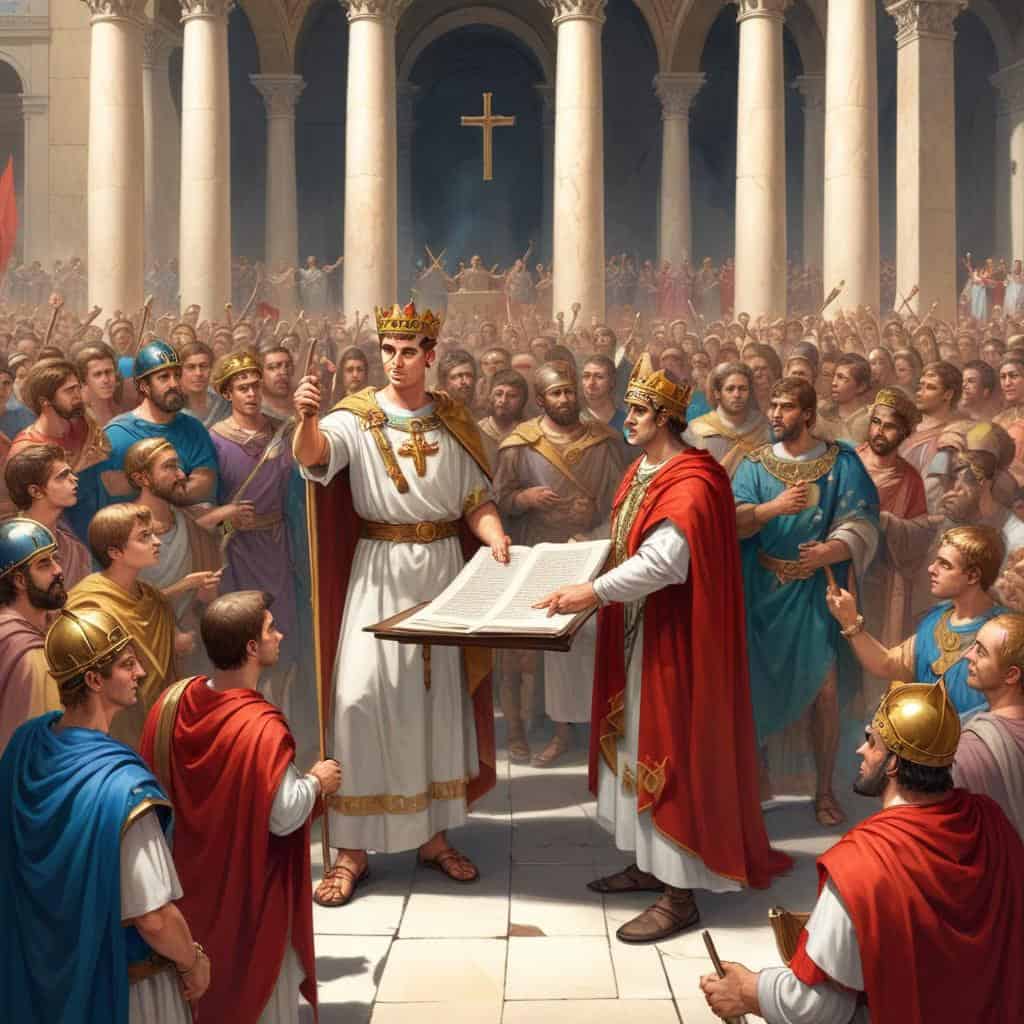
Legacy of the Edict

Historical Significance

Unity in the Empire

Christian Influence

Continued Impact
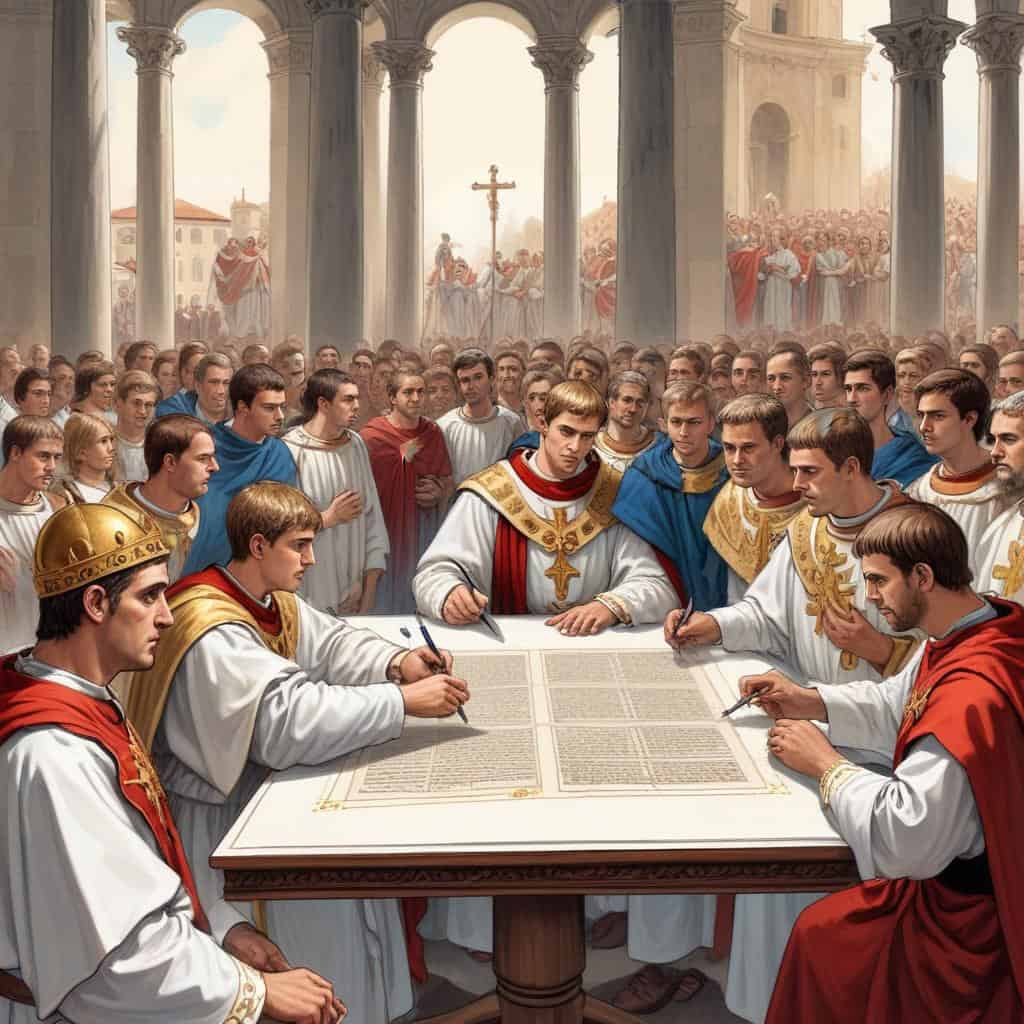
Lesson Details & Resources
In a Nutshell
- What: The Edict of Milan legalized Christianity in the Roman Empire.
- When: 313 AD
- Who: Emperor Constantine and Emperor Licinius
- Outcome: Religious tolerance for Christians, marking a significant shift in Roman policy towards Christianity.
Famous Figures in the The Edict of Milan – 313 AD
-
Constantine the Great
Constantine the Great was the Roman Emperor who issued the Edict of Milan, granting religious tolerance to Christians.
-
Licinius
Licinius was a Roman Emperor who co-issued the Edict of Milan with Constantine the Great.
-
Maxentius
Maxentius was a Roman Emperor who opposed the Edict of Milan and was defeated by Constantine the Great.
-
Galerius
Galerius was a Roman Emperor who initially persecuted Christians but later supported the Edict of Milan.
Timeline of The Edict of Milan – 313 AD
Constantine becomes Emperor of the Western Roman Empire
Battle of Milvian Bridge where Constantine defeats Maxentius
Constantine issues the Edict of Milan granting religious tolerance to Christians
Constantine and Licinius issue the Edict of Milan reaffirming religious tolerance
Construction of the Arch of Constantine in Rome begins
Constantine moves the capital of the Roman Empire to Byzantium, renaming it Constantinople
Constantine converts to Christianity
Constantine dies and is succeeded by his sons
Council of Nicaea is convened by Constantine to address theological disputes within Christianity
Constantine commissions the construction of the Church of the Holy Sepulchre in Jerusalem
Constantine defeats Licinius in the Battle of Chrysopolis, becoming sole Emperor of the Roman Empire
Constantine issues the Edict of Thessalonica declaring Christianity the official state religion of the Roman Empire
Theodosius I issues the Edict of Thessalonica, reaffirming Christianity as the official state religion
Constantine orders the execution of his son Crispus
Constantine convenes the First Council of Nicaea, resulting in the Nicene Creed
Constantine issues the Edict of Maximum prices to stabilize the economy
Constantine defeats the Franks and Alamanni at the Battle of Tolbiac
Constantine establishes the city of Constantinople as the new capital of the Roman Empire
Constantine's mother, Helena, embarks on a pilgrimage to the Holy Land
Constantine issues the Edict of Thessalonica declaring all subjects of the Roman Empire to be Christians
Vocabulary List
- Edict of Milan
- The official decree issued by Emperor Constantine and co-emperor Licinius in 313 AD, granting religious tolerance to Christians in the Roman Empire.
- Emperor Constantine
- The Roman emperor who issued the Edict of Milan, known for promoting Christianity and being the first Roman emperor to convert to Christianity.
- Licinius
- Co-emperor with Constantine who jointly issued the Edict of Milan, but later clashed with Constantine and was defeated in battle.
- Religious tolerance
- The acceptance and respect for different religious beliefs and practices, as granted to Christians in the Roman Empire by the Edict of Milan.
- Christianity
- The monotheistic religion based on the teachings of Jesus Christ, which was legalized and eventually became the dominant religion in the Roman Empire following the Edict of Milan.
Key Facts
This is the information used in the fact matching game
- The Edict of Milan was issued in 313 AD by the Roman Emperors Constantine the Great and Licinius, granting religious tolerance to Christians in the Roman Empire.
- The Edict of Milan allowed Christians to practice their faith openly and without fear of persecution.
- The Edict of Milan ended the persecution of Christians that had been ongoing in the Roman Empire.
- The Edict of Milan marked a significant turning point in the history of Christianity, as it allowed the religion to flourish and grow.
- The Edict of Milan also granted religious tolerance to other religions, not just Christianity.
- The Edict of Milan was issued after Constantine's victory in the Battle of the Milvian Bridge, where he saw a vision of the Christian symbol, the Chi-Rho, and attributed his victory to the Christian God.
- The Edict of Milan paved the way for the eventual adoption of Christianity as the official religion of the Roman Empire.
- The Edict of Milan allowed for the return of confiscated Christian property and the rebuilding of churches that had been destroyed.
- The Edict of Milan was the first edict in history to declare religious tolerance for all faiths.
- The Edict of Milan was a joint edict issued by both Constantine the Great and Licinius, who ruled the Eastern part of the Roman Empire.
- The Edict of Milan helped to bring an end to the persecution of Christians that had been ongoing for centuries in the Roman Empire.
- The Edict of Milan was a key moment in the history of religious freedom, setting a precedent for tolerance and acceptance of different faiths.
- The Edict of Milan was a response to the growing influence and popularity of Christianity in the Roman Empire.
- The Edict of Milan helped to establish Christianity as a legitimate and accepted religion within the Roman Empire.
- The Edict of Milan was a significant step towards the separation of church and state in the Roman Empire.
- The Edict of Milan had a lasting impact on the history of Christianity, shaping the religion's development and growth in the centuries that followed.
- The Edict of Milan helped to bring an end to the persecution of Christians that had been ongoing for centuries in the Roman Empire.
- The Edict of Milan was a key moment in the history of religious freedom, setting a precedent for tolerance and acceptance of different faiths.
- The Edict of Milan was a response to the growing influence and popularity of Christianity in the Roman Empire.
- The Edict of Milan helped to establish Christianity as a legitimate and accepted religion within the Roman Empire.
- The Edict of Milan was a significant step towards the separation of church and state in the Roman Empire.
Analysis & Significance
Immediate Consequences
The Edict of Milan, issued by Roman Emperors Constantine the Great and Licinius in 313 AD, marked a pivotal moment in the history of Christianity. This decree granted religious tolerance to Christians within the Roman Empire, ending decades of persecution. It allowed Christians to practice their faith openly without fear of retribution, leading to a rapid increase in conversions and the establishment of Christianity as a legitimate religion.
Long-Term Impact
The Edict of Milan had a profound and lasting impact on the course of history. By legalizing Christianity, it paved the way for the religion to become the dominant faith in the Roman Empire and eventually throughout Europe. This shift in religious landscape shaped the development of Western civilization, influencing art, politics, and social norms for centuries to come.
Cultural Significance Today
The legacy of the Edict of Milan continues to resonate in modern times. It laid the foundation for religious freedom and tolerance, principles that are enshrined in many democratic societies today. The Edict’s impact can be seen in the diversity of religious beliefs and practices that coexist peacefully in many parts of the world, emphasizing the importance of respecting different faith traditions. Its message of acceptance and coexistence remains relevant in our increasingly interconnected global society.
The Edict of Milan – 313 AD Games


Take Your Learning Offline
Want a convenient, print-ready study guide for this lesson? Become a Memory Wizards Pro member to unlock the downloadable " Memory Scrolls" for this topic and our entire library!
- ✓ Complete Vocabulary Lists
- ✓ Key Facts & Timelines
- ✓ Beautifully Formatted for Print & Mobile