
Summary of The Founding of Constantinople – 330 AD
Uncover the mystical origins of Constantinople, where history meets legend.
How Do You Learn Best?
Learn by Listening
Start with the 3-minute audio summary to get the key facts and narrative highlights quickly.
Learn by Reading
Immerse yourself in the 10-minute visual lesson for a comprehensive understanding of the topic.
Learn by Reviewing
Jump directly to the key facts, timeline, and vocabulary lists to build a solid foundation of details.
Learn by Doing
Challenge yourself! Jump straight into the interactive games to learn by trial, error, and discovery.
Audio Library
As one of our featured lessons, this topic includes premium audio guides.
Unlock the Wizard's Cram Session
This powerful audio study guide is a Pro-exclusive feature. Upgrade to Memory Wizards Pro to access this and all of our premium learning tools.
Upgrade to ProThe Founding of Constantinople – 330 AD in 10 Minutes
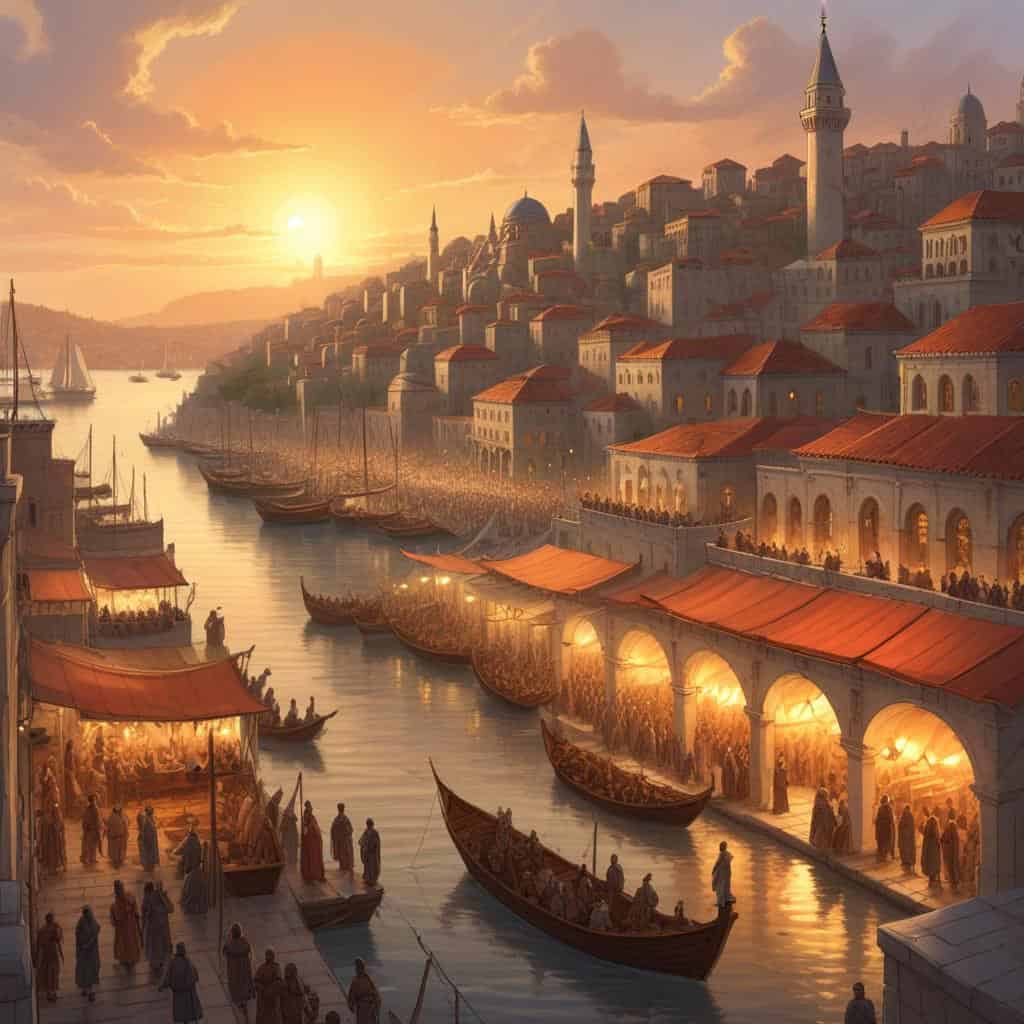
Introduction
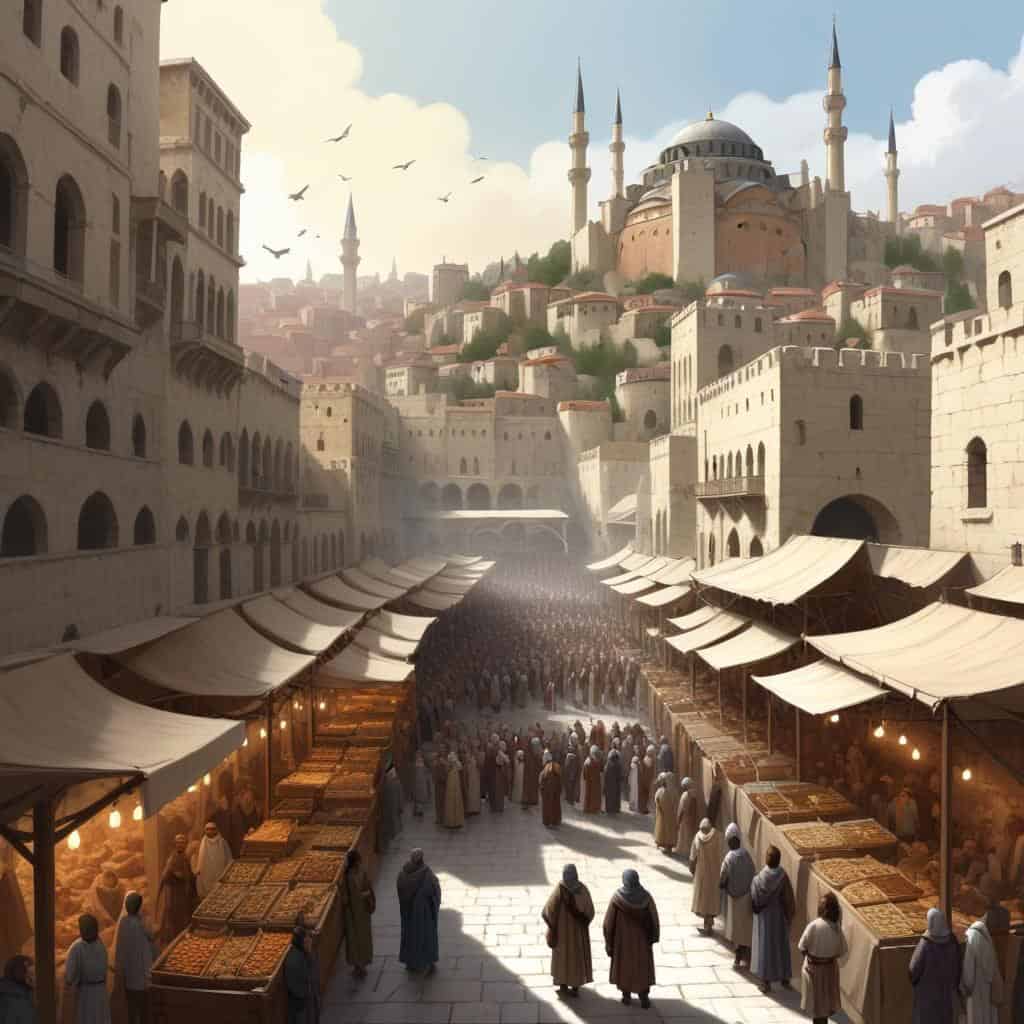
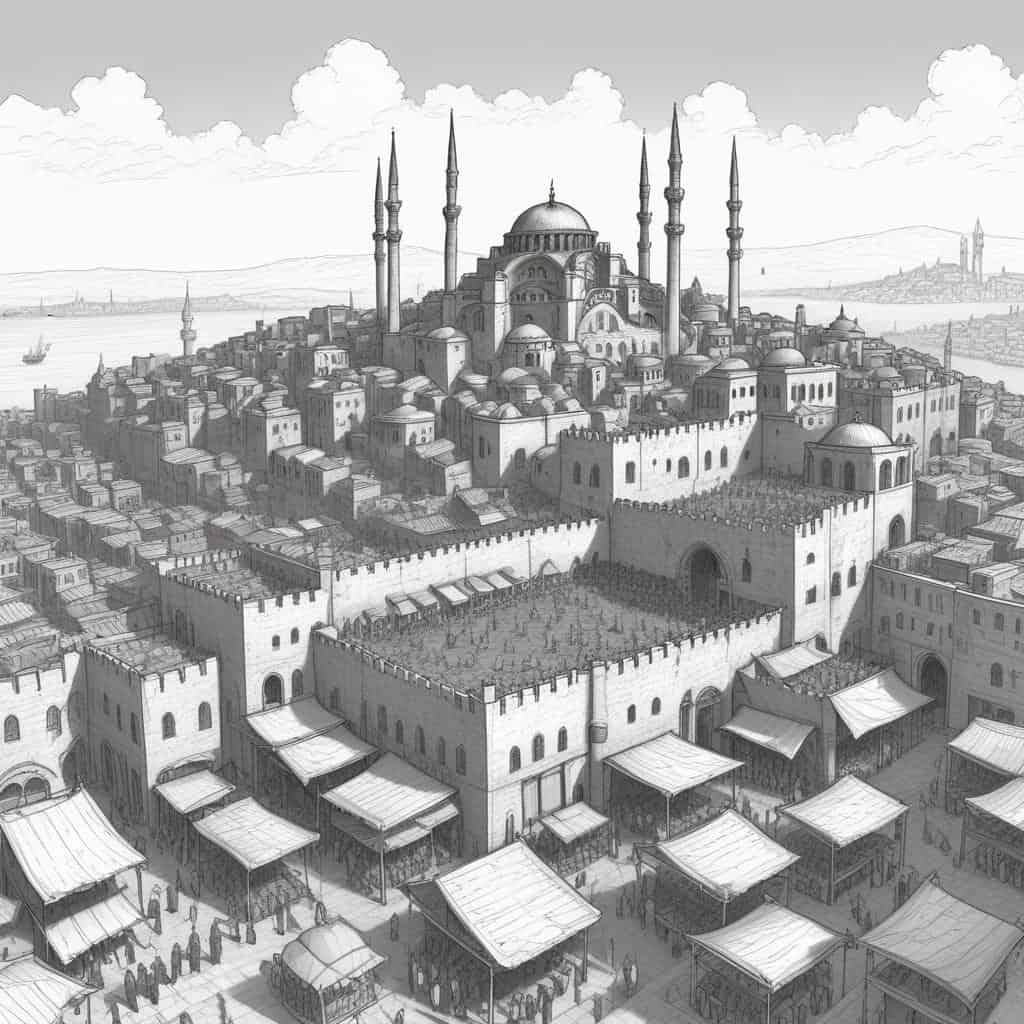
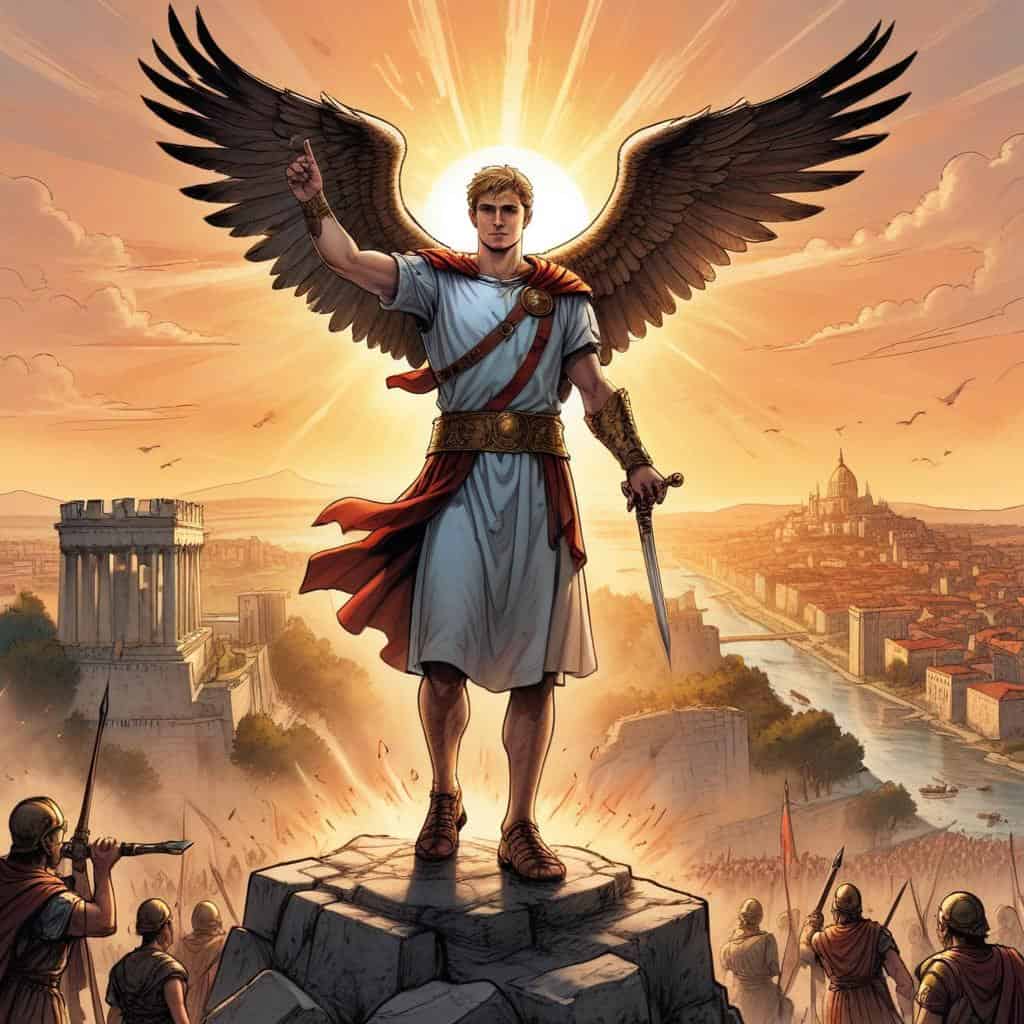
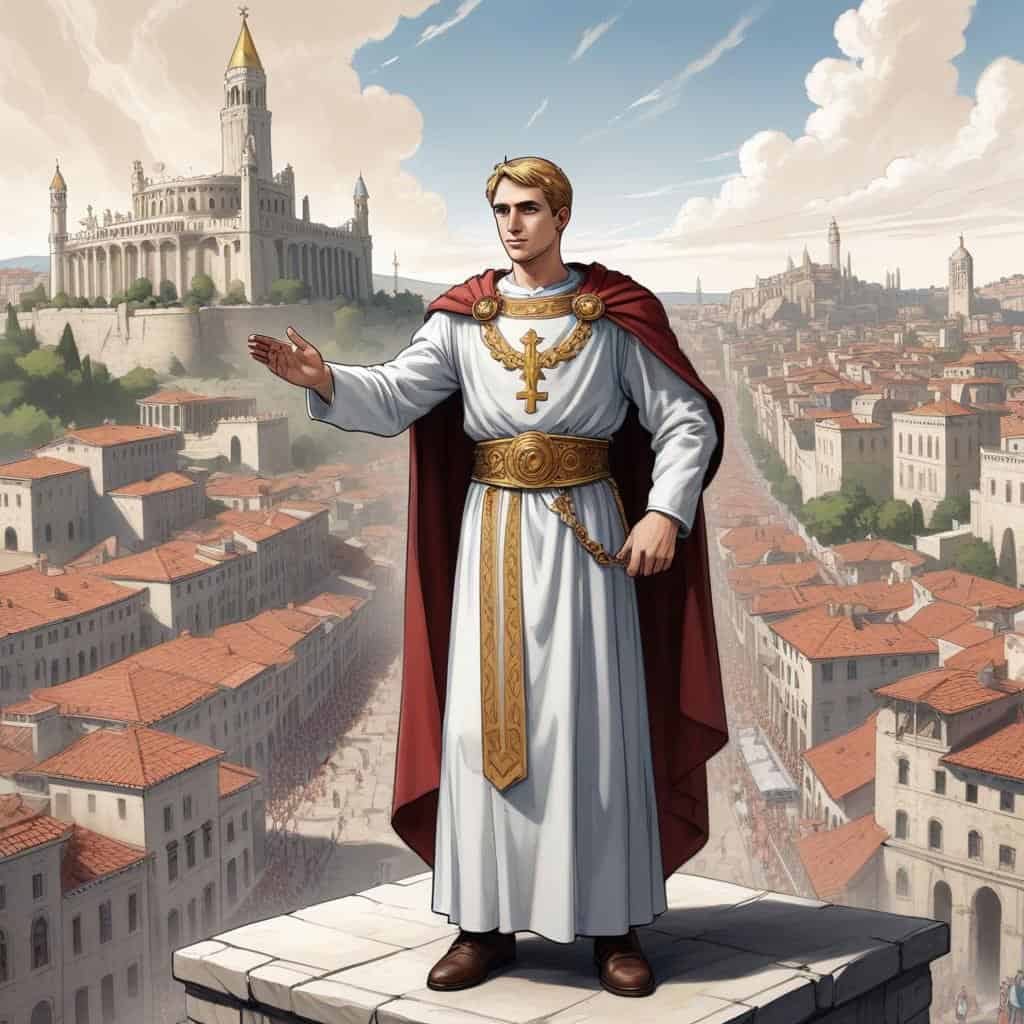
Constantine the Great
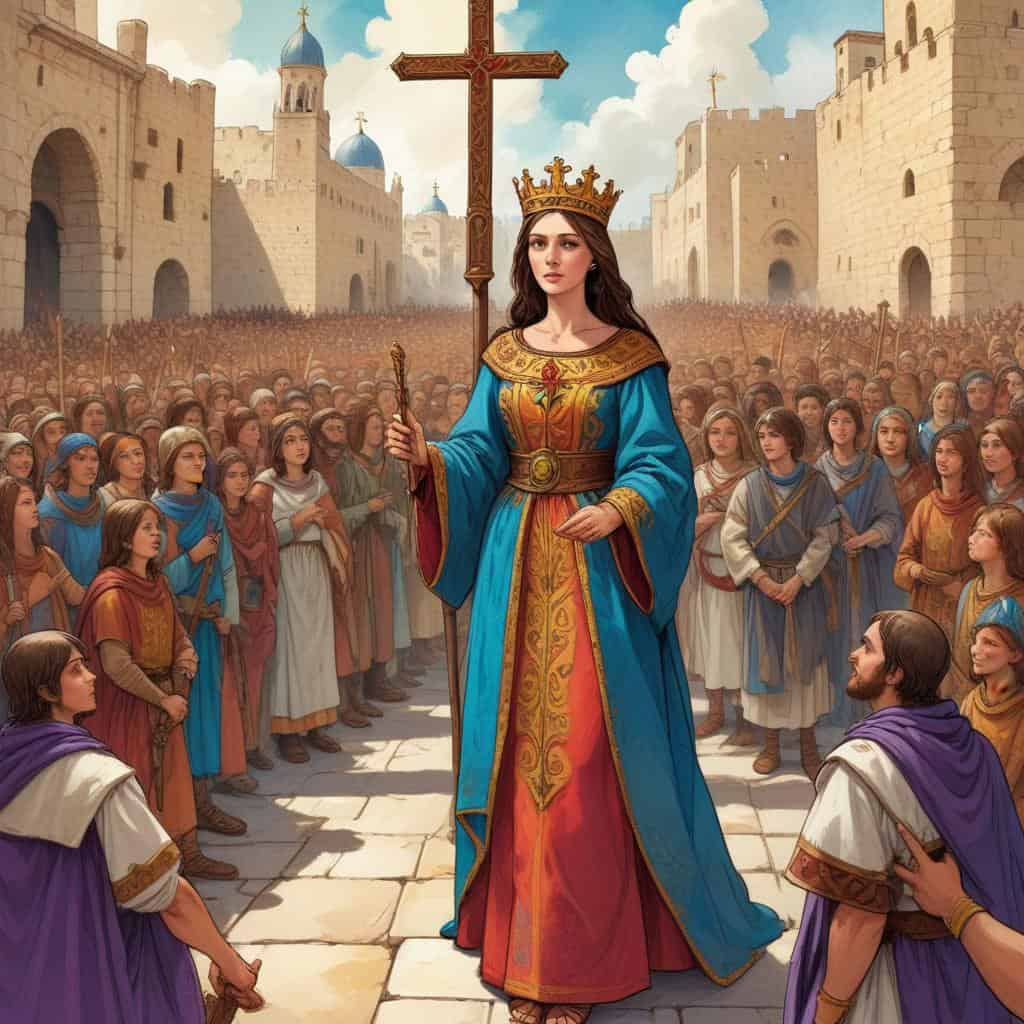
Empress Helena
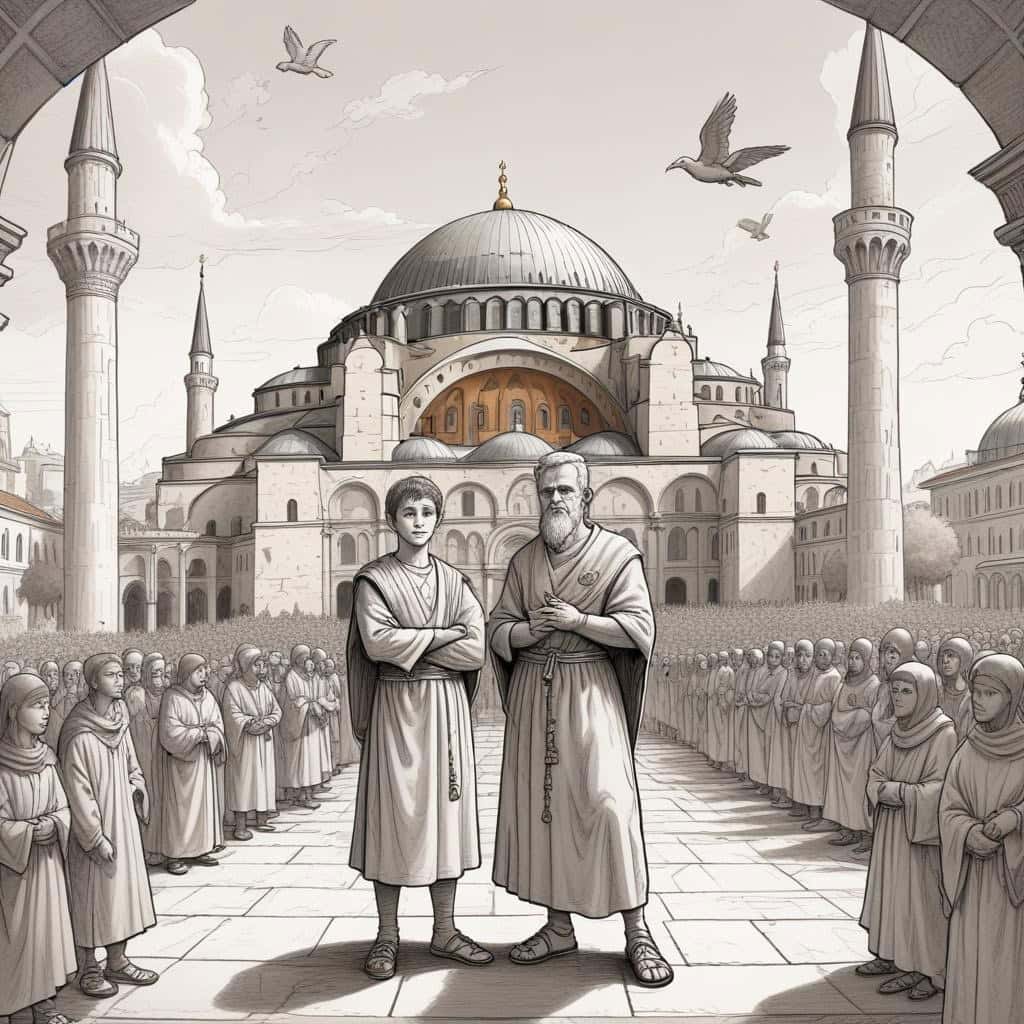
Theodosius I
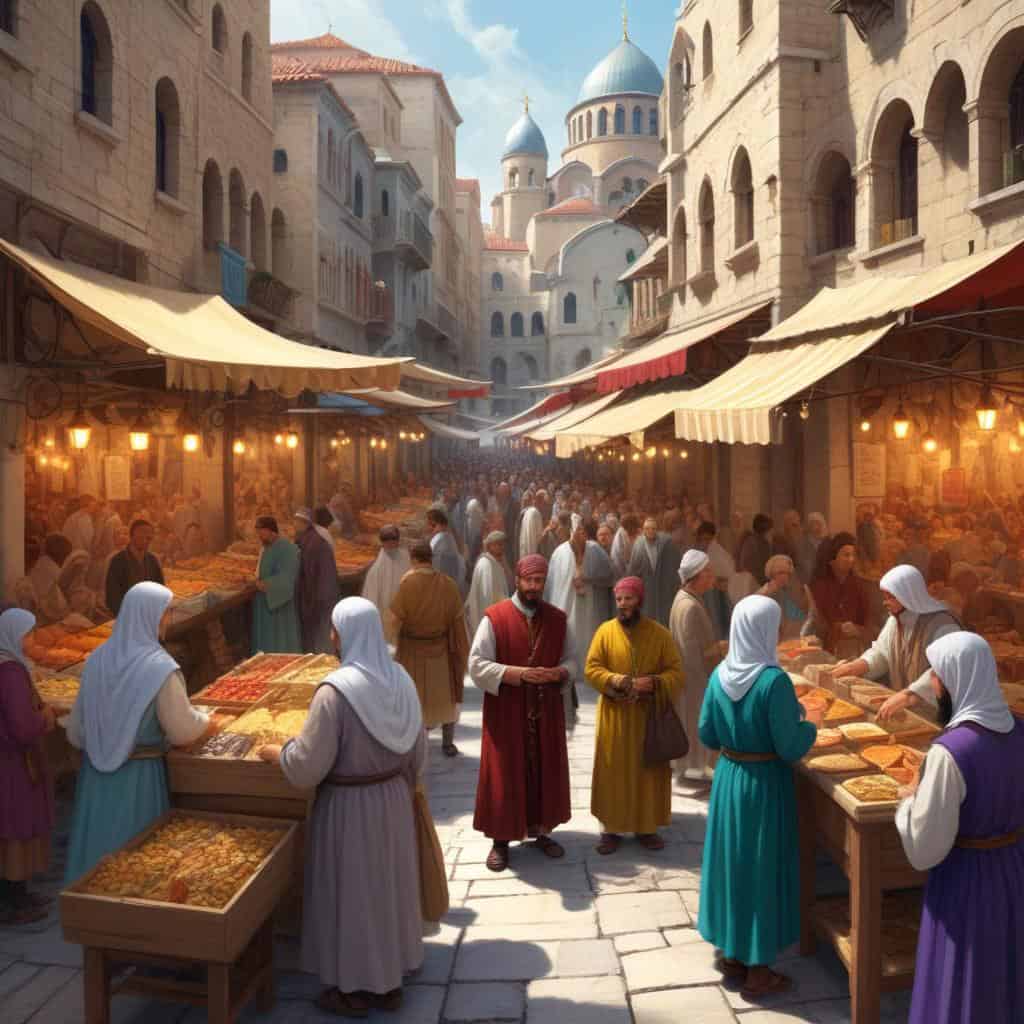
Byzantine Citizens
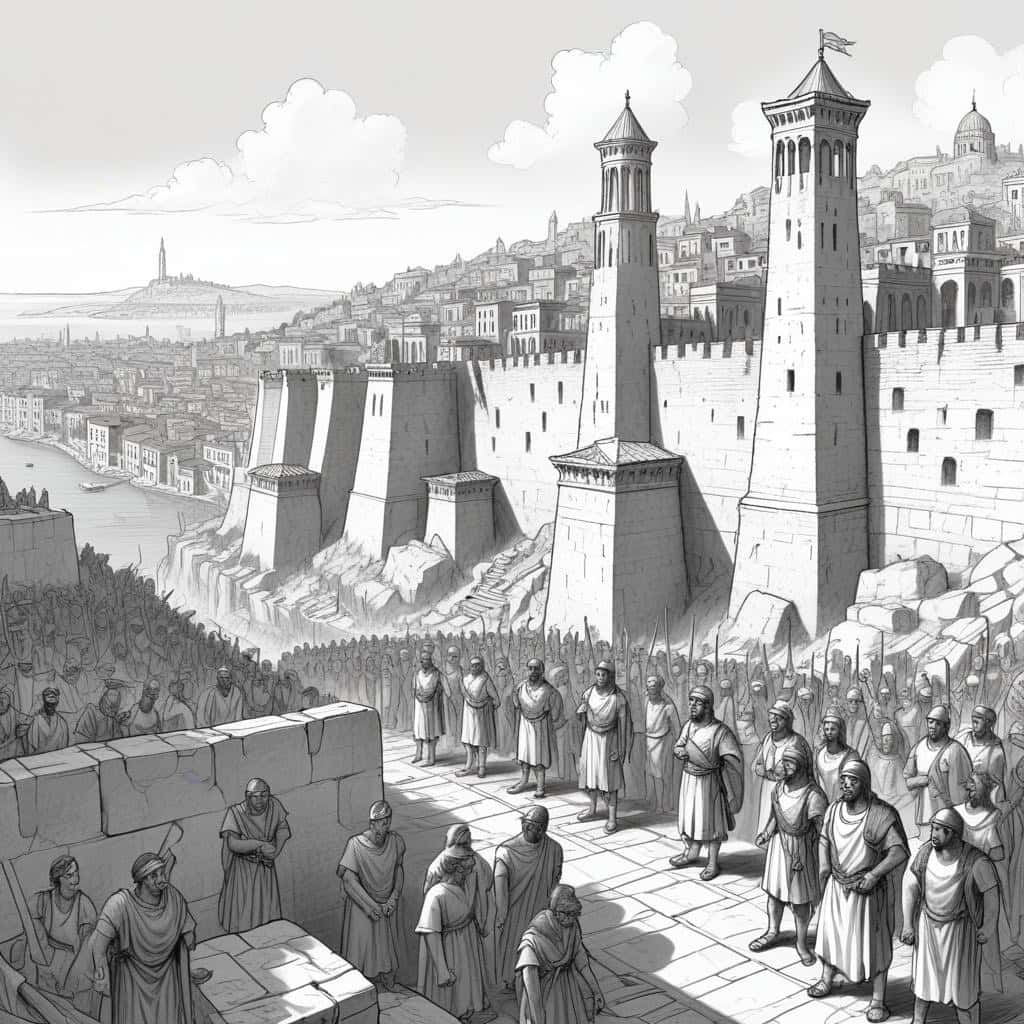
The Founding of Constantinople - 330 AD

Renaming the City

Construction of the City
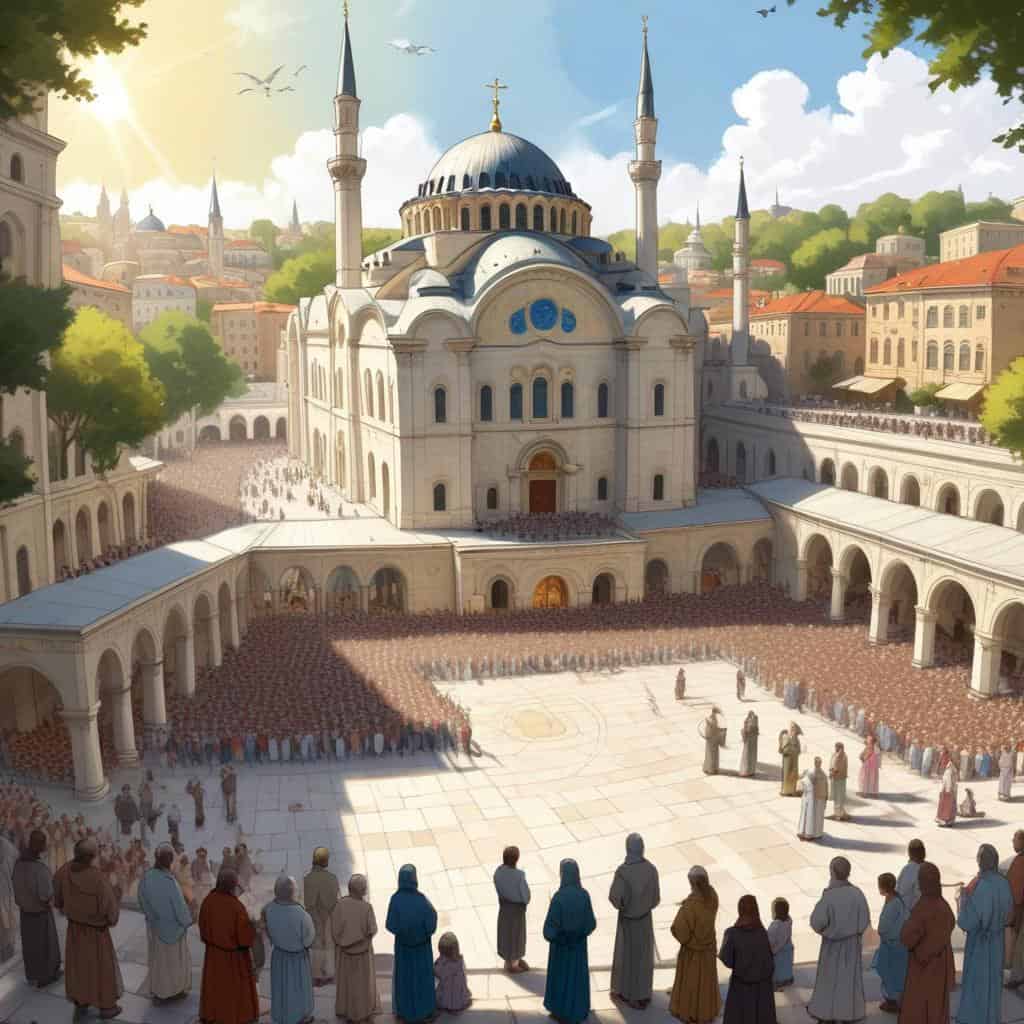
Christianity in Constantinople
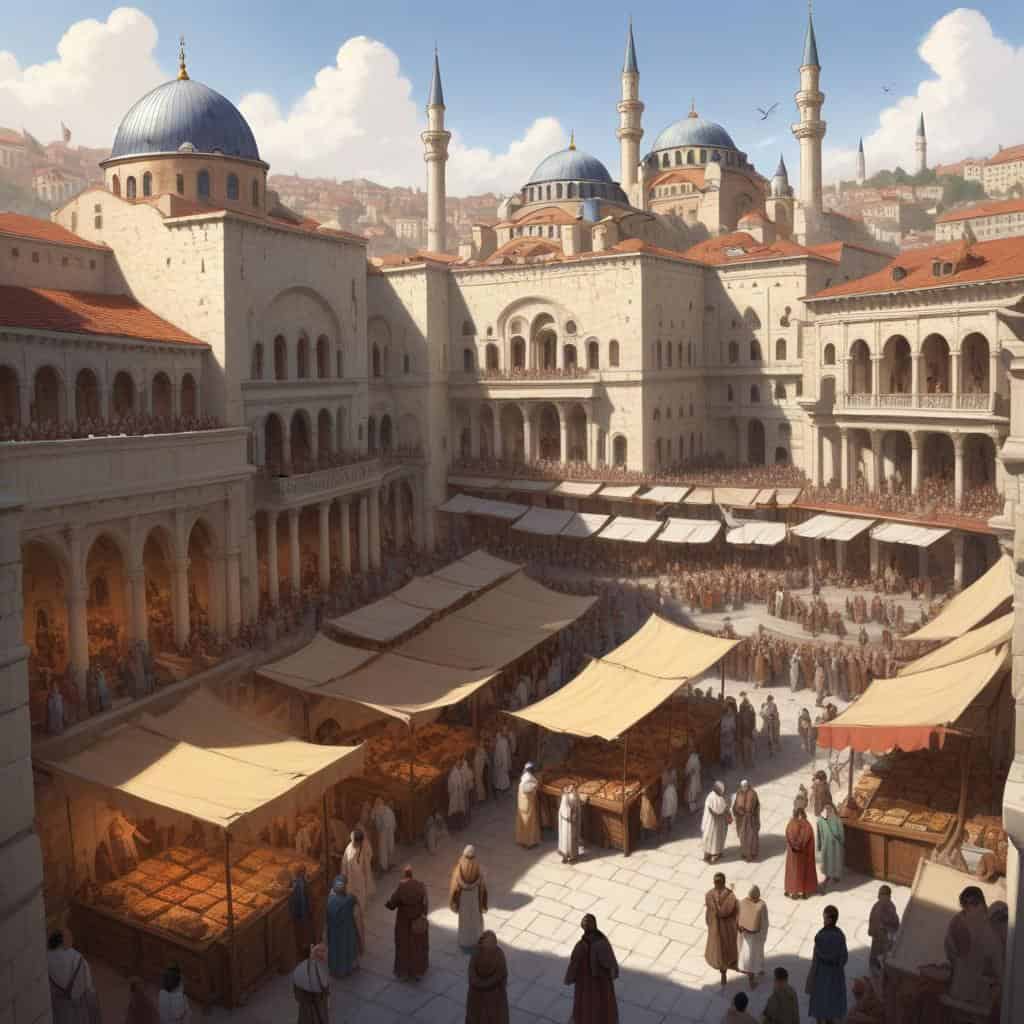
Political Significance
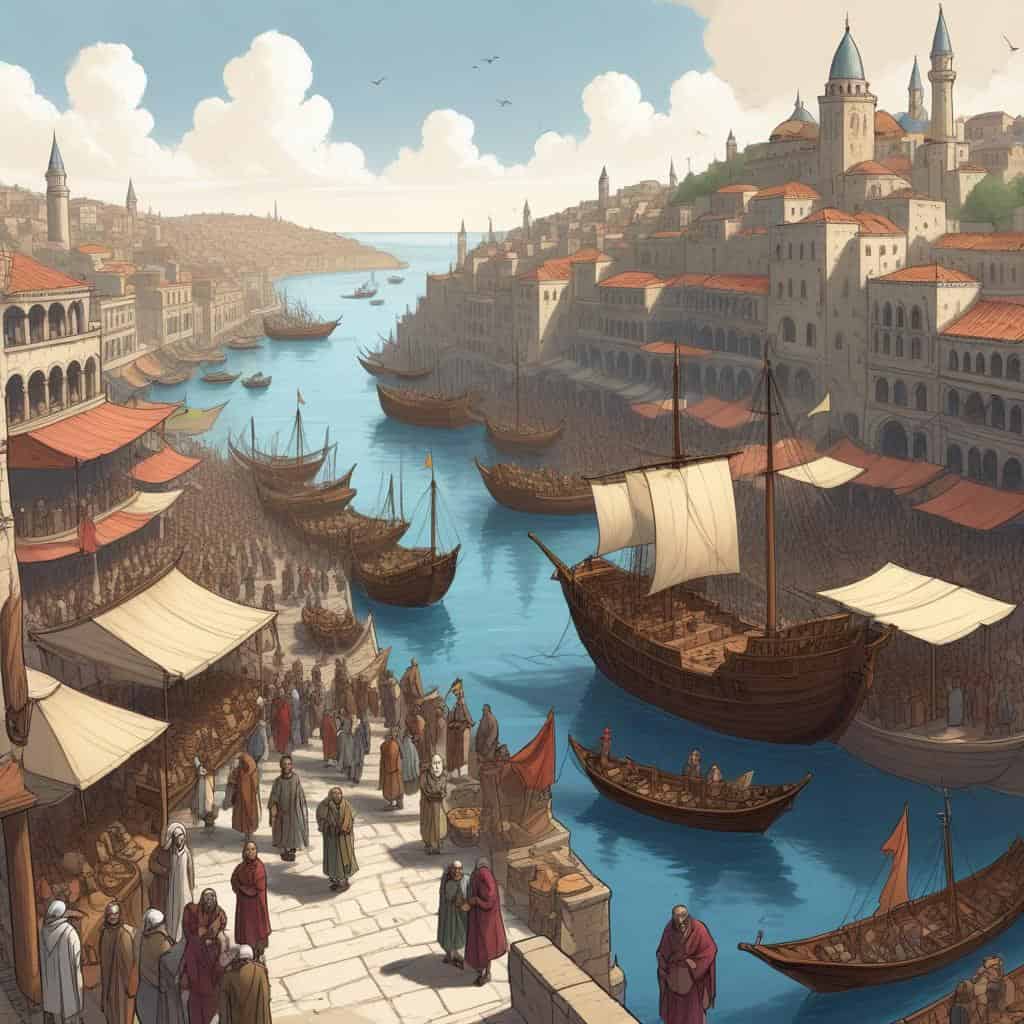
Strategic Importance
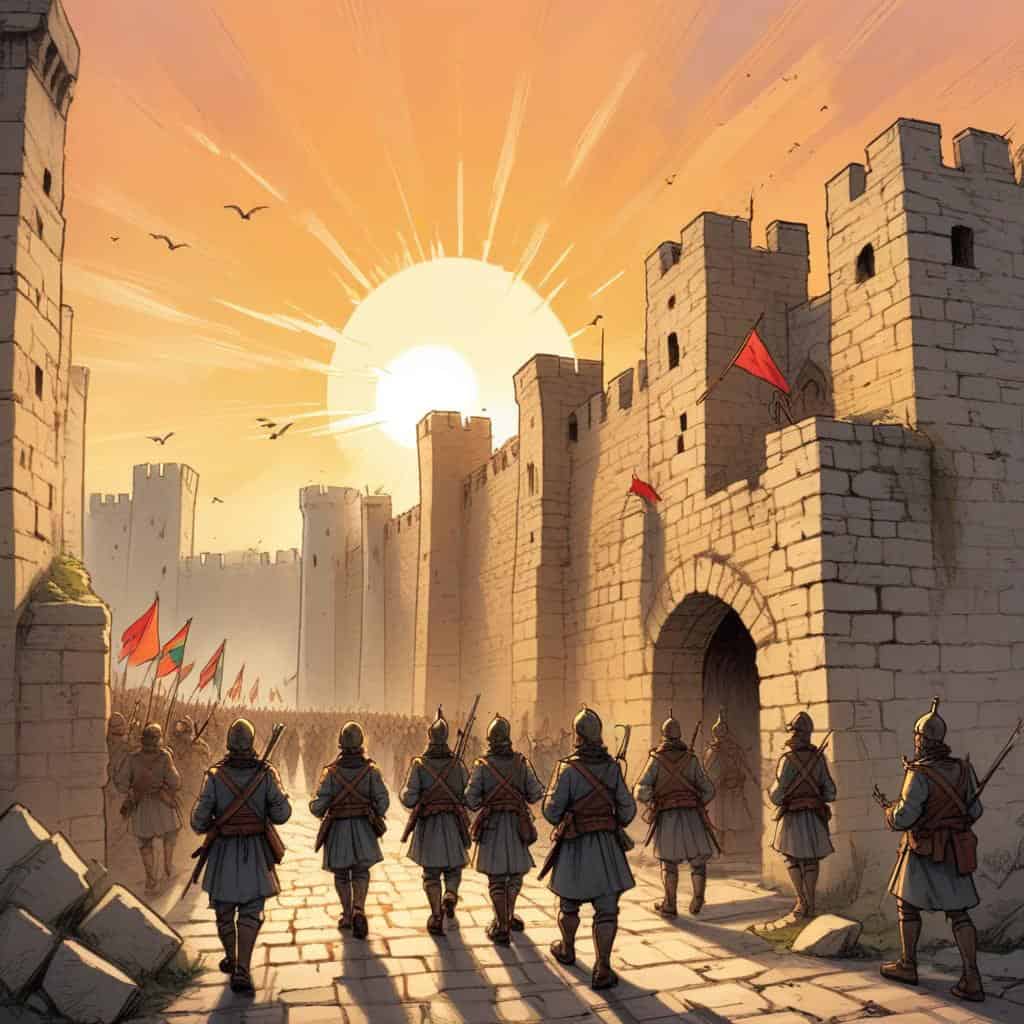
Decline and Fall

Legacy of Constantinople
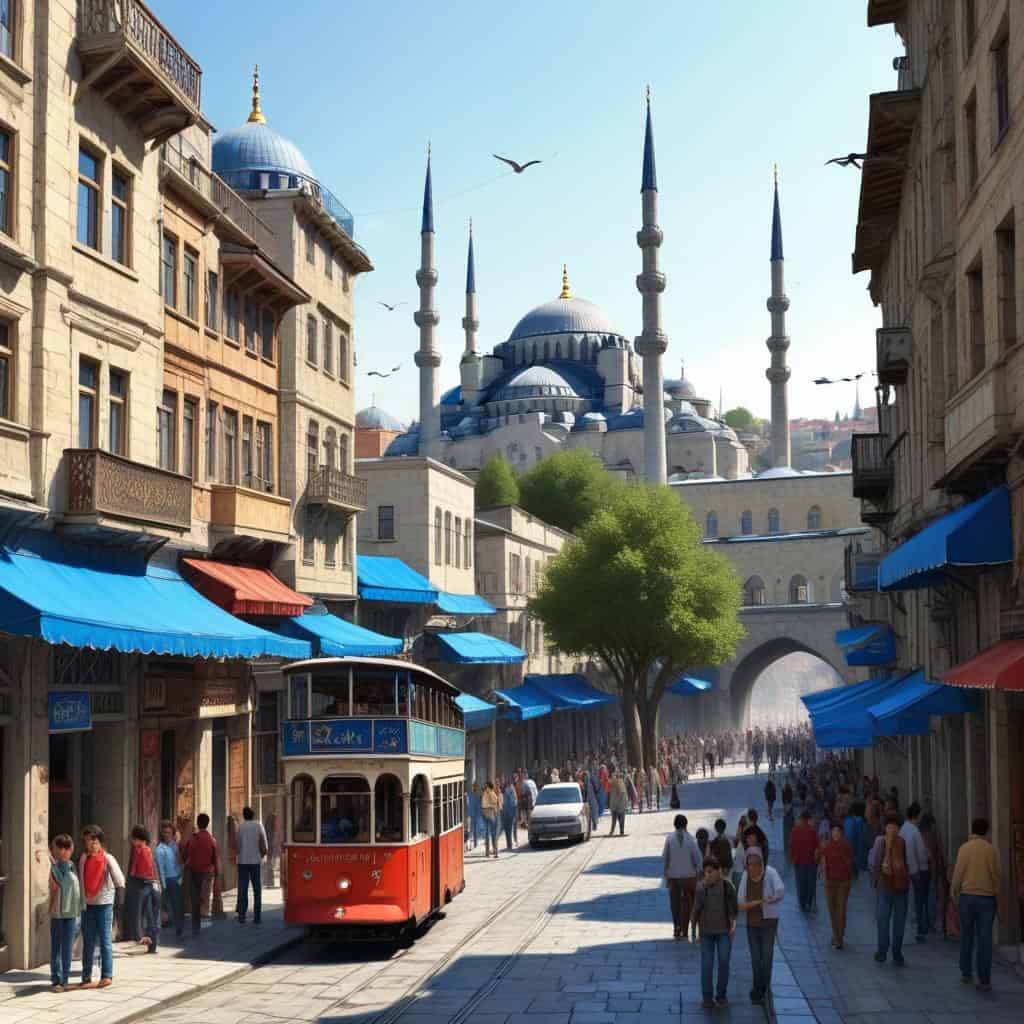
Modern-Day Istanbul
Lesson Details & Resources
In a Nutshell
- What: The founding of Constantinople
- When: 330 AD
- Who: Roman Emperor Constantine the Great
- Outcome: Constantinople became the new capital of the Roman Empire, marking the beginning of the Byzantine Empire
Famous Figures in the The Founding of Constantinople – 330 AD
-
Constantine the Great
Constantine the Great was the Roman emperor who founded the city of Constantinople in 330 AD.
-
Heraclius
Heraclius was a Byzantine emperor who ruled during the early 7th century and played a significant role in the defense of Constantinople.
-
Theodosius I
Theodosius I was a Roman emperor who made Christianity the official religion of the Roman Empire and played a role in the early history of Constantinople.
-
Theodora
Theodora was the wife of Emperor Justinian I and played a significant role in the politics of Constantinople during the 6th century.
Timeline of The Founding of Constantinople – 330 AD
Constantinople founded by Roman Emperor Constantine I
Construction of the city walls begins
Constantine I moves the capital of the Roman Empire to Constantinople
Hagia Sophia cathedral built
Constantinople becomes the largest and wealthiest city in Europe
Theodosian Walls built to defend the city
Nika riots in Constantinople
Justinian I becomes Emperor of Byzantium
Great Palace of Constantinople built
Hippodrome of Constantinople constructed
Constantinople becomes the capital of the Byzantine Empire
Council of Chalcedon held in Constantinople
Fourth Crusade sacks Constantinople
Constantinople falls to the Ottoman Empire
Mehmed II renames Constantinople to Istanbul
Vocabulary List
- Constantinople
- The city founded by Emperor Constantine in 330 AD, which became the capital of the Byzantine Empire.
- Emperor Constantine
- The Roman Emperor who founded Constantinople in 330 AD and legalized Christianity in the Roman Empire.
- Byzantine Empire
- The empire that was established following the founding of Constantinople in 330 AD, lasting until the fall of Constantinople in 1453.
- Eastern Roman Empire
- Another name for the Byzantine Empire, which was centered around Constantinople after its founding in 330 AD.
- Bosporus
- The strait that separates Europe and Asia, and played a strategic role in the founding of Constantinople in 330 AD.
- Hagia Sophia
- The famous cathedral in Constantinople, built in 537 AD, which served as the center of Orthodox Christianity in the Byzantine Empire.
Key Facts
This is the information used in the fact matching game
- Constantinople was founded by Roman Emperor Constantine the Great in 330 AD.
- Constantinople was originally named Byzantium.
- The city was strategically located on the Bosporus Strait, connecting Europe and Asia.
- Constantinople served as the capital of the Byzantine Empire for over 1,000 years.
- The city was known for its massive defensive walls, which protected it from numerous invasions.
- Constantinople was a center of trade, culture, and religion in the Byzantine Empire.
- The city was adorned with numerous churches, palaces, and public buildings.
- Constantinople was known for its Hippodrome, where chariot races and other events were held.
- Emperor Constantine believed that founding Constantinople would bring good fortune to the Roman Empire.
- The city was designed to be a Christian capital, with many churches and religious institutions.
- Constantinople became a major center of Christianity, with the establishment of the Patriarchate of Constantinople.
- The city's strategic location made it a key trading hub between Europe and Asia.
- Constantinople was a melting pot of different cultures and religions, including Greeks, Romans, and Persians.
- The city was known for its beautiful architecture, including the Hagia Sophia and the Great Palace.
- The fall of Constantinople to the Ottoman Empire in 1453 marked the end of the Byzantine Empire.
- The city was renamed Istanbul after the Ottoman conquest.
- Today, the city is known as Istanbul and is the largest city in Turkey.
- The founding of Constantinople was a turning point in Roman history, ushering in the Byzantine era.
- Constantinople was a hub of intellectual and artistic activity, with scholars and artists flocking to the city.
- The city's location on the Silk Road made it a key player in the trade network connecting Europe and Asia.
Analysis & Significance
Immediate Consequences
Following the founding of Constantinople in 330 AD, the city quickly became the new capital of the Roman Empire, replacing Rome. This shift in power centralized the empire’s control in the East and allowed for greater protection against invasions from the east. The city’s strategic location on the Bosporus Strait also facilitated trade and communication between Europe and Asia.
Long-Term Impact
The establishment of Constantinople had a profound and lasting impact on history. The city served as the seat of power for the Byzantine Empire for over a thousand years, preserving and transmitting Greek and Roman culture to future generations. It also became a center of Christian theology and art, influencing the development of Eastern Orthodoxy and shaping the course of European history.
Cultural Significance Today
Today, the legacy of Constantinople lives on in modern-day Istanbul, Turkey. The city’s rich history and diverse cultural heritage are evident in its architecture, cuisine, and traditions. The blending of Eastern and Western influences in Istanbul reflects the city’s role as a bridge between continents and civilizations. The iconic Hagia Sophia and the Byzantine walls of Constantinople stand as reminders of the city’s enduring cultural significance.
The Founding of Constantinople – 330 AD Games


Take Your Learning Offline
Want a convenient, print-ready study guide for this lesson? Become a Memory Wizards Pro member to unlock the downloadable " Memory Scrolls" for this topic and our entire library!
- ✓ Complete Vocabulary Lists
- ✓ Key Facts & Timelines
- ✓ Beautifully Formatted for Print & Mobile