
How Do You Learn Best?
Learn by Reading
Immerse yourself in the 10-minute visual lesson for a comprehensive understanding of the topic.
Learn by Reviewing
Jump directly to the key facts, timeline, and vocabulary lists to build a solid foundation of details.
Learn by Doing
Challenge yourself! Jump straight into the interactive games to learn by trial, error, and discovery.
Dracula by Bram Stoker in 10 Minutes
Introduction

Count Dracula

Jonathan Harker

Mina Harker

Lucy Westenra

Abraham Van Helsing
The Arrival of Jonathan Harker in Transylvania
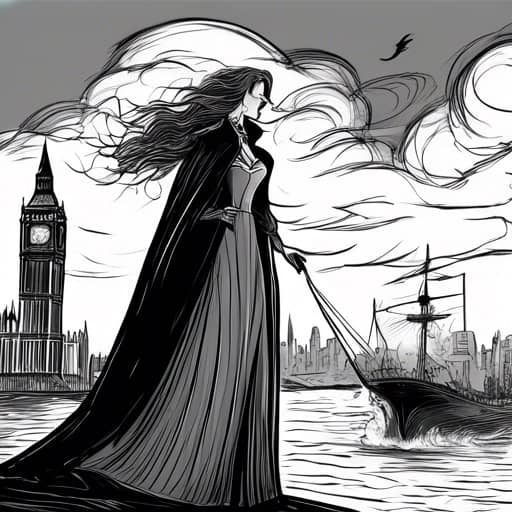
Draculas Move to England
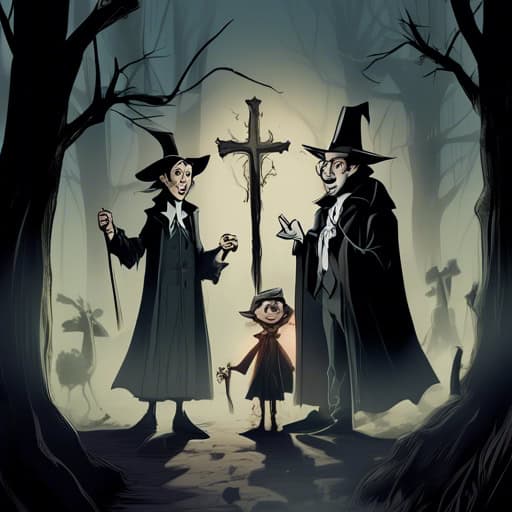
The Hunt for Dracula
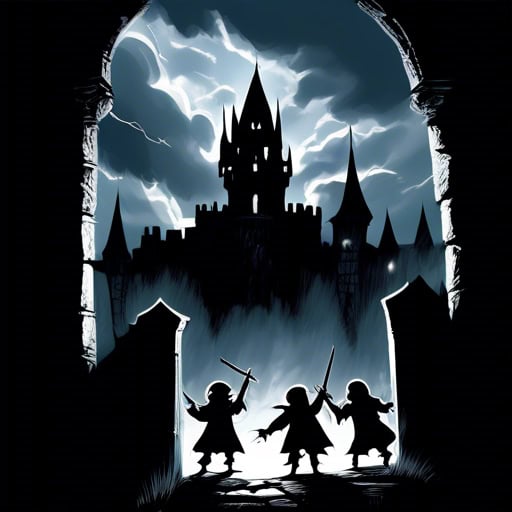
The Final Battle at Draculas Castle
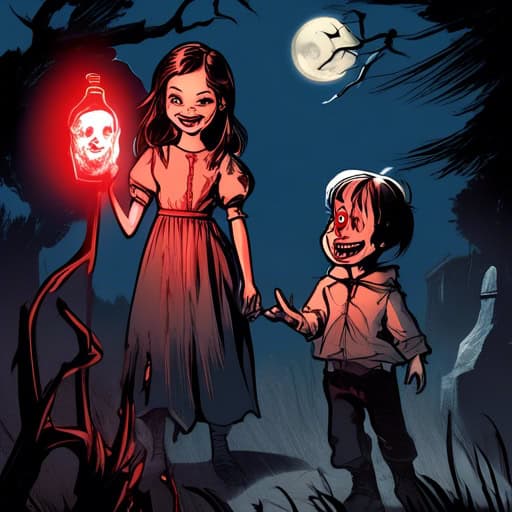
Lucys Transformation into a Vampire
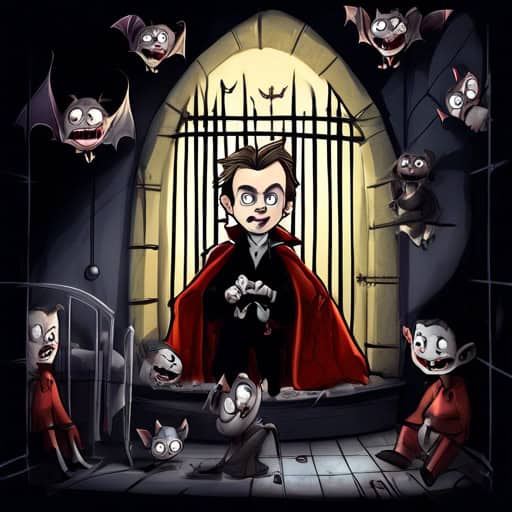
Renfields Insanity
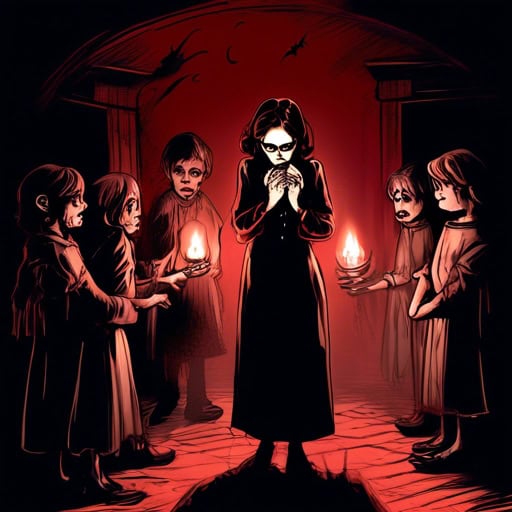
Mina Harkers Transformation
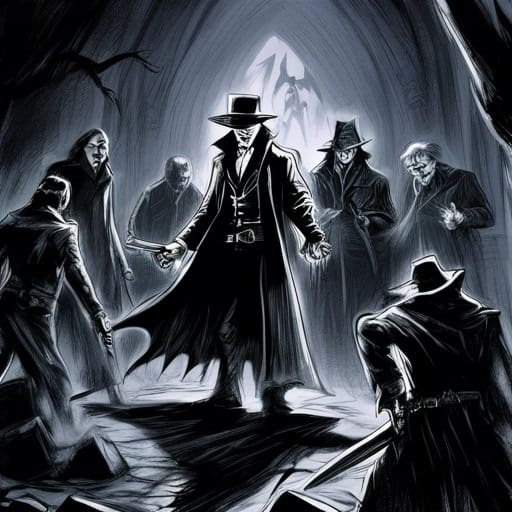
The Battle of Good vs. Evil
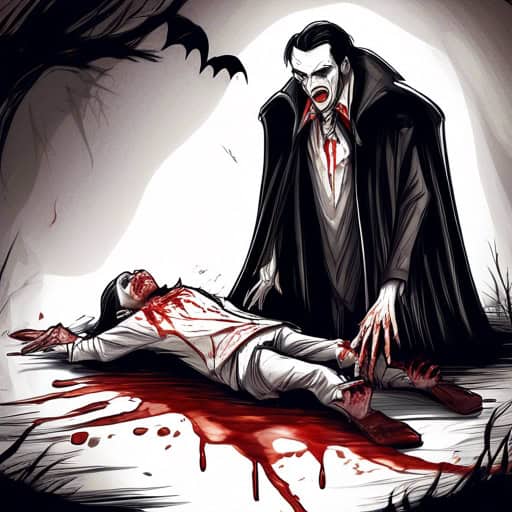
The Theme of Immortality
The Legacy of Dracula
Lesson Details & Resources
In a Nutshell
- What: Dracula by Bram Stoker
- When: Written in the Victorian era
- Who: Main characters: Count Dracula, Jonathan Harker, Mina Harker
- Theme: The theme of the work revolves around fear, superstition, and the battle between good and evil
List of Characters in Dracula by Bram Stoker
-
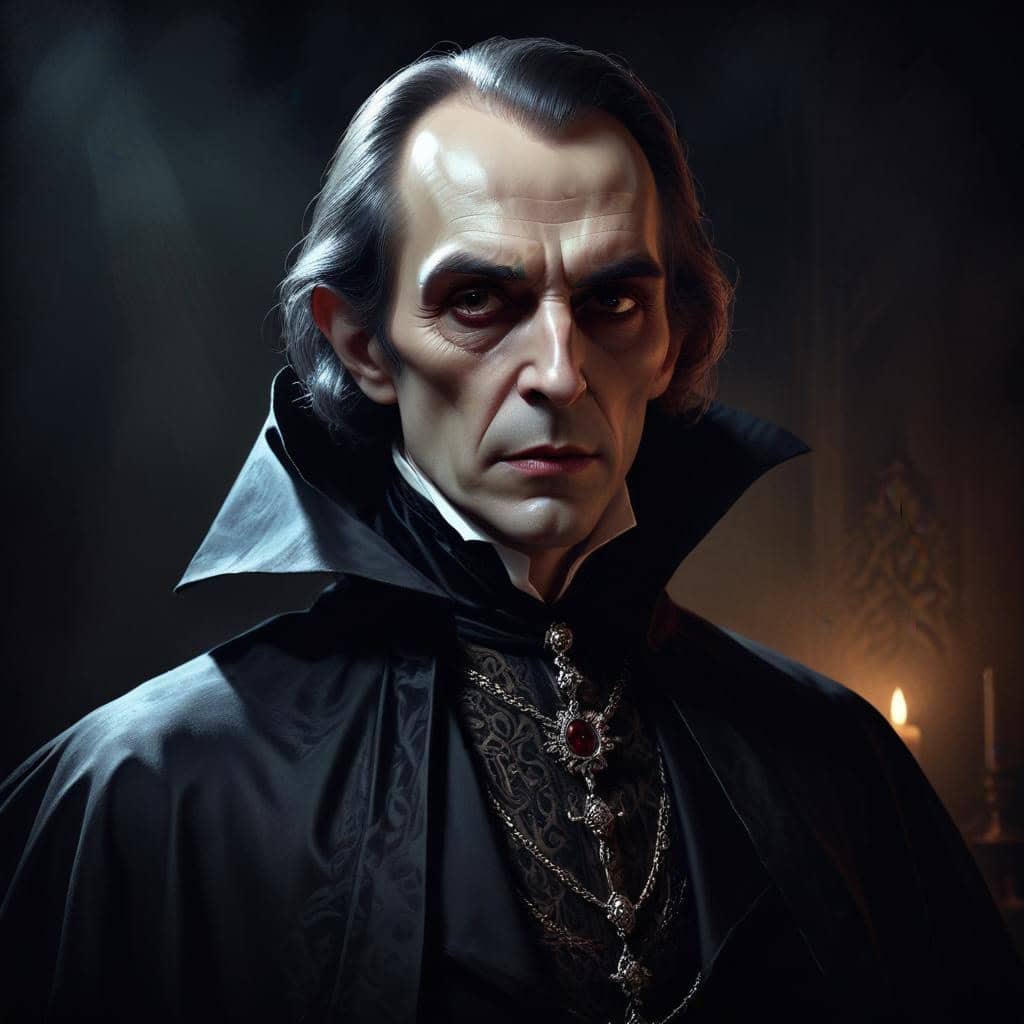
Count Dracula
Count Dracula is a centuries-old vampire who moves to England in search of new blood.
-
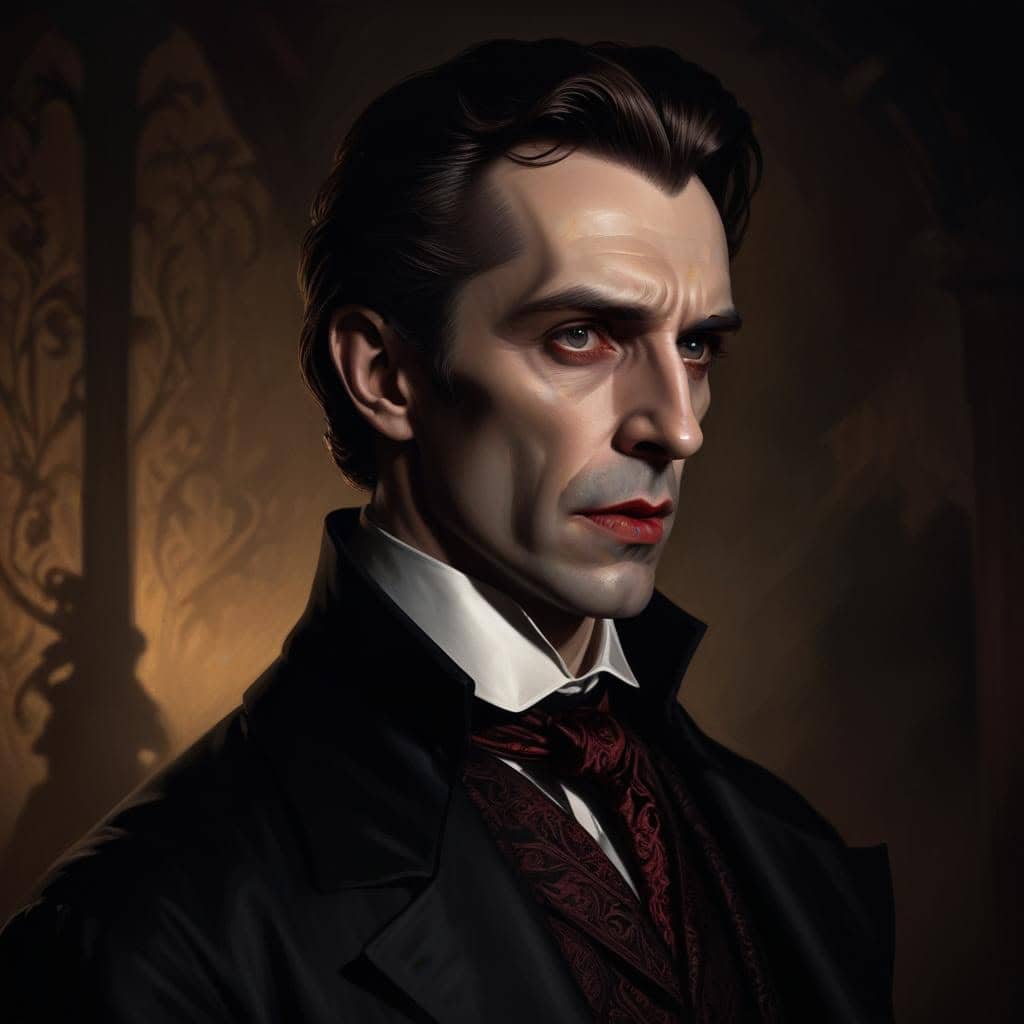
Jonathan Harker
Jonathan Harker is a young solicitor who becomes a prisoner in Dracula's castle.
-
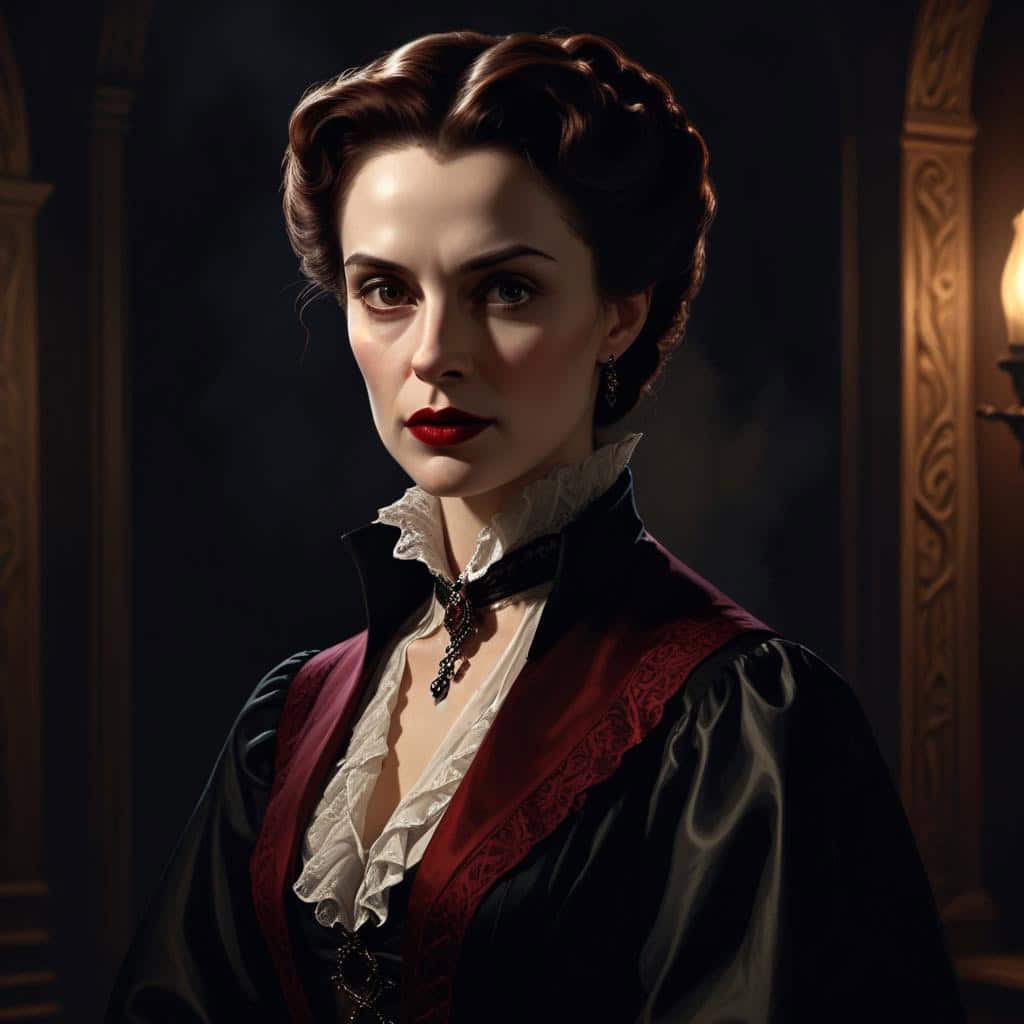
Mina Harker
Mina Harker is Jonathan's fiancée and becomes a target of Dracula's thirst for blood.
-
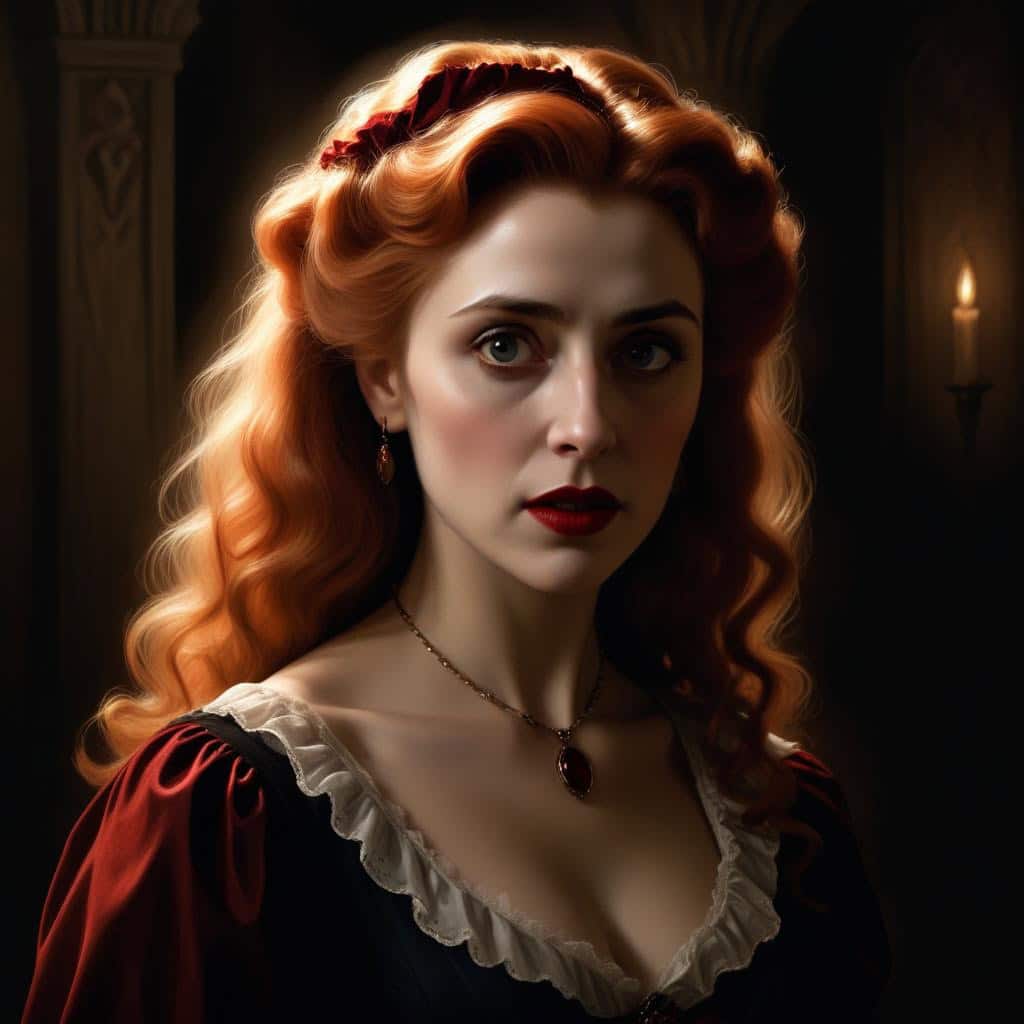
Lucy Westenra
Lucy Westenra is Mina's best friend who falls victim to Dracula's seductive powers.
-
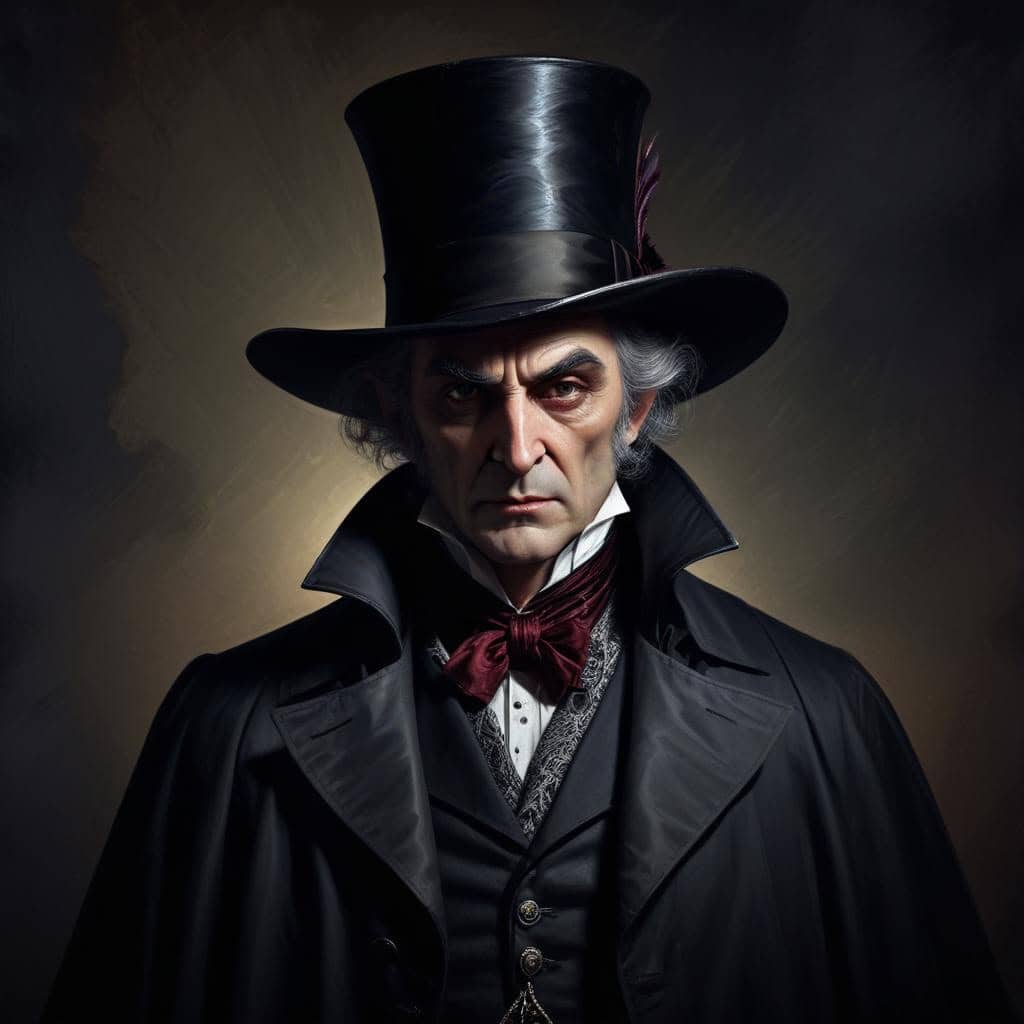
Abraham Van Helsing
Abraham Van Helsing is a Dutch doctor and vampire hunter who leads the fight against Dracula.
-
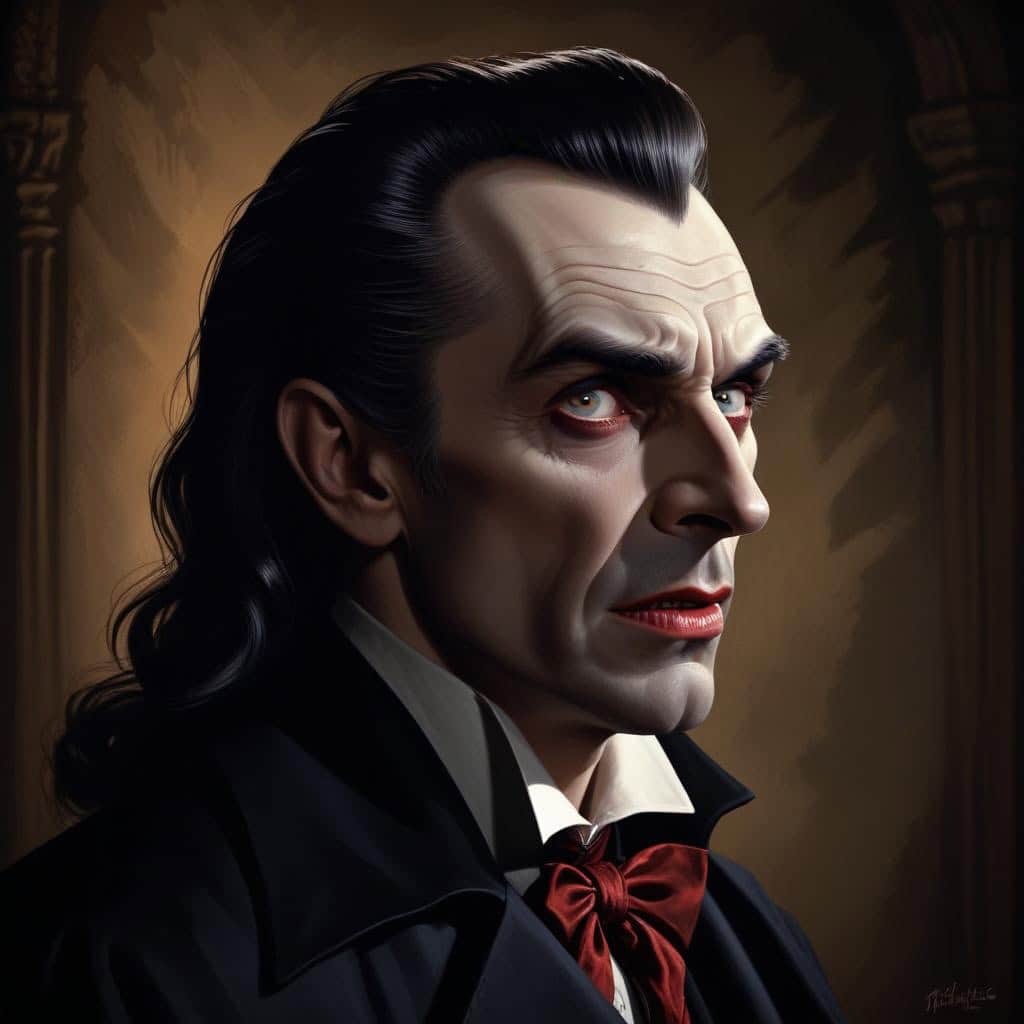
Renfield
Renfield is a patient in an asylum who is obsessed with consuming insects and becomes a servant to Dracula.
Timeline of Dracula by Bram Stoker
Jonathan Harker travels to Transylvania to assist Count Dracula with his real estate transactions.
Harker realizes he is a prisoner in Dracula's castle and discovers that Dracula is a vampire.
Harker escapes from the castle and returns to England, but Dracula follows him.
Dracula arrives in England and starts preying on innocent victims.
Professor Abraham Van Helsing joins forces with Harker and other allies to hunt down Dracula.
Mina Murray, Harker's fiancée, becomes a target for Dracula.
The group tracks down Dracula to his lair and kills him.
Mina is saved from becoming a vampire and the threat of Dracula is finally eliminated.
The group reflects on their experiences and the impact of the supernatural events they encountered.
Vocabulary List
- Vampire
- Dracula is a vampire who feeds on the blood of the living.
- Transylvania
- The story of Dracula is set in the mysterious region of Transylvania.
- Fangs
- Dracula is often depicted with sharp fangs that he uses to puncture his victims' necks.
- Undead
- Dracula is considered to be one of the undead, a creature that has risen from the grave.
- Coffin
- Dracula sleeps in a coffin during the day, hiding from the sunlight.
- Bat
- Dracula has the ability to transform into a bat, allowing him to move swiftly and stealthily.
- Garlic
- Garlic is said to repel vampires, including Dracula.
- Stake
- To kill a vampire like Dracula, one must drive a wooden stake through its heart.
- Night
- Dracula is most active at night, when he prowls the streets in search of victims.
- Cemetery
- Dracula is often associated with cemeteries, where he may hide or seek out fresh blood.
- Superstition
- The villagers in Dracula's story are filled with superstitions about vampires and the undead.
- Sunset
- Dracula must retreat to his coffin before the sun sets, as sunlight weakens and harms him.
- Hypnotize
- Dracula has the power to hypnotize his victims, making them susceptible to his will.
Key Facts
This is the information used in the fact matching game
- Dracula was published in 1897.
- Bram Stoker's inspiration for Dracula came from Eastern European folklore and historical figures like Vlad the Impaler.
- Dracula is an epistolary novel, meaning it is written as a series of letters, diary entries, and newspaper clippings.
- Count Dracula is a vampire who can transform into a bat, wolf, or mist.
- The character of Dracula is based on the historical figure Vlad the Impaler, who was known for his brutal methods of execution.
- Dracula is set in Transylvania and England.
- The novel Dracula has been adapted into numerous films, TV shows, and other media.
- Dracula is often considered one of the greatest horror novels of all time.
- Dracula has inspired countless other vampire stories and characters in popular culture.
- The novel Dracula explores themes of sexuality, immigration, and colonialism.
- Dracula has been translated into numerous languages and remains popular around the world.
- The character of Dracula is known for his hypnotic powers and ability to control others' minds.
- Bram Stoker's novel Dracula was not an immediate success but has since become a classic of Gothic literature.
- Dracula is often portrayed as a tragic figure, cursed with immortality and doomed to feed on the blood of the living.
- Dracula is defeated by a group of vampire hunters led by Professor Abraham Van Helsing.
- The novel Dracula has been analyzed for its portrayal of gender roles and sexuality.
- Dracula has been adapted into numerous stage plays and musicals.
- Bram Stoker's original manuscript for Dracula was lost for many years before being rediscovered in the 1980s.
- Dracula has been the subject of numerous scholarly studies and critical analyses.
- The character of Dracula has become an iconic figure in popular culture, synonymous with vampires and the supernatural.
Analysis & Significance
Impact on Literature
‘Dracula’ by Bram Stoker is a groundbreaking work that popularized the vampire genre in literature. Stoker’s creation of Count Dracula set the standard for future vampire stories, influencing countless authors and filmmakers. The novel’s structure, use of diary entries and letters, and atmospheric setting in Transylvania have become iconic in horror fiction.
Enduring Themes
The timeless themes of good versus evil, immortality, and the fear of the unknown continue to resonate with modern audiences in ‘Dracula’. Stoker’s exploration of Victorian anxieties surrounding sexuality, immigration, and technology adds depth to the narrative, making it relevant even in today’s society.
Cultural Significance Today
‘Dracula’ remains a cultural phenomenon, inspiring numerous adaptations in film, television, and literature. Countless works have been influenced by Stoker’s vampire mythology, with characters like Dracula becoming synonymous with the horror genre. The novel’s legacy continues to captivate audiences worldwide, solidifying its place in literary history.
Dracula by Bram Stoker Games


Take Your Learning Offline
Want a convenient, print-ready study guide for this lesson? Become a Memory Wizards Pro member to unlock the downloadable " Memory Scrolls" for this topic and our entire library!
- ✓ Complete Vocabulary Lists
- ✓ Key Facts & Timelines
- ✓ Beautifully Formatted for Print & Mobile