
How Do You Learn Best?
Learn by Listening
Start with the 3-minute audio summary to get the key facts and narrative highlights quickly.
Learn by Reading
Immerse yourself in the 10-minute visual lesson for a comprehensive understanding of the topic.
Learn by Reviewing
Jump directly to the key facts, timeline, and vocabulary lists to build a solid foundation of details.
Learn by Doing
Challenge yourself! Jump straight into the interactive games to learn by trial, error, and discovery.
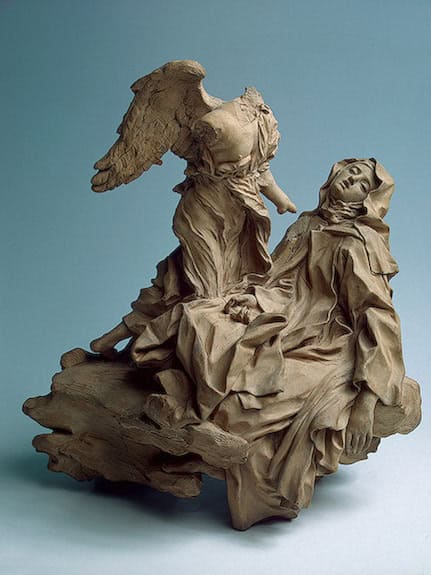
The Masterpiece: The Ecstasy Of St Teresa Gian Lorenzo Bernini
Deconstructing the Masterpiece
Theatrical Composition
The artwork is designed as a stage-like setting, with the use of dramatic lighting and architectural elements to create a sense of theatricality.
Expressive Figures
The figures of St. Teresa and the angel are depicted in a highly emotional and expressive manner, conveying intense spiritual ecstasy.
Dynamic Movement
The swirling drapery, twisting bodies, and cascading rays of light create a sense of dynamic movement and energy within the composition.
Audio Library
As one of our featured lessons, this topic includes premium audio guides.
A Guide to Gian Lorenzo Bernini: The Master of Baroque Sculpture in 10 Minutes
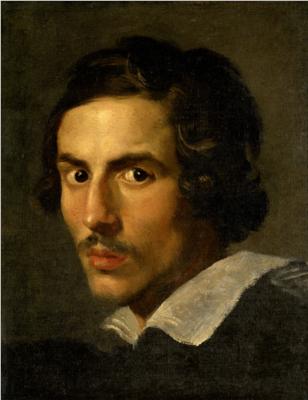
Early Life and Education
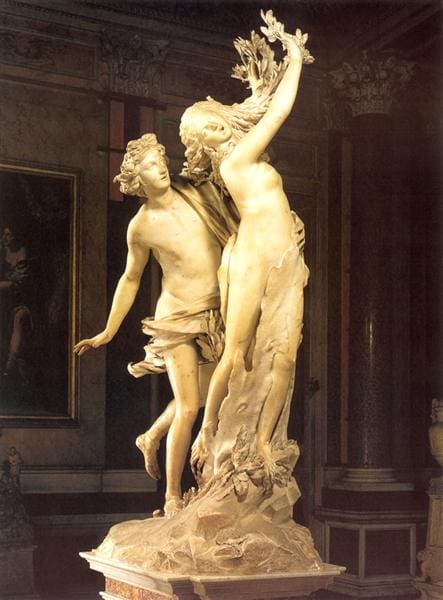
Early Works and Recognition
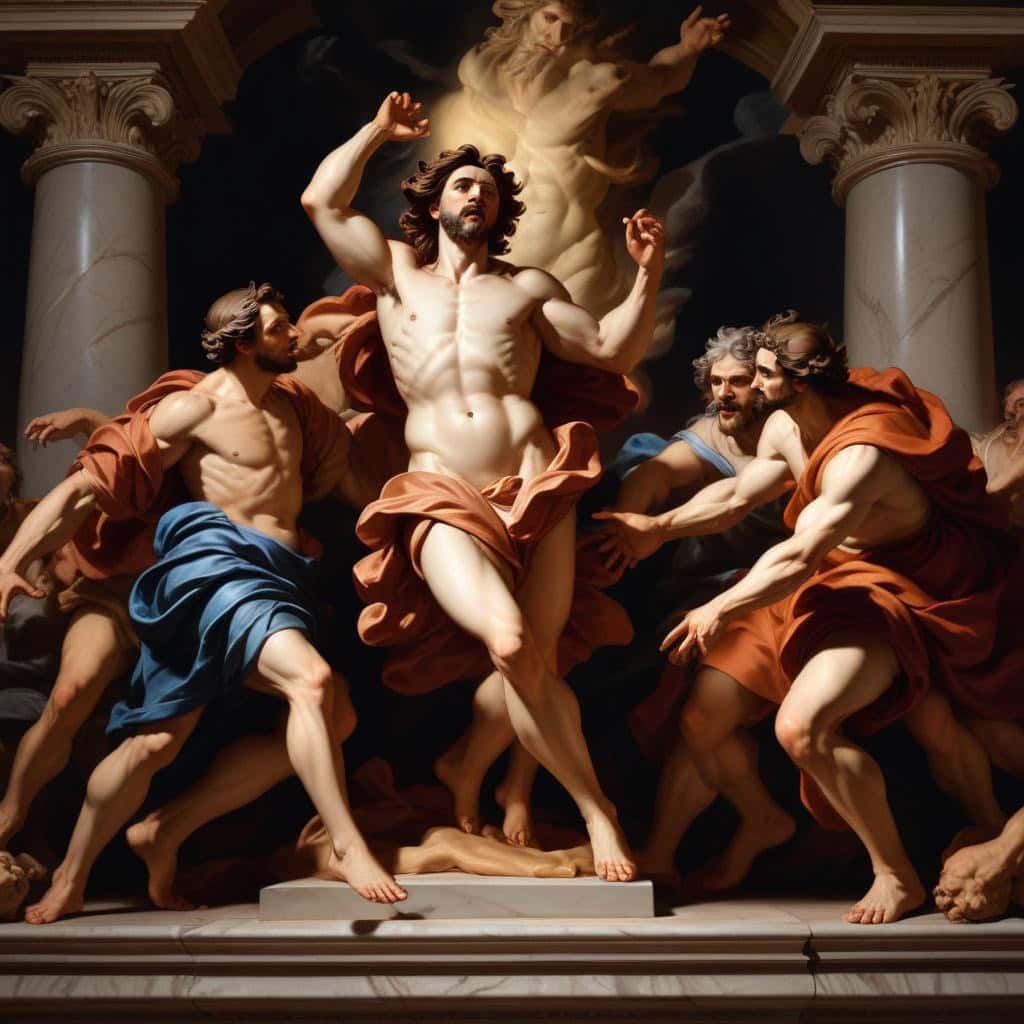
Baroque Style
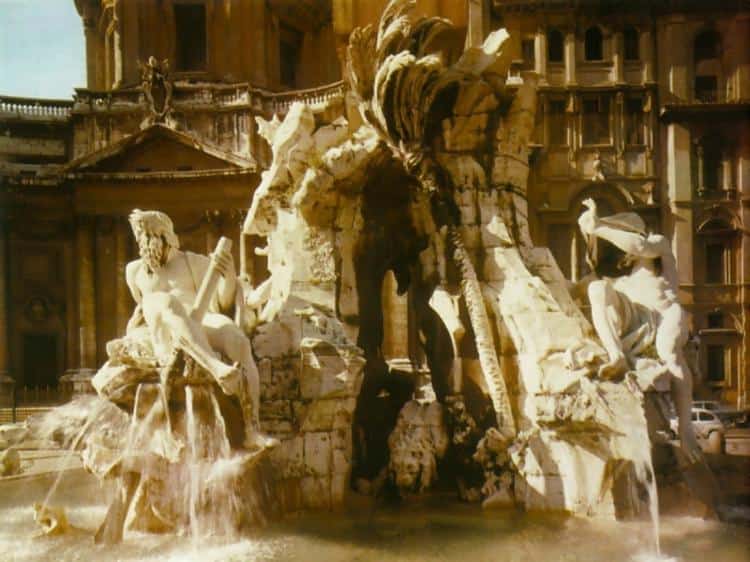
Architectural Projects
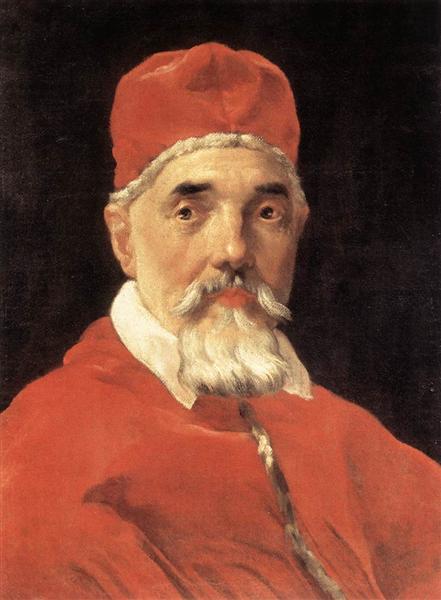
Collaboration with the Church
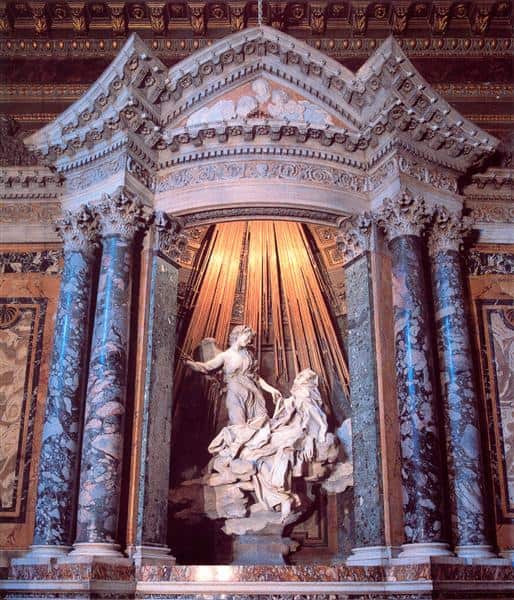
The Ecstasy of Saint Teresa
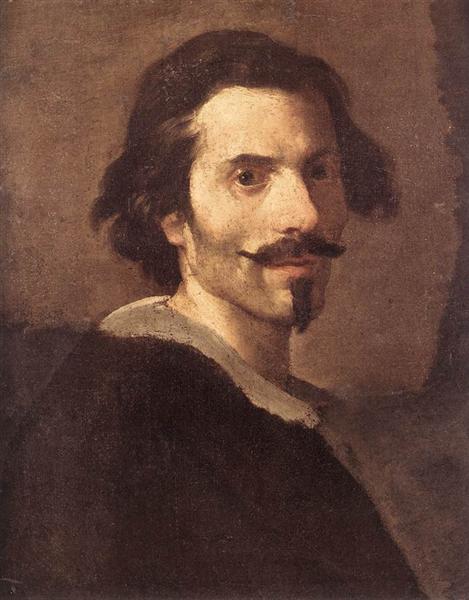
Later Years and Legacy
Lesson Details & Resources
In a Nutshell
- When: Baroque period
- Characteristics: Dramatic, emotional, dynamic
- Key Artists: Caravaggio, Peter Paul Rubens
- Major Work: Ecstasy of Saint Teresa
Vocabulary List
- Dramatic
- Bernini's sculptures are known for their dramatic poses and expressions.
- Dynamic
- The dynamic movement in Bernini's sculptures creates a sense of energy and life.
- Expressive
- Bernini's ability to capture emotion in his sculptures is truly expressive.
- Intense
- The intense facial expressions in Bernini's sculptures evoke strong emotions.
- Fluid
- The fluid lines and curves in Bernini's sculptures give them a sense of movement.
- Masterpiece
- Bernini's 'Ecstasy of Saint Teresa' is considered a masterpiece of Baroque art.
- Sculptor
- Gian Lorenzo Bernini was a renowned Italian sculptor of the Baroque period.
- Detail
- The intricate detail in Bernini's sculptures showcases his skill as an artist.
- Commissioned
- Many of Bernini's works were commissioned by influential patrons.
- Dynamic composition
- The dynamic composition of Bernini's sculptures creates a sense of movement and drama.
- Marble
- Bernini was known for his skill in working with marble to create lifelike sculptures.
- Religious themes
- Bernini often depicted religious themes in his artwork, such as saints and angels.
- Naturalism
- Bernini's sculptures exhibit a sense of naturalism, capturing the human form in a lifelike way.
- Monumental
- Bernini's sculptures are often monumental in scale, commanding attention in their surroundings.
- Ornate
- The ornate detailing in Bernini's sculptures adds to their sense of grandeur.
- Architectural
- Bernini was not only a sculptor but also an accomplished architect, known for his work on St. Peter's Basilica.
- Baroque
- Bernini's work is a prime example of the baroque style, characterized by its drama, emotion, and grandeur.
- Chiaroscuro
- Bernini used chiaroscuro to create dramatic lighting effects in his sculptures, enhancing their depth and realism.
- Contrapposto
- Bernini often employed the contrapposto pose in his sculptures, creating a sense of movement and naturalism.
- Patronage
- Bernini relied on the patronage of wealthy individuals and institutions to fund his ambitious projects.
Timeline of A Guide to Gian Lorenzo Bernini: The Master of Baroque Sculpture
Gian Lorenzo Bernini is born in Naples, Italy
Bernini begins his training as a sculptor under his father, Pietro Bernini
Bernini moves to Rome to work on various commissions for the papal court
Bernini creates his first major commission, the sculpture 'Apollo and Daphne'
Bernini completes the Baldacchino over the high altar of St. Peter's Basilica
Bernini is appointed as the chief architect of St. Peter's Basilica
Bernini designs the Piazza San Pietro in front of St. Peter's Basilica
Bernini begins work on the Fountain of the Four Rivers in Piazza Navona
Bernini sculpts the Ecstasy of Saint Teresa for the Cornaro Chapel in Santa Maria della Vittoria
Bernini is appointed as the architect of the Basilica of Santa Maria Maggiore
Bernini completes the Elephant and Obelisk sculpture in Piazza della Minerva
Bernini is named the architect of the Palazzo Chigi in Rome
Bernini is commissioned to design and build the Scala Regia in the Vatican Palace
Bernini completes the Altar of the Blessed Sacrament in St. Peter's Basilica
Bernini receives the title of 'Cavaliere' from Pope Alexander VII
Bernini dies in Rome at the age of 81
Bernini is buried in the Basilica of Santa Maria Maggiore
Bernini's works continue to influence Baroque art and architecture for centuries to come
Key Facts
This is the information used in the fact matching game
- Gian Lorenzo Bernini was an Italian sculptor, architect, painter, and playwright.
- He was one of the leading figures in the Baroque art movement.
- Bernini's works include the famous sculptures of Apollo and Daphne, The Ecstasy of Saint Teresa, and David.
- He was known for his ability to capture movement and emotion in his sculptures.
- Bernini designed the iconic colonnade of St. Peter's Square in Vatican City.
- He also worked on the construction of the Baldacchino in St. Peter's Basilica.
- Bernini was a favorite artist of Pope Urban VIII, for whom he created many works.
- He was a master of marble and known for his detailed and intricate sculptures.
- Bernini's sculptures often featured dynamic compositions and dramatic lighting effects.
- He was also a skilled architect and designed buildings such as the Cornaro Chapel in Santa Maria della Vittoria.
- Bernini's work had a profound influence on the development of Baroque art in Europe.
- He was a prolific artist, producing a large number of sculptures, paintings, and architectural designs throughout his career.
- Bernini's style was characterized by a sense of drama, emotion, and grandeur.
- He was a key figure in the development of the Baroque style in Rome and beyond.
- Bernini's sculptures often depicted themes from classical mythology and Christian religious subjects.
- He was a highly sought-after artist and received commissions from powerful patrons across Europe.
- Bernini's work is known for its intricate details, lifelike figures, and sense of movement.
- He was considered one of the greatest sculptors of his time and his work continues to be admired and studied today.
- Bernini's influence can be seen in the work of later artists, such as Antonio Canova and Jean-Baptiste Carpeaux.
- He was a versatile artist who excelled in multiple mediums and disciplines, leaving a lasting impact on the history of art.
Analysis & Significance
Historical Context
Gian Lorenzo Bernini was a prominent Italian artist during the Baroque period in the 17th century. This period was characterized by a shift away from the Renaissance focus on balance and harmony towards a more dynamic and emotional style. The Baroque movement was closely tied to the Catholic Church, which sought to use art as a tool for inspiring faith and devotion among its followers. Bernini’s work was commissioned by powerful figures such as the Pope and other members of the Roman aristocracy, reflecting the close connection between art, religion, and politics during this time.
Defining Characteristics
Bernini’s style was characterized by its dramatic and theatrical quality, with a focus on movement, emotion, and the use of light and shadow to create a sense of depth and intensity. His sculptures often depicted dynamic scenes from classical mythology or biblical stories, capturing moments of intense emotion and action. Bernini was also known for his skill in capturing the human form in motion, creating sculptures that seemed to defy gravity and come to life before the viewer’s eyes.
Lasting Influence
Bernini’s work had a profound influence on subsequent art movements, particularly the Rococo and Neoclassical styles that followed the Baroque period. His innovative use of space, light, and emotion inspired generations of artists to experiment with new techniques and themes. Bernini’s legacy can be seen in the work of later sculptors such as Antonio Canova and Auguste Rodin, who continued to explore the expressive potential of the human form in their own unique ways. Additionally, Bernini’s influence can be seen in the continued importance of art as a tool for cultural and religious expression, highlighting the enduring impact of his work on the art world as a whole.
A Guide to Gian Lorenzo Bernini: The Master of Baroque Sculpture Games


Take Your Learning Offline
Want a convenient, print-ready study guide for this lesson? Become a Memory Wizards Pro member to unlock the downloadable " Memory Scrolls" for this topic and our entire library!
- ✓ Complete Vocabulary Lists
- ✓ Key Facts & Timelines
- ✓ Beautifully Formatted for Print & Mobile