
How Do You Learn Best?
Learn by Listening
Start with the 3-minute audio summary to get the key facts and narrative highlights quickly.
Learn by Reading
Immerse yourself in the 10-minute visual lesson for a comprehensive understanding of the topic.
Learn by Reviewing
Jump directly to the key facts, timeline, and vocabulary lists to build a solid foundation of details.
Learn by Doing
Challenge yourself! Jump straight into the interactive games to learn by trial, error, and discovery.
Vietnam in 10 Minutes
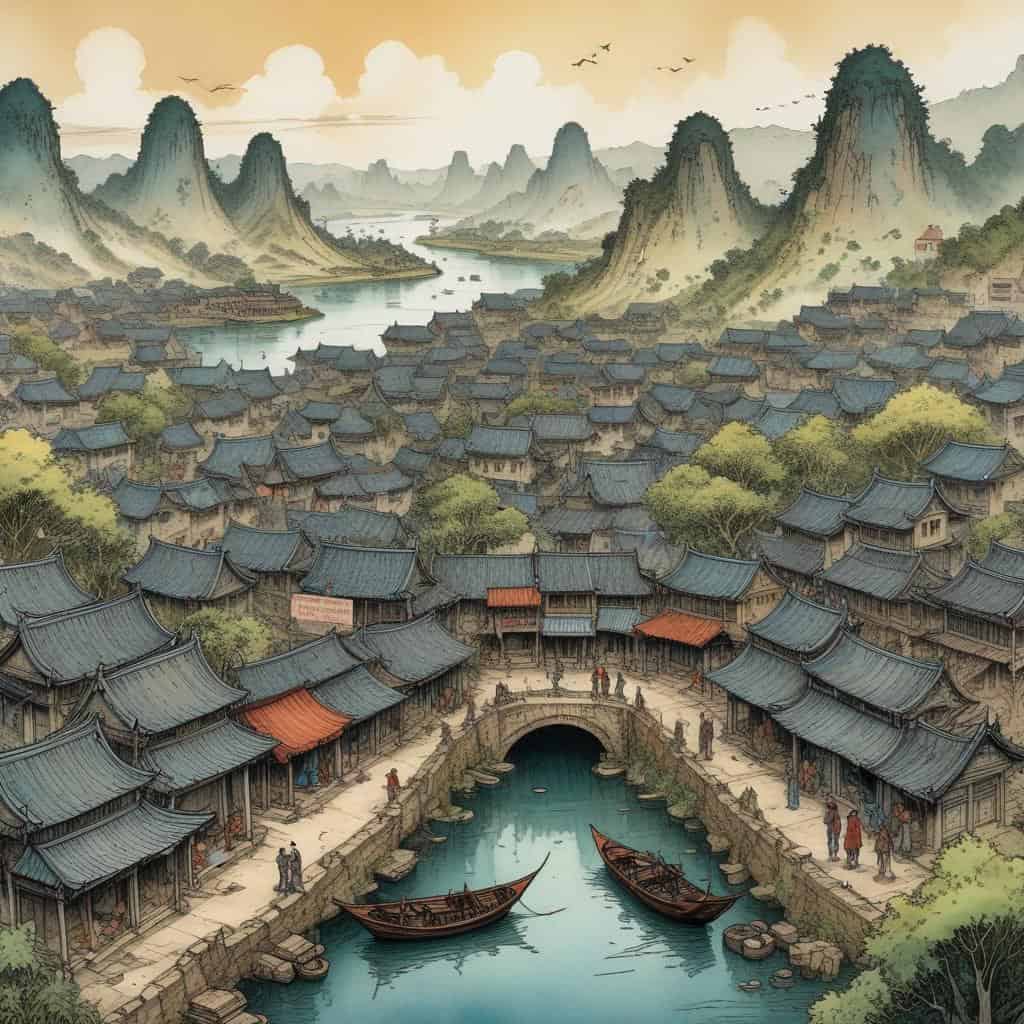
Introduction
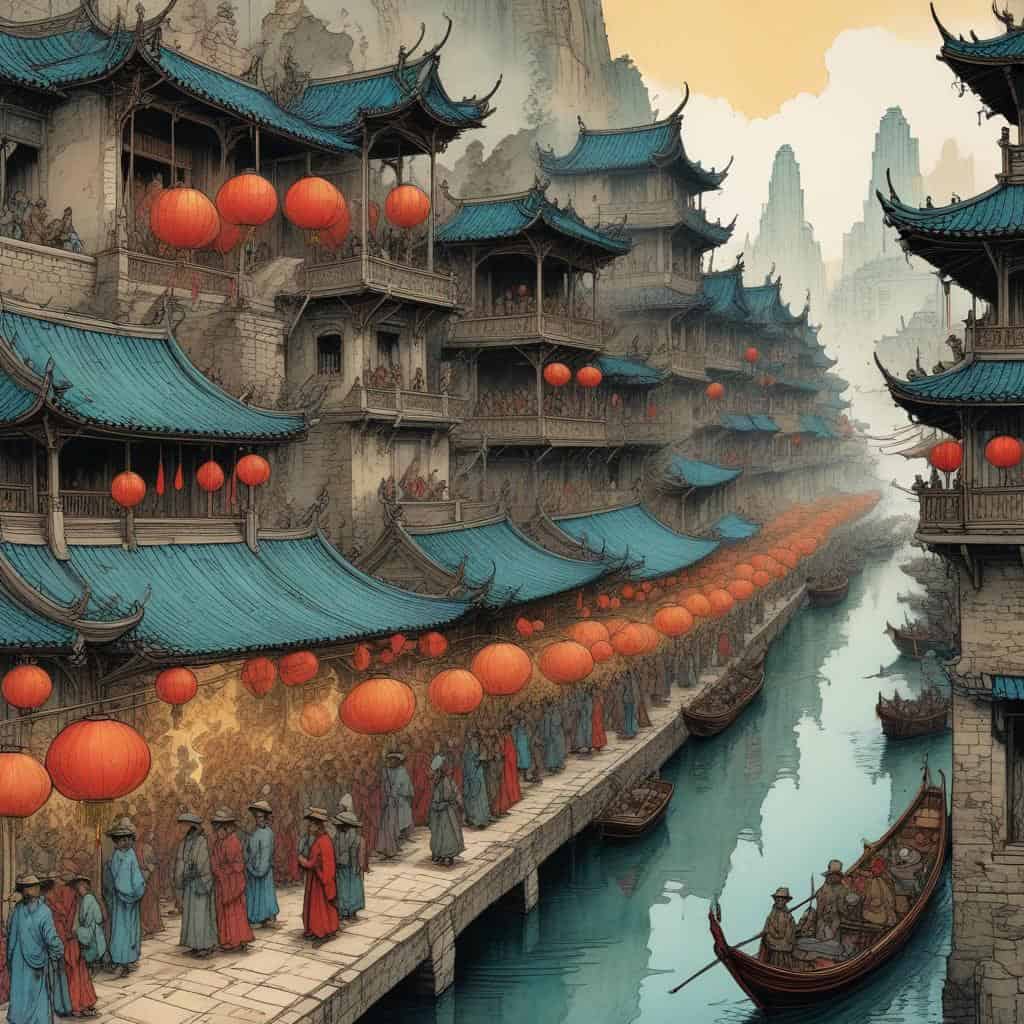
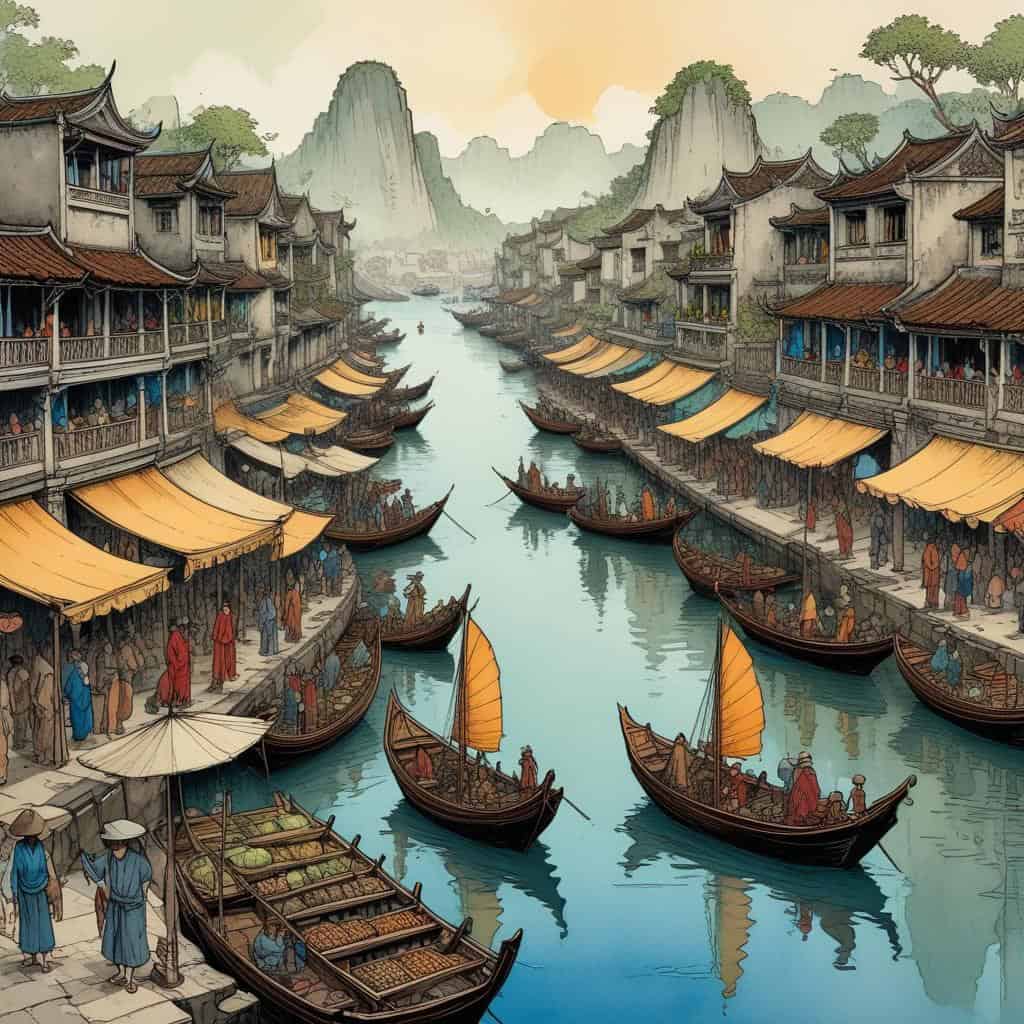
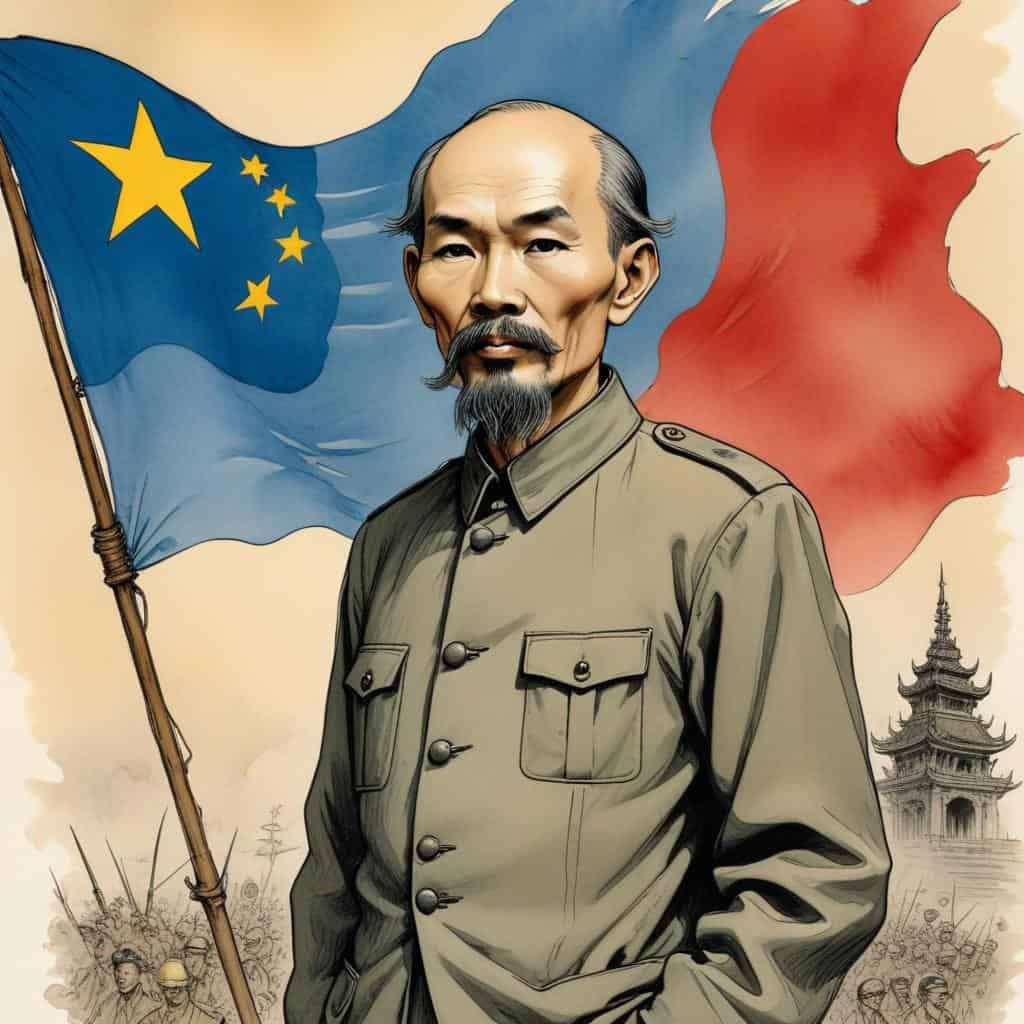
Ho Chi Minh
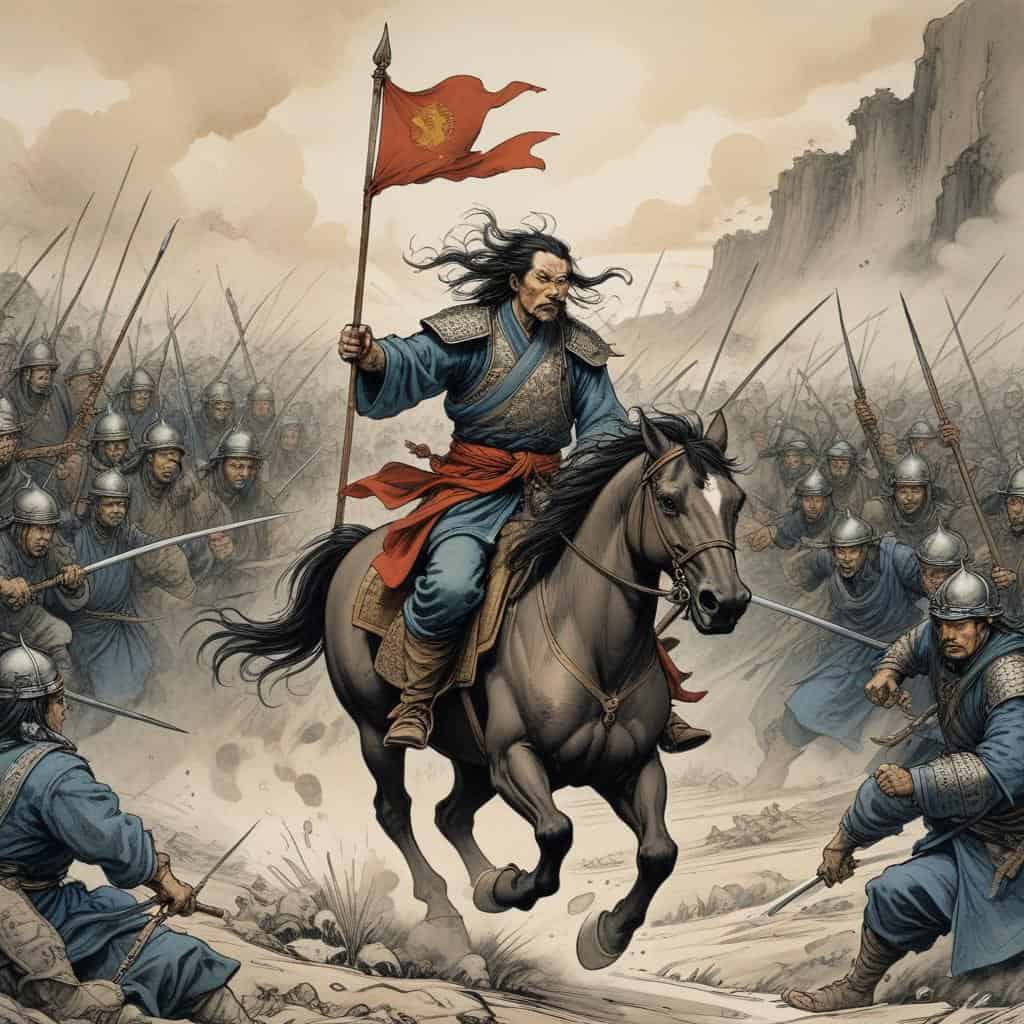
Tran Hung Dao
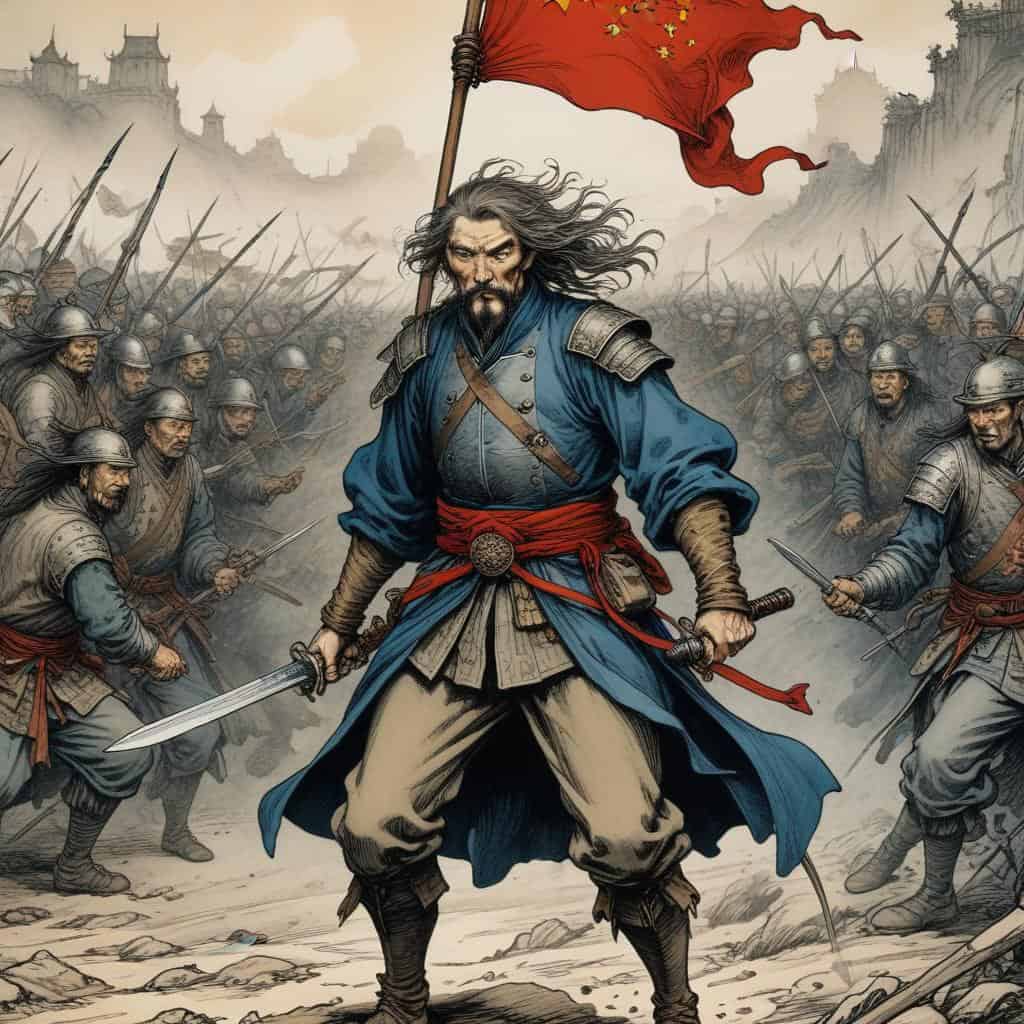
Le Loi
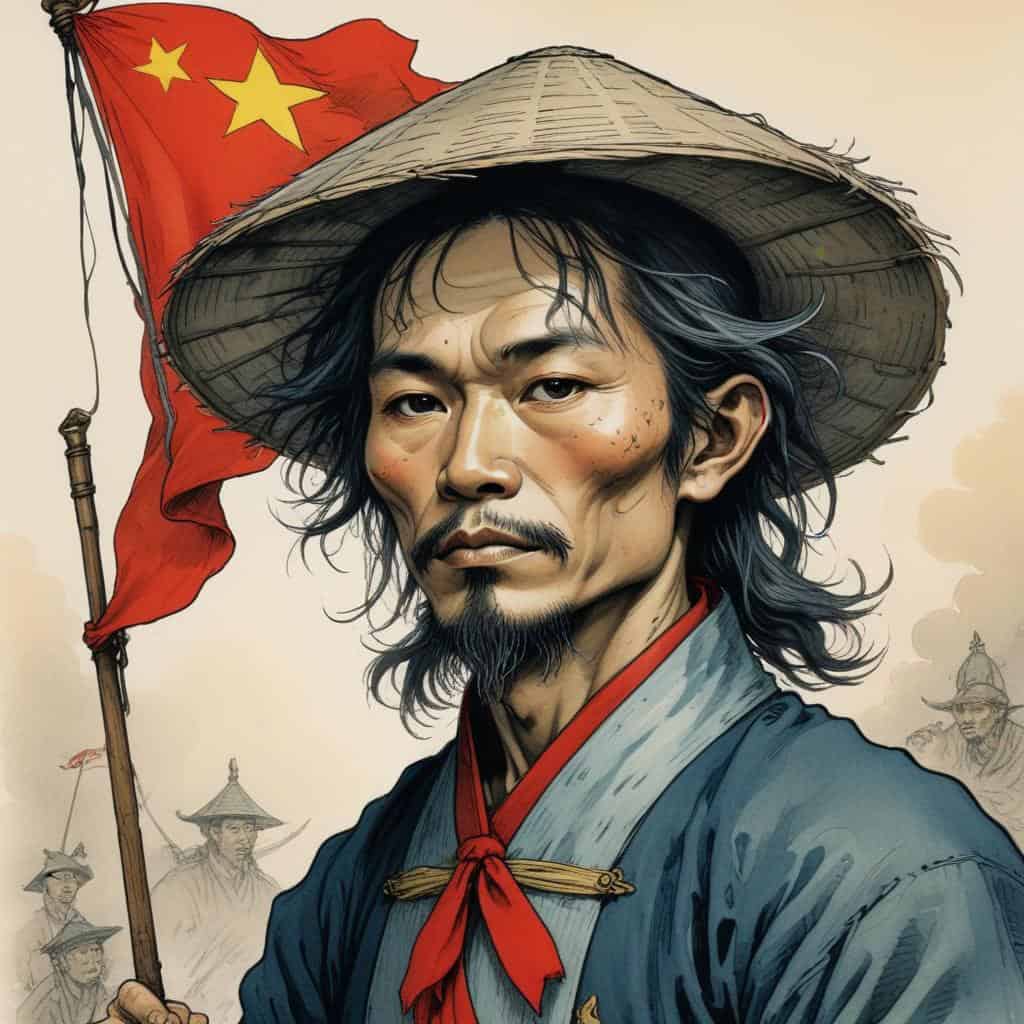
Nguyen Ai Quoc

Truong Son Mountains
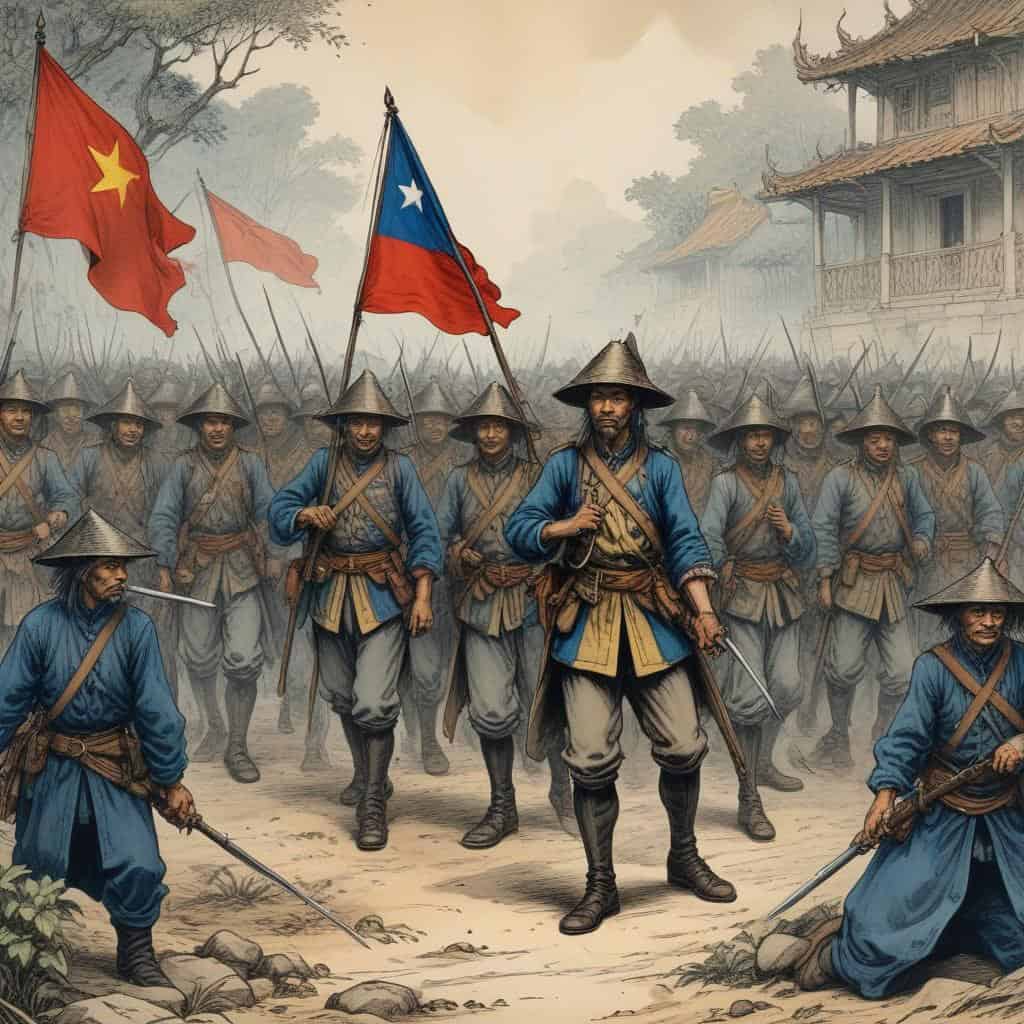
French Colonial Rule
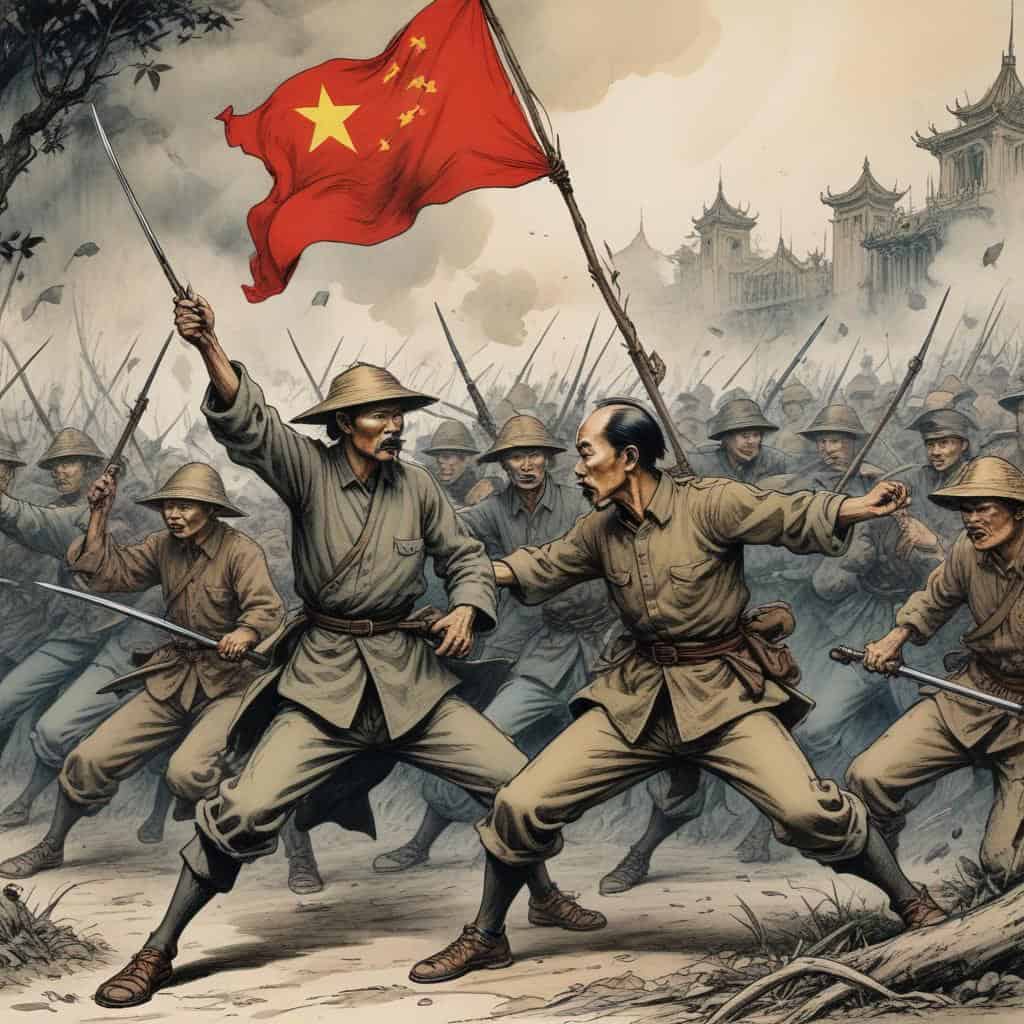
Independence Movement
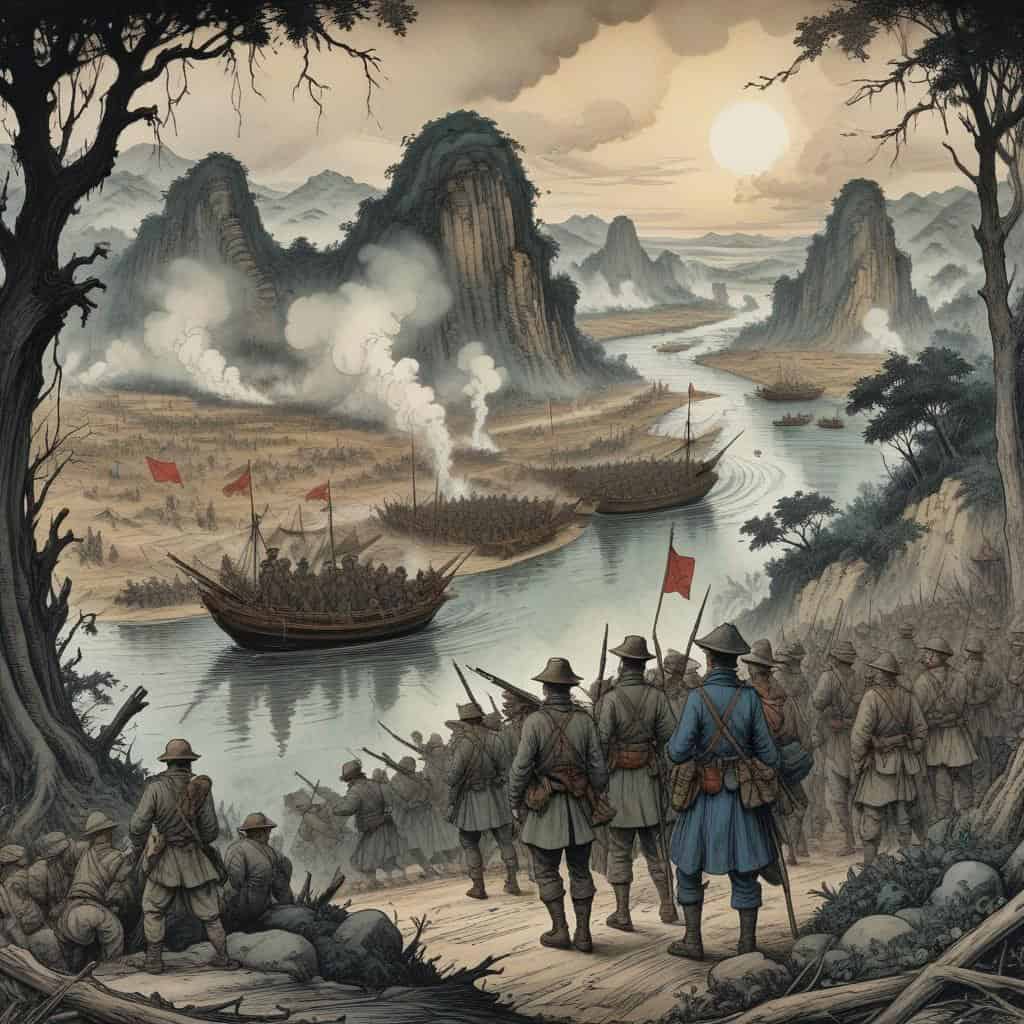
Division of Vietnam
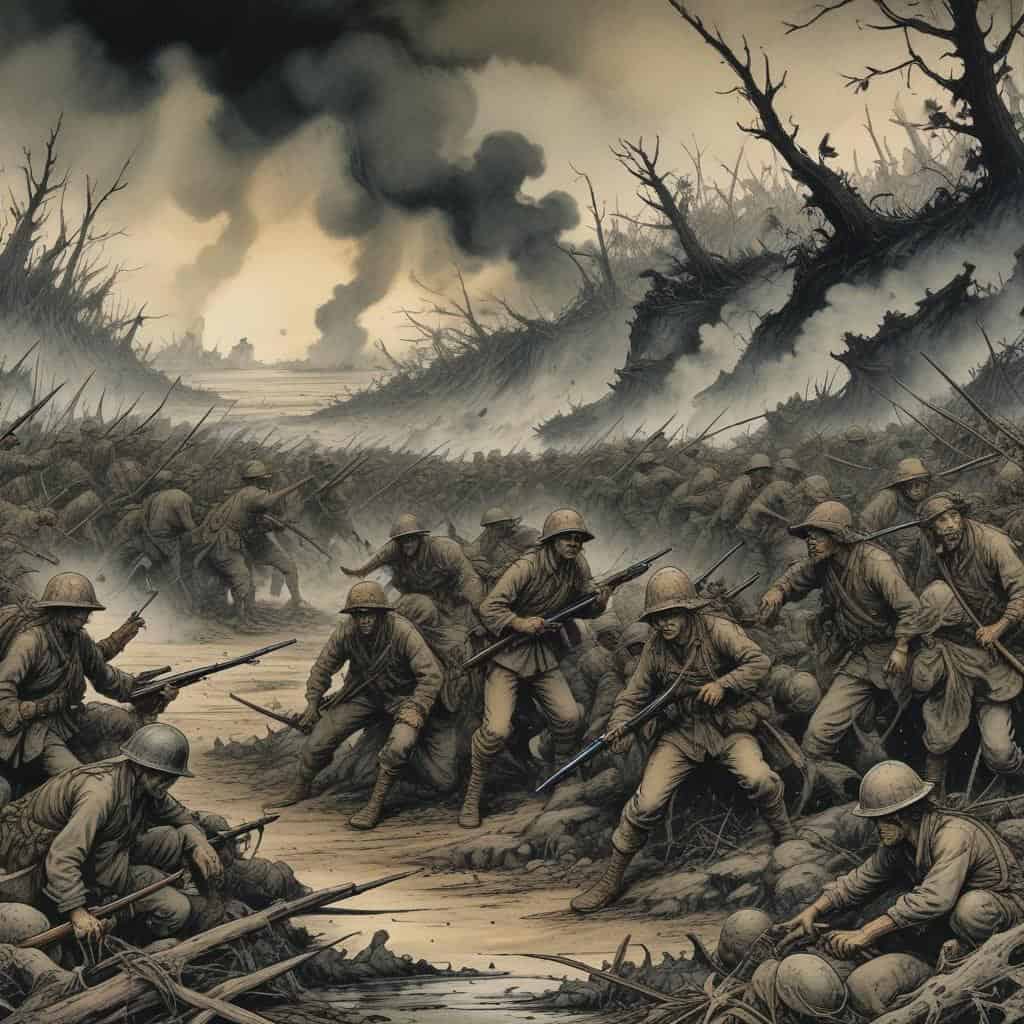
The Vietnam War
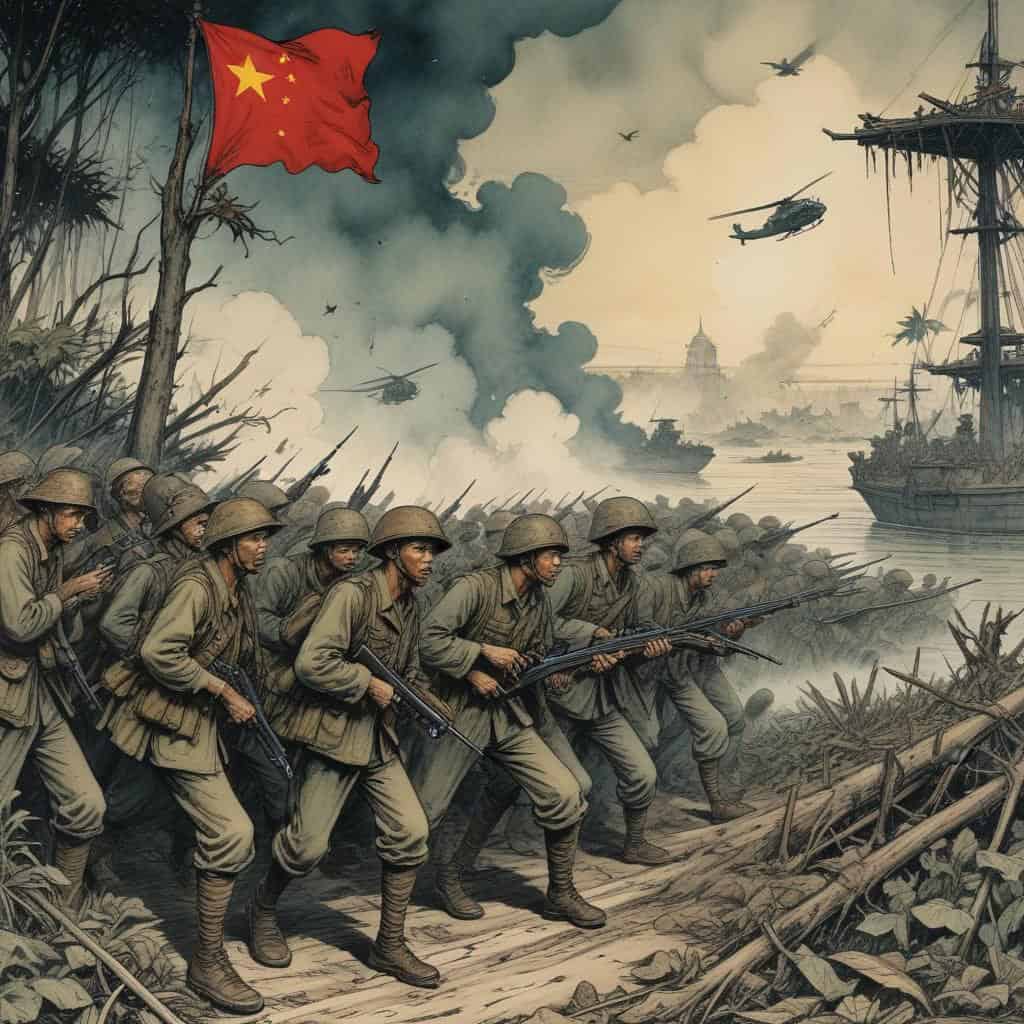
End of the War
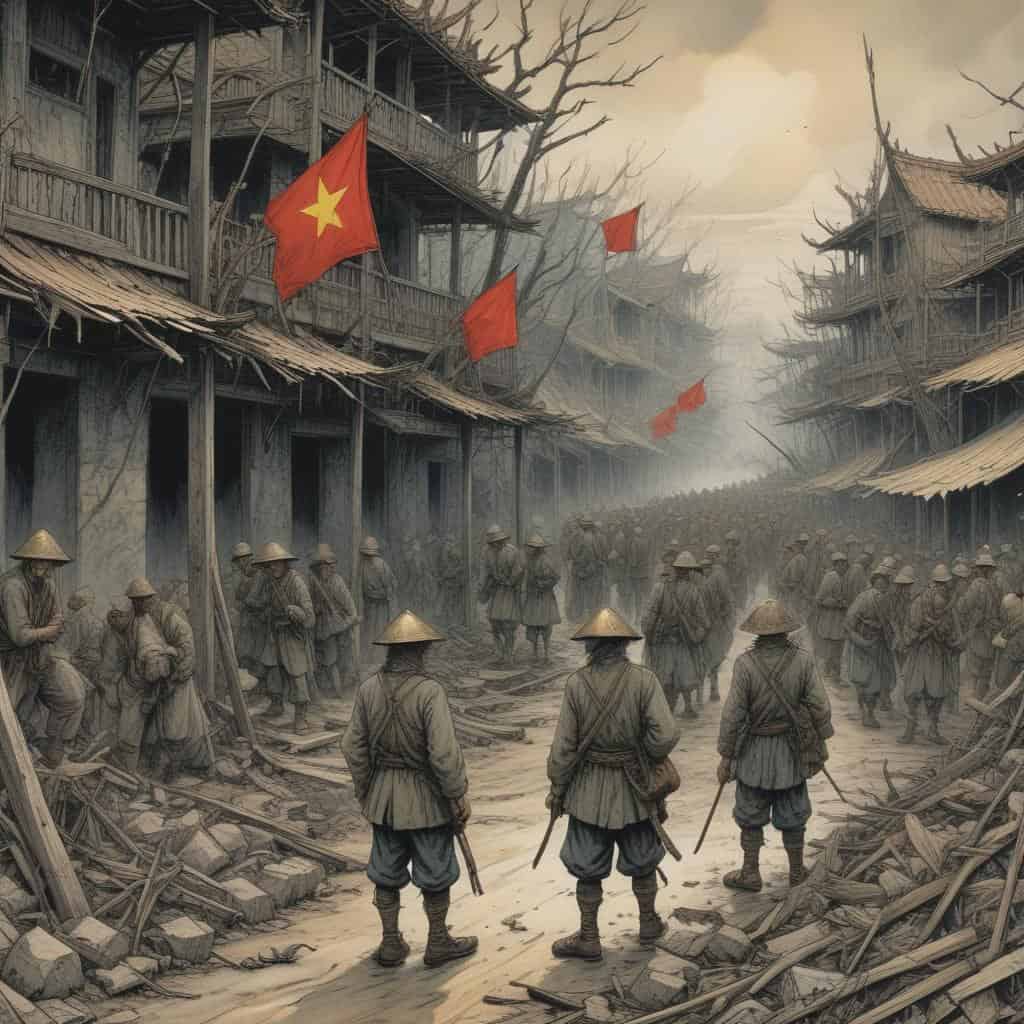
Post-War Reconstruction
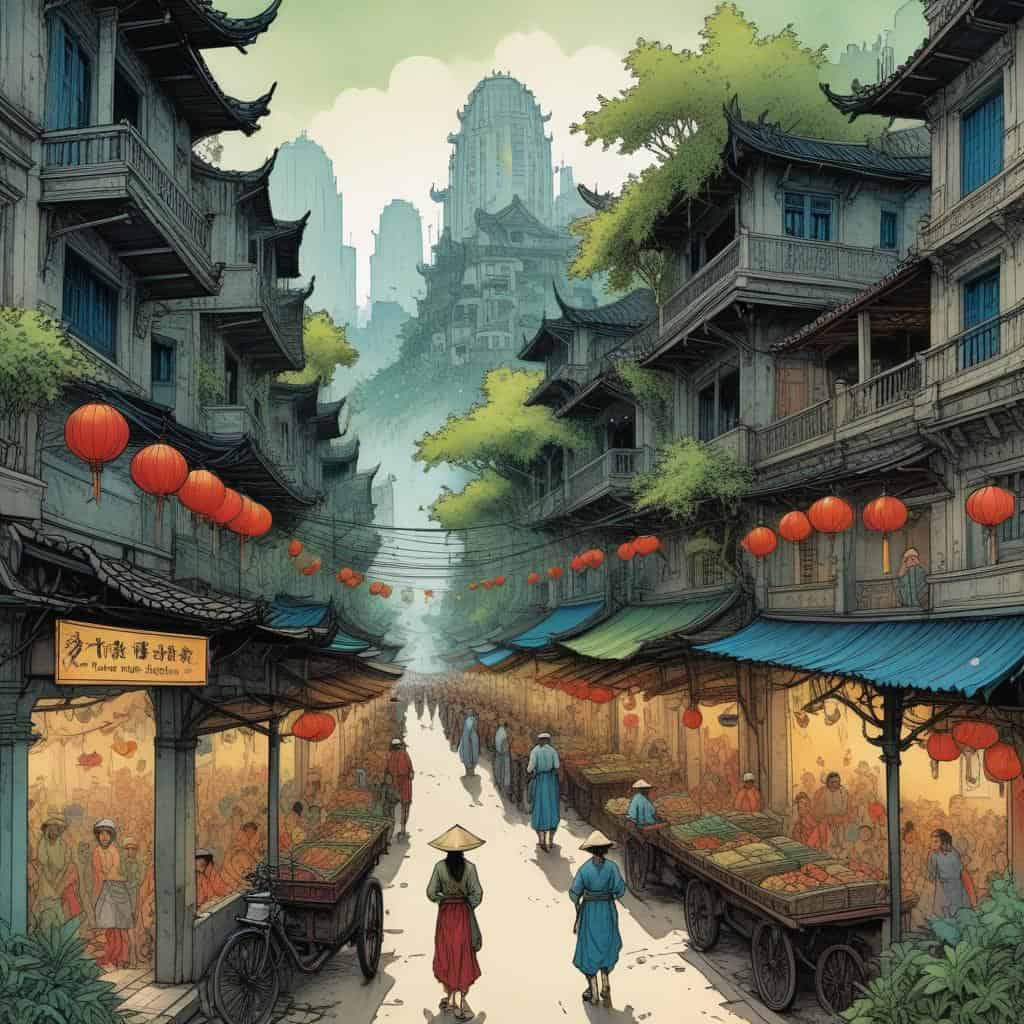
Modern Vietnam
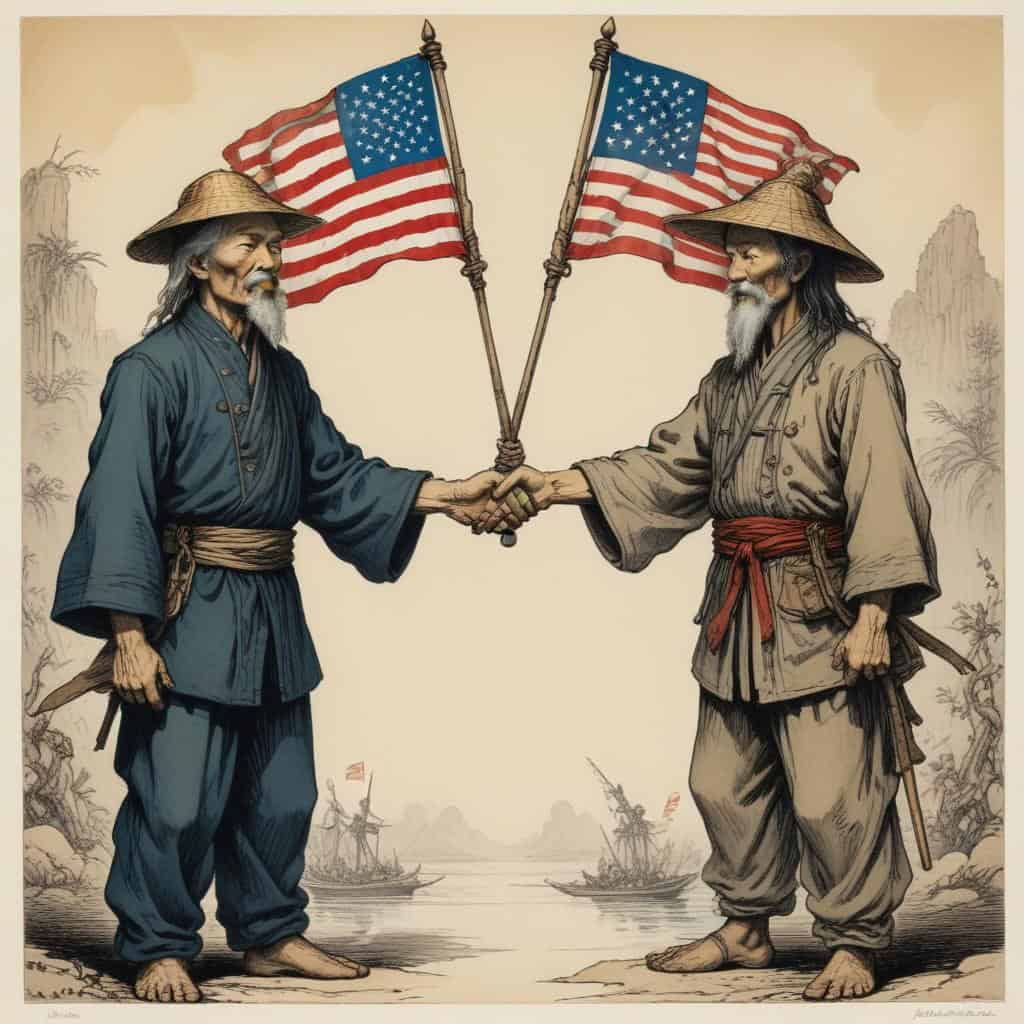
Relations with the United States
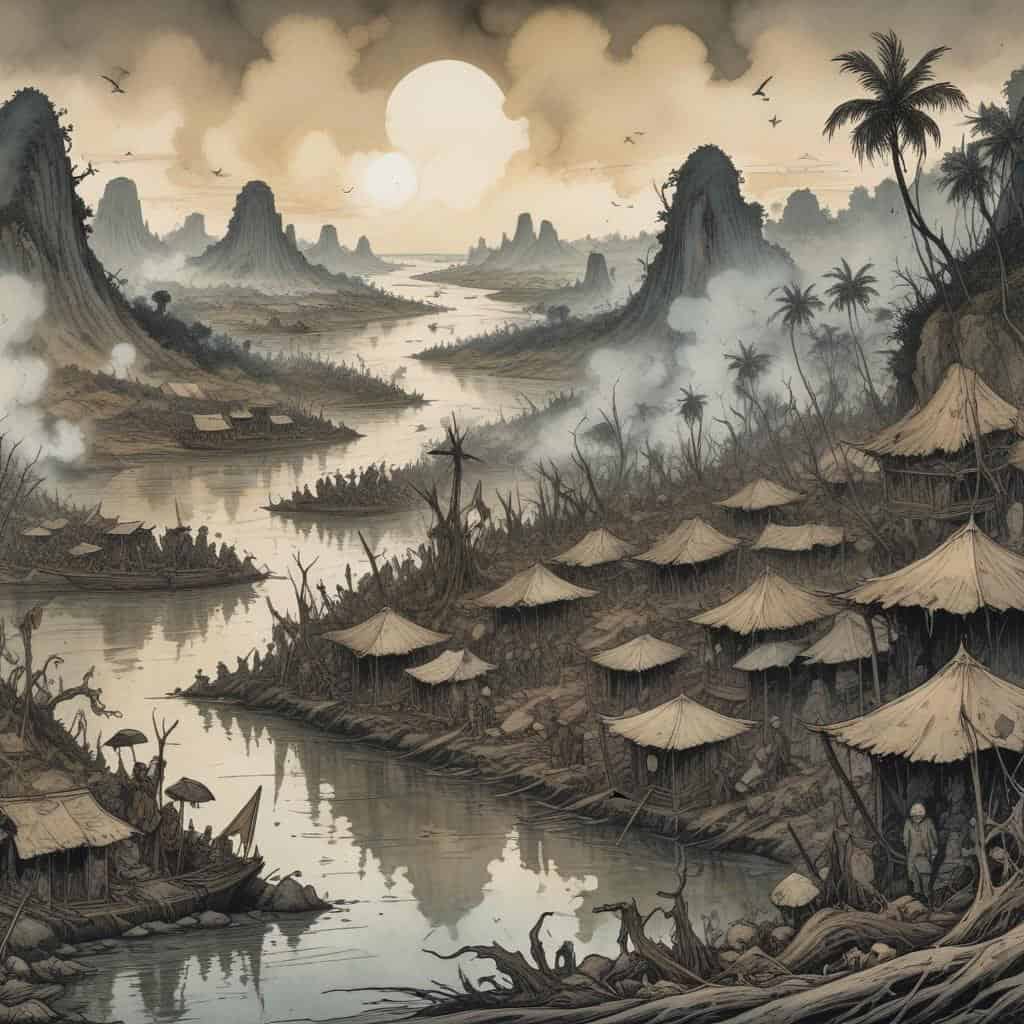
Environmental Challenges
Looking to the Future
Audio Library
As one of our featured lessons, this topic includes premium audio guides.
Unlock the Wizard's Cram Session
This powerful audio study guide is a Pro-exclusive feature. Upgrade to Memory Wizards Pro to access this and all of our premium learning tools.
Upgrade to ProIn a Nutshell
- Capital: Hanoi
- Population: Approx. 97 million (2021)
- Official Language: Vietnamese
- Currency: Vietnamese dong (VND)
Breaking Down the Country
No composition analysis points available.
Timeline of Vietnam
First Chinese domination of Vietnam
Independence from China and founding of the first Vietnamese dynasty
Mongol invasions of Vietnam
Fall of the Tran dynasty and rise of the Ho dynasty
Vietnam becomes a French colony
Vietnam declares independence from France under Ho Chi Minh
First Indochina War between France and Viet Minh forces
Geneva Accords partition Vietnam into North and South
Vietnam War begins between North Vietnamese forces and US-backed South Vietnamese government
Tet Offensive by North Vietnamese forces
Fall of Saigon and reunification of Vietnam
Vietnam invades Cambodia to overthrow the Khmer Rouge regime
Vietnam joins the Soviet bloc
Doi Moi economic reforms implemented in Vietnam
Normalization of relations between Vietnam and the United States
Vietnam joins ASEAN
Vietnam becomes a member of the World Trade Organization
Ratification of the Comprehensive and Progressive Agreement for Trans-Pacific Partnership (CPTPP)
COVID-19 pandemic hits Vietnam
Vietnam successfully controls the spread of COVID-19 through strict measures
Vocabulary List
- Pho
- A popular Vietnamese noodle soup dish.
- Ao Dai
- Traditional Vietnamese clothing for women, typically a long tunic worn over trousers.
- Cao Dai
- A syncretic religion that originated in Vietnam.
- Mekong Delta
- A region in southwestern Vietnam known for its rice paddies, rivers, and floating markets.
- Halong Bay
- A UNESCO World Heritage site in northern Vietnam known for its emerald waters and thousands of towering limestone islands topped with rainforests.
- Viet Cong
- A communist-led army and guerrilla force in South Vietnam during the Vietnam War.
- Tet
- The Vietnamese New Year celebration, marking the arrival of spring and a time for family reunions and feasting.
- Hanoi
- The capital city of Vietnam, known for its centuries-old architecture and vibrant street food scene.
- Ho Chi Minh City
- The largest city in Vietnam, formerly known as Saigon, and a bustling metropolis with a mix of modern skyscrapers and historic buildings.
- Vietnamese dong
- The official currency of Vietnam.
Key Facts
This is the information used in the fact matching game
- Vietnam is the world's second largest coffee producer after Brazil.
- The Vietnamese language uses a Latin-based alphabet, which was introduced by French missionaries in the 17th century.
- Vietnam is the largest exporter of cashew nuts in the world.
- The ancient city of Hoi An in Vietnam is a UNESCO World Heritage Site.
- Vietnam is one of the world's leading exporters of rice.
- The Vietnamese traditional dress is called the 'ao dai'.
- The Vietnamese New Year, known as Tet, is the most important holiday in Vietnam.
- Vietnam is home to Ha Long Bay, a UNESCO World Heritage Site known for its emerald waters and thousands of towering limestone islands topped with rainforests.
- The official currency of Vietnam is the Vietnamese dong.
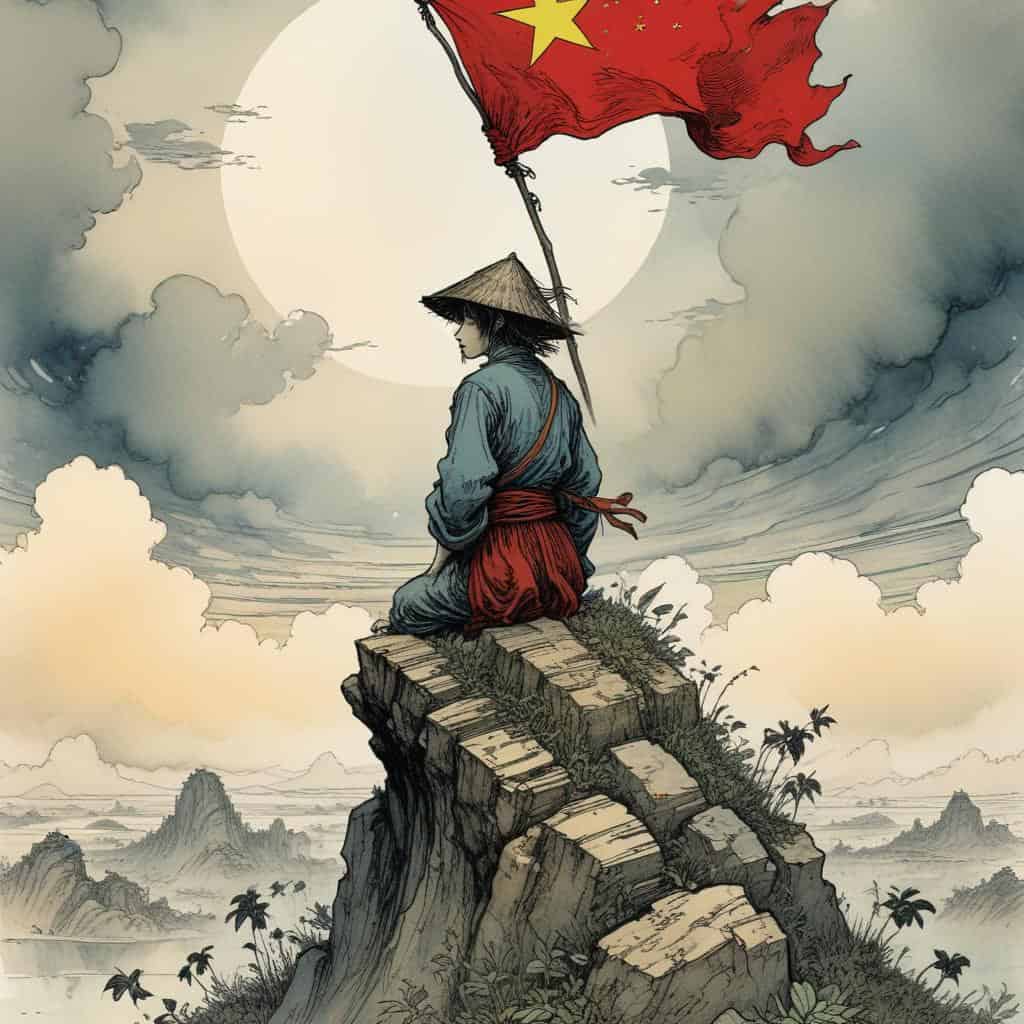
- The Vietnamese flag features a large yellow star in the center, representing the unity of the Vietnamese people.
- Vietnam is the largest exporter of black pepper in the world.
- The Vietnamese alphabet consists of 29 letters, including 12 vowels and 17 consonants.
- Ho Chi Minh City, formerly known as Saigon, is the largest city in Vietnam.
- The Vietnamese flag is red with a yellow star in the center, representing the Communist Party of Vietnam.
- Vietnam has a population of approximately 96 million people.
- Pho, a traditional Vietnamese noodle soup, is a popular dish worldwide.
- The Mekong Delta in Vietnam is known as the 'rice bowl' of the country due to its fertile agricultural land.
- Vietnam has a coastline that stretches over 3,260 kilometers along the South China Sea.
- The Vietnamese are the world's leading consumers of instant noodles, with an average of 54 packets per person per year.
- Vietnam is one of the world's top exporters of seafood, particularly shrimp and catfish.
Why It Matters
Geopolitical Significance
Vietnam’s strategic location in Southeast Asia has shaped its history and relationships with neighboring countries. Its position along key maritime routes and proximity to major powers like China have influenced its foreign policy and economic development.
Historical Importance
Vietnam has a long and complex history of resistance against foreign powers, including Chinese, French, and American colonization. The country’s struggle for independence and reunification has left a lasting impact on its culture, identity, and national pride.
Modern-Day Role
Today, Vietnam is a rapidly growing economy with a young and dynamic population. It plays a crucial role in regional trade and politics, balancing relationships with global powers like the United States, China, and Russia. Vietnam’s continued development and stability are key to Southeast Asia’s future.
Vietnam Games


Take Your Learning Offline
Want a convenient, print-ready study guide for this lesson? Become a Memory Wizards Pro member to unlock the downloadable " Memory Scrolls" for this topic and our entire library!
- ✓ Complete Vocabulary Lists
- ✓ Key Facts & Timelines
- ✓ Beautifully Formatted for Print & Mobile