Tajikistan

Uncover the breathtaking beauty and cultural richness of Tajikistan, the heart of Central Asia.

How Do You Learn Best?

Note: You can explore any or all of these paths in any order you prefer!

Tajikistan in 10 Minutes

Introduction
Introduction

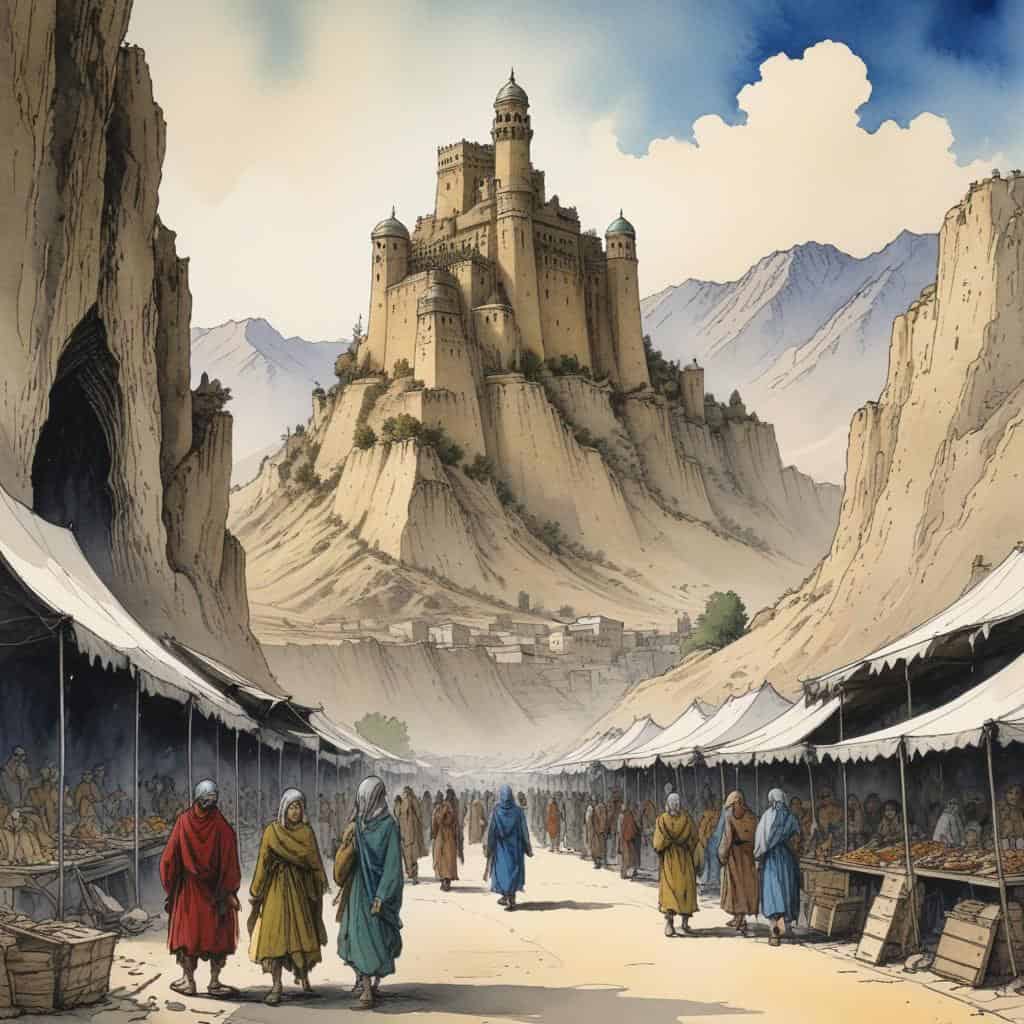
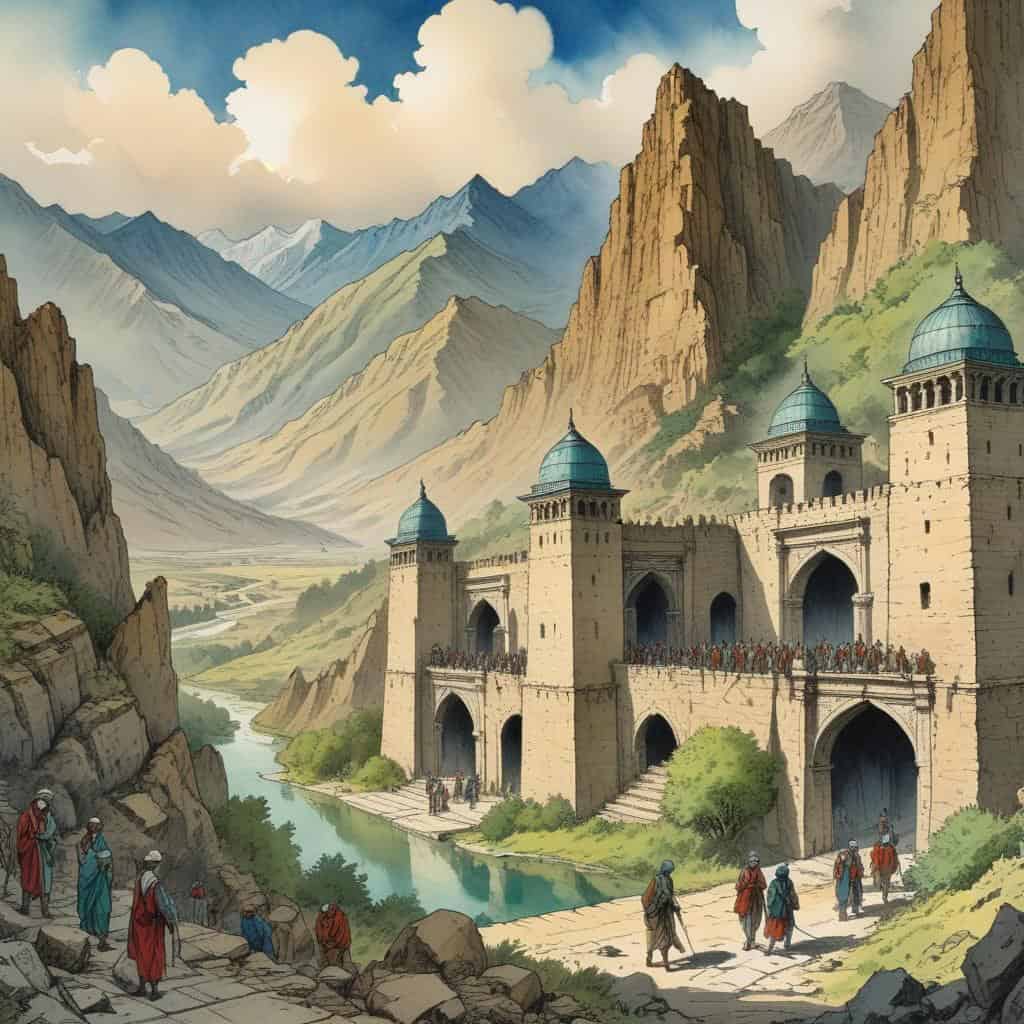
Tajikistan, a landlocked country in Central Asia, is a hidden gem waiting to be explored. With its stunning mountain landscapes, rich cultural heritage, and warm hospitality, Tajikistan offers a unique travel experience for those willing to venture off the beaten path.

In this article, we will provide a concise summary of Tajikistan, covering everything from its history and culture to its natural beauty and attractions. Whether you're planning a trip to Tajikistan or simply curious about this lesser-known destination, this essential guide will help you gain a better understanding of what this fascinating country has to offer.

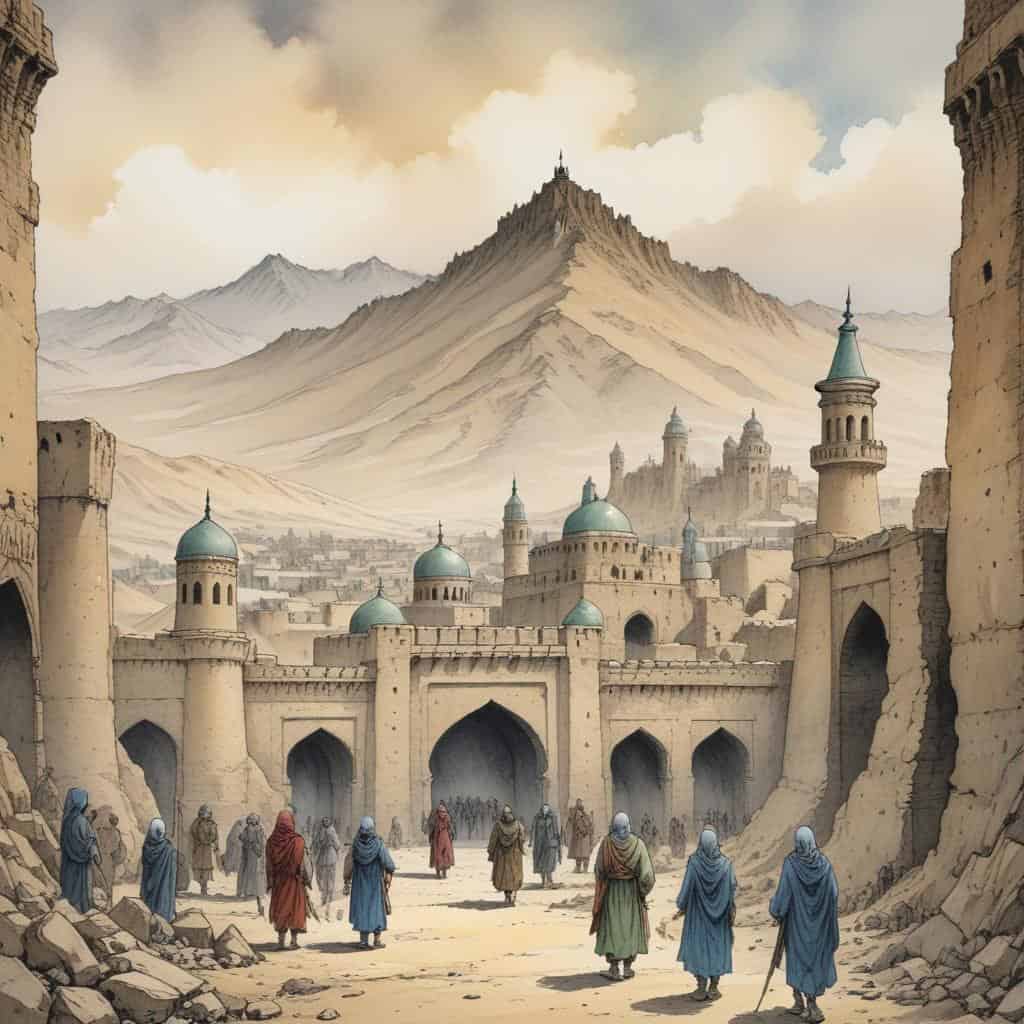
Join us as we unpack Tajikistan and delve into its intriguing history, vibrant traditions, and breathtaking scenery. From the bustling markets of Dushanbe to the ancient ruins of Penjikent, Tajikistan is a country full of surprises and hidden treasures waiting to be discovered. So sit back, relax, and let us take you on a journey through the heart of Tajikistan in this comprehensive summary.

President Emomali Rahmon

President Emomali Rahmon

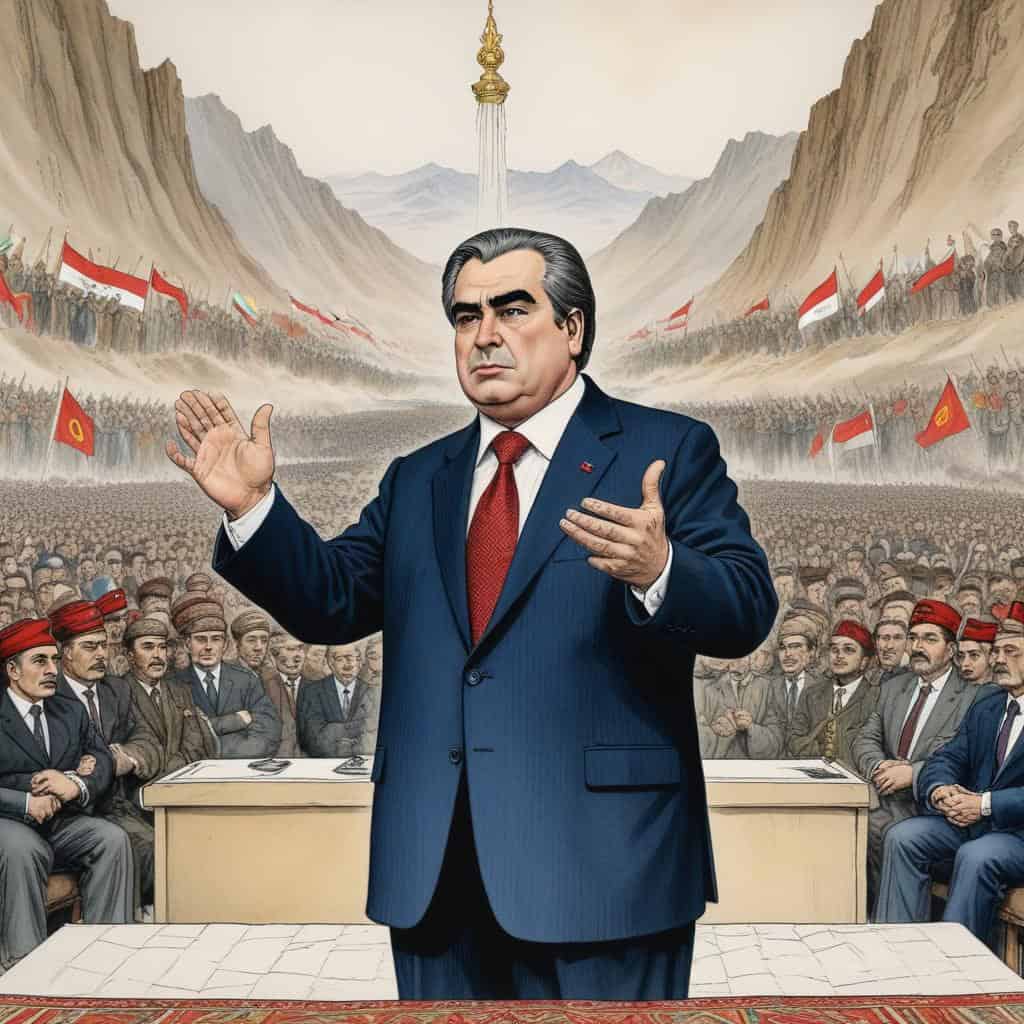
President Emomali Rahmon has been the leader of Tajikistan since 1992. He has played a significant role in shaping the country's political landscape and is known for his strong leadership style.

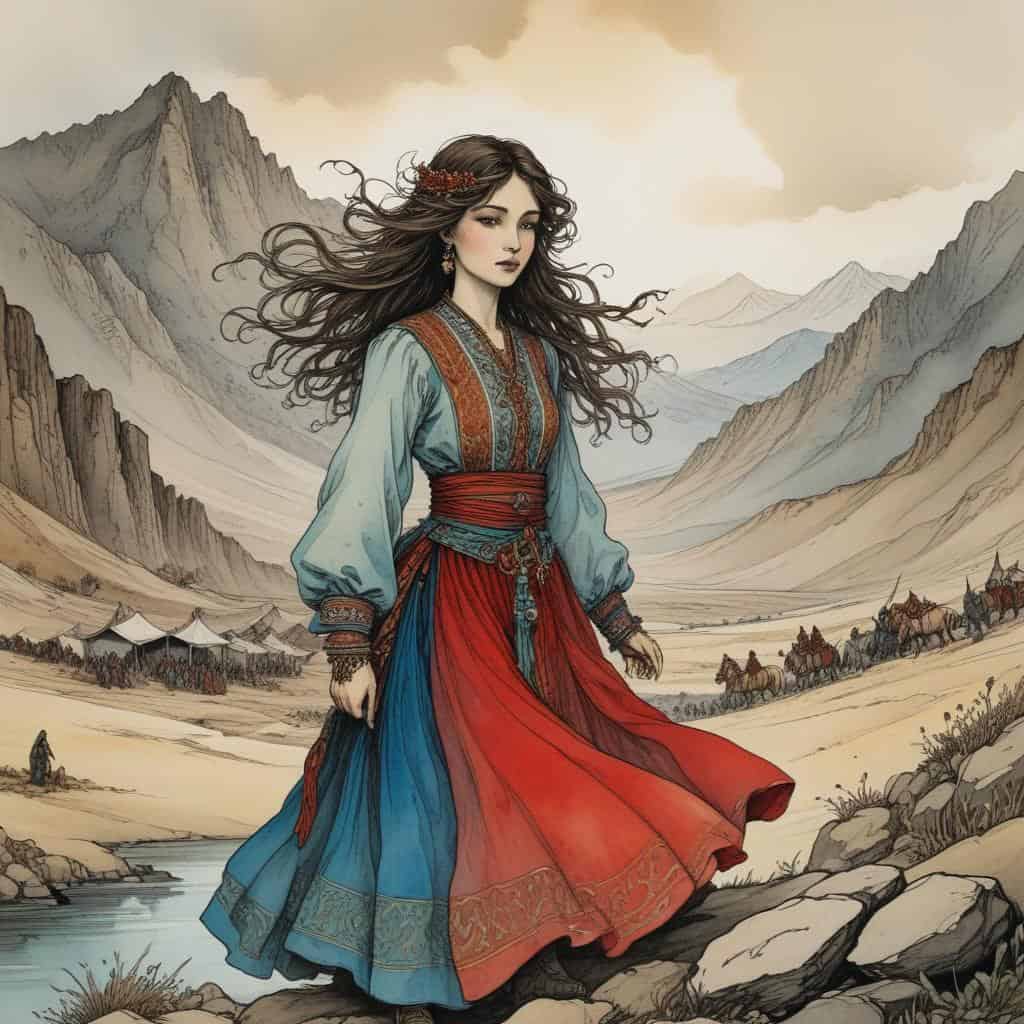
Iskandar Khatloni

Iskandar Khatloni

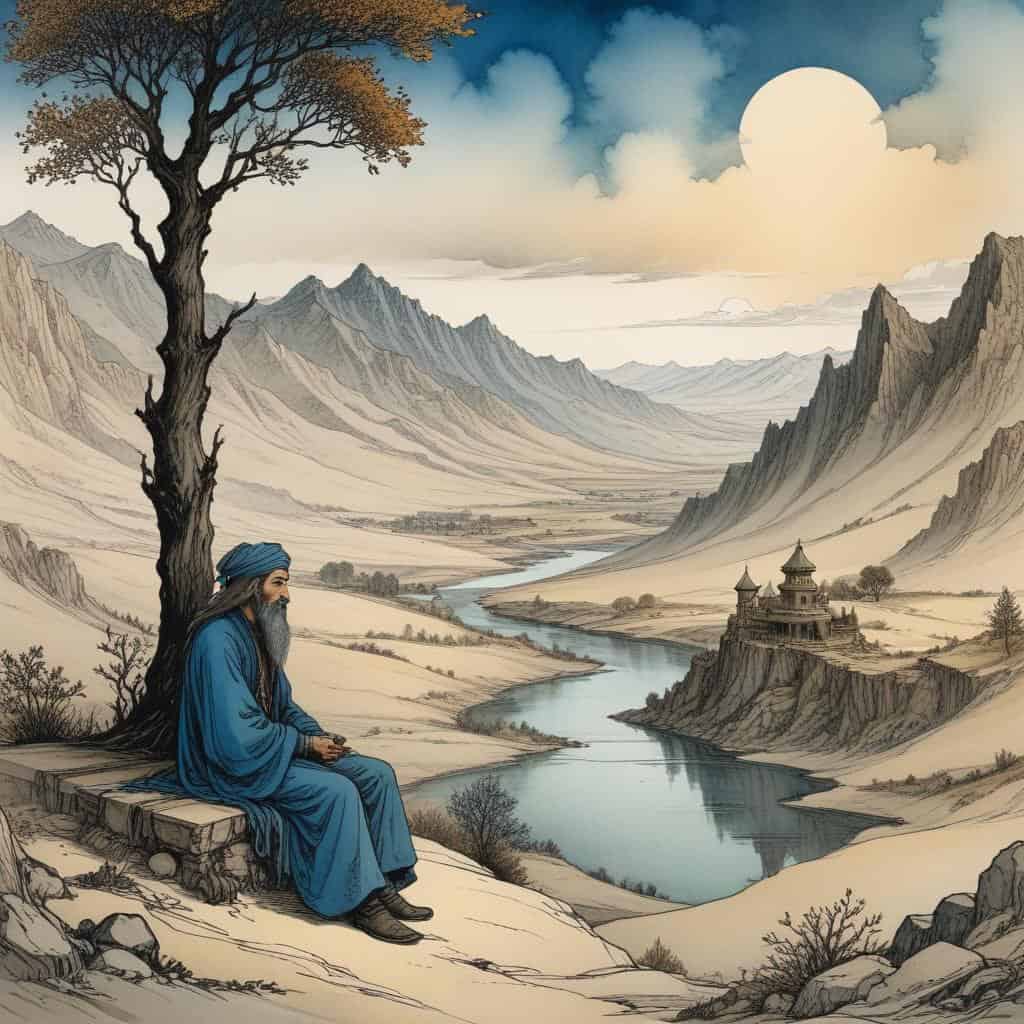
Iskandar Khatloni is a well-known Tajikistani poet and writer. His works often explore themes of love, nature, and Tajik culture, making him a beloved figure in the literary world.

Ravshan Irmatov

Ravshan Irmatov

Ravshan Irmatov is a famous Tajikistani football referee who has officiated at numerous international matches, including FIFA World Cup games. He is widely respected for his fair and accurate decisions on the field.

Malika Kalontarova

Malika Kalontarova

Malika Kalontarova is a prominent Tajikistani artist known for her vibrant and colorful paintings inspired by Tajik traditions and folklore. Her work has been exhibited in galleries around the world.

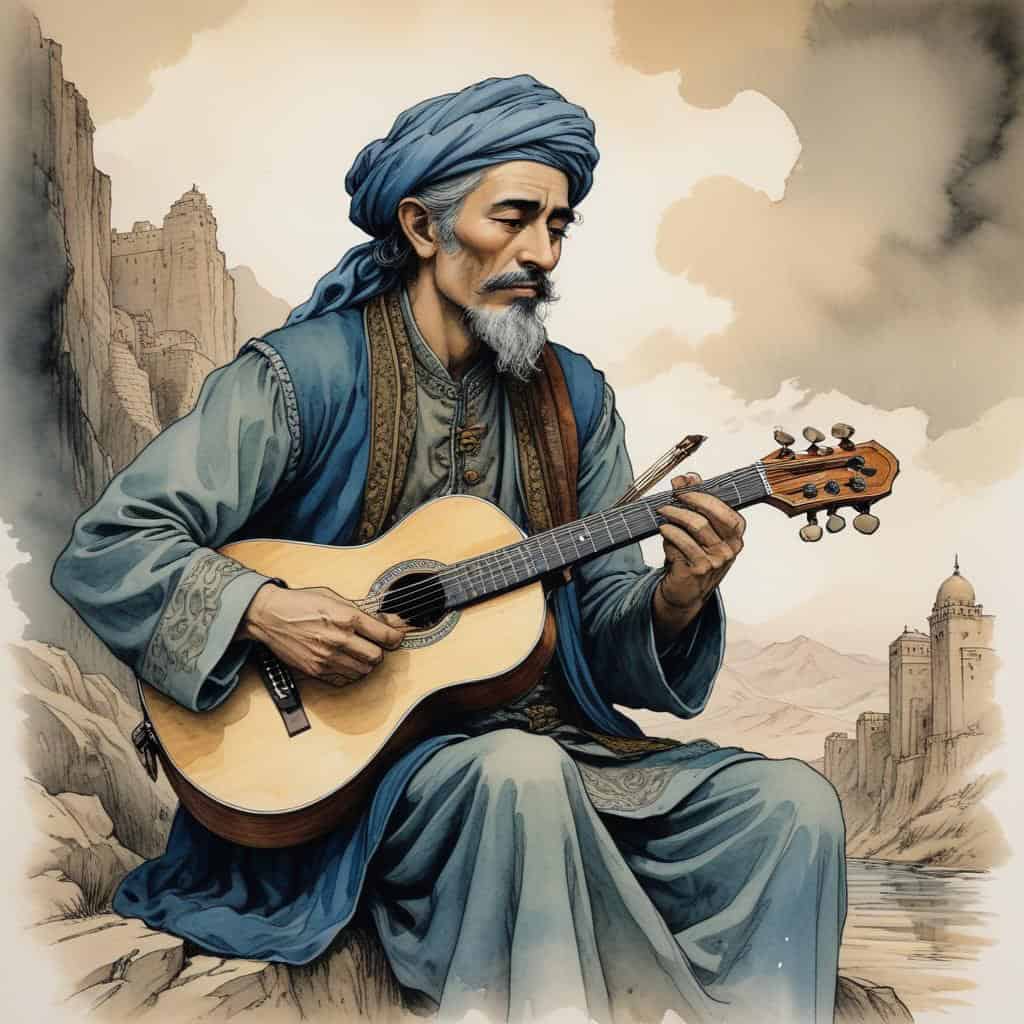
Abdumalik Bahori

Abdumalik Bahori

Abdumalik Bahori is a renowned Tajikistani composer and musician who has composed numerous works blending traditional Tajik music with modern influences. His music is celebrated for its unique sound and emotional depth.

1. Geographical Overview

1. Geographical Overview

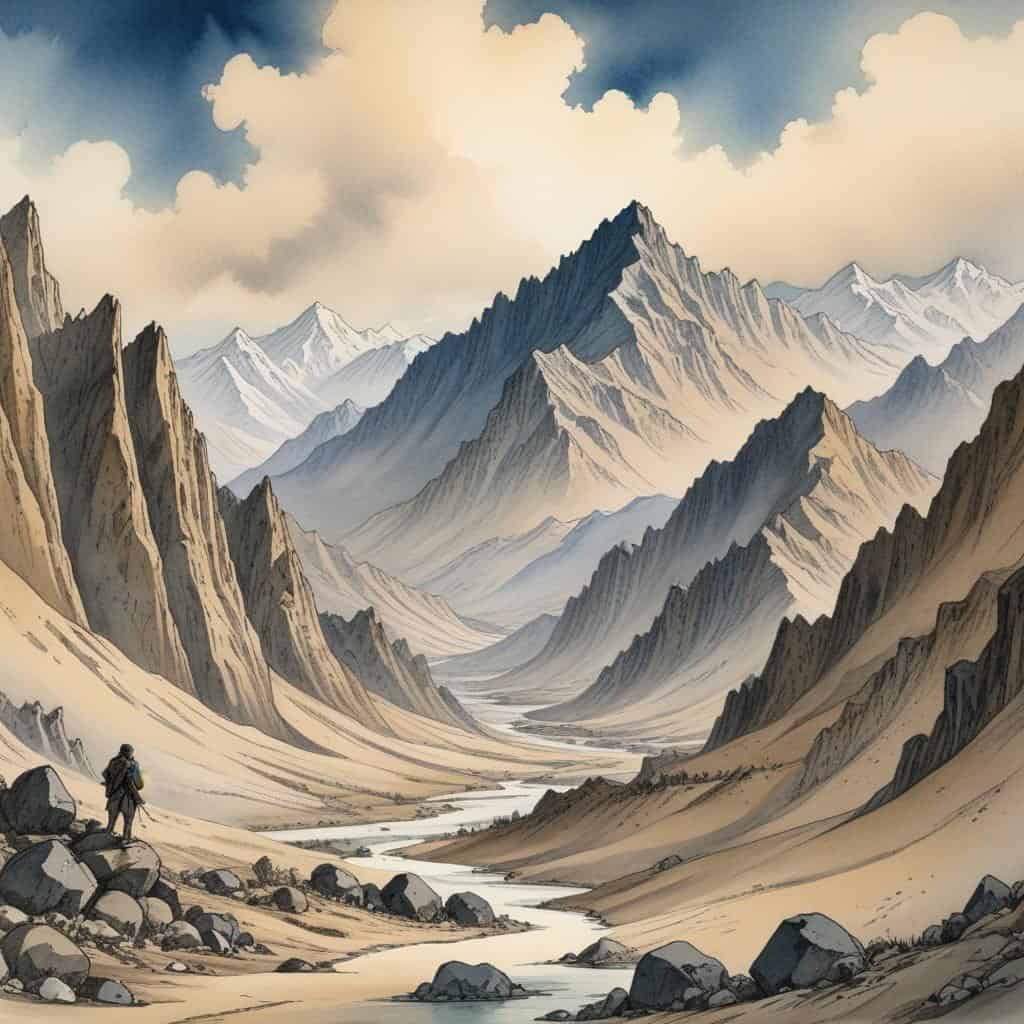
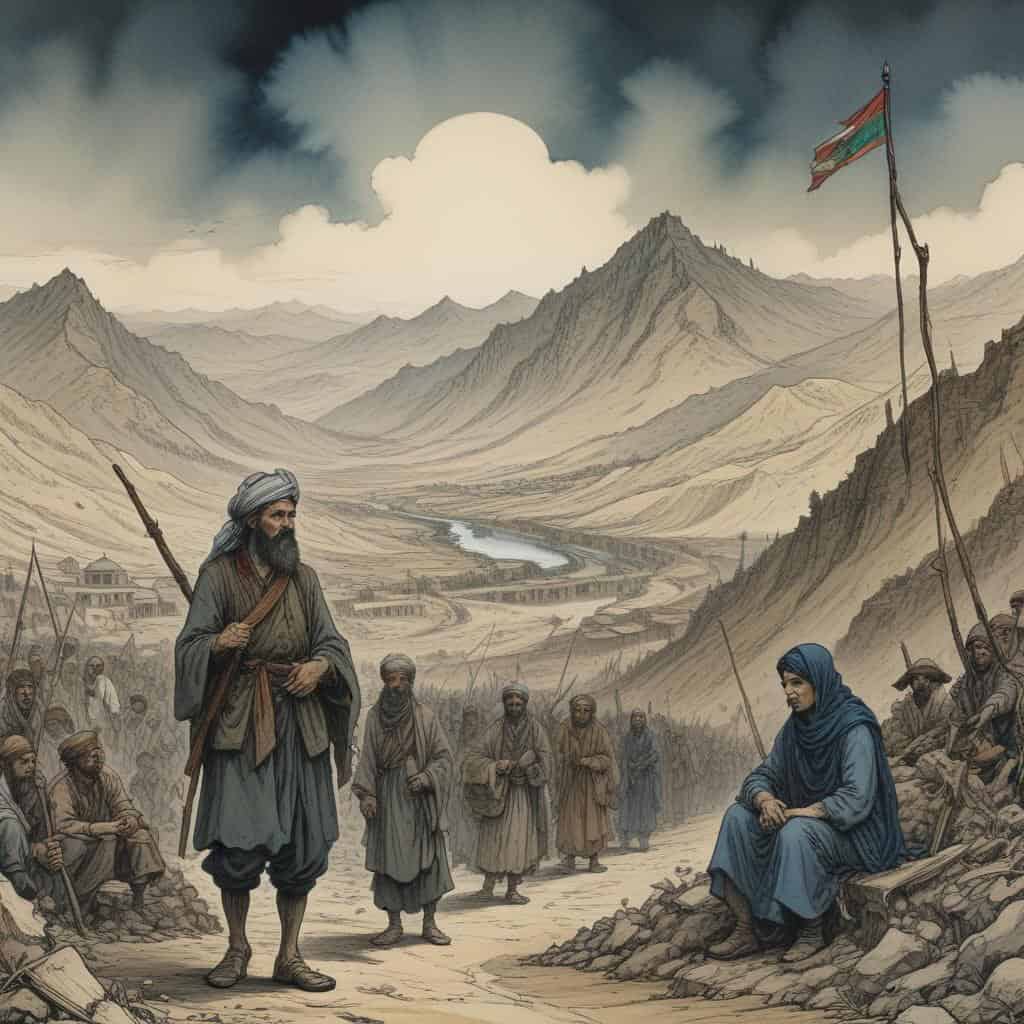
Tajikistan is a landlocked country located in Central Asia, bordered by Afghanistan to the south, Uzbekistan to the west, Kyrgyzstan to the north, and China to the east. It is known for its rugged mountains, with over 90% of the country covered by the Pamir mountain range.

2. Rich History

2. Rich History

Tajikistan has a rich history dating back to ancient times, with influences from Persian, Mongol, and Soviet rule. The country gained independence in 1991 after the collapse of the Soviet Union, and has since worked to establish its own identity and economy.

3. Diverse Culture

3. Diverse Culture

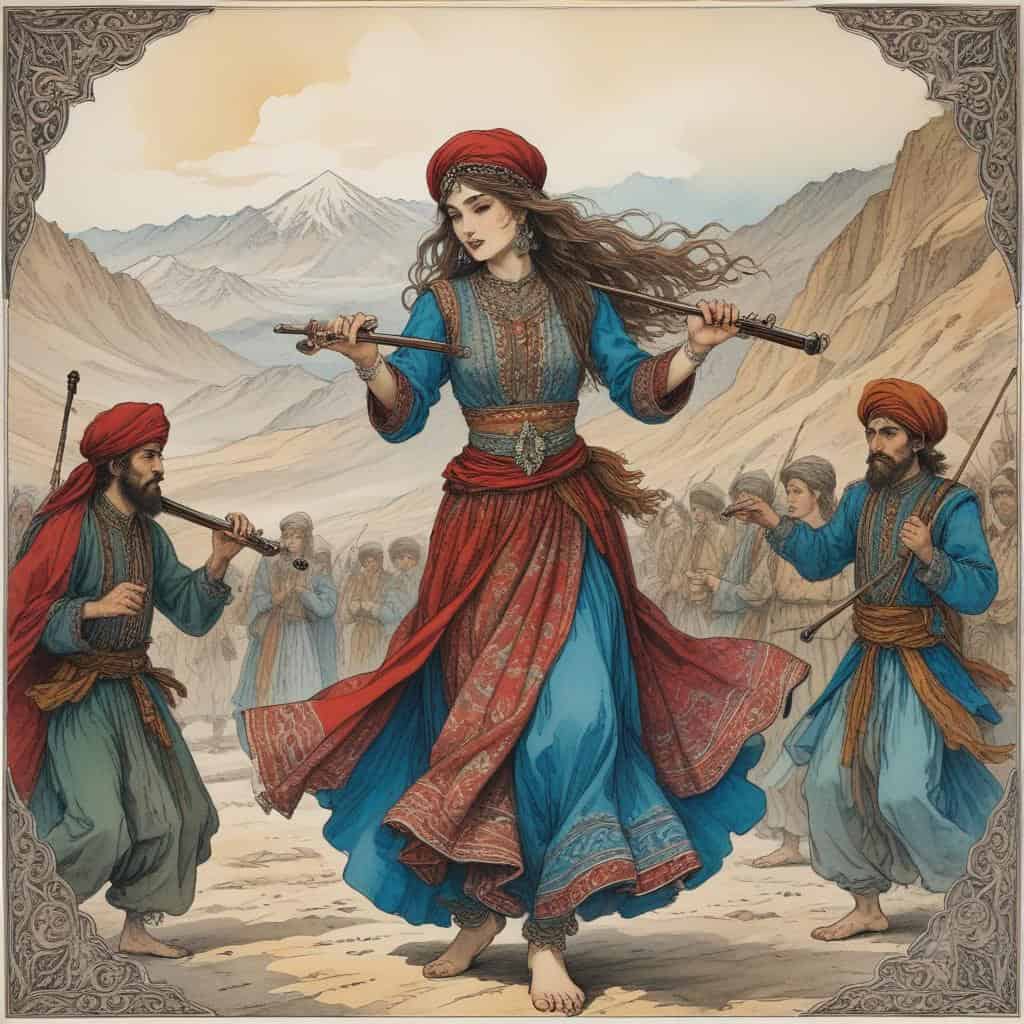
The culture of Tajikistan is a blend of Persian, Russian, and Central Asian influences. The majority of the population practices Islam, and the country is known for its traditional music, dance, and art forms.

4. Languages Spoken

4. Languages Spoken

The official language of Tajikistan is Tajik, which is a form of Persian. Russian is also widely spoken and used in government and business. English is becoming more common, especially in urban areas and among the younger generation.

5. Traditional Cuisine

5. Traditional Cuisine

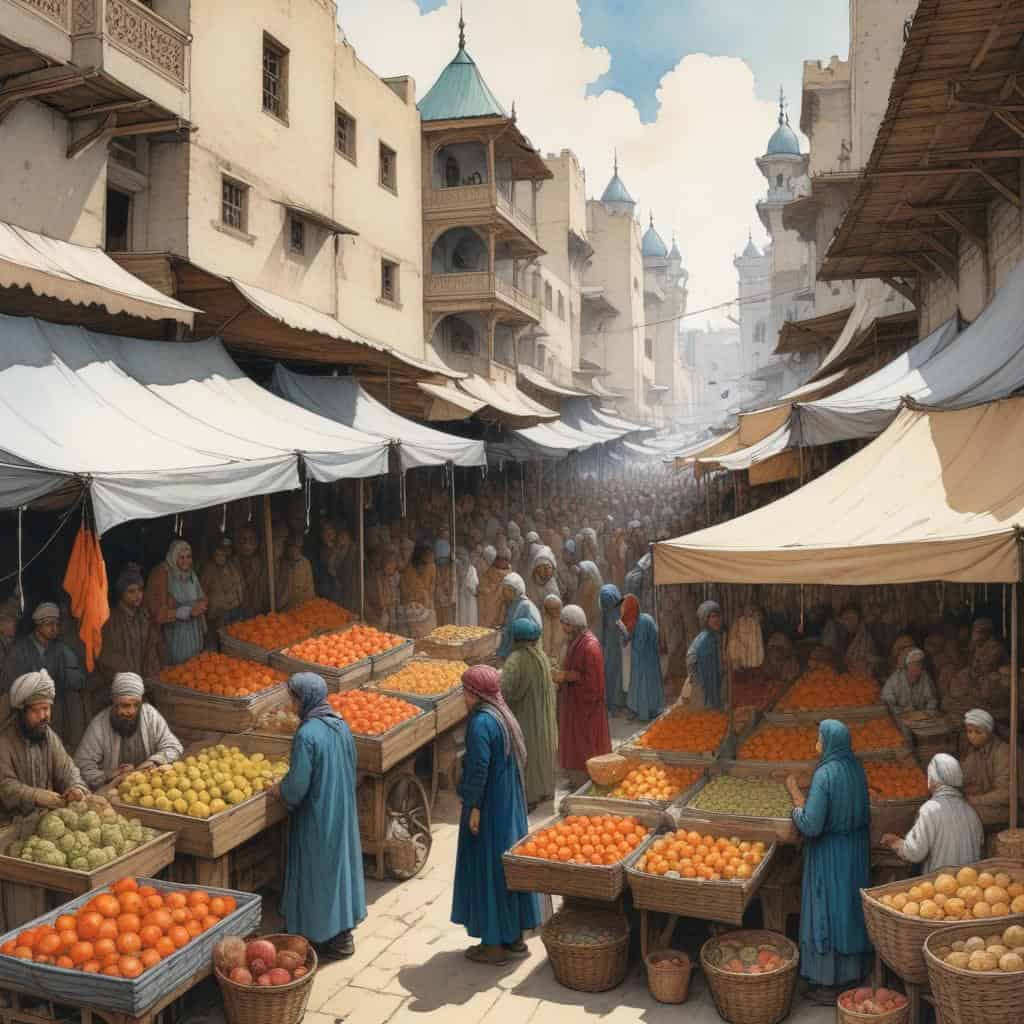
Tajik cuisine is a mix of Persian, Russian, and Central Asian flavors. Some popular dishes include plov (rice pilaf), shashlik (grilled meat skewers), and somsa (stuffed pastries). Tea is the most common drink, and fruits like melons and grapes are enjoyed during the summer months.

6. Economy and Industry

6. Economy and Industry

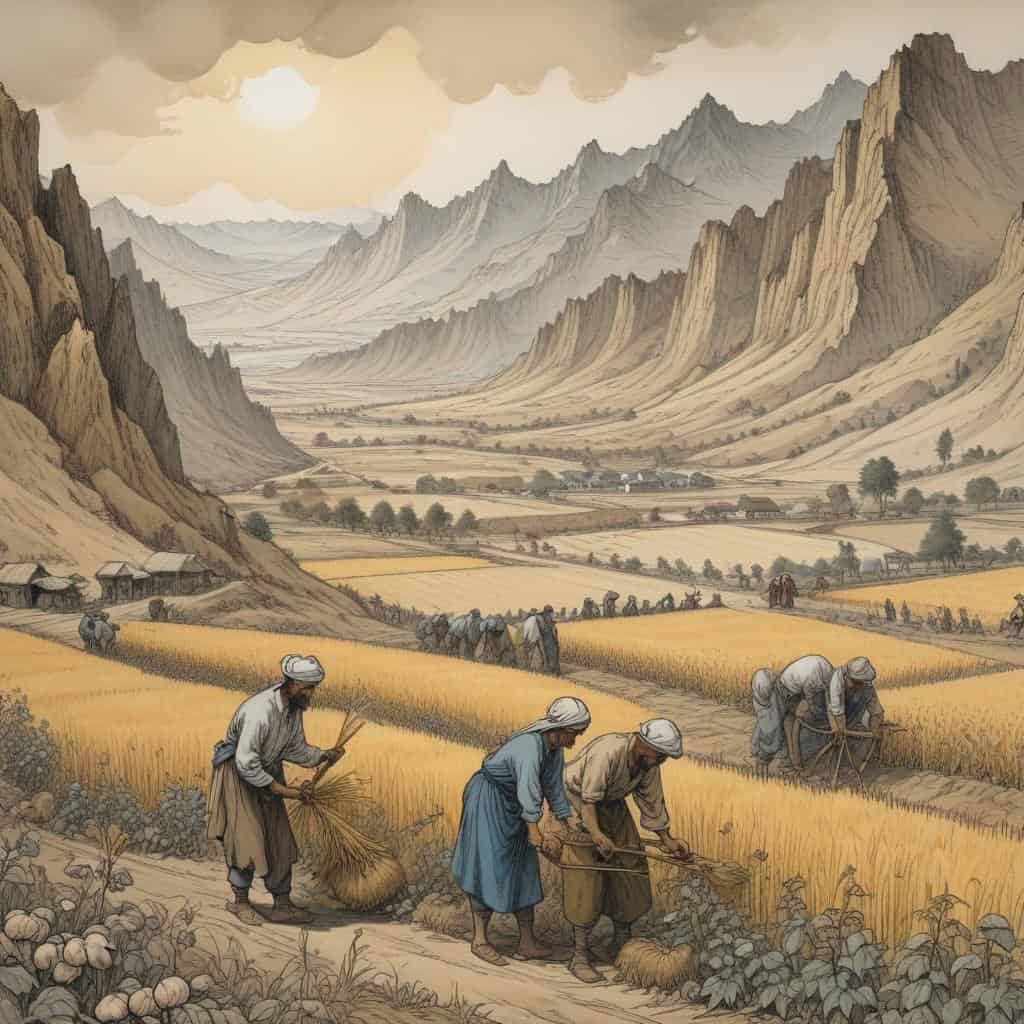
Tajikistan's economy is primarily based on agriculture, with cotton, wheat, and fruits being major crops. The country also has significant mineral resources, including aluminum, gold, and silver. Tourism is growing as well, with the beautiful landscapes and historic sites attracting visitors from around the world.

7. Climate and Weather

7. Climate and Weather

Tajikistan has a continental climate, with hot summers and cold winters. The mountainous regions experience heavy snowfall in the winter, while the valleys can be quite hot in the summer. Spring and autumn are considered the best times to visit, with mild temperatures and blooming flowers.

8. Popular Tourist Destinations

8. Popular Tourist Destinations

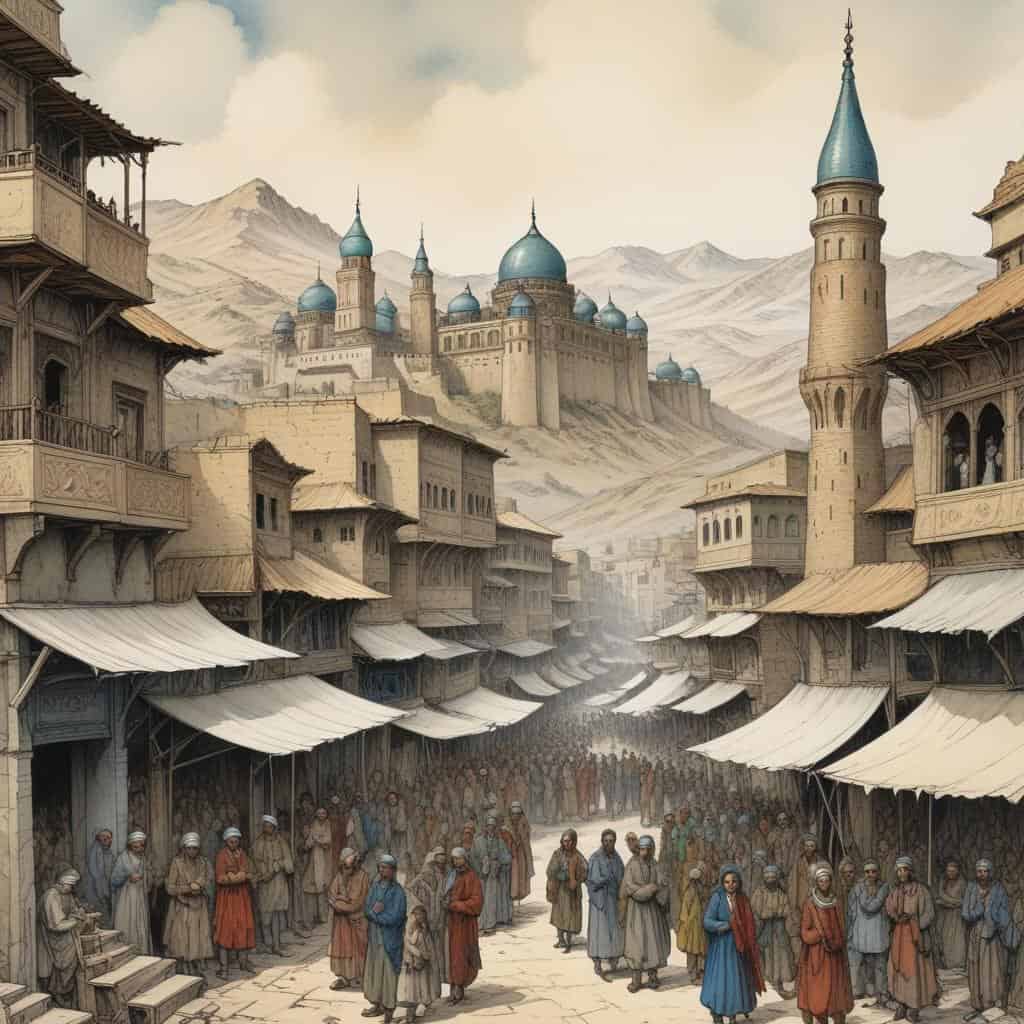
Some popular tourist destinations in Tajikistan include the capital city of Dushanbe, the ancient city of Khujand, and the Pamir Highway, which offers stunning views of the mountains and valleys. The Iskanderkul Lake and the Fann Mountains are also must-see attractions for nature lovers.

9. Festivals and Events

9. Festivals and Events

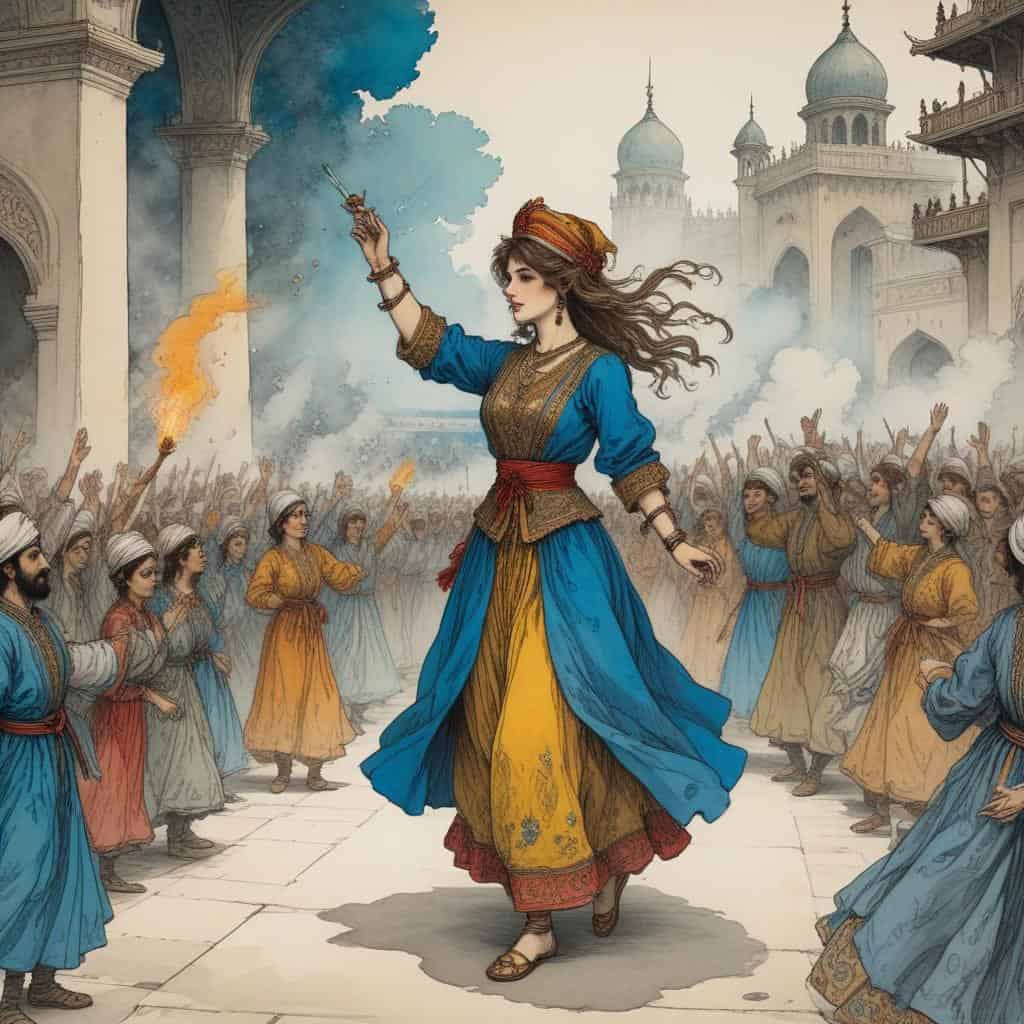
Tajikistan celebrates a number of traditional festivals throughout the year, including Navruz (Persian New Year) and Independence Day. These events are marked by music, dancing, and feasting, and offer a glimpse into the country's vibrant culture and history.

10. Challenges and Opportunities

10. Challenges and Opportunities

Despite its natural beauty and cultural richness, Tajikistan faces challenges such as poverty, corruption, and political instability. However, the country also has great potential for growth and development, with opportunities in tourism, agriculture, and energy. As Tajikistan continues to navigate its path to the future, it remains a country of great promise and resilience.

1 / 19

Audio Library

As one of our featured lessons, this topic includes premium audio guides.

🔒

Unlock the Audio Summary

This free audio lesson is available exclusively for Logged in Memory Wizards members. Please sign up for a free account or log in to access this content.

Sign Up Log In
🔒

Unlock the Wizard's Cram Session

This powerful audio study guide is a Pro-exclusive feature. Upgrade to Memory Wizards Pro to access this and all of our premium learning tools.

Upgrade to Pro

In a Nutshell

  • Capital: Dushanbe
  • Population: Approx. 9.5 million (2021)
  • Official Language: Tajik
  • Currency: Tajikistani somoni (TJS)

Breaking Down the Country

No composition analysis points available.

Timeline of Tajikistan

1929

Tajikistan becomes part of the Soviet Union

1929

Tajik Autonomous Soviet Socialist Republic established

1991

Tajikistan gains independence from the Soviet Union

1992

Civil war breaks out in Tajikistan

1997

Peace agreement signed in Tajikistan

1992

Tajikistan joins the United Nations

1991

Tajikistan joins the Commonwealth of Independent States

1998

Economic crisis hits Tajikistan

2004

Tajikistan signs a strategic partnership agreement with Russia

2002

Tajikistan becomes a member of the Shanghai Cooperation Organization

2013

Presidential elections held in Tajikistan

2011

Tajikistan signs a border agreement with China

2015

Dushanbe-Khujand highway completed

2014

Tajikistan hosts the Shanghai Cooperation Organization summit

2018

Tajikistan experiences a severe drought

2017

Tajikistan and Uzbekistan sign a strategic partnership agreement

2021

Tajikistan celebrates 30 years of independence

2020

Tajikistan's economy grows rapidly

2000s

Tajikistan faces challenges from Islamic extremism

2007

Tajikistan celebrates Nowruz as a national holiday

Vocabulary List

Dushanbe
The capital city of Tajikistan is Dushanbe.
Pamir Mountains
Tajikistan is home to the stunning Pamir Mountains.
Rasht Valley
The Rasht Valley is a picturesque region in Tajikistan.
Somoni Peak
Somoni Peak is the highest mountain in Tajikistan.
Tajik
The official language of Tajikistan is Tajik.
Soviet Union
Tajikistan was once a part of the Soviet Union.
Silk Road
Tajikistan was an important stop on the ancient Silk Road.
Ruble
The currency used in Tajikistan is the Tajikistani ruble.
Cotton
Cotton is an important crop in Tajikistan's economy.

Key Facts

This is the information used in the fact matching game

  • Tajikistan is a landlocked country in Central Asia.
  • The official language of Tajikistan is Tajik.
  • Tajikistan gained independence from the Soviet Union in 1991.

  • The capital of Tajikistan is Dushanbe.
  • Tajikistan is known for its beautiful mountain landscapes.
  • The Pamir Mountains in Tajikistan are known as the 'Roof of the World'.

  • Tajikistan is one of the poorest countries in Central Asia.
  • The currency of Tajikistan is the Tajikistani somoni.
  • Tajikistan is home to the world's tallest flagpole, located in Dushanbe.

  • Tajikistan is a predominantly Muslim country.
  • The national dish of Tajikistan is plov, a rice pilaf dish.
  • Tajikistan has a rich history of silk production.

  • Tajikistan is a member of the Commonwealth of Independent States (CIS).
  • Tajikistan has a high level of seismic activity due to its location along the Alpide belt.
  • Tajikistan has a literacy rate of over 99%.

  • Tajikistan has significant hydroelectric power potential.
  • Tajikistan has a national airline called Tajik Air.
  • Tajikistan is known for its traditional handicrafts, such as embroidered textiles and pottery.

  • Tajikistan has a population of approximately 9.3 million people.
  • Tajikistan has a strategic location along the ancient Silk Road.

Why It Matters

Geopolitical Significance

Tajikistan’s strategic location in Central Asia, sharing borders with Afghanistan, China, Uzbekistan, and Kyrgyzstan, makes it a key player in regional politics and security. It serves as a bridge between the Middle East and East Asia, impacting trade routes and international relations.

Historical Importance

Tajikistan has a rich history as part of the Silk Road, connecting civilizations and facilitating cultural exchange. The region’s ancient cities, like Samarkand and Bukhara, were centers of learning and trade. Tajikistan’s heritage reflects the diverse influences of Persian, Turkic, and Russian empires.

Modern-Day Role

In the present day, Tajikistan plays a vital role in promoting stability in Central Asia. Its economy is growing, driven by natural resources like hydroelectric power and minerals. The country’s cultural heritage and strategic location continue to shape its relationships with neighboring countries and global partners.

Tajikistan Games

Was This Lesson Helpful?

Please log in or sign up to rate this lesson. 

Take Your Learning Offline

Want a convenient, print-ready study guide for this lesson? Become a Memory Wizards Pro member to unlock the downloadable " Memory Scrolls" for this topic and our entire library!

  • ✓ Complete Vocabulary Lists
  • ✓ Key Facts & Timelines
  • ✓ Beautifully Formatted for Print & Mobile
Upgrade to Pro

You must be logged in to provide feedback. Please log in or create a free account.

You must be logged in to provide feedback. Please log in or create a free account.

Scroll to Top