
How Do You Learn Best?
Learn by Listening
Start with the 3-minute audio summary to get the key facts and narrative highlights quickly.
Learn by Reading
Immerse yourself in the 10-minute visual lesson for a comprehensive understanding of the topic.
Learn by Reviewing
Jump directly to the key facts, timeline, and vocabulary lists to build a solid foundation of details.
Learn by Doing
Challenge yourself! Jump straight into the interactive games to learn by trial, error, and discovery.
South Korea in 10 Minutes
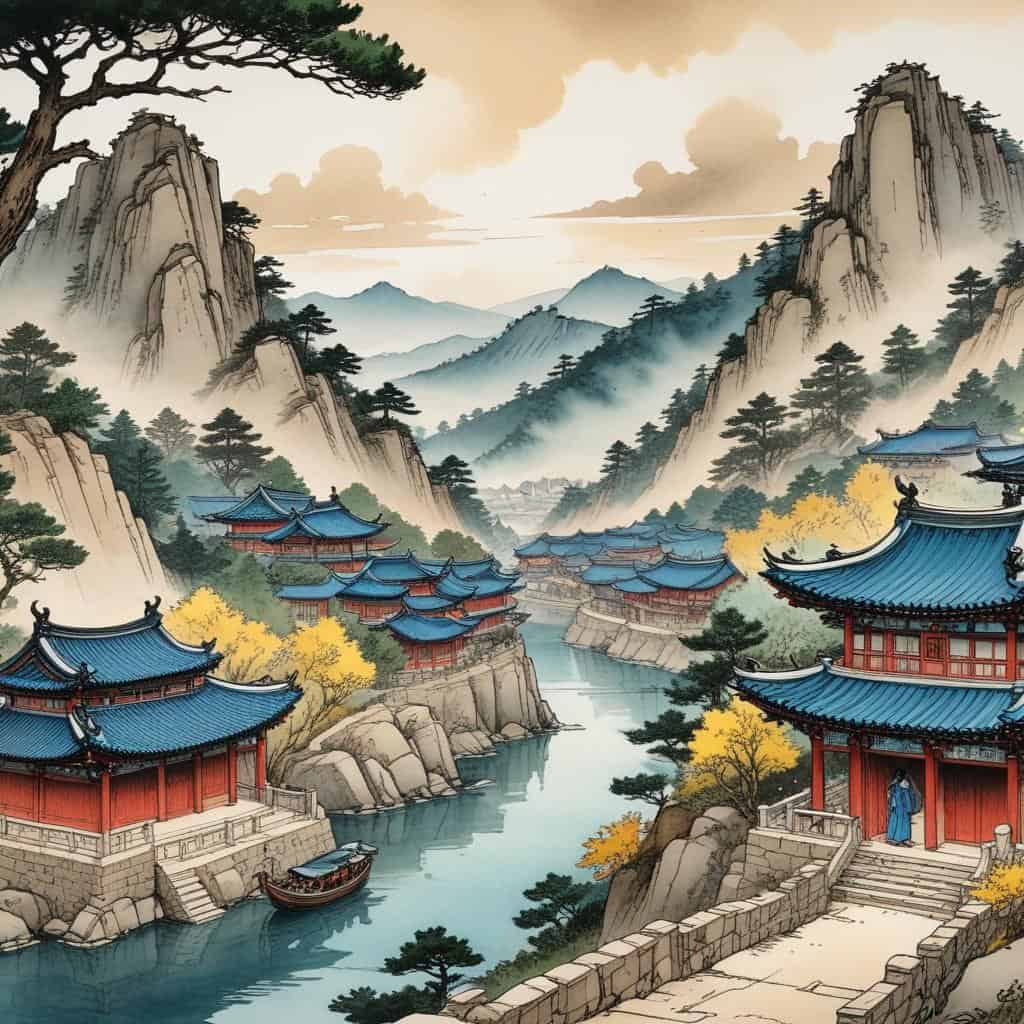
Introduction
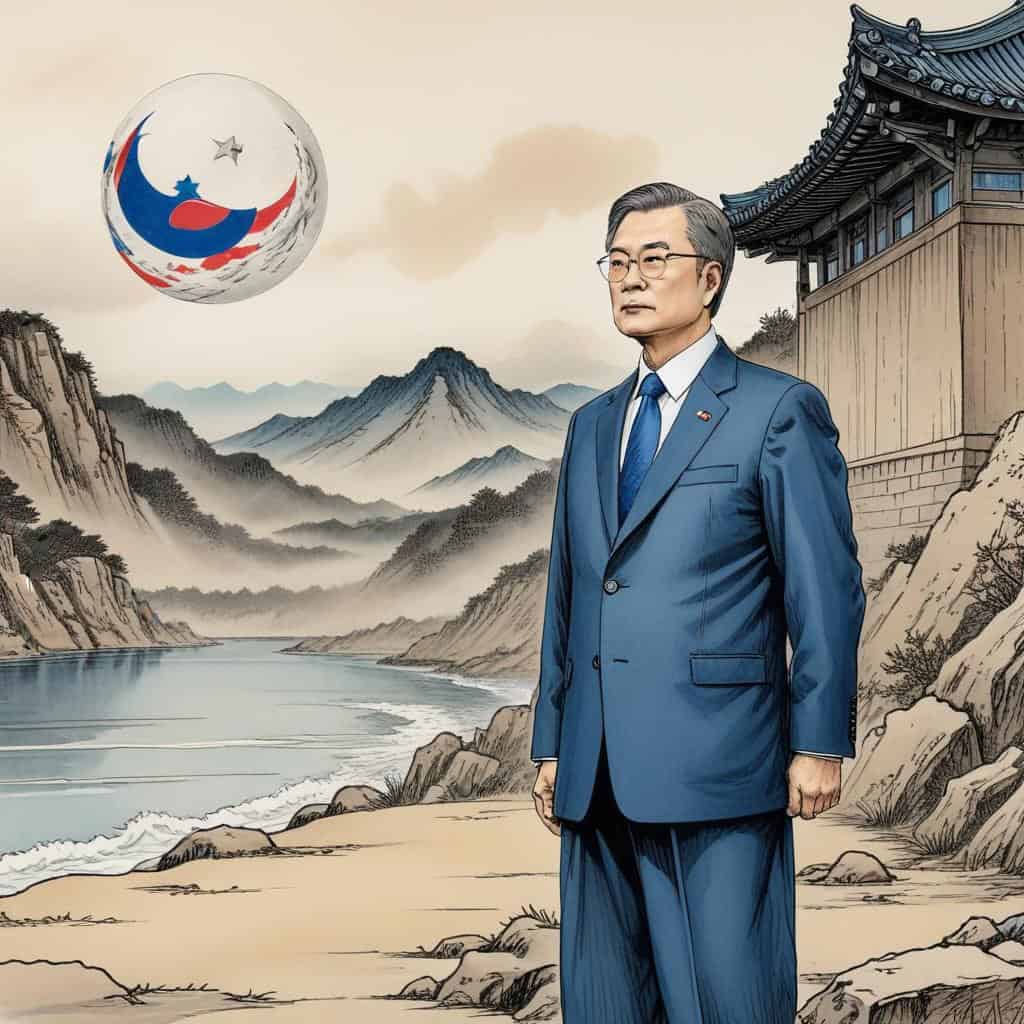
President Moon Jae-in
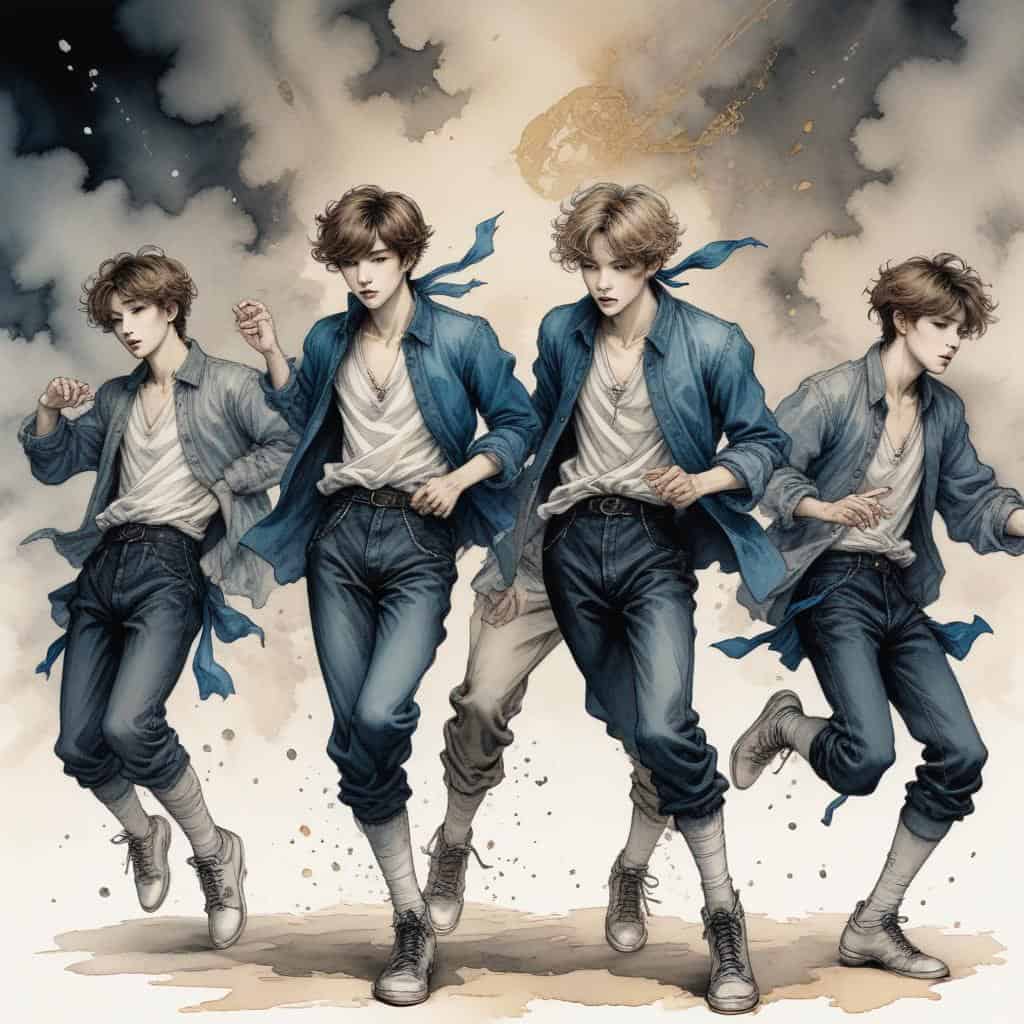
BTS
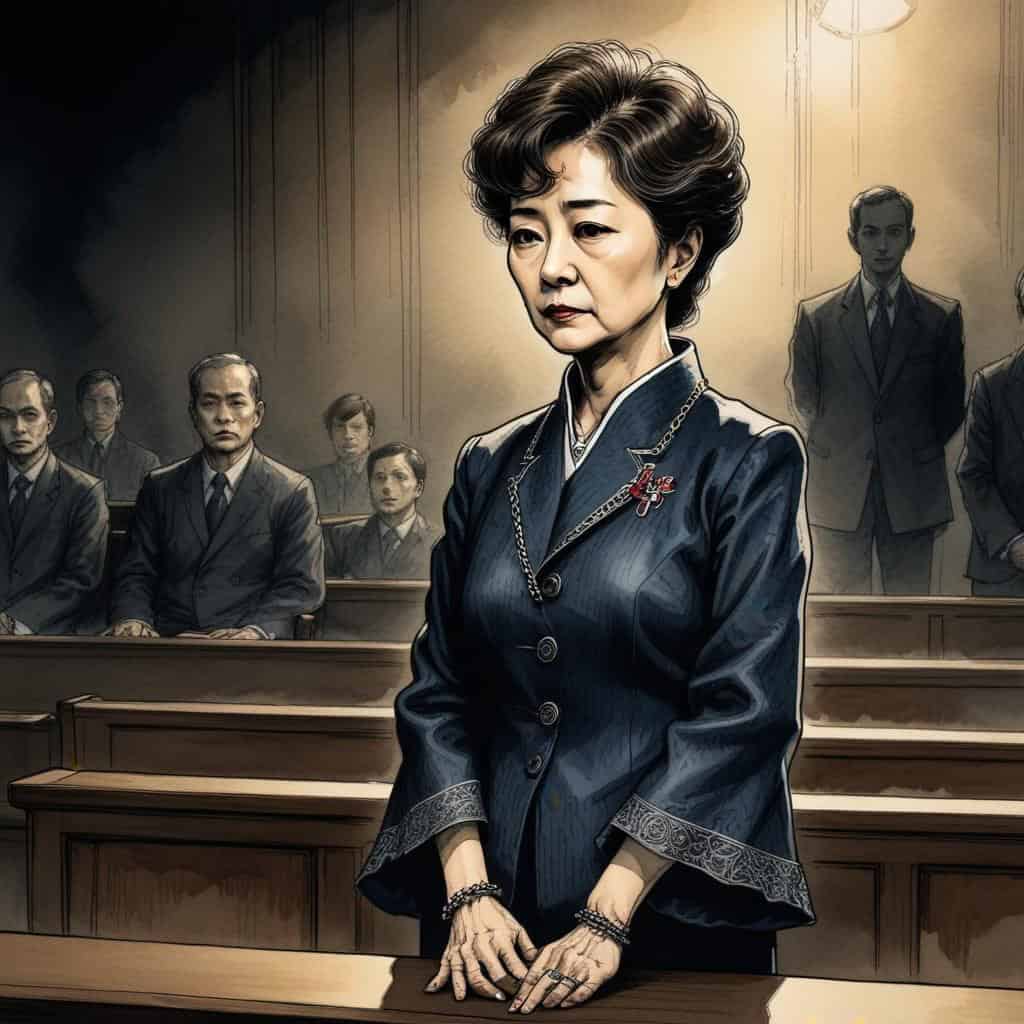
Park Geun-hye

Kim Yuna
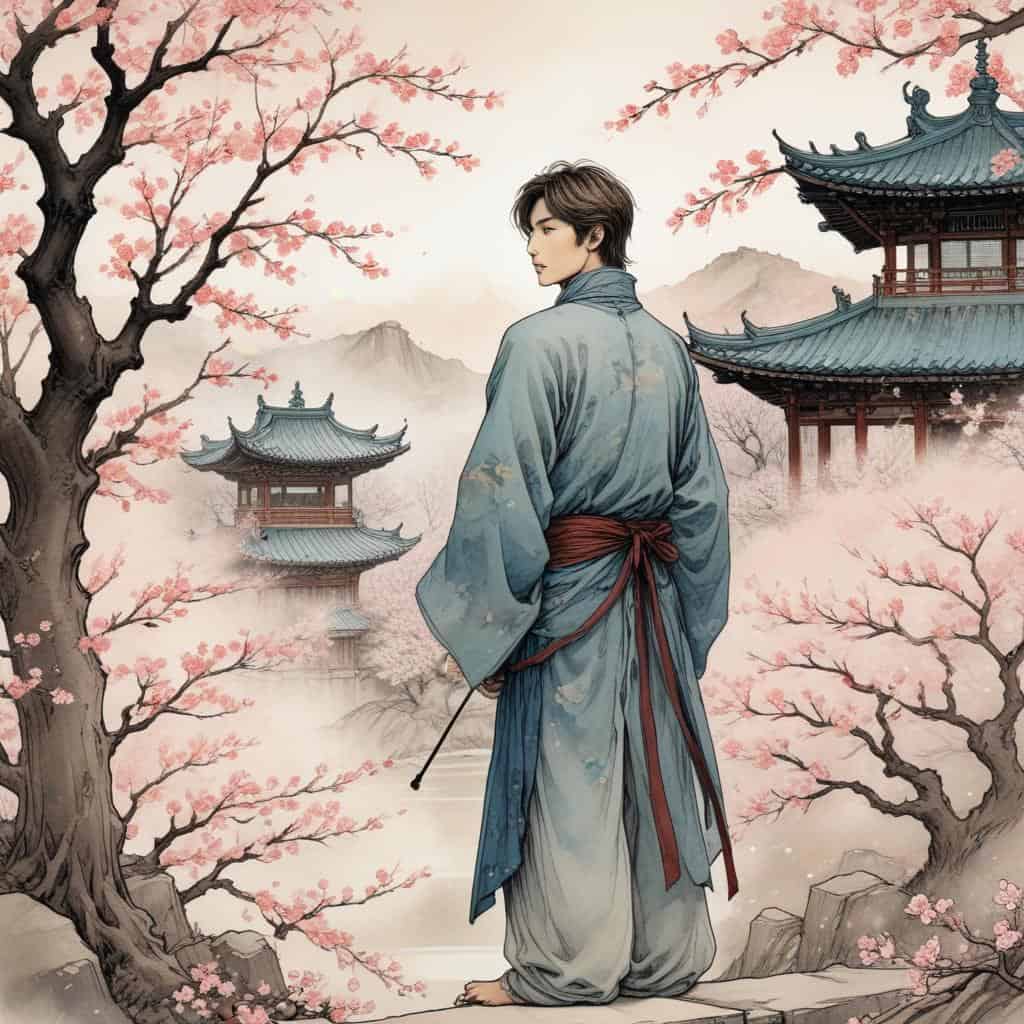
Lee Min-ho
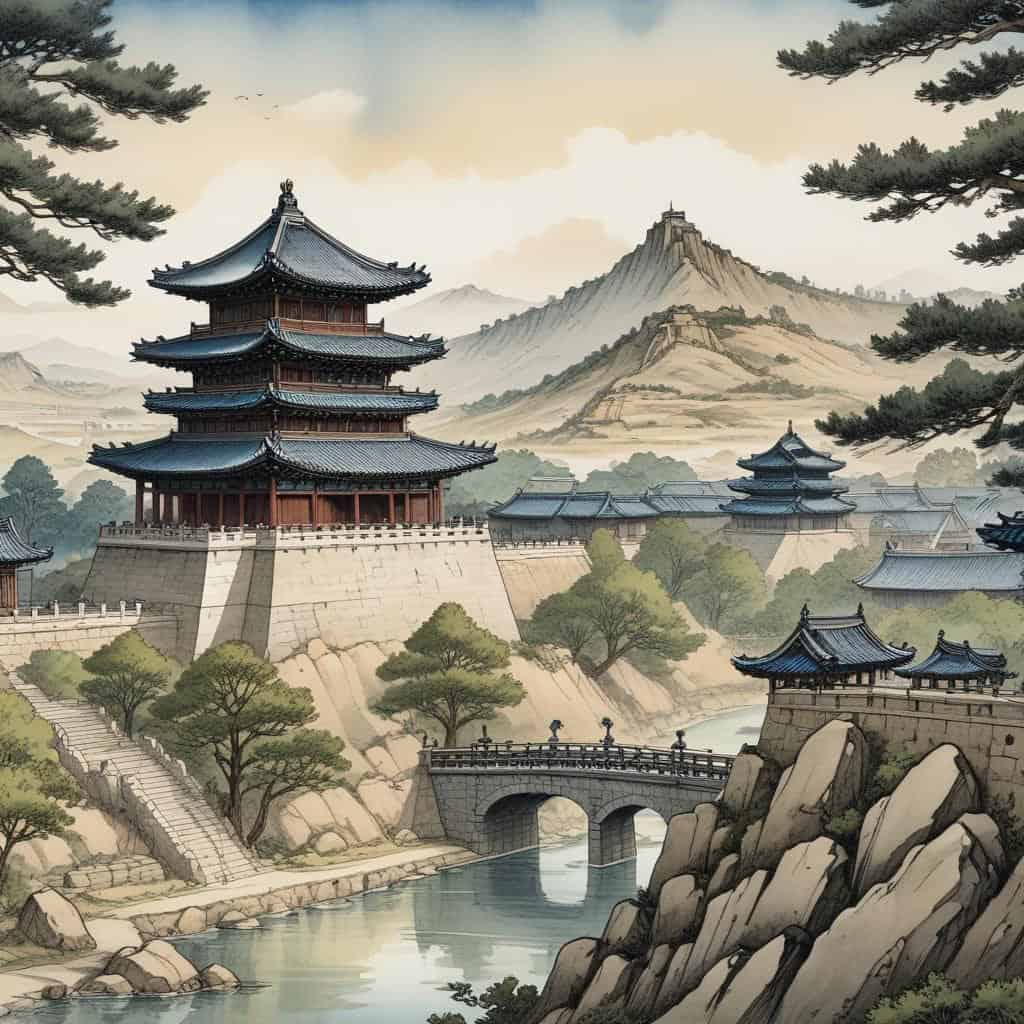
1. Historical Sites
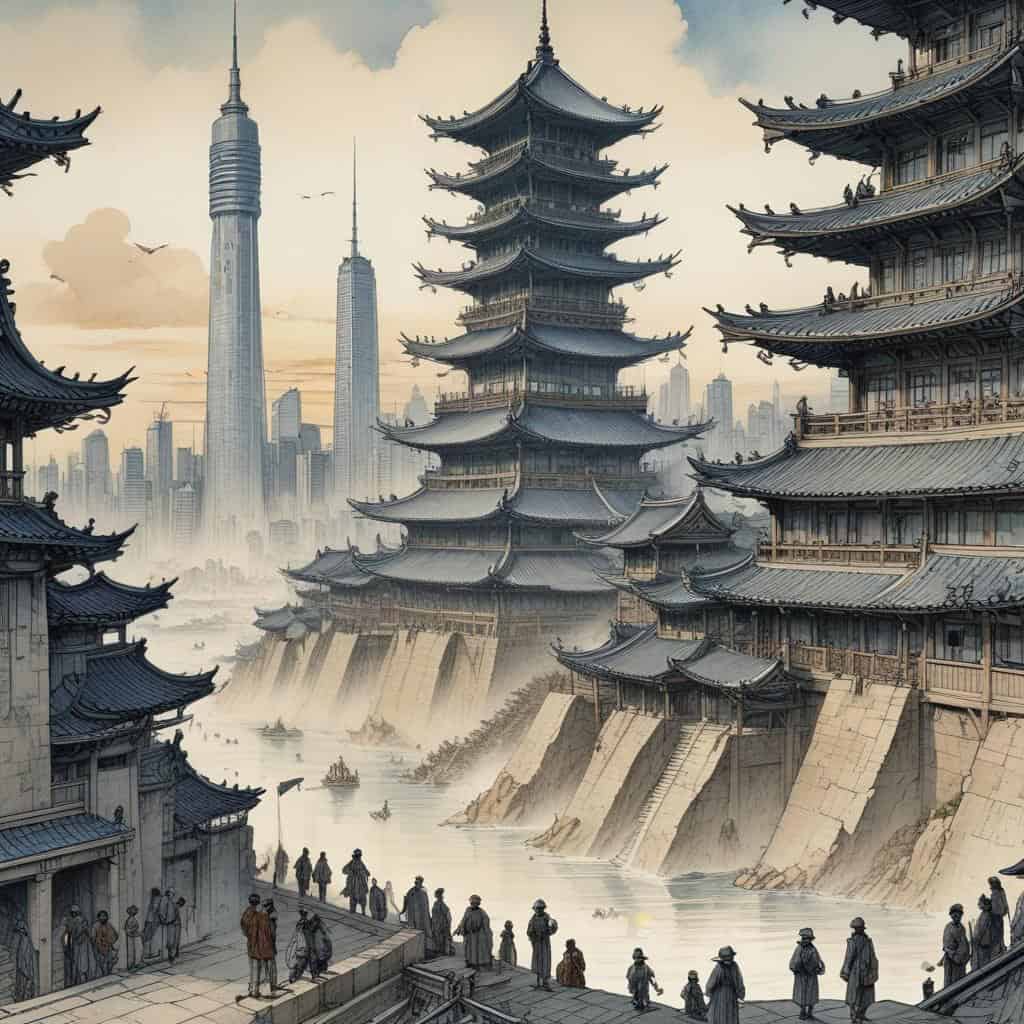
2. Modern Technology
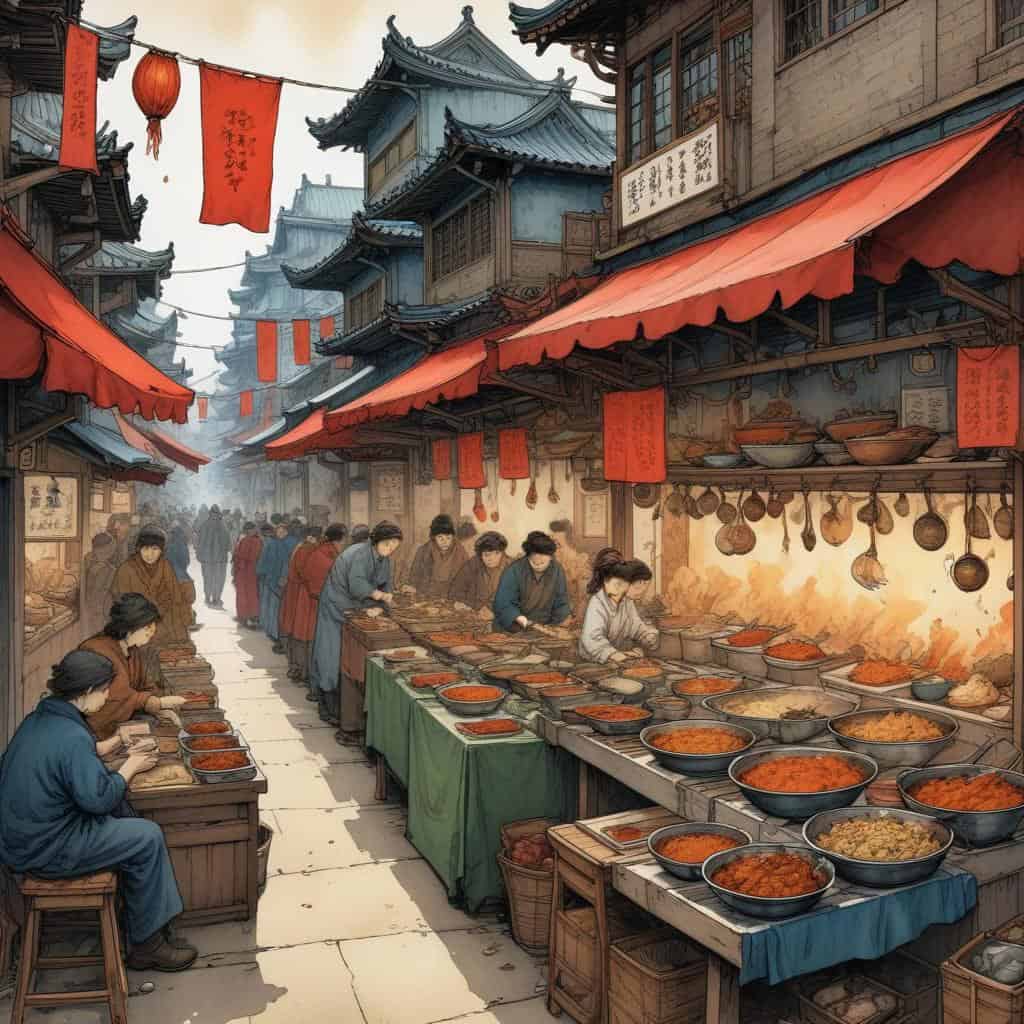
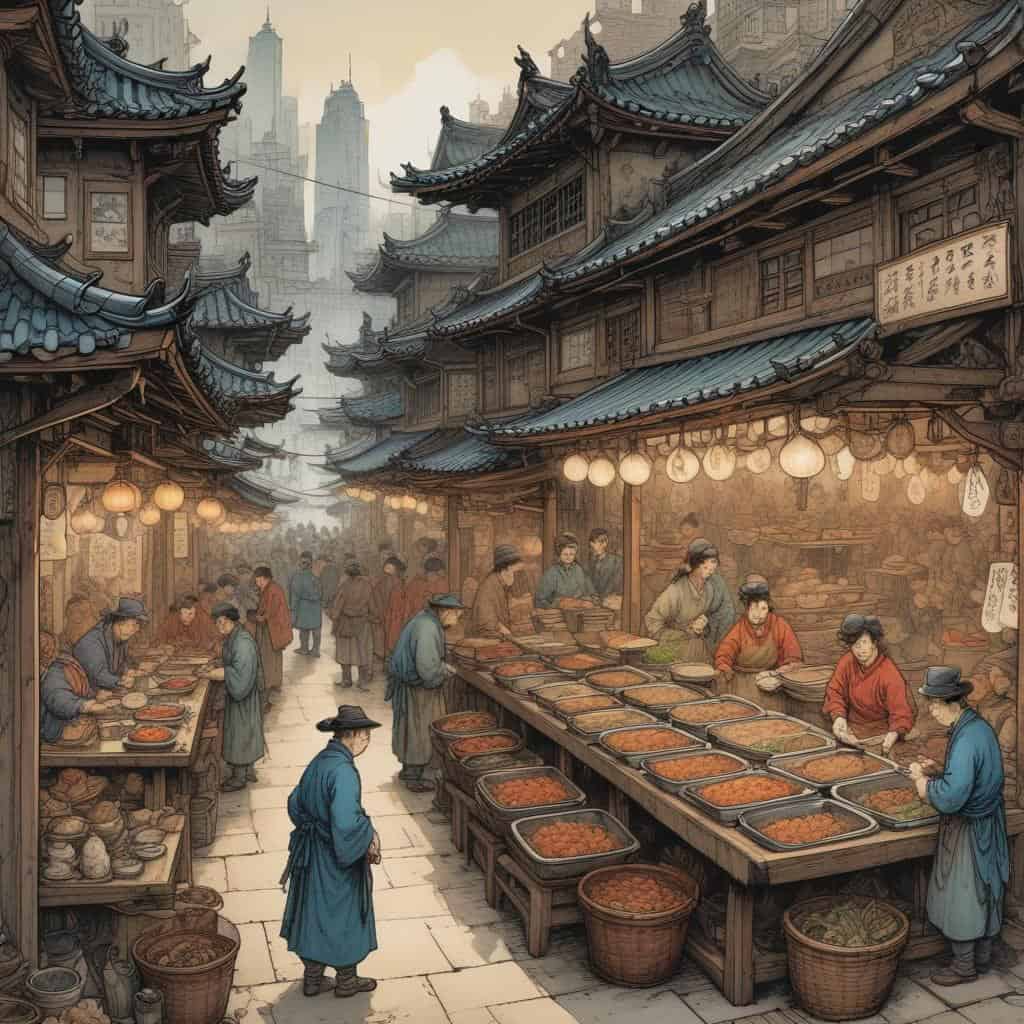
3. Delicious Cuisine
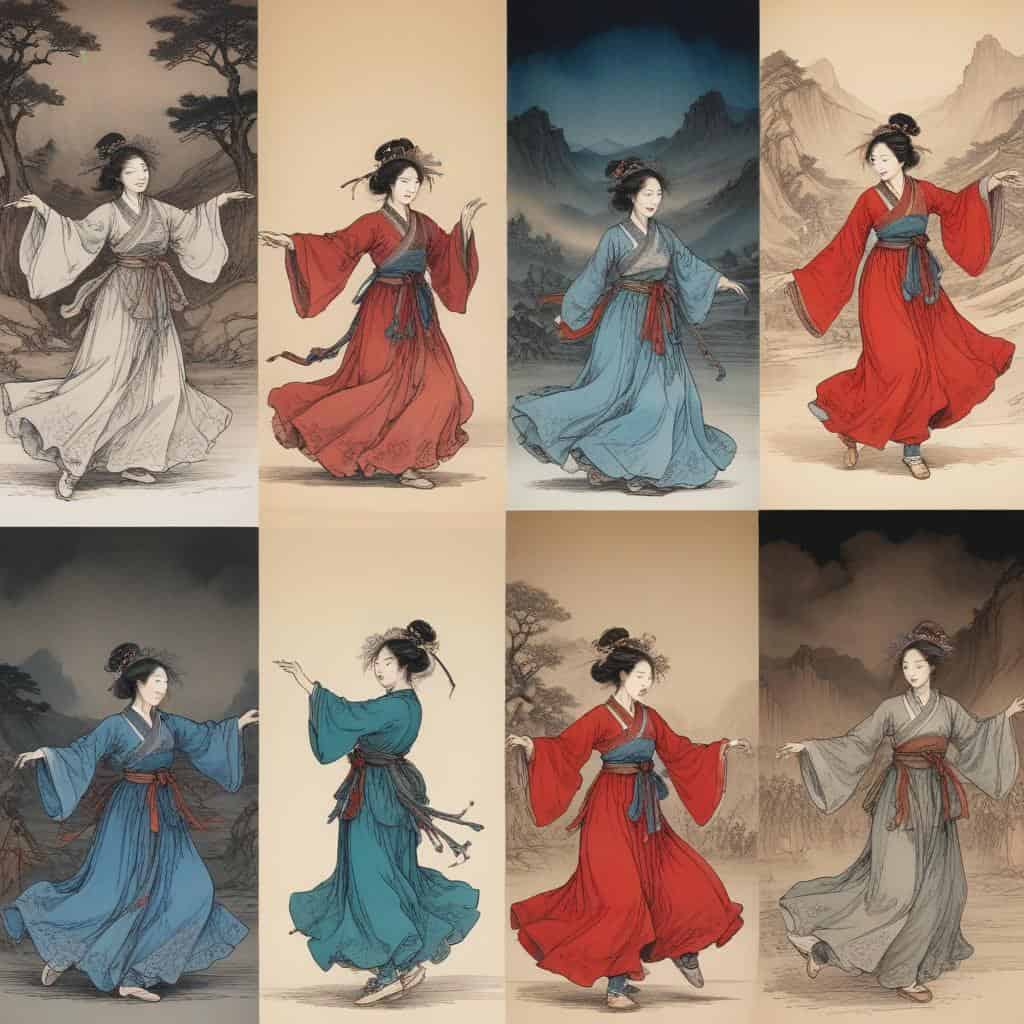
4. Vibrant Culture
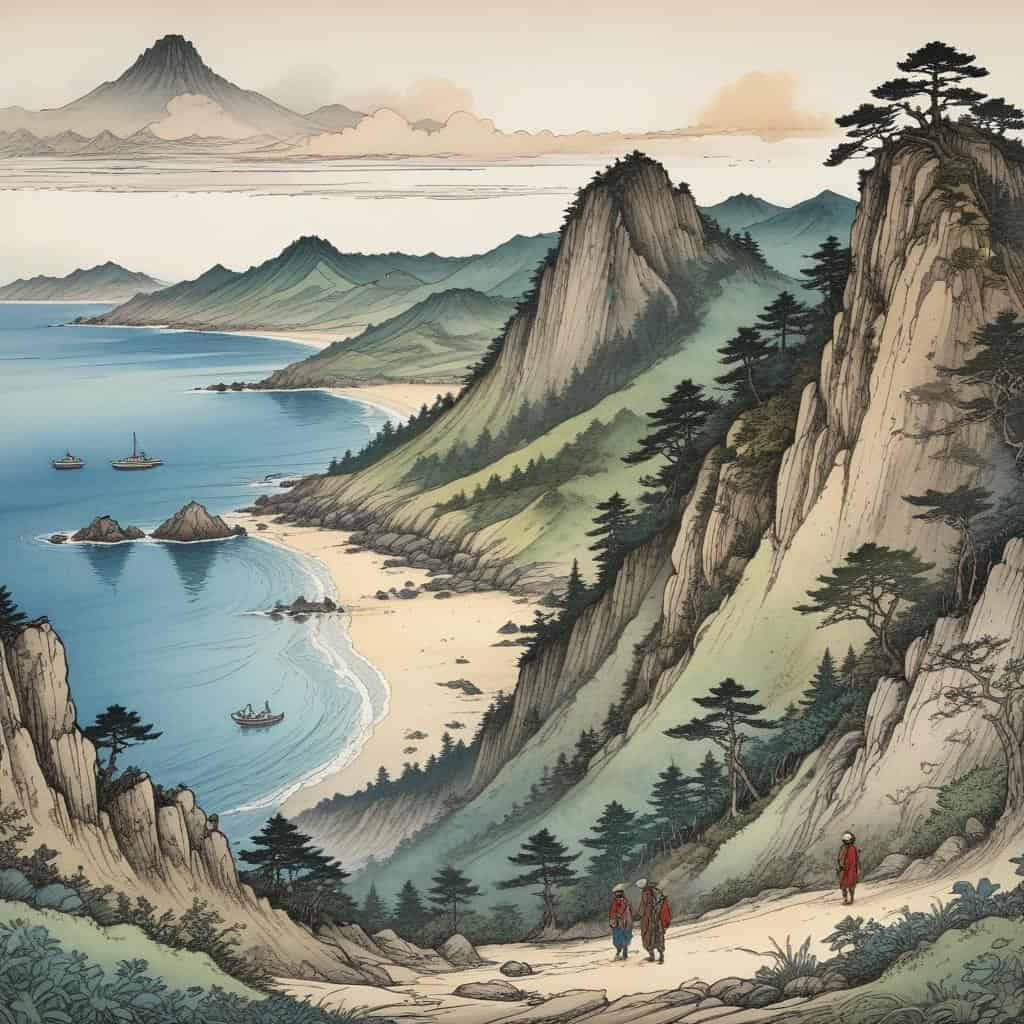
5. Stunning Natural Beauty
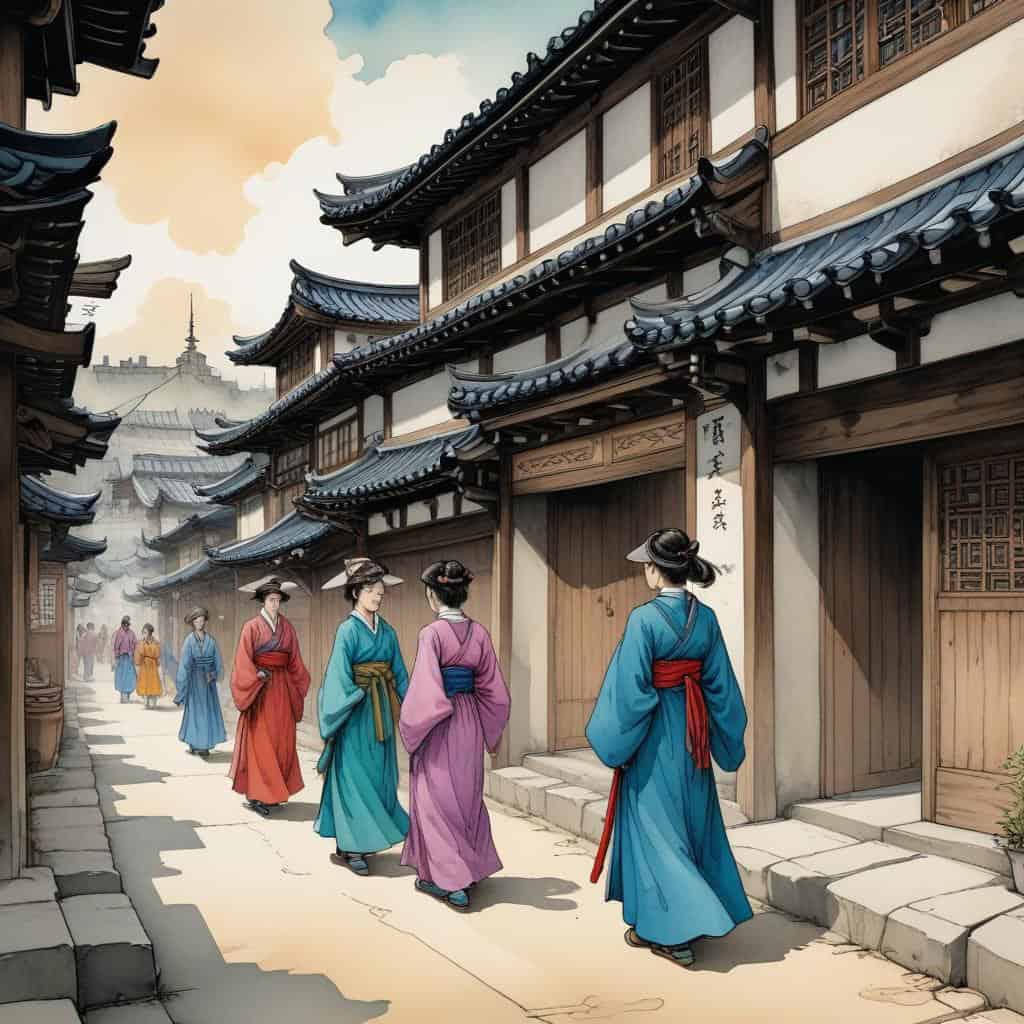
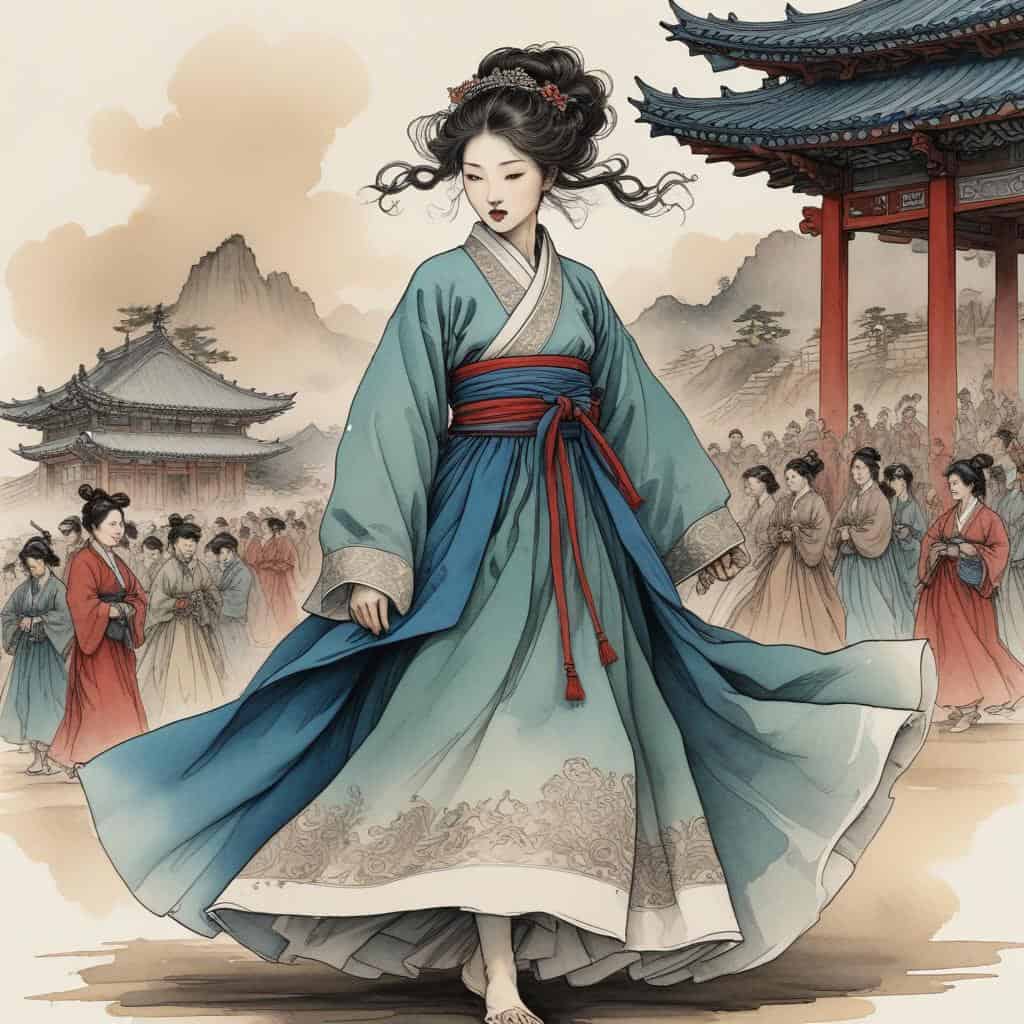
6. Traditional Hanbok
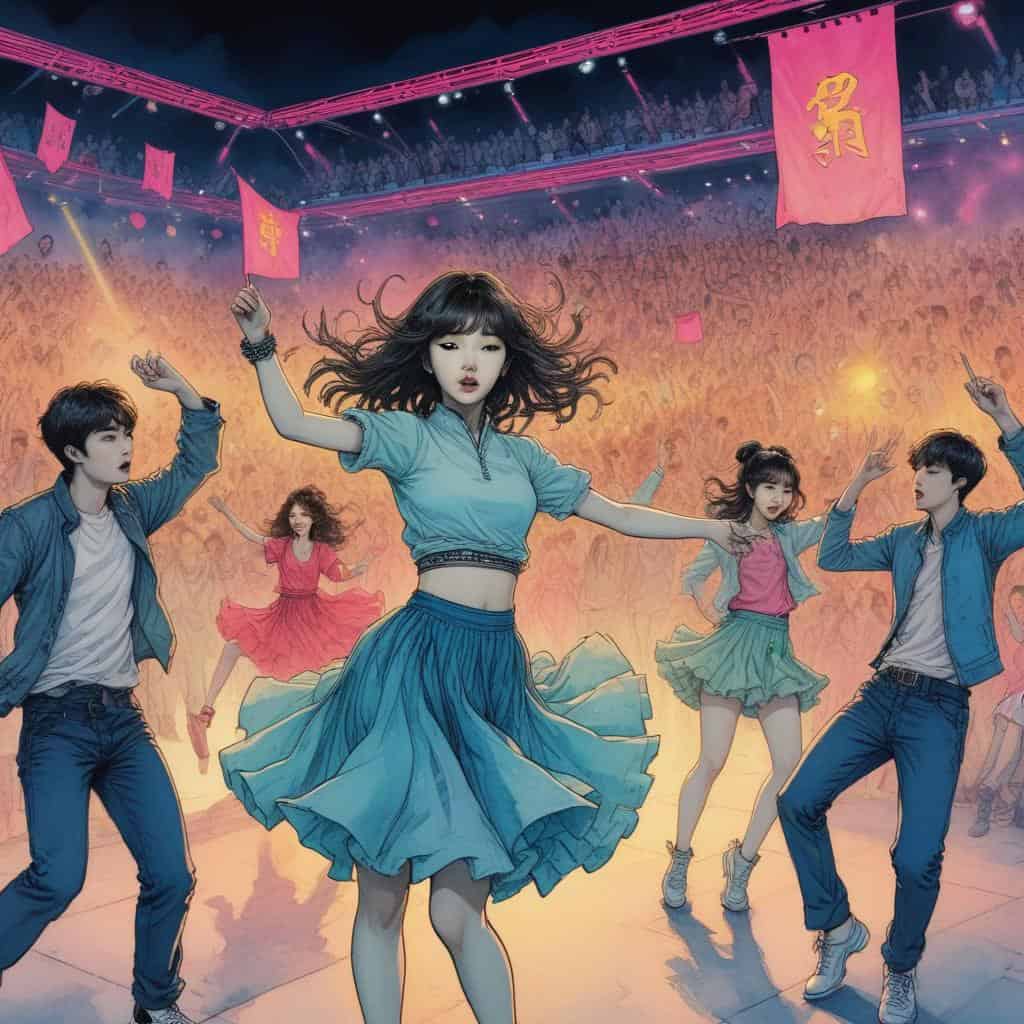
7. K-Pop and K-Dramas
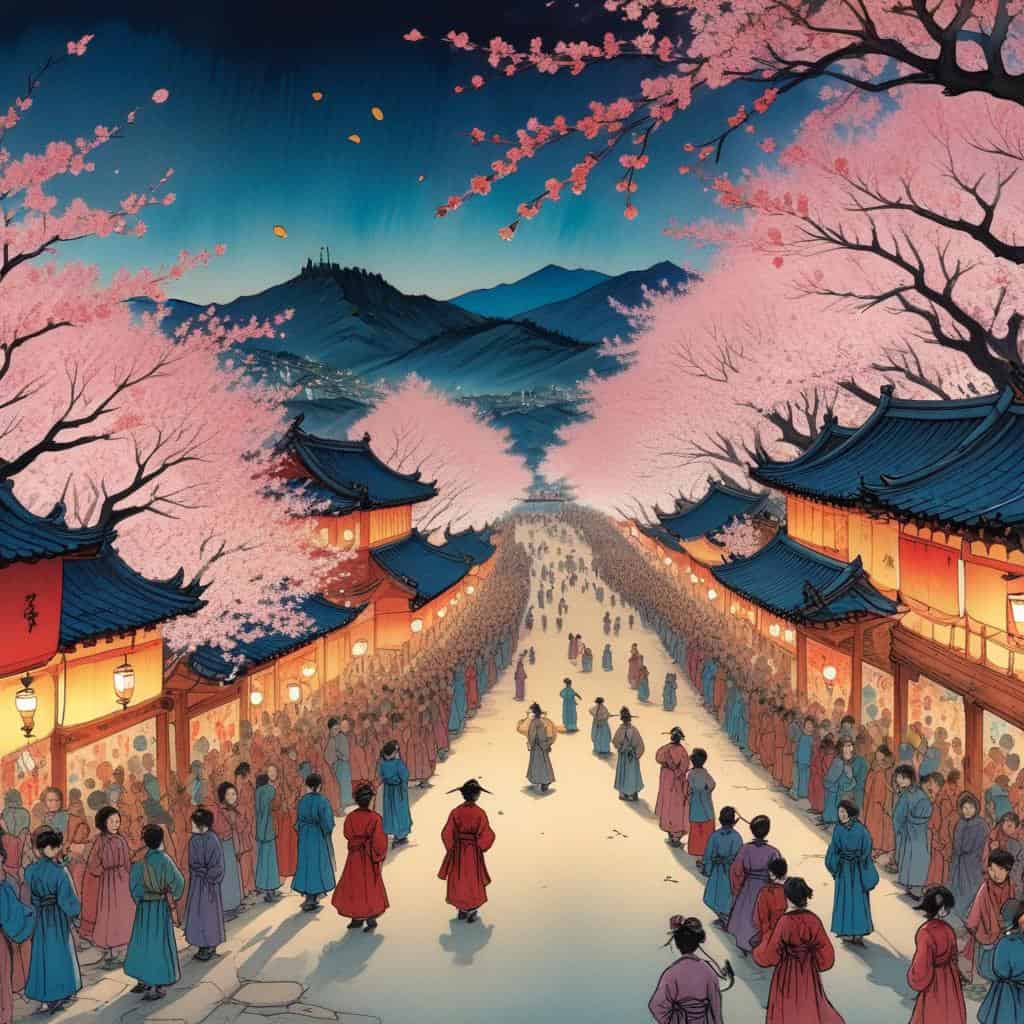
8. Dynamic Festivals
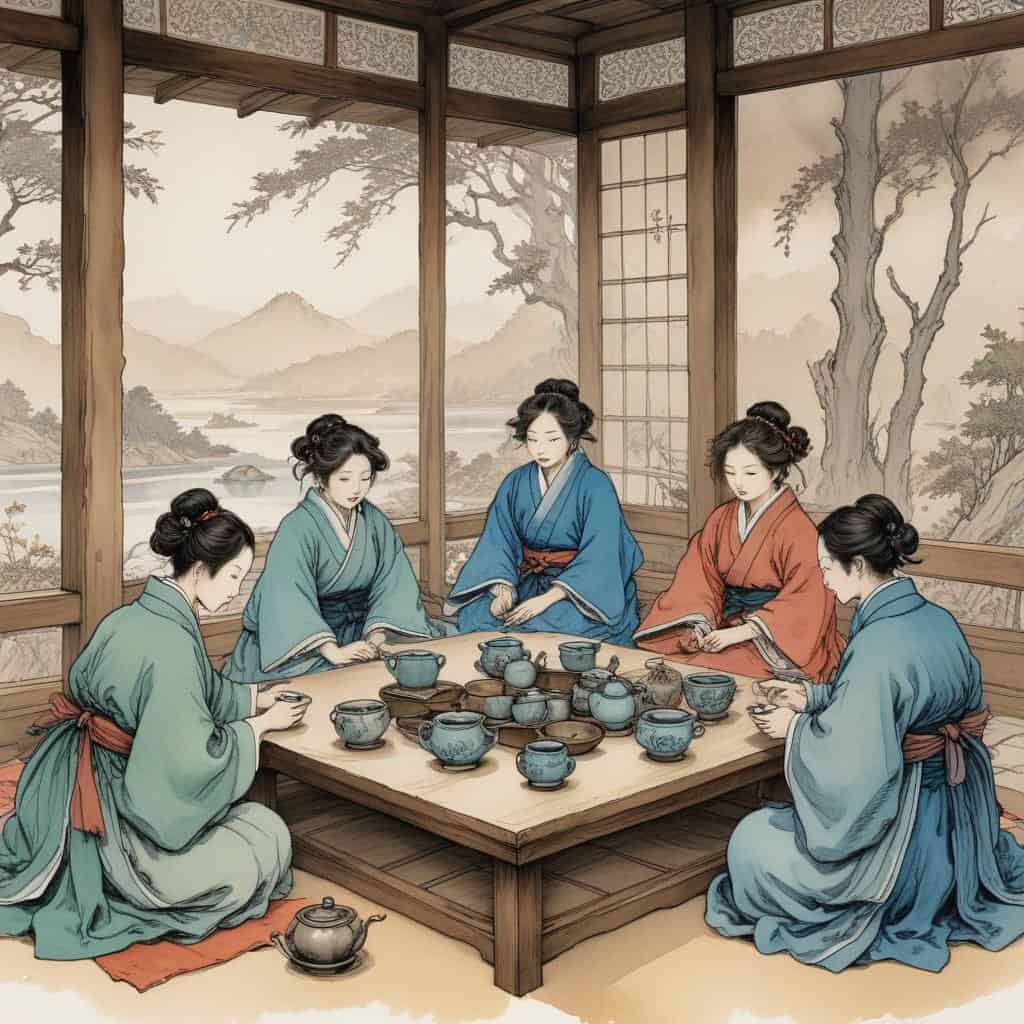
9. Traditional Tea Culture
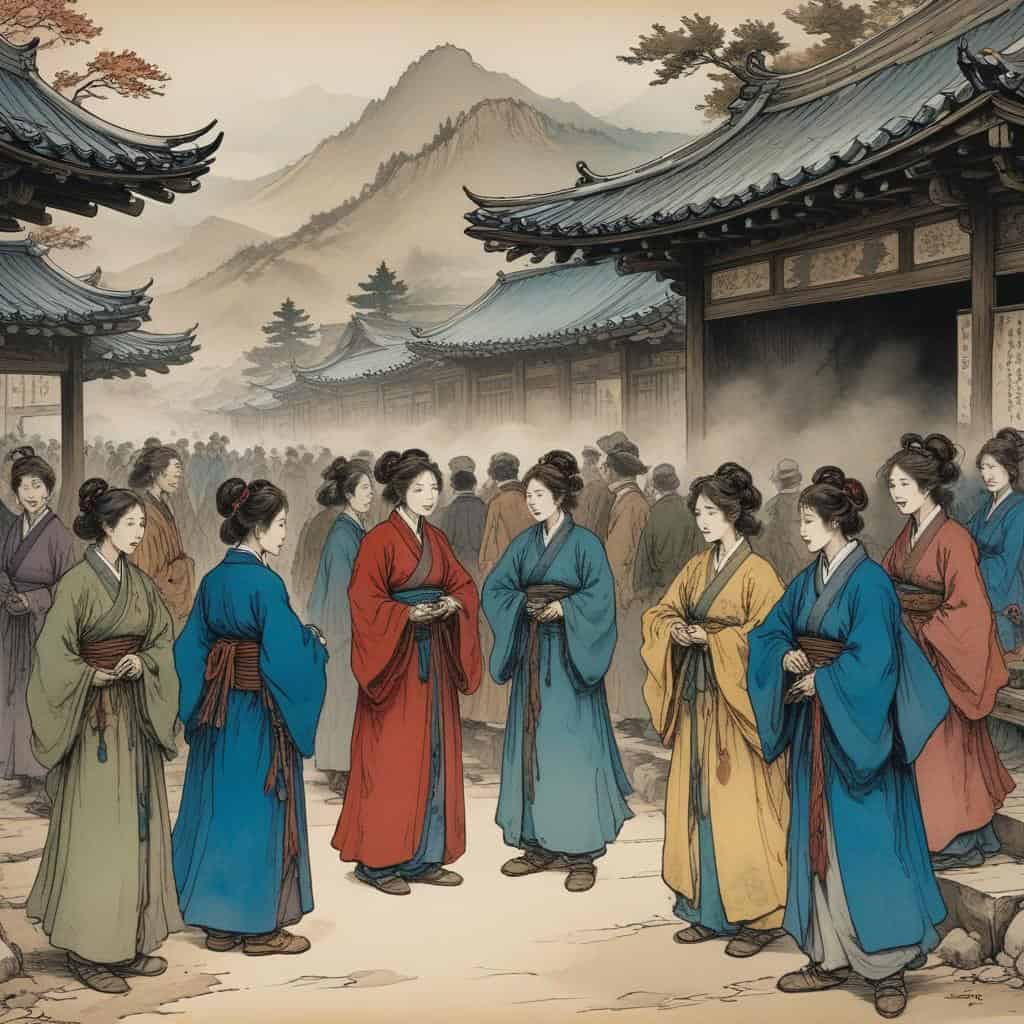
10. Warm Hospitality
Audio Library
As one of our featured lessons, this topic includes premium audio guides.
Unlock the Wizard's Cram Session
This powerful audio study guide is a Pro-exclusive feature. Upgrade to Memory Wizards Pro to access this and all of our premium learning tools.
Upgrade to ProIn a Nutshell
- Capital: Seoul
- Population: Approx. 51.71 million (2021)
- Official Language: Korean
- Currency: South Korean won (KRW)
Breaking Down the Country
No composition analysis points available.
Timeline of South Korea
Three Kingdoms of Korea (Goguryeo, Baekje, Silla) established
Unified Silla Dynasty established
Goryeo Dynasty established
Joseon Dynasty established
Japanese invasion of Korea (1592-1598)
Japanese occupation of Korea begins
Korean War begins
Armistice agreement signed, Korean War ends
Military dictatorship under Park Chung-hee begins
Seoul Summer Olympics held
South Korea joins the United Nations
Kim Dae-jung becomes president
Lee Myung-bak becomes president
Park Geun-hye becomes president
Impeachment of Park Geun-hye
Moon Jae-in becomes president
Inter-Korean Summit held
Kim Jong-un and Moon Jae-in meet at Panmunjom
COVID-19 pandemic hits South Korea
South Korea signs free trade agreement with UK
Vocabulary List
- Kimchi
- Kimchi is a traditional Korean side dish made of fermented vegetables, usually cabbage and radishes, with a variety of seasoning.
- Hanbok
- A hanbok is a traditional Korean dress typically worn during special occasions such as weddings and festivals.
- K-pop
- K-pop refers to Korean pop music, which has gained international popularity in recent years.
- Hallyu
- Hallyu, or the Korean Wave, refers to the global popularity of Korean culture, including music, movies, and TV dramas.
- Bibimbap
- Bibimbap is a popular Korean dish consisting of mixed rice with vegetables, meat, and spicy sauce.
- Taekwondo
- Taekwondo is a Korean martial art known for its emphasis on kicking techniques and self-defense.
- Seoul
- Seoul is the capital city of South Korea and a major cultural and economic hub in East Asia.
- Kimono
- A kimono is a traditional Japanese garment, often confused with the hanbok from Korea.
- Samgyeopsal
- Samgyeopsal is a popular Korean dish of grilled pork belly slices, typically enjoyed with lettuce wraps and various side dishes.
- K-drama
- K-drama refers to Korean television dramas, which have a large following both domestically and internationally.
Key Facts
This is the information used in the fact matching game
- South Korea is officially known as the Republic of Korea.
- The country is located on the Korean Peninsula in East Asia.
- South Korea has a population of over 51 million people.
- The capital city of South Korea is Seoul.
- The official language of South Korea is Korean.
- South Korea has a high literacy rate, with over 97% of the population being literate.
- South Korea is known for its advanced technology and electronics industry.
- K-pop, or Korean pop music, has become a global phenomenon with bands like BTS gaining international fame.
- South Korea is one of the leading producers of automobiles in the world.
- The country is home to popular traditional dishes like kimchi, bulgogi, and bibimbap.
- South Korea has a strong education system, with students consistently scoring well in international assessments.
- The country has a rich cultural heritage, with traditional arts like dance, music, and pottery still being practiced.
- South Korea has a mandatory military service requirement for all able-bodied men.
- The country has a strong work ethic, with long working hours being common in many industries.
- South Korea is known for its high-speed internet infrastructure, with one of the fastest average connection speeds in the world.
- The country has a strong emphasis on family values and respect for elders.
- South Korea has a thriving film industry, with directors like Bong Joon-ho gaining international acclaim.
- The country has a mix of traditional Confucian values and modern Western influences.
- South Korea is known for its vibrant nightlife and entertainment districts.
- The country has a competitive sports culture, with sports like baseball, soccer, and taekwondo being popular.
Why It Matters
Geopolitical Significance
South Korea holds a strategic position in East Asia, bordered by North Korea, China, Japan, and the Yellow Sea. Its alliance with the United States and its role in international trade and diplomacy are crucial for regional stability and security.
Historical Importance
South Korea has a history marked by ancient kingdoms, wars, and colonization. The division of the Korean Peninsula in the 20th century has shaped the country’s identity and relationships with its neighbors. The Korean War and the ongoing tensions with North Korea continue to influence its development.
Modern-Day Role
Today, South Korea is a global economic powerhouse known for its technological innovation and pop culture influence. It is a key player in international trade, a member of the G20, and a contributor to peacekeeping efforts around the world. The country’s rapid development and democratic government make it a model for other nations.
South Korea Games


Take Your Learning Offline
Want a convenient, print-ready study guide for this lesson? Become a Memory Wizards Pro member to unlock the downloadable " Memory Scrolls" for this topic and our entire library!
- ✓ Complete Vocabulary Lists
- ✓ Key Facts & Timelines
- ✓ Beautifully Formatted for Print & Mobile