
How Do You Learn Best?
Learn by Listening
Start with the 3-minute audio summary to get the key facts and narrative highlights quickly.
Learn by Reading
Immerse yourself in the 10-minute visual lesson for a comprehensive understanding of the topic.
Learn by Reviewing
Jump directly to the key facts, timeline, and vocabulary lists to build a solid foundation of details.
Learn by Doing
Challenge yourself! Jump straight into the interactive games to learn by trial, error, and discovery.
Saudi Arabia in 10 Minutes
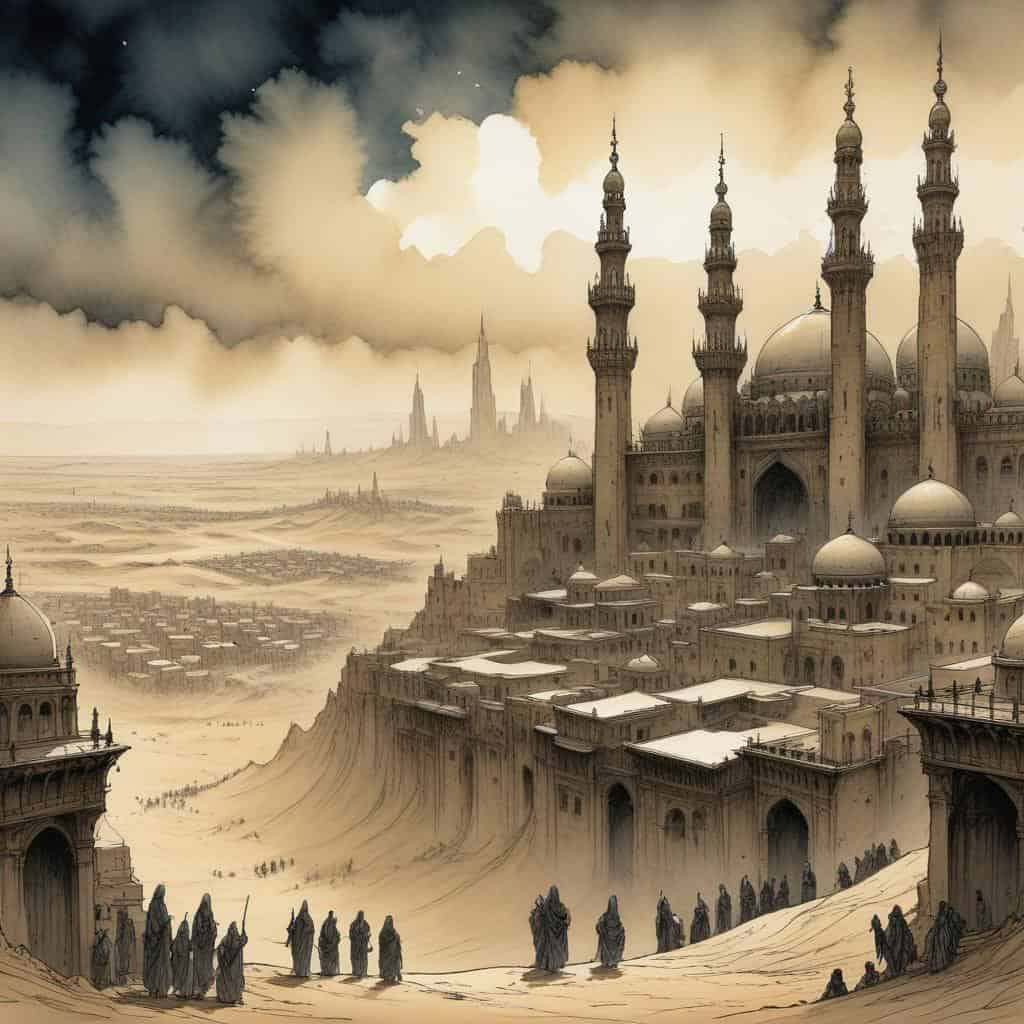
Introduction
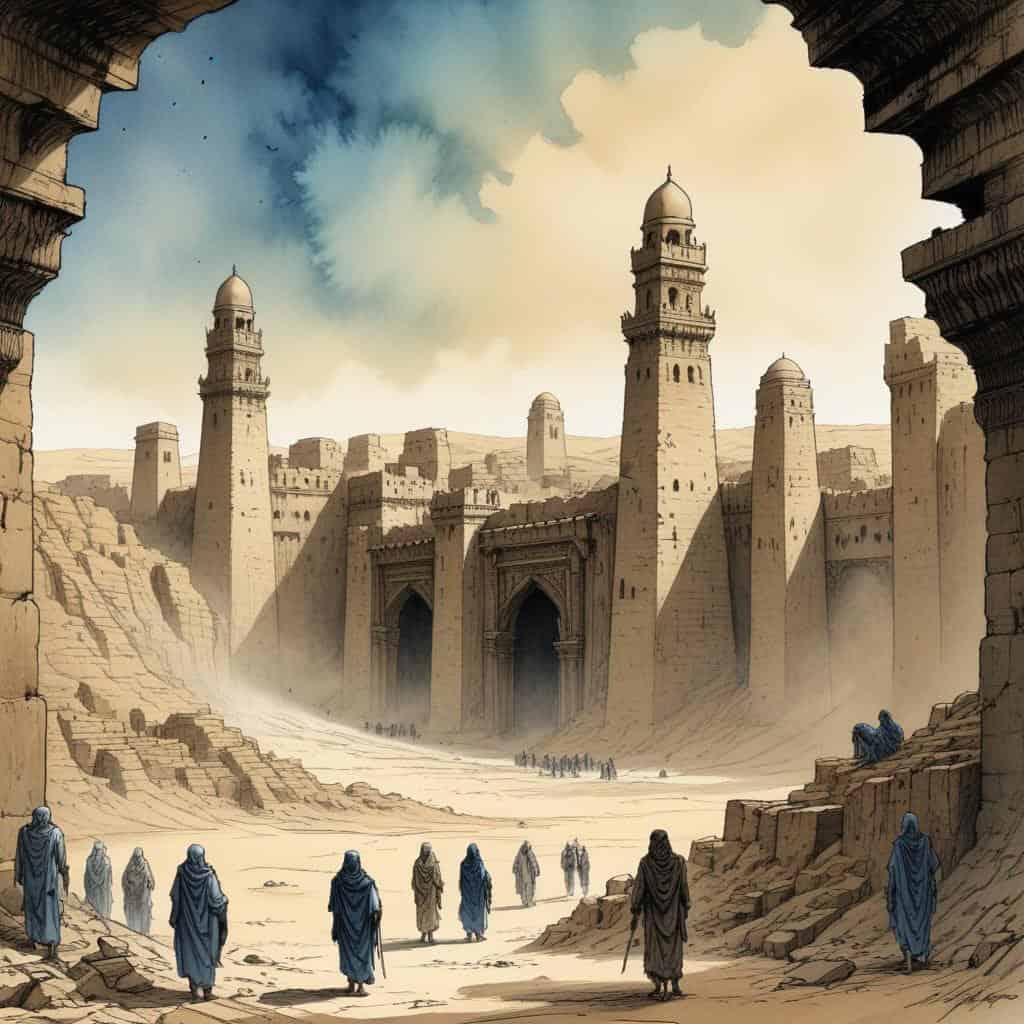
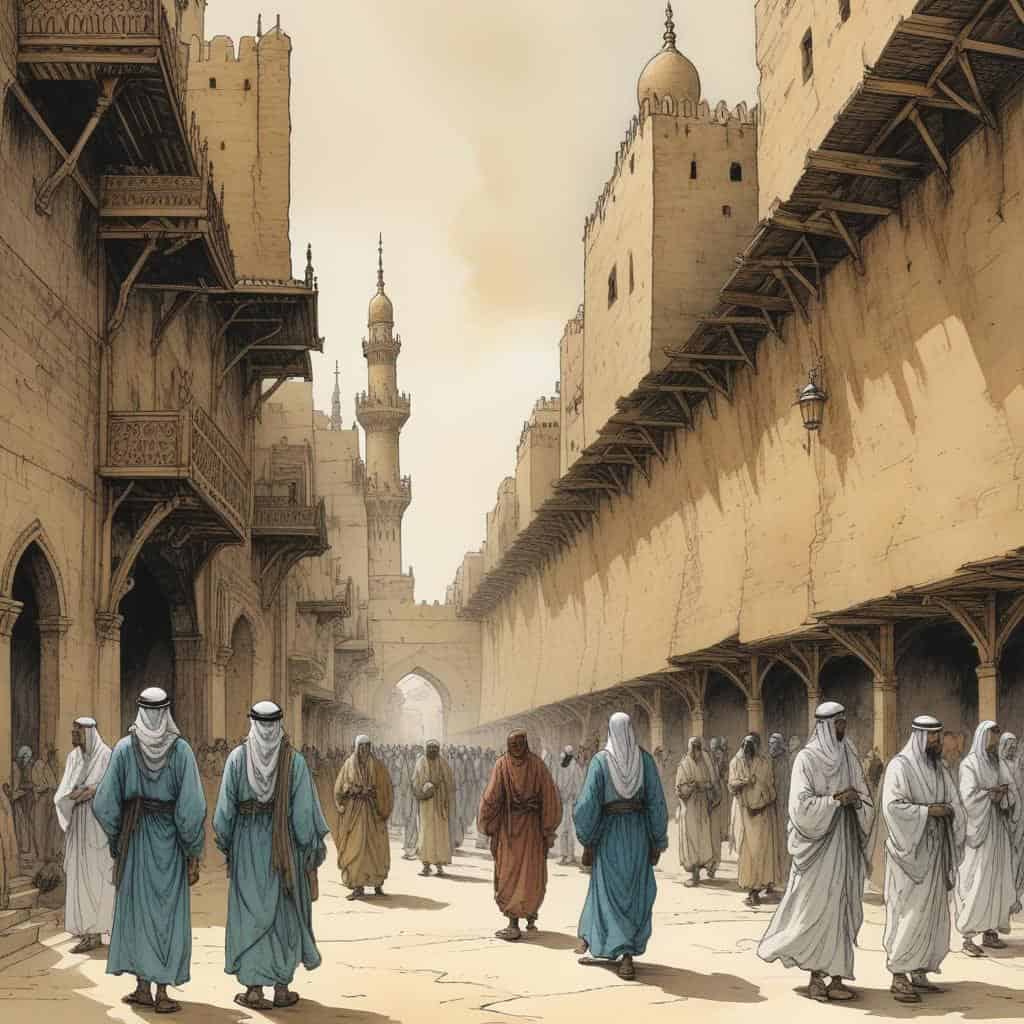
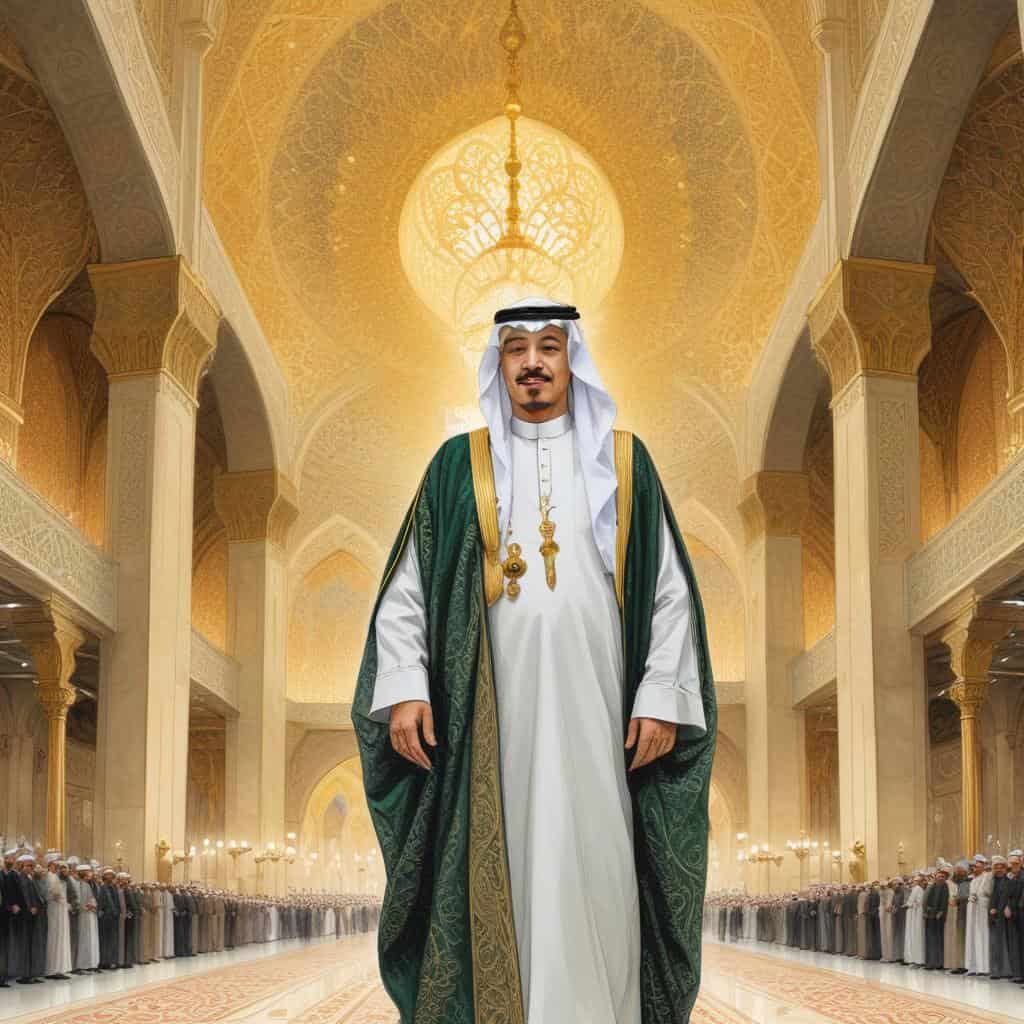
King Salman bin Abdulaziz Al Saud
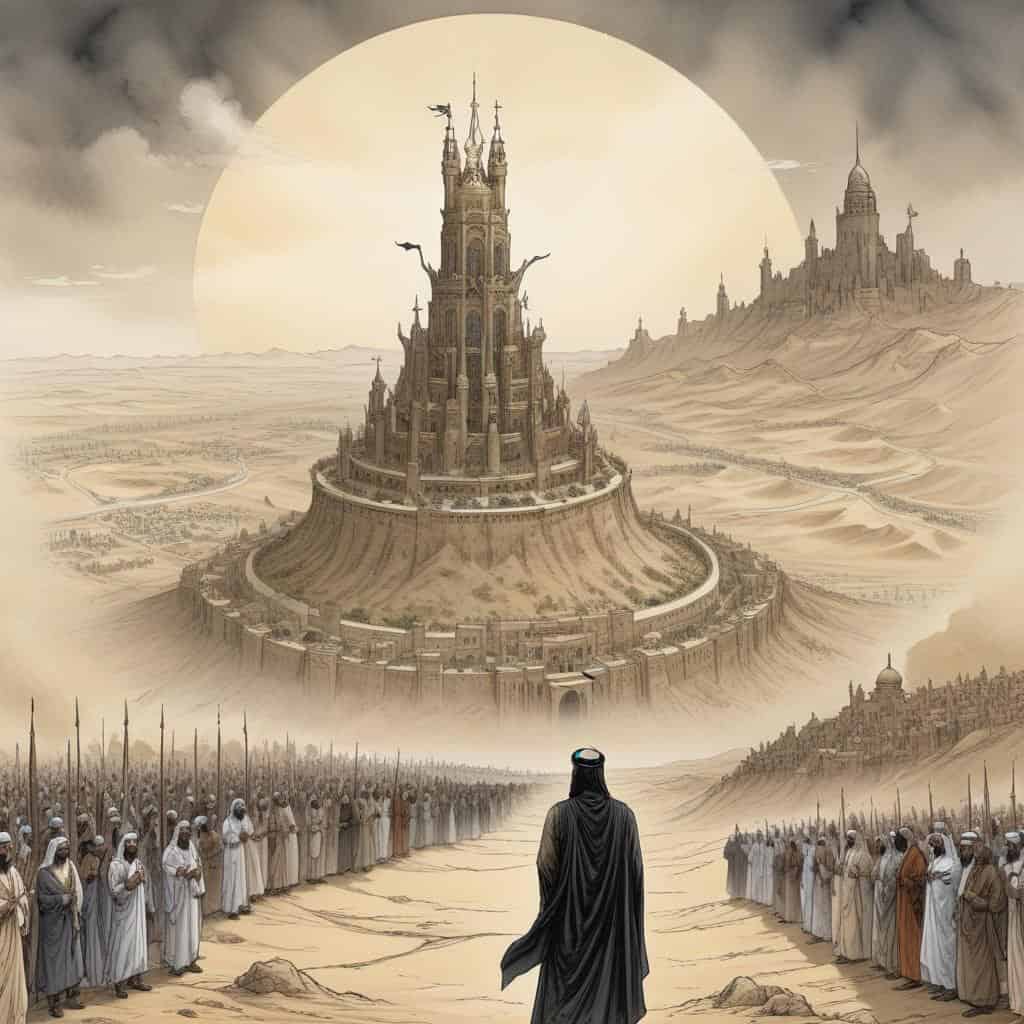
Crown Prince Mohammed bin Salman
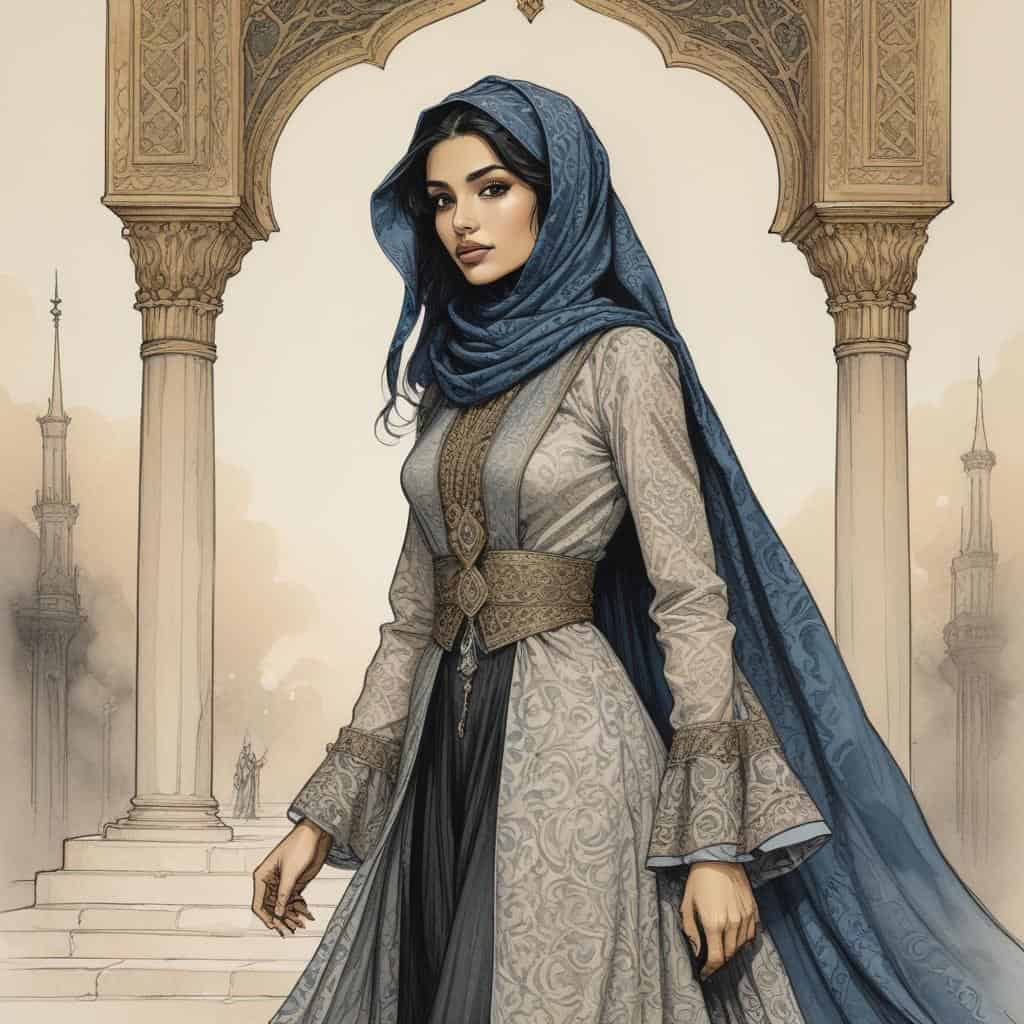
Princess Reema bint Bandar Al Saud
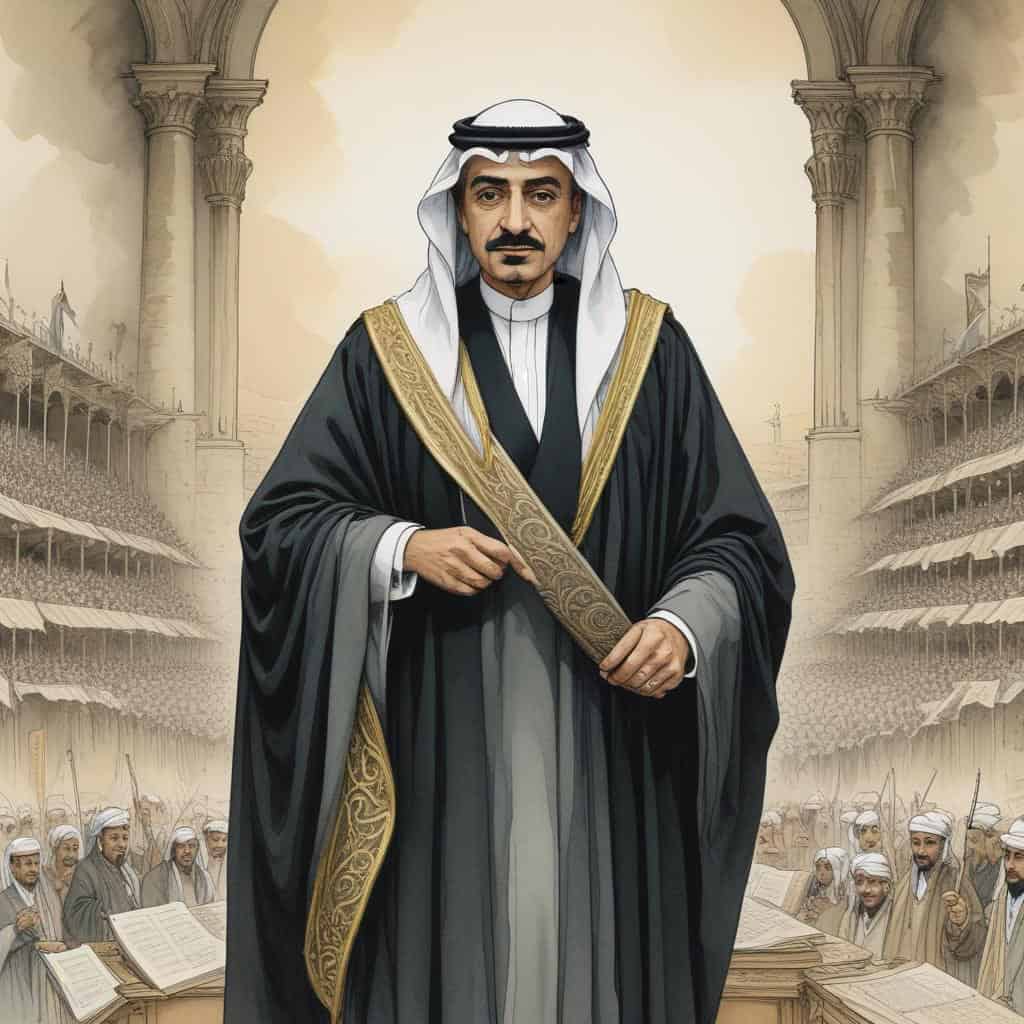
Yasser Al-Rumayyan
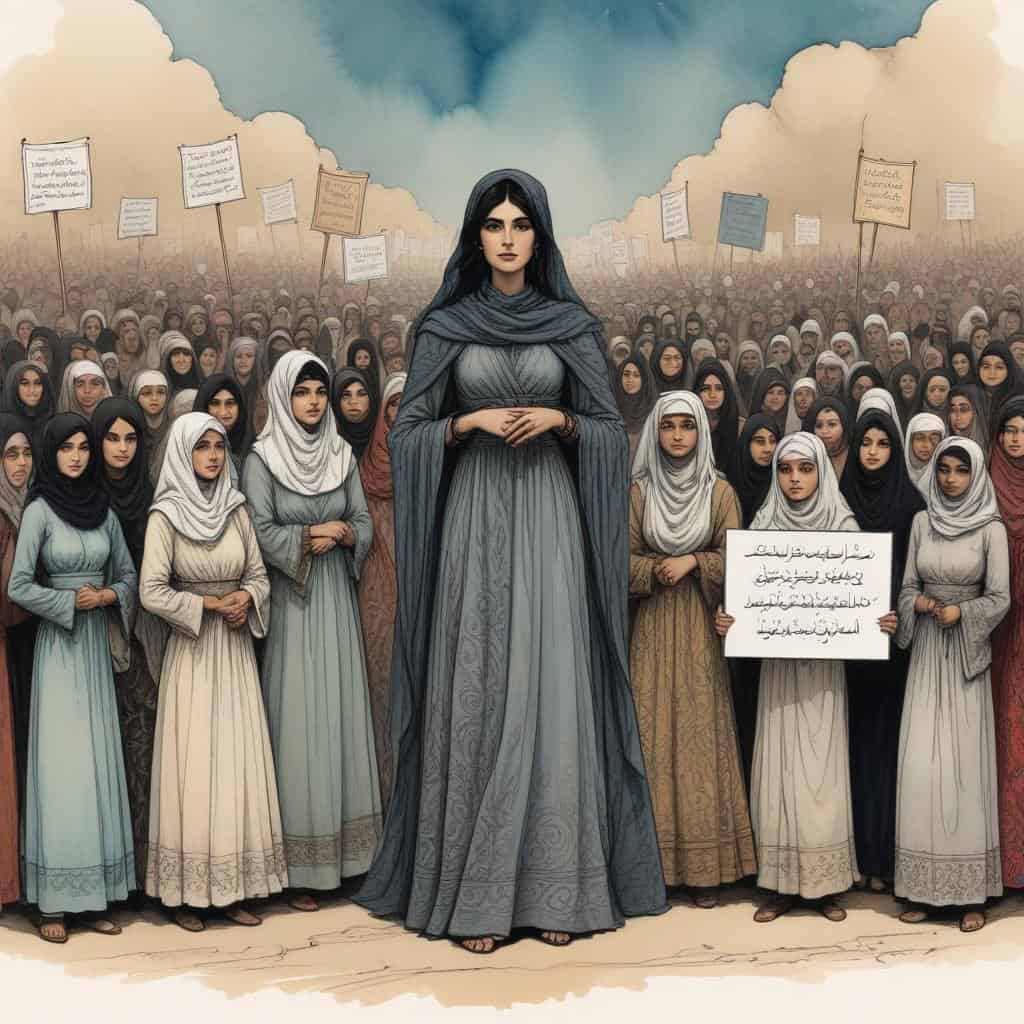
Loujain al-Hathloul

1. The Rich History of Saudi Arabia
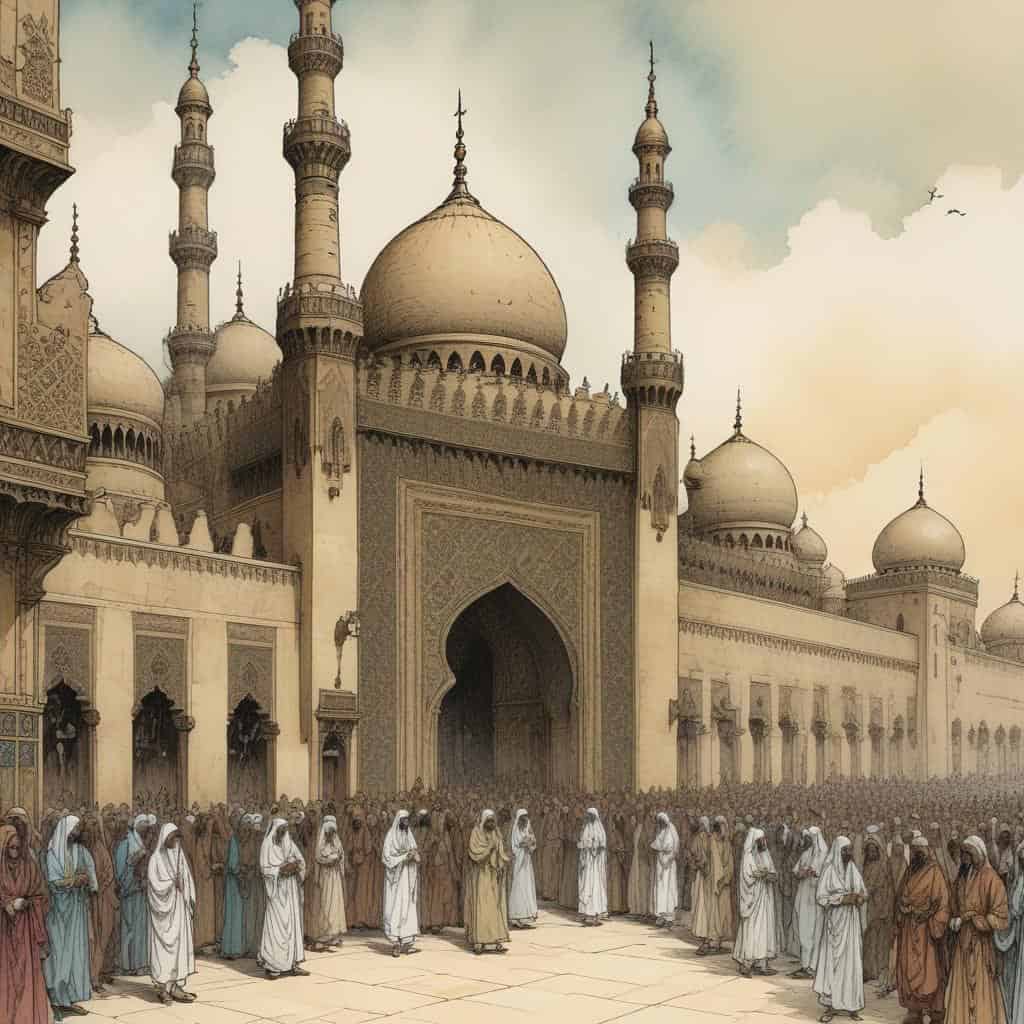
2. The Cultural Heritage of Saudi Arabia
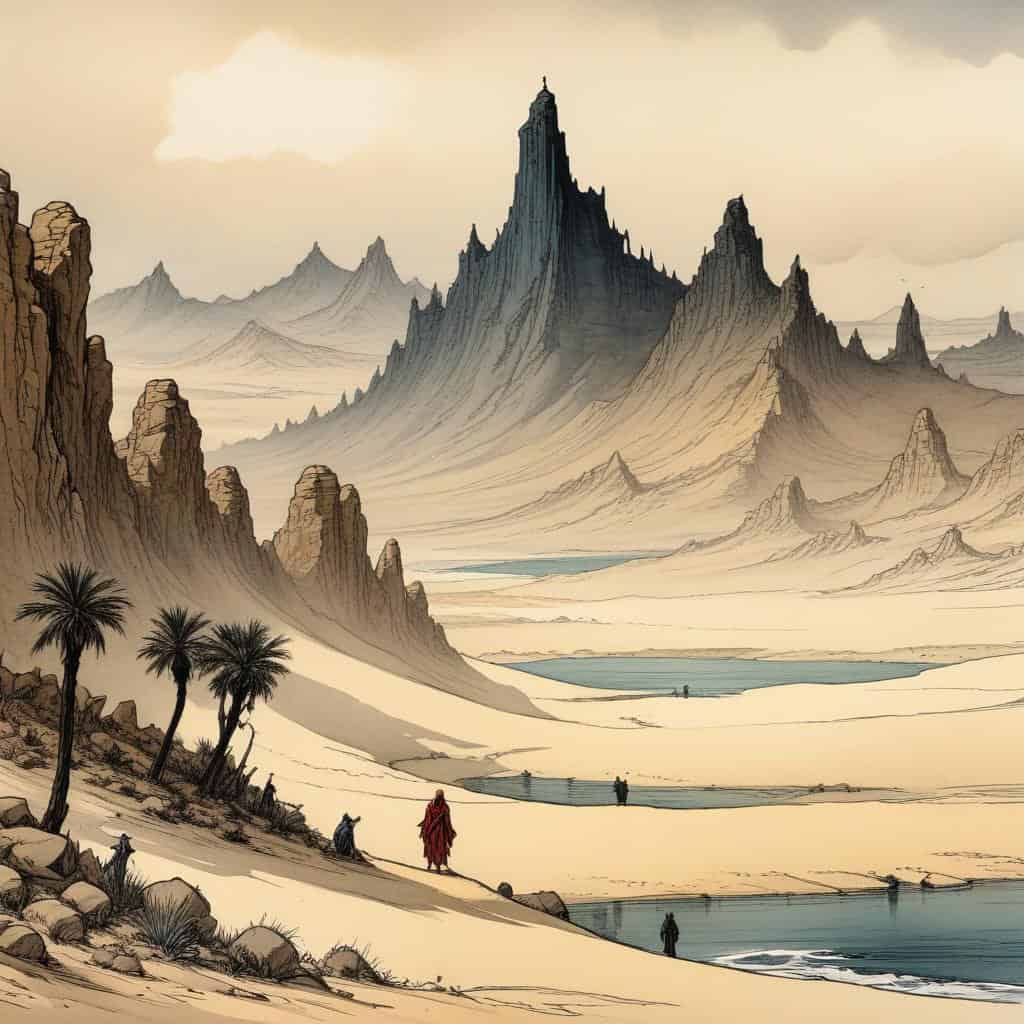
3. The Natural Beauty of Saudi Arabia
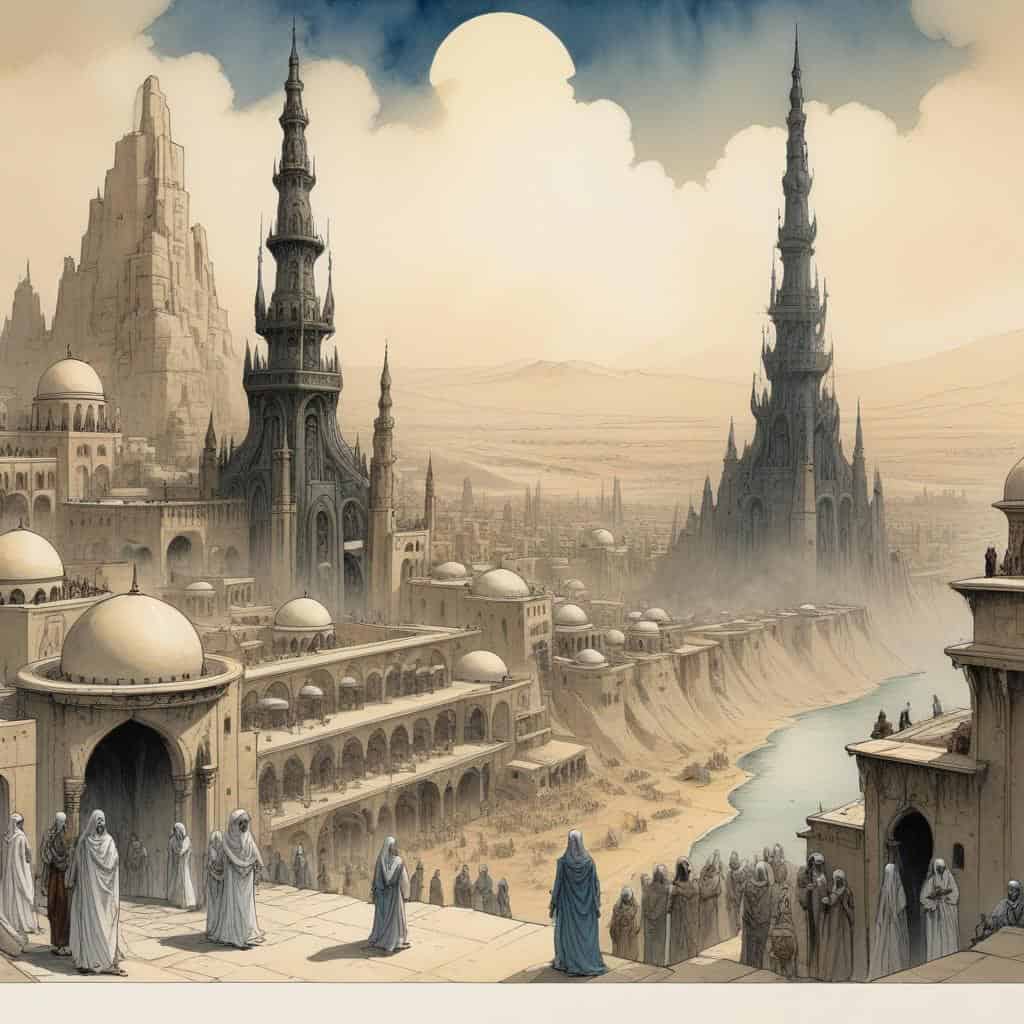
4. The Modernization of Saudi Arabia
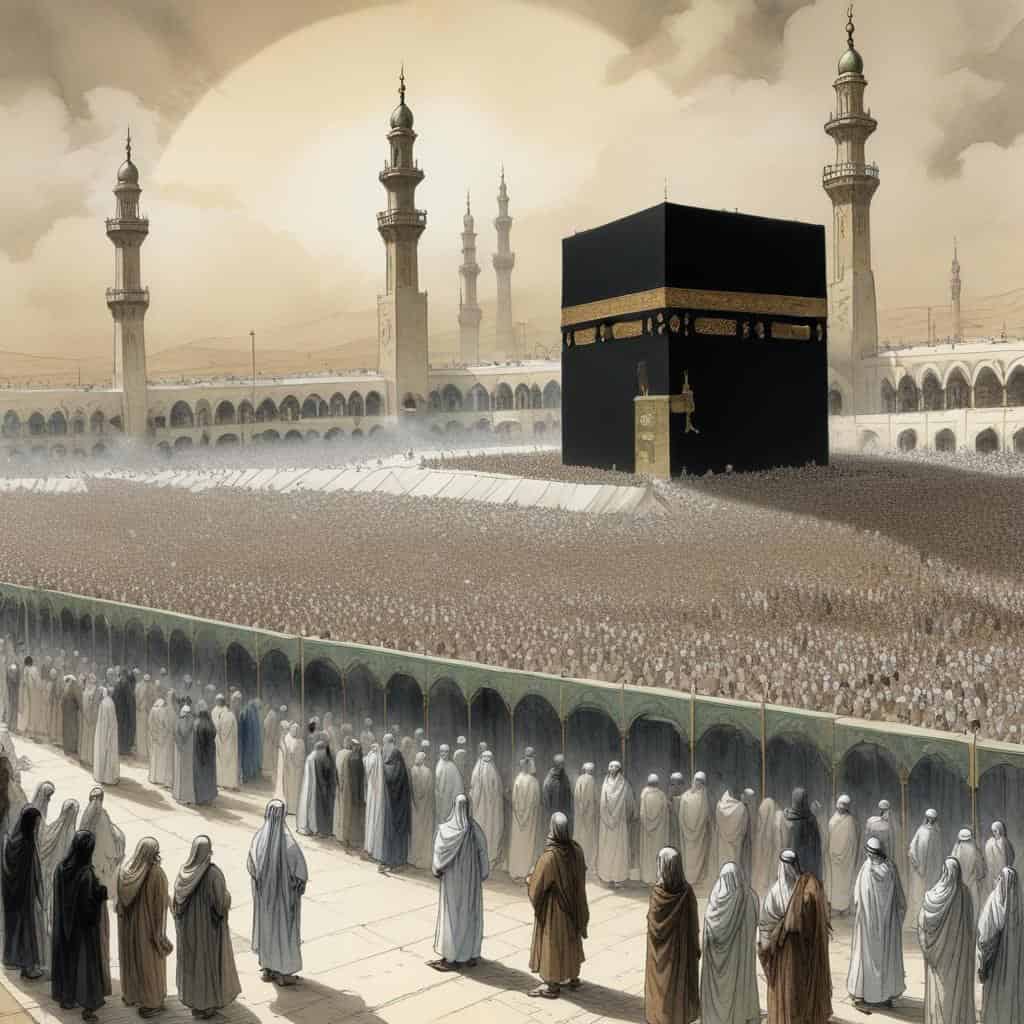
5. The Religious Significance of Saudi Arabia
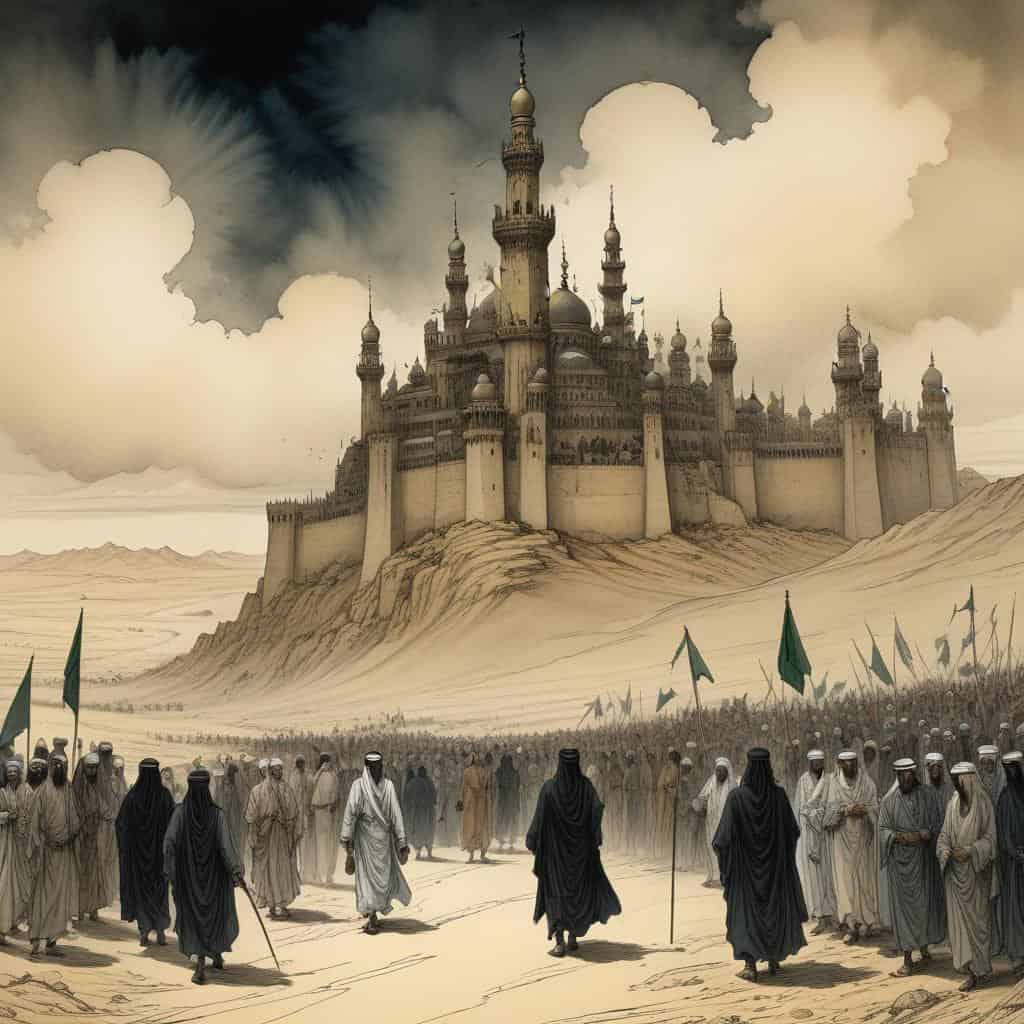
6. The Political Landscape of Saudi Arabia
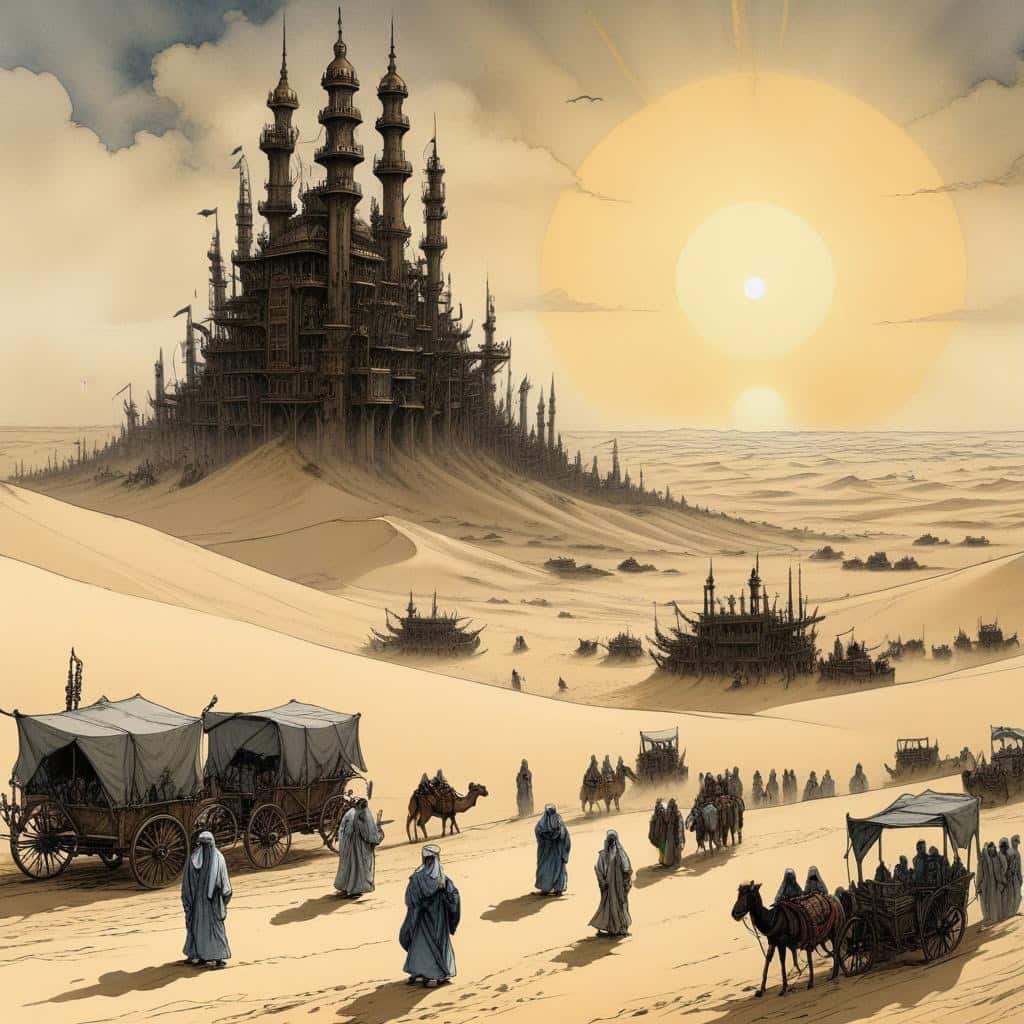
7. The Economy of Saudi Arabia
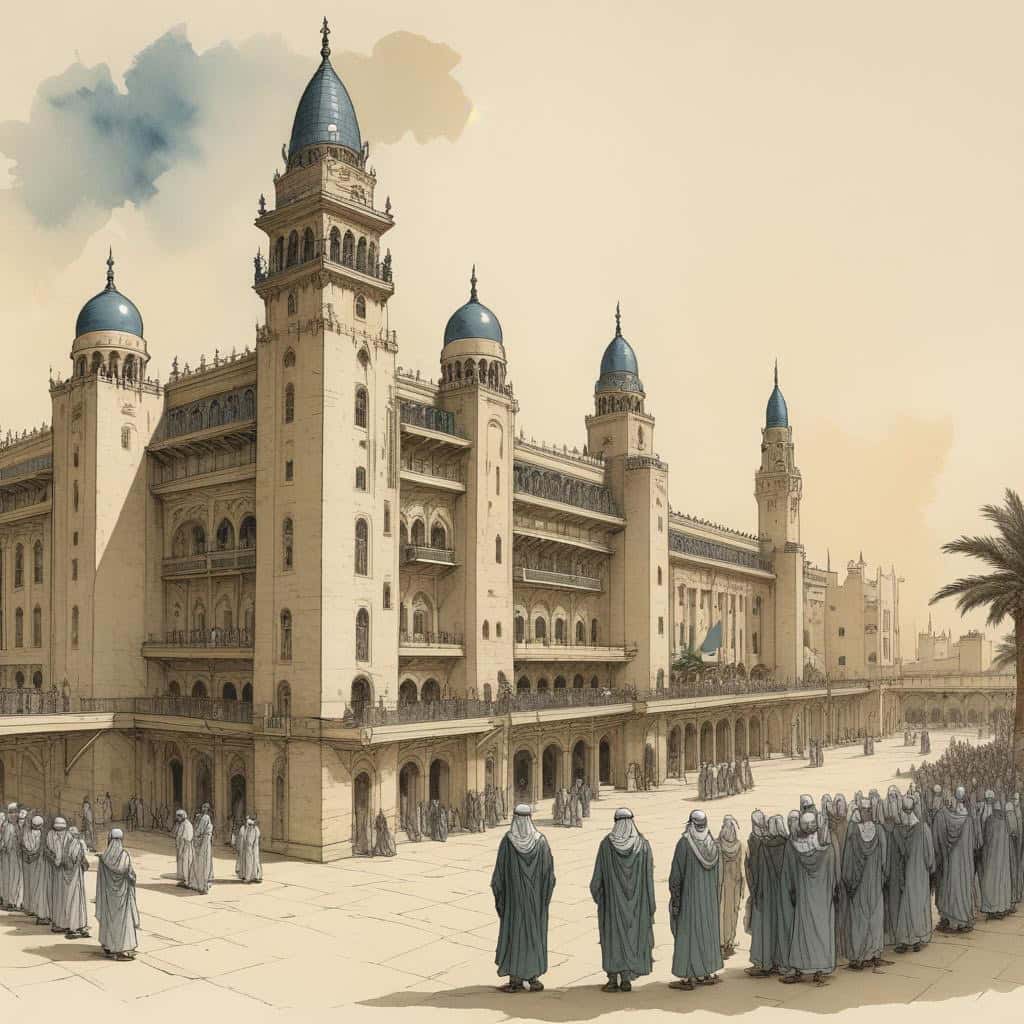
8. The Education System in Saudi Arabia
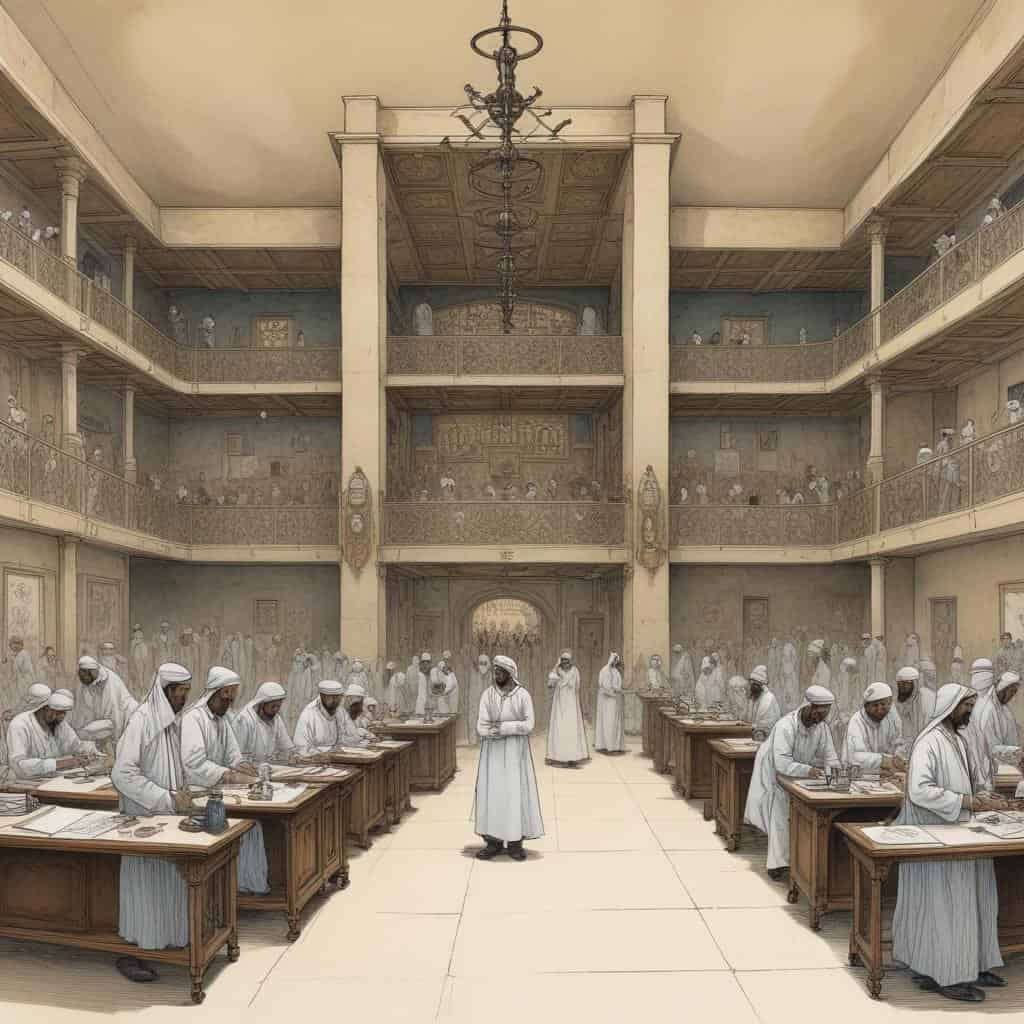
9. The Healthcare System in Saudi Arabia
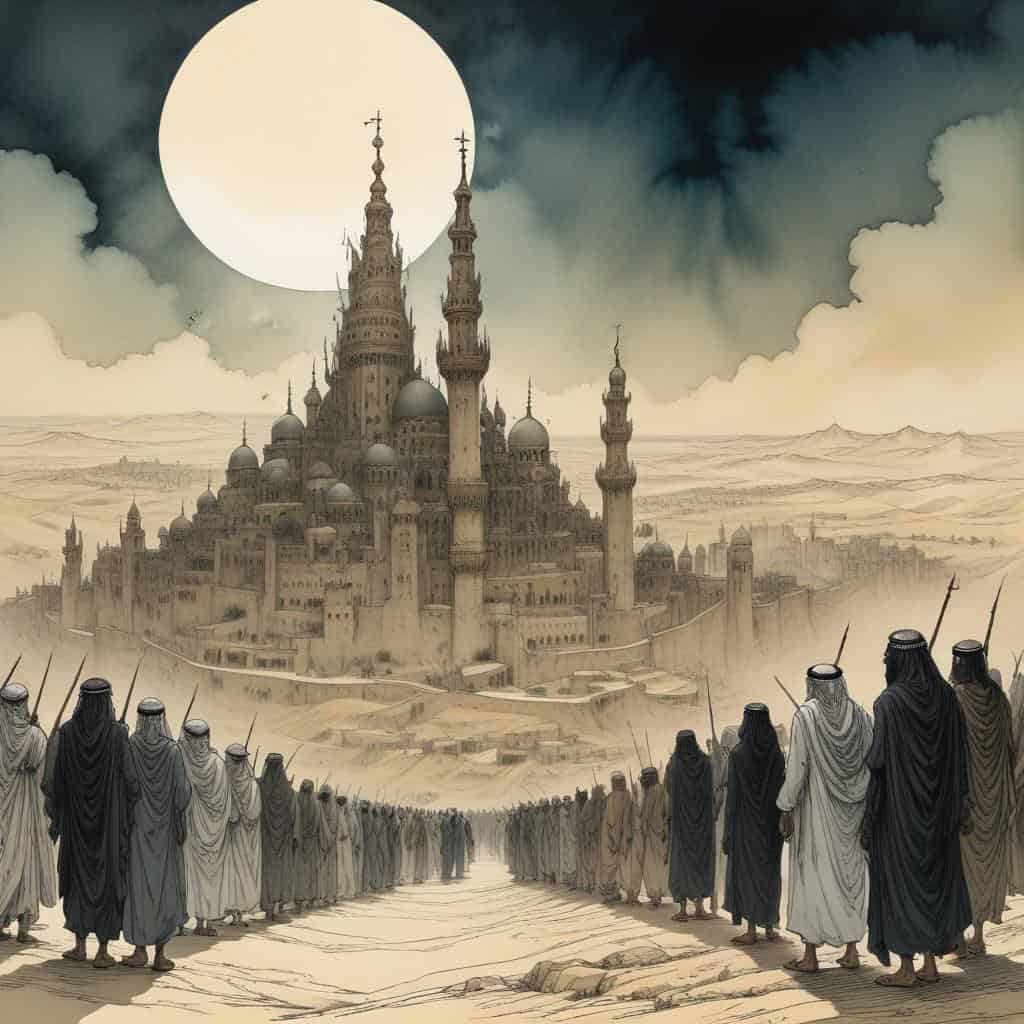
10. The Future of Saudi Arabia
Audio Library
As one of our featured lessons, this topic includes premium audio guides.
Unlock the Wizard's Cram Session
This powerful audio study guide is a Pro-exclusive feature. Upgrade to Memory Wizards Pro to access this and all of our premium learning tools.
Upgrade to ProIn a Nutshell
- Capital: Riyadh
- Population: Approx. 34.8 million (2021)
- Official Language: Arabic
- Currency: Saudi Riyal (SAR)
Breaking Down the Country
No composition analysis points available.
Timeline of Saudi Arabia
Unification of Saudi Arabia
Discovery of oil in Saudi Arabia
Establishment of Saudi Aramco
King Abdulaziz declares Saudi Arabia a kingdom
Formation of the Gulf Cooperation Council (GCC)
First Gulf War (Operation Desert Storm)
King Fahd's death and King Abdullah's ascension
Women's participation in municipal elections
Saudi Vision 2030 announced
Crown Prince Mohammed bin Salman's anti-corruption campaign
Lifting of the ban on women driving
Saudi Arabia hosts G20 Summit in Riyadh
Normalization of relations with Israel
Saudi Arabia hosts Formula 1 Grand Prix
Dissolution of the Ministry of Petroleum and Mineral Resources
Saudi Arabia announces plans to build a futuristic city, NEOM
Construction of the world's tallest skyscraper, Jeddah Tower, begins
Saudi Arabia lifts ban on cinemas
Saudi Arabia allows foreign tourists to visit the country
Hosted the Arab-Islamic-American Summit in Riyadh
Vocabulary List
- Riyadh
- The capital city of Saudi Arabia.
- Mecca
- The holiest city in Islam, located in Saudi Arabia.
- Jeddah
- A major port city in Saudi Arabia.
- Hajj
- The pilgrimage to Mecca that every Muslim is required to make at least once in their lifetime.
- Oil
- Saudi Arabia is one of the world's largest oil producers.
- Desert
- Much of Saudi Arabia is covered by desert.
- Islam
- The predominant religion in Saudi Arabia.
- Arabian Peninsula
- Saudi Arabia is located on the Arabian Peninsula.
- Sharia Law
- The legal system based on Islamic principles that is followed in Saudi Arabia.
- Camel
- A common mode of transportation in the desert regions of Saudi Arabia.
Key Facts
This is the information used in the fact matching game
- Saudi Arabia is the largest country in the Middle East.
- The official language of Saudi Arabia is Arabic.
- Mecca, the holiest city in Islam, is located in Saudi Arabia.
- Saudi Arabia is home to the world's largest continuous sand desert, the Rub' al Khali.
- Saudi Arabia is the world's largest oil exporter.
- The Saudi Arabian flag features the Islamic declaration of faith, the Shahada.
- Saudi Arabia has no rivers.
- The largest city in Saudi Arabia is Riyadh.
- The Saudi Arabian currency is the Saudi Riyal.
- Women in Saudi Arabia were granted the right to drive in 2018.
- Saudi Arabia has a monarchy system of government.
- The climate in Saudi Arabia is mostly desert with very high temperatures.
- Saudi Arabia is the birthplace of Islam and home to its two holiest cities, Mecca and Medina.
- The Saudi Arabian government does not permit the public practice of any religion other than Islam.
- Saudi Arabia is one of the largest consumers of camel meat in the world.
- The traditional dress for Saudi men is the thobe, while women wear the abaya and hijab.
- The Saudi Arabian economy is heavily dependent on oil exports, which account for over 90% of the country's export earnings.
- Saudi Arabia has one of the highest rates of internet and smartphone penetration in the Middle East.
- The Saudi Arabian government announced plans to build NEOM, a $500 billion megacity project, in the northwest of the country.
- Saudi Arabia has a strict legal system based on Islamic law, or Sharia.
Why It Matters
Geopolitical Significance
Saudi Arabia’s strategic location in the Middle East places it at the center of global energy production and trade. As the world’s largest oil exporter, the country’s policies and relationships with other nations have a significant impact on global energy markets and geopolitics.
Historical Importance
Saudi Arabia’s history is deeply intertwined with Islam, serving as the birthplace of the religion and home to its two holiest cities, Mecca and Medina. The country’s historical significance is also rooted in its role as a key player in the Arabian Peninsula and its alliances with tribal groups.
Modern-Day Role
Today, Saudi Arabia plays a crucial role in the Middle East as a political and economic powerhouse. Its influence extends beyond the region, shaping international relations and playing a key role in organizations like OPEC. The country’s Vision 2030 plan aims to diversify its economy and reduce reliance on oil.
Saudi Arabia Games


Take Your Learning Offline
Want a convenient, print-ready study guide for this lesson? Become a Memory Wizards Pro member to unlock the downloadable " Memory Scrolls" for this topic and our entire library!
- ✓ Complete Vocabulary Lists
- ✓ Key Facts & Timelines
- ✓ Beautifully Formatted for Print & Mobile