
How Do You Learn Best?
Learn by Listening
Start with the 3-minute audio summary to get the key facts and narrative highlights quickly.
Learn by Reading
Immerse yourself in the 10-minute visual lesson for a comprehensive understanding of the topic.
Learn by Reviewing
Jump directly to the key facts, timeline, and vocabulary lists to build a solid foundation of details.
Learn by Doing
Challenge yourself! Jump straight into the interactive games to learn by trial, error, and discovery.
Republic of Georgia in 10 Minutes
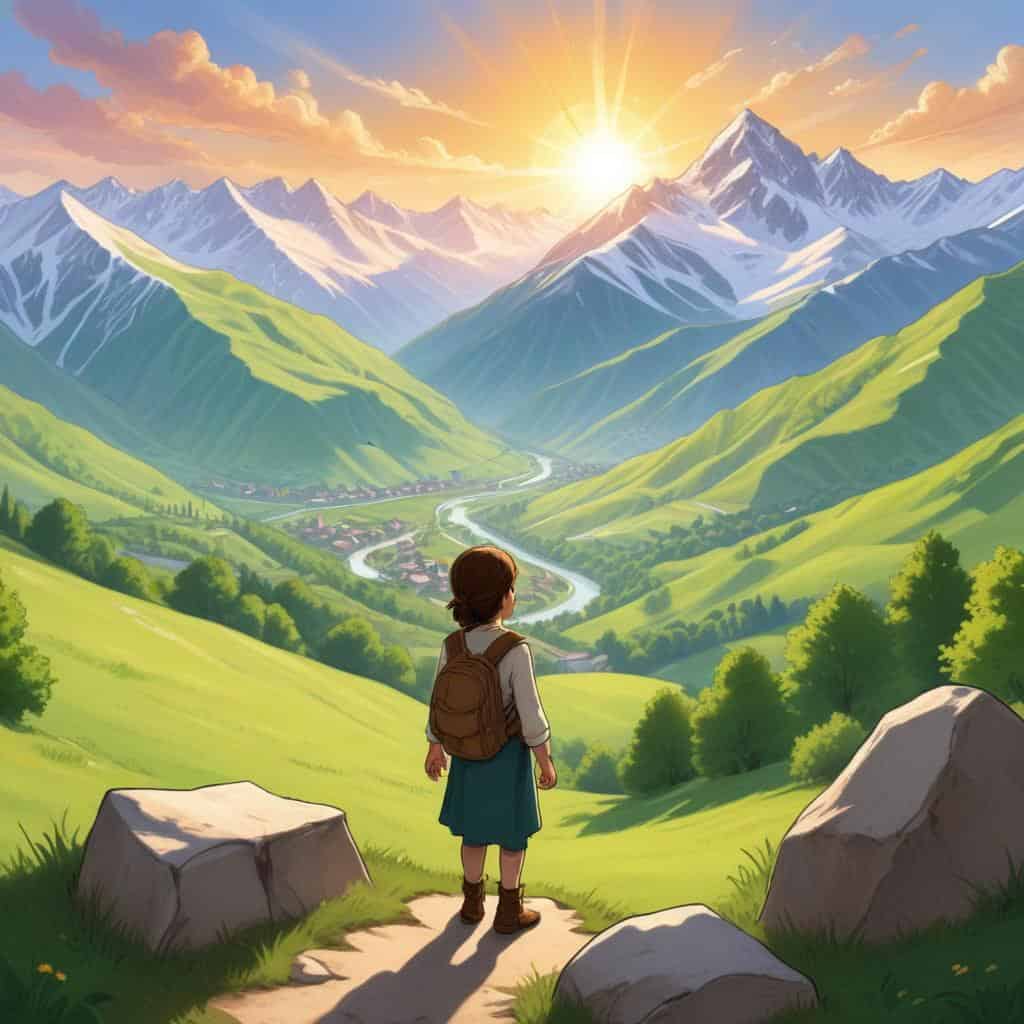
Introduction
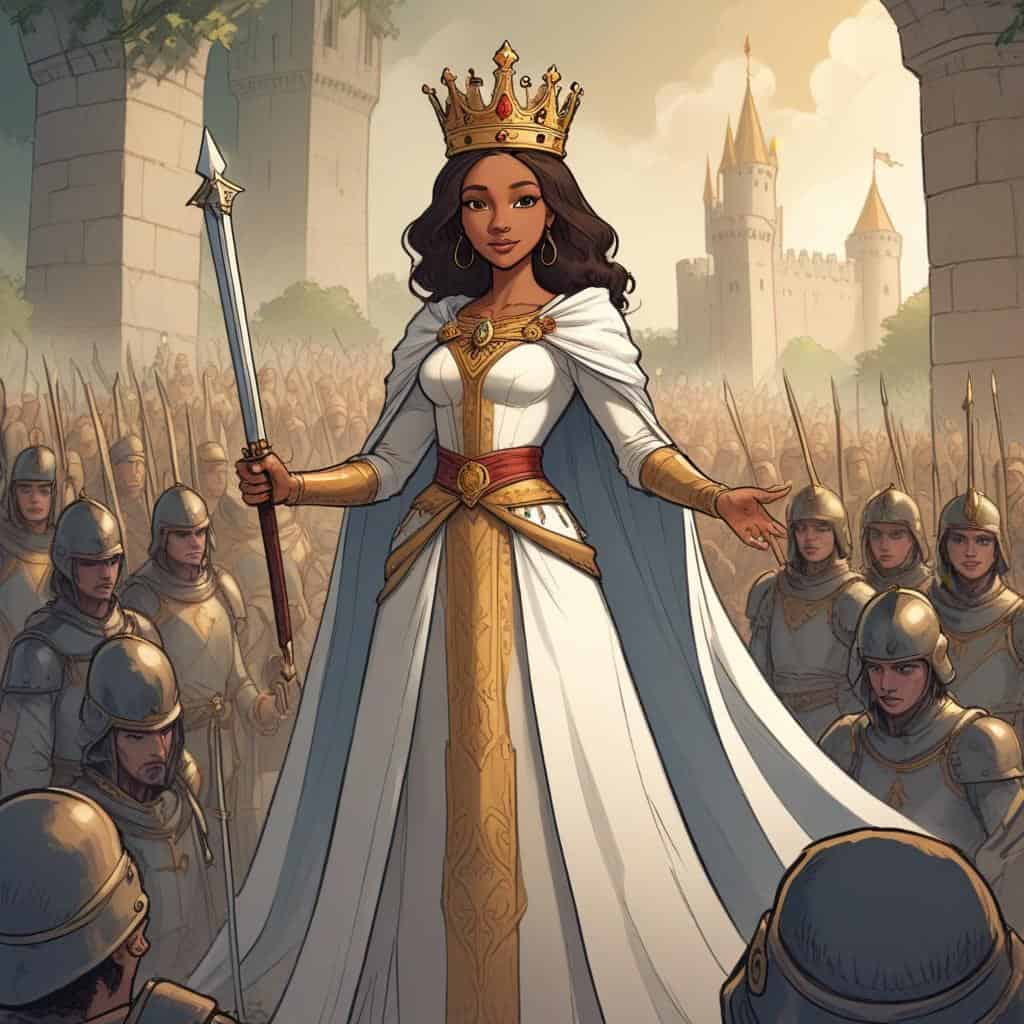
Queen Tamar
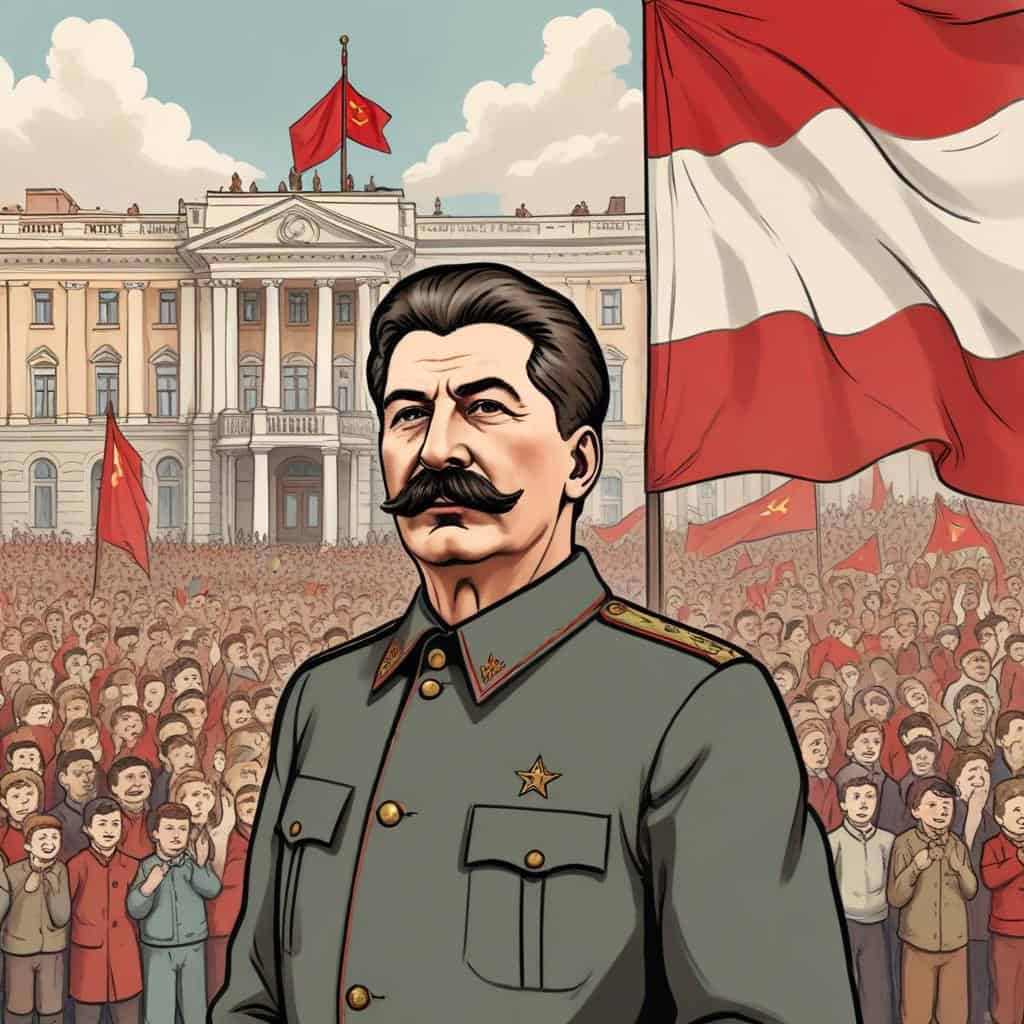
Joseph Stalin
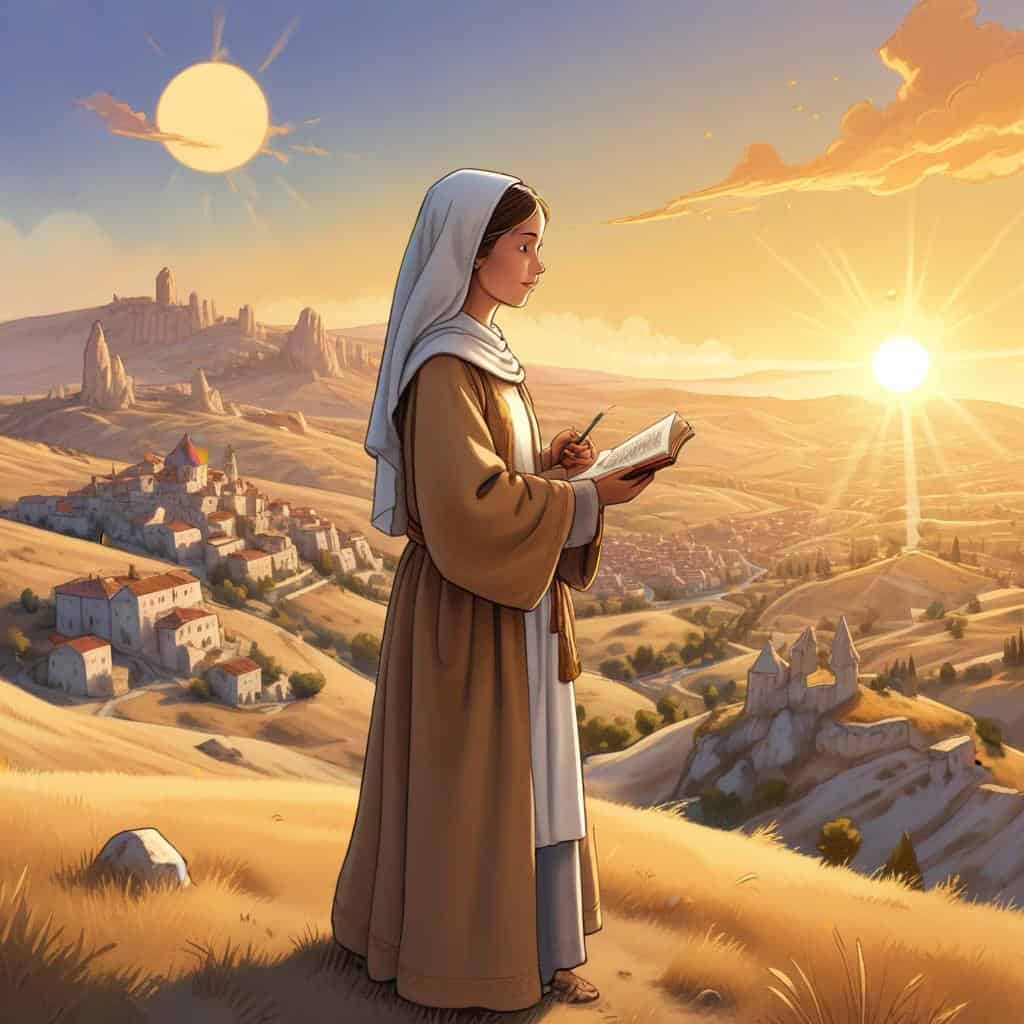
Nino of Cappadocia
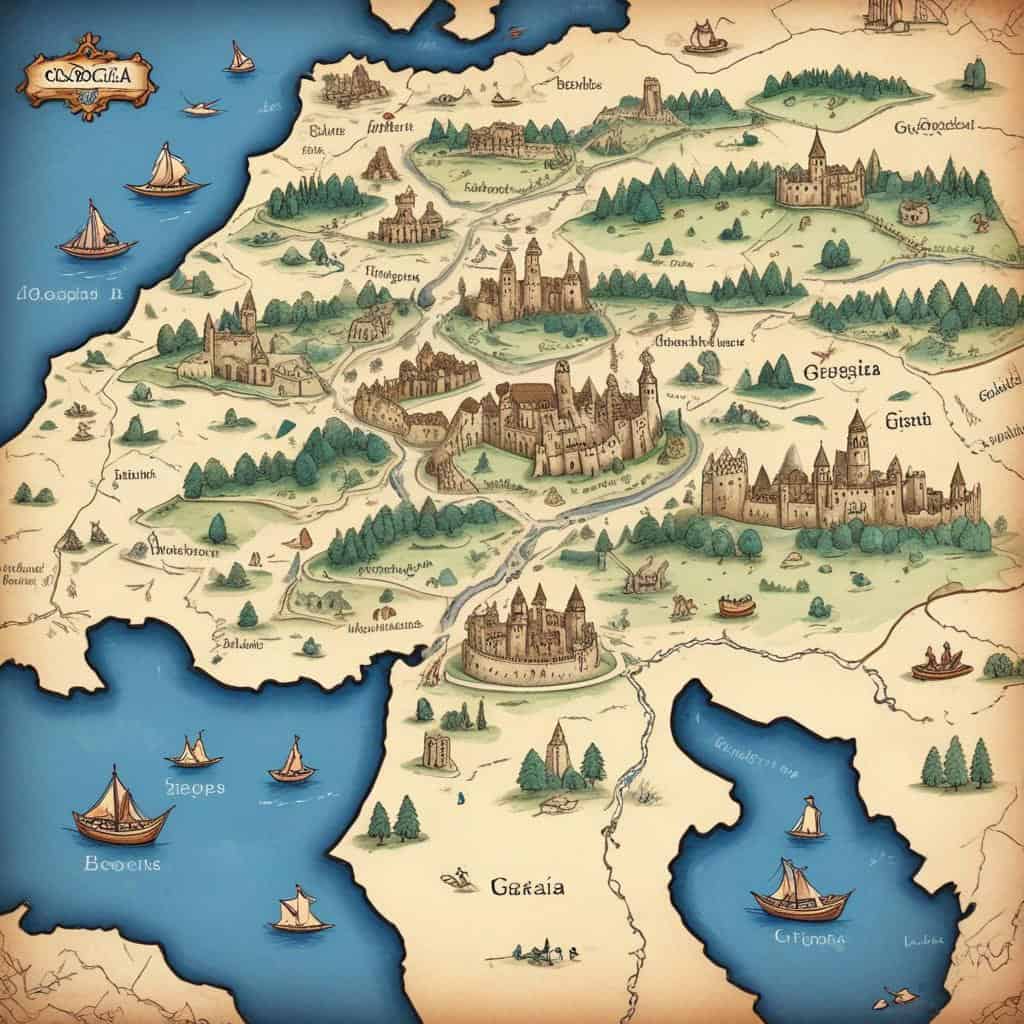
Early History
Golden Age
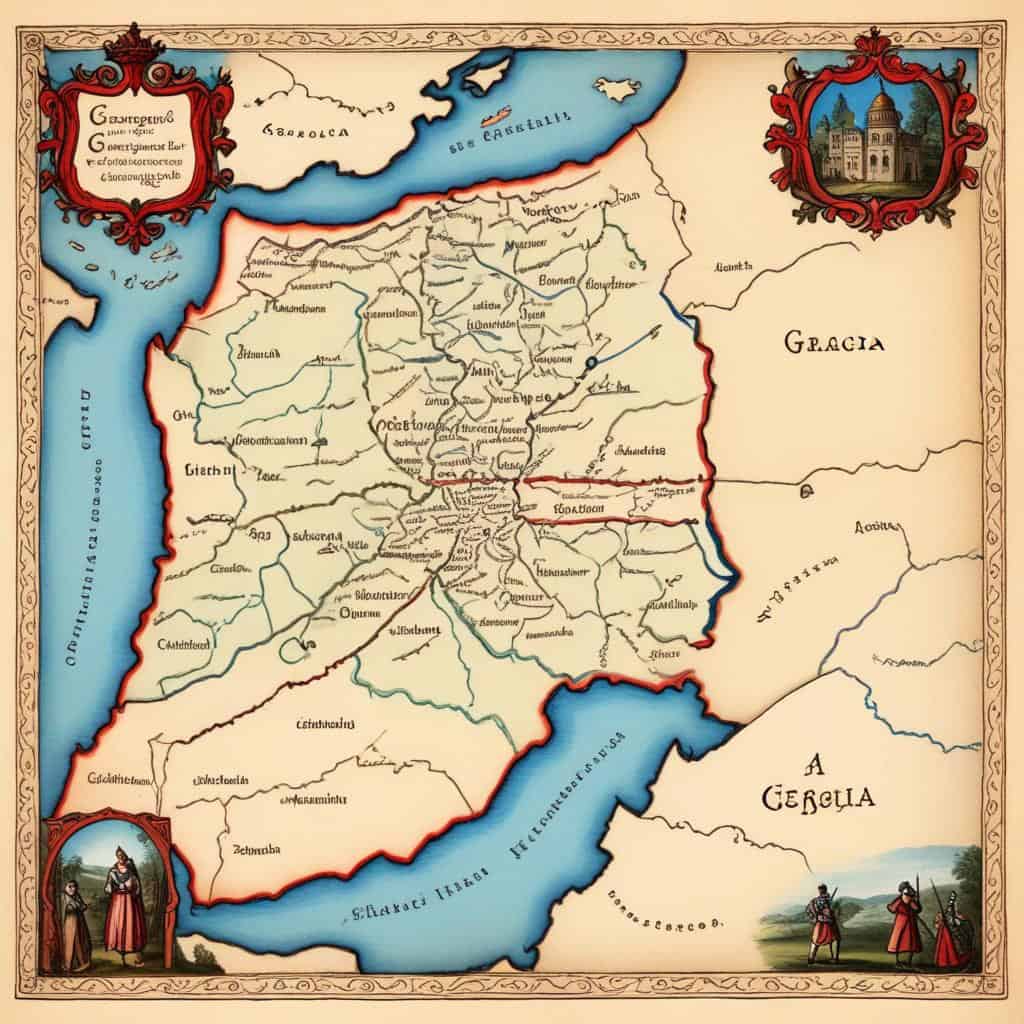
Persian and Ottoman Rule

Russian Influence
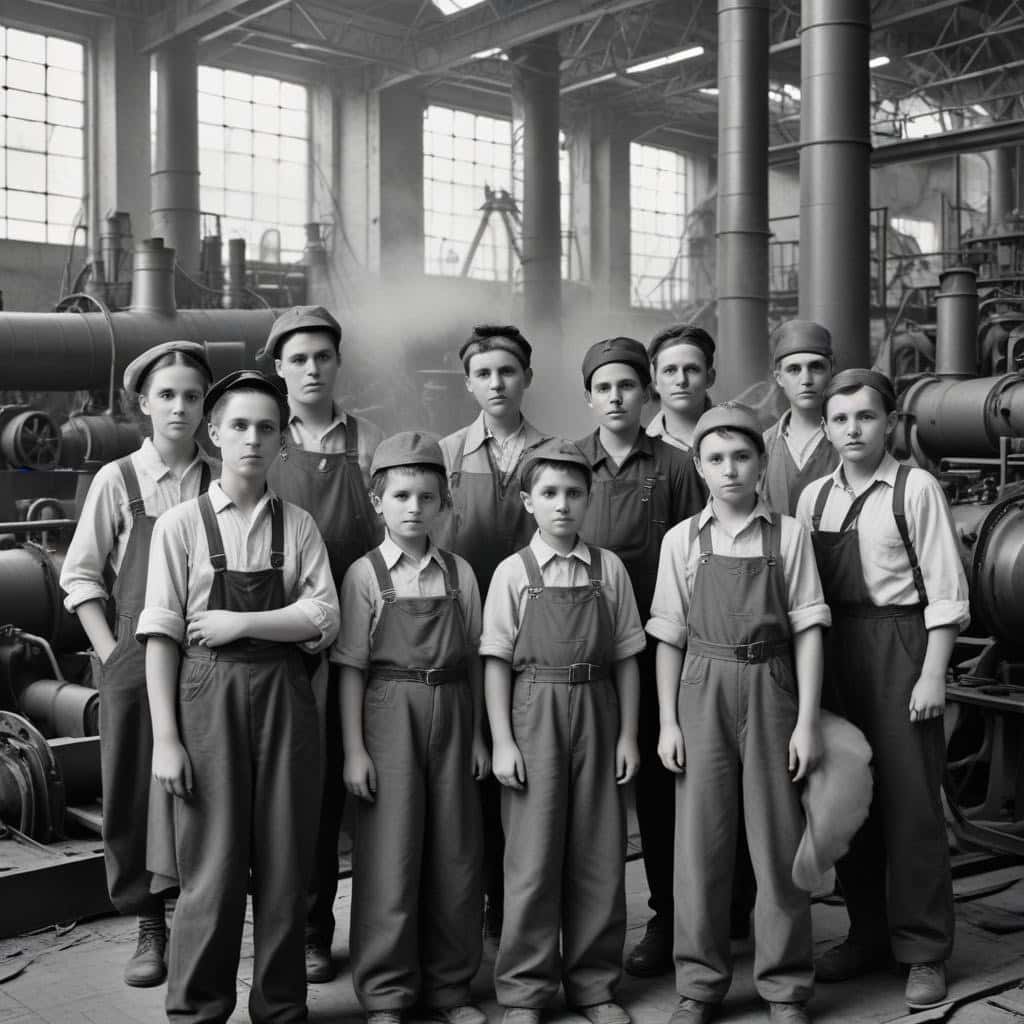
Soviet Era

Independence
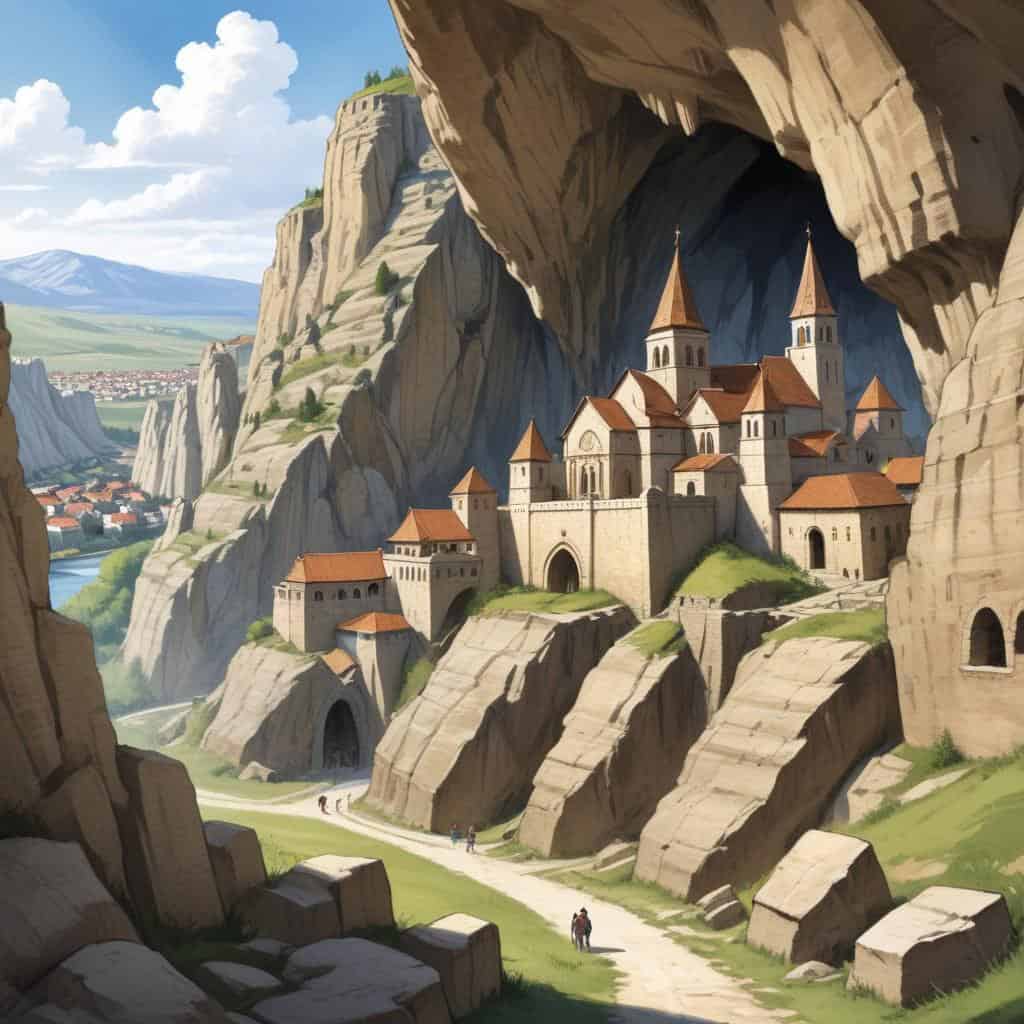
Landmarks
Cuisine

Modern Georgia
Audio Library
As one of our featured lessons, this topic includes premium audio guides.
Unlock the Wizard's Cram Session
This powerful audio study guide is a Pro-exclusive feature. Upgrade to Memory Wizards Pro to access this and all of our premium learning tools.
Upgrade to ProIn a Nutshell
- Capital: Tbilisi
- Population: Approx. 3.7 million (2021)
- Official Language: Georgian
- Currency: Georgian lari (GEL)
Breaking Down the Country
No composition analysis points available.
Timeline of Republic of Georgia
Establishment of the Kingdom of Georgia
Georgian Golden Age
Invasions by Mongols and Timurids
Georgia becomes part of the Russian Empire
Russian Revolution
Democratic Republic of Georgia proclaimed
Bolshevik takeover of Georgia
Georgia becomes part of the Soviet Union
Georgian SSR established
Great Purge in Georgia
German invasion during World War II
Georgia becomes part of the Soviet Union again
Georgian independence movement gains momentum
Georgian Civil War
Rose Revolution
Mikheil Saakashvili becomes President
Russian-Georgian War
Bidzina Ivanishvili becomes Prime Minister
Georgia signs Association Agreement with the European Union
Georgian Dream wins parliamentary elections
Vocabulary List
- Tbilisi
- The capital city of Georgia
- Batumi
- A coastal city and popular tourist destination in Georgia
- Kakheti
- A region in eastern Georgia known for its wine production
- Svaneti
- A mountainous region in northwest Georgia, famous for its medieval towers
- Adjara
- An autonomous republic in western Georgia, known for its Black Sea coastline
- Kutaisi
- The second-largest city in Georgia, located in the western part of the country
- Ananuri
- A fortress complex on the Aragvi River in Georgia, famous for its architecture
- Borjomi
- A town in central Georgia, renowned for its mineral water springs
- Khevsureti
- A historical region in eastern Georgia, characterized by its isolated villages and unique culture
- Gori
- A city in eastern Georgia, birthplace of Joseph Stalin
- Sighnaghi
- A small town in eastern Georgia, known as the "City of Love" due to its romantic atmosphere
- Racha
- A highland region in western Georgia, famous for its beautiful landscapes and traditional cuisine
- Uplistsikhe
- An ancient cave city in Georgia, carved into the cliffs along the Mtkvari River
- Mtskheta
- An ancient town near Tbilisi, the former capital of Georgia and a UNESCO World Heritage Site
- Borjomi-Kharagauli National Park
- One of the largest national parks in Georgia, offering diverse flora and fauna
- Kazbegi
- A town in northern Georgia, famous for its stunning mountain views and the Gergeti Trinity Church
- Martvili Canyons
- A natural wonder in western Georgia, featuring breathtaking canyons and waterfalls
- Telavi
- The main city of the Kakheti region in eastern Georgia, known for its vineyards and winemaking traditions
- Vardzia
- A cave monastery complex in southern Georgia, carved into the Erusheti Mountain
- Gelati Monastery
- A medieval monastic complex near Kutaisi, famous for its frescoes and mosaics.
Key Facts
This is the information used in the fact matching game
- 1. Georgia is located at the crossroads of Eastern Europe and Western Asia.
- 2. The country is bordered by Russia to the north, Azerbaijan to the east, Armenia to the south, and Turkey to the southwest.
- 3. Tbilisi is the capital and largest city of Georgia.
- 4. Georgian is the official language of the country.
- 5. Georgia is known for its rich history and cultural heritage, with evidence of human habitation dating back to the Paleolithic era.
- 6. The Georgian alphabet is one of the world's 14 alphabets and has its own unique script.
- 7. Georgia is famous for its traditional polyphonic singing, which is recognized as a UNESCO Intangible Cultural Heritage.
- 8. The country has a diverse landscape, ranging from the Black Sea coastline to the Greater Caucasus mountains.
- 9. Georgia is home to several ancient cave cities, including Uplistsikhe and Vardzia.
- 10. The traditional Georgian feast, called "supra," involves a large variety of delicious dishes and abundant wine.
- 11. The world's oldest known evidence of winemaking was found in Georgia, dating back over 8,000 years.
- 12. Georgia has a long-standing tradition of hospitality and is often referred to as the "Land of the Golden Fleece."
- 13. The country has a high literacy rate, with education being highly valued in Georgian society.
- 14. Georgian cuisine is renowned for its unique flavors and dishes like khachapuri (cheese-filled bread) and khinkali (dumplings).
- 15. Georgia is famous for its beautiful monasteries and churches, such as the ancient cave monasteries of David Gareja.
- 16. The country is known for its vibrant folk dances, characterized by lively music and intricate choreography.
- 17. Georgia's national sport is rugby union, and the Georgian national team, known as the "Lelos," has achieved international success.
- 18. The Black Sea resort town of Batumi is a popular tourist destination, known for its stunning architecture and vibrant nightlife.
- 19. Georgia is home to several UNESCO World Heritage Sites, including the historical monuments of Mtskheta and the Upper Svaneti region.
- 20. The country has a unique system of supra-regional administrative divisions called "regions," each with its own distinct characteristics and traditions.
Why It Matters
Geopolitical Significance
Republic of Georgia’s location at the crossroads of Europe and Asia has made it a key player in regional politics. Its proximity to Russia and the Black Sea, along with its role as a transit hub for energy resources, gives it strategic importance in the Caucasus region.
Historical Importance
Georgia has a rich history dating back to ancient times, with a unique culture and language that have survived centuries of foreign rule. It has been a battleground for empires like the Persians, Mongols, and Ottomans, and its independence struggles continue to shape its national identity.
Modern-Day Role
Today, Georgia is a young democracy aspiring to join the European Union and NATO. Its economy is growing, driven by tourism to its picturesque landscapes and historic sites, as well as its exports of wine and mineral resources. The country plays a vital role in promoting stability and democracy in the South Caucasus region.
Republic of Georgia Games


Take Your Learning Offline
Want a convenient, print-ready study guide for this lesson? Become a Memory Wizards Pro member to unlock the downloadable " Memory Scrolls" for this topic and our entire library!
- ✓ Complete Vocabulary Lists
- ✓ Key Facts & Timelines
- ✓ Beautifully Formatted for Print & Mobile