
How Do You Learn Best?
Learn by Listening
Start with the 3-minute audio summary to get the key facts and narrative highlights quickly.
Learn by Reading
Immerse yourself in the 10-minute visual lesson for a comprehensive understanding of the topic.
Learn by Reviewing
Jump directly to the key facts, timeline, and vocabulary lists to build a solid foundation of details.
Learn by Doing
Challenge yourself! Jump straight into the interactive games to learn by trial, error, and discovery.
Pakistan in 10 Minutes
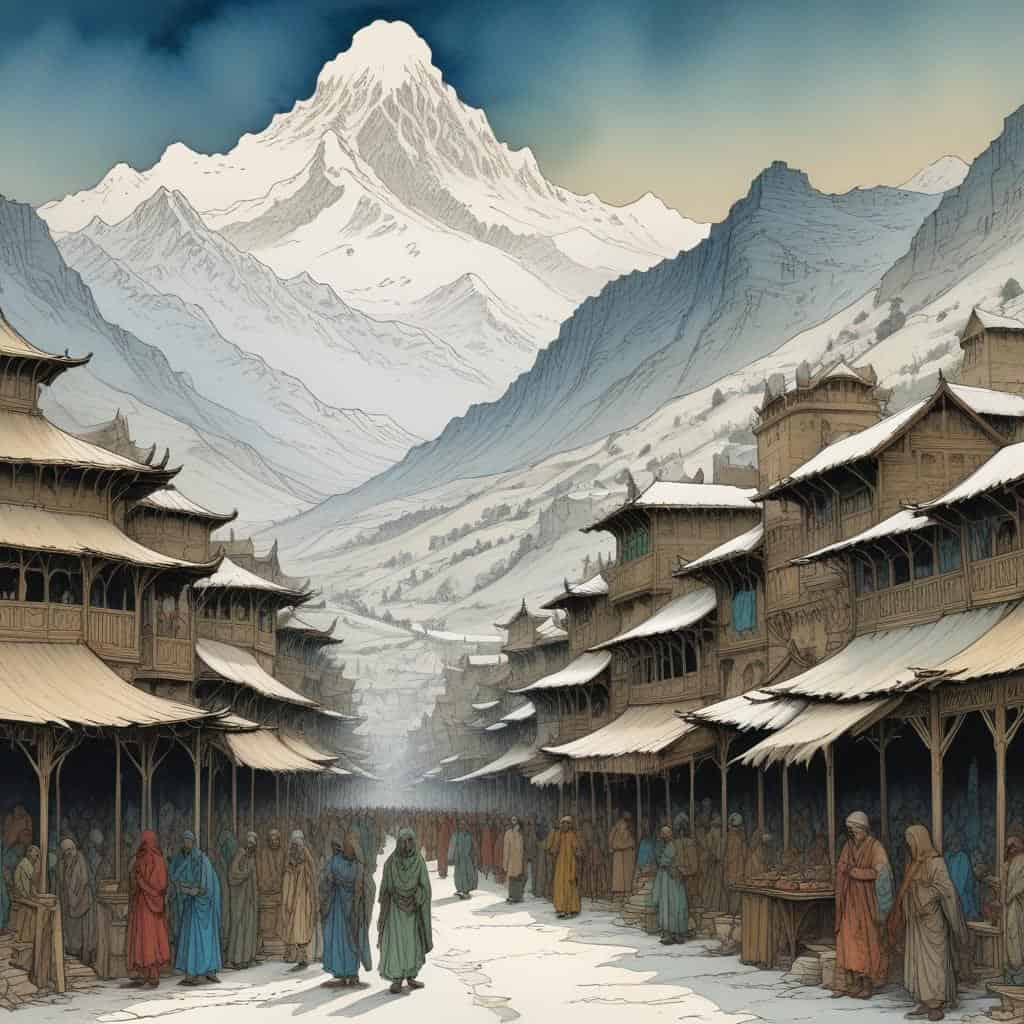
Introduction
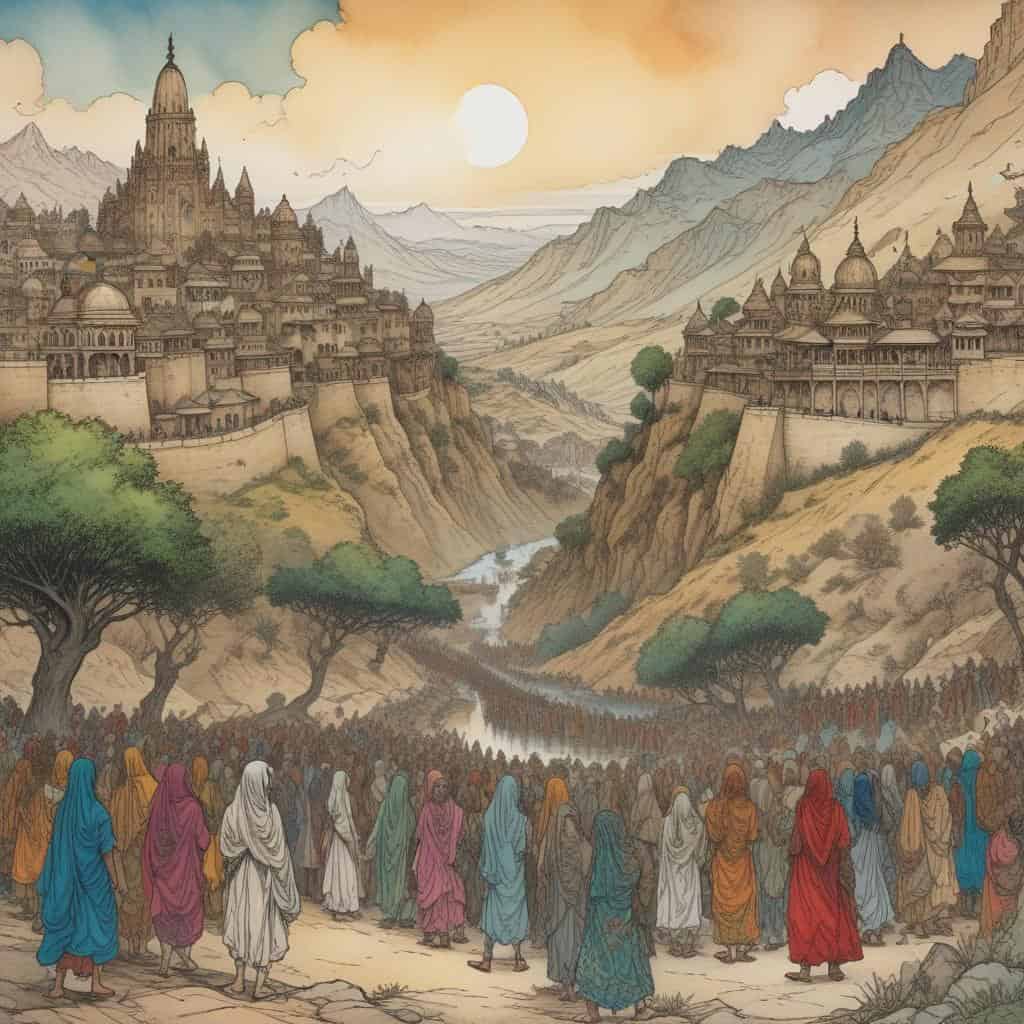
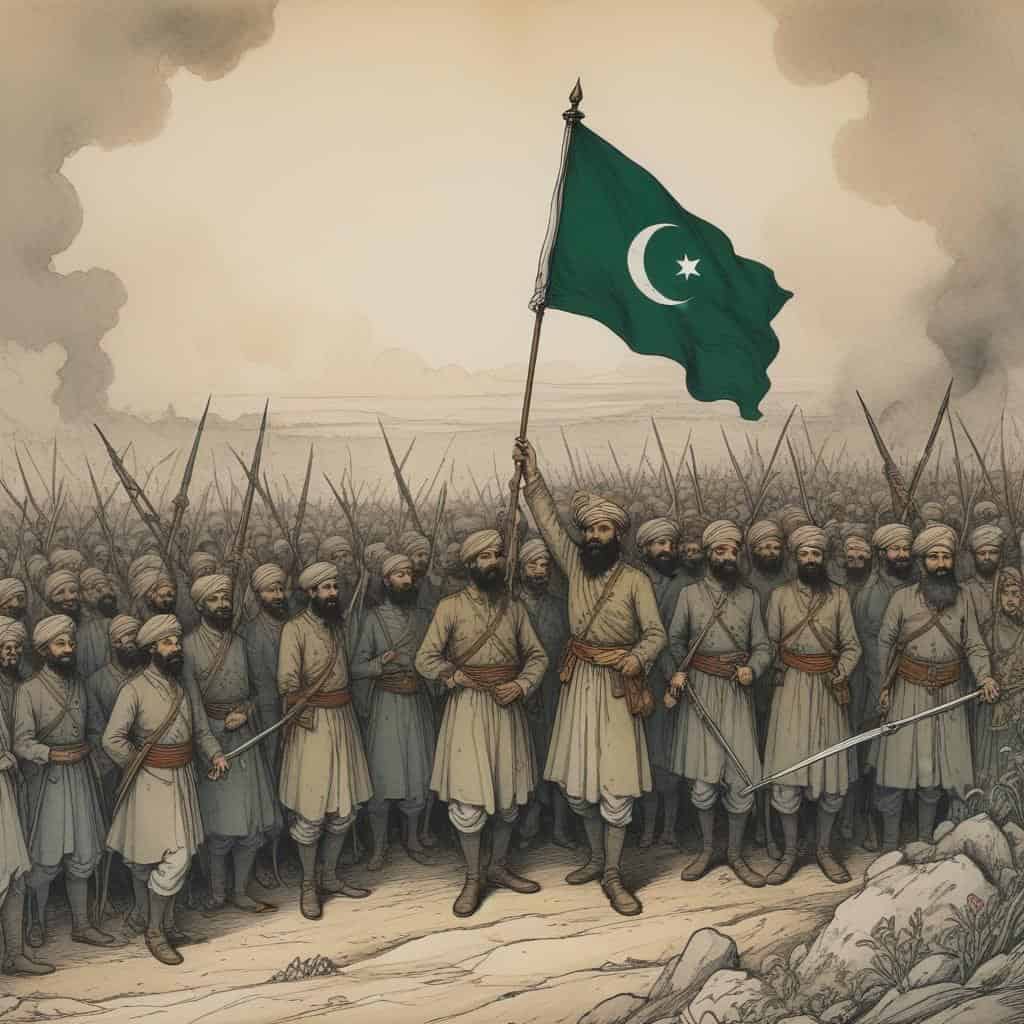
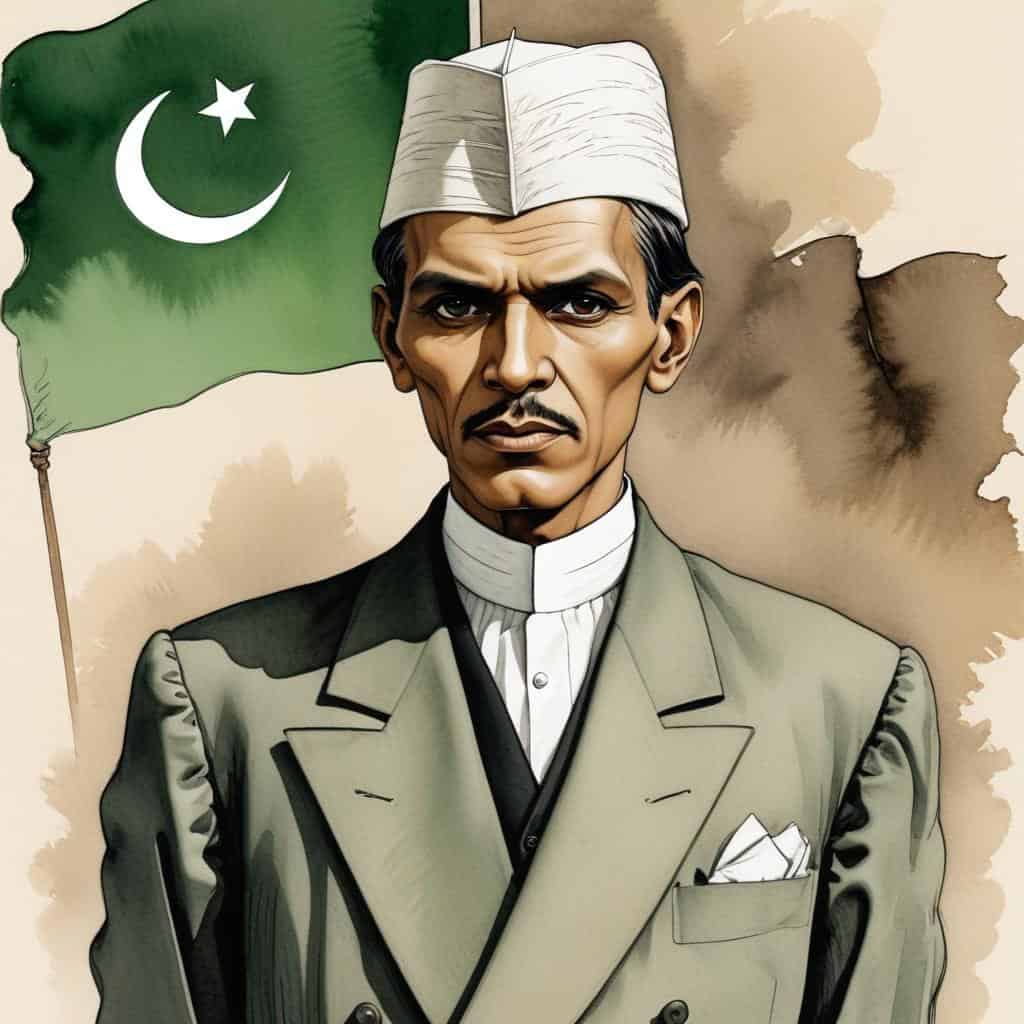
1. Quaid-e-Azam Muhammad Ali Jinnah
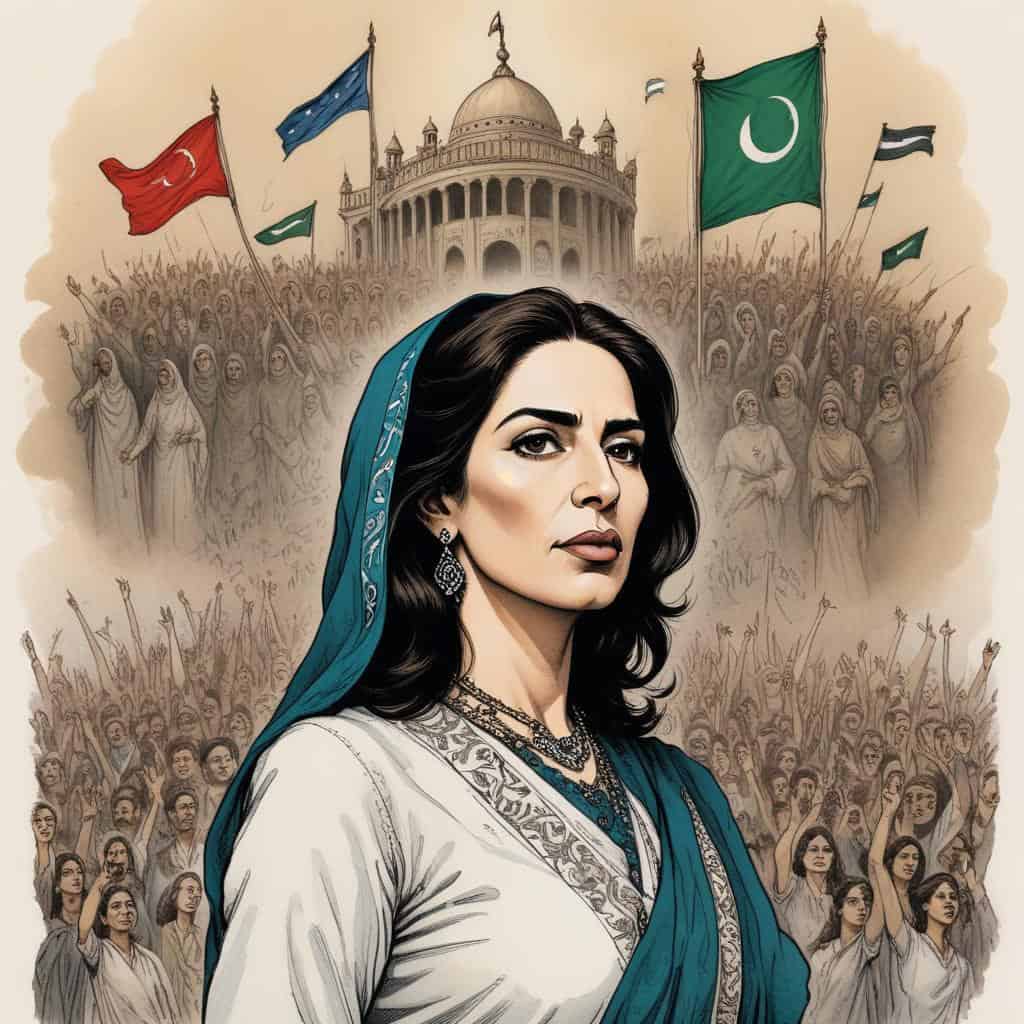
2. Benazir Bhutto
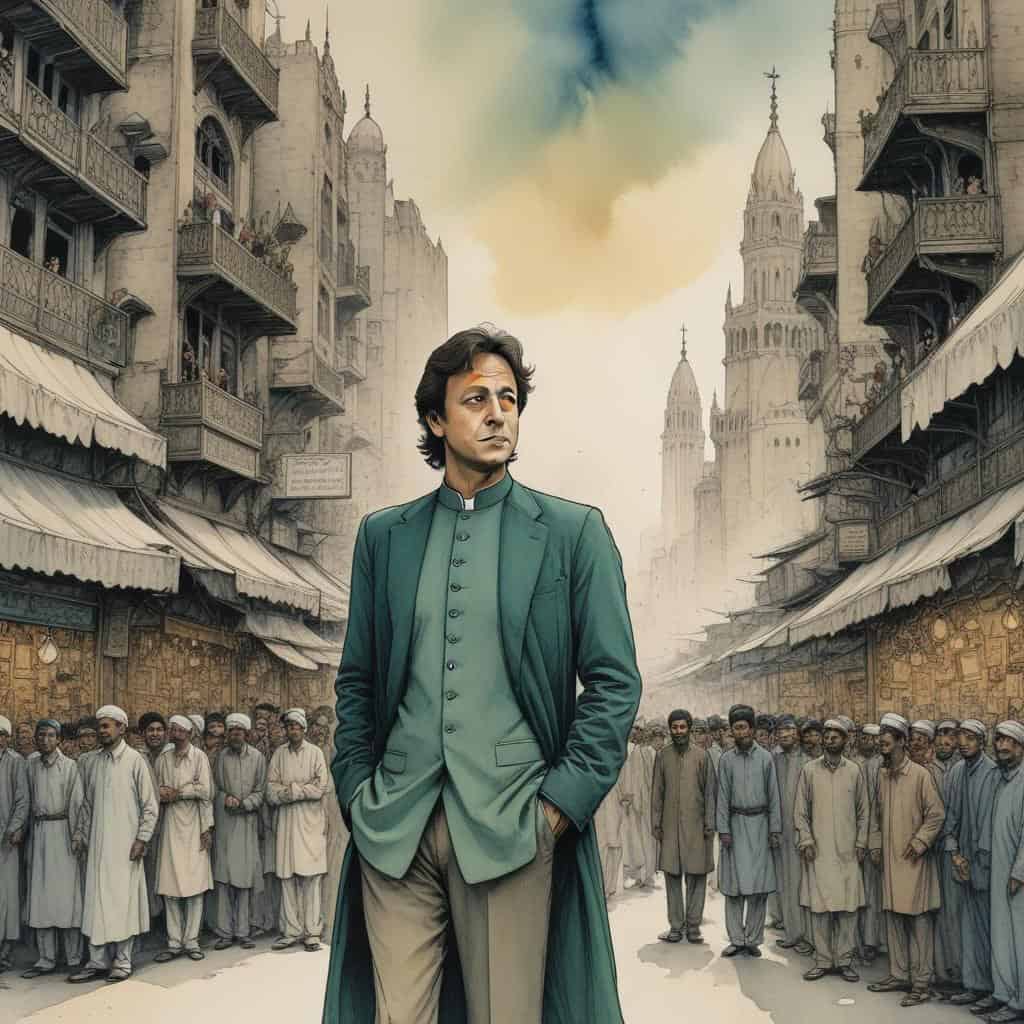
3. Imran Khan
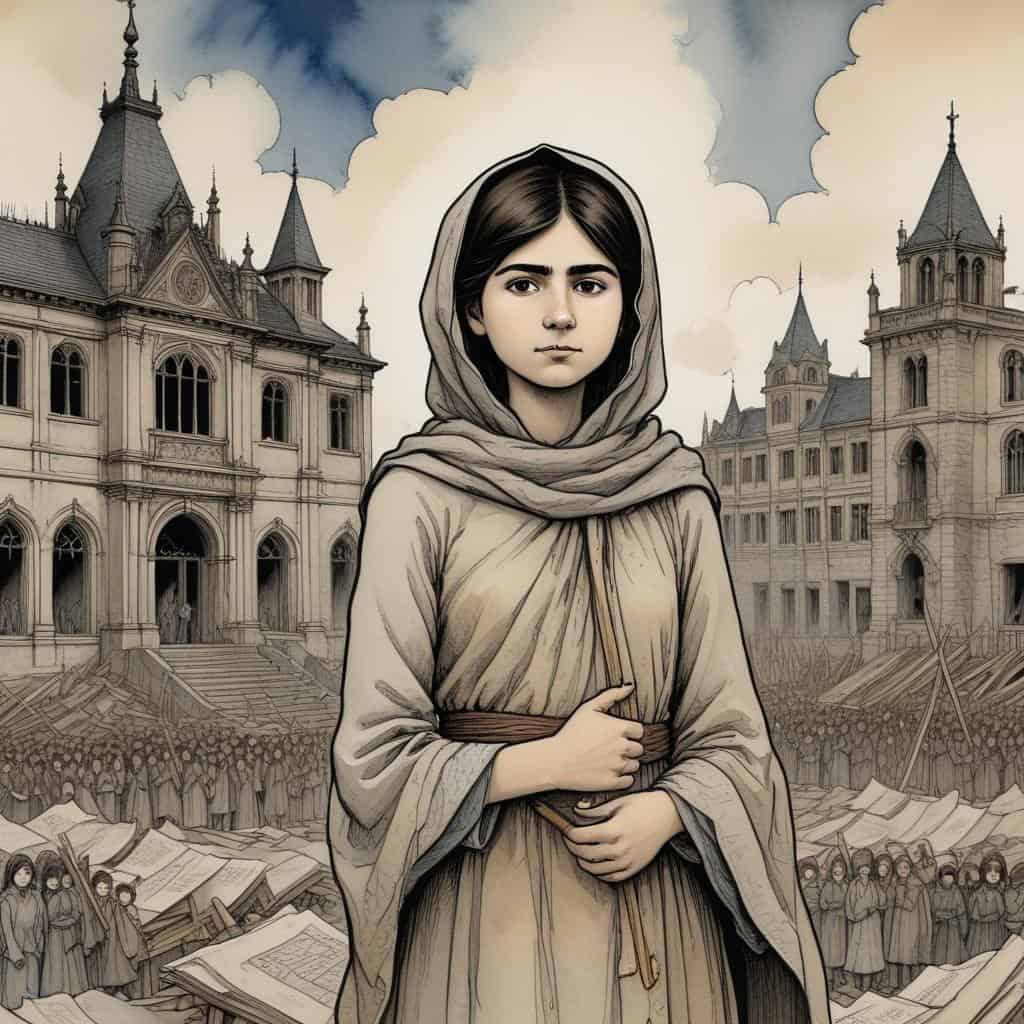
4. Malala Yousafzai
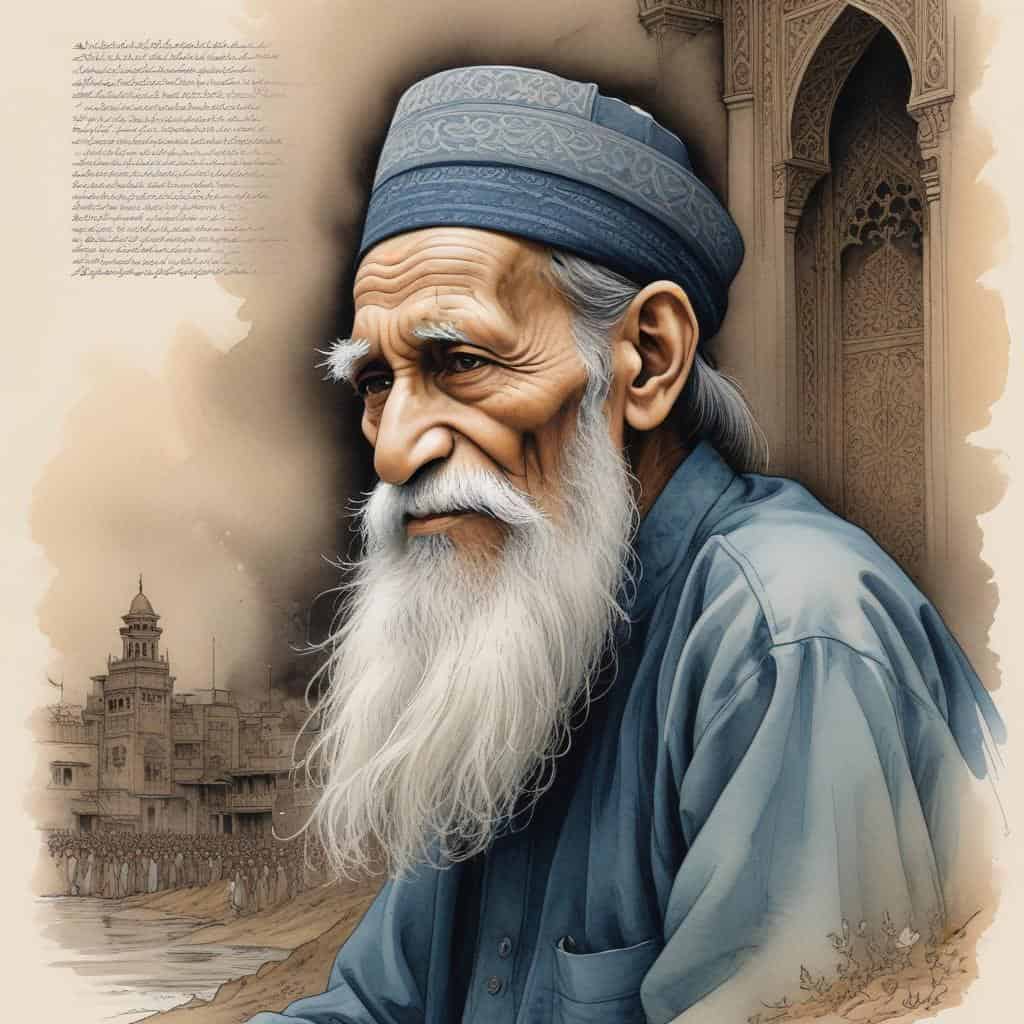
5. Abdul Sattar Edhi
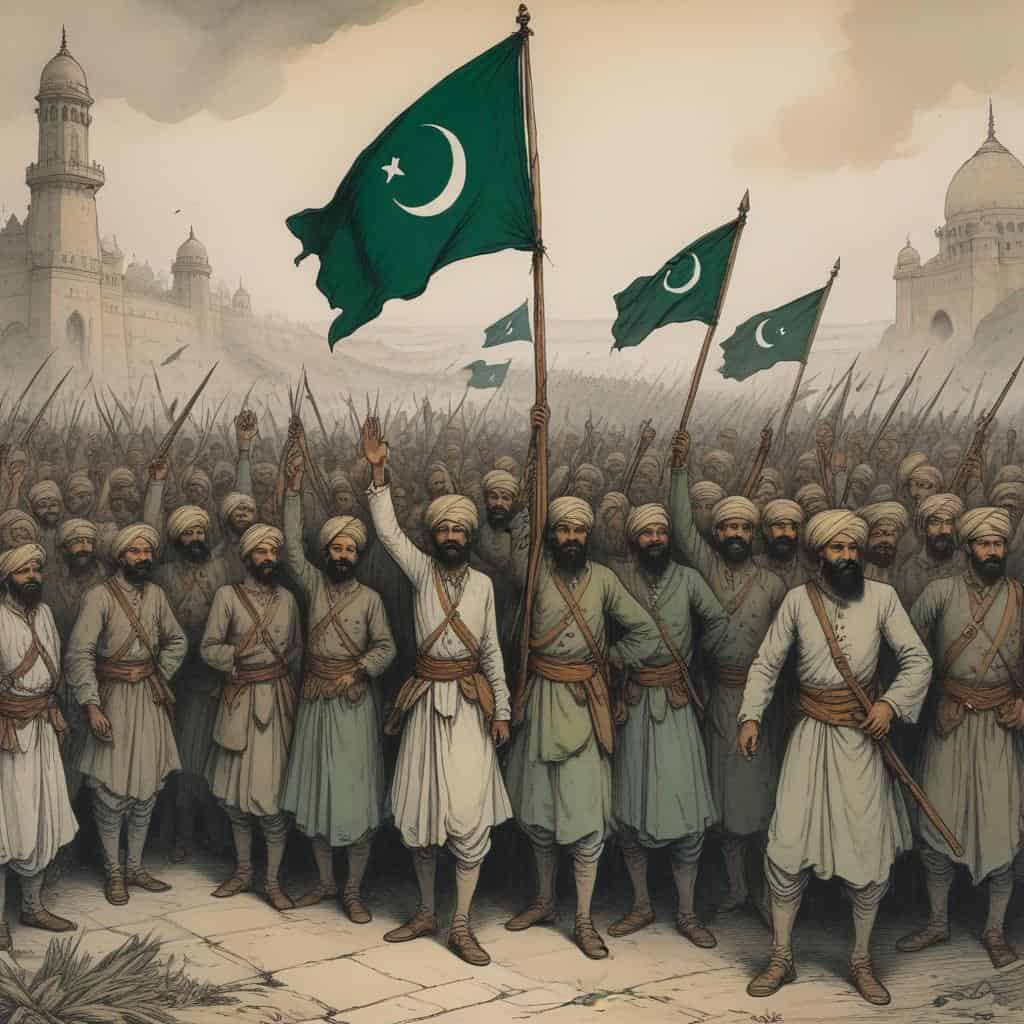
Pakistans Independence
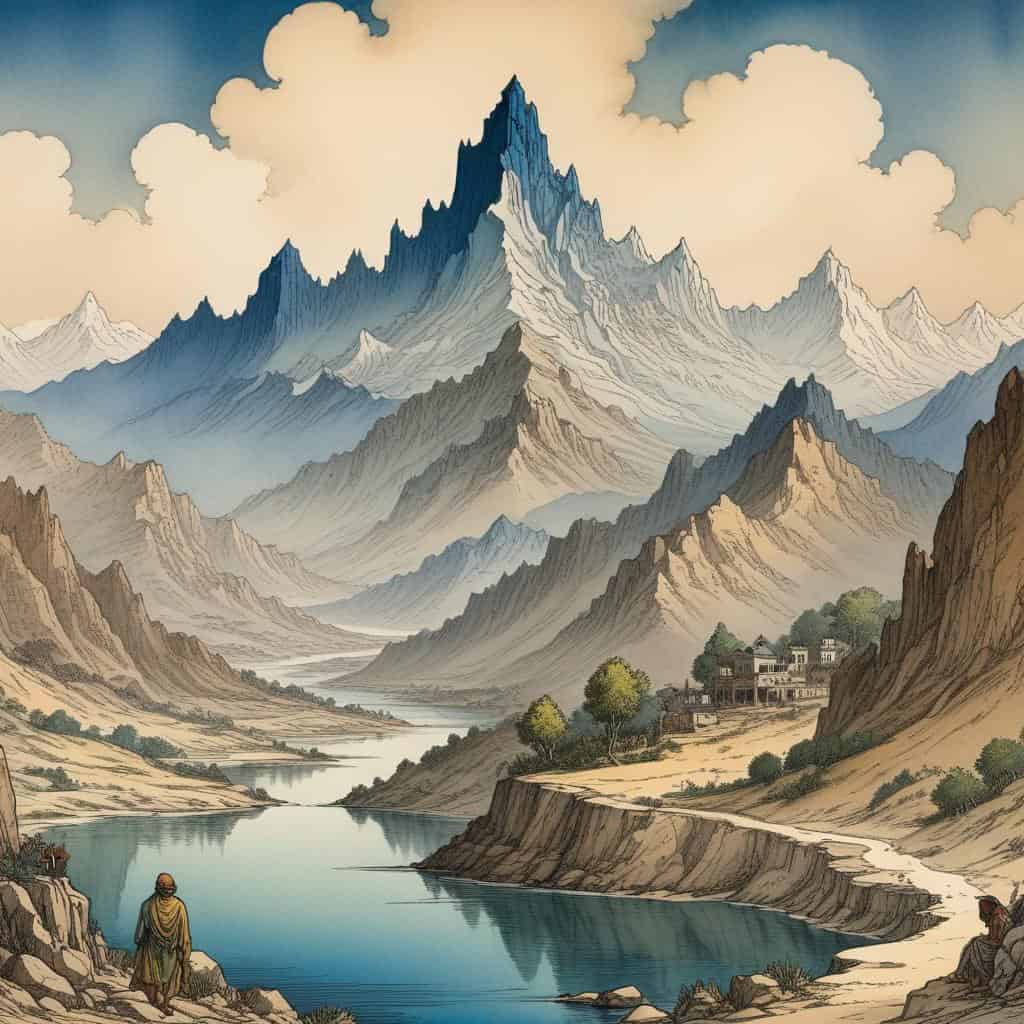
Geographical Diversity
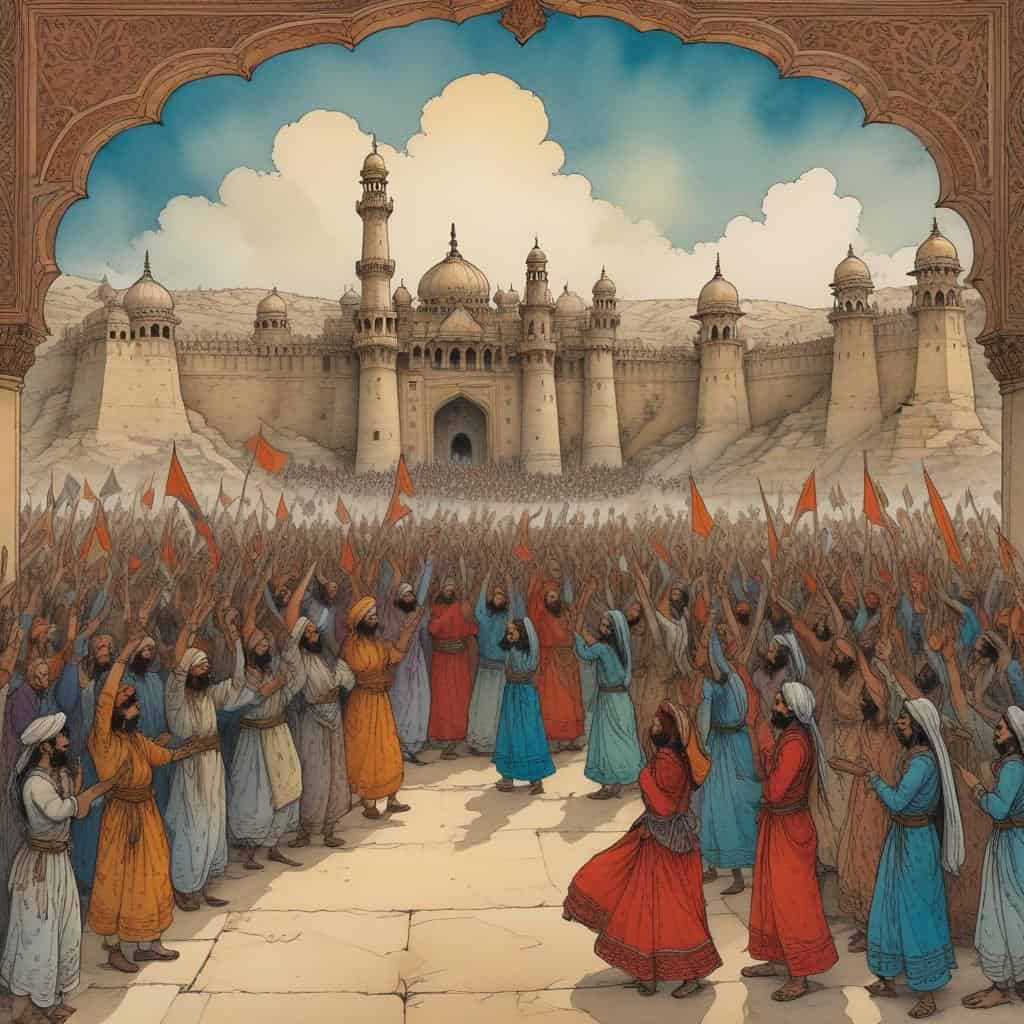
Cultural Heritage
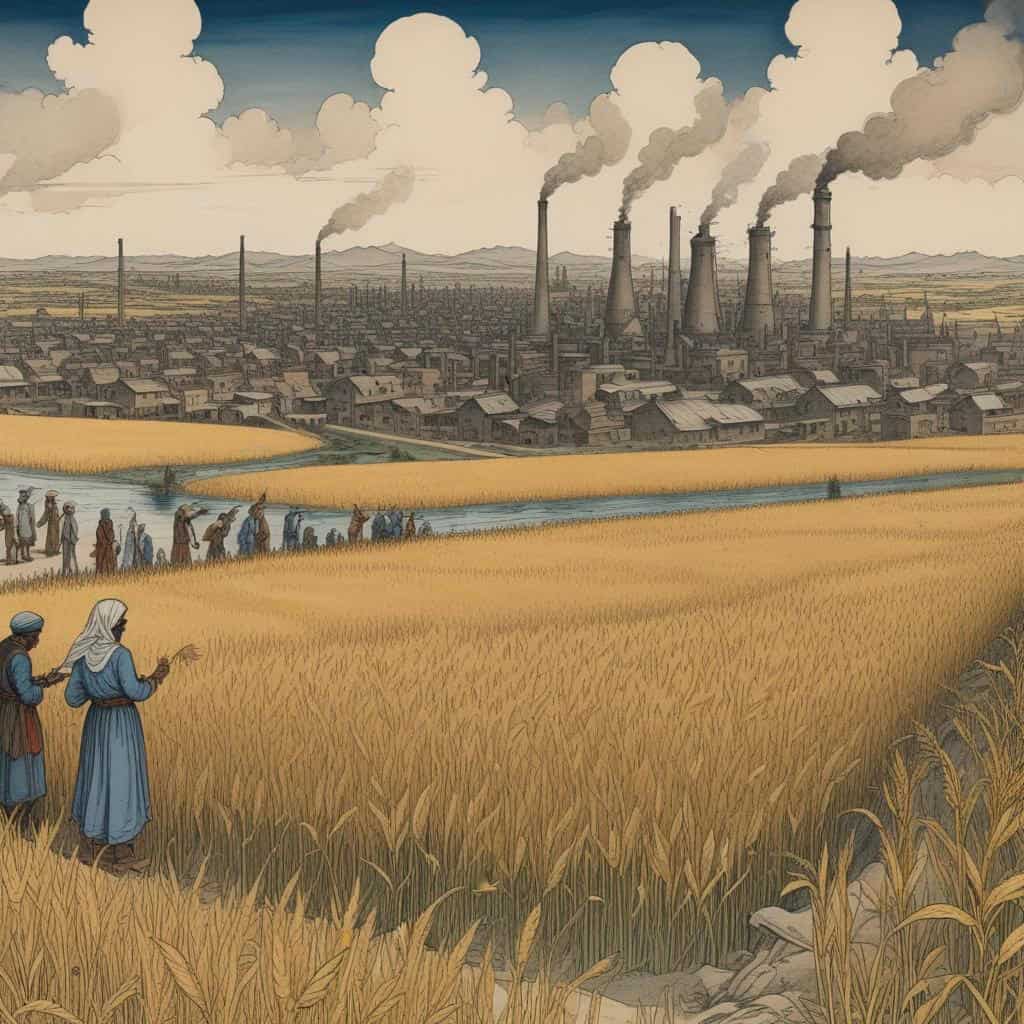
Economy and Industry
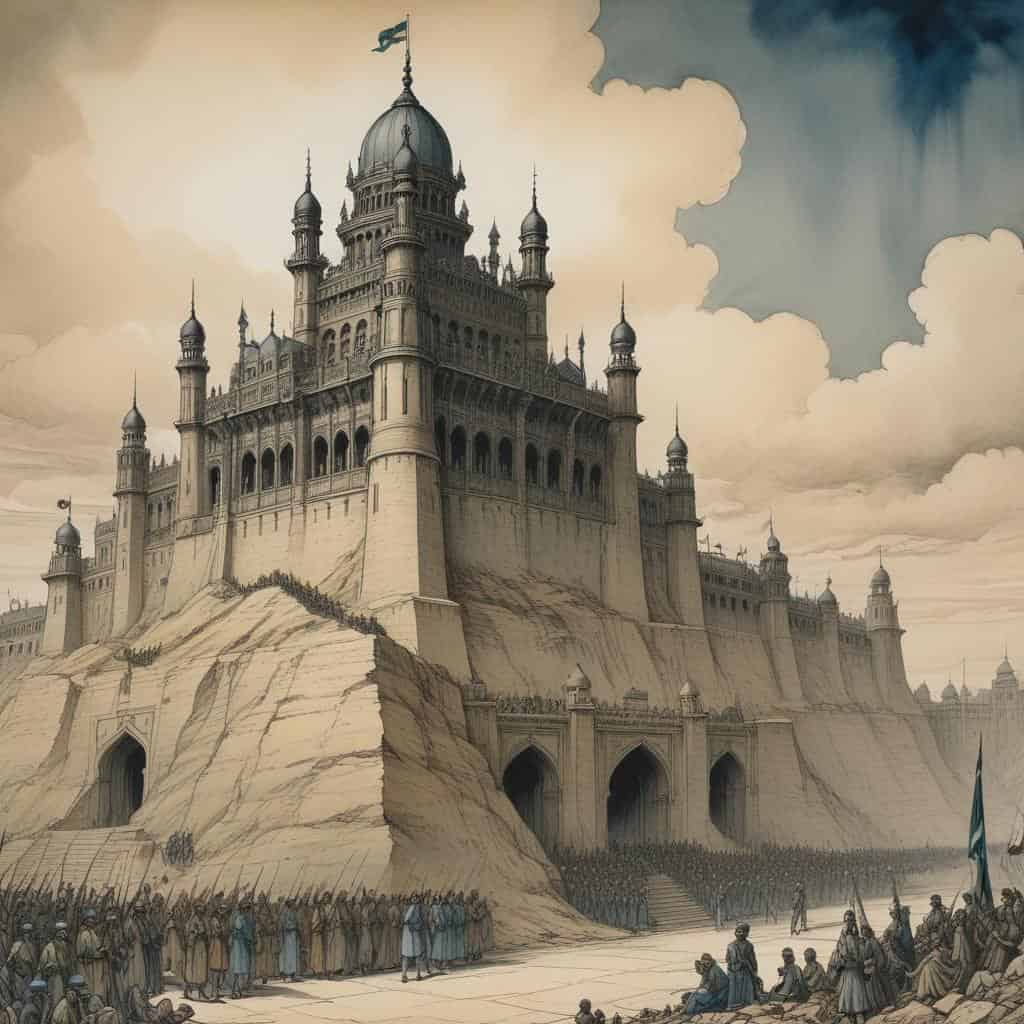
Political Landscape
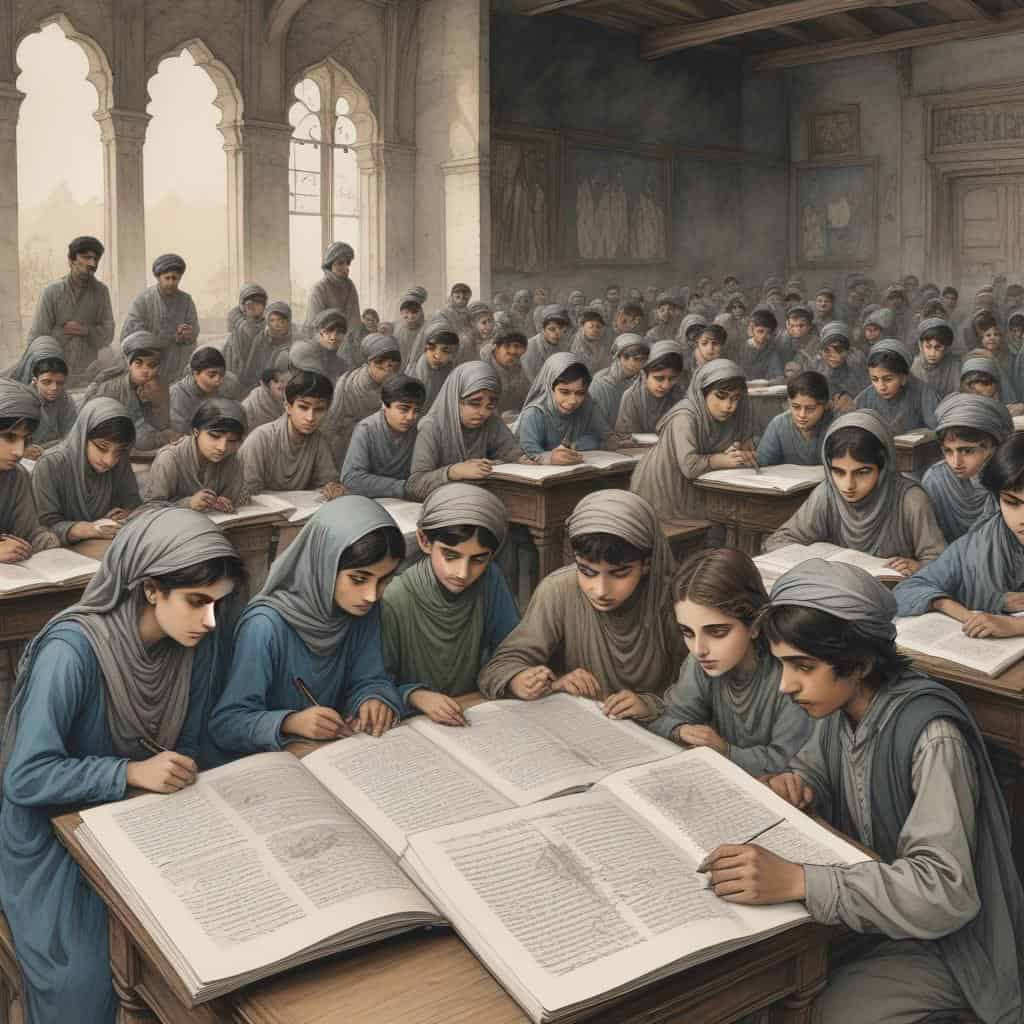
Education and Literacy
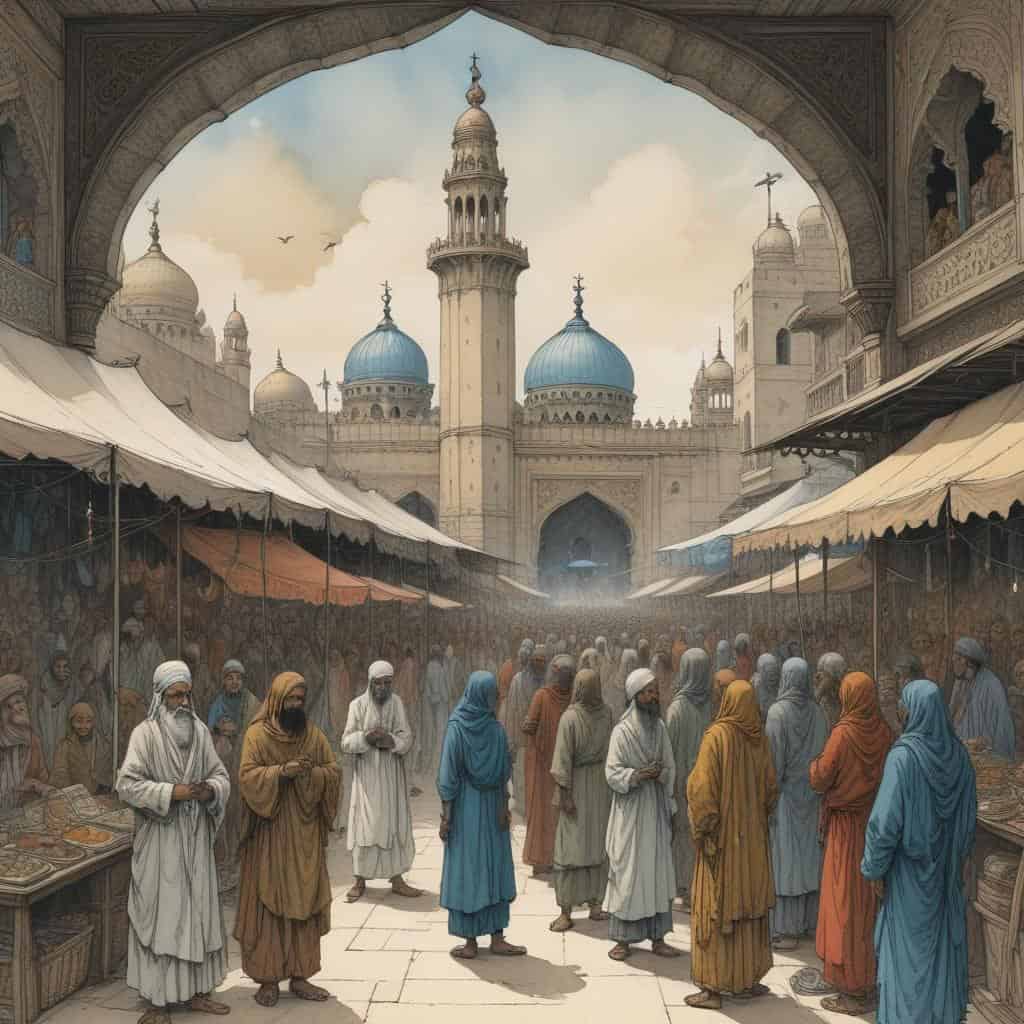
Religious Diversity
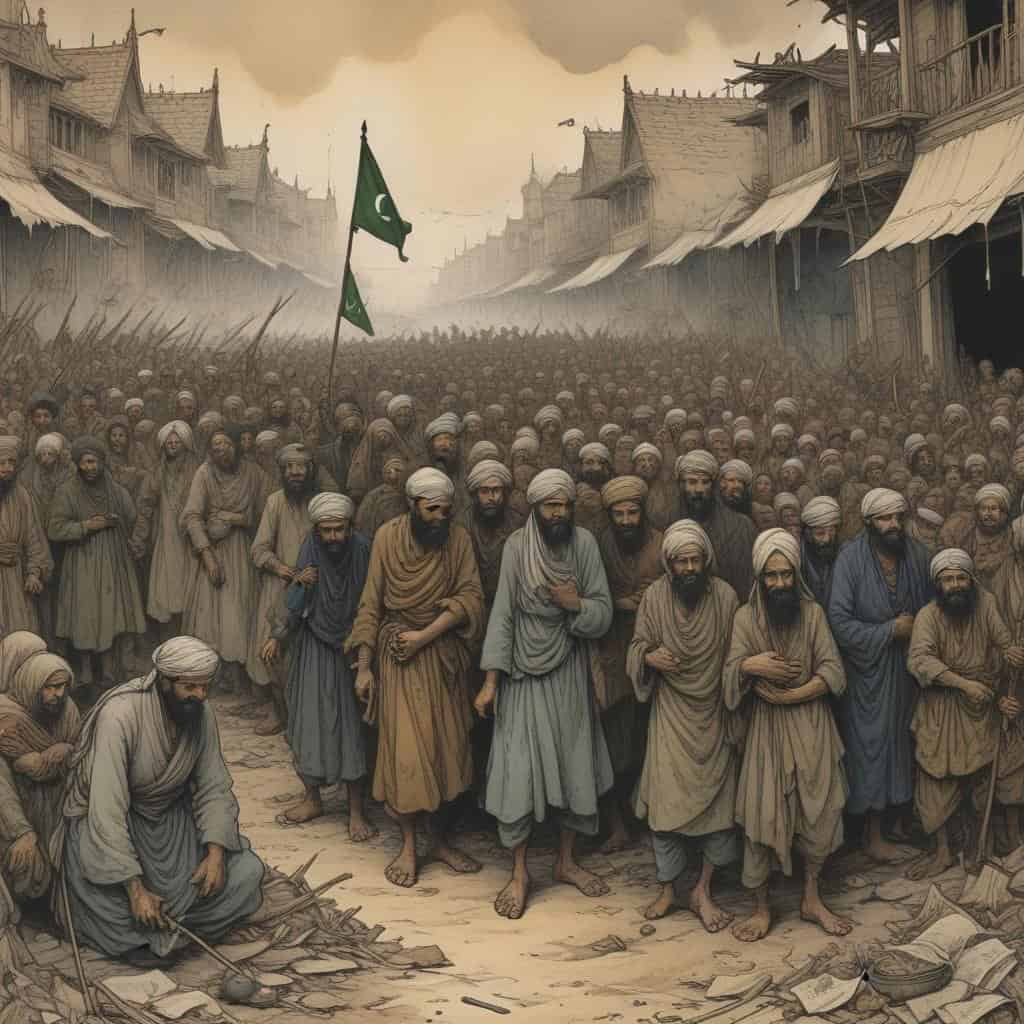
Challenges and Opportunities
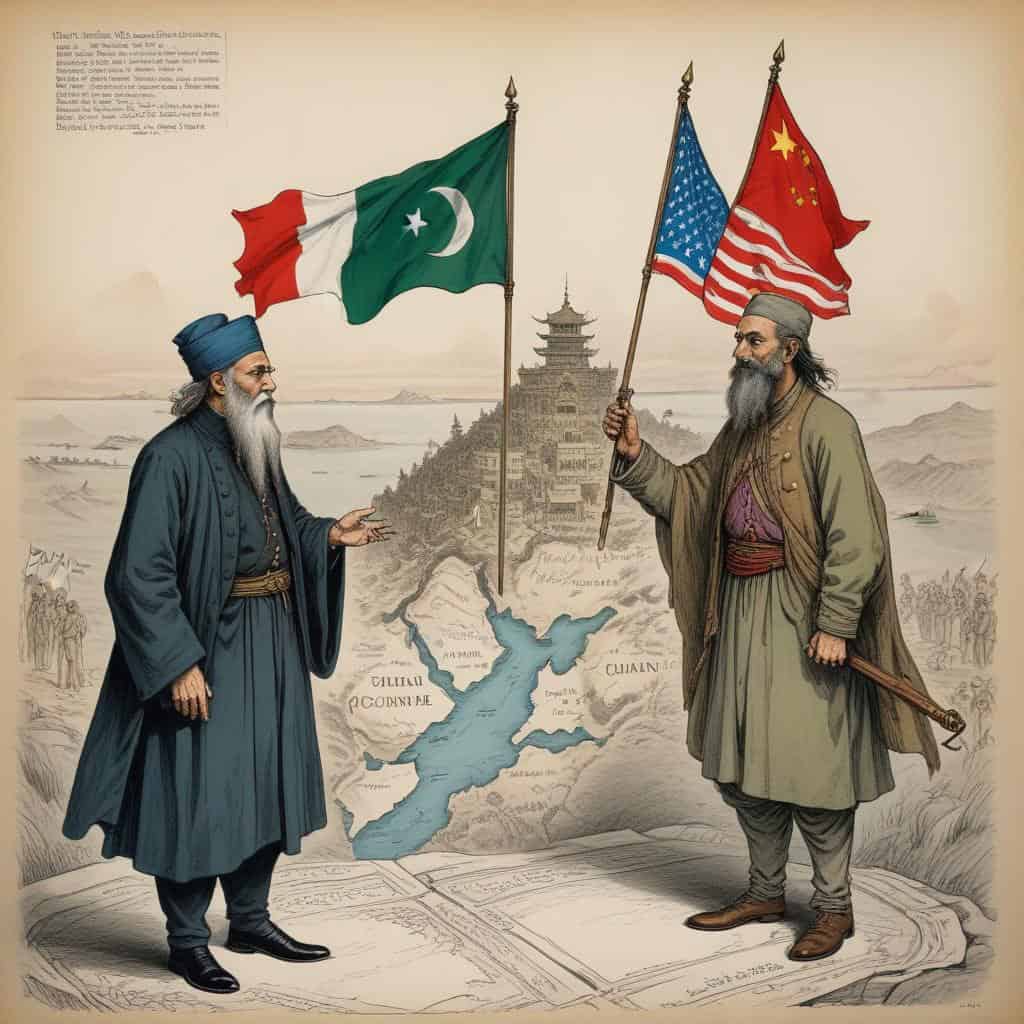
International Relations
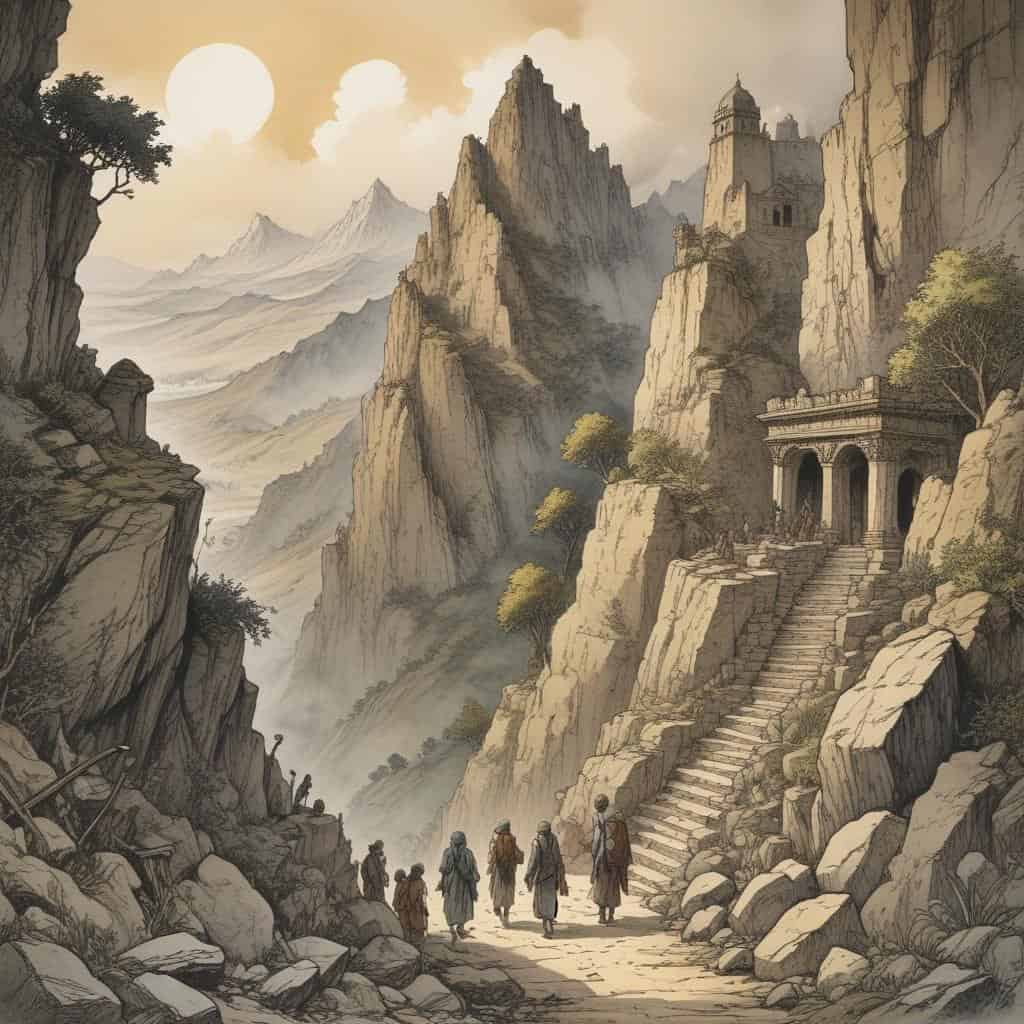
Tourism and Hospitality
Audio Library
As one of our featured lessons, this topic includes premium audio guides.
Unlock the Wizard's Cram Session
This powerful audio study guide is a Pro-exclusive feature. Upgrade to Memory Wizards Pro to access this and all of our premium learning tools.
Upgrade to ProIn a Nutshell
- Capital: Islamabad
- Population: Approx. 220 million (2021)
- Official Language: Urdu
- Currency: Pakistani Rupee (PKR)
Breaking Down the Country
No composition analysis points available.
Timeline of Pakistan
Pakistan was created as an independent nation.
Partition of India and Pakistan.
First Constituent Assembly of Pakistan held its first session.
Liaquat Ali Khan becomes the first Prime Minister of Pakistan.
Pakistan becomes a member of the United Nations.
Pakistan adopts its first constitution.
First war between India and Pakistan over the disputed territory of Jammu and Kashmir.
Ayub Khan takes over as the President of Pakistan through a military coup.
Tashkent Declaration signed between India and Pakistan to resolve the 1965 war.
Civilian rule restored in Pakistan.
Bangladesh declares independence from Pakistan and starts the Bangladesh Liberation War.
Zulfikar Ali Bhutto becomes the President of Pakistan.
Pakistan conducts its first nuclear tests in response to India's nuclear tests.
General Zia-ul-Haq stages a military coup and becomes the President of Pakistan.
Pakistan supports mujahideen fighters against Soviet forces in Afghanistan.
Benazir Bhutto becomes the first female Prime Minister of Pakistan.
Nawaz Sharif becomes the Prime Minister of Pakistan.
Pakistan conducts nuclear tests and becomes a declared nuclear power.
General Pervez Musharraf takes over as the President of Pakistan through a military coup.
Vocabulary List
- Pakistan is a diverse country with a rich cultural heritage. Here are 20 vocabulary words related to Pakistan: 1. Punjab
- A province in Pakistan known for its fertile plains and vibrant culture
- 2. Karachi
- The largest and most populous city in Pakistan, located on the Arabian Sea coast
- 3. Urdu
- The national language of Pakistan, spoken by a large portion of the population
- 4. Islamabad
- The capital city of Pakistan, known for its modern infrastructure and government buildings
- 5. Lahore
- A major city in Punjab known for its historical sites, vibrant culture, and delicious food
- 6. Peshawar
- A city in Khyber Pakhtunkhwa province known for its rich history and strategic location
- 7. Balochistan
- The largest province of Pakistan, located in the southwest, known for its arid landscapes
- 8. Kashmir
- A disputed territory between India, Pakistan, and China, known for its natural beauty
- 9. Cricket
- The most popular sport in Pakistan, with a passionate following and national team
- 10. Biryani
- A flavorful rice dish popular in Pakistan, made with meat, spices, and aromatic rice
- 11. Kebab
- A popular grilled meat dish in Pakistan, made with minced meat and spices
- 12. Sufism
- A mystical and spiritual tradition in Islam, with a significant presence in Pakistan
- 13. Minaret
- A tall tower, often part of a mosque, from where the call to prayer is made
- 14. Chai
- A popular hot tea beverage in Pakistan, often served with milk and spices
- 15. Sherwani
- A traditional men's formal attire in Pakistan, typically worn for weddings and special occasions
- 16. Mehndi
- The art of applying henna designs on the hands and feet, often done for weddings and celebrations
- 17. Rangoli
- A decorative art form in Pakistan, created using colored powders or flowers
- 18. Kameez
- A long shirt or tunic worn with shalwar (loose pants) by both men and women in Pakistan
- 19. Rickshaw
- A popular mode of transportation in urban areas, resembling a small covered three-wheeled vehicle
- 20. Mughal
- Referring to the Mughal Empire, a historical period in Pakistan known for its grand architecture and cultural influence. Remember, this list is not exhaustive, but it provides a glimpse into the diverse vocabulary associated with Pakistan.
Key Facts
This is the information used in the fact matching game
- Pakistan is the sixth most populous country in the world, with a population of over 225 million people.
- It is located in South Asia and shares borders with India, Afghanistan, Iran, and China.
- The official language of Pakistan is Urdu, but there are several regional languages spoken throughout the country.
- Pakistan gained independence from British rule on August 14, 1947.
- Islamabad is the capital city of Pakistan, while Karachi is its largest city and economic hub.
- The national sport of Pakistan is field hockey.
- Pakistan is home to the second-highest peak in the world, K2, which stands at 8,611 meters (28,251 feet).
- The country has a diverse landscape, including fertile plains, deserts, mountains, and coastal areas along the Arabian Sea.
- Pakistan has the world's largest contiguous irrigation system, known as the Indus Basin Irrigation System.
- The Indus Valley Civilization, one of the world's oldest urban civilizations, thrived in what is now Pakistan over 4,500 years ago.
- Pakistan is known for its rich cultural heritage, including music, dance, literature, and art forms like truck art and calligraphy.
- The national dress for men in Pakistan is the shalwar kameez, while women often wear the shalwar kameez or the saree.
- The Lahore Fort and Shalimar Gardens in Lahore are UNESCO World Heritage Sites.
- Pakistan has a nuclear weapons program and is one of the nine nuclear-armed countries in the world.
- Cricket is the most popular sport in Pakistan, and the national cricket team has won the ICC Cricket World Cup once.
- The Karakoram Highway, connecting Pakistan and China, is one of the highest paved international roads in the world.
- Pakistan is known for its delicious cuisine, including dishes like biryani, kebabs, and various regional specialties.
- The country has a significant textile industry and is one of the largest producers of cotton and textiles globally.
- The national animal of Pakistan is the Markhor, a wild goat known for its impressive spiral horns.
- The Khyber Pass, located in Pakistan's northwest, has been an important trade and travel route between Central Asia and South Asia for centuries.
Why It Matters
Geopolitical Significance
Pakistan holds a crucial geopolitical position, bordered by Afghanistan, Iran, India, and China. It plays a key role in regional stability and security, particularly in relation to the ongoing conflicts in Afghanistan. Its strategic location also impacts global trade routes and alliances in South Asia and the Middle East.
Historical Importance
Pakistan has a rich history dating back to the ancient Indus Valley Civilization. It became a center of Islamic culture and scholarship, later forming part of the Mughal Empire. The partition of British India in 1947 led to the creation of Pakistan as a homeland for Muslims, shaping its identity and relations with India.
Modern-Day Role
Today, Pakistan is a nuclear-armed country with a growing economy and a significant role in regional politics. It faces challenges such as terrorism, political instability, and tensions with neighboring India. Its role in global issues like climate change and counterterrorism efforts continues to be of importance.
Pakistan Games


Take Your Learning Offline
Want a convenient, print-ready study guide for this lesson? Become a Memory Wizards Pro member to unlock the downloadable " Memory Scrolls" for this topic and our entire library!
- ✓ Complete Vocabulary Lists
- ✓ Key Facts & Timelines
- ✓ Beautifully Formatted for Print & Mobile