
How Do You Learn Best?
Learn by Listening
Start with the 3-minute audio summary to get the key facts and narrative highlights quickly.
Learn by Reading
Immerse yourself in the 10-minute visual lesson for a comprehensive understanding of the topic.
Learn by Reviewing
Jump directly to the key facts, timeline, and vocabulary lists to build a solid foundation of details.
Learn by Doing
Challenge yourself! Jump straight into the interactive games to learn by trial, error, and discovery.
Oman in 10 Minutes
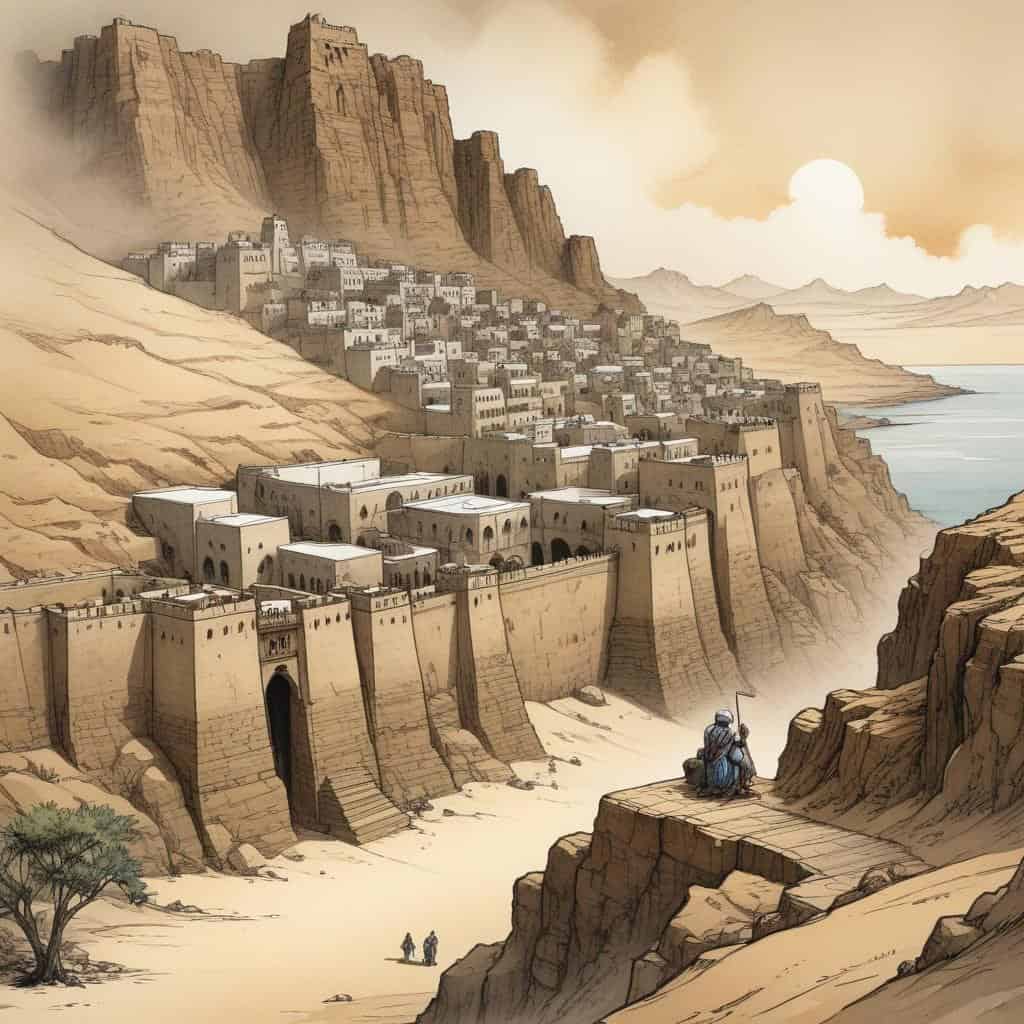
Introduction
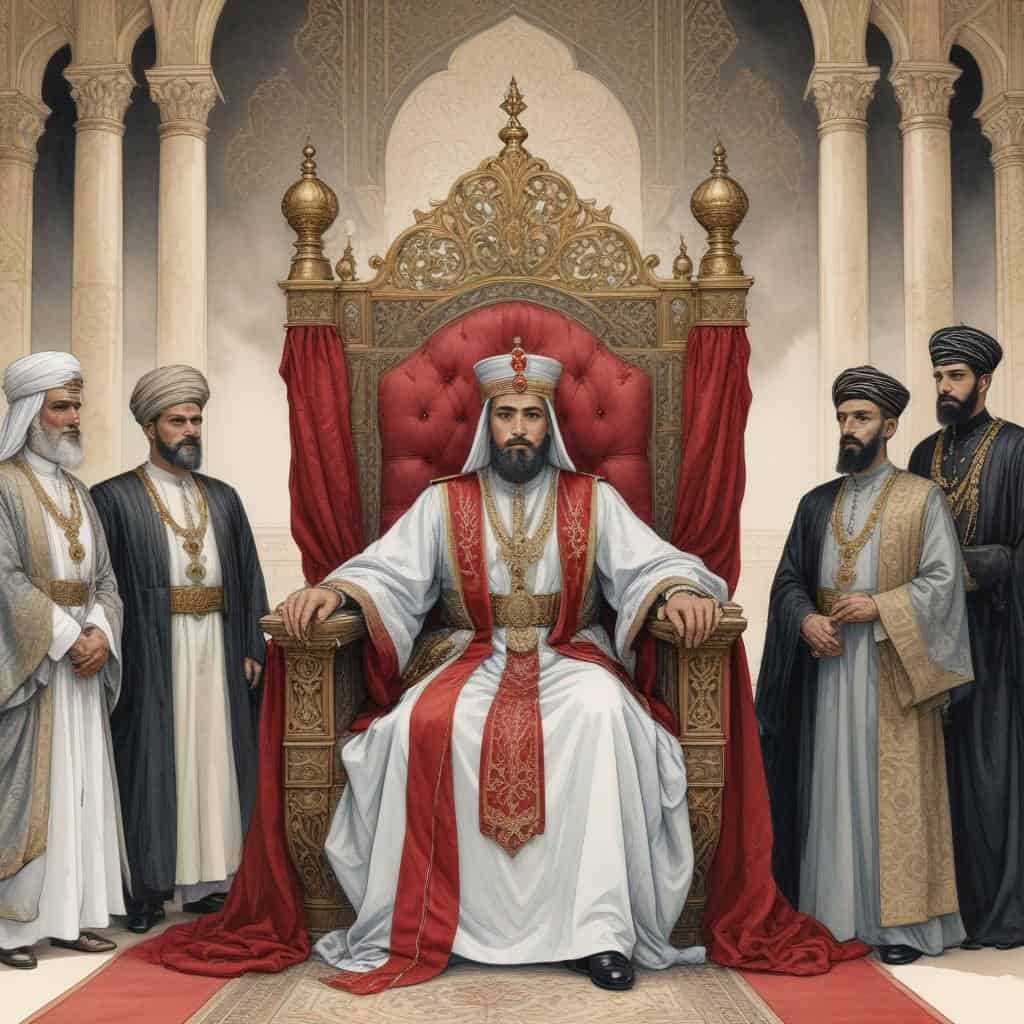
His Majesty Sultan Haitham bin Tariq Al Said
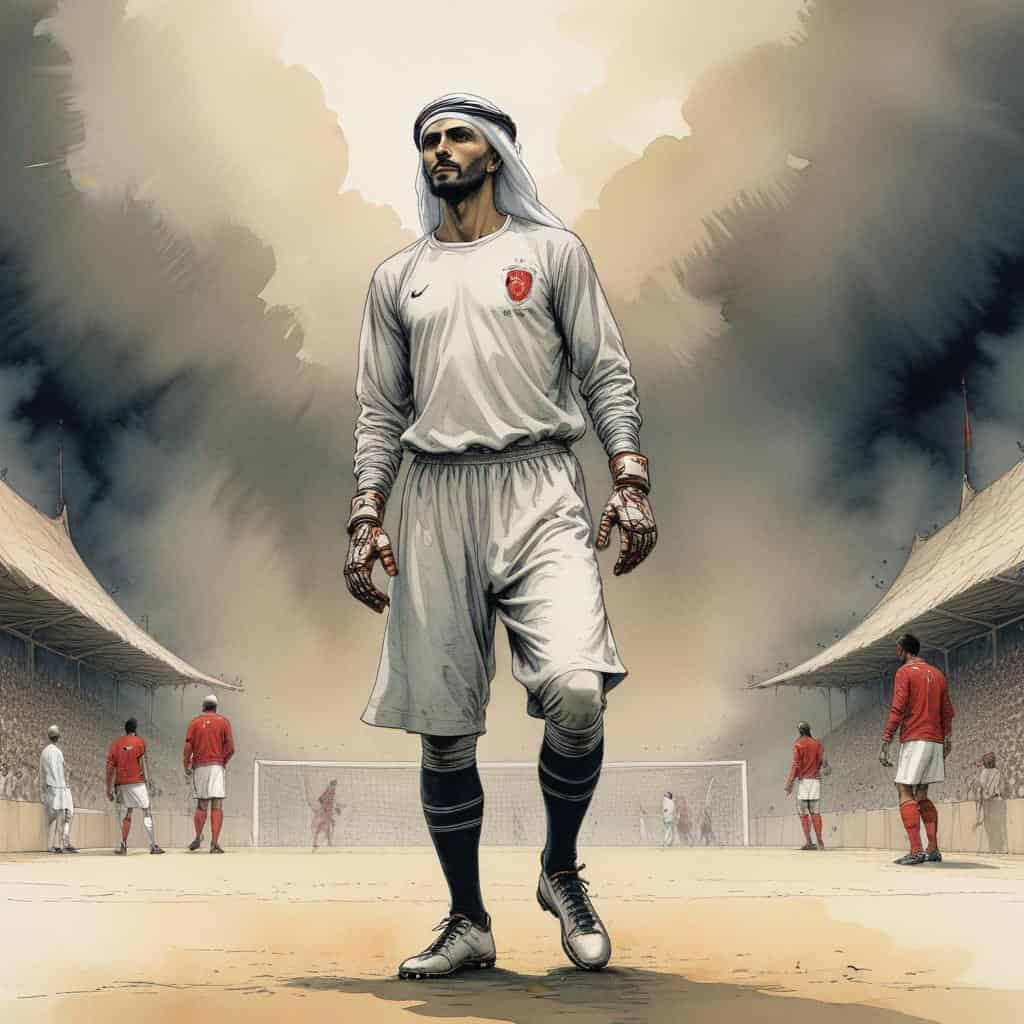
Sheikh Ali Al-Habsi
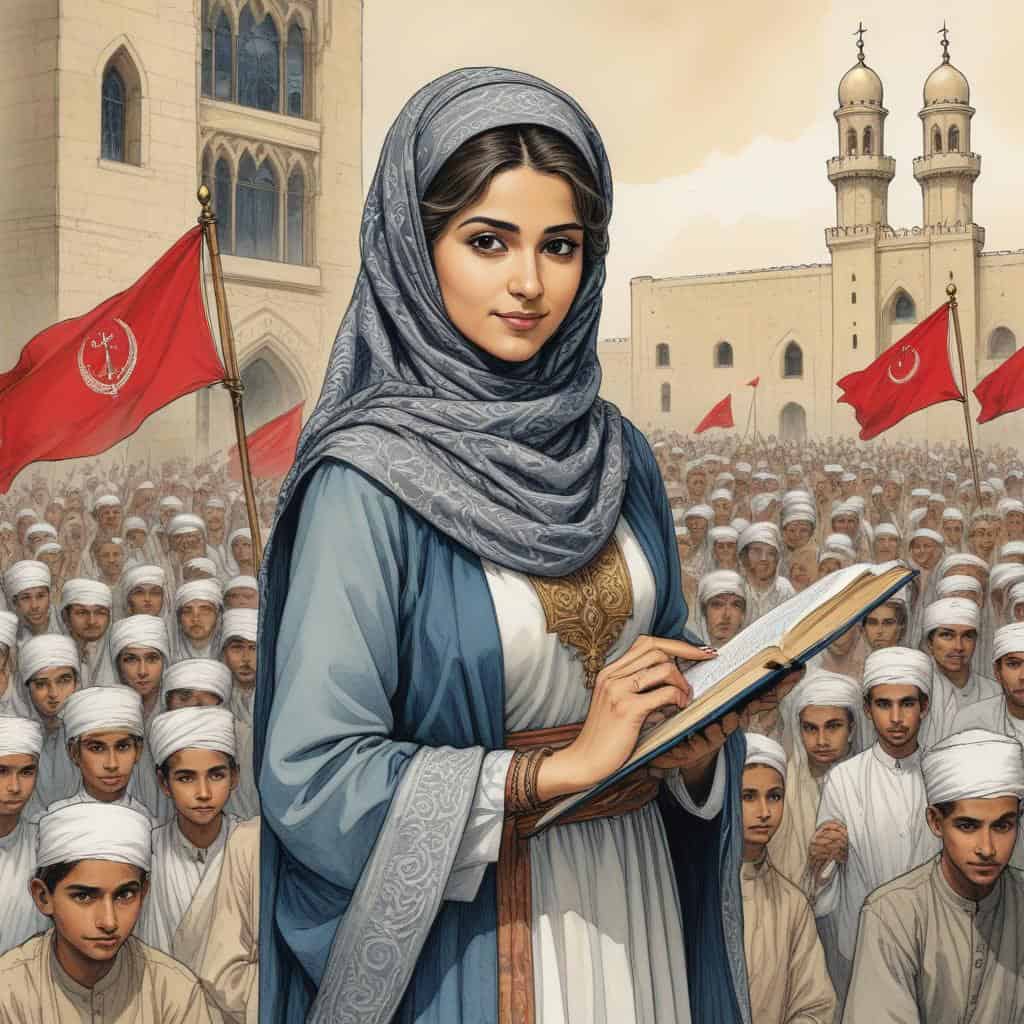
Dr. Madiha bint Ahmed Al Shaibani
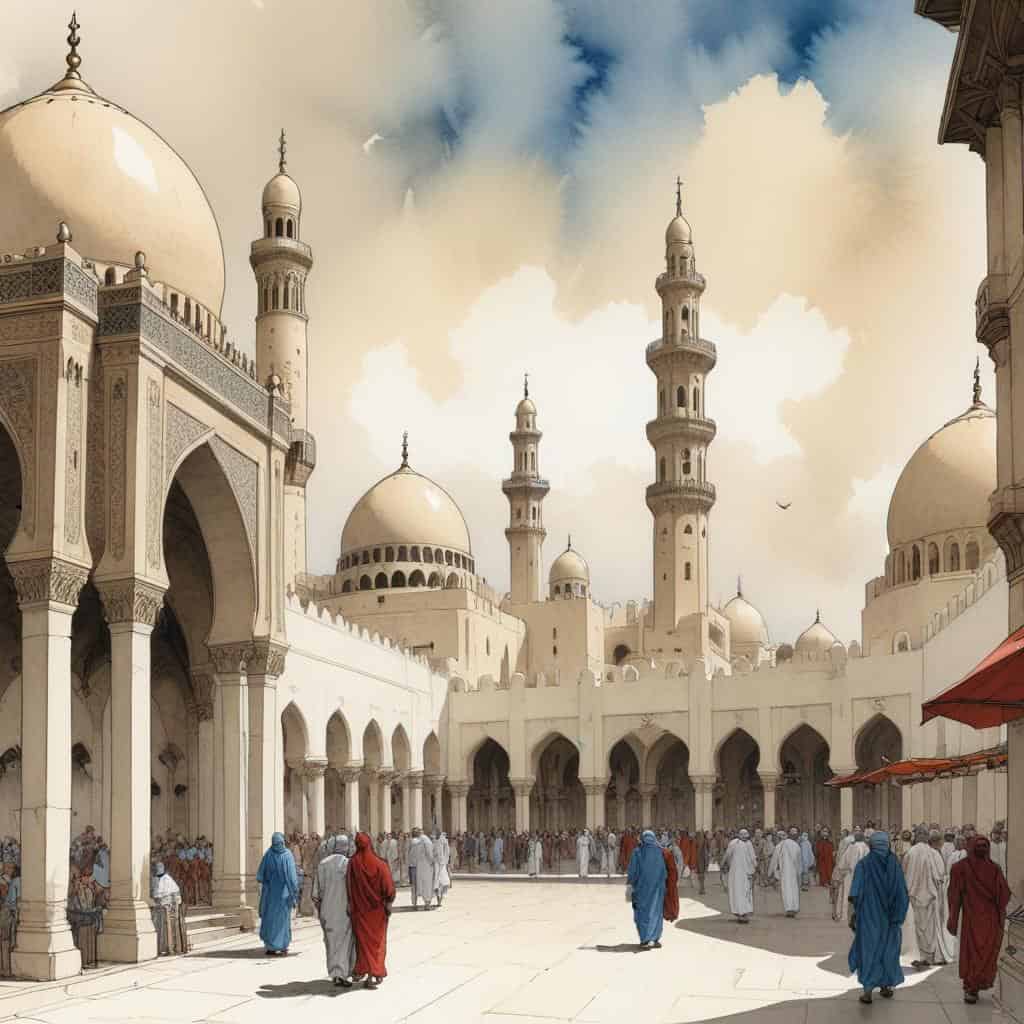
Exploring the Capital City
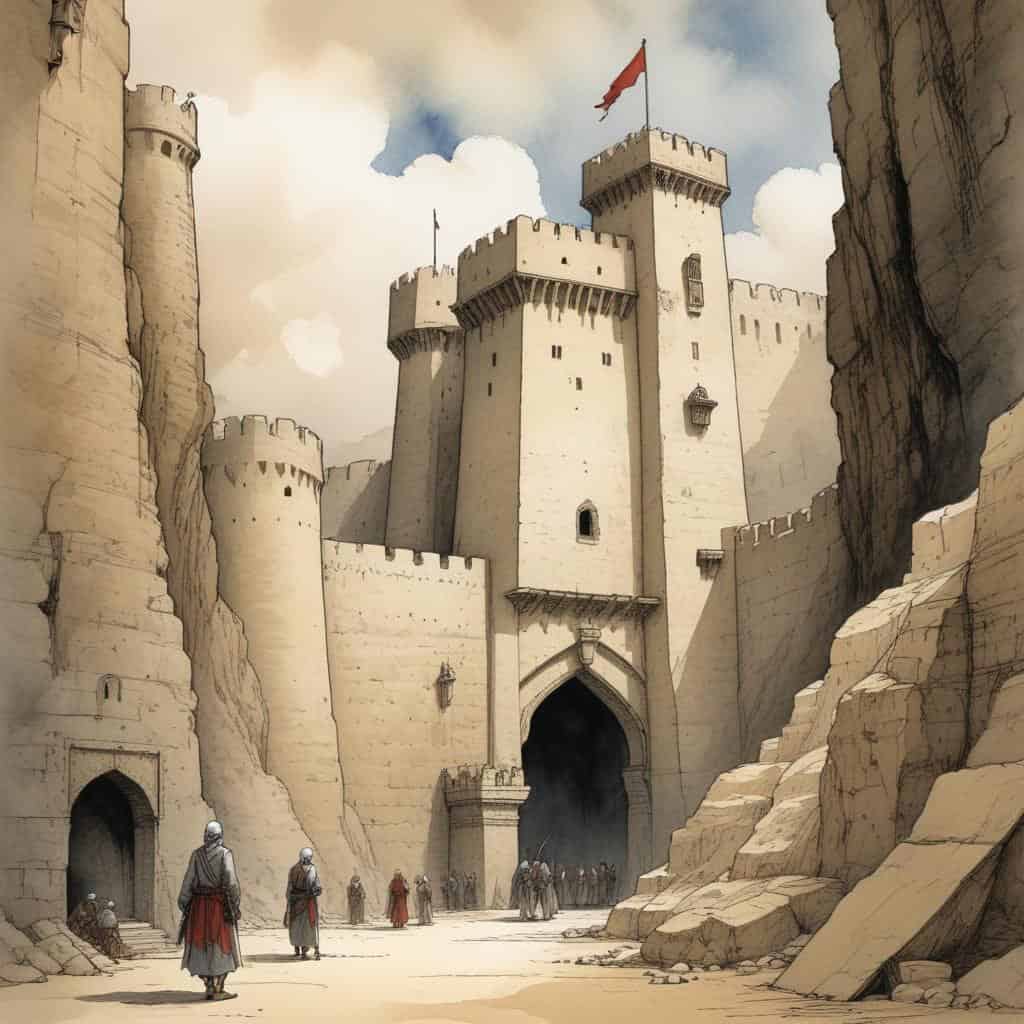
Visiting Ancient Forts
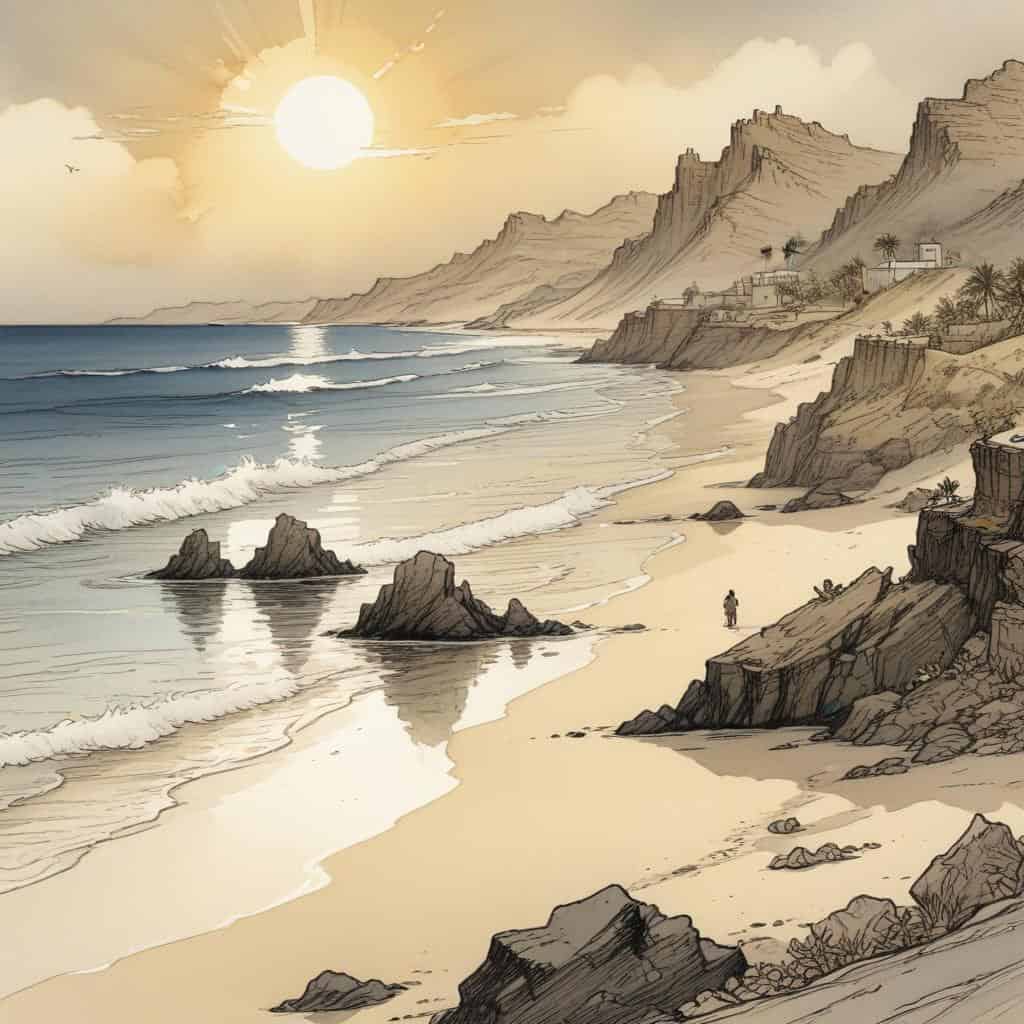
Relaxing on Pristine Beaches
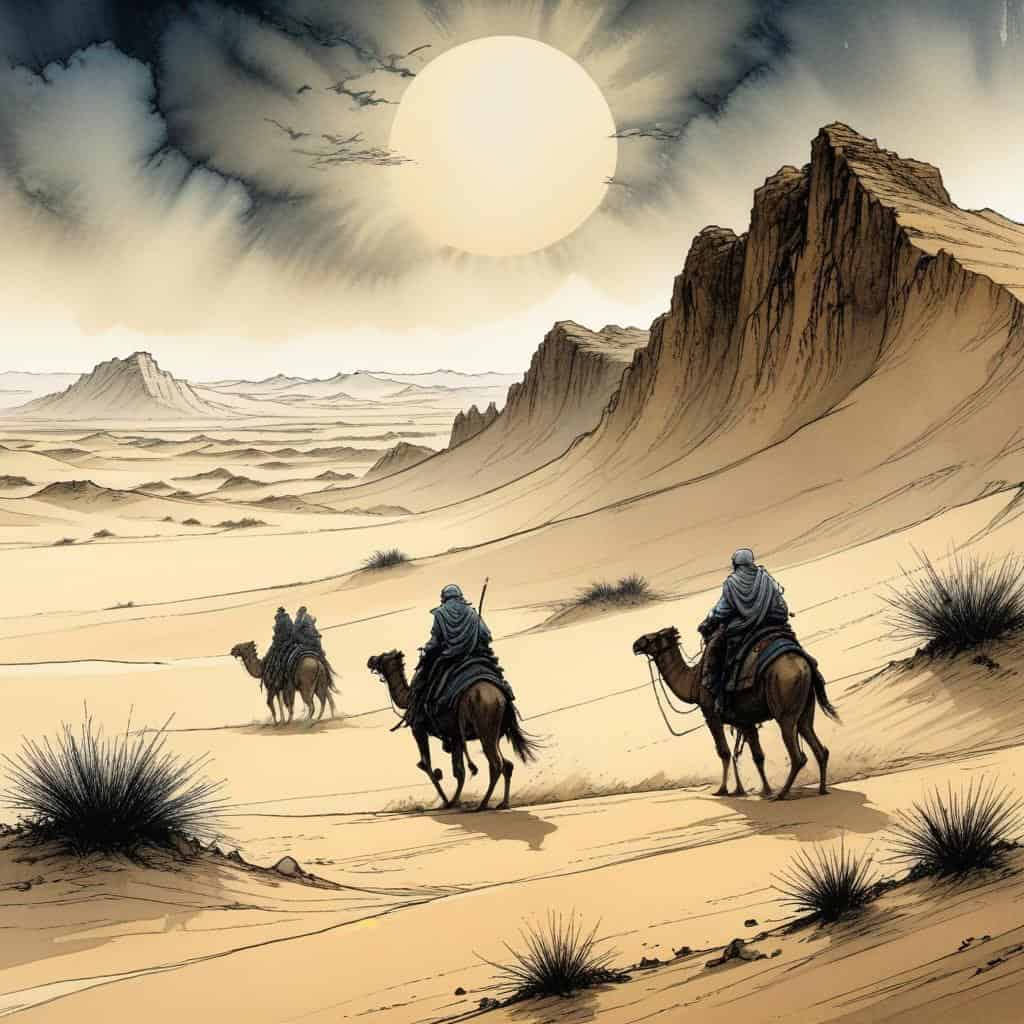
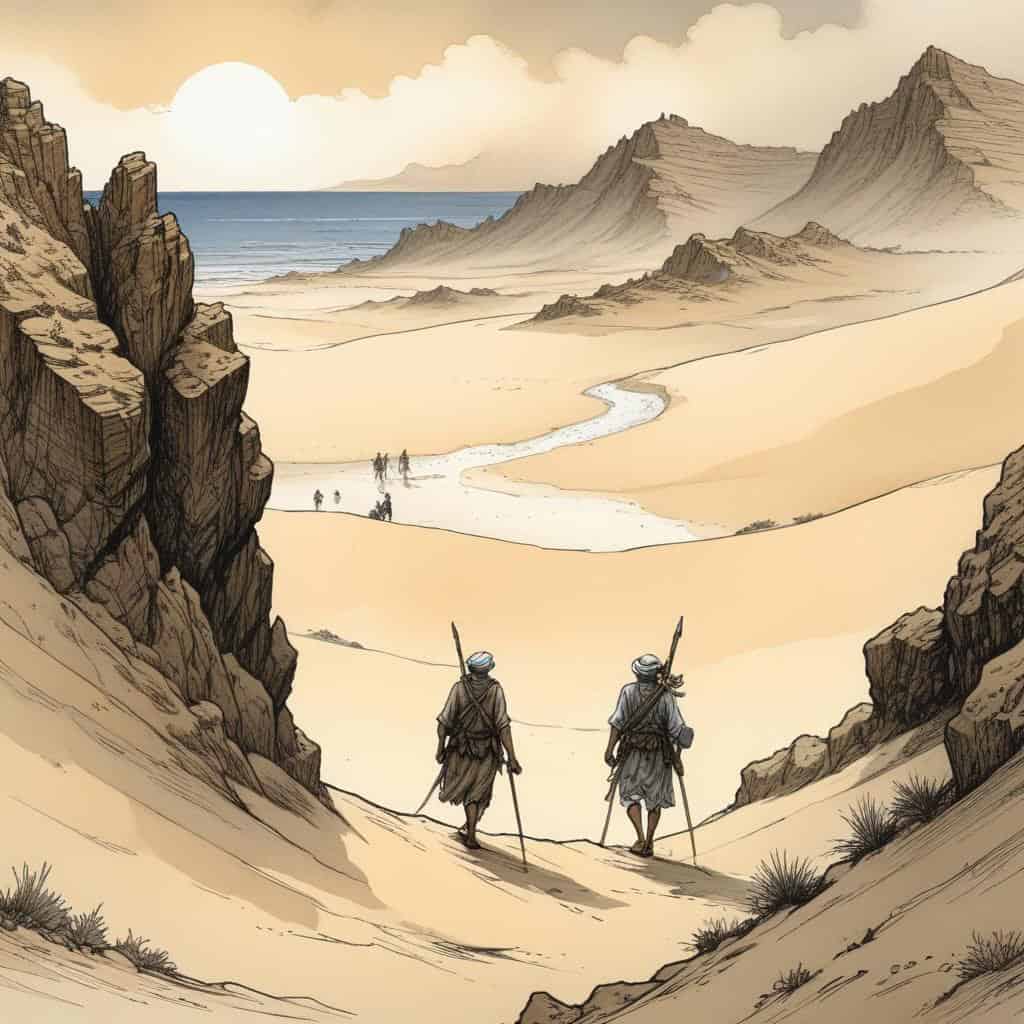
Exploring Desert Landscapes
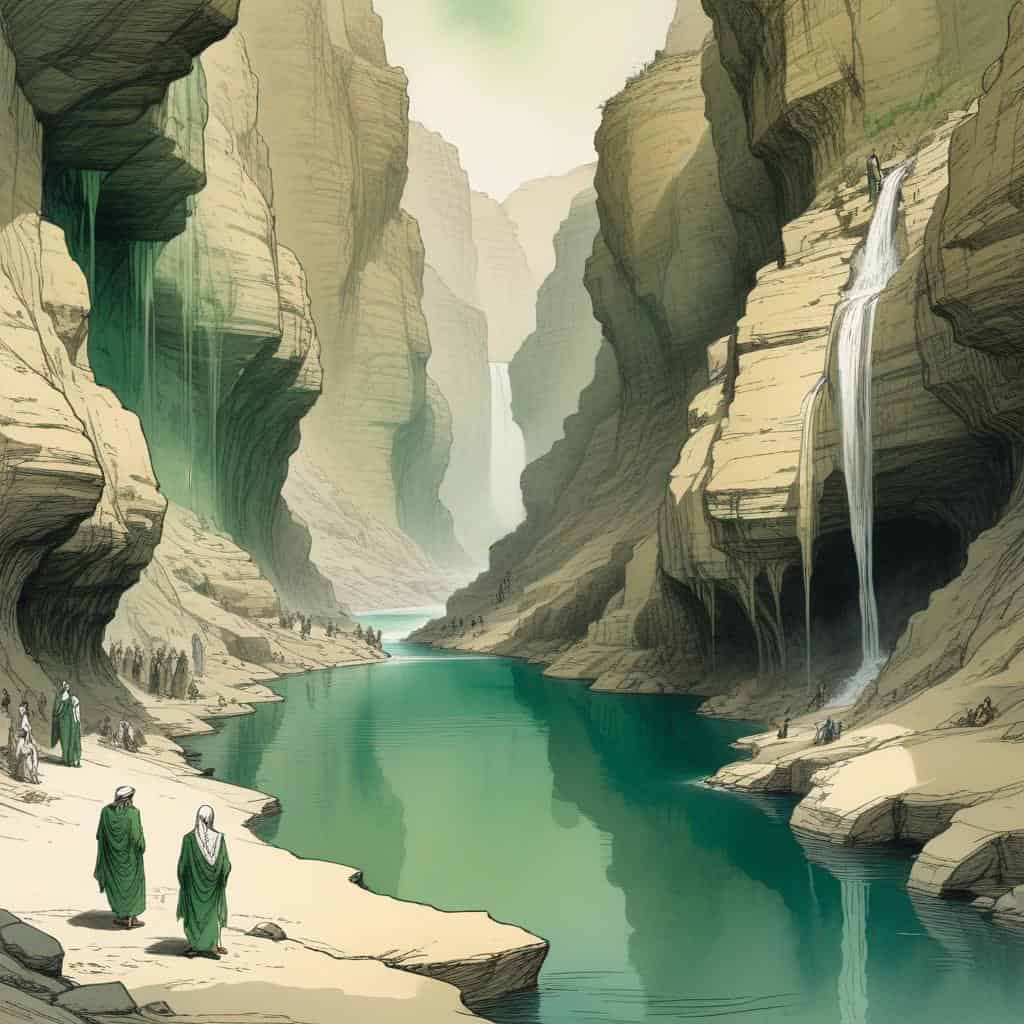
Discovering Wadis and Waterfalls
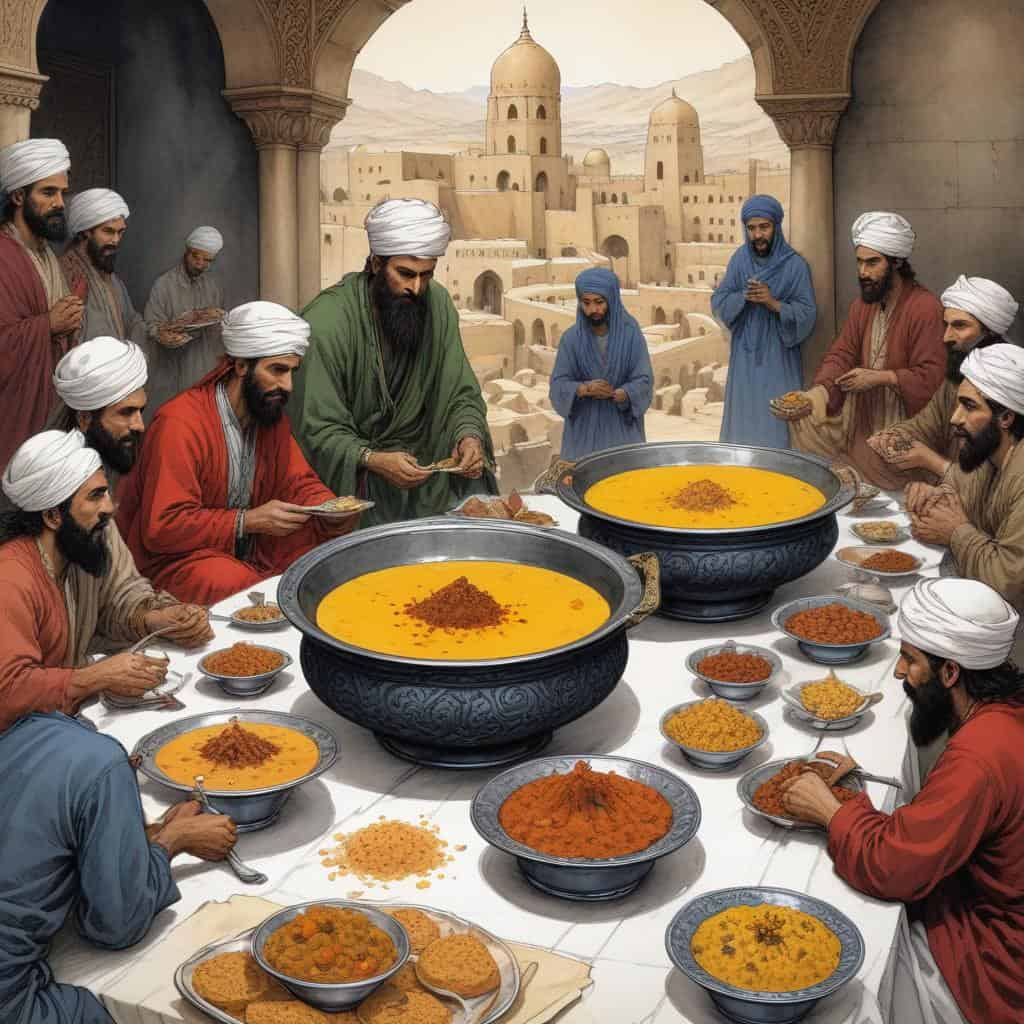
Sampling Omani Cuisine
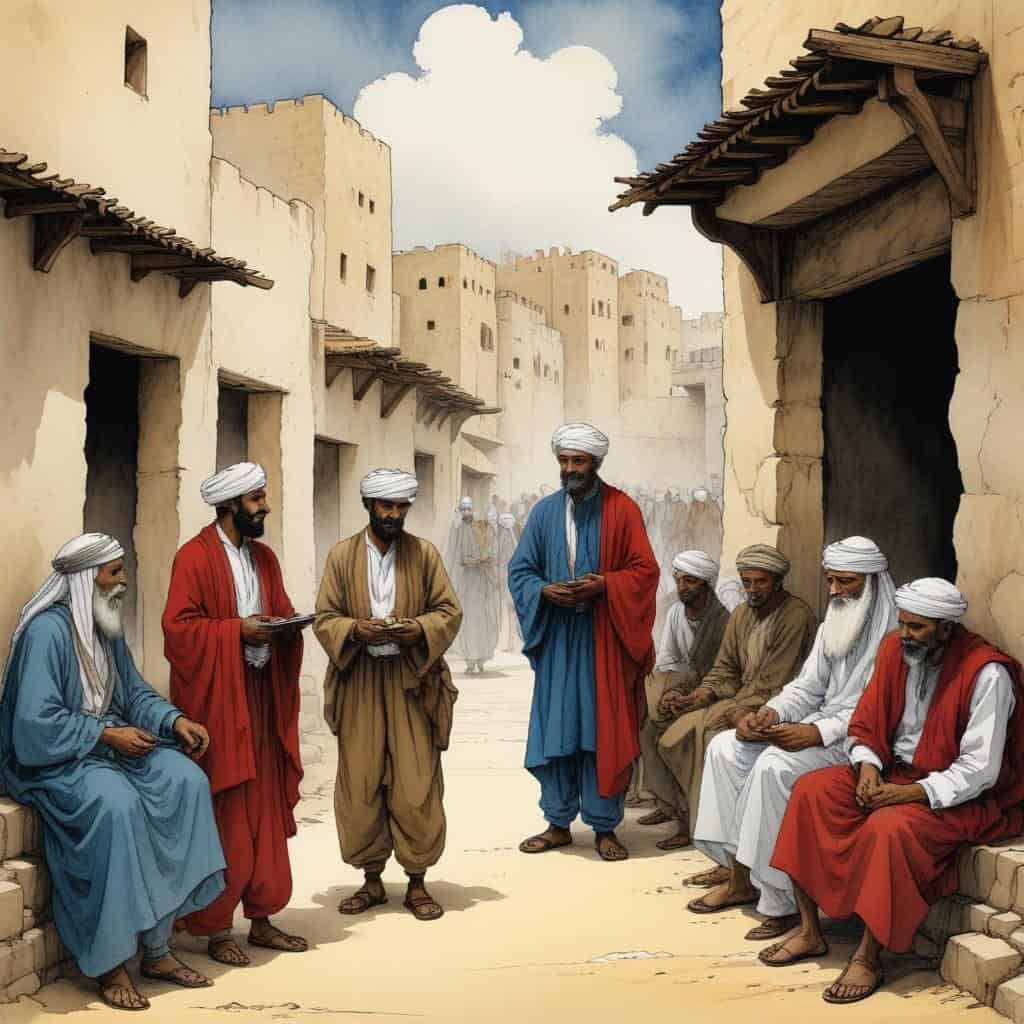
Meeting Friendly Locals
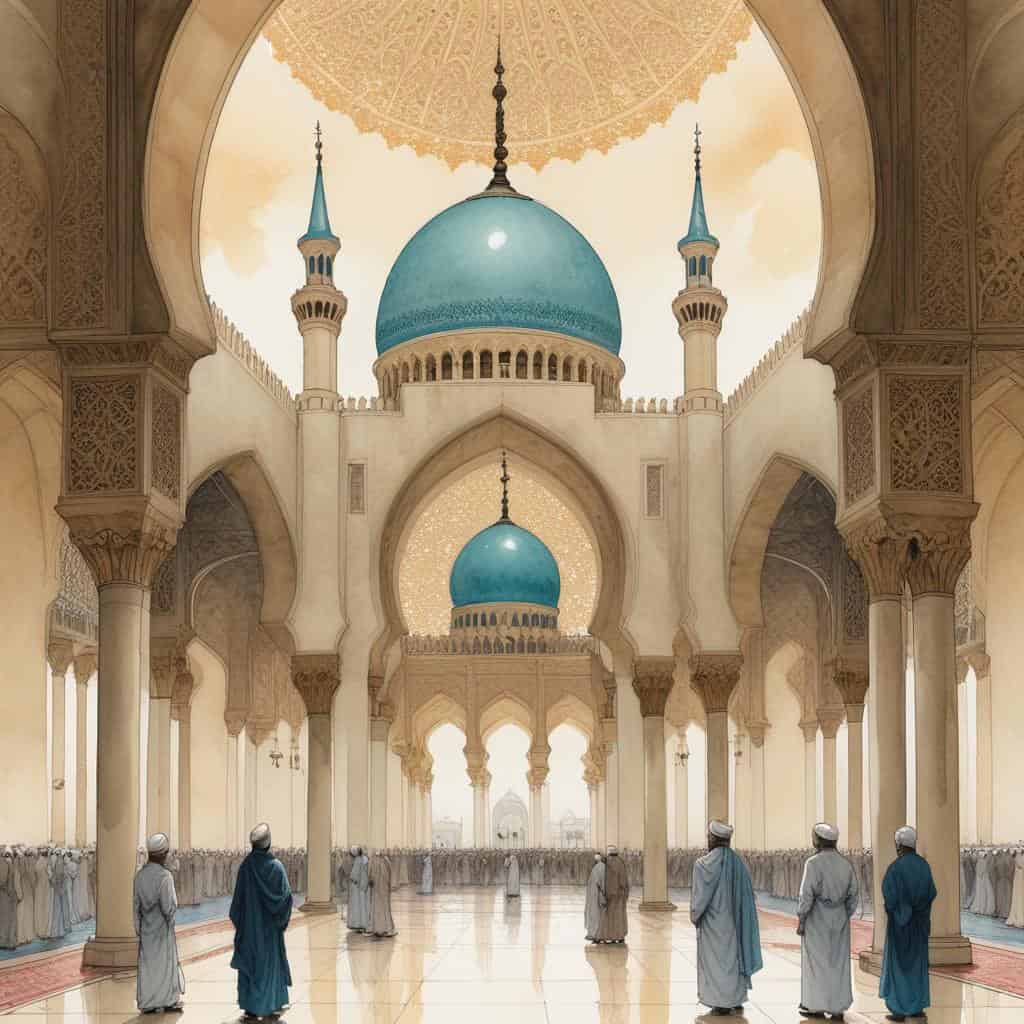
Visiting Stunning Mosques
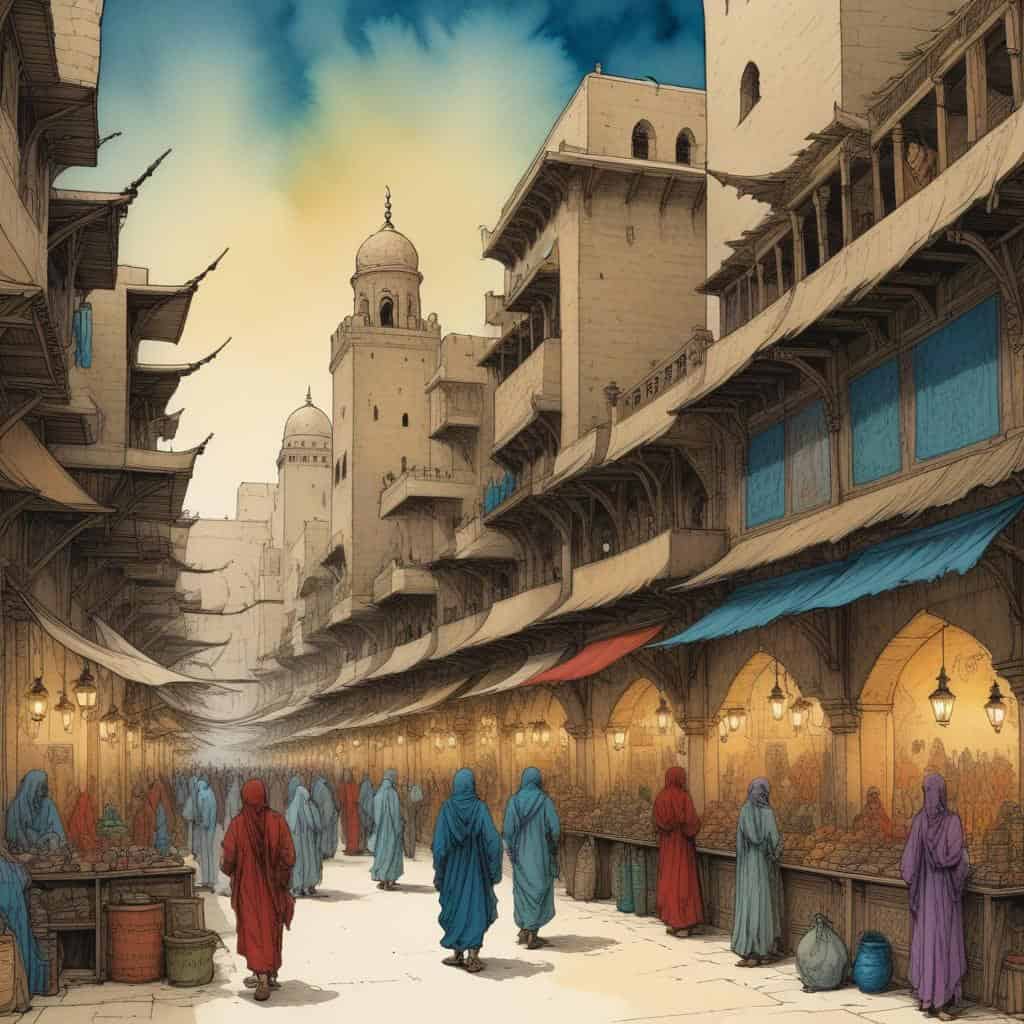
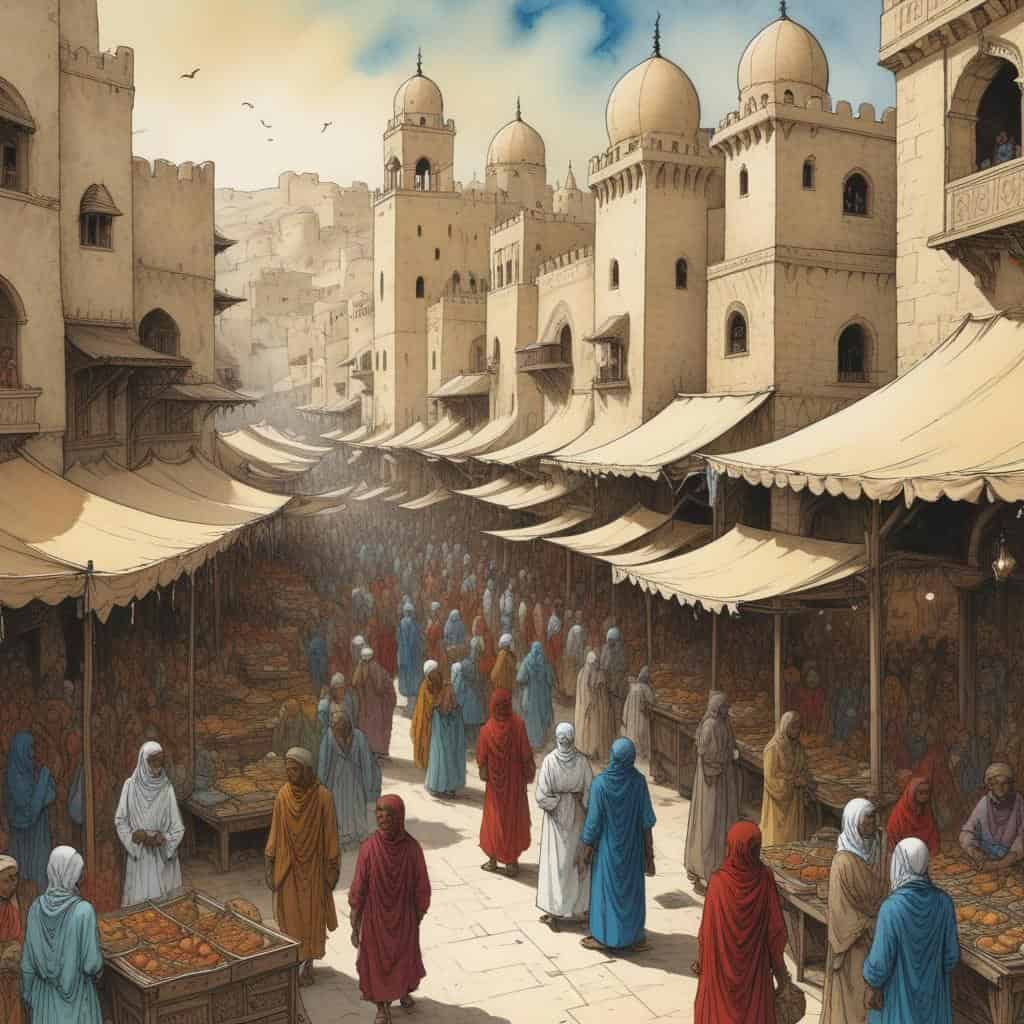
Exploring Traditional Souqs
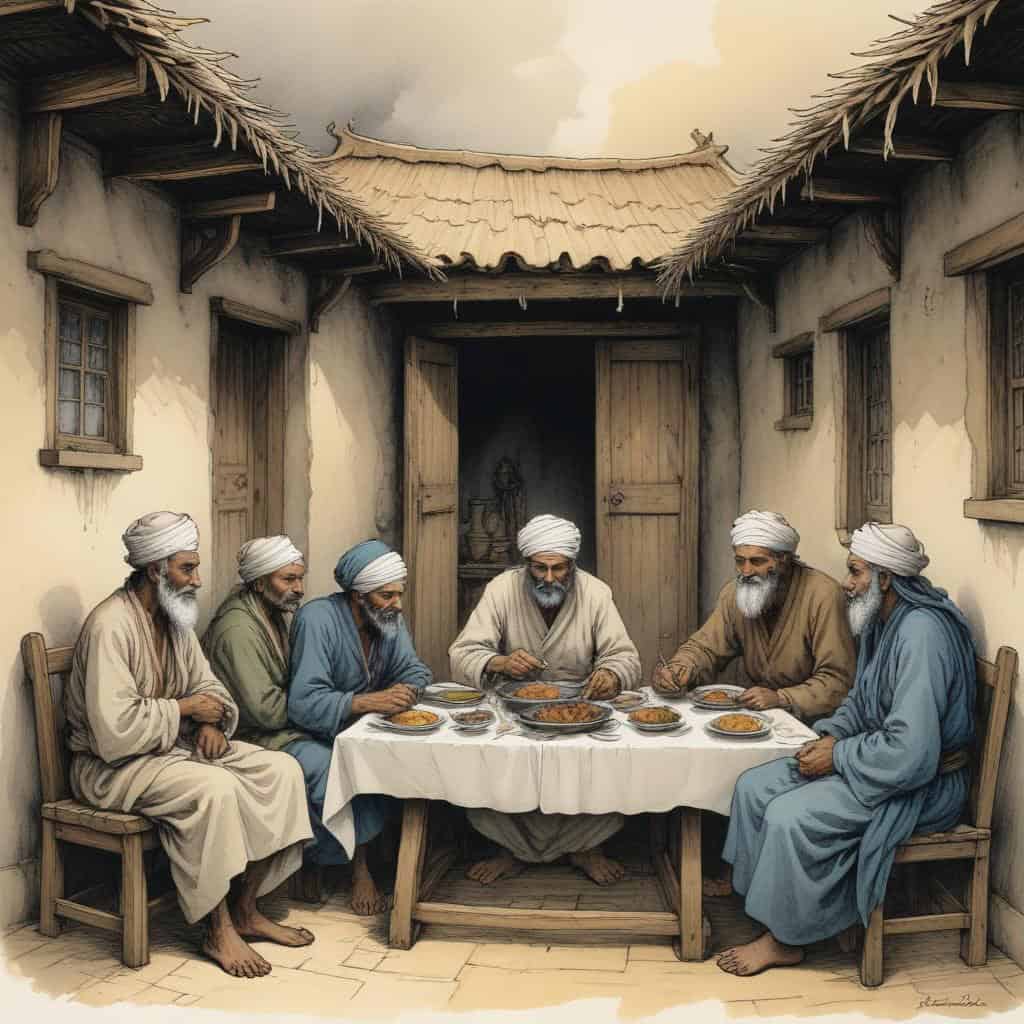
Experiencing Omani Hospitality
Audio Library
As one of our featured lessons, this topic includes premium audio guides.
Unlock the Wizard's Cram Session
This powerful audio study guide is a Pro-exclusive feature. Upgrade to Memory Wizards Pro to access this and all of our premium learning tools.
Upgrade to ProIn a Nutshell
- Capital: Muscat
- Population: Approx. 5 million (2021)
- Official Language: Arabic
- Currency: Omani rial (OMR)
Breaking Down the Country
No composition analysis points available.
Timeline of Oman
Ancient civilizations settle in Oman
8th century BC: Oman is mentioned in the Assyrian inscriptions
1st century AD: Oman becomes a major exporter of frankincense
751: The Umayyad Caliphate establishes control over Oman
16th century: Portuguese control over Oman
1650: Oman expels the Portuguese and establishes the Al Said dynasty
19th century: Omani empire expands to Zanzibar and East Africa
1951: Sultan Said bin Taimur comes to power
1970: Sultan Qaboos bin Said overthrows his father in a bloodless coup
1971: Oman gains independence from the United Kingdom
1970s-1980s: Oman develops infrastructure and modernizes
1980-1988: Oman supports Iraq during the Iran-Iraq War
1990: Oman joins the Gulf Cooperation Council
1996: Sultan Qaboos establishes the Consultative Council
2000: Sultan Qaboos promotes women's rights and education
2011: Protests occur in Oman as part of the Arab Spring
2015: Oman plays a mediation role in the Iran nuclear deal
2018: Sultan Qaboos passes away, Sultan Haitham bin Tariq assumes power
2020: Oman faces economic challenges due to declining oil prices
Vocabulary List
- Sultanate
- A country or territory ruled by a sultan
- Musandam
- A peninsula located in northern Oman
- Falaj
- An ancient irrigation system used in Oman
- Wadi
- A valley, ravine, or channel that is dry except in the rainy season
- Dhow
- A traditional sailing vessel with one or more masts used in the Arabian region
- Khareef
- The monsoon season in Oman, characterized by cool and misty weather
- Jebel
- A mountain, hill, or range in the Arabian Peninsula
- Souq
- A traditional marketplace or bazaar in Oman
- Majlis
- A traditional Arab gathering place or council
- Frankincense
- An aromatic resin used in incense and perfumes, historically traded in Oman
- Khanjar
- A traditional Omani dagger worn as a symbol of national identity
- Wasta
- The use of personal connections or influence to get things done
- Hajar
- A type of dry stone wall used in traditional Omani architecture
- Dhofar
- A region in southern Oman known for its unique ecosystem and frankincense production
- Shuwa
- A traditional Omani dish consisting of marinated lamb or goat cooked underground
- Bait al zubair
- A private museum in Muscat showcasing Omani heritage and culture
- Izki
- A historic town in Oman known for its traditional mud-brick architecture
- Kumma
- A traditional Omani cap worn by men
- Jebel akhdar
- A mountain range in Oman known for its cooler climate and terraced farming
- Salalah
- A city in southern Oman famous for its lush greenery and annual khareef festival.
Key Facts
This is the information used in the fact matching game
- Oman is located in the Arabian Peninsula
- Oman borders the Arabian Sea, Gulf of Oman, and the United Arab Emirates
- The capital city of Oman is Muscat
- Oman is known for its stunning landscapes, including deserts, mountains, and coastlines
- Oman has a rich history dating back to ancient times
- The official language of Oman is Arabic
- Oman is a monarchy ruled by Sultan Haitham bin Tariq Al Said
- Oman has a diverse culture influenced by Arab, Persian, and African traditions
- The Omani rial is the currency of Oman
- The economy of Oman is primarily based on oil and gas exports
- Oman is known for its traditional markets called souqs
- Oman has a low population density compared to other Gulf countries
- The Sultan Qaboos Grand Mosque in Muscat is one of the largest mosques in the world
- Oman is home to the UNESCO World Heritage Site of Bahla Fort
- Frankincense, an aromatic resin, has been an important commodity in Oman for centuries
- Omani cuisine includes dishes like shuwa (slow-cooked lamb) and majboos (spiced rice with meat)
- Oman has a rich marine life, and scuba diving is a popular activity
- The traditional Omani ship, called a dhow, has been used for centuries for fishing and trading
- Oman has a hot desert climate, with high temperatures throughout the year
- Traditional Omani clothing includes the dishdasha for men and the abaya for women
- Oman has made significant advancements in education and healthcare in recent years.
Why It Matters
Geopolitical Significance
Oman’s strategic location at the entrance to the Persian Gulf gives it a unique position in the geopolitics of the Middle East. It plays a crucial role in global trade routes and maritime security, with its ports serving as key hubs for shipping and commerce.
Historical Importance
Oman has a rich history of maritime trade, diplomacy, and cultural exchange dating back centuries. It was a powerful empire in the Indian Ocean region and has maintained strong ties with East Africa, India, and Persia. The country’s historical legacy continues to influence its identity and global connections.
Modern-Day Role
Today, Oman is a stable and peaceful country that plays a key role in regional diplomacy and cooperation. It is known for its neutral foreign policy, mediation efforts in conflicts, and its commitment to sustainable development. Oman’s economic diversification and modernization efforts are shaping its future role in the global community.
Oman Games


Take Your Learning Offline
Want a convenient, print-ready study guide for this lesson? Become a Memory Wizards Pro member to unlock the downloadable " Memory Scrolls" for this topic and our entire library!
- ✓ Complete Vocabulary Lists
- ✓ Key Facts & Timelines
- ✓ Beautifully Formatted for Print & Mobile