
How Do You Learn Best?
Learn by Listening
Start with the 3-minute audio summary to get the key facts and narrative highlights quickly.
Learn by Reading
Immerse yourself in the 10-minute visual lesson for a comprehensive understanding of the topic.
Learn by Reviewing
Jump directly to the key facts, timeline, and vocabulary lists to build a solid foundation of details.
Learn by Doing
Challenge yourself! Jump straight into the interactive games to learn by trial, error, and discovery.
Lebanon in 10 Minutes
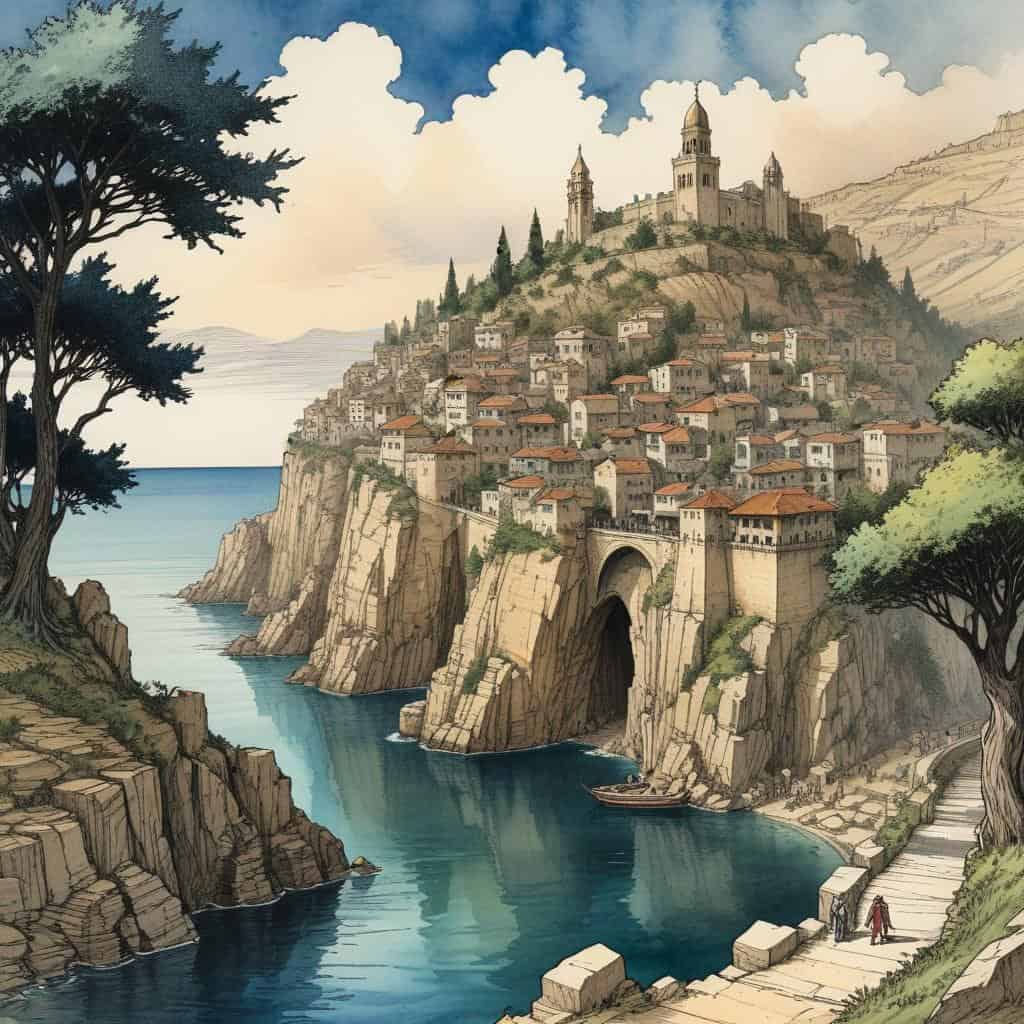
Introduction
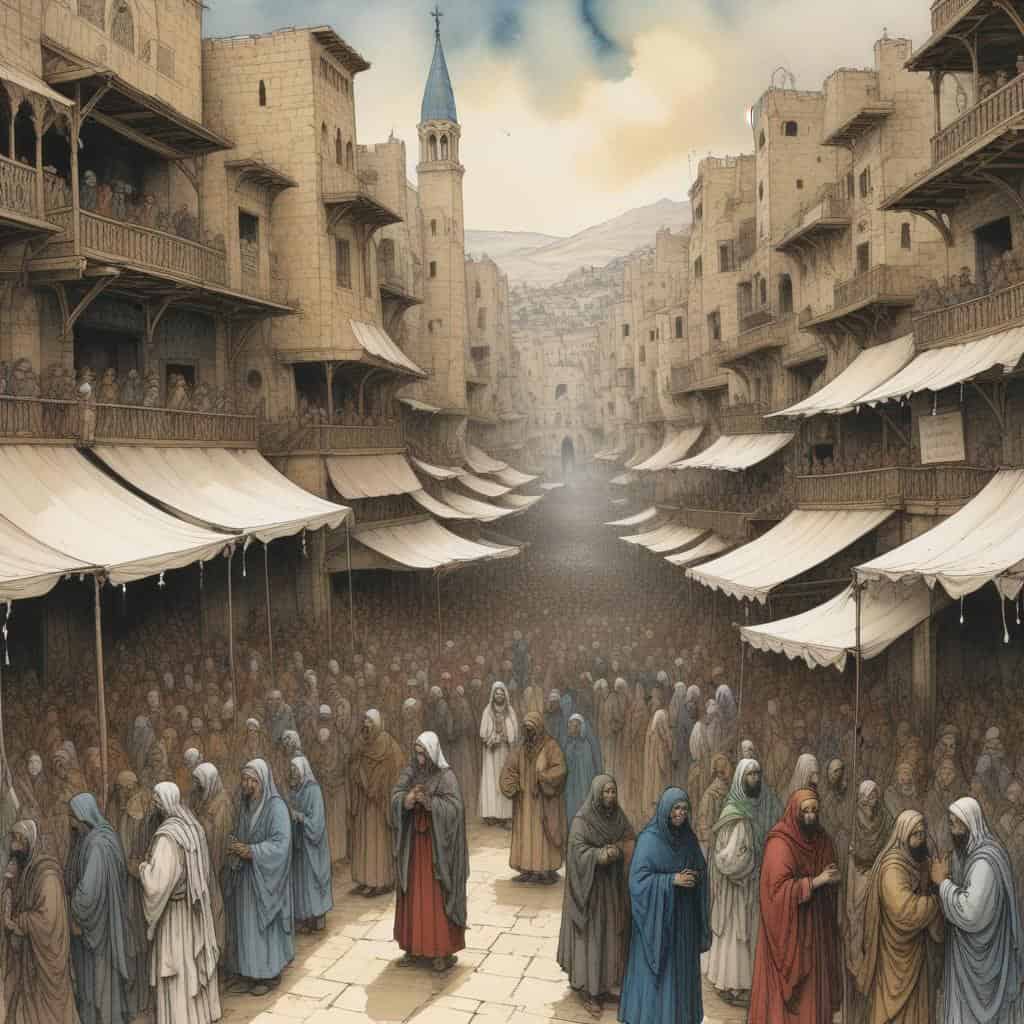
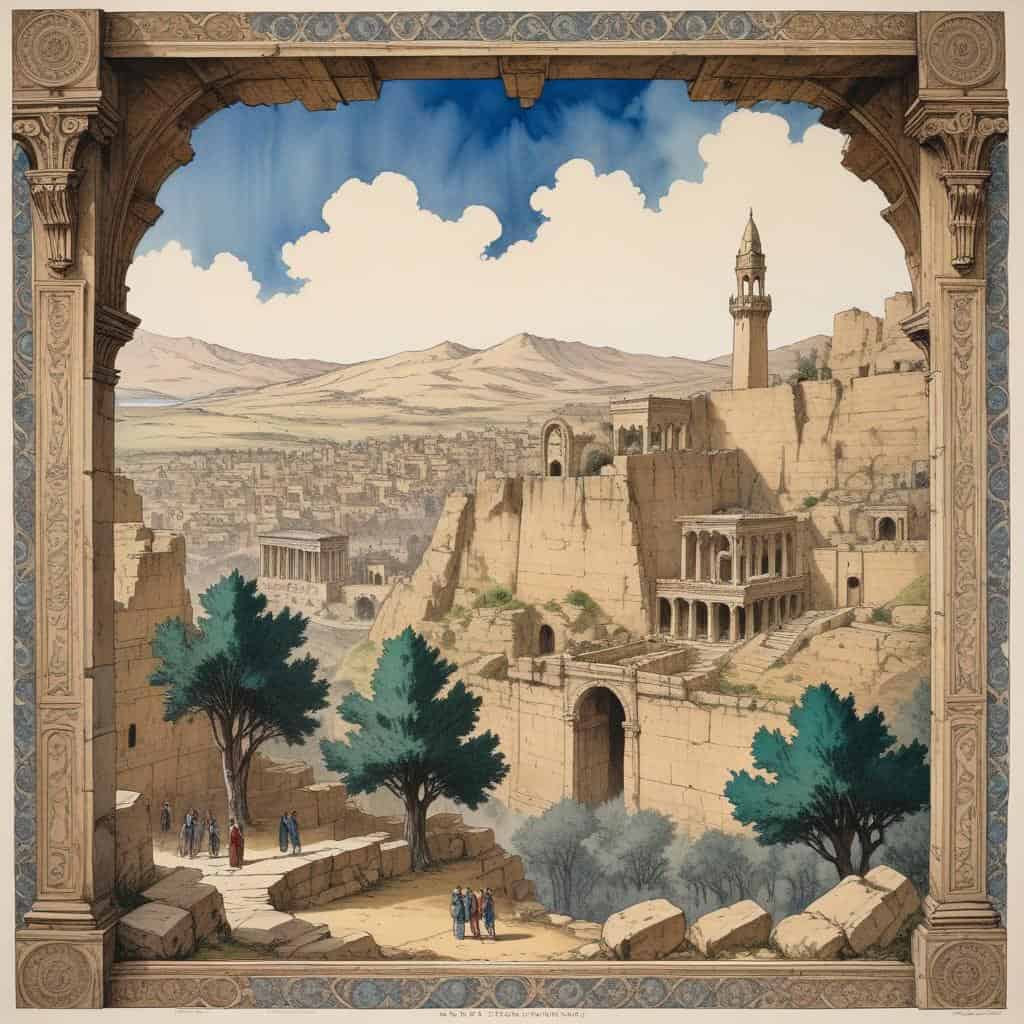
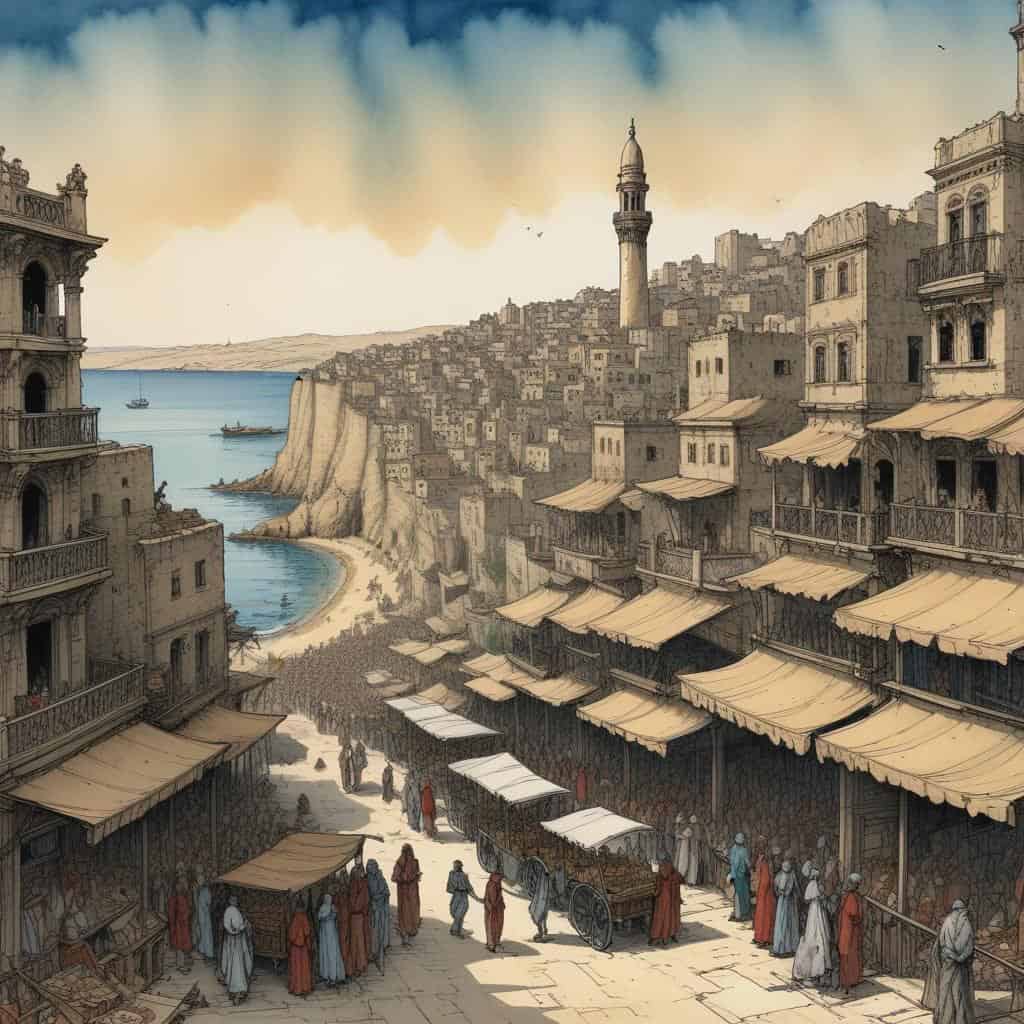
Beirut
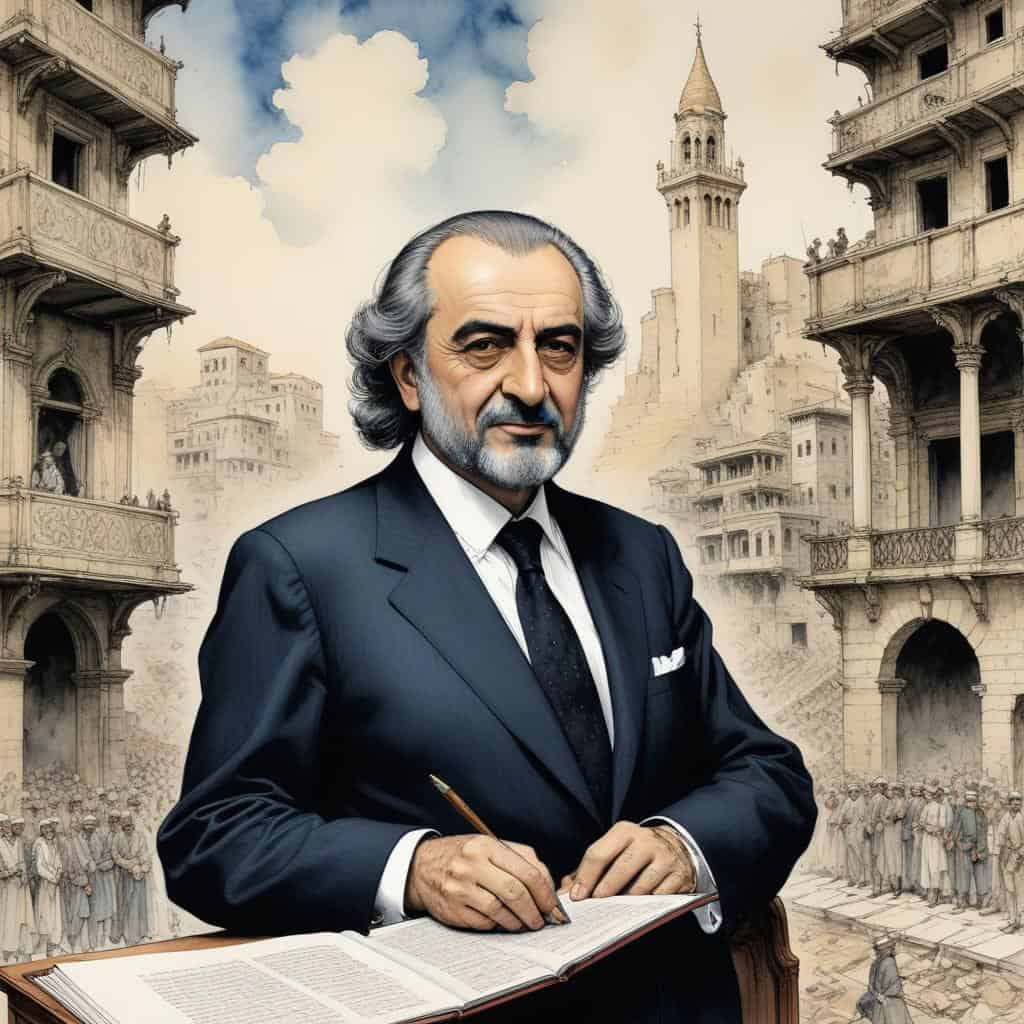
Rafic Hariri
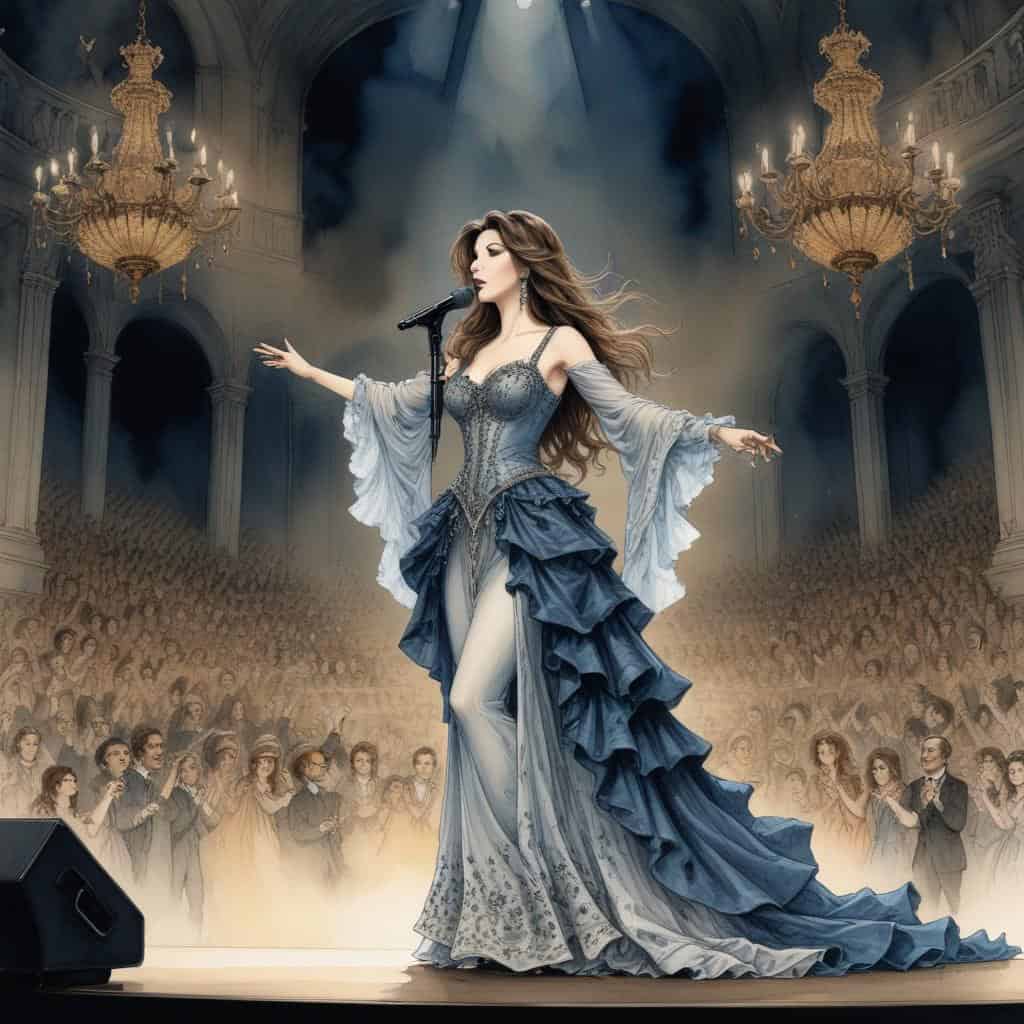
Nancy Ajram
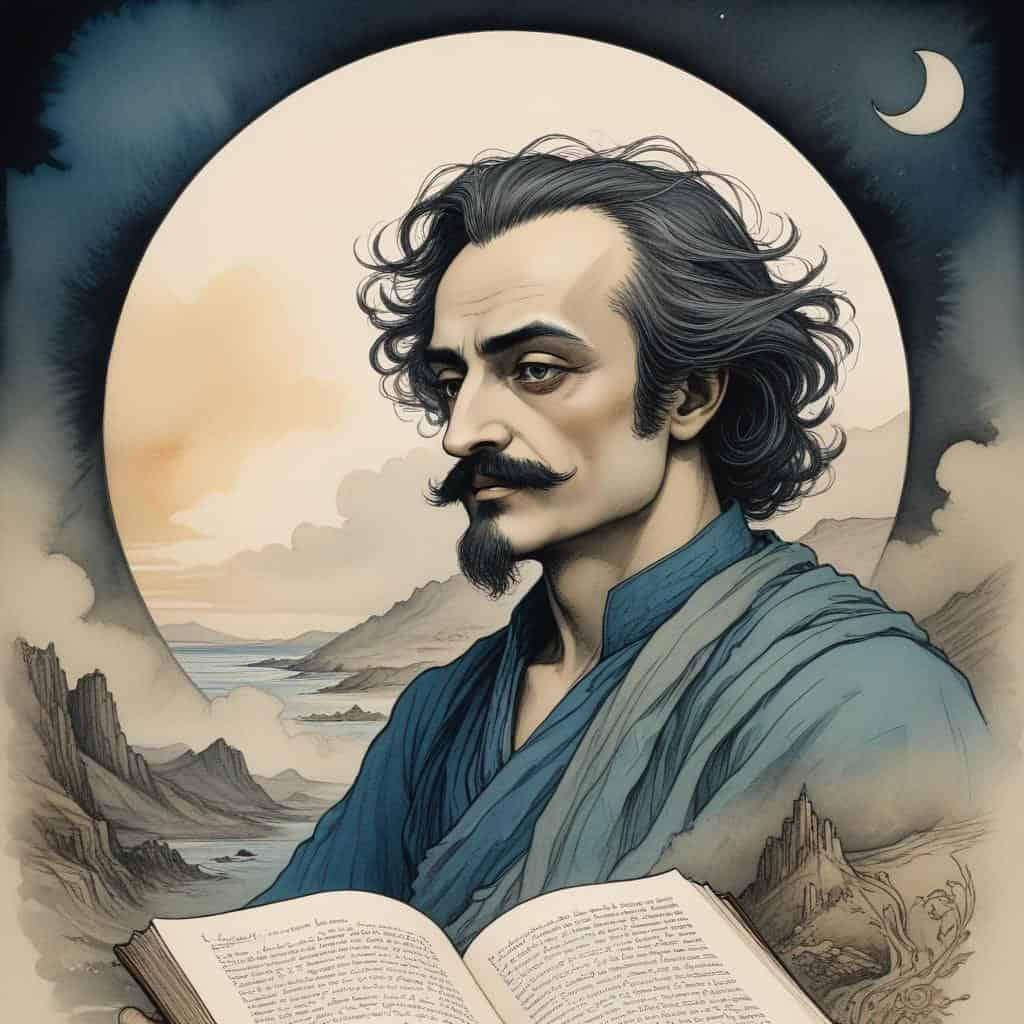
Gibran Khalil Gibran
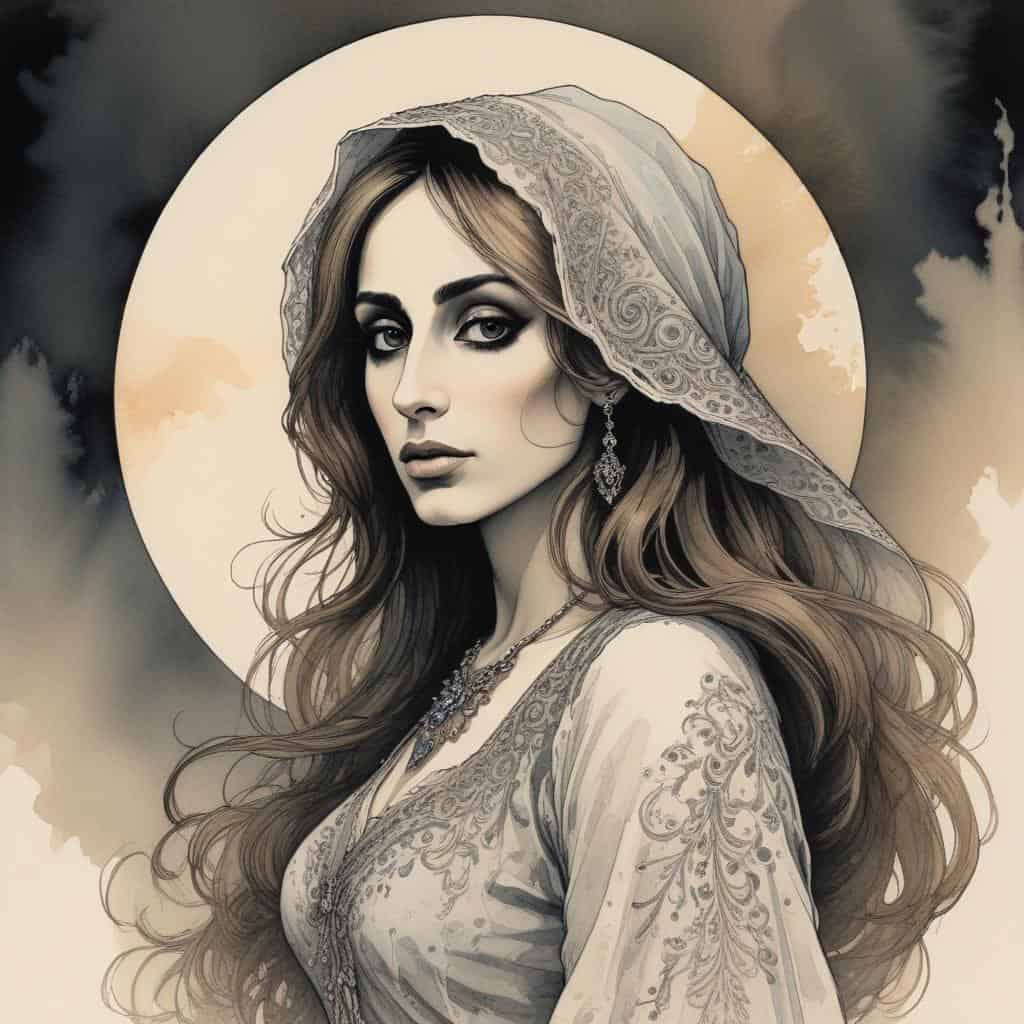
Fairuz
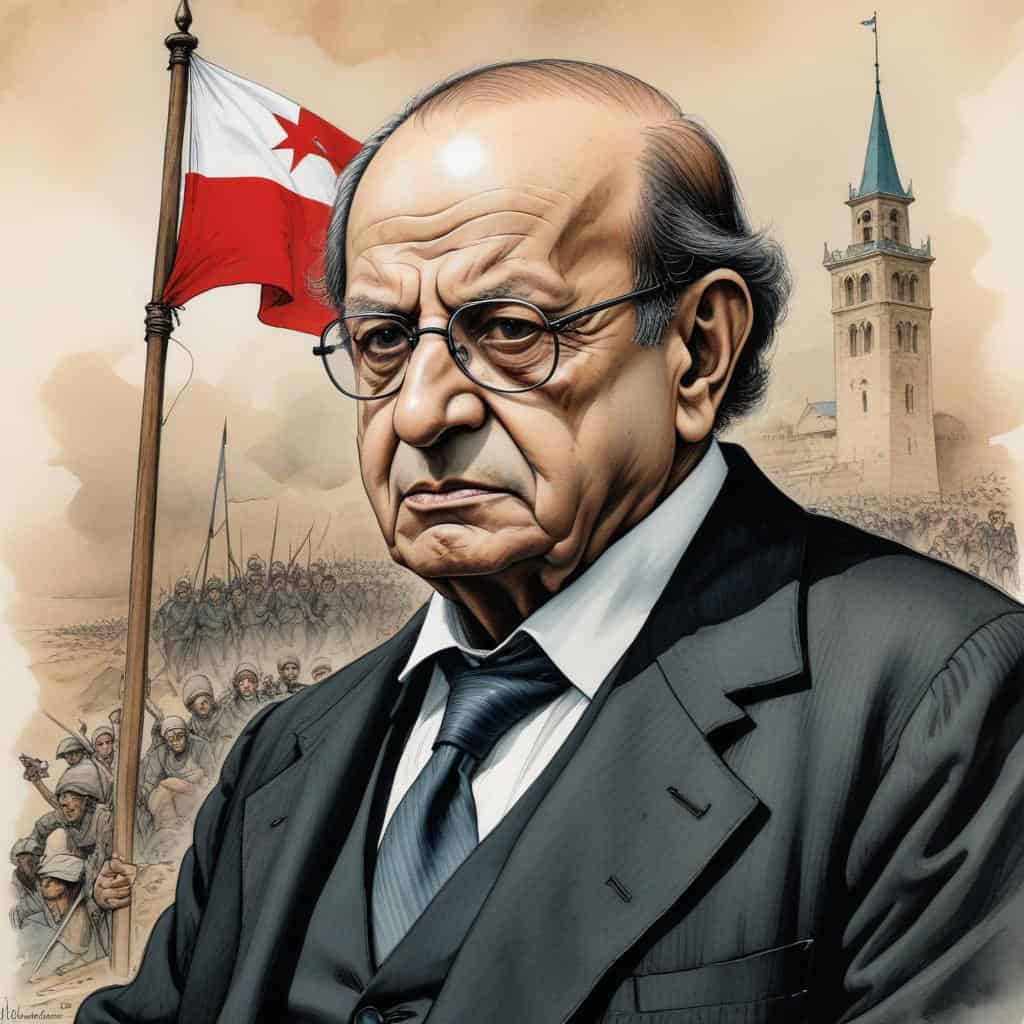
Michel Aoun
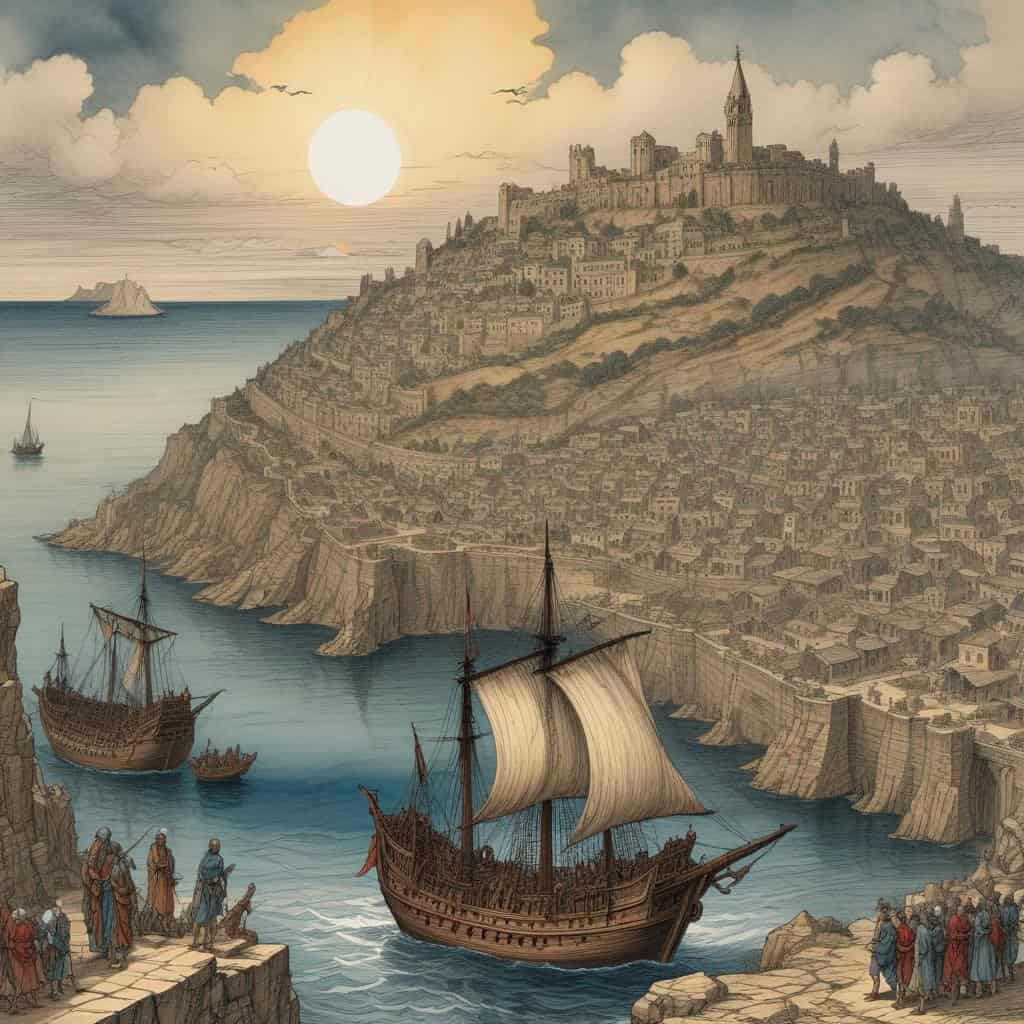
Lebanons History
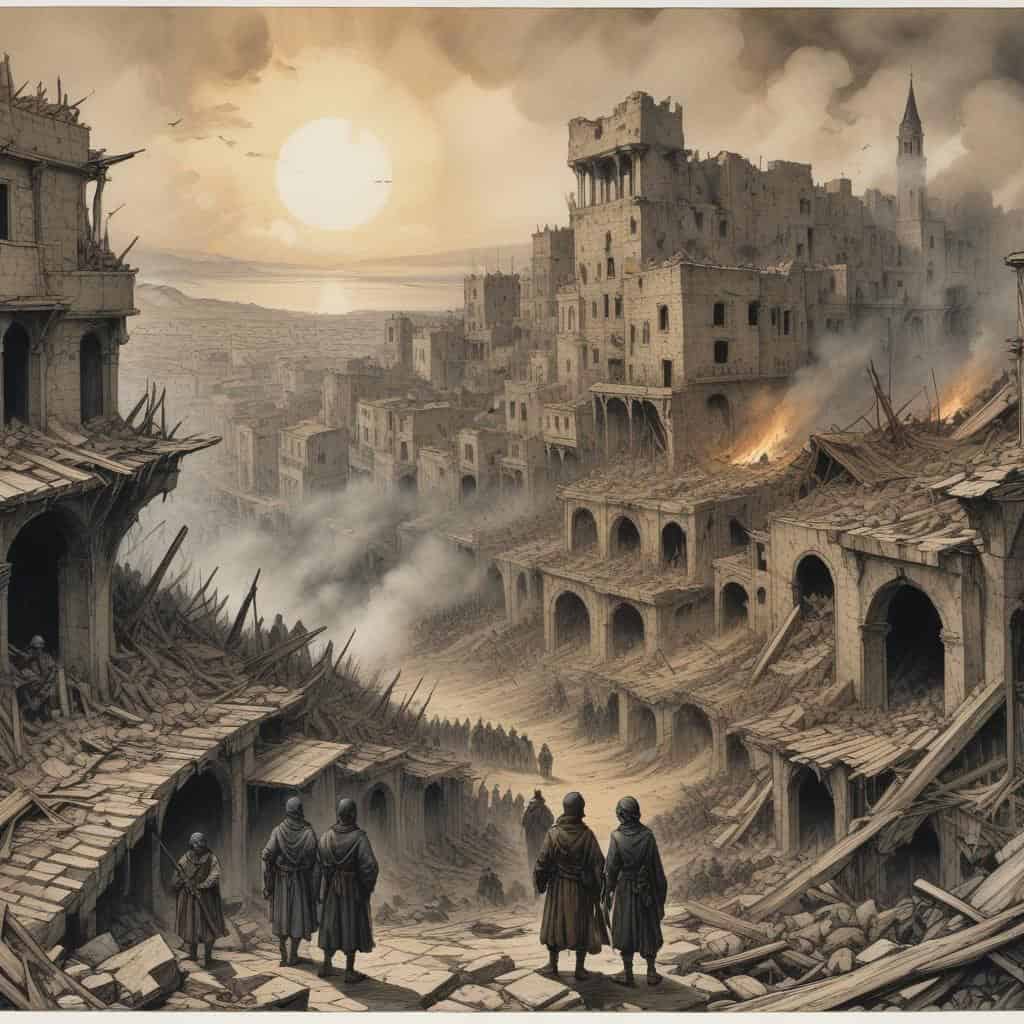
Lebanons Civil War
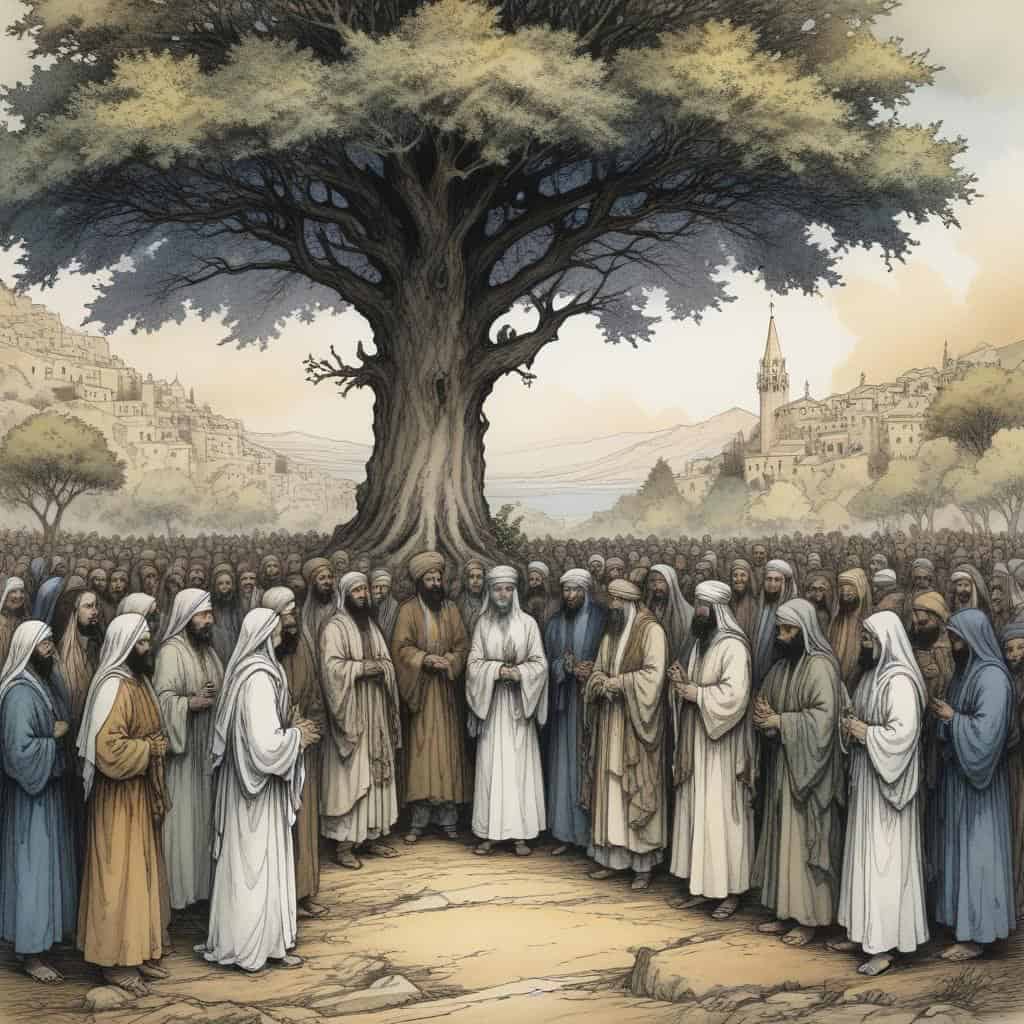
Lebanons Religious Diversity
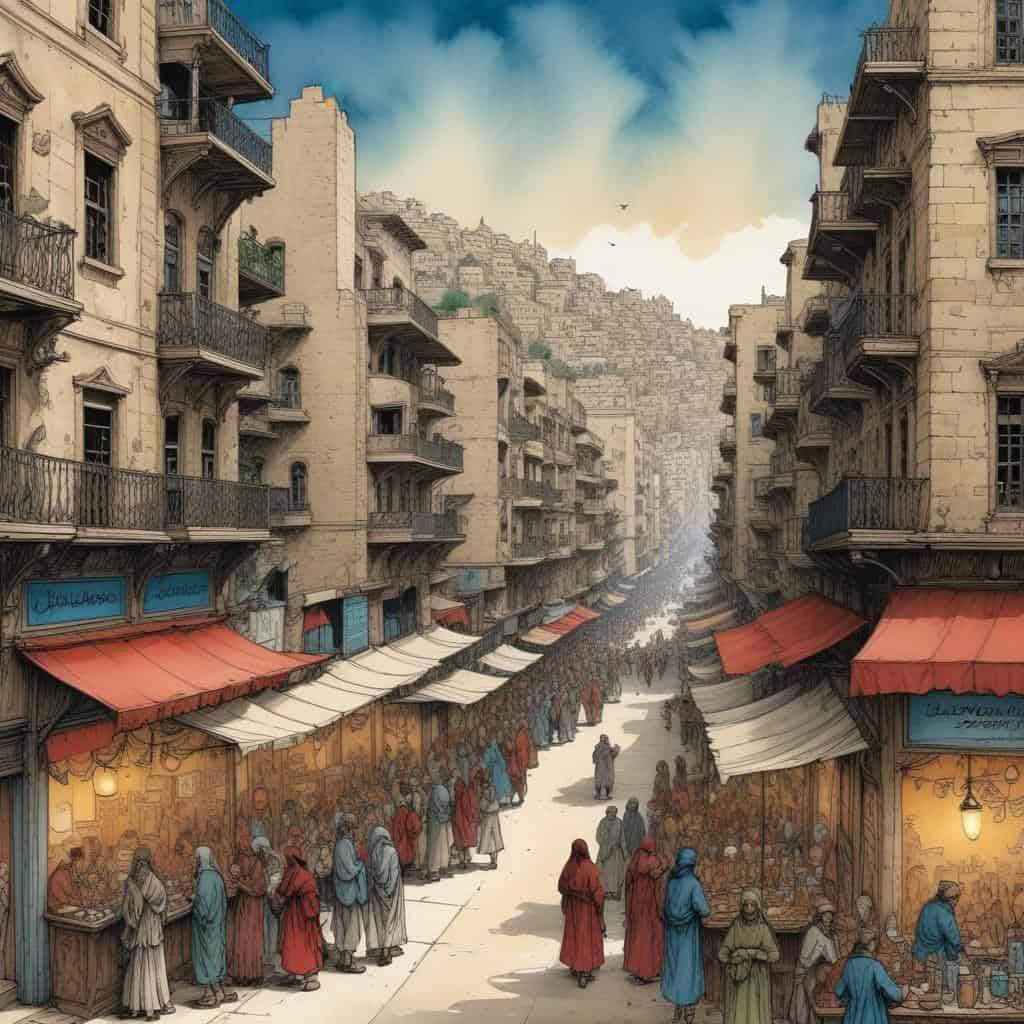
Lebanons Capital City
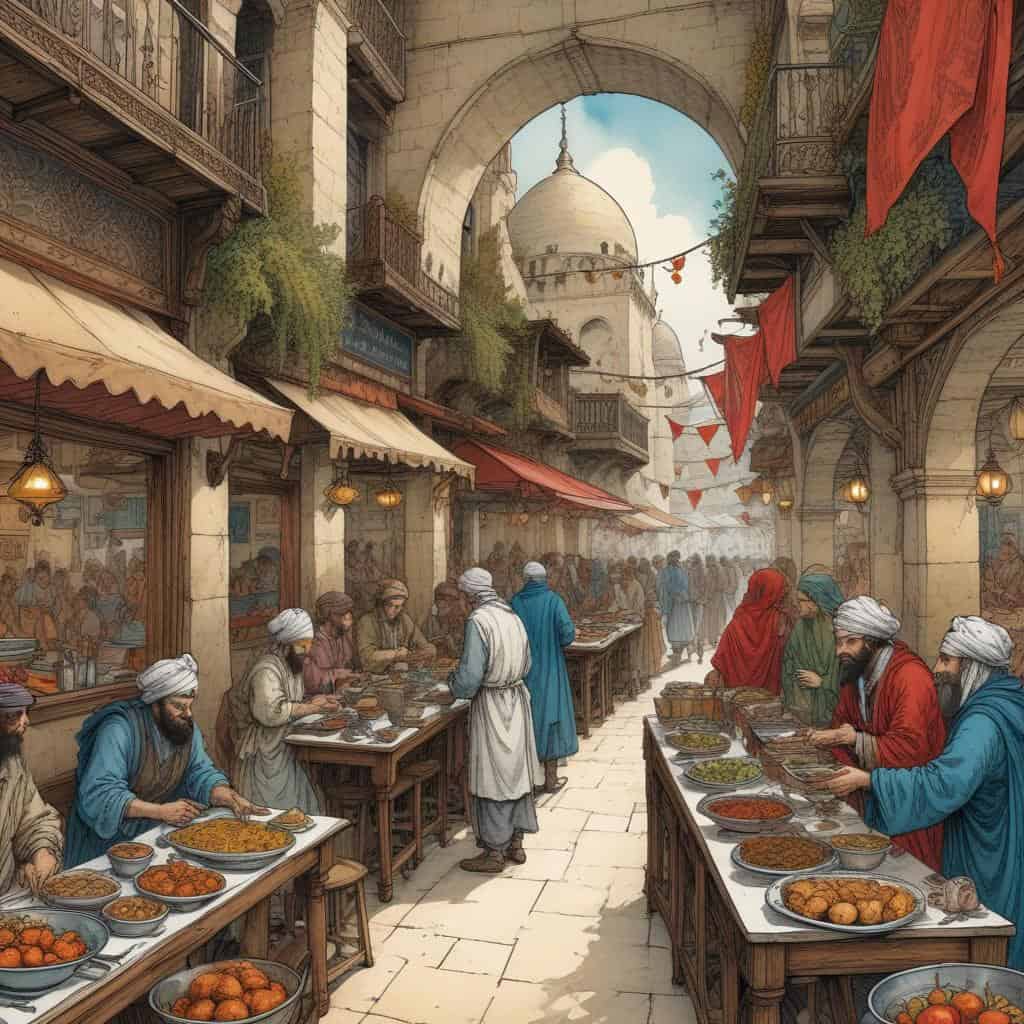
Lebanons Cuisine
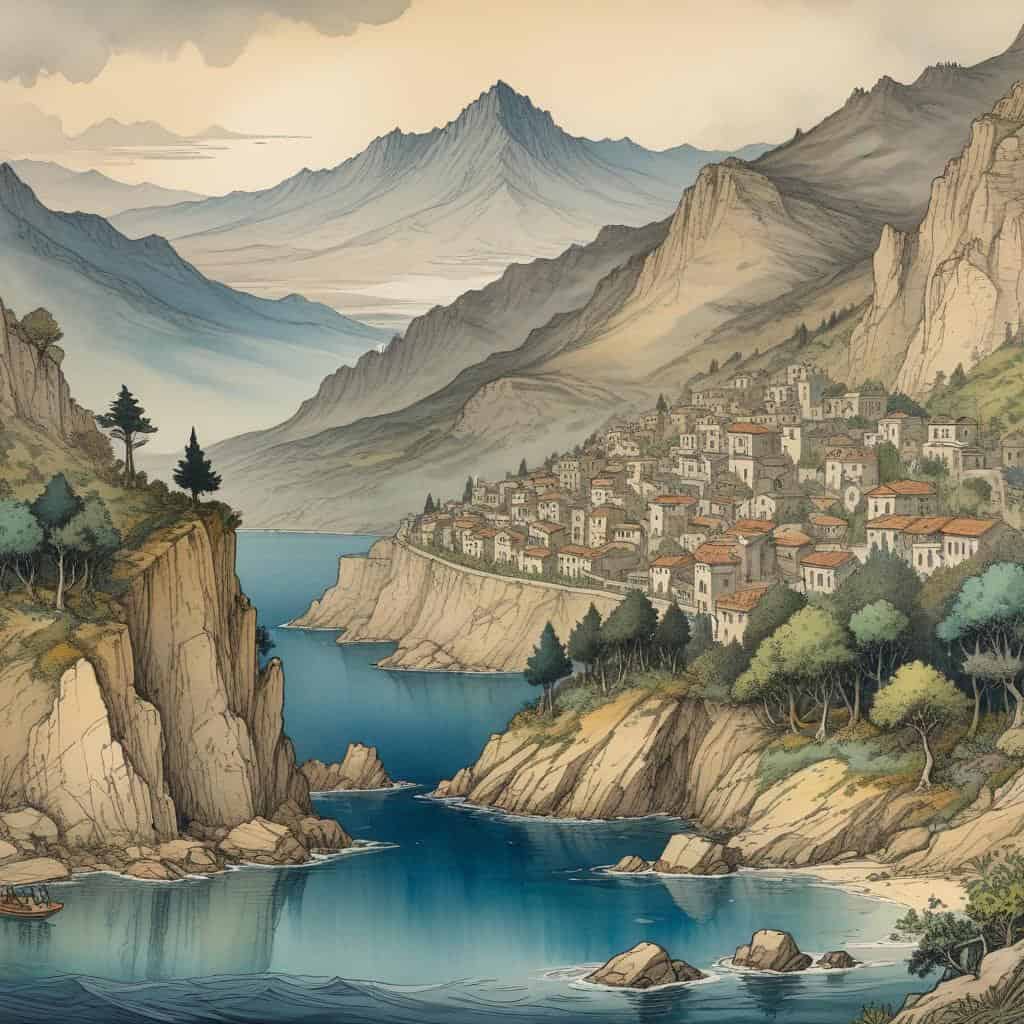
Lebanons Natural Beauty
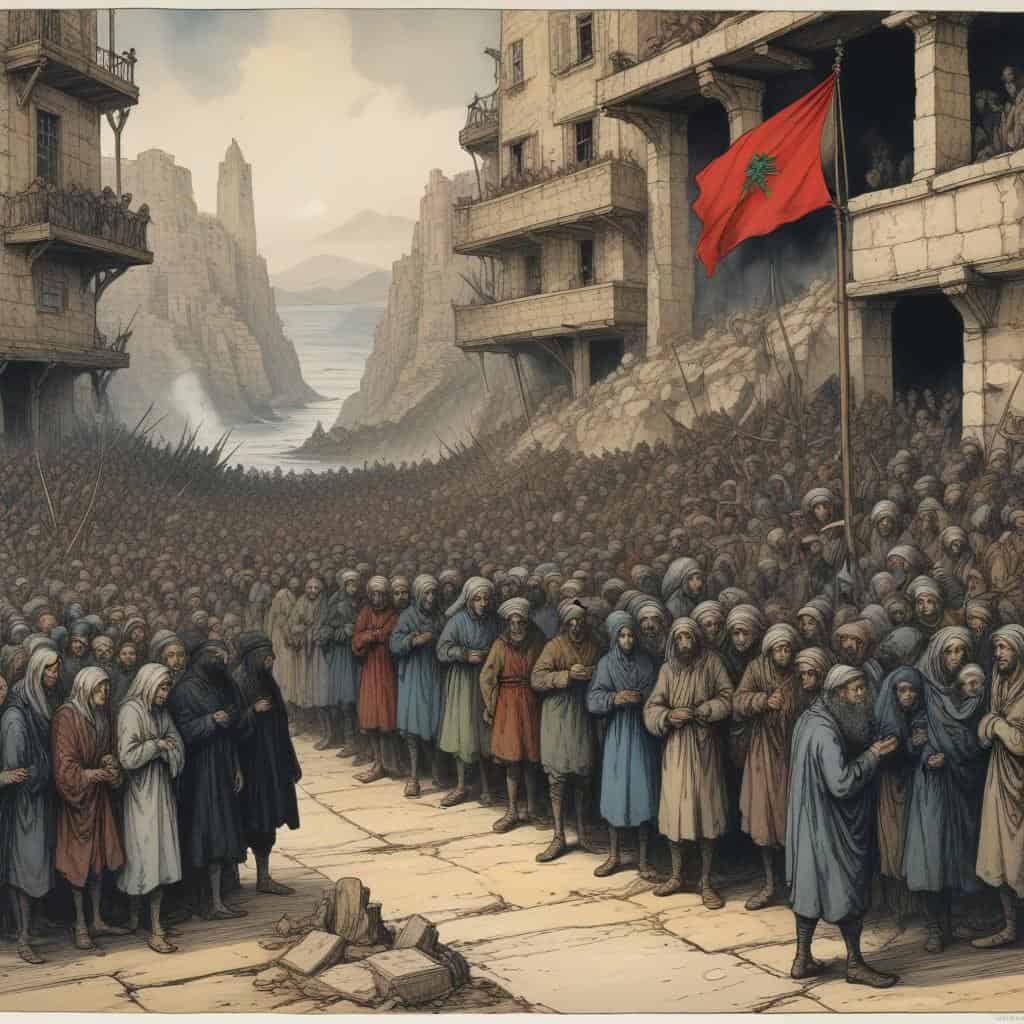
Lebanons Economy
Lebanons Political Situation
Lebanons Refugee Crisis
Lebanons Future
Audio Library
As one of our featured lessons, this topic includes premium audio guides.
Unlock the Wizard's Cram Session
This powerful audio study guide is a Pro-exclusive feature. Upgrade to Memory Wizards Pro to access this and all of our premium learning tools.
Upgrade to ProIn a Nutshell
- Capital: Beirut
- Population: Approx. 6.8 million (2022)
- Official Language: Arabic
- Currency: Lebanese pound (LBP)
Breaking Down the Country
No composition analysis points available.
Timeline of Lebanon
Lebanon gains independence from France
Lebanese Civil War begins
Israeli invasion of Lebanon
Formation of Hezbollah
Assassination of Prime Minister Rafic Hariri
Cedar Revolution
Israeli-Hezbollah conflict
Syrian Army withdrawal from Lebanon
Lebanese presidential election crisis
Lebanese protests against government corruption
Beirut explosion
Lebanese government resigns
Lebanese economic crisis
Lebanon defaulting on its foreign debt
Beirut port explosion
Appointment of Prime Minister Mustapha Adib
Beirut blast protest
Lebanese government formation crisis
Lebanese currency crisis
Lebanese protests against political elite
Vocabulary List
- Lebanon is a country located in the Middle East. It is known for its diverse culture, rich history, and stunning landscapes. Here are 20 vocabulary words related to Lebanon: Cedars
- Tall, evergreen trees native to Lebanon, symbolizing strength and resilience
- Beirut
- The capital city of Lebanon, renowned for its vibrant nightlife and historical sites
- Baalbek
- An ancient Phoenician city in Lebanon, famous for its impressive Roman ruins
- Levant
- The eastern Mediterranean region, including Lebanon, Syria, Jordan, and Palestine
- Arak
- A traditional Lebanese alcoholic drink made from distilled grapes and flavored with anise
- Mezze
- A selection of small dishes served as appetizers in Lebanese cuisine
- Kibbeh
- A popular Lebanese dish made of ground meat, bulgur, and spices, typically served as meatballs or patties
- Za'atar
- A Middle Eastern spice blend consisting of dried herbs, sumac, sesame seeds, and salt
- Dabke
- A traditional Lebanese folk dance performed at weddings and celebrations
- Phoenicians
- An ancient civilization that originated in the coastal areas of present-day Lebanon
- Falah
- A Lebanese farming technique that involves terracing hillsides to cultivate crops
- Rafiq Hariri
- A prominent Lebanese politician and former Prime Minister, known for his efforts to rebuild Lebanon after the civil war
- Bsharri
- A picturesque town in northern Lebanon, birthplace of the renowned poet Khalil Gibran
- Qadisha Valley
- A UNESCO World Heritage site in Lebanon, famous for its ancient monasteries and stunning natural beauty
- Bekaa Valley
- A fertile region in eastern Lebanon known for its vineyards and agricultural production
- Maronites
- A Christian religious group in Lebanon, tracing their roots back to Saint Maron
- Byblos
- An ancient Phoenician city in Lebanon, considered one of the oldest continuously inhabited cities in the world
- Mount Lebanon
- A mountain range that stretches across Lebanon, providing breathtaking views and recreational activities
- Nabu
- A Phoenician deity associated with wisdom and writing, worshipped in ancient Lebanon
- Tyre
- An ancient Phoenician city in southern Lebanon, renowned for its maritime trade and purple dye production.
Key Facts
This is the information used in the fact matching game
- Beirut is the capital and largest city of Lebanon
- Lebanon is located in the Middle East
- The official language is Arabic
- Lebanon has a population of approximately 6 million people
- The national currency is the Lebanese pound
- Lebanon is known for its rich cultural heritage
- The country has a diverse religious population, including Muslims, Christians, and Druze
- Lebanon gained independence from France in 1943
- The Lebanese flag consists of two horizontal red stripes with a white stripe in the middle
- Lebanon is bordered by Syria to the north and east, and Israel to the south
- The Lebanese cuisine is renowned for its mezze, kebabs, and traditional dishes like tabbouleh and kibbeh
- Lebanon has a Mediterranean climate with hot summers and mild winters
- The country is home to the ancient Phoenician city of Byblos, one of the oldest continuously inhabited cities in the world
- Lebanon has a vibrant arts and music scene, with renowned musicians like Fairouz and Marcel Khalife
- The Lebanese cedar tree is an iconic symbol of the country and appears on the national flag
- Lebanon is known for its impressive Roman ruins, including the ancient city of Baalbek
- The country has a high literacy rate, with education being highly valued
- Lebanon has a diverse landscape, with mountains, valleys, and a coastline along the Mediterranean Sea
- The Lebanese diaspora is widespread, with significant populations in countries like Brazil, the United States, and Australia
- Lebanon is known for its hospitality and friendliness towards visitors.
Why It Matters
Geopolitical Significance
Located in the Middle East, Lebanon has historically been a crucial link between the East and the West. Its position on the Mediterranean Sea and its borders with Israel and Syria have made it a key player in regional politics and conflicts.
Historical Importance
Lebanon’s history is marked by a diverse mix of cultures and civilizations, including Phoenician, Roman, Ottoman, and French influences. It has experienced periods of prosperity and conflict, shaping its unique identity and resilience in the face of challenges.
Modern-Day Role
Today, Lebanon faces political, economic, and social challenges, including sectarian tensions and refugee crises. As a hub for banking, commerce, and culture in the region, Lebanon continues to navigate its complex role in the Middle East and on the global stage.
Lebanon Games


Take Your Learning Offline
Want a convenient, print-ready study guide for this lesson? Become a Memory Wizards Pro member to unlock the downloadable " Memory Scrolls" for this topic and our entire library!
- ✓ Complete Vocabulary Lists
- ✓ Key Facts & Timelines
- ✓ Beautifully Formatted for Print & Mobile