
How Do You Learn Best?
Learn by Listening
Start with the 3-minute audio summary to get the key facts and narrative highlights quickly.
Learn by Reading
Immerse yourself in the 10-minute visual lesson for a comprehensive understanding of the topic.
Learn by Reviewing
Jump directly to the key facts, timeline, and vocabulary lists to build a solid foundation of details.
Learn by Doing
Challenge yourself! Jump straight into the interactive games to learn by trial, error, and discovery.
Kuwait in 10 Minutes
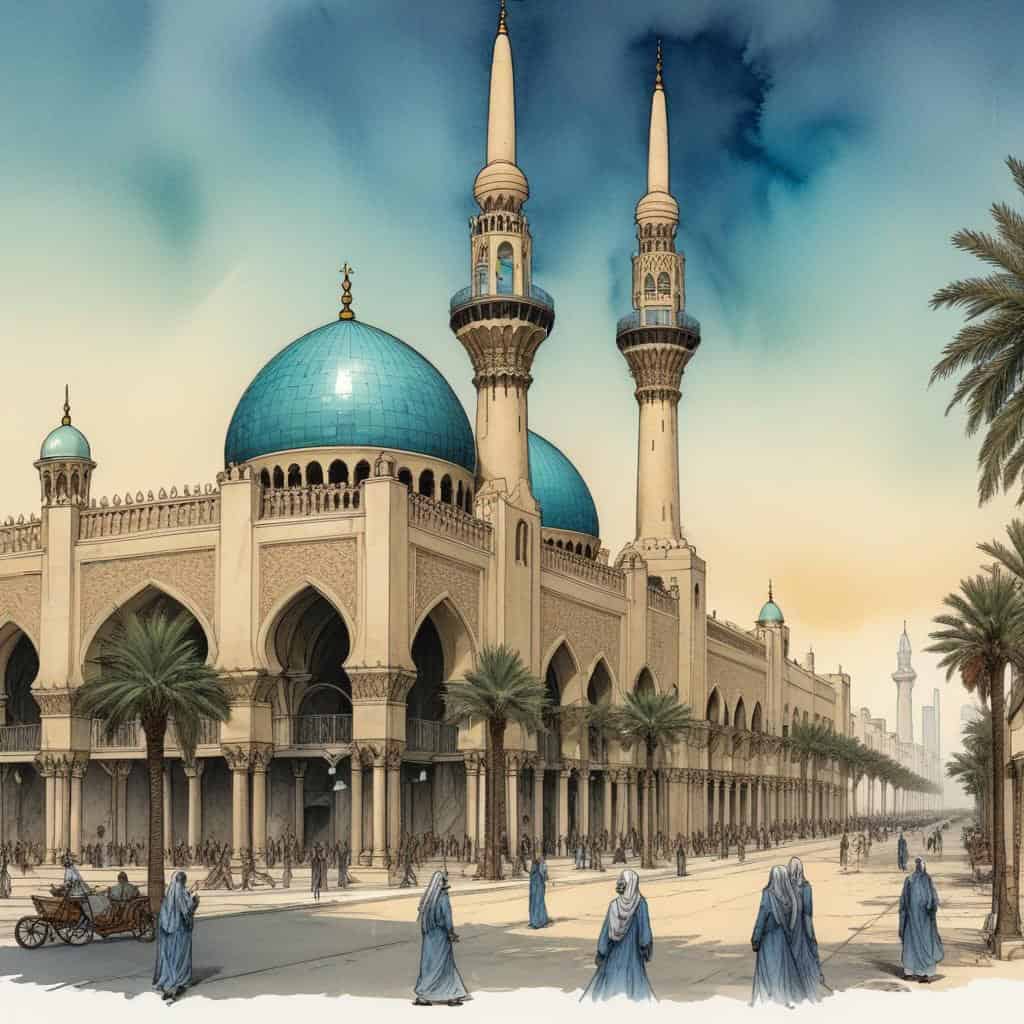
Introduction
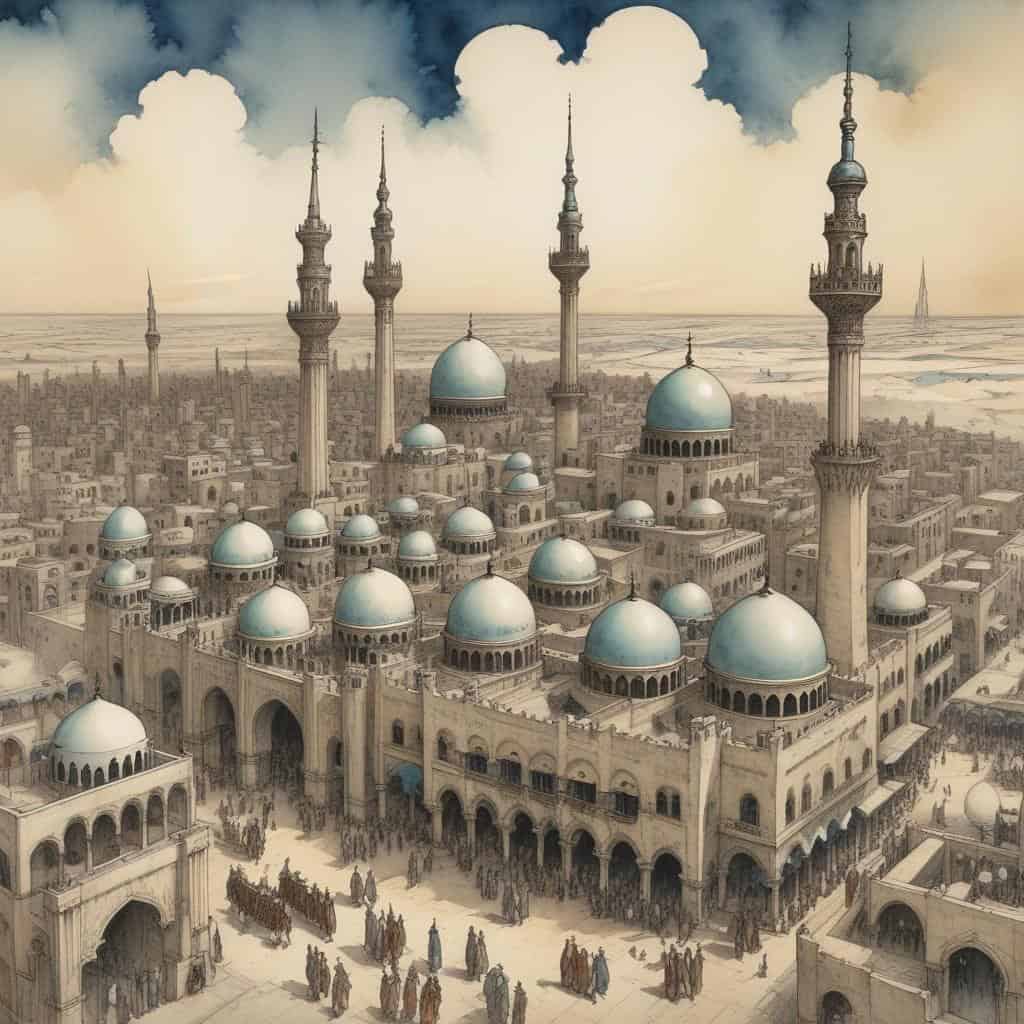
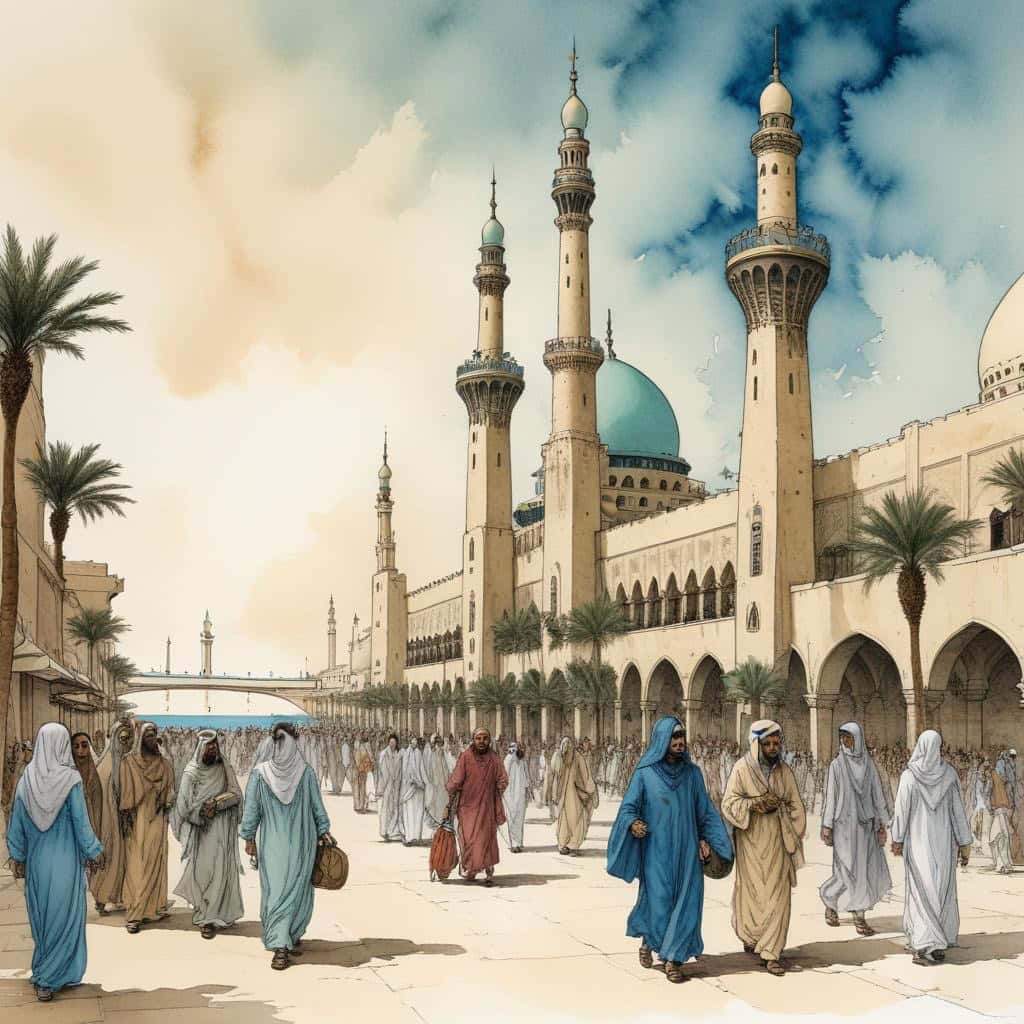
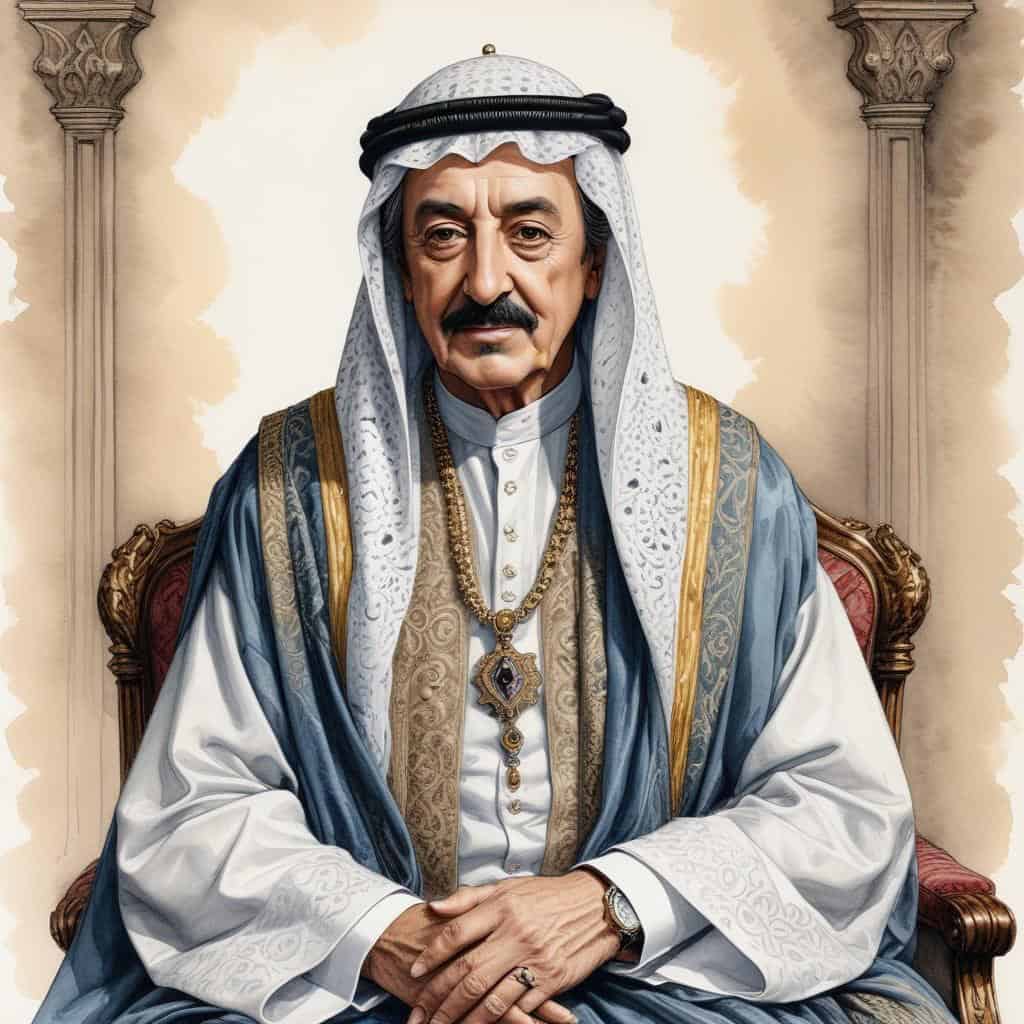
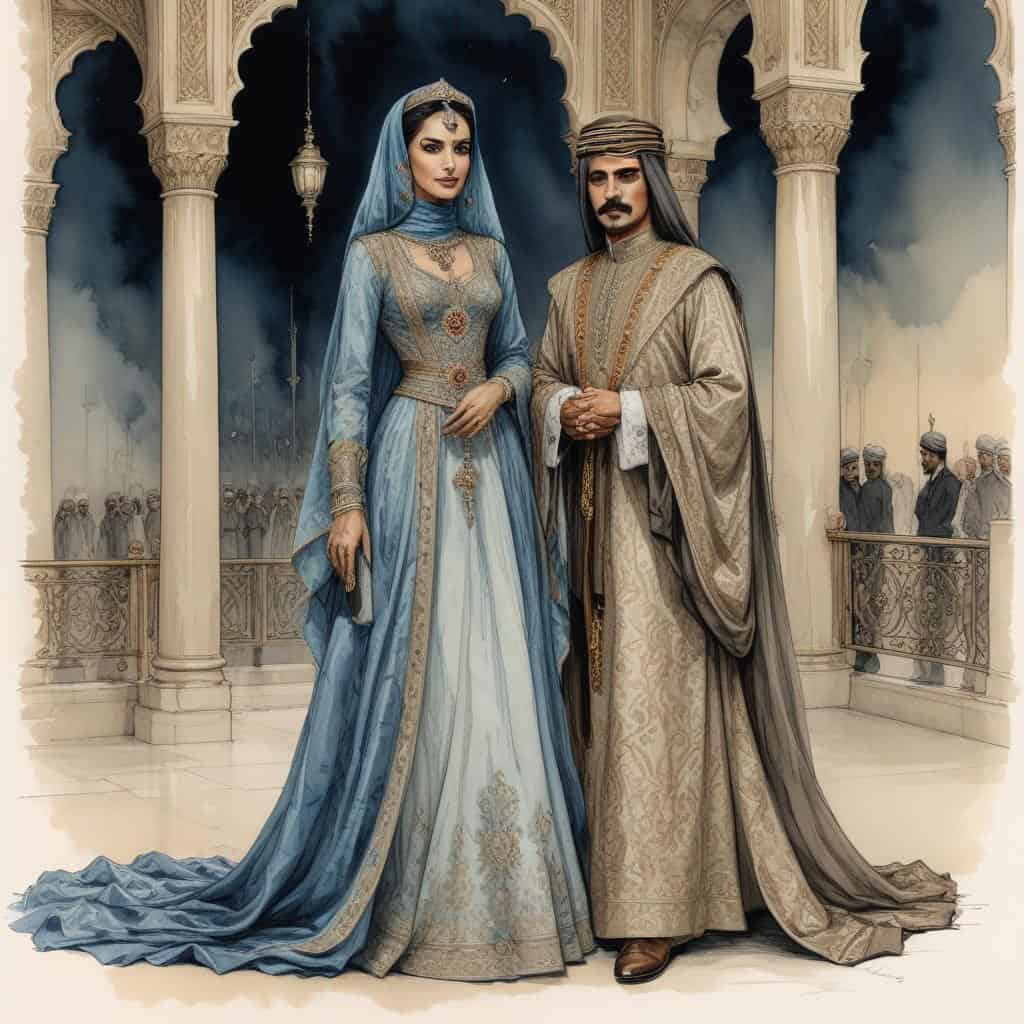
Sheikh Sabah Al-Ahmad Al-Jaber Al-Sabah
Sheikha Al-Jaber Al-Sabah
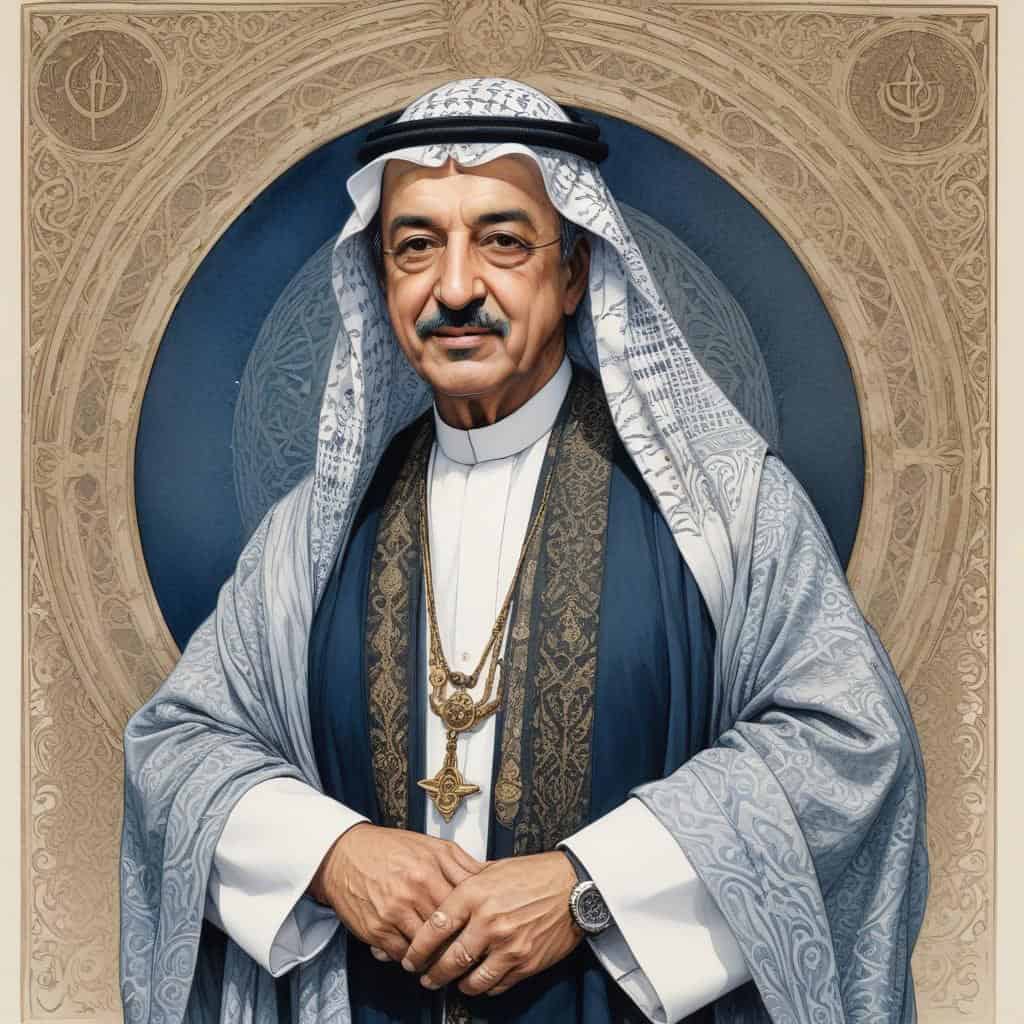
Dr. Nayef Al-Hajraf
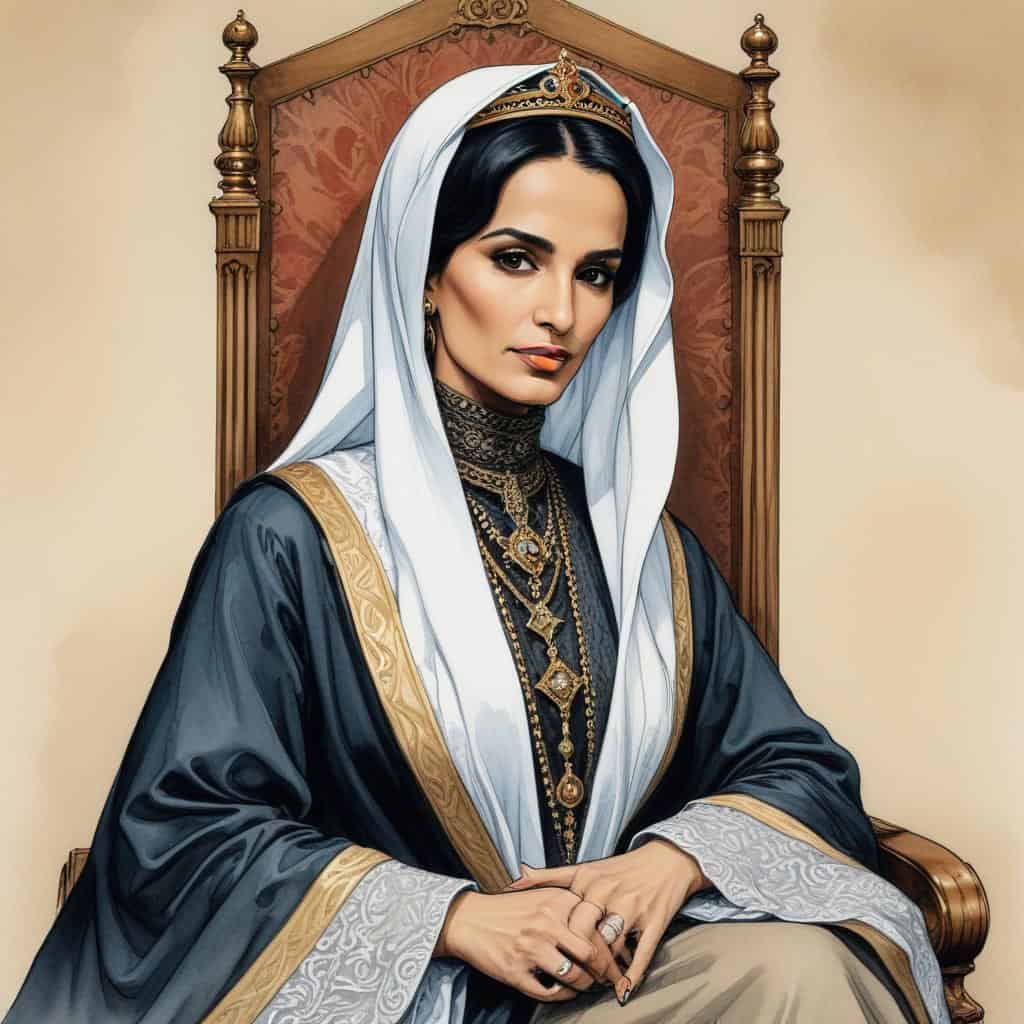
Sheikha Al-Ahmad Al-Jaber Al-Sabah
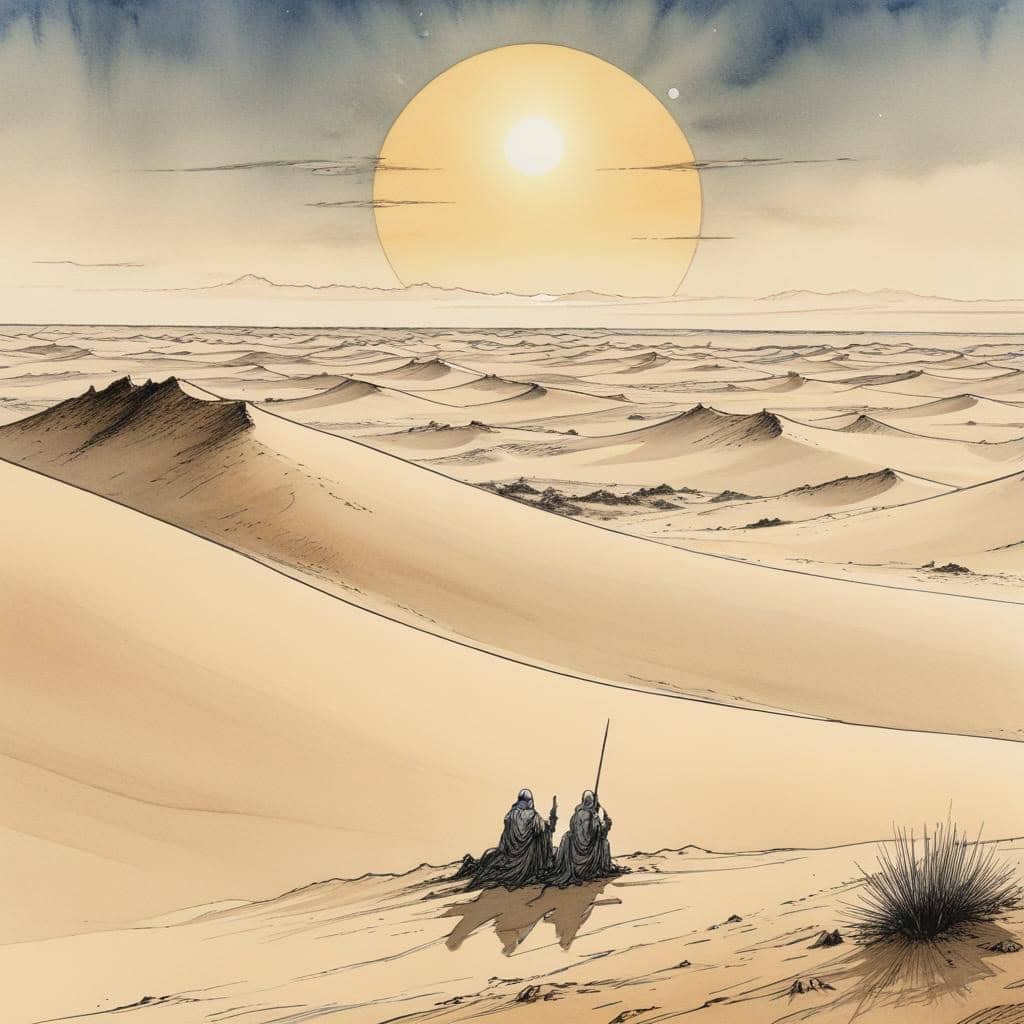
1. Location and Geography
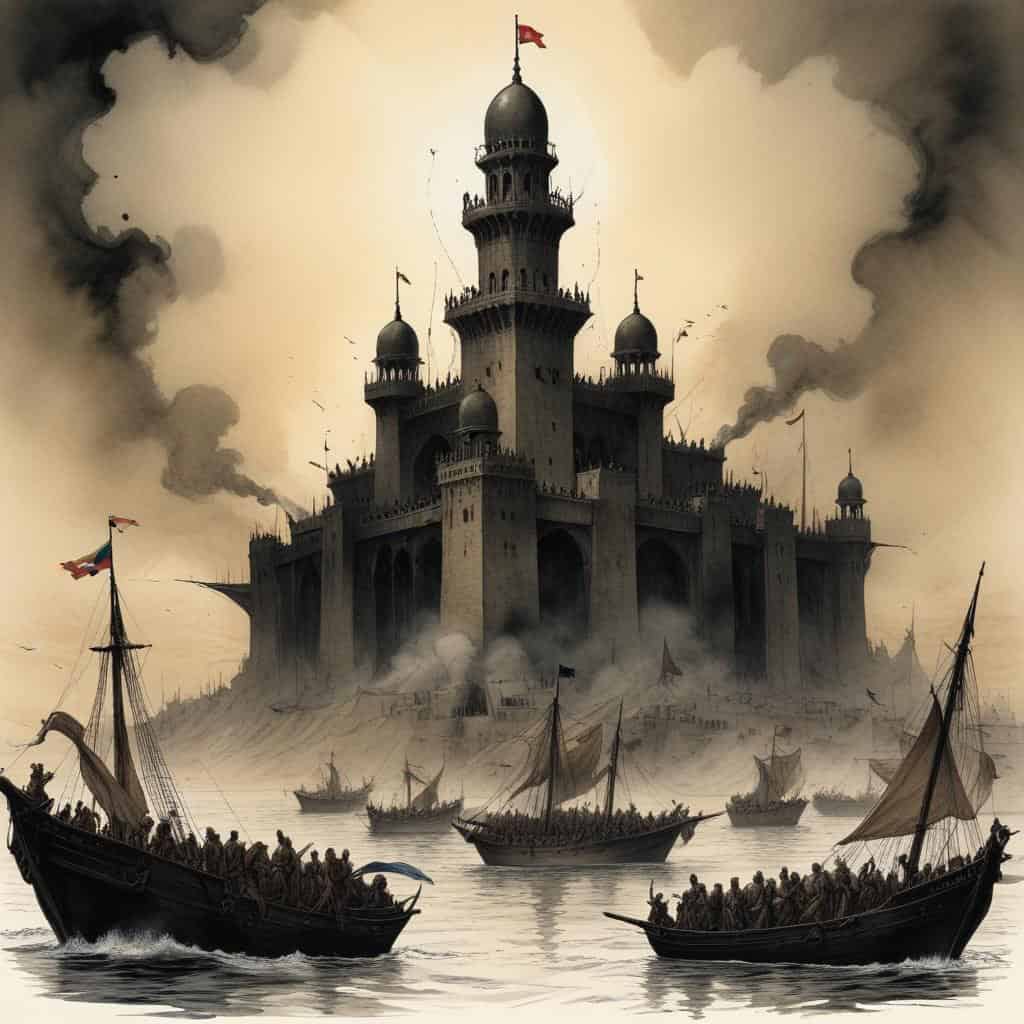
2. History and Independence
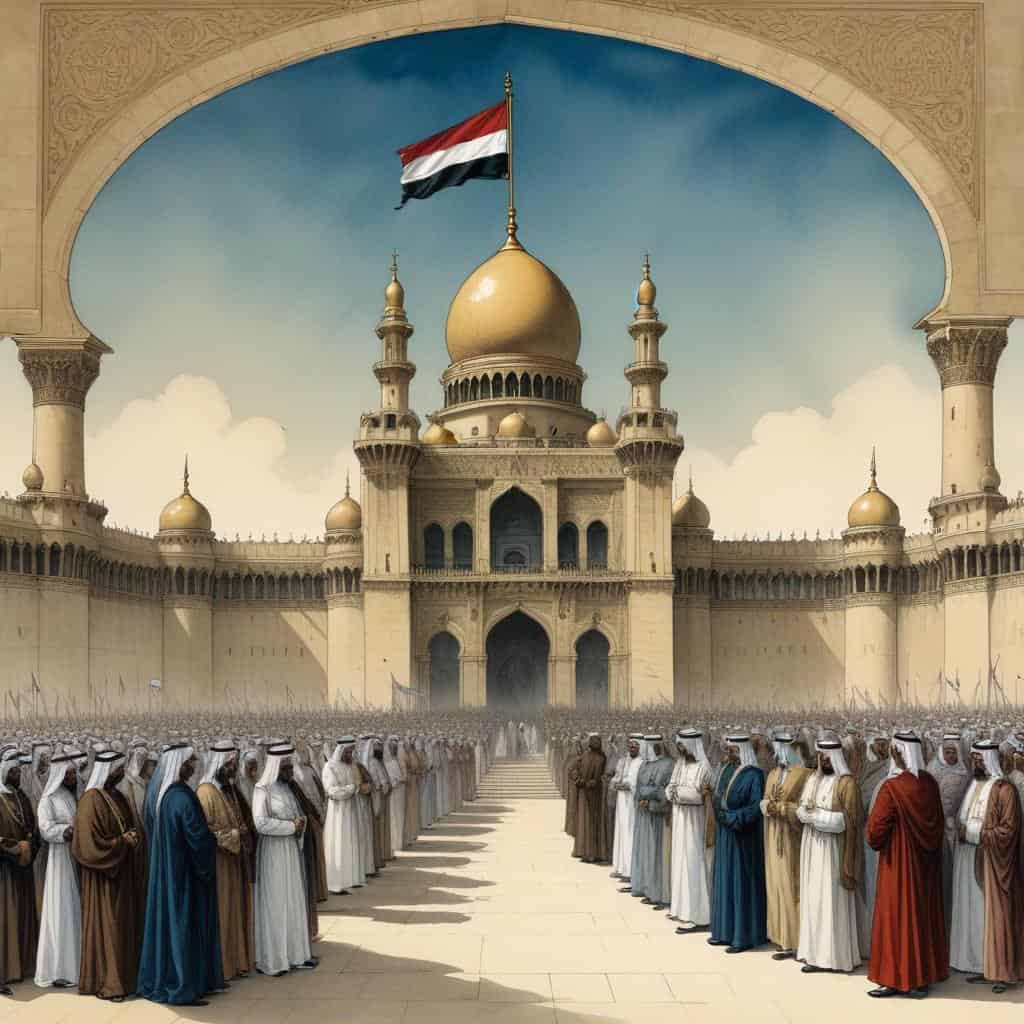
3. Government and Economy
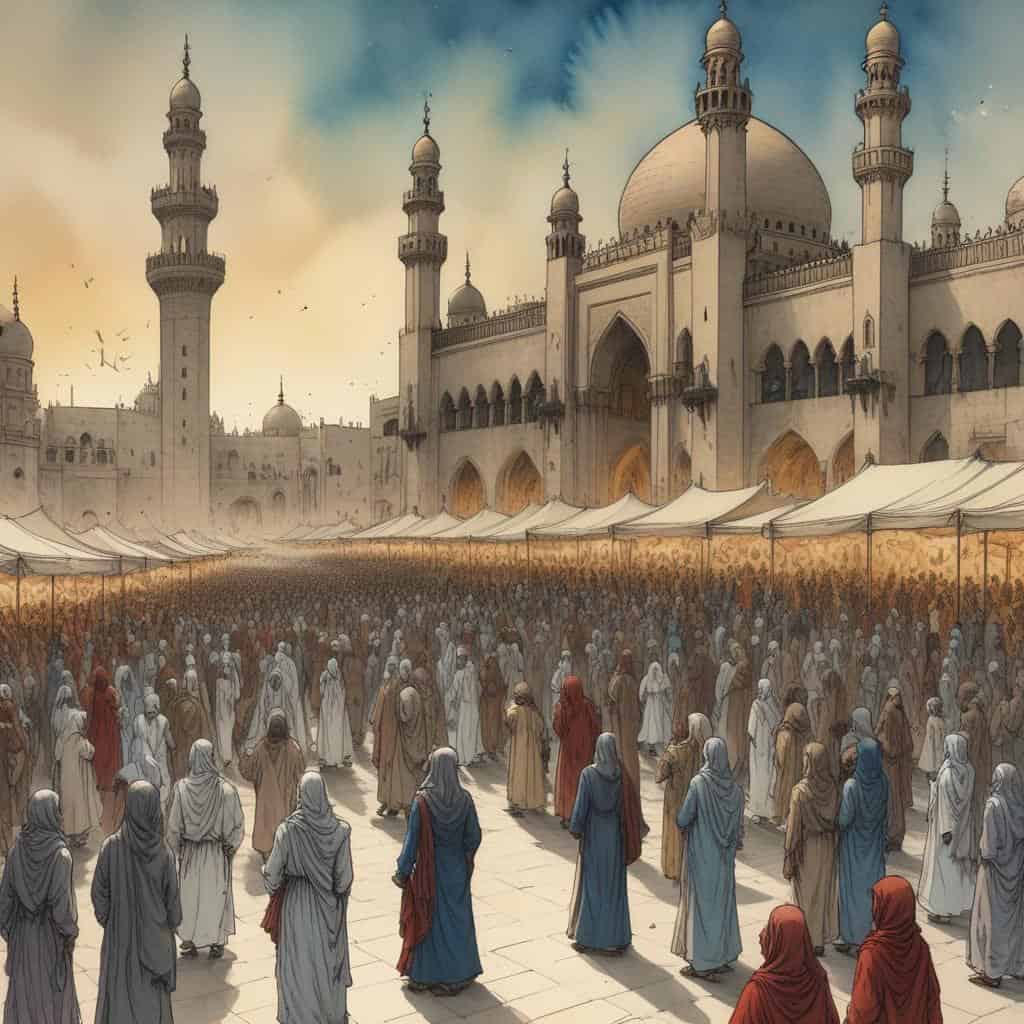
4. Culture and Society
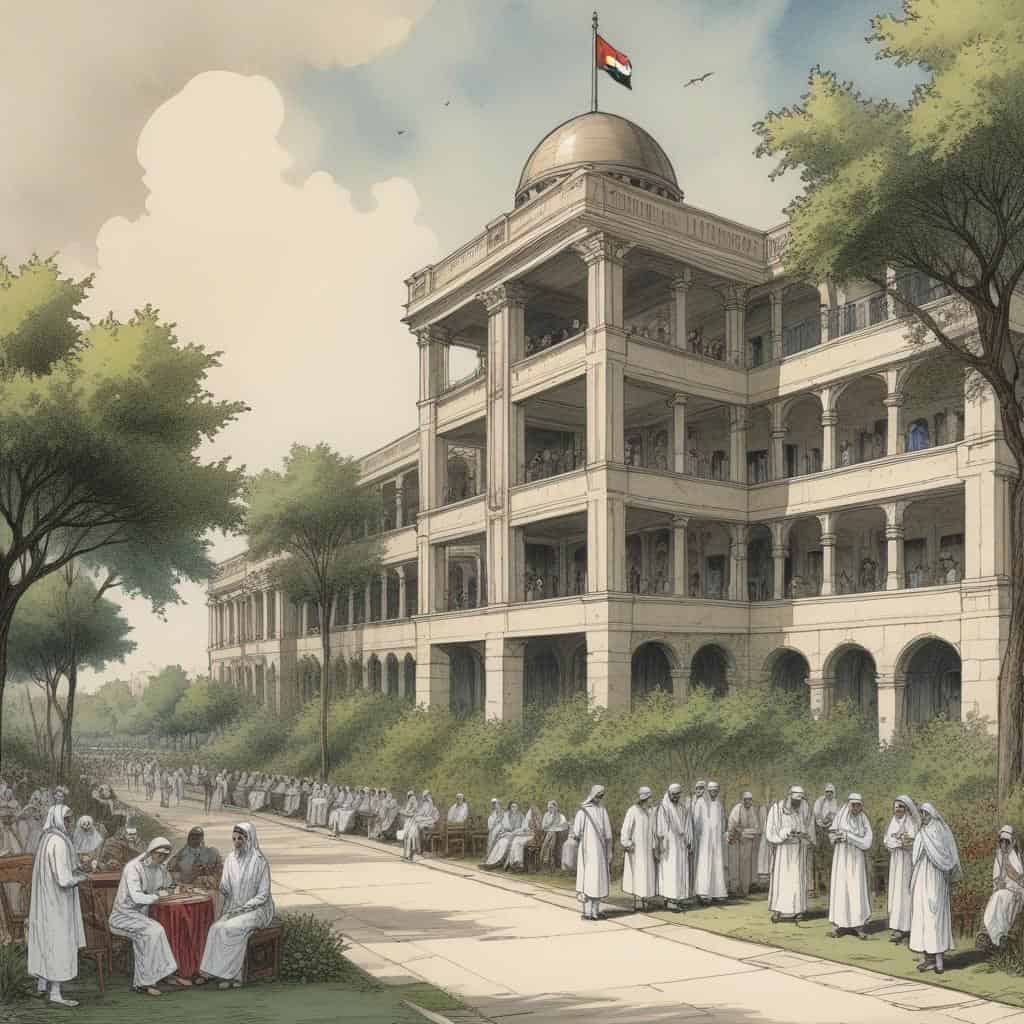
5. Education and Healthcare
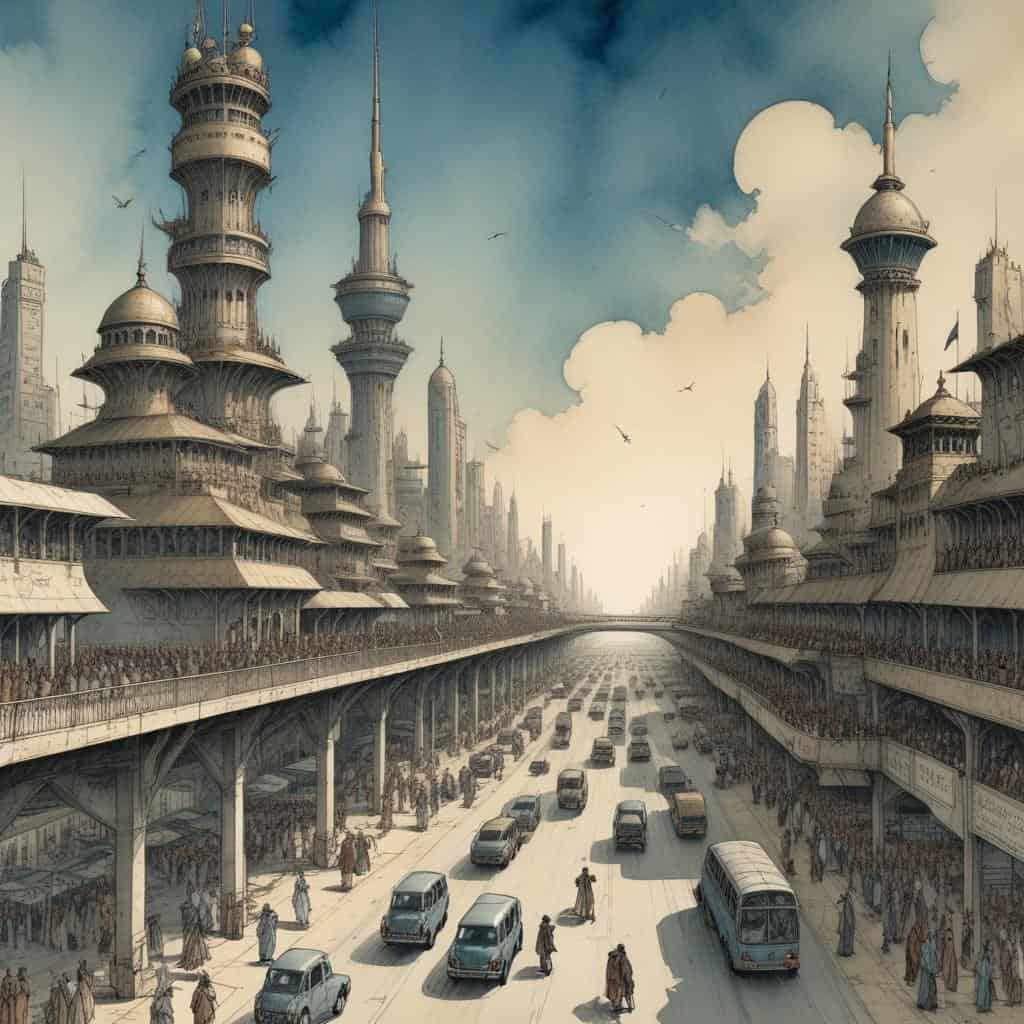
6. Infrastructure and Development
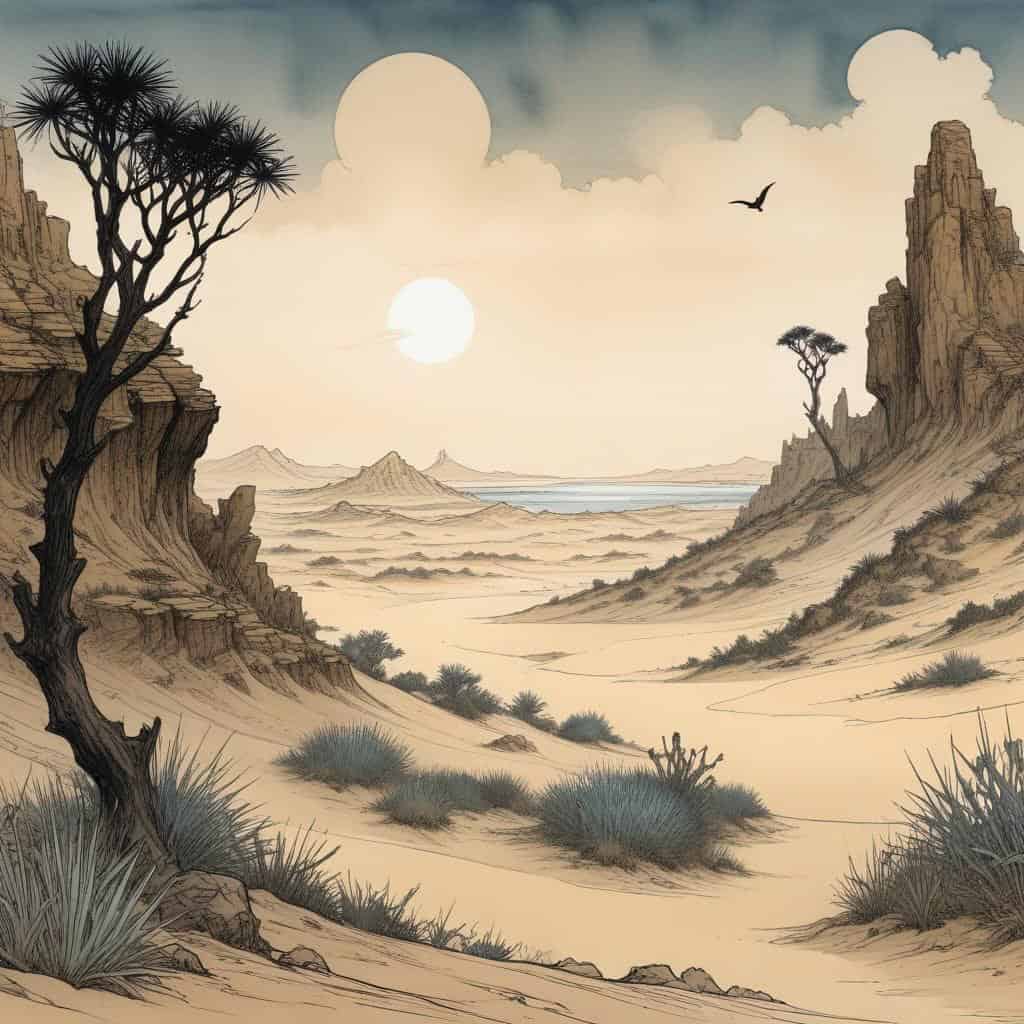
7. Environment and Conservation
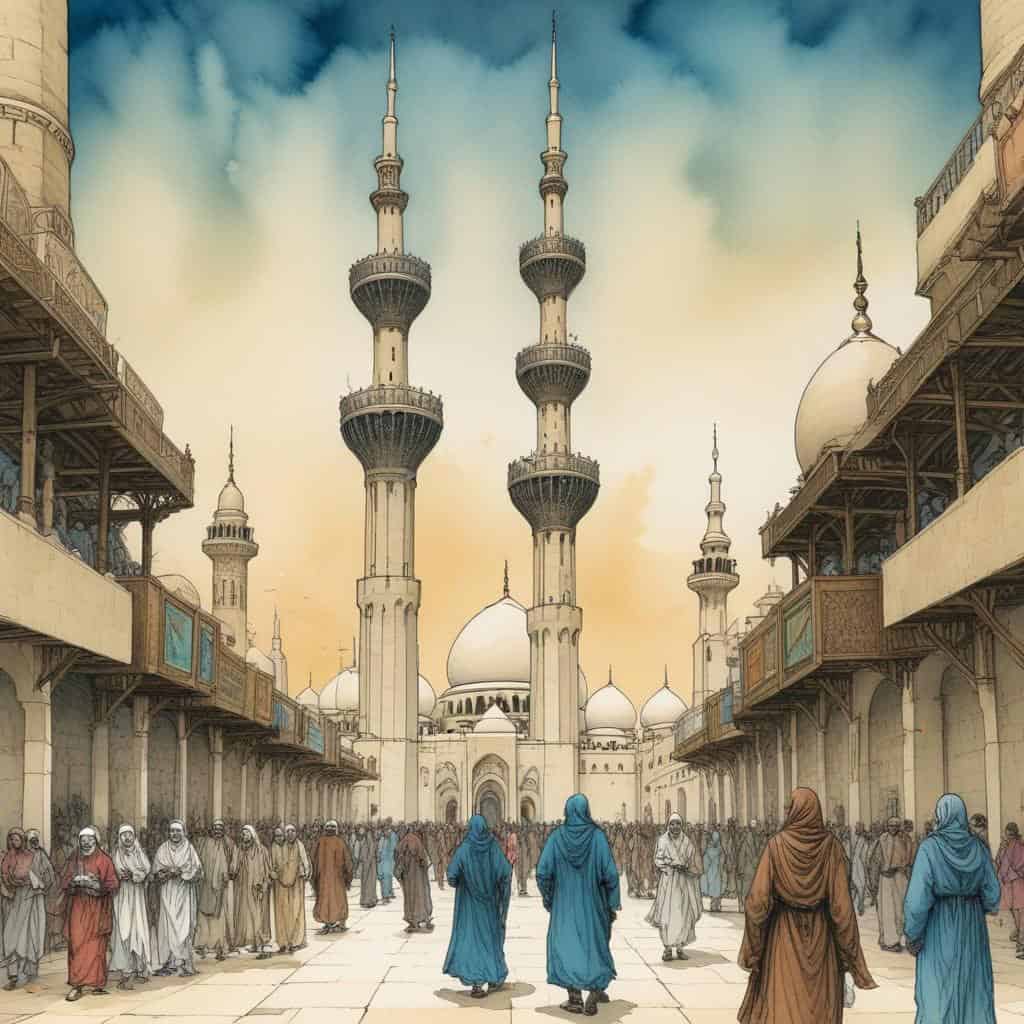
8. Tourism and Attractions
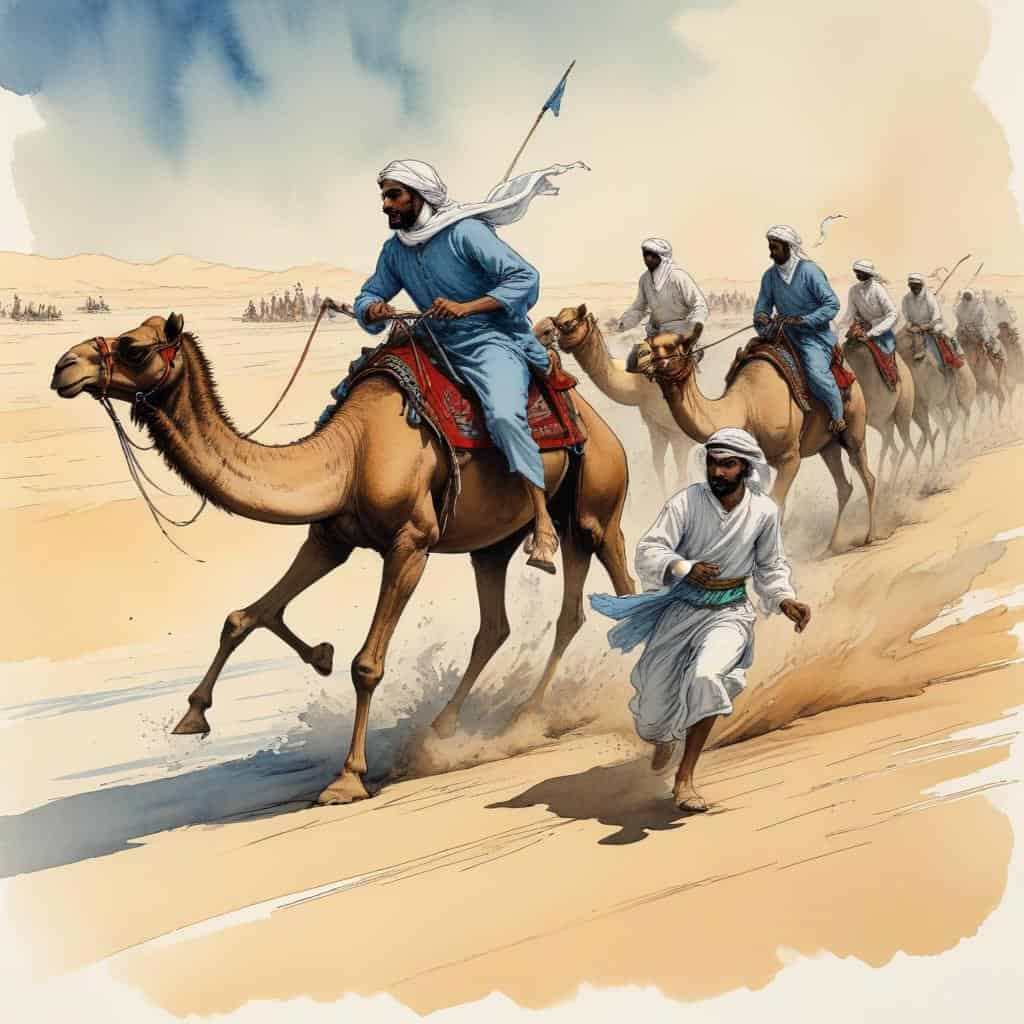
9. Sports and Recreation
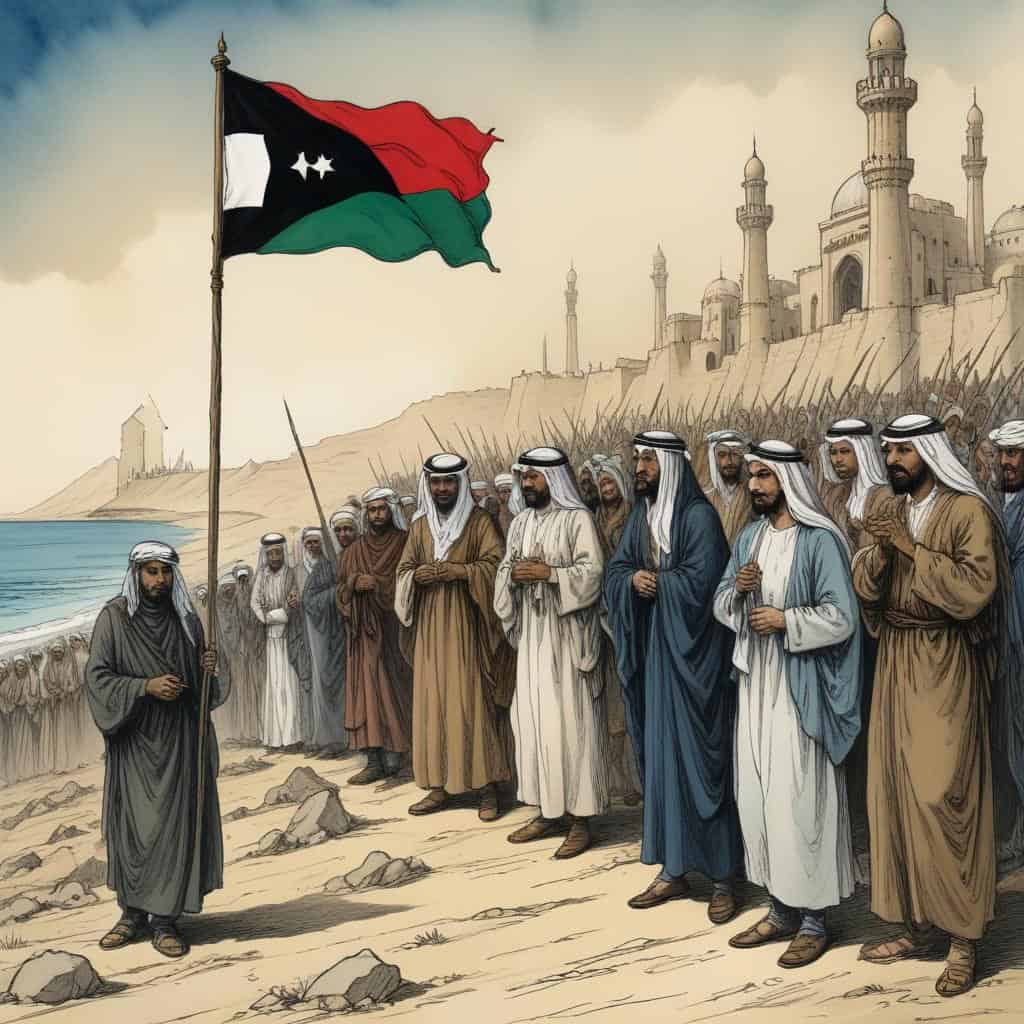
10. Challenges and Opportunities
Audio Library
As one of our featured lessons, this topic includes premium audio guides.
Unlock the Wizard's Cram Session
This powerful audio study guide is a Pro-exclusive feature. Upgrade to Memory Wizards Pro to access this and all of our premium learning tools.
Upgrade to ProIn a Nutshell
- Capital: Kuwait City
- Population: Approx. 4.5 million (2021)
- Official Language: Arabic
- Currency: Kuwaiti Dinar (KWD)
Breaking Down the Country
No composition analysis points available.
Timeline of Kuwait
Founding of Kuwait City by the Anaiza tribe
Kuwait becomes a center of trade and pearl diving
Sheikh Abdullah Al-Sabah becomes the ruler of Kuwait
Kuwait signs a treaty with the British East India Company
Kuwait becomes a British protectorate
Discovery of oil in Kuwait
Kuwait Oil Company is formed
Kuwait gains independence from the United Kingdom
Sheikh Abdullah Al-Salem Al-Sabah becomes the ruler of Kuwait
Iraqi invasion of Kuwait marks the beginning of the Gulf War
Liberation of Kuwait by coalition forces
Kuwait's government-in-exile returns to Kuwait City
Emir Jaber Al-Ahmad Al-Sabah dies, Sheikh Saad Al-Abdullah Al-Salem Al-Sabah becomes the ruler
Sheikh Saad Al-Abdullah Al-Salem Al-Sabah is declared unfit to rule, Sheikh Sabah Al-Ahmad Al-Jaber Al-Sabah becomes the ruler
Arab Spring protests in Kuwait
Sheikh Sabah Al-Ahmad Al-Jaber Al-Sabah dies, Sheikh Nawaf Al-Ahmad Al-Jaber Al-Sabah becomes the ruler
Kuwait hosts the Gulf Cup of Nations
Kuwait launches the 'Vision 2035' economic development plan
Kuwait celebrates its National Day
Kuwait announces plans to reduce dependency on oil and diversify the economy
Vocabulary List
- Kuwait
- A country in the Middle East known for its oil reserves and financial sector
- Gulf
- A large body of saltwater partially enclosed by land
- Emirate
- A political subdivision within some Arab countries, including Kuwait
- Monarchy
- A form of government in which a royal family holds the power
- Sheikh
- A title given to a male leader or ruler in an Arab country
- Oil
- A viscous liquid used as fuel and obtained from drilling and refining petroleum
- Economy
- The system of production, distribution, and consumption of goods and services in a country
- Crude
- In its natural or unrefined state, especially referring to oil or other substances
- Currency
- The money used in a particular country
- Dinar
- The official currency of Kuwait
- Desert
- A large, barren area of land with little or no vegetation
- Oasis
- A fertile spot in a desert where water is found
- Kuwaiti
- Relating to or from Kuwait
- Arabic
- The Semitic language spoken in Kuwait and other Arab countries
- Islam
- The religion of Muslims, with the Quran as its holy book
- Mosque
- A Muslim place of worship
- Bedouin
- A nomadic Arab of the desert
- Pearl
- A precious gem produced by certain mollusks, historically significant in Kuwait's economy
- Coastline
- The outline or shape of the land along a sea or ocean
- Tradition
- The transmission of customs or beliefs from generation to generation
- Souk
- An Arab marketplace or bazaar.
Key Facts
This is the information used in the fact matching game
- Kuwait is a country located in the Arabian Peninsula
- The official language of Kuwait is Arabic
- Kuwait is a constitutional monarchy
- The currency of Kuwait is the Kuwaiti Dinar
- Kuwait is known for having one of the highest GDP per capita in the world
- The Kuwait Towers are iconic landmarks in the country
- Kuwait has a desert climate with hot summers and mild winters
- The Kuwaiti flag consists of green, white, and red horizontal stripes with a black trapezoid
- Kuwait has a strategic location at the head of the Persian Gulf
- The Kuwaiti oil industry is one of the largest and most important in the world
- Kuwait is a member of OPEC
- The traditional clothing in Kuwait is called the dishdasha for men and the abaya for women
- Kuwait is home to the world's largest oil field, the Burgan field
- Kuwait has a diverse population with a mix of Kuwaiti nationals and expatriates
- The traditional sport of falconry is popular in Kuwait
- Kuwait is known for its rich maritime history and seafaring traditions
- The Kuwaiti cuisine is influenced by Arab, Persian, and Indian flavors
- Kuwait has a high literacy rate, with education being highly valued in the country
- The Liberation Tower in Kuwait City is one of the tallest telecommunications towers in the world
- Kuwait celebrates its National Day on February 25th each year.
Why It Matters
Geopolitical Significance
Kuwait’s strategic location at the tip of the Persian Gulf gives it immense geopolitical importance. It serves as a key hub for trade and commerce in the region, particularly in the oil industry. Kuwait’s relationships with neighboring countries and its role in regional politics make it a significant player in Middle Eastern affairs.
Historical Importance
Kuwait has a rich history as a vital center for trade and commerce in the ancient world. Its role as a key trading post for goods between Mesopotamia, India, and Arabia has shaped its cultural identity. The country’s resilience and ability to maintain its independence despite various invasions and conflicts highlight its historical significance.
Modern-Day Role
Today, Kuwait is a prosperous nation with a strong economy based on oil exports. It plays a crucial role in the global energy market as one of the world’s leading oil producers. Kuwait’s political stability, wealth, and regional influence continue to make it an important player in the Middle East.
Kuwait Games


Take Your Learning Offline
Want a convenient, print-ready study guide for this lesson? Become a Memory Wizards Pro member to unlock the downloadable " Memory Scrolls" for this topic and our entire library!
- ✓ Complete Vocabulary Lists
- ✓ Key Facts & Timelines
- ✓ Beautifully Formatted for Print & Mobile