
How Do You Learn Best?
Learn by Listening
Start with the 3-minute audio summary to get the key facts and narrative highlights quickly.
Learn by Reading
Immerse yourself in the 10-minute visual lesson for a comprehensive understanding of the topic.
Learn by Reviewing
Jump directly to the key facts, timeline, and vocabulary lists to build a solid foundation of details.
Learn by Doing
Challenge yourself! Jump straight into the interactive games to learn by trial, error, and discovery.
Jordan in 10 Minutes
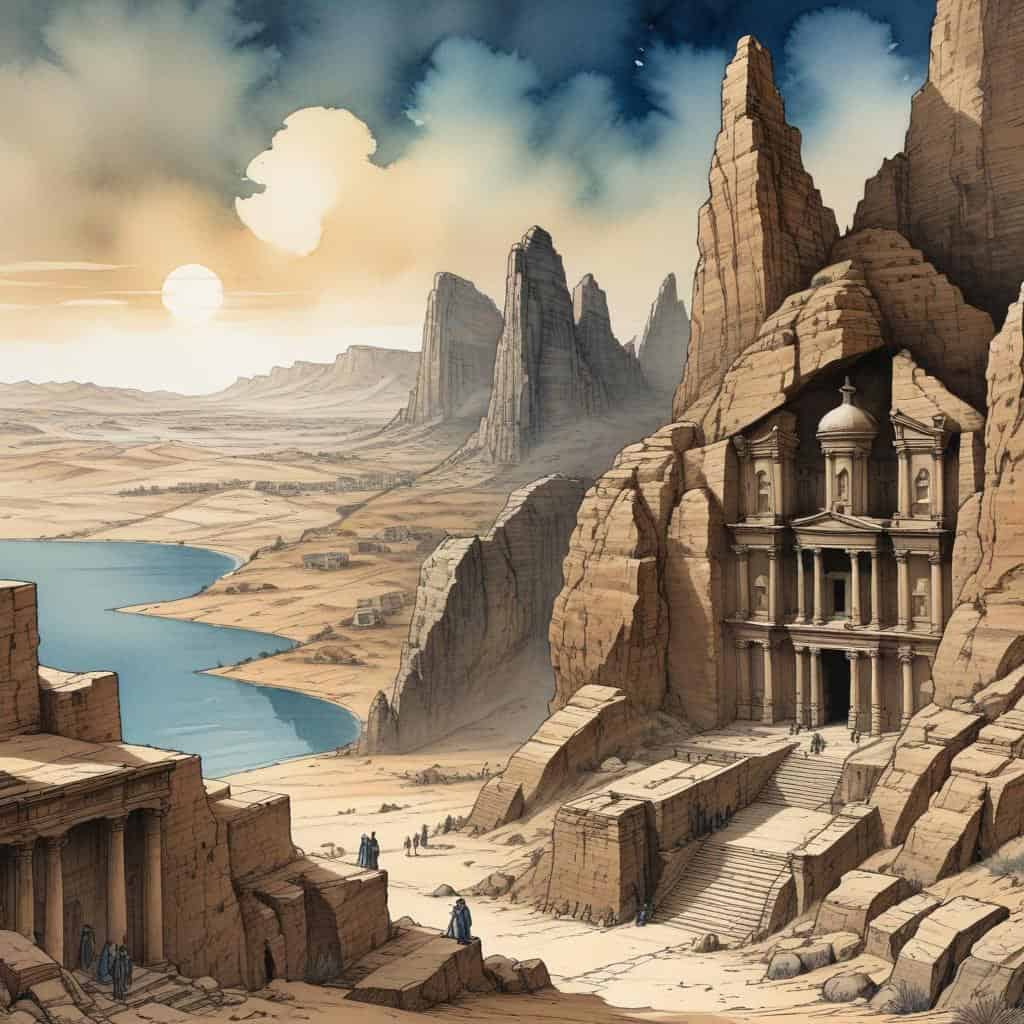
Introduction
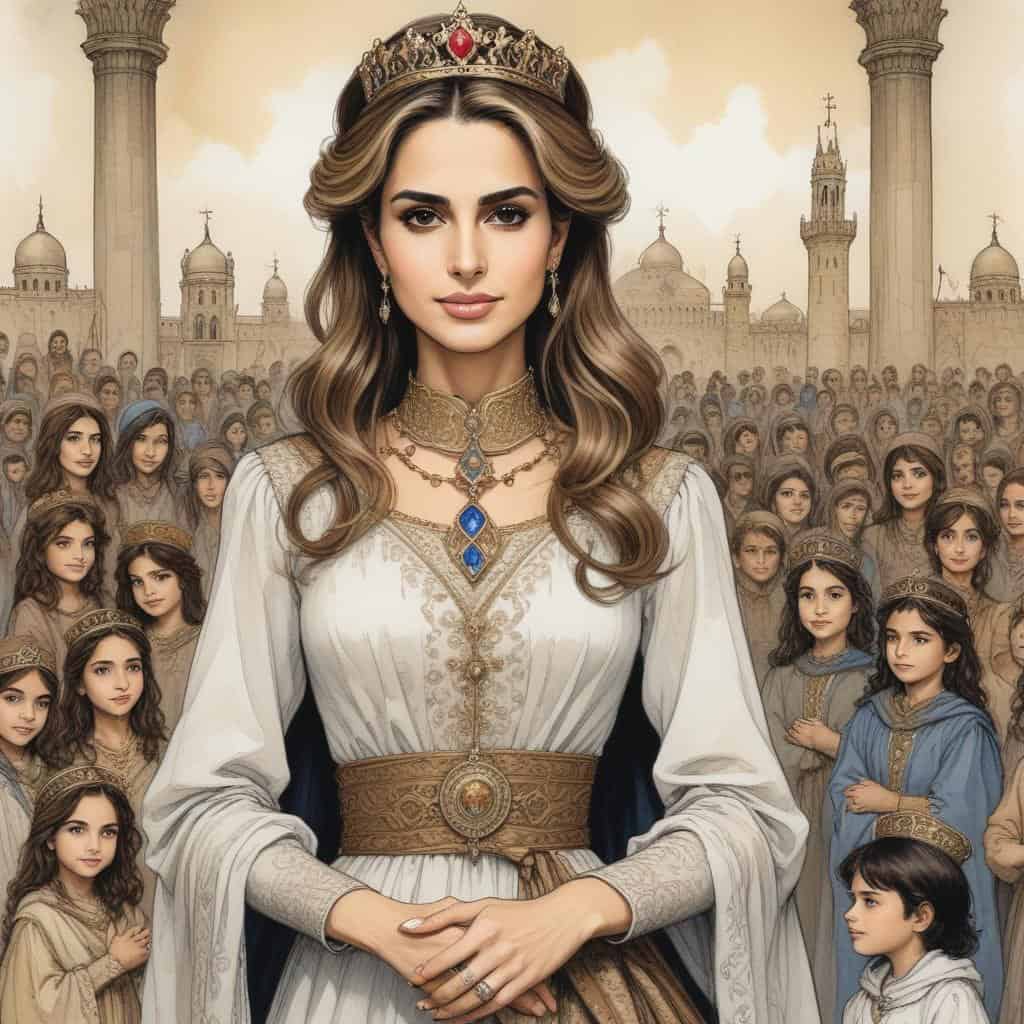
Queen Rania of Jordan

Jordan Peele
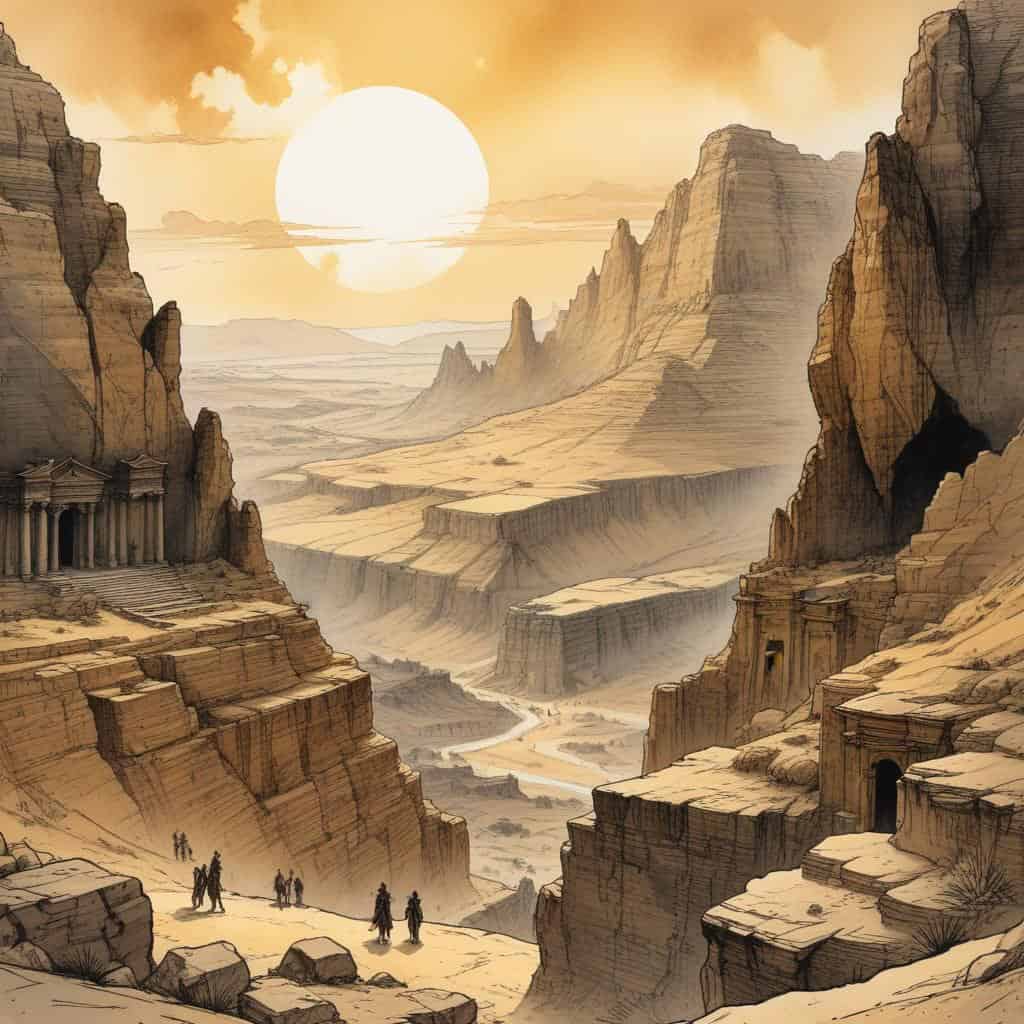
1. History and Geography
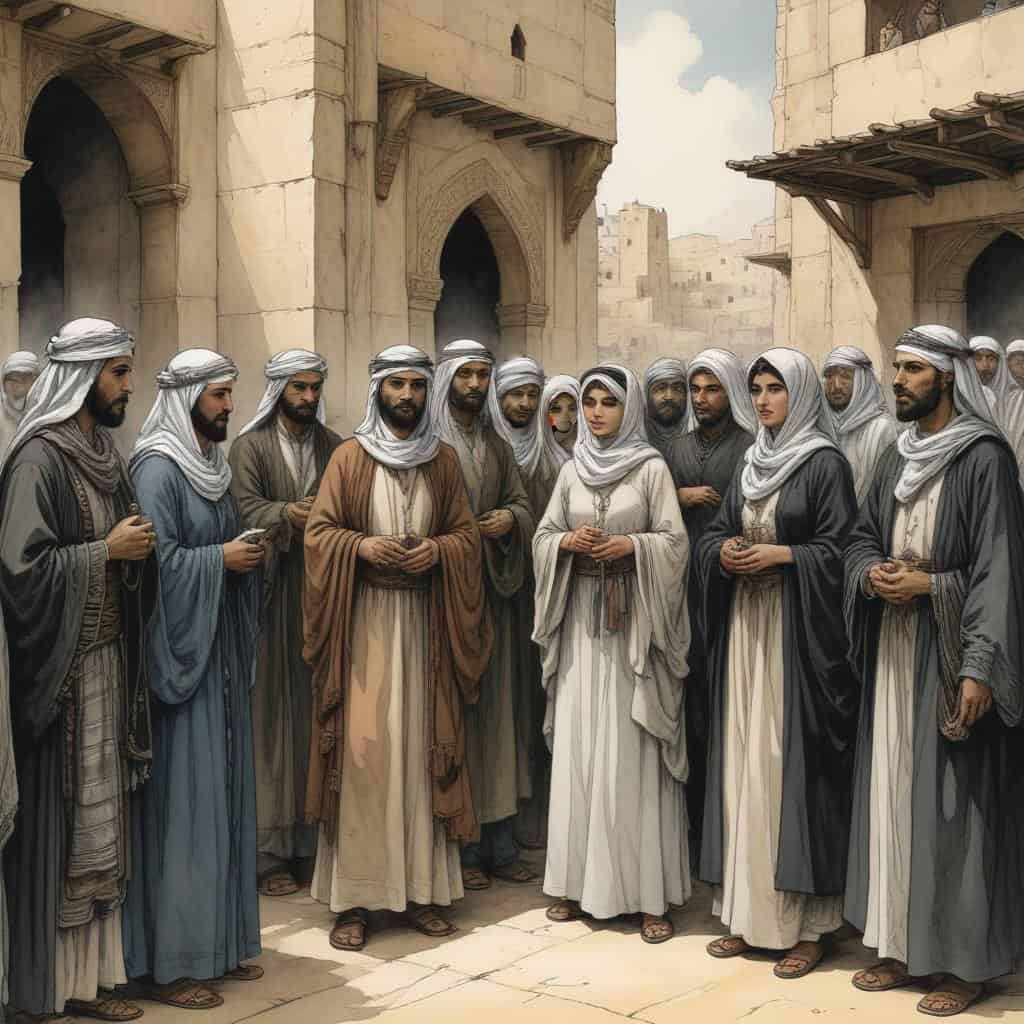
2. Culture and Traditions
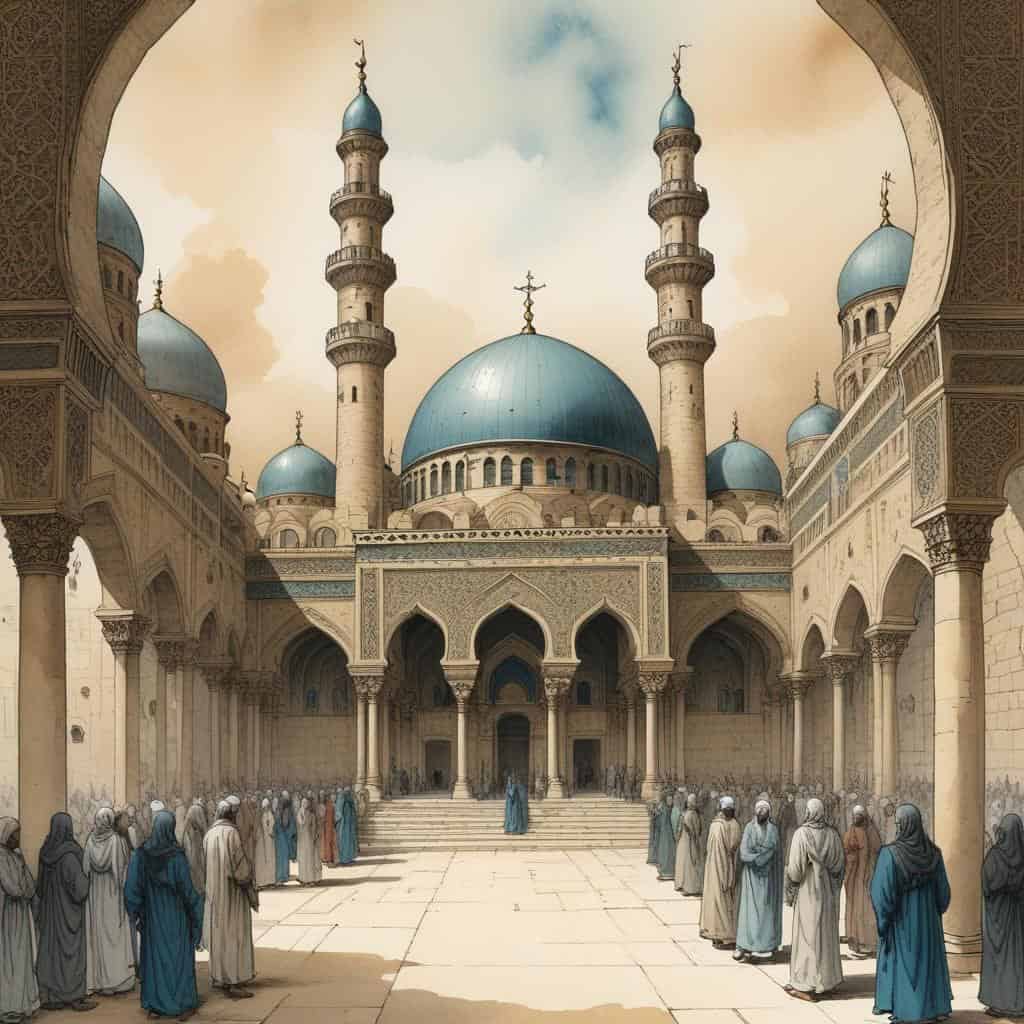
3. Language and Religion
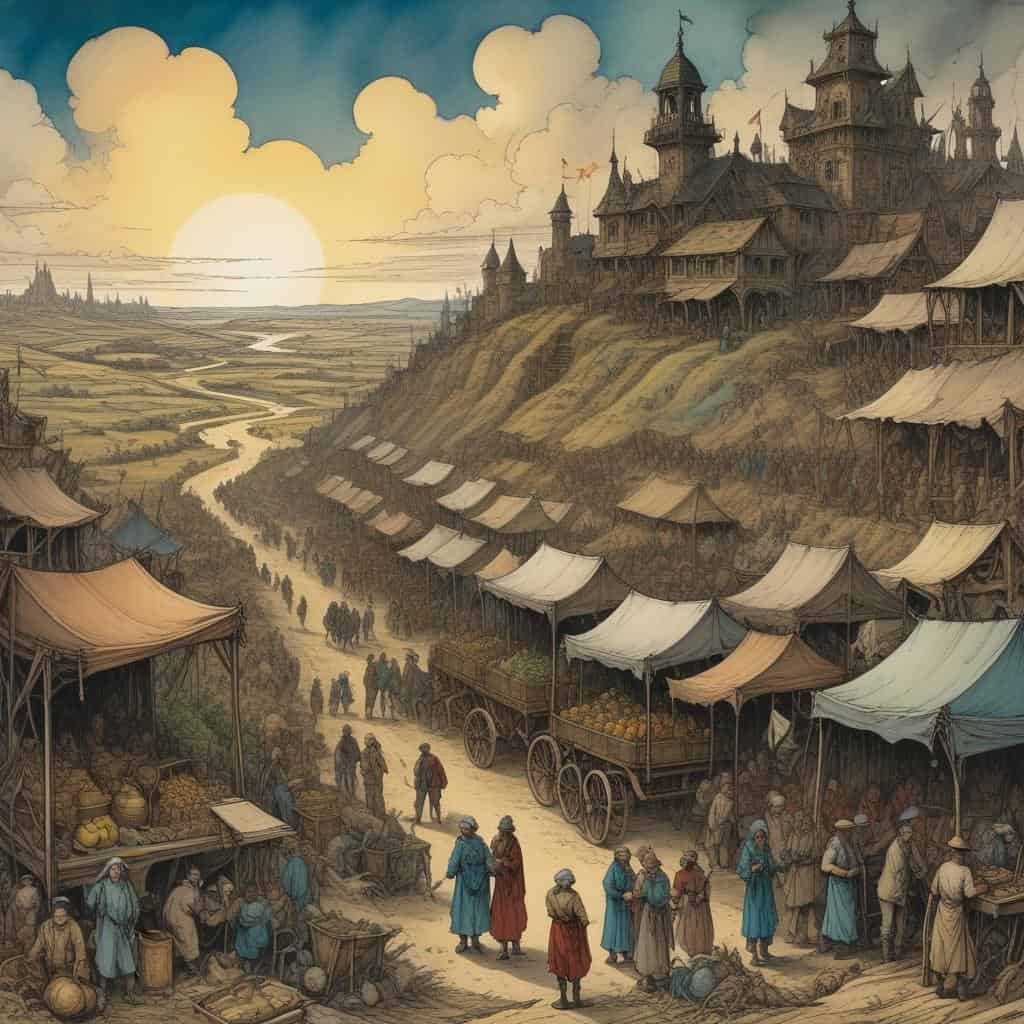
4. Economy and Industry
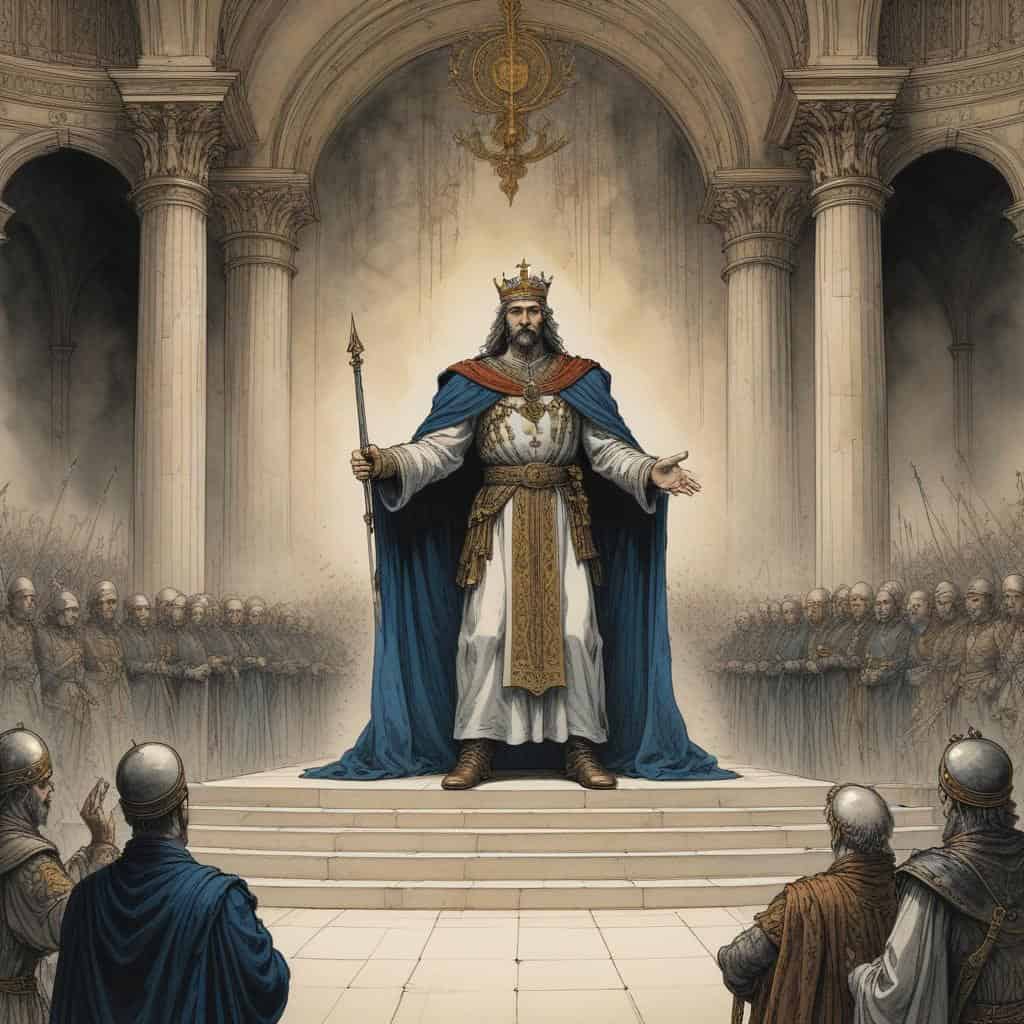
5. Government and Politics
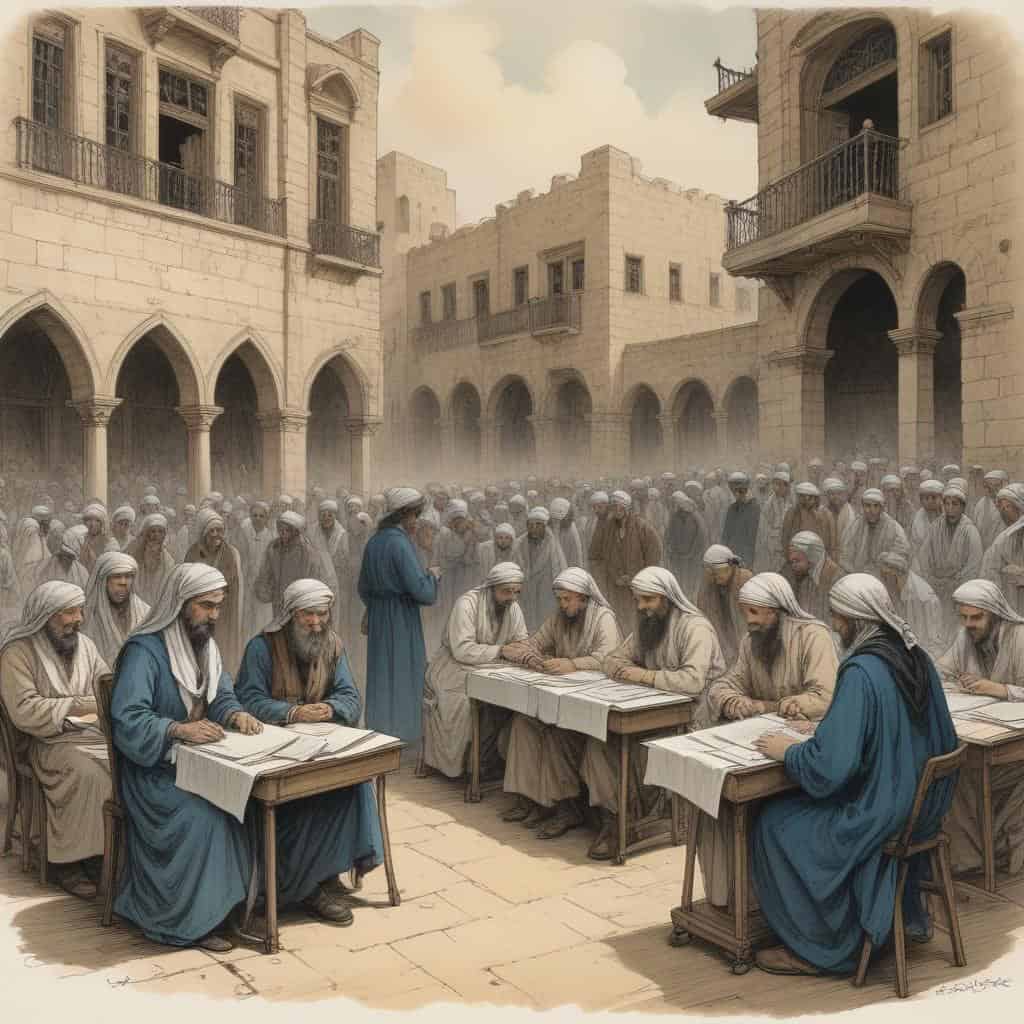
6. Education and Healthcare
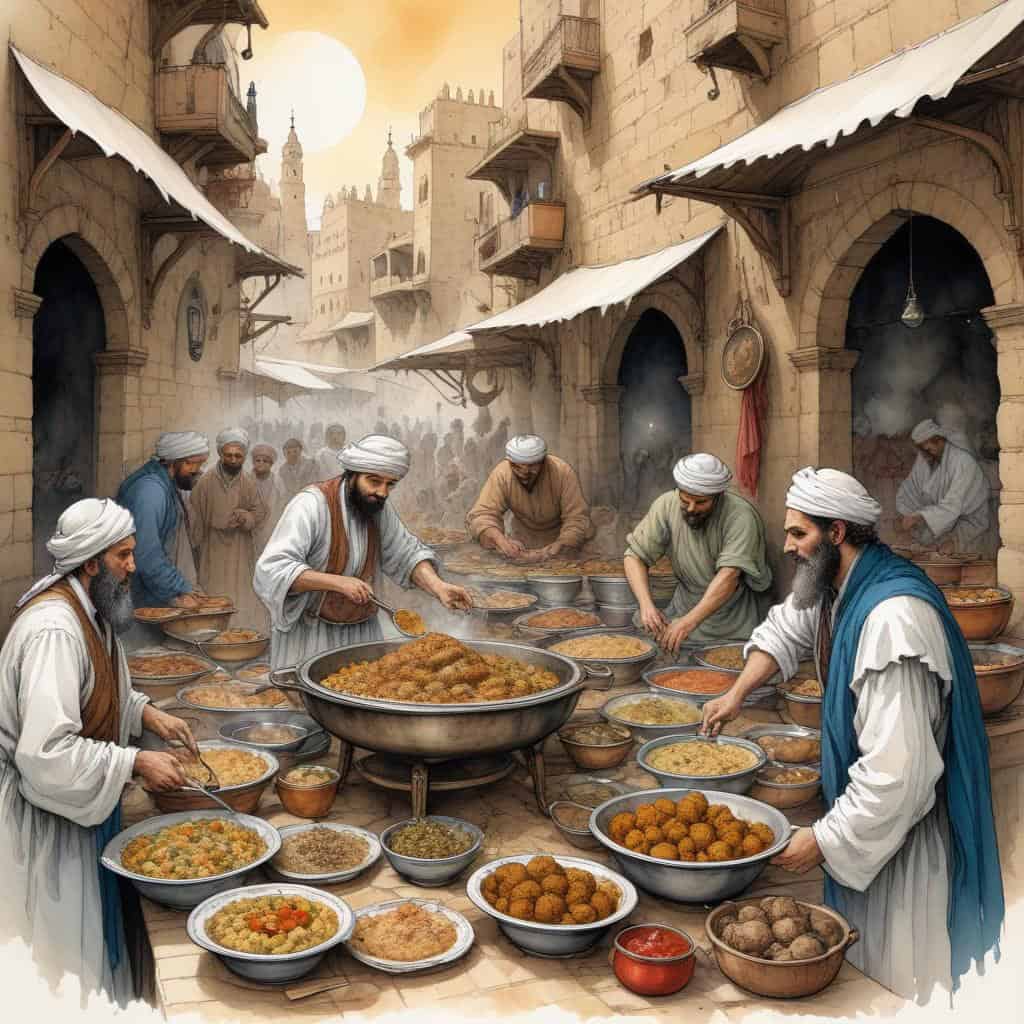
7. Cuisine and Food

8. Sports and Recreation
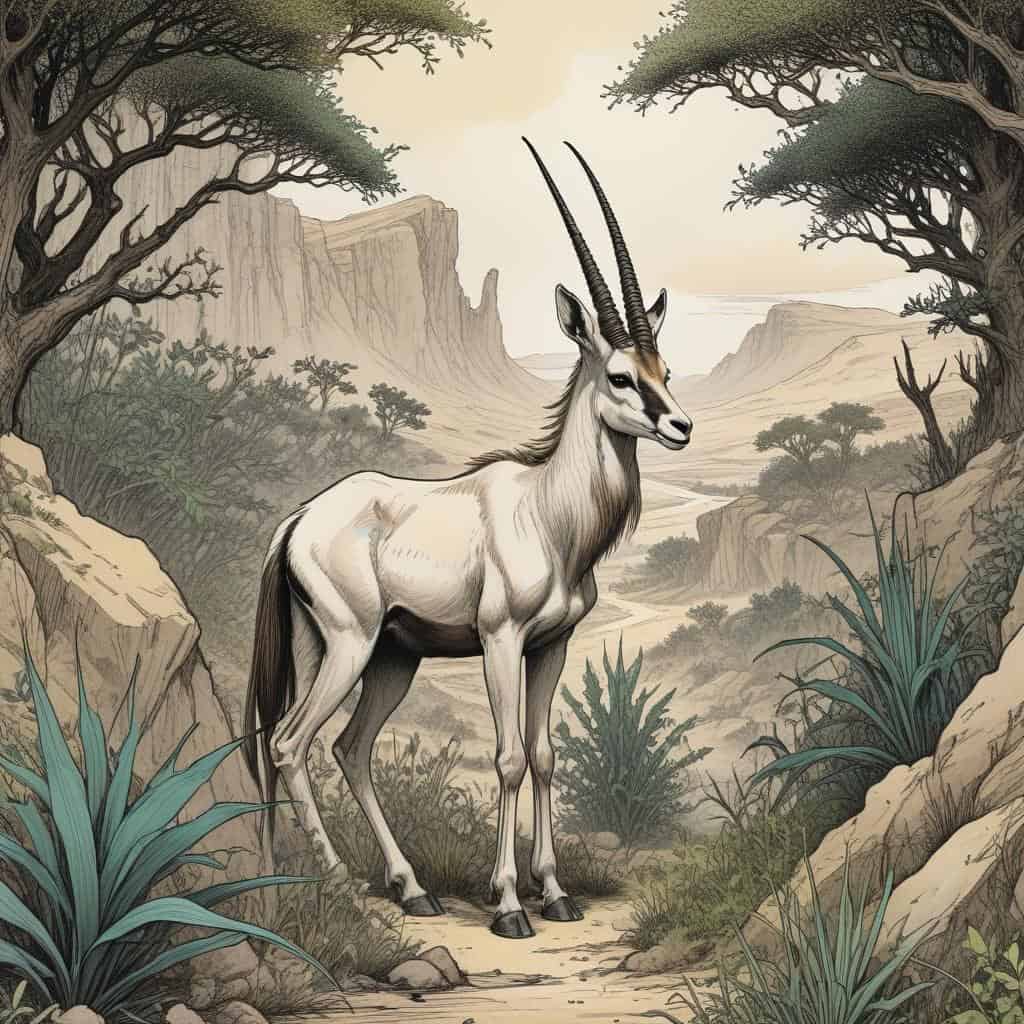
9. Wildlife and Environment
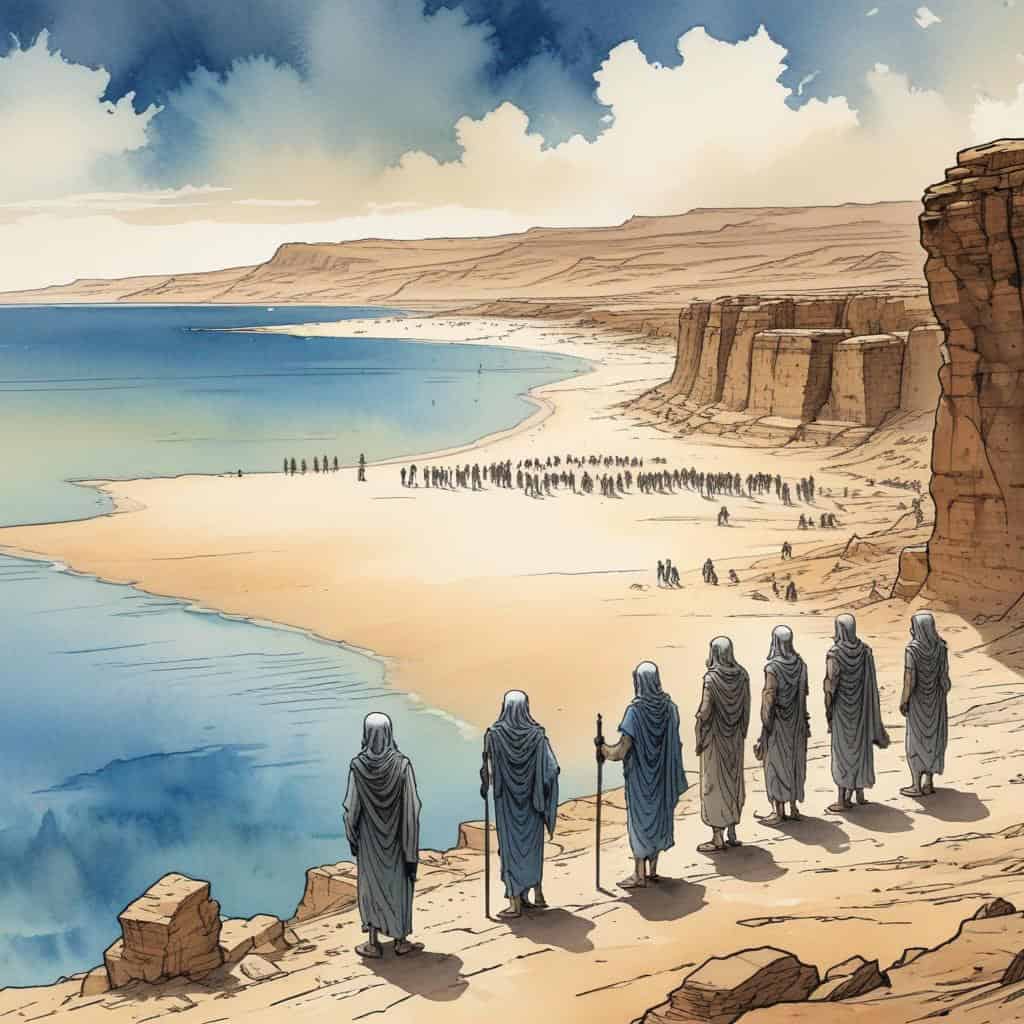
10. Famous Landmarks and Attractions
Audio Library
As one of our featured lessons, this topic includes premium audio guides.
Unlock the Wizard's Cram Session
This powerful audio study guide is a Pro-exclusive feature. Upgrade to Memory Wizards Pro to access this and all of our premium learning tools.
Upgrade to ProIn a Nutshell
- Capital: Amman
- Population: Approx. 10.2 million (2021)
- Official Language: Arabic
- Currency: Jordanian Dinar (JOD)
Breaking Down the Country
No composition analysis points available.
Timeline of Jordan
Birth of Jordan
First day of school
Graduation from high school
Enrollment in university
First job
Moving to a new city
Meeting a significant other
Getting engaged
Buying a house
Birth of first child
Promotion at work
Traveling abroad
Completing a marathon
Starting a business
Attending a family reunion
Retirement
Celebrating 50th wedding anniversary
Becoming a grandparent
Volunteering for a charity
Passing away
Vocabulary List
- Jumpman
- A logo of a silhouette of Michael Jordan jumping to dunk a basketball
- Amman
- The capital city of Jordan
- Petra
- An ancient city carved into the mountains of Jordan
- Wadi rum
- A desert valley in southern Jordan known for its stunning sandstone formations
- Dead sea
- A salt lake bordered by Jordan to the east and Israel and Palestine to the west
- Aqaba
- A coastal city in Jordan known for its beautiful beaches and coral reefs
- Bedouin
- A member of a traditionally nomadic Arab desert people in Jordan
- Hashemite
- A member of the ruling royal family of Jordan
- Zarqa
- The second-largest city in Jordan
- Zarqa river
- A river in Jordan that flows into the Dead Sea
- Madaba
- A city in Jordan known for its ancient mosaics
- Jerash
- An ancient city in Jordan known for its well-preserved Roman ruins
- Amphitheater
- A large circular or oval open-air venue in Amman, Jordan, used for performances and events
- Dinar
- The currency of Jordan
- Ramadan
- The ninth month of the Islamic calendar, observed by fasting from sunrise to sunset in Jordan
- Falafel
- A deep-fried ball or patty made from ground chickpeas or fava beans, commonly eaten in Jordan
- Karak castle
- A Crusader castle located in Karak, Jordan
- Desert castles
- A series of fortified palaces and forts built in the Jordanian desert
- Aqaba gulf
- A gulf between Jordan and Saudi Arabia, part of the Red Sea
- Dabke
- A traditional Arab folk dance commonly performed in Jordan.
Key Facts
This is the information used in the fact matching game
- Jordan is located in the Middle East
- It shares borders with Saudi Arabia, Iraq, Syria, Israel, and Palestine
- The official language is Arabic
- The capital city is Amman
- The currency is the Jordanian Dinar
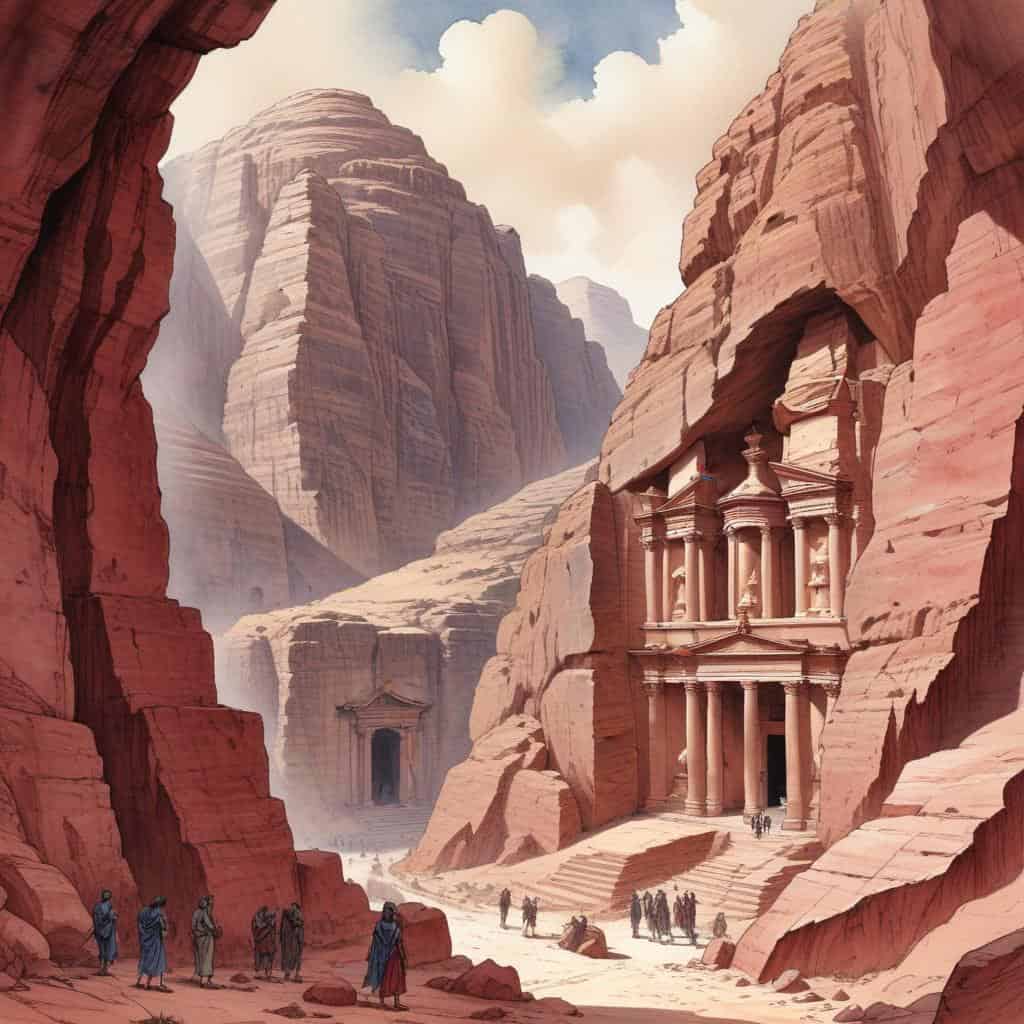
- Jordan is known for its ancient city of Petra
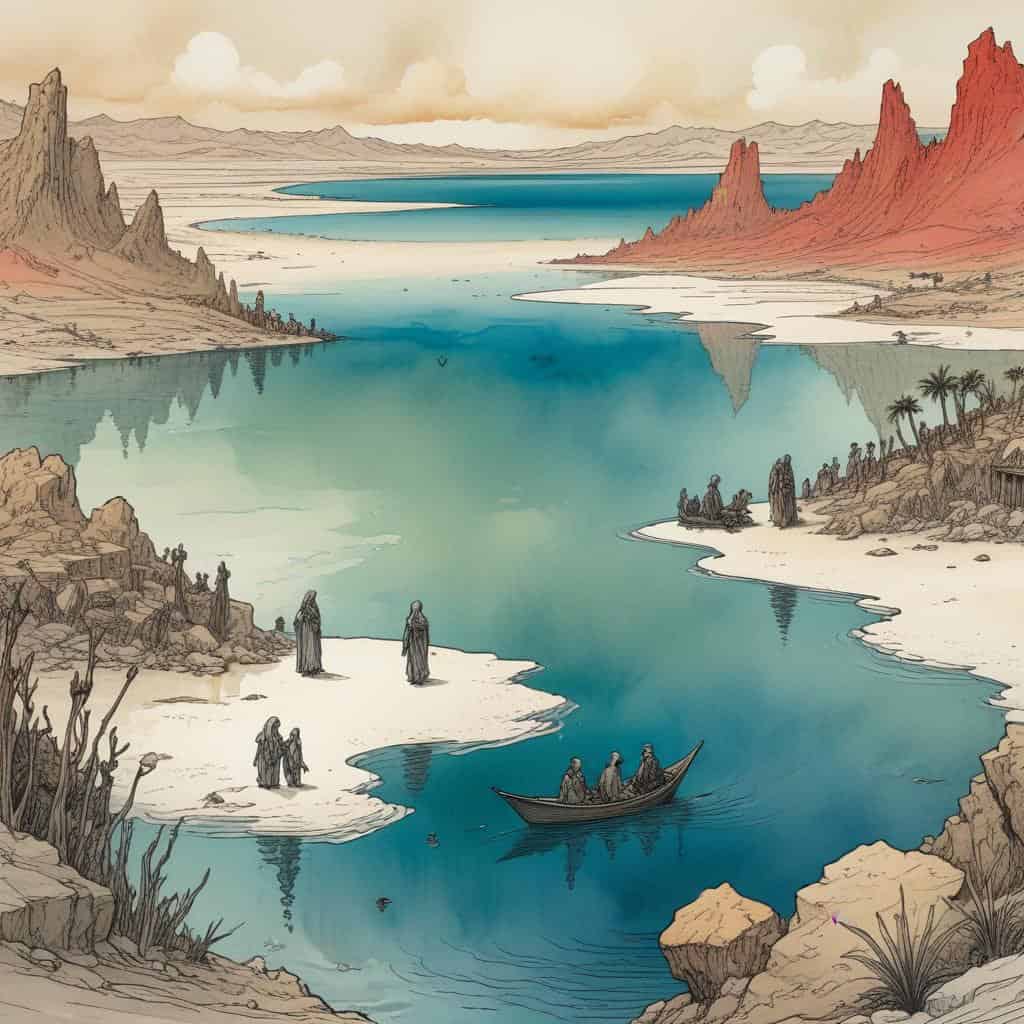
- It is home to the Dead Sea, the lowest point on Earth
- The national dish is Mansaf, a traditional lamb and rice meal
- The population of Jordan is around 10 million people
- The official religion is Islam
- Jordan has a constitutional monarchy
- The country gained independence in 1946
- Jordan has a diverse landscape, including deserts, mountains, and valleys
- It is known for its rich history and archaeological sites
- The official flag of Jordan consists of horizontal black, white, and green stripes with a red triangle on the hoist side
- The country has a Mediterranean climate with hot summers and mild winters
- Jordan is a popular destination for tourists interested in exploring ancient ruins and historical sites
- The national animal is the Arabian Oryx
- Jordan is a member of the United Nations and the Arab League
- The Jordanian economy relies heavily on services, industry, and tourism.
Why It Matters
Geopolitical Significance
Jordan’s strategic location in the Middle East has made it a key player in regional politics and alliances. It borders Israel, Syria, Iraq, and Saudi Arabia, positioning it as a bridge between the Levant and the Arabian Peninsula. Its stability and foreign relations have a significant impact on the wider Middle East.
Historical Importance
Jordan’s history dates back to ancient times, with sites like Petra showcasing its rich archaeological heritage. It has been ruled by various civilizations, including the Nabateans, Romans, and Ottomans. Modern Jordan was established in the aftermath of World War I, playing a role in the Arab-Israeli conflict and peace efforts.
Modern-Day Role
Today, Jordan is a key ally of Western countries in the fight against terrorism and a stabilizing force in the region. It hosts a large population of refugees and plays a role in peace negotiations between Israel and Palestine. Its economy is diversifying, with sectors like tourism and technology on the rise.
Jordan Games


Take Your Learning Offline
Want a convenient, print-ready study guide for this lesson? Become a Memory Wizards Pro member to unlock the downloadable " Memory Scrolls" for this topic and our entire library!
- ✓ Complete Vocabulary Lists
- ✓ Key Facts & Timelines
- ✓ Beautifully Formatted for Print & Mobile