
How Do You Learn Best?
Learn by Listening
Start with the 3-minute audio summary to get the key facts and narrative highlights quickly.
Learn by Reading
Immerse yourself in the 10-minute visual lesson for a comprehensive understanding of the topic.
Learn by Reviewing
Jump directly to the key facts, timeline, and vocabulary lists to build a solid foundation of details.
Learn by Doing
Challenge yourself! Jump straight into the interactive games to learn by trial, error, and discovery.
Japan in 10 Minutes
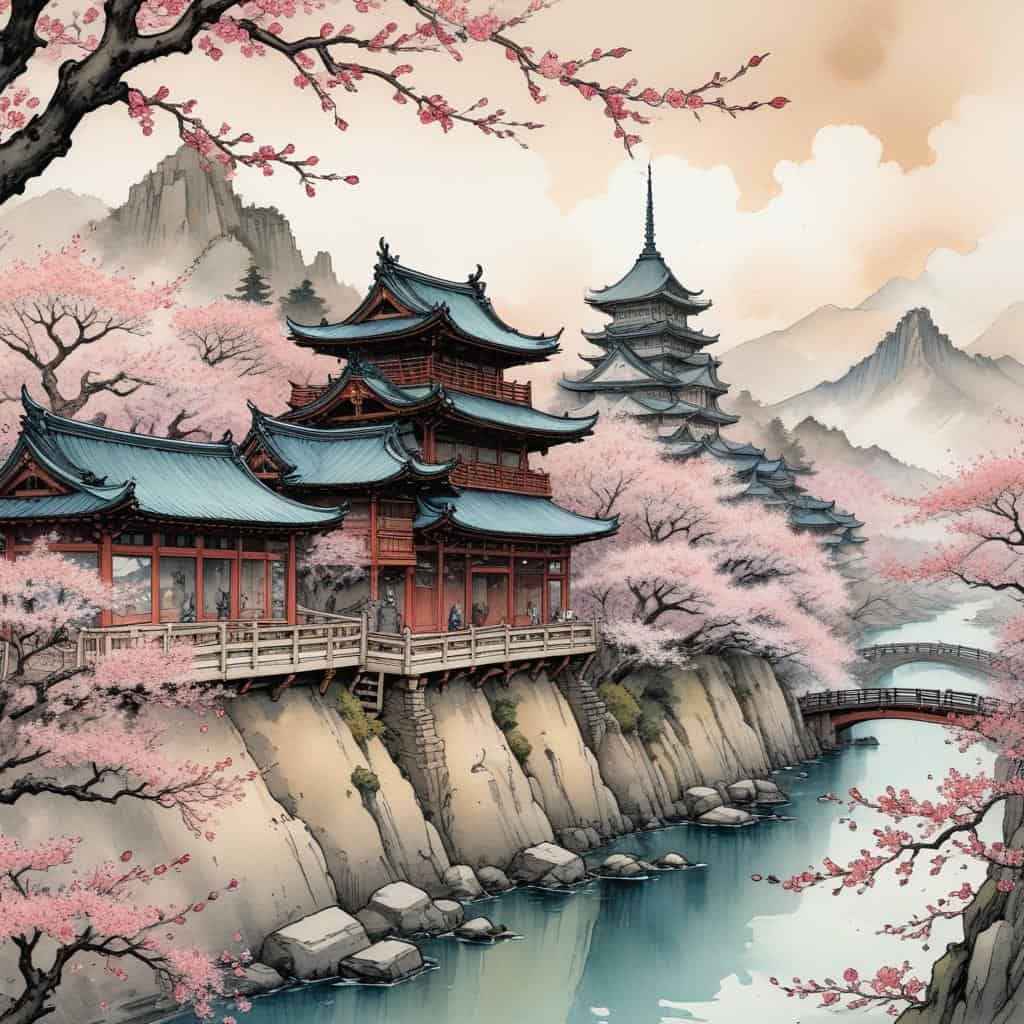
Introduction
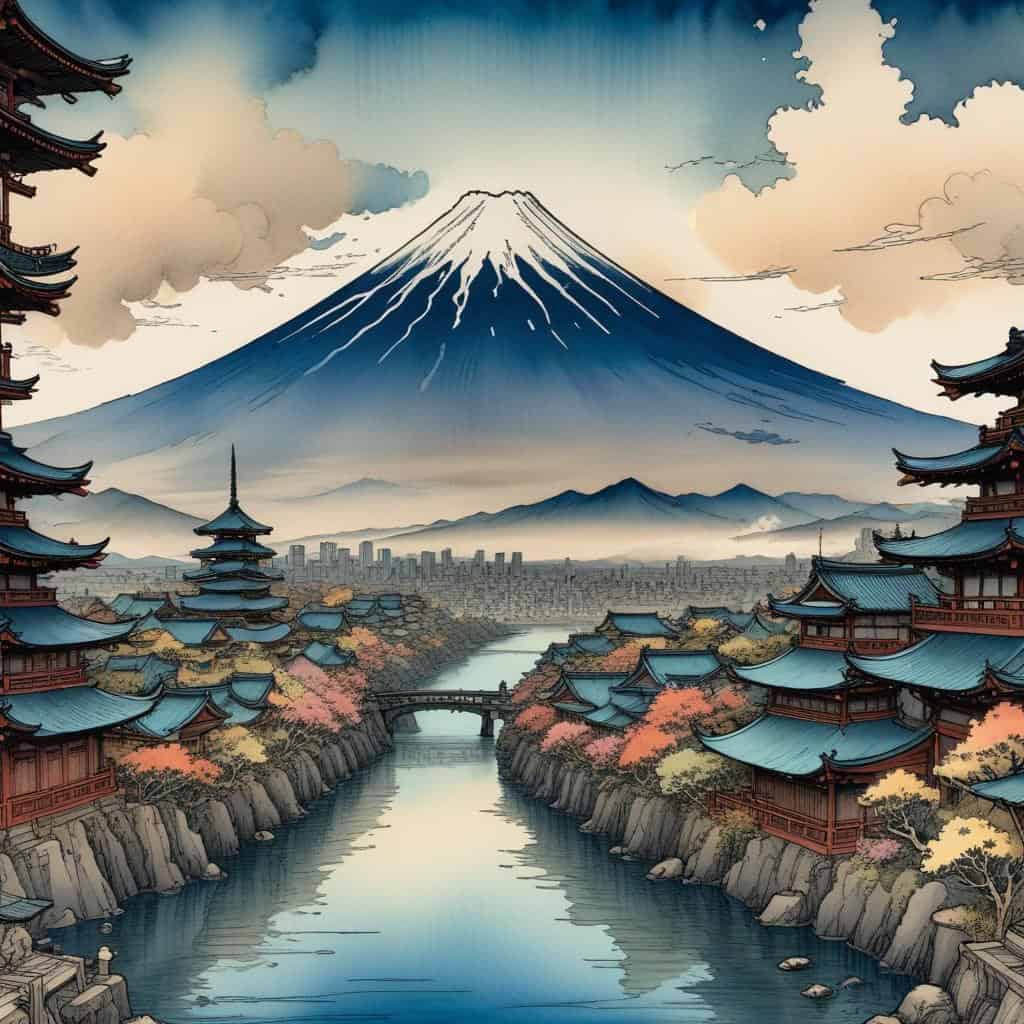
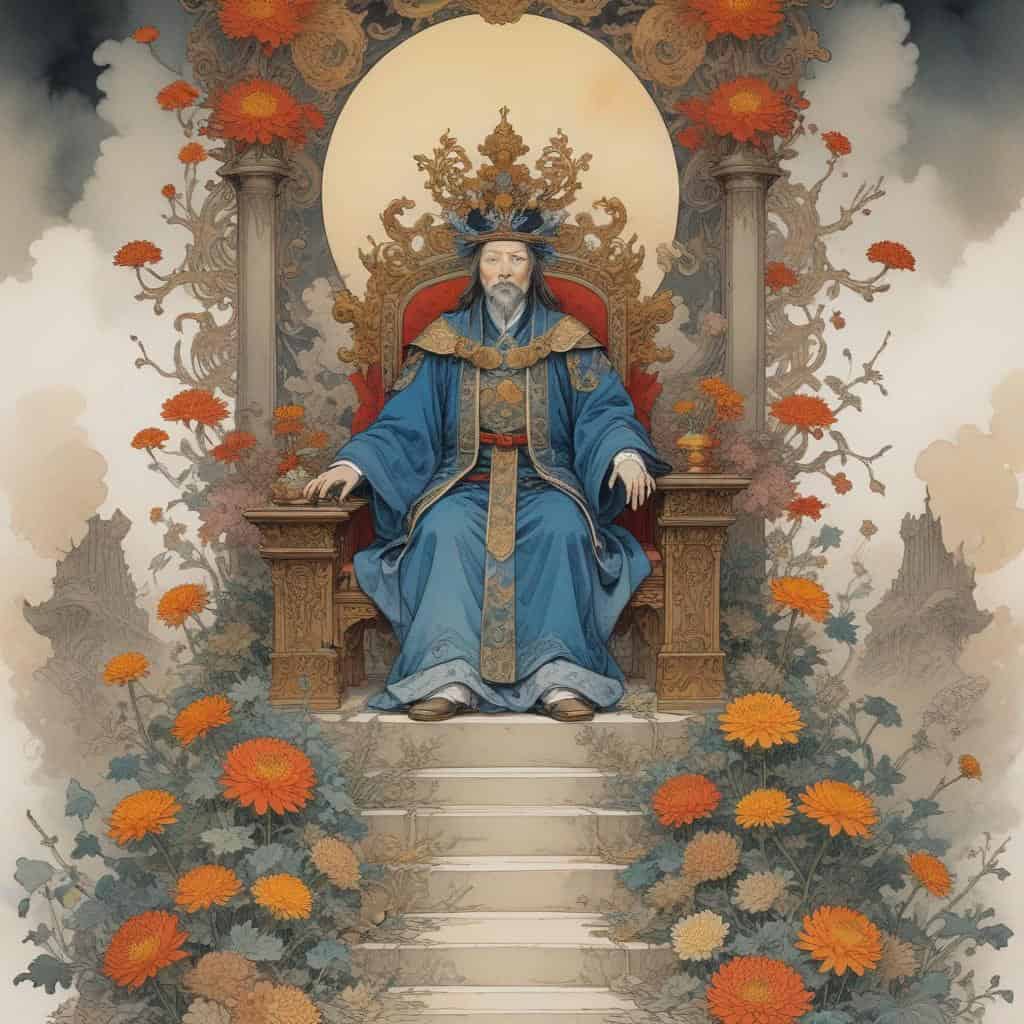
Emperor Naruhito
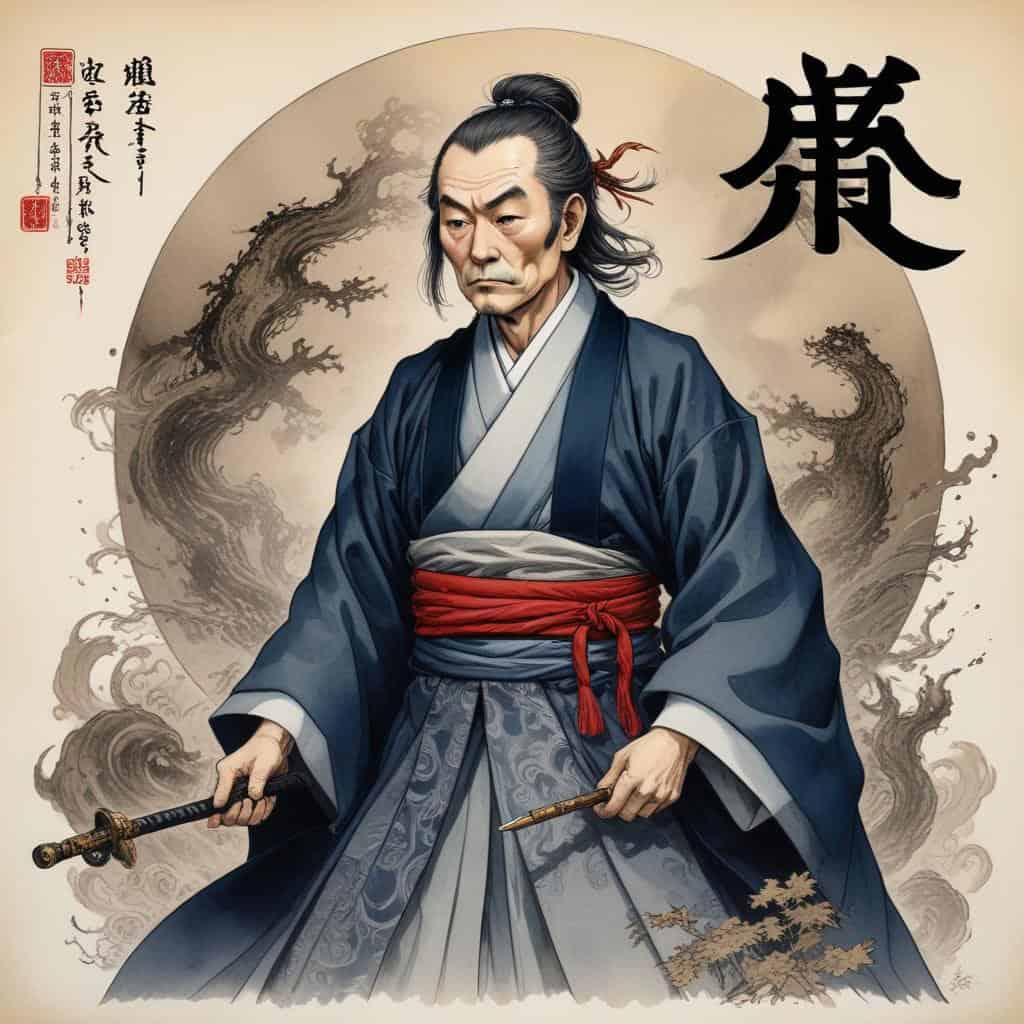
Prime Minister Yoshihide Suga

Haruki Murakami

Mariya Takeuchi
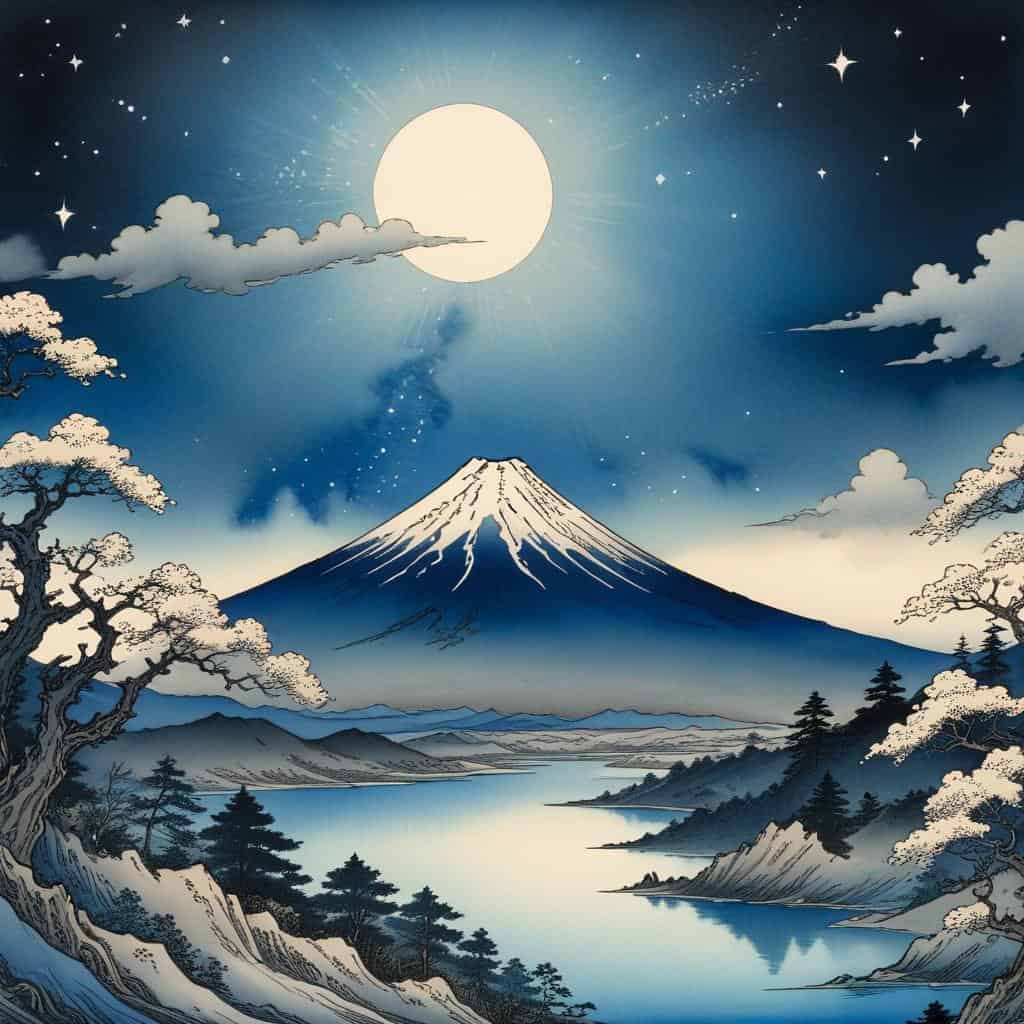
Hokusai
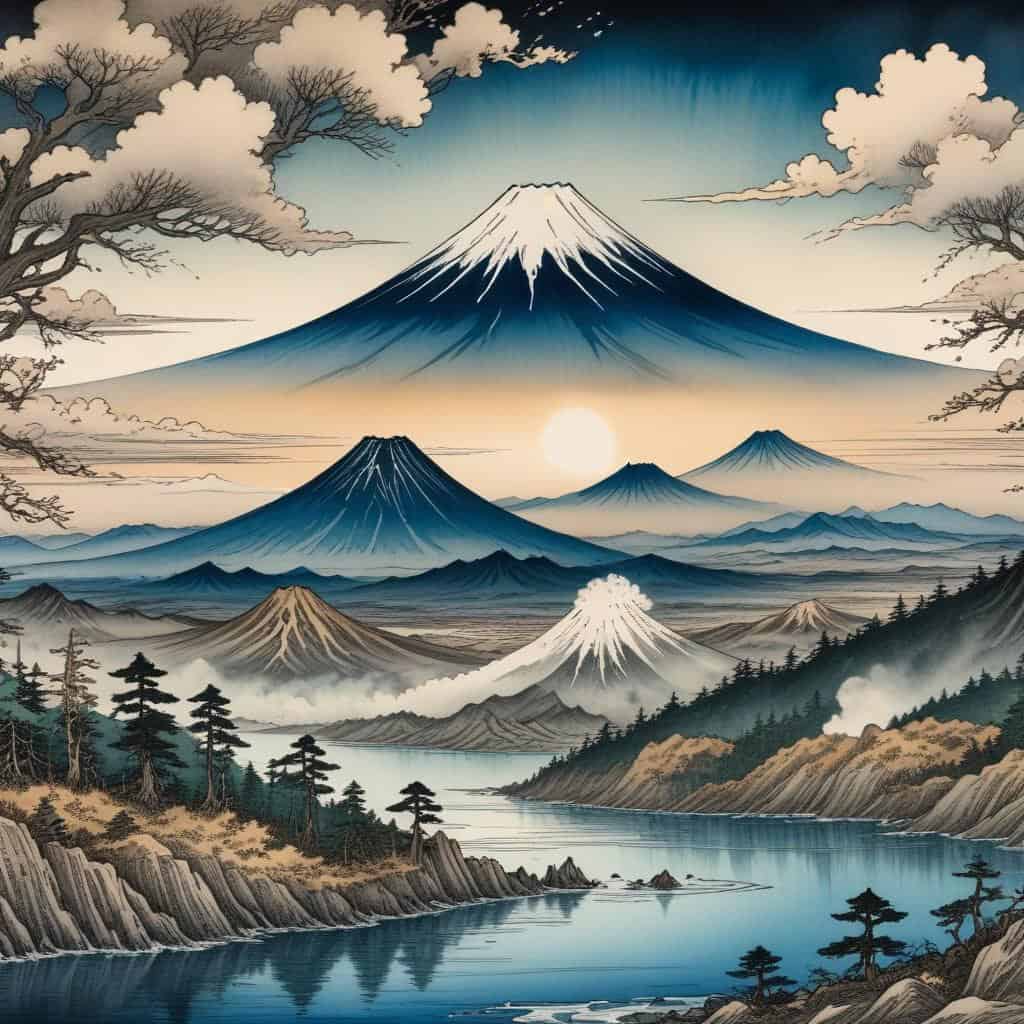
Geography
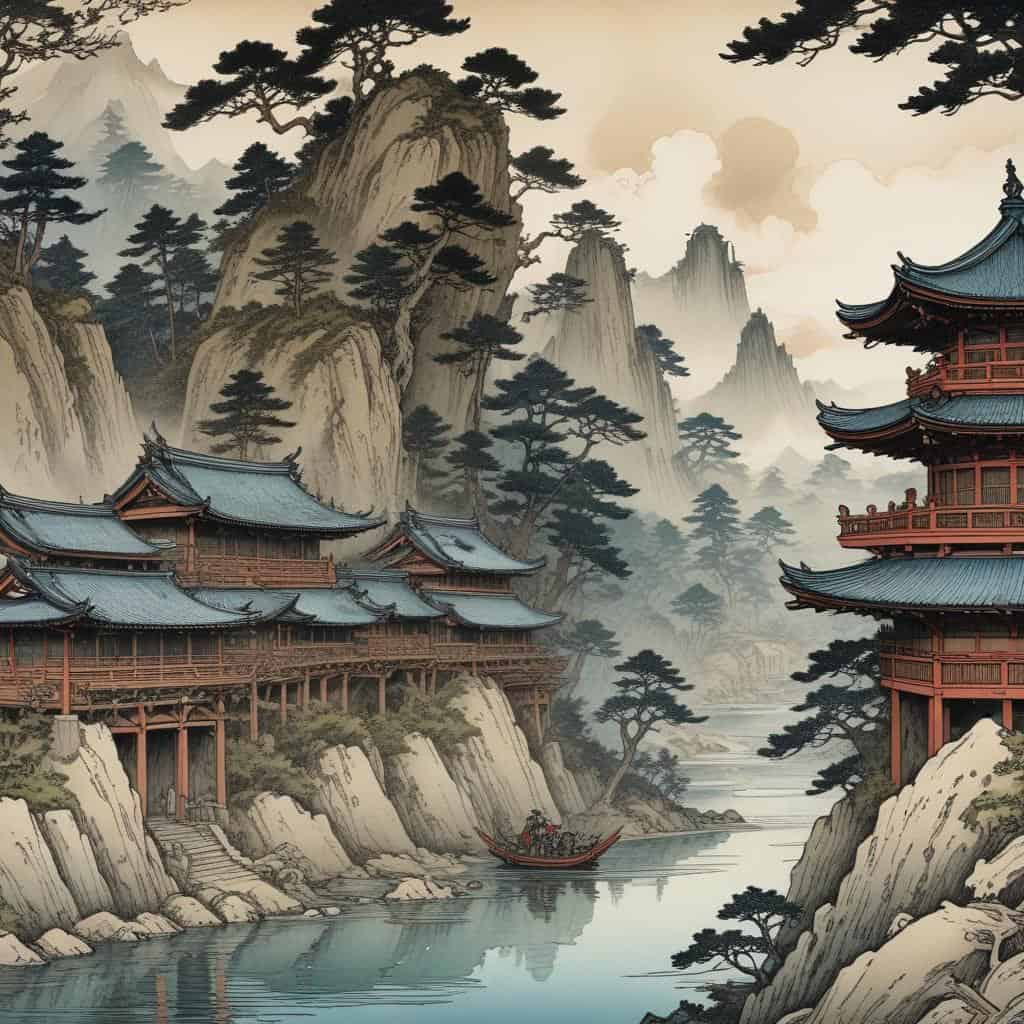
History
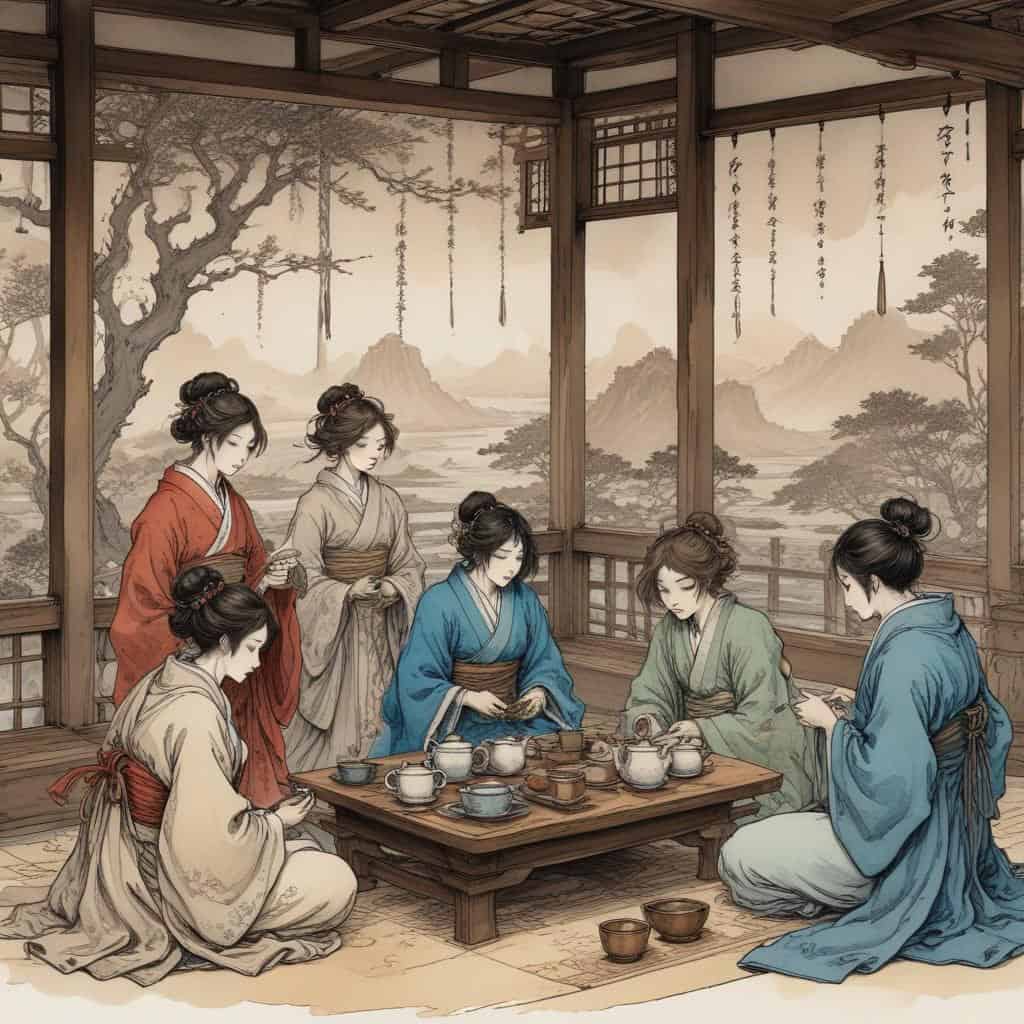
Culture
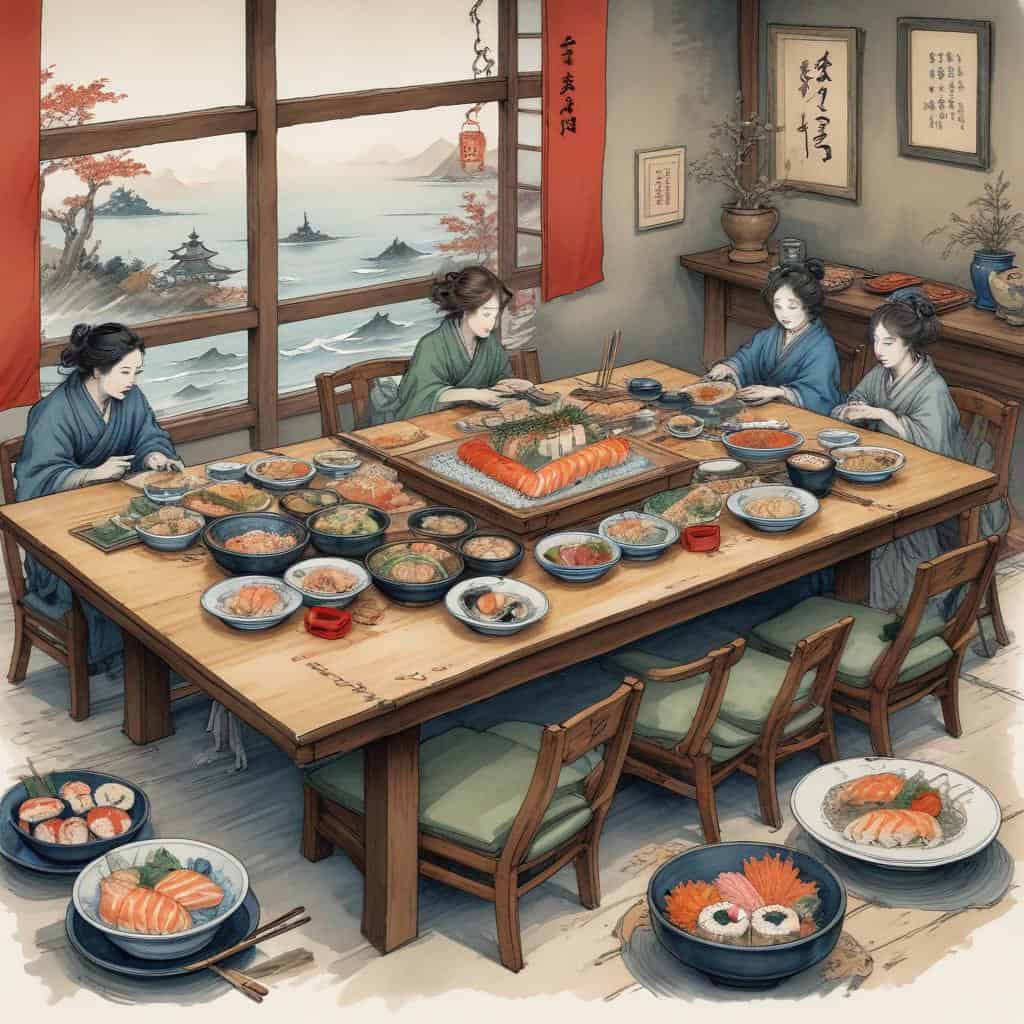
Food
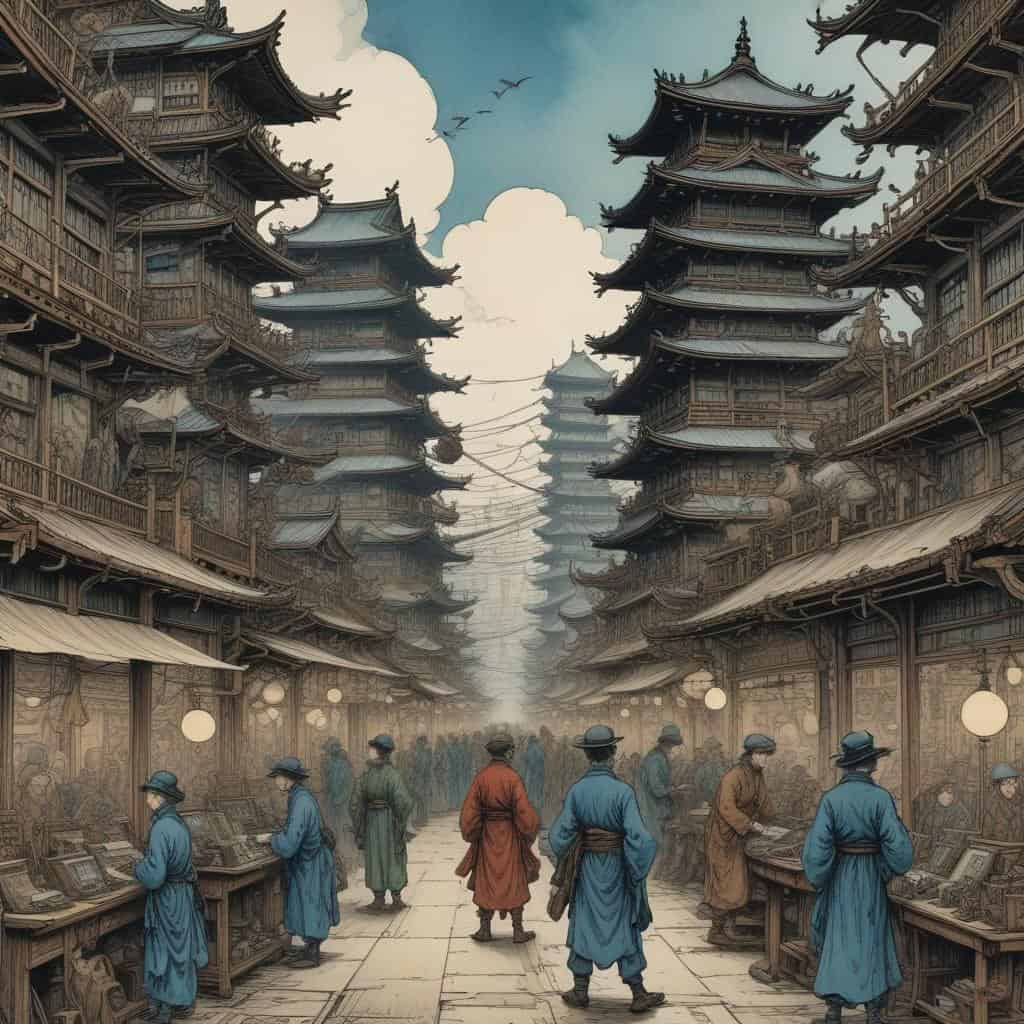
Economy
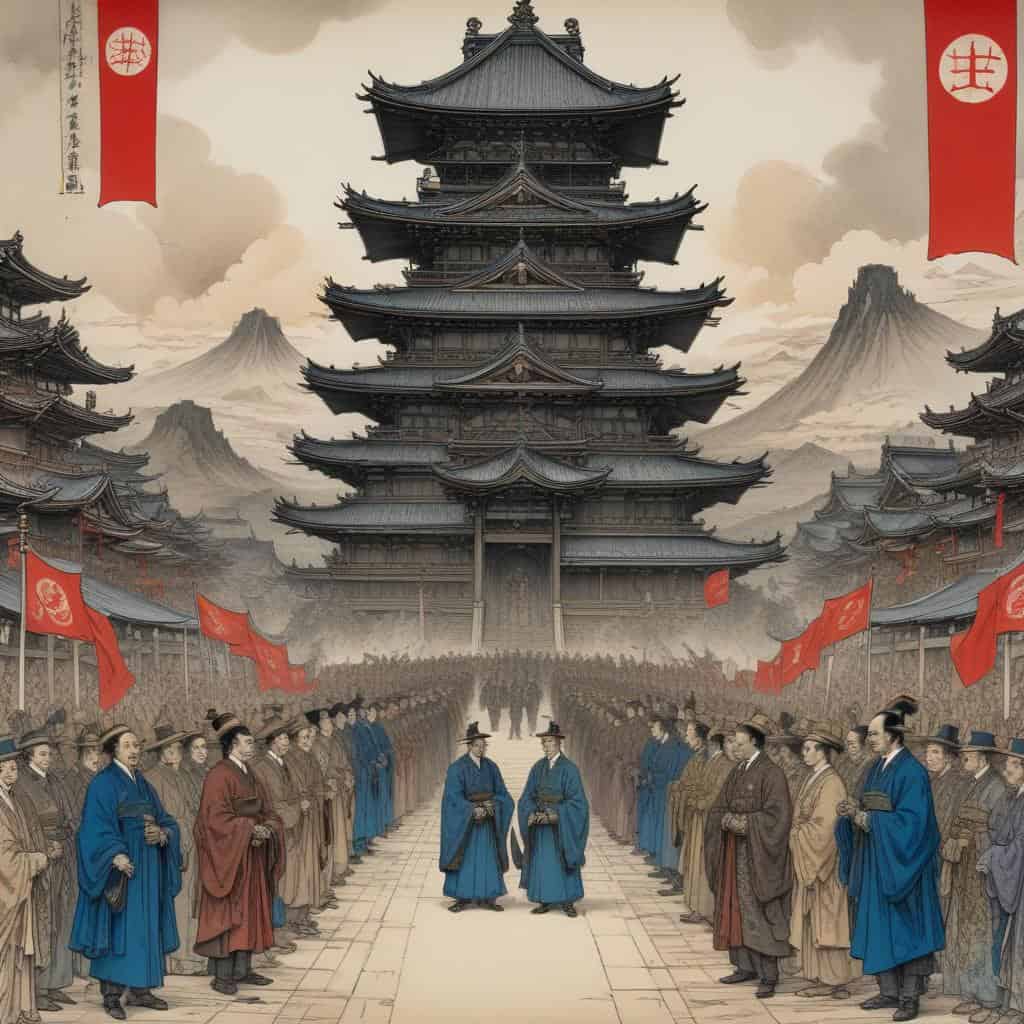
Politics
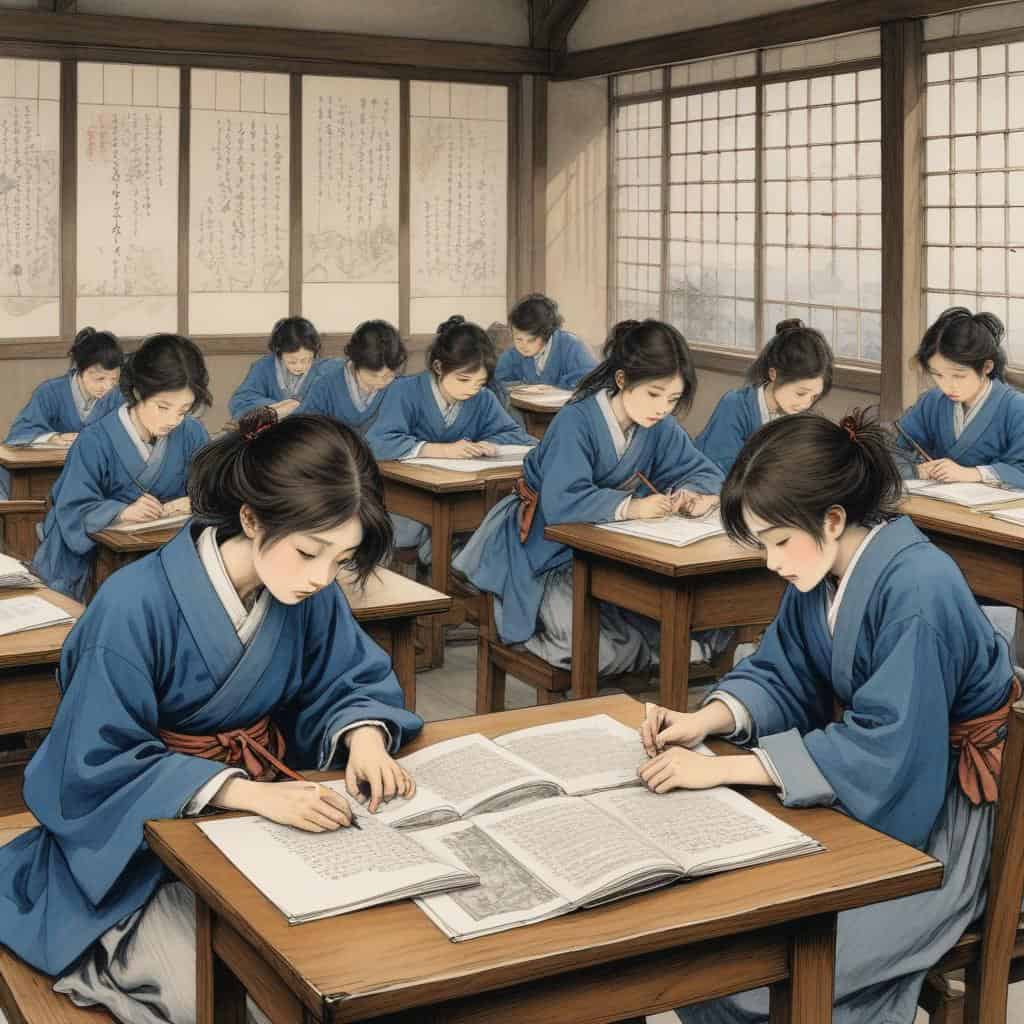
Education
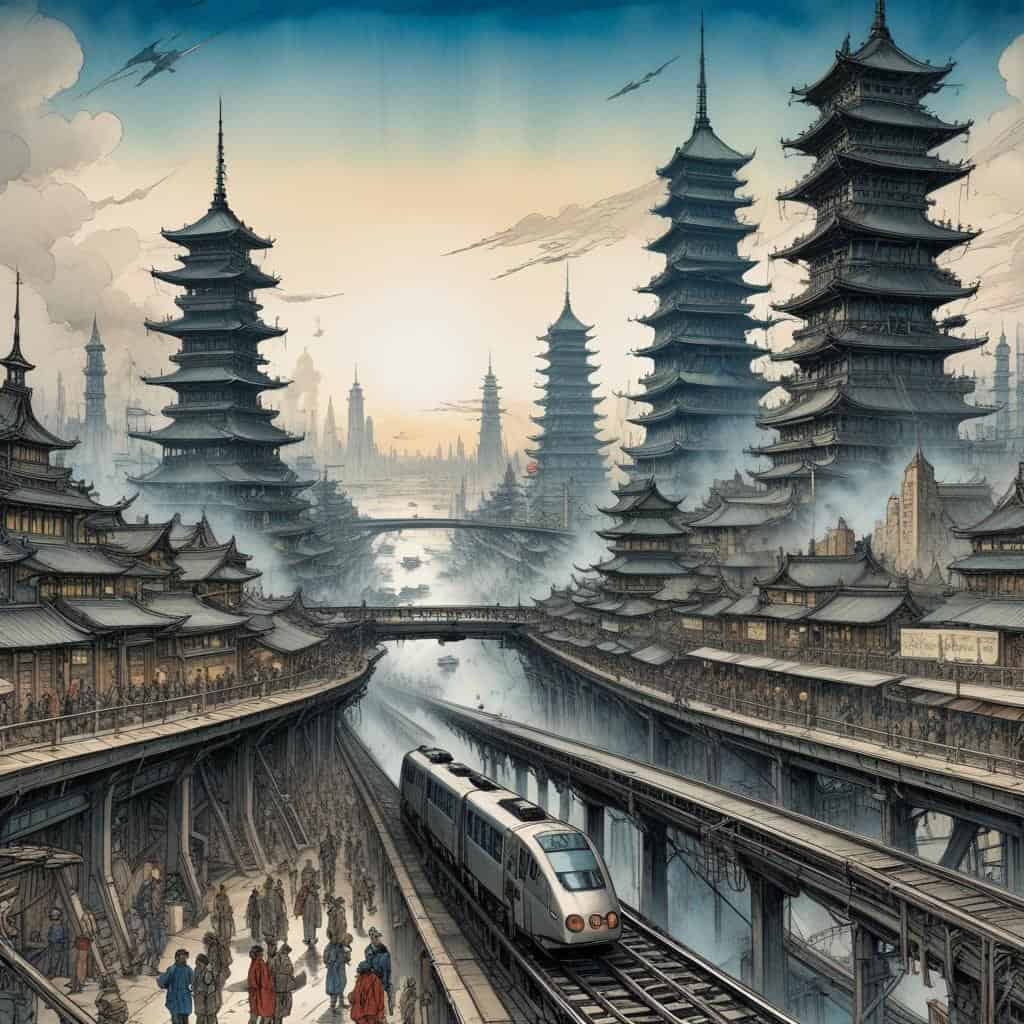
Technology
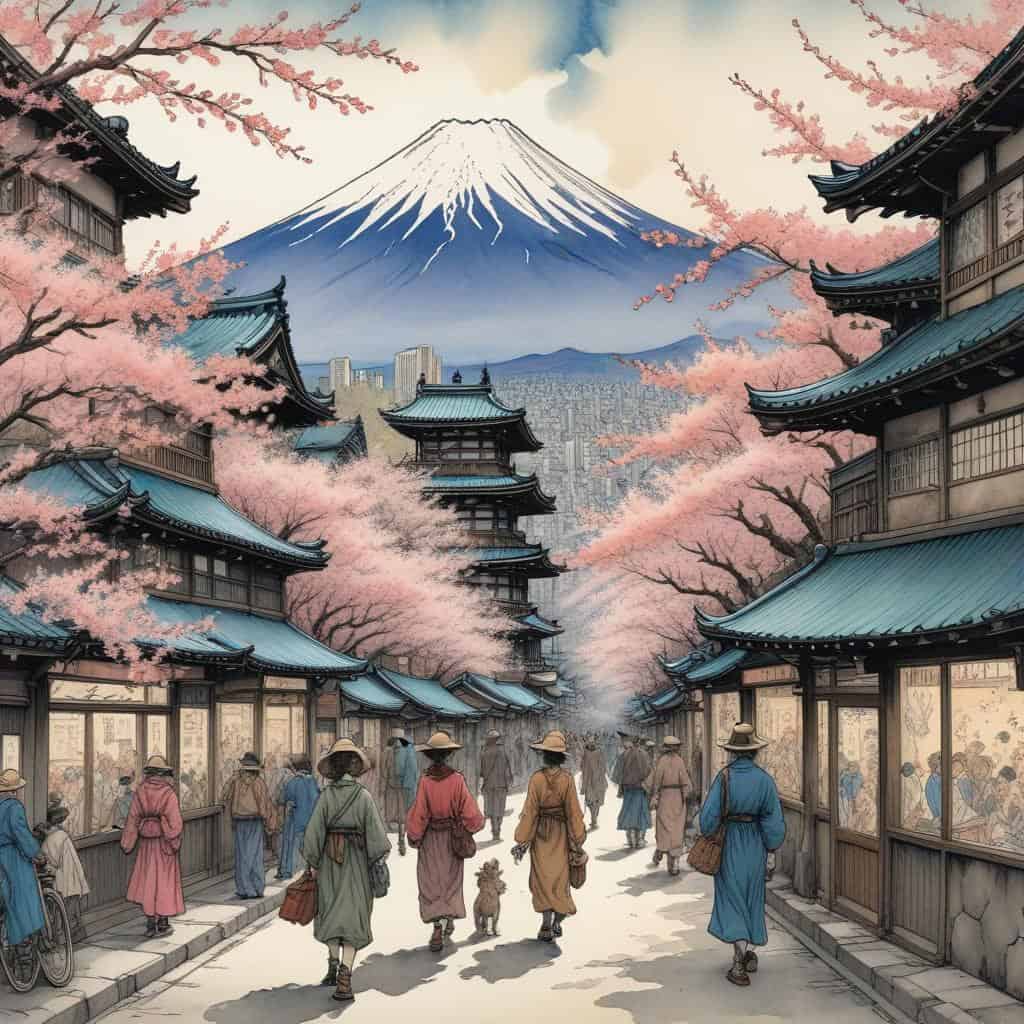
Tourism
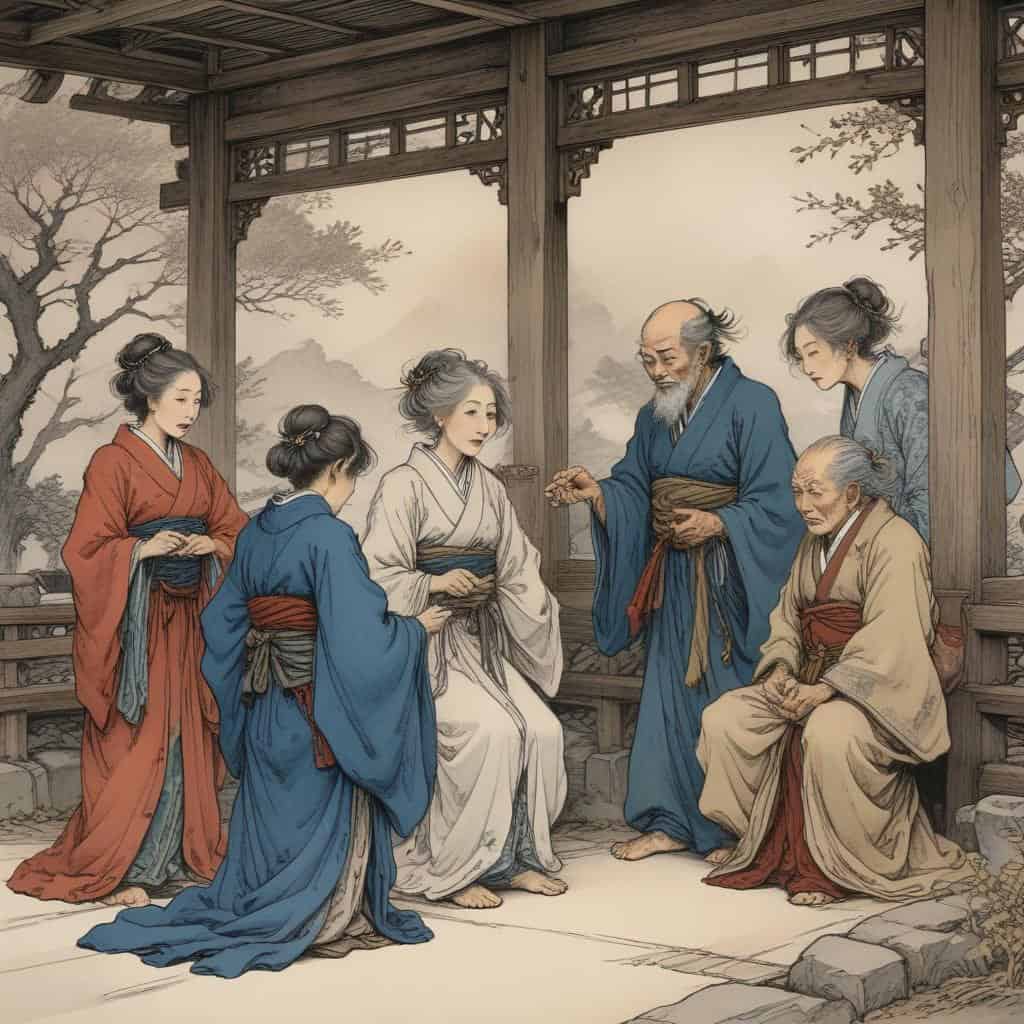
Society
Audio Library
As one of our featured lessons, this topic includes premium audio guides.
Unlock the Wizard's Cram Session
This powerful audio study guide is a Pro-exclusive feature. Upgrade to Memory Wizards Pro to access this and all of our premium learning tools.
Upgrade to ProIn a Nutshell
- Capital: Tokyo
- Population: Approx. 126.5 million (2021)
- Official Language: Japanese
- Currency: Japanese yen (JPY)
Breaking Down the Country
No composition analysis points available.
Timeline of Japan
Jomon period begins
Yayoi period begins
Kofun period begins
Buddhism introduced to Japan
Nara period begins
Heian period begins
Samurai class emerges
Kamakura period begins
Muromachi period begins
Edo period begins
Tokugawa shogunate established
Meiji Restoration
Japan adopts Western-style government
First Sino-Japanese War
Russo-Japanese War
Japan becomes a colonial power
World War II begins
Atomic bombings of Hiroshima and Nagasaki
Japan surrenders, World War II ends
Japan becomes a constitutional monarchy
Vocabulary List
- Sushi
- A Japanese dish consisting of small balls or rolls of vinegar-flavored cold cooked rice served with a garnish of raw fish, vegetables, or egg
- Kimono
- A traditional Japanese garment that is a long robe with wide sleeves and tied with a sash
- Geisha
- A Japanese woman trained to entertain men with conversation, dance, and song
- Samurai
- A member of the hereditary military nobility in feudal Japan who followed the code of bushido
- Kabuki
- A type of traditional Japanese theater known for its elaborate costumes, stylized dance, and exaggerated gestures
- Shogun
- A hereditary commander-in-chief in feudal Japan who ruled in the name of the emperor
- Sumo
- A form of heavyweight wrestling in Japan, characterized by the use of ritual elements and a limited set of techniques
- Onsen
- A Japanese hot spring, often featuring bathing facilities and inns
- Haiku
- A traditional form of Japanese poetry consisting of three lines with a 5-7-5 syllable pattern
- Ninja
- A member of a historical class of Japanese warriors skilled in espionage and martial arts
- Kawaii
- A Japanese term meaning "cute" or "adorable," often used to describe a particular aesthetic or style
- Origami
- The Japanese art of folding paper into decorative shapes and figures
- Sake
- A traditional Japanese alcoholic beverage made from fermented rice
- Manga
- A style of Japanese comic books and graphic novels, typically characterized by its distinctive art style and narrative themes
- Sakura
- The Japanese word for cherry blossom, symbolizing the transient beauty of life
- Nihonshu
- Another term for sake, specifically referring to the traditional rice wine made in Japan
- Ramen
- A popular Japanese dish consisting of Chinese-style wheat noodles served in a meat or fish-based broth, often flavored with soy sauce or miso
- Kendo
- A modern Japanese martial art that involves sword fighting using bamboo swords and protective armor
- Shinto
- An indigenous religion of Japan that focuses on rituals and the worship of spirits called kami
- Kamikaze
- A term used to describe Japanese suicide pilots during World War II, who deliberately crashed their planes into enemy targets
Key Facts
This is the information used in the fact matching game
- Japan is an island nation located in East Asia
- The country's official language is Japanese
- Tokyo is the capital and largest city of Japan
- Japan has a population of over 126 million people
- Mount Fuji is the highest peak in Japan
- Japan is known for its advanced technology and innovation
- The traditional Japanese cuisine includes sushi, ramen, and tempura
- Sumo wrestling is a popular traditional sport in Japan
- Cherry blossoms, or sakura, are a significant part of Japanese culture
- Japan is famous for its bullet trains, known as Shinkansen
- The country is prone to earthquakes due to its location on the Pacific Ring of Fire
- Japan has the third-largest economy in the world
- Traditional Japanese arts include calligraphy, origami, and tea ceremonies
- Anime and manga are popular Japanese forms of entertainment
- Japan has a well-developed public transportation system
- Traditional Japanese clothing includes the kimono
- Japan has a strong emphasis on respect and politeness in its culture
- The country has a high life expectancy, with one of the world's oldest populations
- Japan is home to numerous UNESCO World Heritage Sites
- The Great Wave off Kanagawa is a famous woodblock print by Japanese artist Hokusai
- Japanese gardens are known for their tranquility and aesthetic beauty.
Why It Matters
Geopolitical Significance
Japan’s location in East Asia has made it a key player in regional politics and trade. Its proximity to major powers like China and Russia, as well as its alliance with the United States, influences security dynamics in the Asia-Pacific region. Japan’s maritime disputes and economic partnerships also shape global relations.
Historical Importance
Japan’s history is marked by feudalism, isolationism, and modernization in the Meiji era. The country’s role in World War II and subsequent reconstruction have had lasting impacts on global politics and culture. Japan’s traditions, arts, and technological advancements continue to influence the world.
Modern-Day Role
Today, Japan is a major economic power, known for its innovation in technology, manufacturing, and entertainment. As a member of the G7 and G20, Japan plays a significant role in shaping international economic policies. Its contributions to peacekeeping, environmental conservation, and disaster relief efforts are also noteworthy.
Japan Games


Take Your Learning Offline
Want a convenient, print-ready study guide for this lesson? Become a Memory Wizards Pro member to unlock the downloadable " Memory Scrolls" for this topic and our entire library!
- ✓ Complete Vocabulary Lists
- ✓ Key Facts & Timelines
- ✓ Beautifully Formatted for Print & Mobile