
How Do You Learn Best?
Learn by Listening
Start with the 3-minute audio summary to get the key facts and narrative highlights quickly.
Learn by Reading
Immerse yourself in the 10-minute visual lesson for a comprehensive understanding of the topic.
Learn by Reviewing
Jump directly to the key facts, timeline, and vocabulary lists to build a solid foundation of details.
Learn by Doing
Challenge yourself! Jump straight into the interactive games to learn by trial, error, and discovery.
Israel in 10 Minutes
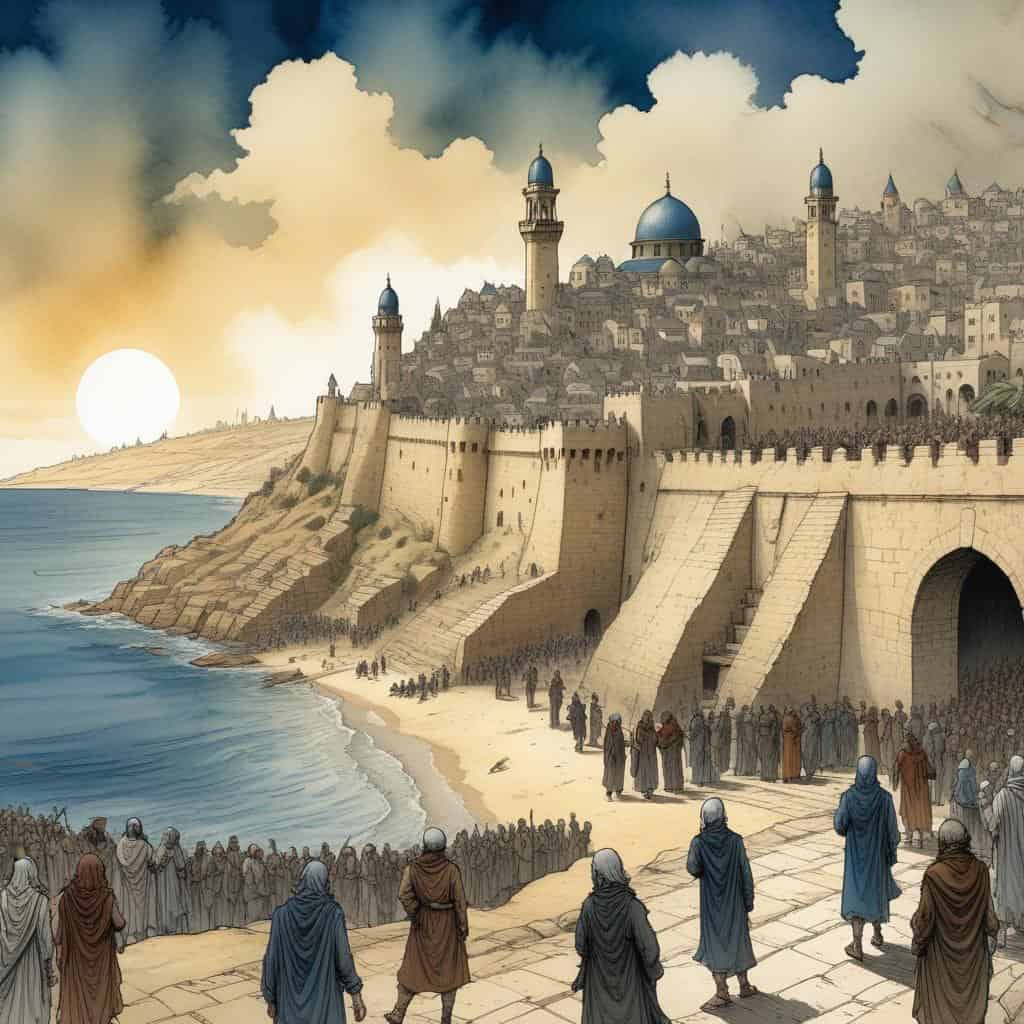
Introduction
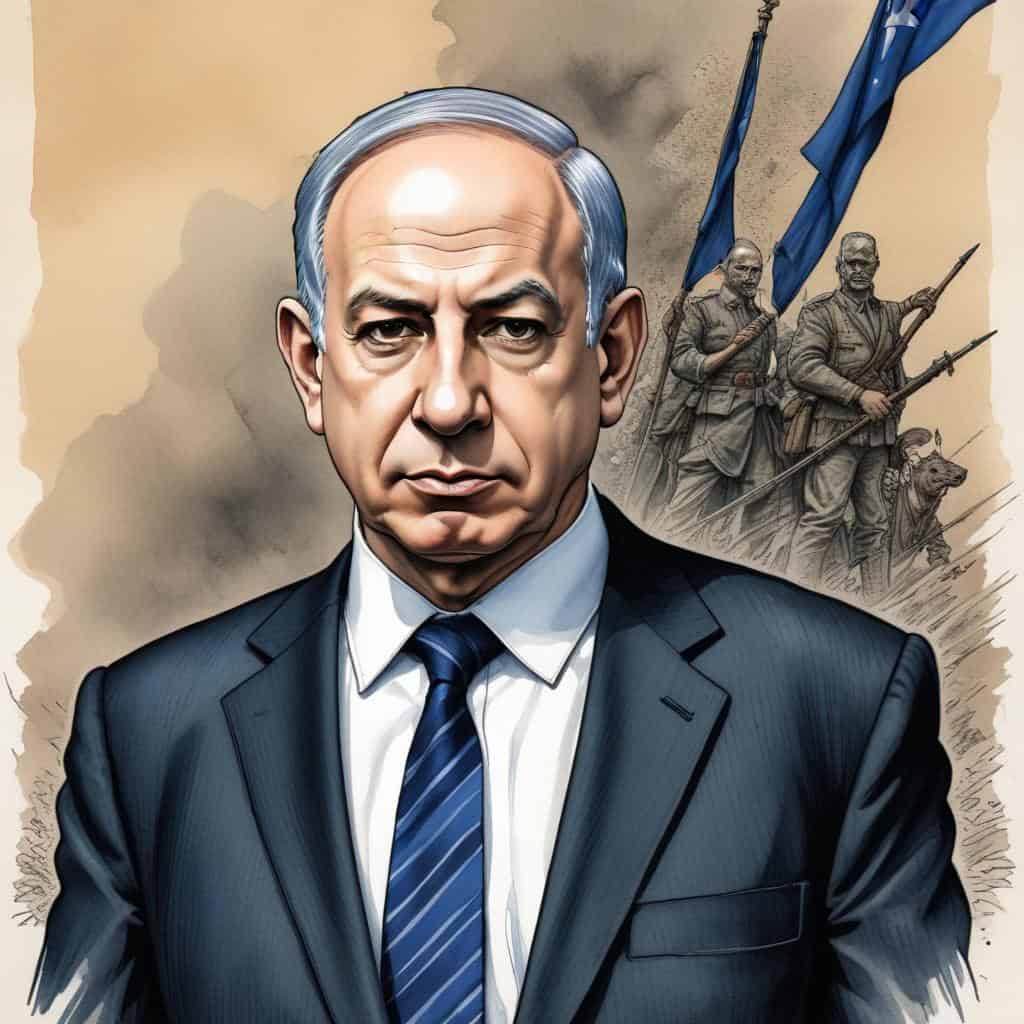
Benjamin Netanyahu
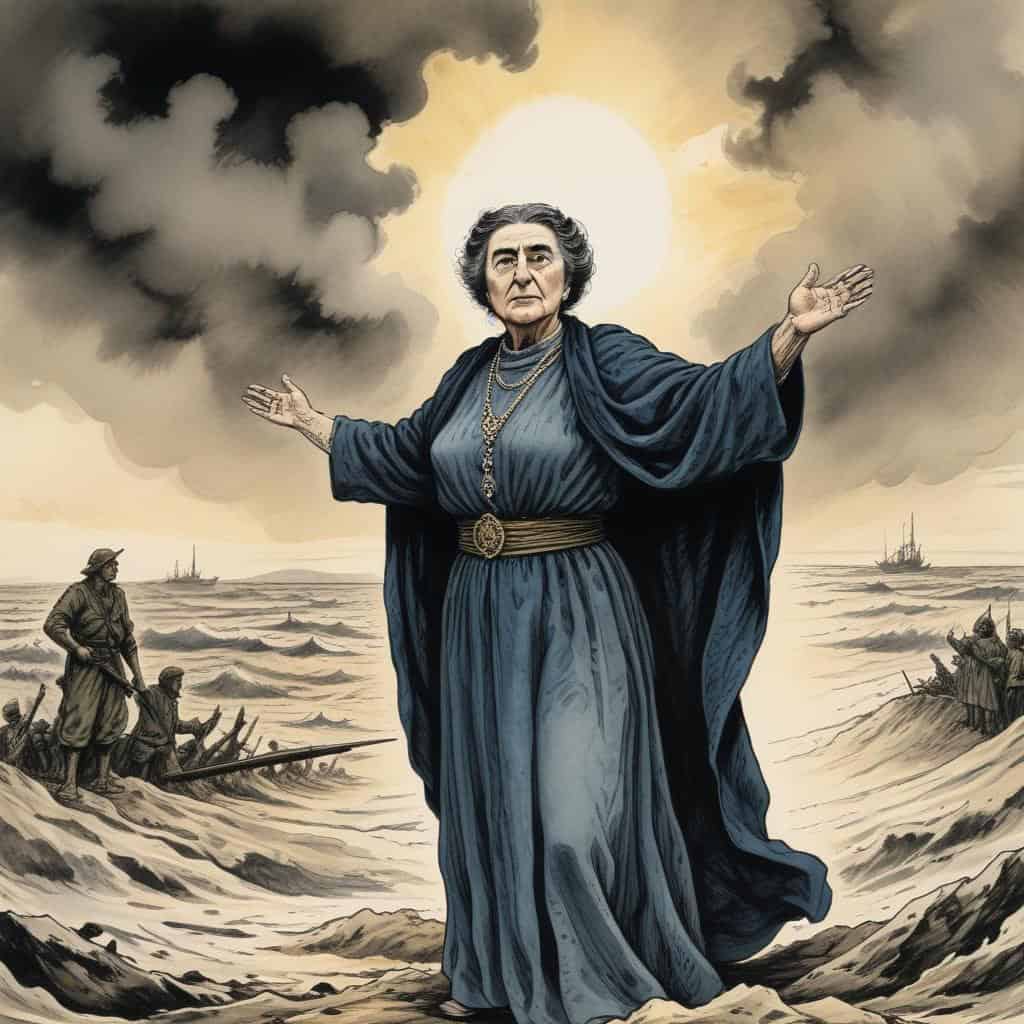
Golda Meir
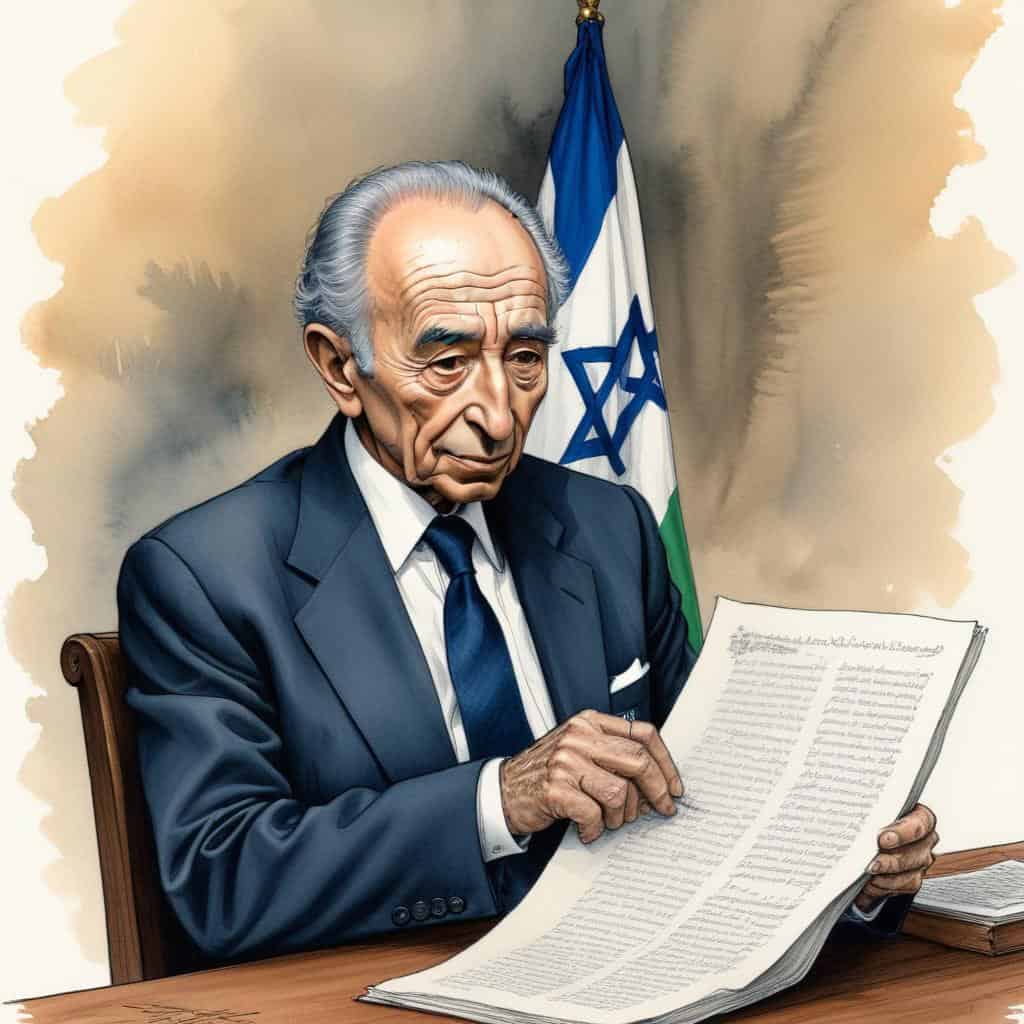
Shimon Peres
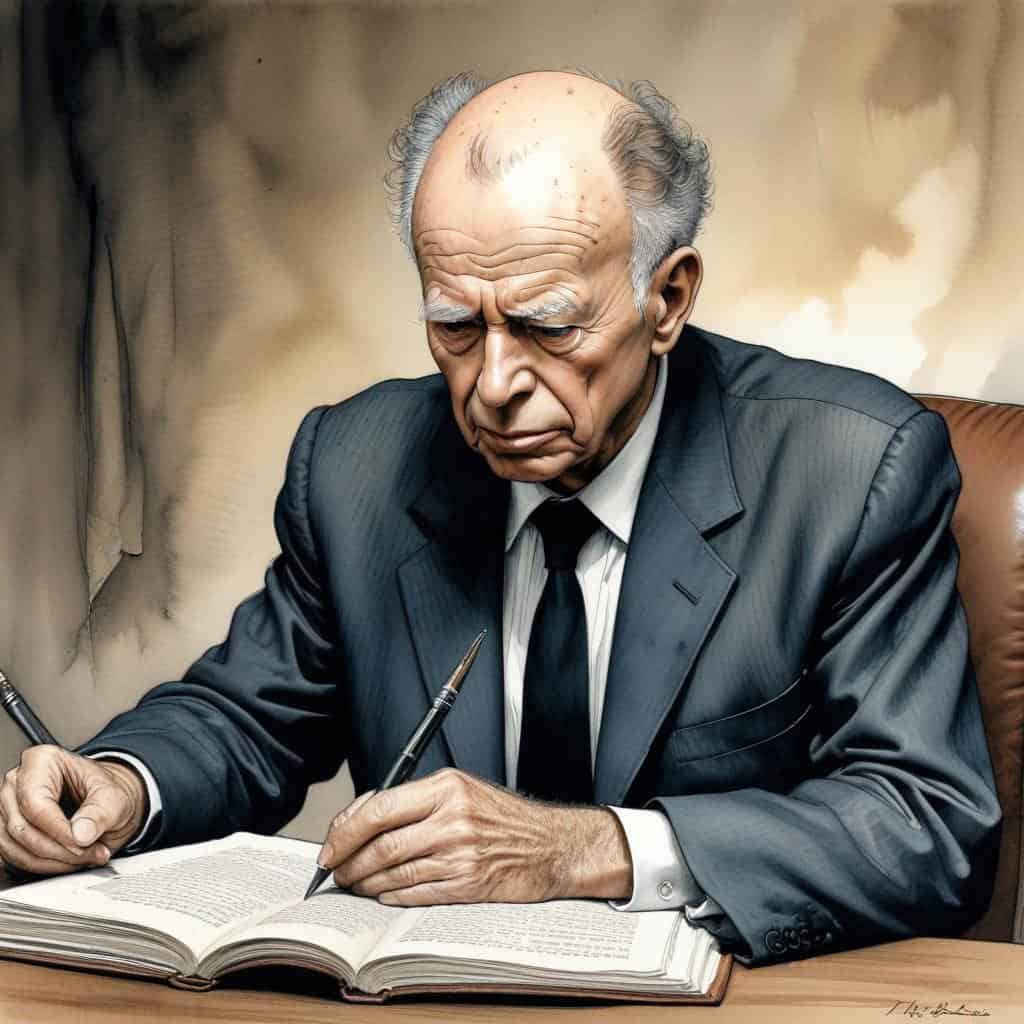
Yitzhak Rabin
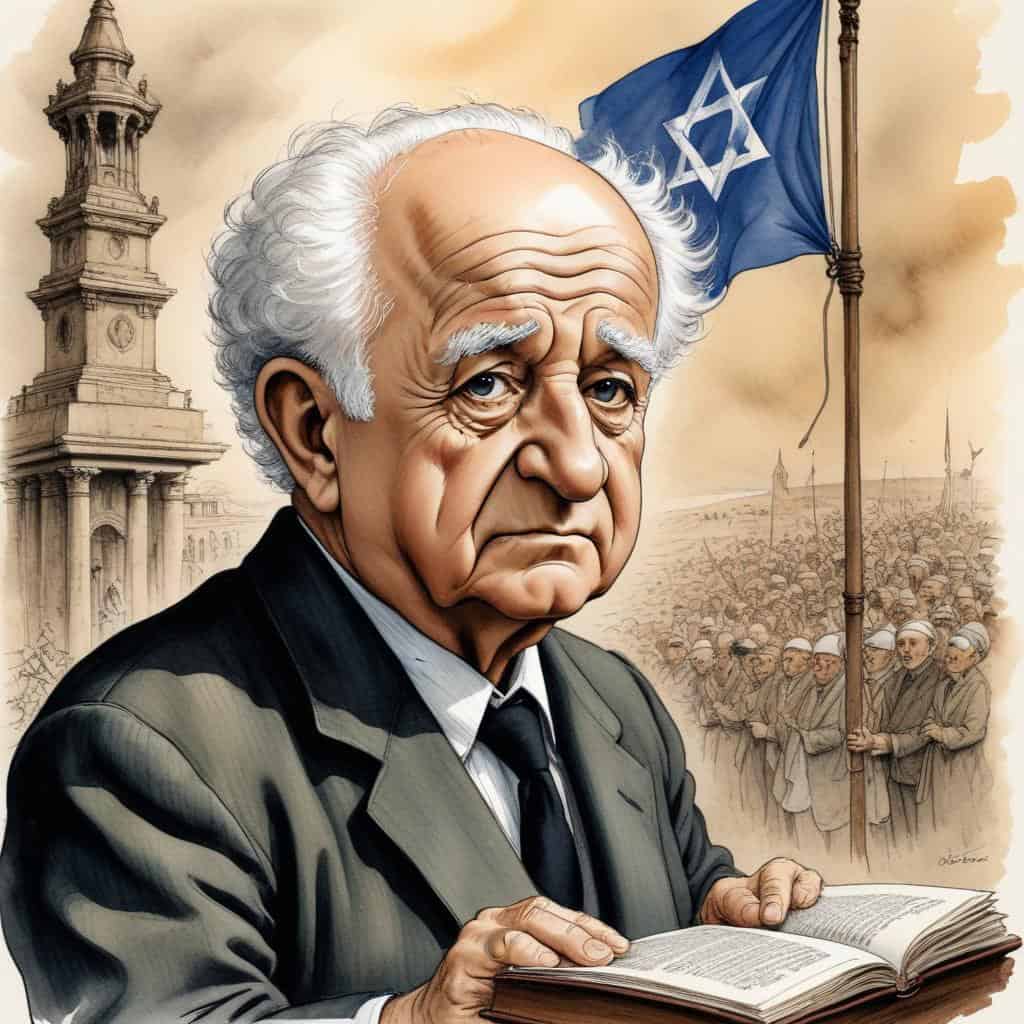
David Ben-Gurion
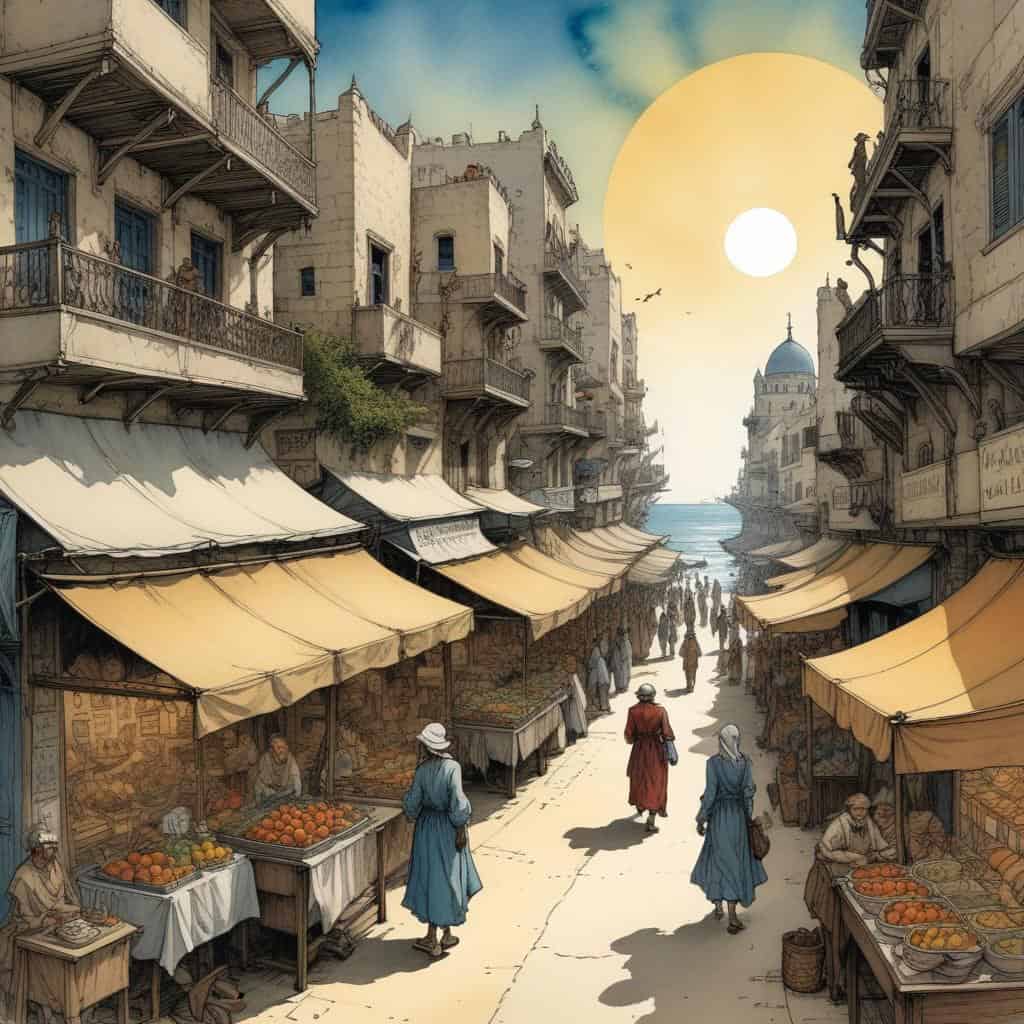
Exploring Tel Aviv
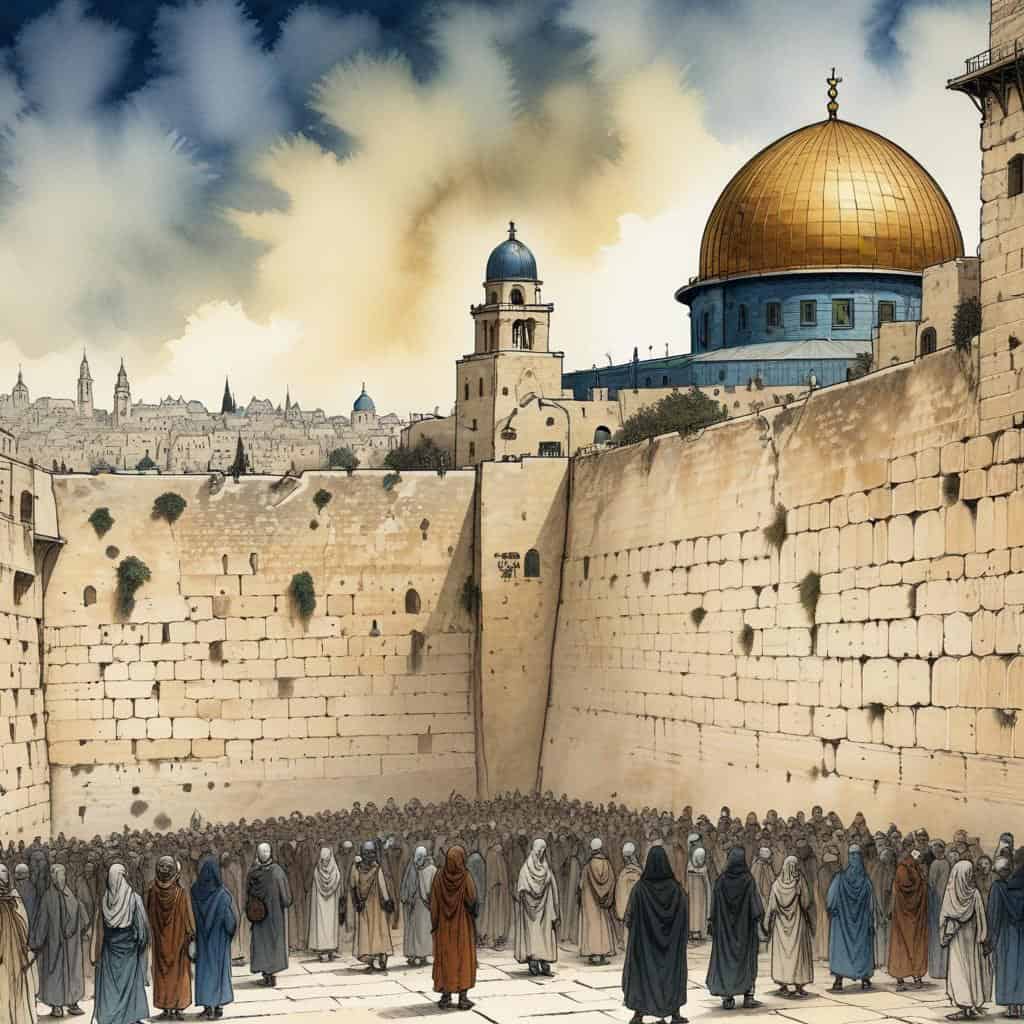
Visiting Jerusalem
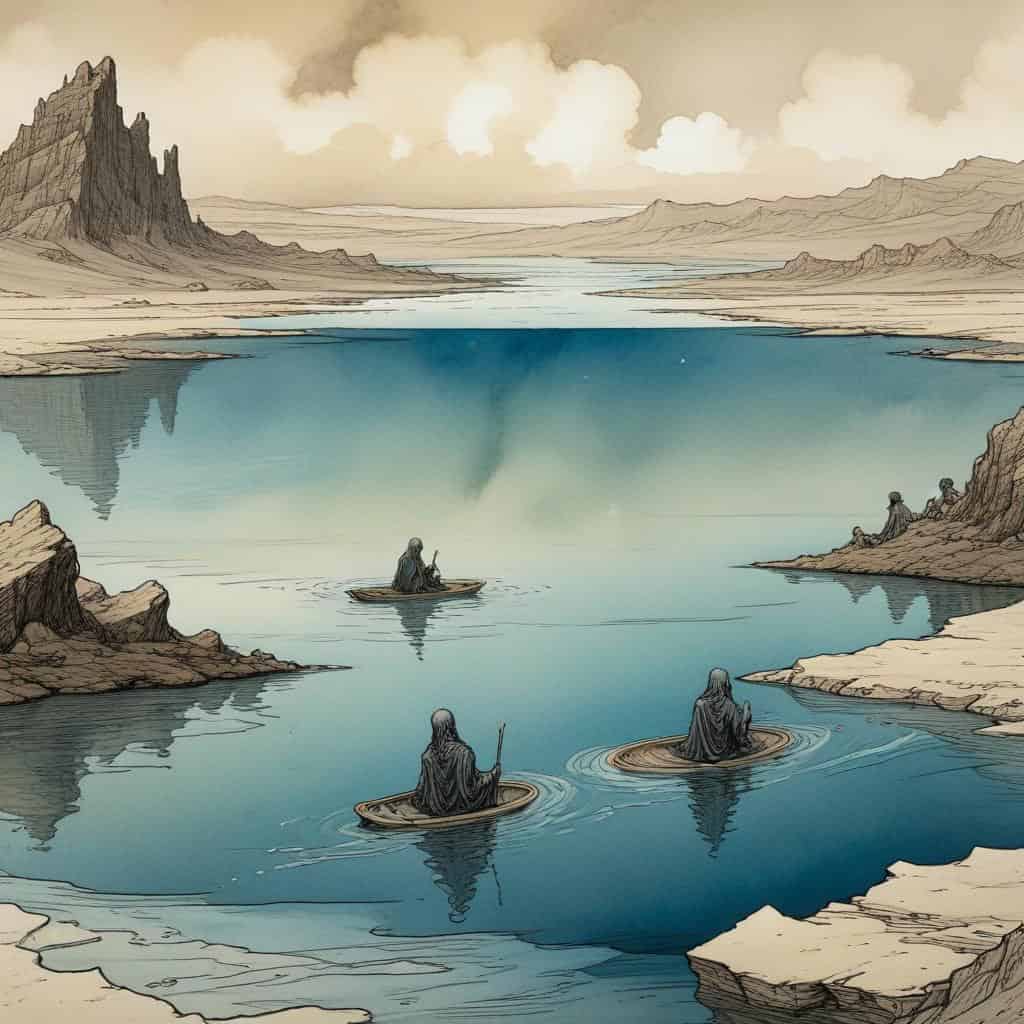
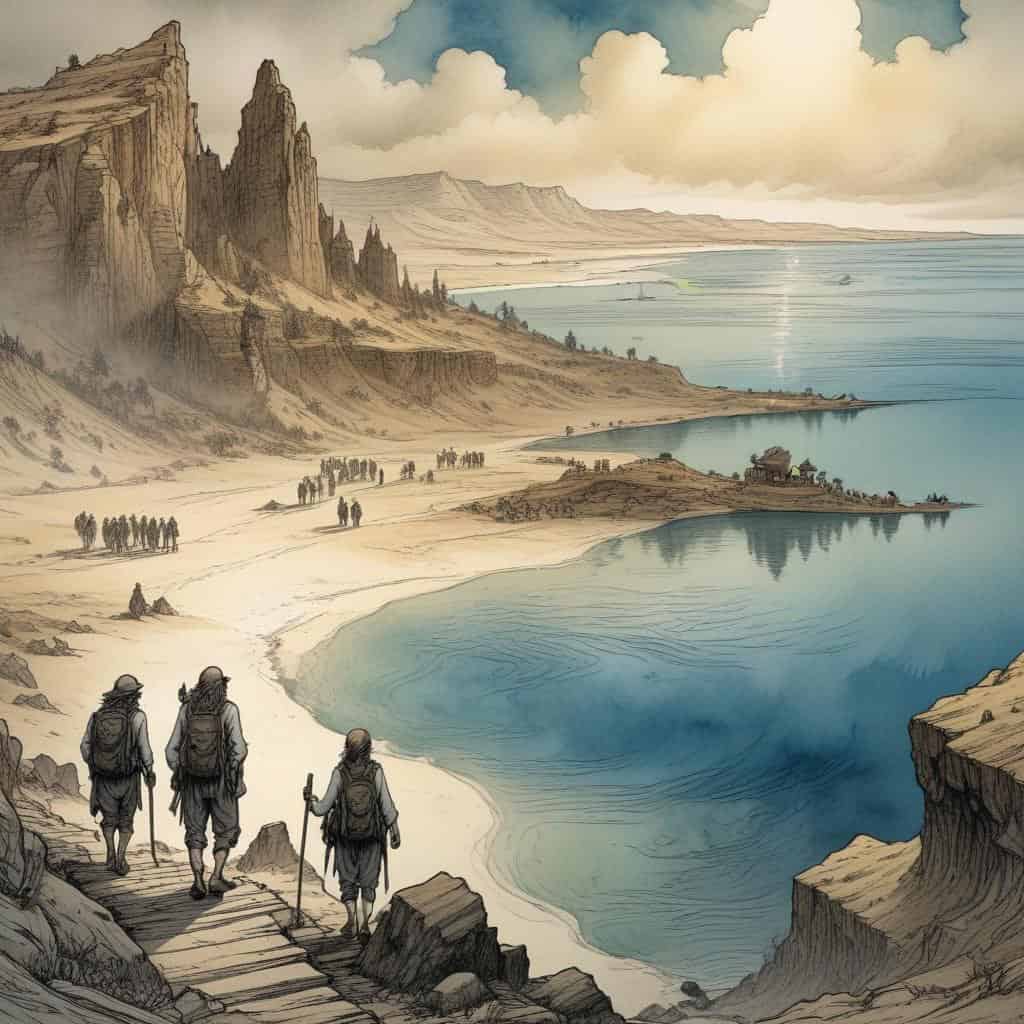
Floating in the Dead Sea
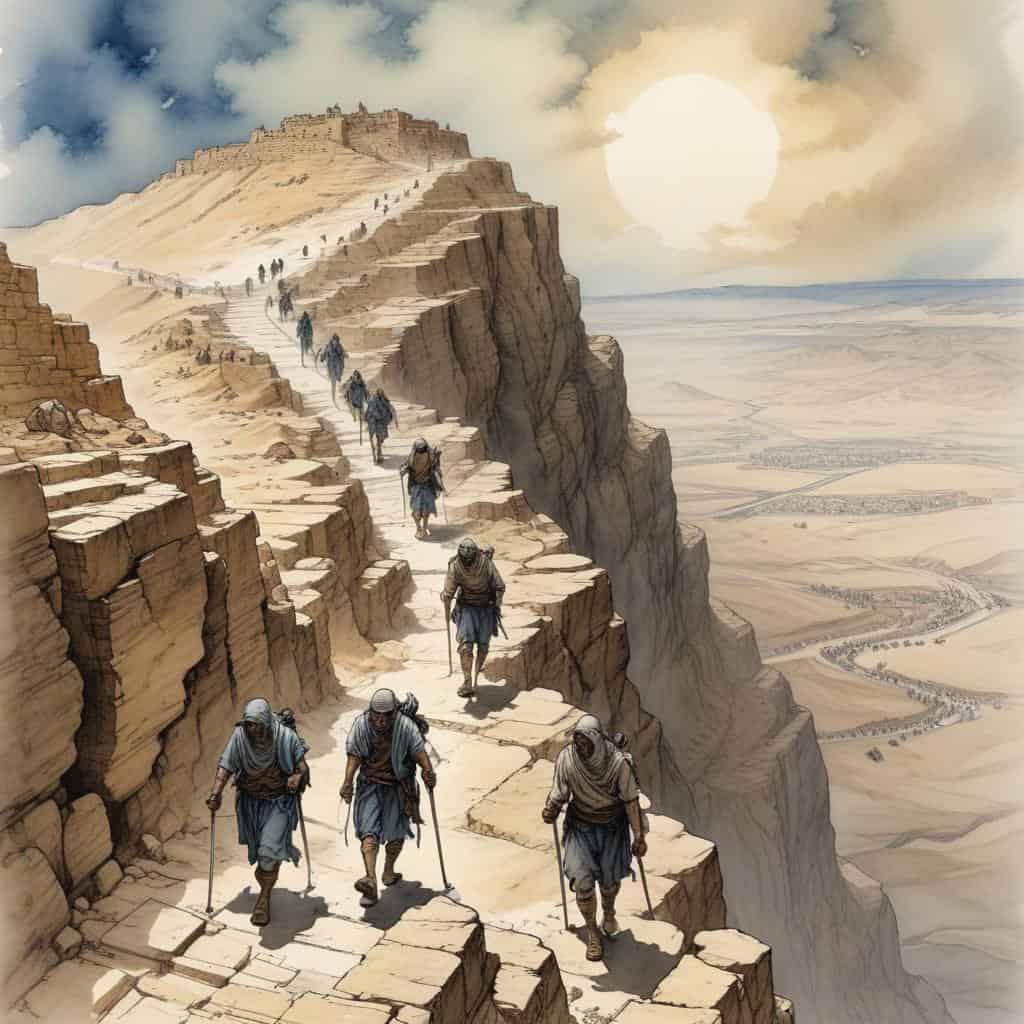
Hiking in Masada
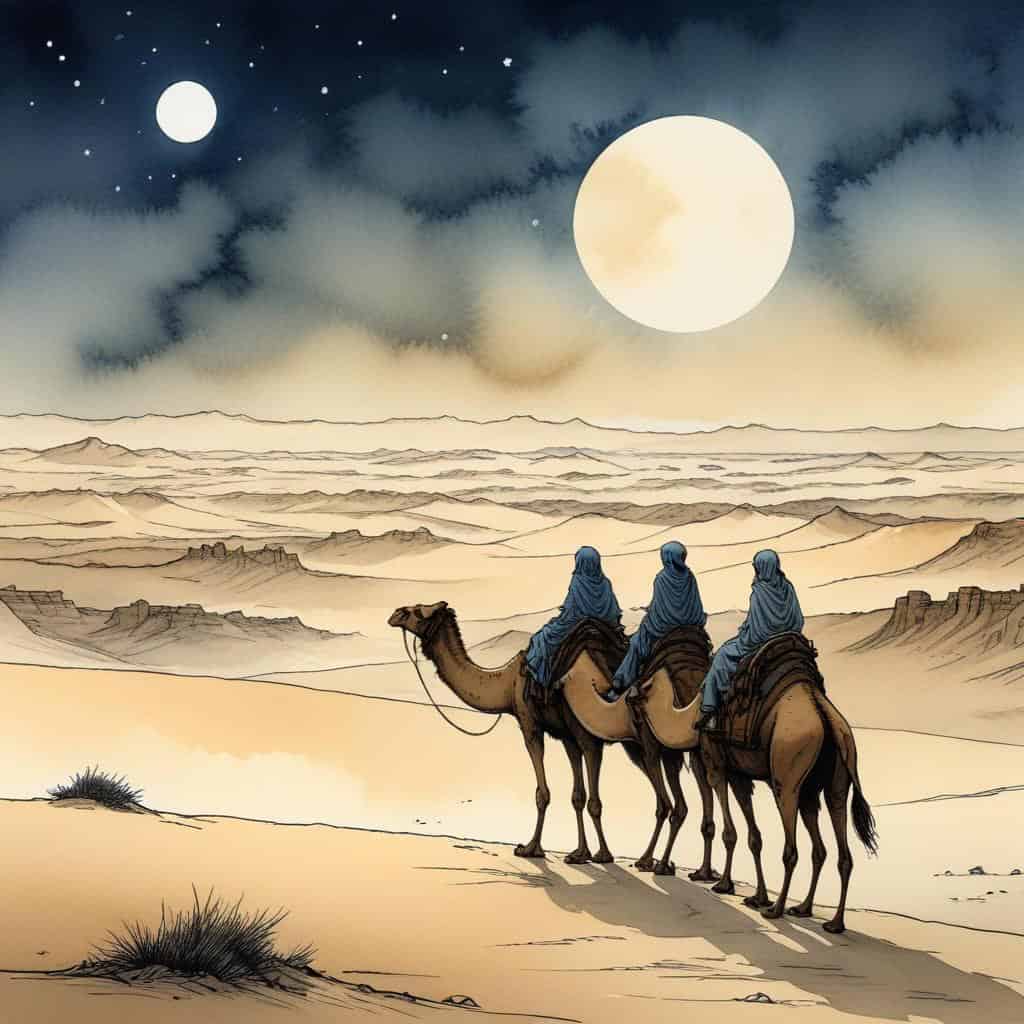
Exploring the Negev Desert
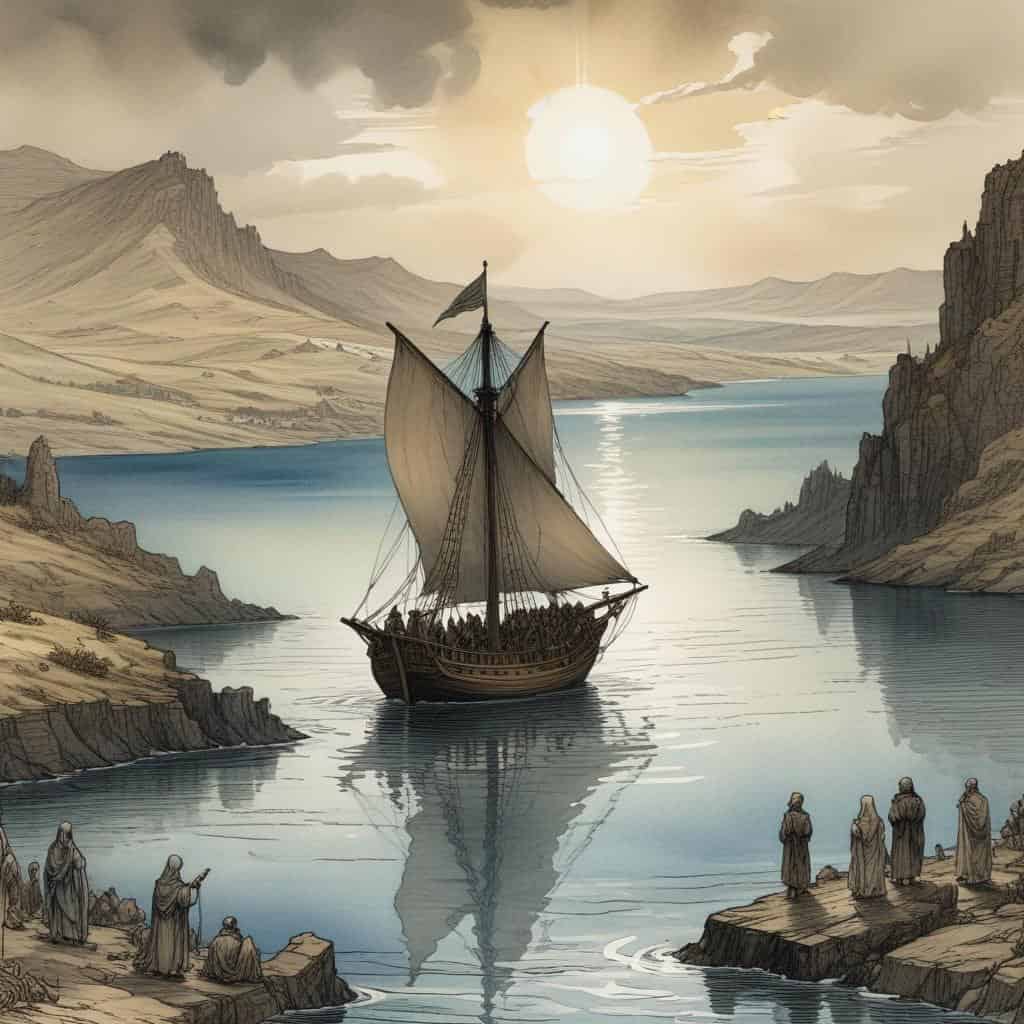
Discovering the Sea of Galilee
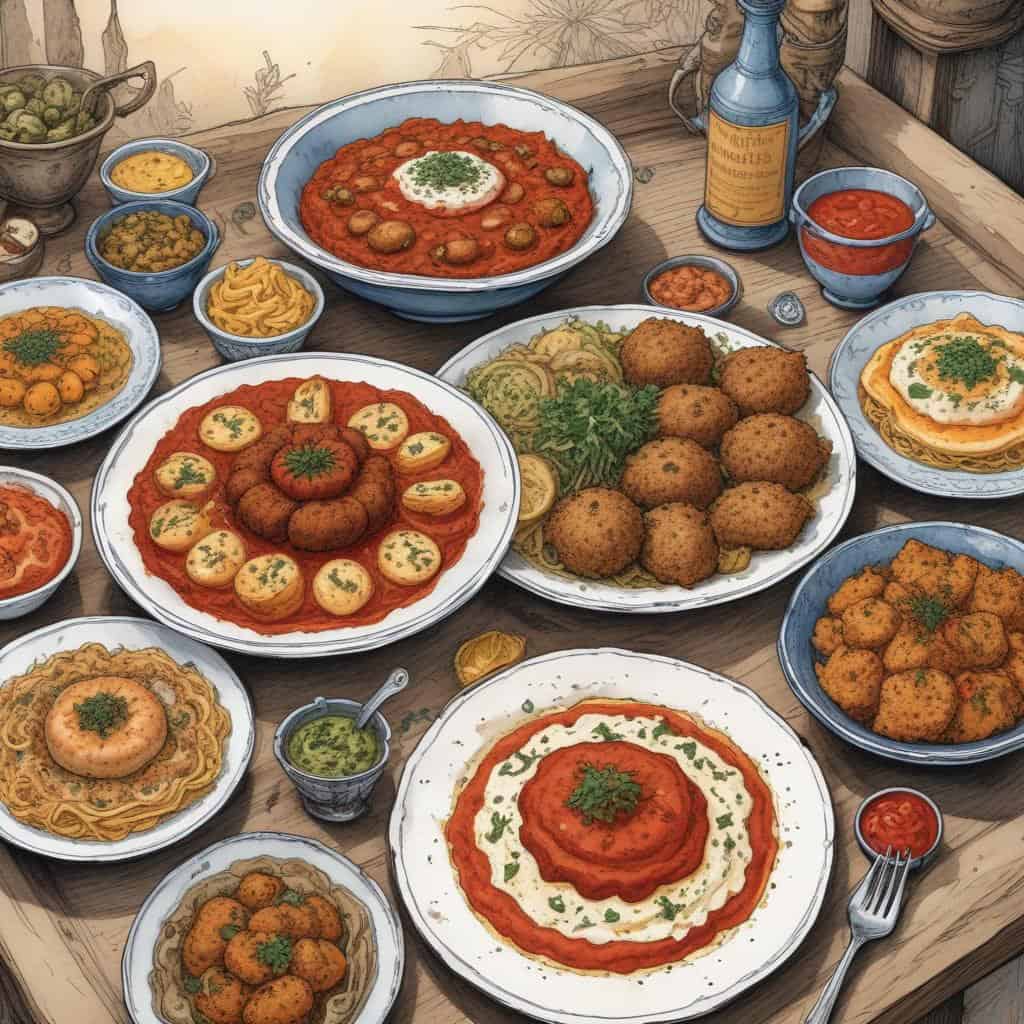
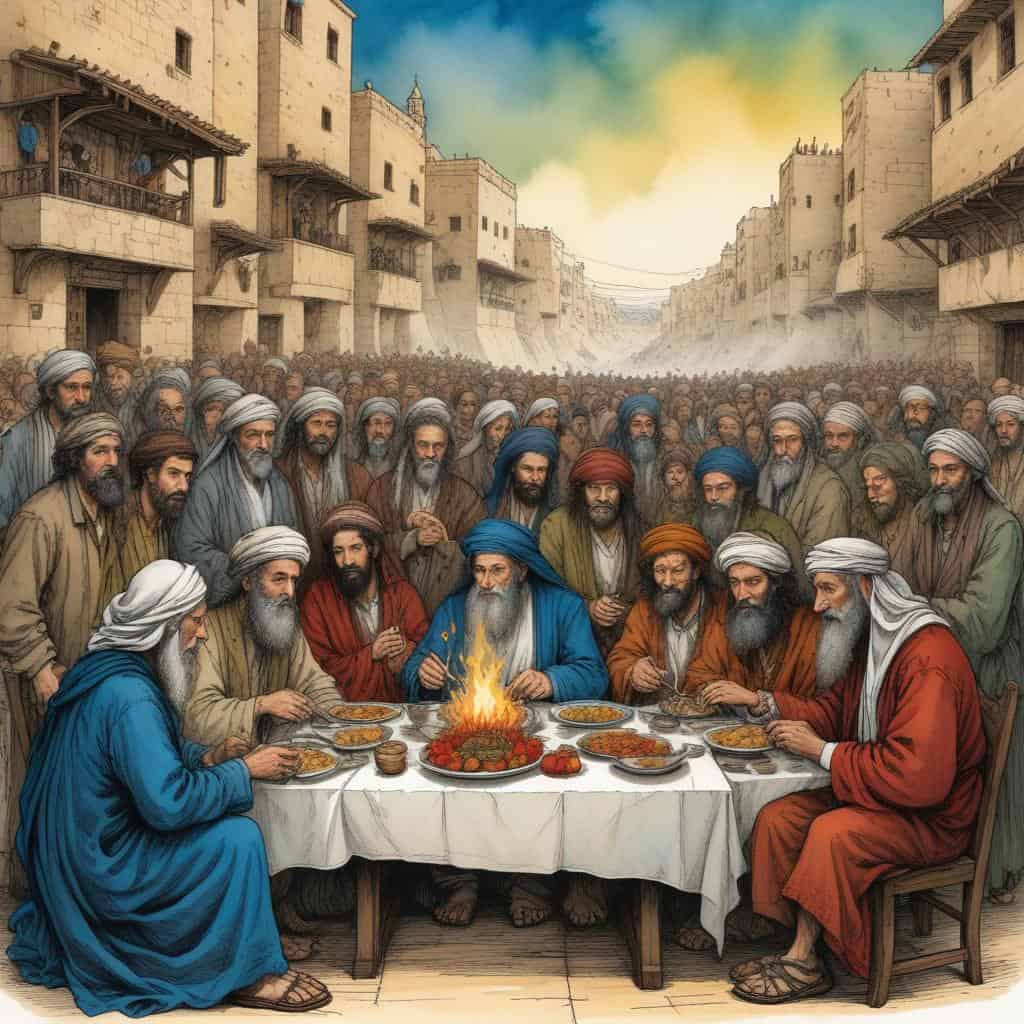
Sampling Israeli Cuisine
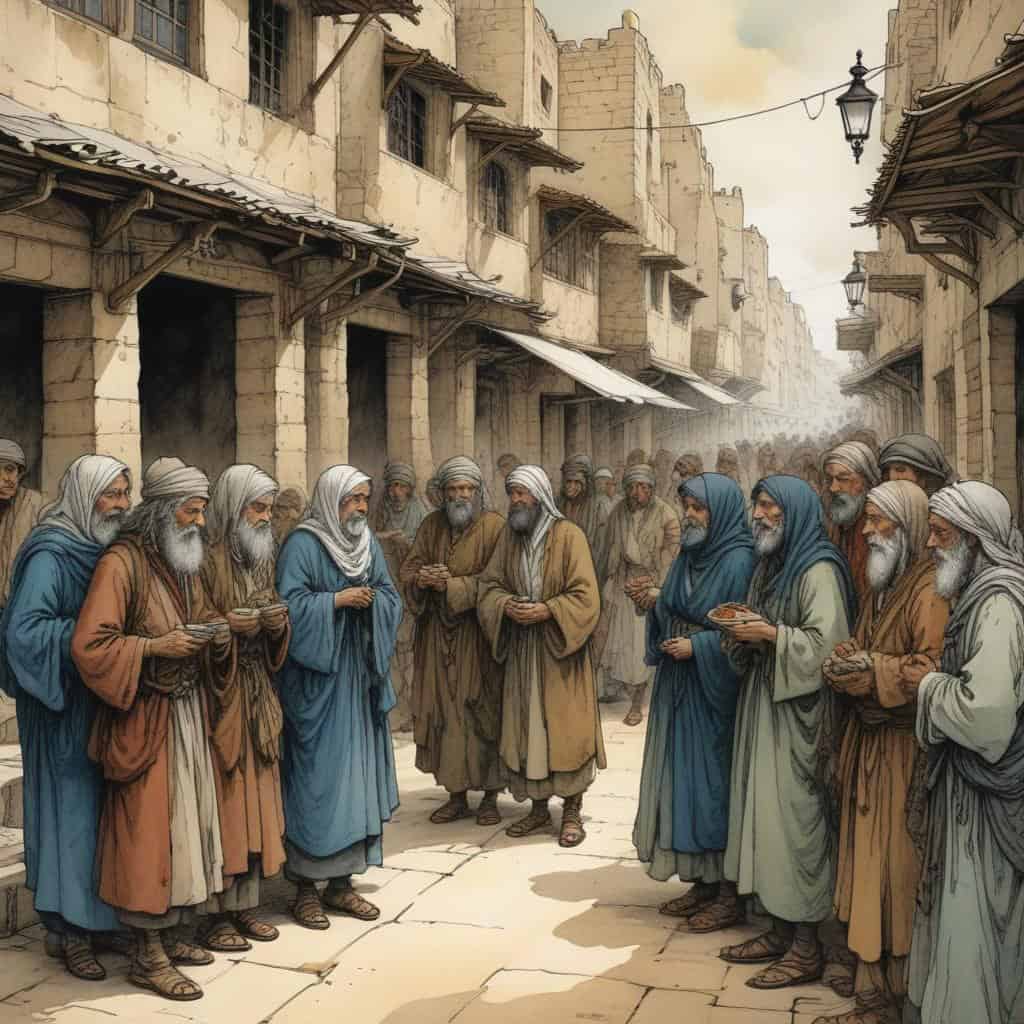
Interacting with Locals
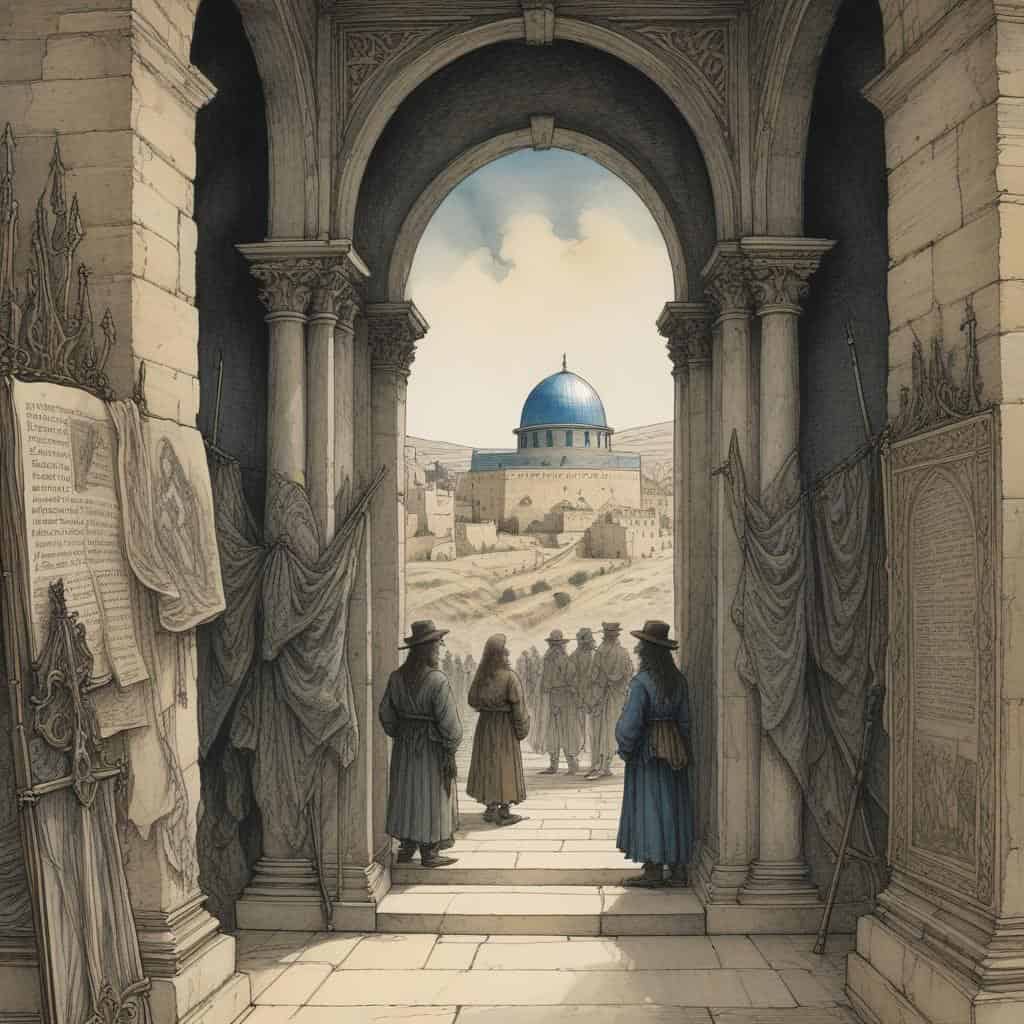
Learning about Israeli History
Reflecting on our Journey
Audio Library
As one of our featured lessons, this topic includes premium audio guides.
Unlock the Wizard's Cram Session
This powerful audio study guide is a Pro-exclusive feature. Upgrade to Memory Wizards Pro to access this and all of our premium learning tools.
Upgrade to ProIn a Nutshell
- Capital: Jerusalem
- Population: Approx. 9.3 million (2021)
- Official Language: Hebrew
- Currency: Israeli new shekel (ILS)
Breaking Down the Country
No composition analysis points available.
Timeline of Israel
Israel is established as a state
Israeli War of Independence begins
Armistice agreements signed with neighboring Arab states
Jerusalem declared as the capital of Israel
Suez Crisis begins
Six-Day War with neighboring Arab states
Yom Kippur War with Egypt and Syria
Egypt-Israel Peace Treaty signed
First Intifada begins in the West Bank and Gaza Strip
Oslo Accords signed between Israel and the Palestine Liberation Organization
Assassination of Prime Minister Yitzhak Rabin
Second Intifada begins
Israel disengages from Gaza Strip
Operation Cast Lead in Gaza Strip
Operation Protective Edge in Gaza Strip
United States recognizes Jerusalem as the capital of Israel
Israel-UAE normalization agreement signed
Normalization agreements signed with Bahrain, Sudan, and Morocco
2021 Israel–Palestine crisis
Israeli government collapses; new coalition government formed
Vocabulary List
- Settlement
- A place where people establish a community, often in a new territory
- Kibbutz
- A collective community in Israel where people live and work together
- Zionism
- A movement advocating the establishment of a Jewish homeland in Palestine
- Palestine
- A region in the Middle East, including Israel, Gaza, and the West Bank
- Jerusalem
- A city in Israel considered holy by Judaism, Christianity, and Islam
- Hebrew
- The language of the Jewish people, spoken in Israel
- Tel Aviv
- A city in Israel known for its vibrant nightlife and modern architecture
- Mandatory Palestine
- A geopolitical entity established between 1920 and 1948 in the region of Palestine
- Yad Vashem
- The official memorial to the victims of the Holocaust in Jerusalem
- Diaspora
- The dispersion of Jews beyond Israel
- Hamas
- A Palestinian political and military organization
- Balfour Declaration
- A British document that supported the establishment of a Jewish homeland in Palestine
- West Bank
- A region in the Middle East, bordered by Israel and Jordan
- Gaza Strip
- A narrow coastal area in the eastern Mediterranean, bordered by Israel and Egypt
- Mossad
- The national intelligence agency of Israel
- Israeli Defense Forces (IDF)
- The military forces of Israel
- Knesset
- The unicameral national legislature of Israel
- Intifada
- The Palestinian uprising against Israeli occupation
- Dead Sea
- A salt lake bordered by Jordan to the east and Israel and Palestine to the west
- Beersheba
- A city in southern Israel known for its biblical history.
Key Facts
This is the information used in the fact matching game
- 1. Israel is located in the Middle East, bordered by Lebanon, Syria, Jordan, and Egypt.
- 2. Jerusalem is the capital city of Israel and is considered a holy city by three major religions: Judaism, Christianity, and Islam.
- 3. Hebrew and Arabic are the official languages of Israel.
- 4. Israel has a parliamentary democracy and a system of proportional representation.
- 5. Tel Aviv is the financial and technological hub of Israel, known for its vibrant nightlife and beautiful beaches.
- 6. The Dead Sea, located in Israel, is the lowest point on Earth and known for its high salt concentration.
- 7. Israel is a world leader in agricultural technology and is often called the "Startup Nation" for its innovative tech industry.
- 8. The Israeli flag features a blue Star of David on a white background.
- 9. The population of Israel is diverse, with Jews, Arabs, and other minority groups living together.
- 10. Israel is home to many historical and religious sites, including the Western Wall, Masada, and the Church of the Holy Sepulchre.
- 11. The Israeli Defense Forces (IDF) is the military force of Israel and is mandatory for most Israeli citizens to serve in.
- 12. The Israeli currency is the Israeli Shekel (ILS).
- 13. The Israeli cuisine is a fusion of Middle Eastern, Mediterranean, and Jewish culinary traditions.
- 14. Israel has won the Eurovision Song Contest four times, more than any other country.
- 15. The country has a strong emphasis on education, with a high literacy rate and numerous universities.
- 16. The Israeli healthcare system is known for its high quality and innovation in medical research.
- 17. Israel has a Mediterranean climate, characterized by hot, dry summers and mild, rainy winters.
- 18. The Knesset is the Israeli parliament, consisting of 120 members elected every four years.
- 19. Israel has signed peace treaties with Egypt and Jordan, but conflicts with neighboring countries, such as Palestine and Lebanon, continue.
- 20. The Israeli national dish is falafel, made from ground chickpeas or fava beans, usually served in pita bread with various toppings.
Why It Matters
Geopolitical Significance
Israel’s location in the Middle East has profound geopolitical implications. Situated at the crossroads of Europe, Asia, and Africa, it is a key player in the region’s politics and conflicts. Its alliances and tensions with neighboring countries like Egypt, Jordan, and Syria greatly influence stability in the area.
Historical Importance
Israel holds immense historical significance for multiple religions and civilizations. It is the birthplace of Judaism, Christianity, and Islam, with sites like Jerusalem and Bethlehem revered by billions worldwide. The country’s ancient roots, including the Jewish diaspora and the establishment of the State of Israel, shape global history.
Modern-Day Role
In the present day, Israel is a technological and economic powerhouse in the Middle East. Known for its innovation in industries like cybersecurity, agriculture, and healthcare, it has a significant impact on the global economy. Additionally, Israel’s ongoing conflicts and peace efforts with Palestine continue to draw international attention.
Israel Games


Take Your Learning Offline
Want a convenient, print-ready study guide for this lesson? Become a Memory Wizards Pro member to unlock the downloadable " Memory Scrolls" for this topic and our entire library!
- ✓ Complete Vocabulary Lists
- ✓ Key Facts & Timelines
- ✓ Beautifully Formatted for Print & Mobile