
How Do You Learn Best?
Learn by Listening
Start with the 3-minute audio summary to get the key facts and narrative highlights quickly.
Learn by Reading
Immerse yourself in the 10-minute visual lesson for a comprehensive understanding of the topic.
Learn by Reviewing
Jump directly to the key facts, timeline, and vocabulary lists to build a solid foundation of details.
Learn by Doing
Challenge yourself! Jump straight into the interactive games to learn by trial, error, and discovery.
India in 10 Minutes
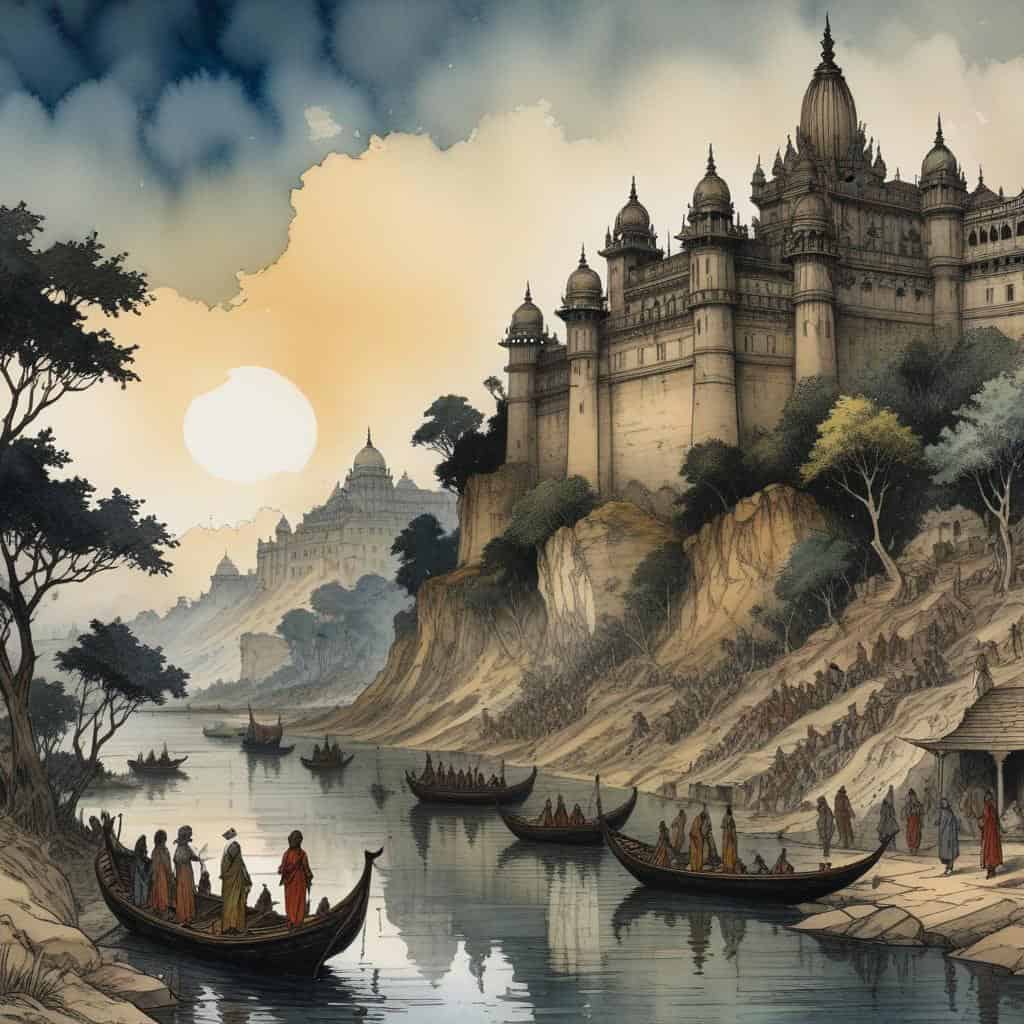
Introduction
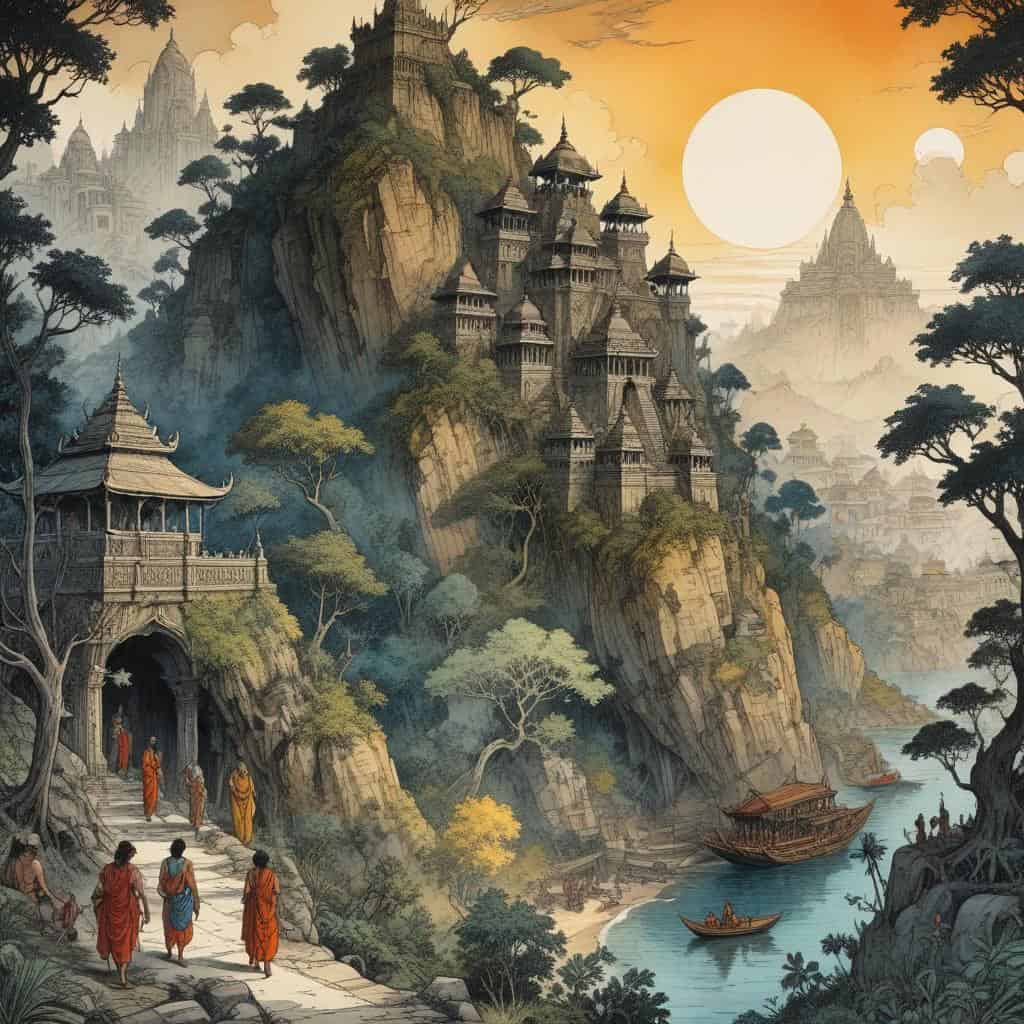
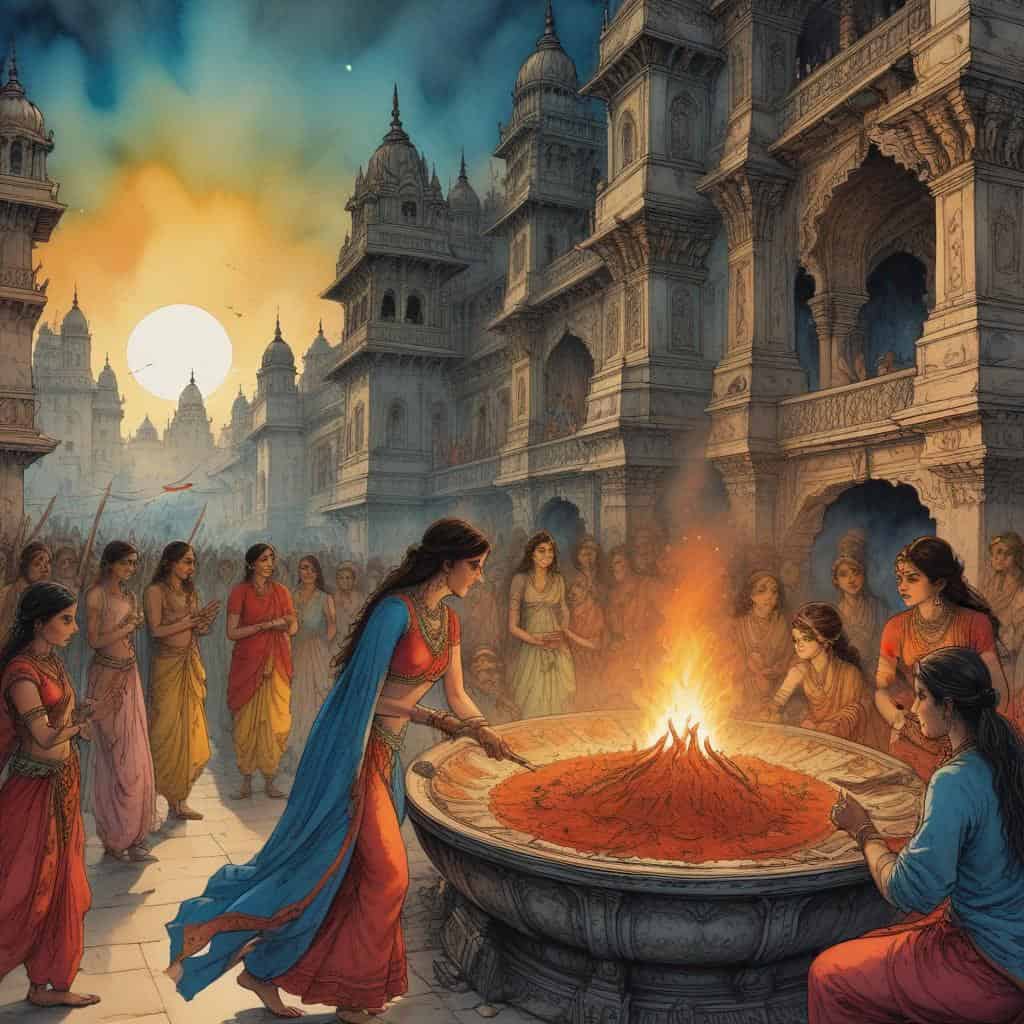
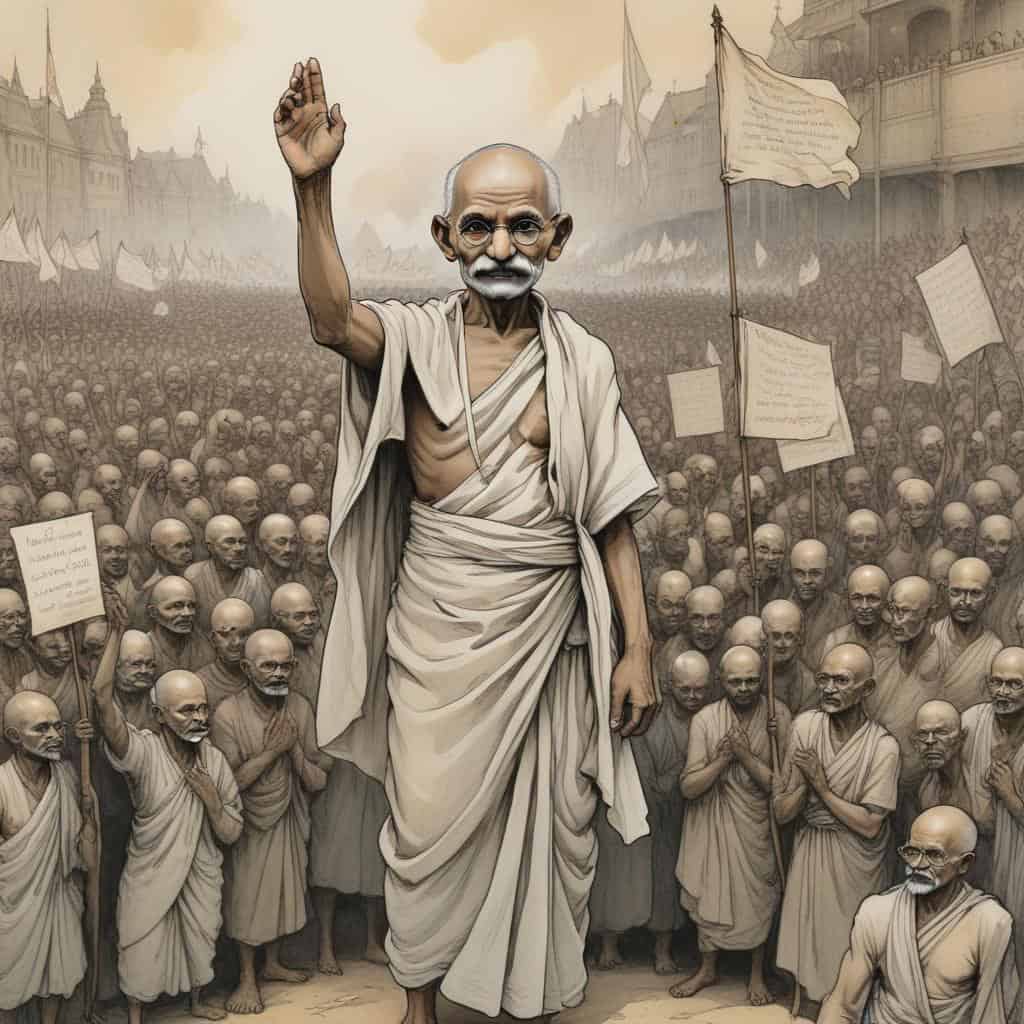
Mahatma Gandhi
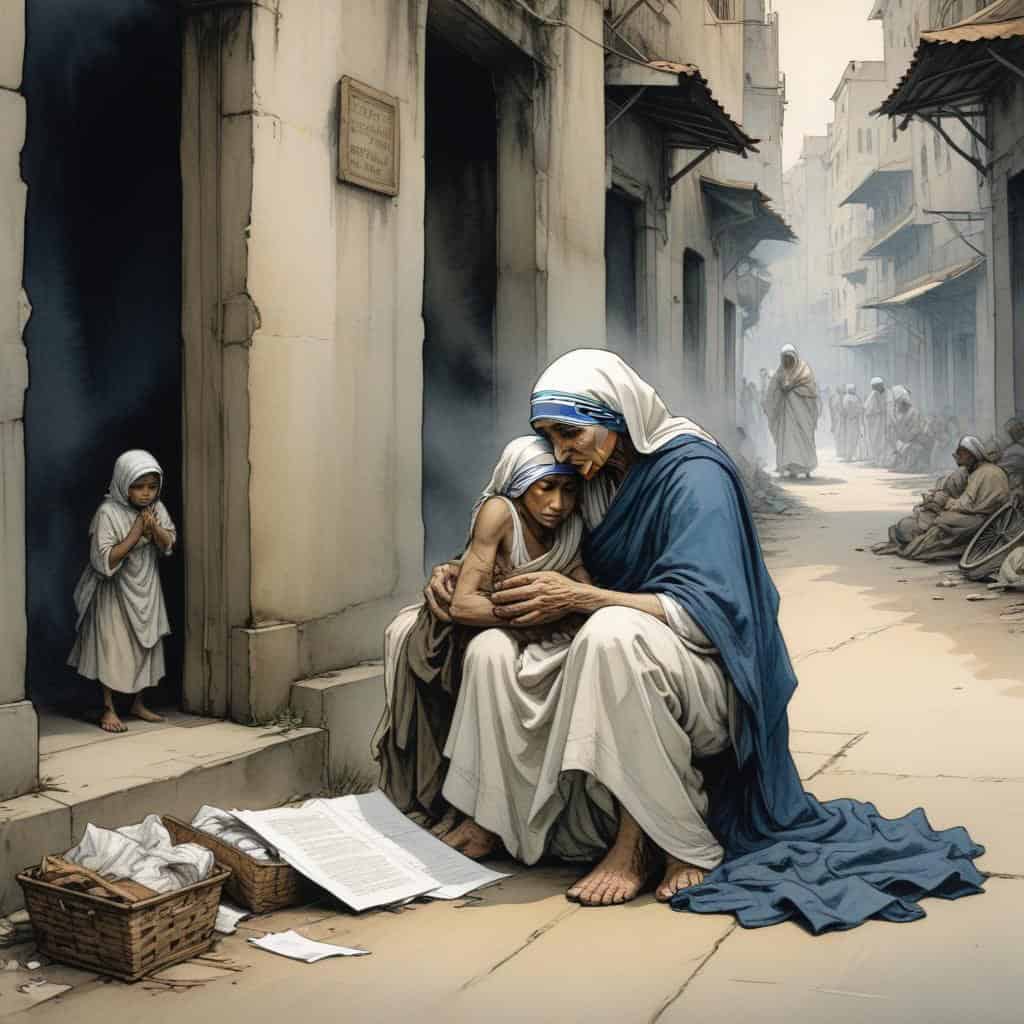
Mother Teresa
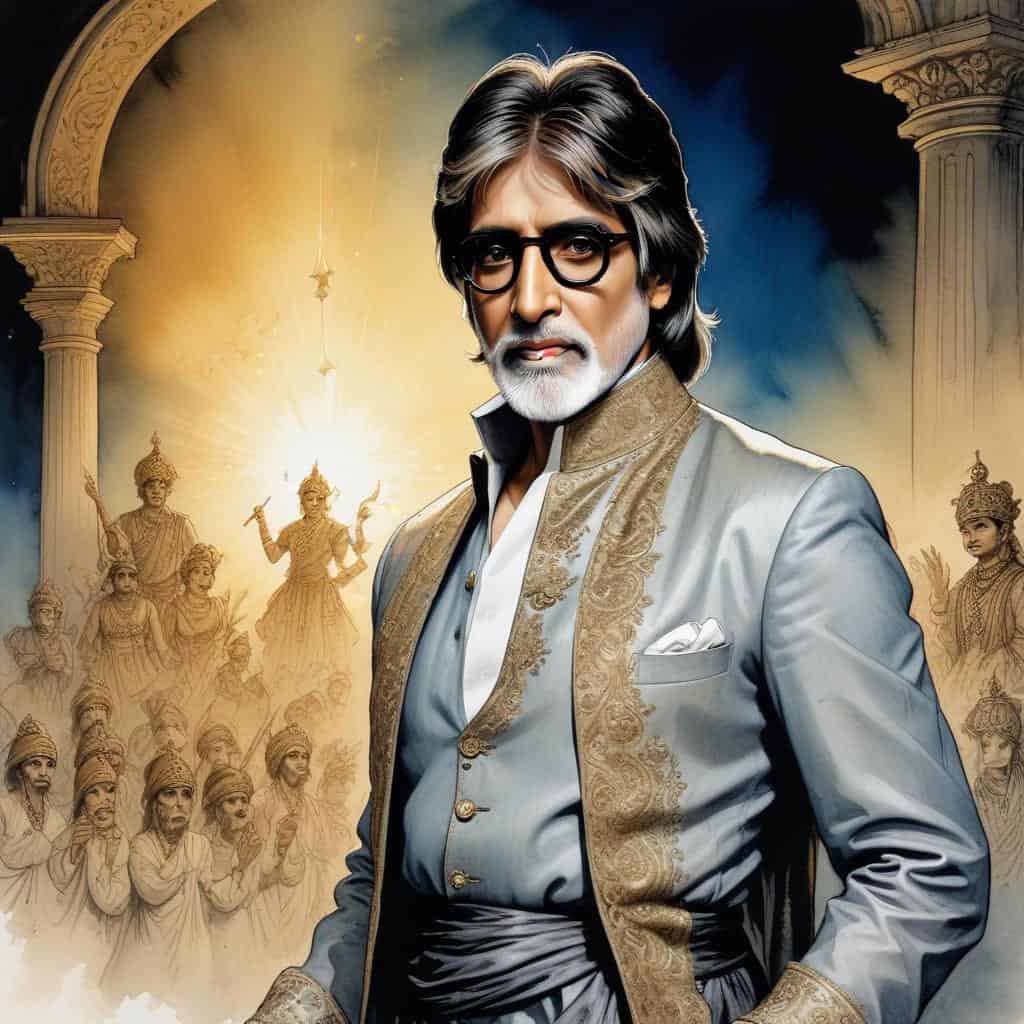
Amitabh Bachchan
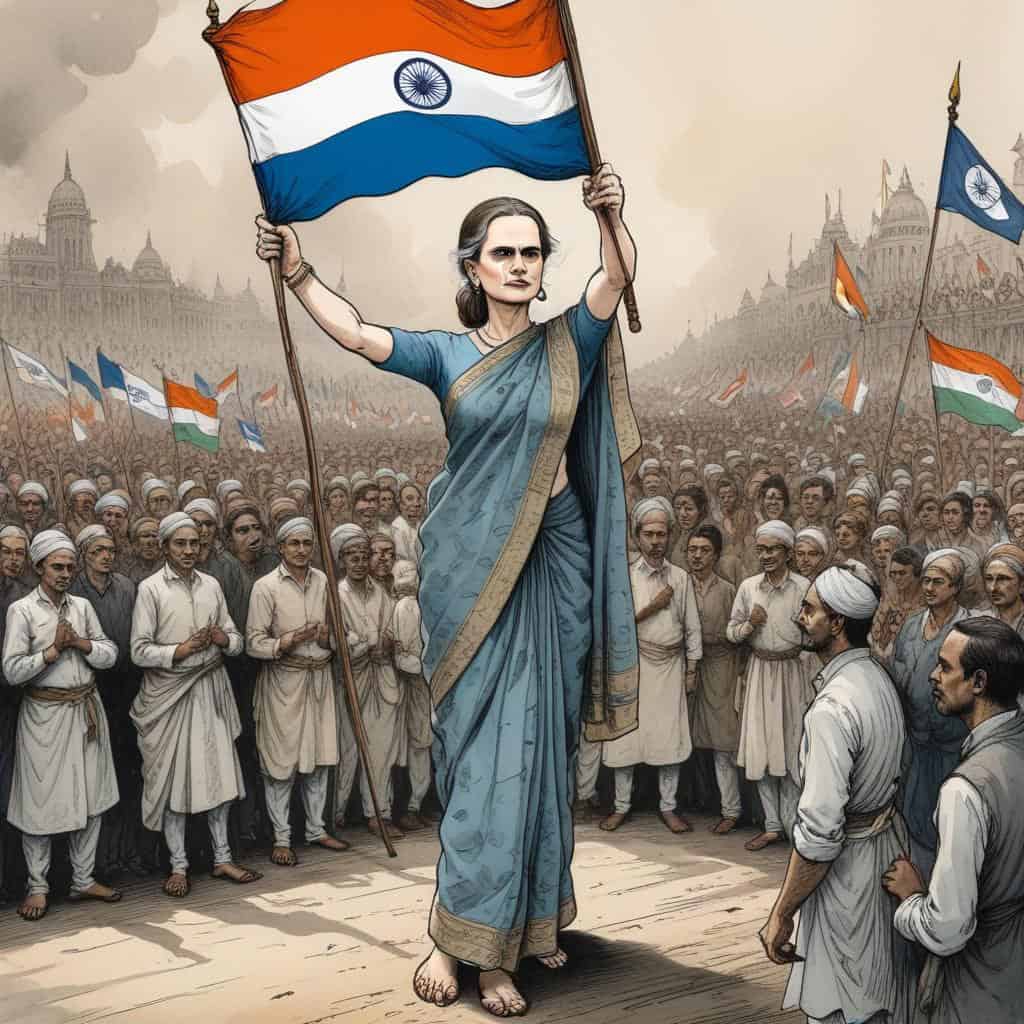
Sonia Gandhi
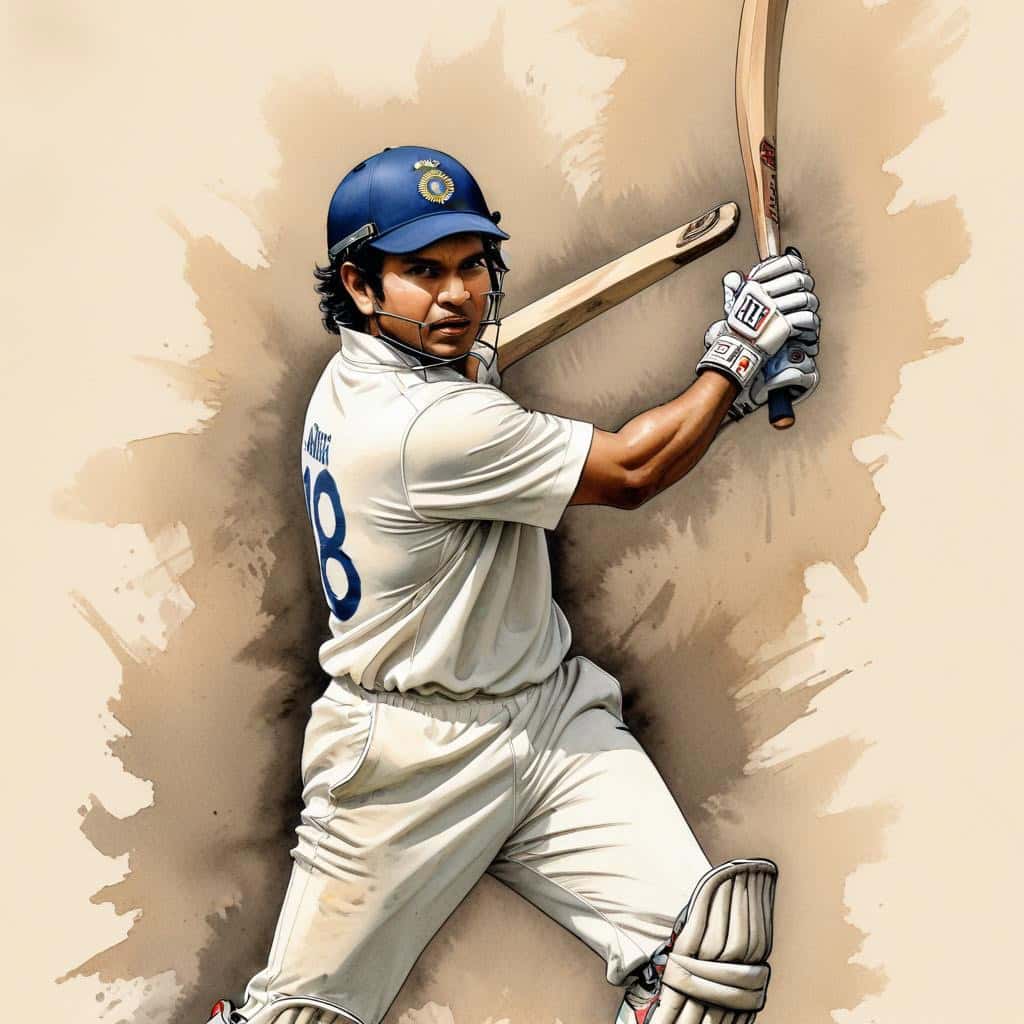
Sachin Tendulkar
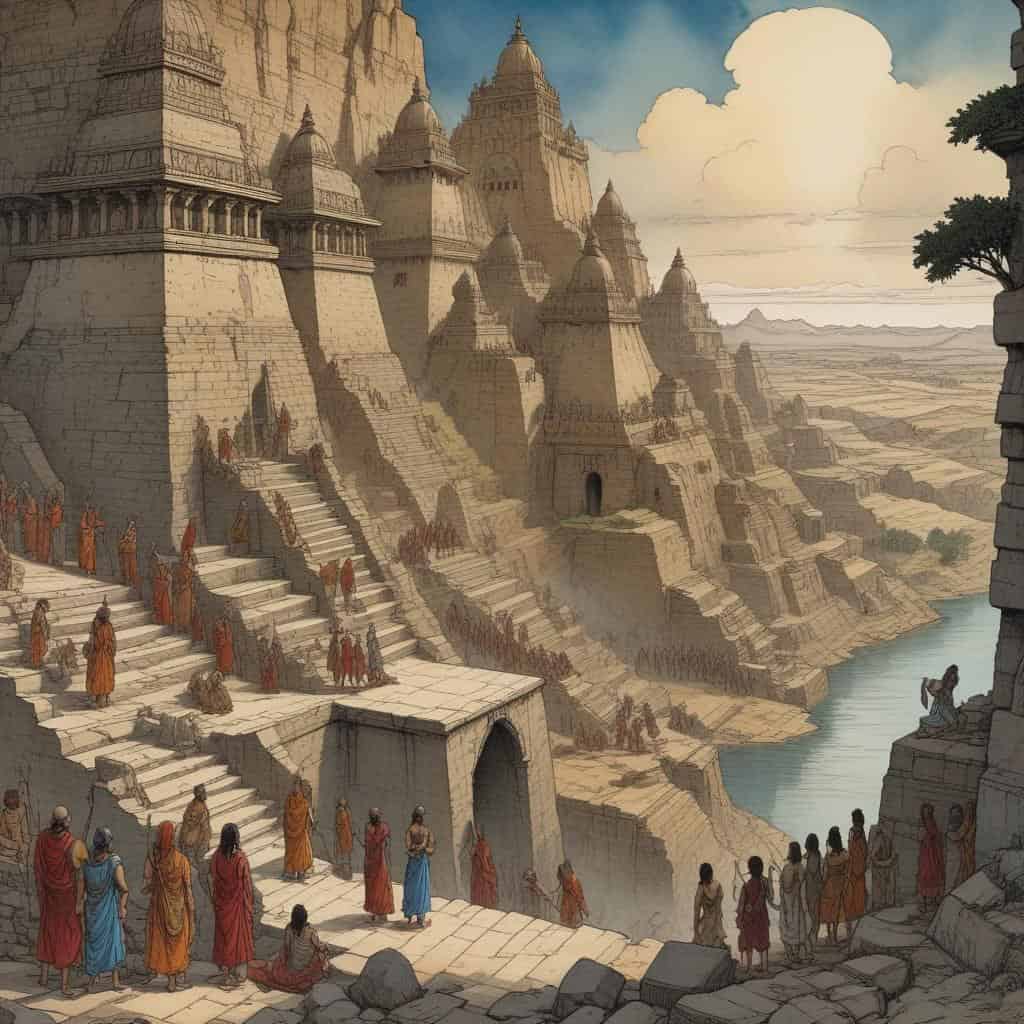
1. Rich History
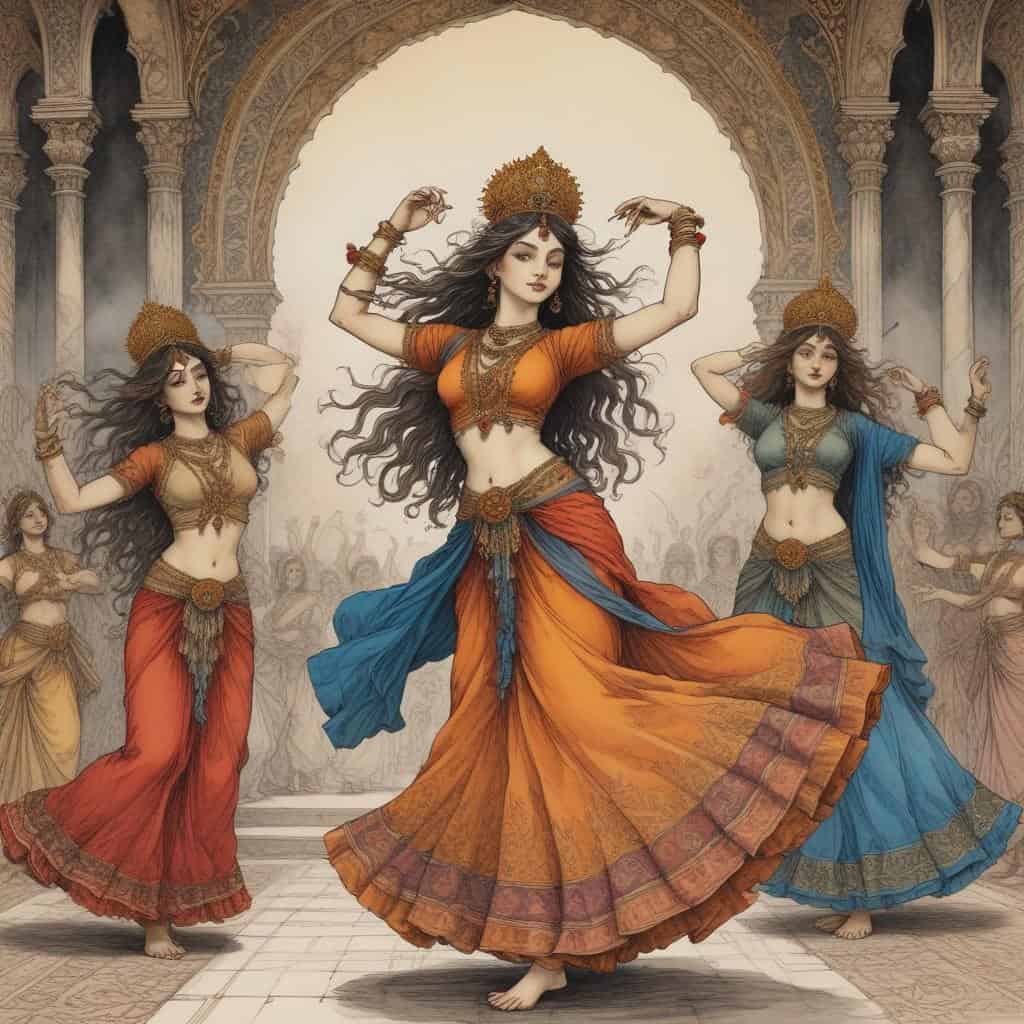
2. Diverse Culture
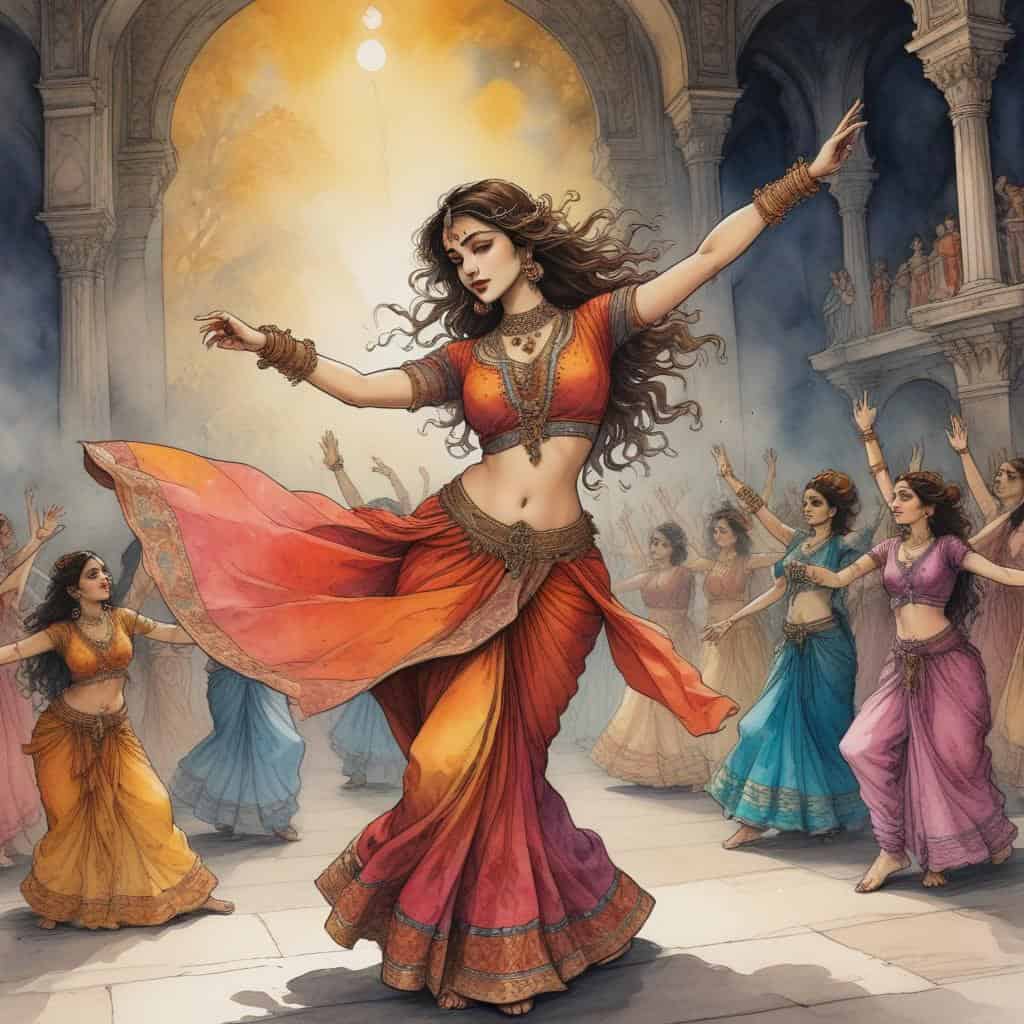
3. Bollywood
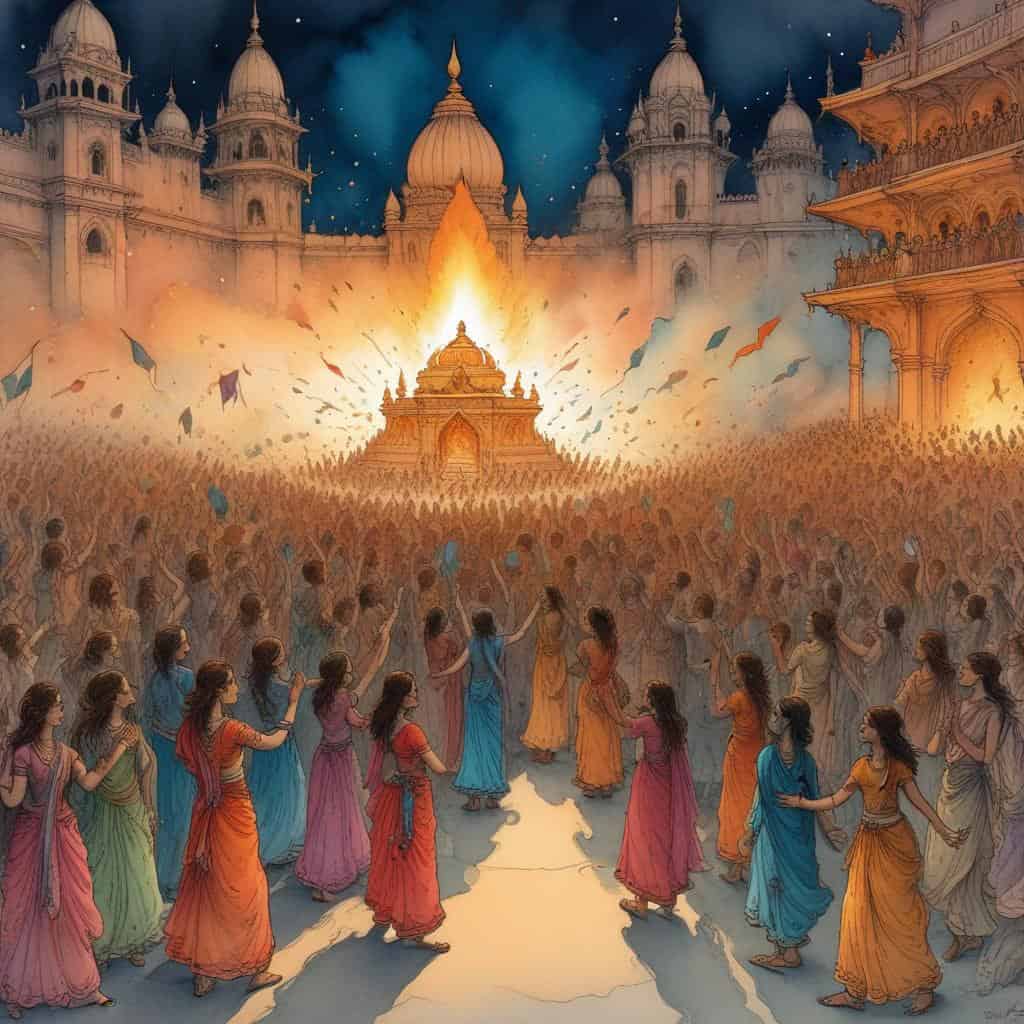
4. Vibrant Festivals
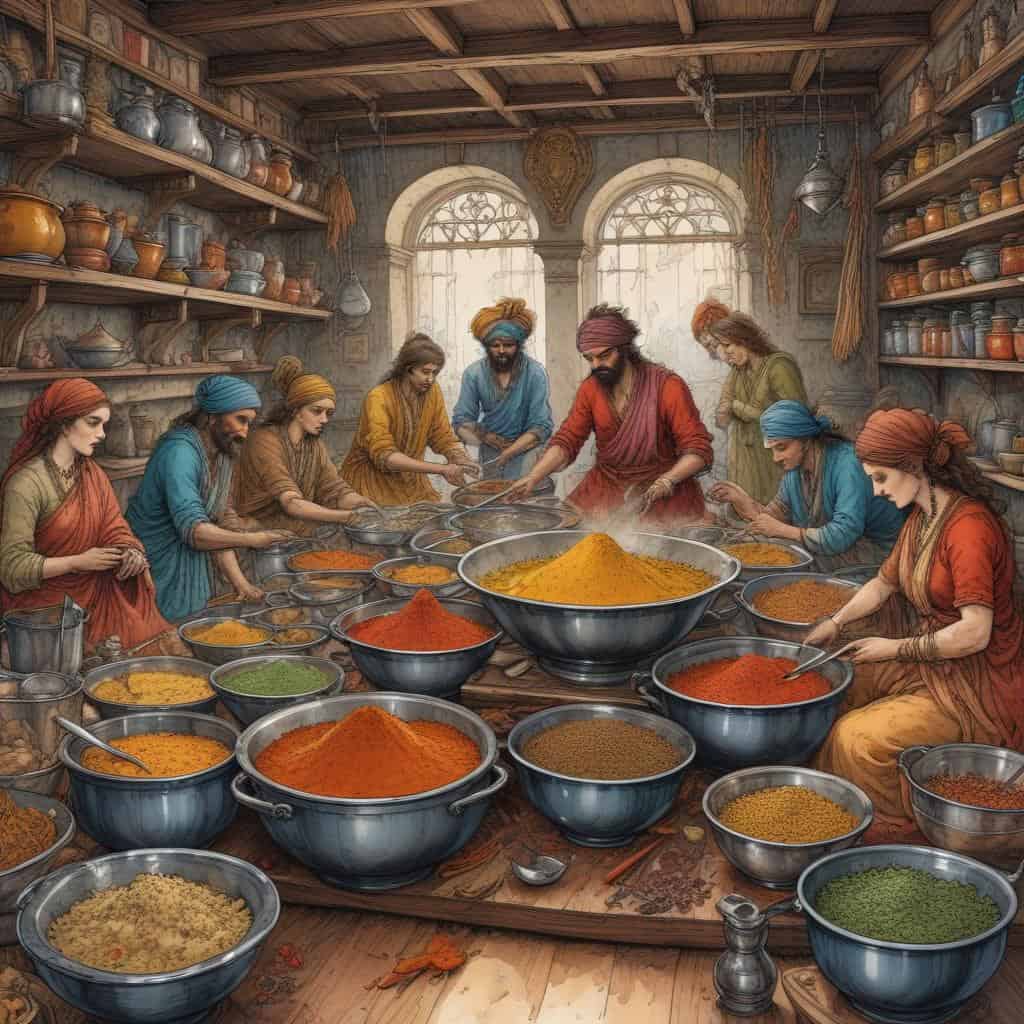
5. Spicy Cuisine
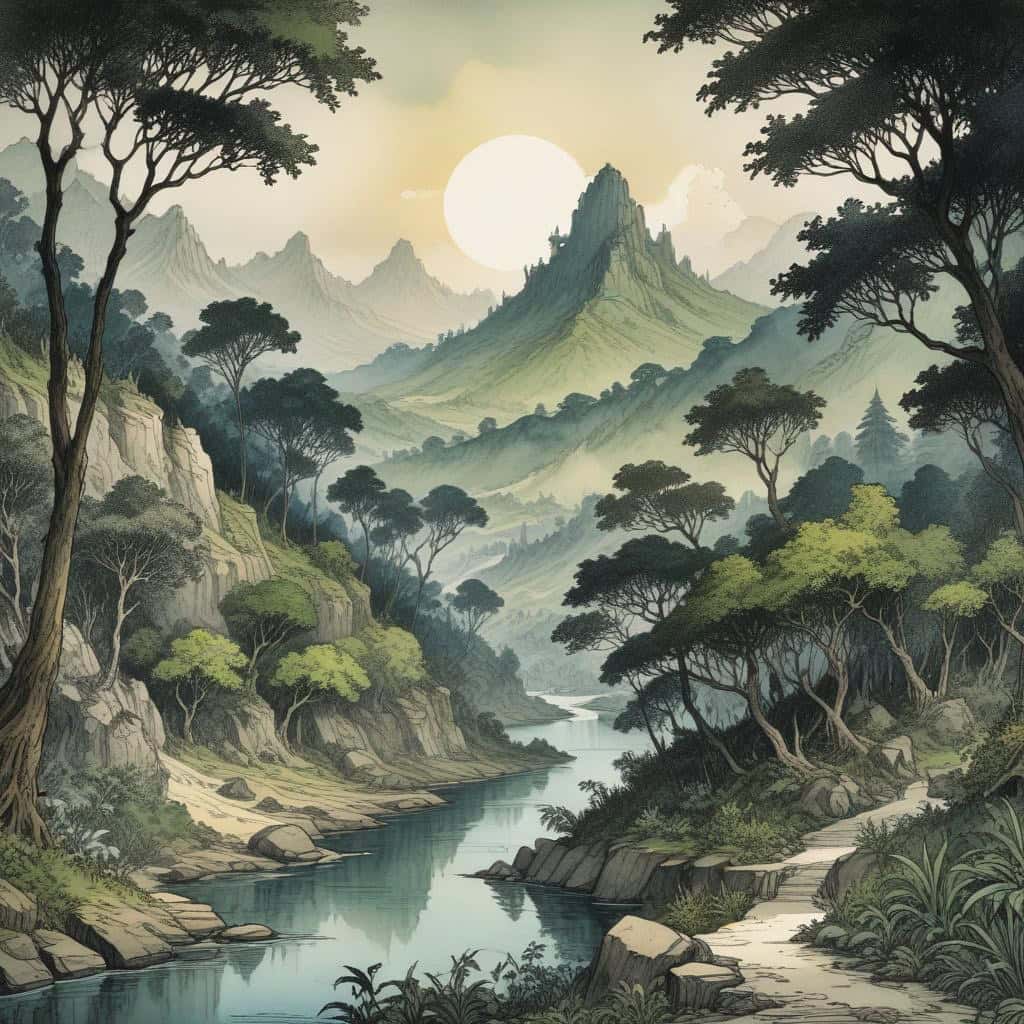
6. Incredible Landscapes
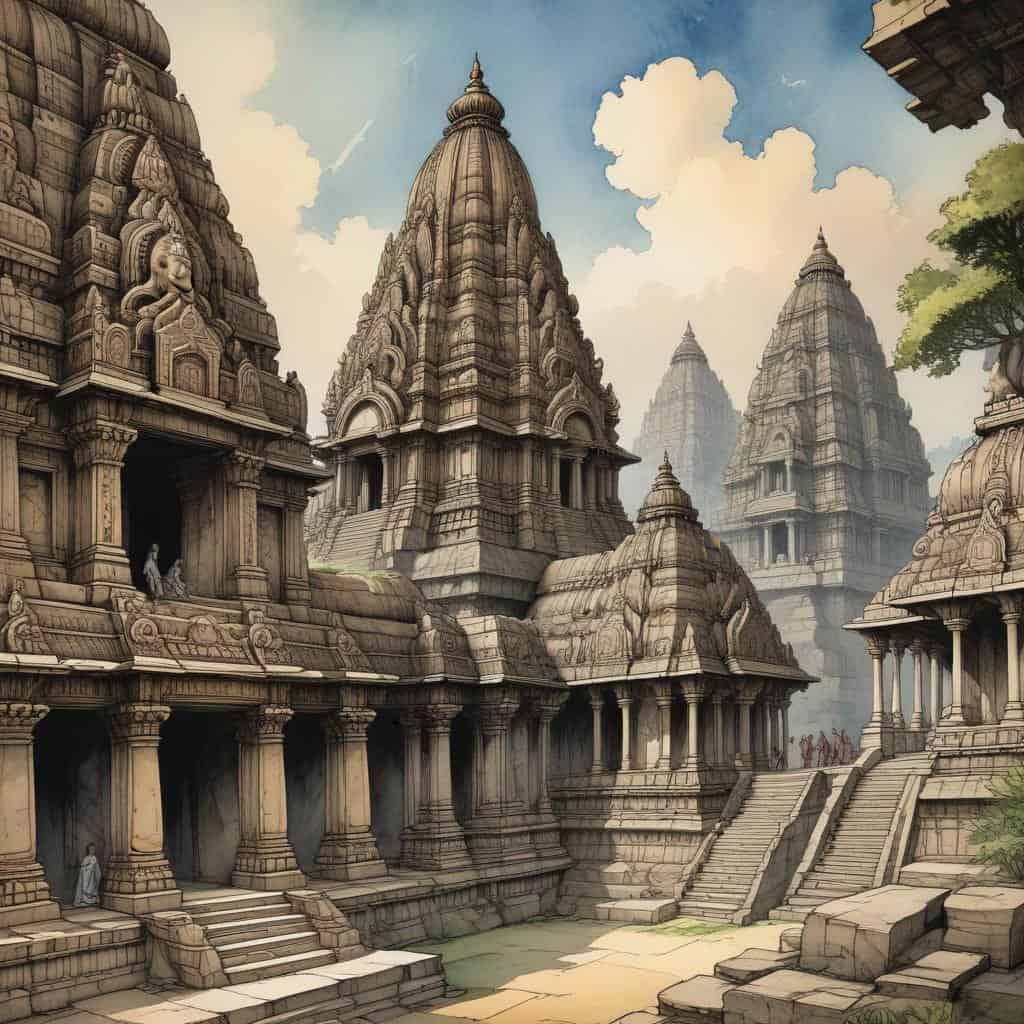
7. Ancient Temples
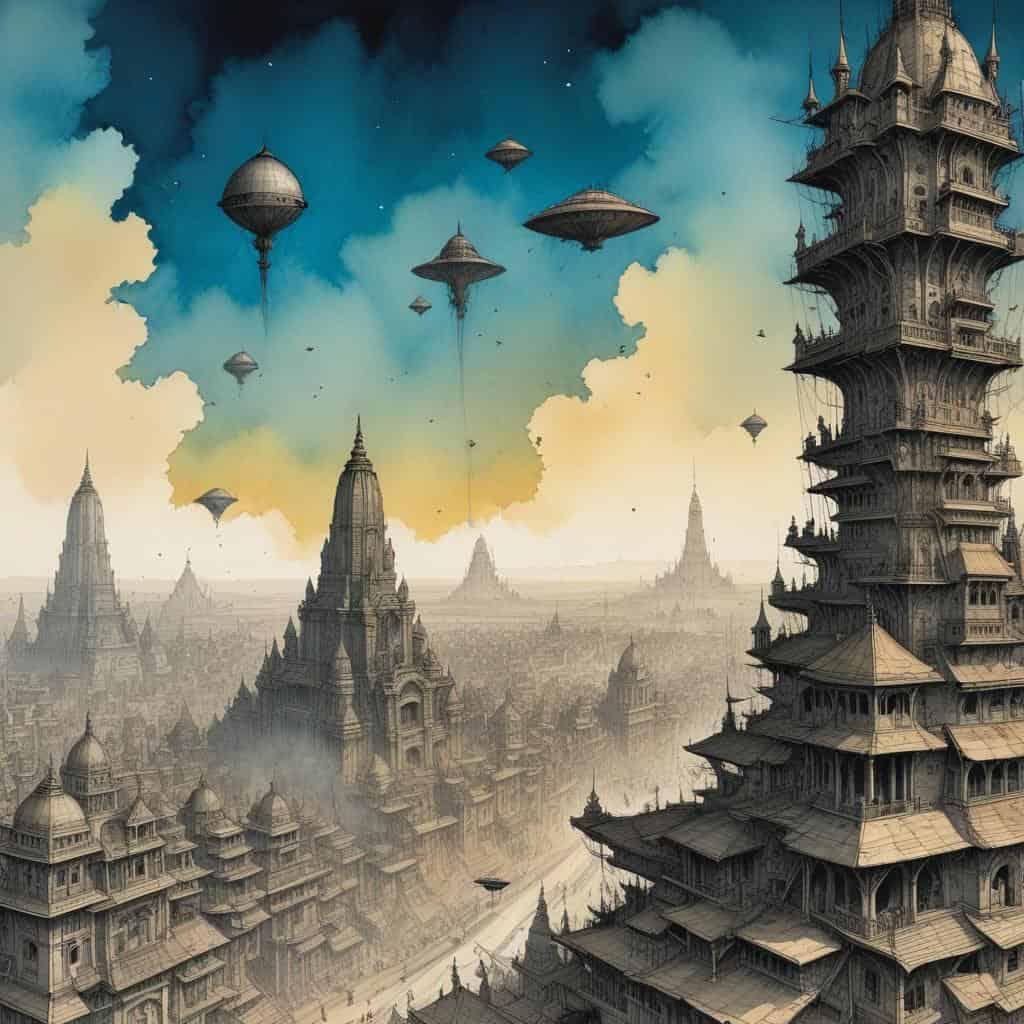
8. Modern Technology
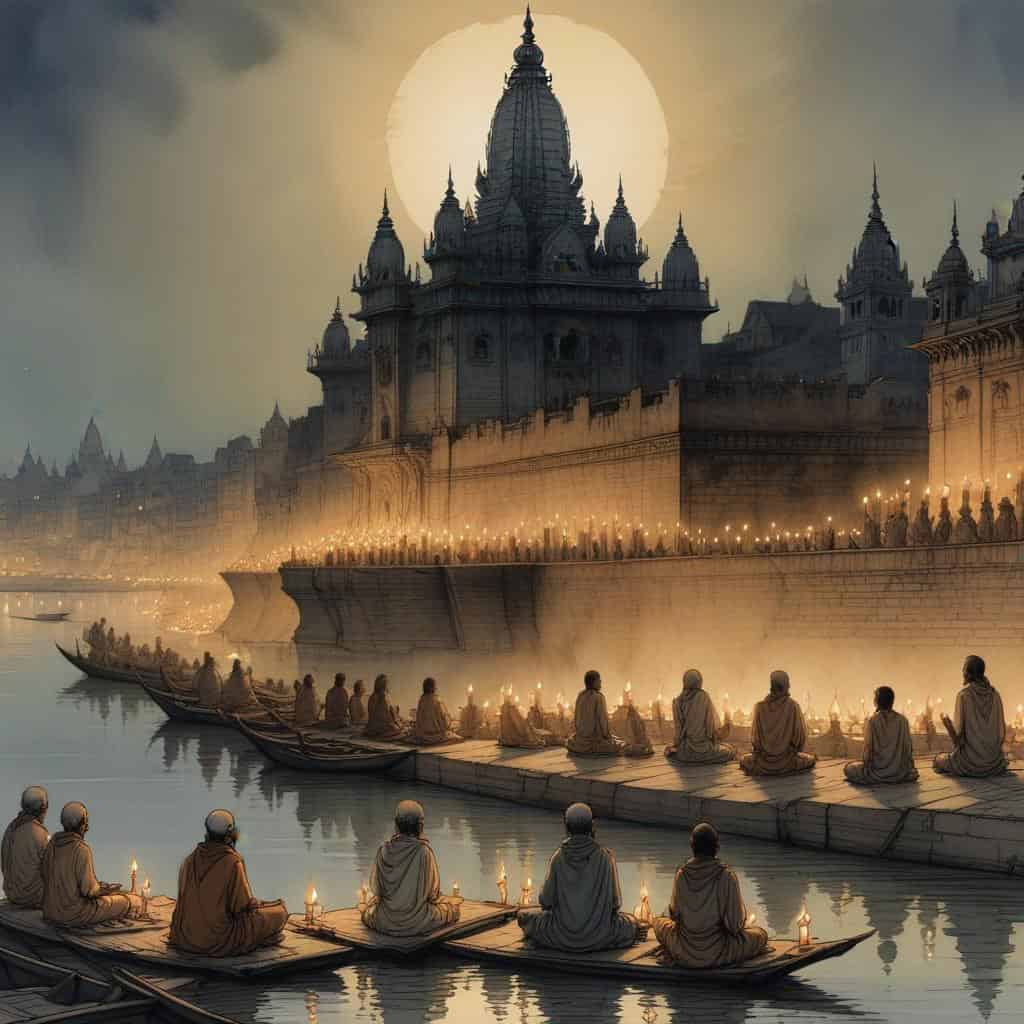
9. Spiritual Retreats
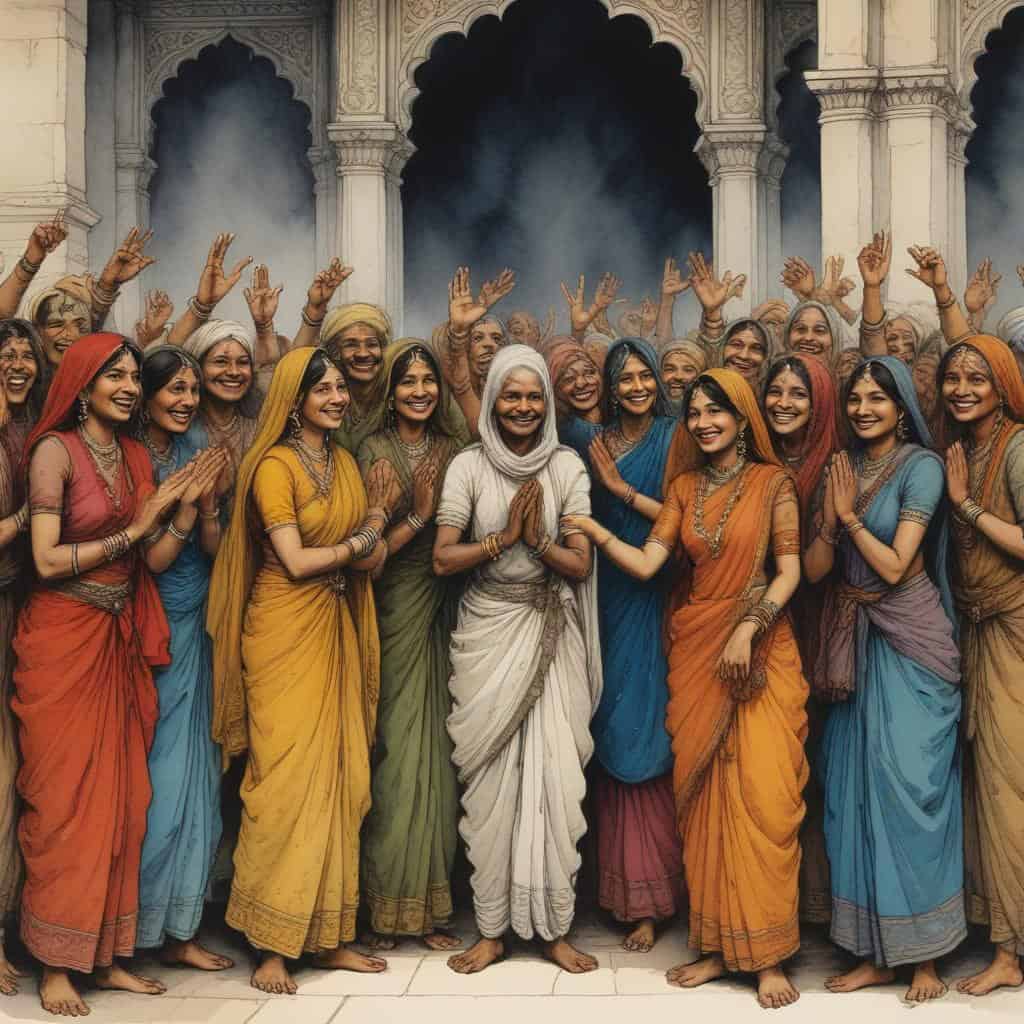
10. Warm Hospitality
Audio Library
As one of our featured lessons, this topic includes premium audio guides.
Unlock the Wizard's Cram Session
This powerful audio study guide is a Pro-exclusive feature. Upgrade to Memory Wizards Pro to access this and all of our premium learning tools.
Upgrade to ProIn a Nutshell
- Capital: New Delhi
- Population: Approx. 1.4 billion (2021)
- Official Language: Hindi
- Currency: Indian Rupee (INR)
Breaking Down the Country
No composition analysis points available.
Timeline of India
Indus Valley Civilization flourishes in the Indian subcontinent
Aryans migrate to the Indian subcontinent
Formation of the Mauryan Empire under Chandragupta Maurya
Ashoka the Great becomes the emperor of the Mauryan Empire
Gupta Empire reaches its peak under Chandragupta I
Arab traders introduce Islam to India
Delhi Sultanate is established
Mughal Empire is founded by Babur
Akbar the Great becomes the emperor of the Mughal Empire
British East India Company establishes its rule in India
Sepoy Mutiny, also known as the Indian Rebellion of 1857
Indian National Congress is formed
Mohandas Gandhi leads the nonviolent civil disobedience movement
India gains independence from British rule
India becomes a republic with the adoption of the constitution
Indira Gandhi becomes the first female Prime Minister of India
Nuclear tests conducted at Pokhran
India becomes a nuclear-armed nation
India achieves economic growth and becomes a global player
India successfully launches its first mission to Mars
Vocabulary List
- Ganges
- The Ganges is a sacred river in India, considered holy by Hindus.
- Bollywood
- Bollywood is the informal term popularly used for the Hindi-language film industry based in Mumbai.
- Sari
- A sari is a traditional Indian garment consisting of a draped cloth, typically worn by women.
- Curry
- Curry is a spice blend commonly used in Indian cuisine, known for its distinct flavor and aroma.
- Diwali
- Diwali, also known as the Festival of Lights, is a major Hindu festival celebrated in India and other countries.
- Mumbai
- Mumbai is the capital city of the Indian state of Maharashtra, known as the financial, commercial, and entertainment capital of India.
- Taj Mahal
- The Taj Mahal is a white marble mausoleum located in Agra, India, built by Mughal emperor Shah Jahan in memory of his wife.
- Namaste
- Namaste is a traditional Indian greeting, with the palms pressed together and a slight bow, often accompanied by the word "Namaste."
- Gandhi
- Mahatma Gandhi was a political and spiritual leader who played a key role in India's independence movement against British rule.
- Yoga
- Yoga is a physical, mental, and spiritual practice originating in ancient India, which includes breath control, meditation, and various bodily postures.
- Caste
- Caste refers to the social stratification system in India, dividing society into different hierarchical groups based on birth and occupation.
- Holi
- Holi is a Hindu spring festival celebrated in India, also known as the Festival of Colors, where people throw colored powders and water at each other.
- Rupee
- The rupee is the official currency of India, symbolized by ?.
- Gandhi
- The Indian rupee is named after Mahatma Gandhi, as a tribute to his contributions to India's independence.
- Mughal
- The Mughal Empire was a powerful empire that ruled over the Indian subcontinent from the 16th to the 19th centuries.
- Karma
- Karma is a concept in Hinduism and Buddhism that refers to the consequences of one's actions, influencing their future experiences.
- Guru
- A guru is a spiritual teacher or guide in traditional Indian culture.
- Chai
- Chai is a spiced tea beverage, popular in India, made with a blend of black tea, milk, and various spices.
- Dhoti
- A dhoti is a traditional men's garment in India, consisting of a long piece of cloth wrapped around the waist and legs.
- Jainism
- Jainism is an ancient Indian religion that emphasizes non-violence, truth, and self-control.
- Bhangra
- Bhangra is a lively form of folk dance and music originating from the Punjab region of India.
Key Facts
This is the information used in the fact matching game
- India is the seventh-largest country in the world
- India is the birthplace of four major religions: Hinduism, Buddhism, Jainism, and Sikhism
- The Indian film industry, commonly known as Bollywood, produces the highest number of films in the world
- India has over 1.3 billion people, making it the second-most populous country
- The Taj Mahal, a UNESCO World Heritage Site, is located in India
- India is home to the world's largest vegetarian population
- The national animal of India is the Bengal tiger
- India has the world's largest postal network
- The Indian national flag is tri-color, featuring saffron, white, and green, with a navy blue wheel in the center
- The Indian national anthem, "Jana Gana Mana," was written by Rabindranath Tagore
- India has 22 officially recognized languages
- The game of chess originated in India
- The Indian rupee is the official currency
- India is the largest producer of milk in the world
- The Indian Railways is one of the largest railway networks globally
- Yoga originated in India over 5,000 years ago
- The Indian space agency, ISRO, successfully launched its Mars Orbiter Mission in 2013
- The Indian Premier League (IPL) is the most-watched cricket league in the world
- The Indian Constitution is the longest written constitution globally
- The Indian flag was adopted on July 22, 1947.
Why It Matters
Geopolitical Significance
India’s strategic location in South Asia has made it a key player in regional politics and economics. Its borders with China, Pakistan, Nepal, Bhutan, and Bangladesh shape power dynamics in the region. India’s size, population, and military strength also make it a significant global player.
Historical Importance
India has a rich history dating back thousands of years, with ancient civilizations, empires, and cultural achievements. It has been a center of trade, religion, and innovation, influencing neighboring regions and beyond. Key events like British colonization and the struggle for independence have shaped modern India.
Modern-Day Role
Today, India is one of the world’s largest democracies and fastest-growing economies. It plays a crucial role in global trade, technology, and international relations. India’s cultural influence, diverse population, and advancements in fields like space exploration highlight its modern significance.
India Games


Take Your Learning Offline
Want a convenient, print-ready study guide for this lesson? Become a Memory Wizards Pro member to unlock the downloadable " Memory Scrolls" for this topic and our entire library!
- ✓ Complete Vocabulary Lists
- ✓ Key Facts & Timelines
- ✓ Beautifully Formatted for Print & Mobile