
How Do You Learn Best?
Learn by Listening
Start with the 3-minute audio summary to get the key facts and narrative highlights quickly.
Learn by Reading
Immerse yourself in the 10-minute visual lesson for a comprehensive understanding of the topic.
Learn by Reviewing
Jump directly to the key facts, timeline, and vocabulary lists to build a solid foundation of details.
Learn by Doing
Challenge yourself! Jump straight into the interactive games to learn by trial, error, and discovery.
China in 10 Minutes
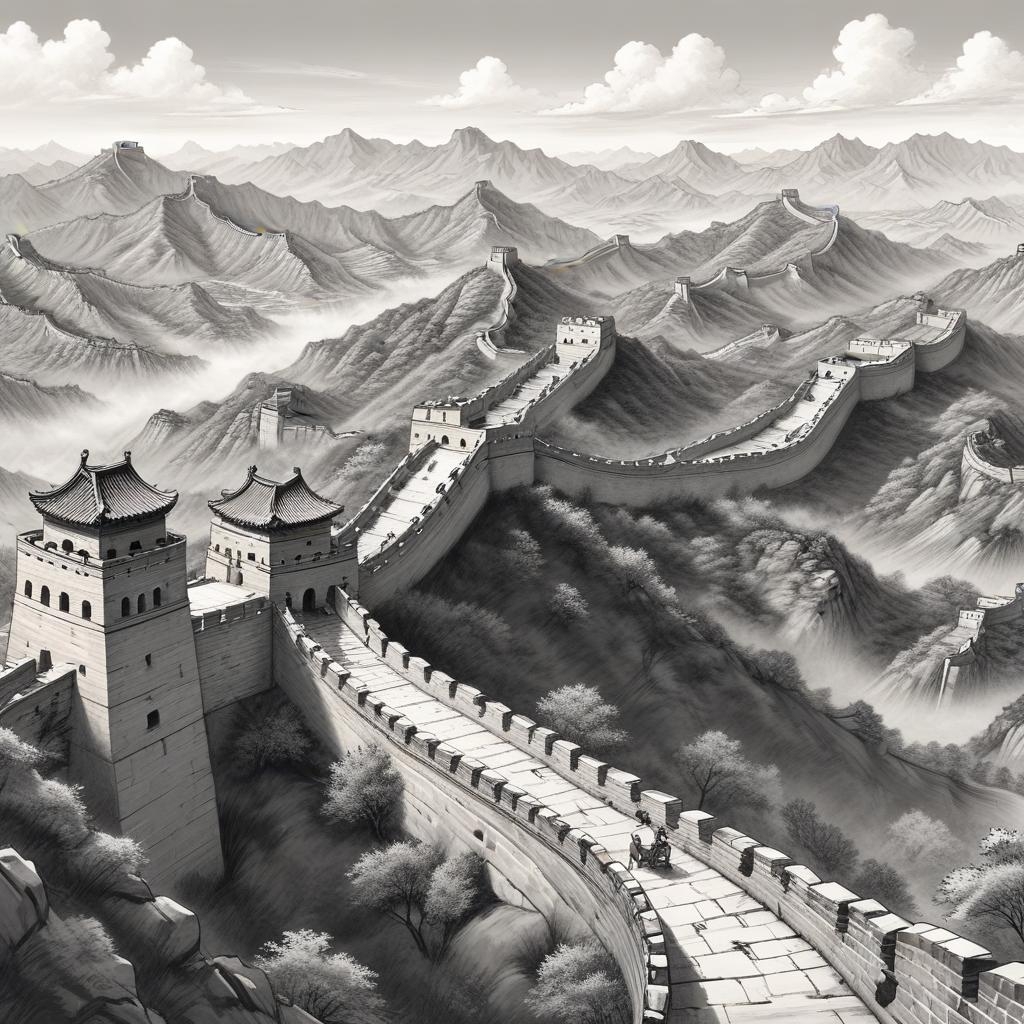
Introduction
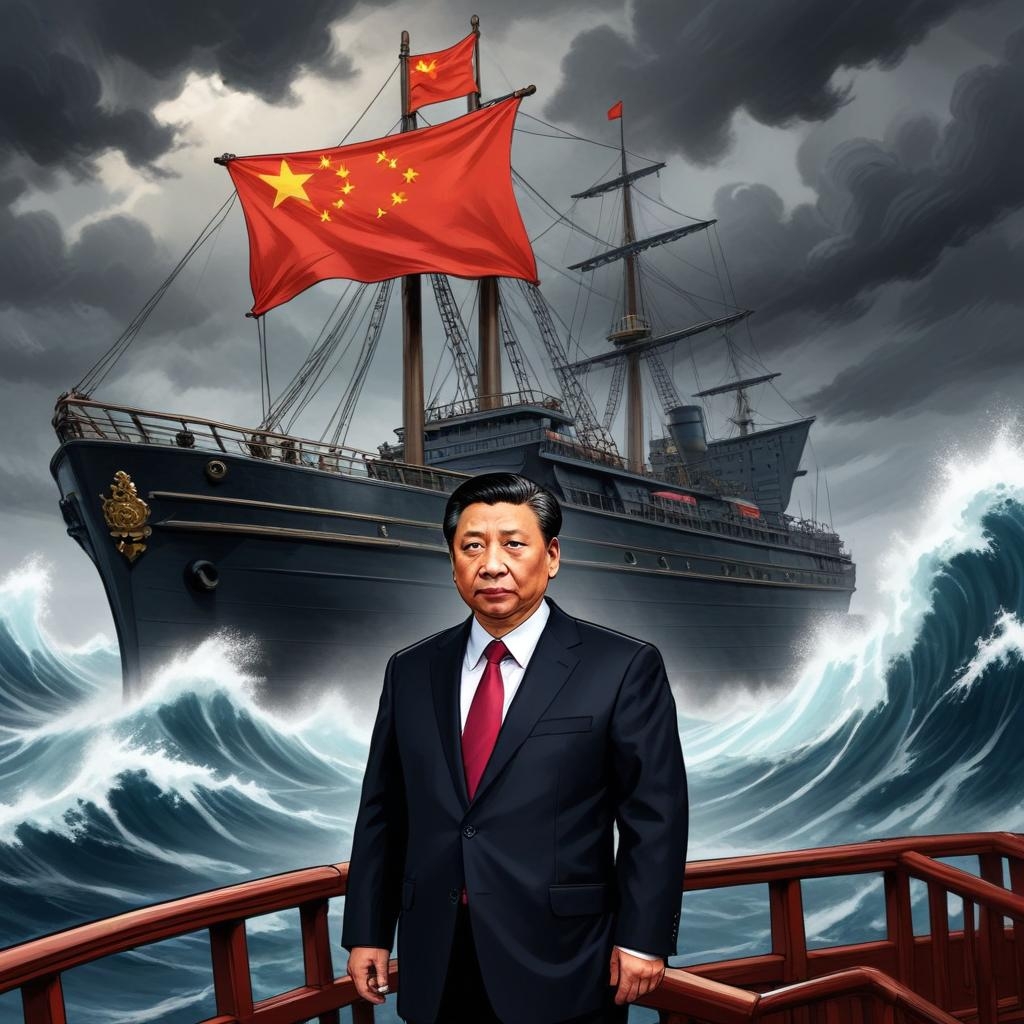
1. Xi Jinping
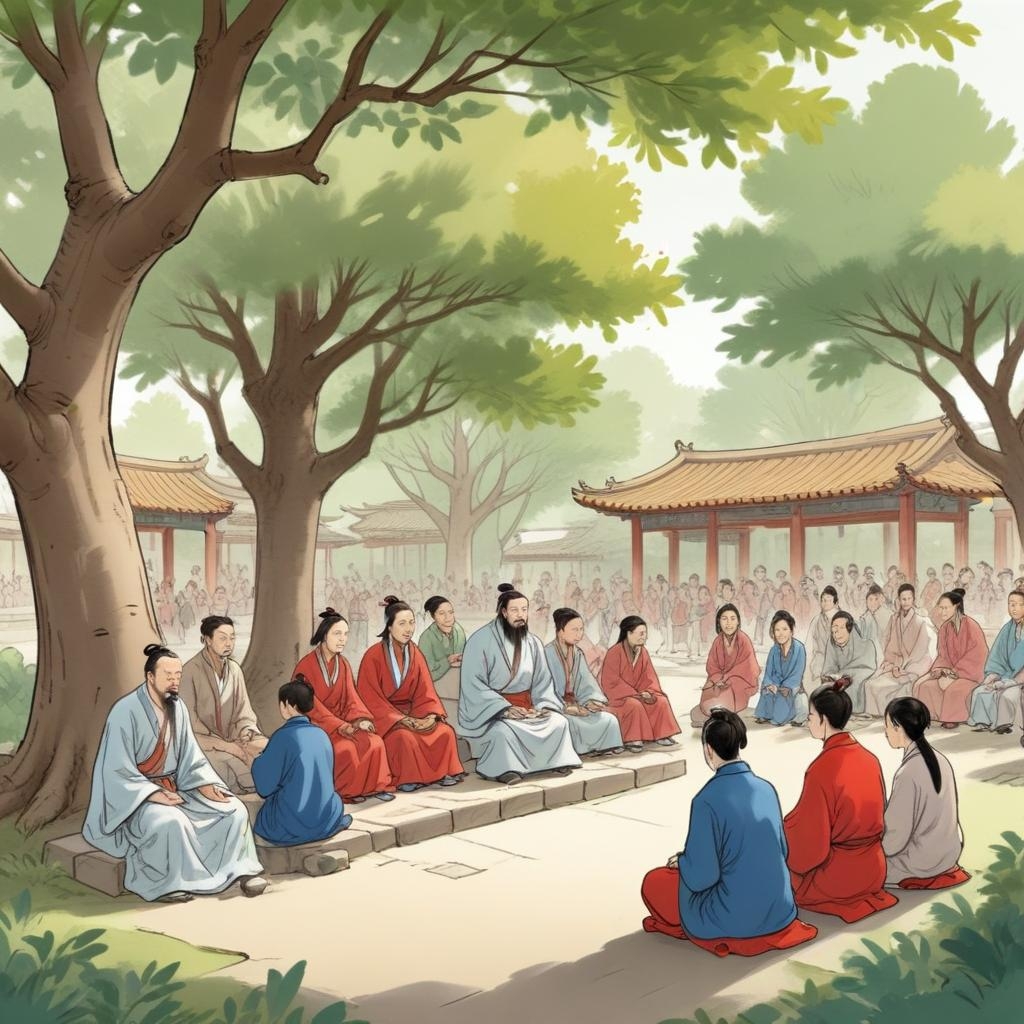
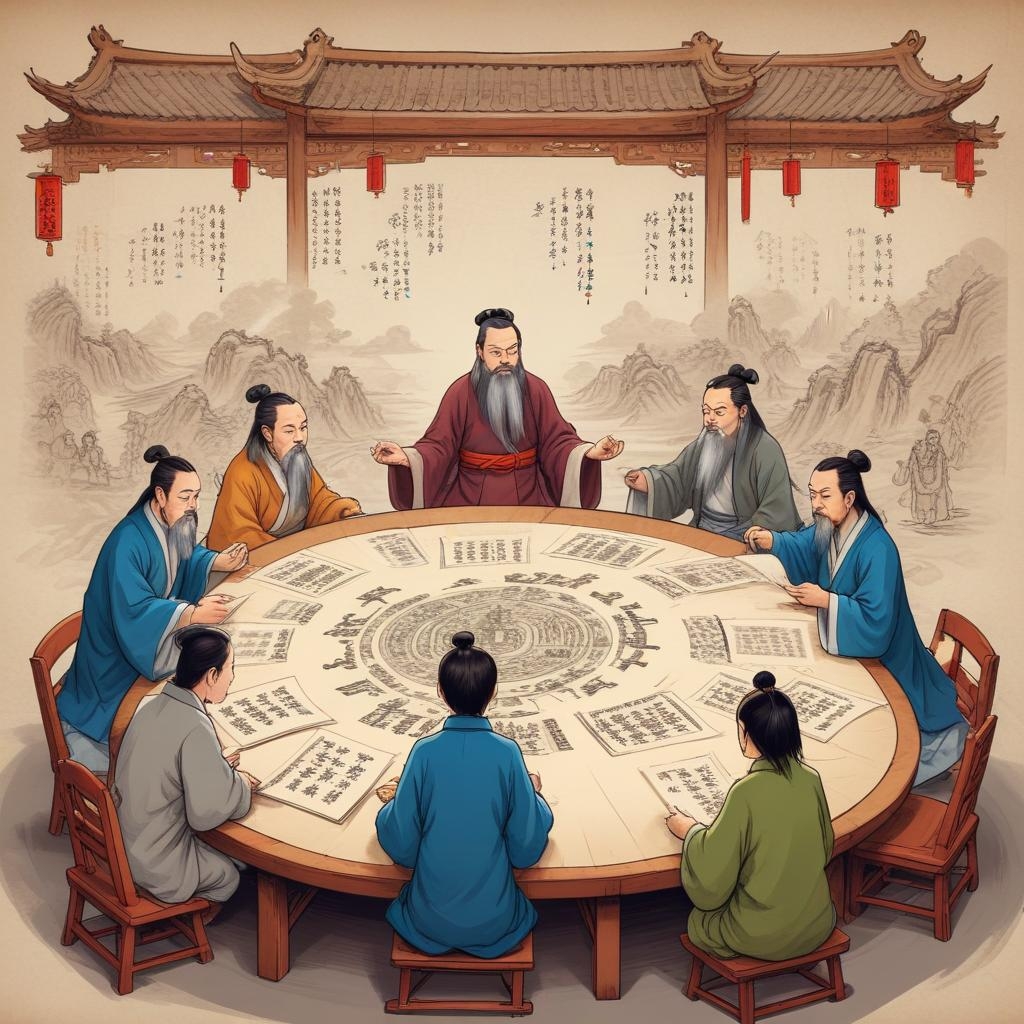
2. Confucius
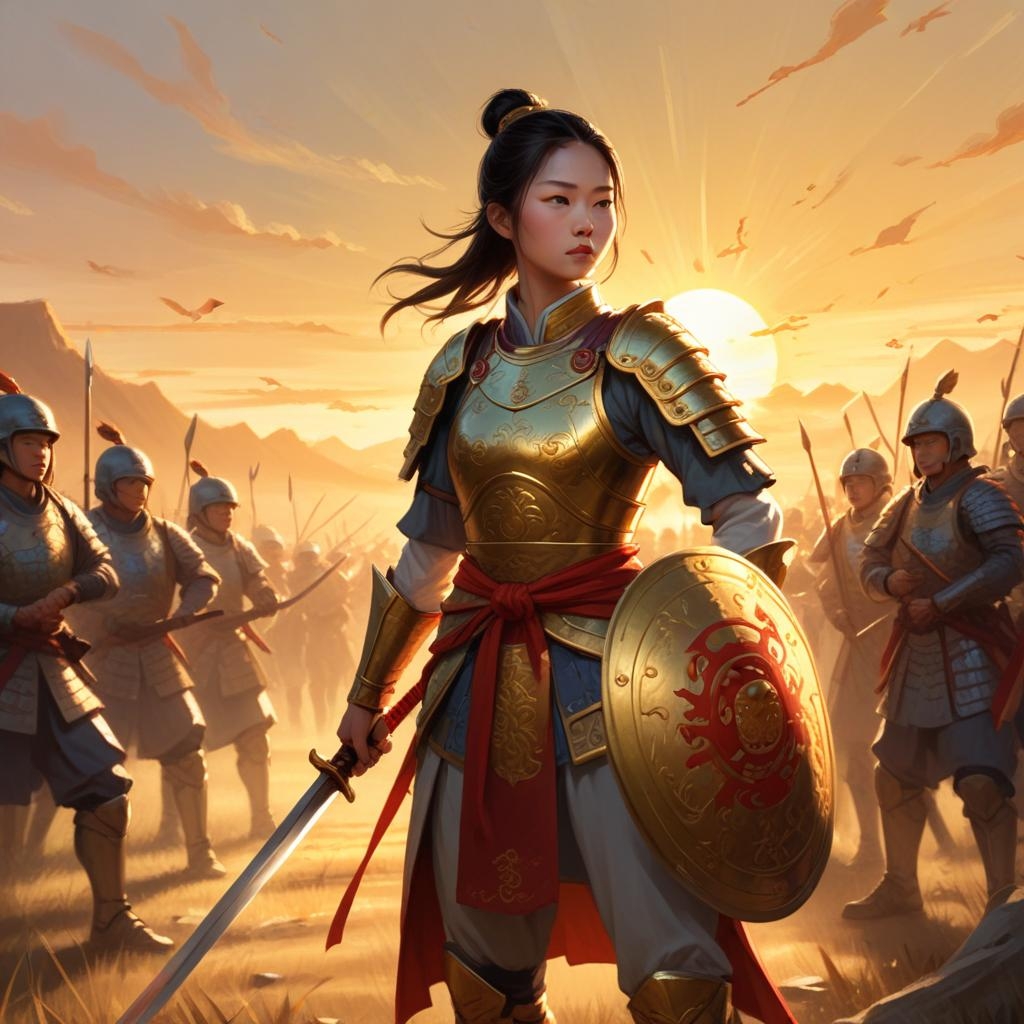
3. Mulan
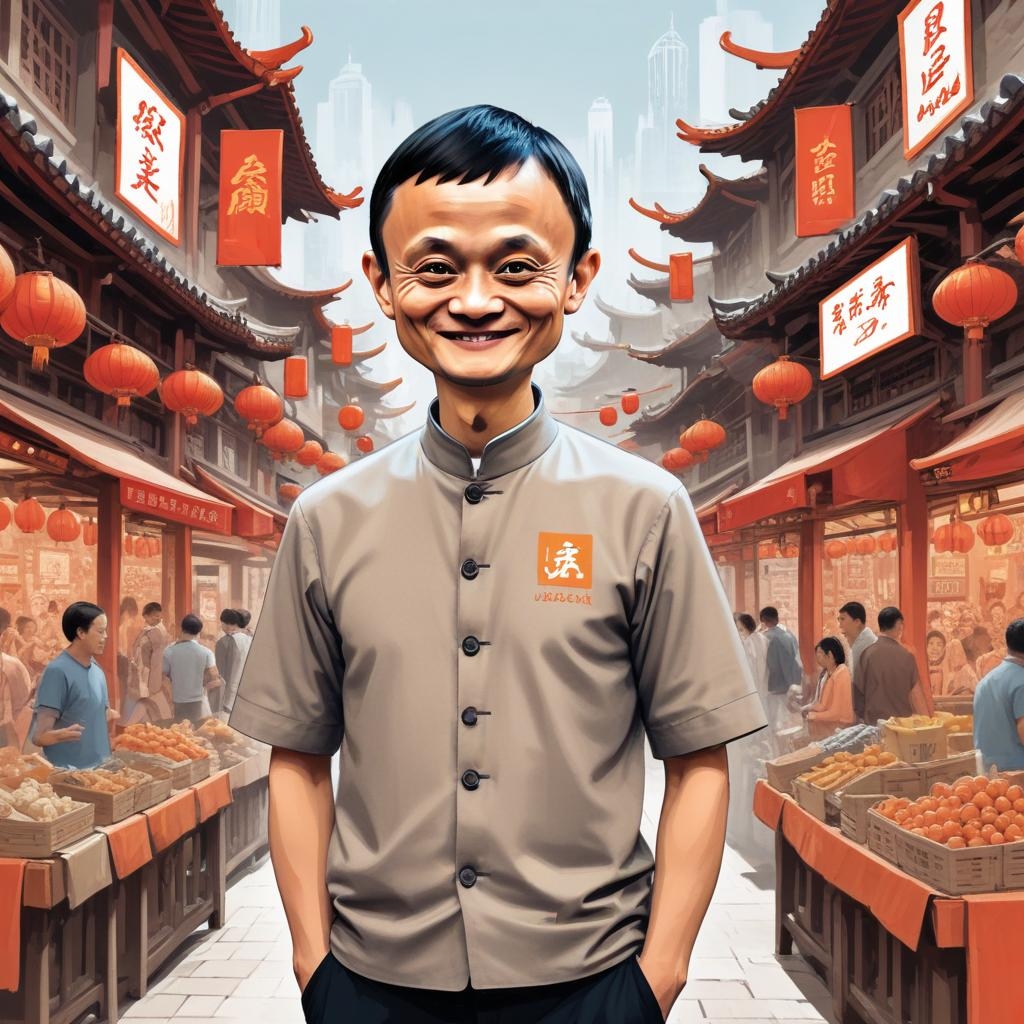
4. Jack Ma
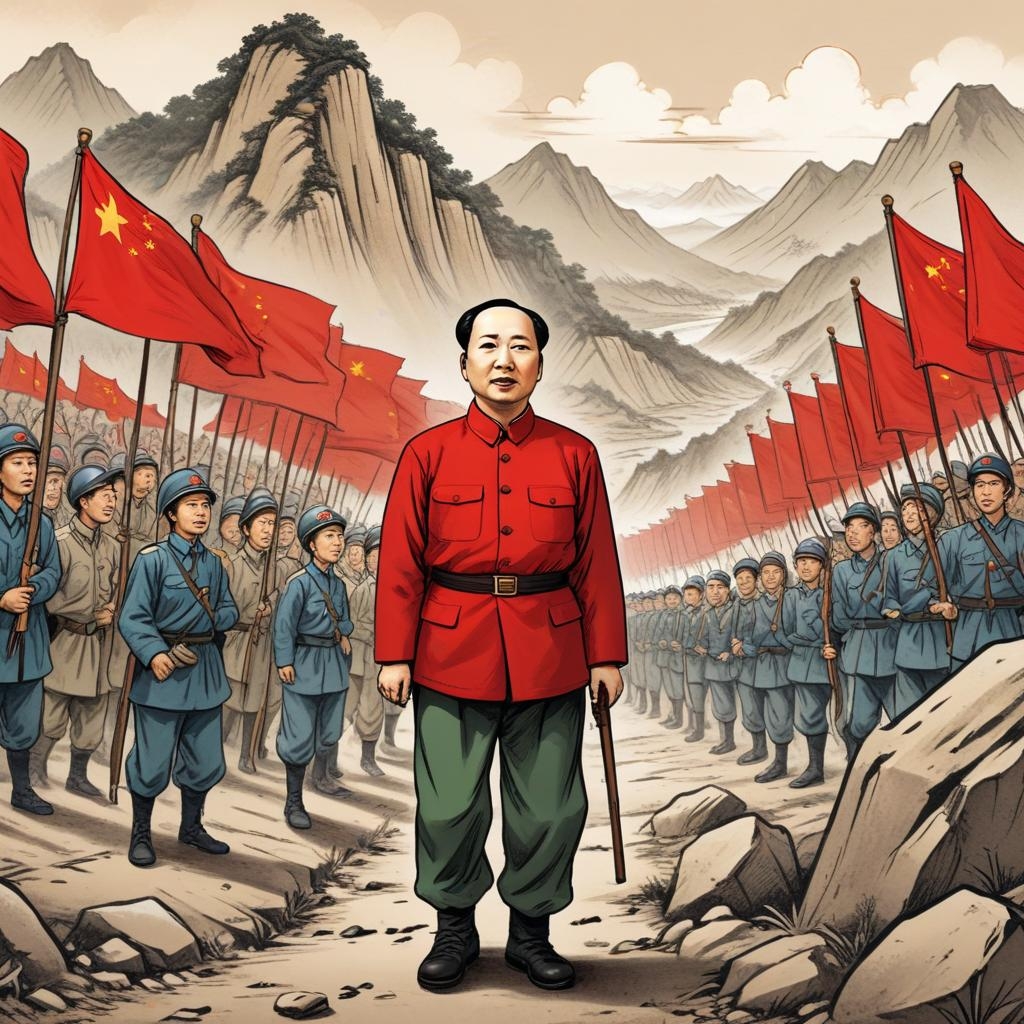
5. Mao Zedong
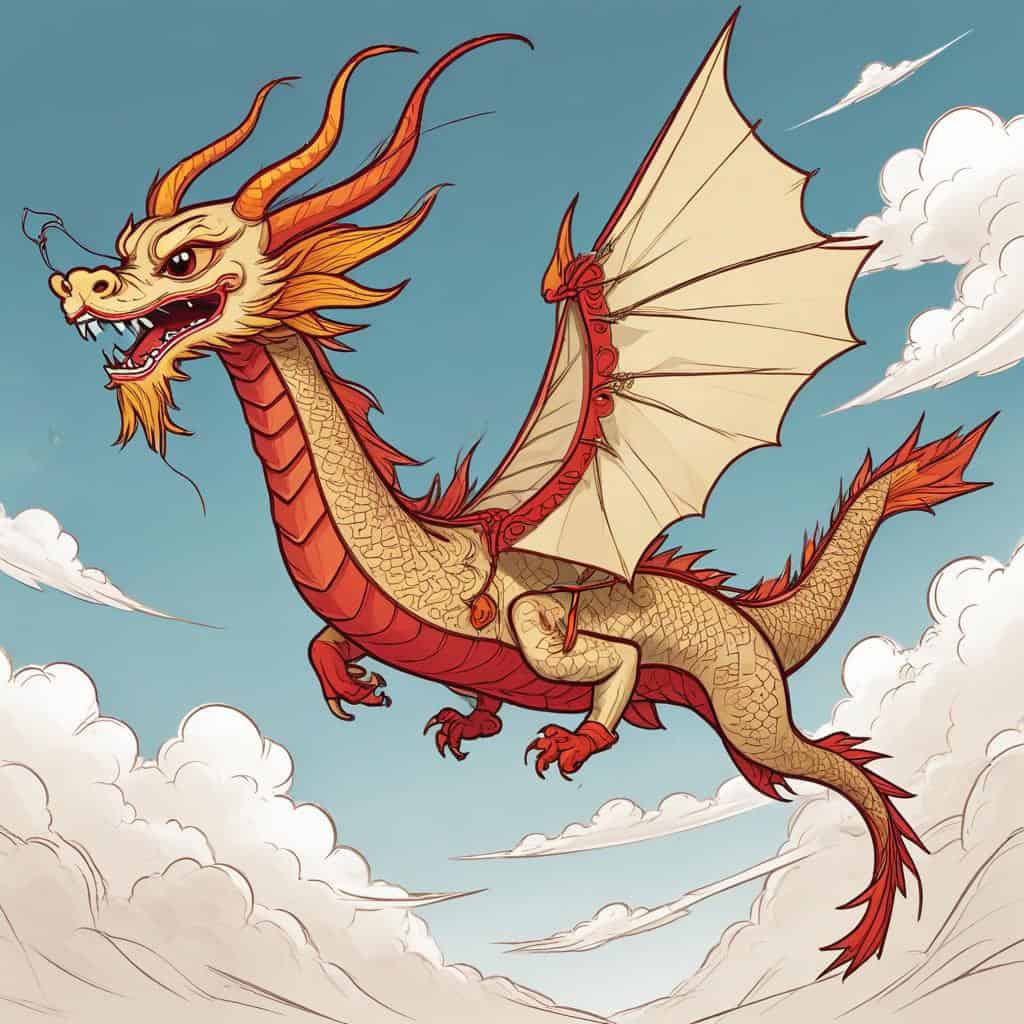
China in a Nutshell: A Quick Summary
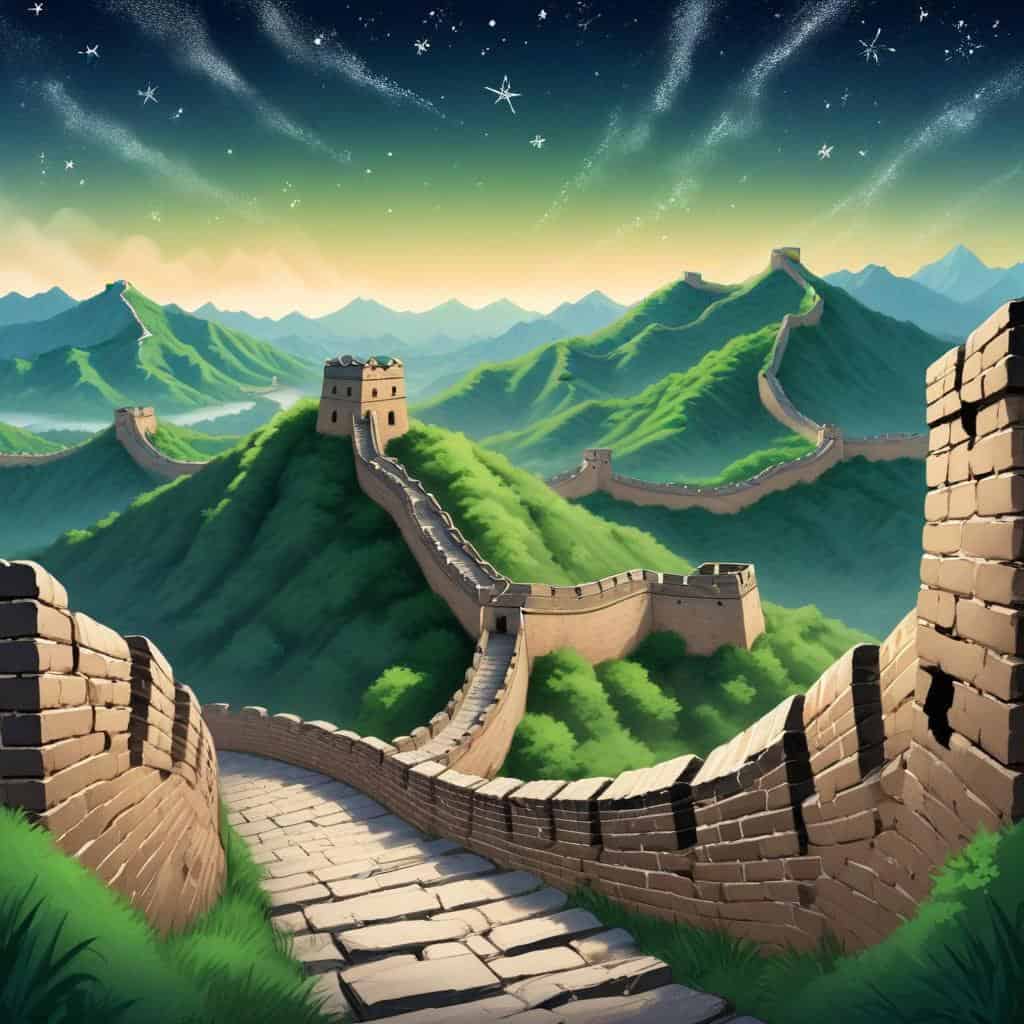
Ancient Civilization
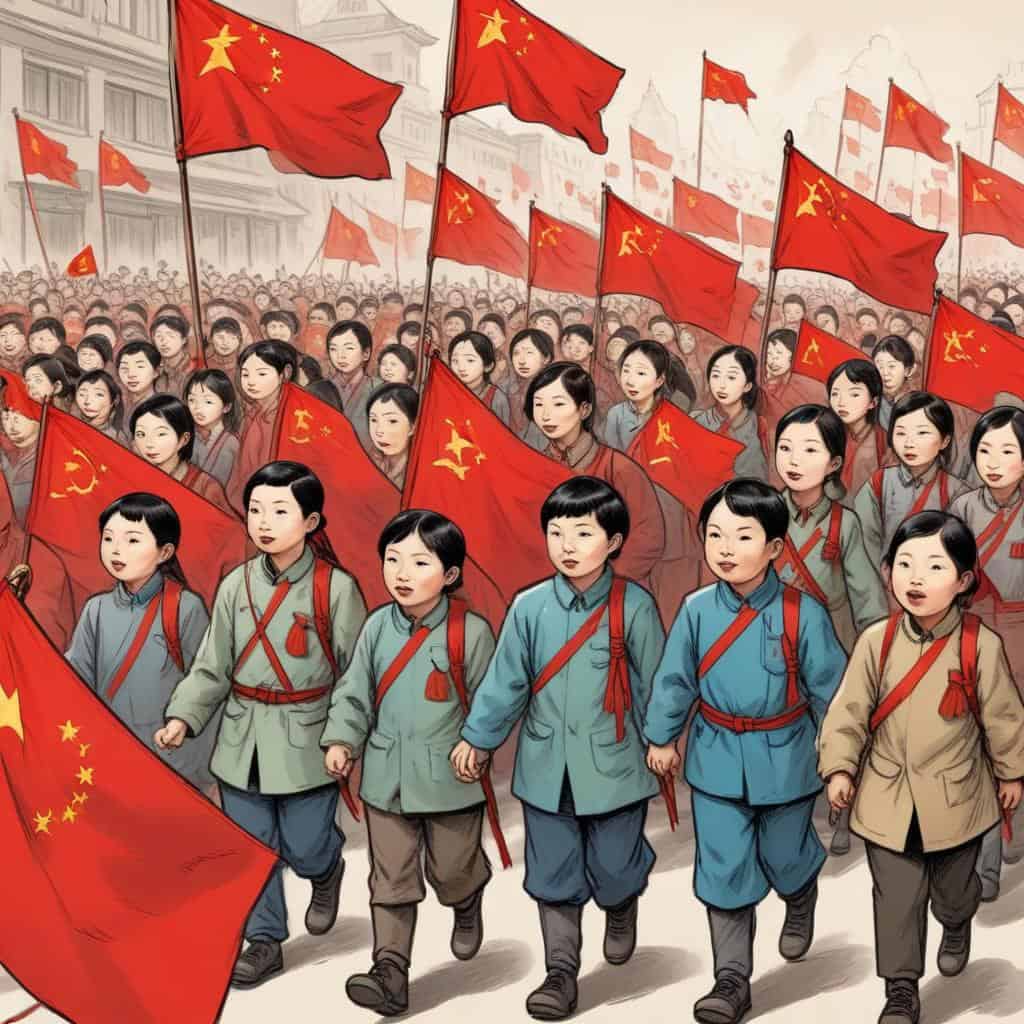
Communist Revolution
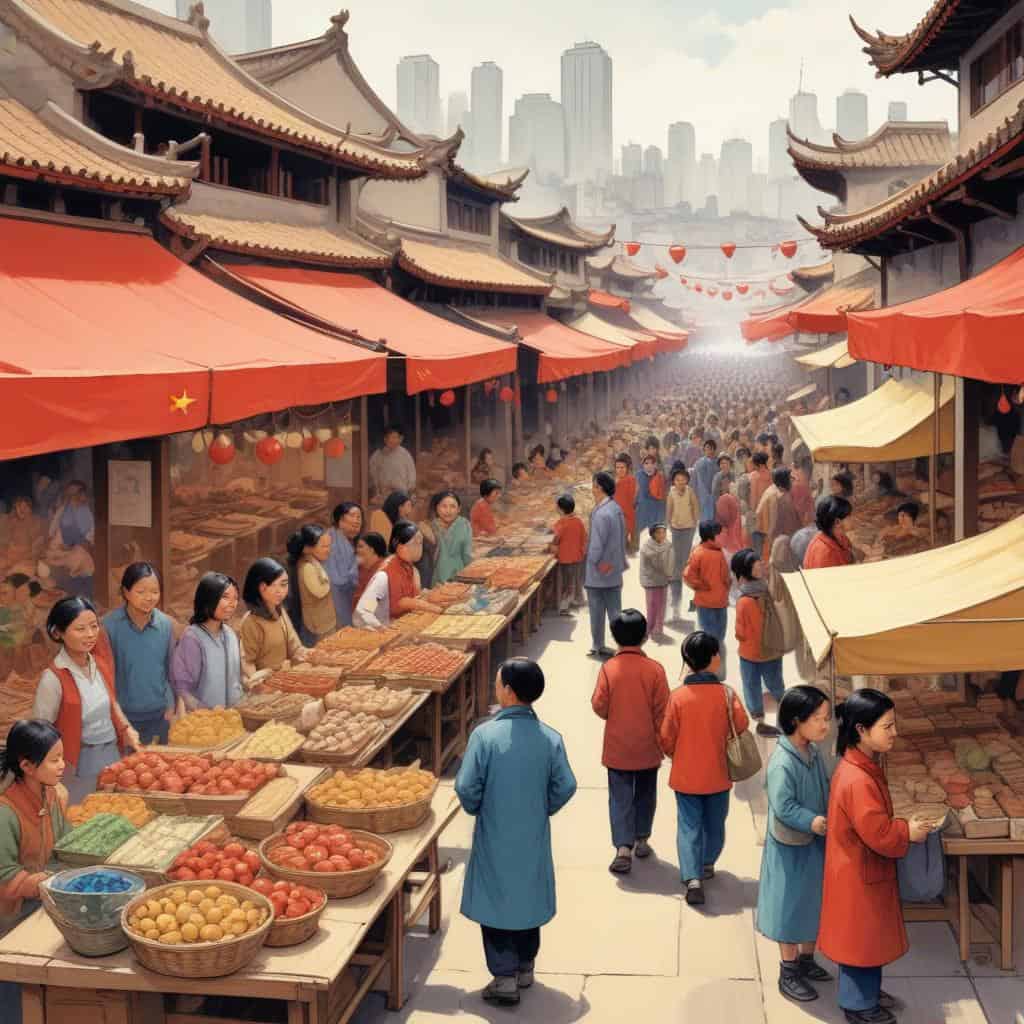
Economic Reforms
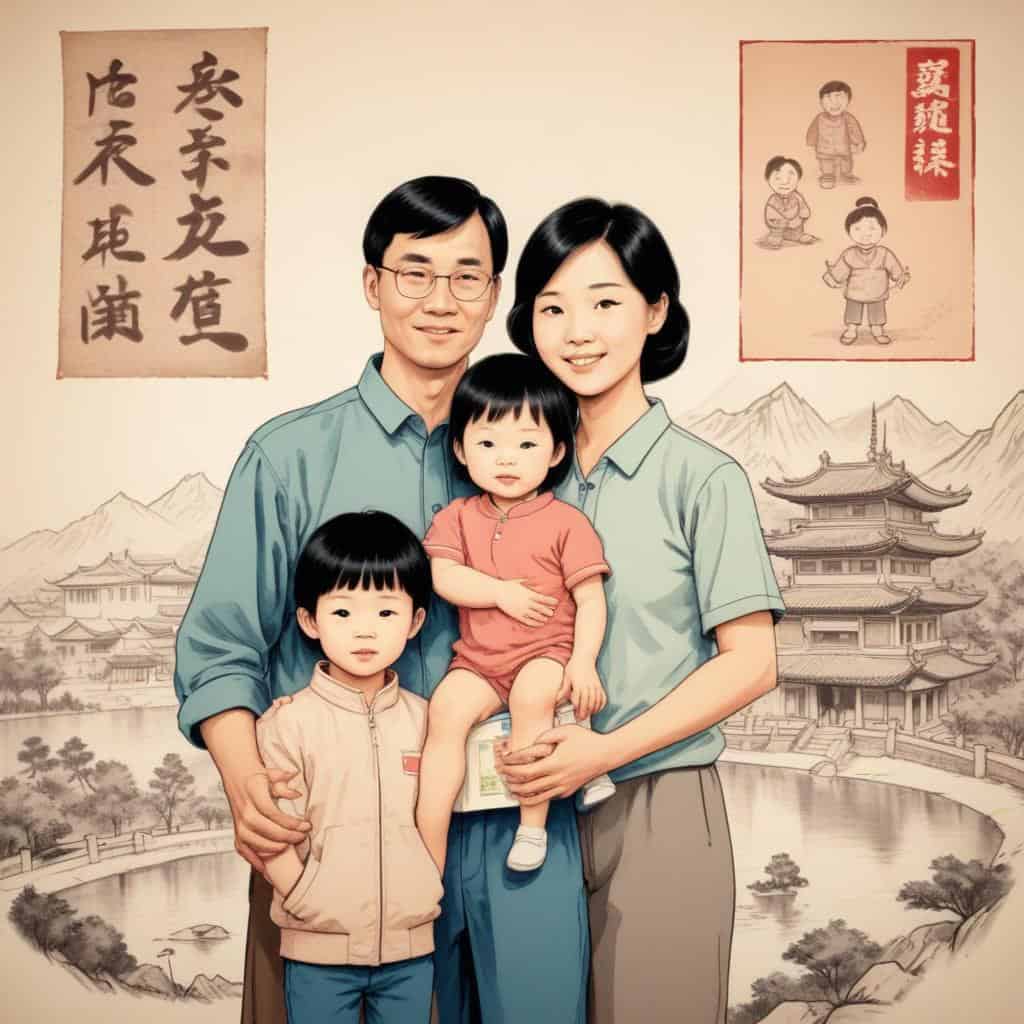
One-Child Policy
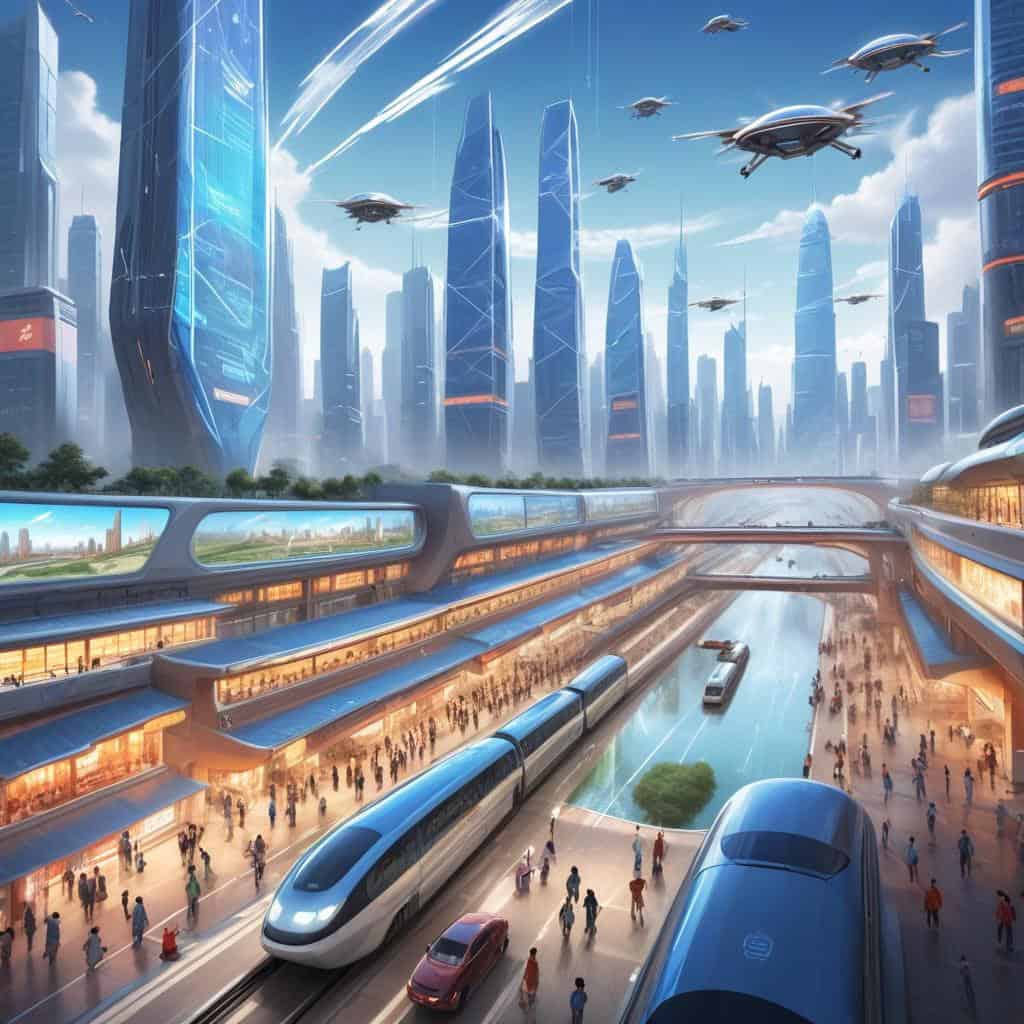
Technology and Innovation
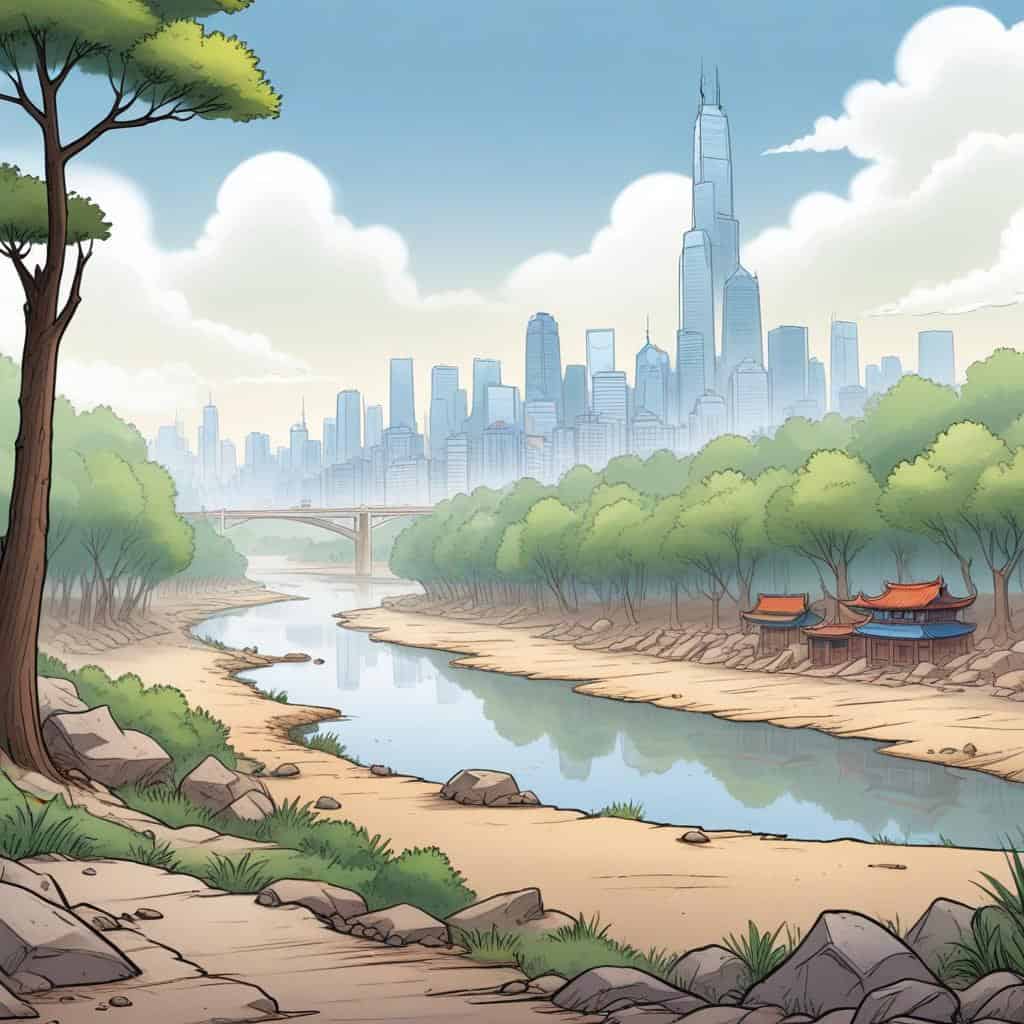
Environmental Challenges
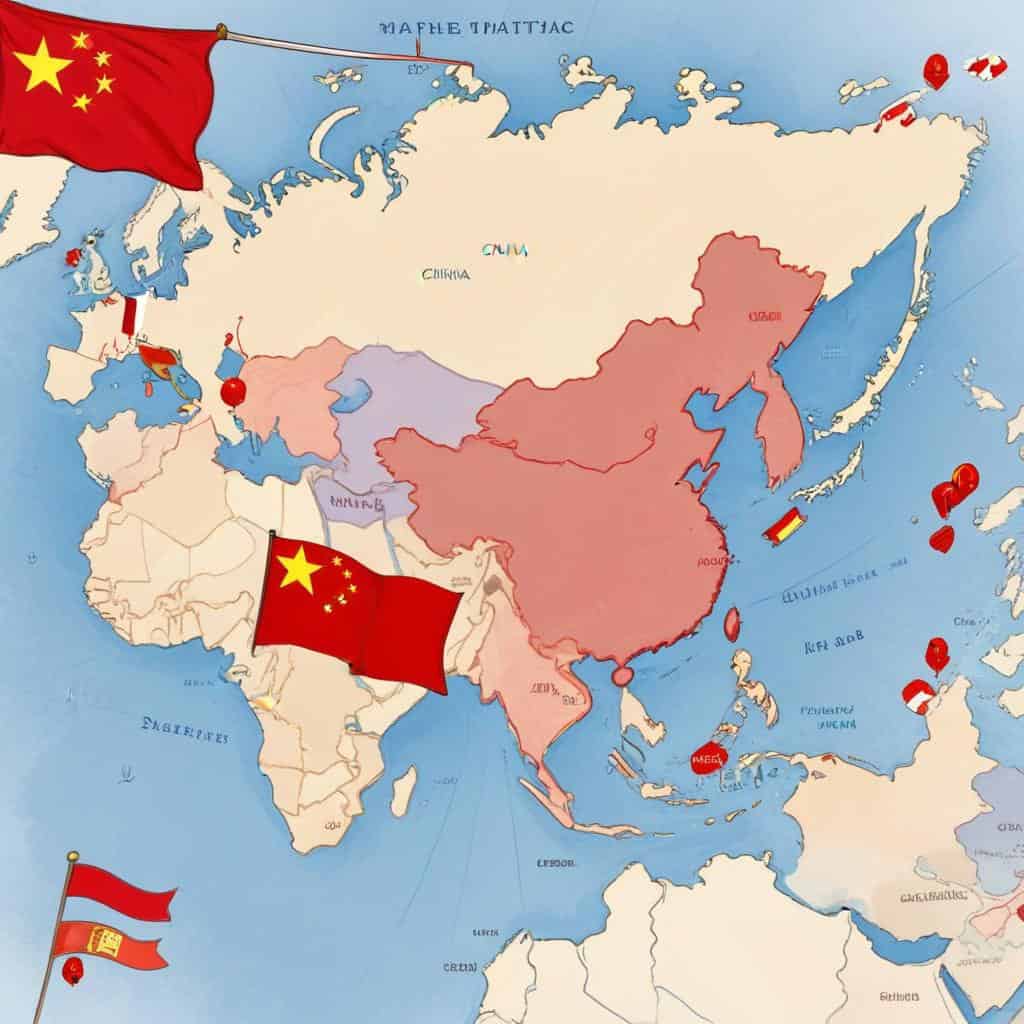
Global Influence
Human Rights Concerns
COVID-19 Pandemic
Future Prospects
Audio Library
As one of our featured lessons, this topic includes premium audio guides.
Unlock the Wizard's Cram Session
This powerful audio study guide is a Pro-exclusive feature. Upgrade to Memory Wizards Pro to access this and all of our premium learning tools.
Upgrade to ProIn a Nutshell
- Capital: Beijing
- Population: Approx. 1.4 billion (2021)
- Official Language: Mandarin
- Currency: Chinese yuan (CNY)
Breaking Down the Country
No composition analysis points available.
Timeline of China
The Xia dynasty is established, marking the beginning of Chinese civilization
The Shang dynasty rules over China
The Zhou dynasty overthrows the Shang dynasty
Confucius is born
The Qin dynasty unifies China under Emperor Qin Shi Huang
Construction of the Great Wall of China begins
Emperor Qin Shi Huang dies, leading to the collapse of the Qin dynasty
The Han dynasty is established
Silk Road trade flourishes during the Han dynasty
The Three Kingdoms period begins
Buddhism is introduced to China
The Tang dynasty rises to power
The Song dynasty comes into power
The Mongol Empire, led by Genghis Khan, invades China
The Ming dynasty is established after the fall of the Mongol Empire
The Forbidden City in Beijing is completed
The Qing dynasty overthrows the Ming dynasty
The Opium Wars take place between China and Britain
The Republic of China is established under Sun Yat-sen
The Chinese Communist Party is founded by Mao Zedong
The People's Republic of China is established
Vocabulary List
- Great Wall
- A series of fortifications built across the historical northern borders of China to protect the Chinese states against invasions
- Dynasty
- A line of hereditary rulers of a country
- Maoism
- A political theory derived from the teachings of Mao Zedong, emphasizing revolutionary struggle and the rural peasantry
- Communism
- A political and economic ideology advocating for the common ownership of the means of production and the absence of social classes
- Silk Road
- An ancient network of trade routes that connected East Asia with the Mediterranean world, facilitating the exchange of goods, ideas, and culture
- Terracotta Army
- A collection of sculpted soldiers and horses buried with Emperor Qin Shi Huang to protect him in the afterlife
- Peking Opera
- A traditional Chinese form of theater combining music, vocal performance, mime, dance, and acrobatics
- Panda
- A large bear-like mammal native to China, characterized by its distinctive black and white fur
- Tea
- An aromatic beverage commonly prepared by pouring hot or boiling water over cured leaves of the Camellia sinensis plant
- Confucianism
- A system of ethical and philosophical teachings developed by Confucius, emphasizing personal morality, righteousness, and social harmony
- Dragon
- A mythical creature often depicted as a long, scaled, serpentine creature with four legs and symbolizes power, strength, and good luck in Chinese culture
- Red envelope
- A traditional gift given during festivals or special occasions in China, typically containing money
- Calligraphy
- The art of producing decorative handwriting or lettering with a pen or brush
- Jade
- A hard, typically green stone often used in Chinese art and jewelry
- Forbidden City
- A palace complex in Beijing that served as the imperial residence of Chinese emperors from the Ming dynasty to the end of the Qing dynasty
- Taoism
- A philosophical and religious tradition that emphasizes living in harmony with the Tao, a fundamental principle underlying everything in the universe
- Peking duck
- A famous Chinese dish consisting of roasted duck served with thin pancakes, scallions, and hoisin sauce
- Red Lantern Festival
- A traditional Chinese festival celebrated on the fifteenth day of the Lunar New Year, featuring lantern displays, lion dances, and fireworks
- Pinyin
- A system of romanization for standard Mandarin Chinese, used to represent the pronunciation of Chinese characters using the Roman alphabet
- Terrace farming
- A method of farming in which steps, or terraces, are built into the slopes of hills or mountains to create flat areas for cultivation.
Key Facts
This is the information used in the fact matching game
- 1. China is the world's most populous country, with a population of over 1.4 billion people.
- 2. The Great Wall of China is one of the Seven Wonders of the World and stretches over 13,000 miles.
- 3. Chinese cuisine is diverse and includes famous dishes like Peking duck, dumplings, and Kung Pao chicken.
- 4. The official language of China is Mandarin, spoken by the majority of the population.
- 5. China is the world's second-largest economy, trailing only the United States.
- 6. Tea originated in China and has been an integral part of Chinese culture for thousands of years.
- 7. The Forbidden City in Beijing served as the imperial palace for 24 emperors during the Ming and Qing dynasties.
- 8. Chinese inventions include paper, gunpowder, the compass, and printing.
- 9. Chinese New Year, also known as the Spring Festival, is the most important traditional holiday in China.
- 10. The giant panda, a national symbol of China, is considered one of the rarest and most endangered species in the world.
- 11. The Terracotta Army, discovered in Xi'an, consists of thousands of life-sized clay soldiers and horses buried with the first emperor of China, Qin Shi Huang.
- 12. China is home to some of the world's most breathtaking natural landscapes, such as the Zhangjiajie National Forest Park and the Li River.
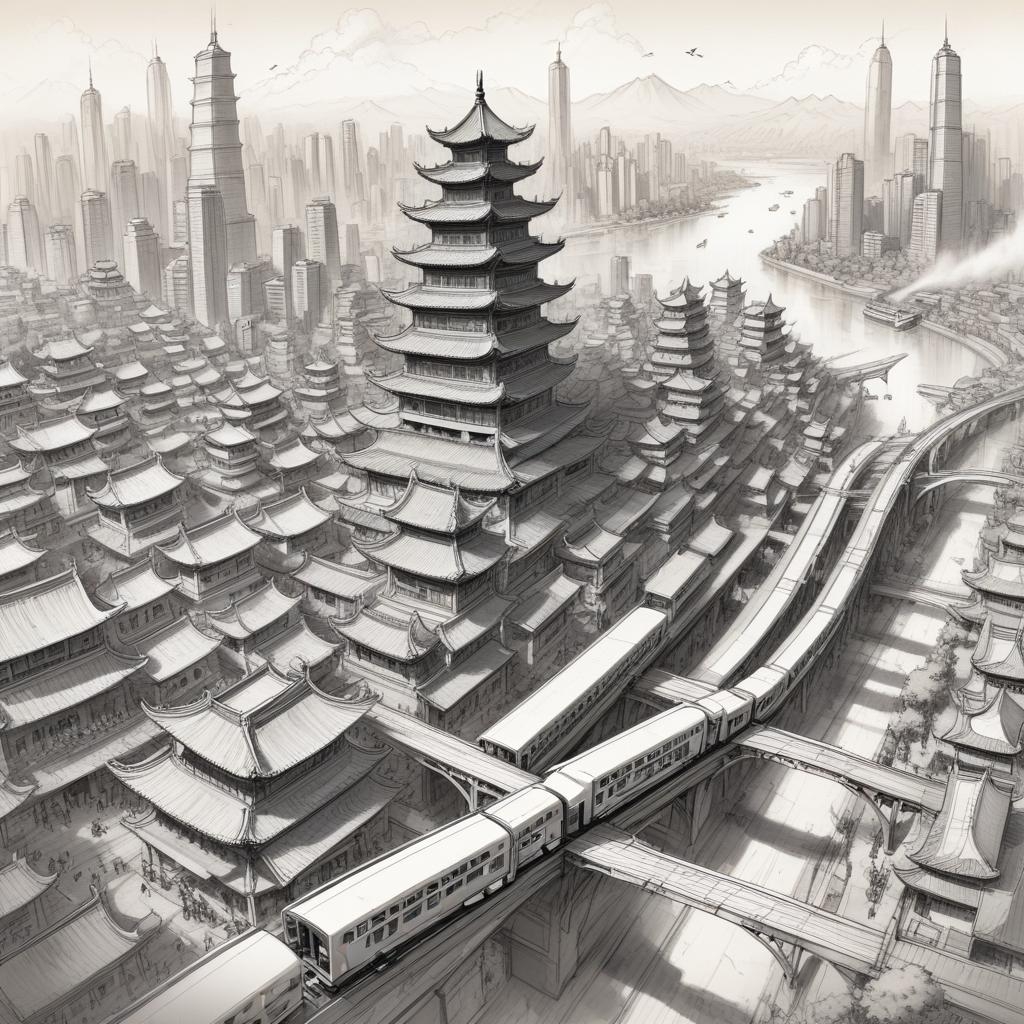
- 13. The country has the world's fastest high-speed rail network, connecting major cities at speeds exceeding 185 mph.
- 14. Traditional Chinese medicine, incorporating herbal remedies, acupuncture, and other practices, has been widely used for centuries.
- 15. The Three Gorges Dam on the Yangtze River is the world's largest hydroelectric power station.
- 16. Mahjong, a tile-based game, is immensely popular in China and has gained worldwide recognition.
- 17. Chinese calligraphy, characterized by intricate brushwork, is considered one of the highest forms of artistic expression.
- 18. The Silk Road, an ancient trade route connecting China with Europe, played a crucial role in cultural and economic exchange.
- 19. China is renowned for its rich history, spanning thousands of years and including influential dynasties like the Han, Tang, and Qing.
- 20. The Beijing Olympics held in 2008 showcased China's rapid modernization and cultural heritage to the world.
Why It Matters
Geopolitical Significance
China’s vast size, large population, and growing economic power have made it a key player in global affairs. Its position in East Asia, bordering 14 countries and with access to major waterways, gives it significant influence over regional trade, security, and diplomacy.
Historical Importance
China boasts a rich history dating back thousands of years, with major contributions to art, philosophy, and technology. Dynasties like the Han, Tang, and Qing have shaped the country’s cultural identity, while events like the Opium Wars and Communist Revolution have had lasting impacts.
Modern-Day Role
Today, China is the world’s second-largest economy and a global manufacturing powerhouse. Its rapid industrialization, technological advancements, and ambitious Belt and Road Initiative have cemented its role as a major player in international trade, politics, and environmental issues.
China Games


Take Your Learning Offline
Want a convenient, print-ready study guide for this lesson? Become a Memory Wizards Pro member to unlock the downloadable " Memory Scrolls" for this topic and our entire library!
- ✓ Complete Vocabulary Lists
- ✓ Key Facts & Timelines
- ✓ Beautifully Formatted for Print & Mobile