
How Do You Learn Best?
Learn by Listening
Start with the 3-minute audio summary to get the key facts and narrative highlights quickly.
Learn by Reading
Immerse yourself in the 10-minute visual lesson for a comprehensive understanding of the topic.
Learn by Reviewing
Jump directly to the key facts, timeline, and vocabulary lists to build a solid foundation of details.
Learn by Doing
Challenge yourself! Jump straight into the interactive games to learn by trial, error, and discovery.
An Introduction to Cambodia in 10 Minutes
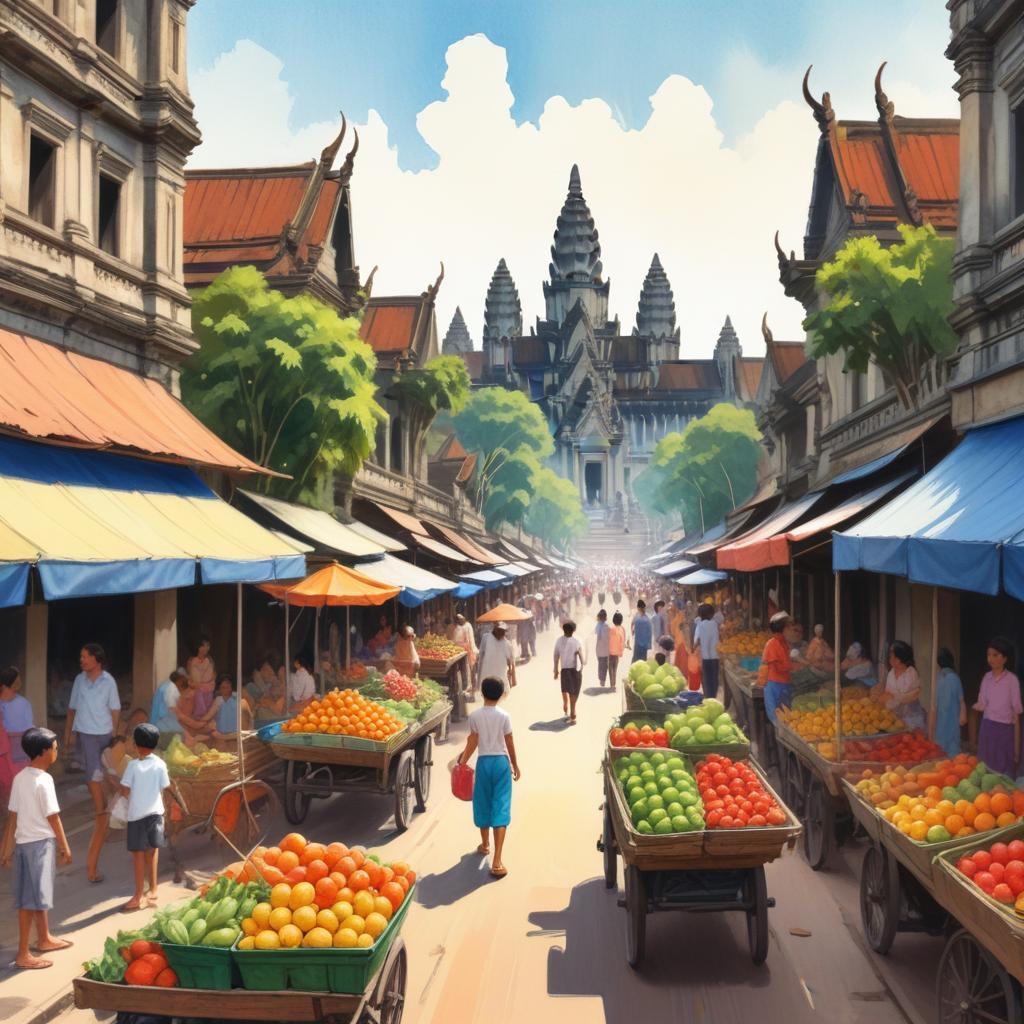
Introduction
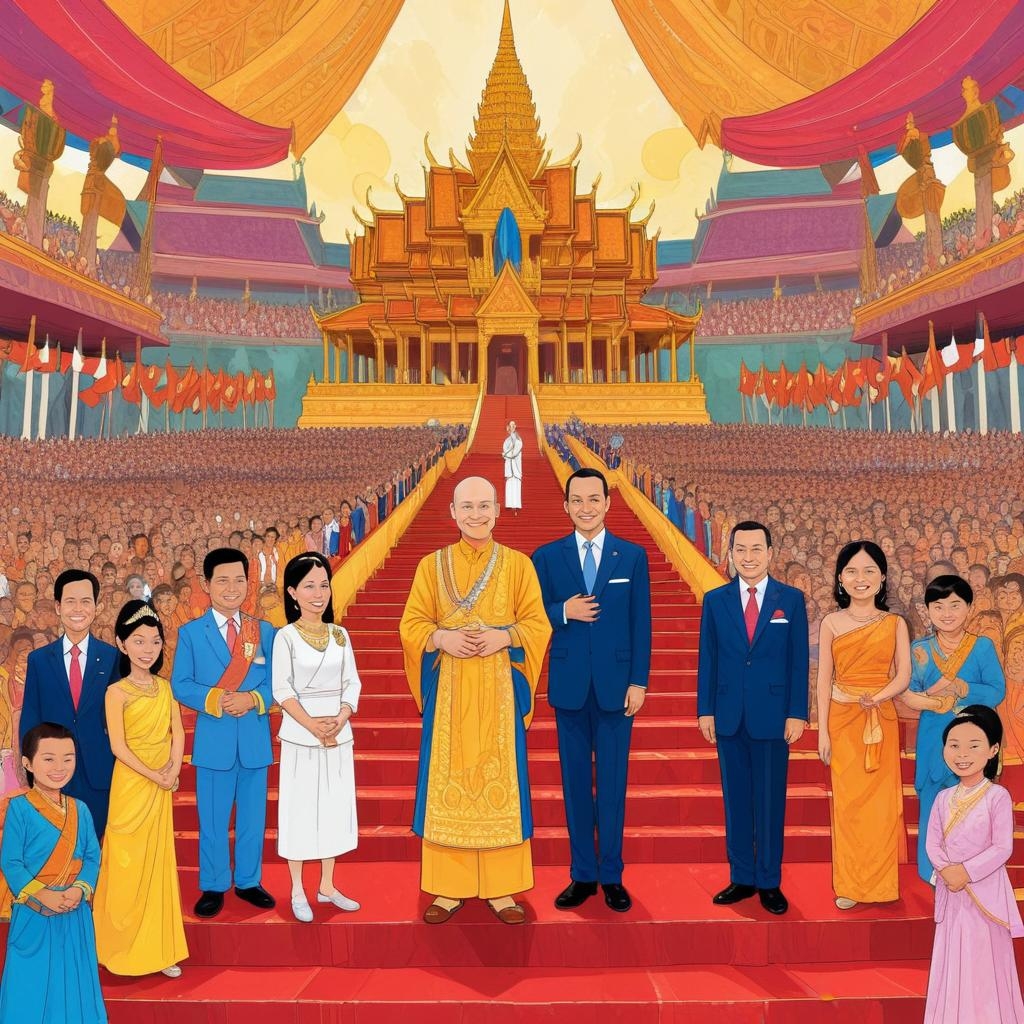
King Norodom Sihamoni
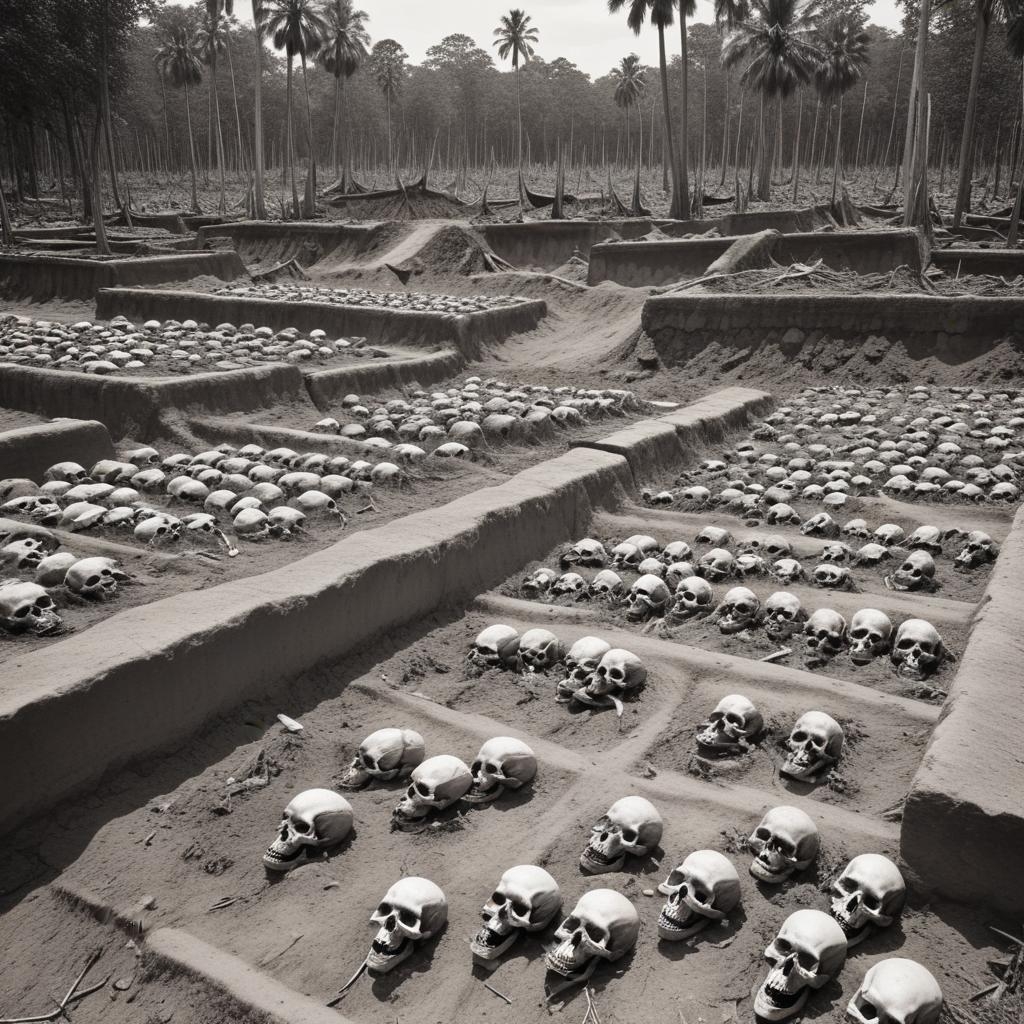
Pol Pot
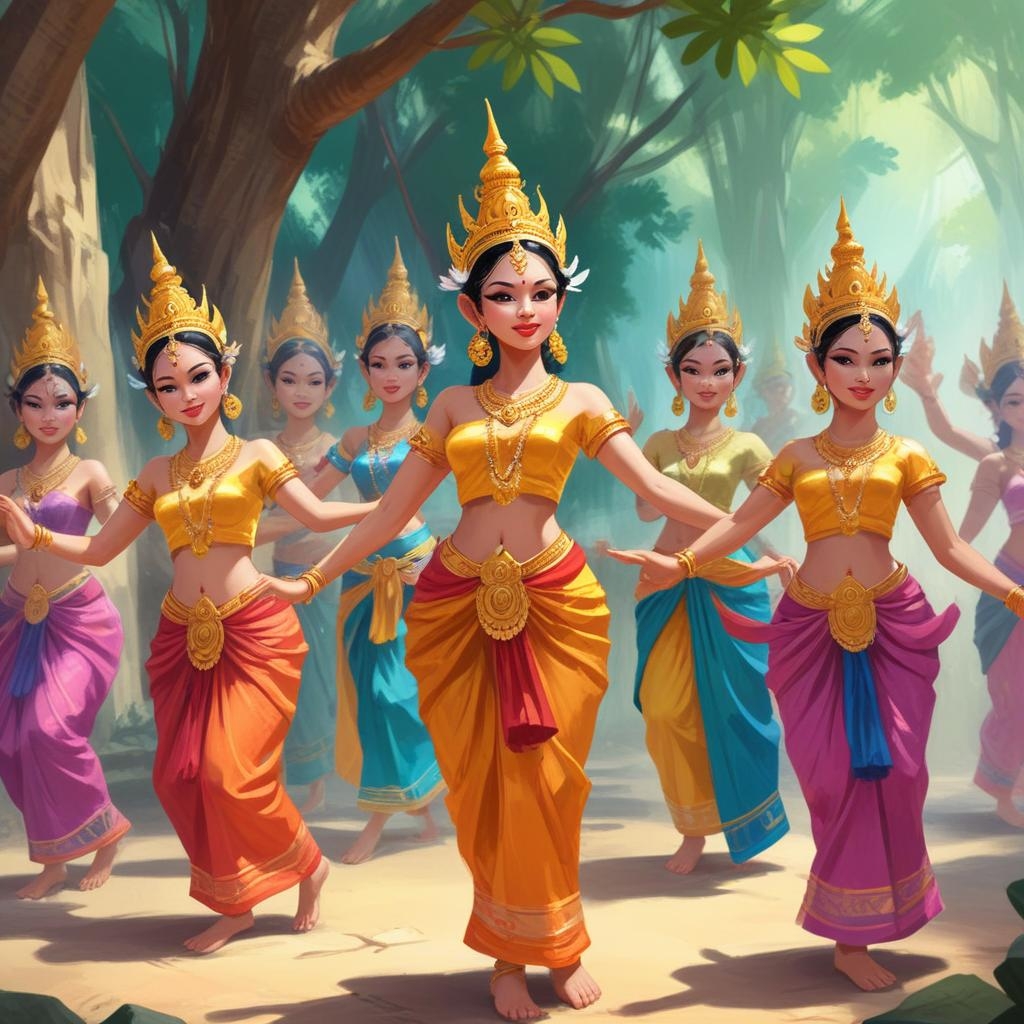
Apsara Dancers
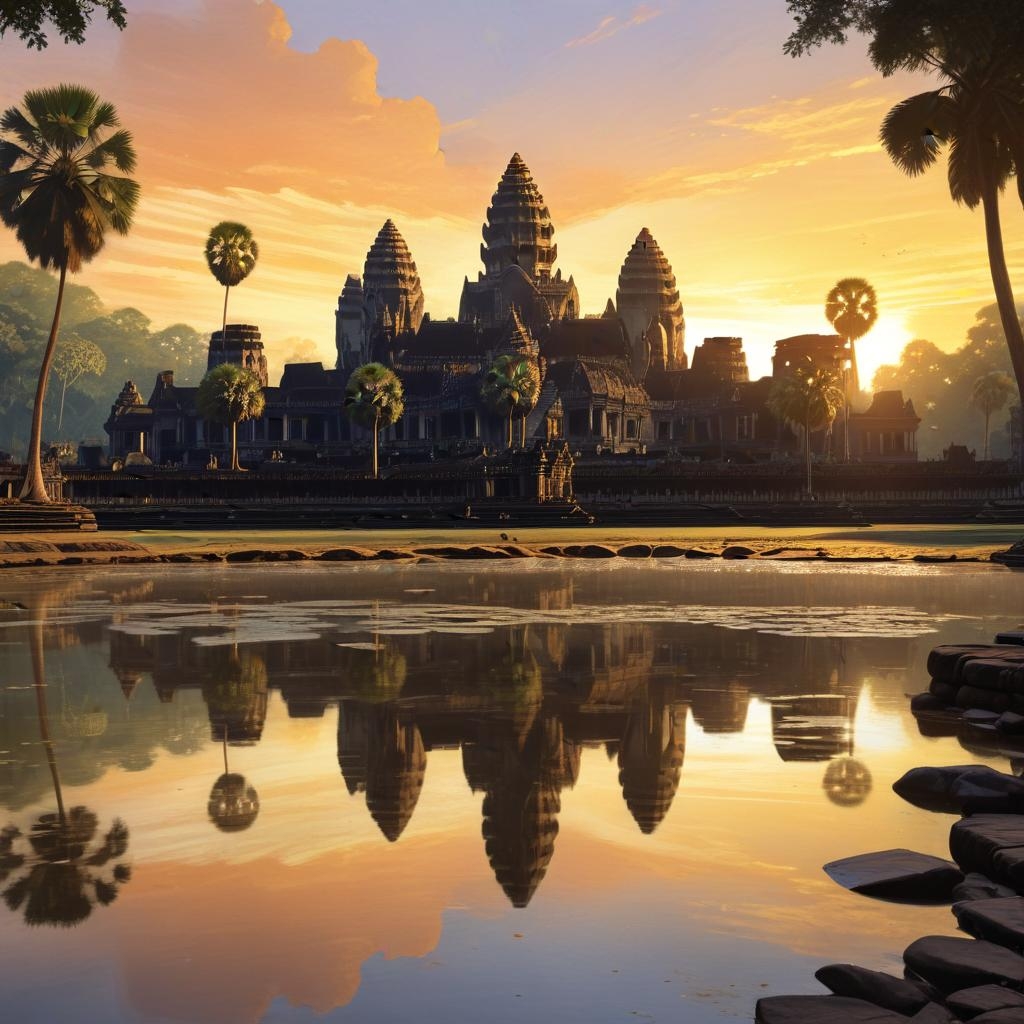
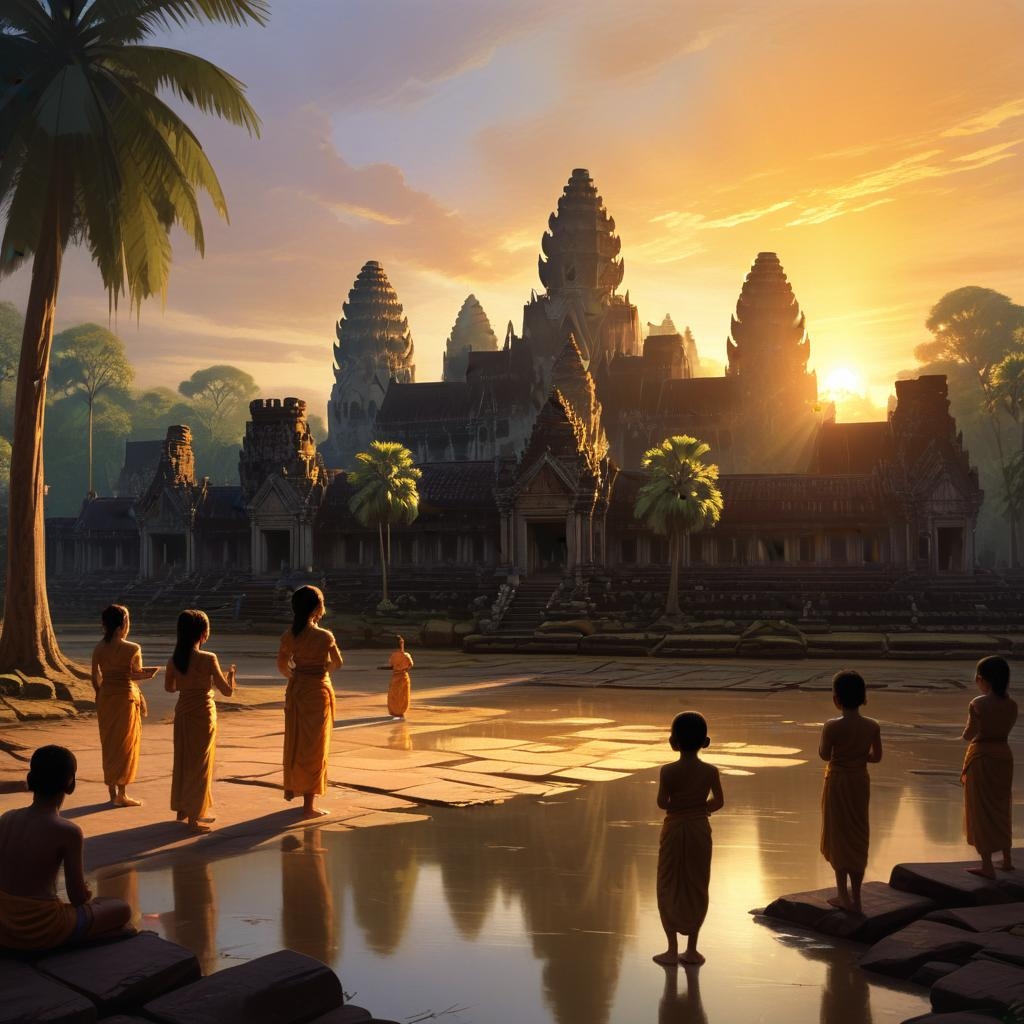
Angkor Wat
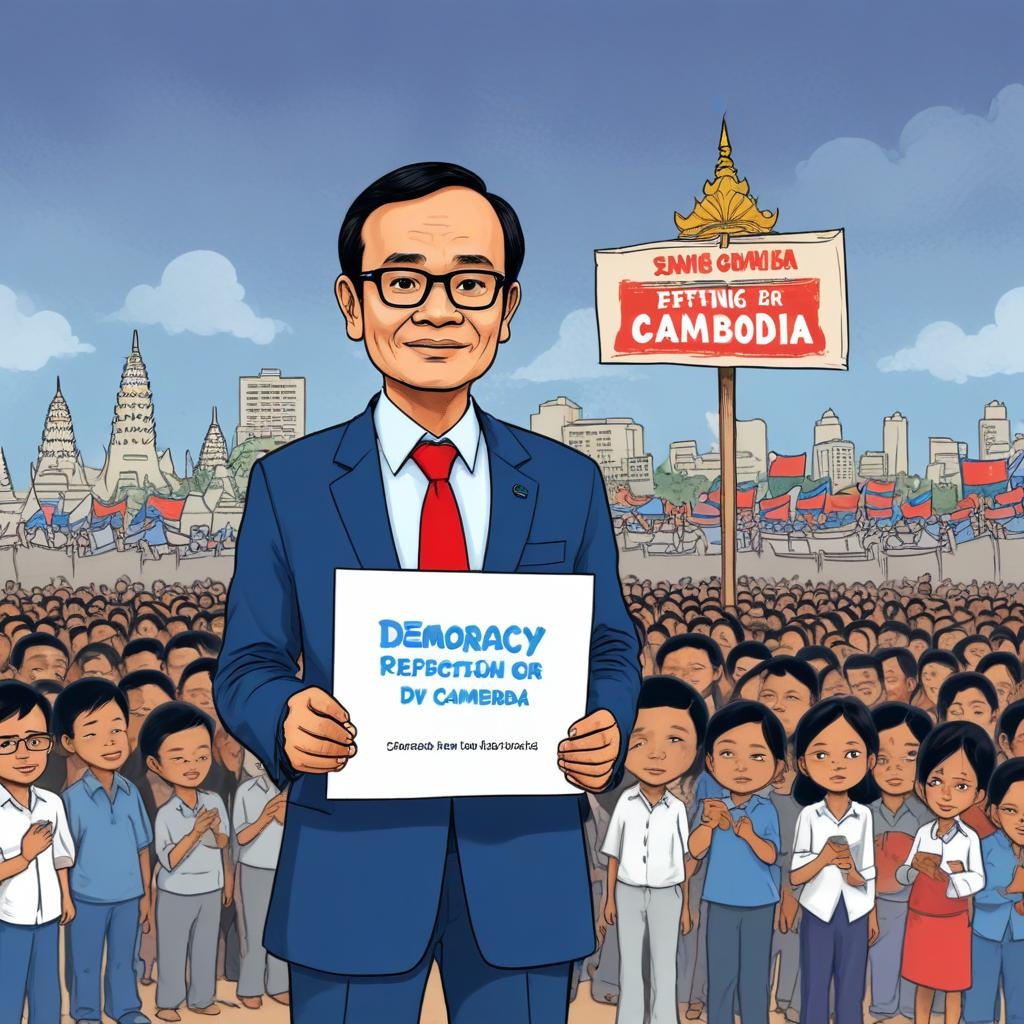
Sam Rainsy
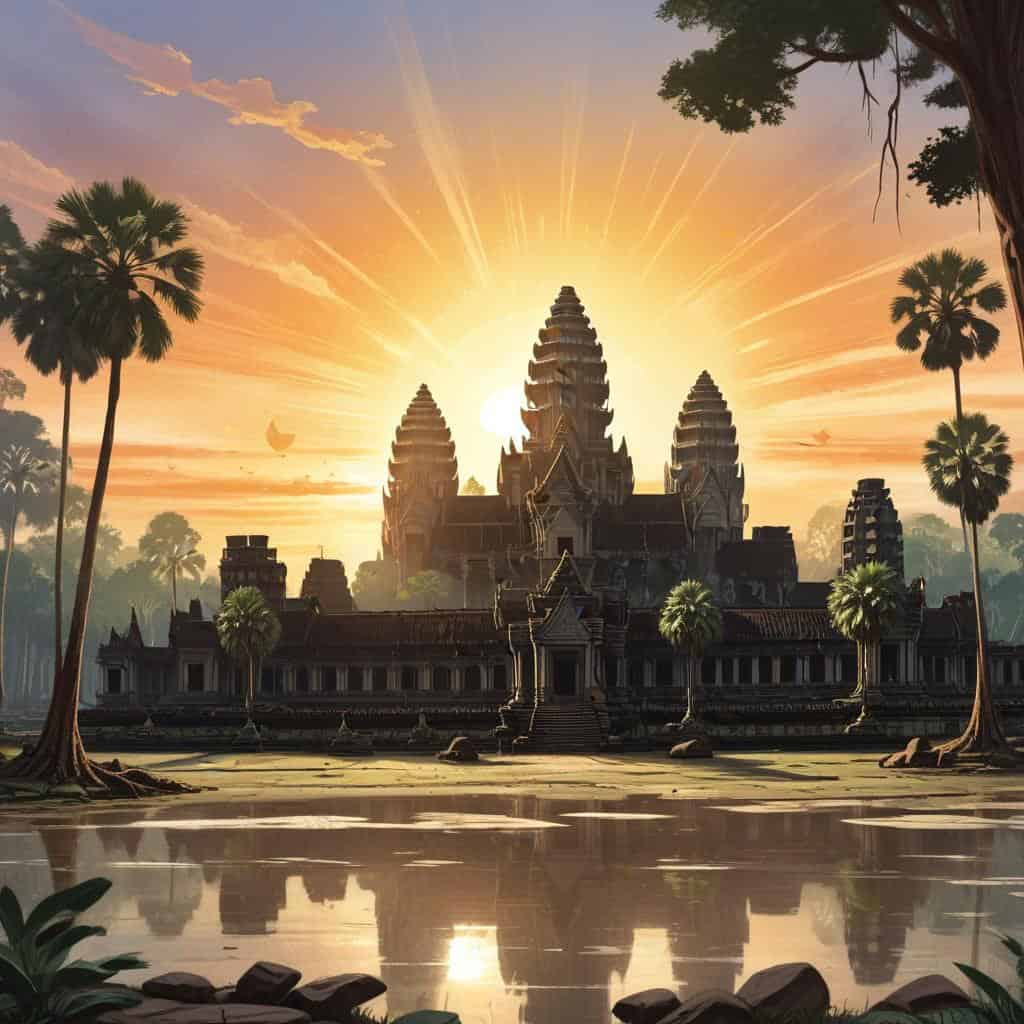
Angkor Wat: A Marvel of Ancient Architecture
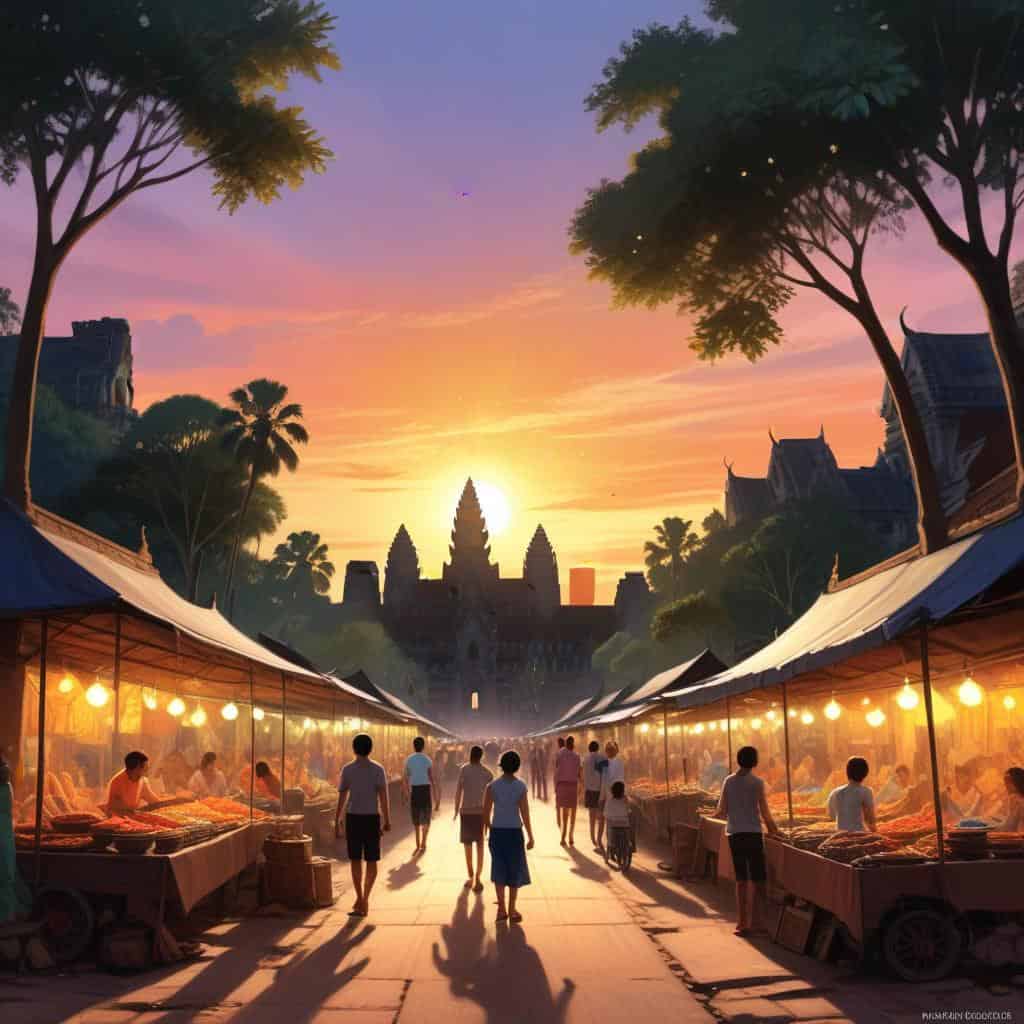
Charming Siem Reap: Gateway to Angkor Wat
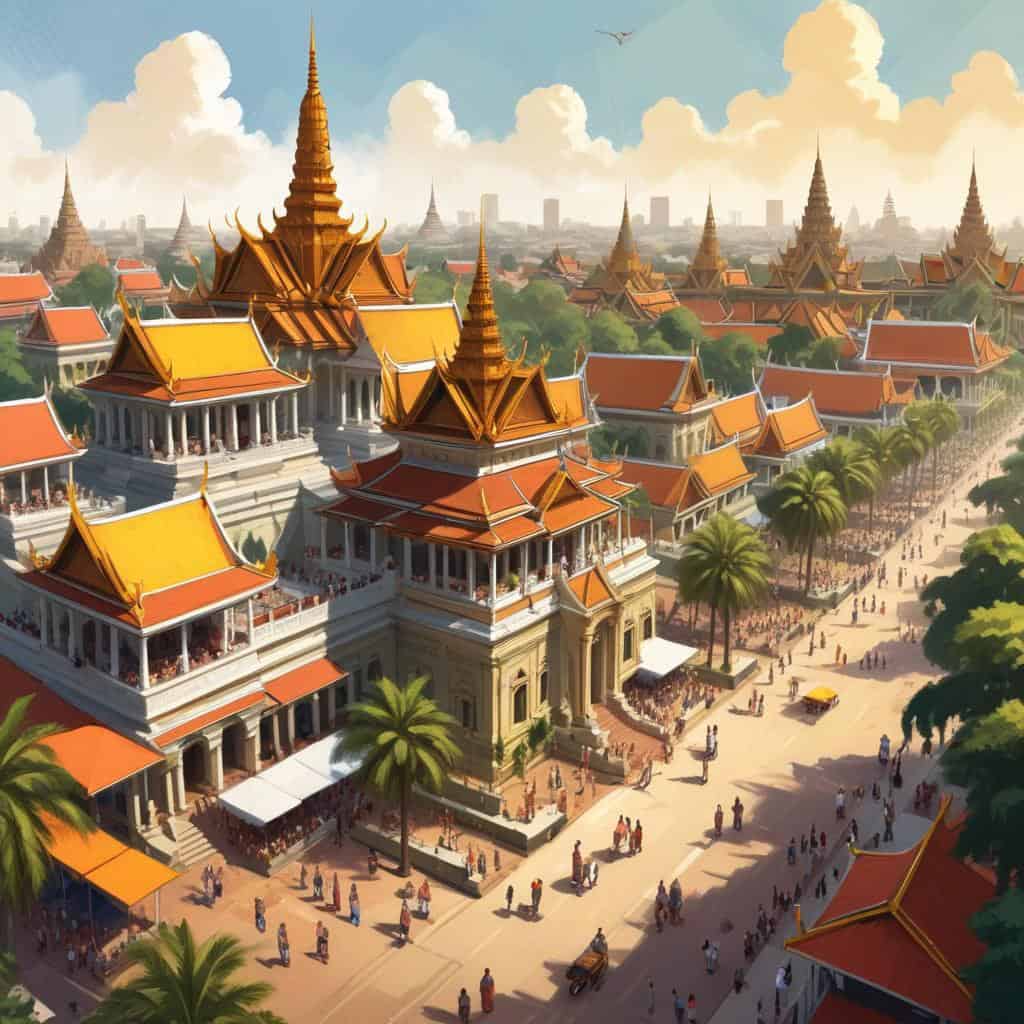
Phnom Penh: A City Steeped in History
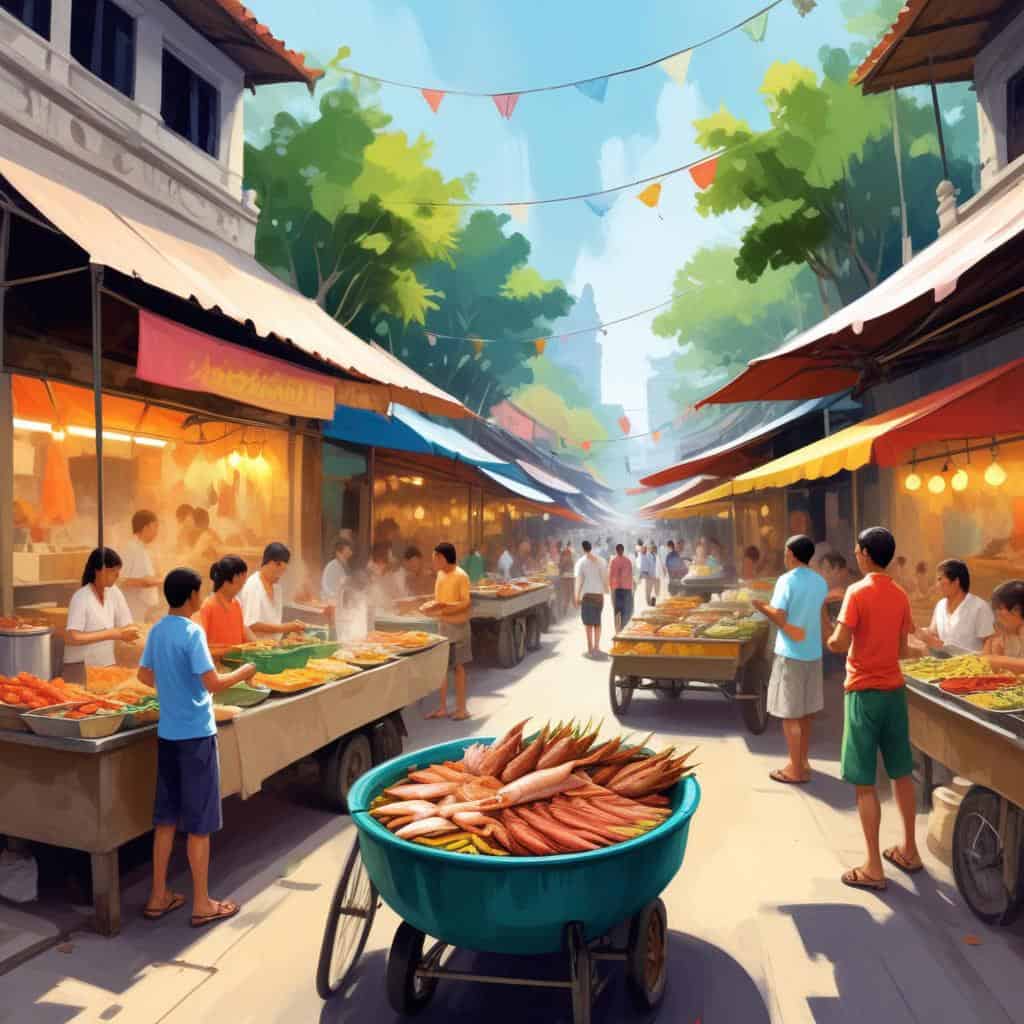
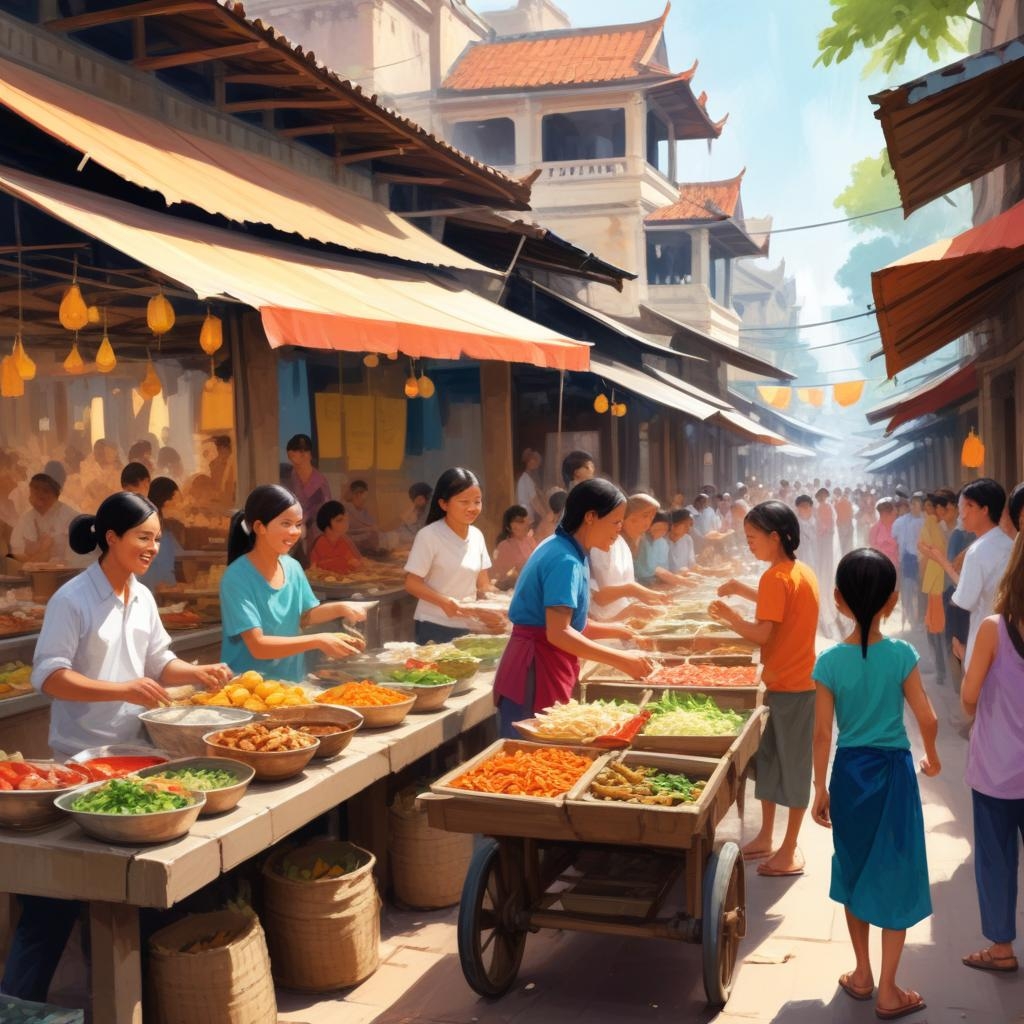
Khmer Cuisine: A Feast for the Senses

Elephant Valley Project: An Ethical Wildlife Experience
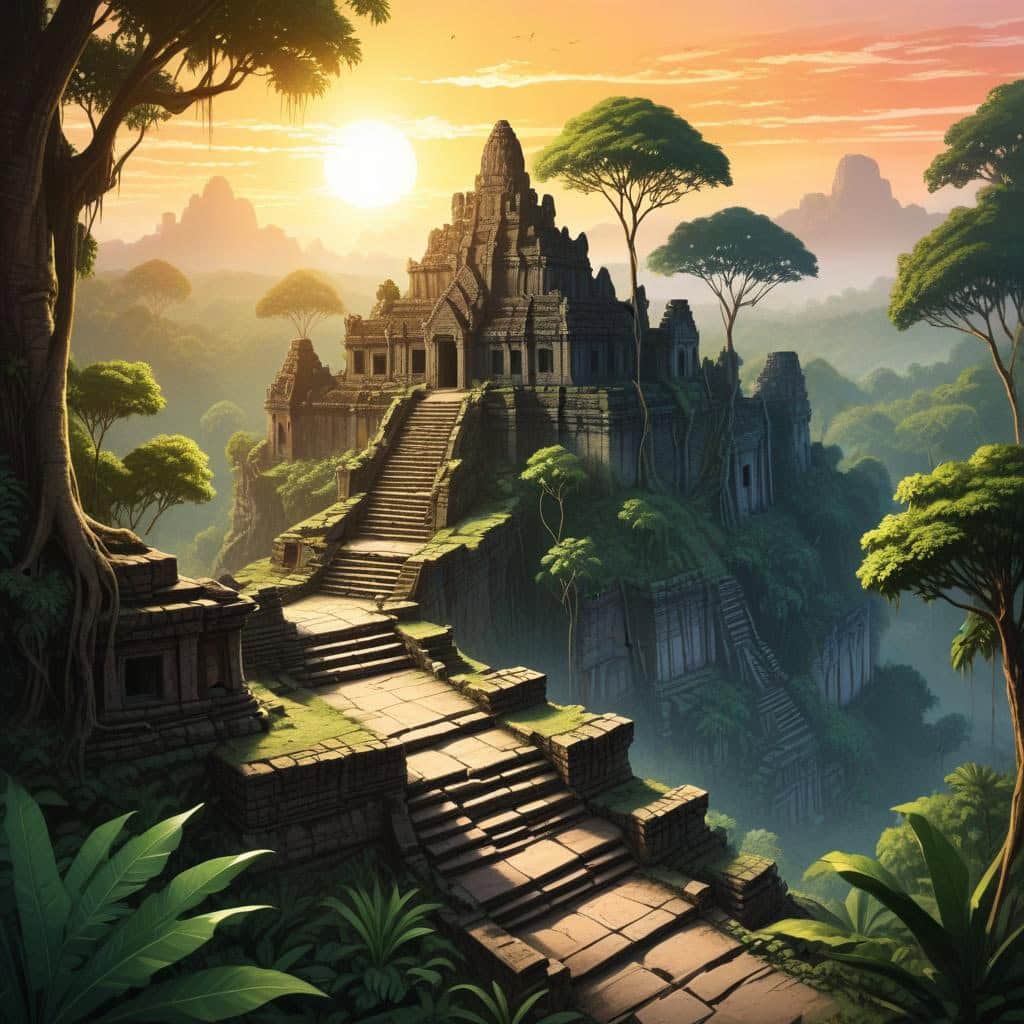
Prasat Preah Vihear: A Hidden Gem in the Jungle
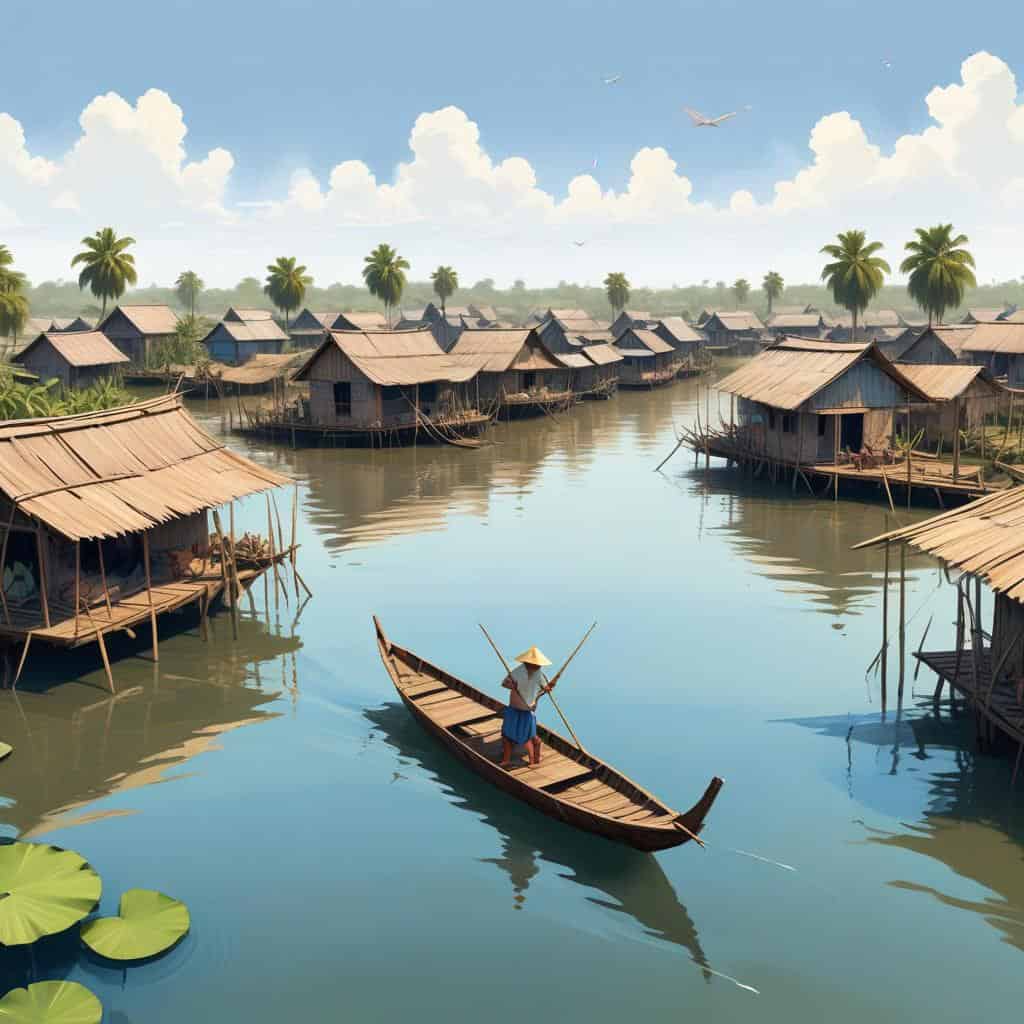
Tonlé Sap: The Great Lake of Cambodia
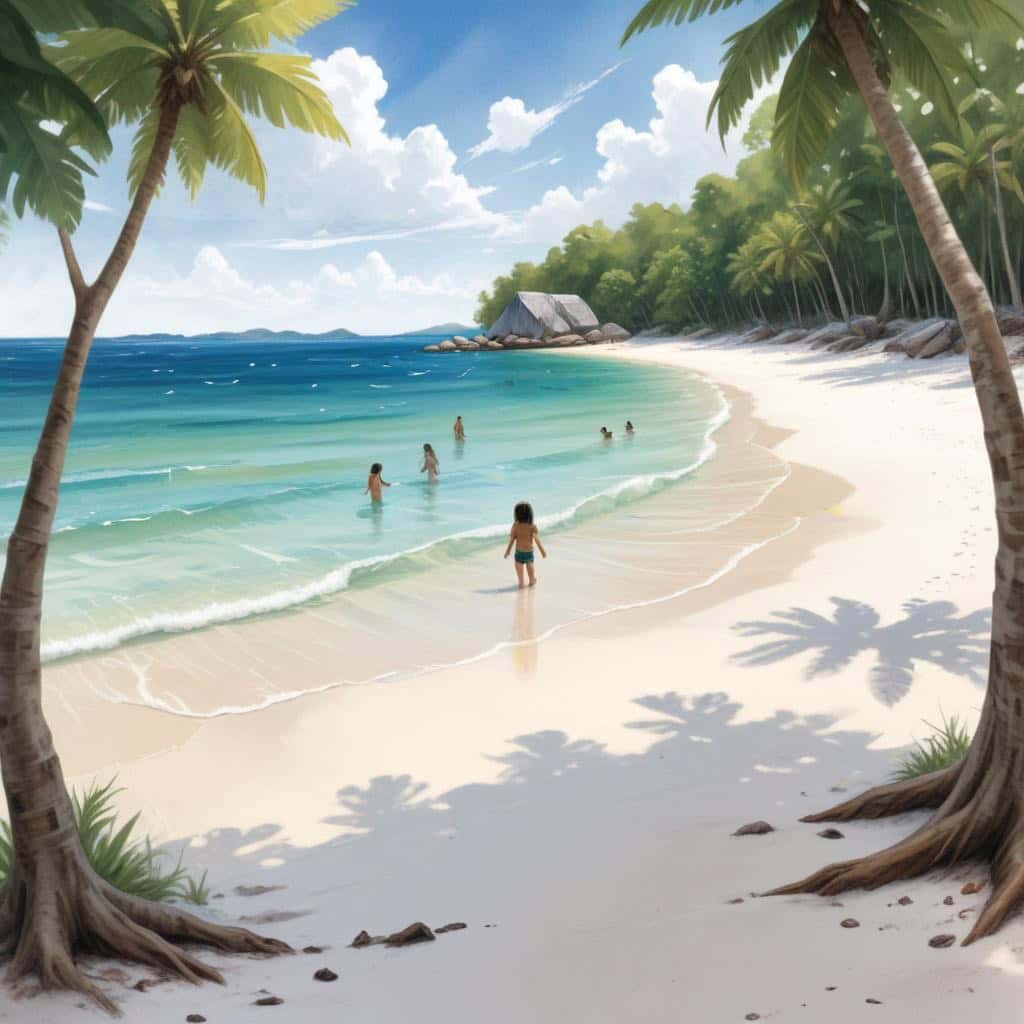
Koh Rong: A Tropical Paradise in the Gulf of Thailand
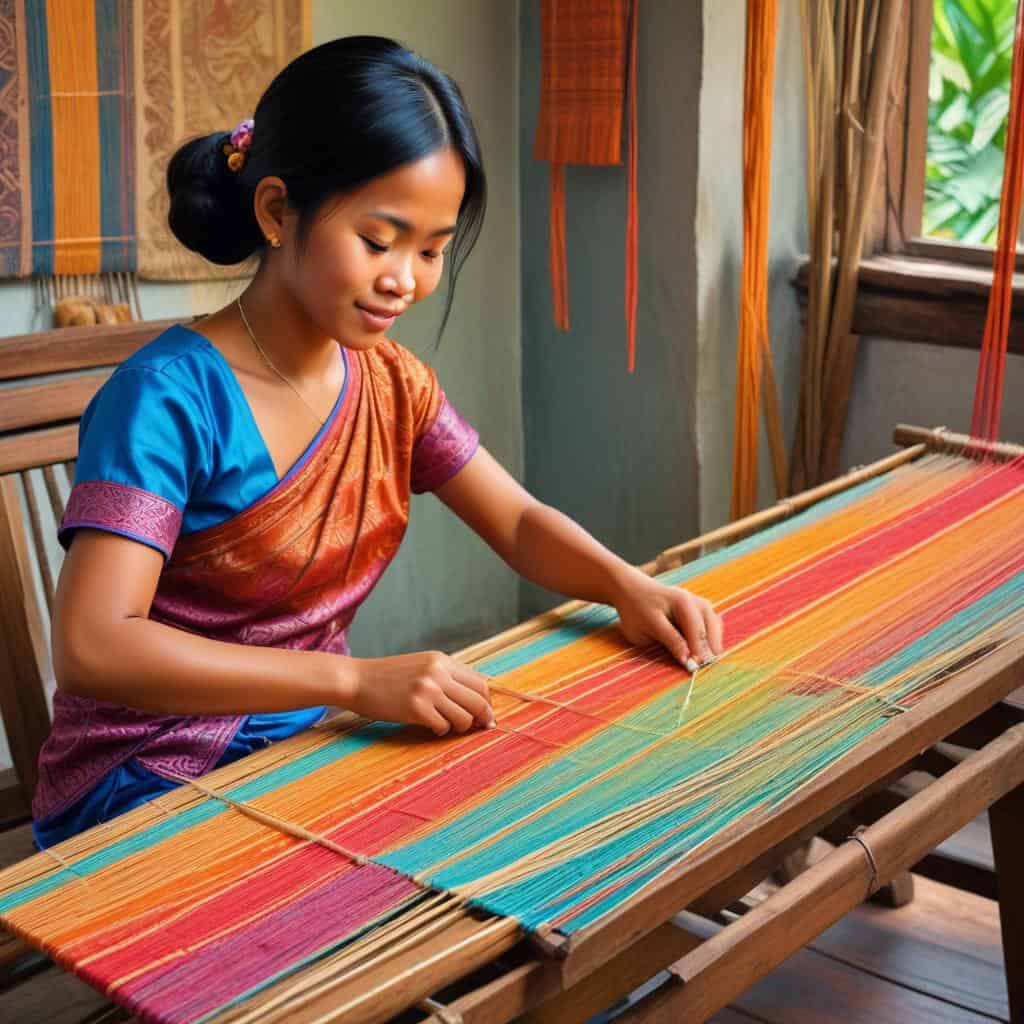
Cambodian Arts and Crafts: A Window into the Cultural Heritage
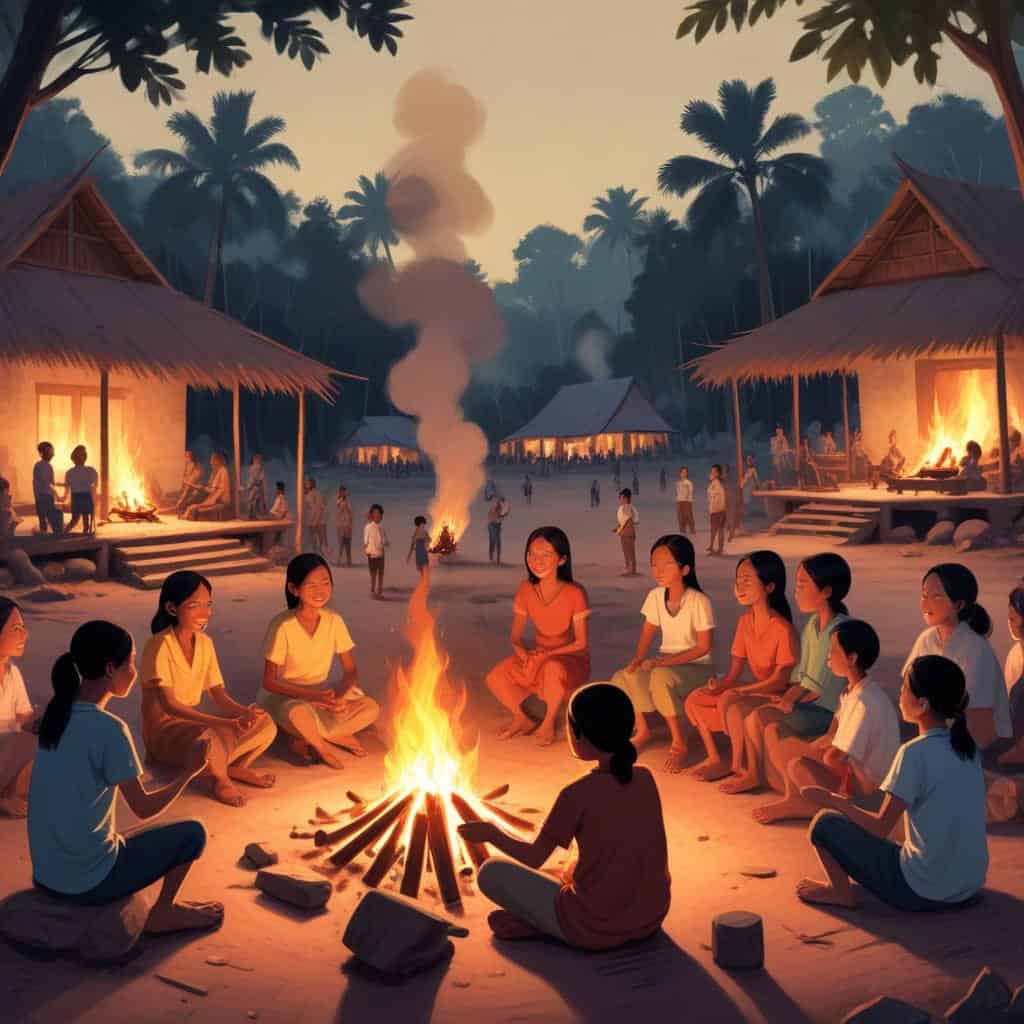
Community-Based Tourism: Empowering Local Communities
Audio Library
As one of our featured lessons, this topic includes premium audio guides.
Unlock the Wizard's Cram Session
This powerful audio study guide is a Pro-exclusive feature. Upgrade to Memory Wizards Pro to access this and all of our premium learning tools.
Upgrade to ProIn a Nutshell
- Capital: Phnom Penh
- Population: Approx. 16.7 million (2021)
- Official Language: Khmer
- Currency: Cambodian riel (KHR)
Breaking Down the Country
Ancient Temples
Explore Cambodia's rich history through its ancient temples, including the iconic Angkor Wat complex.
Khmer Cuisine
Discover the flavors of Cambodia with its unique blend of spices, fresh herbs, and influences from neighboring countries.
Cultural Festivals
Experience Cambodia's vibrant culture through traditional festivals like Khmer New Year and the Water Festival.
Timeline of An Introduction to Cambodia
Funan Kingdom established
Chenla Kingdom established
Khmer Empire founded
Construction of Angkor Wat begins
Jayavarman VII becomes king
Angkor Thom established as capital
Khmer Empire reaches its peak
Theravada Buddhism becomes state religion
Khmer Empire weakened by internal conflicts
Ayutthaya Kingdom sacks Angkor
Cambodia becomes part of the French Indochina
King Norodom declares independence
Pol Pot and the Khmer Rouge seize power
Khmer Rouge regime begins
Vietnamese invasion ends Khmer Rouge rule
Cambodia becomes a constitutional monarchy
UN-sponsored elections held
King Norodom Sihanouk abdicates
Khmer Rouge leaders put on trial
Economic growth and modernization
Vocabulary List
- Angkor Wat
- A temple complex in Cambodia, built in the 12th century
- Khmer Rouge
- A communist political group in Cambodia responsible for the Cambodian genocide
- Phnom Penh
- The capital and largest city of Cambodia
- Angkor Thom
- An ancient city in Cambodia that was the capital of the Khmer Empire
- Tonle Sap
- The largest freshwater lake in Southeast Asia, located in Cambodia
- Kampot
- A province and town in southern Cambodia known for its pepper plantations
- Siem Reap
- A city in northwestern Cambodia, known for being the gateway to the Angkor temples
- Battambang
- The second-largest city in Cambodia, known for its French colonial architecture
- Sihanoukville
- A coastal city in Cambodia, known for its beaches and offshore islands
- Mekong River
- A major river in Southeast Asia, flowing through several countries including Cambodia
- Koh Rong
- The second-largest island of Cambodia, known for its pristine beaches and coral reefs
- Preah Vihear
- A temple located on the border between Cambodia and Thailand, listed as a UNESCO World Heritage Site
- Koh Ker
- An archaeological site in Cambodia known for its ancient temple ruins
- Rice Paddy
- A flooded field used for growing rice, commonly found in Cambodia
- Floating Village
- A community of houses built on stilts, typically found in flooded areas such as Tonle Sap in Cambodia
- Banteay Srei
- A 10th-century temple dedicated to the Hindu god Shiva, known for its intricate carvings
- Pchum Ben
- A Cambodian religious festival that honors ancestors, celebrated in September or October
- Bokator
- A Cambodian martial art that combines self-defense, sport, and cultural heritage
- Sampeah
- A Cambodian greeting or gesture of respect, performed by pressing the palms together in a prayer-like fashion
- Amok
- A traditional Cambodian dish made with fish, coconut milk, and spices, typically served in a banana leaf.
Key Facts
This is the information used in the fact matching game
- Cambodia is located in Southeast Asia
- It shares its borders with Thailand, Laos, and Vietnam
- Phnom Penh is the capital and largest city of Cambodia
- The official language of Cambodia is Khmer
- The currency used in Cambodia is the Cambodian riel
- Angkor Wat is the largest religious monument in the world and a UNESCO World Heritage Site
- Cambodia has a tropical climate with a wet and dry season
- The majority of Cambodians practice Theravada Buddhism
- The Khmer Rouge regime led by Pol Pot ruled Cambodia from 1975 to 1979
- Cambodia gained independence from France in 1953
- Rice is the staple food in Cambodia
- The Mekong River flows through Cambodia, providing fertile land for agriculture
- Cambodia has a rich cultural heritage, including traditional dance and music
- The Cambodian flag consists of three horizontal stripes in blue, red, and blue
- The official religion of Cambodia is Buddhism
- Cambodia is known for its stunning beaches and islands, such as Koh Rong and Koh Samloem
- The traditional Cambodian garment is called a sampot
- The economy of Cambodia is largely based on agriculture, garment manufacturing, and tourism
- Cambodia is home to various wildlife species, including elephants, tigers, and gibbons
- The Killing Fields, located near Phnom Penh, are a stark reminder of the Khmer Rouge regime's atrocities.
Why It Matters
Geopolitical Significance
Cambodia’s location in Southeast Asia has made it a key player in regional politics and economics. It shares borders with Thailand, Laos, and Vietnam, influencing trade and diplomatic relations in the region. Its proximity to the South China Sea also positions it in the midst of territorial disputes that impact global maritime security.
Historical Importance
Cambodia’s history is marked by the glorious Khmer Empire, known for its magnificent temples like Angkor Wat. The country also endured the tragic genocide under the Khmer Rouge regime in the 1970s, leaving a lasting impact on its society and culture. Understanding Cambodia’s past is crucial to appreciating its resilience and identity.
Modern-Day Role
Today, Cambodia is striving for economic growth and political stability after decades of conflict. Its tourism industry, centered around Angkor Wat, contributes significantly to its economy. As a member of ASEAN, Cambodia plays a role in regional cooperation and is working towards sustainable development for its people.
An Introduction to Cambodia Games


Take Your Learning Offline
Want a convenient, print-ready study guide for this lesson? Become a Memory Wizards Pro member to unlock the downloadable " Memory Scrolls" for this topic and our entire library!
- ✓ Complete Vocabulary Lists
- ✓ Key Facts & Timelines
- ✓ Beautifully Formatted for Print & Mobile