
How Do You Learn Best?
Learn by Listening
Start with the 3-minute audio summary to get the key facts and narrative highlights quickly.
Learn by Reading
Immerse yourself in the 10-minute visual lesson for a comprehensive understanding of the topic.
Learn by Reviewing
Jump directly to the key facts, timeline, and vocabulary lists to build a solid foundation of details.
Learn by Doing
Challenge yourself! Jump straight into the interactive games to learn by trial, error, and discovery.
An Introduction to Bhutan in 10 Minutes
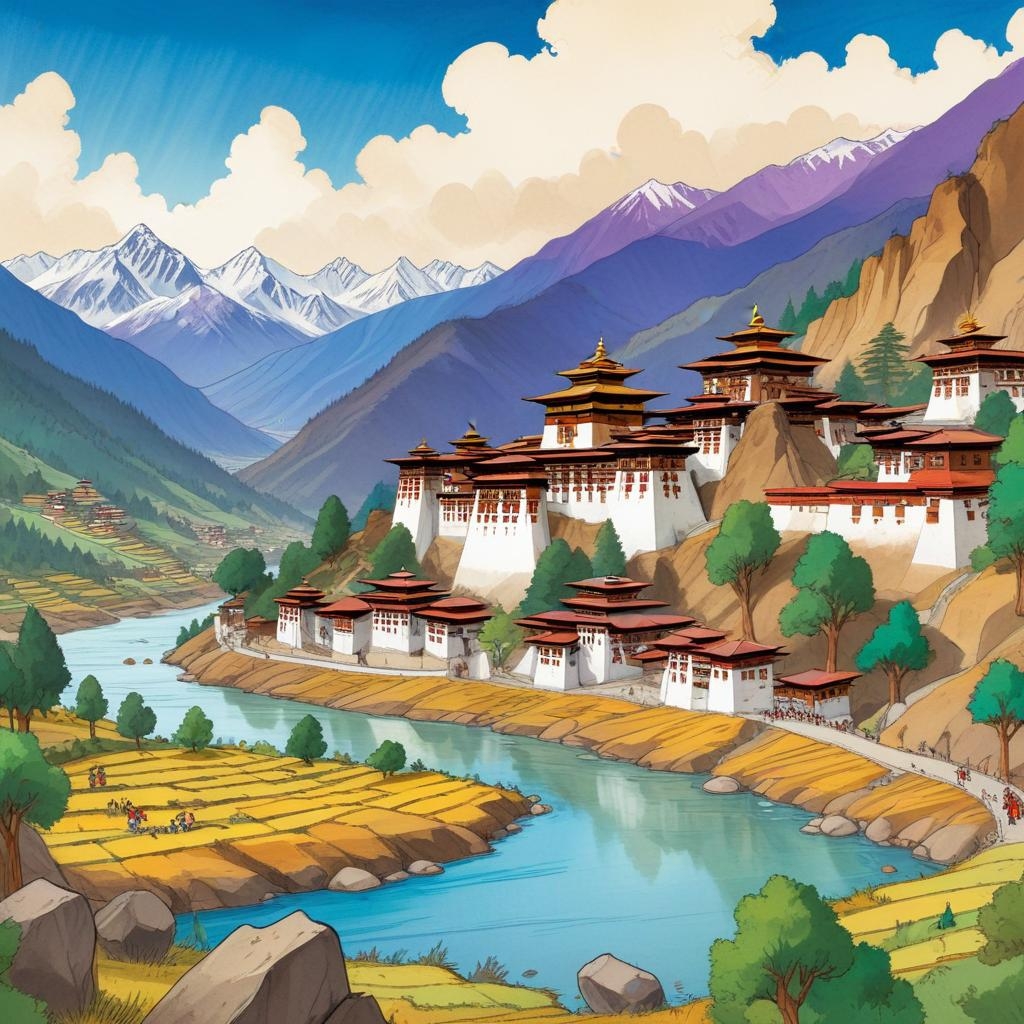
Introduction
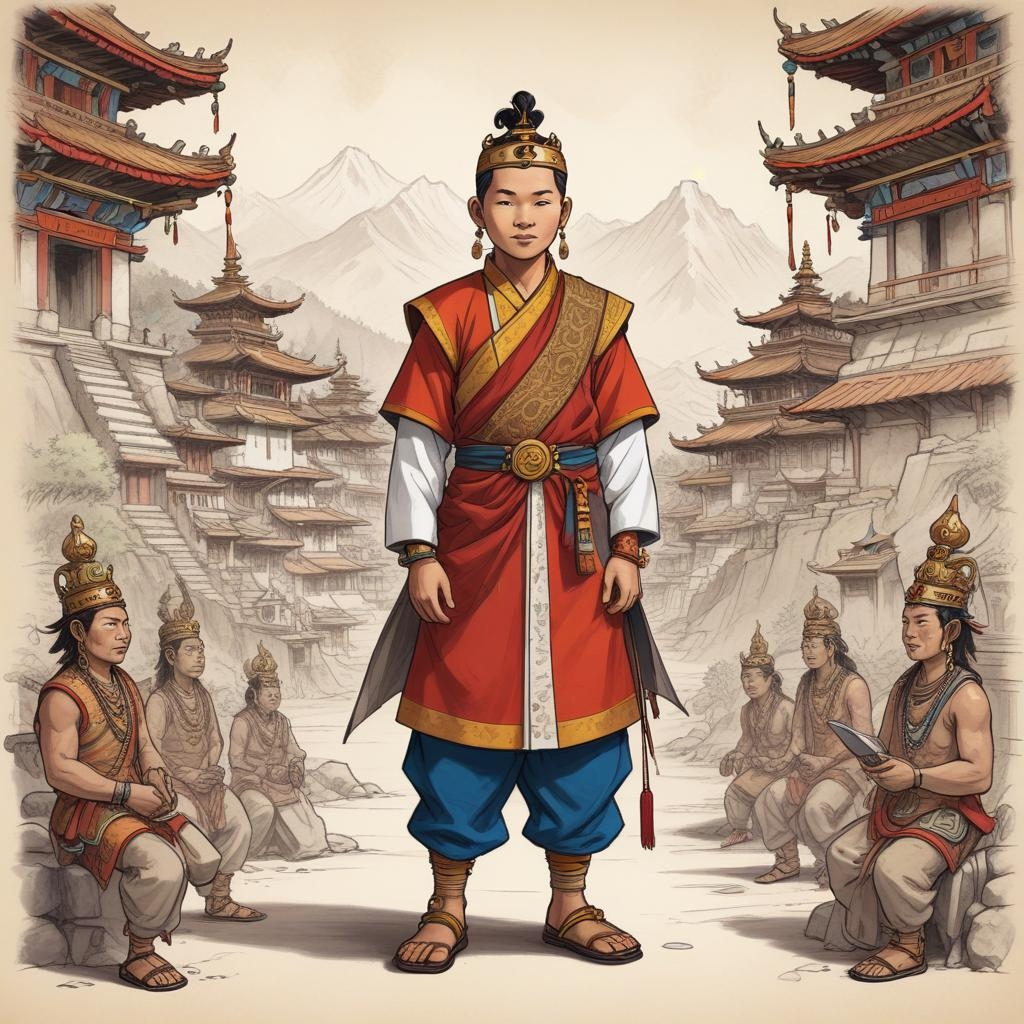
King Jigme Khesar Namgyel Wangchuck
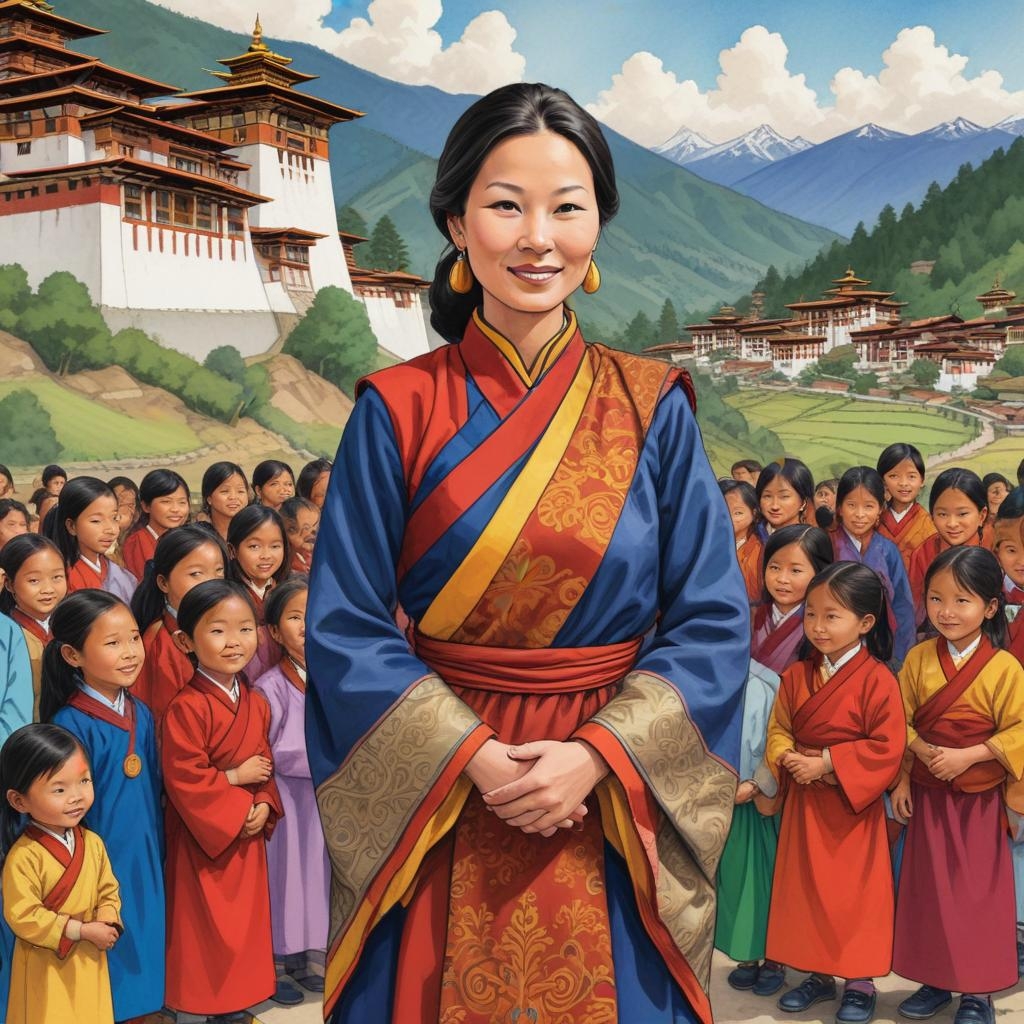
Queen Jetsun Pema
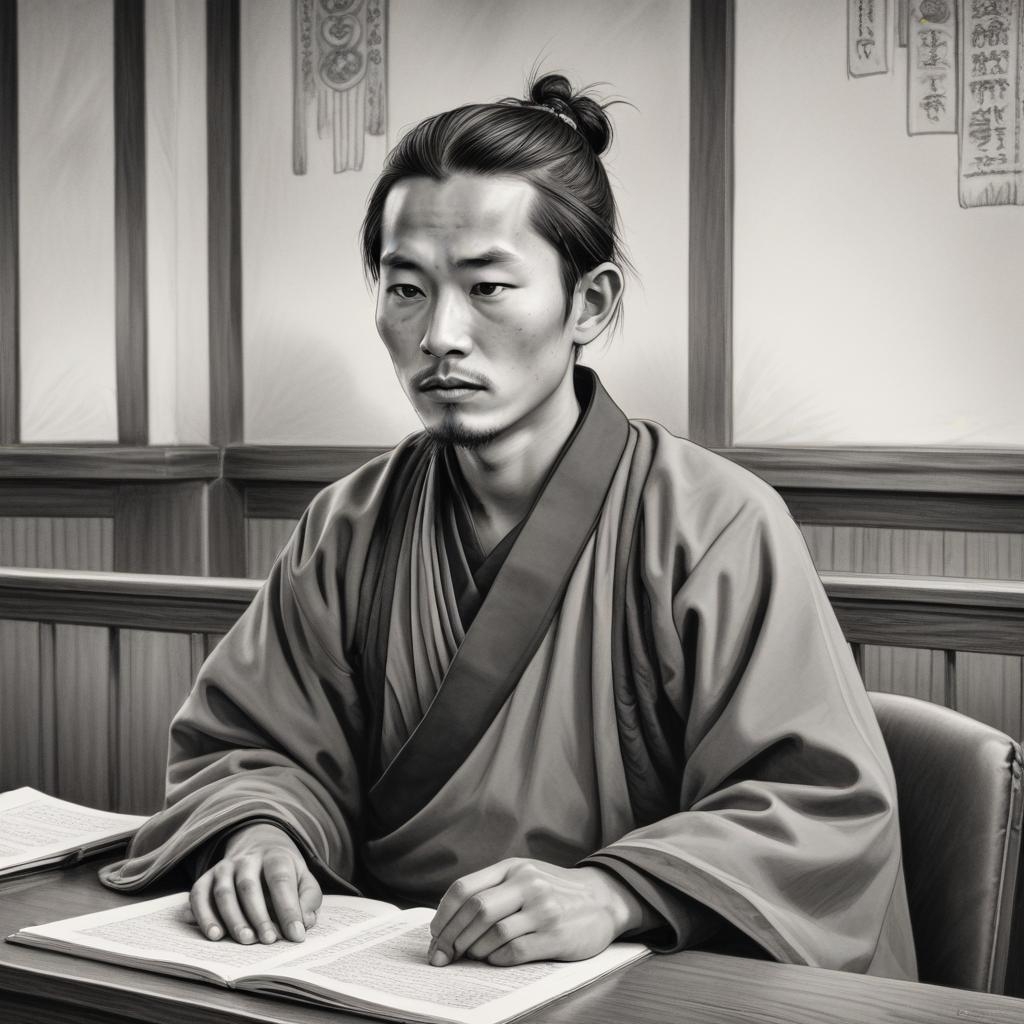
Dasho Kunzang Wangdi
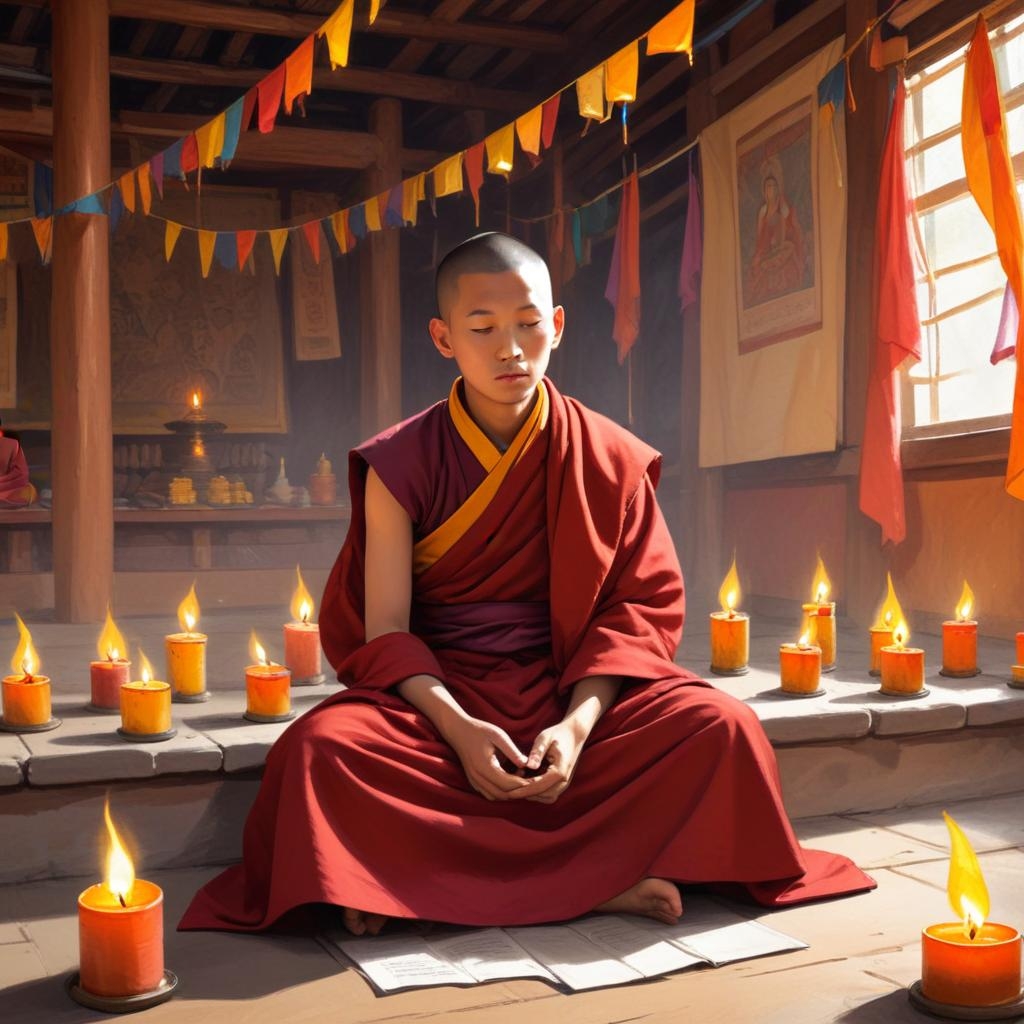
Lopen Kunzang Dorji
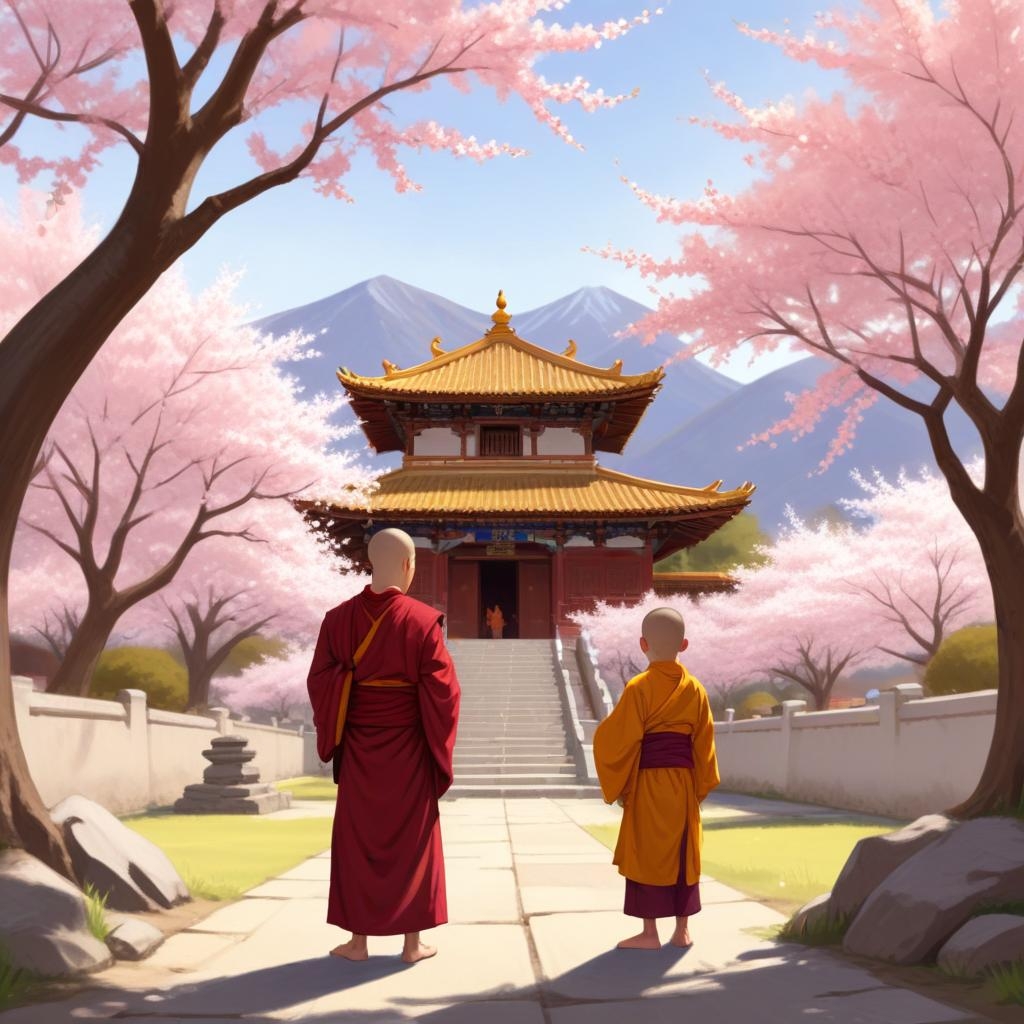
Chimi Lhakhang Monk
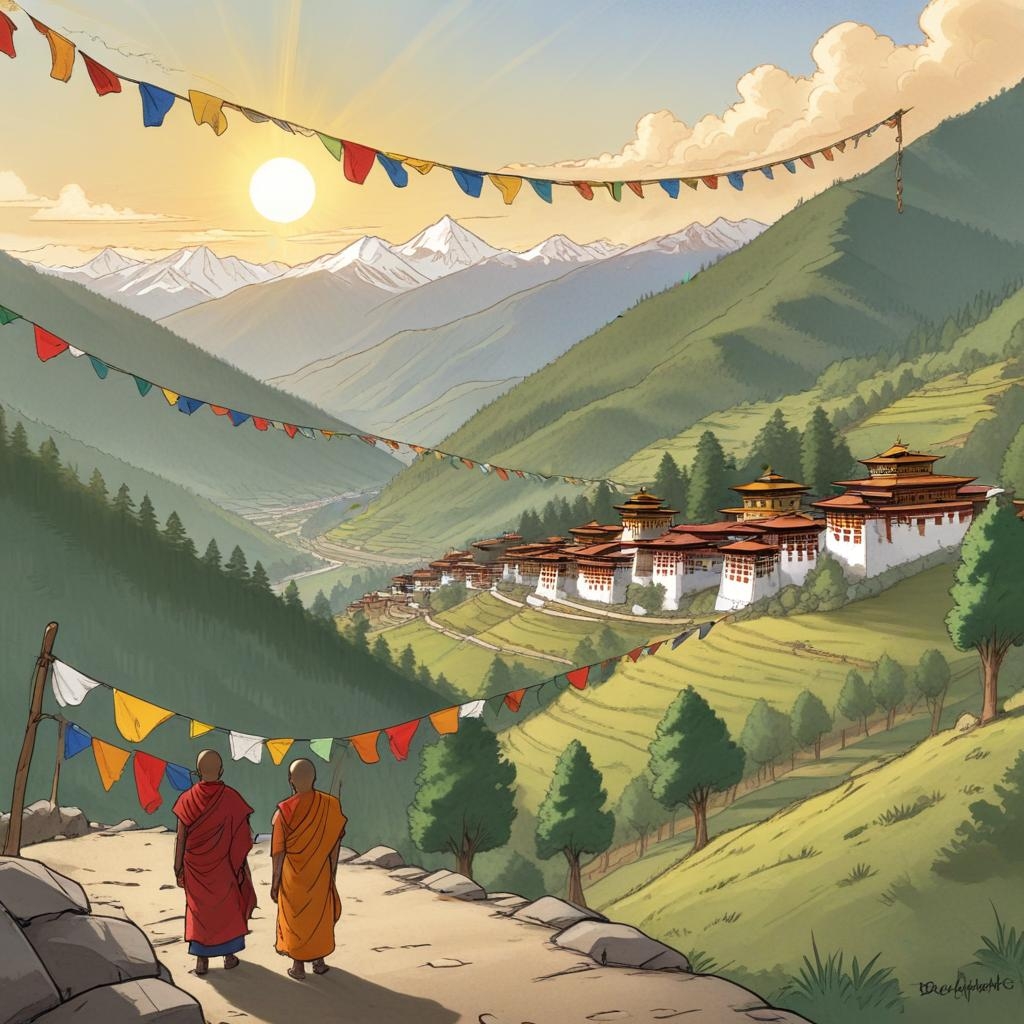
The Land of Happiness: A Brief Overview of Bhutan
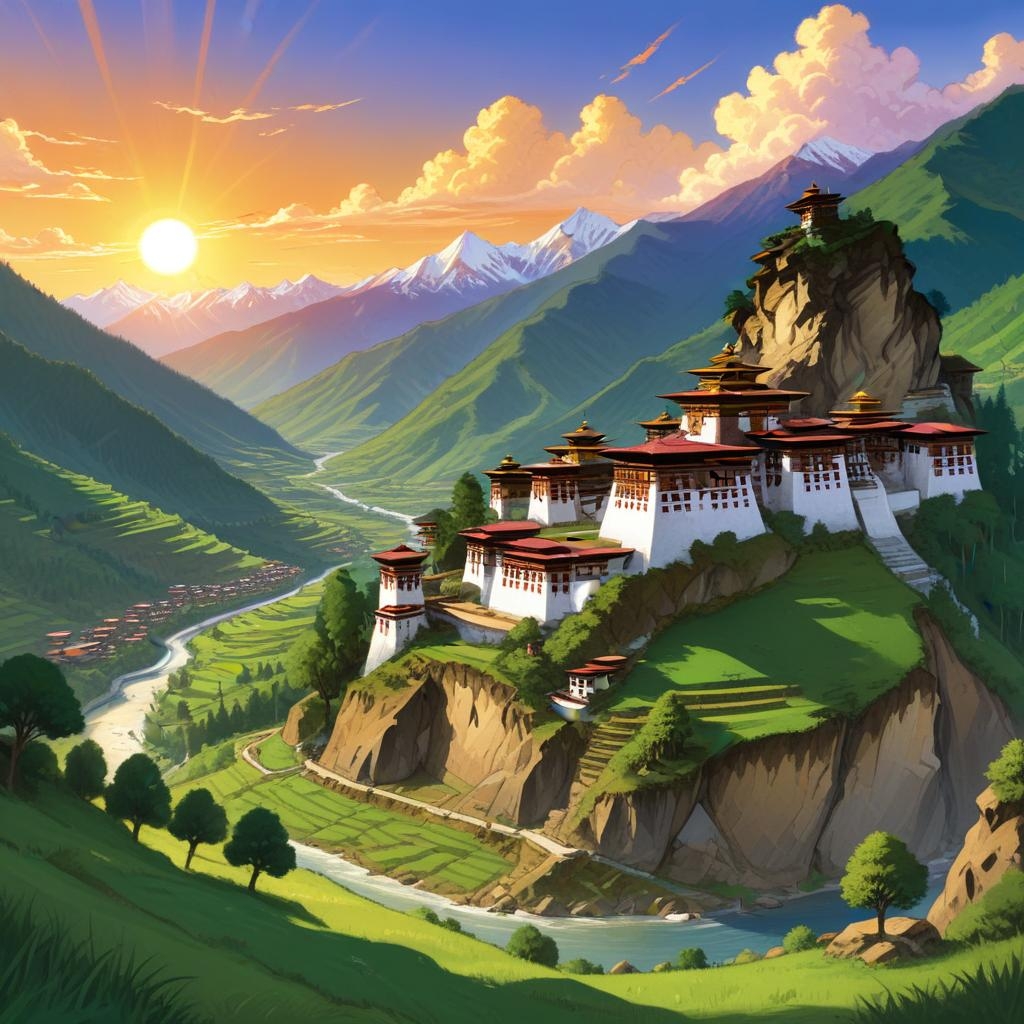
Breathtaking Landscapes
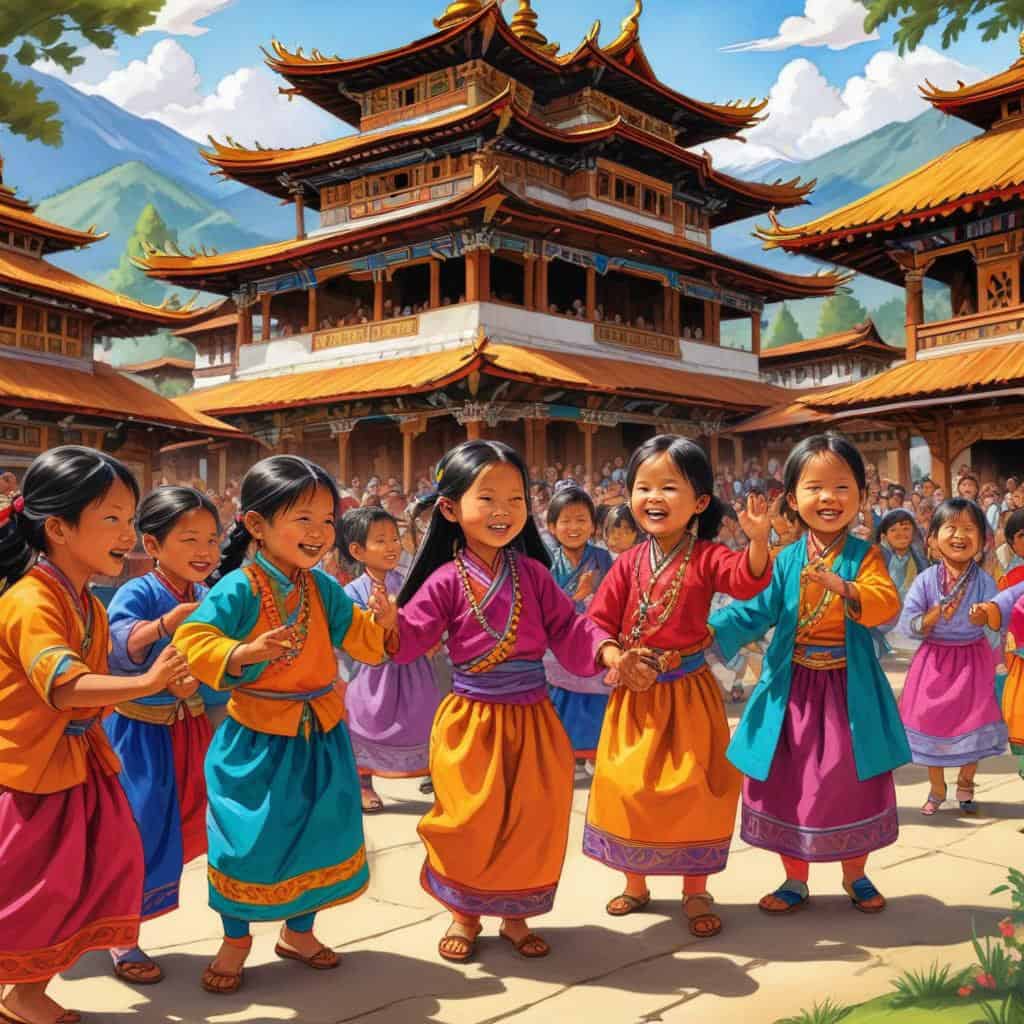
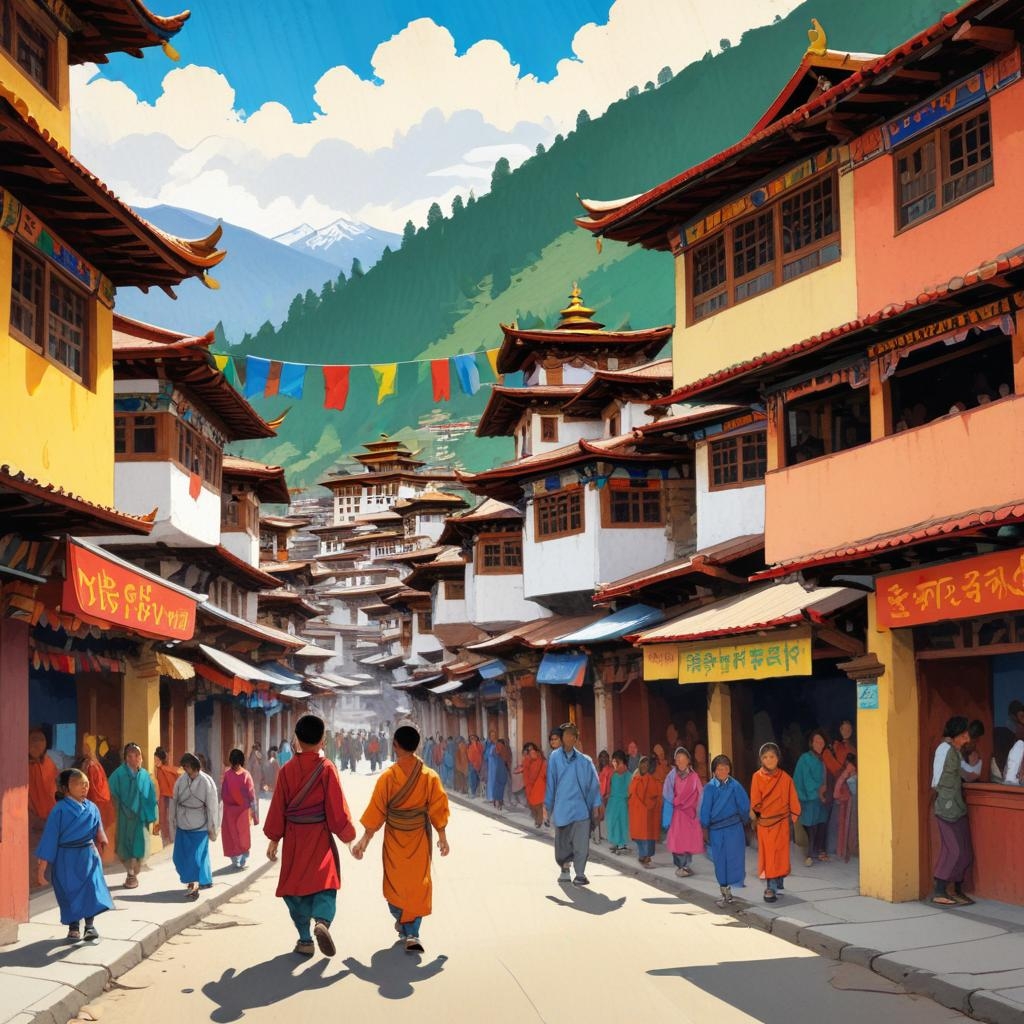
Cultural Riches
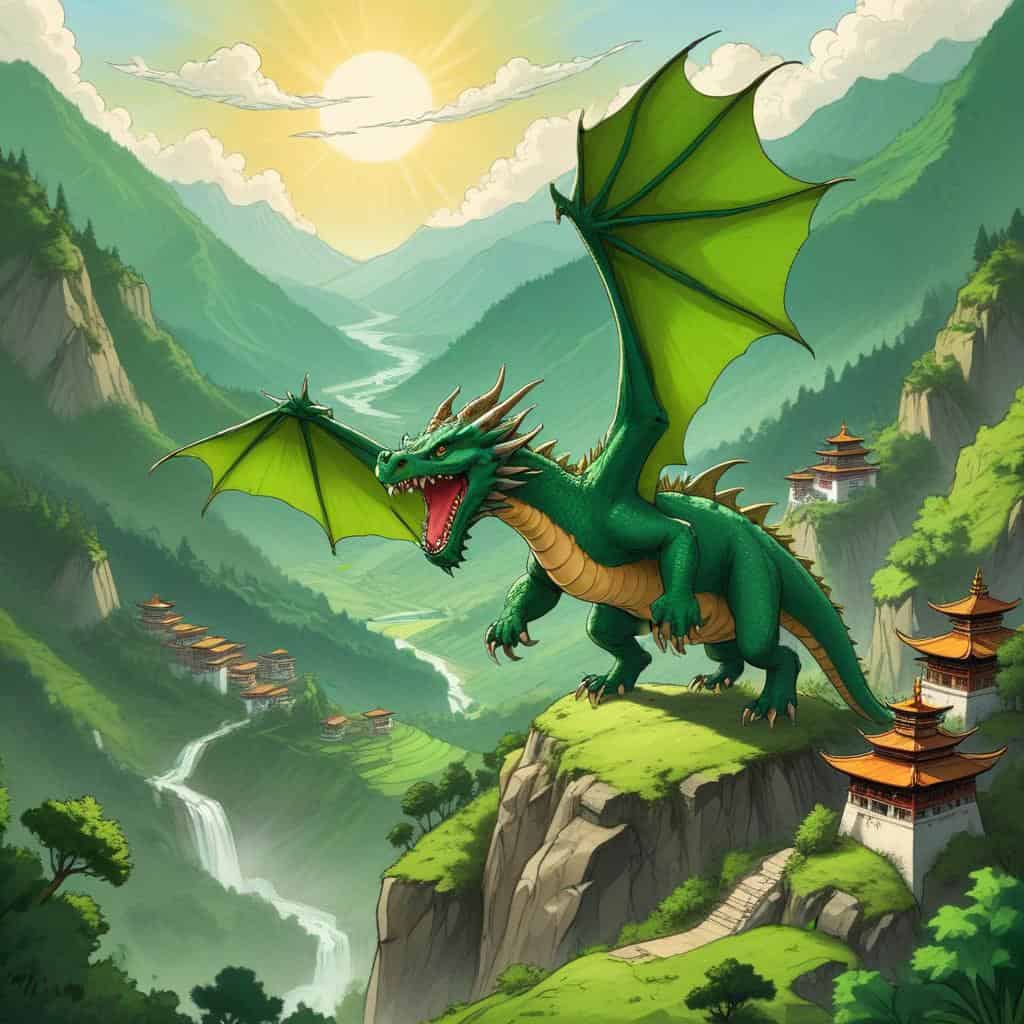
The Land of Thunder Dragon
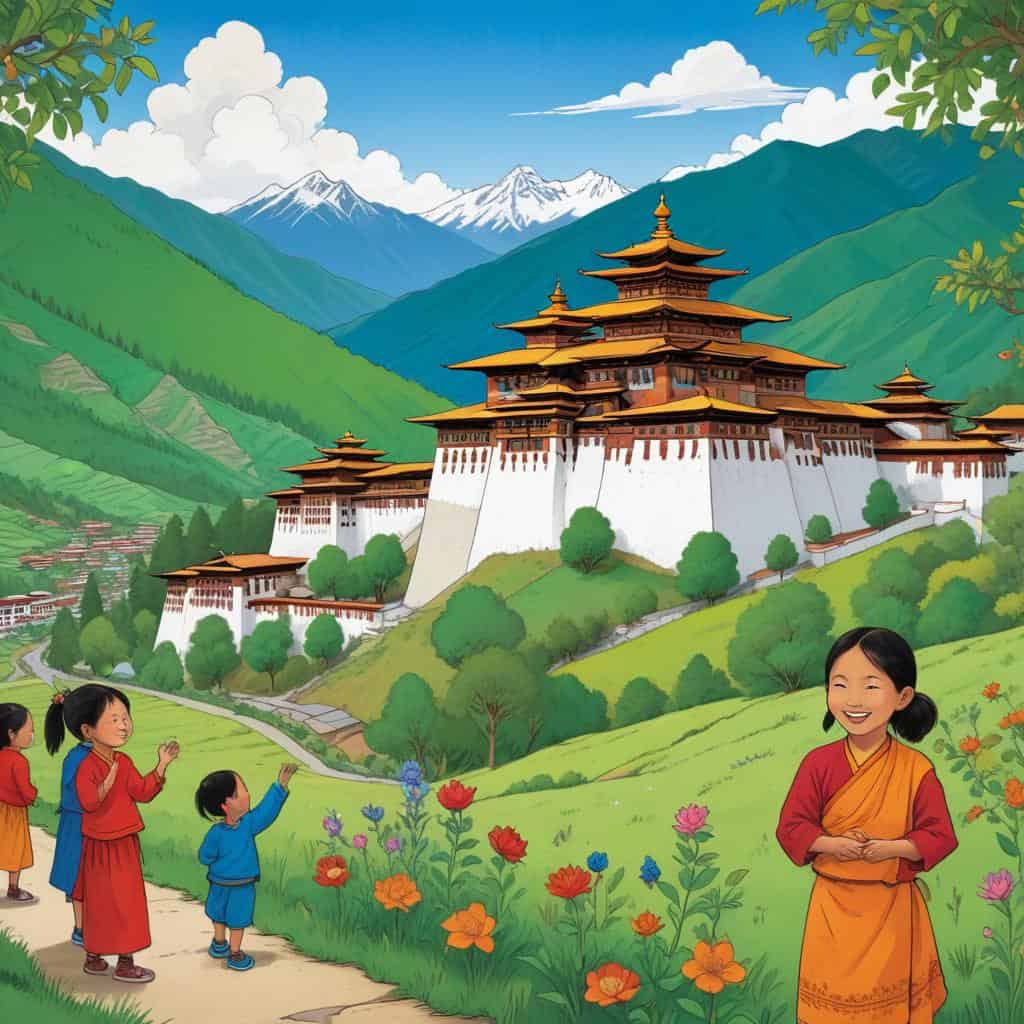
The Gross National Happiness Index
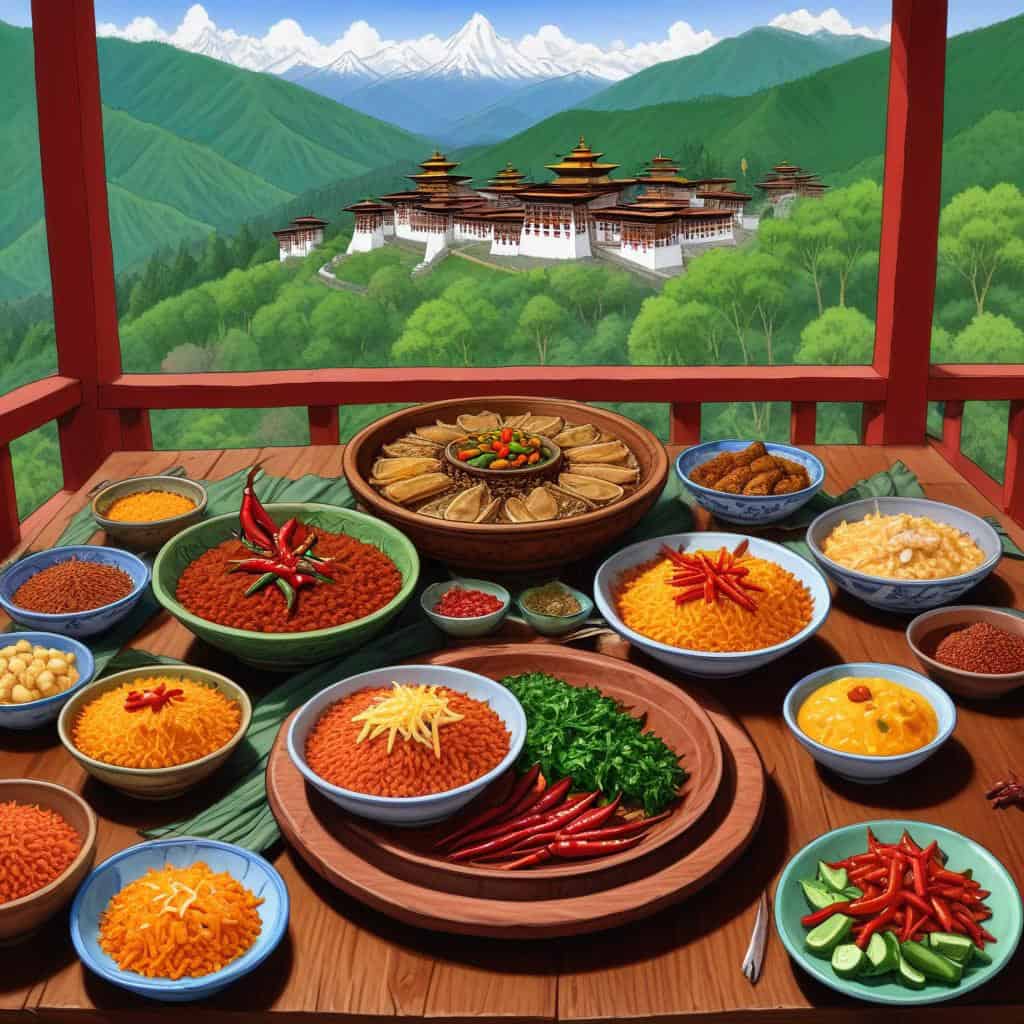
Bhutanese Cuisine
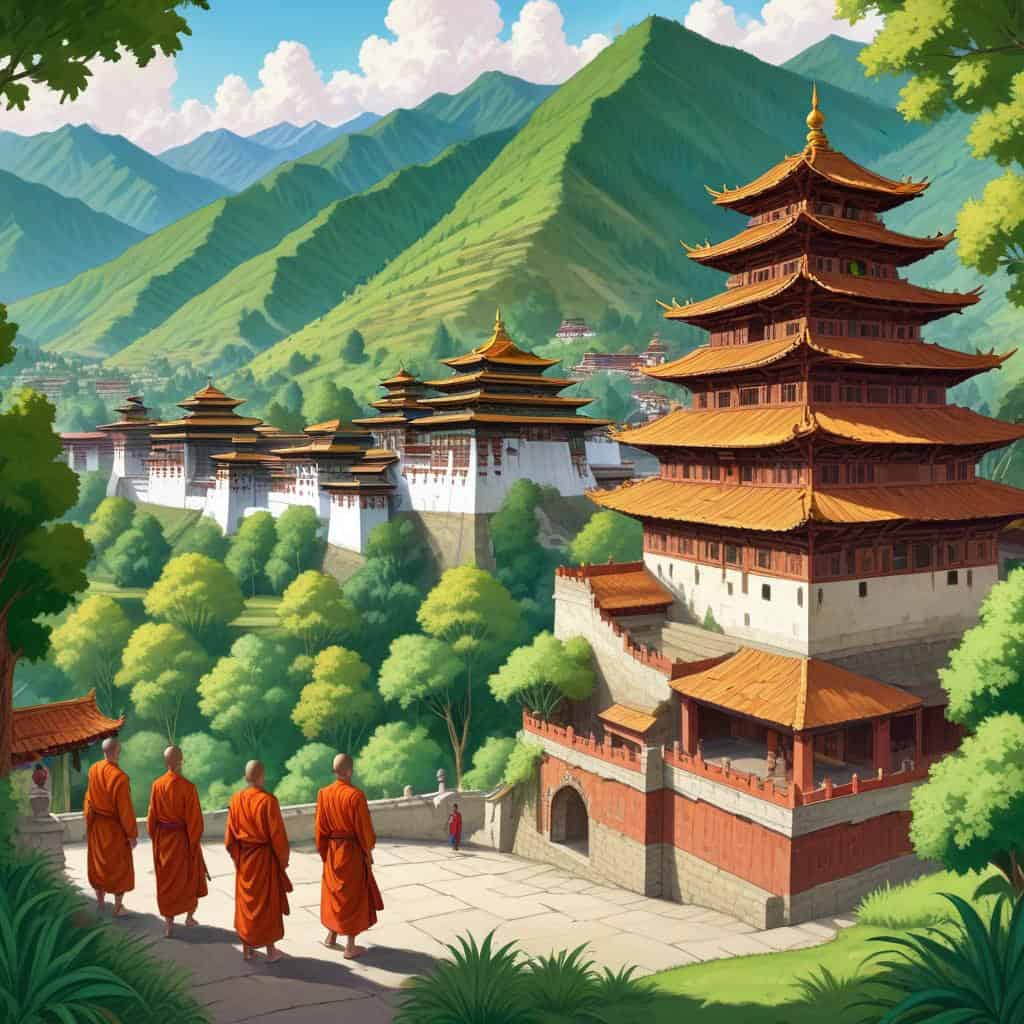
Architectural Marvels
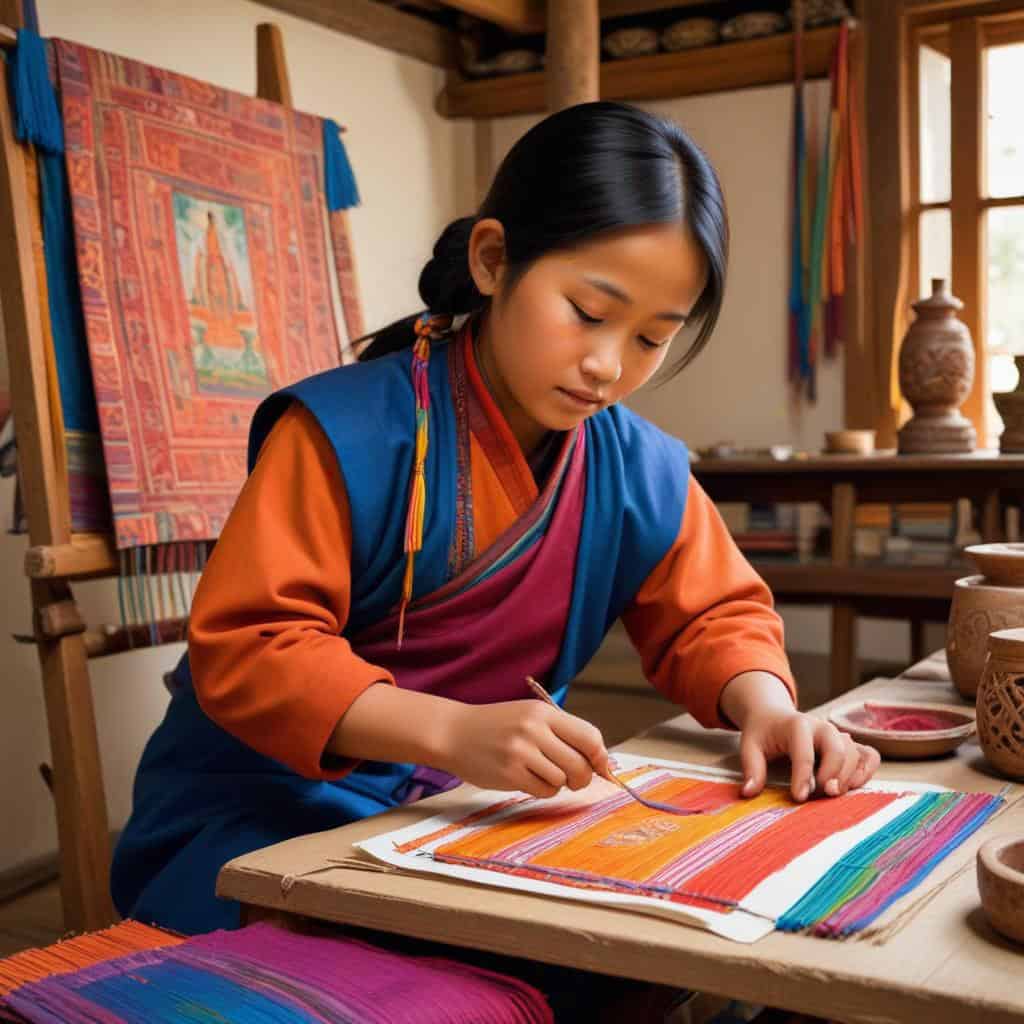
Traditional Arts and Crafts
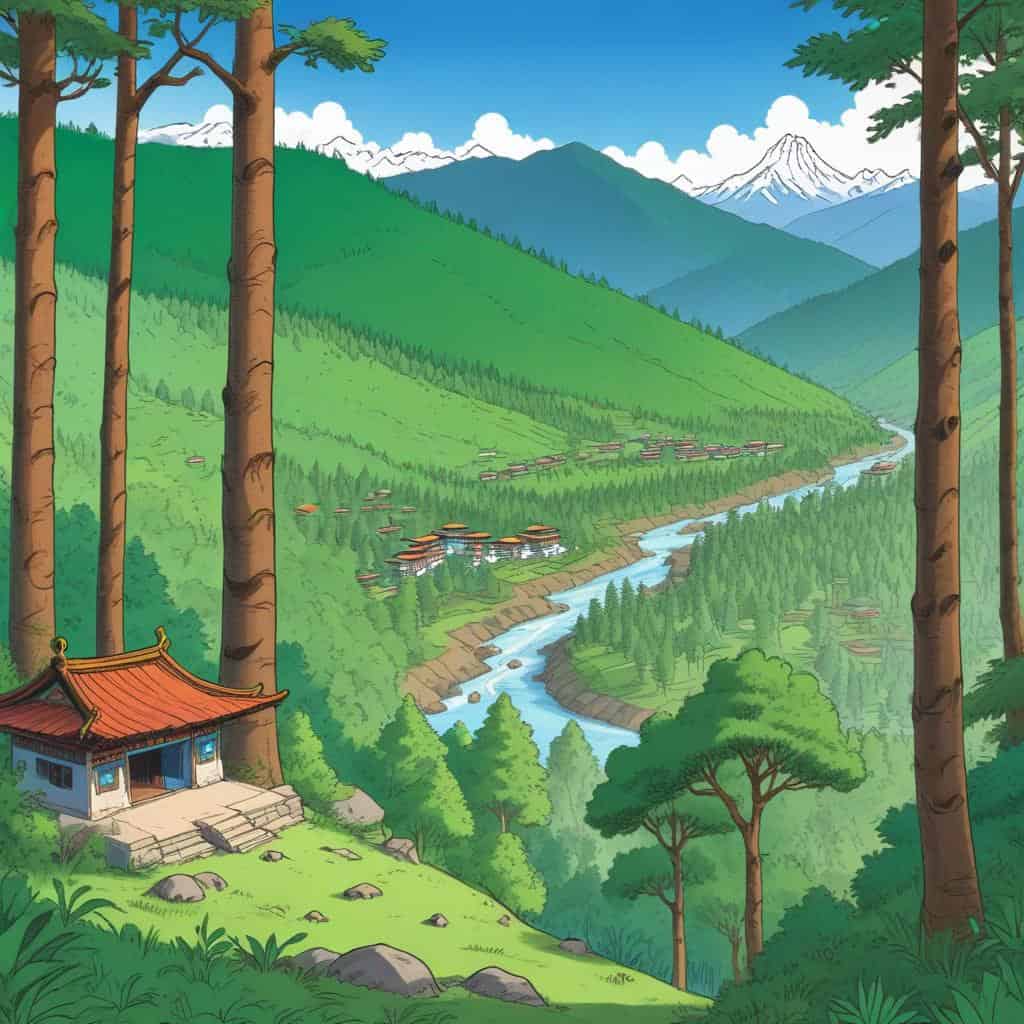
Environmental Conservation
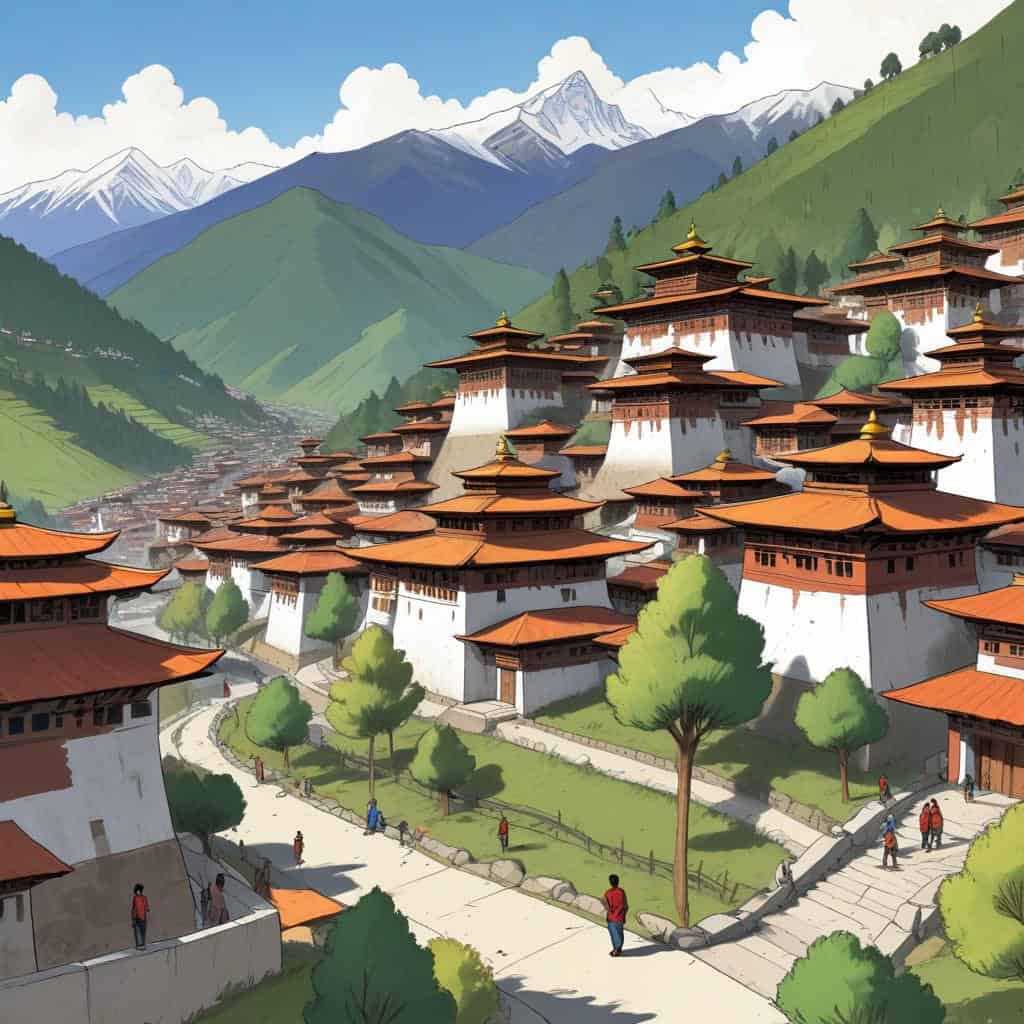
The Future of Bhutan
Audio Library
As one of our featured lessons, this topic includes premium audio guides.
Unlock the Wizard's Cram Session
This powerful audio study guide is a Pro-exclusive feature. Upgrade to Memory Wizards Pro to access this and all of our premium learning tools.
Upgrade to ProIn a Nutshell
- Capital: Thimphu
- Population: Approx. 771,608 (2021)
- Official Language: Dzongkha
- Currency: Bhutanese ngultrum (BTN)
Breaking Down the Country
Gross National Happiness
Bhutan is renowned for prioritizing happiness over GDP, focusing on sustainable development, environmental conservation, and cultural preservation.
Sacred Monasteries
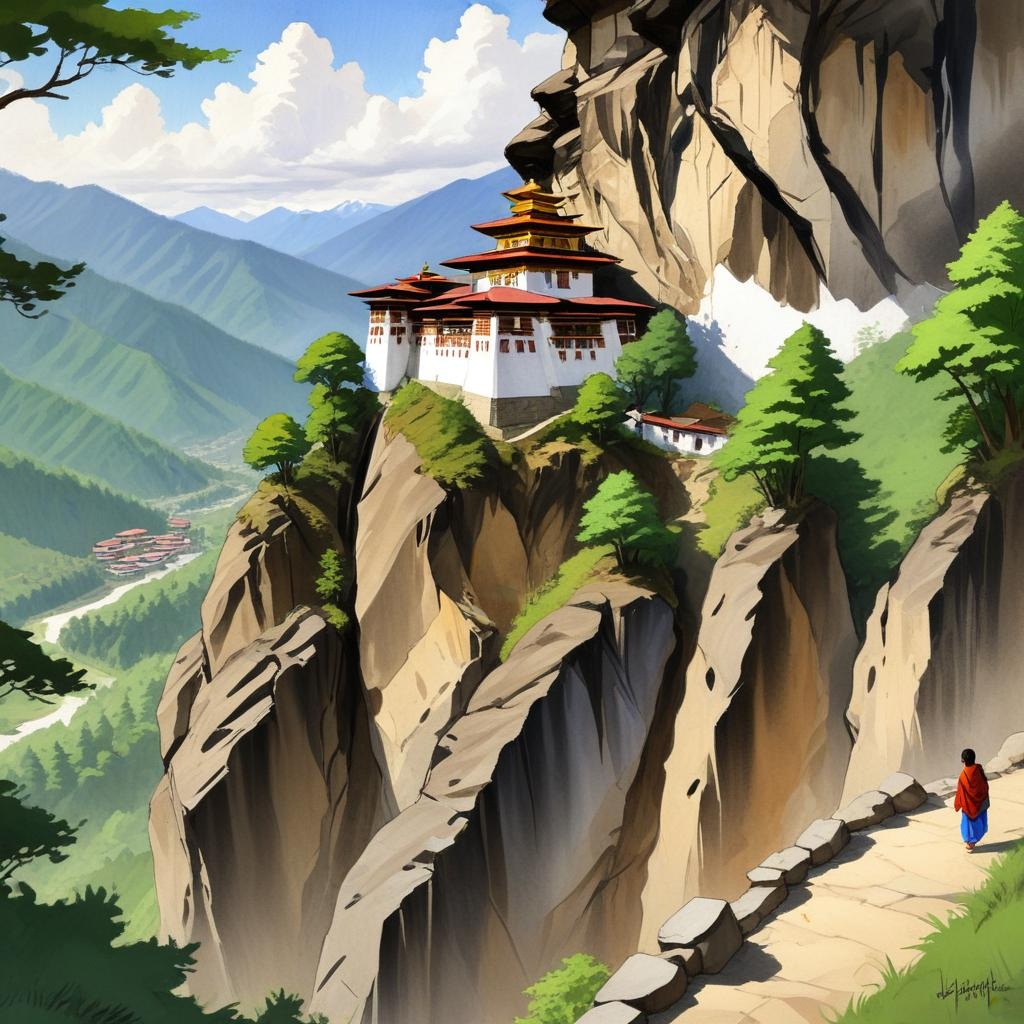
Home to iconic sites like the Tiger's Nest Monastery, Bhutan's spiritual heritage is showcased through its ancient monasteries nestled in breathtaking landscapes.
Colorful Festivals
Experience the vibrant culture of Bhutan through its lively festivals like the Paro Tshechu, showcasing traditional dances, music, and elaborate mask performances.
Timeline of An Introduction to Bhutan
Unification of Bhutan under Zhabdrung Ngawang Namgyal
Formal establishment of the dual system of government in Bhutan
Construction of Punakha Dzong
Signing of the Treaty of Sinchula
British recognition of Bhutan's independence
Coronation of the first hereditary King of Bhutan, Ugyen Wangchuck
Introduction of the first motor road in Bhutan
Establishment of the National Assembly of Bhutan
Bhutanese monarchy takes steps toward democratization
Inauguration of the National Institute of Traditional Medicine in Bhutan
Bhutan becomes a member of the United Nations
Introduction of television and internet in Bhutan
Her Majesty Queen Jetsun Pema gives birth to the crown prince
Inauguration of the international airport in Paro
Celebration of the Royal Wedding of King Jigme Khesar Namgyel Wangchuck
Bhutan holds its first democratic elections
Bhutan becomes the world's first carbon-negative country
Visit of Indian Prime Minister Narendra Modi to Bhutan
Celebration of the birth of the second royal child, Princess Ashi Sonam Dechan Wangchuck
Vocabulary List
- Gross National Happiness
- A measurement of the country's collective well-being and happiness
- Drukpa
- The state religion of Bhutan, a form of Tibetan Buddhism
- Dzong
- A fortress-like structure that serves as both a religious and administrative center in Bhutan
- Tsechu
- A religious festival celebrated in Bhutan, featuring masked dances and performances
- Gho
- The traditional attire for men in Bhutan, consisting of a knee-length robe tied at the waist
- Kira
- The traditional attire for women in Bhutan, consisting of a long wraparound dress
- Archery
- The national sport of Bhutan, often played during festivals and celebrations
- Chorten
- A Buddhist shrine or stupa, commonly found throughout Bhutan
- Tashi Delek
- A common greeting in Bhutan, meaning "blessings and good luck"
- Druk Air
- The national airline of Bhutan, operating flights to and from various international destinations
- Zhungdra
- A traditional form of Bhutanese music, often accompanied by dance and singing
- Thunder Dragon
- The translation of "Druk" in Bhutan's official name, Kingdom of Bhutan
- Phallus
- A symbol of fertility and good luck, commonly depicted in Bhutanese art and architecture
- Doma
- A traditional snack in Bhutan, consisting of betel nut wrapped in betel leaf
- Rice-Red Rice
- A staple food in Bhutan, often served with every meal
- Chilli Cheese
- A popular Bhutanese dish made with spicy chilies and local cheese
- Takin
- The national animal of Bhutan, a unique and rare species of goat-antelope
- Taktshang
- Also known as the "Tiger's Nest," it is a famous monastery and pilgrimage site in Bhutan
- Jigme Singye Wangchuck
- The fourth King of Bhutan, who introduced the concept of Gross National Happiness
- Dzongkha
- The official language of Bhutan, spoken by the majority of the population.
Key Facts
This is the information used in the fact matching game
- Bhutan is a landlocked country located in the Eastern Himalayas
- It is known as the Kingdom of Bhutan
- The official language of Bhutan is Dzongkha
- The country's capital and largest city is Thimphu
- Bhutan's currency is called the Ngultrum
- The national animal of Bhutan is the Takin
- It is the only country in the world to measure its success by Gross National Happiness
- Bhutan is known for its stunning landscapes and biodiversity
- The country has a constitutional monarchy
- Bhutan is the world's only carbon-negative country
- Buddhism is the dominant religion in Bhutan
- The country is famous for its unique architecture, characterized by traditional Dzong and colorful prayer flags
- Bhutan is home to several endangered species, including the Royal Bengal Tiger and the Black-necked Crane
- The Bhutanese people are friendly and known for their hospitality
- Bhutan has a high emphasis on preserving its cultural heritage and traditions
- The national sport of Bhutan is archery
- Bhutan is one of the least densely populated countries in the world
- The country has a Gross National Happiness Commission that monitors and promotes the well-being of its citizens
- Bhutan has a diverse culinary tradition with dishes like Ema Datshi (chili and cheese stew) being popular
- The country is famous for its annual festival called Tshechu, which showcases vibrant masked dances and religious rituals.
Why It Matters
Geopolitical Significance
Situated between China and India, Bhutan’s strategic location has influenced its foreign policy and relations with neighboring countries. Its position in the Himalayas also gives it a unique perspective on regional security and environmental issues.
Historical Importance
Bhutan’s history is rich with traditions, including its unique form of Buddhism and monarchical system. The country’s ability to maintain its independence and cultural heritage in the face of external pressures has shaped its identity and resilience.
Modern-Day Role
As a constitutional monarchy with a focus on Gross National Happiness, Bhutan continues to prioritize sustainable development and environmental conservation. Its approach to governance and well-being has garnered international attention and admiration, showcasing an alternative model for progress.
An Introduction to Bhutan Games


Take Your Learning Offline
Want a convenient, print-ready study guide for this lesson? Become a Memory Wizards Pro member to unlock the downloadable " Memory Scrolls" for this topic and our entire library!
- ✓ Complete Vocabulary Lists
- ✓ Key Facts & Timelines
- ✓ Beautifully Formatted for Print & Mobile