
How Do You Learn Best?
Learn by Listening
Start with the 3-minute audio summary to get the key facts and narrative highlights quickly.
Learn by Reading
Immerse yourself in the 10-minute visual lesson for a comprehensive understanding of the topic.
Learn by Reviewing
Jump directly to the key facts, timeline, and vocabulary lists to build a solid foundation of details.
Learn by Doing
Challenge yourself! Jump straight into the interactive games to learn by trial, error, and discovery.
An Introduction to Bangladesh in 10 Minutes
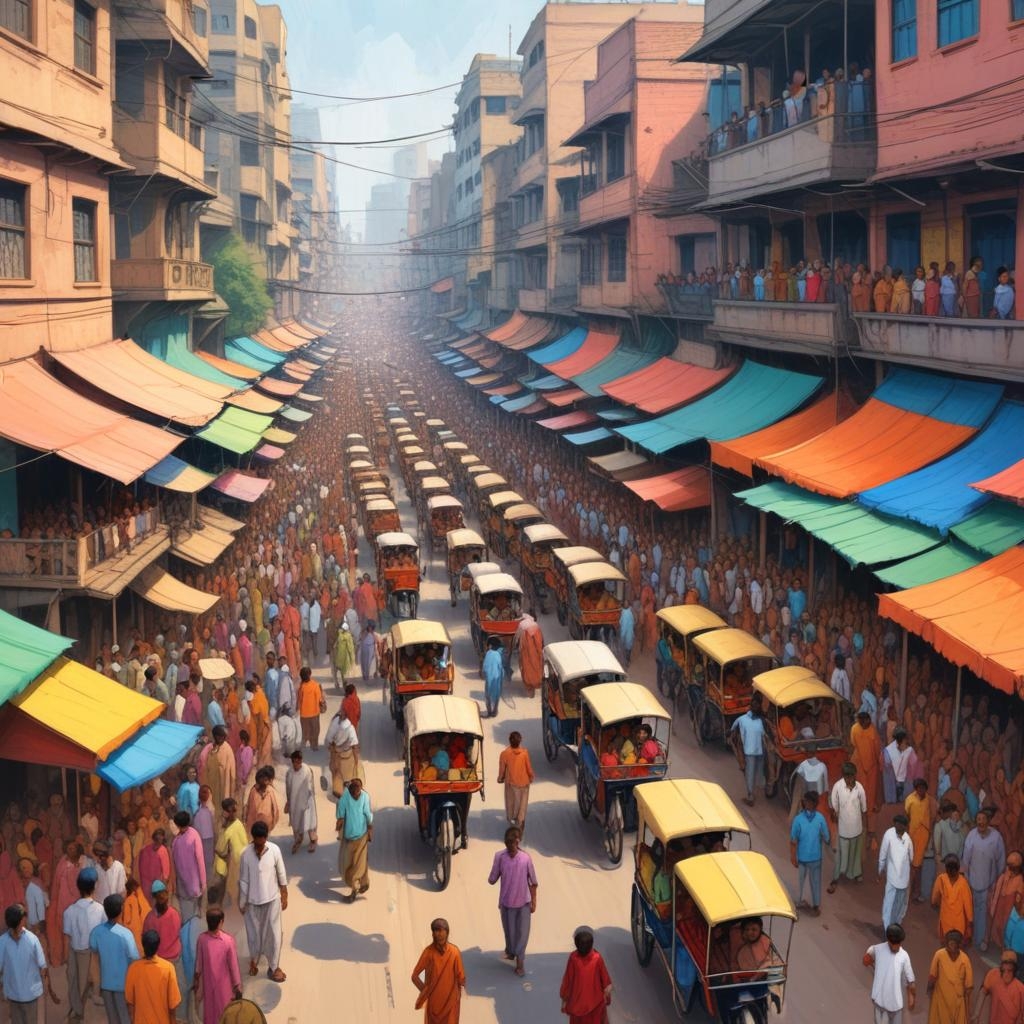
Introduction
Sheikh Mujibur Rahman
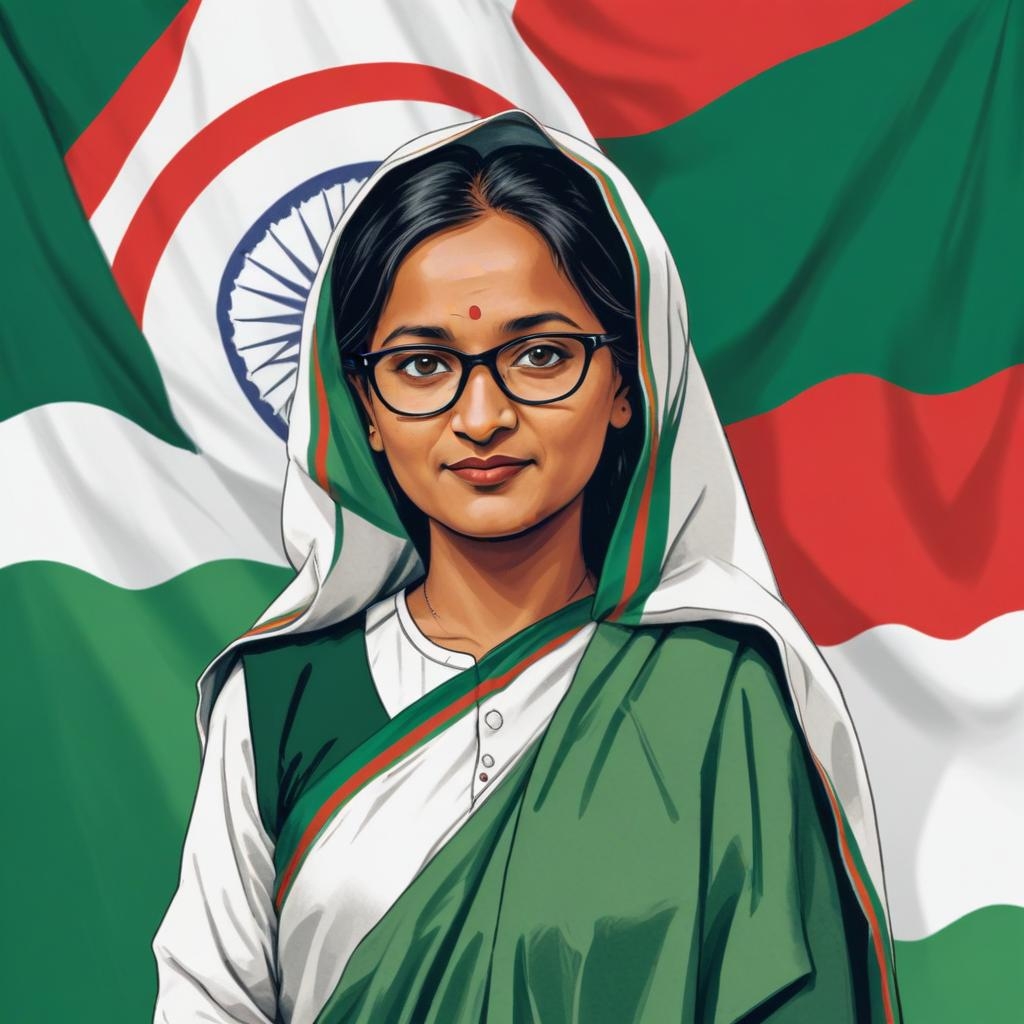
Hasina Wazed
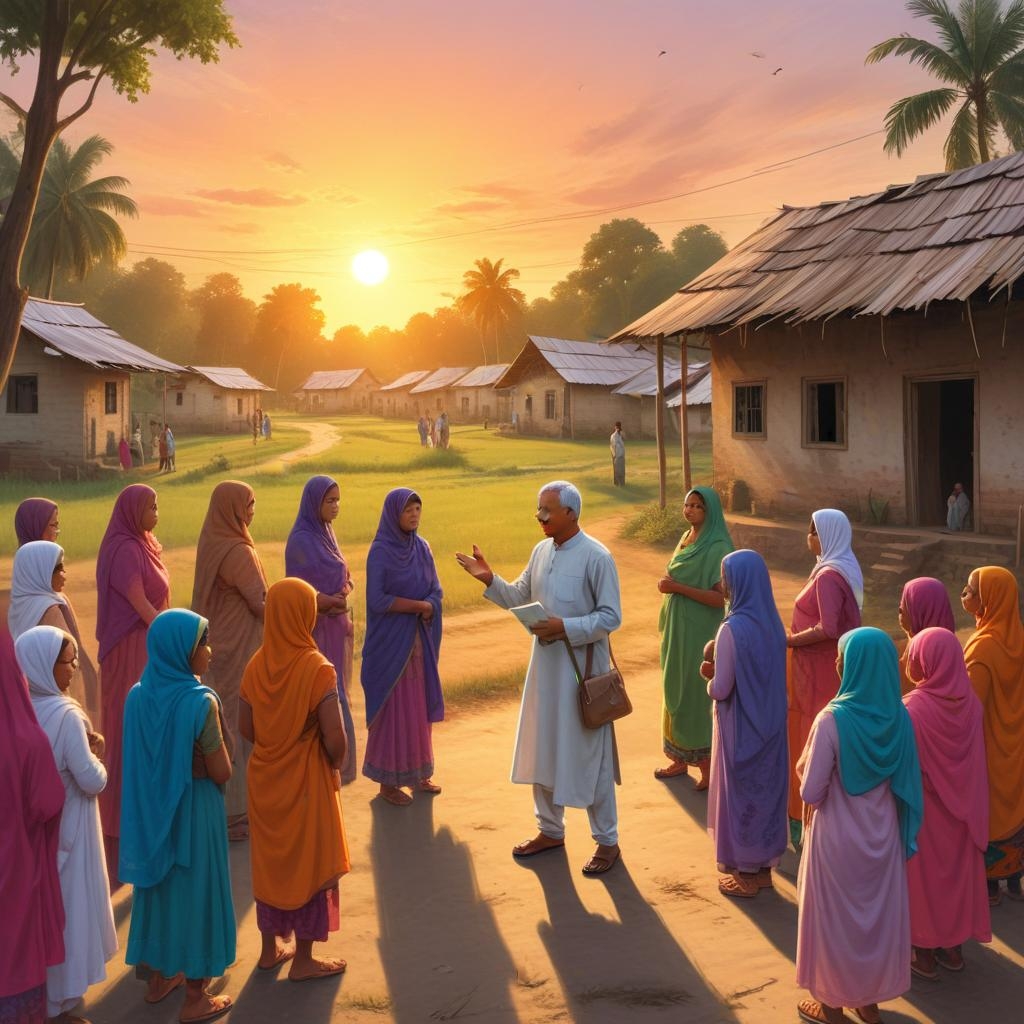
Nobel Laureate Muhammad Yunus
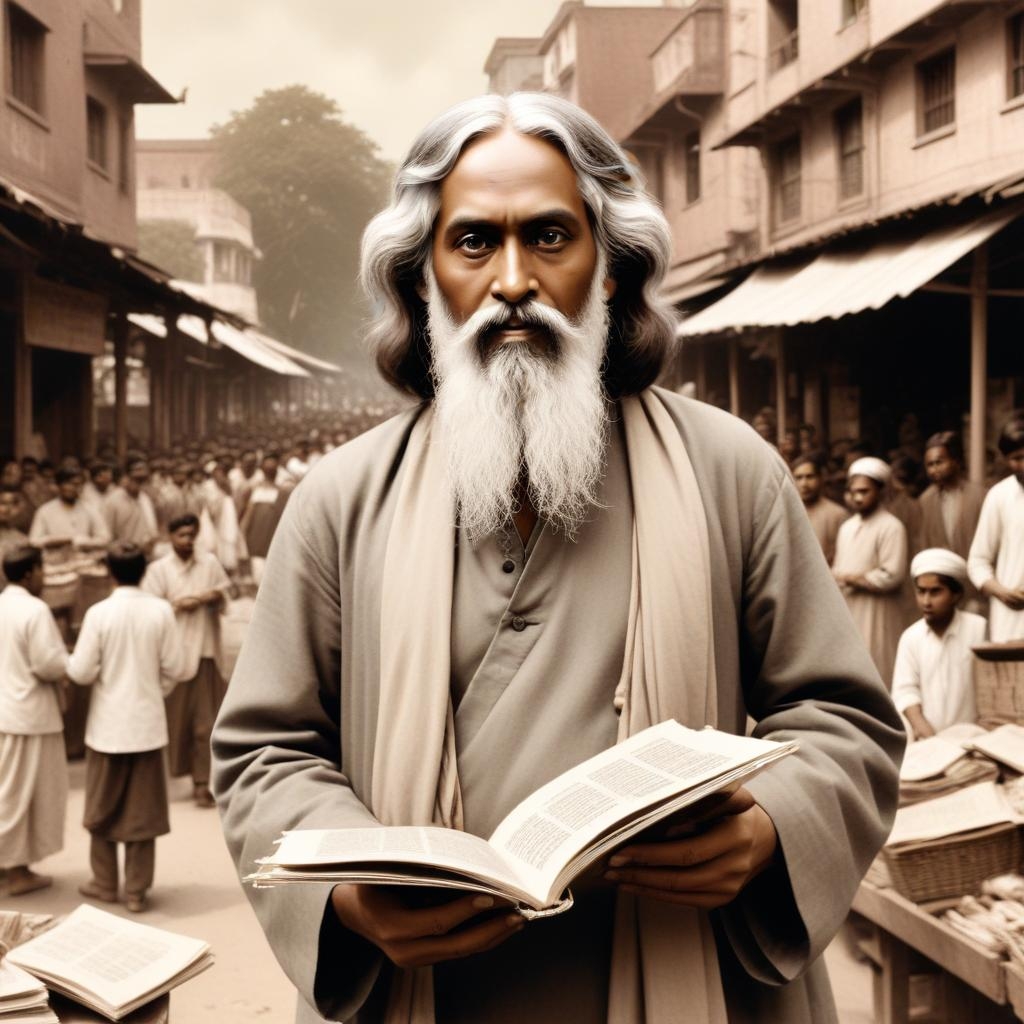
Rabindranath Tagore
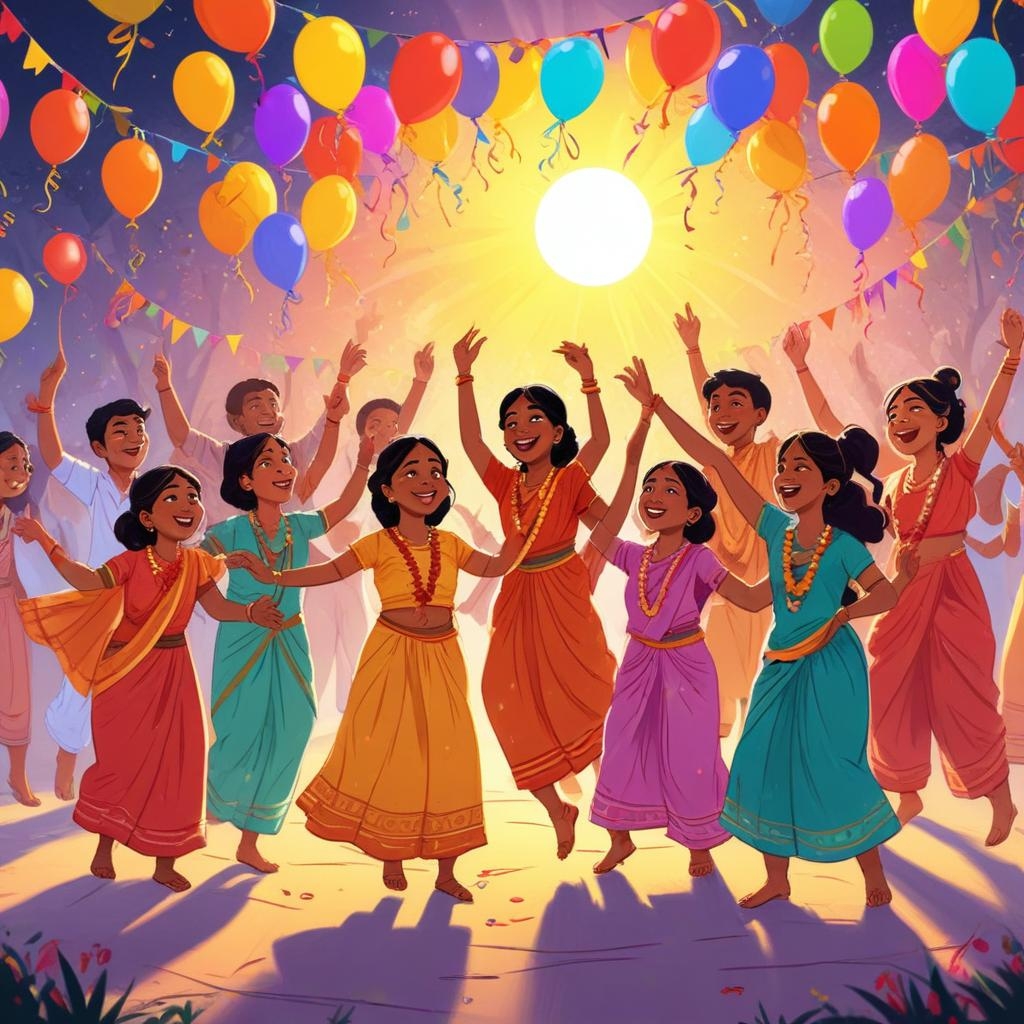
Pohela Boishakh
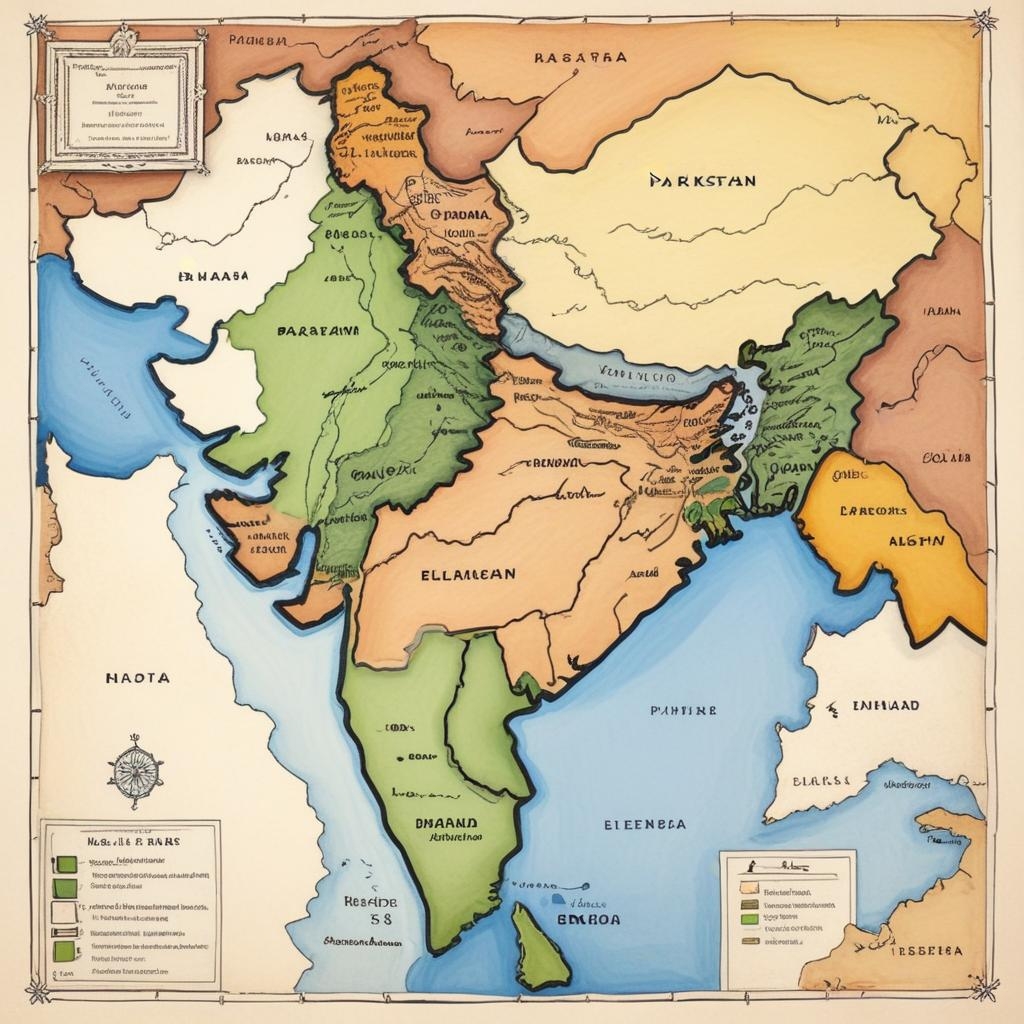
The Formation of Bangladesh
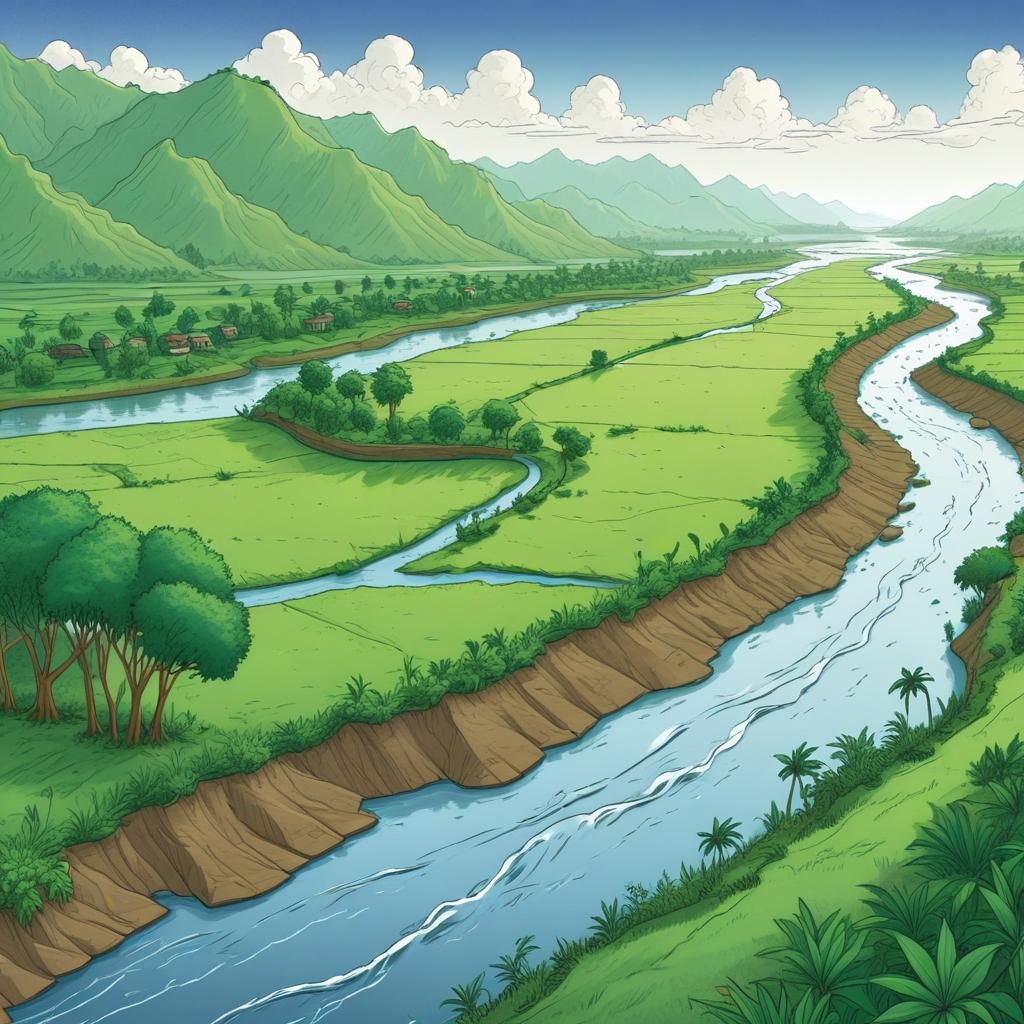
Geography and Climate
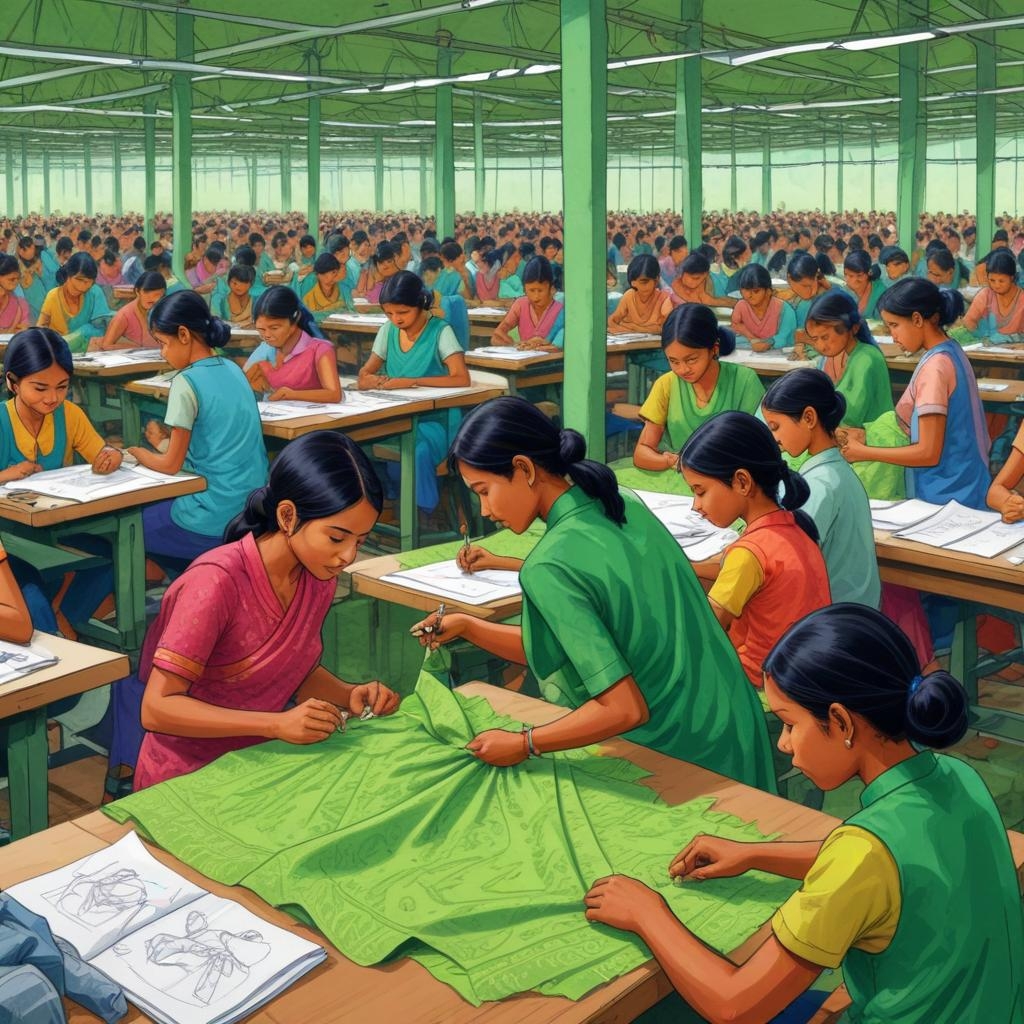
Economy and Industry
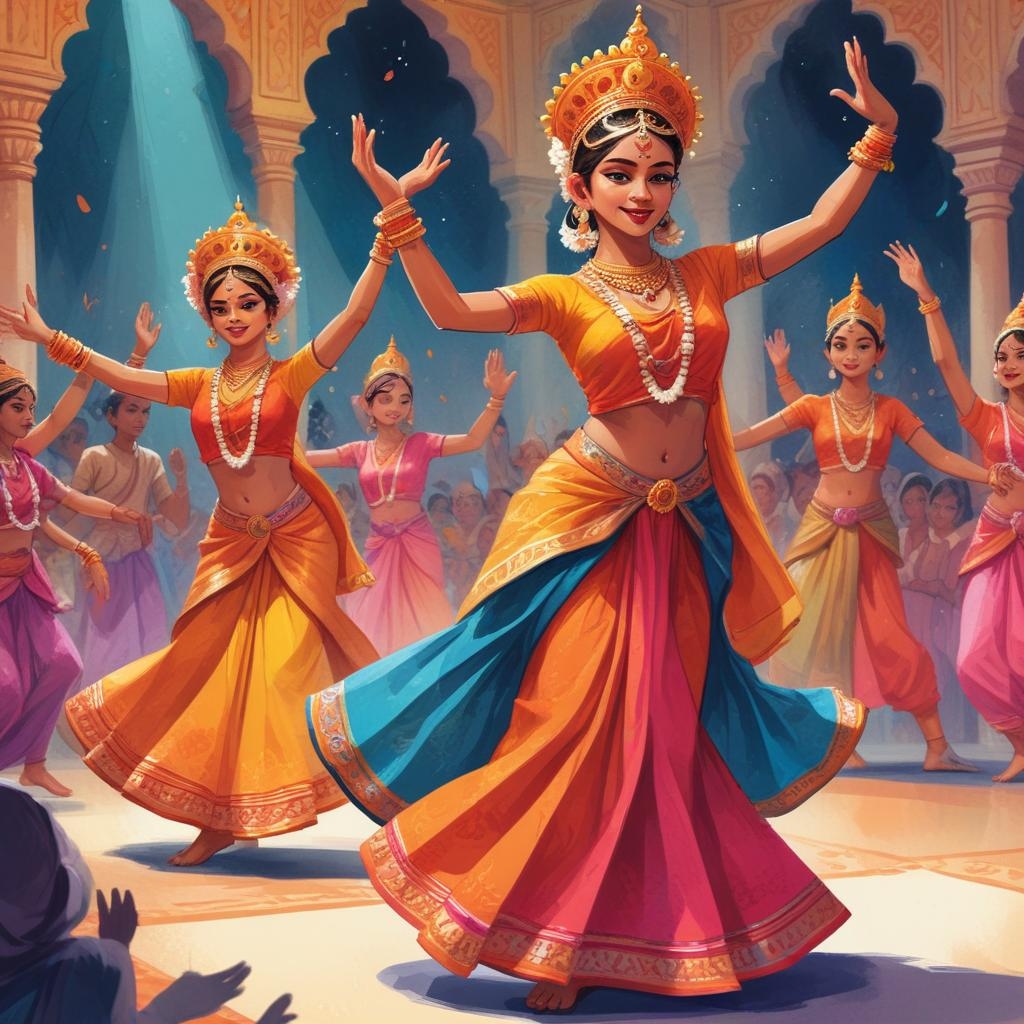
Culture and Society
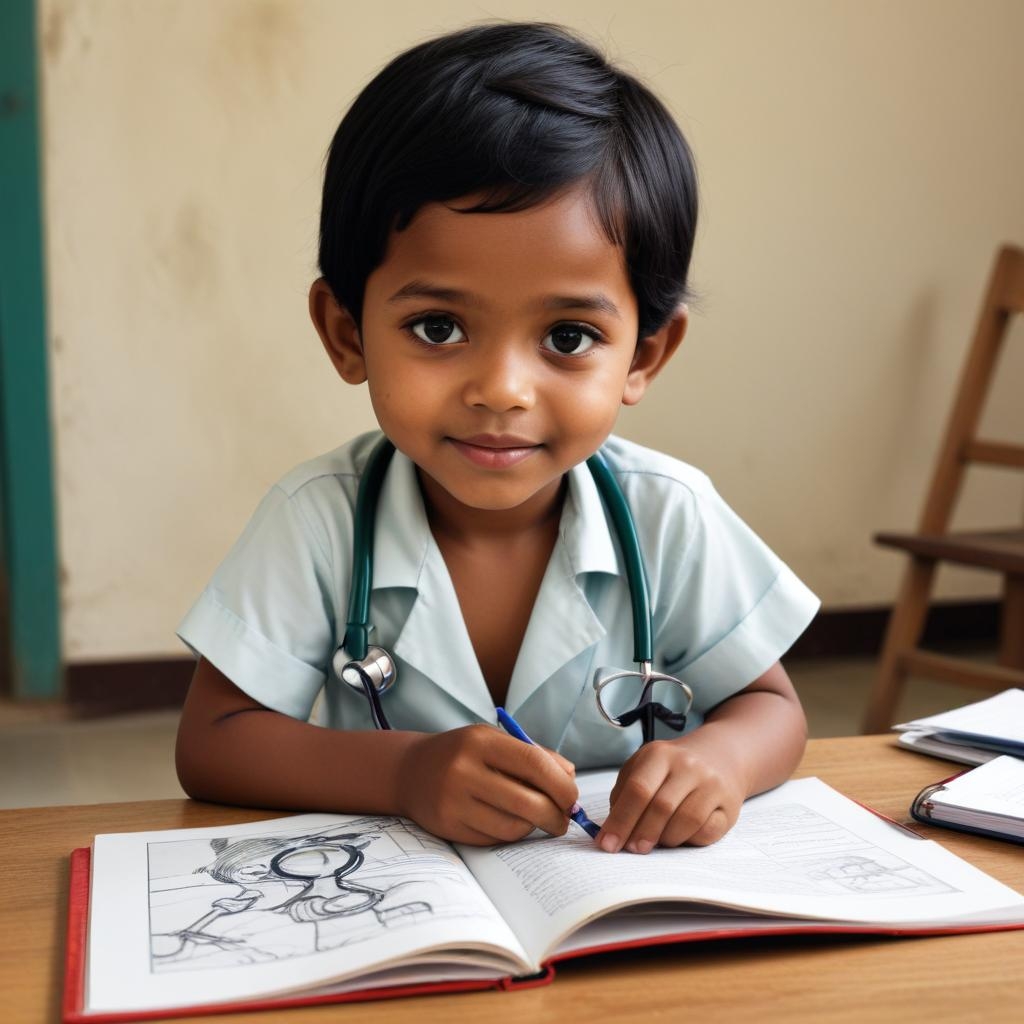
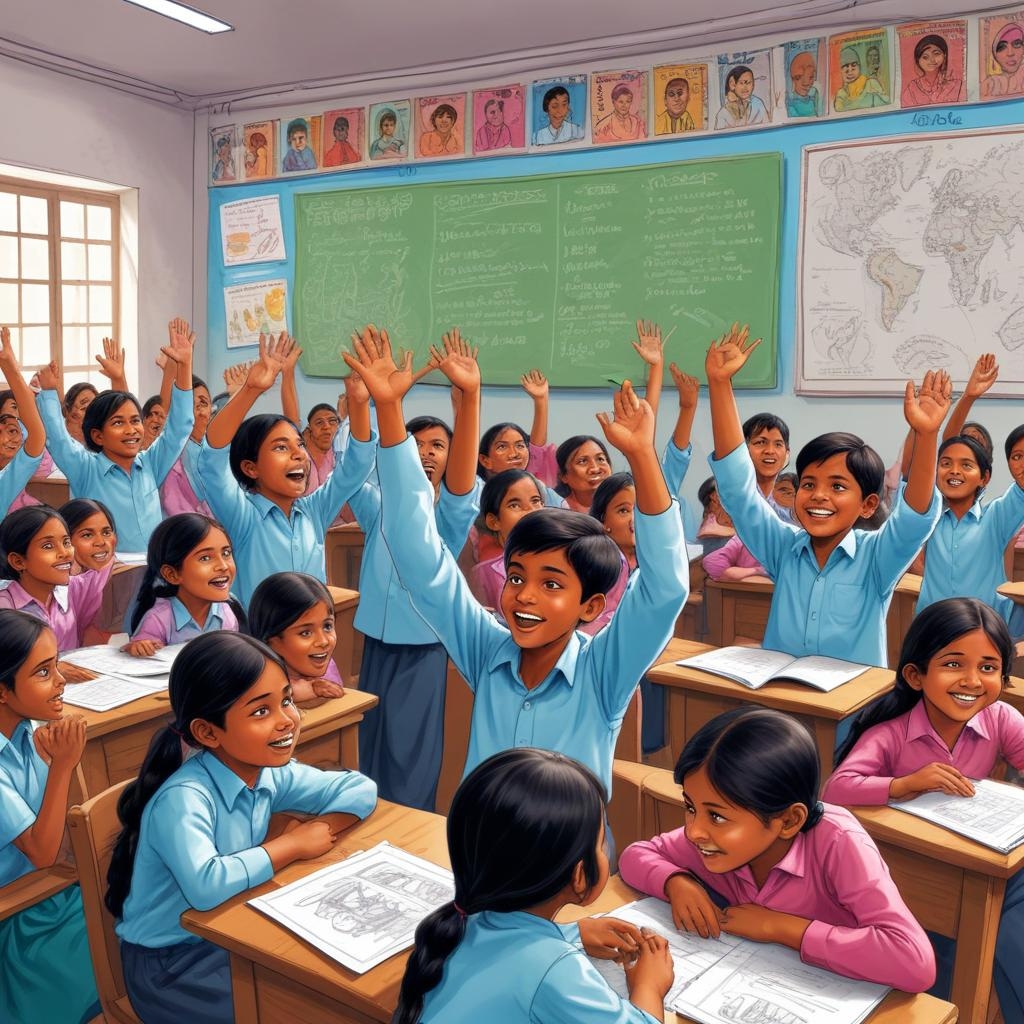
Education and Healthcare
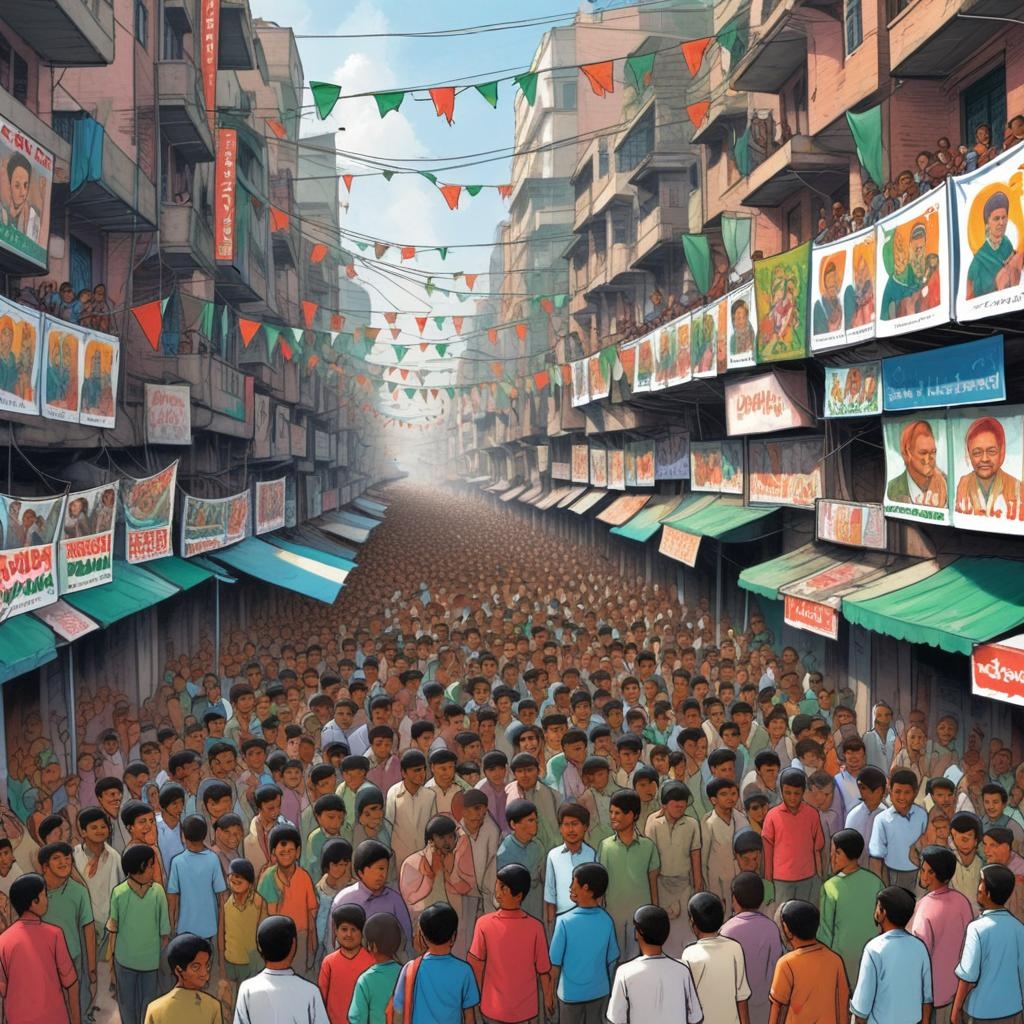
Politics and Government

Environmental Challenges
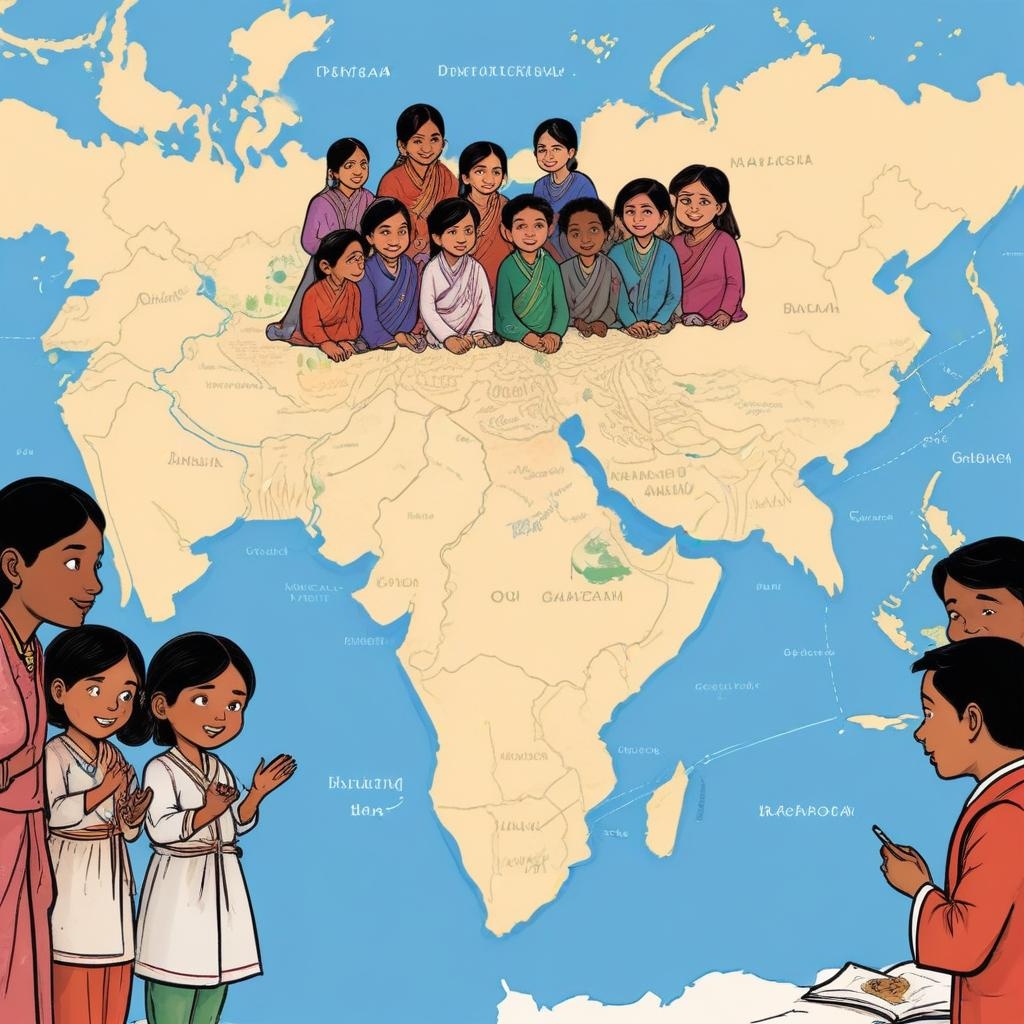
Foreign Relations
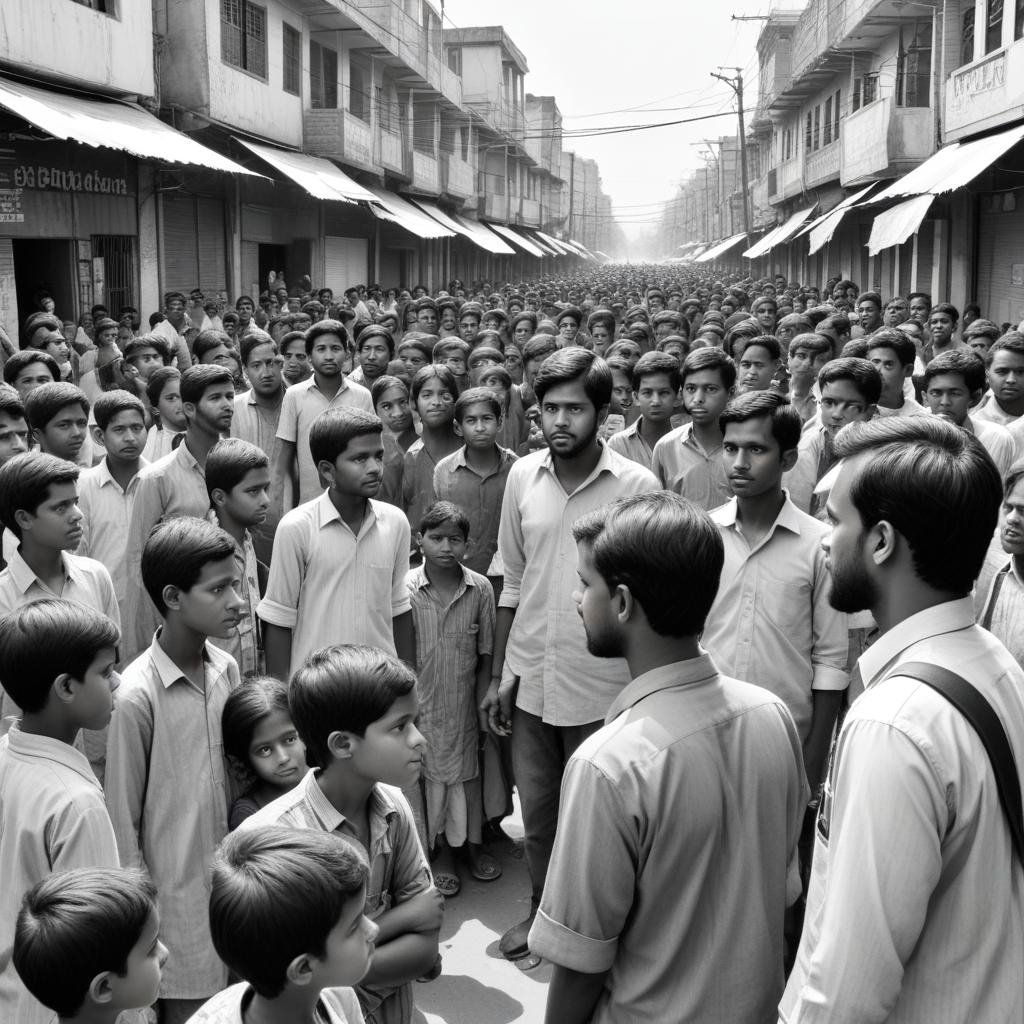
Human Rights and Social Issues
Future Outlook
Audio Library
As one of our featured lessons, this topic includes premium audio guides.
Unlock the Wizard's Cram Session
This powerful audio study guide is a Pro-exclusive feature. Upgrade to Memory Wizards Pro to access this and all of our premium learning tools.
Upgrade to ProIn a Nutshell
- Capital: Dhaka
- Population: Approx. 165 million (2021)
- Official Language: Bengali
- Currency: Bangladeshi Taka (BDT)
Breaking Down the Country
Geographical Diversity
From the lush Sundarbans mangrove forest to the rolling hills of Sylhet, Bangladesh offers a rich tapestry of landscapes waiting to be explored.
Cultural Heritage
Home to vibrant festivals like Pohela Boishakh and traditional art forms like Nakshi Kantha, Bangladesh celebrates its heritage with pride and passion.
Culinary Delights
Savor the flavors of biryani, pitha, and bhapa pitha as you delve into the diverse and delicious culinary traditions of Bangladesh.
Timeline of An Introduction to Bangladesh
Bangladesh Liberation War begins
Bangladesh declares independence
Bangladesh Liberation War ends
Bangladesh becomes a parliamentary democracy
Bangladesh joins the United Nations
Cyclone Bhola devastates Bangladesh
Bangladesh hosts the South Asian Games
Bangladesh becomes a republic
Bangladesh signs the Chittagong Hill Tracts Peace Accord
Bangladesh experiences major floods
Bangladesh holds its first democratic elections
Bangladesh becomes a member of the Commonwealth of Nations
Grameen Bank is founded
Bangladesh wins the ICC Trophy
Bangladesh holds its first-ever general strike
Bangladesh experiences a devastating tornado
Bangladesh celebrates its 50th Independence Day
Bangladesh launches its first satellite
Bangladesh experiences a major Rohingya refugee crisis
Bangladesh celebrates its 50th Victory Day
Vocabulary List
- Bangladesh is a densely populated country in South Asia, located in the delta region of the Ganges-Brahmaputra-Meghna river system. It is known for its rich cultural heritage and natural beauty. The following vocabulary words are related to Bangladesh: Bengali
- The official language of Bangladesh
- Dhaka
- The capital and largest city of Bangladesh
- Sundarbans
- A mangrove forest in Bangladesh, known for its Royal Bengal Tigers
- Ganges
- One of the major rivers in Bangladesh, also considered sacred by Hindus
- Monsoon
- The seasonal winds in Bangladesh that bring heavy rainfall
- Cyclone
- A natural disaster common in Bangladesh, characterized by strong winds and heavy rains
- Poverty
- A significant issue in Bangladesh, with a large portion of the population living below the poverty line
- Garment industry
- One of the main sectors of the economy in Bangladesh, known for its textile and clothing production
- Rice
- The staple food in Bangladesh, grown extensively in the fertile delta region
- Paddy fields
- Fields where rice is cultivated in Bangladesh, often flooded during the monsoon season
- Jute
- A natural fiber used for making various products, including bags and ropes, produced in Bangladesh
- Microcredit
- A system of providing small loans to entrepreneurs, popularized by Nobel laureate Muhammad Yunus from Bangladesh
- Cox's Bazar
- A coastal town in Bangladesh, known for having the world's longest natural sandy beach
- Rohingya
- A persecuted ethnic minority group from Myanmar, many of whom have sought refuge in Bangladesh
- Baul
- A mystical musical tradition in Bangladesh, characterized by soulful lyrics and unique instruments
- Rickshaw
- A common mode of transportation in Bangladesh, a manually pulled cart
- Pohela Boishakh
- The Bengali New Year, celebrated with cultural events, fairs, and traditional food in Bangladesh
- Jamdani
- A handloom textile art form in Bangladesh, known for its intricate motifs and patterns
- Betel leaf
- A traditional leaf used for chewing, often accompanied by betel nut and lime, popular in Bangladesh
- Tea garden
- Vast expanses of tea plantations in Bangladesh, producing high-quality tea leaves.
Key Facts
This is the information used in the fact matching game
- Bangladesh is a country located in South Asia
- It is the eighth-most populous country in the world
- The official language is Bengali
- The capital and largest city is Dhaka
- It has a total area of 147,570 square kilometers
- The country gained independence from Pakistan in 1971
- Bangladesh is known for its beautiful rivers and waterways
- The national bird of Bangladesh is the Oriental Magpie Robin
- The national flower is the Water Lily
- The country has a tropical monsoon climate
- The economy is primarily driven by agriculture, garments, and textiles
- Bangladesh is the world's second-largest exporter of garments
- It is home to the Sundarbans, the world's largest mangrove forest
- The country has a rich cultural heritage, with influences from Hindu, Muslim, and British traditions
- The national sport of Bangladesh is kabaddi
- The country has a vibrant music and film industry
- Bangladesh is prone to natural disasters, including cyclones and flooding
- The literacy rate in Bangladesh is around 74%
- The country has made significant progress in reducing poverty in recent years
- The national emblem of Bangladesh is the national flower surrounded by rice sheaves and jute plants.
Why It Matters
Geopolitical Significance
Situated at the crossroads of South Asia and Southeast Asia, Bangladesh plays a crucial role in regional politics and trade. Its strategic location on the Bay of Bengal gives it access to key shipping routes and influences maritime security in the Indian Ocean.
Historical Importance
With a history dating back to ancient times, Bangladesh has been shaped by various empires and colonial powers. It gained independence in 1971 after a bloody struggle, becoming a symbol of national pride and resilience. The country’s cultural heritage and language movement are integral to its identity.
Modern-Day Role
Today, Bangladesh is a major player in the global textile industry and a key contributor to the world economy. It faces challenges such as climate change and poverty, but its progress in areas like microfinance and sustainable development has earned international recognition. Bangladesh’s role in promoting regional cooperation and peace remains significant.
An Introduction to Bangladesh Games


Take Your Learning Offline
Want a convenient, print-ready study guide for this lesson? Become a Memory Wizards Pro member to unlock the downloadable " Memory Scrolls" for this topic and our entire library!
- ✓ Complete Vocabulary Lists
- ✓ Key Facts & Timelines
- ✓ Beautifully Formatted for Print & Mobile