
How Do You Learn Best?
Learn by Listening
Start with the 3-minute audio summary to get the key facts and narrative highlights quickly.
Learn by Reading
Immerse yourself in the 10-minute visual lesson for a comprehensive understanding of the topic.
Learn by Reviewing
Jump directly to the key facts, timeline, and vocabulary lists to build a solid foundation of details.
Learn by Doing
Challenge yourself! Jump straight into the interactive games to learn by trial, error, and discovery.
Armenia in 10 Minutes
Introduction
1. Tigran the Great
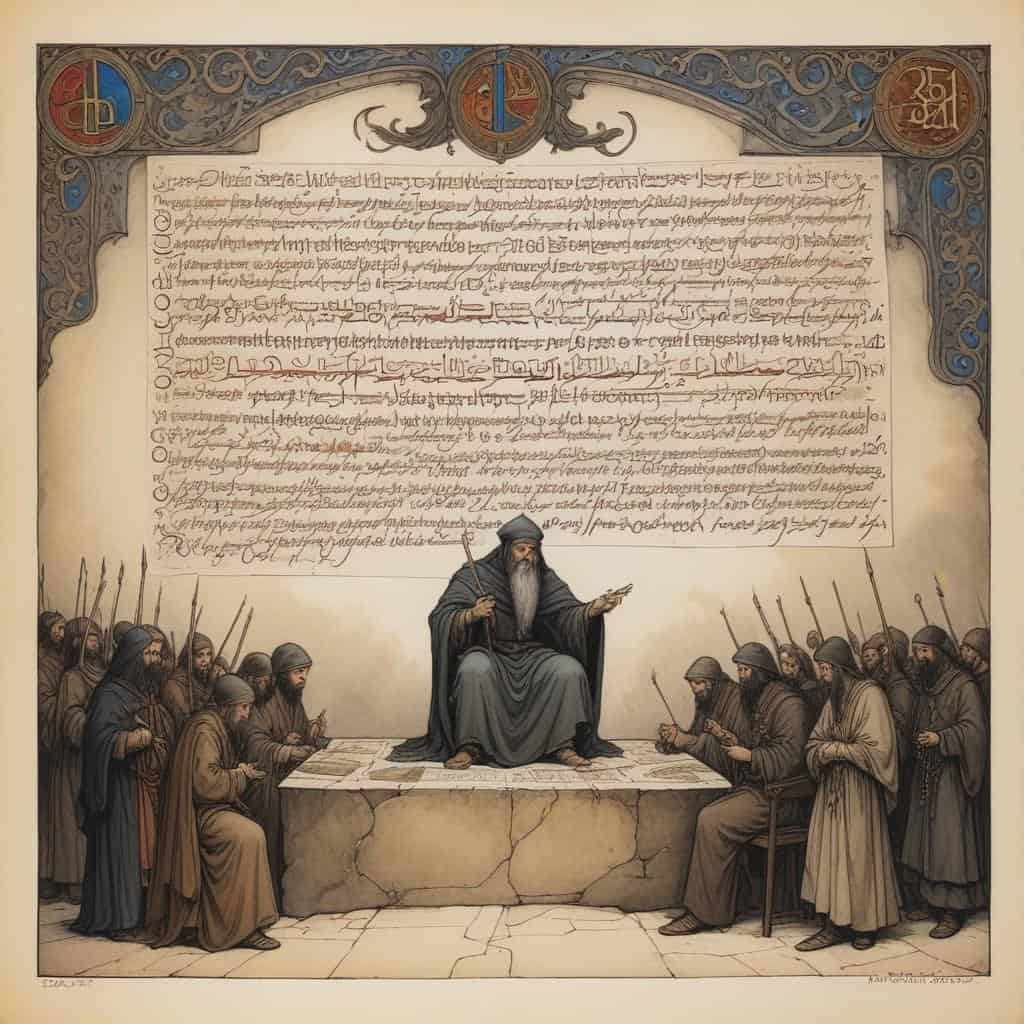
2. Mesrop Mashtots
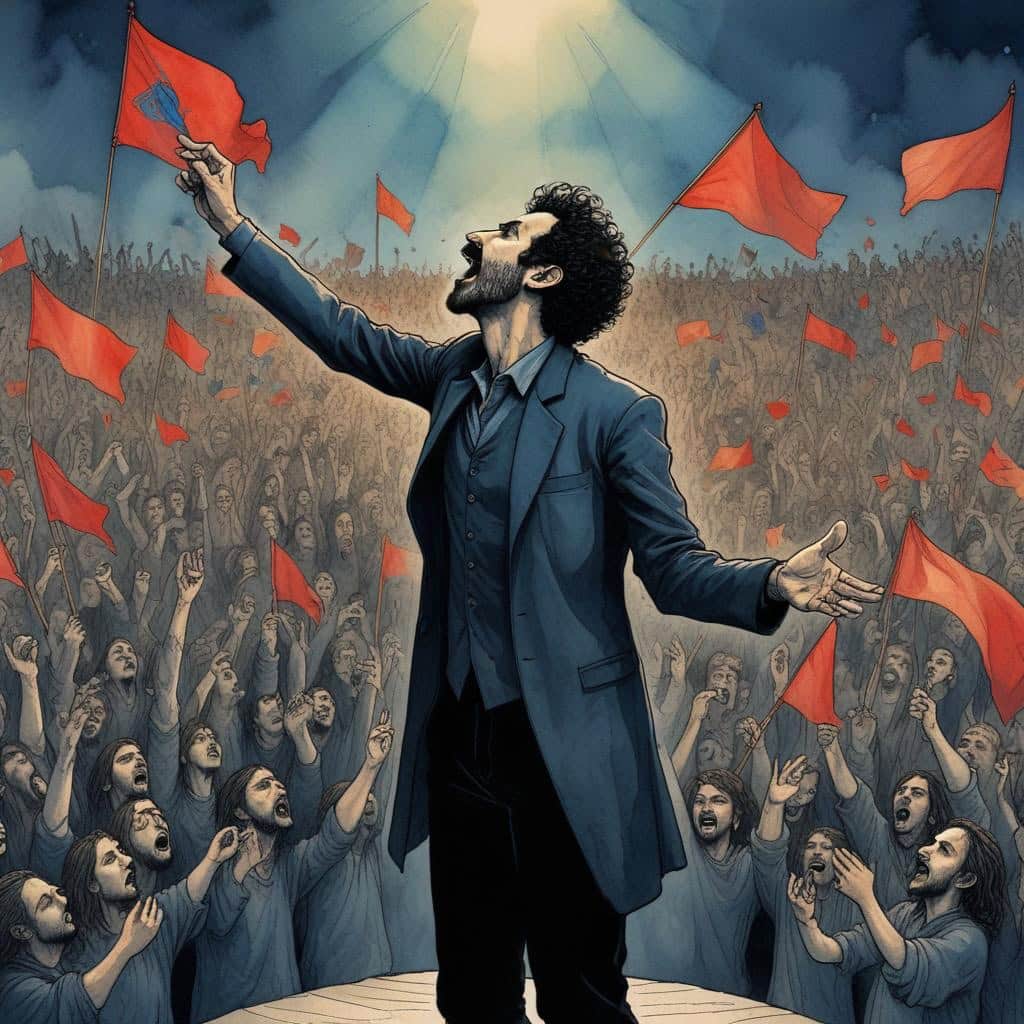
3. Serj Tankian
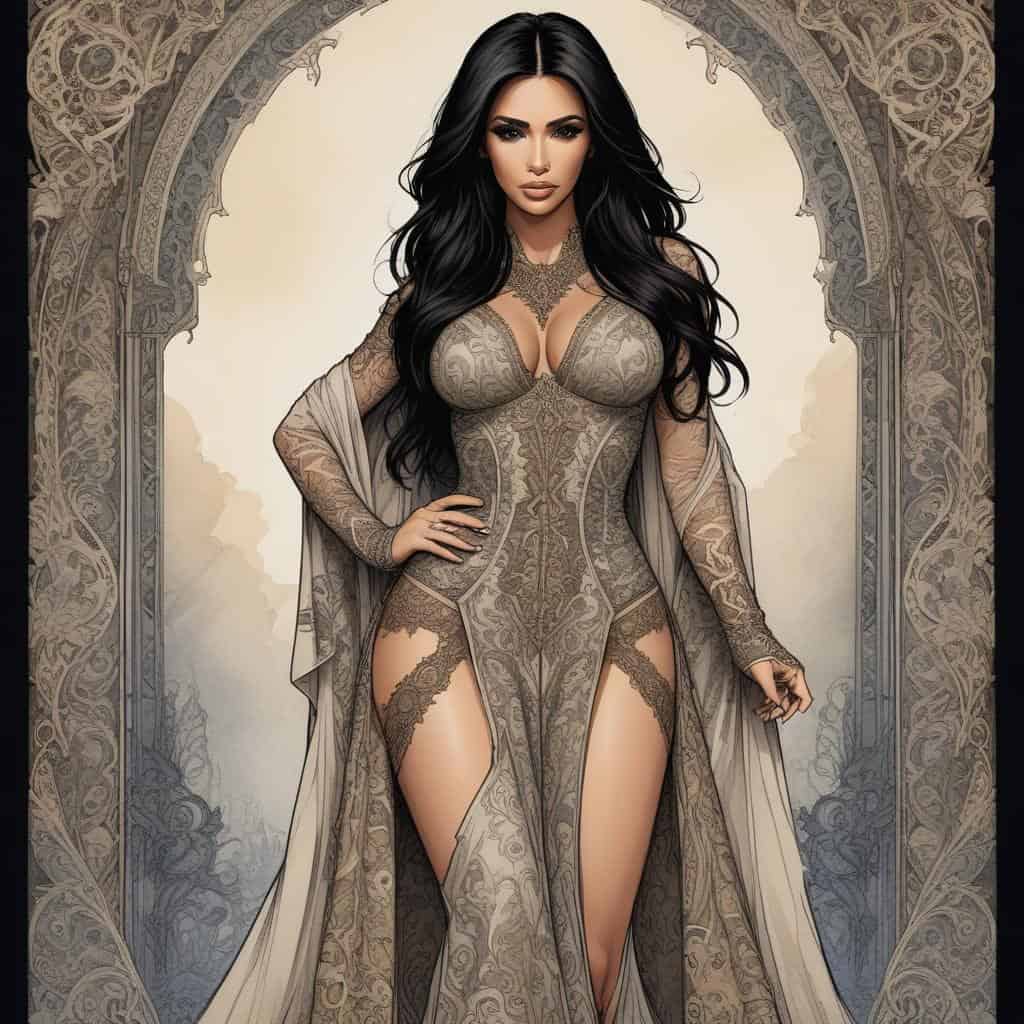
4. Kim Kardashian
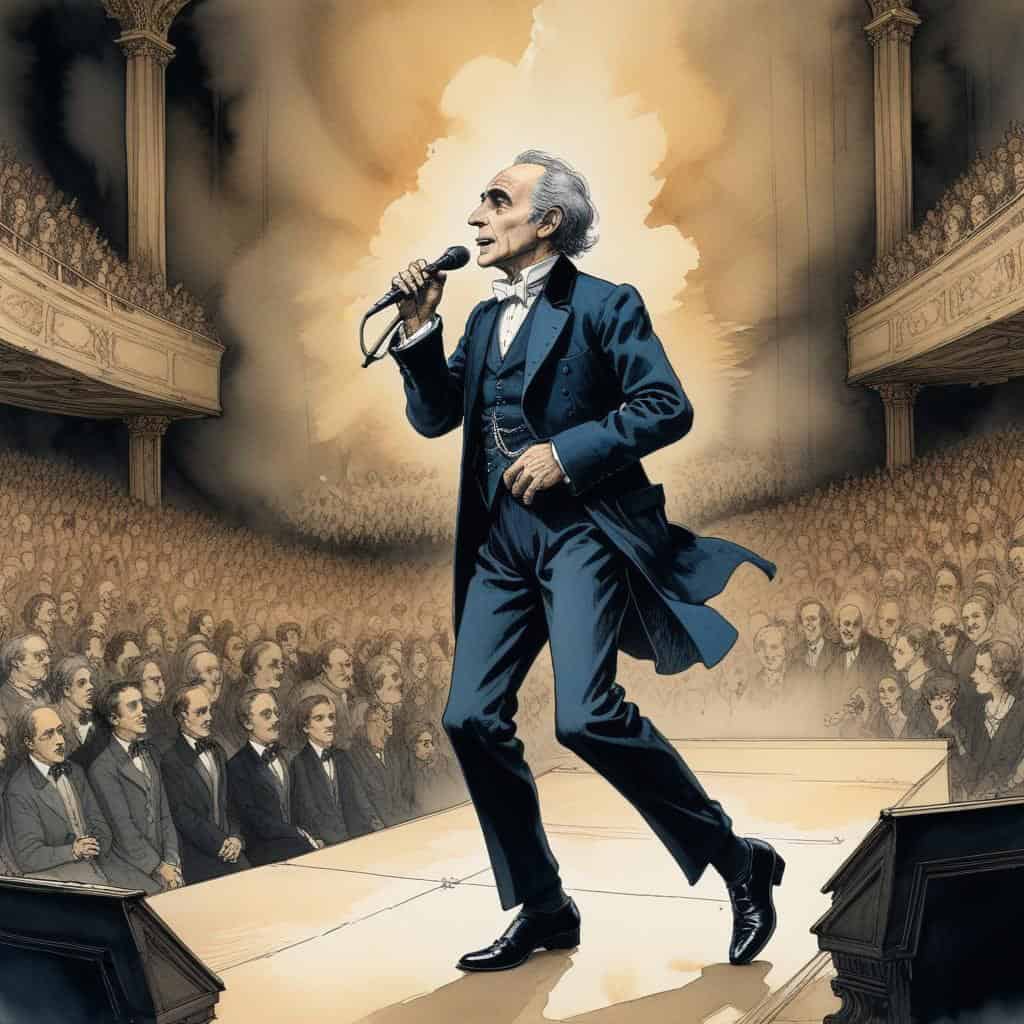
5. Charles Aznavour
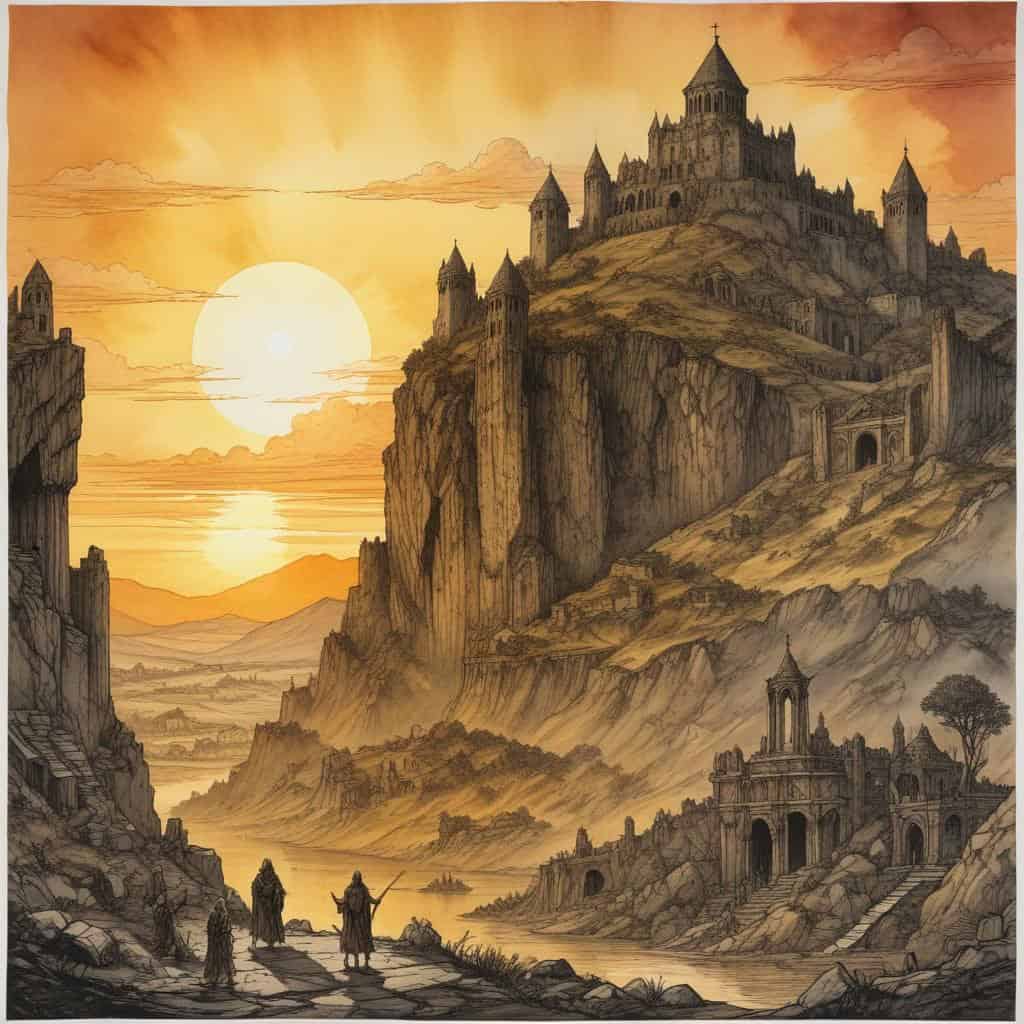
1. History and Geography
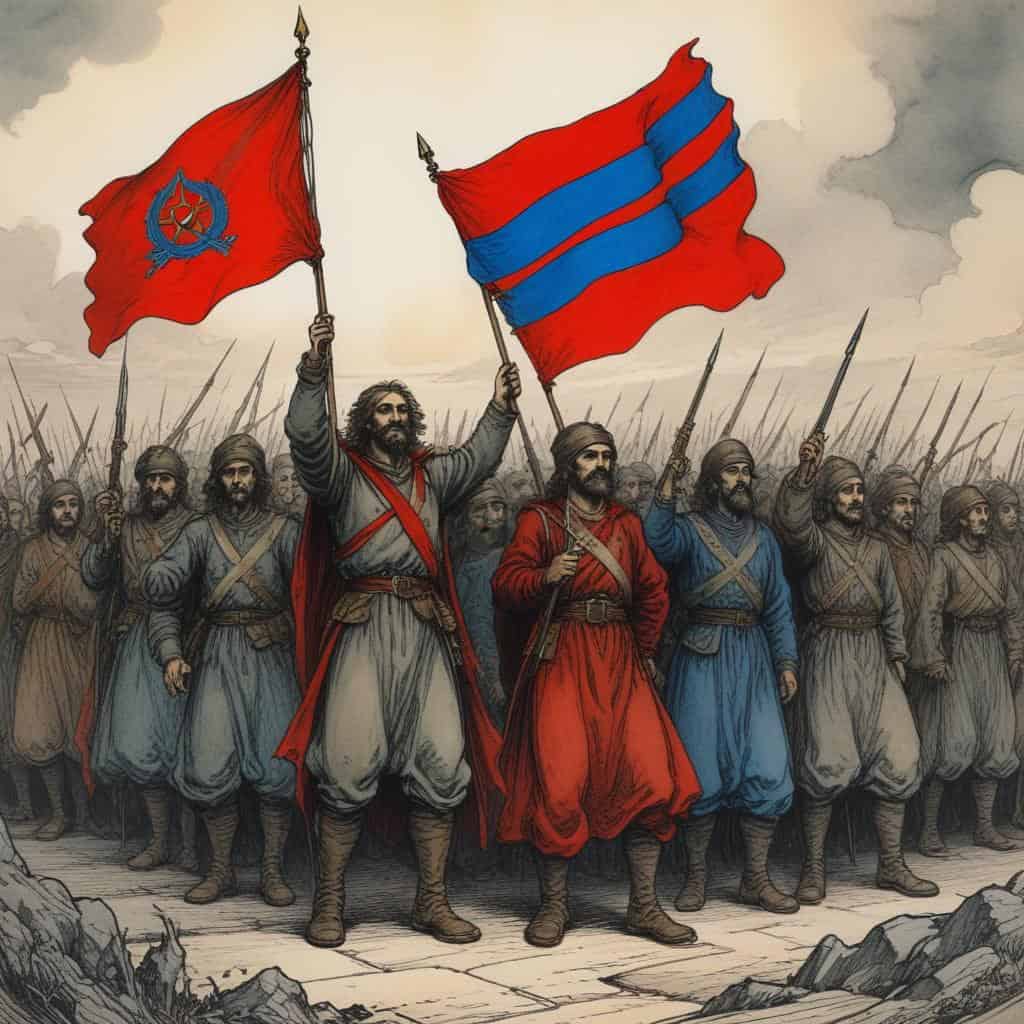
2. Independence
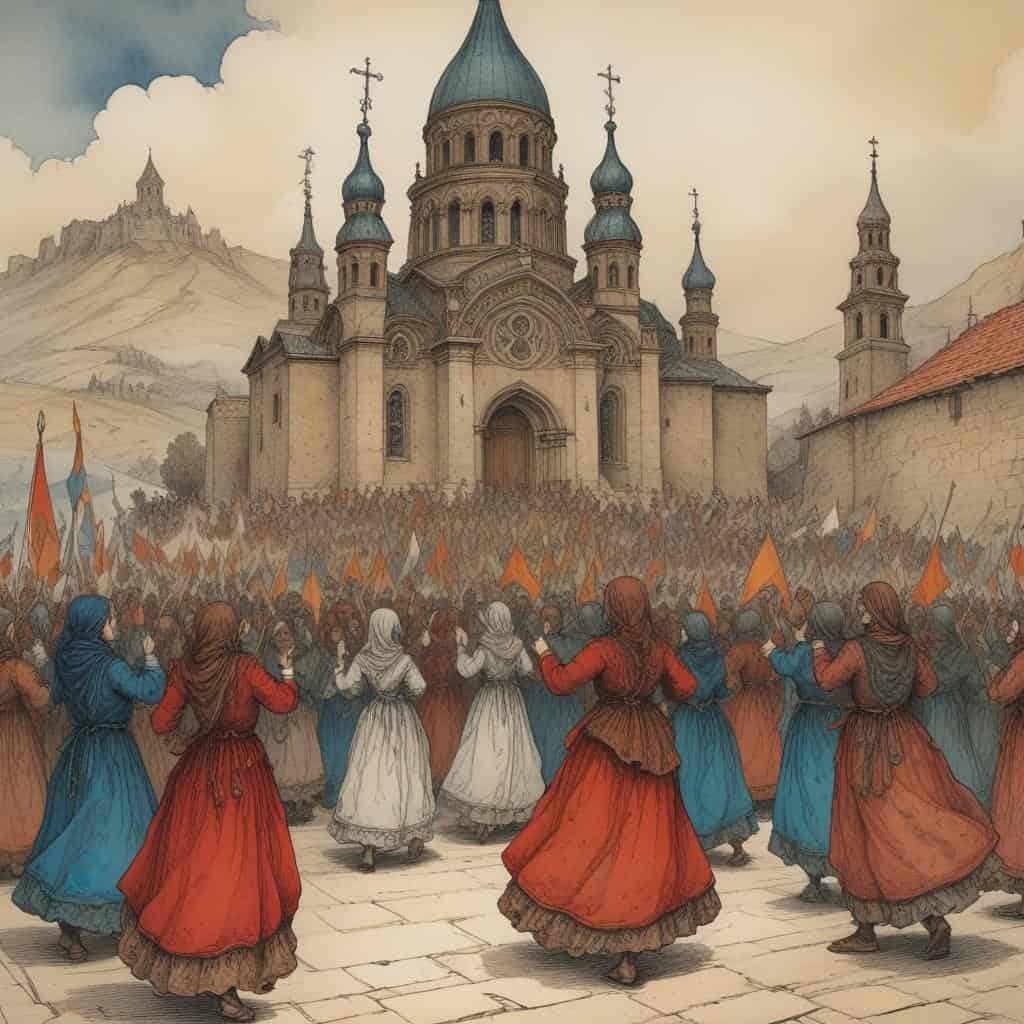
3. Culture and Traditions
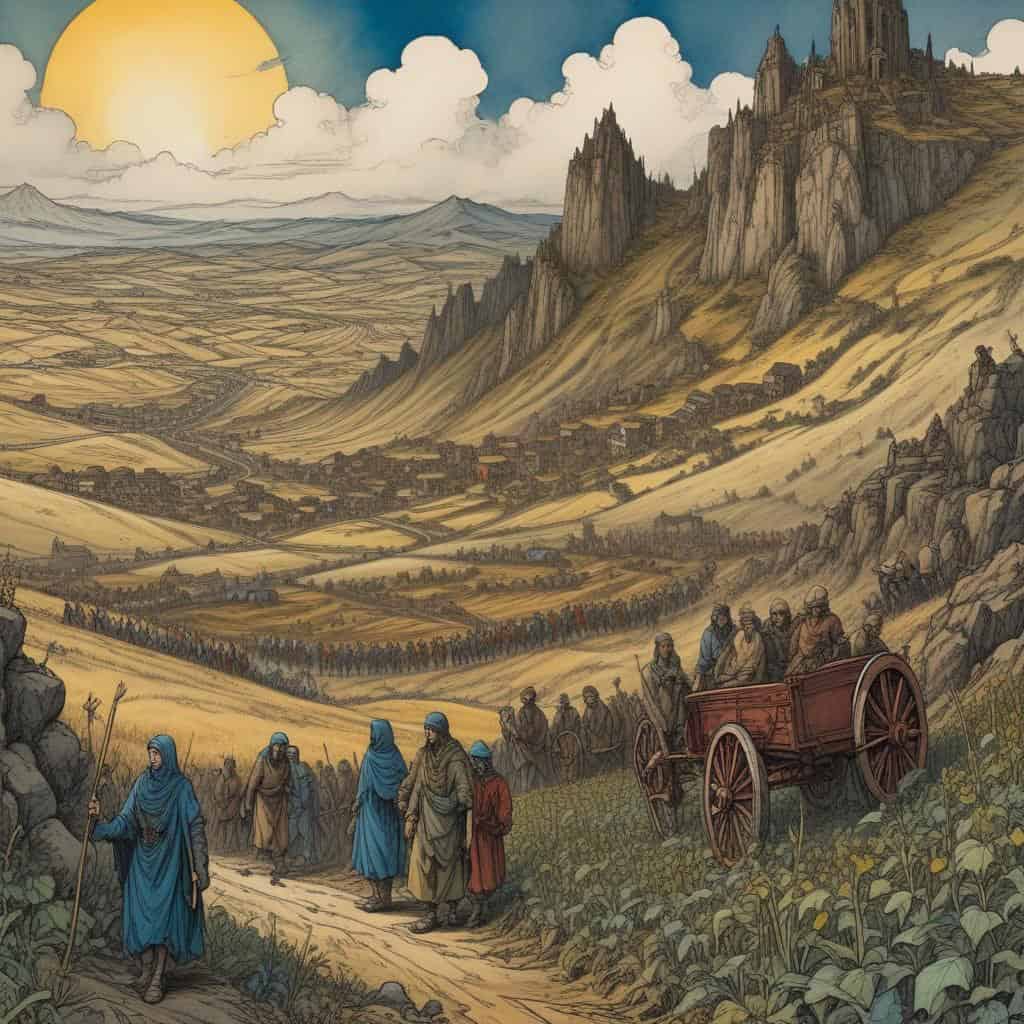
4. Economy
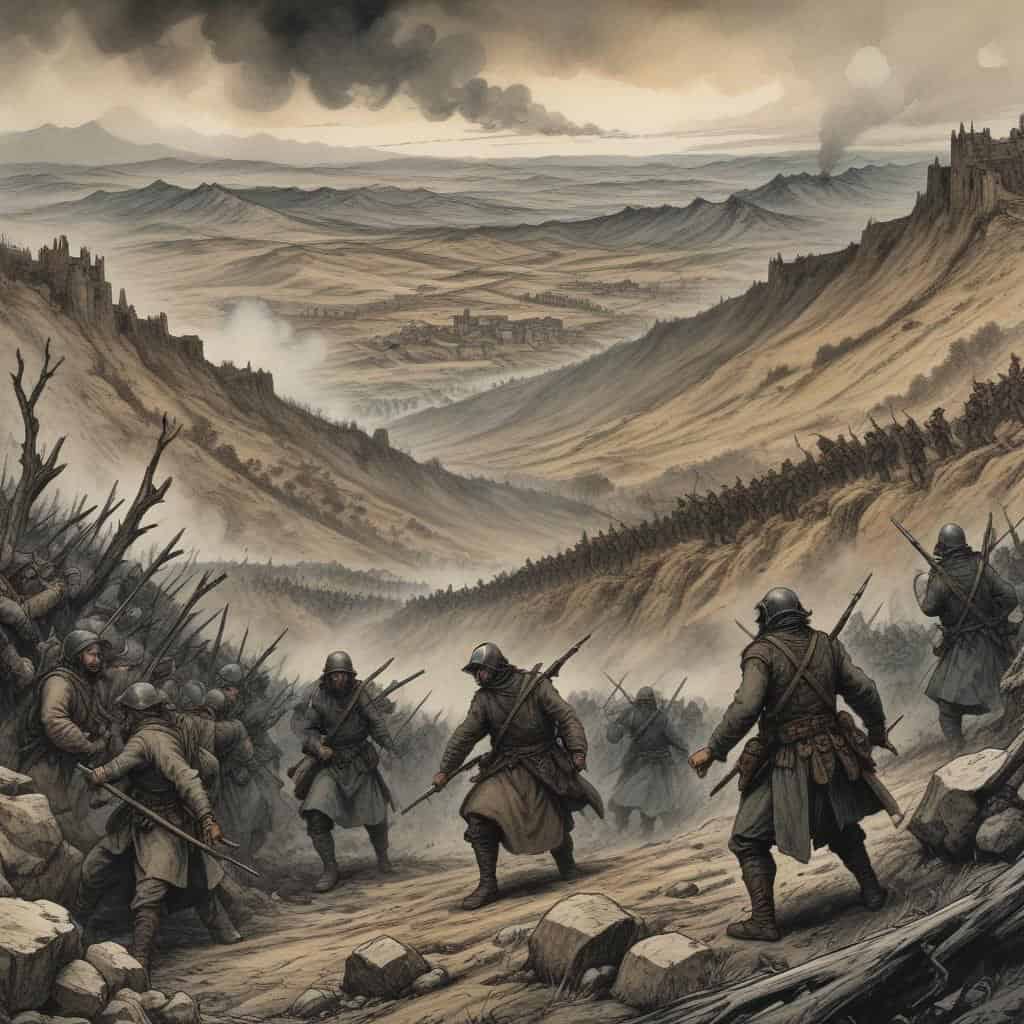
5. Conflict with Azerbaijan
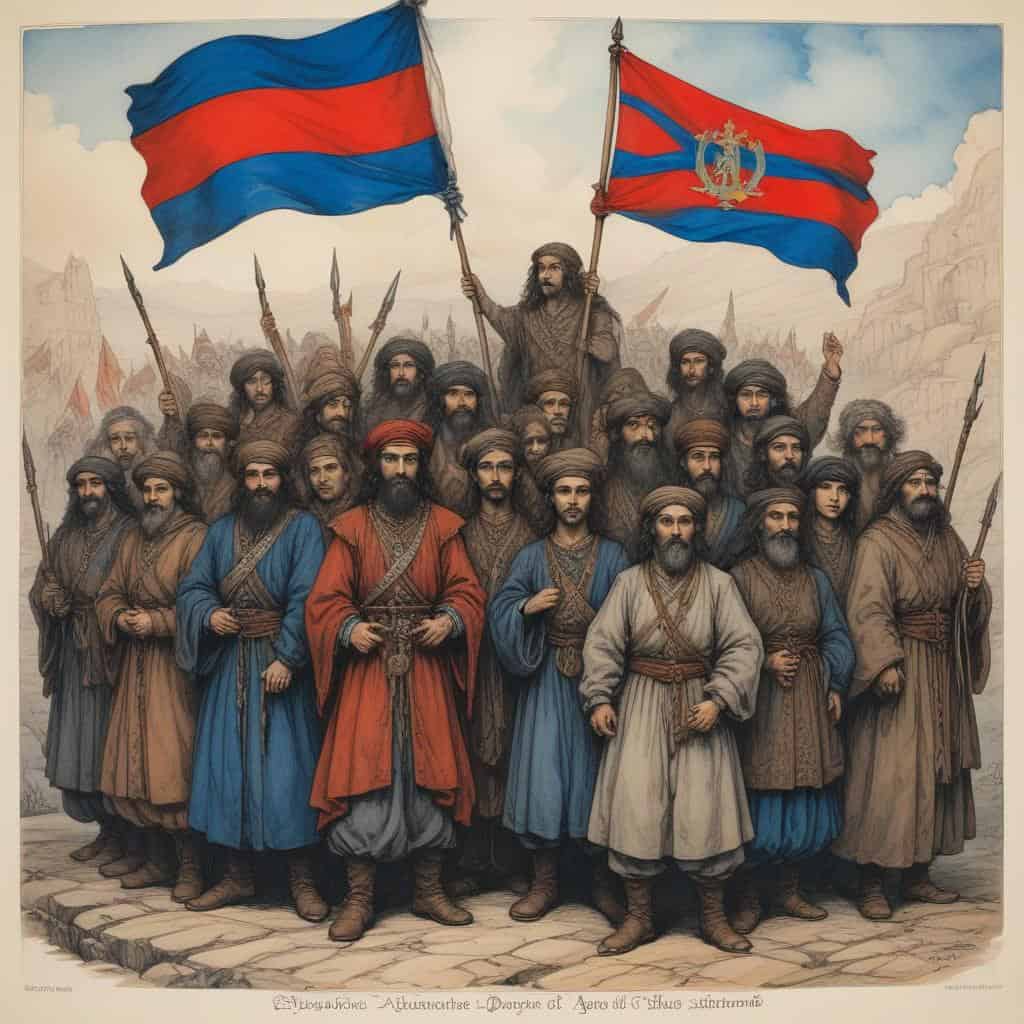
6. Diaspora
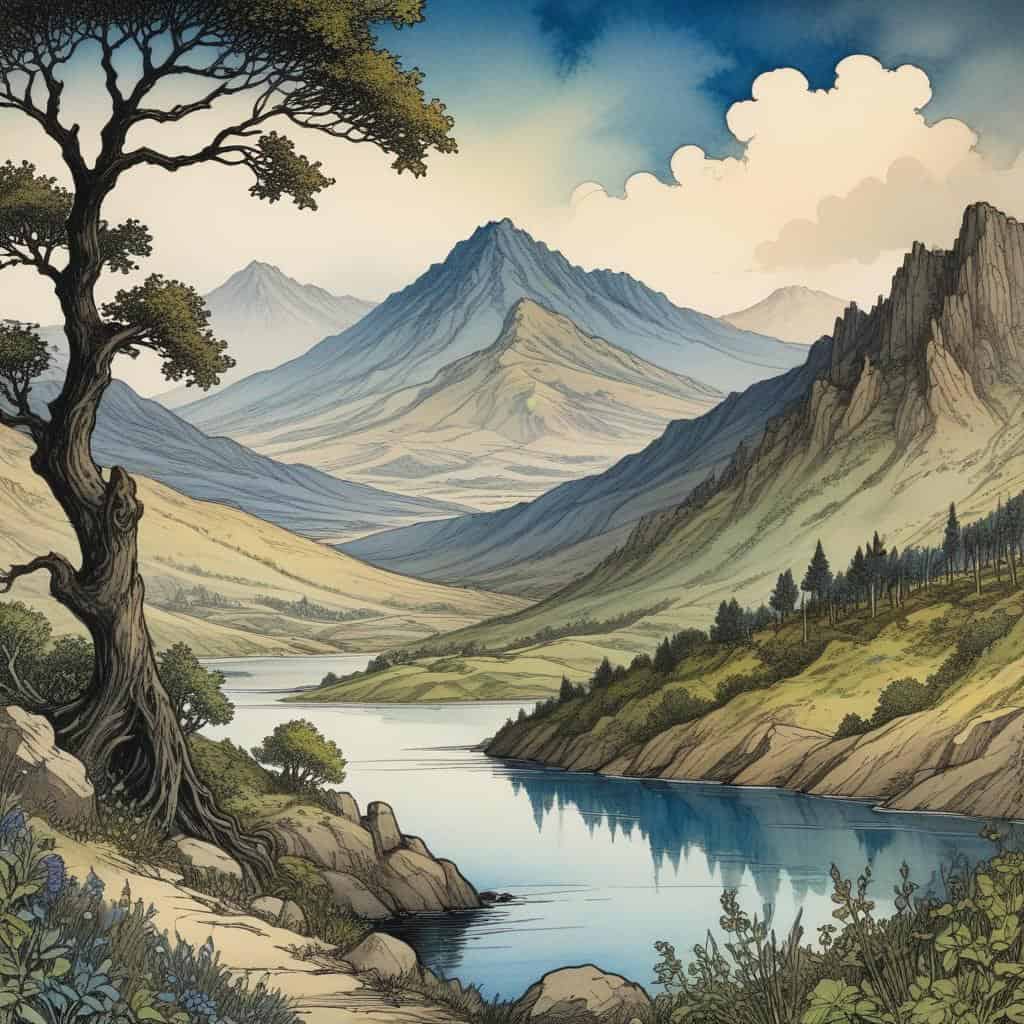
7. Natural Beauty
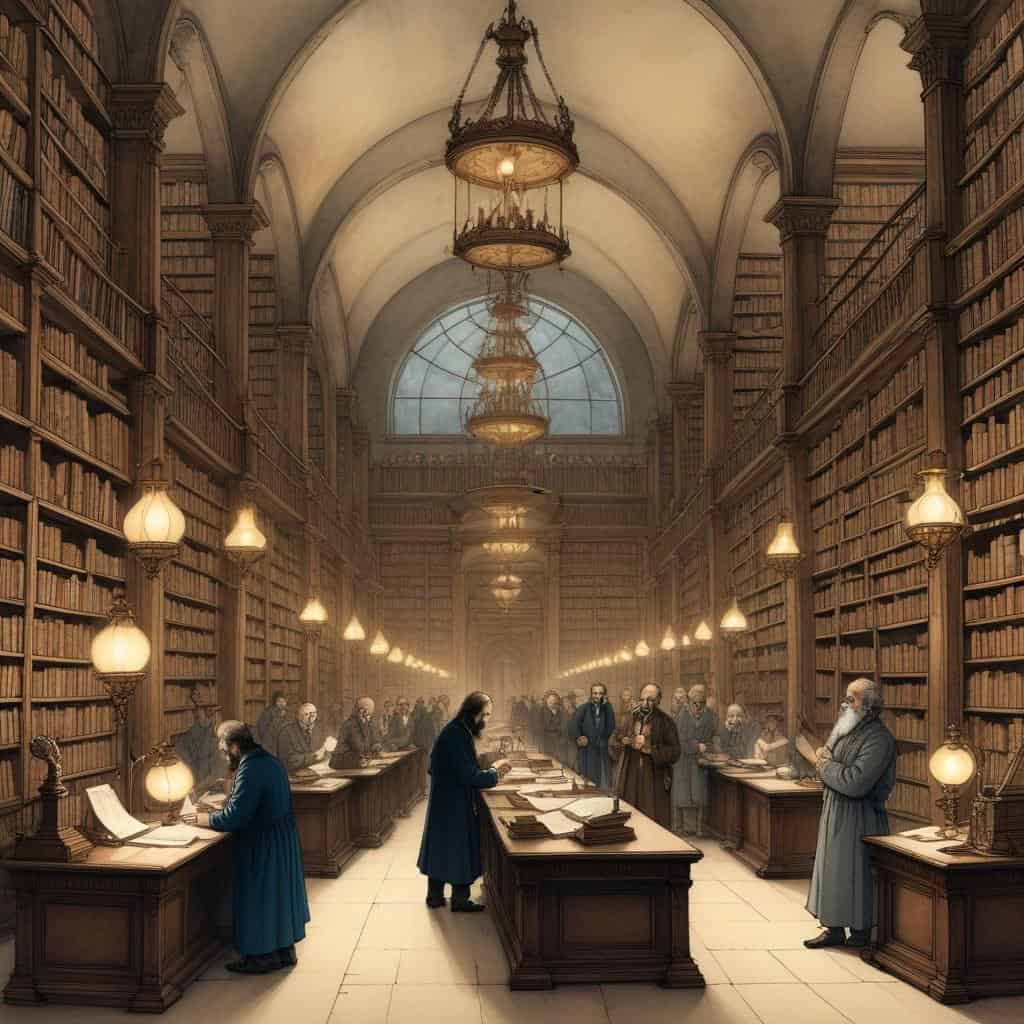
8. Education and Innovation
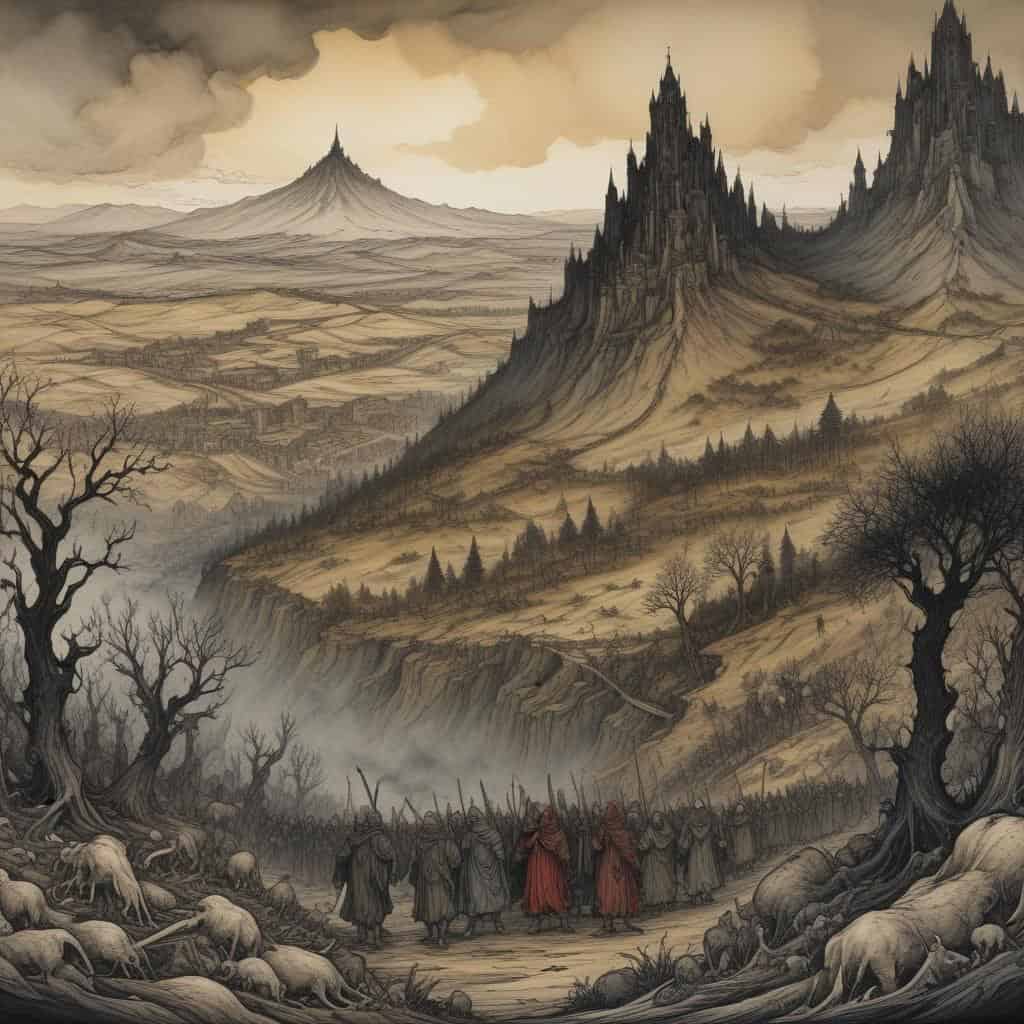
9. Challenges and Opportunities
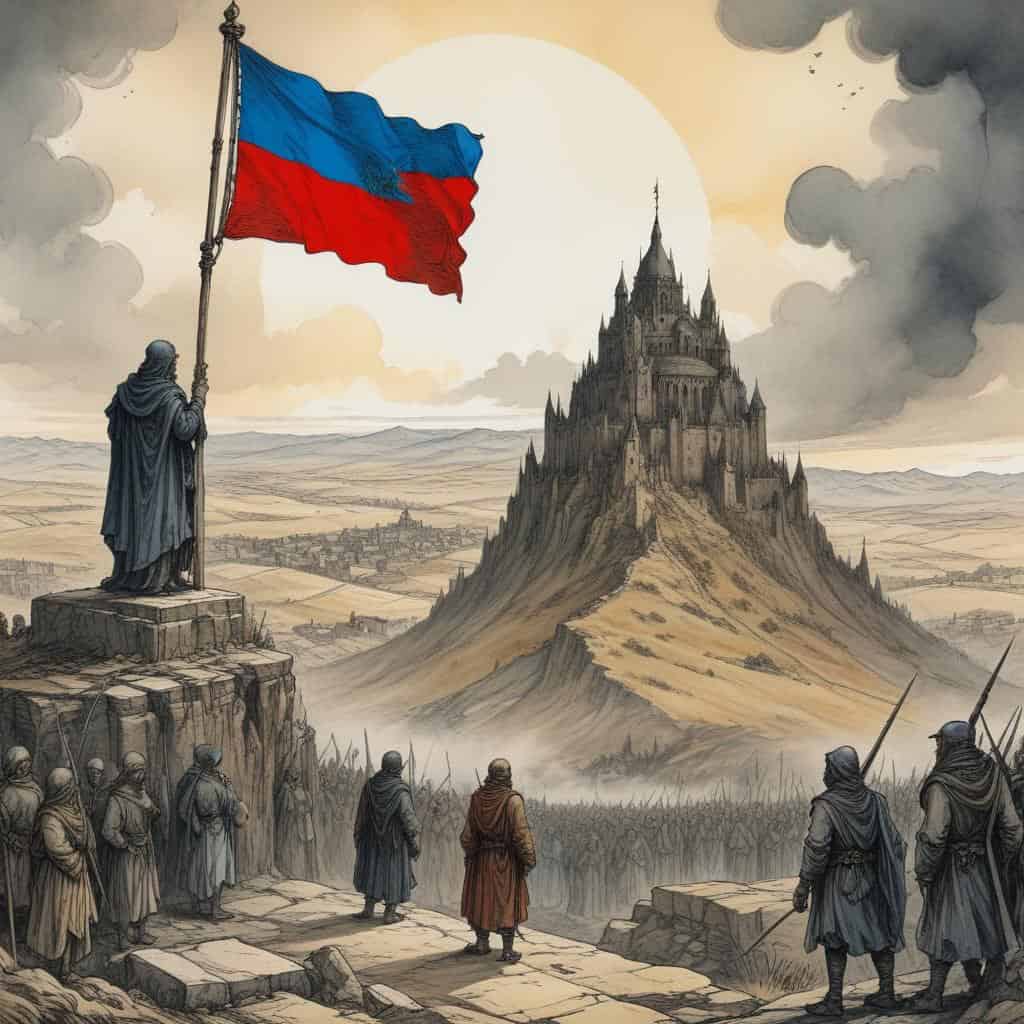
10. Future Outlook
Audio Library
As one of our featured lessons, this topic includes premium audio guides.
Unlock the Wizard's Cram Session
This powerful audio study guide is a Pro-exclusive feature. Upgrade to Memory Wizards Pro to access this and all of our premium learning tools.
Upgrade to ProIn a Nutshell
- Capital: Yerevan
- Population: Approx. 2.9 million (2021)
- Official Language: Armenian
- Currency: Armenian dram (AMD)
Breaking Down the Country
No composition analysis points available.
Timeline of Armenia
Establishment of the Kingdom of Urartu
Armenia adopts Christianity as the state religion
Armenian Genocide
Armenian Soviet Socialist Republic established
Armenian SSR becomes a founding member of the Soviet Union
Armenia gains independence from the Soviet Union
Nagorno-Karabakh War begins
Armenia joins the Council of Europe
Armenia becomes a member of the World Trade Organization
Armenia-Turkey protocols signed
Armenia becomes a member of the Eurasian Economic Union
Velvet Revolution in Armenia
Armenia joins the Collective Security Treaty Organization
Armenia-Azerbaijan war over Nagorno-Karabakh
Armenia signs a ceasefire agreement with Azerbaijan
Armenia holds snap parliamentary elections
Armenia re-establishes diplomatic relations with Turkey
Armenia declares state of emergency due to COVID-19 pandemic
Armenia celebrates 30th anniversary of independence
Armenia-Azerbaijan border clashes
Vocabulary List
- Yerevan
- Yerevan is the capital and largest city of Armenia.
- Ararat
- Mount Ararat is a snow-capped and dormant compound volcano located in the Eastern Anatolia Region of Turkey. It consists of two major volcanic cones: Greater Ararat and Little Ararat.
- Sevan
- Lake Sevan is the largest body of water in Armenia and the Caucasus region.
Key Facts
This is the information used in the fact matching game
- Armenia is located in the South Caucasus region of Eurasia.
- The capital of Armenia is Yerevan, which is one of the oldest continuously inhabited cities in the world.
- Armenian is the official language of Armenia, and it is written in the Armenian alphabet, which was created in the 5th century AD.
- Mount Ararat, a dormant volcano, is a national symbol of Armenia and is considered a holy mountain by Armenians.
- Armenia was the first country in the world to adopt Christianity as its state religion in 301 AD.
- Armenia is known for its rich cultural heritage, including traditional music, dance, and cuisine.
- The Armenian Genocide, in which an estimated 1.5 million Armenians were killed by the Ottoman Empire during World War I, is a major event in Armenian history.
- Armenia has a highland continental climate, with hot summers and cold winters.
- The Armenian Apostolic Church is the largest religious denomination in Armenia.
- Armenia is home to several UNESCO World Heritage Sites, including the 4th-century Geghard Monastery and the medieval city of Tatev.
- Armenia has a long tradition of winemaking, with evidence of wine production dating back to at least 4100 BC.
- Armenia gained independence from the Soviet Union in 1991 and has since been a democratic republic.
- The Armenian flag consists of three horizontal stripes of red, blue, and orange, with a national emblem in the center.
- Armenia has a rich tradition of craftsmanship, including carpet weaving, pottery, and metalwork.
- Armenia is a landlocked country, bordered by Turkey, Georgia, Azerbaijan, and Iran.
- Armenia has a population of approximately 3 million people, with a diaspora that is estimated to be several times larger.
- The Armenian economy is heavily reliant on agriculture, mining, and tourism.
- Armenia is a member of the Collective Security Treaty Organization (CSTO) and the Eurasian Economic Union (EAEU).
- Armenia is known for its traditional dance, the kochari, which is performed at weddings, festivals, and other celebrations.
- Armenia has a rich literary tradition, with notable writers such as Hovhannes Tumanyan, Paruyr Sevak, and Silva Kaputikyan.
Why It Matters
Geopolitical Significance
Located at the crossroads of Europe and Asia, Armenia’s position has influenced its history and relationships with neighboring countries. Its borders with Turkey, Azerbaijan, Georgia, and Iran make it a key player in regional politics and security.
Historical Importance
Armenia has a rich history dating back to ancient times, with a unique cultural heritage and a legacy of resilience in the face of adversity. The country’s struggles for independence and survival have shaped its identity and continue to impact its people today.
Modern-Day Role
Today, Armenia faces challenges such as economic development, political stability, and relations with its neighbors. As a member of various international organizations, including the United Nations, Armenia plays a role in global affairs and works towards securing its place in the modern world.
Armenia Games


Take Your Learning Offline
Want a convenient, print-ready study guide for this lesson? Become a Memory Wizards Pro member to unlock the downloadable " Memory Scrolls" for this topic and our entire library!
- ✓ Complete Vocabulary Lists
- ✓ Key Facts & Timelines
- ✓ Beautifully Formatted for Print & Mobile