
How Do You Learn Best?
Learn by Listening
Start with the 3-minute audio summary to get the key facts and narrative highlights quickly.
Learn by Reading
Immerse yourself in the 10-minute visual lesson for a comprehensive understanding of the topic.
Learn by Reviewing
Jump directly to the key facts, timeline, and vocabulary lists to build a solid foundation of details.
Learn by Doing
Challenge yourself! Jump straight into the interactive games to learn by trial, error, and discovery.
A Guide to Afghanistan in 10 Minutes
Introduction
Hamid Karzai
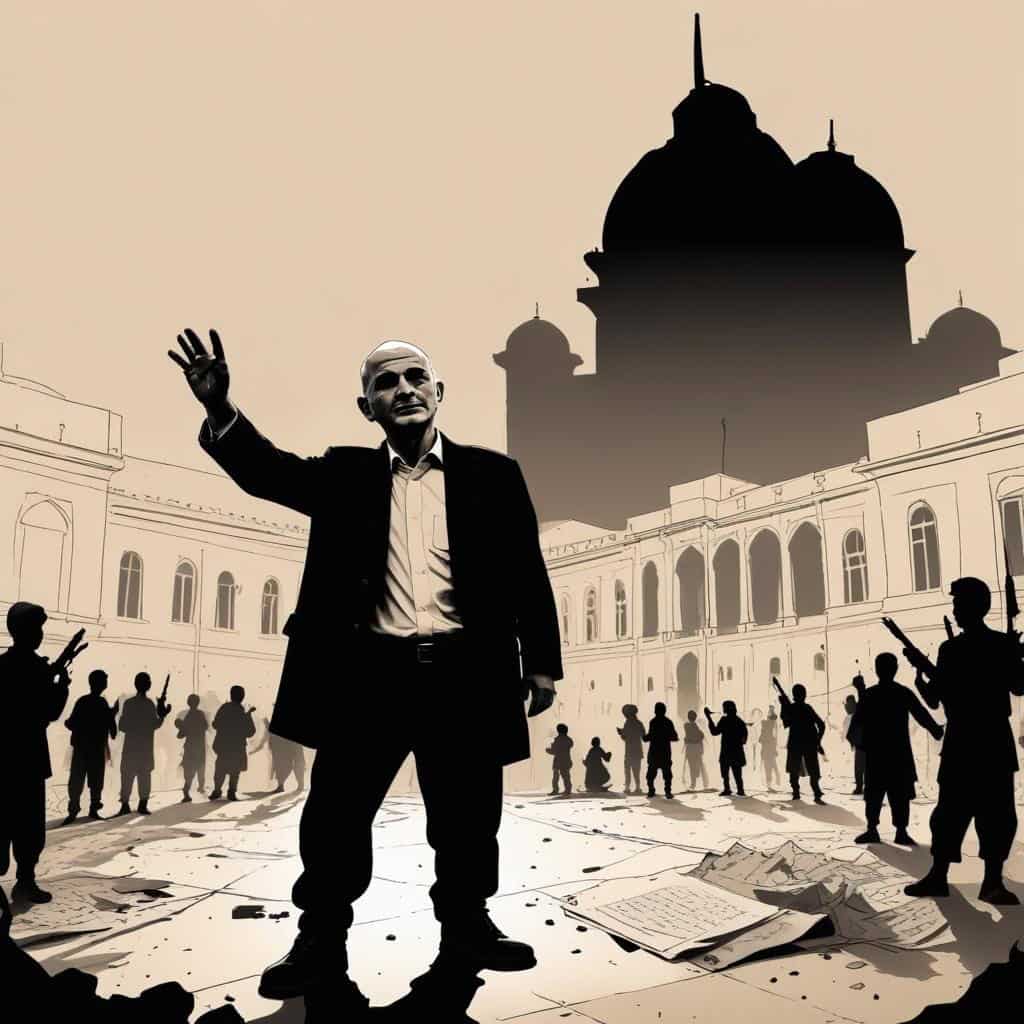
Ashraf Ghani
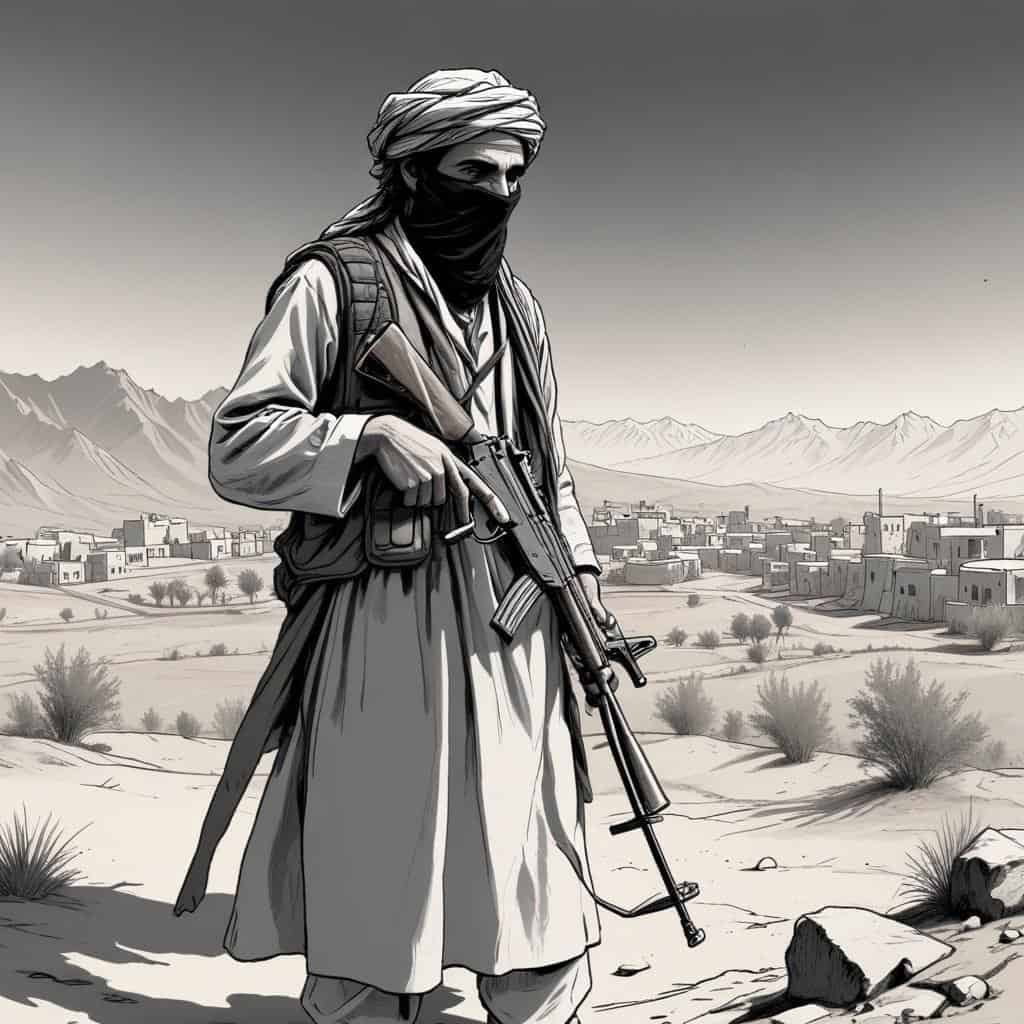
Taliban
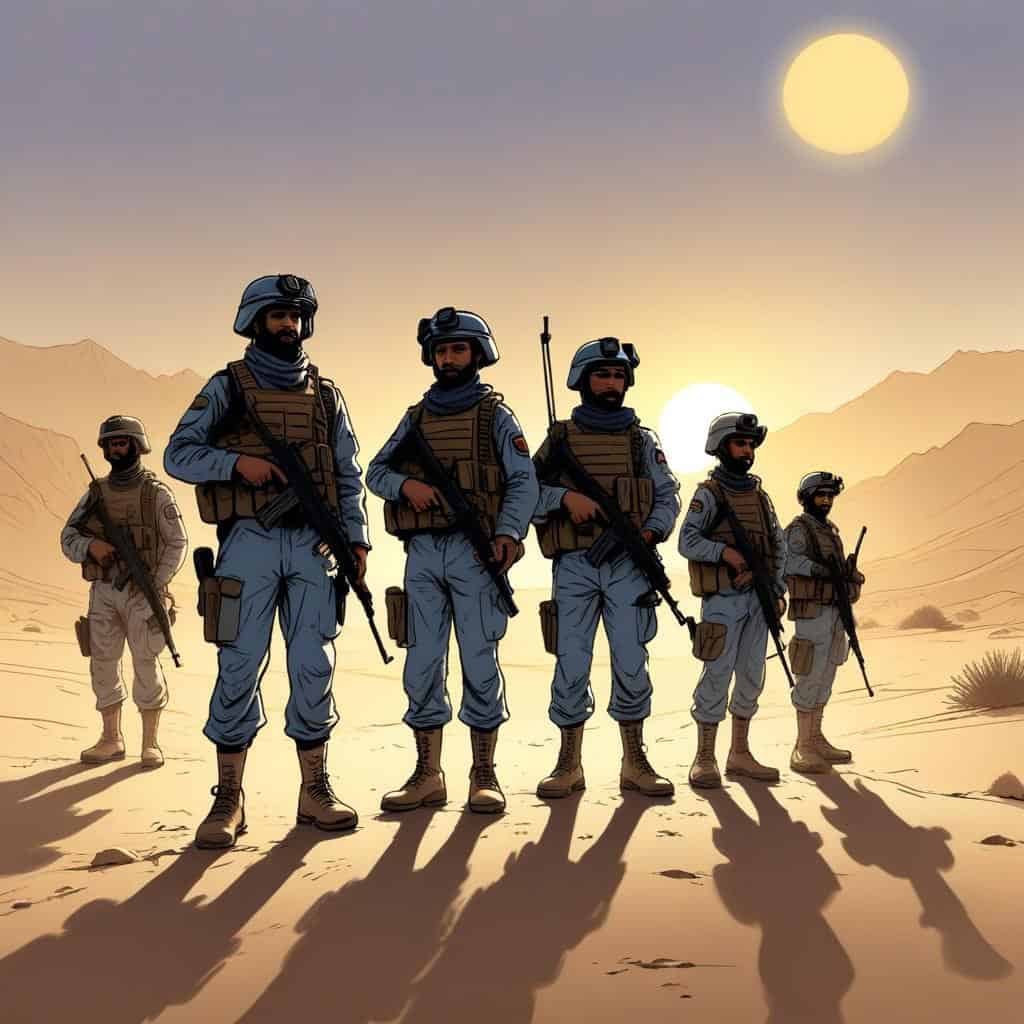
Afghan National Security Forces
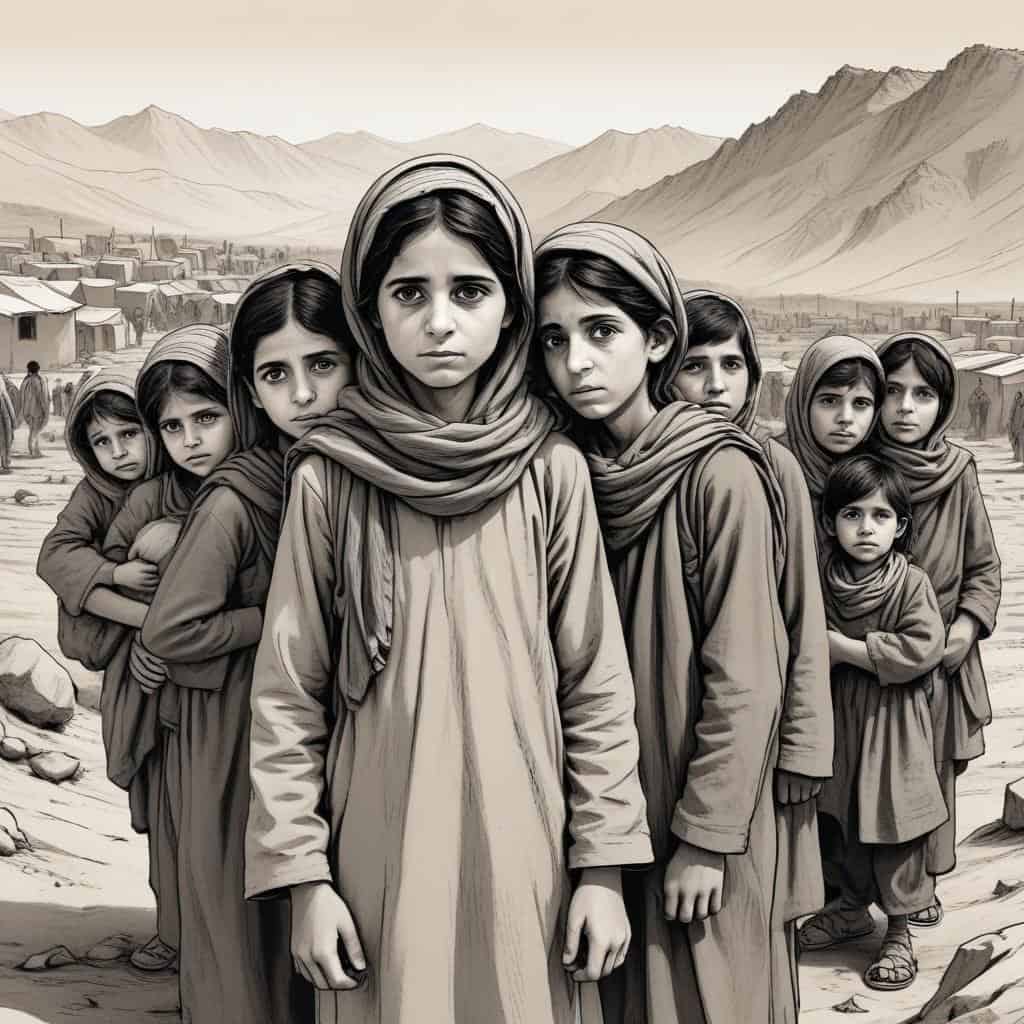
Refugees
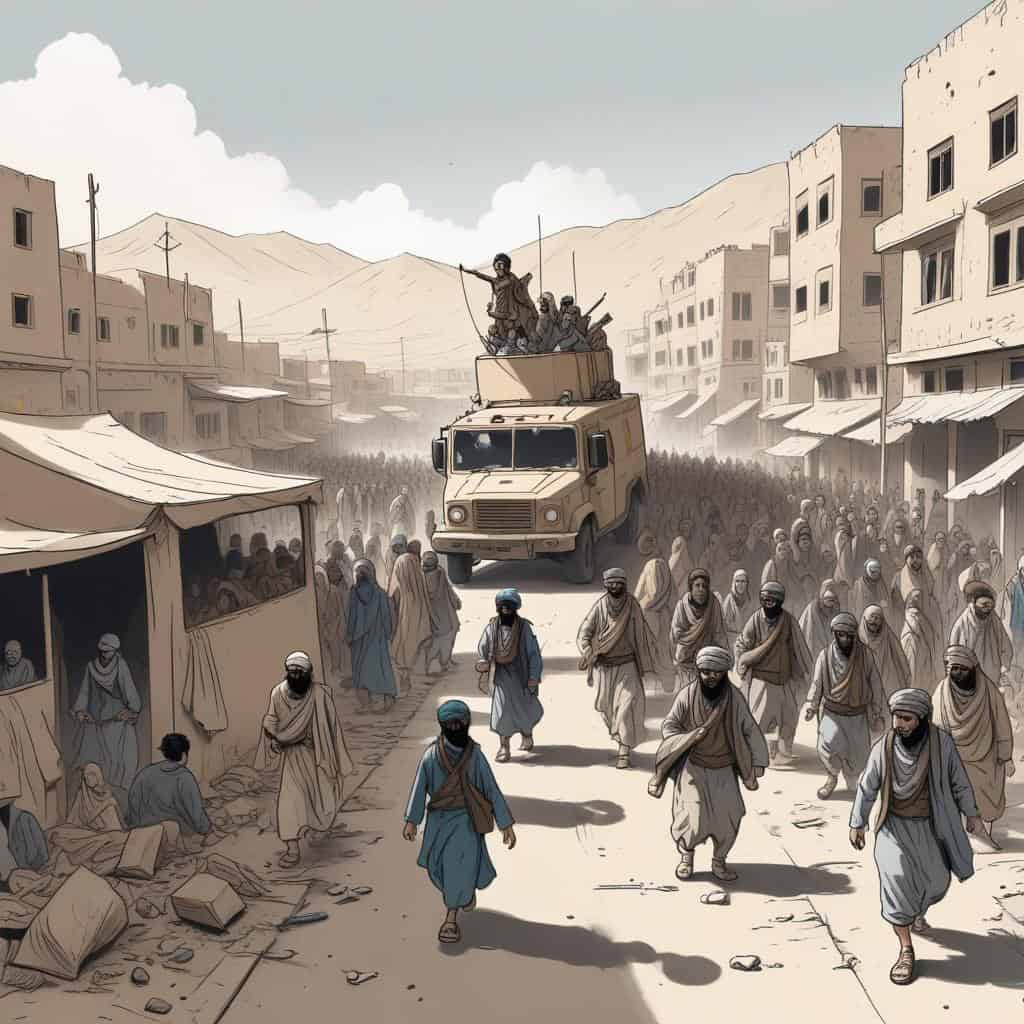
The Fall of Kabul
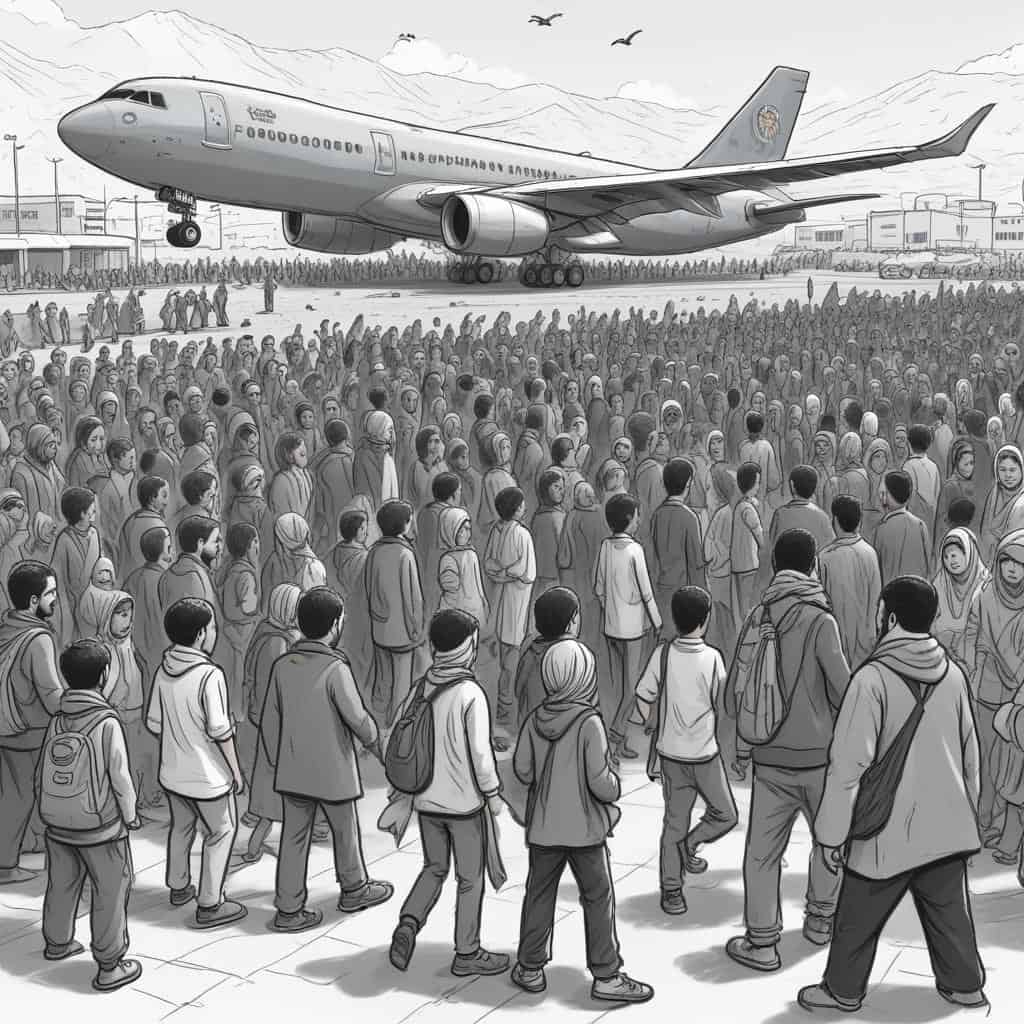
Evacuation Efforts
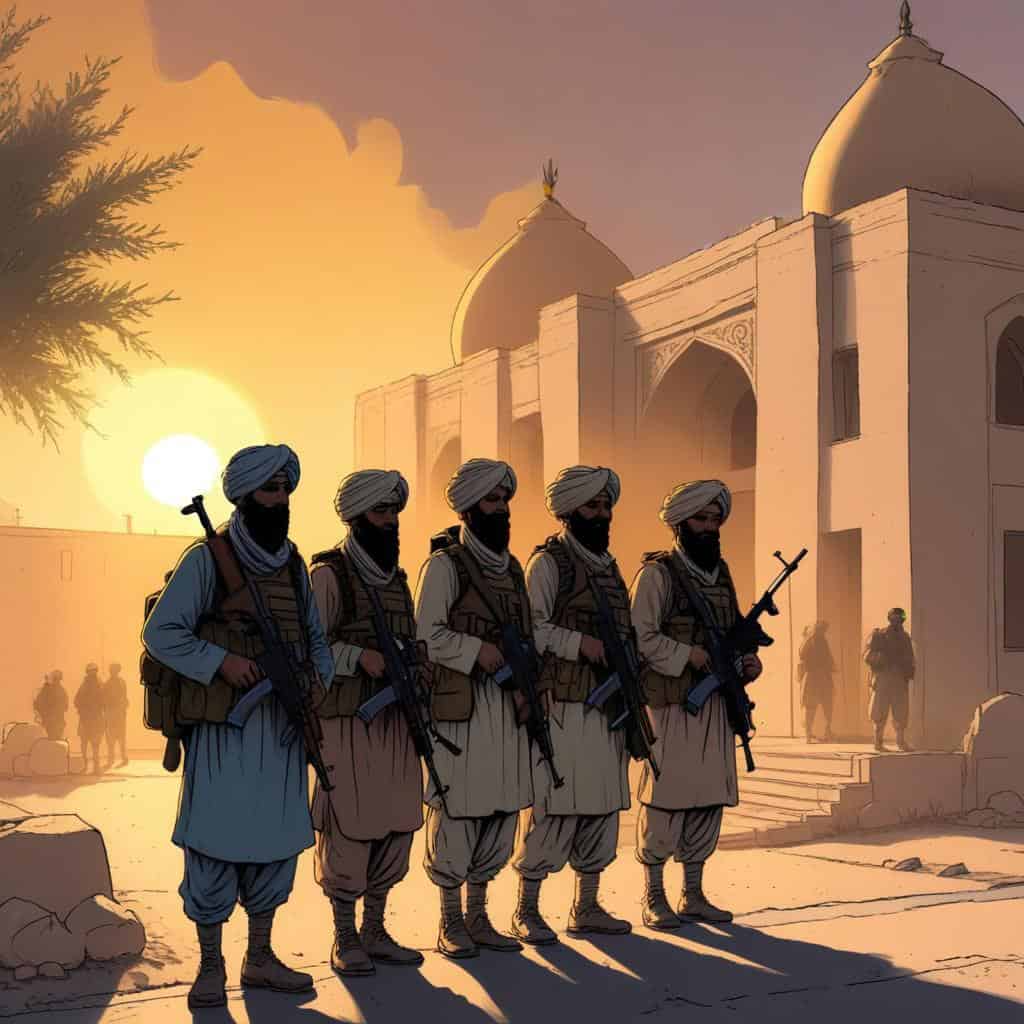
Taliban Takeover
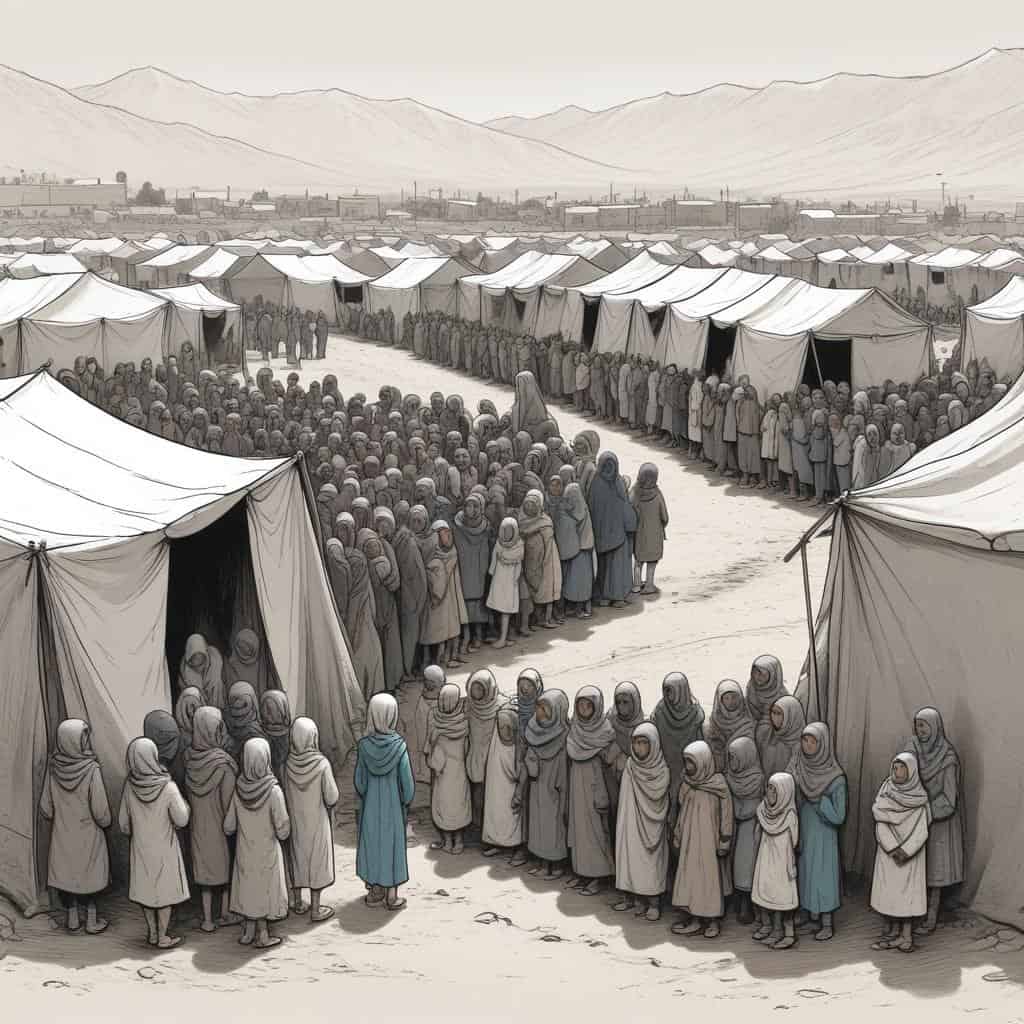
Humanitarian Crisis
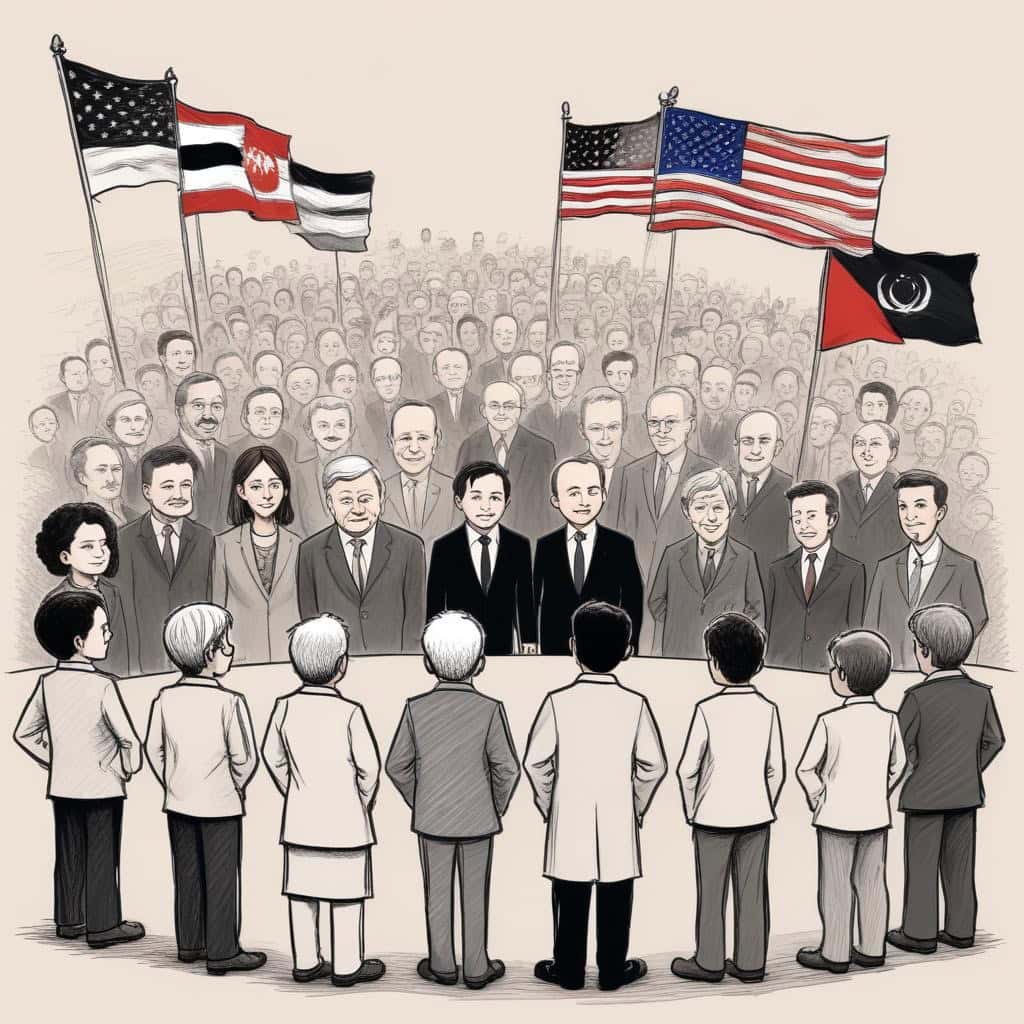
International Response
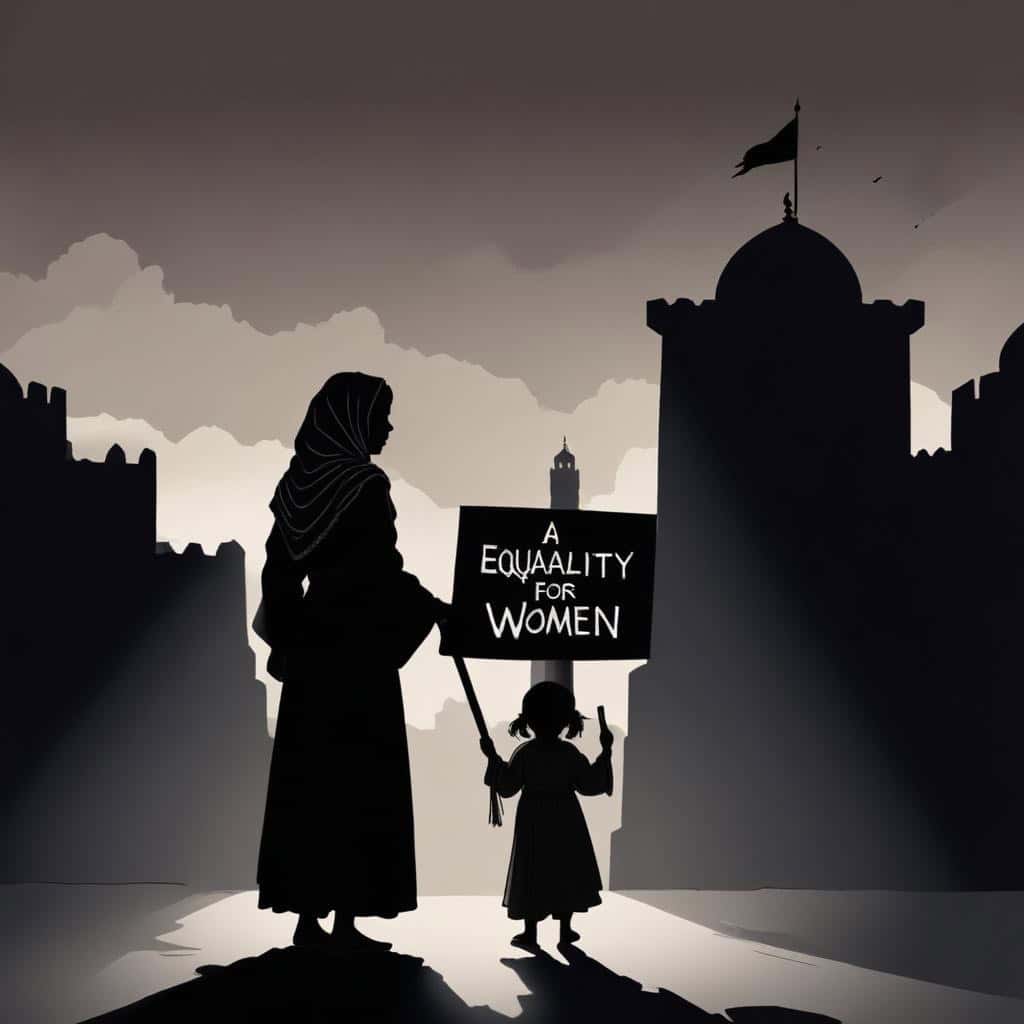
Womens Rights
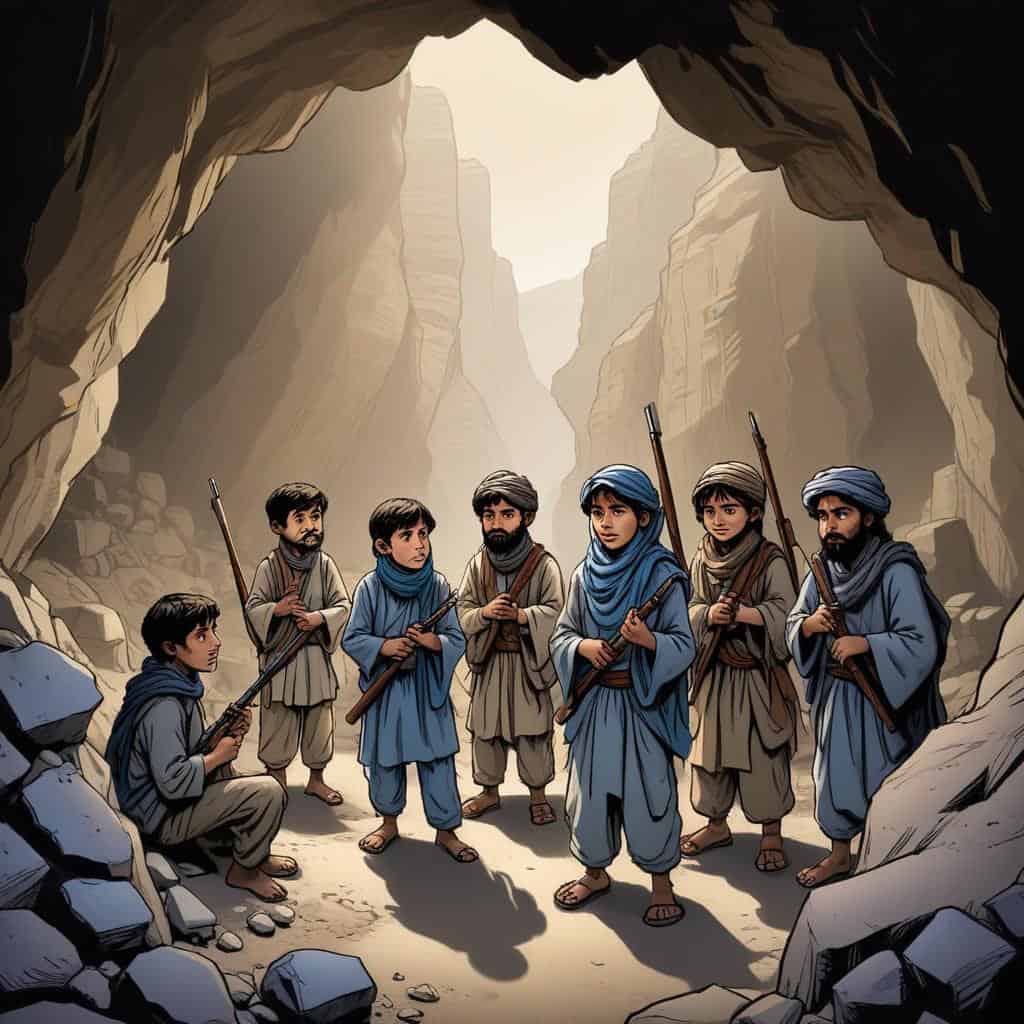
Resistance Movements
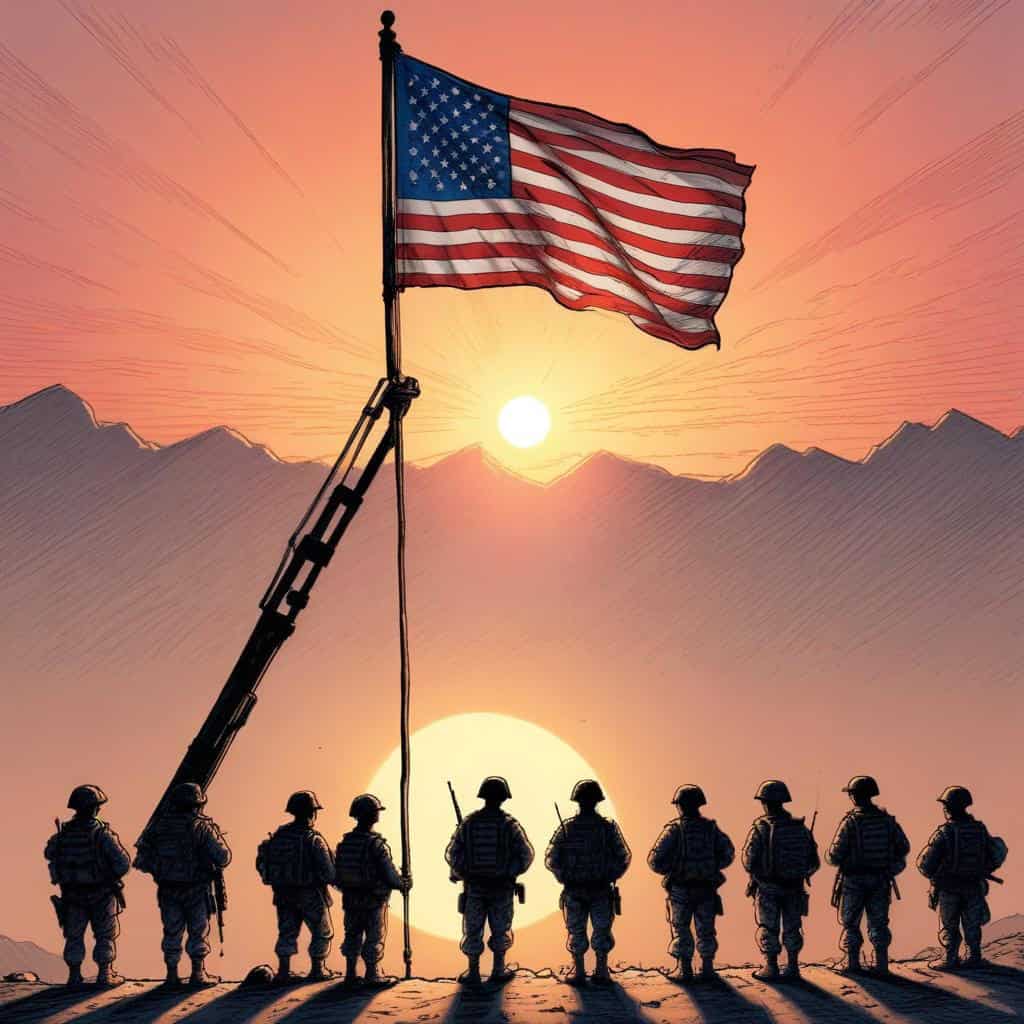
US Withdrawal
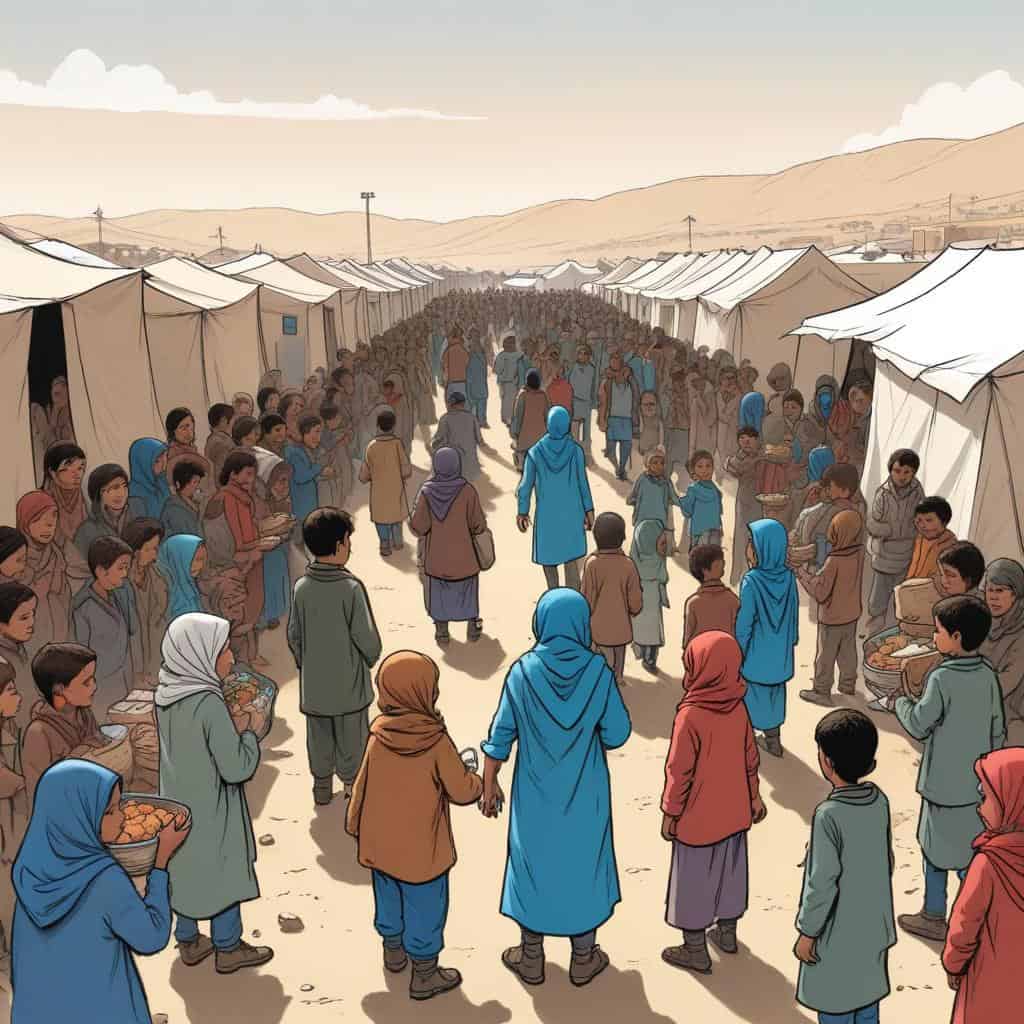
Humanitarian Aid
Future Uncertainty
Audio Library
As one of our featured lessons, this topic includes premium audio guides.
Unlock the Wizard's Cram Session
This powerful audio study guide is a Pro-exclusive feature. Upgrade to Memory Wizards Pro to access this and all of our premium learning tools.
Upgrade to ProIn a Nutshell
- Capital: Kabul
- Population: Approx. 38.9 million (2022)
- Official Language: Pashto, Dari
- Currency: Afghan afghani (AFN)
Breaking Down the Country
Geopolitical Importance
Afghanistan's strategic location has made it a key player in international politics, serving as a crossroads between Central and South Asia.
Cultural Diversity
Afghanistan boasts a rich tapestry of cultures, languages, and traditions, shaped by centuries of interactions with neighboring countries.
Historical Landmarks
Explore the ancient ruins of Bamiyan, the majestic gardens of Babur, and the historic cities of Herat and Kabul to uncover Afghanistan's past.
Timeline of A Guide to Afghanistan
Achaemenid Empire conquers Afghanistan
Alexander the Great conquers Afghanistan
Maurya Empire conquers Afghanistan
Kushan Empire rules over Afghanistan
Sasanian Empire conquers Afghanistan
Islamic conquest introduces Islam to Afghanistan
Ghaznavid Empire is established in Afghanistan
Ghorid Empire is established in Afghanistan
Timurid Empire rules over Afghanistan
Mughal Empire conquers Afghanistan
Safavid Empire rules over Afghanistan
Hotaki dynasty is established in Afghanistan
Durrani Empire is established in Afghanistan
First Anglo-Afghan War
Second Anglo-Afghan War
Third Anglo-Afghan War
Kingdom of Afghanistan is established
Soviet Union invades Afghanistan
Taliban regime takes control of Afghanistan
United States launches the War in Afghanistan
Vocabulary List
- Taliban
- A fundamentalist militant group that seized control of Afghanistan in the 1990s
- Kabul
- The capital city of Afghanistan
- Pashtun
- The largest ethnic group in Afghanistan, mostly residing in the southern and eastern regions
- Mujahideen
- Islamic guerrilla fighters who opposed the Soviet occupation of Afghanistan in the 1980s
- Kandahar
- The second-largest city in Afghanistan, located in the southern part of the country
- Burqa
- A loose garment worn by some Afghan women that covers the entire body, including the face
- Herat
- A city in western Afghanistan known for its historic sites and cultural heritage
- Jirga
- A traditional assembly of Afghan tribal leaders and elders to resolve disputes and make decisions
- Hindu Kush
- A mountain range in Afghanistan and Pakistan, known for its challenging terrain
- Kabul River
- A river that flows through the city of Kabul and serves as a vital water source
- Kuchi
- A nomadic ethnic group in Afghanistan, primarily engaged in livestock herding
- Hazara
- An ethnic minority group in Afghanistan, primarily residing in the central highlands
- Bamiyan
- A province in central Afghanistan famous for its ancient Buddha statues, destroyed by the Taliban in 2001
- Talibanization
- The imposition of strict Islamic fundamentalist rules and customs by the Taliban regime
- Loya Jirga
- A grand assembly of Afghan representatives from across the country to decide on important national matters
- Nangarhar
- A province in eastern Afghanistan known for its historical significance and agricultural production
- Paktika
- A province in southeastern Afghanistan, bordering Pakistan and known for its rugged landscape
- Kunar
- A province in northeastern Afghanistan, characterized by its mountainous terrain and scenic beauty
- Kabul University
- The oldest and largest university in Afghanistan, located in Kabul
- Helmand
- A province in southern Afghanistan, known for its opium production and ongoing conflict.
Key Facts
This is the information used in the fact matching game
- Afghanistan is a landlocked country in South Asia
- Kabul is its capital city
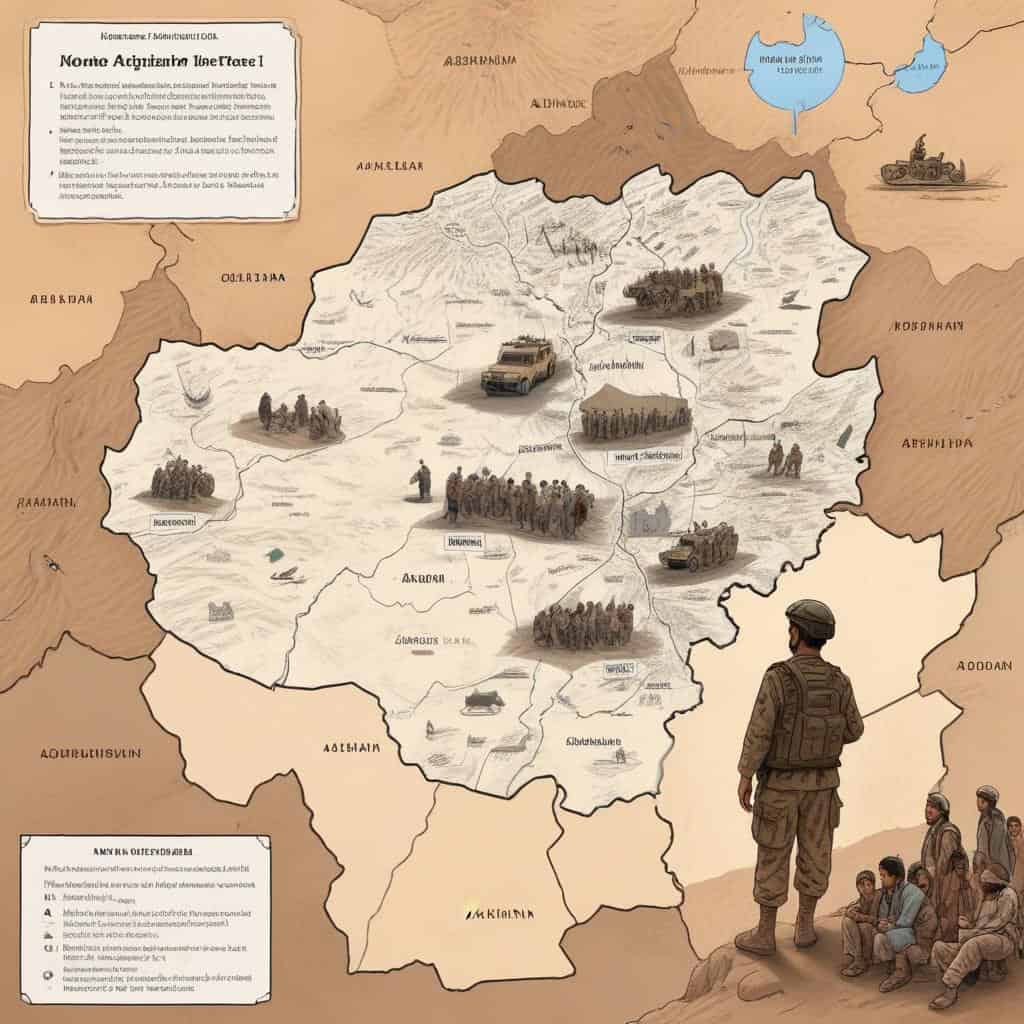
- it is bordered by Pakistan, Iran, Turkmenistan, Uzbekistan, Tajikistan, and China
- the country has a population of over 38 million people
- its official languages are Pashto and Dari
- Afghanistan is known for its rugged mountainous terrain
- it has a rich cultural heritage and is home to various ethnic groups
- the country has a history of conflict and instability, including the Soviet-Afghan War and the ongoing Afghan War
- Afghanistan is famous for its traditional music and dance forms
- the national sport of Afghanistan is Buzkashi, a game played on horseback
- the country is known for its production of opium and is a major exporter of drugs
- Afghanistan has a strategic location as it lies on the ancient Silk Road
- it has a predominantly Muslim population, with Islam being the official religion
- the Afghan cuisine is known for its flavorsome dishes like kabobs and pilaf
- the country has a rich tradition of handicrafts, including carpet weaving and pottery
- Afghanistan is home to several UNESCO World Heritage Sites, such as the Minaret of Jam and the Bamiyan Valley
- the Afghan National Army is the military force responsible for maintaining security in the country
- the economy of Afghanistan is heavily dependent on agriculture, with opium cultivation being a significant source of income
- the education system in Afghanistan has seen significant improvement in recent years, although challenges remain
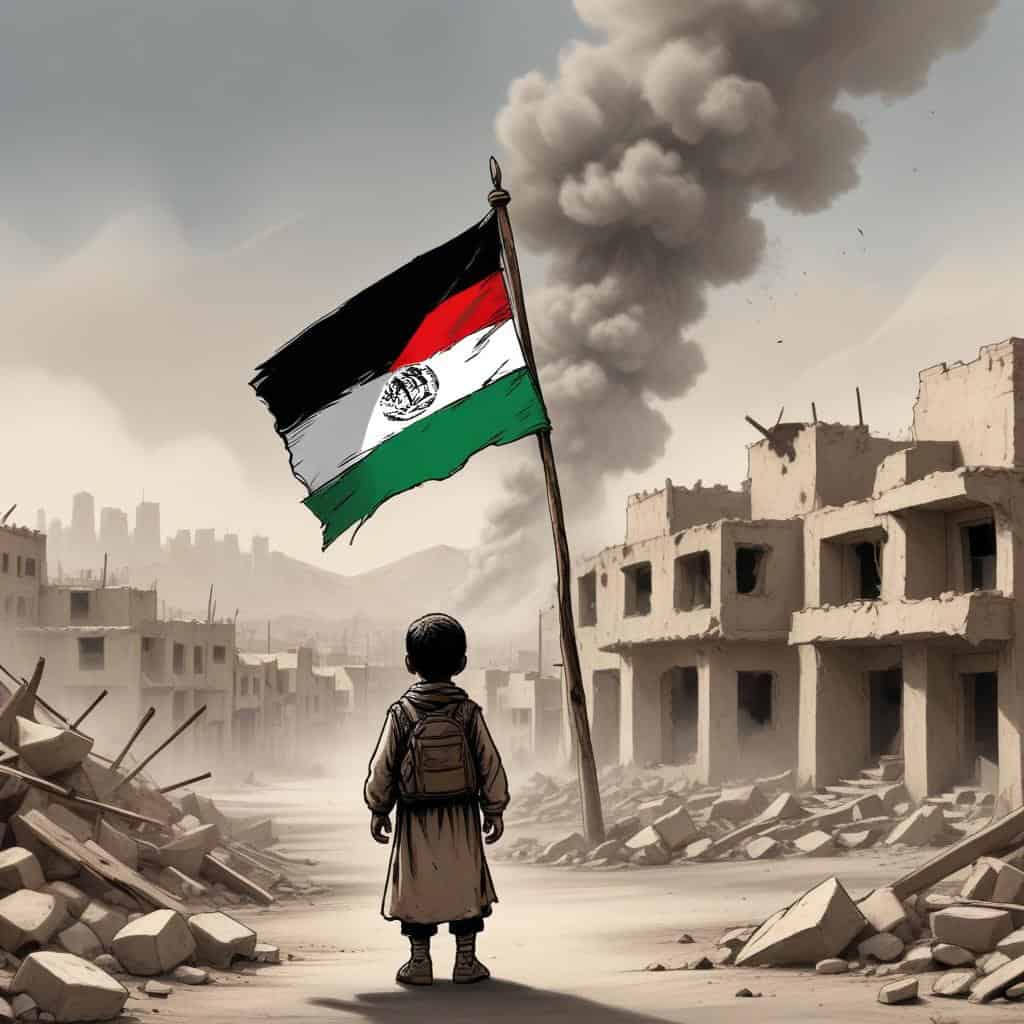
- the Afghan flag features three vertical stripes of black, red, and green with the national emblem in the center
- Afghan women have made significant progress in various fields, including politics, education, and sports.
Why It Matters
Geopolitical Significance
Afghanistan’s strategic location at the crossroads of Central, South, and Southwest Asia has made it a key player in regional power dynamics. Its borders with Iran, Pakistan, China, and the Central Asian countries have significant implications for trade, security, and international relations.
Historical Importance
Afghanistan’s history is marked by its role as a cultural and trade hub along the Silk Road, as well as its resistance to foreign invasions and occupations. The country’s ancient civilizations, such as the Gandhara civilization, and its strategic location have shaped its unique heritage.
Modern-Day Role
In the modern era, Afghanistan continues to be a focal point for global security concerns, particularly in the context of terrorism and regional stability. Its political landscape, economic development, and social dynamics have implications for the broader international community.
A Guide to Afghanistan Games


Take Your Learning Offline
Want a convenient, print-ready study guide for this lesson? Become a Memory Wizards Pro member to unlock the downloadable " Memory Scrolls" for this topic and our entire library!
- ✓ Complete Vocabulary Lists
- ✓ Key Facts & Timelines
- ✓ Beautifully Formatted for Print & Mobile